Leopard Seal
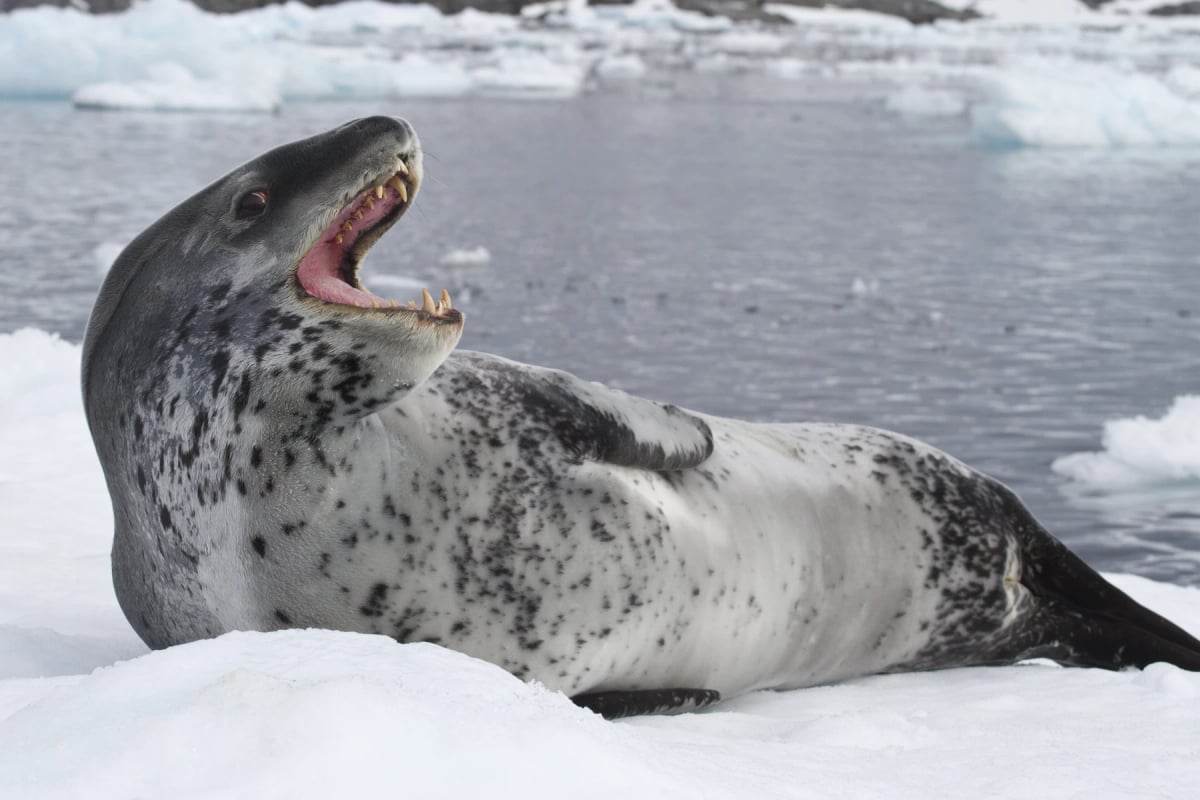
The leopard seal (Hydrurga leptonyx), also called the sea leopard, is one of Antarctica's most formidable predators. Its name comes from the dark spots scattered across its pale gray coat, a pattern that echoes the big cat it is named after. It is the only seal that regularly hunts warm blooded prey, including penguins and other seals, though krill and fish make up much of its diet, especially in young animals. Its teeth are remarkably versatile: the back teeth interlock to strain krill from the water, much like the baleen plates of a whale, while the long front canines are built for gripping larger prey. Females grow larger than males, reaching about 3.5 meters in length and up to 600 kilograms. It lives mostly on the Antarctic pack ice, but in winter it travels north to subantarctic islands, the Falklands, southern Chile and New Zealand, where it is now considered resident. Leopard seals are highly vocal under water, producing long, haunting calls linked to breeding. Listed as Least Concern by the IUCN, the species still faces pressure from the ongoing loss of sea ice.
How big is a leopard seal?
The leopard seal is the second largest seal of the Antarctic, after the southern elephant seal, and one of the few seals in which females are bigger than males. Adults measure about 2.4 to 3.5 meters in length and weigh 200 to 600 kilograms, and females can be up to half as heavy again as males. Pups are born at around 30 kilograms. What makes the leopard seal look so different from other seals is its shape. The body is long and slim, built for speed, with very long front flippers that it uses for powerful strokes, and the neck is flexible. The head is huge and flattened, with a wide mouth that seems to run almost back to the ears, and from some angles it looks more like a reptile than a seal, which is why many people say it looks like a dinosaur. Inside are long canines and three pointed back teeth that lock together like a sieve. The coat is dark gray on the back and paler underneath, with the black spots that gave it its name, especially on the throat and sides.
Where do leopard seals live?
The leopard seal calls the Southern Ocean home and spends most of its life along the shifting edges of the Antarctic pack ice, all around the continent. This frozen fringe is where it rests, gives birth and finds the richest hunting grounds, and the Antarctic Peninsula and the South Shetland Islands are where visitors see it most. In winter, when the ice spreads north, many animals, especially young ones, move to subantarctic islands such as South Georgia, Kerguelen, Heard and Macquarie, and to the Falkland Islands. A few live all year farther north: in Chile there are resident animals at Laguna San Rafael and the Seno Almirantazgo, and New Zealand reclassified the species as resident in 2019, after it was found in every region of the country and pups were born there. Lone wanderers have reached South Africa, mainland Australia, Brazil and even Easter Island. Unlike many Antarctic seals, leopard seals never form colonies. They spread out across vast stretches of ice and open water, often near penguin rookeries and other seal haul out sites.
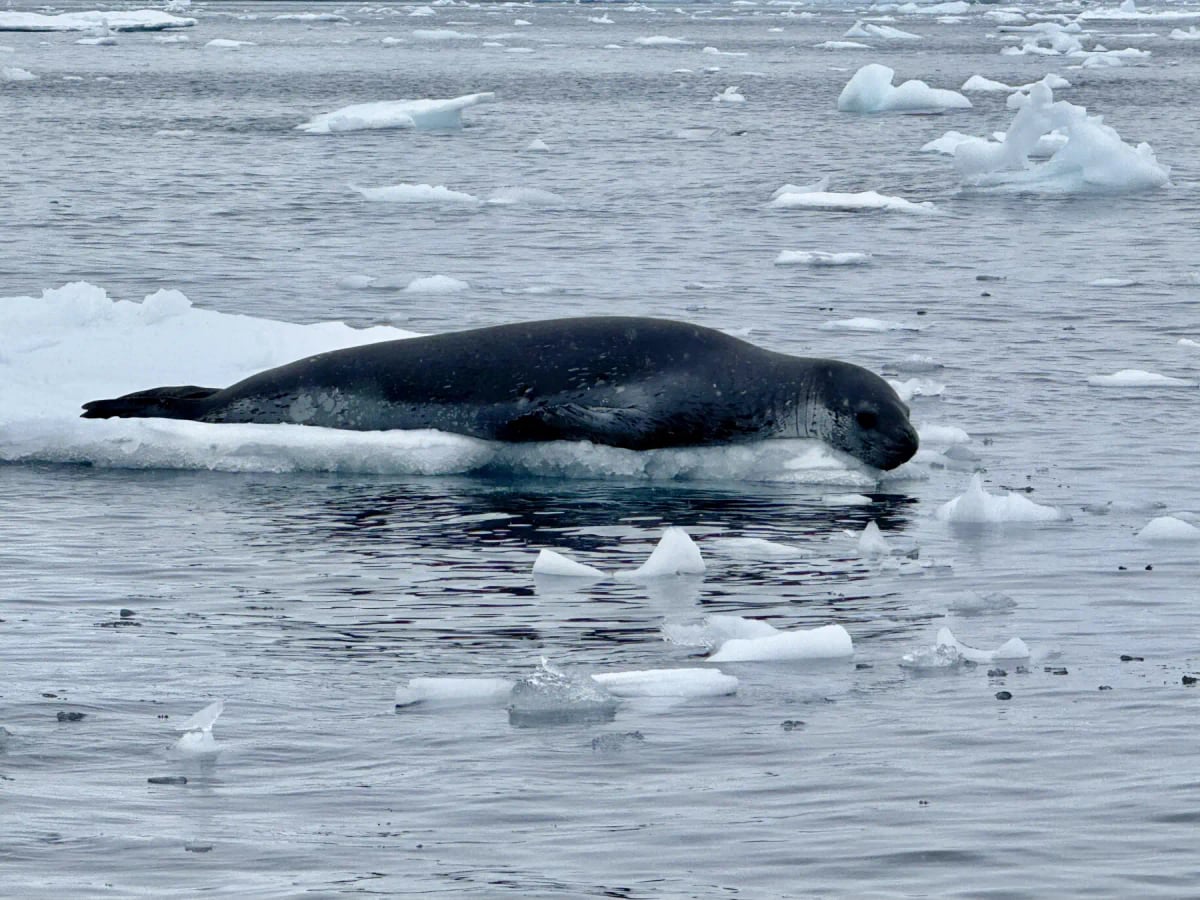
What do leopard seals eat? Krill, fish and penguins
Few predators in the Southern Ocean match the leopard seal for variety at the table. Krill and fish are an important part of its diet, especially for young seals. To catch krill, it uses its interlocking back teeth as a sieve, taking in mouthfuls of water and pushing it back out while the tiny crustaceans stay trapped inside, the same principle used by baleen whales. Penguins are its most famous prey. A leopard seal patrols the ice edge or waits just below the surface near a colony, then grabs a penguin by the feet as it enters or leaves the water, and shakes and beats it against the surface to tear it apart. Adélie, chinstrap, gentoo and king penguins are all taken, and around some colonies a few individual seals specialize in them. Pups of other seals, especially crabeater seals and Antarctic fur seals, are taken during the pupping season, and adult Weddell seals have been recorded as prey on occasion. It also eats squid and seabirds.
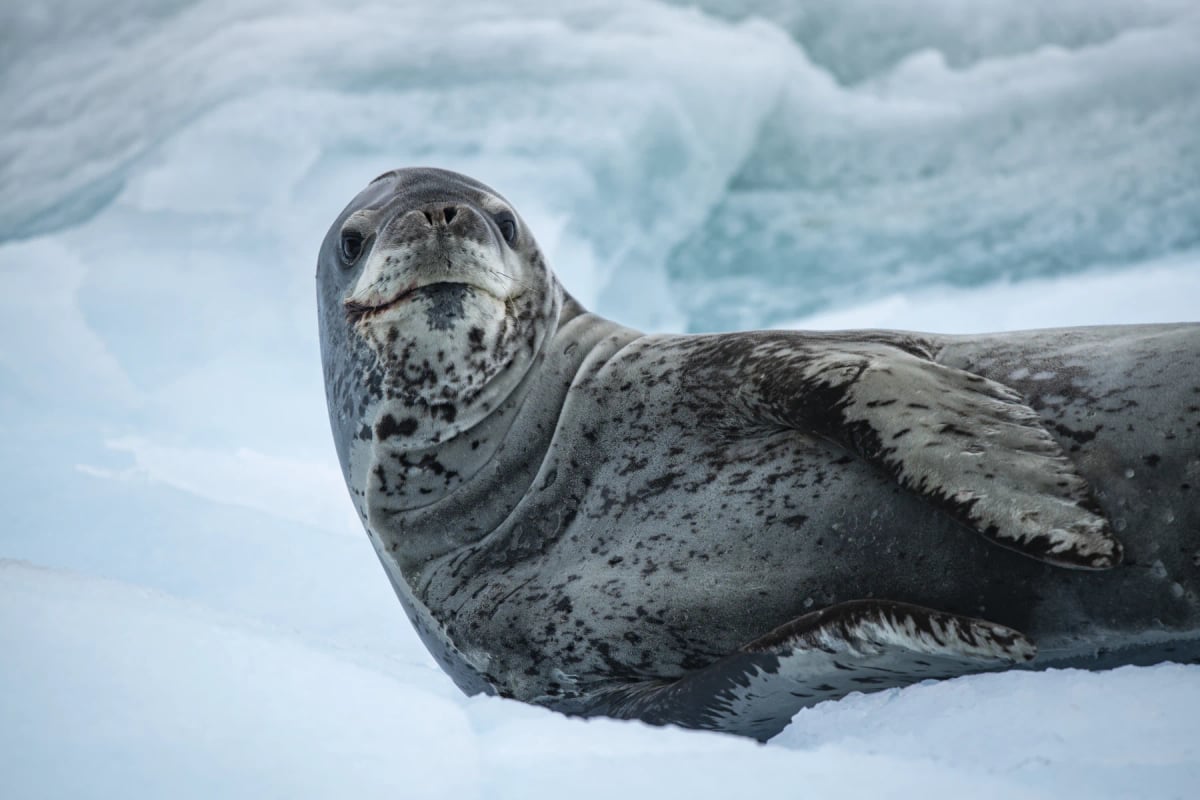
Behavior and underwater songs
Solitary by nature, the leopard seal spends its days alternating between long rest periods on ice floes and bursts of intense activity in the water. It is an ambush predator at heart, relying on stealth and sudden acceleration rather than a prolonged chase. Near penguin colonies, it often waits just below the surface at the water's edge, then lunges the moment a bird enters the sea. On the ice, the animal can appear almost lethargic, but it moves with surprising speed when motivated. One of the most striking aspects of leopard seal behavior is its vocal life. Males produce long, repetitive calls beneath the ice throughout the summer months. These songs can last for hours and are thought to serve a role in attracting mates, though research into their full function is still ongoing.
Are leopard seals dangerous?
Leopard seals have a scary reputation, and part of it is earned: they are large, fast and curious predators with powerful jaws, and they do not fear people in the water. Encounters are uncommon simply because so few humans enter Antarctic waters, but they can be serious. In 2003, British marine biologist Kirsty Brown was snorkeling near Rothera Research Station when a leopard seal held her underwater for around six minutes, as deep as 70 meters. It was the first and so far only recorded human death caused by the species. There have also been attacks on divers and on small inflatable boats, whose pontoons the seals sometimes bite. Other meetings are surprisingly gentle. The best known is that of National Geographic photographer Paul Nicklen, who spent four days in the water with a large female in Antarctica. She brought him live, injured and then dead penguins, as if trying to feed him or teach him to hunt, and his photos went around the world. Scientists and expedition guides keep a good distance, never swim near a leopard seal and pull swimmers and divers out of the water when one appears. On land they look clumsy, but in the water they are fast, powerful and unpredictable.
How many leopard seals are there?
The IUCN lists the leopard seal as Least Concern, in its 2015 assessment, and the global population is thought to number somewhere between 220,000 and 440,000 animals. Counting them is genuinely difficult: they live alone, spread over millions of square kilometers of moving ice, and a 2012 survey that found about 35,000 is considered a large underestimate. The species is protected under the Convention for the Conservation of Antarctic Seals, which has been in place since 1972. Despite its stable status, the leopard seal is not without pressures. Climate change is reducing the extent and duration of Antarctic sea ice, and this matters because the ice supports the krill populations that form the base of the seal's diet. A sustained decline in krill would ripple through the entire food web. Monitoring efforts by researchers across multiple nations continue to track population trends and improve understanding of how this remarkable predator may respond to a warming Southern Ocean.
Where it is found
The Leopard Seal can be found in places such as:
Researched and written by Juan Pablo. Sources: IUCN Red List, scientific literature and regional field guides. Last updated: .
Technical factsheet

Frequently Asked Questions
Is a sea leopard the same as a leopard seal?
Yes. Sea leopard is another common name for the leopard seal, Hydrurga leptonyx, and in Spanish the animal is called both foca leopardo and leopardo marino. All these names refer to the same species, the only member of its genus. It should not be confused with the leopard shark, a small spotted shark from California, or with the many spotted seals of the Northern Hemisphere.
Why do leopard seals look like dinosaurs?
Mostly because of the head. A leopard seal has a long, flattened, almost reptilian head, a huge gape that seems to reach back to the ears and a long, flexible neck, so when it lifts its head out of the water it can look like a creature from prehistoric times. It is not related to dinosaurs at all, though: it is a true seal, a mammal, whose closest relatives are other Antarctic seals such as the crabeater, Weddell and Ross seals.
What eats leopard seals?
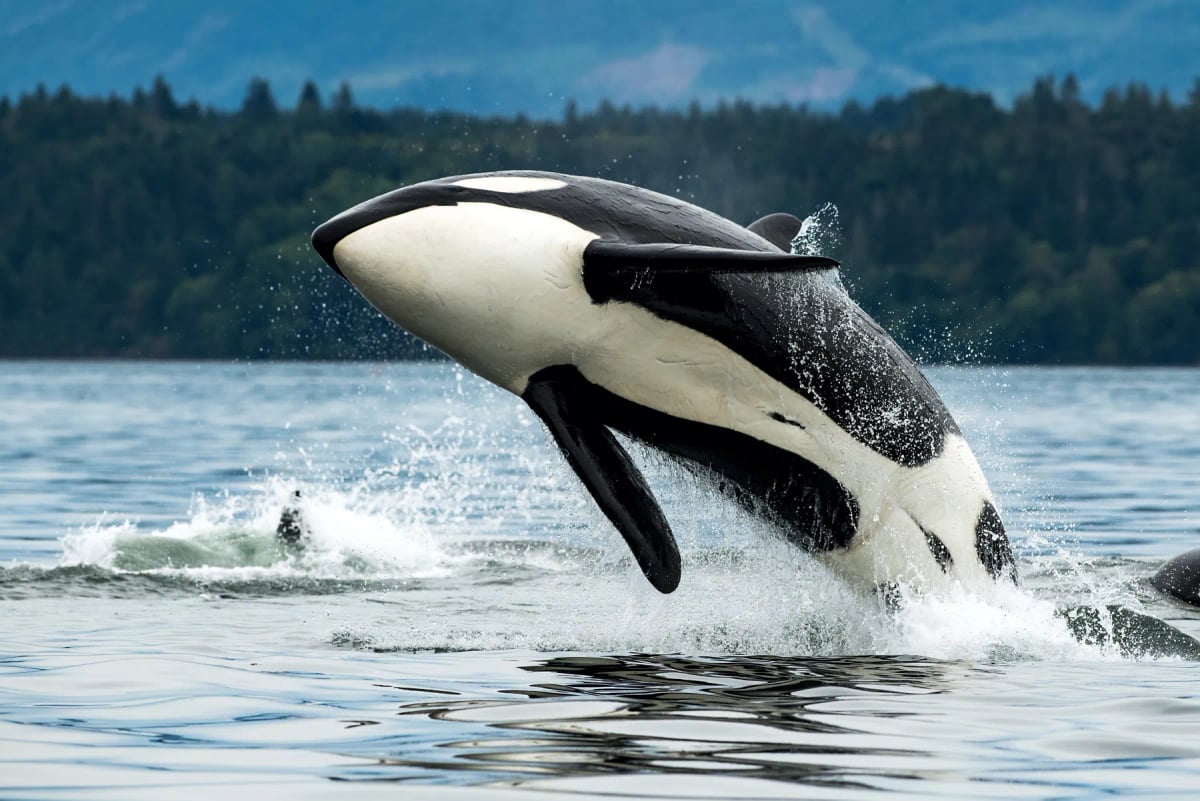
Adult leopard seals have only one natural predator: the orca. Some orca groups in Antarctica hunt seals by working together to wash them off ice floes with waves, and leopard seals can be among their prey. Apart from that, a grown leopard seal sits at the top of the food chain, and the main dangers for young animals are starvation and the harsh conditions of their first winter.
Where are leopard seal pups born?
Leopard seal pups are born on floating pack ice around Antarctica, during the southern summer, in November and December, and weigh about 30 kilograms at birth. Each female has a single pup and nurses it for about four weeks, alone on an ice floe, far from other seals. Mating happens in the water shortly afterward. Because births take place on remote, moving ice, very few people have ever seen one, and a few pups born in New Zealand have given scientists rare chances to study them.
Do leopard seals live in the Arctic?
No. Leopard seals live only in the Southern Hemisphere, around Antarctica and on subantarctic islands, with some animals reaching southern Chile, the Falklands, New Zealand and Australia. There are no leopard seals in the Arctic. The seals of the far north are other species, such as the ringed, bearded, harp and hooded seals, and the top predator on the Arctic ice is the polar bear, which in turn never lives in Antarctica.
Why is it called a leopard seal?
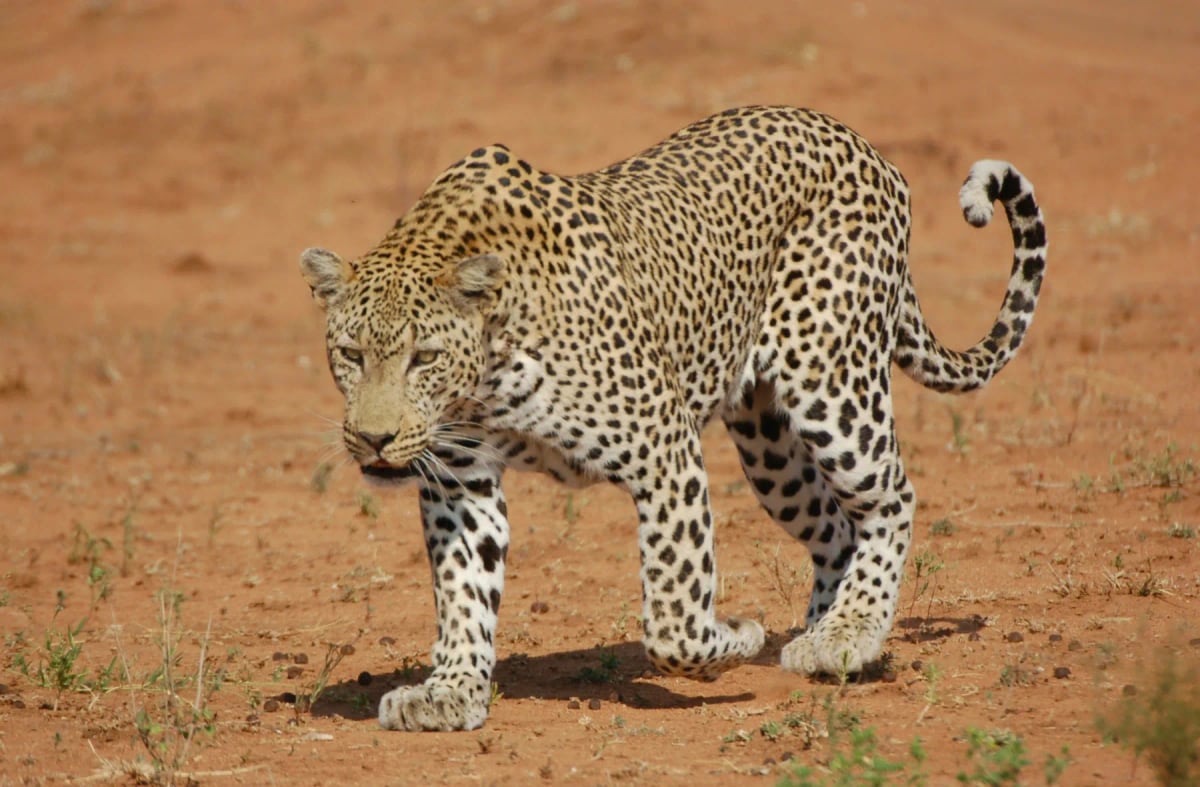
The name comes from the pattern of dark spots scattered across its pale grey coat, which closely resembles the markings of a leopard. Like the big cat it is named after, this seal is also a powerful, stealthy predator at the top of its food chain. The scientific name, Hydrurga leptonyx, translates roughly as slender clawed water worker, referring to its relatively small claws compared to its overall size. It is the only member of the genus Hydrurga.