Animals in Vietnam
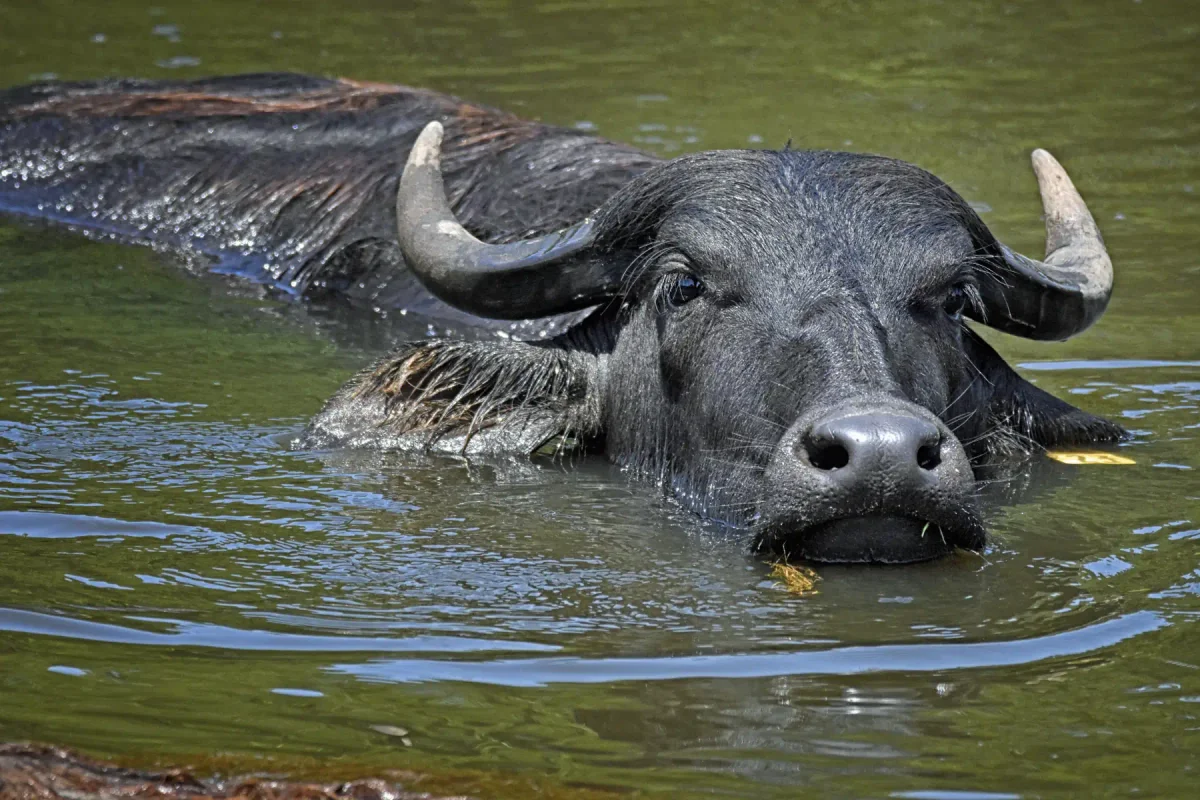
Water Buffalo
Bubalus arnee
The water buffalo is a well known rural symbol in Vietnam. It works in rice fields, pulls carts and appears in village stories and art. During local festivals people decorate buffalo figures or images as a sign of strength and patience. For many families this calm animal links daily farm work with tradition and childhood memories.
View details→Wildlife in Vietnam
In Vietnam long coasts and river deltas meet green hills and farms. Visitors walk in national parks on marked paths, join boat trips in bays and wide rivers, and watch birds near lakes and rice fields. Simple viewpoints close to towns help people see asian elephants, macaques and water birds without entering deep forest.
Most Dangerous Animals in Vietnam
In Vietnam some mammals and reptiles can be risky when people enter dense forest or quiet coast. Asiatic black bears, wild boar, asian elephant and gaur may charge if they feel trapped or if young are close. Reticulated python, king cobra, monitor lizard and sea snake add hidden danger. At sea, orca and large sharks hunt powerfully but usually stay far from busy beaches, and most wildlife encounters remain brief or distant.
Top 10 Animals in Vietnam
The top 10 list for Vietnam joins asian elephant, reticulated python, peregrine falcon, great white shark and the popular clownfish. Elephants draw attention in forest reserves and farm edges. Pythons and falcons are harder to see and often appear at dawn. Offshore reefs and islands give chances to spot sharks and bright reef fish.
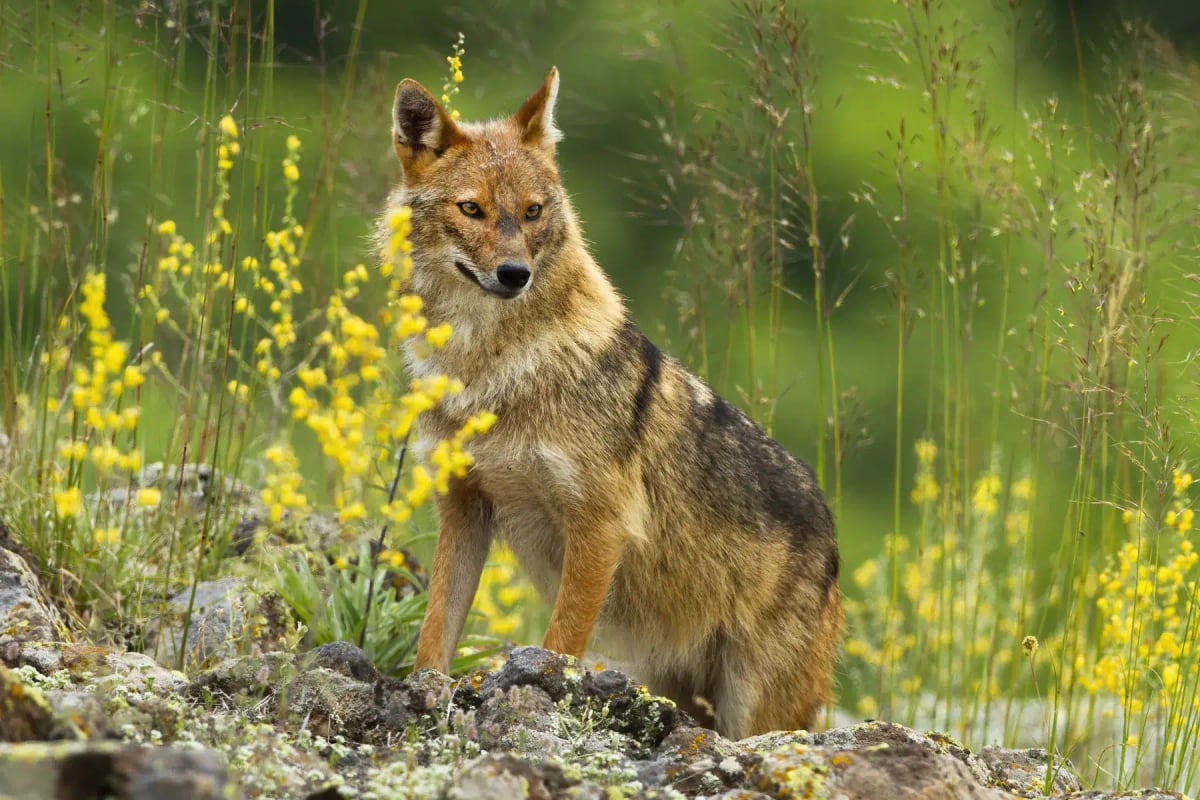
Golden Jackal
Canis aureus
In Vietnam, the golden jackal occurs in scattered areas of scrubland, open woodland, and agricultural margins, particularly in the central and northern parts of the country. It is less commonly recorded here than in South or Southeast Asia more broadly, and detailed population data for Vietnam remain limited. Like elsewhere, it is an opportunistic feeder at home in landscapes shaped by human activity. IUCN status: Least Concern.
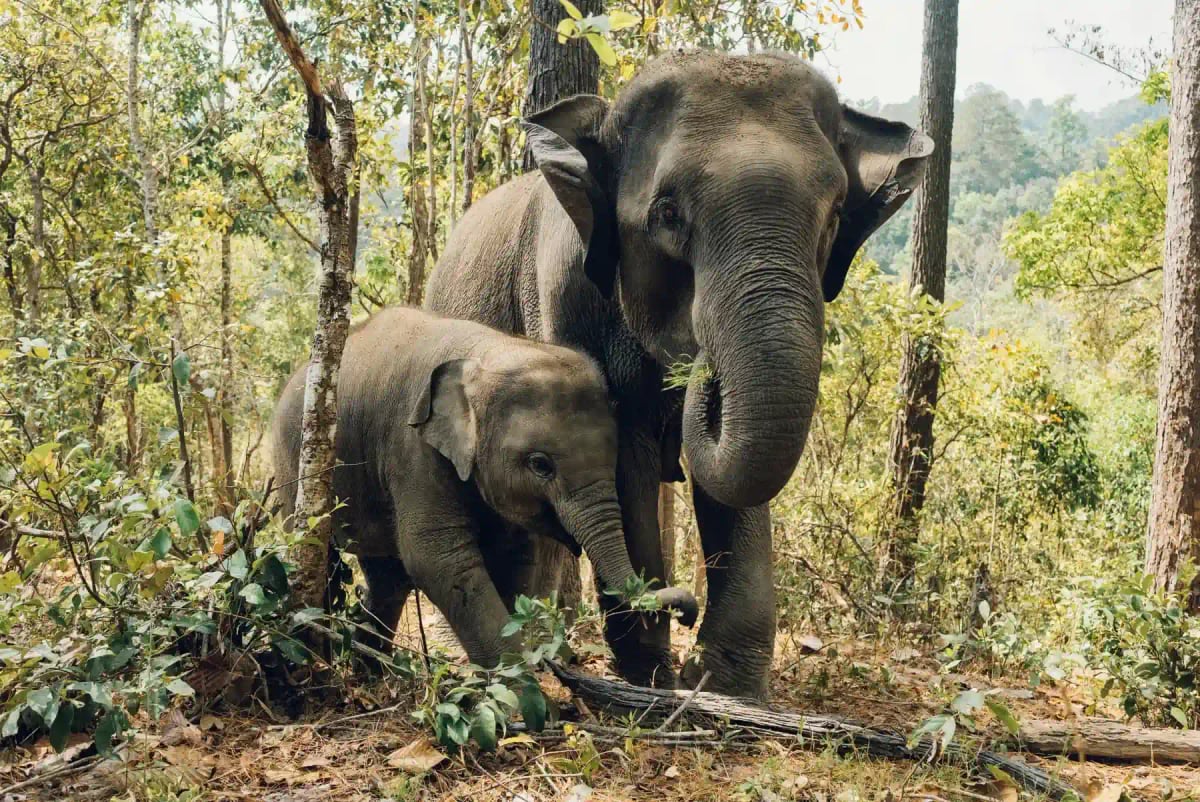
Asian Elephant
Elephas maximus
Vietnam's wild Asian elephant population has declined sharply and is now estimated at fewer than 100 individuals, making it one of the most critical situations in the species' range. The main remaining populations are found in Yok Don National Park in the Central Highlands and in some forests of Nghe An province. Habitat loss from agricultural expansion and infrastructure development has fragmented their range, and conflict with farming communities is frequent. The species faces a genuine risk of local extinction without urgent intervention.
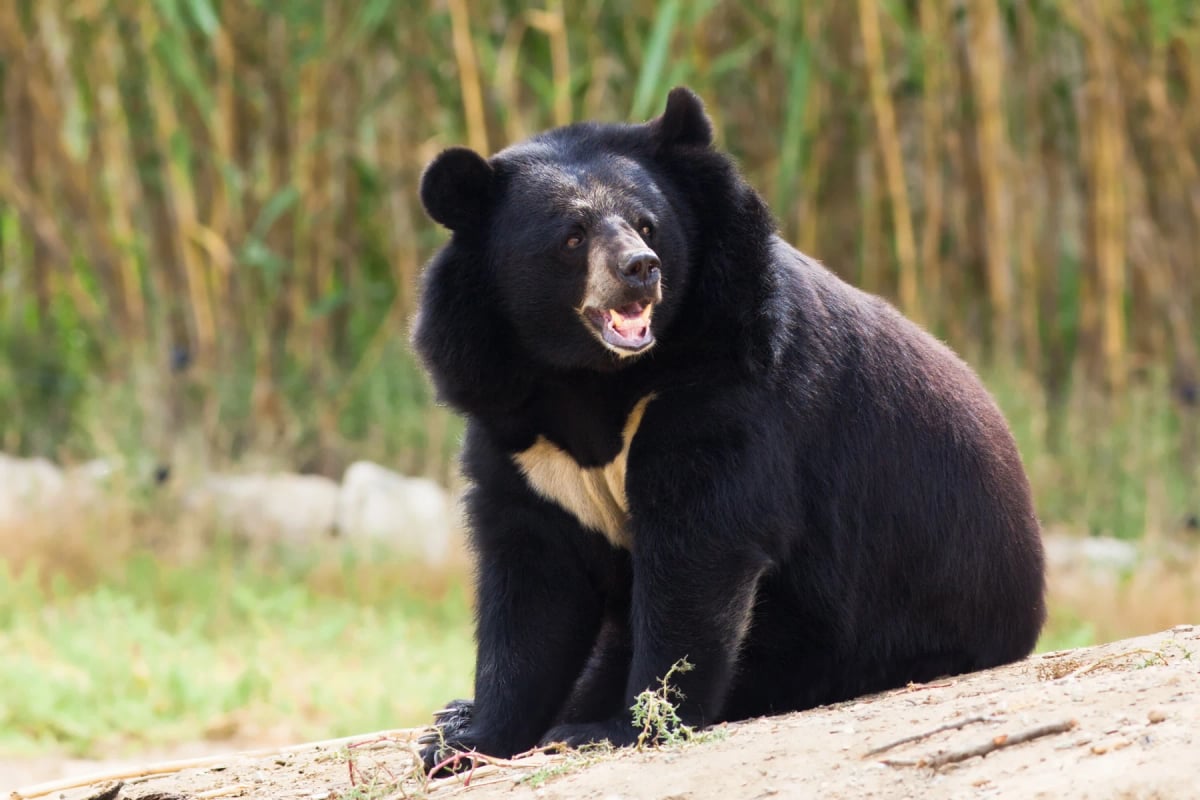
Asiatic Black Bear
Ursus thibetanus
The Asiatic black bear is present in forested areas across much of Vietnam, from the northern highlands near the Chinese border to the forests of the Central Highlands. It shares its range with the sun bear in several regions. Both species are heavily targeted by poaching for the bile trade, and Vietnam has a significant bear bile farming industry that has drawn international attention and criticism. Habitat loss from deforestation and agricultural expansion continues to reduce available territory for wild populations across the country.
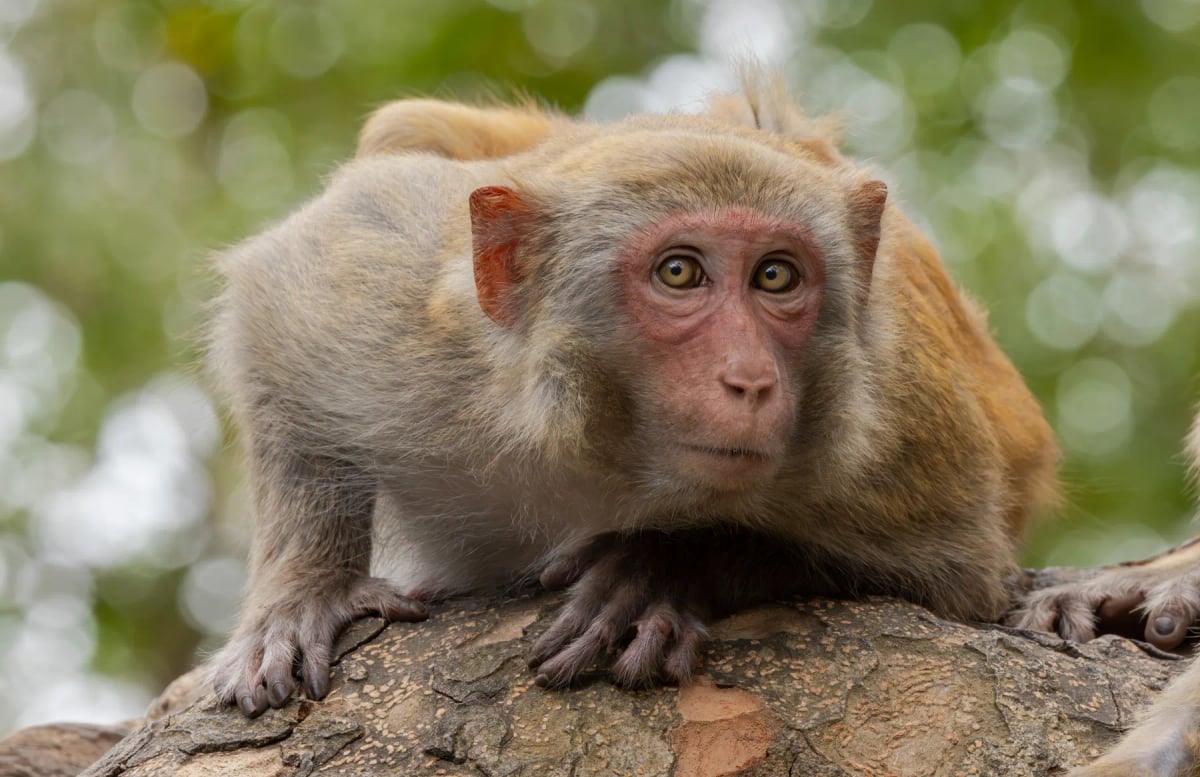
Macaque
Macaca spp.
Vietnam is home to several macaque species, including the rhesus macaque, the crab-eating macaque, and the stump-tailed macaque. They inhabit tropical forests, limestone karst areas, and river valleys from north to south. Some populations live near pagodas and are considered sacred by local communities. Hunting and the loss of forest cover remain serious threats, and several species in Vietnam are considered threatened at the national level.
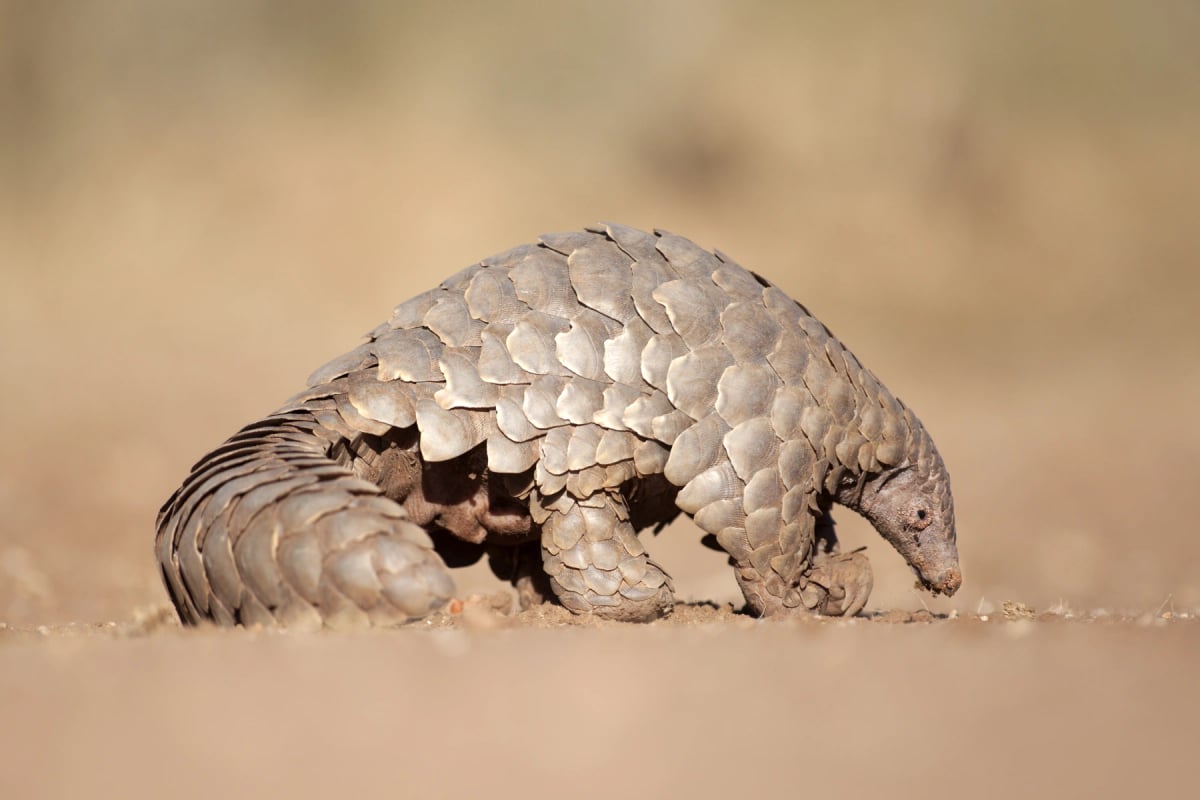
Pangolin
Manis spp.
Both the Chinese pangolin (Manis pentadactyla) and the Sunda pangolin (Manis javanica) are found in Vietnam, in forests stretching from the northern highlands down to the Mekong Delta region. Vietnam has historically been both a consumer and a transit point for pangolin trafficking across Southeast Asia. Despite a legal ban on trade, enforcement gaps persist. Rescue centers across the country work to rehabilitate seized pangolins and return them to protected forest areas.
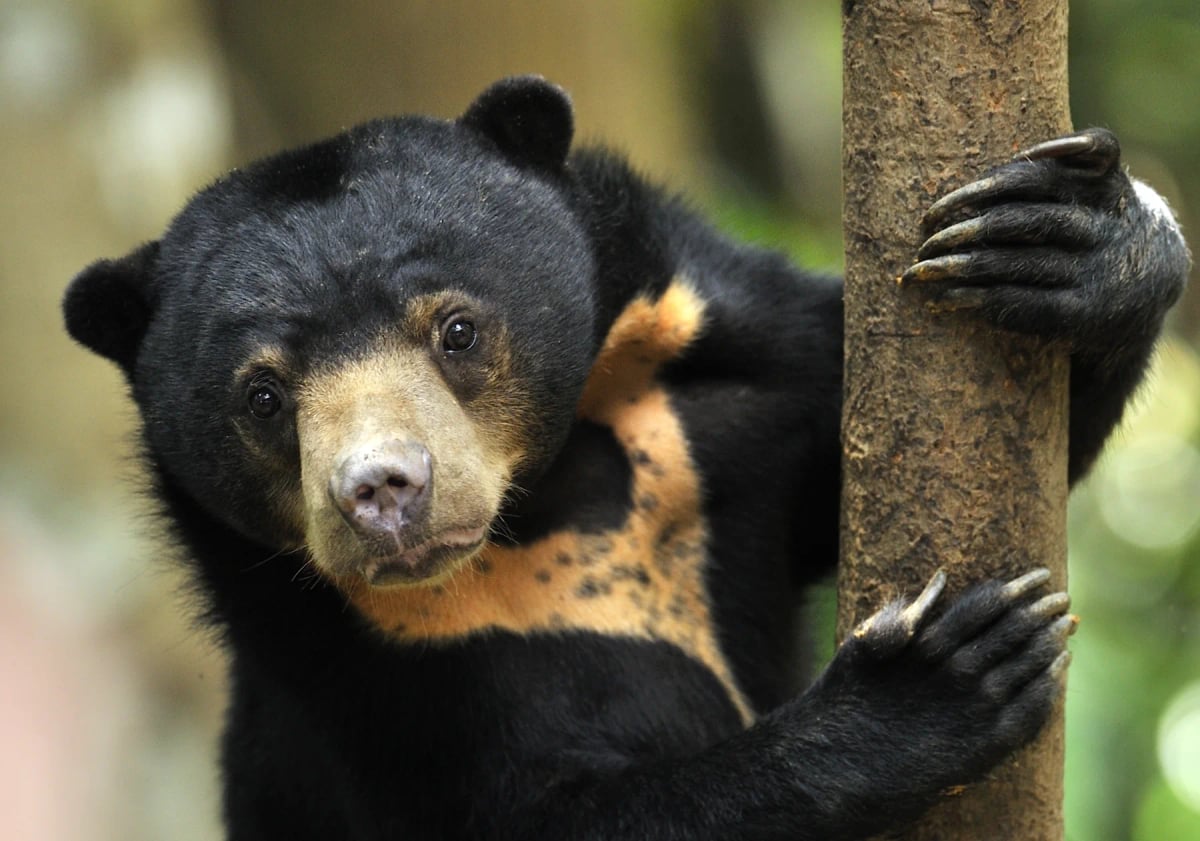
Sun Bear
Helarctos malayanus
In Vietnam, the sun bear is found in forested areas across the country, though its numbers have dropped sharply due to hunting and habitat loss. It is the world's smallest bear, with a glossy black coat and a pale chest patch unique to each individual. The demand for bear bile has historically driven intense poaching in Vietnam. Rescue centers and legal protections are now working to secure a future for this Vulnerable species.
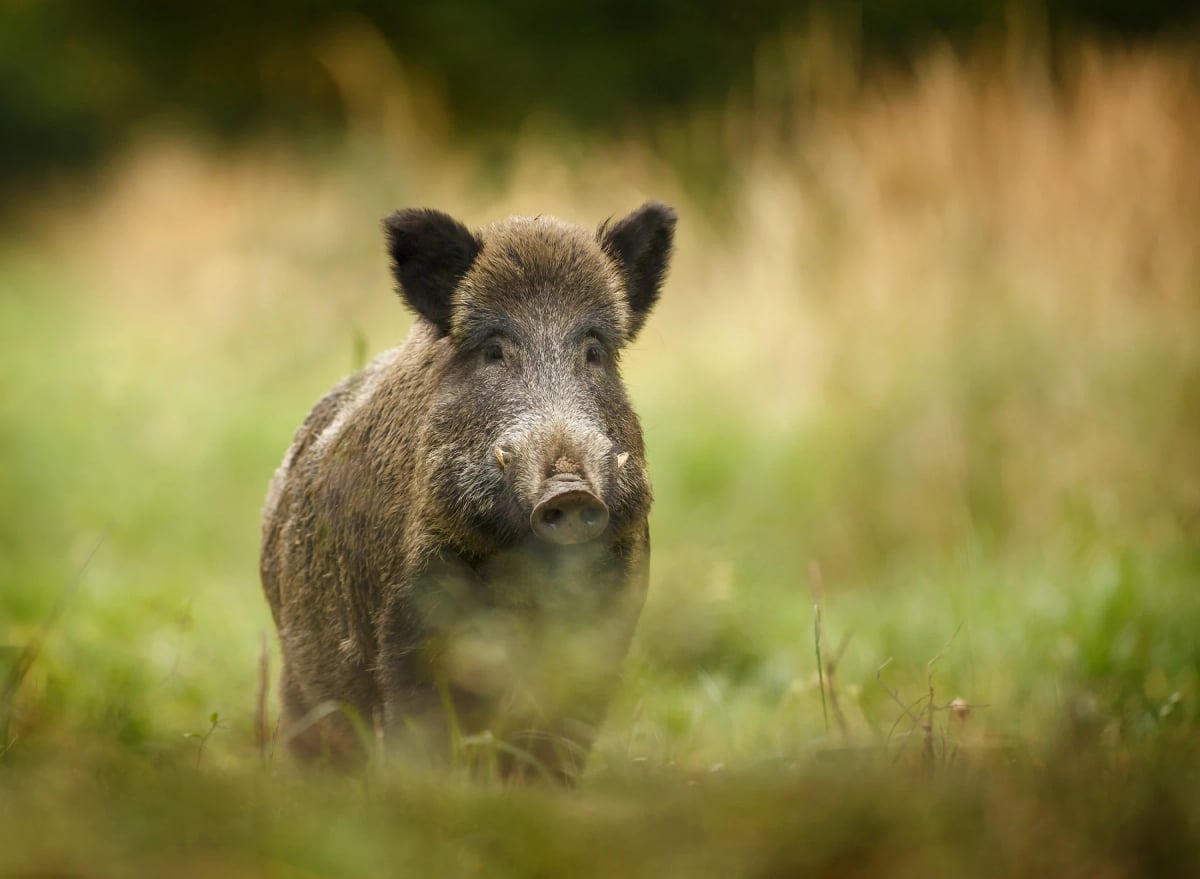
Wild Boar
Sus scrofa
Wild boars are widespread across Vietnam's forests, from the northern highlands to the central mountains and southern lowlands. Because pork is widely eaten in the country, wild boar hunting has long been a traditional source of food for many rural and ethnic minority communities. They also remain prey for the country's remaining forest predators and frequently raid crops near farmland on forest edges.
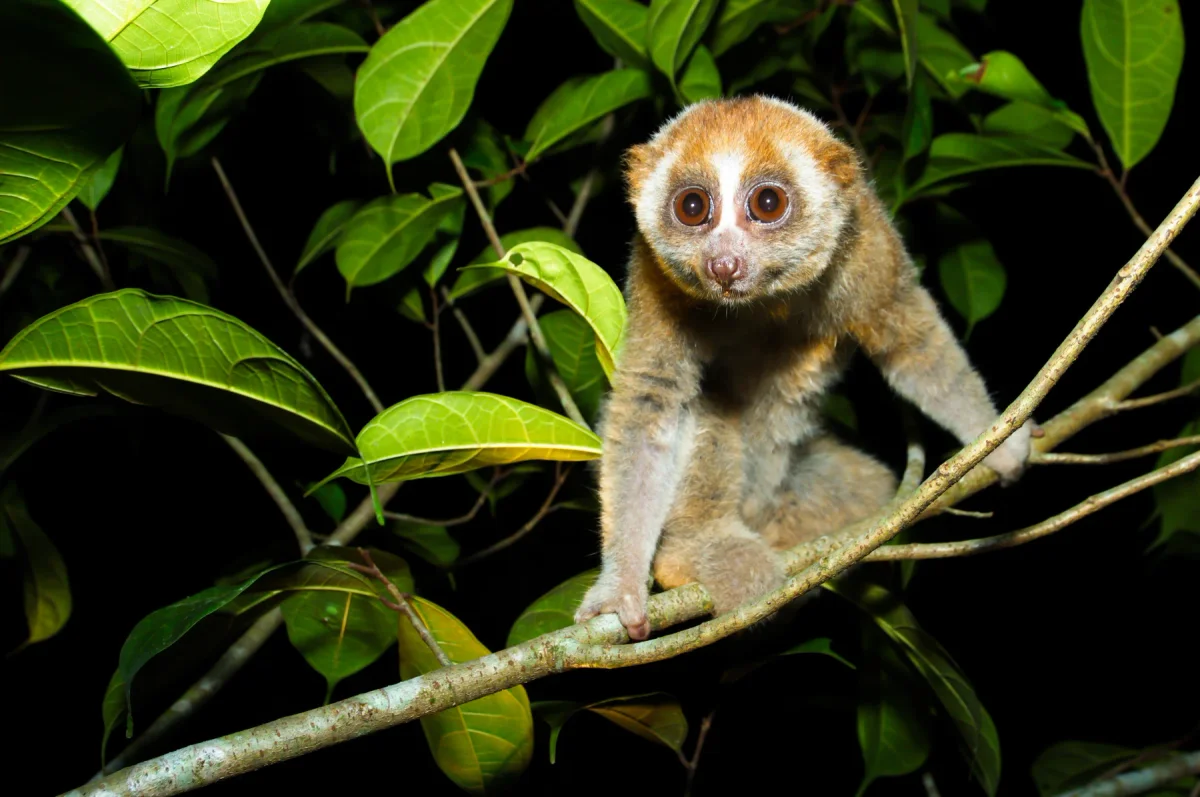
Bengal Slow Loris
Nycticebus bengalensis
In Vietnam, the Bengal slow loris is recorded in forested regions across the north and center of the country, including areas bordering Laos. It relies on intact forest canopy and is highly vulnerable to the illegal wildlife trade, which is widespread in Vietnam. Its distinctive large eyes and slow movements make it a frequent target for traffickers. The IUCN classifies it as Vulnerable.
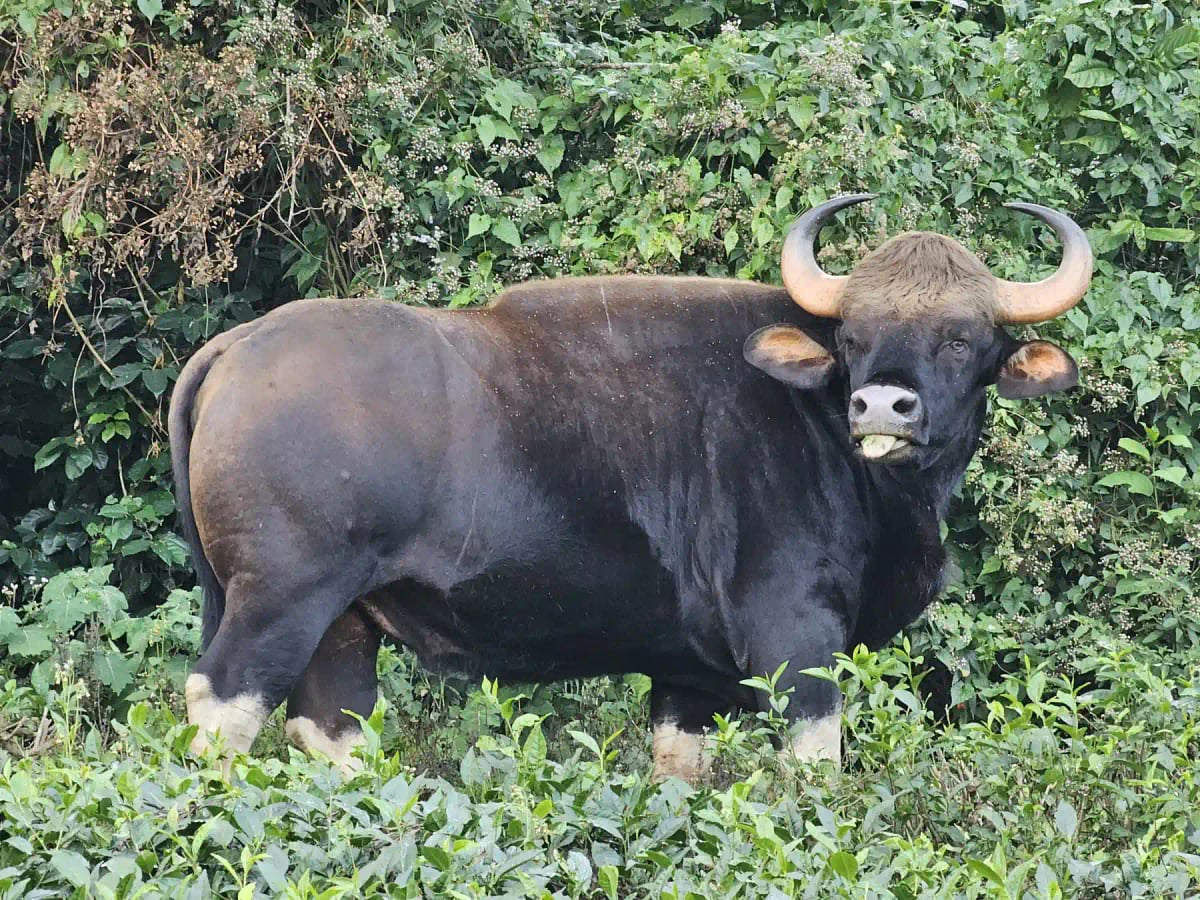
Gaur
Bos gaurus
Vietnam's gaur population is concentrated in the Central Highlands and in protected areas such as Cat Tien National Park and Yok Don National Park. Numbers have declined steeply due to decades of hunting and forest clearance. Conservation efforts are ongoing, with rangers and researchers working to monitor herds and reduce poaching. The gaur is one of Vietnam's most threatened large mammals.
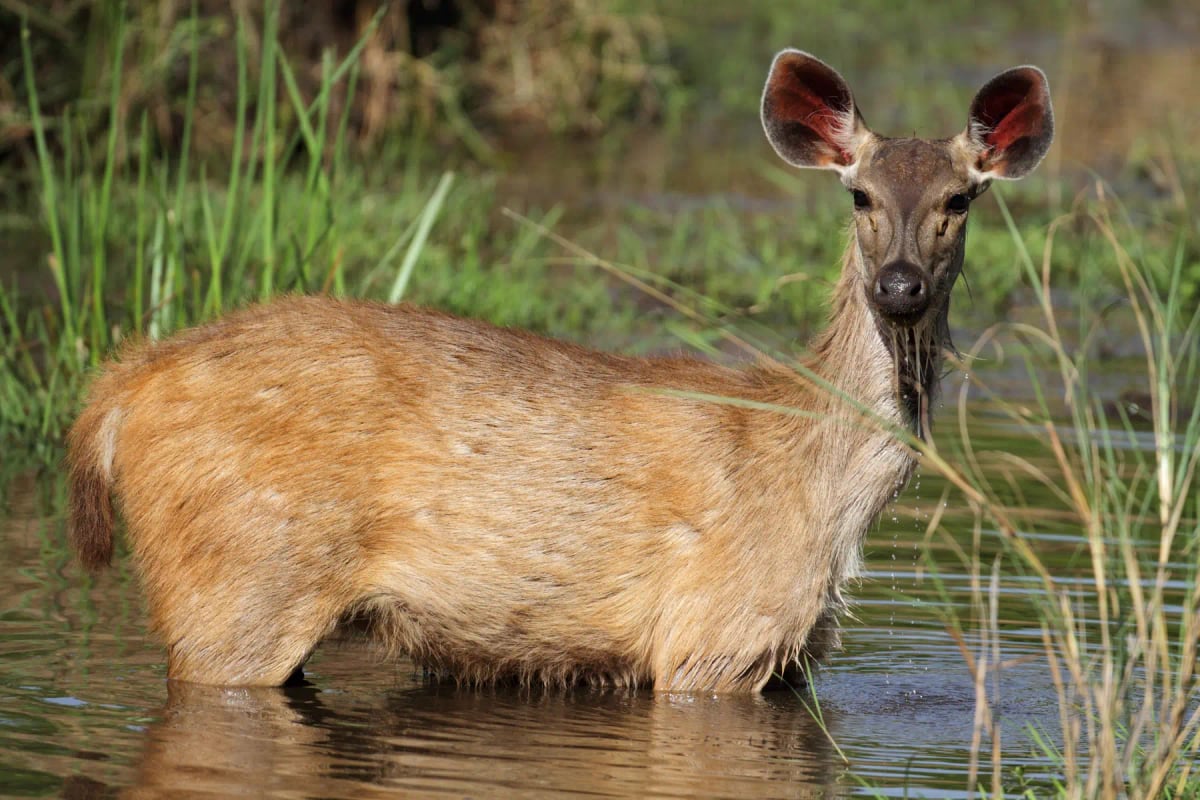
Sambar Deer
Rusa unicolor
In Vietnam, the sambar deer inhabits tropical forests and wooded hills, including protected areas in the central highlands and the north. Populations have declined sharply due to decades of intense hunting and widespread forest loss. It remains one of the most targeted large mammals in the region's illegal wildlife trade. The IUCN lists the sambar as Vulnerable, and conservation efforts in several reserves aim to stabilize remaining numbers.
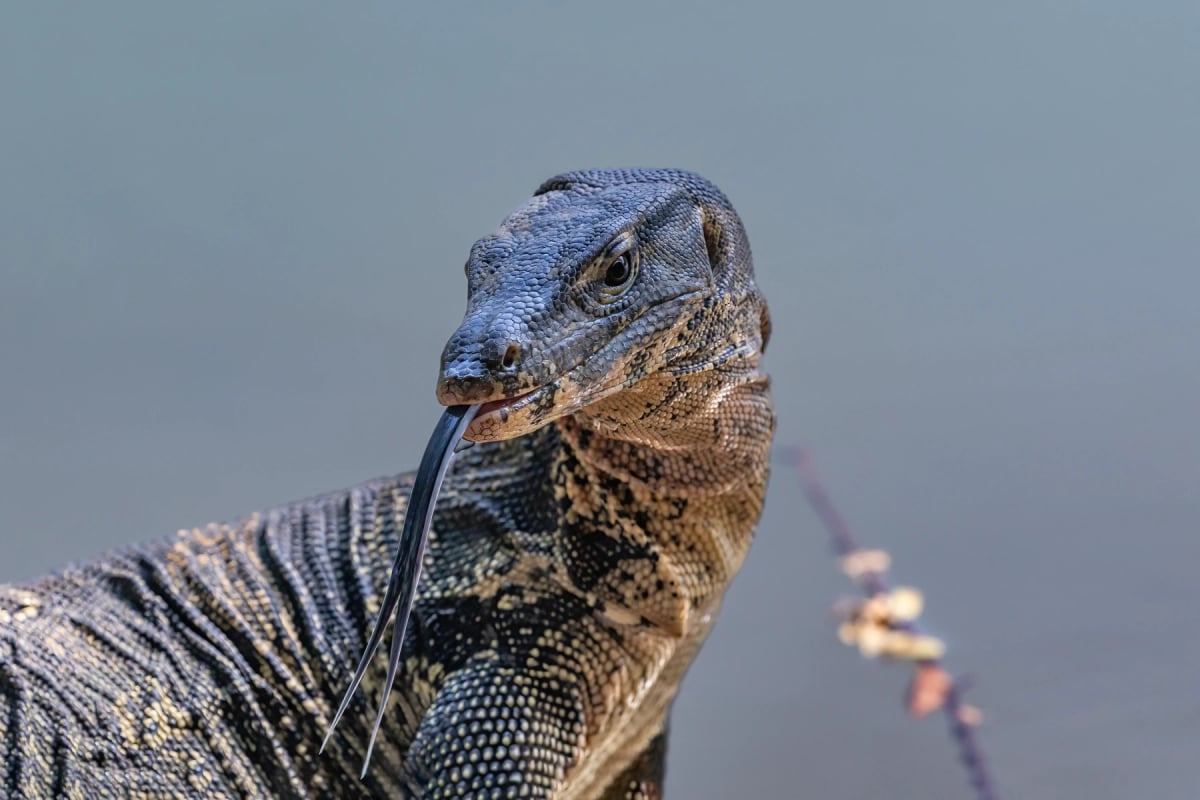
Monitor Lizard
Varanus salvator
The Asian water monitor is widespread in Vietnam, and the Mekong Delta in the south offers some of its richest habitat. It adapts well to rice paddies, rivers, tidal channels and mangrove edges. It is also found across central and northern Vietnam near permanent water bodies. In some rural areas it is hunted for meat and traditional medicine, which puts pressure on local populations.
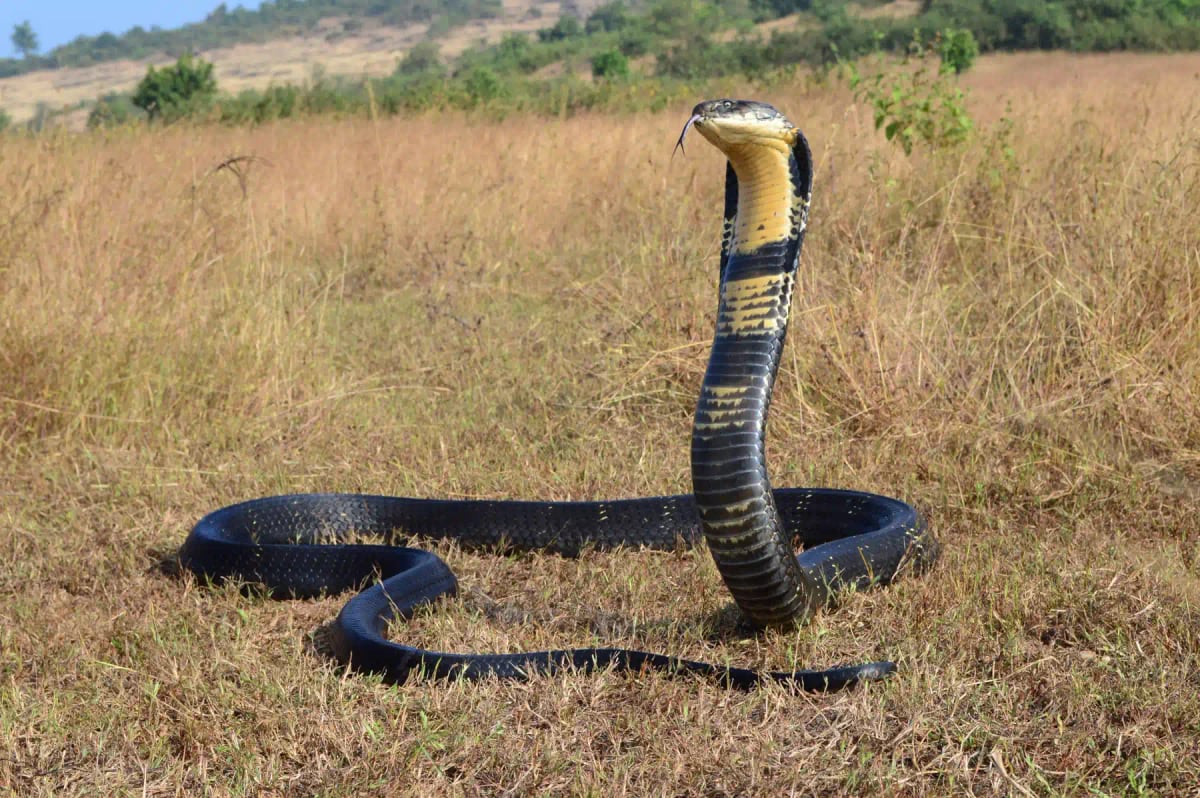
King Cobra
Ophiophagus hannah
Vietnam sits within the core range of the king cobra, with populations distributed across the country's remaining forests from the northern highlands to the Mekong Delta. The species is under considerable pressure in Vietnam, where it is widely hunted for traditional medicine, food and the live animal trade. It remains present in protected areas such as Cuc Phuong and Cat Tien national parks, but numbers have declined significantly due to hunting and the loss of lowland forest.
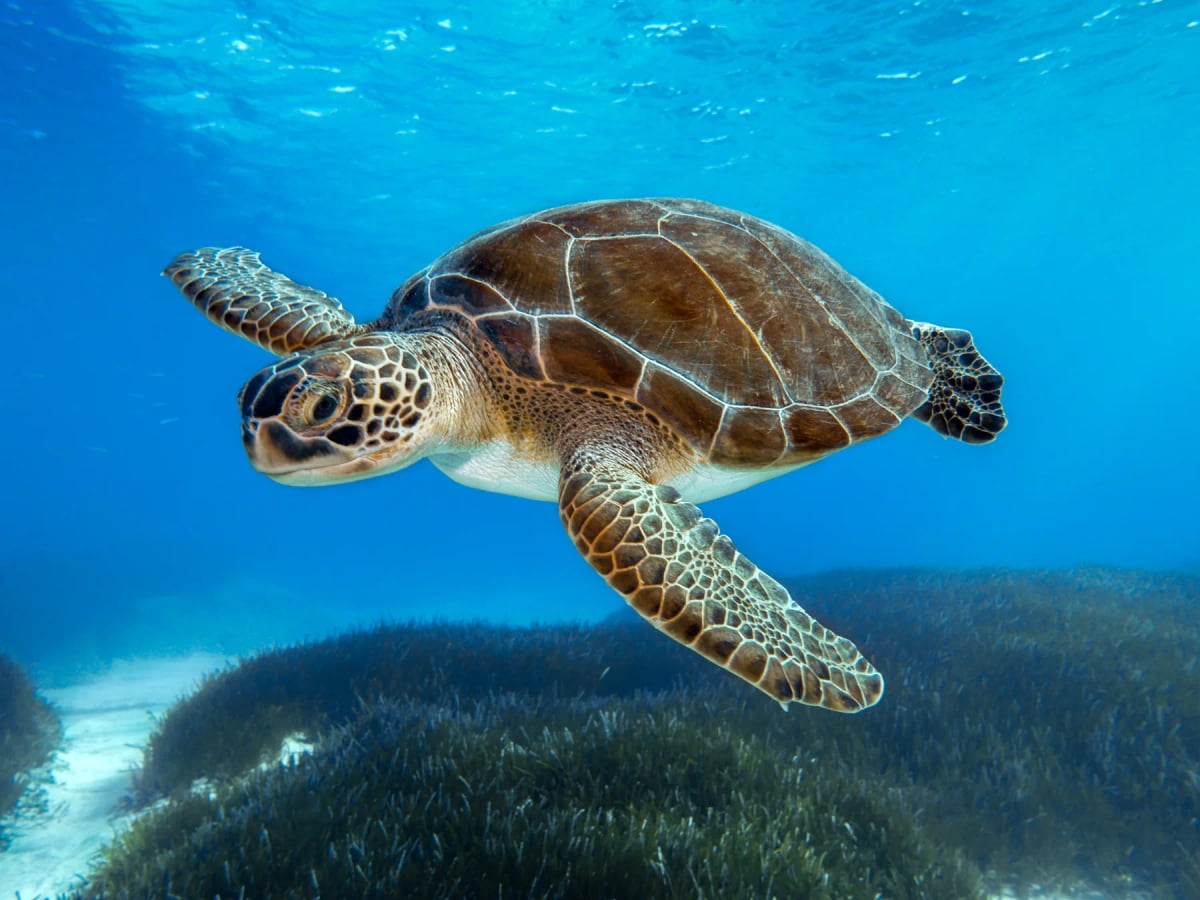
Sea Turtle
Cheloniidae & Dermochelyidae (families)
Vietnam's long coastline along the South China Sea and the Gulf of Thailand supports nesting and foraging populations of green and hawksbill sea turtles. Con Dao Islands National Park, off the southern coast, is the most significant sea turtle site in the country and one of the most important green turtle nesting areas in Southeast Asia. Hawksbill turtles also nest on Con Dao and on beaches in the central coast region. Vietnam has strengthened legal protections for sea turtles and Con Dao is strictly managed to limit disturbance during the nesting season.
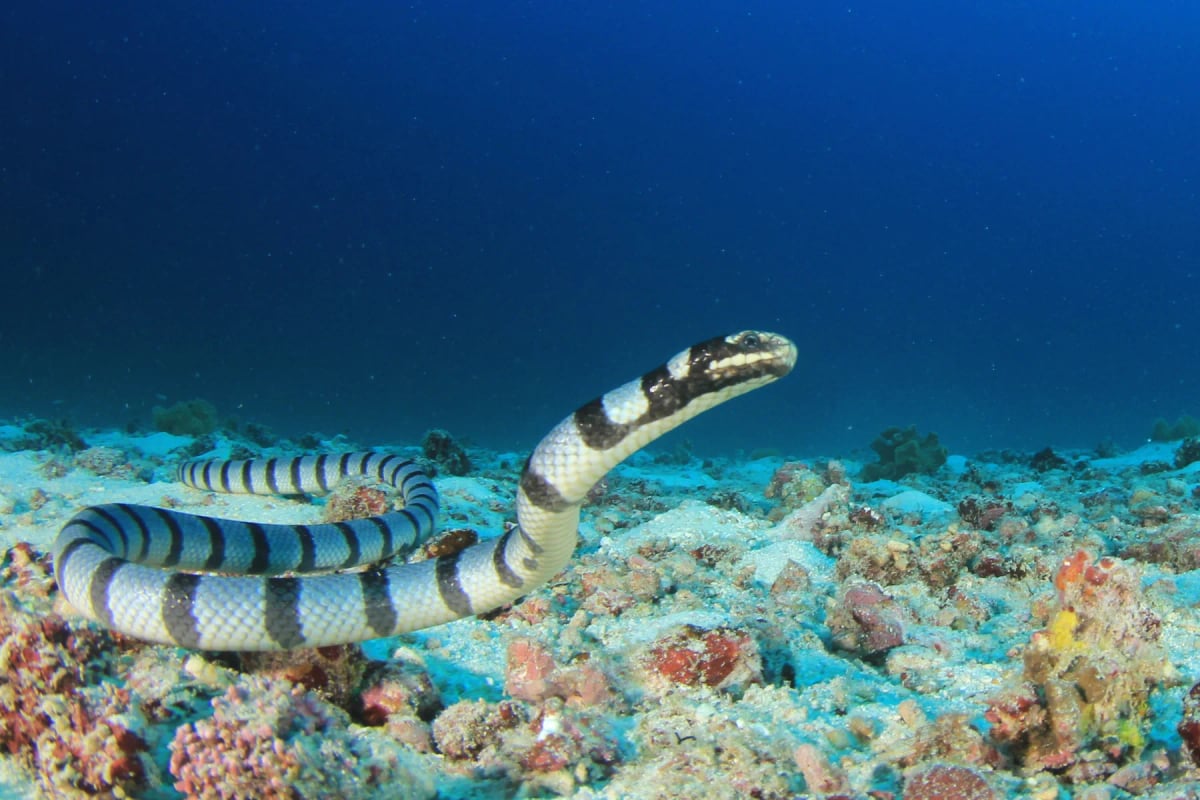
Sea Snake
Hydrophiinae / Laticauda spp.
Vietnam's long coastline, island chains, and shallow reefs provide rich habitat for sea snakes across the South China Sea. Species of both true sea snakes and sea kraits are recorded in Vietnamese waters. Intensive fishing along the coast means bycatch is a serious concern. Coral reef loss in areas like the Con Dao archipelago and Phu Quoc also reduces the productive hunting grounds these reptiles depend on.
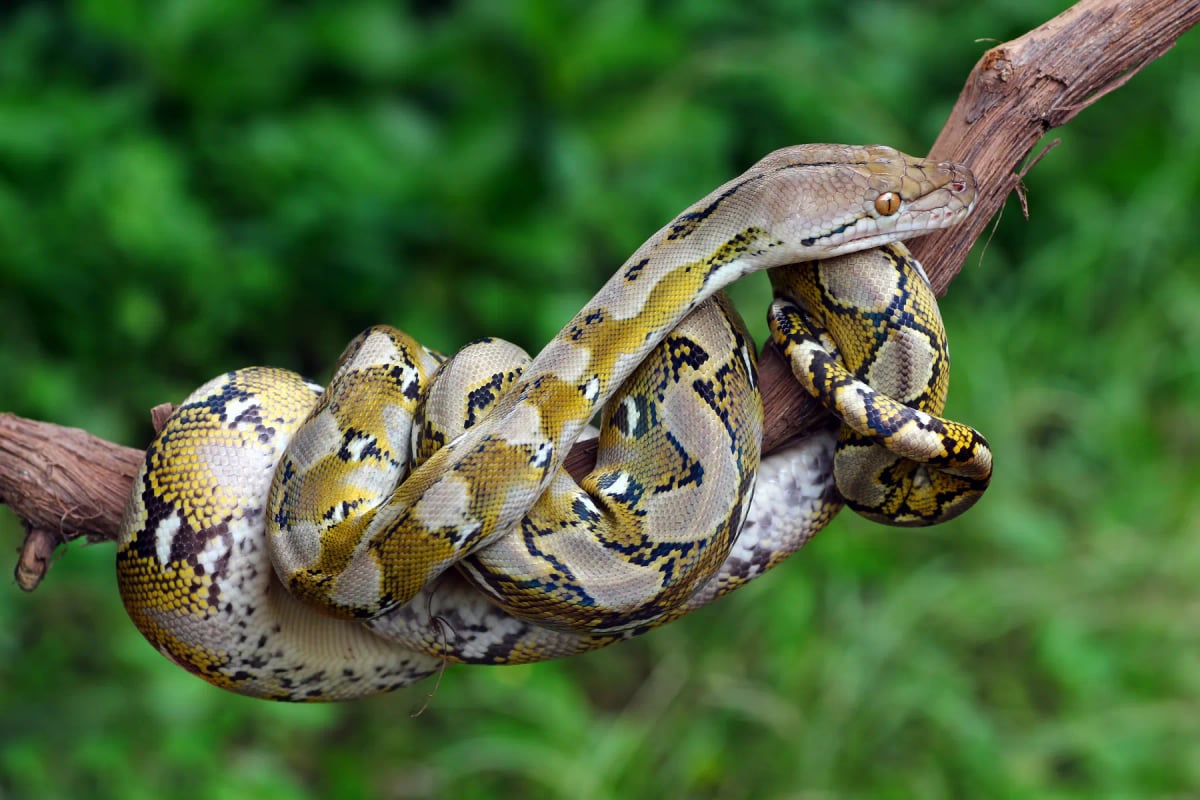
Reticulated Python
Malayopython reticulatus
The reticulated python lives across Vietnam, from the forests of the Central Highlands to the wetlands and waterways of the Mekong Delta. It favors areas close to rivers and patches of dense vegetation, where it hunts mammals and birds by ambush. In Vietnam, wild populations face pressure from habitat loss and hunting for the skin trade. Its status is Least Concern globally, though local numbers have declined.
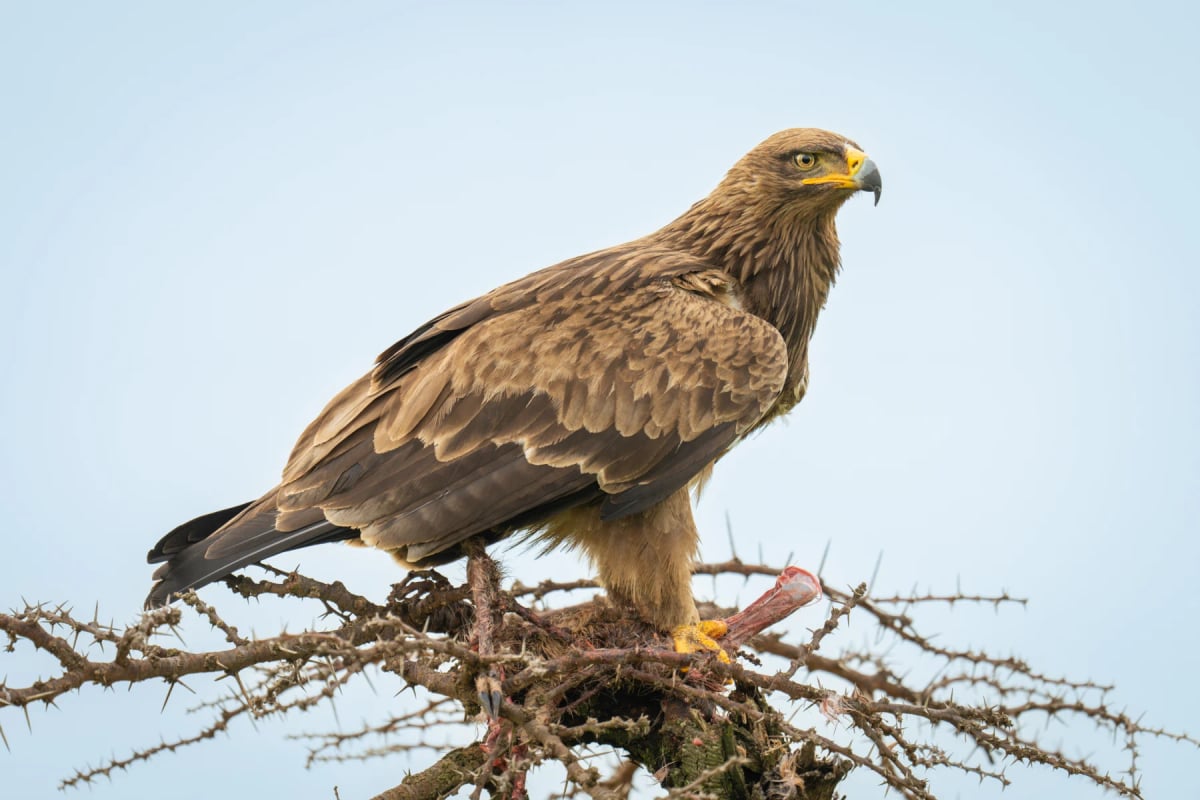
Steppe Eagle
Aquila nipalensis
Vietnam lies at the southeastern edge of the Steppe Eagle's wintering range in Asia. The species may occur in open lowland areas and wetland margins during the northern winter, though records are limited and sightings are uncommon. It travels from breeding grounds in Central Asia and Russia, covering enormous distances twice each year. The IUCN lists the Steppe Eagle as Endangered, with around 30,000 individuals remaining and the population continuing to fall.
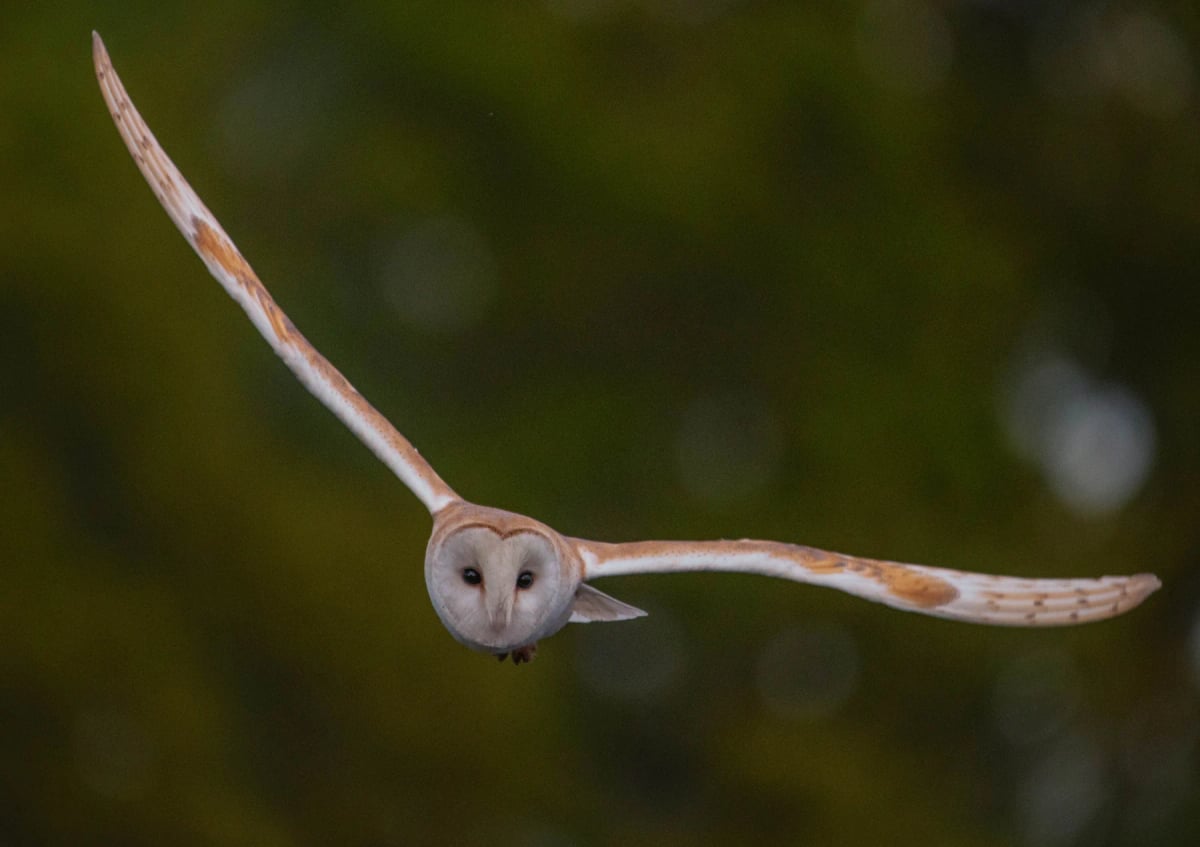
Barn Owl
Tyto alba
The barn owl is found across Vietnam in open farmland, rice paddies, and areas near villages and towns from the Red River Delta in the north through the central highlands to the Mekong Delta in the south. It nests in old buildings, hollow trees, and cliff faces, and hunts rodents at night. In Vietnam's intensive rice-farming regions, where rat damage to crops is a persistent and costly problem, it is highly valued as a natural pest controller. Some agricultural communities in the Mekong Delta actively encourage its presence through nest box programs as an alternative to rodenticide use.
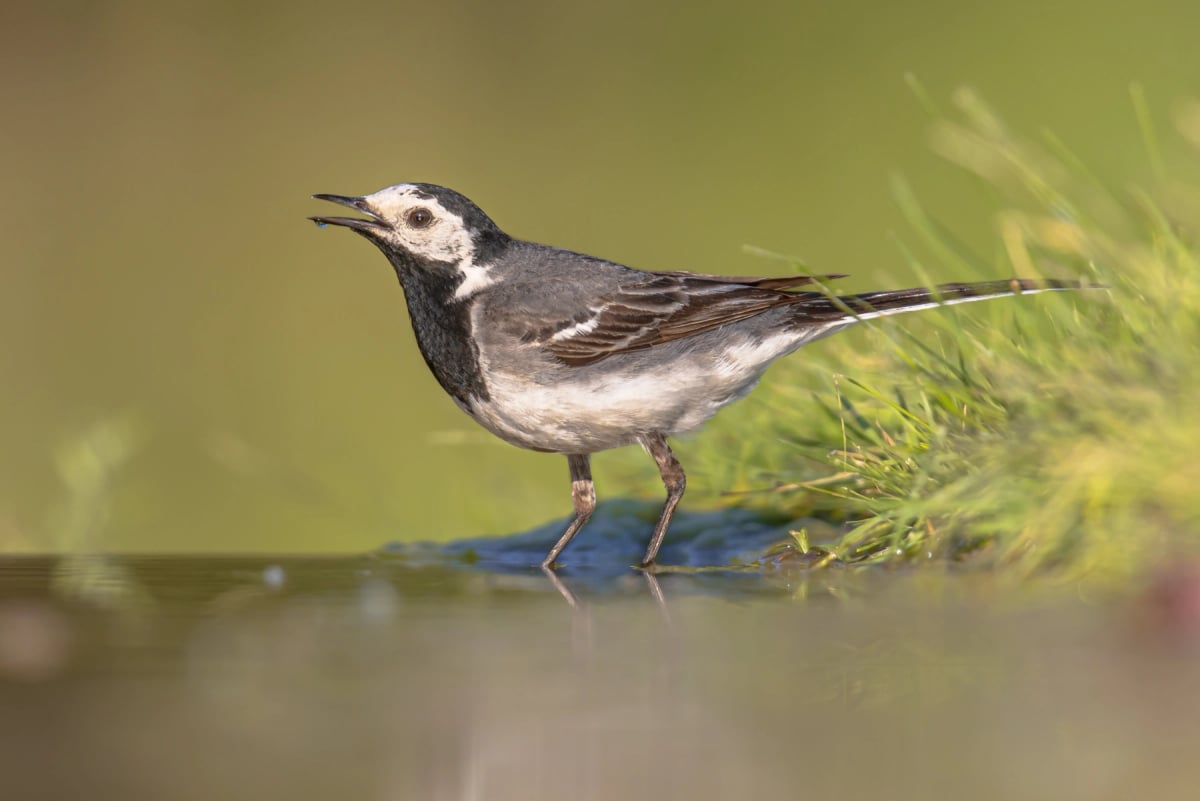
White Wagtail
Motacilla alba
In Vietnam the white wagtail is a common winter visitor from October to April, most numerous in the north. Several subspecies from Siberia, Mongolia and China arrive, including the black backed Amur wagtail, and they feed along the Red River and Mekong, on rice paddies, sandbars, mudflats and in towns. Large winter roosts sometimes form in city trees in Hanoi and other northern cities. IUCN status: Least Concern.
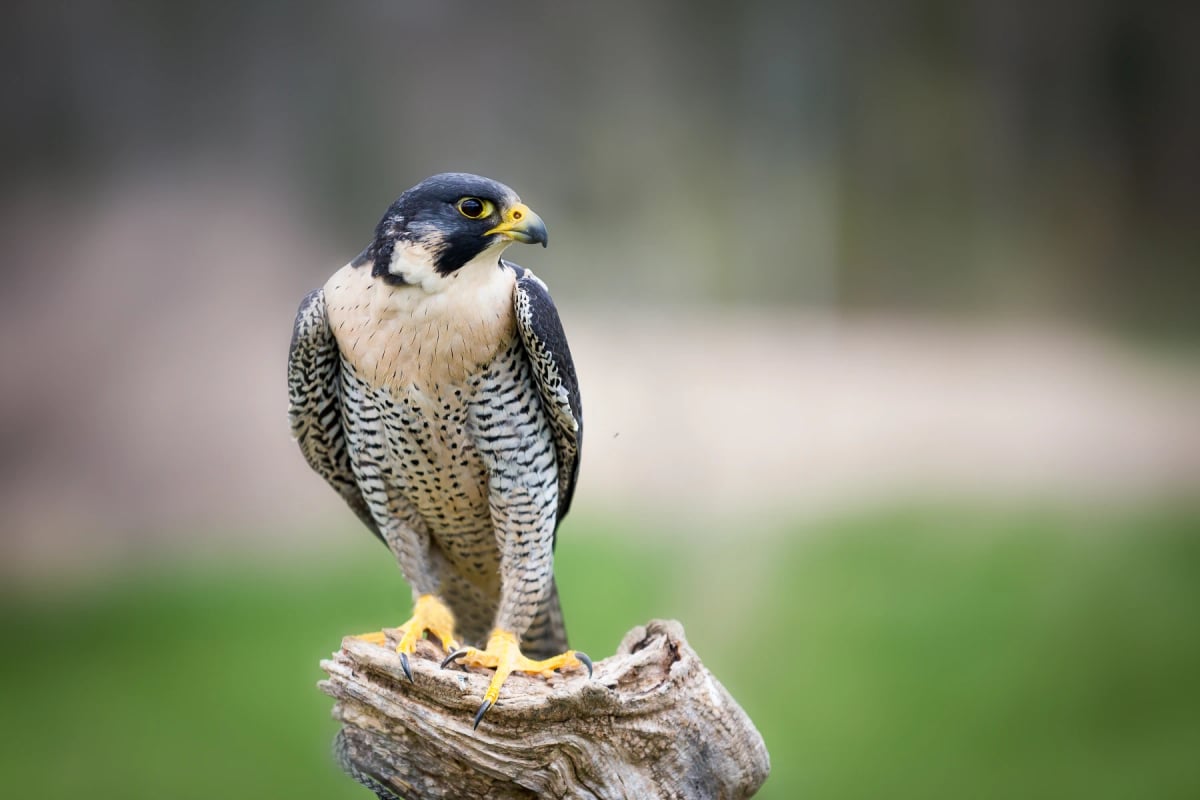
Peregrine Falcon
Falco peregrinus
The peregrine falcon occurs in Vietnam primarily as a winter visitor and passage migrant, travelling south from breeding grounds in northern and central Asia. It has been recorded along the coast, over rice paddies, and around wetland areas from the Red River Delta in the north to the Mekong Delta in the south. Rocky outcrops in the northern highlands may also support occasional resident pairs. Its speed and agility make it a dominant hunter wherever it appears. IUCN status: Least Concern.
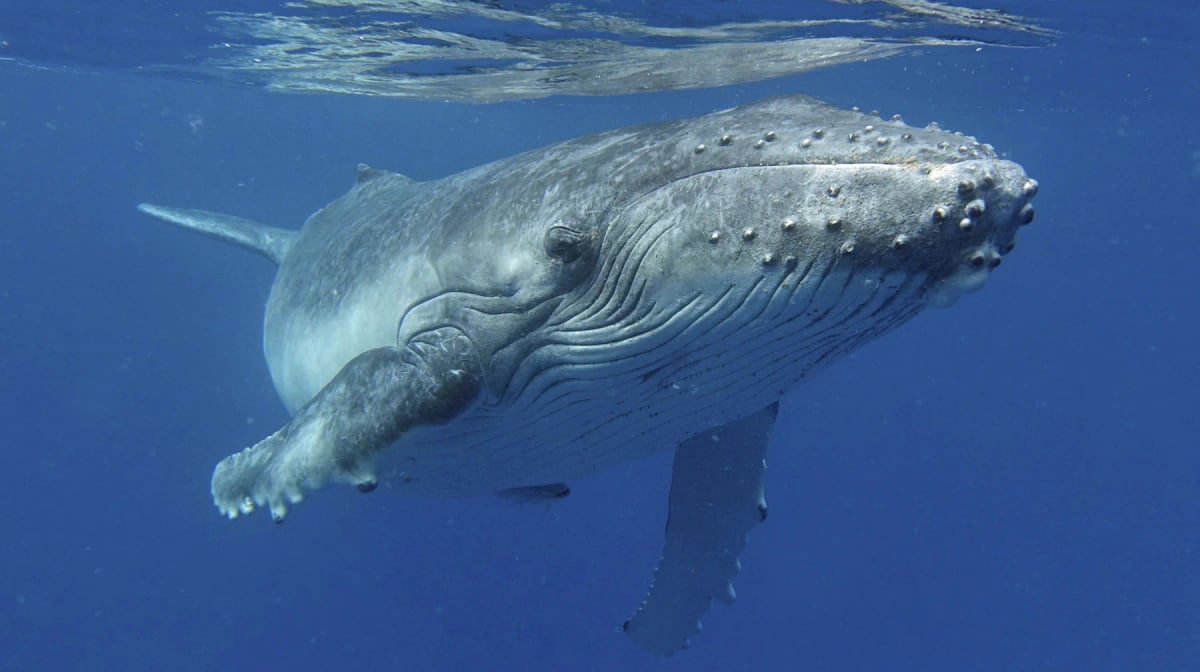
Humpback Whale
Megaptera novaeangliae
Humpback whales have been recorded in the waters of the South China Sea around Vietnam, where they occasionally appear during migratory movements through the western Pacific region. Adults can reach 16 metres in length and up to 40 tonnes. Vietnam lies along a corridor used by whales travelling between feeding and breeding grounds. Awareness of their presence here has grown alongside broader marine conservation efforts in Southeast Asia.
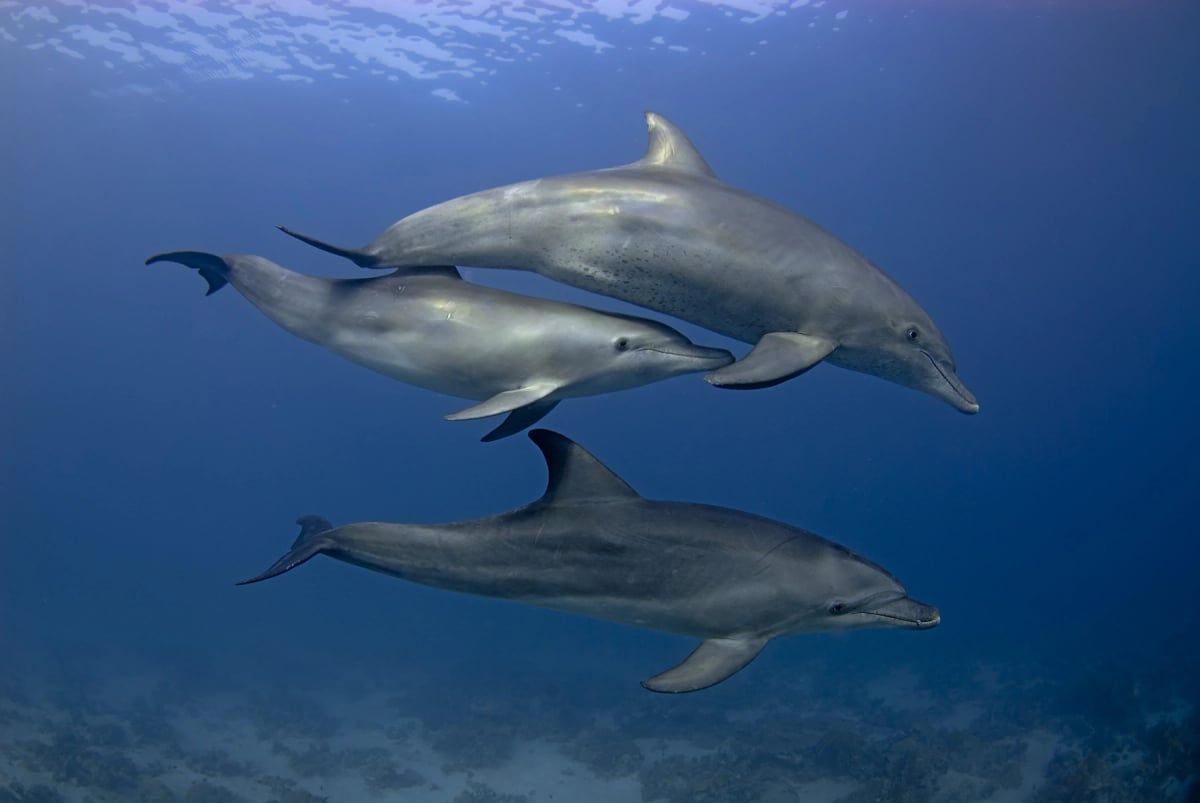
Bottlenose Dolphin
Tursiops truncatus
Bottlenose dolphins occur in coastal and offshore waters along Vietnam's South China Sea coastline, from the Gulf of Tonkin in the north to the Gulf of Thailand in the south. They are spotted near estuaries, coral reef systems, and shallow coastal zones. Habitat degradation and fishing pressure are concerns for local populations. The IUCN classifies the species as Least Concern globally.
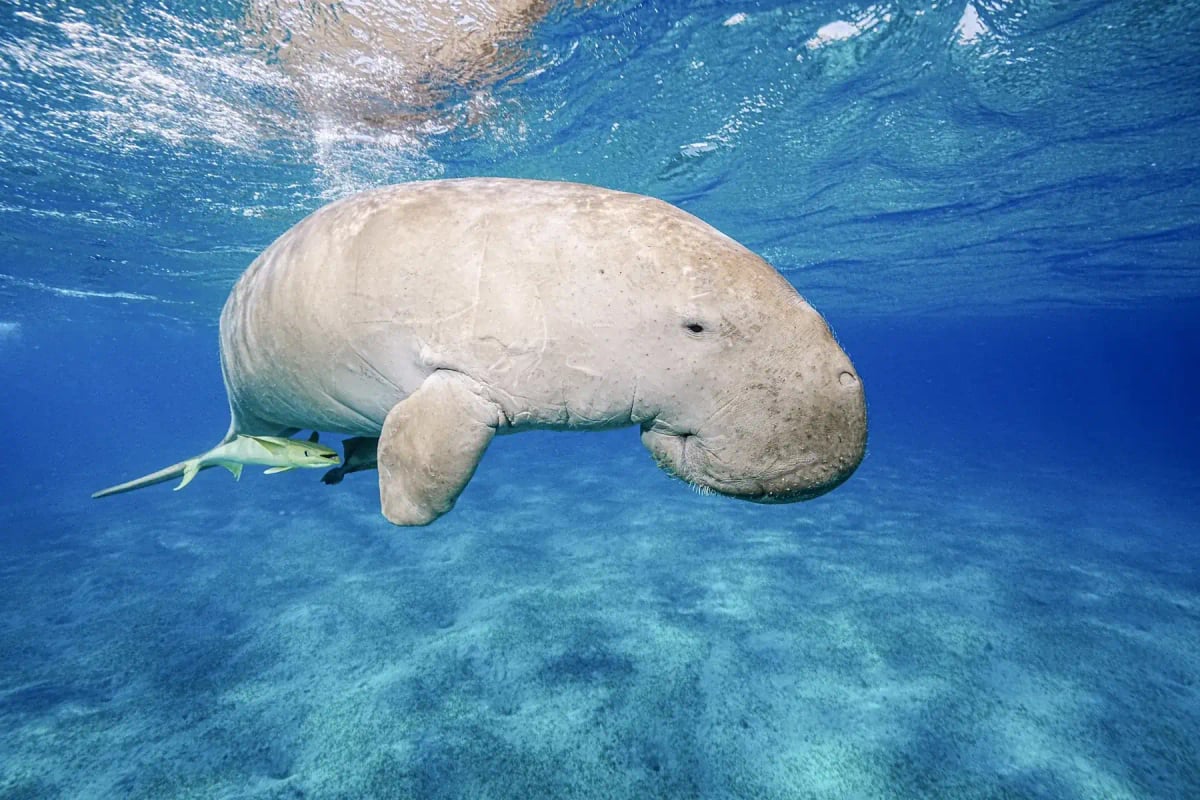
Dugong
Dugong dugon
Dugongs were once relatively common along Vietnam's coastline, but populations have declined sharply in recent decades. The waters around Phu Quoc Island and Con Dao are among the last refuges for the species in the country. Seagrass loss driven by coastal development and water pollution has reduced available habitat considerably. Dugongs in Vietnam are now considered critically rare, and targeted conservation efforts are urgently needed to prevent local extinction.
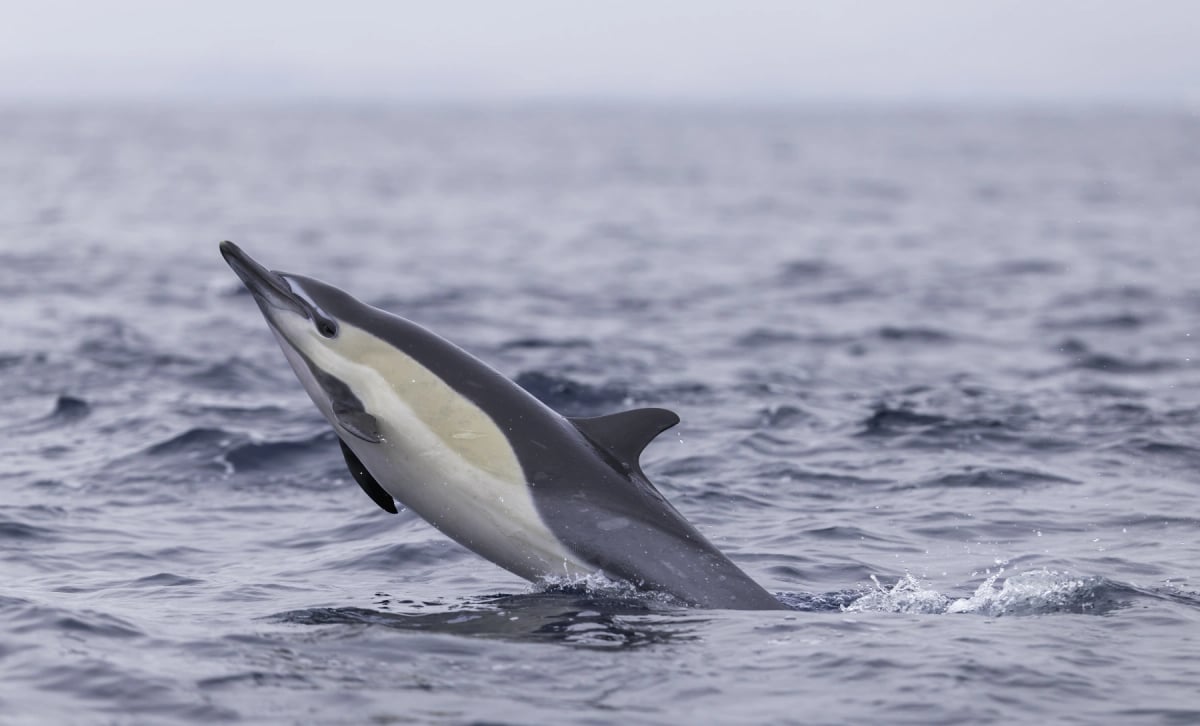
Common Dolphin
Delphinus delphis
Common dolphins occur in the coastal and offshore waters of Vietnam along the South China Sea, where warm currents support productive fish populations. They are more frequently encountered in deeper offshore areas than close to the heavily trafficked inshore zones. Fishing pressure and boat traffic in Vietnamese waters present ongoing challenges for cetaceans. Local research on dolphin populations remains limited, and greater survey effort is needed to understand their status here.
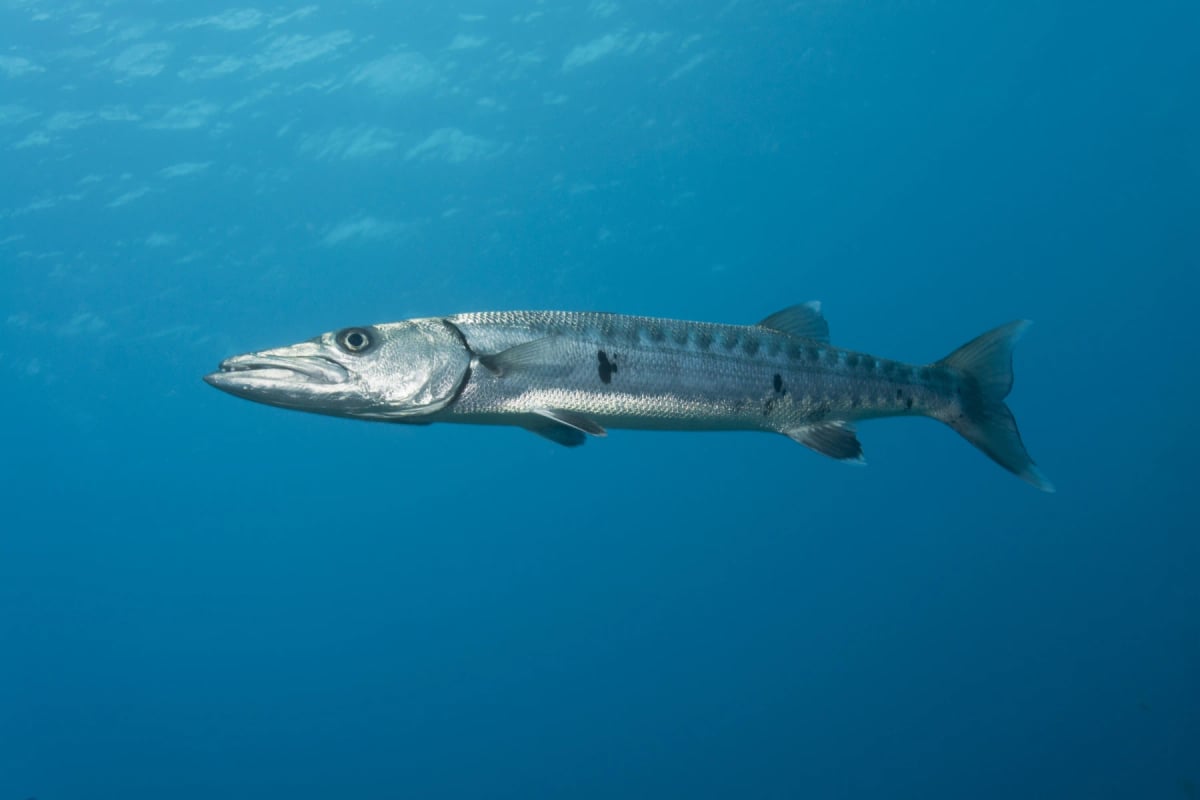
Barracuda
Sphyraena spp.
Barracudas are found in Vietnam's coastal and reef waters along the South China Sea coast, particularly around the coral reefs of the Con Dao archipelago, Phu Quoc Island, and the Cham Islands Marine Reserve near Hoi An. The great barracuda and other Indo-Pacific species are encountered by divers at reef edges and in open water near coral structures. Vietnam's growing dive industry has made these reef sites increasingly accessible, and barracuda sightings are a regular feature of reef dives in the clearer offshore reef areas away from the sediment-rich coastal zones.
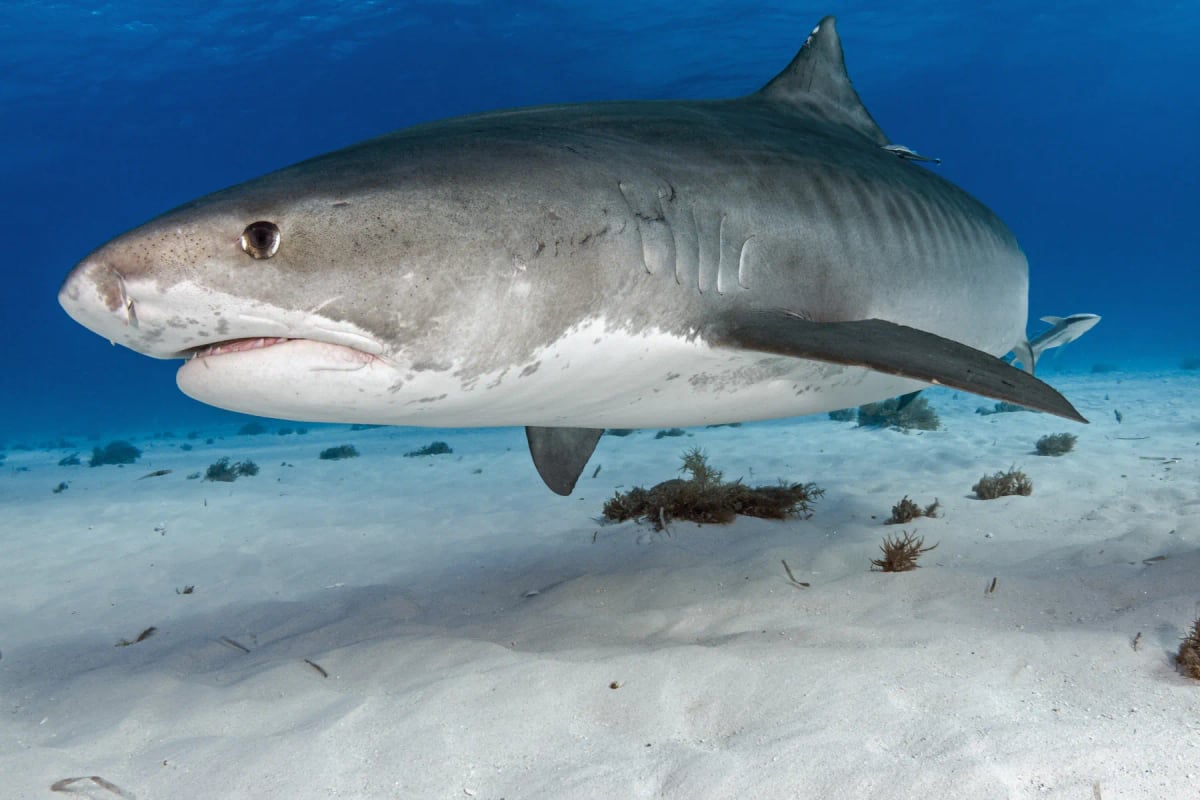
Tiger Shark
Galeocerdo cuvier
Tiger sharks inhabit the warm tropical waters off Vietnam, including areas of the South China Sea and the Gulf of Tonkin. Vietnam has one of the most active shark fishing industries in Southeast Asia, and tiger sharks are caught both intentionally and as bycatch. The demand for shark fins in regional markets puts considerable pressure on the species. Conservation efforts in Vietnam are still developing. The IUCN lists the tiger shark as Near Threatened.
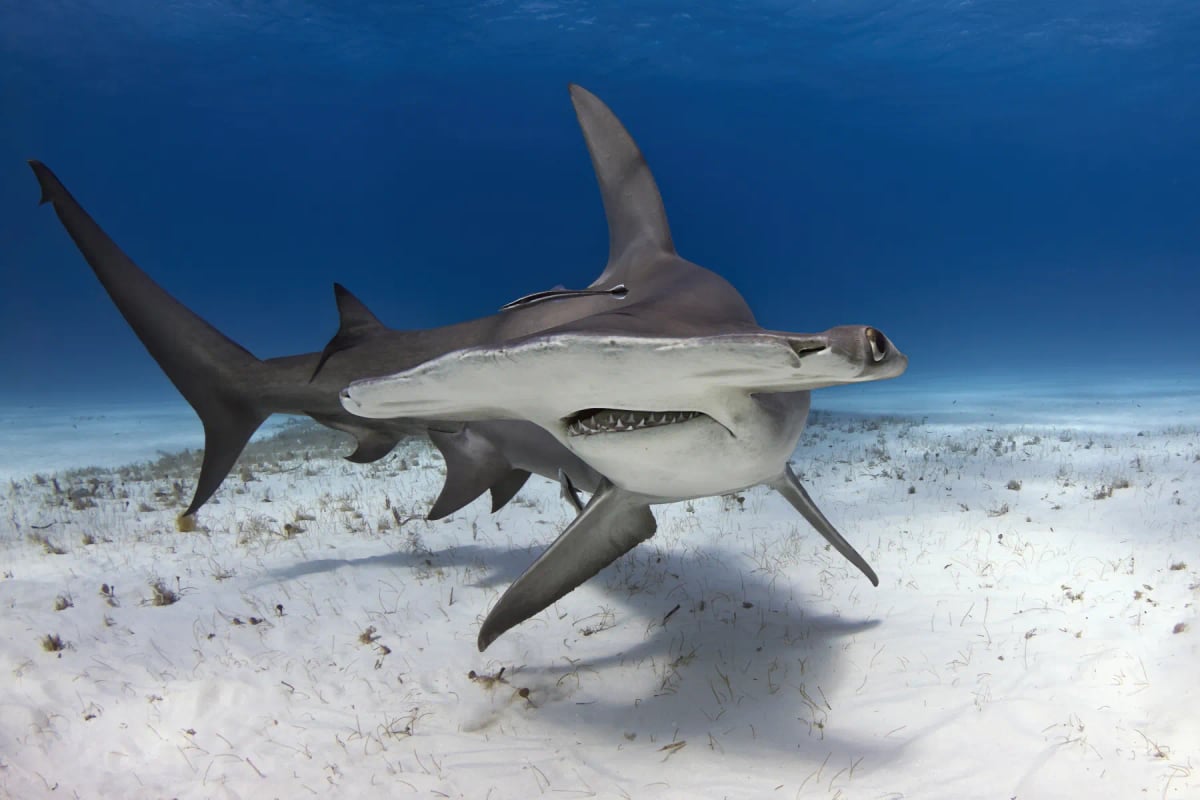
Hammerhead Shark
Sphyrna spp.
Hammerhead sharks inhabit the coastal and offshore waters of Vietnam along the South China Sea. The country sits within one of the world's busiest shark fin trading routes, placing enormous pressure on these animals. Despite their presence in Vietnamese waters, sightings have declined sharply. Domestic and international conservation groups are urging stronger regulation of the fin trade to protect remaining populations.
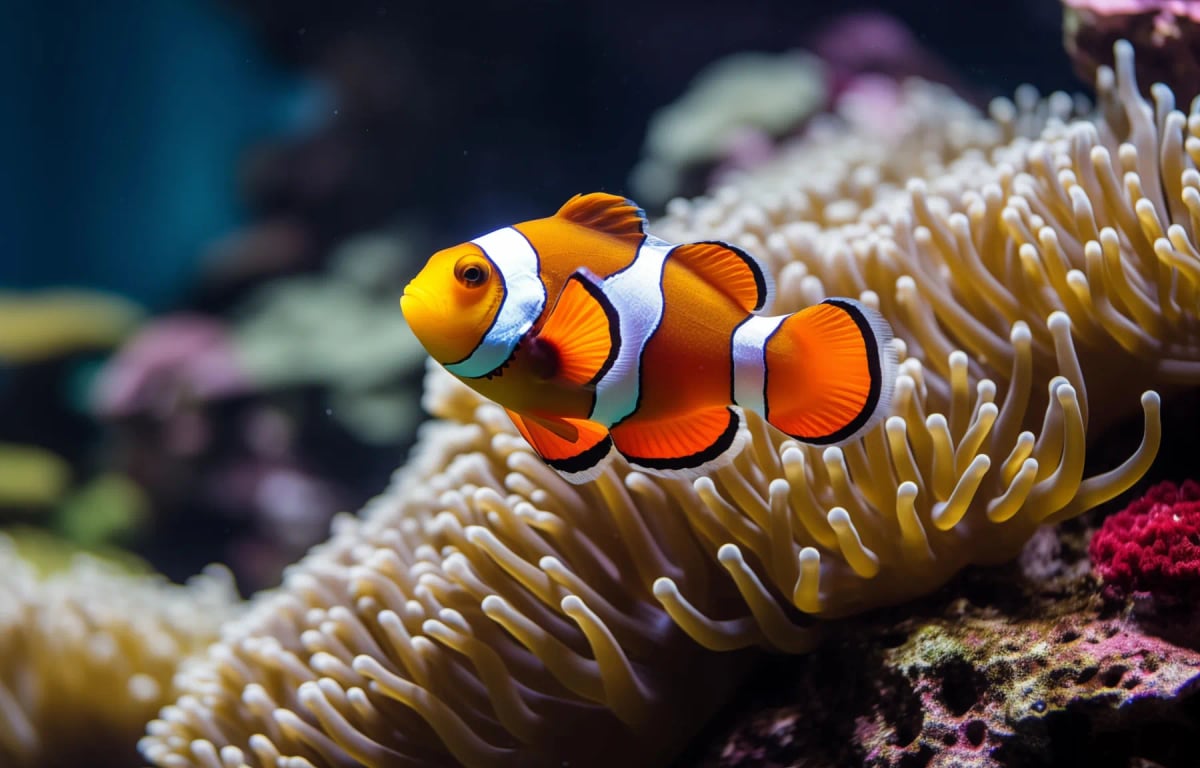
Clownfish
Amphiprioninae (over 30 species)
Clownfish inhabit Vietnam's coral reefs along its central and southern coastline, including the reefs surrounding the Con Dao and Phu Quoc island groups. These small, colorful fish live in close partnership with sea anemones and almost never stray from their host. Vietnam's reefs have come under increasing pressure from coastal development and fishing, but expanding marine protected areas along the coast are helping to give reef species a better chance at survival over the long term.
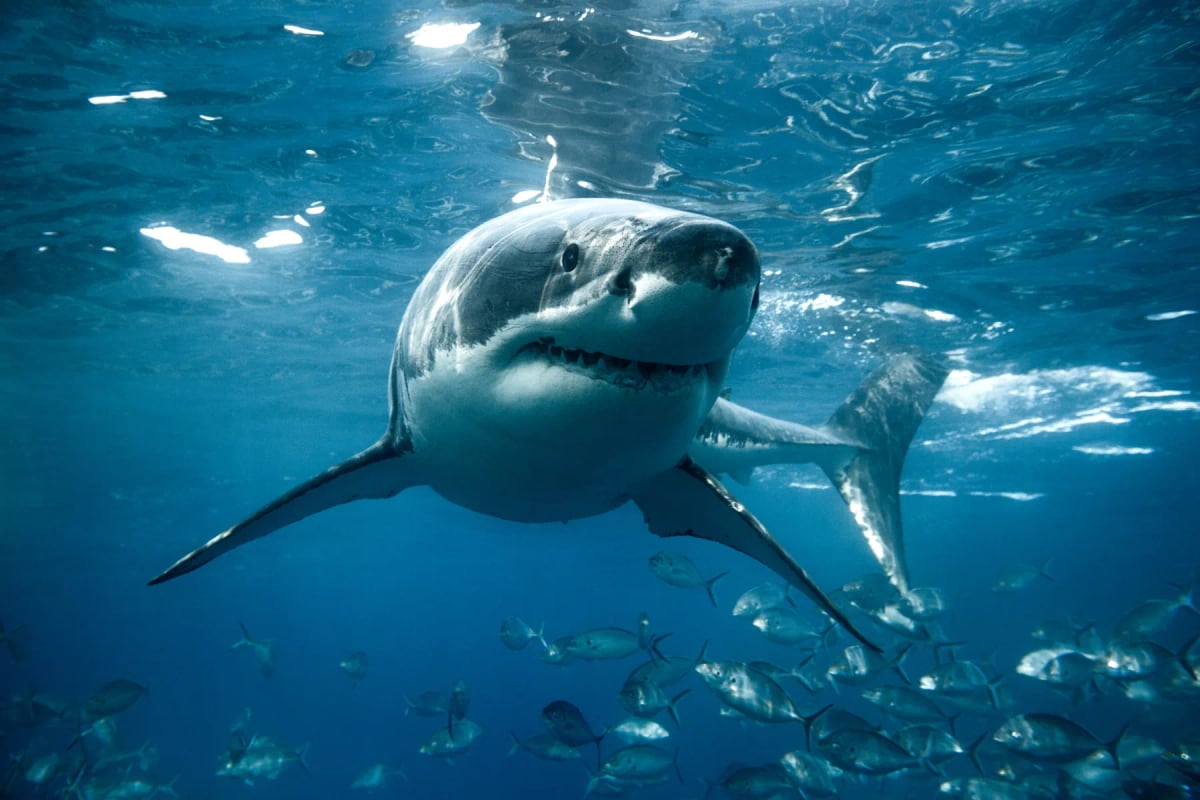
Great White Shark
Carcharodon carcharias
The great white shark has been recorded in the waters of the Indo-Pacific, and Vietnam falls within the broader regional range of this species. Sightings in Vietnamese waters are rare, and the shark is far more associated with temperate zones than the tropical seas of Southeast Asia. Nonetheless, the species is documented across the wider region, and Vietnam's extensive coastline means occasional encounters cannot be ruled out.
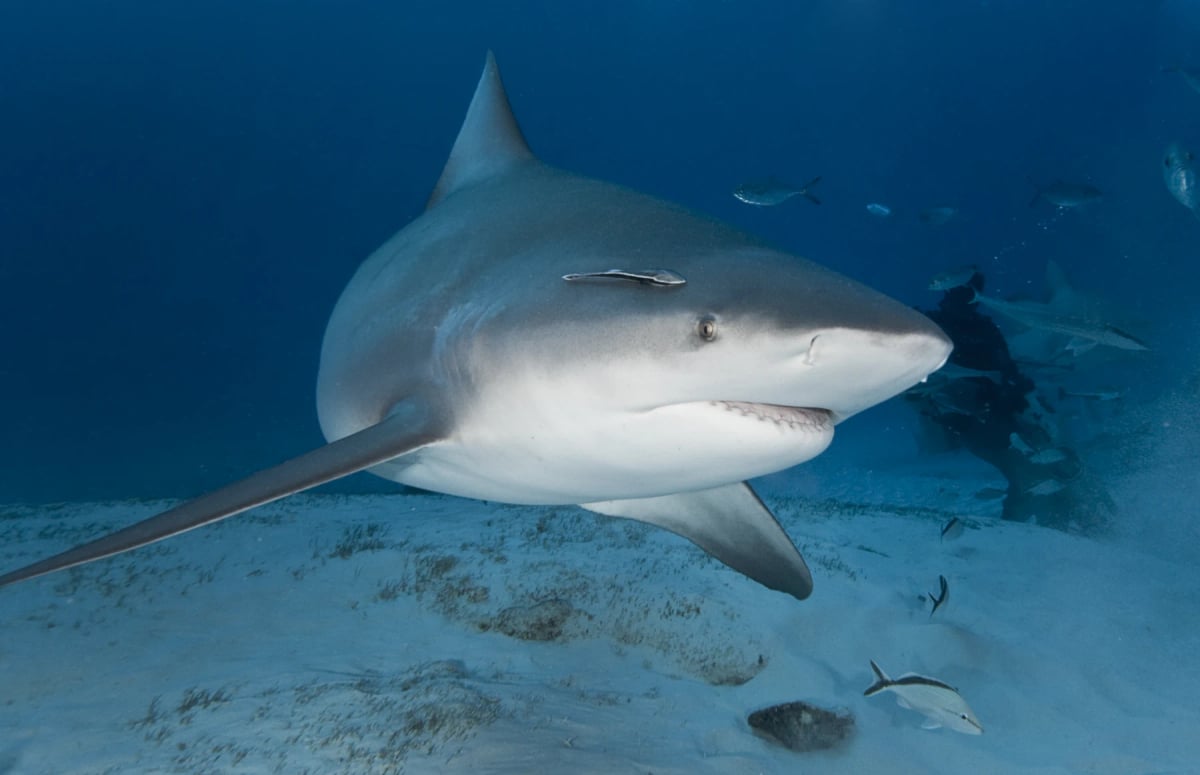
Bull Shark
Carcharhinus leucas
Bull sharks inhabit Vietnam's extensive coastline along the South China Sea, as well as the estuaries and lower reaches of rivers such as the Mekong delta system. These productive, nutrient-rich coastal zones provide ample prey. Increasing fishing pressure and habitat modification from agricultural and urban development in the delta region pose risks to local shark populations. Vietnam's bull sharks share Near Threatened status with populations across the broader Indo-Pacific.
Researched and written by Juan Pablo. Sources: IUCN Red List, scientific literature and regional field guides. Last updated: .