Animals in Sri Lanka
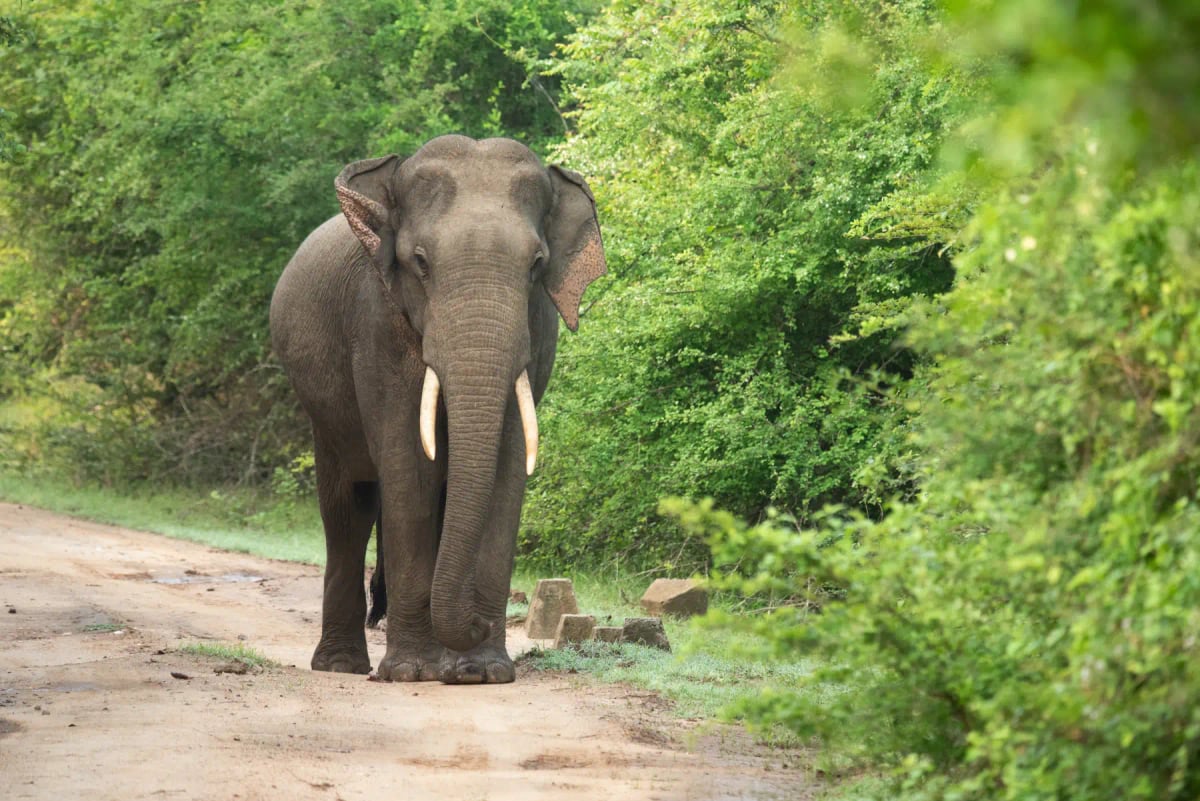
Sri Lankan Elephant
Elephas maximus maximus
The Sri Lankan elephant is the animal most closely linked to the country, and it is found nowhere else in the world. It is a type of Asian elephant, and it is darker than most, often with pink patches on its ears, face and trunk. Only a small number of males, fewer than 7 in 100, grow tusks. Elephants play a big role in Sri Lankan culture and religion, and they appear in temple art and in famous festivals like the Esala Perahera in Kandy. Wild herds live mainly in the dry lowlands, moving between forests, grasslands and old water reservoirs. Life is not easy for them, though. As farms and villages spread into their land, clashes with people have grown, and hundreds of elephants die every year because of this conflict.
View details→Wildlife in Sri Lanka
Sri Lanka is a small island, but it has some of the best wildlife watching in Asia. In the dry national parks of the north and south, such as Yala, Wilpattu and Udawalawe, safari jeeps look for leopards, herds of wild elephants, mugger crocodiles and big monitor lizards. Sambar deer graze on the cool grasslands of Horton Plains, while macaques and langurs live in forests and even around old temples. At night, shy animals like the pangolin and the fishing cat come out to hunt. The coast is just as rich. Blue whales and sperm whales feed off the south and east, dolphins swim in the bays of Kalpitiya and Trincomalee, and sea turtles come ashore to nest on sandy beaches. In winter, flamingos gather in the lagoons of Bundala National Park. Because the island is so compact, it is easy to see forests, grasslands and ocean wildlife in a single trip.
Most Dangerous Animals in Sri Lanka
Among wild mammals, elephants are the most dangerous animals in Sri Lanka. Most incidents happen at night, when elephants walk into villages and farms looking for food, and around 150 people died in these encounters in 2024. On safaris the risk is very low as long as drivers keep their distance and nobody gets out of the jeep. Crocodiles are the other big danger. Saltwater crocodiles live in rivers and lagoons near the coast, especially the Nilwala River near Matara, and they sometimes attack people who bathe or fish there. Mugger crocodiles are common in reservoirs of the dry zone. Leopards almost never attack people, and wild boars are only a risk if they feel cornered. In the ocean, sea snakes have strong venom but rarely bite, and dangerous sharks are seldom seen near beaches. Listening to local guides and respecting warning signs keeps visits safe.
Top 10 Animals in Sri Lanka
The top 10 animals in Sri Lanka mix famous land animals with giants of the Indian Ocean. The leopard is the star of any safari. Sri Lanka has its own type of leopard, and with no tigers or lions on the island, it is the top predator. Yala National Park is one of the best places in the world to see one. The Sri Lankan elephant is just as famous, and herds can be seen in many parks. Sambar deer, the largest deer on the island, are common in the hills and forests. The pangolin, covered in hard scales, is much harder to spot because it comes out mostly at night. At sea, blue whales are the biggest attraction, and boats from Mirissa go out to see them. Sperm whales feed in the deep waters off Trincomalee, and orcas are sometimes seen too. The saltwater crocodile lives in rivers and lagoons near the coast.
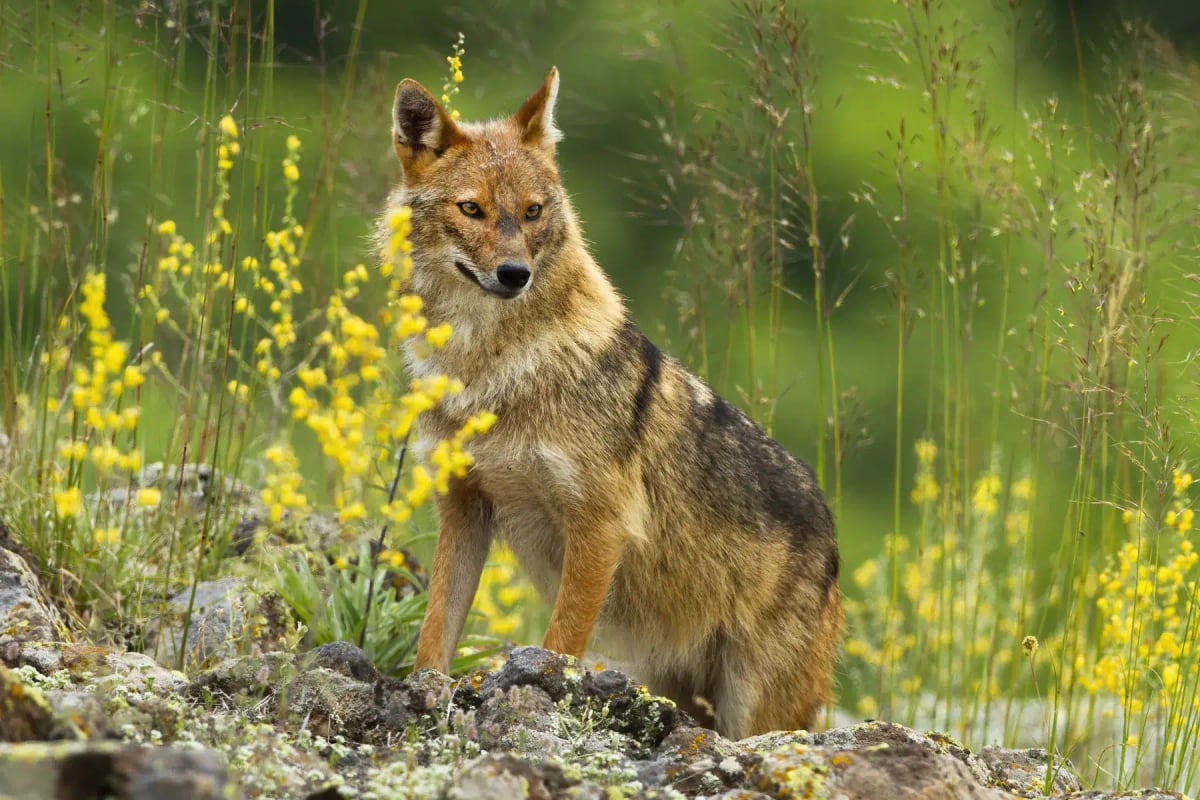
Golden Jackal
Canis aureus
In Sri Lanka, the golden jackal is found across the dry zone in the north and east of the island, as well as in scrub and grassland areas within and around national parks such as Yala. It is an important scavenger in these ecosystems and is commonly heard calling at night. It coexists with larger predators including leopards. Its IUCN status is Least Concern.
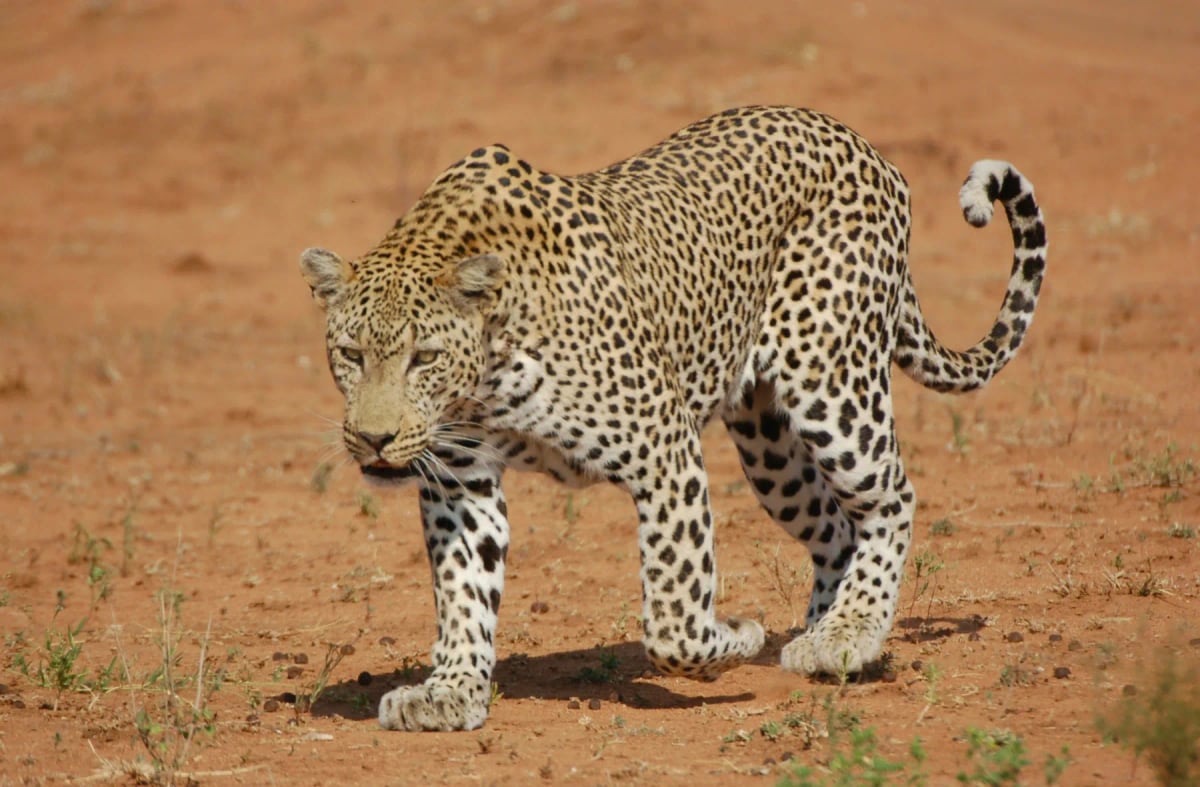
Leopard
Panthera pardus
Sri Lanka is home to a distinct leopard subspecies, Panthera pardus kotiya, found nowhere else on Earth. Without tigers or lions on the island, the leopard sits at the top of the food chain, a rare position for this species. Yala National Park holds one of the highest densities of leopards in the world. Habitat fragmentation and human conflict remain the greatest threats to their survival. IUCN status: Vulnerable.
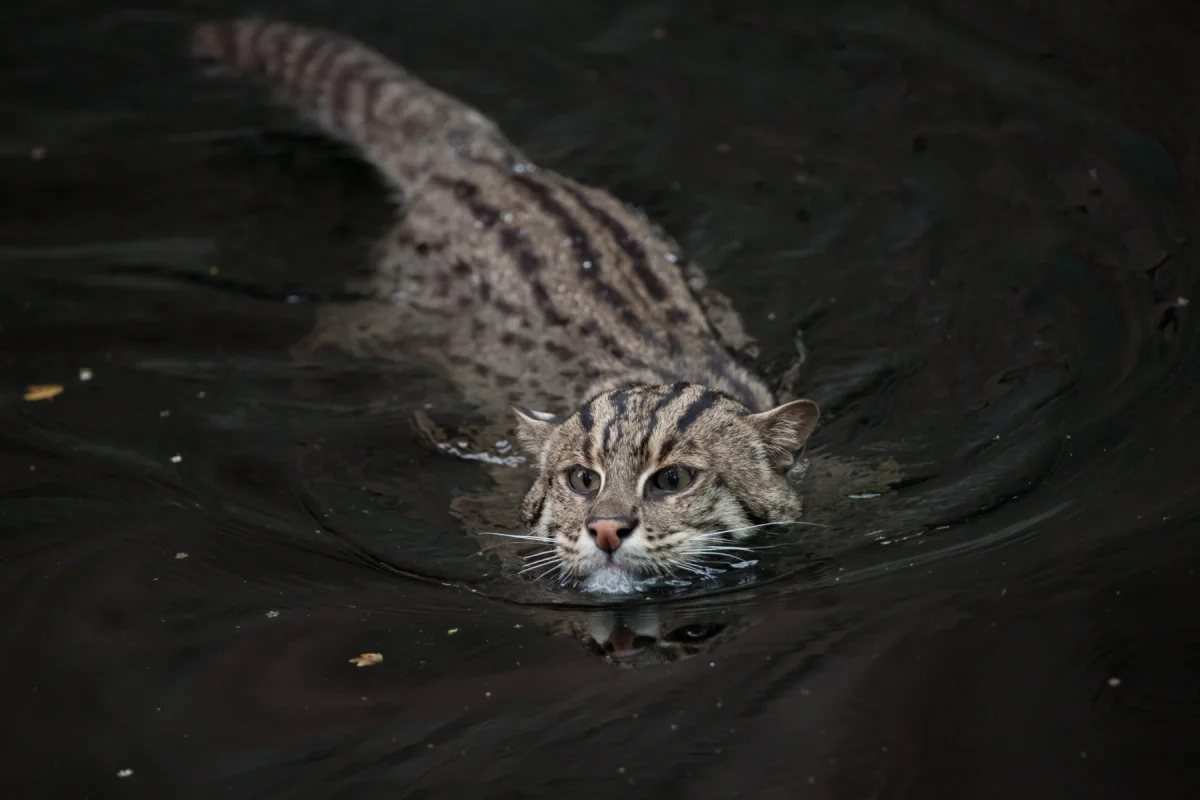
Fishing Cat
Prionailurus viverrinus
Sri Lanka represents an isolated population of the fishing cat, found mainly in wetlands of the low country wet zone and around lagoons and mangroves along the northern and eastern coasts. The island's cat was at one point thought to be a distinct subspecies. Wetland destruction and road casualties pose real risks to its survival. Local awareness programs have helped bring attention to this little studied predator. IUCN status: Vulnerable.
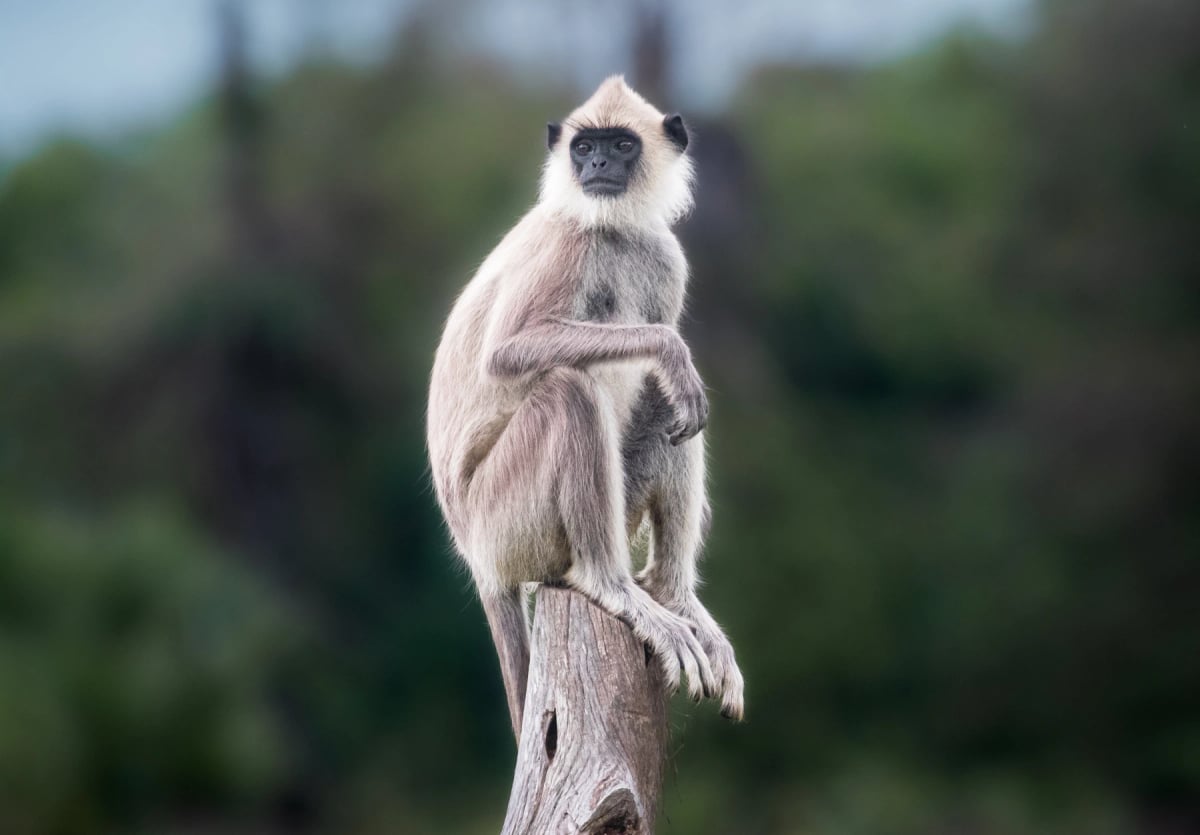
Langur
Semnopithecus spp.
Sri Lanka is home to the purple-faced langur and the toque macaque shares its forests with the gray langur in some areas. The purple-faced langur lives in the wet zone forests of the southwest and in the dry zone in smaller numbers. It is listed as Endangered due to rapid habitat loss from deforestation and urban sprawl around Colombo. Conservation efforts focus on protecting forest corridors that connect fragmented patches of remaining habitat.
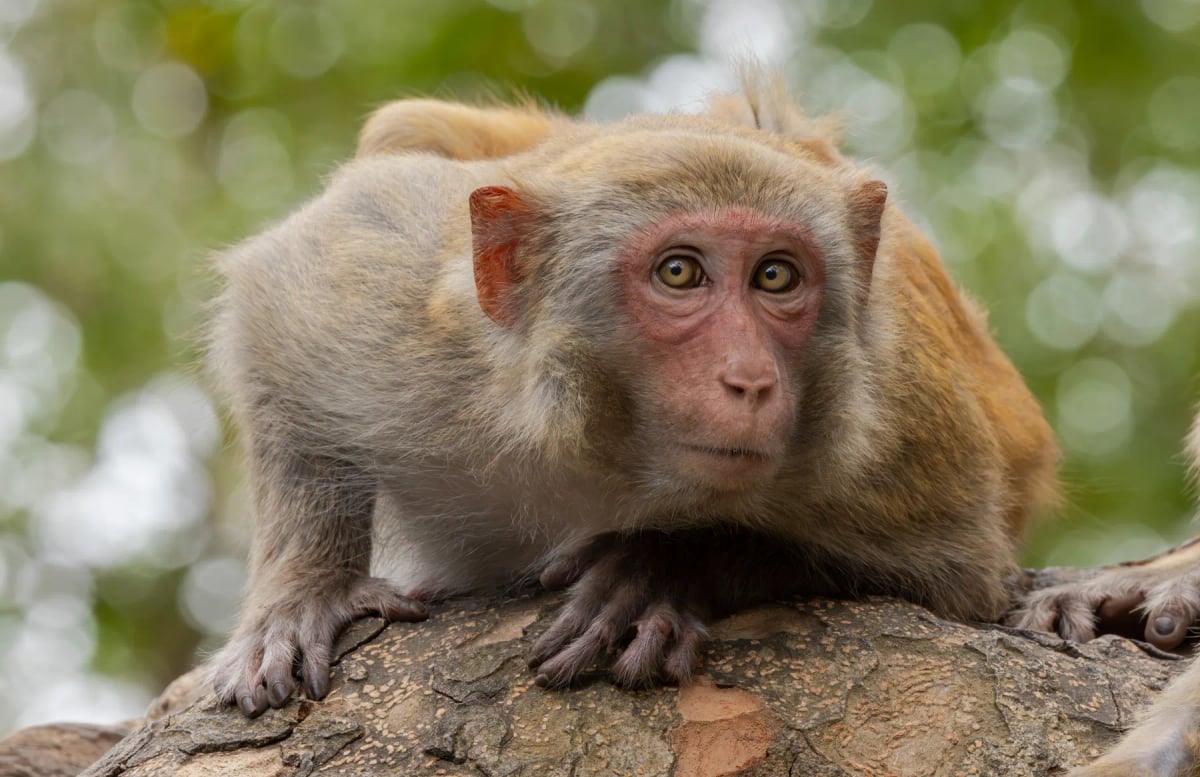
Macaque
Macaca spp.
Sri Lanka is home to the toque macaque, a species found nowhere else on Earth. It lives in forests, ancient temple grounds, and even urban areas across the island. Made famous by long-running scientific research at Polonnaruwa, the toque macaque is one of the most thoroughly studied primates in the world. It is listed as Endangered due to ongoing habitat loss and the shrinking of Sri Lanka's forests.
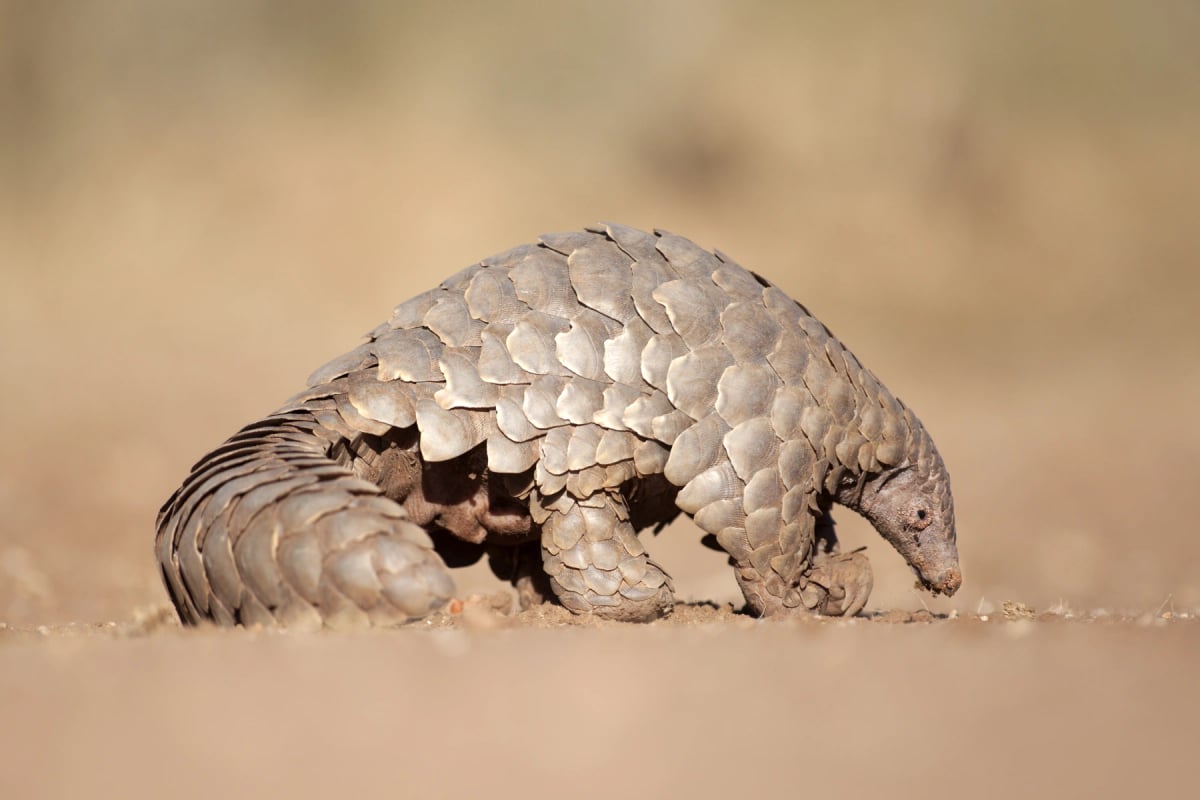
Pangolin
Manis spp.
The Indian pangolin (Manis crassicaudata) is the only pangolin species found in Sri Lanka. It inhabits dry zone forests, scrublands, and agricultural borders, particularly in the northern and eastern parts of the island. Poaching for local and international black markets poses the greatest danger to its survival. Sri Lanka's Fauna and Flora Protection Ordinance protects it, but enforcement in remote areas remains a challenge.
Sri Lankan Elephant
Elephas maximus maximus
The Sri Lankan elephant is the largest subspecies of the Asian elephant and lives exclusively on this island. Found across dry zone forests, scrublands, and open plains, herds follow a matriarch through familiar territory in search of food and water. Males live mostly alone once they reach adulthood. Deep in Sri Lankan culture and Buddhism, the species faces serious threats from habitat loss, conflict with farming communities, and train collisions.
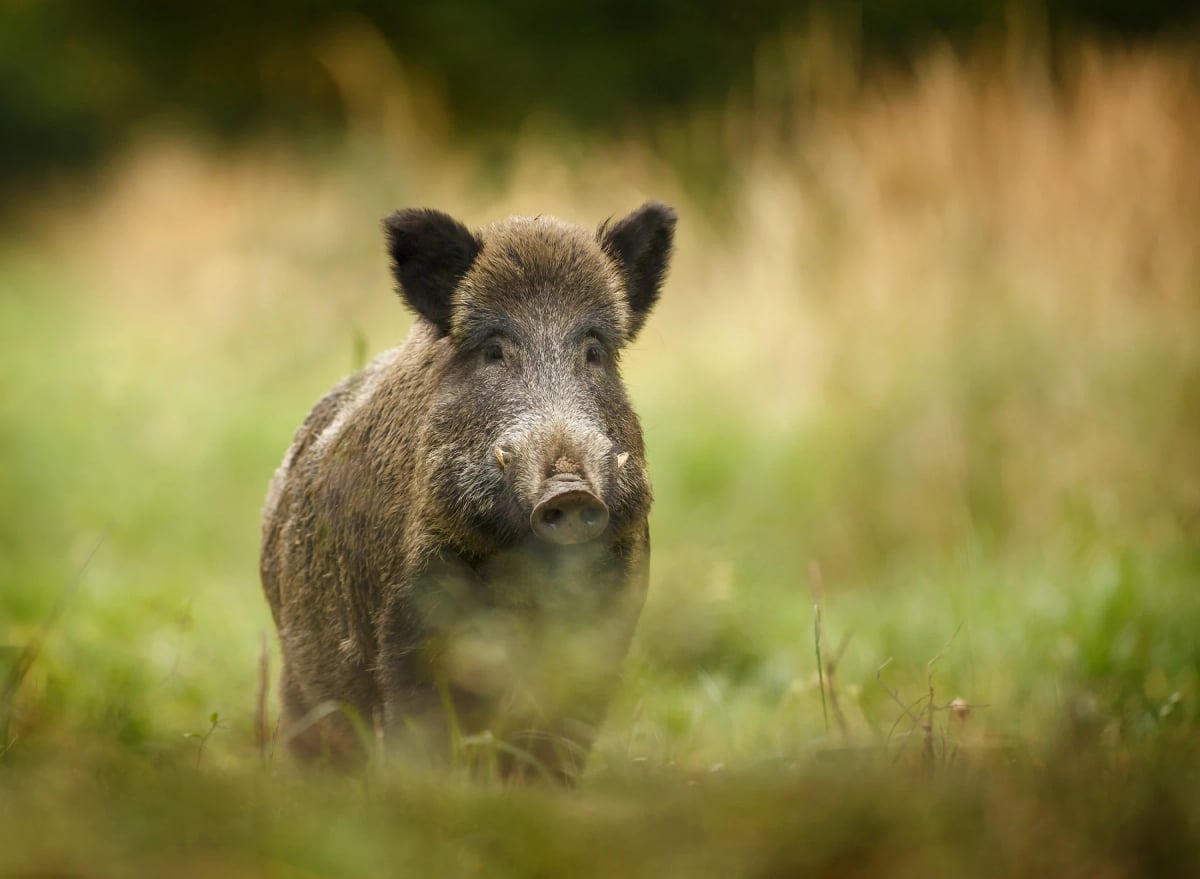
Wild Boar
Sus scrofa
Wild boars are widespread in Sri Lanka, found across forests, scrubland and agricultural areas of the island. They are robust, adaptable animals that feed on roots, tubers, fruit and small animals. They can cause damage to crops and are considered a nuisance by farmers in some areas, but also form an important part of the prey base for leopards in the country's national parks.
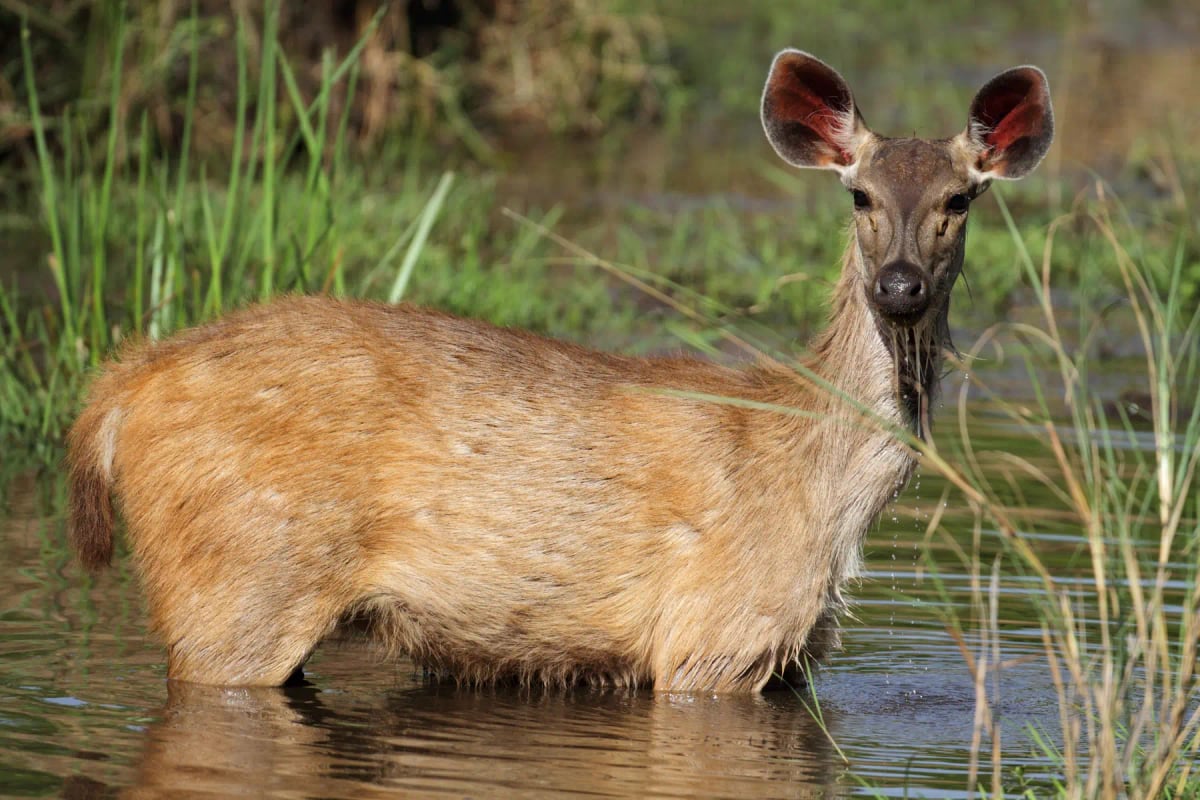
Sambar Deer
Rusa unicolor
In Sri Lanka, the sambar deer is the largest native deer and lives in forests and shrublands across the island, from the dry zone reserves of Wilpattu and Yala to the hill country. Leopards depend heavily on sambar as a food source here. Habitat pressures and illegal hunting have reduced numbers in some areas, and the species is listed as Vulnerable by the IUCN.
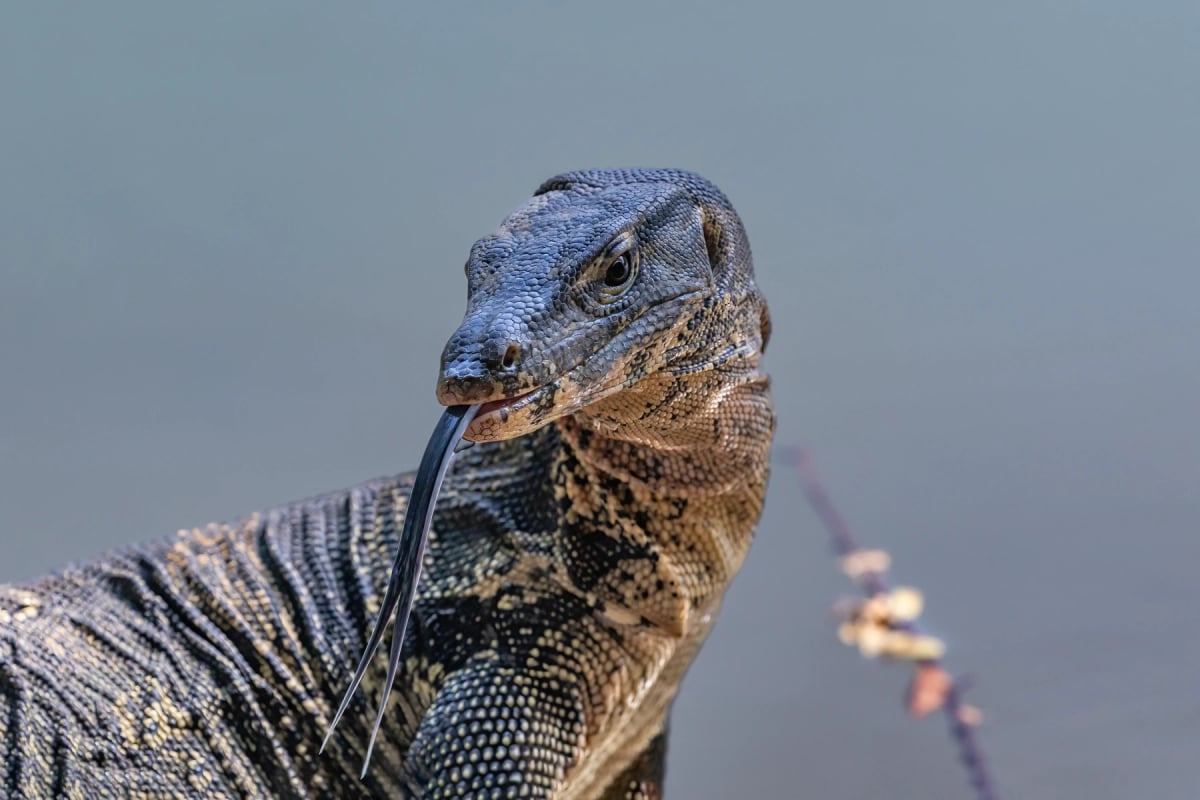
Monitor Lizard
Varanus salvator
The monitor lizard is one of the most commonly seen reptiles in Sri Lanka. It appears near water, in parks and even around villages and hotels, moving with a slow confidence that makes it easy to observe. It feeds on fish, frogs, eggs and carrion and plays a useful role in cleaning up organic waste in its environment.
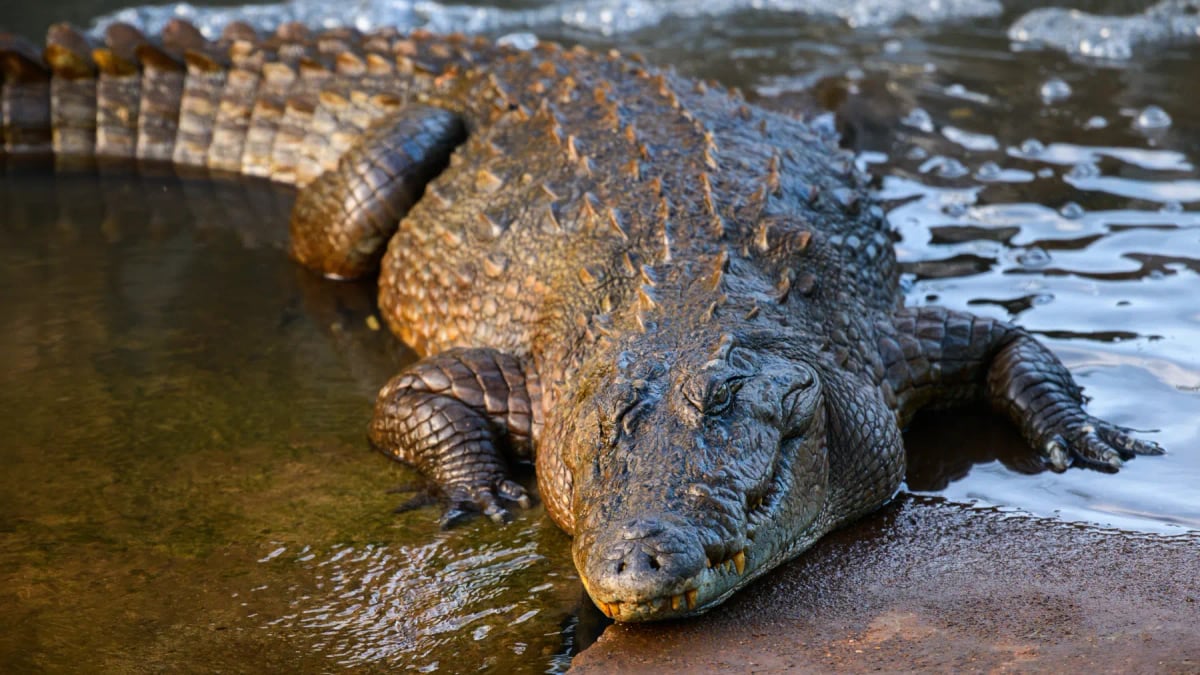
Mugger Crocodile
Crocodylus palustris
The mugger crocodile is found in rivers, lakes and reservoirs across Sri Lanka, particularly in the dry zone. It is a patient hunter that spends long hours basking on riverbanks before sliding into the water. Yala and Wilpattu national parks offer reliable chances to see them resting near the water's edge.
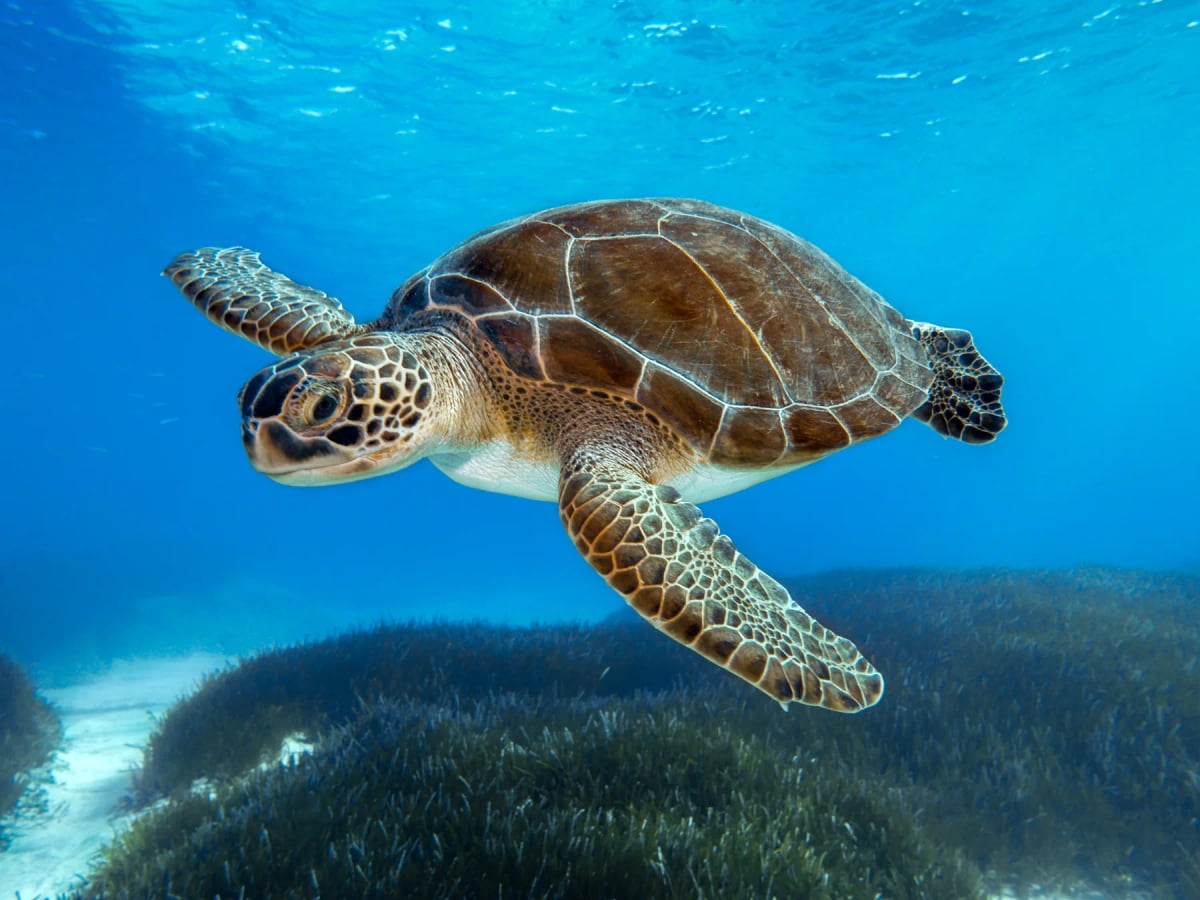
Sea Turtle
Cheloniidae & Dermochelyidae (families)
Several sea turtle species visit the waters and beaches of Sri Lanka. The southwestern coast is well known for nesting activity, and places like Rekawa and Kosgoda have become important sites where turtles come ashore at night to lay their eggs. Conservation programs work to protect nests and raise awareness among local communities.
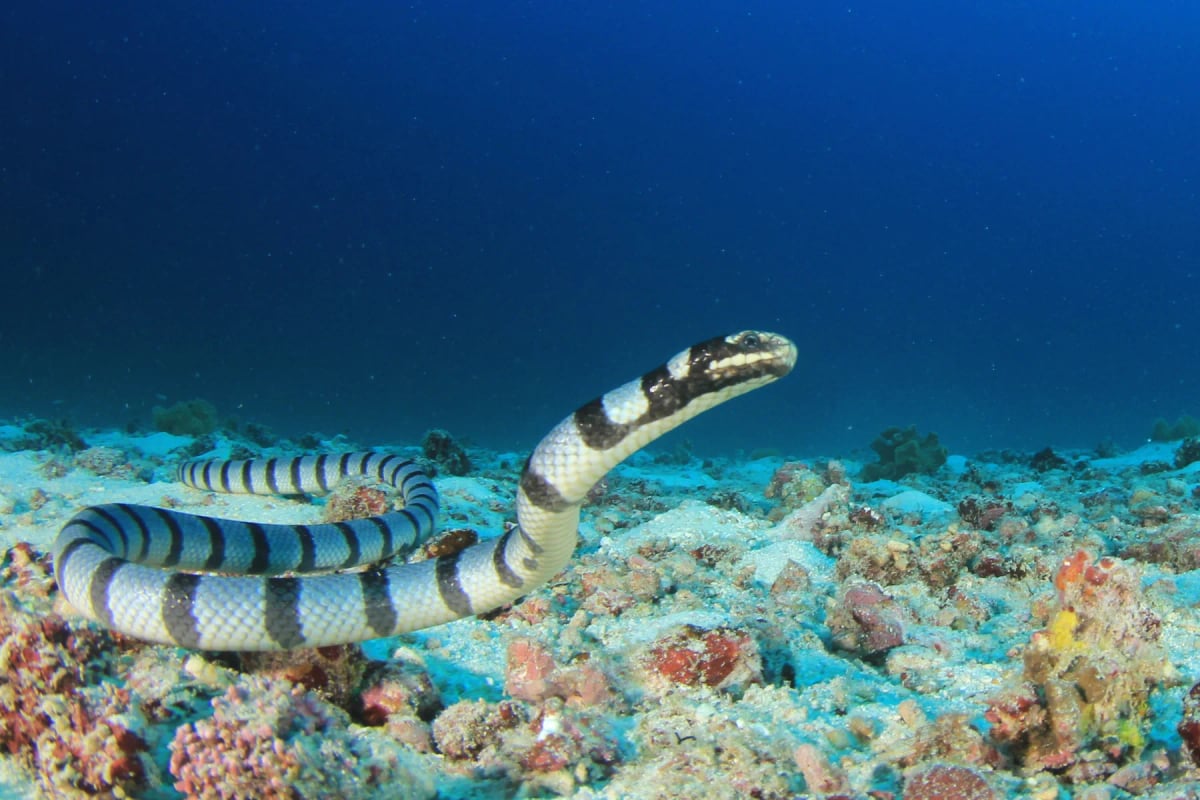
Sea Snake
Hydrophiinae / Laticauda spp.
Sea snakes swim along Sri Lanka's warm coastal waters, particularly around the Gulf of Mannar and the Palk Strait, where shallow reefs and seagrass beds give them plenty of places to hunt fish and eels. They belong to two groups: true sea snakes that give birth at sea, and sea kraits that come ashore to lay eggs. Bycatch in fishing nets remains their biggest threat here.
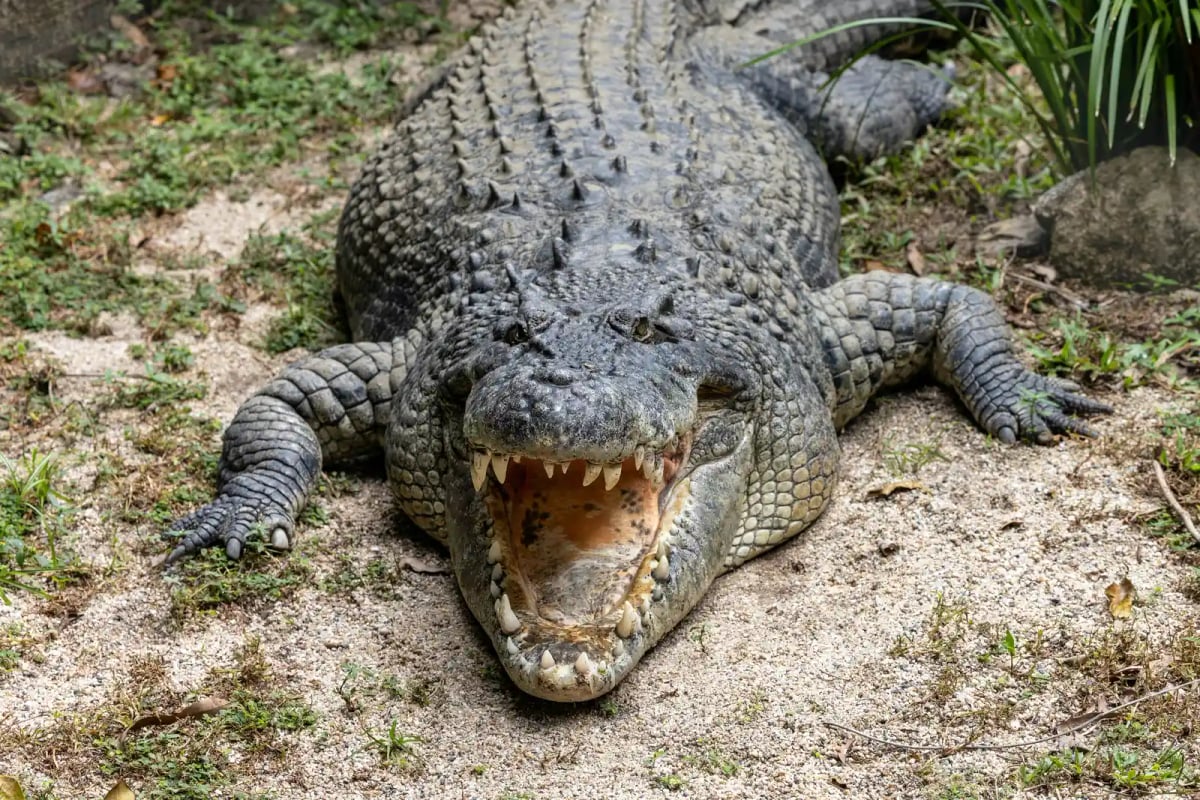
Saltwater Crocodile
Crocodylus porosus
Sri Lanka has saltwater crocodiles along the wet southwestern coast and in lagoons and estuaries of the south and east, with the Nilwala River near Matara and the Muthurajawela marsh among the best known areas. Rapid development has pushed people and animals into the same narrow waterways, and attacks on bathers and fishers make headlines regularly. Relocation, fenced bathing enclosures and awareness work are the usual responses.
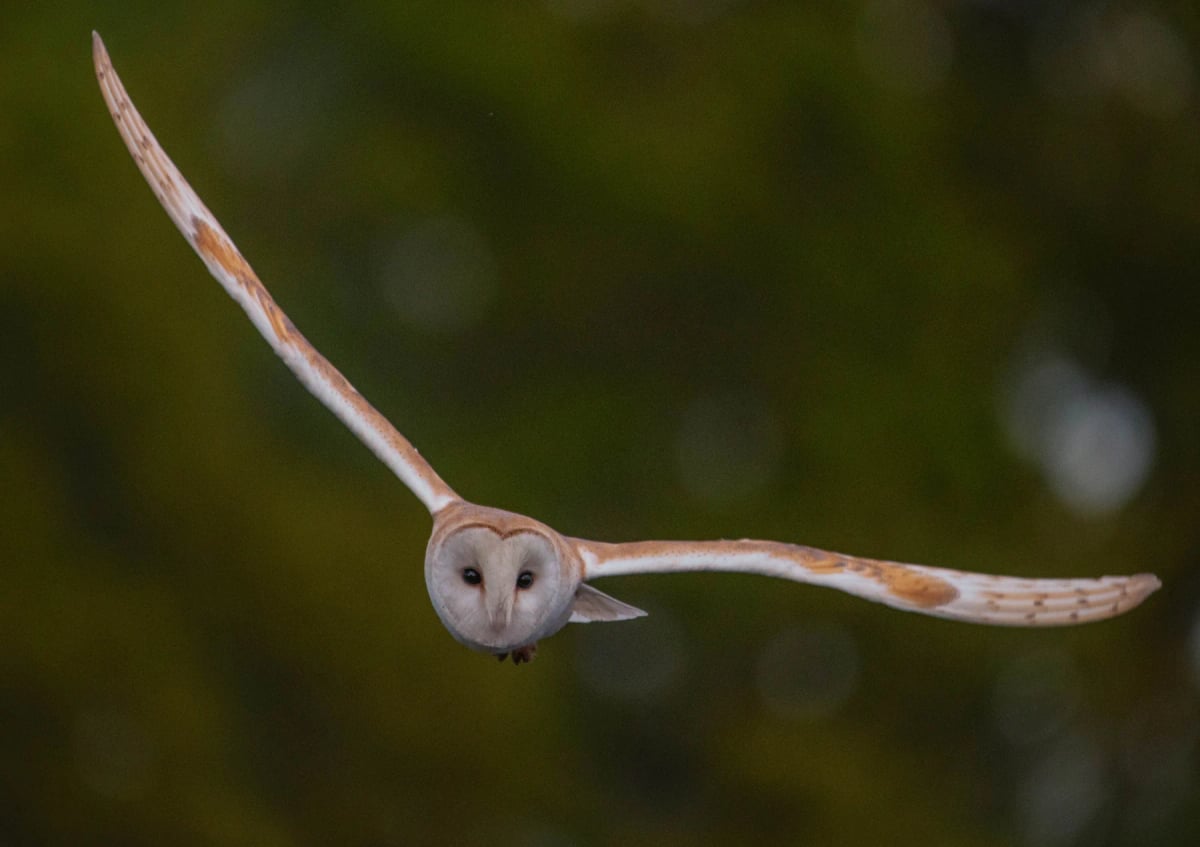
Barn Owl
Tyto alba
The barn owl is found across Sri Lanka in open habitats, farmland and areas near human settlements. It is a silent hunter that relies on exceptional hearing to locate rodents in complete darkness. Its presence near rice fields and villages is valued by farmers, as it helps control rodent populations naturally.
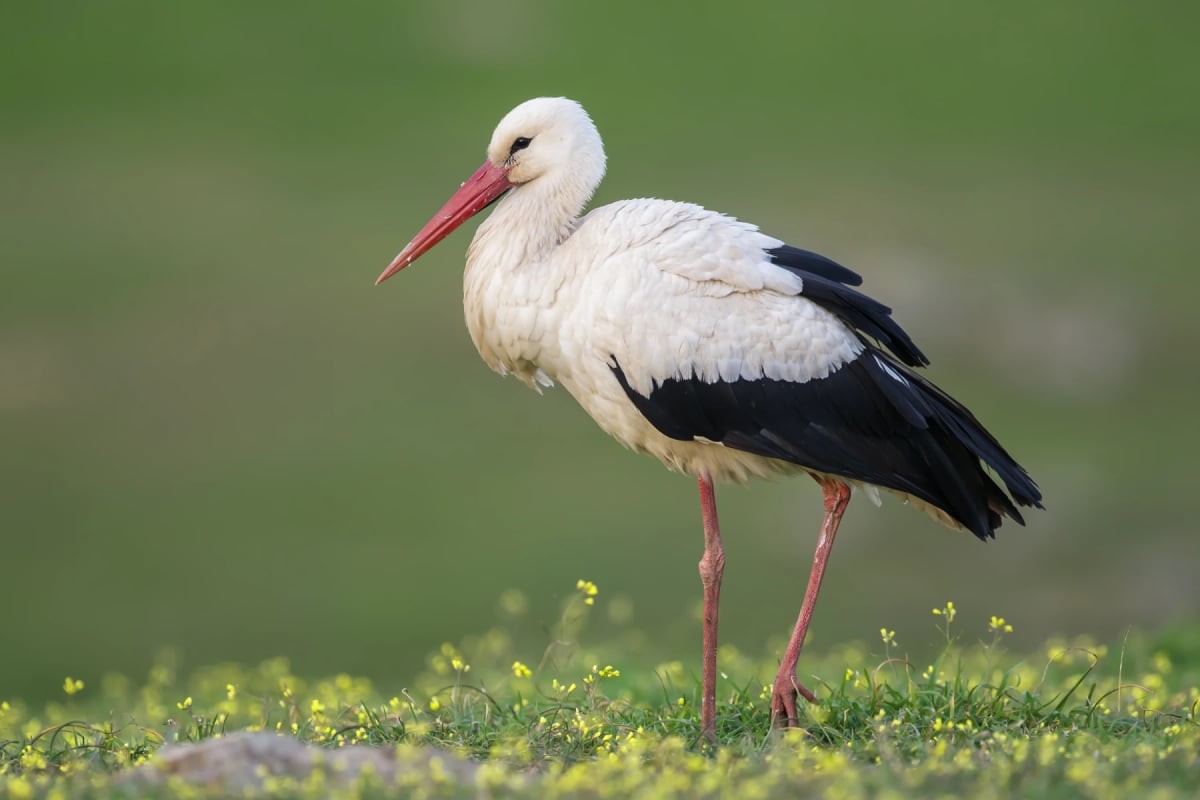
Stork
Ciconia ciconia
Sri Lanka lies at the southern tip of the white stork's Asian wintering range, and here it is a rare visitor. The few birds that arrive, usually single individuals, are seen in the dry zone of the north and east, on open grasslands, tank edges, and paddy fields, often keeping company with the island's other large waterbirds. Records are few enough that each one is noted by birdwatchers. IUCN status: Least Concern.
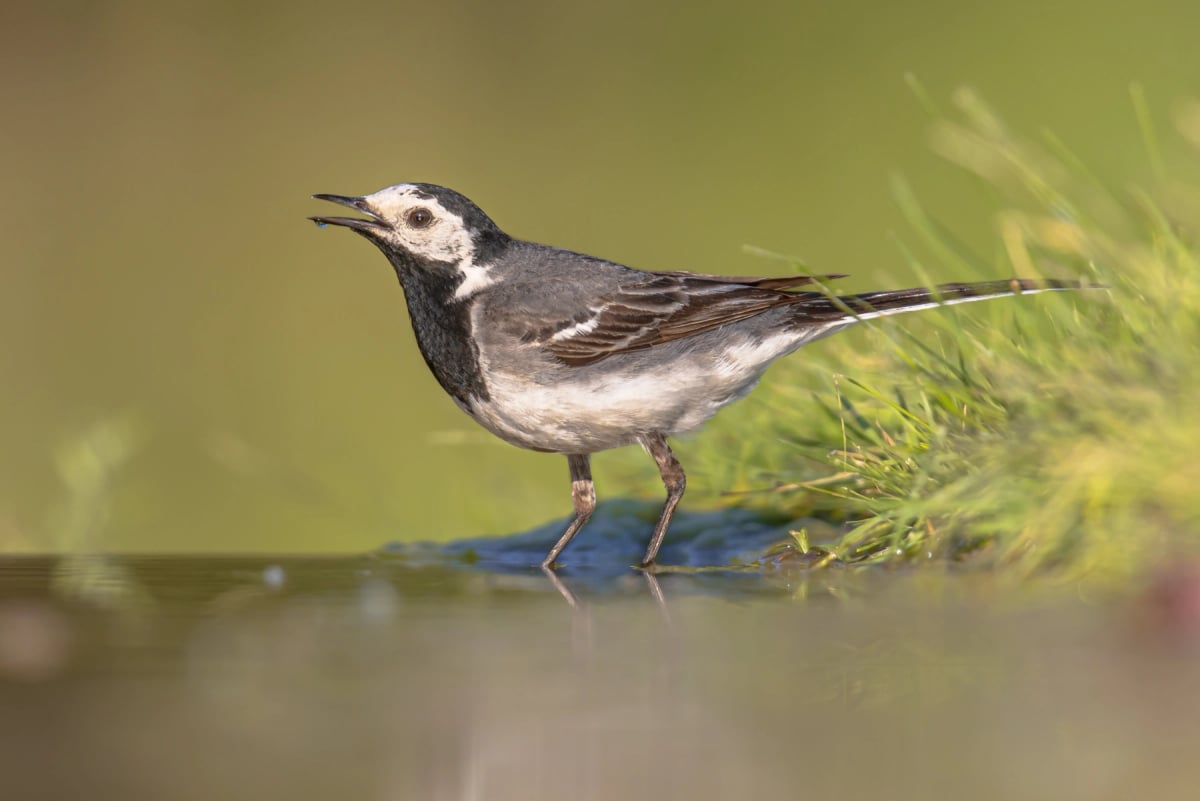
White Wagtail
Motacilla alba
In Sri Lanka the white wagtail is a scarce winter visitor at the far southern edge of its range in South Asia. A few birds arrive from the north between October and April and are seen mostly in the dry northern and northwestern lowlands, around tanks, paddy fields, riverbanks and the Jaffna peninsula. Its constant tail bobbing and black and white plumage make it easy to recognize. IUCN status: Least Concern.
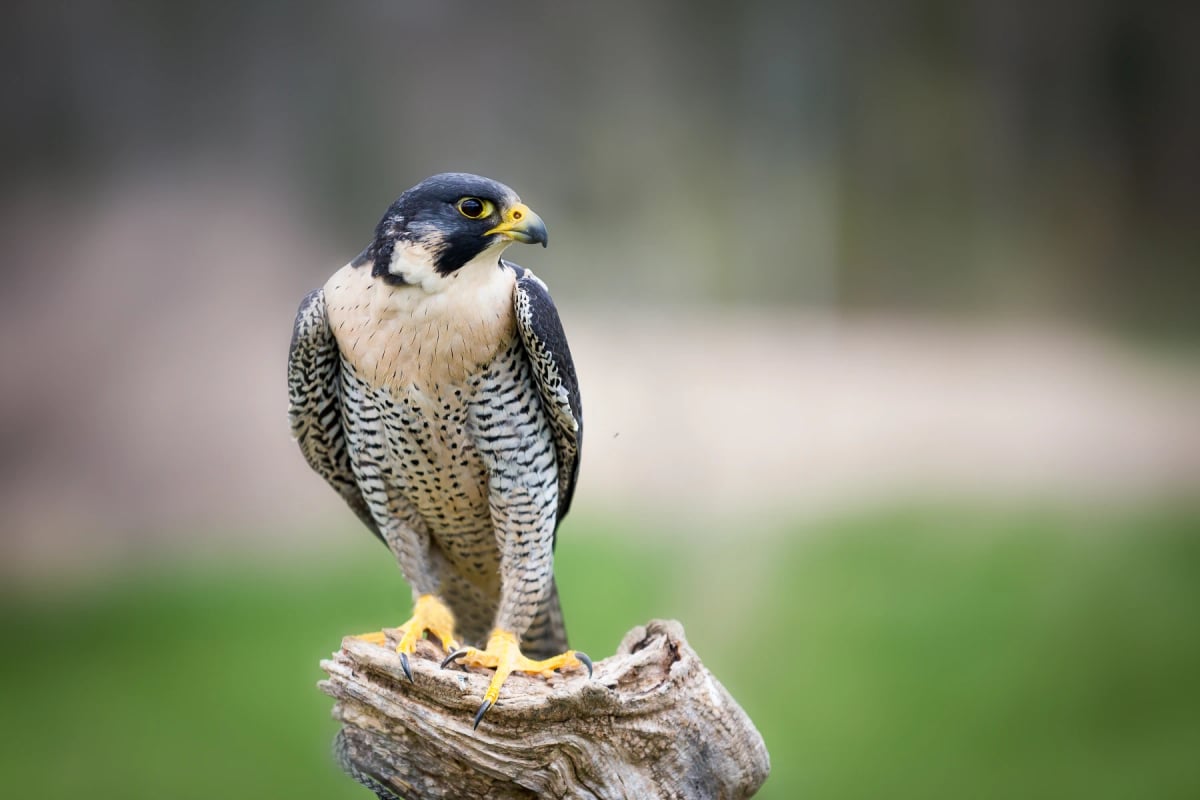
Peregrine Falcon
Falco peregrinus
The peregrine falcon occurs in Sri Lanka primarily as a winter visitor and passage migrant, with some resident pairs also recorded on the island. It frequents open habitats, coastal wetlands, and estuaries where prey birds are plentiful. The resident subspecies calidus winters here after breeding in the northern tundra. Sri Lanka's position along major South Asian flyways makes it a regular destination for migrating falcons each year.
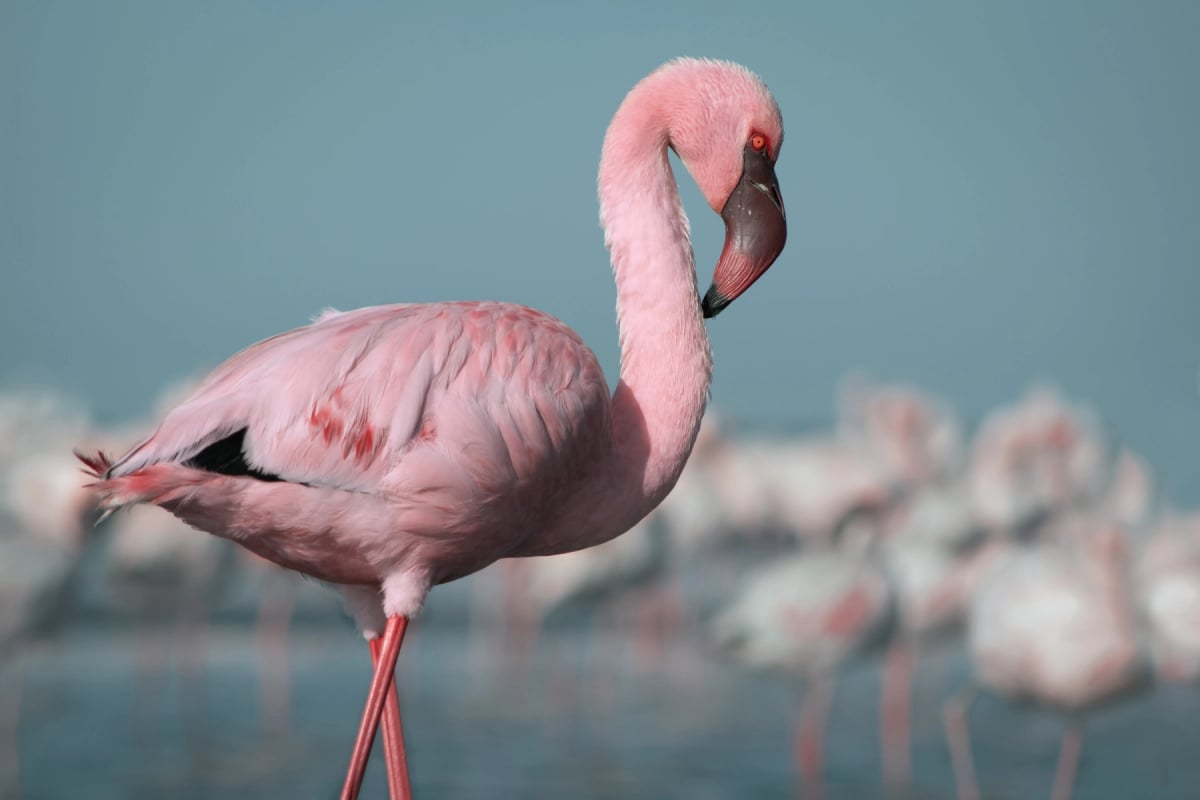
Flamingo
Phoenicopteridae (6 species)
The greater flamingo is found in Sri Lanka, mainly in the north and northwest, on the lagoons and salt pans of the Jaffna Peninsula and around Mannar. Numbers rise in the northern winter, when birds from India arrive, and large flocks feed in the shallow, salty water, filtering small crustaceans and algae. Mannar is one of the best places to see them on the island. IUCN status: Least Concern.
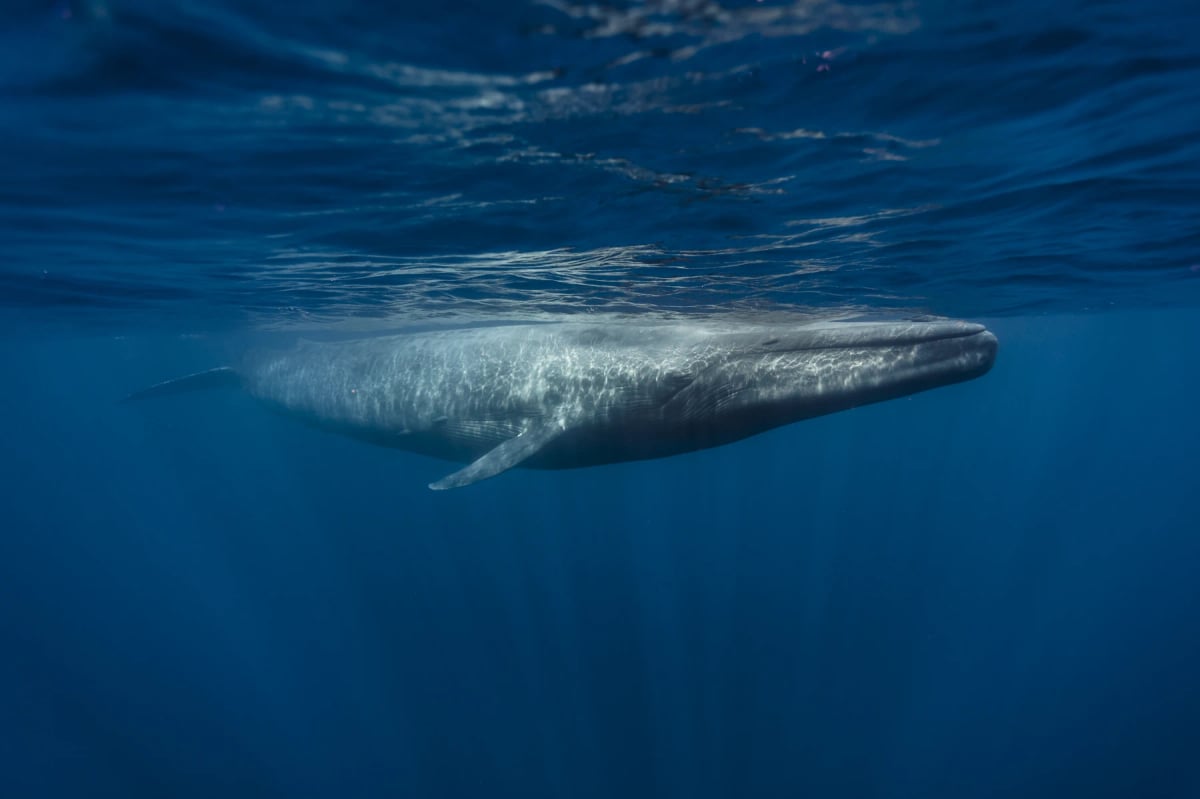
Blue Whale
Balaenoptera musculus
Sri Lanka is probably the best place in the world to see a blue whale, thanks to a population of the northern Indian Ocean that stays in the region all year instead of migrating to polar waters. Boats leave from Mirissa in the south between November and April and from Trincomalee in the east around mid year. The same deep water that brings the whales close to shore also carries heavy shipping traffic, and ship strikes are a recognised problem here.
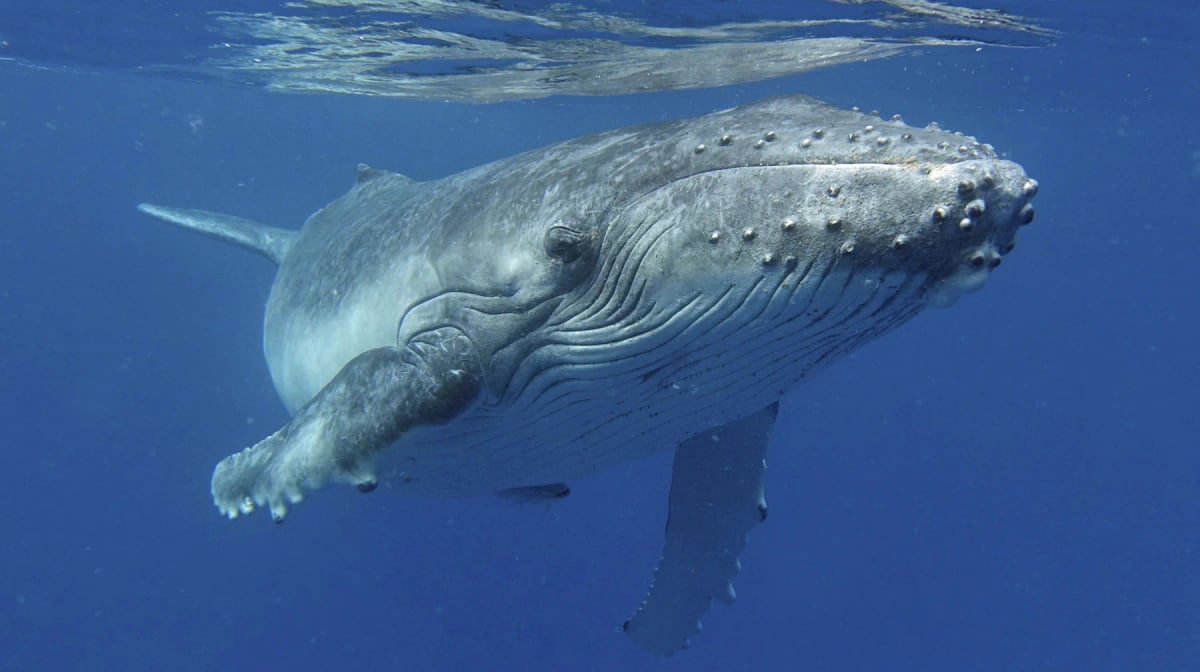
Humpback Whale
Megaptera novaeangliae
Sri Lanka sits in the Indian Ocean along routes used by humpback whales moving through the region. The waters off the island's northern and eastern coasts, including the Gulf of Mannar, are within the range of Indian Ocean humpback populations. Sri Lanka has developed a growing whale watching industry, particularly off the southern coast near Mirissa, where blue whales are the main attraction but humpbacks are also recorded. The IUCN lists the humpback whale as Least Concern.
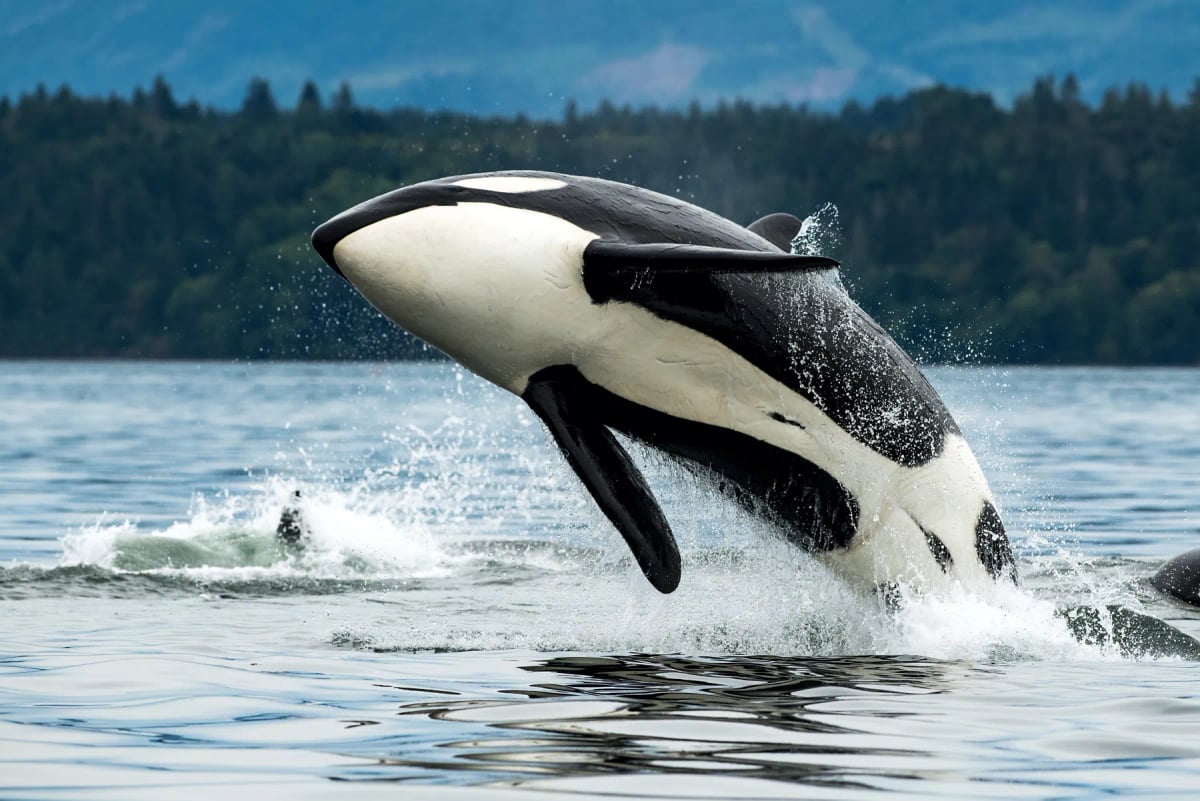
Orca
Orcinus orca
Orcas have been recorded in the waters surrounding Sri Lanka in the Indian Ocean, though sightings are uncommon. The island sits within a region of high marine biodiversity, and large cetaceans including sperm whales and blue whales are known to frequent nearby seas. Orca presence here likely reflects wide-ranging movement across the Indian Ocean. Limited research capacity in the region means their local habits remain poorly understood.
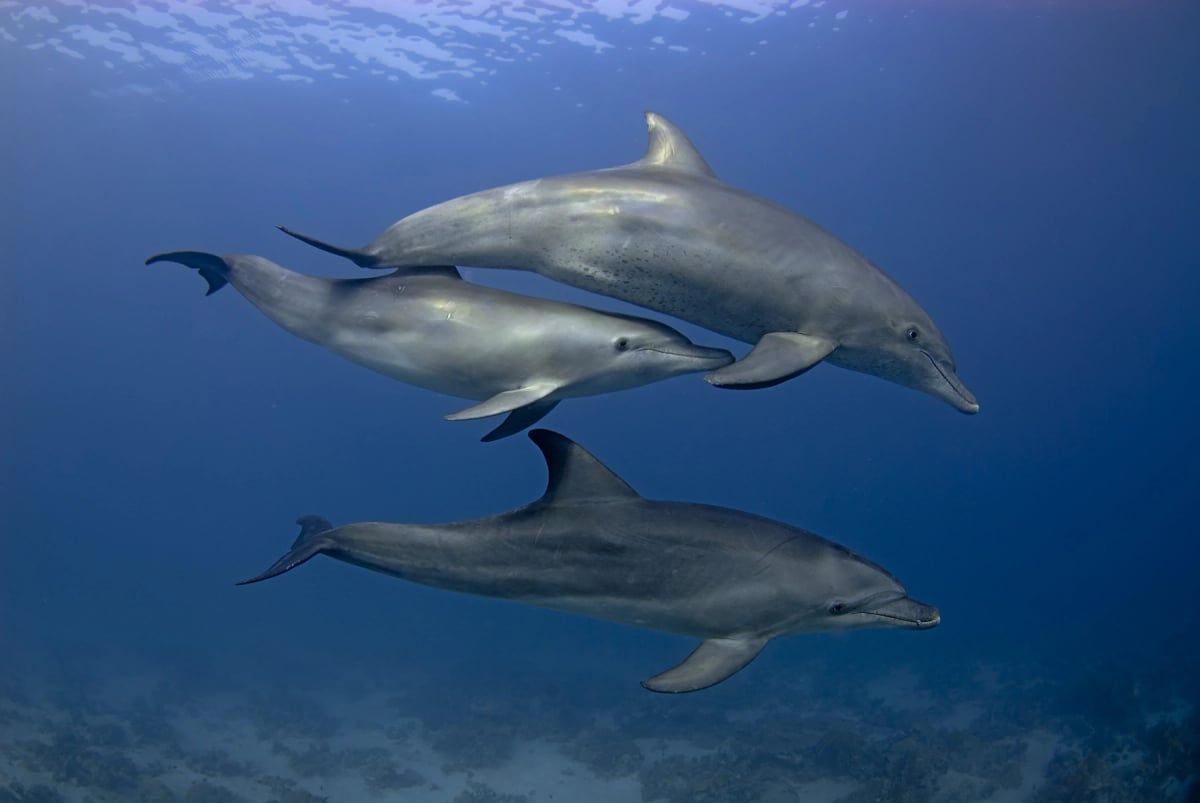
Bottlenose Dolphin
Tursiops truncatus
Bottlenose dolphins are present in the coastal and offshore waters surrounding Sri Lanka, an island nation set within the tropical Indian Ocean. They are often seen alongside spinner dolphins and other species in the waters off Trincomalee, a bay known for whale watching and cetacean diversity. Boat-based tourism, fishing pressure, and plastic pollution are ongoing concerns. Sri Lanka's waters fall within a region of high cetacean diversity, making conservation monitoring especially important. IUCN status: Least Concern.
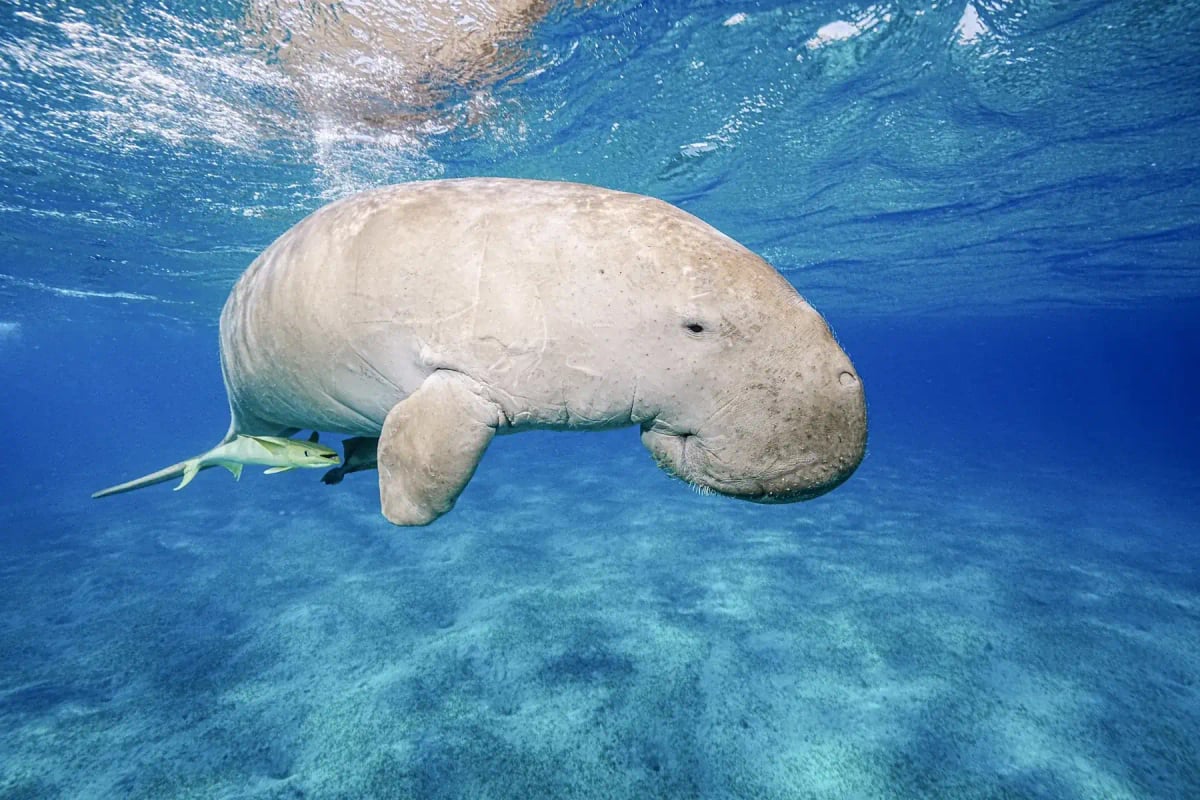
Dugong
Dugong dugon
Sri Lanka's shallow coastal waters, especially along the northwestern coast near the Gulf of Mannar and Palk Bay, support dugong populations. The Gulf of Mannar Marine National Park protects some of the most important seagrass habitat in the region. Dugongs in Sri Lankan waters face threats from accidental capture in fishing nets and from the long term degradation of seagrass beds due to pollution and trawling. Conservation awareness among fishing communities is gradually growing. IUCN status: Vulnerable.
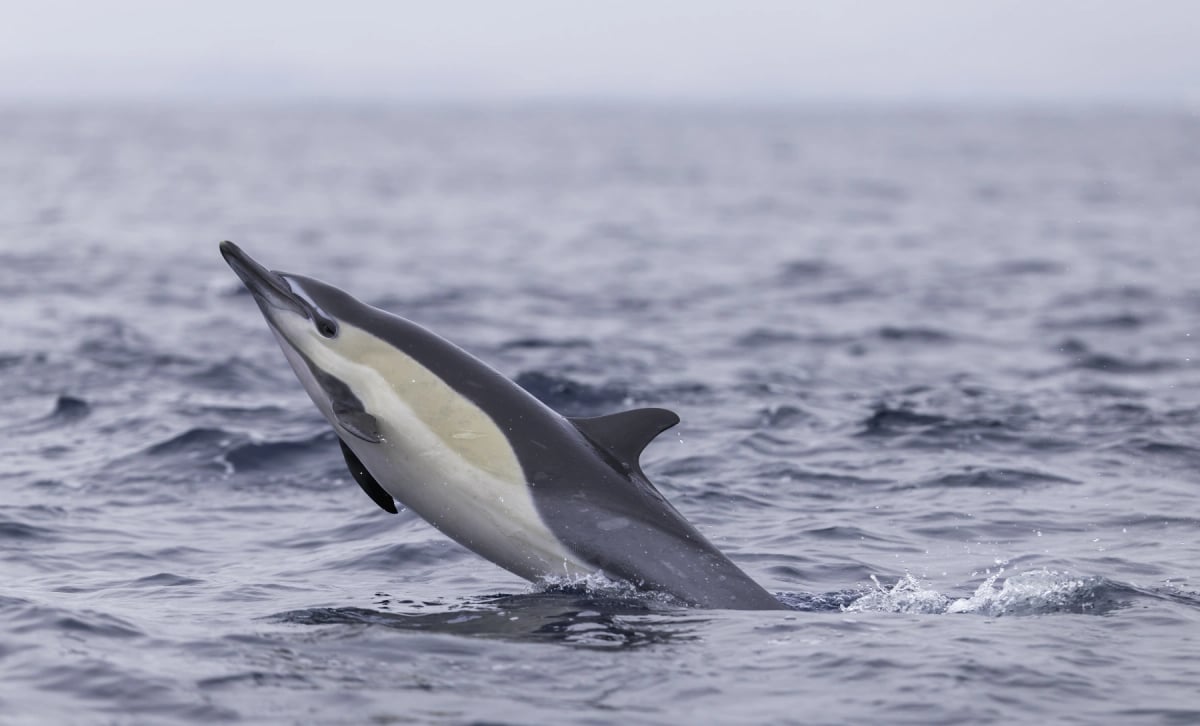
Common Dolphin
Delphinus delphis
Common dolphins occur in the warm coastal and offshore waters surrounding Sri Lanka, including the Gulf of Mannar and the seas off the northern and eastern coasts. They are sometimes seen alongside whale watching boats operating out of Mirissa and Trincomalee. Cooperative feeding behaviour, where groups herd fish toward the surface, is regularly observed here. Their IUCN status is Least Concern.
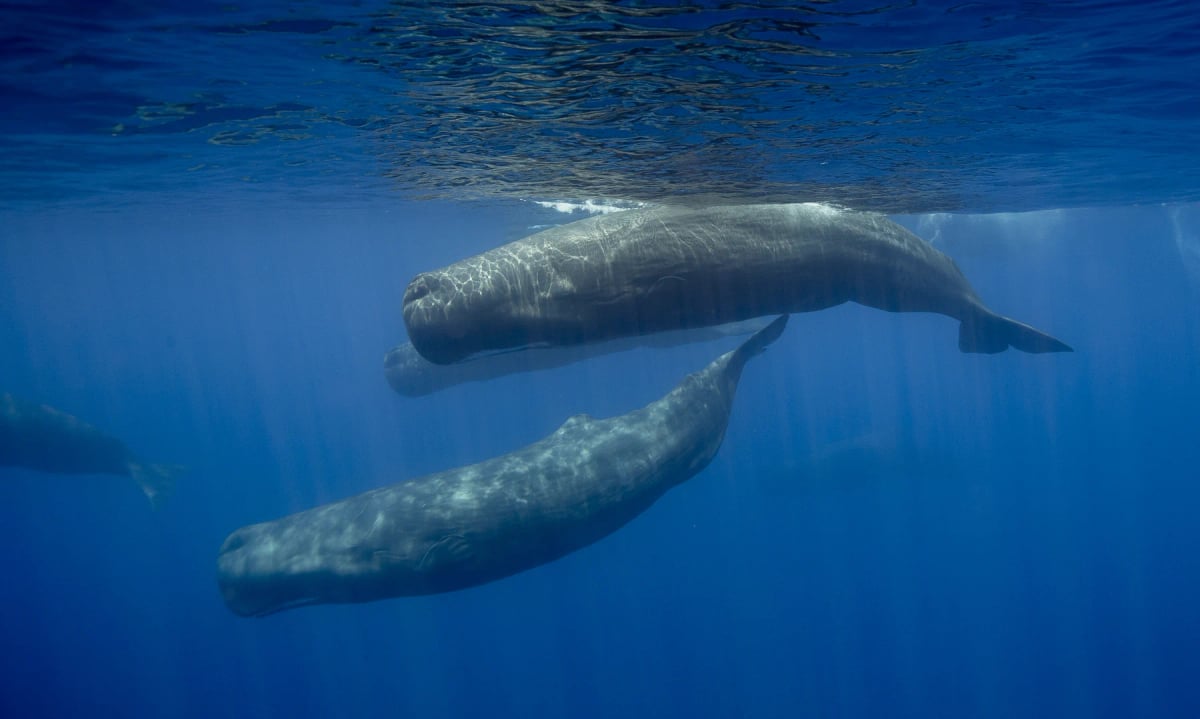
Sperm Whale
Physeter macrocephalus
Sri Lanka sits at the heart of the northern Indian Ocean, and sperm whales are regularly seen in the deep waters off its southern and western coasts. The area around Mirissa has become a notable destination for whale watching, where sperm whales are spotted throughout the year. The species is classified as Vulnerable by the IUCN, and boat traffic in these busy waters poses a genuine concern for their safety.
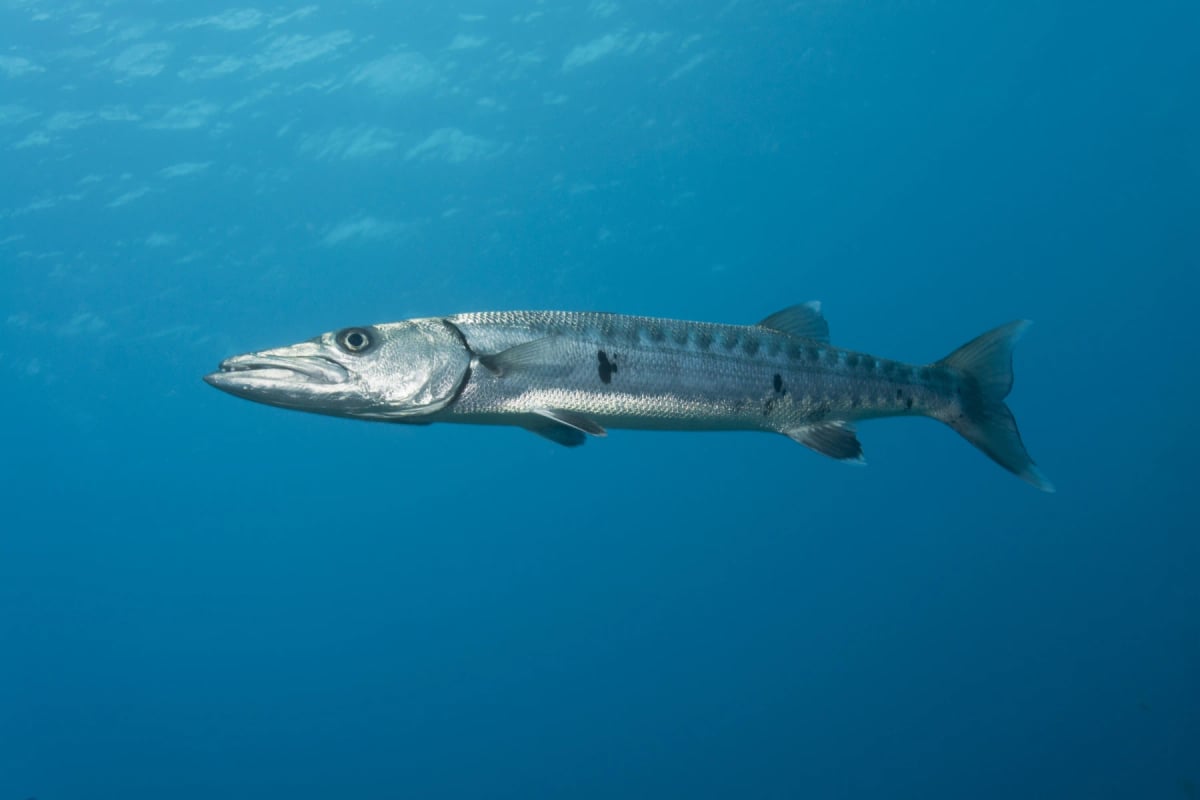
Barracuda
Sphyraena spp.
Barracudas are found in the warm coastal and offshore waters around Sri Lanka. They are fast, predatory fish with a striking elongated body and sharp teeth, and are frequently encountered by divers and snorkelers around coral reefs. Despite their intimidating appearance, unprovoked attacks on people are extremely rare.
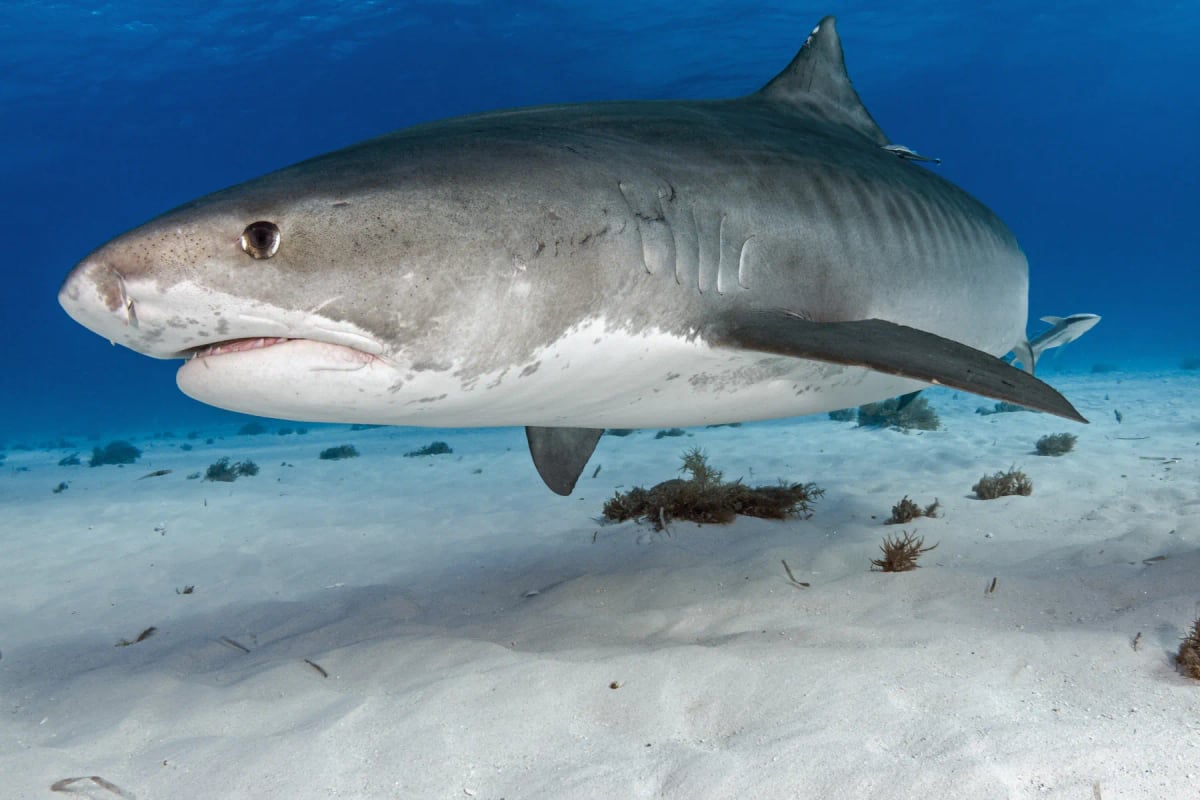
Tiger Shark
Galeocerdo cuvier
Tiger sharks move through the warm coastal waters surrounding Sri Lanka, drawn by the island's rich marine life in the Indian Ocean. They patrol reefs, lagoons, and open water alike, feeding on sea turtles, rays, and fish. Sri Lanka's fishing industry brings these sharks into frequent contact with humans, and accidental capture in fishing nets is one of the main threats to their survival over the long term. Their IUCN status is Near Threatened.
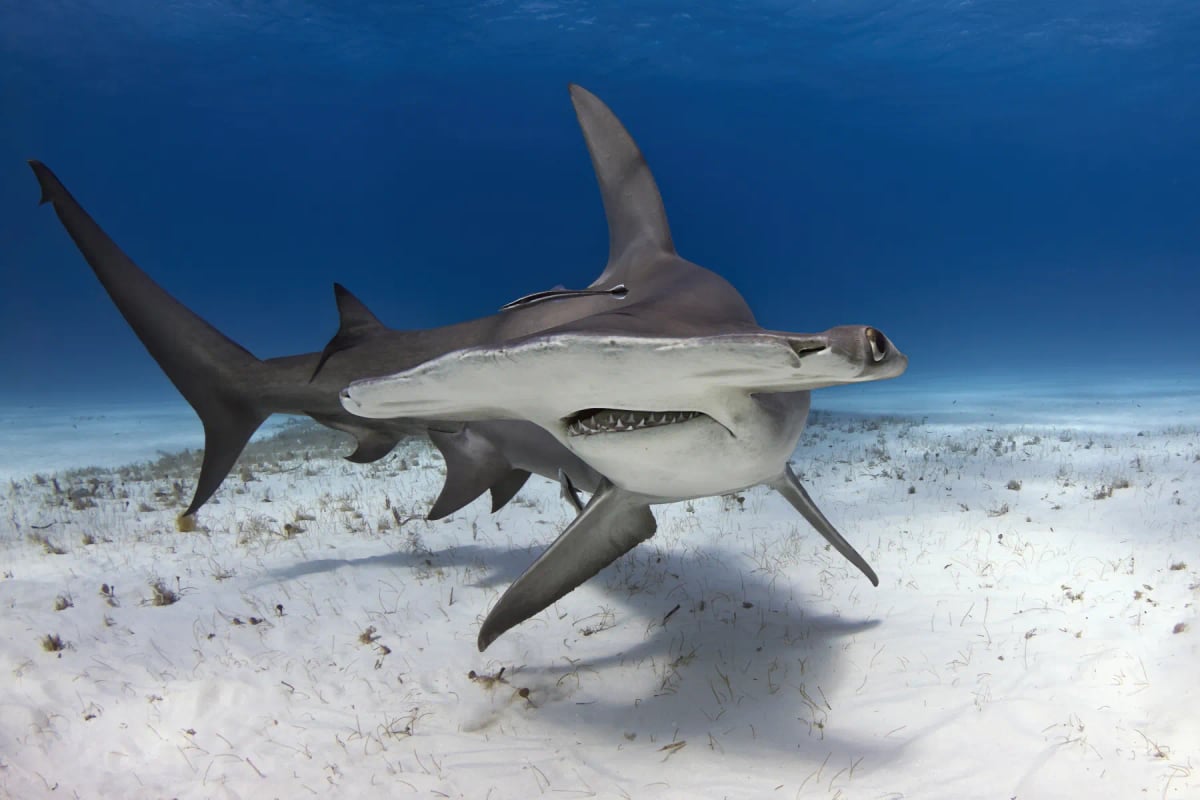
Hammerhead Shark
Sphyrna spp.
Sri Lanka sits in the heart of the Indian Ocean, and its surrounding waters are home to several species of hammerhead shark. These sharks are drawn to the productive coastal and offshore habitats around the island, feeding on the abundant rays and fish. Hammerheads are frequently caught by Sri Lanka's fishing fleets, and the country has faced international attention over its role in the global shark fin trade.
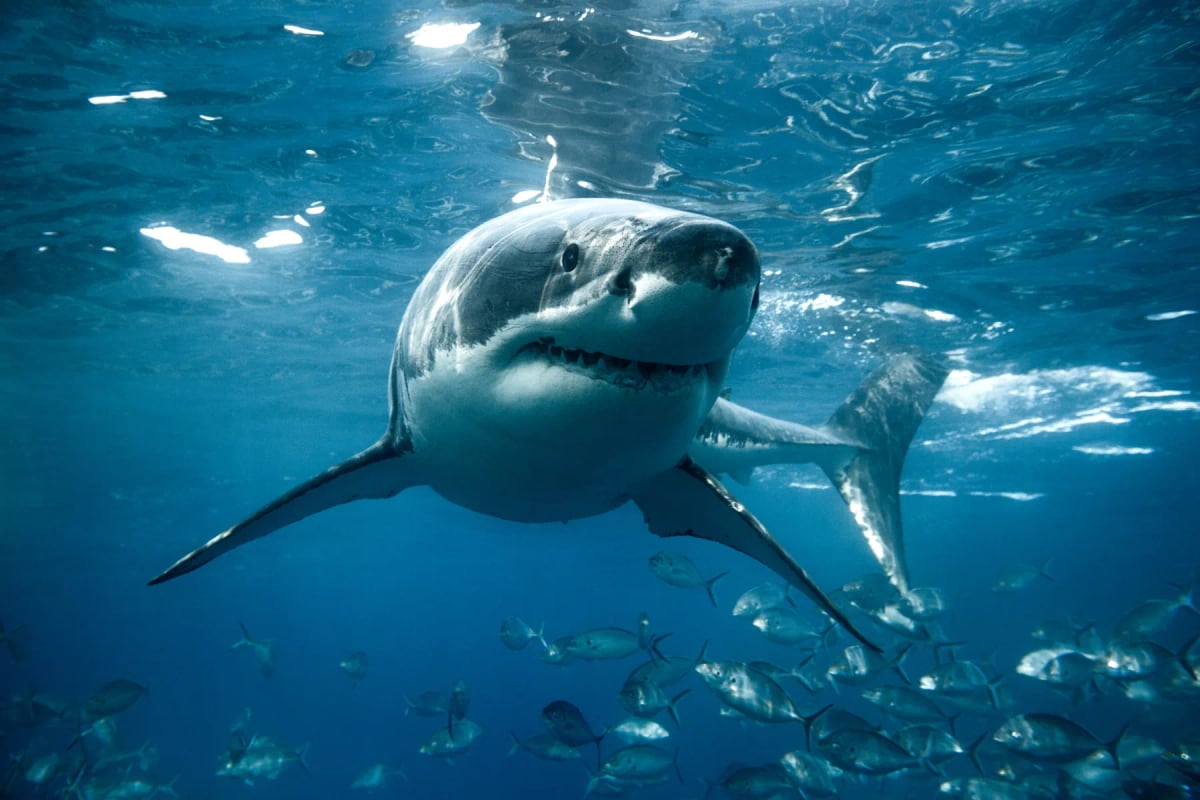
Great White Shark
Carcharodon carcharias
Sri Lanka sits in the Indian Ocean, within the broader range of the great white shark. Sightings in Sri Lankan waters are uncommon, but the species has been recorded in surrounding seas. The island's extensive coastline and proximity to productive oceanic zones mean encounters are possible. As with much of the Indian Ocean, detailed data on great white shark movements in this area remains limited.
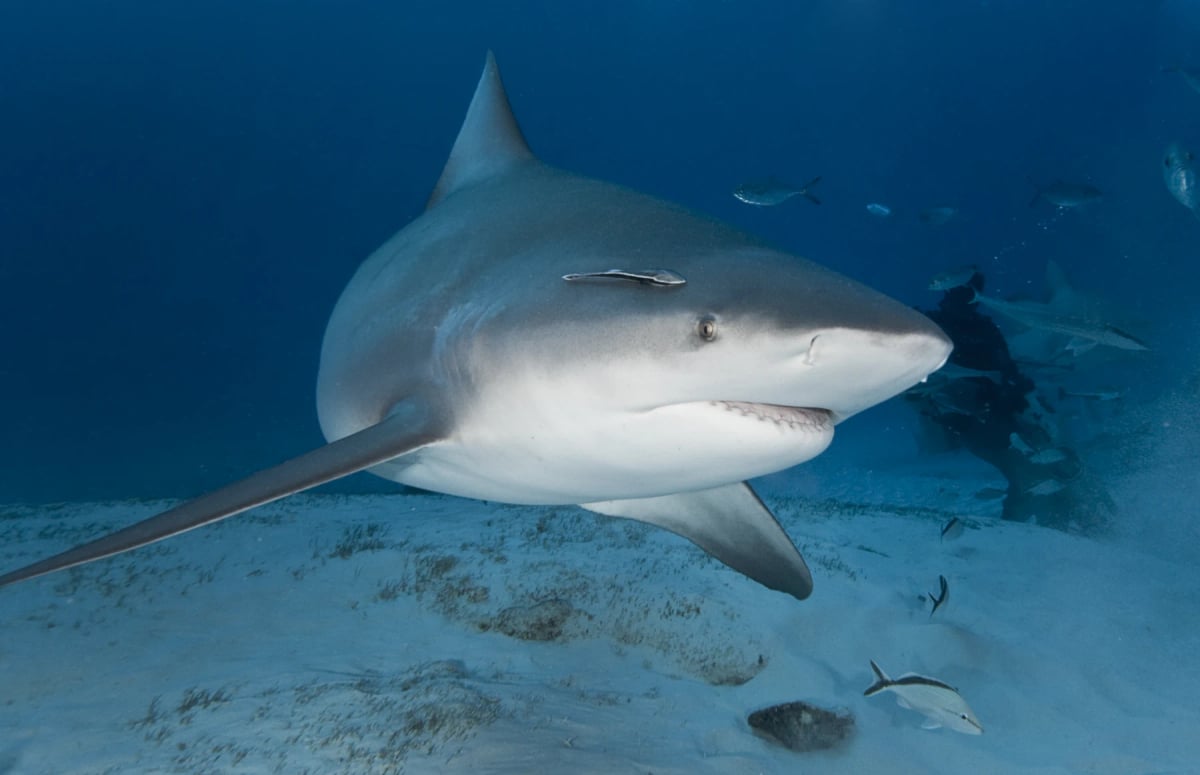
Bull Shark
Carcharhinus leucas
Bull sharks inhabit the coastal and estuarine waters surrounding Sri Lanka, where the warm Indian Ocean provides year-round suitable conditions. River mouths and shallow lagoons along the island's coastline offer important foraging and nursery habitat. The species faces pressure from targeted fishing and bycatch in Sri Lankan waters. As a Near Threatened species, ongoing monitoring and fisheries regulation are important for the survival of bull sharks in this region over the long term.
Frequently Asked Questions
What animals live in Sri Lanka?
Sri Lanka's animals include leopards, Sri Lankan elephants, sambar deer, wild boars, golden jackals, fishing cats, pangolins, macaques and langurs. Reptiles are common too, such as monitor lizards, mugger crocodiles and saltwater crocodiles. Flamingos visit its lagoons in winter. In the seas around the island live blue whales, sperm whales, humpback whales, dolphins, dugongs, sea turtles and several kinds of sharks.
Where can you see leopards in Sri Lanka?
The best place is Yala National Park in the southeast, which has one of the highest numbers of leopards per square kilometer in the world. Wilpattu National Park in the northwest, the largest national park in the country, is quieter and also has good leopard sightings. Sri Lanka has its own type of leopard, and because there are no tigers or lions on the island, leopards are often seen resting on rocks or walking along the roads during the day. Early morning and late afternoon safaris give the best chances.
Where can you see elephants in Sri Lanka?
Wild elephants are easy to see in national parks like Udawalawe, Minneriya and Kaudulla. From about July to October, hundreds of elephants gather around the Minneriya reservoir to eat the fresh grass, one of the largest gatherings of Asian elephants in the world. At Udawalawe, the Elephant Transit Home cares for orphaned baby elephants and later returns them to the wild. The Pinnawala Elephant Orphanage, opened in 1975, is also very popular, but its elephants stay in captivity and animal welfare groups have criticized how they are kept.
Are there crocodiles in Sri Lanka?
Yes, Sri Lanka has two kinds. The mugger crocodile lives in lakes, rivers and old reservoirs, mainly in the dry zone, and it is easy to see in parks like Yala and Wilpattu. The saltwater crocodile is bigger and more dangerous. It lives in rivers, lagoons and marshes near the coast, and it sometimes attacks people in places like the Nilwala River near Matara. It is best never to swim in rivers or lagoons where crocodiles may live.
Where can you see whales in Sri Lanka?
Mirissa, on the south coast, is the most popular place to see blue whales, the largest animals on Earth, and the best months are usually from December to April. Trincomalee, on the east coast, is known for blue whales and sperm whales, with the best season from about March to August. Dolphins are often seen on the same trips, and at Kalpitiya in the northwest large groups of dolphins can be seen close to the coast. Choosing a tour that keeps a respectful distance from the whales is important.
Researched and written by Juan Pablo. Sources: IUCN Red List, scientific literature and regional field guides. Last updated: .