Animals in Algeria
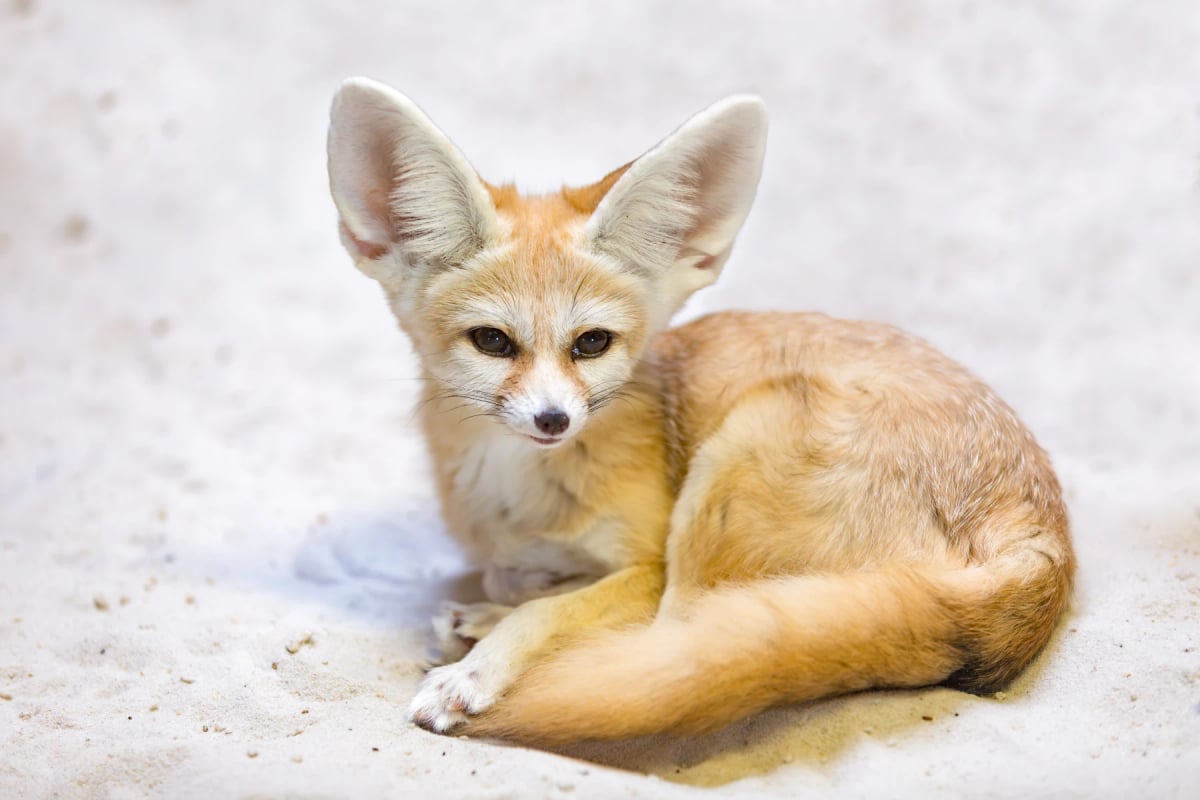
Fennec Fox
Vulpes zerda
The fennec fox, Algeria’s national animal, is a small nocturnal predator with large ears and remarkable desert adaptations. Native to the Sahara, it represents endurance and curiosity. The species appears in tourism and conservation campaigns as a symbol of Algeria’s natural resilience.
View details→Wildlife in Algeria
Algeria’s wildlife reflects its wide range of landscapes, from Mediterranean coasts to Saharan dunes. Fennec foxes, dromedaries, red deer, Barbary macaques and dolphins inhabit its diverse habitats. National parks and desert tours allow visitors to discover one of North Africa’s most varied ecosystems.
Most Dangerous Animals in Algeria
Some wildlife in Algeria can be dangerous in certain conditions. Cheetahs and wild boars may defend their territories, while dolphins are the large animals most often seen along the coast. Guided tours and local knowledge make exploration of these areas safe and enriching.
Top 10 Animals in Algeria
Algeria’s representative species include the cheetah, fennec fox and red deer. These animals capture the spirit of its deserts, forests and mountains. Wildlife excursions through regions like Tassili n’Ajjer highlight the country’s unique blend of speed, adaptation and natural beauty.

Barbary Macaque
Macaca sylvanus
In Algeria, Barbary macaque populations are smaller and more fragmented than in neighboring Morocco. Groups survive mainly in the cedar and oak forests of the Tell Atlas and Kabylie region, where habitat loss has isolated many troops. Civil unrest and limited conservation funding made monitoring difficult in past decades. Today, illegal capture and shrinking forest cover remain the greatest threats to the species in the country.
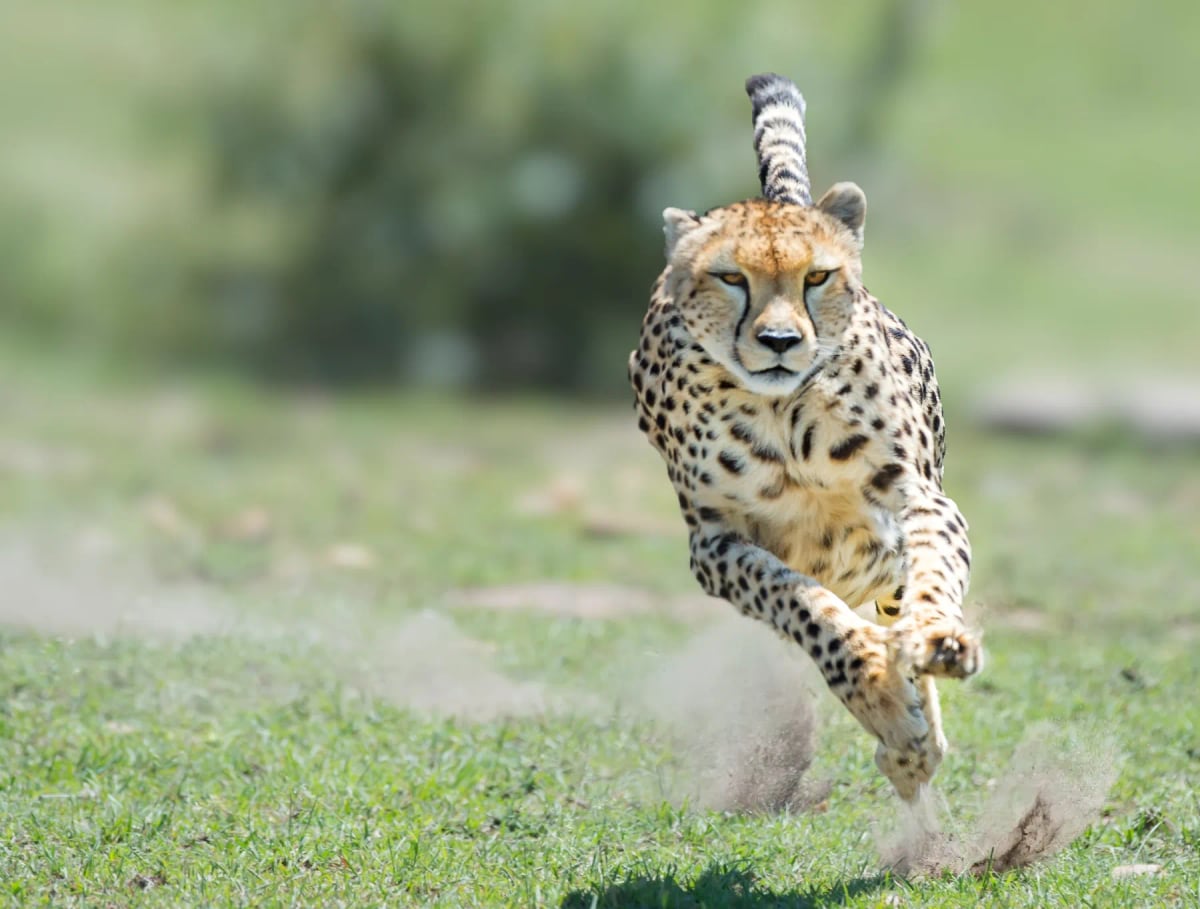
Cheetah
Acinonyx jubatus
In Algeria, the cheetah survives in extremely small numbers across the Saharan and pre-Saharan regions, particularly in the Ahaggar and Tassili n'Ajjer plateaus. These arid landscapes offer sparse prey and vast distances between individuals, making reproduction rare. The population is considered functionally isolated from cheetahs further south, and its status in the country remains critical, with sightings recorded only occasionally by researchers and local communities.
Fennec Fox
Vulpes zerda
The fennec fox is the national animal of Algeria, a fitting symbol for a country where the Sahara covers most of the territory. It lives across the Algerian desert, sheltering in burrows during the day and hunting insects and small prey at night. Its iconic oversized ears and pale coat make it one of the most recognized animals in North Africa.
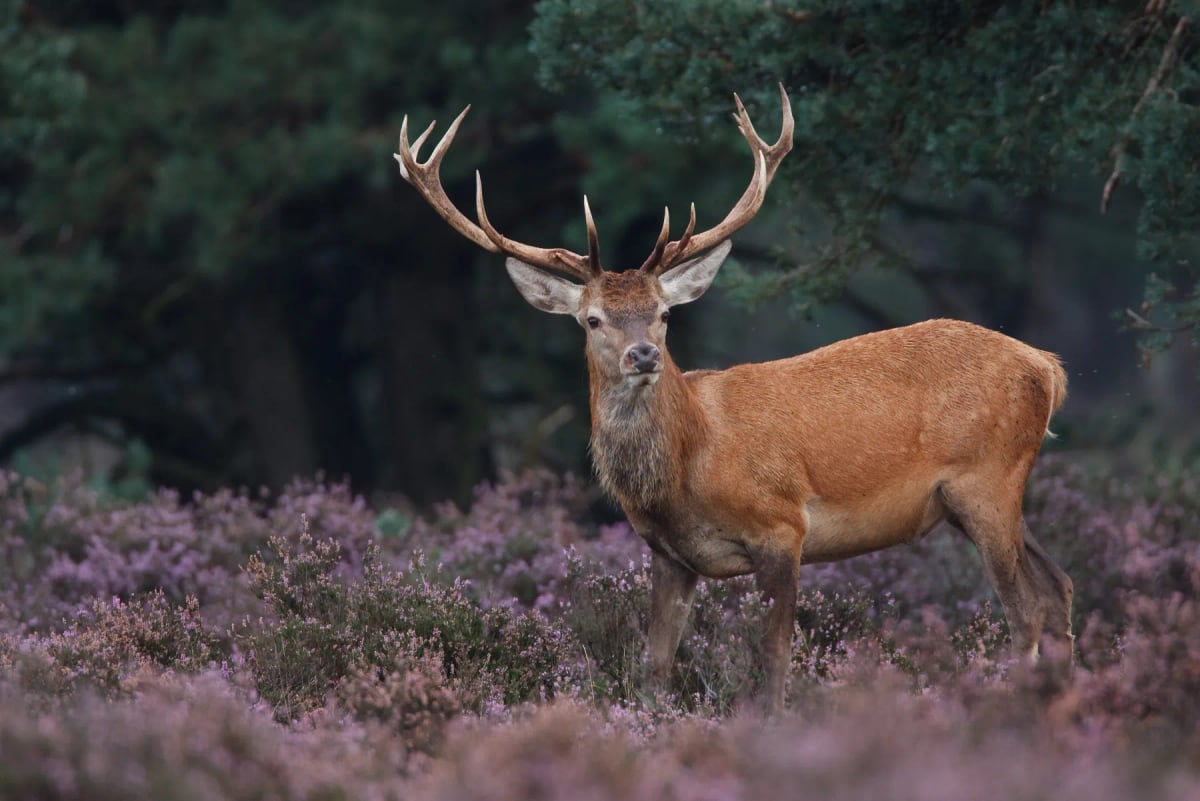
Red Deer
Cervus elaphus
The red deer has a small and isolated population in the forests of northeastern Algeria, particularly in the El Kala region near the Tunisian border. This North African population is one of the rarest in the world and faces pressure from habitat loss and poaching. Conservation efforts in the El Kala National Park are critical to the survival of this population over the long term. IUCN status: Least Concern.
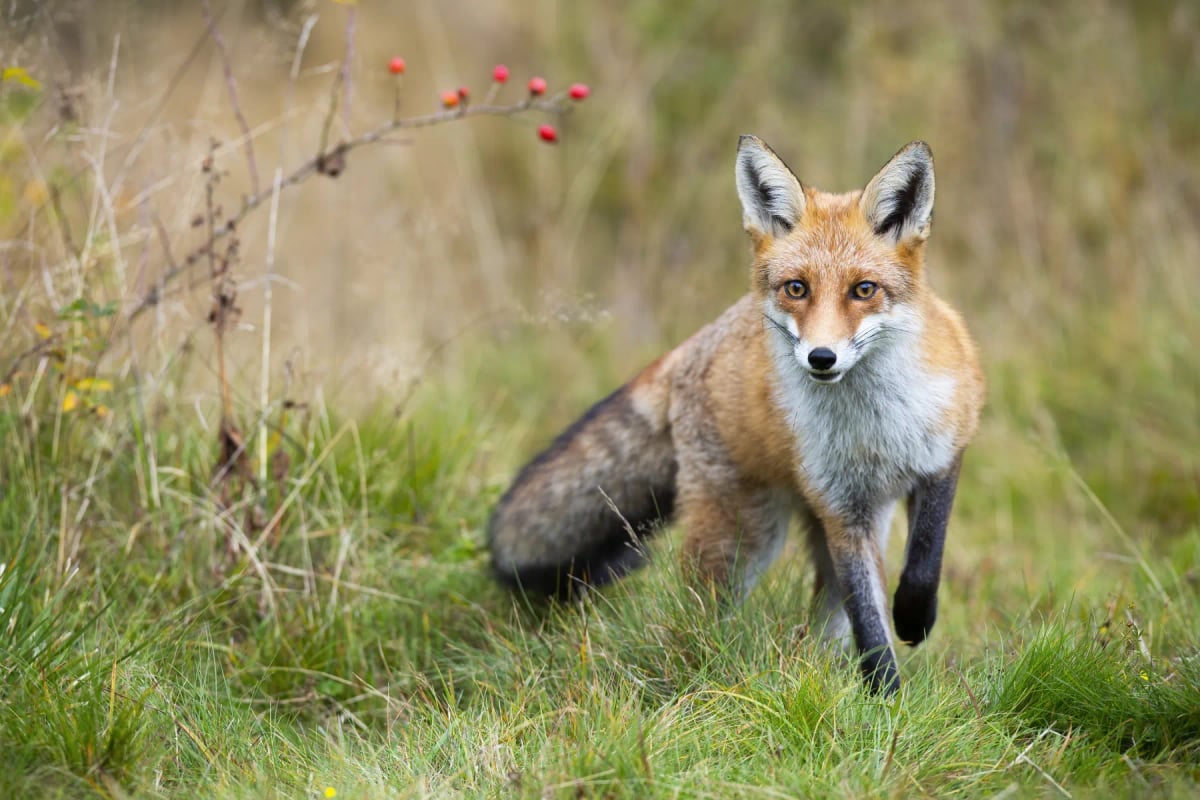
Red Fox
Vulpes vulpes
The red fox is found throughout Algeria, from the fertile coastal plains of the Tell to the vast Saharan expanses in the south. In desert regions it tends to be smaller and paler, blending into sandy terrain. It is highly opportunistic, scavenging near villages and hunting lizards, rodents, and insects. It is one of Algeria's most widespread wild mammals. Its IUCN status is Least Concern.
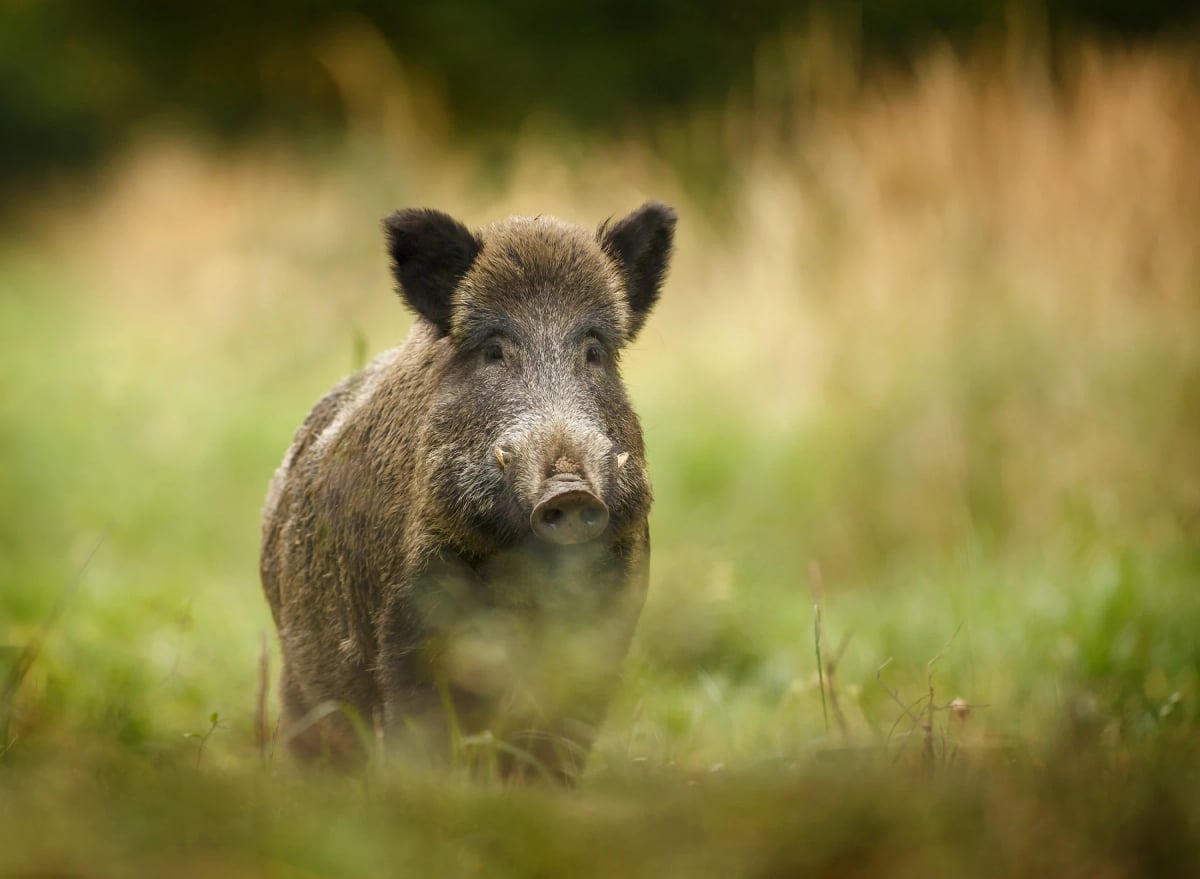
Wild Boar
Sus scrofa
In Algeria, wild boars live mainly in the forested hills and mountains of the Tell Atlas and Kabylie regions in the north, where oak and cork forests provide food and shelter. Because most of the population does not hunt or eat pork for religious reasons, boars face little hunting pressure and numbers have grown in several areas. They are increasingly seen as an agricultural pest, raiding crops near forest edges.
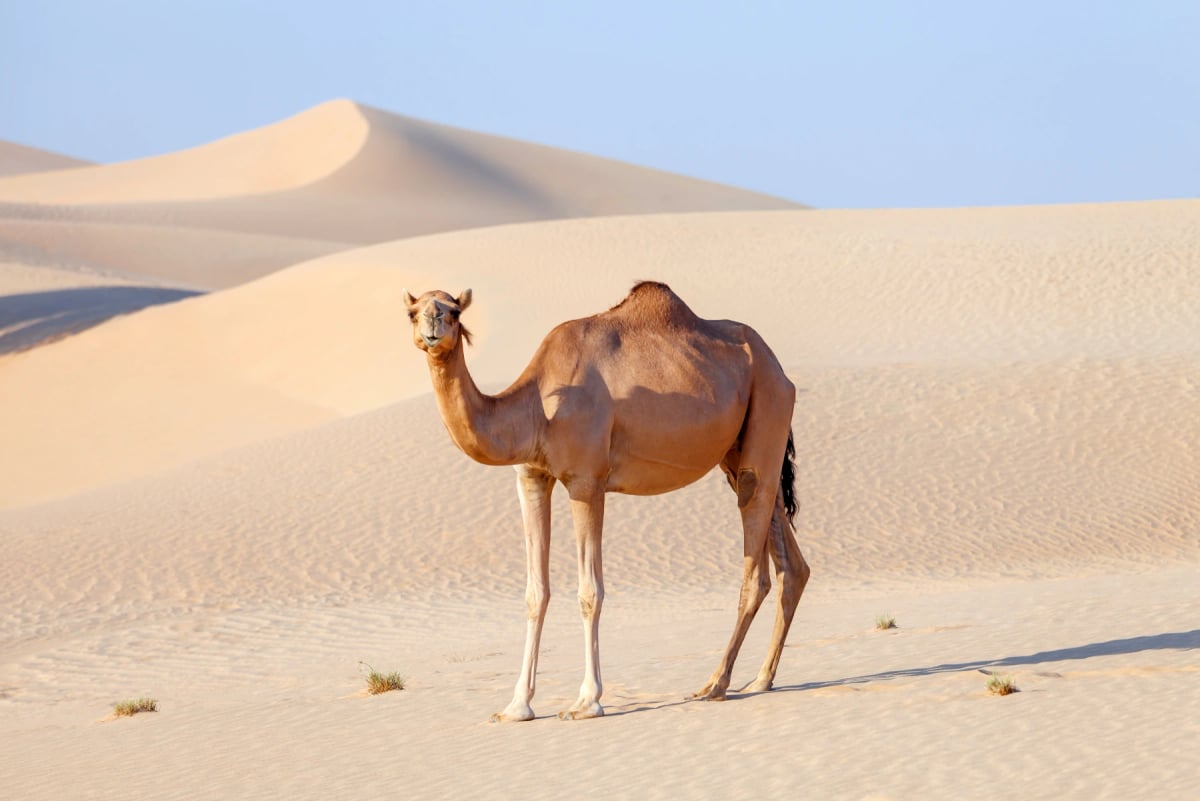
Dromedary Camel
Camelus dromedarius
The dromedary camel is a cornerstone of life across the Algerian Sahara, the largest hot desert on Earth. Herders in regions like Tamanrasset and the Hoggar rely on these animals for milk, meat, and transport across vast stretches of sand and rock. Their ability to go days without water and carry heavy loads makes them irreplaceable in one of the world's most unforgiving landscapes.
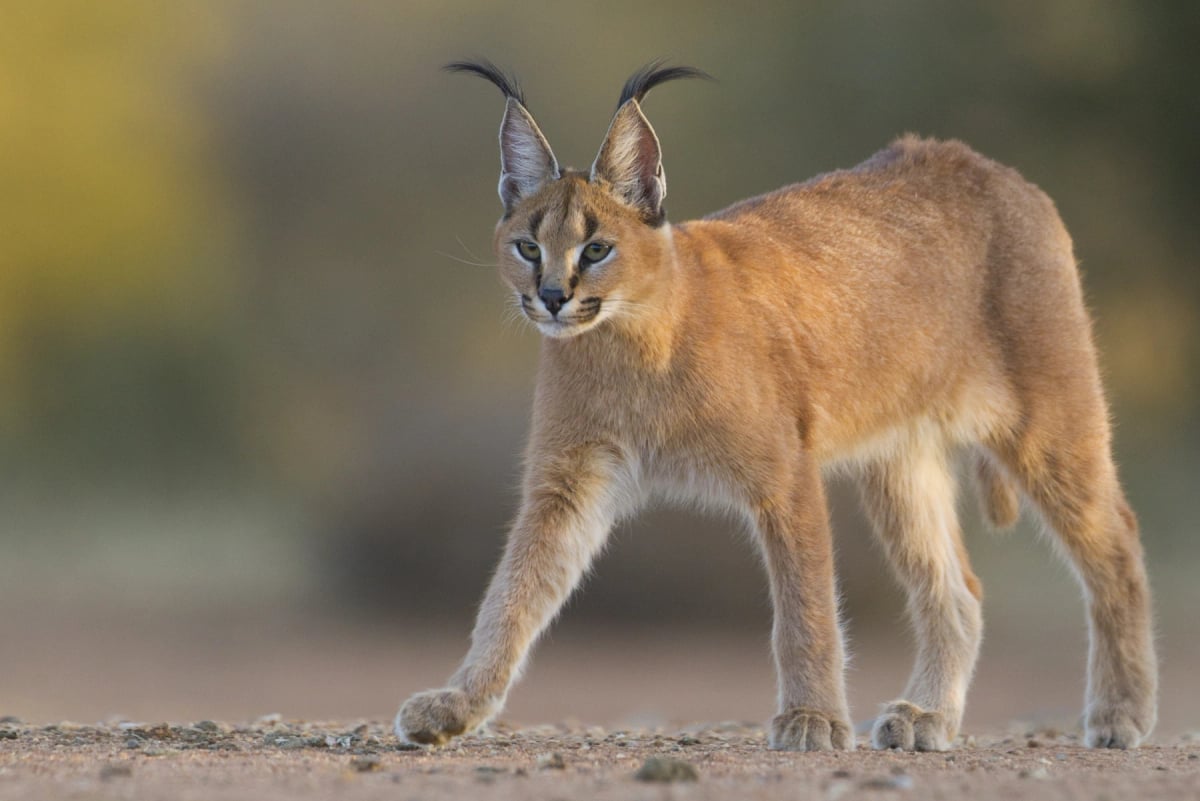
Caracal
Caracal caracal
In Algeria, the caracal is found across the northern Tell Atlas ranges and into the pre-Saharan steppes, favoring rocky outcrops and scrubby terrain. Its uniformly tawny coat blends well with the dry Algerian landscape. It hunts rodents, hares, and birds, often raiding poultry, which brings it into conflict with rural communities. Persecution by farmers remains a key pressure on the population. IUCN status: Least Concern.
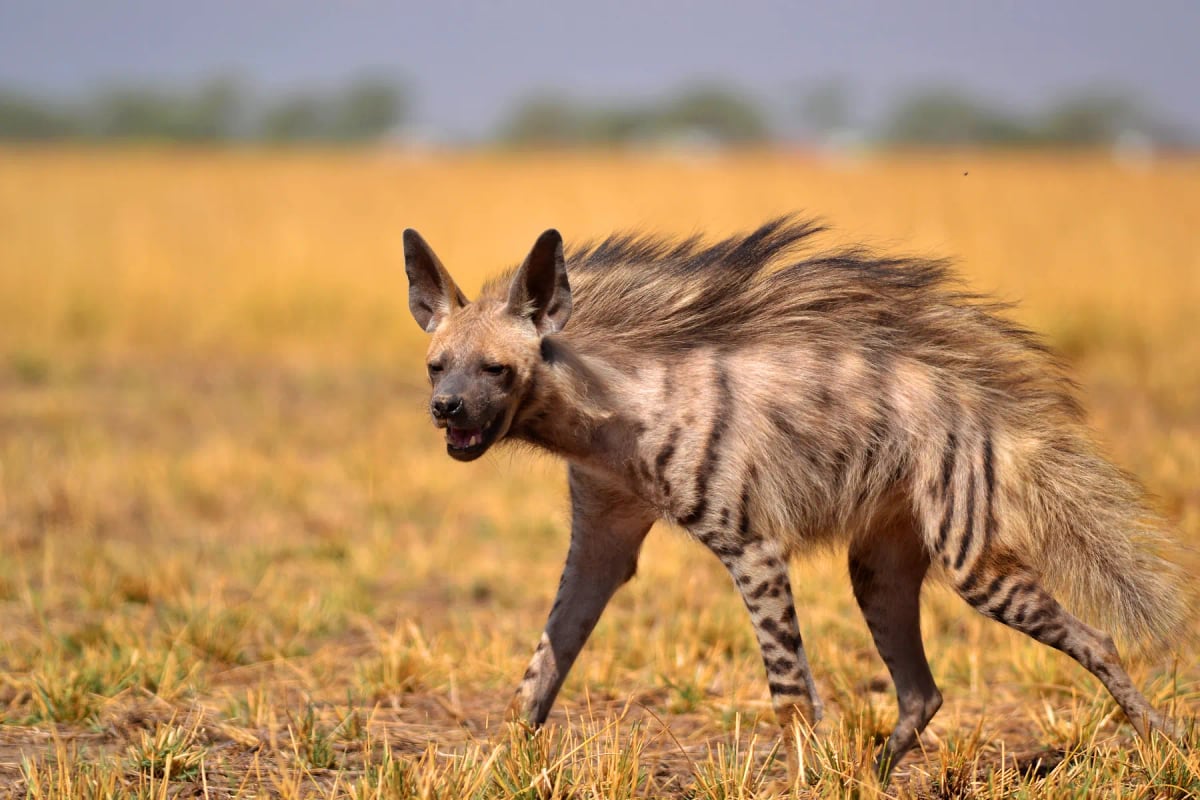
Striped Hyena
Hyaena hyaena
Shy nocturnal scavenger with a striped gray coat and an erectile mane that helps clean the landscape by consuming carcasses across Africa, the Middle East and Asia.

Honey Badger
Mellivora capensis
The honey badger lives across Algeria's northern Tell Atlas region and stretches into the Saharan fringes, where it navigates rocky terrain and scrubland with ease. Weighing up to 16 kg, this stocky member of the weasel family eats snakes, rodents, insects, and honey. It is famously bold, willing to stand its ground against much larger predators. The IUCN lists it as Least Concern.
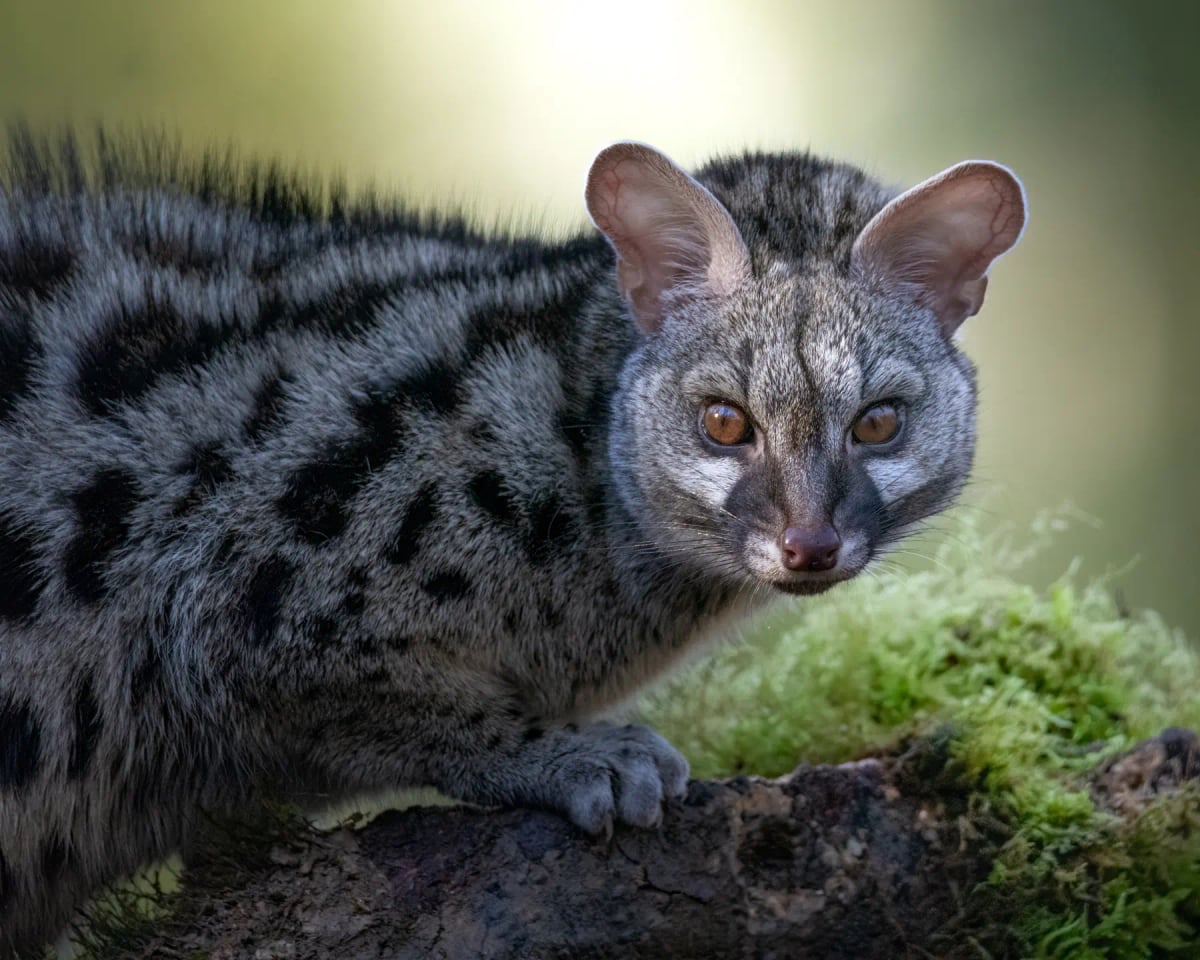
Common Genet
Genetta genetta
The common genet is found across much of Algeria, from the forests of the northern Tell Atlas to scrubland and rocky terrain further south. It is strictly nocturnal, spending the day hidden in rock crevices or dense vegetation. In Algeria it preys on small mammals, birds, and insects. Its spotted coat and banded tail make it one of the country's most distinctive wild carnivores. Its IUCN status is Least Concern.
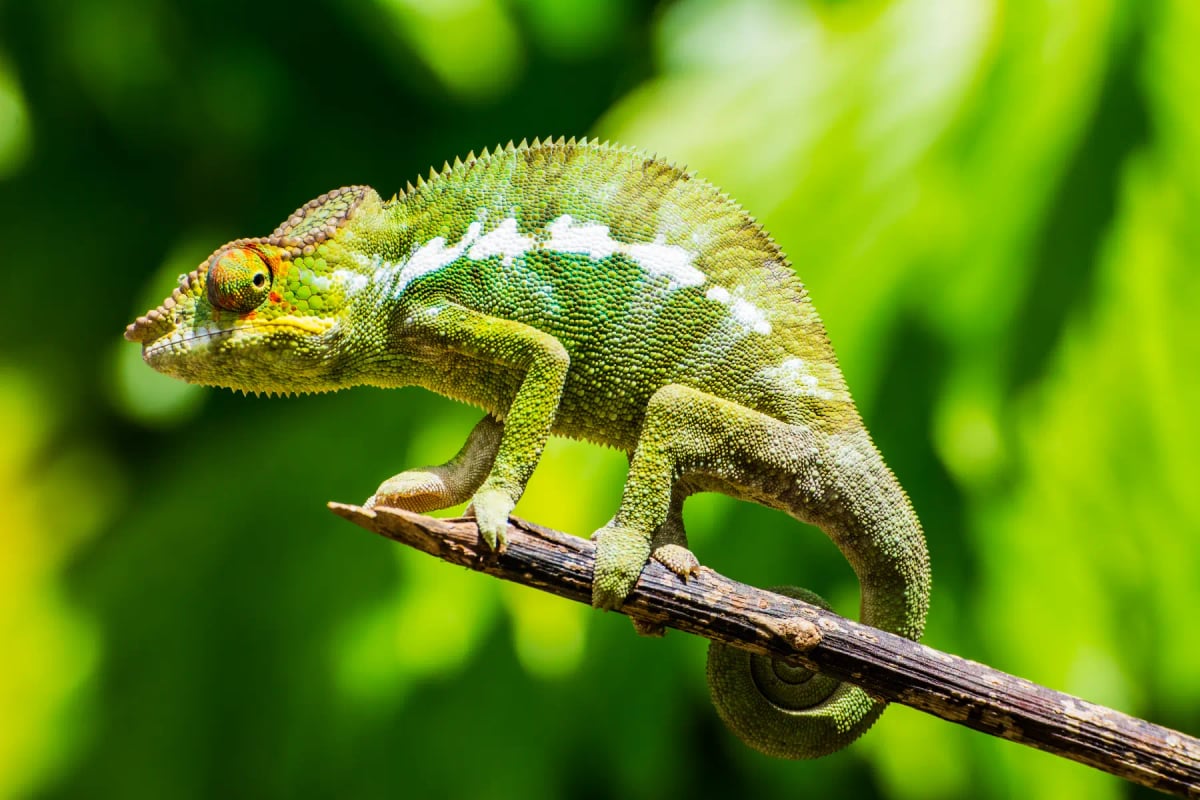
Chameleon
Chamaeleonidae
In Algeria the common chameleon lives in the north, in the scrublands and Mediterranean vegetation of the Tell, from the coast to the foothills of the Atlas. It favors olive groves, gardens and shrubby areas where insects are abundant. Its eyes move independently for near panoramic vision, and its tongue strikes faster than the eye can follow. Agriculture and urban growth are the main threats here. IUCN status: Least Concern.
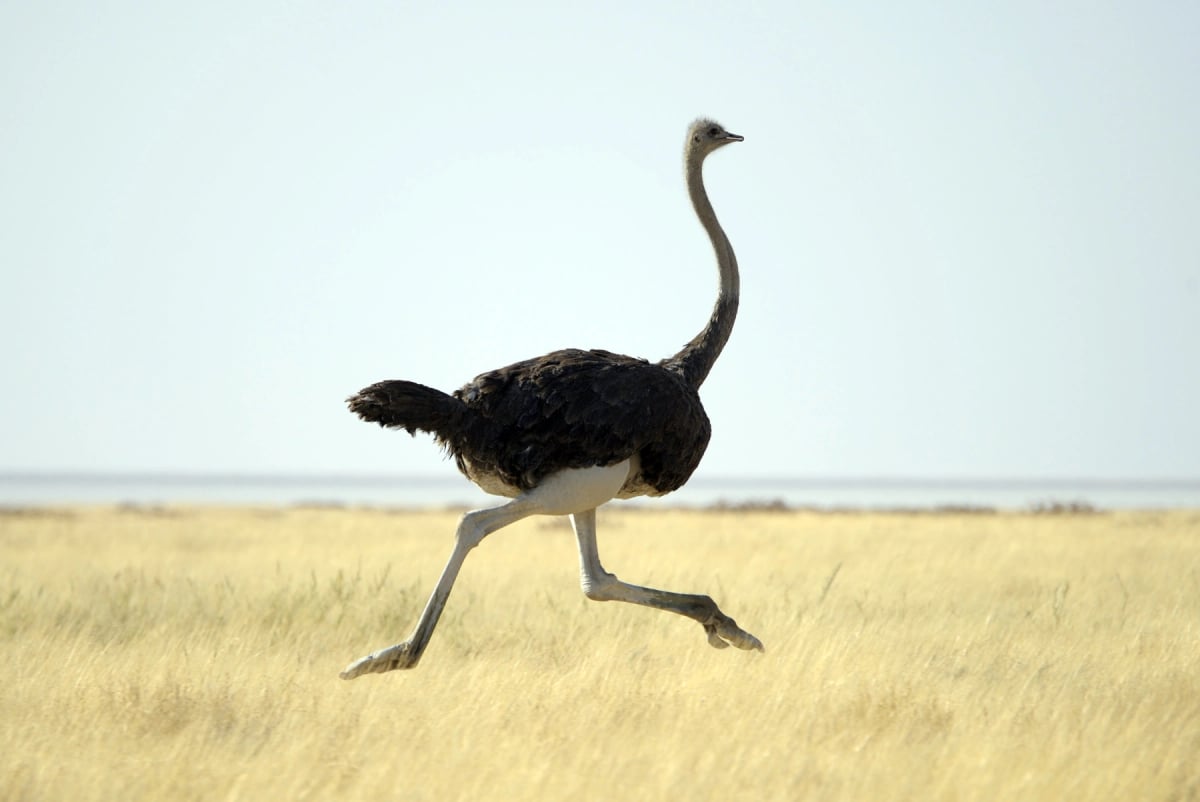
Ostrich
Struthio camelus
The ostrich once roamed widely across Algeria's Saharan south, but populations declined sharply through the twentieth century due to hunting and habitat loss. Today, wild ostriches are extremely rare in the country, with any remaining individuals confined to the most remote desert and semi-arid zones near the borders with Mali and Niger. Algeria has explored reintroduction efforts to restore the species to its former range.
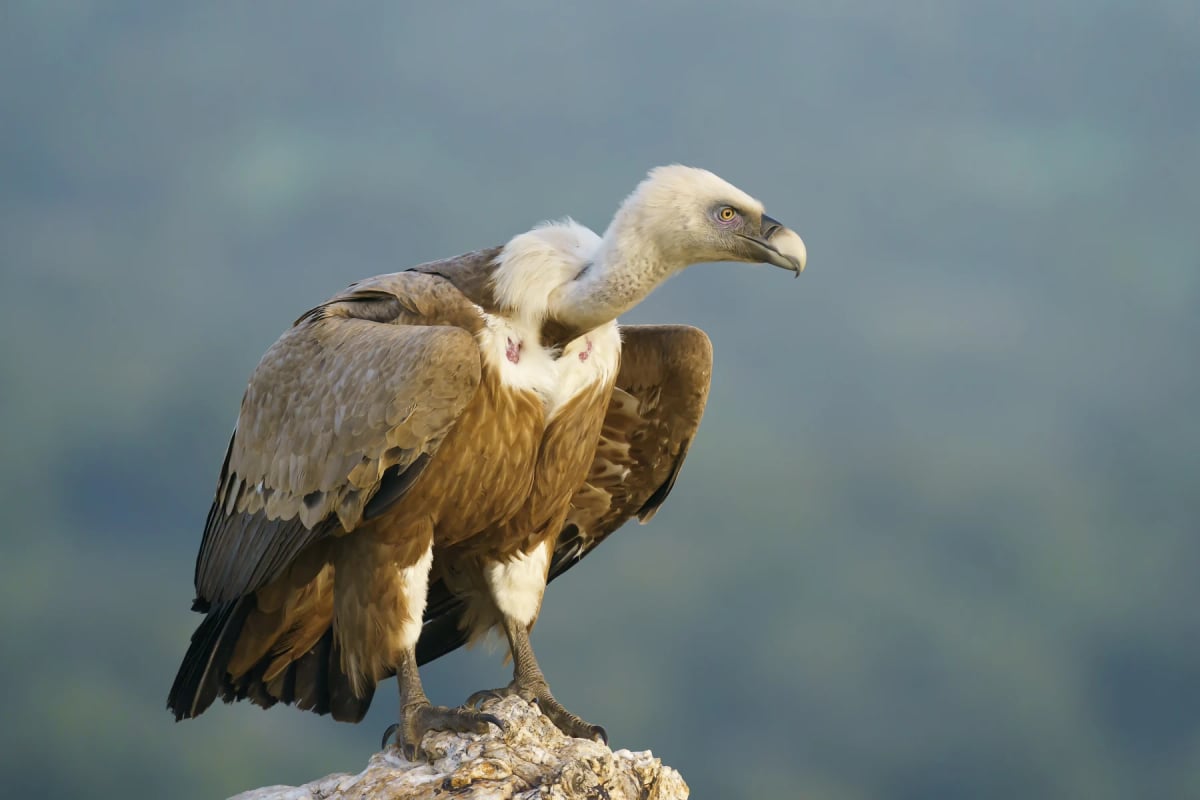
Griffon Vulture
Gyps fulvus
Algeria holds the main surviving griffon vulture population in North Africa, in the Djurdjura mountains, the Ouarsenis, and other parts of the Tell Atlas, where steep cliffs overlook wide open valleys. The species scavenges livestock carcasses over large areas of the northern highlands. Low human density in many mountain areas gives it the undisturbed cliff faces it needs to breed. IUCN status: Least Concern.
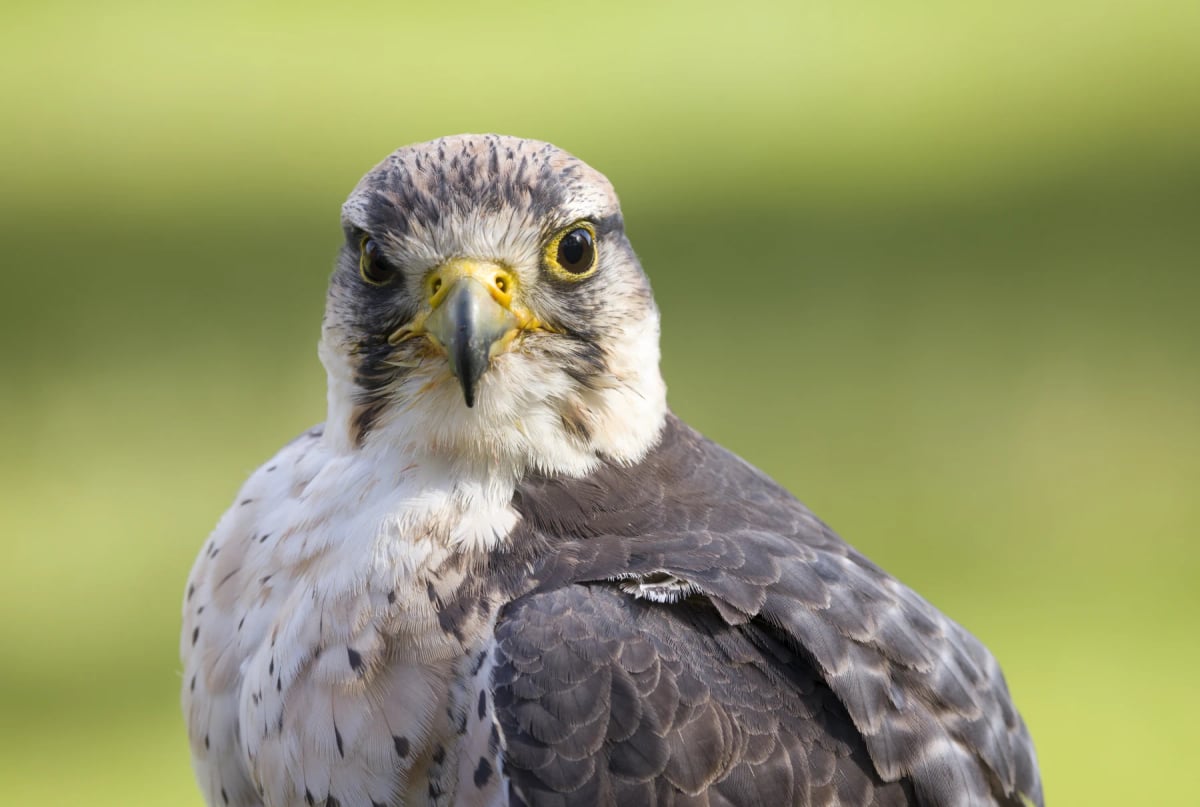
Lanner Falcon
Falco biarmicus
Algeria holds one of the most significant lanner falcon populations in North Africa. The species is well established across the Atlas Mountains and the rocky plateaus of the northern Sahara, where cliff faces provide ideal nesting sites. It preys mainly on birds flushed into the open by coordinated pair hunts. Falconry has a long tradition here, and illegal capture for that purpose remains a concern.
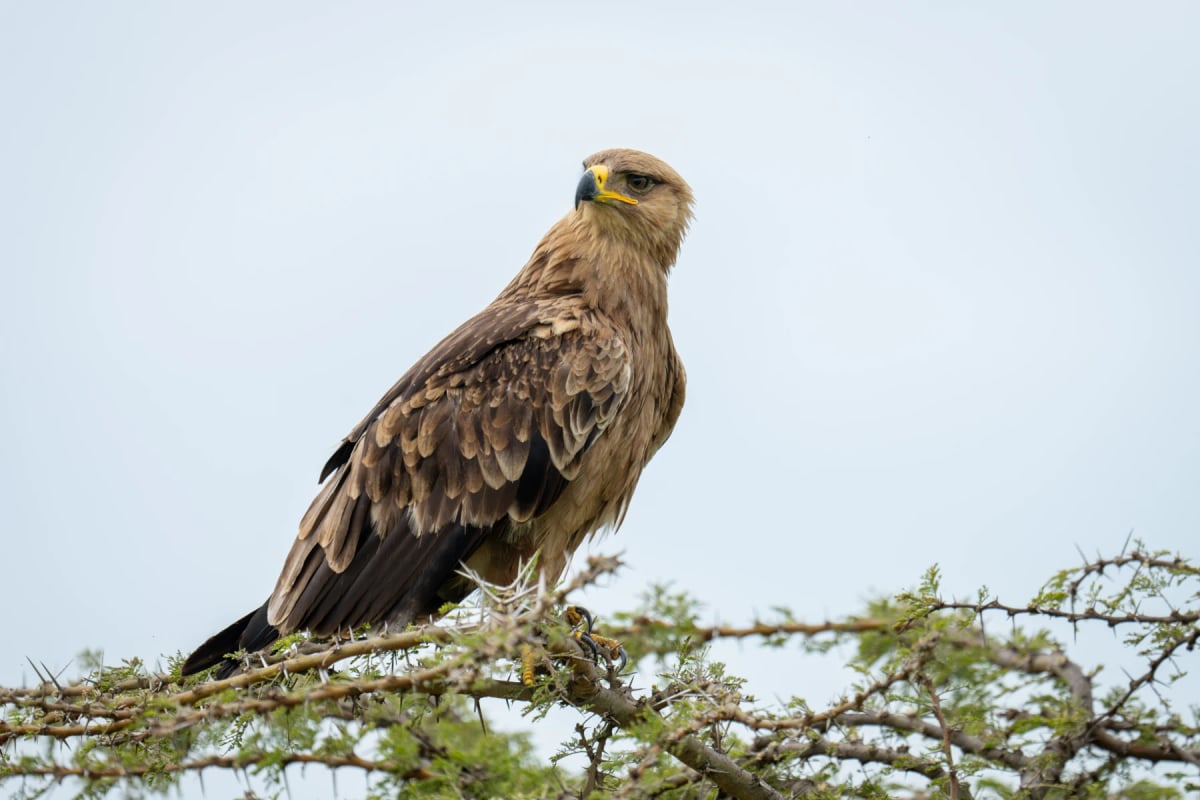
Tawny Eagle
Aquila rapax
In Algeria, the tawny eagle is very rare. It may survive in small numbers in the north, as part of the tiny North African population that is mostly found across the border in Morocco. Breeding has not been confirmed in recent years, and the species has disappeared from much of North Africa because of persecution, poisoning and the loss of the trees it needs to nest. IUCN status: Vulnerable.
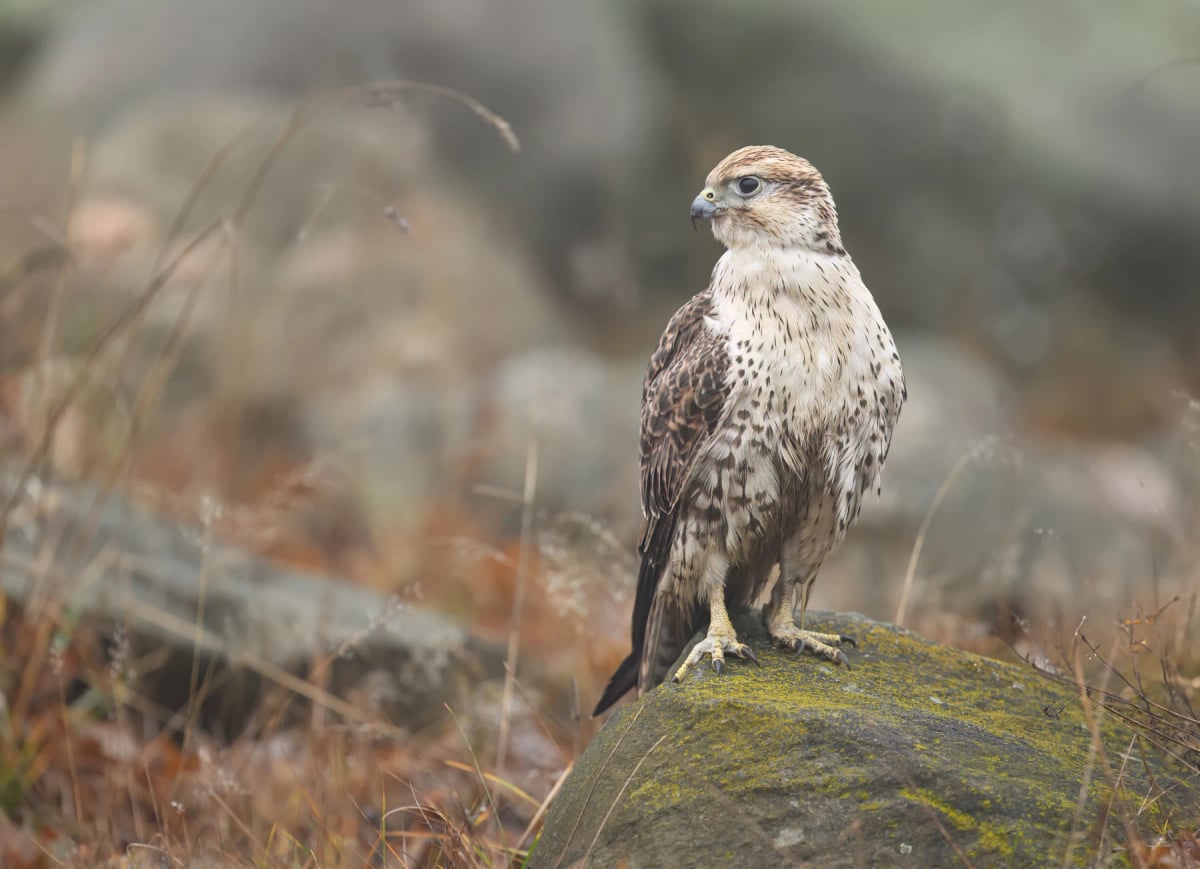
Saker Falcon
Falco cherrug
Algeria lies on the saker falcon's migration route, and the bird passes through in autumn and spring on its way between breeding grounds in Eastern Europe and Central Asia and wintering areas in the Sahel. The northern steppe zones and pre-Saharan areas offer open terrain where migrating sakers stop to hunt small mammals and birds. Illegal trapping linked to falconry is an ongoing threat. The IUCN lists it as Endangered.
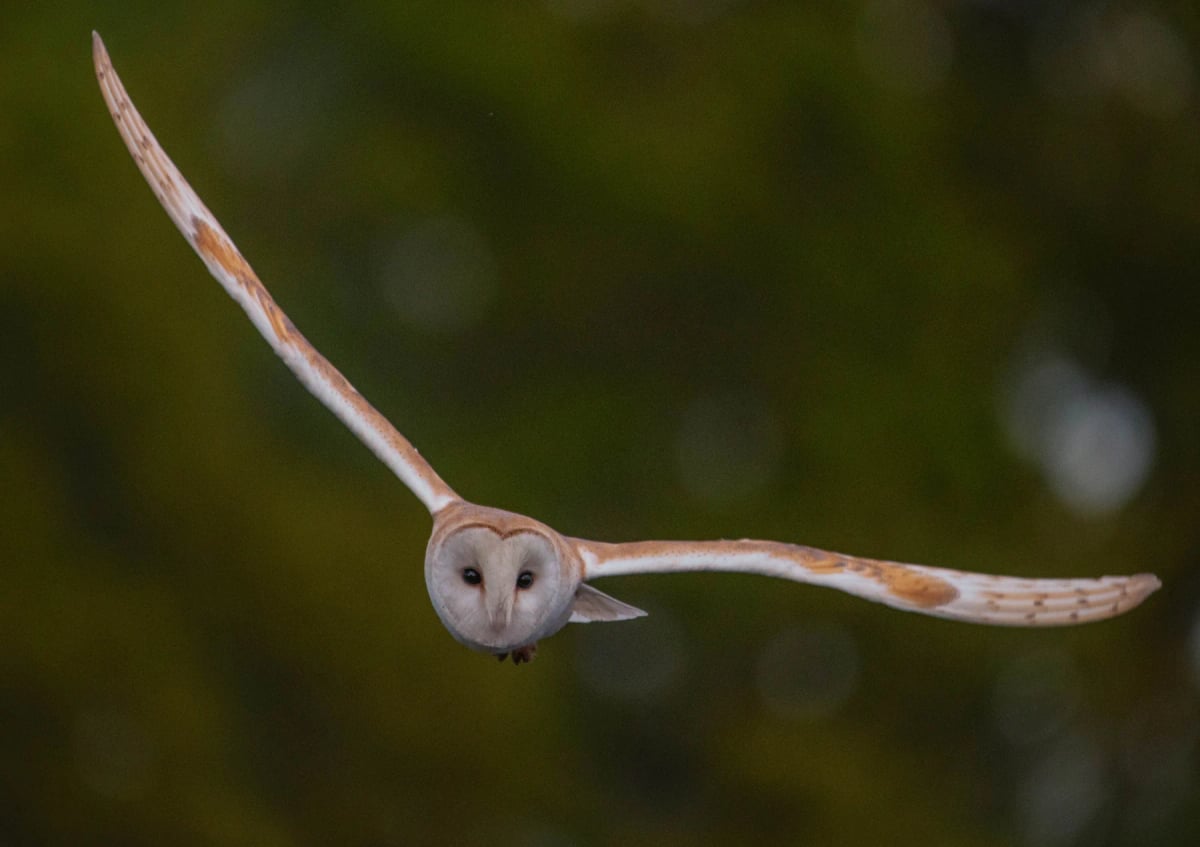
Barn Owl
Tyto alba
The barn owl is found across Algeria in farmland, scrubland, oases, and the outskirts of towns from the Mediterranean coast through the northern Tell Atlas and into the Saharan fringe. It nests in old buildings, cliff faces, and palm groves. In agricultural areas it provides natural control of rodent populations and is generally tolerated and welcomed by farming communities across the country.
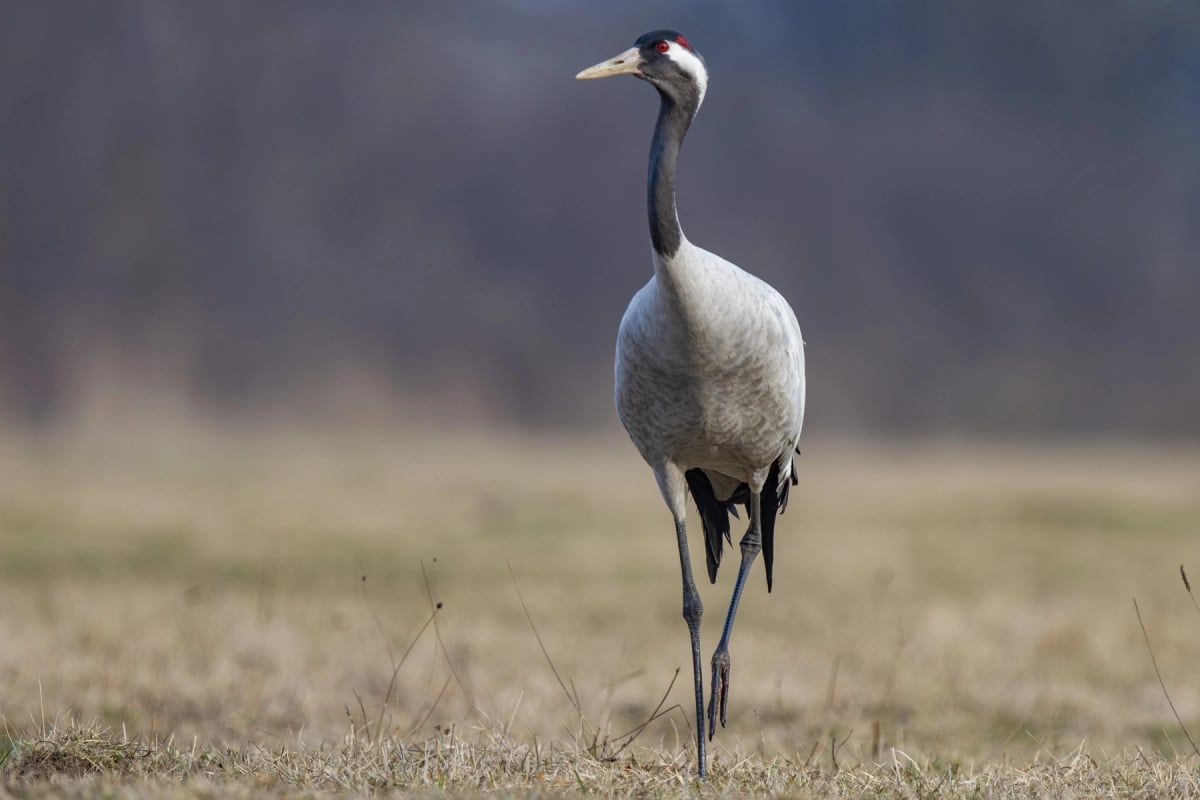
Crane
Grus grus
Algeria serves as an important wintering destination for common cranes arriving from breeding grounds in northern Europe. Large flocks gather on the plains and wetlands of the northeast, particularly around Lake Tonga and the El Kala National Park, where shallow water and open farmland provide good feeding conditions. This tall grey bird, reaching up to 120 centimeters, is classified as Least Concern and returns to Algeria year after year following well established migration routes.
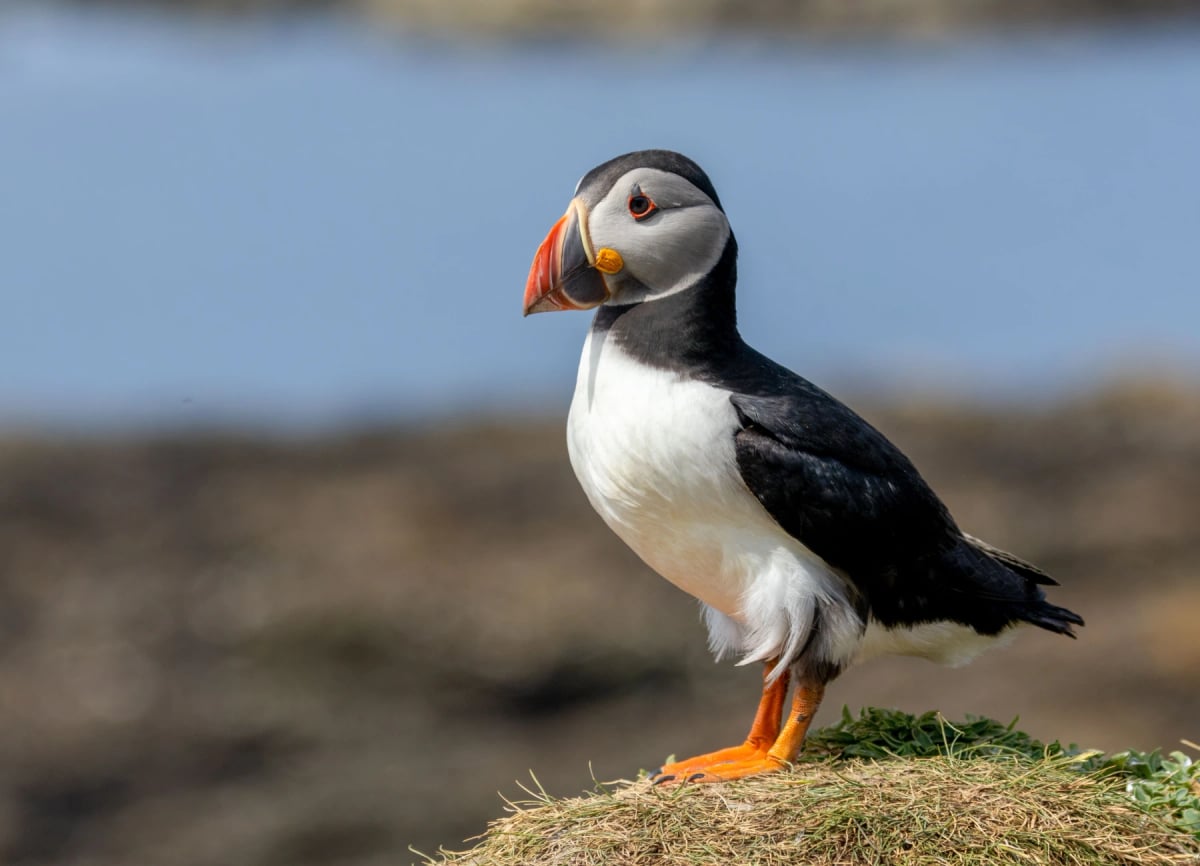
Puffin
Fratercula arctica
The Atlantic puffin reaches Algeria in winter, far from its breeding colonies in the north. Birds from the British Isles and other colonies spend the cold months at sea in the western Mediterranean, and some are found off the Algerian coast, usually well offshore. They are rarely seen from land, and records often come from seabird surveys or birds washed ashore after storms. They leave again in spring to breed. IUCN status: Vulnerable.
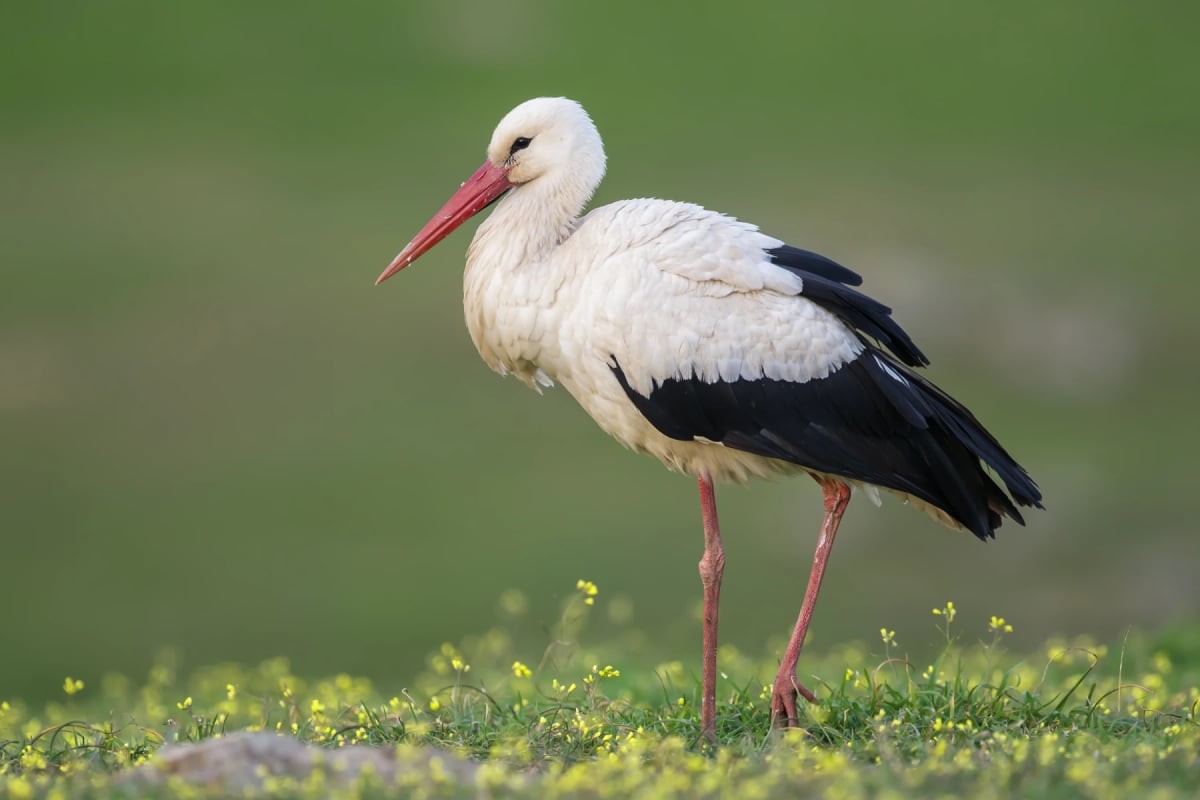
Stork
Ciconia ciconia
The white stork passes through Algeria in large numbers during its spring and autumn migrations, following the North African coastline and crossing toward the Strait of Gibraltar. Wetlands and farmland in the north of the country provide good feeding stops along the way. Some pairs also breed in Algeria, nesting on rooftops and electricity pylons in rural towns. The IUCN lists the species as Least Concern.
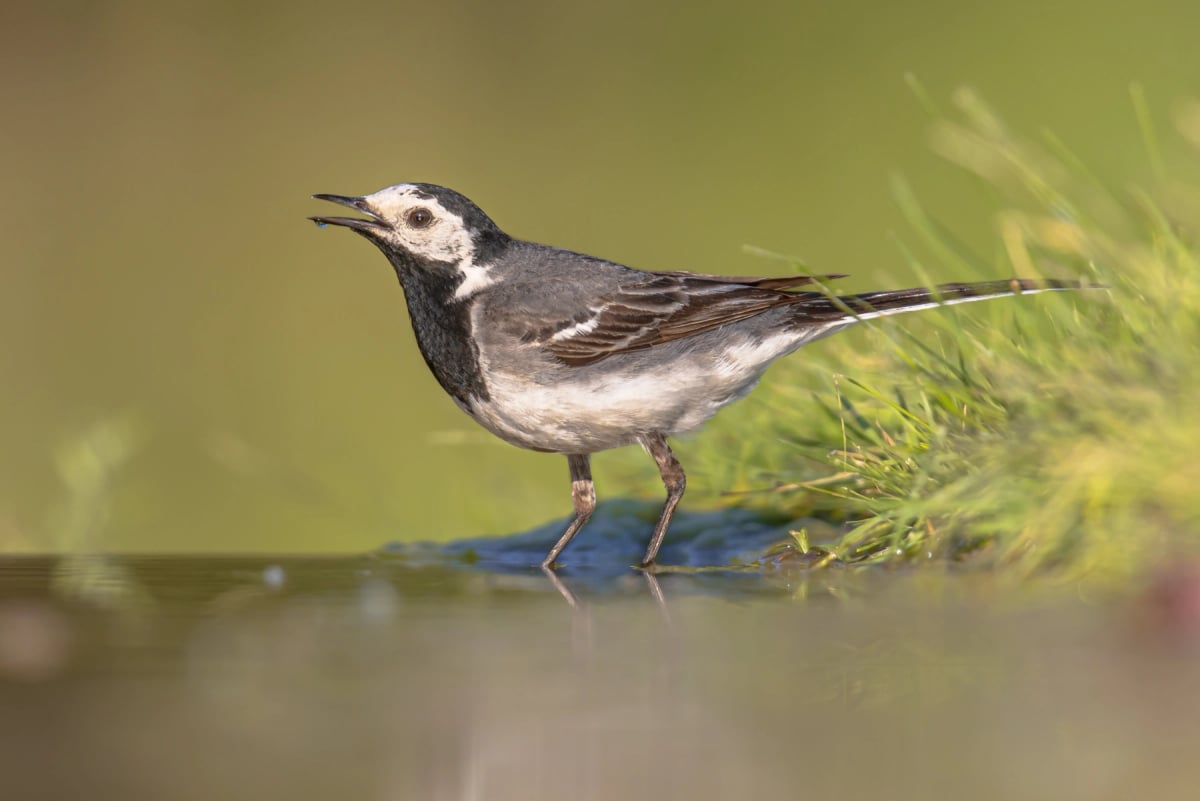
White Wagtail
Motacilla alba
In Algeria, the white wagtail is seen along the fertile Tell Atlas region and the northern coastal plains, particularly near rivers and farmland. Winter brings large numbers of migrants from Europe, joining the resident birds. It runs swiftly across open ground in pursuit of insects, always giving away its presence with that distinctive tail bob. Its status is Least Concern.
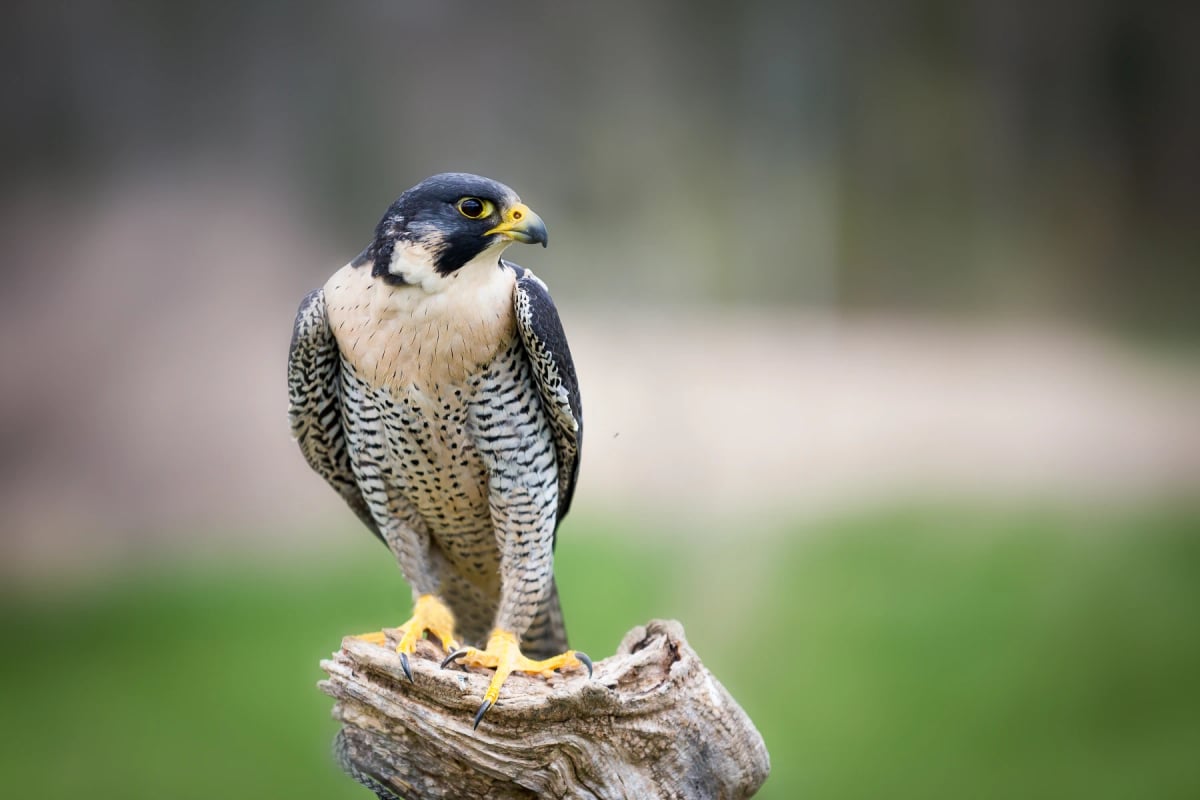
Peregrine Falcon
Falco peregrinus
In Algeria, the peregrine falcon breeds on sea cliffs along the Mediterranean coast and on rocky gorges in the Atlas Mountains, where it hunts pigeons, doves and migrating songbirds. The resident pairs hold their cliffs all year, and in winter they are joined by migrant peregrines from Europe that cross the Mediterranean in autumn. The IUCN lists the peregrine falcon as Least Concern.
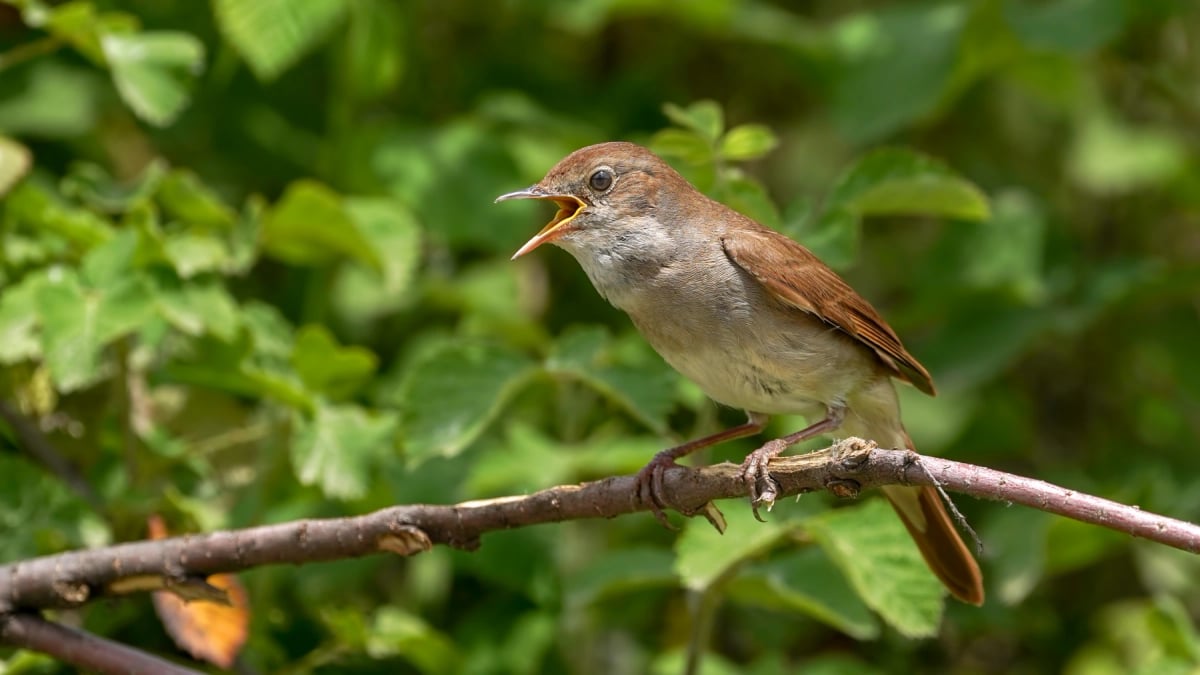
Nightingale
Luscinia megarhynchos
In Algeria, the nightingale is a spring and summer breeder in the north, nesting in dense scrub, riverside thickets and woodland edges of the coastal lowlands and the Tell Atlas. Males arrive in April and fill the evenings with their powerful, complex song. More birds cross the country on migration between Europe and sub-Saharan Africa. Plain brown with a warm russet tail, it is far easier to hear than to see. IUCN status: Least Concern.
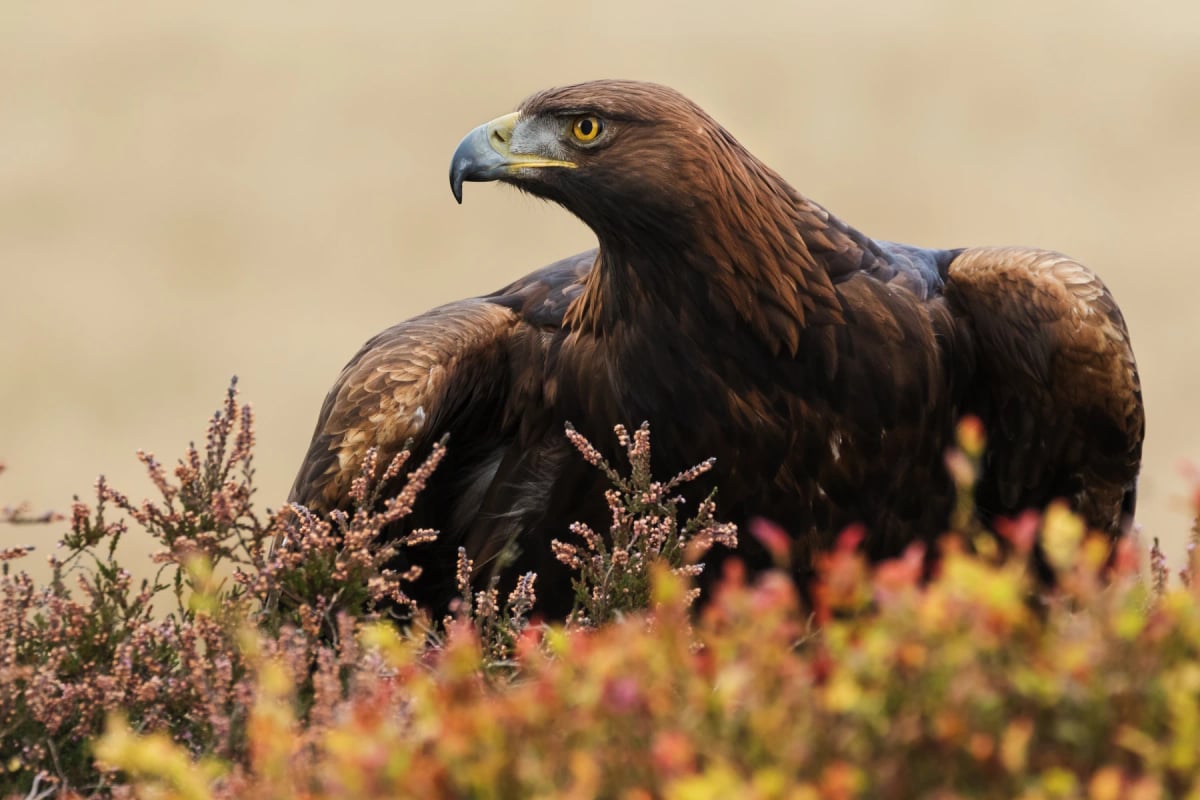
Golden Eagle
Aquila chrysaetos
In Algeria, the golden eagle lives in the Atlas Mountains and the rocky uplands of the north, and in rocky mountains of the Sahara. It hunts hares, rabbits, partridges and reptiles over open scrub and steep terrain and nests on cliff ledges in remote areas. North African birds mostly stay in their territory all year. Pairs need huge territories here, because prey is thin on the ground. IUCN status: Least Concern.
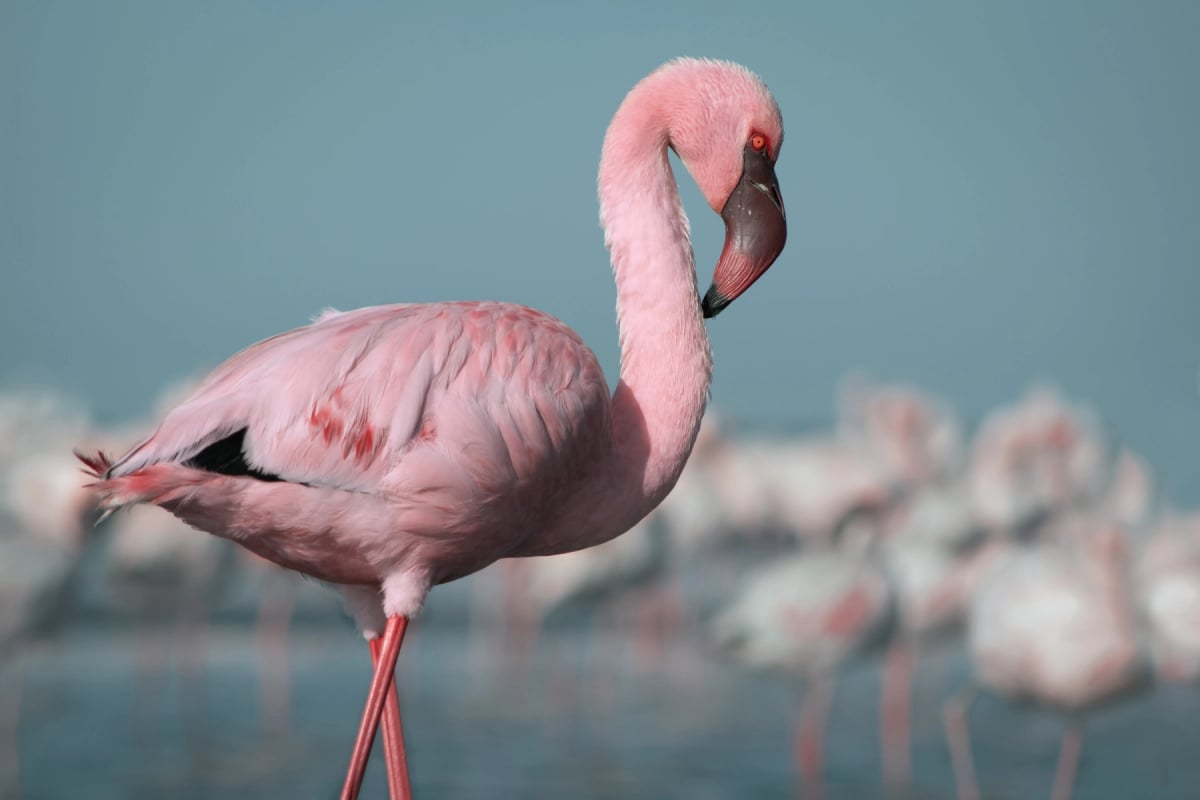
Flamingo
Phoenicopteridae (6 species)
The greater flamingo breeds in Algeria, which holds some of the most important colonies in North Africa. In the high plains of the northeast, salt lakes such as Garaet Ezzemoul host breeding colonies in wet years, and flocks gather on the chotts and sebkhas, the country's large salt flats, when they fill with water. In winter, birds from Europe join the Algerian flamingos along the coast and inland. IUCN status: Least Concern.
Researched and written by Juan Pablo. Sources: IUCN Red List, scientific literature and regional field guides. Last updated: .