Animals in Kosovo
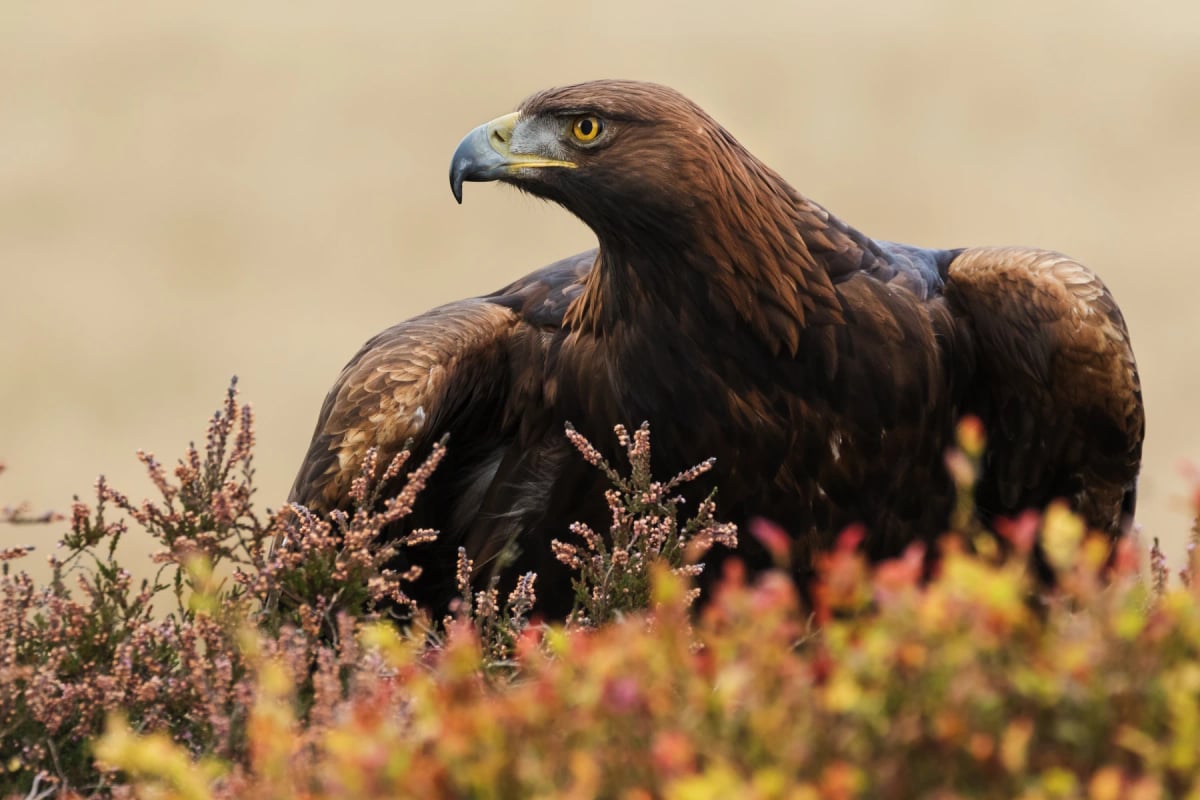
Golden Eagle
Aquila chrysaetos
The golden eagle is widely treated as a national symbol in Kosovo. It nests on cliffs and hunts over open slopes and forest edges. Local groups run raptor watch days in spring and autumn, when rising air helps birds soar above the valleys. Good practice is simple: keep distance, use binoculars, and follow the advice posted at viewpoints and park offices.
View details→Wildlife in Kosovo
Kosovo mixes high mountains, beech forests and river canyons. Trails in the Sharr Mountains and the Rugova area lead to glacial lakes, viewpoints and summer pastures used by herders. In spring the meadows bloom and in winter many routes are quiet but open for snow walks. Visitor centers mark routes, and mountain huts and guesthouses make multi day hikes easy to plan.
Most Dangerous Animals in Kosovo
Remote valleys are quiet but demand care. Bears and wild boar avoid people yet can react if surprised, so make noise on blind bends and keep food sealed. Wolves and lynx are shy and seen rarely. Rockfall, sudden storms and summer heat cause more incidents than wildlife. Check forecasts, carry water, stay on marked paths and contact park staff before long routes.
Top 10 Animals in Kosovo
Kosovo’s standout nature experiences cluster in the Sharr and the Accursed Mountains. Ridge walks link meadows, spruce woods and small lakes, with clear signs at main trailheads. Bird hides near valleys let visitors spot eagles and vultures without disturbance. Villages rent rooms, offer local cheese and tea, and arrange transfers so hikers can plan simple point to point routes.
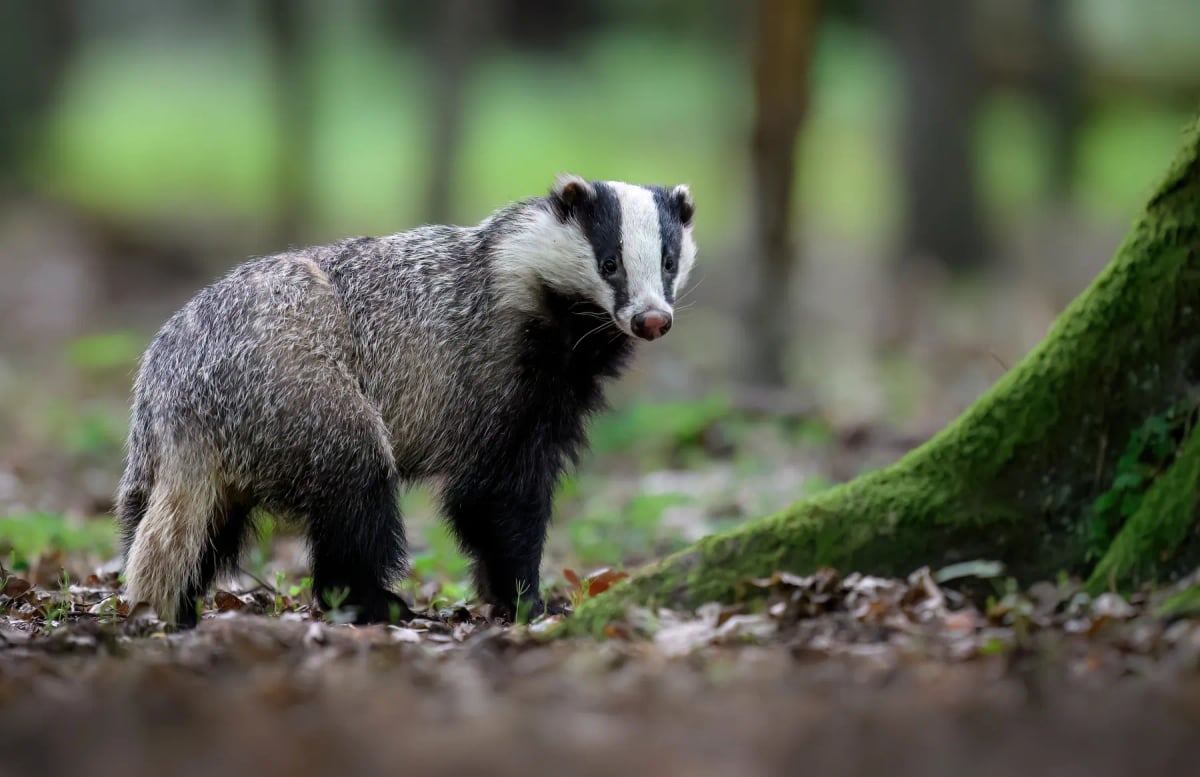
Badger
Meles meles
The Eurasian badger is present in Kosovo in forested hills and mixed woodland, particularly in the mountainous areas that cover much of the country. It digs its setts in well-drained slopes and forest edges and forages at night for earthworms, insects, fruit and small animals. Badger populations in Kosovo are considered stable and the species is a regular component of the country's woodland fauna.

Brown Bear
Ursus arctos
Kosovo has a small population of brown bears that inhabits the forested mountain areas along its borders, particularly in regions connected to the Dinaric Alpine ecosystem. The bears often move across boundaries into neighboring countries. Given the limited size of the population and the pressures of habitat loss and human conflict, conservation capacity in Kosovo remains an important area for development and regional collaboration.
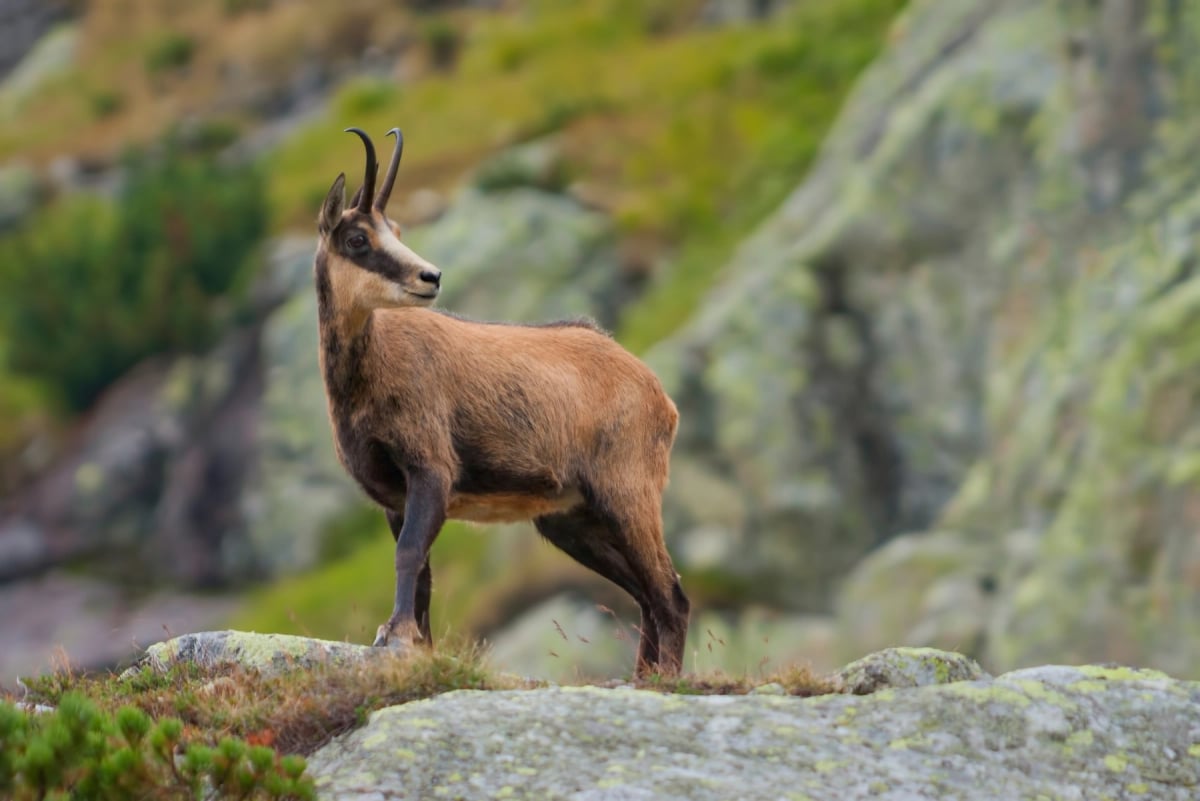
Chamois
Rupicapra rupicapra
In Kosovo, the chamois is present in the Sharr Mountains in the southwest, a range it shares with neighboring North Macedonia and Albania. The Sharr Mountains National Park provides key habitat across steep, forested slopes and rocky alpine zones. Populations here are modest, and conservation efforts are closely tied to regional cooperation across the western Balkans. The species is considered Least Concern at the global level.
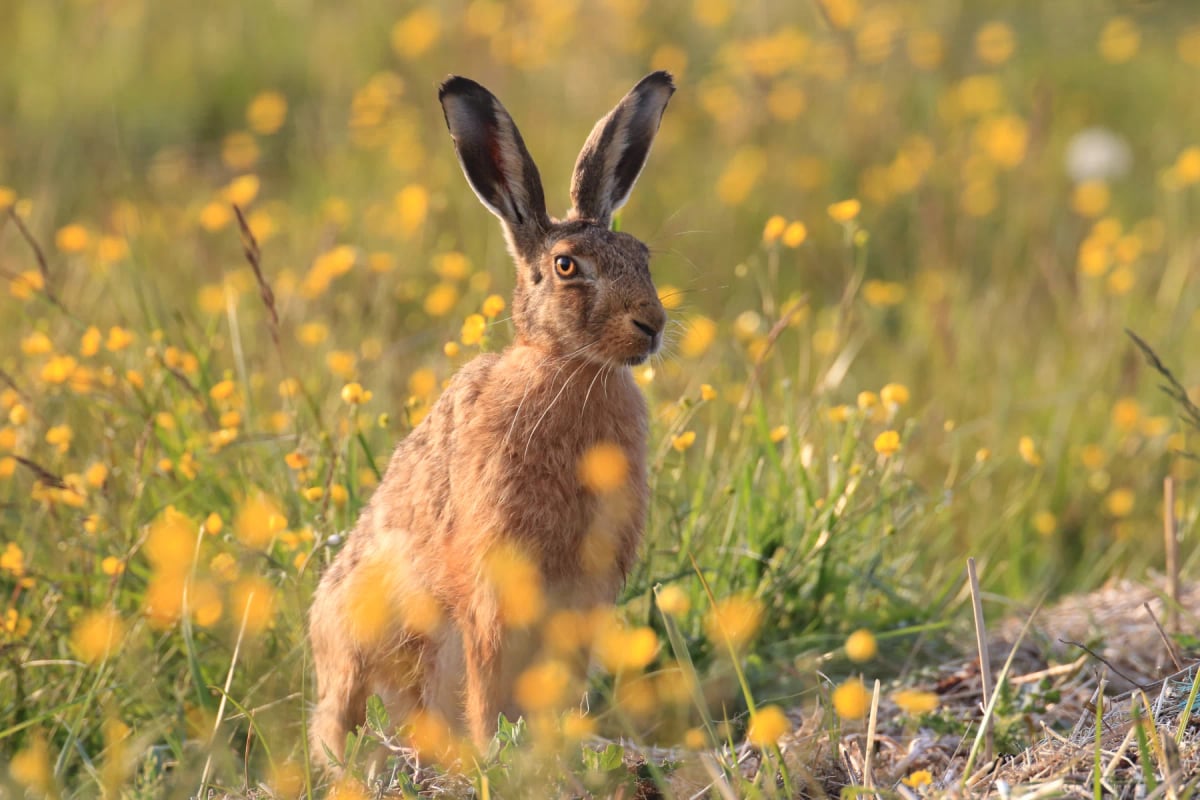
Hare
Lepus europaeus
The European hare inhabits the open plains, river valleys, and agricultural land of Kosovo, including the broad Kosovo Plain at the heart of the country. It shelters in shallow ground depressions and uses its speed to avoid foxes and birds of prey. Like much of the Balkans, Kosovo's hare populations are affected by changes in land use and hunting pressure, though the species remains present across suitable habitats.
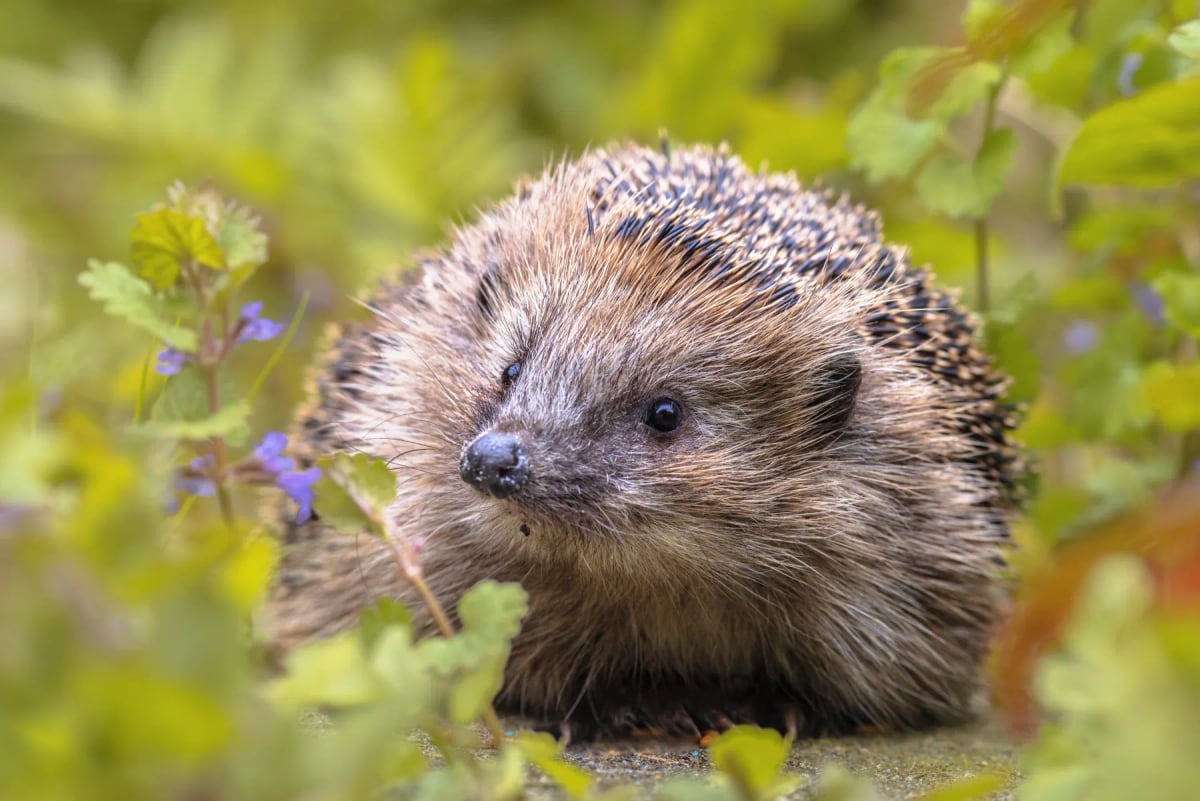
Hedgehog
Erinaceus europaeus
The European hedgehog is present in Kosovo, where it occupies gardens, agricultural land, and the edges of the oak and beech forests found across the Western Balkans. It is active from spring through autumn, feeding on invertebrates before retreating into hibernation as temperatures drop in the mountains. Habitat data for this species in Kosovo is limited, but it is considered part of its continuous Balkan range. Its IUCN status is Least Concern.
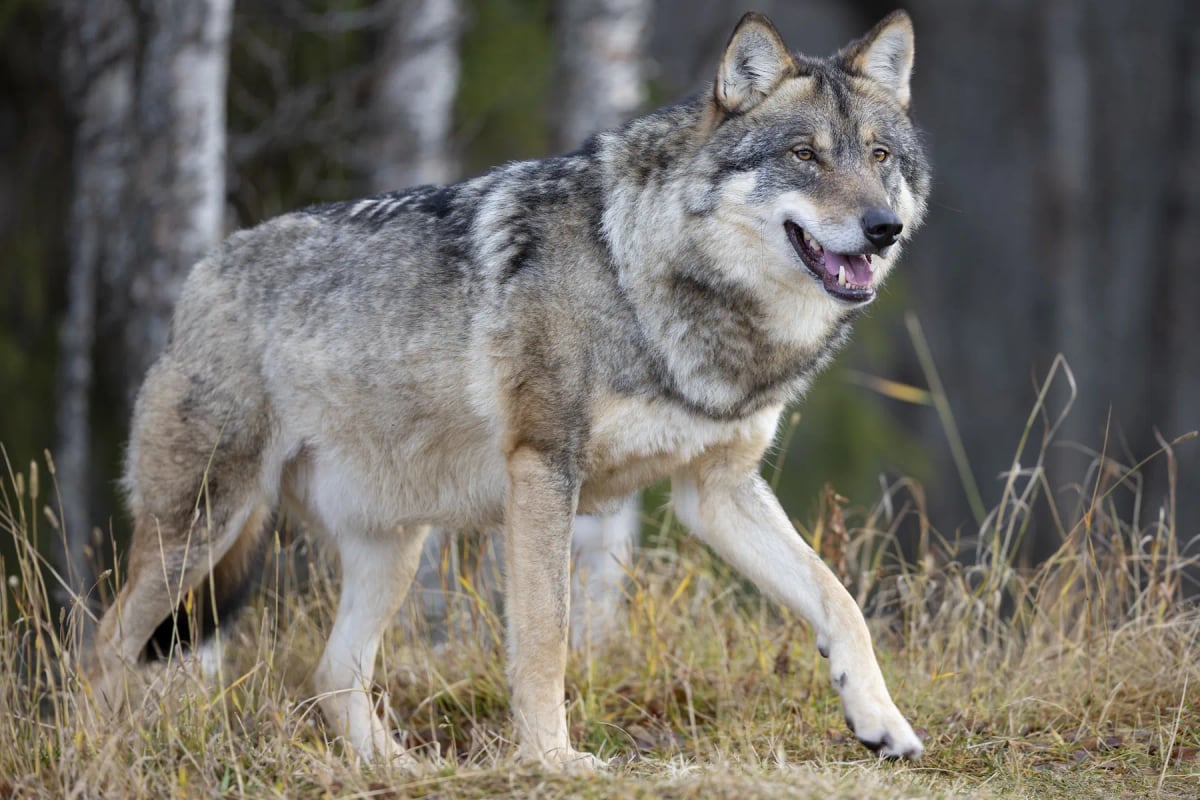
Gray Wolf
Canis lupus
Gray wolves are present in Kosovo, primarily in the mountainous areas that border Albania, North Macedonia and Serbia. The population is small and forms part of the wider Balkan wolf population. Livestock predation is a common source of conflict, and wolves receive limited formal protection in Kosovo. Regional cooperation with neighboring countries is considered essential to secure a future for wolves across the western Balkans. IUCN status: Least Concern.
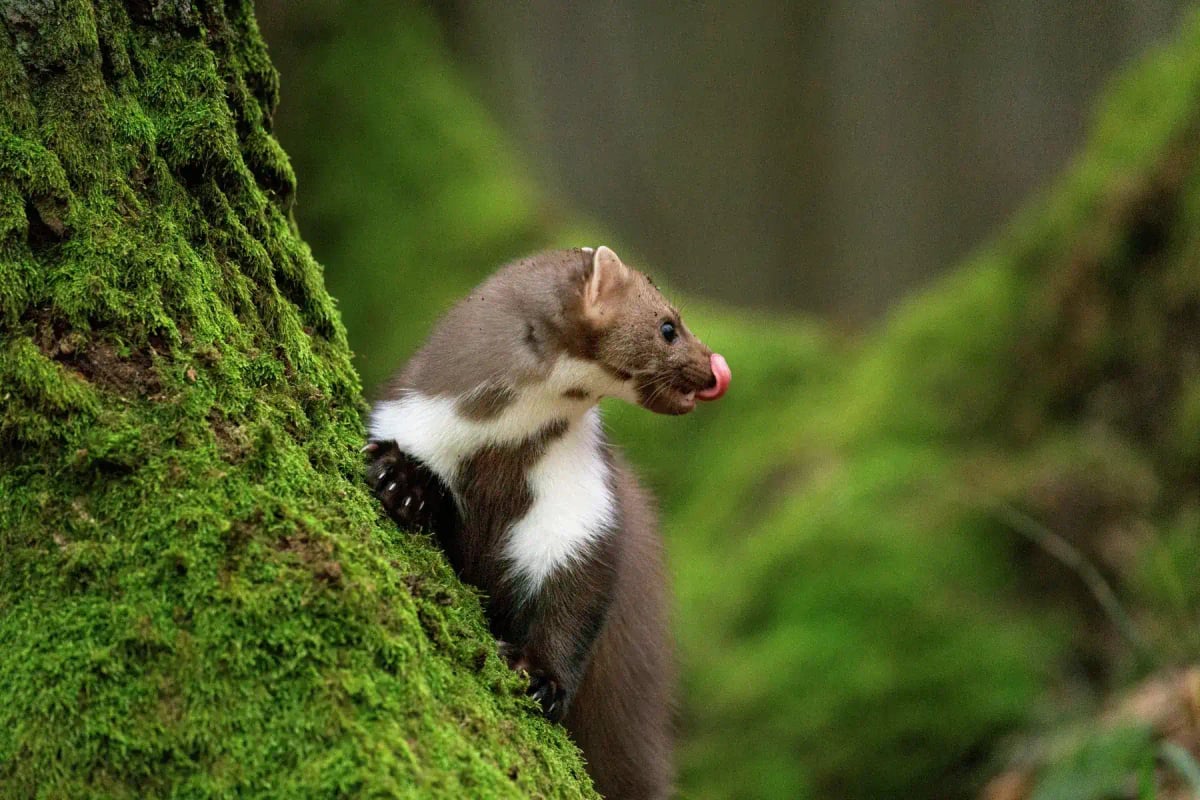
Marten
Martes martes / Martes foina
Kosovo's mixed forests and mountain ranges, including the Šar Mountains and Prokletije, provide suitable habitat for both the pine marten and the stone marten. Stone martens are particularly common near human settlements in the valleys, while pine martens keep to denser woodland at higher elevations. They play a quiet but useful role in controlling rodent numbers. Both are listed as Least Concern by the IUCN.
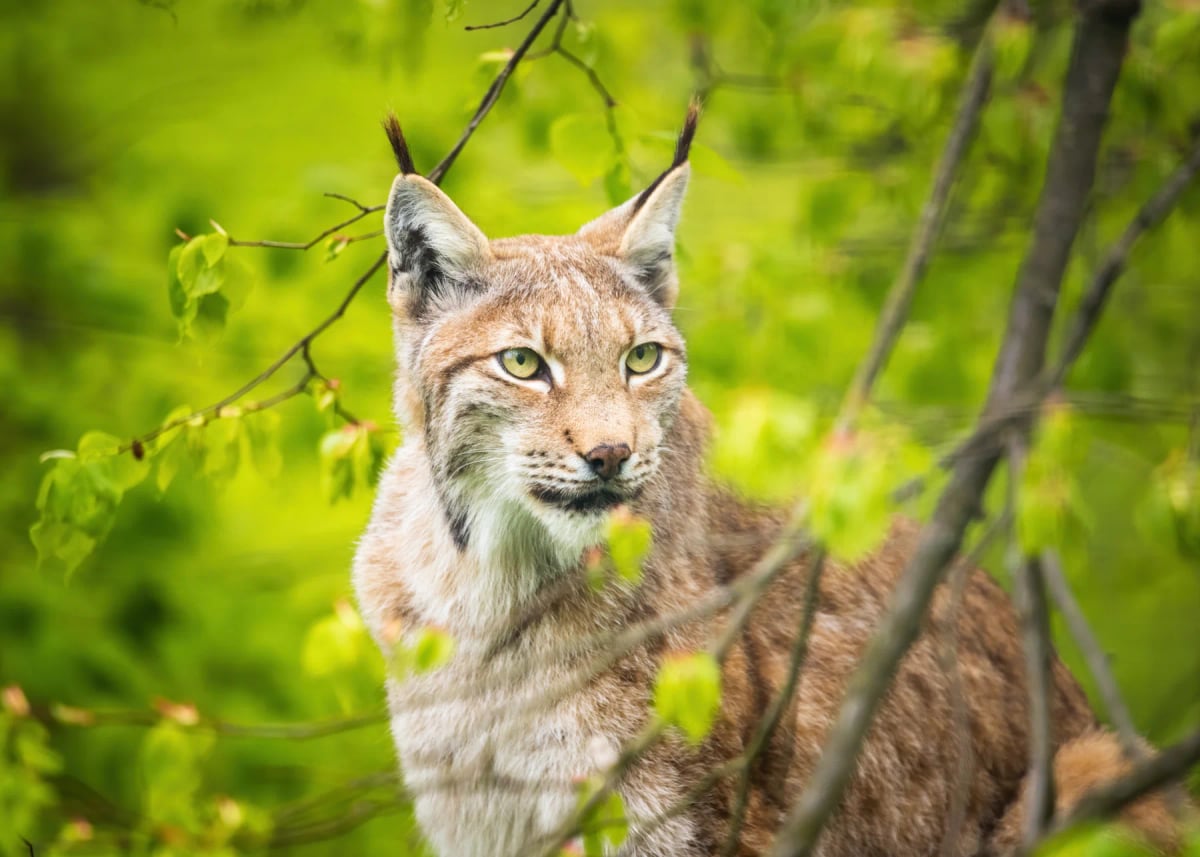
Eurasian Lynx
Lynx lynx
Kosovo holds a small part of the Balkan lynx population, one of the most threatened lynx populations in Europe. This population, sometimes treated as a distinct subspecies, persists in the mountainous border areas shared with Albania and North Macedonia. Habitat destruction and poaching have pushed numbers very low. Cross-border conservation programs are working to protect this population. Its IUCN status is Least Concern at the species level.
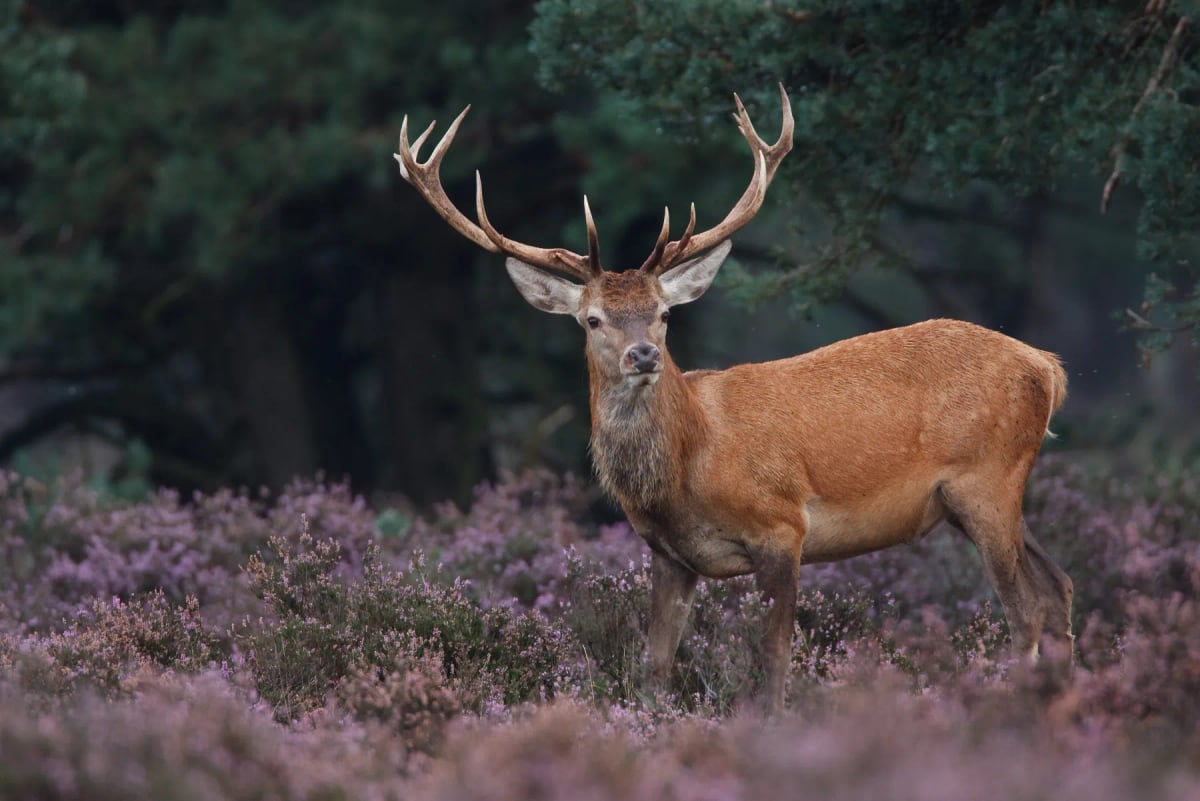
Red Deer
Cervus elaphus
Red deer are found in the mountain forests and river valleys of Kosovo, where woodlands in areas such as the Šar Mountains provide suitable habitat. The population is relatively small, and the species faces challenges from unregulated hunting and ongoing habitat fragmentation. Efforts to strengthen wildlife protection in the region are important for the future of red deer in Kosovo. IUCN status: Least Concern.
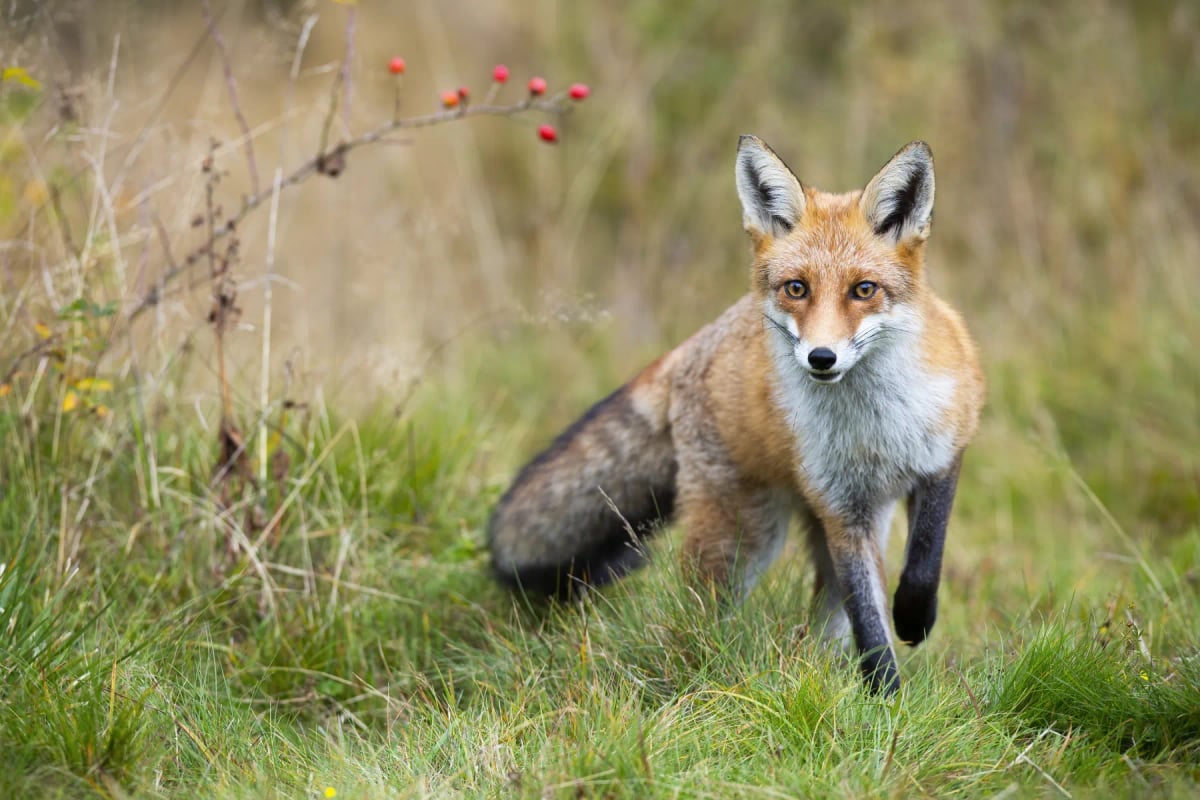
Red Fox
Vulpes vulpes
In Kosovo, the red fox is a familiar predator found across forested hills, agricultural valleys, and open grasslands. It benefits from the mosaic of habitats created by small-scale farming, which offers both shelter and a reliable supply of rodents and scraps. Sightings are common in rural areas, and the species shows little fear of human activity. Its IUCN status is Least Concern.
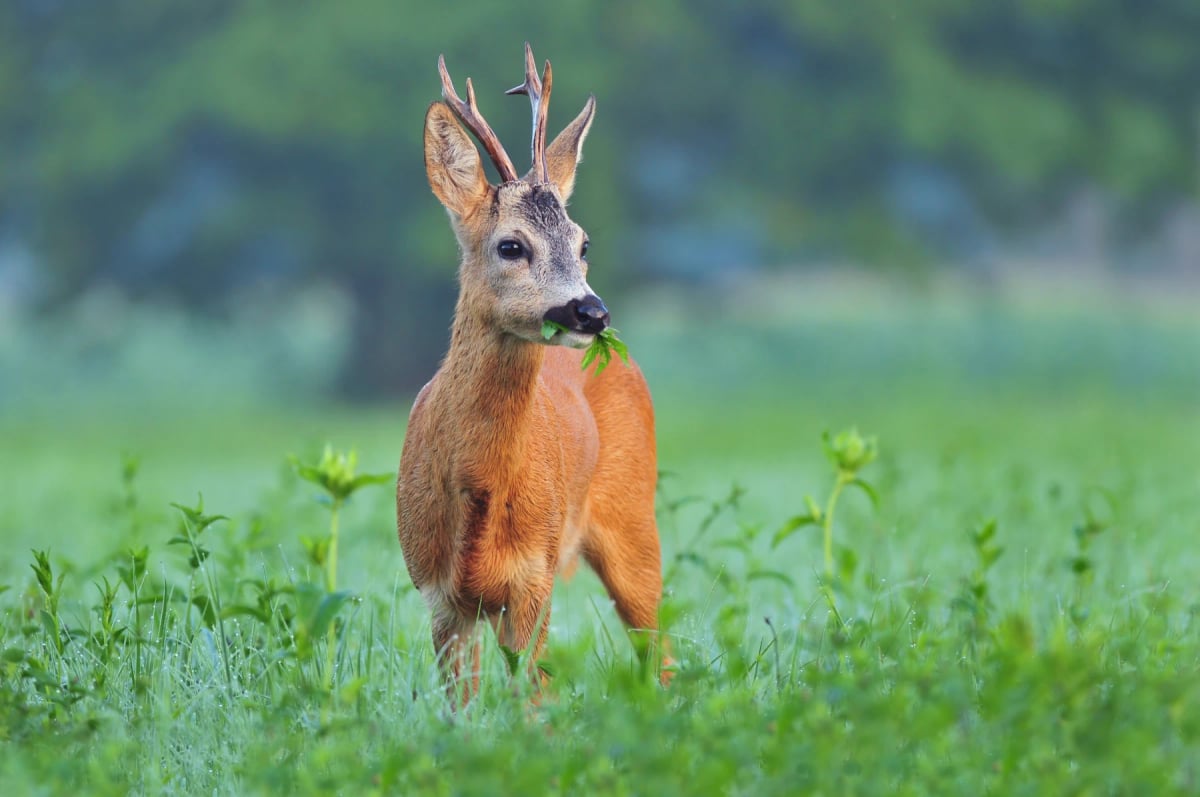
Roe Deer
Capreolus capreolus
The roe deer lives across Kosovo's forested landscapes, particularly in the Šar Mountains and the mixed woodlands of the Dukagjin valley. It thrives along forest edges and in scrubland where it can browse on leaves, buds, and shoots. Populations are considered stable, though habitat fragmentation from agricultural expansion and unregulated hunting remain concerns. Globally, the species holds a status of Least Concern.
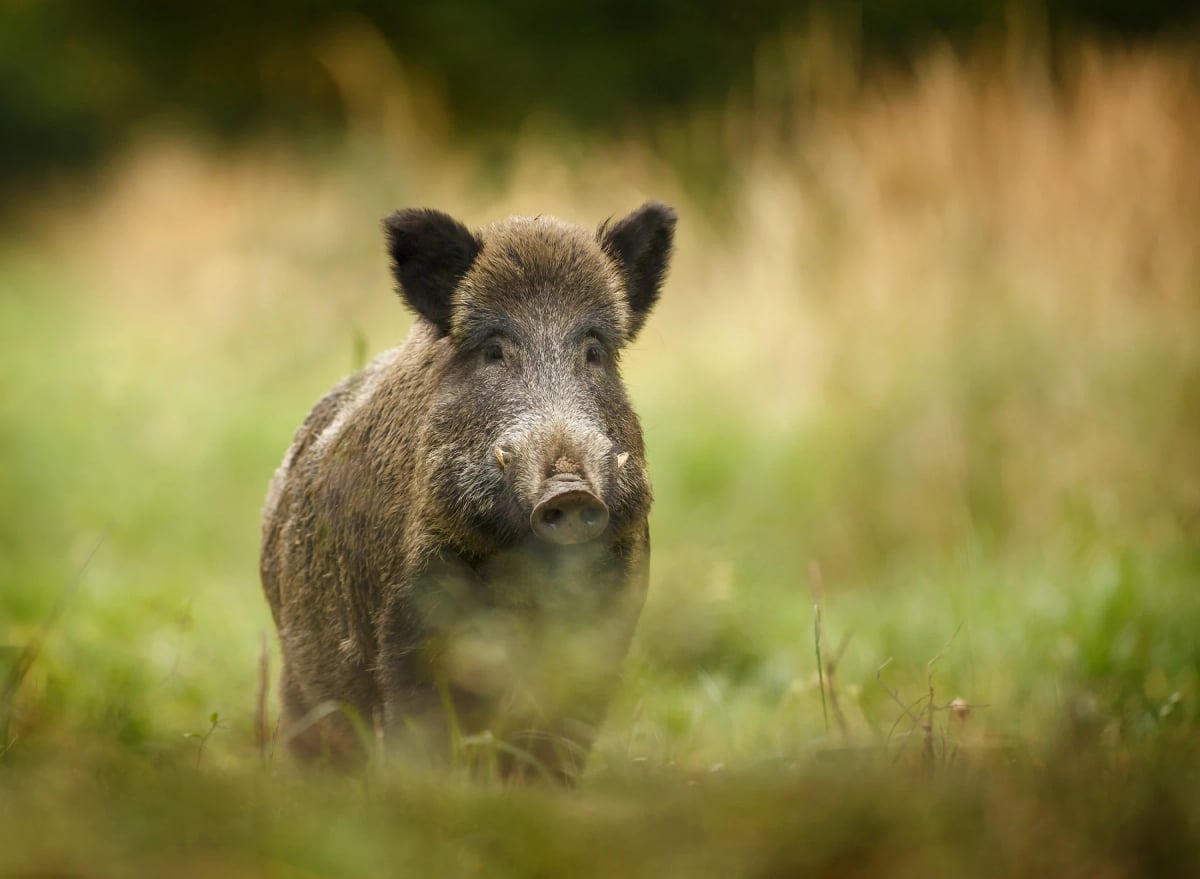
Wild Boar
Sus scrofa
Wild boars are found in the forested hills and mountains of Kosovo, where dense woodland offers shelter and a steady supply of roots, acorns and fallen fruit. They are considered an important game species in rural areas and are hunted under regulated seasons. Encounters with farmland on the edges of forests are common, and boars can cause damage to crops in nearby agricultural communities.
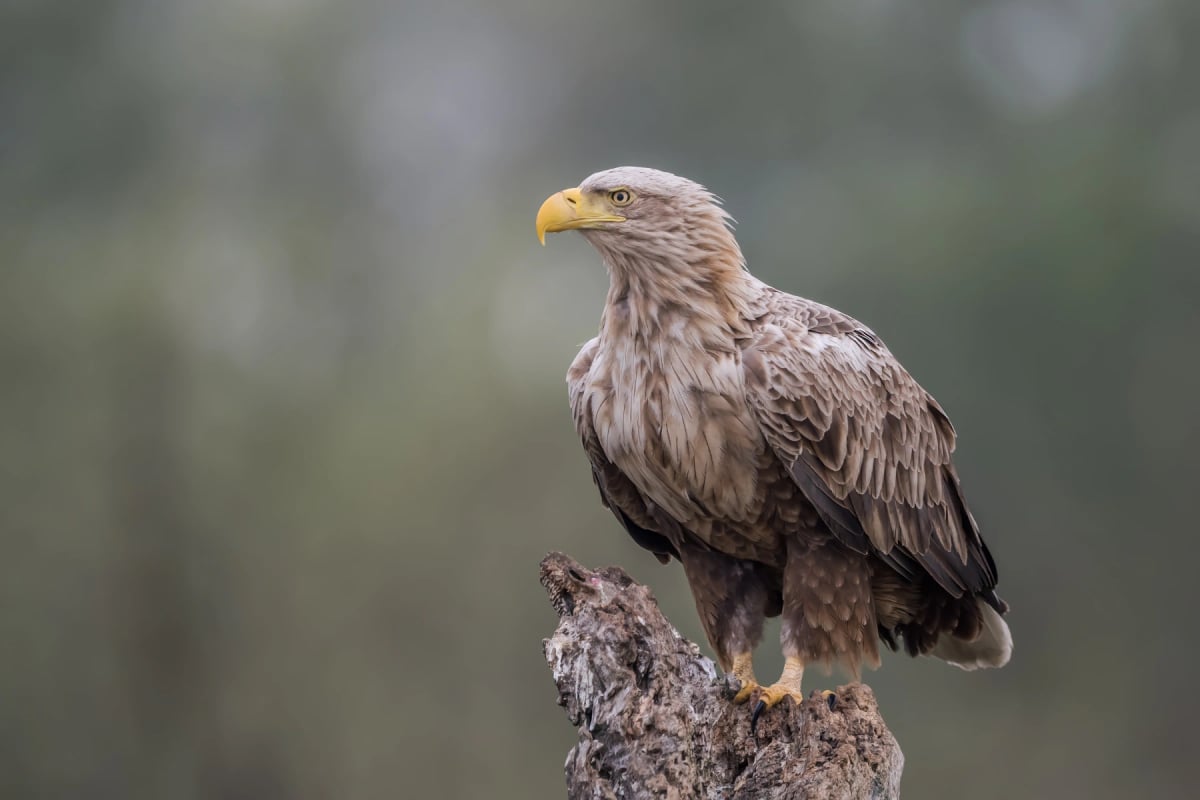
White tailed Eagle
Haliaeetus albicilla
The white-tailed eagle is a rare visitor to Kosovo, occasionally observed during migration or in winter near larger river valleys and reservoirs. The country's limited wetland areas mean sightings are infrequent, but the species has been recorded near the Ibar river system. Protecting remaining wetland habitats is key to supporting any future presence. The IUCN lists it as Least Concern.
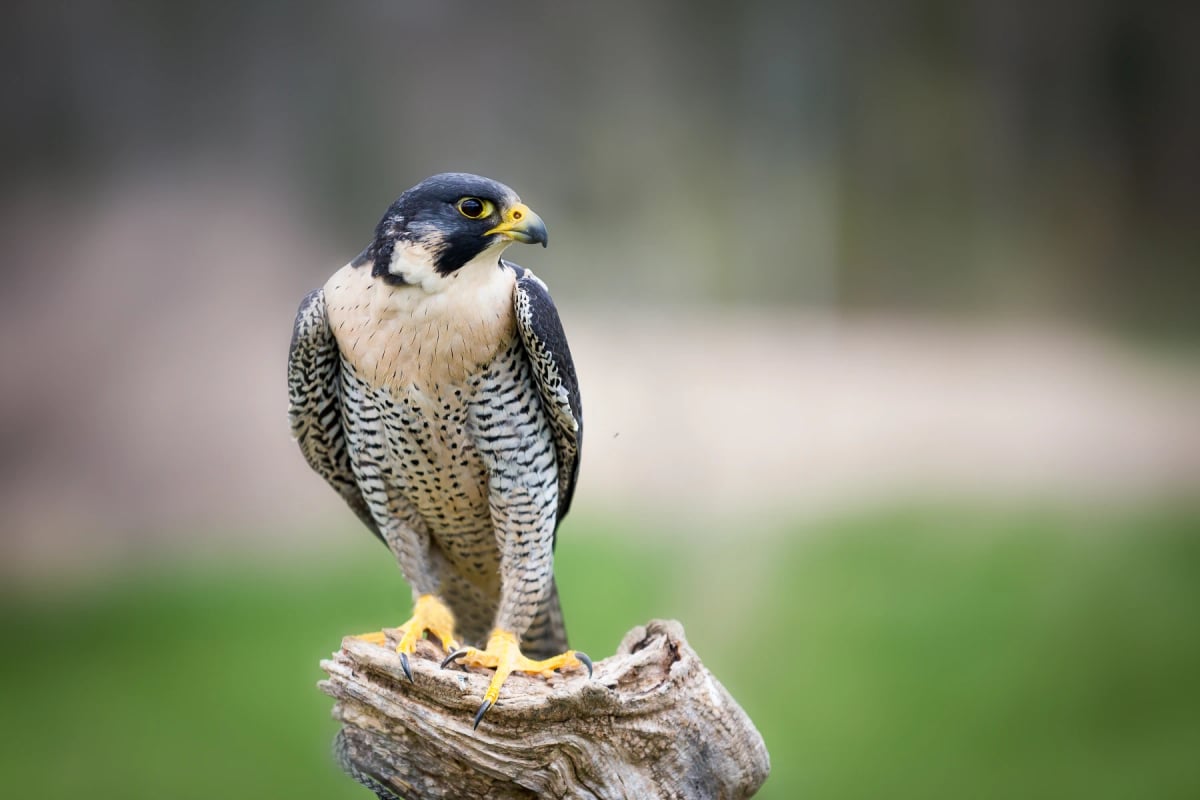
Peregrine Falcon
Falco peregrinus
In Kosovo, the peregrine falcon inhabits the limestone gorges and canyon systems that cross the country's mountainous interior, including areas near the Rugova Canyon in the west. It is a scarce but present breeding species, nesting on sheer rock faces above rivers and forests. As a small and landlocked territory, Kosovo sits within a broader Balkan population that conservationists monitor across the region. Its IUCN status is Least Concern.
Golden Eagle
Aquila chrysaetos
The golden eagle is a rare but present raptor in Kosovo, inhabiting the rugged mountain ranges that cross the country, including the Sharr Mountains in the south. It nests on isolated cliff ledges and hunts over open slopes and valleys. Kosovo's relatively low human population in highland areas offers some undisturbed habitat, though the species remains sensitive to any disturbance close to active nest sites.
Researched and written by Juan Pablo. Sources: IUCN Red List, scientific literature and regional field guides. Last updated: .