Animals in Sudan
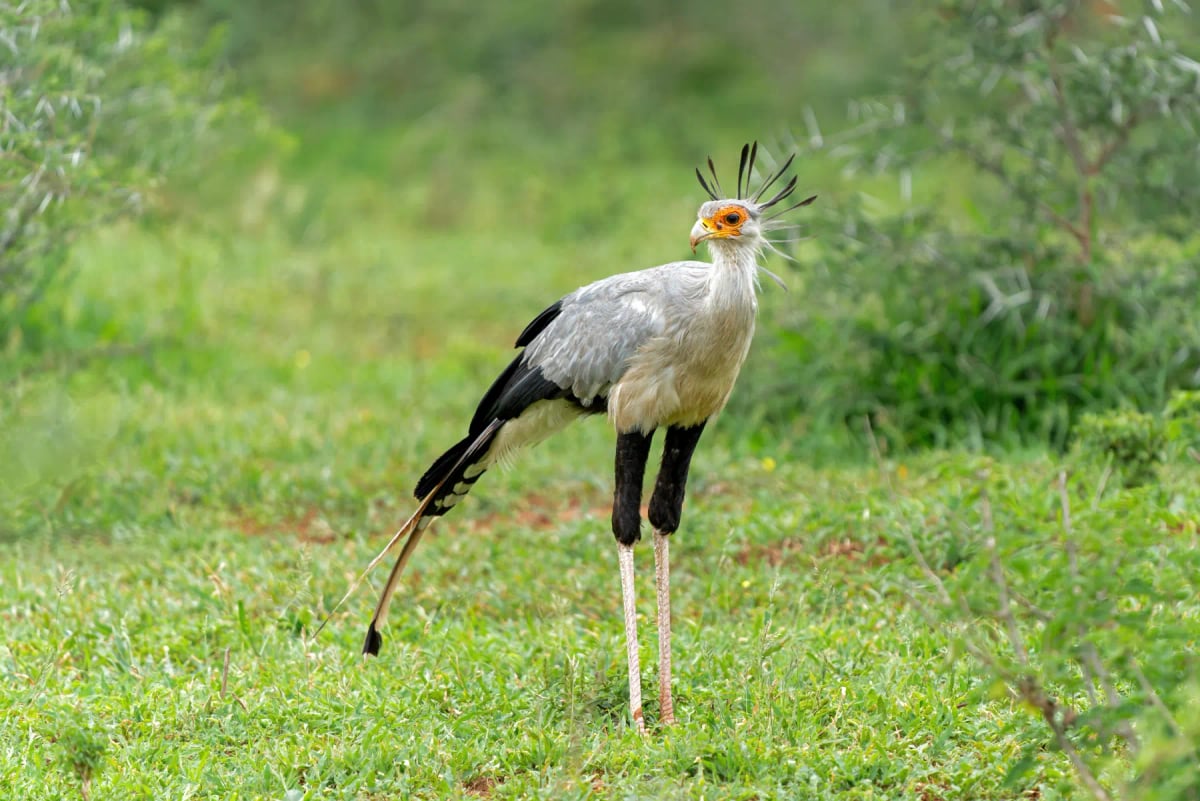
Secretary Bird
Sagittarius serpentarius
The secretary bird, Sudan’s national animal, is known for its tall stature and precision when hunting snakes in open grasslands. Its presence in savannas symbolizes vigilance, skill and balance. Admired for its beauty and intelligence, it reflects the harmony between Sudan’s wildlife and its wide natural landscapes.
View details→Wildlife in Sudan
Sudan’s wildlife stretches from the dry Sahara to the wetlands of the Nile and the Red Sea coast. Lions, hippos, crocodiles, desert foxes and sharks show the country’s mix of desert, river and marine life. Protected zones and national parks preserve this diversity, offering glimpses of Africa’s northern wilderness to travelers and researchers.
Most Dangerous Animals in Sudan
Some animals in Sudan can be dangerous, including hippos, lions, crocodiles and sharks along the coast. In remote regions, wild boars may also pose risks. Keeping distance and respecting nature’s limits ensure that encounters with wildlife remain safe for both visitors and animals.
Top 10 Animals in Sudan
Lions, crocodiles, hippos and desert foxes are among Sudan’s most recognized animals. Their habitats stretch from riverbanks to arid plains, creating a rare contrast between desert and wetland species. National parks such as Dinder protect these ecosystems and attract visitors seeking authentic wildlife experiences.
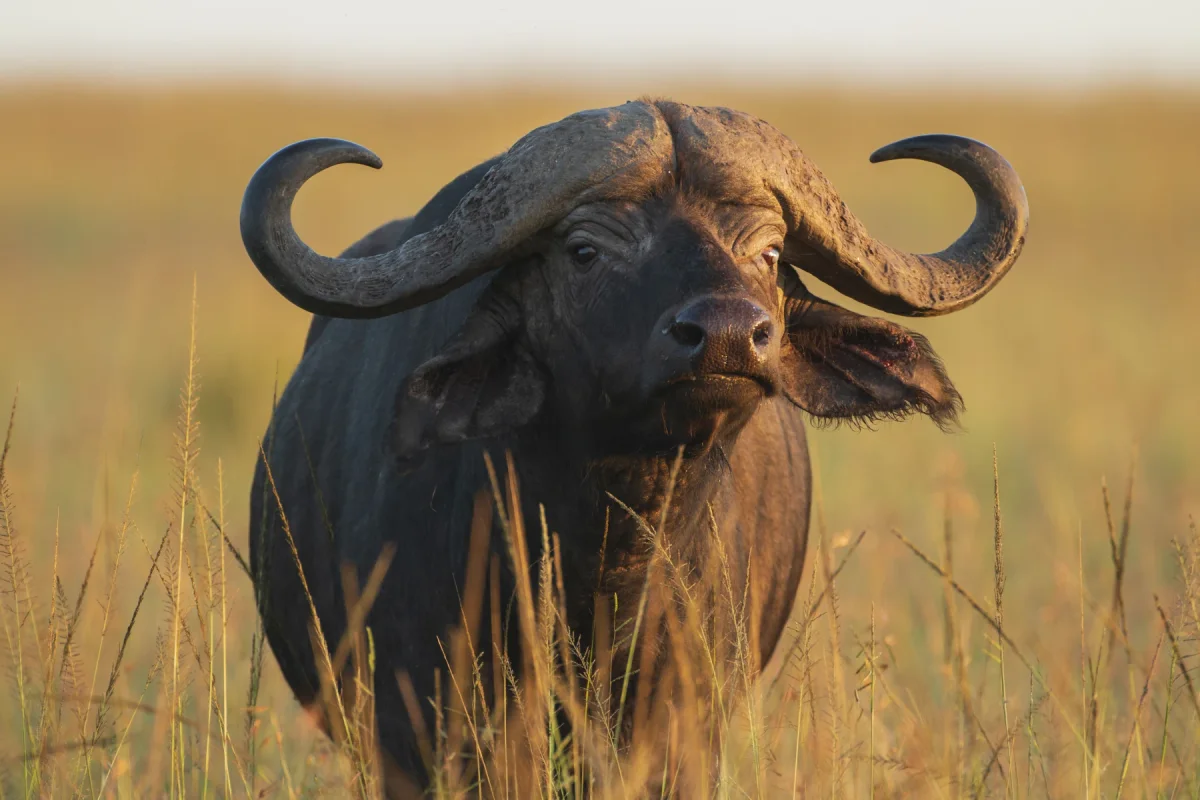
Buffalo
Syncerus caffer
In Sudan, buffalo are found in the southern reaches of the country, where woodland and grassland habitats still provide suitable conditions. The Dinder National Park, a UNESCO biosphere reserve near the Ethiopian border, is among the most important refuges for the species. Prolonged instability and unregulated hunting have put pressure on populations, making protected areas critical for the survival of buffalo in the region. IUCN status: Least Concern.
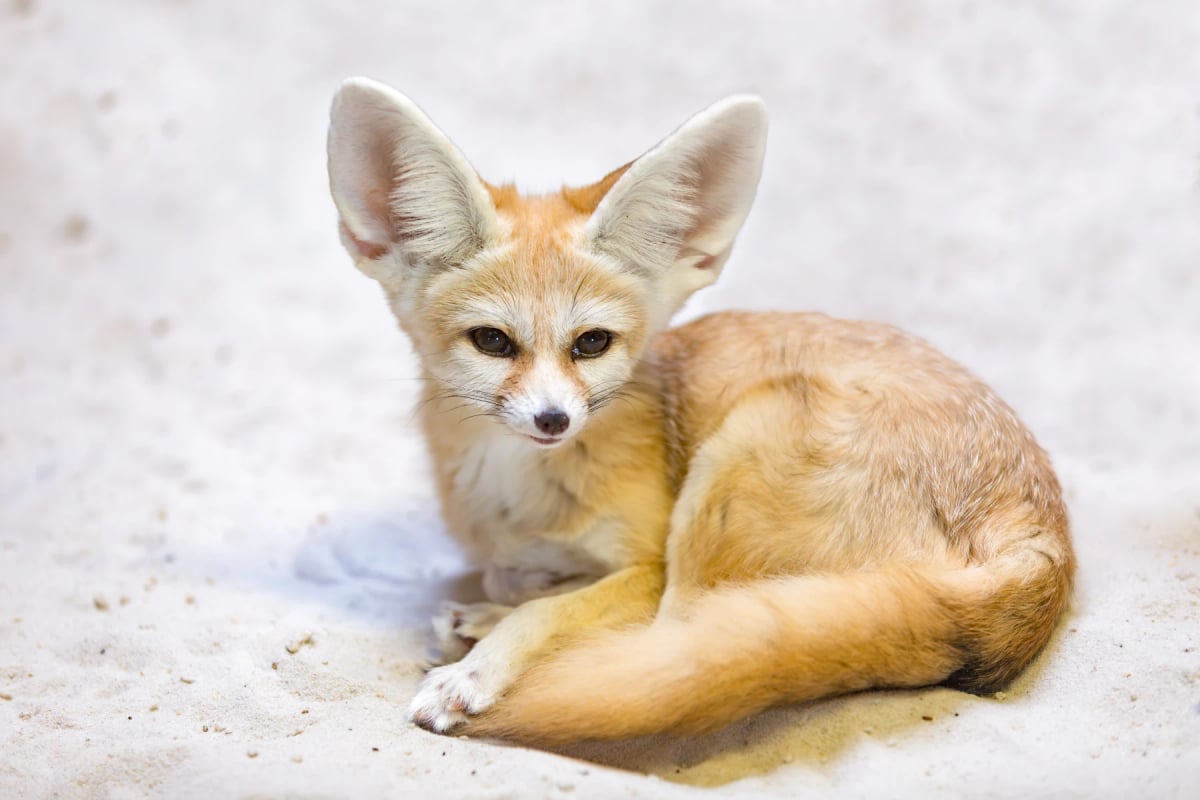
Fennec Fox
Vulpes zerda
In Sudan, the fennec fox inhabits the desert regions of the north, including the Nubian Desert and the areas bordering Libya and Egypt. It is a skilled nocturnal forager that survives the harsh conditions of one of the world's most arid zones. Encounters are rare due to the remoteness of its habitat in the northern part of the country.
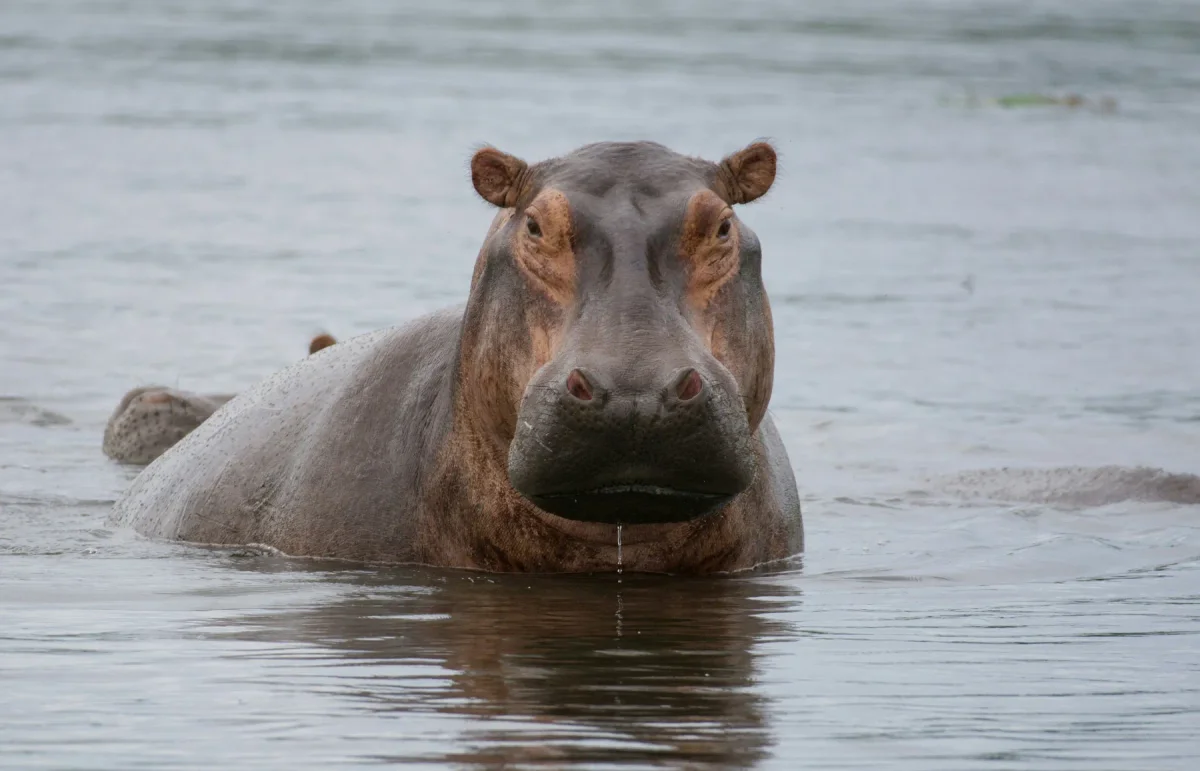
Hippopotamus
Hippopotamus amphibius
In Sudan, hippos are found along the White Nile and its surrounding wetlands in the southern parts of the country. Their range here sits at the northern limit of the species across Africa, making sightings less frequent than further south. Habitat loss and human pressure on waterways have reduced their numbers over the decades. The IUCN lists the hippopotamus as Vulnerable.
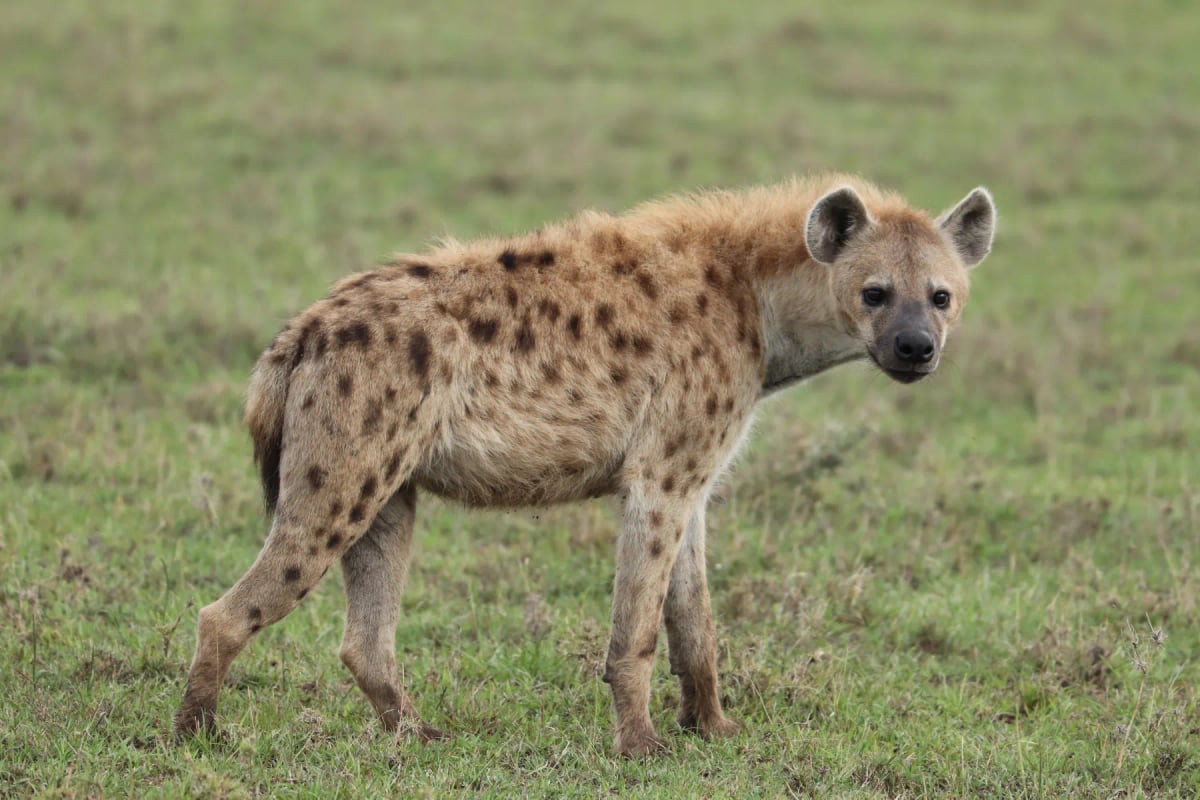
Spotted Hyena
Crocuta crocuta
Spotted hyenas occur across Sudan in areas ranging from semi-arid scrubland to wooded savanna, with populations linked to protected areas such as Dinder National Park in the southeast. They are adaptable animals, capable of surviving in dry conditions where prey and carrion are scarce. Conflict with local communities over livestock losses remains a persistent challenge to their survival in the region. Their IUCN status is Least Concern.
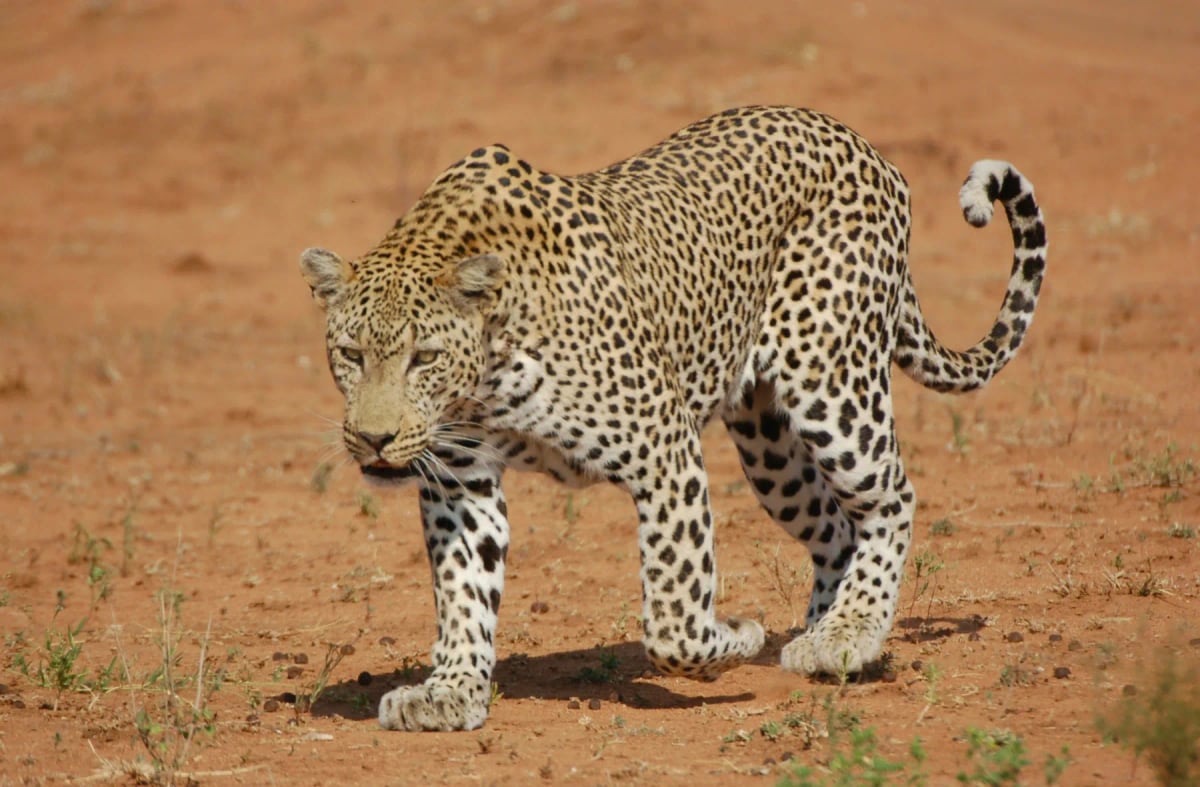
Leopard
Panthera pardus
In Sudan, leopards inhabit the rocky hills of the Red Sea coast, the Nuba Mountains, and areas bordering South Sudan and Ethiopia. They are secretive and rarely observed, making population estimates difficult. Leopards here feed on baboons, gazelles, and smaller prey. Poaching and the expansion of human settlements have reduced their numbers significantly over recent decades. IUCN status: Vulnerable.
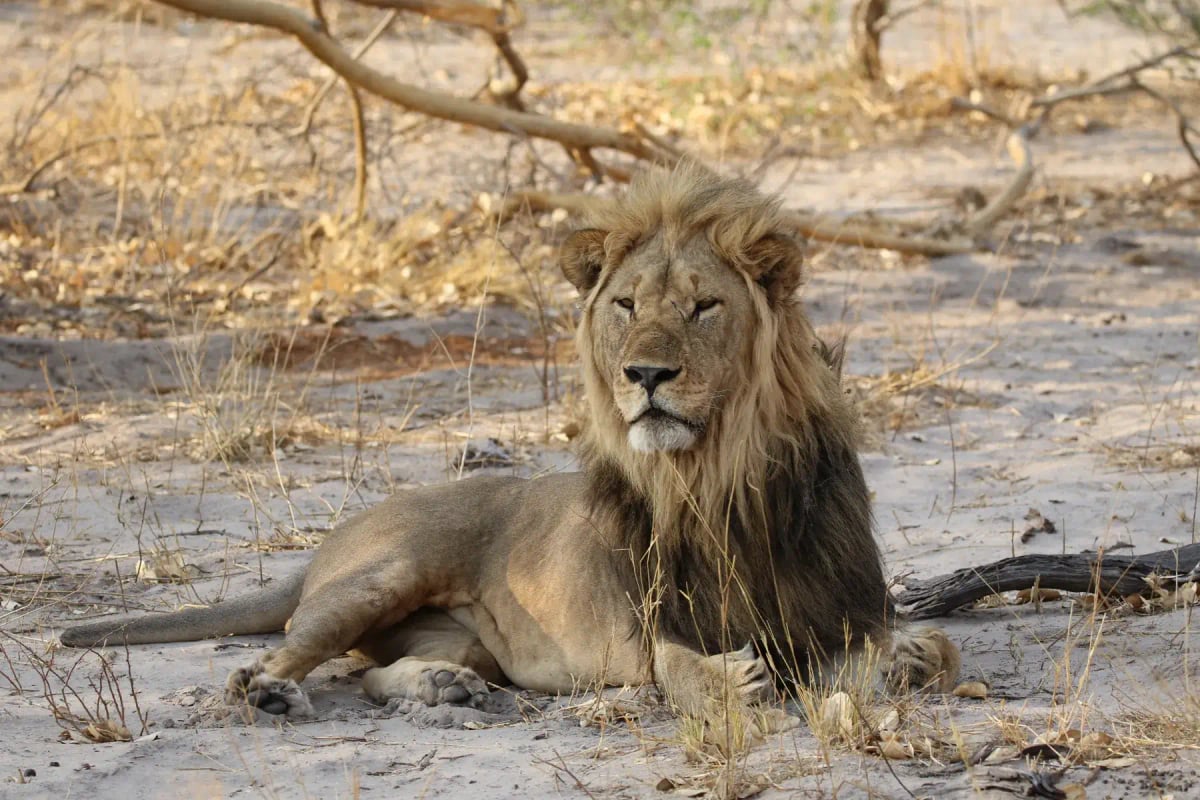
Lion
Panthera leo
In Sudan, lions are believed to persist in small numbers in the Dinder National Park near the Ethiopian border, where savanna and gallery forest provide suitable habitat. The species has disappeared from most of the country, and even in Dinder confirmed sightings are infrequent. Sudan's lion population is considered one of the most precarious in Africa.
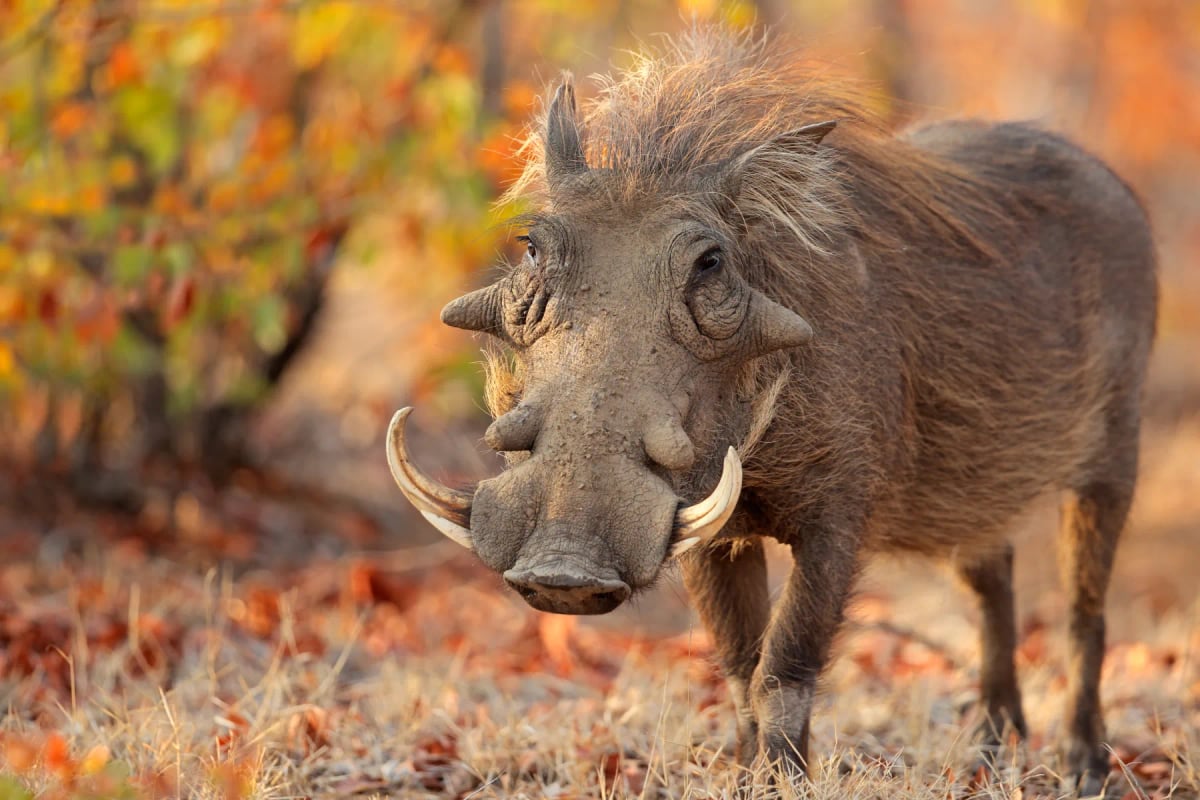
Warthog
Phacochoerus africanus
In Sudan, warthogs inhabit the southern savanna zones and areas bordering South Sudan, where rainfall supports open grassland and scattered woodland. They are less common in the country's arid northern regions and tend to concentrate where water and grazing are available year round. Populations remain stable in suitable habitat, and the species faces no specific conservation concern within the country.
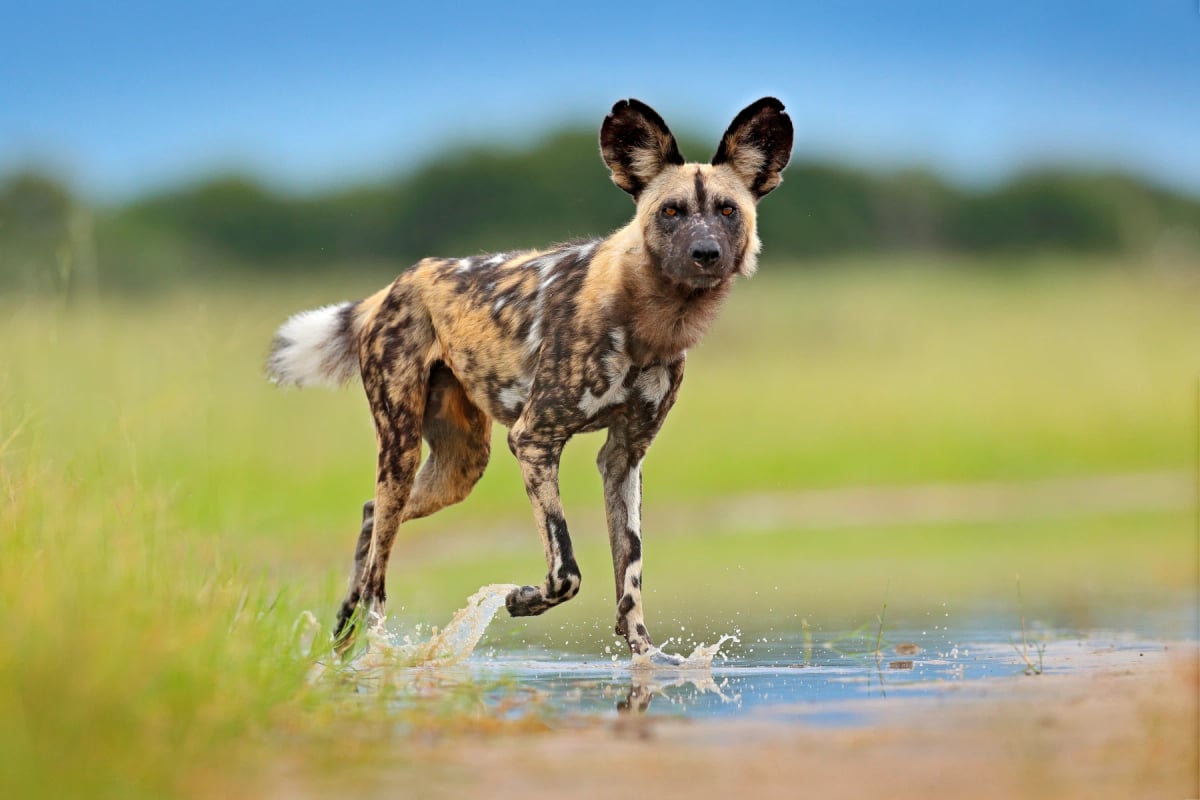
Wild Dog
Lycaon pictus
Wild dogs are believed to occur in small numbers in Sudan, particularly in the more remote savanna zones toward the south of the country. Habitat degradation and pressure from livestock farming have reduced suitable areas considerably over the decades. Very little field research has been carried out here, making Sudan one of the least understood parts of the wild dog's range. Protecting remaining wild corridors will be essential for any future recovery.
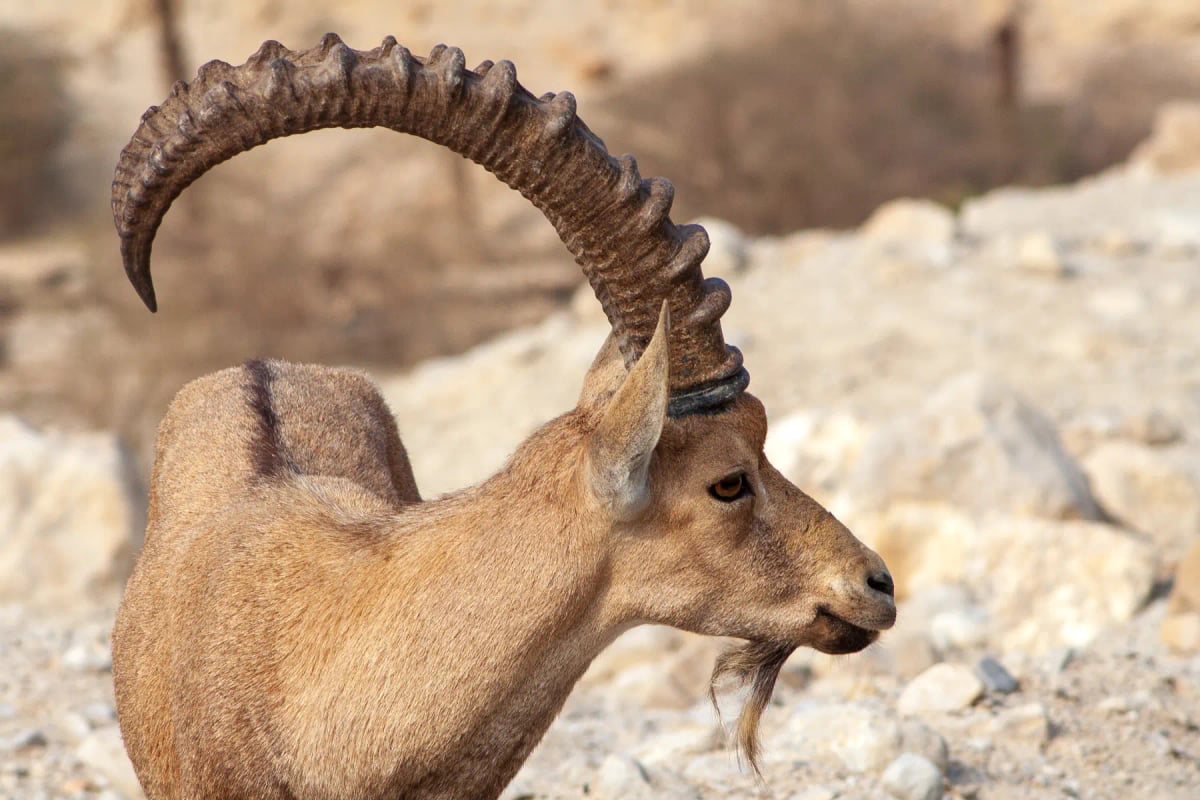
Nubian Ibex
Capra nubiana
In Sudan, the Nubian ibex occurs in the remote mountain ranges of the northeast, including the Red Sea Hills, one of the most arid and least studied parts of the country. Populations here are small and difficult to monitor due to the isolation of the terrain. The species faces pressure from unregulated hunting and livestock competition for water and grazing. Very little formal conservation infrastructure exists in this part of Sudan, making the ibex's future here uncertain. IUCN status: Vulnerable.
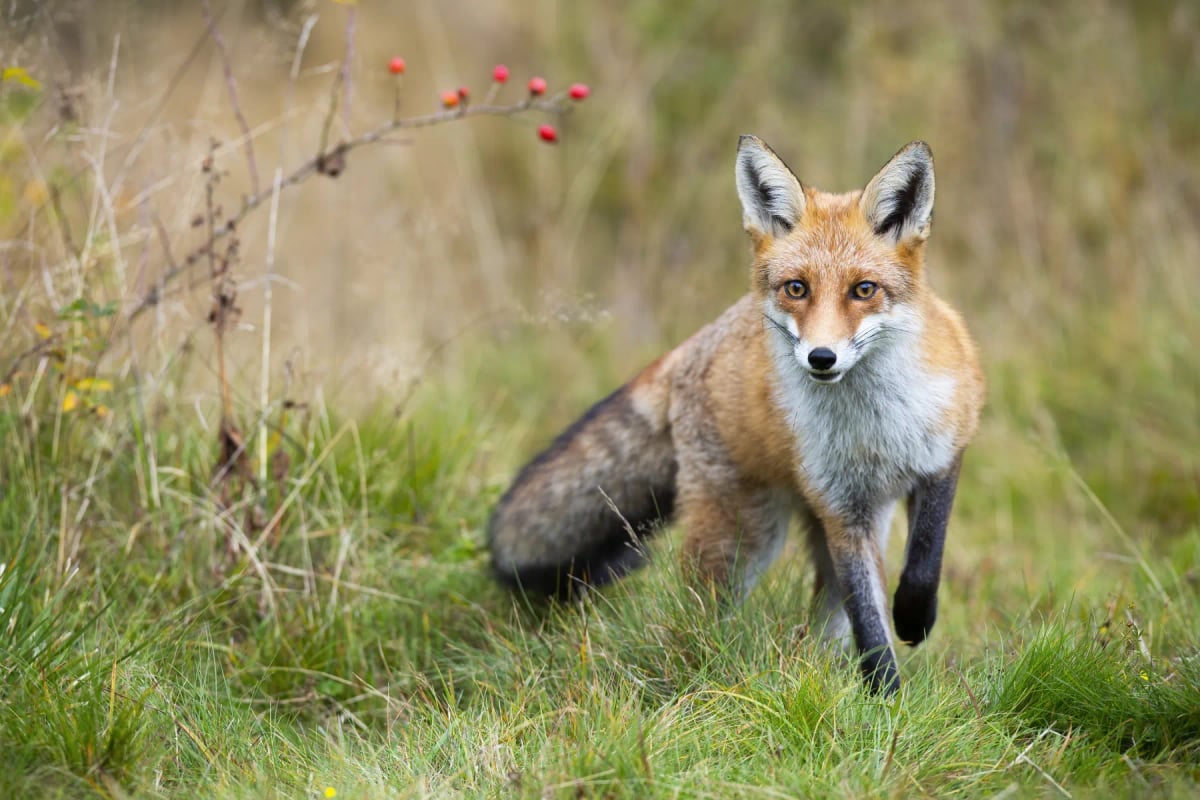
Red Fox
Vulpes vulpes
In Sudan, the red fox inhabits the semi-arid scrublands and desert margins of the northern regions, where it survives on a diet of small animals, insects, and whatever plant matter is available. It is a resilient species well suited to harsh, dry conditions. Sightings are more common in areas near cultivated land and settlements along the Nile Valley. Its IUCN status is Least Concern.
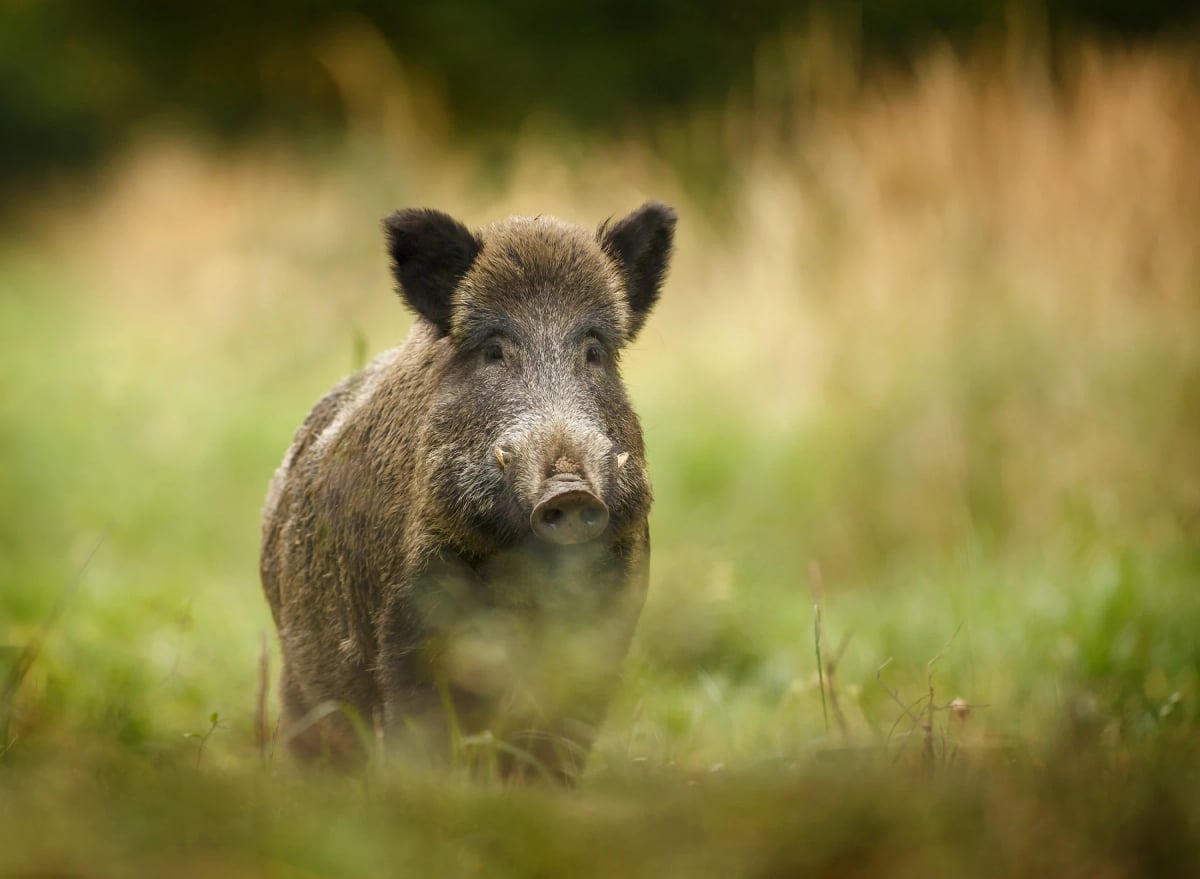
Wild Boar
Sus scrofa
Wild boars in Sudan are found mainly in wetland and savanna areas in the south of the country, near the border with South Sudan, where suitable habitat is more limited than in neighboring regions. Because most of Sudan's population does not eat pork for religious reasons, boars face little traditional hunting pressure and are mainly considered a nuisance where they damage crops near farmland in border areas.
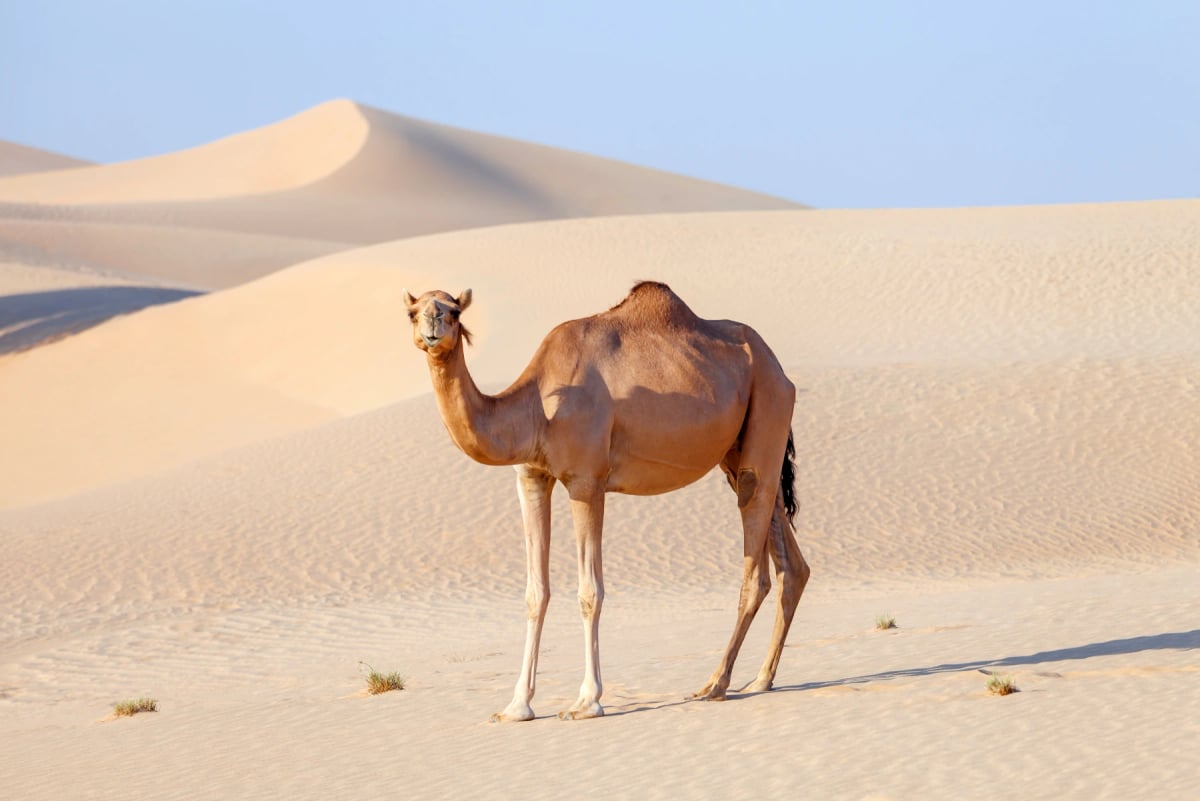
Dromedary Camel
Camelus dromedarius
Sudan has one of the largest camel populations in Africa. The animals are central to the lives of the Rashaida, Beja, and other pastoral groups living in the arid north and northeast, including the Nubian Desert and the Red Sea Hills. Camels are valued for milk, meat, and transport, and the camel market at Omdurman, just outside Khartoum, is one of the largest and most active in the entire continent.
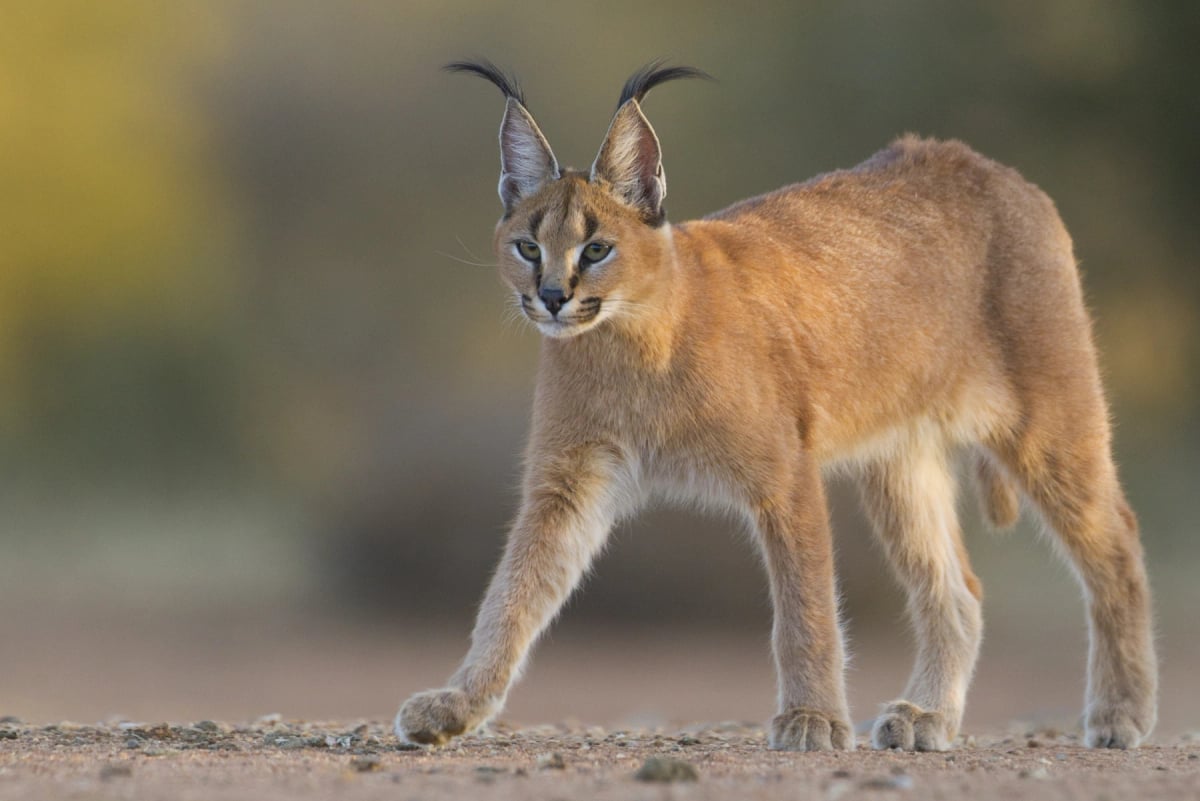
Caracal
Caracal caracal
In Sudan, the caracal is present across a broad range of habitats, from semi-arid scrublands in the north to savanna woodlands further south. Its tawny coat provides effective camouflage in these dry, open landscapes. Solitary and mostly nocturnal, it preys on rodents, hares, small antelopes, and birds. The IUCN classifies it as Least Concern across its global range, though data specific to Sudan remains limited.
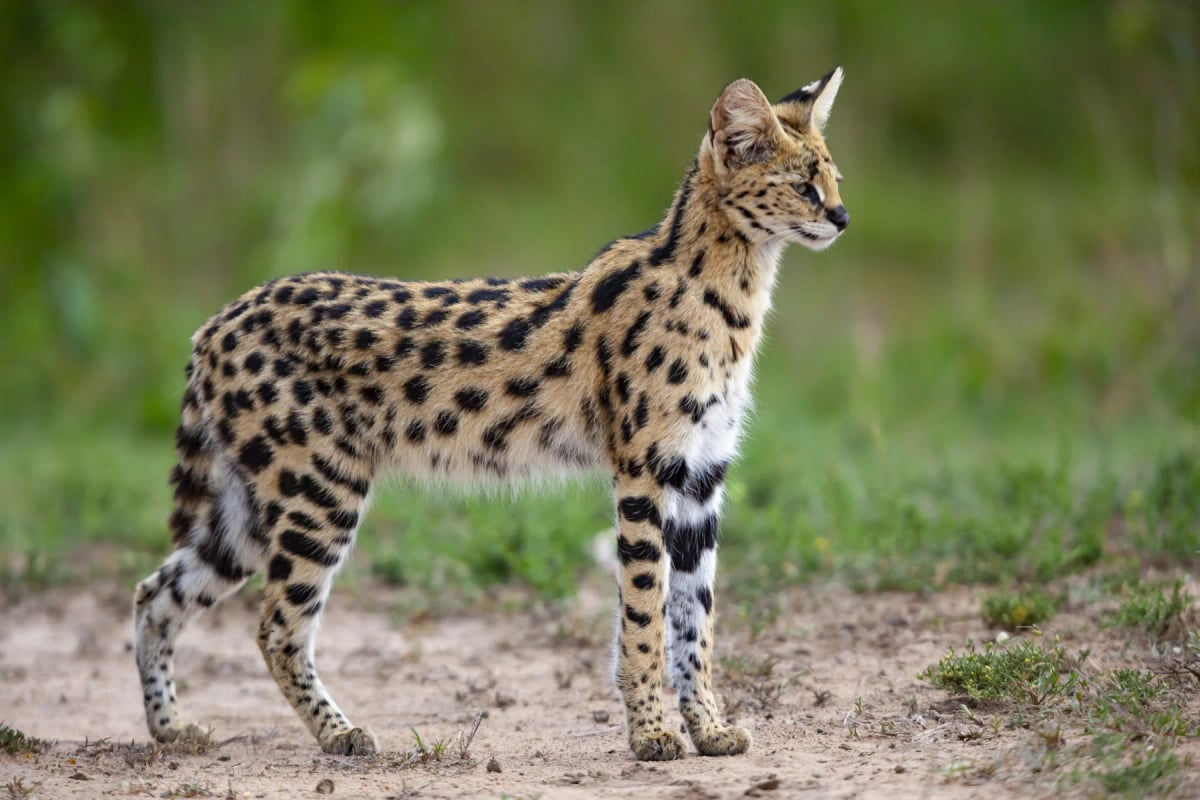
Serval
Leptailurus serval
The serval occurs in Sudan's southern and central regions, where seasonal floodplains and tall grasslands border areas like the Nile tributaries. It is absent from the desert north. Rodents form the core of its diet, caught with a precise pounce after the cat pinpoints the prey by ear. The IUCN lists the serval as Least Concern, though habitat degradation in Sudan's savanna zones remains a concern.
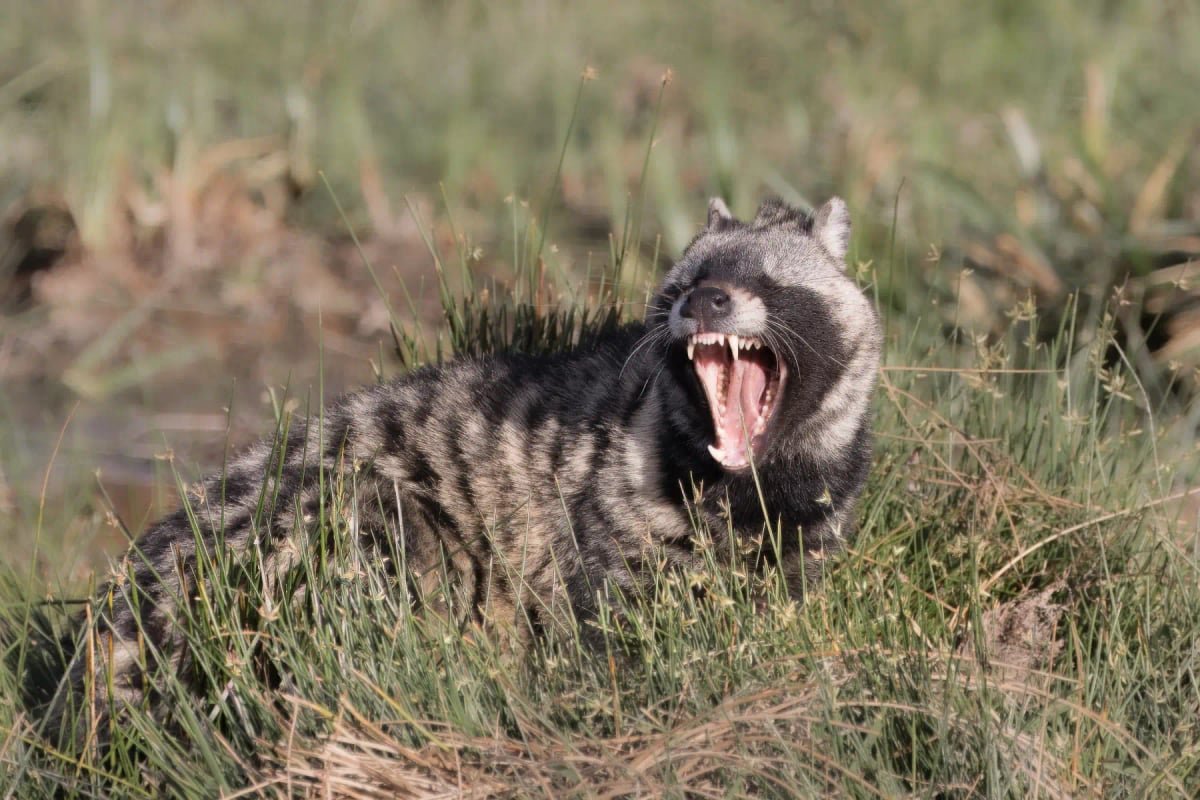
African Civet
Civettictis civetta
In Sudan, the African civet is found in the south and southeast, in savanna woodlands and gallery forests along the Blue Nile and its tributaries. Dinder National Park near the Ethiopian border is the most documented site of presence. The species does not reach the northern desert regions. Its distribution in Sudan connects southward to the populations of South Sudan and Ethiopia.

Honey Badger
Mellivora capensis
The honey badger is found across Sudan's savanna and semi arid zones in the south and east, including areas near the Nile valley, with sparser presence in the desert north. It digs for rodents, reptiles and insects and can raid beehives when given the chance. Ongoing conflict and limited research in parts of the country make population data scarce. The species is listed as Least Concern by the IUCN.
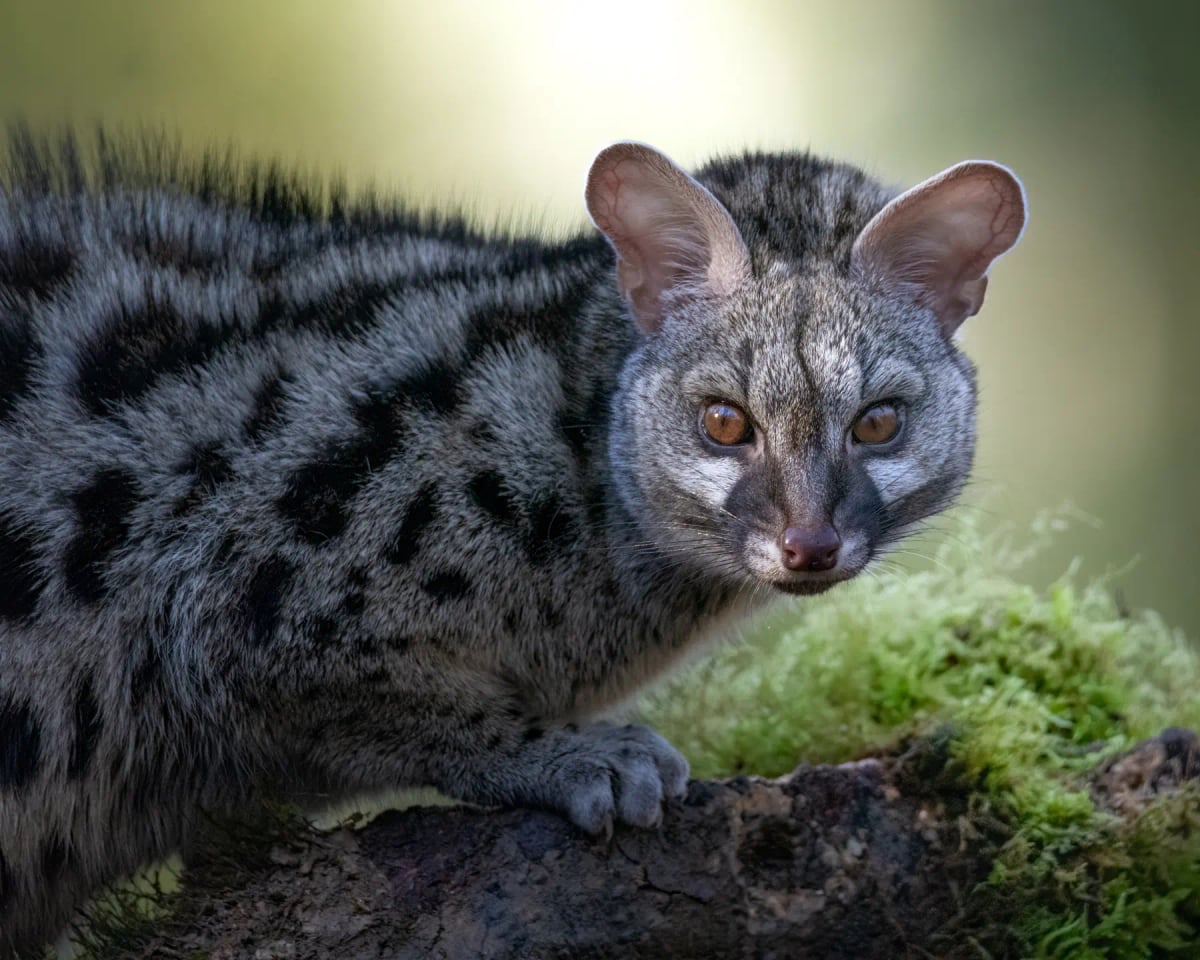
Common Genet
Genetta genetta
In Sudan, the common genet occurs mainly in the greener southern and central regions, where savanna woodland and riverine vegetation provide suitable cover. It avoids the driest desert zones in the north. Hunting at night, it feeds on small mammals, birds, and insects. It is listed as Least Concern by the IUCN and faces no major threats across its range in the country.
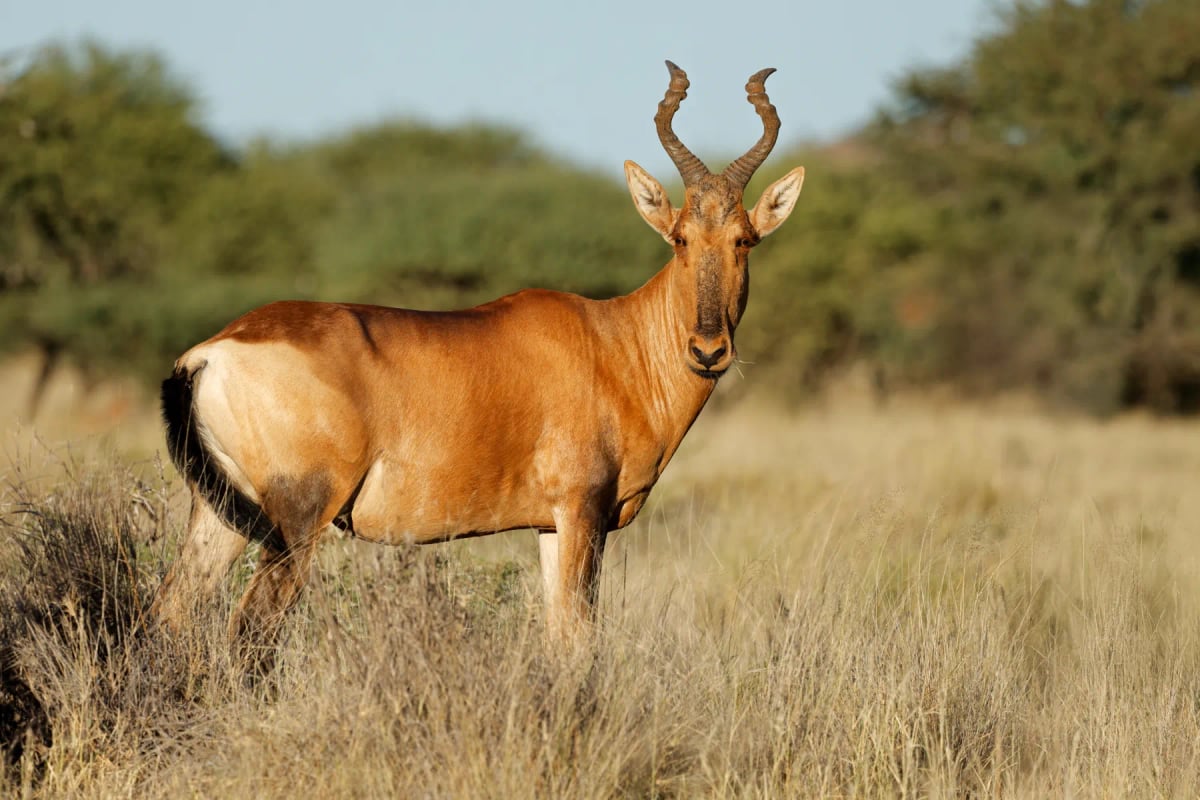
Hartebeest
Alcelaphus buselaphus
In Sudan, the hartebeest occurs mainly in the southern savanna zones, where grasses are more abundant. The species has suffered significant population declines due to decades of conflict, unregulated hunting, and habitat loss across the region. Conservation efforts remain limited, and numbers are far lower than they once were. Their speed and endurance help individuals escape predators, but these qualities offer little protection against persistent human pressure.
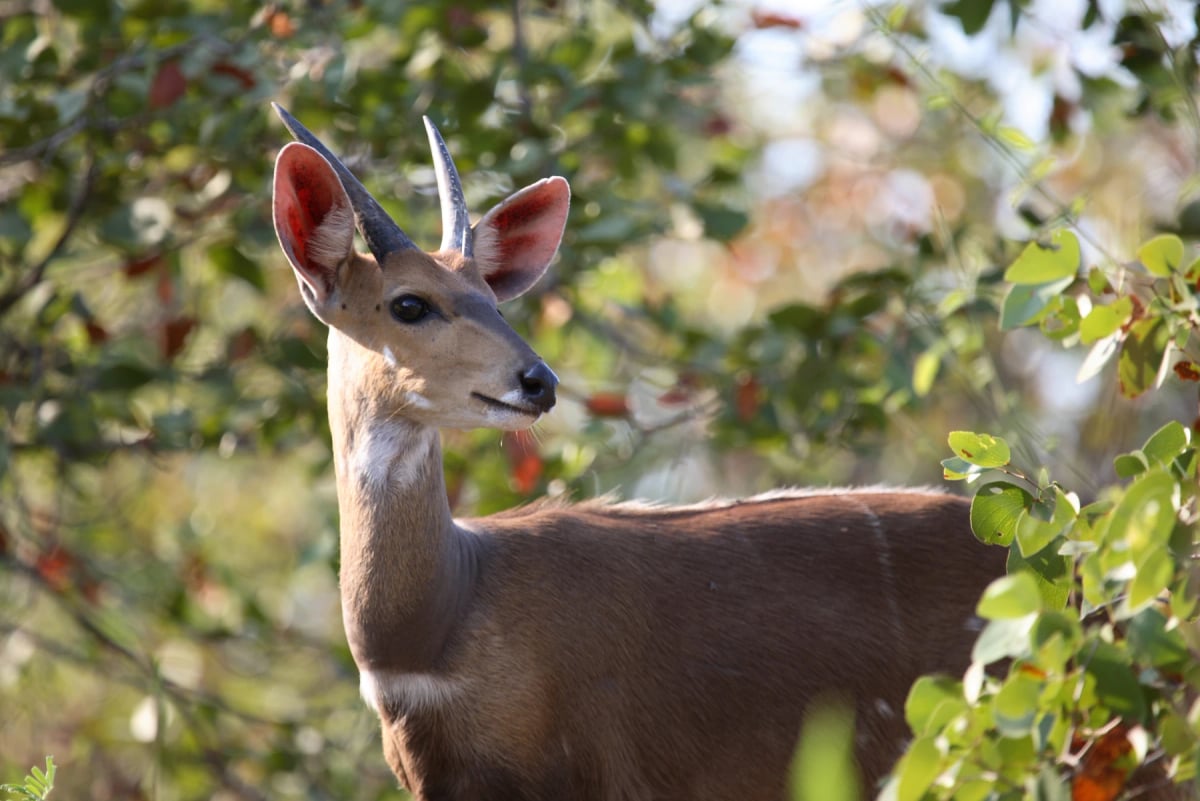
Bushbuck
Tragelaphus scriptus
Sudan's bushbucks are concentrated in the southern regions near the South Sudan border, particularly along the Blue Nile corridor and in the Dinder National Park area. These dense woodland and riverine habitats contrast sharply with Sudan's arid northern landscape. Nocturnal and elusive, bushbucks in Sudan remain rarely observed but represent a key indicator of the health of the country's southern forest ecosystems.
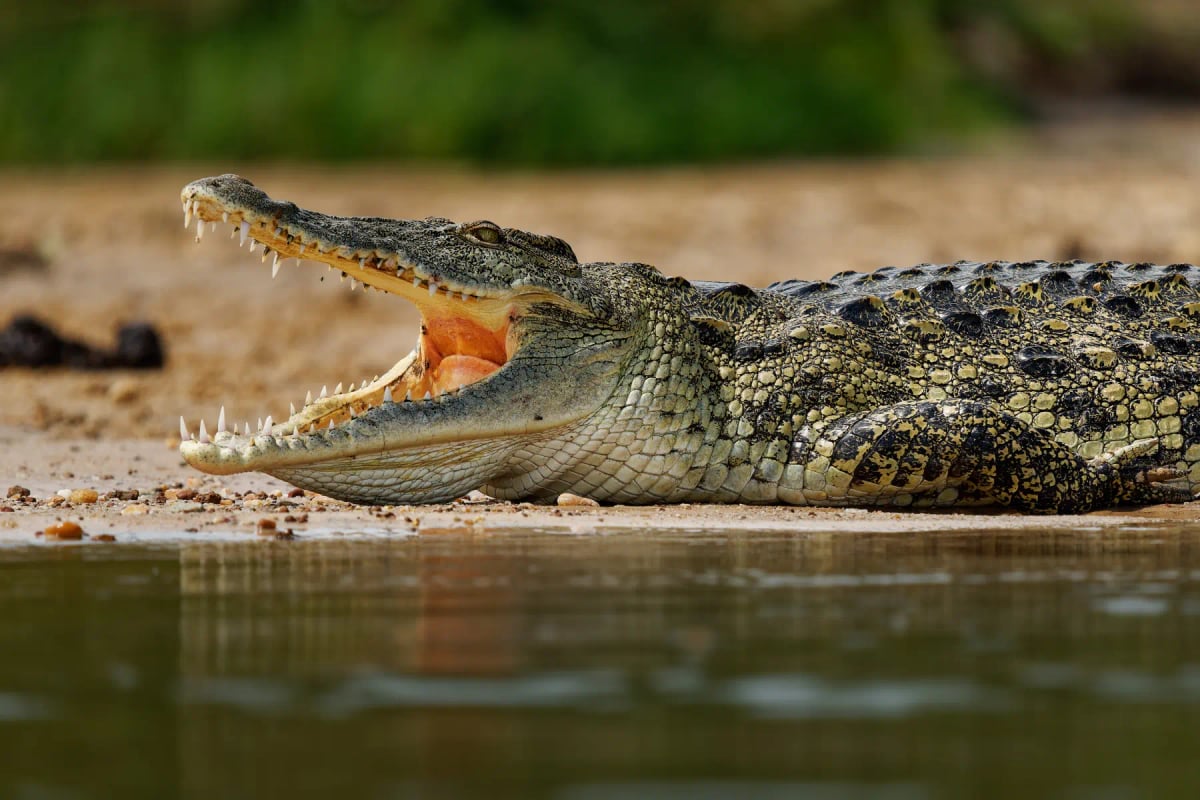
Nile Crocodile
Crocodylus niloticus
In Sudan, Nile crocodiles are found along stretches of the Nile River and its tributaries, particularly in the southern regions. Numbers here are lower than in parts of sub-Saharan Africa, reflecting decades of hunting pressure and habitat disturbance. The species is listed as Least Concern globally, but local populations deserve careful monitoring as river habitats face growing demands from agriculture and development.
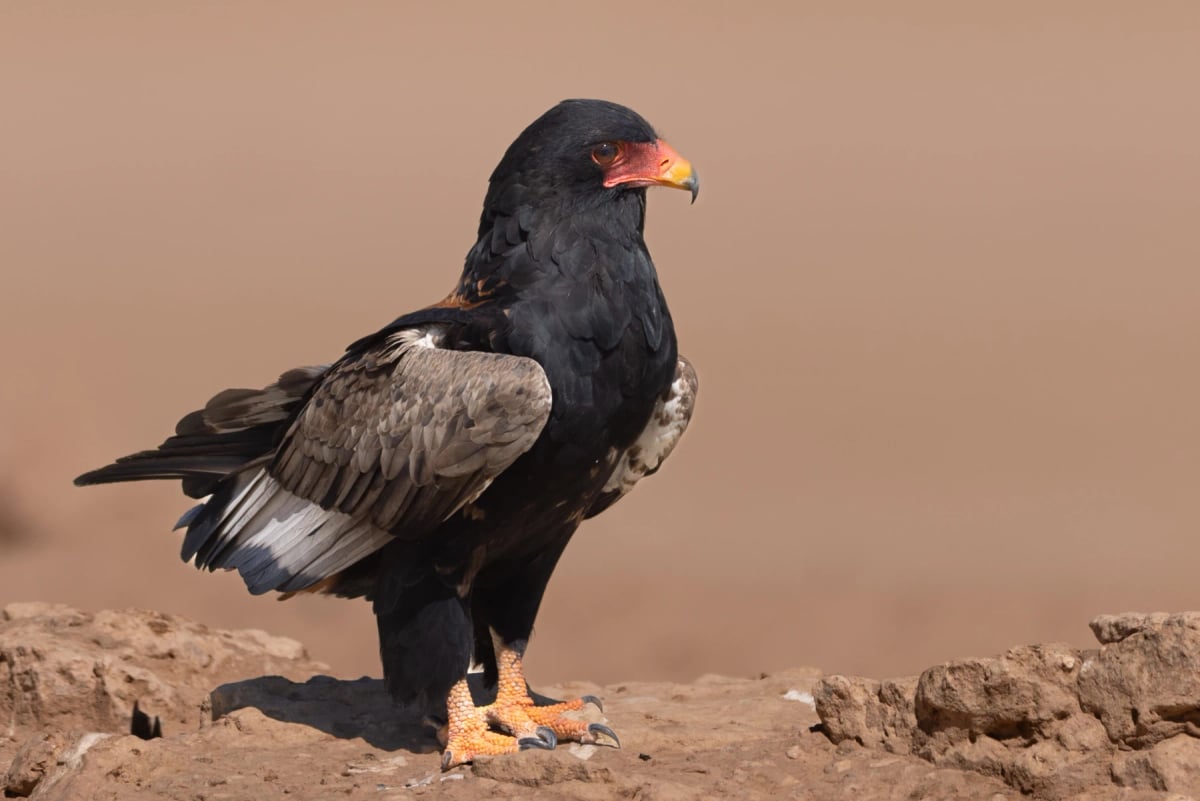
Bateleur
Terathopius ecaudatus
The bateleur occurs in Sudan's southern savanna zones, where open woodland and grassland provide foraging opportunities across large daily territories. Its bold scarlet face and rocking flight make it one of the continent's most distinctive raptors. Classified as Endangered, the species faces threats from land use change and persecution. Its range in Sudan sits at the northern edge of its broader sub-Saharan distribution.
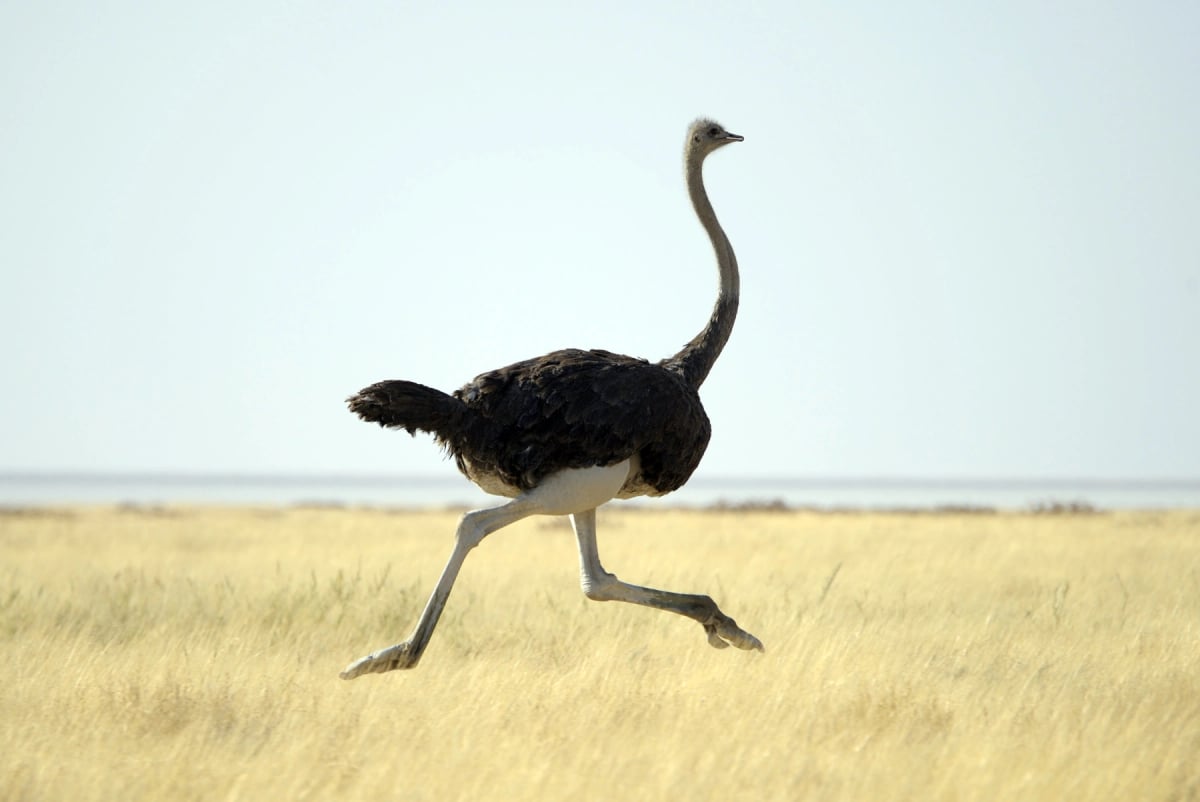
Ostrich
Struthio camelus
In Sudan, ostriches are found across the semi-arid savannas and scrublands of the south and central regions, including areas bordering the Sahel. Once more widespread, their range has contracted due to hunting and habitat loss. They roam in small groups, feeding on seeds, grasses, and leaves. Standing up to 2.75 meters tall, they are a striking presence in Sudan's open landscapes. Their IUCN status is Least Concern.
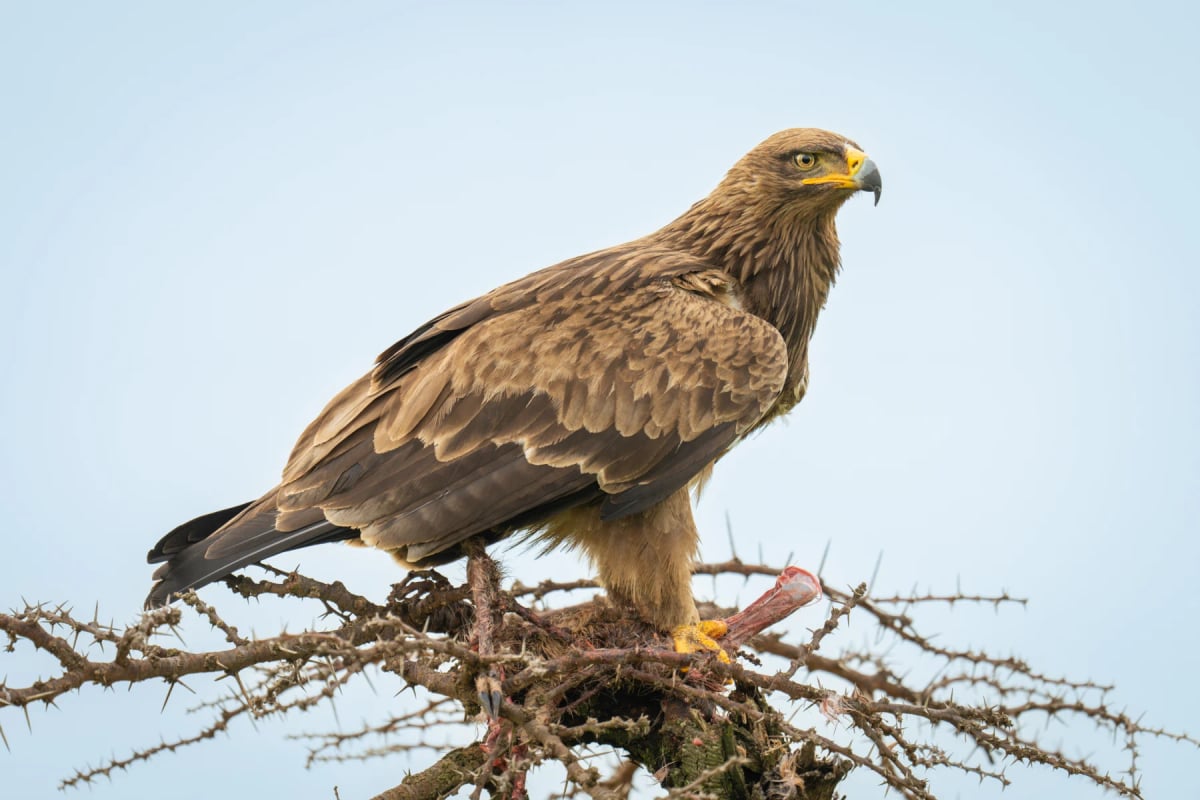
Steppe Eagle
Aquila nipalensis
Sudan sits within the main wintering and passage zone for Steppe Eagles traveling from Central Asia to sub-Saharan Africa. The Sahel belt and open savanna landscapes in the southern part of the country provide foraging habitat, and birds are known to gather at termite emergences and animal carcasses. The species is Endangered, making the preservation of these wintering habitats across Sudan particularly valuable.
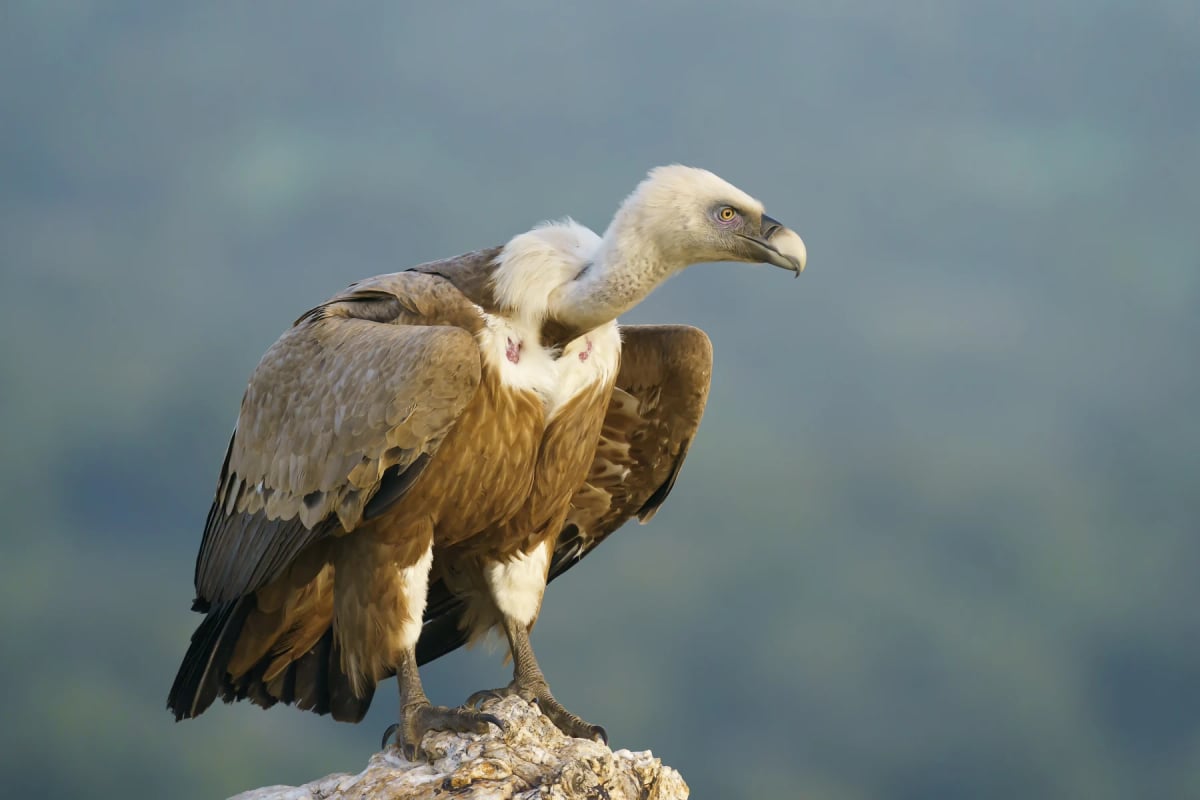
Griffon Vulture
Gyps fulvus
The griffon vulture does not breed in Sudan but spends the non breeding season here, mostly in winter, when birds from the Middle East and Europe spread across the Sahel. It can be seen along the Nile Valley and over the eastern highlands near the Red Sea, soaring above open savanna and dry scrubland. With a wingspan of up to 2.8 meters, it rides thermals high above the land to find carcasses. IUCN status: Least Concern.
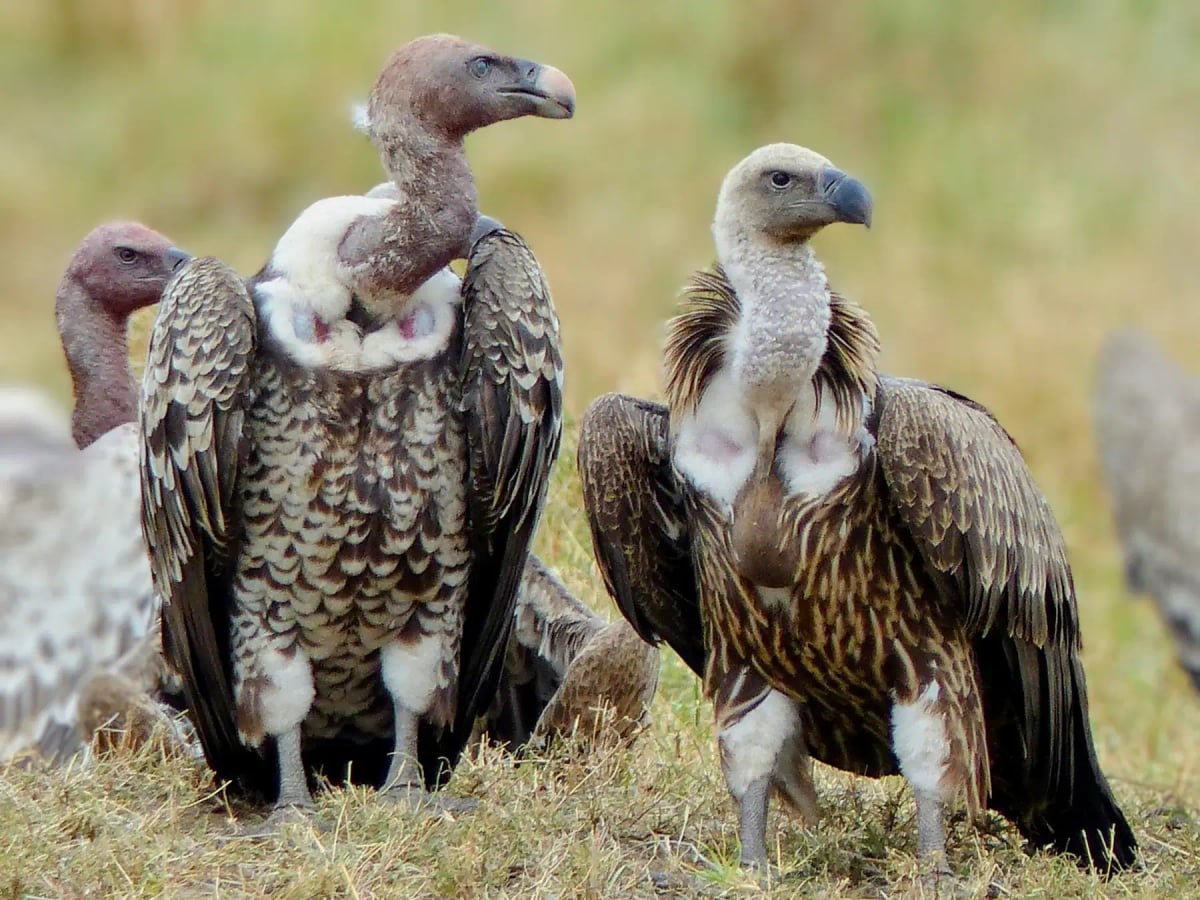
White backed Vulture
Gyps africanus
The white backed vulture is present across the savanna zones of southern Sudan, where it scavenges alongside other vulture species on the open plains. Ongoing conflict and widespread poaching have taken a heavy toll on large mammal populations in the country, reducing food sources for this bird. As a Critically Endangered species, it faces mounting pressure from habitat degradation and deliberate poisoning across the region.
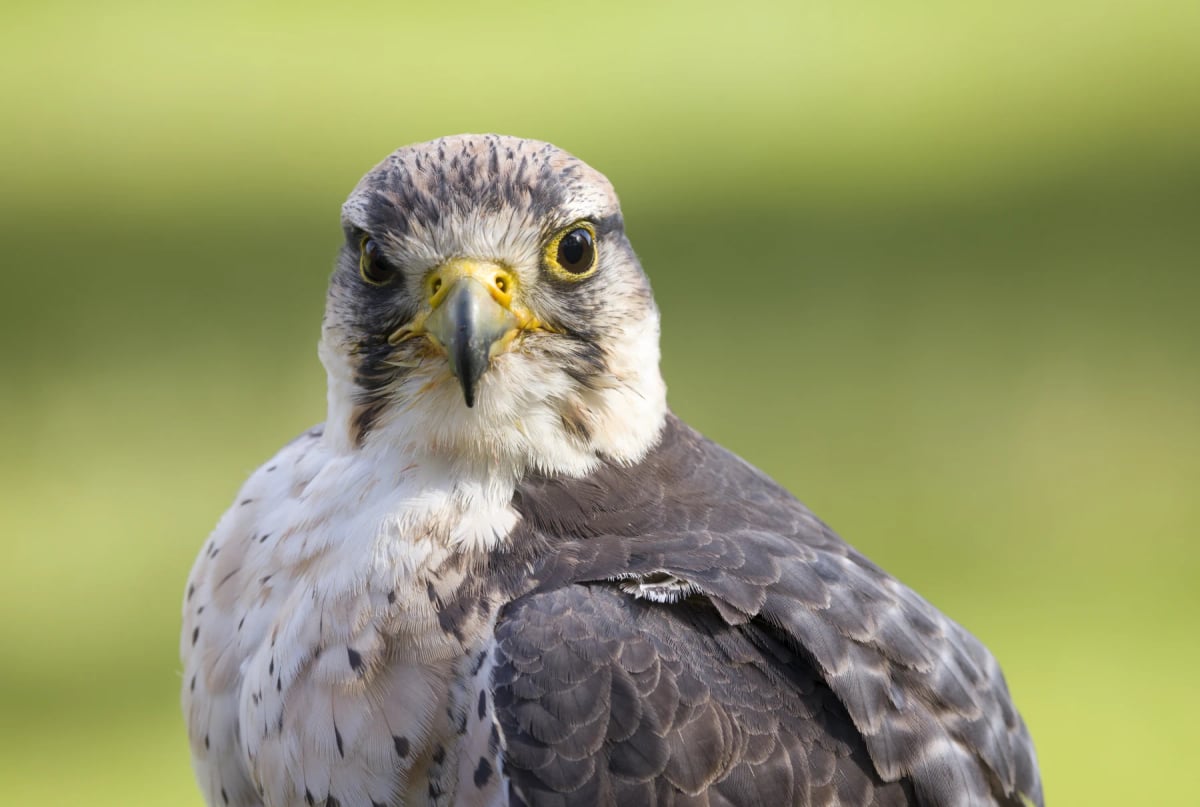
Lanner Falcon
Falco biarmicus
Sudan's varied landscape, from the Nile valley and its rocky escarpments to the semi-arid plains of the north, provides suitable habitat for the lanner falcon. It is one of the more regularly recorded raptors in open country here, hunting birds and occasionally large insects. Pairs nest on cliff faces along the Nile and in the Red Sea Hills region. The IUCN lists the species as Least Concern.
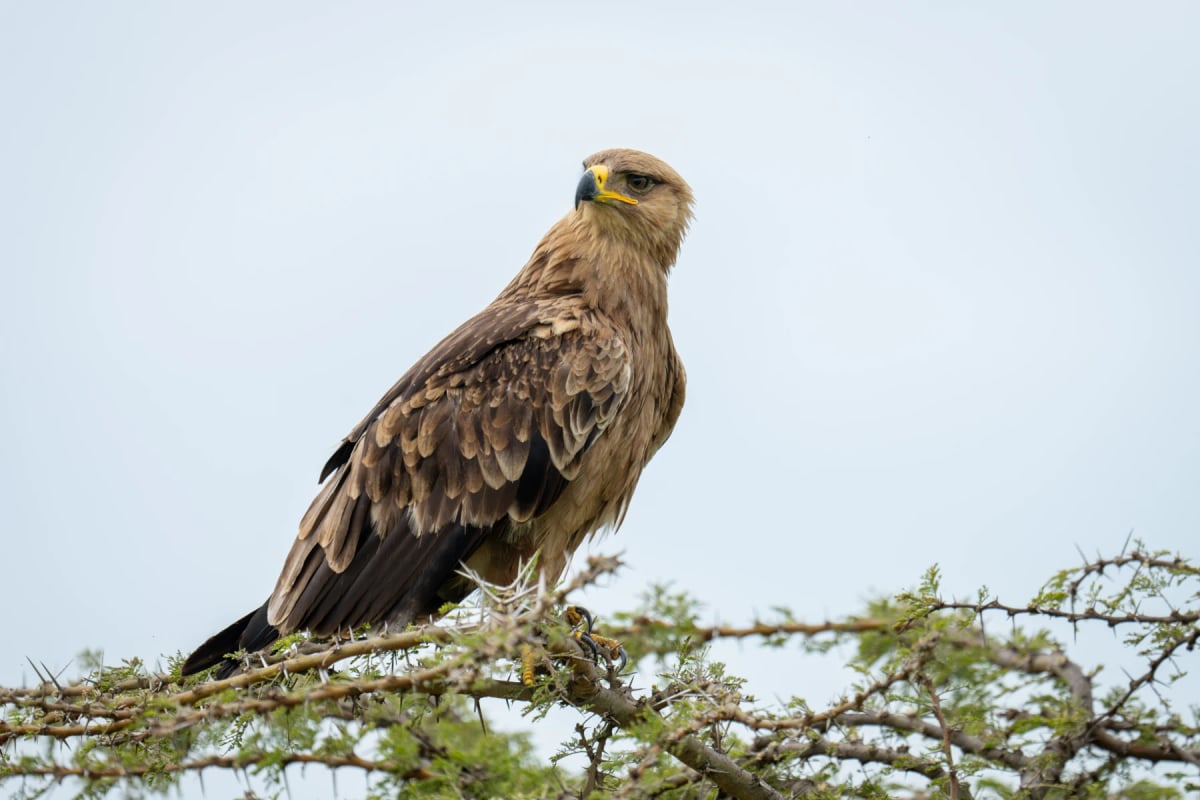
Tawny Eagle
Aquila rapax
In Sudan, the tawny eagle inhabits open dry savannas and semi-arid scrublands, particularly across the central and southern regions of the country. It is an opportunistic feeder, taking carrion, small animals, and food stolen from other birds of prey. Ongoing habitat degradation and the use of poison baits for pest control pose serious threats here. The IUCN classifies it as Vulnerable.
Secretary Bird
Sagittarius serpentarius
The secretary bird roams the open grasslands and savannas of Sudan, particularly across the central and southern regions where suitable habitat remains. It hunts on foot through these wide, flat landscapes, targeting snakes, rodents, and large insects. Habitat loss driven by agricultural pressure is a growing concern here. The bird also carries the national emblem: Sudan's coat of arms is a secretary bird holding a shield. The IUCN lists the species as Endangered.
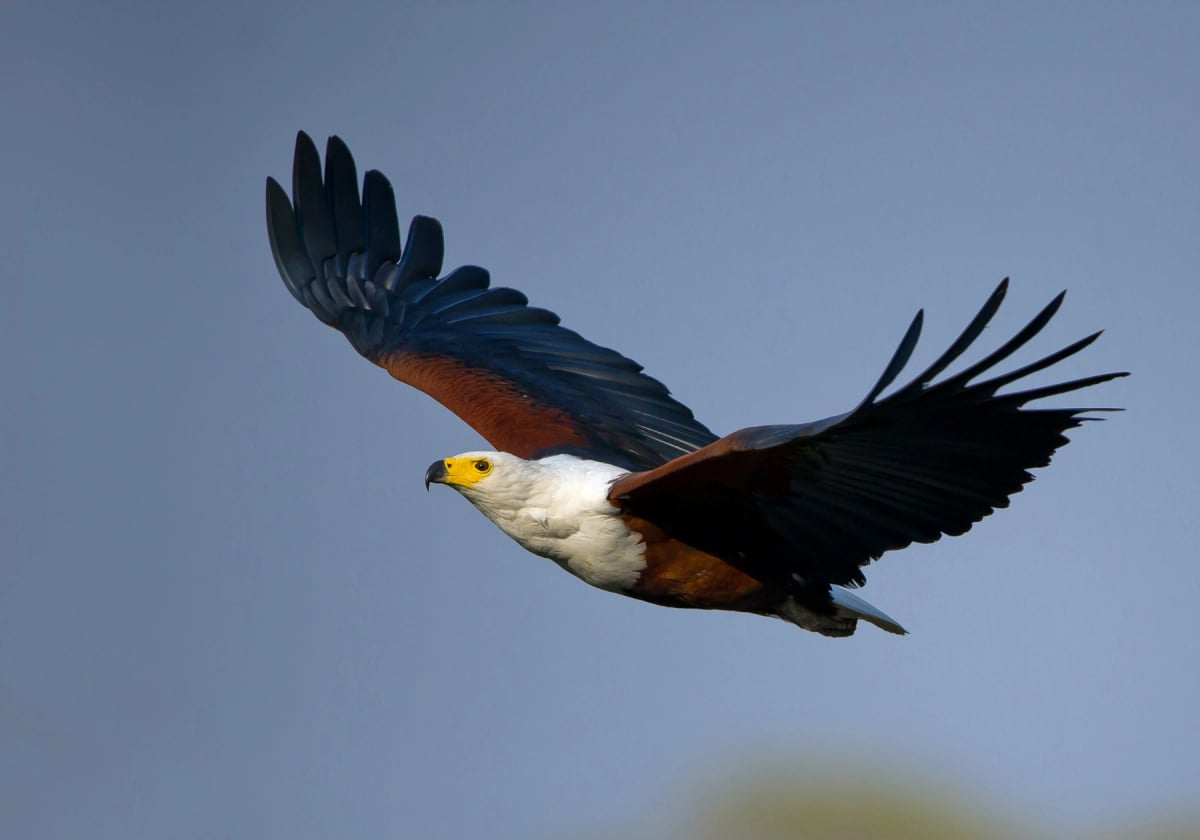
African Fish Eagle
Haliaeetus vocifer
The African fish eagle is present in Sudan primarily along the Nile and its tributaries in the south and center of the country. The White Nile and Blue Nile corridors before their confluence at Khartoum provide the most consistent habitat. Further north the river narrows and the surrounding landscape becomes increasingly arid, limiting the eagle to the immediate riverbanks. The Dinder National Park along the Ethiopian border, with its seasonal rivers and pools, is among the better areas for wildlife in Sudan and supports resident pairs.
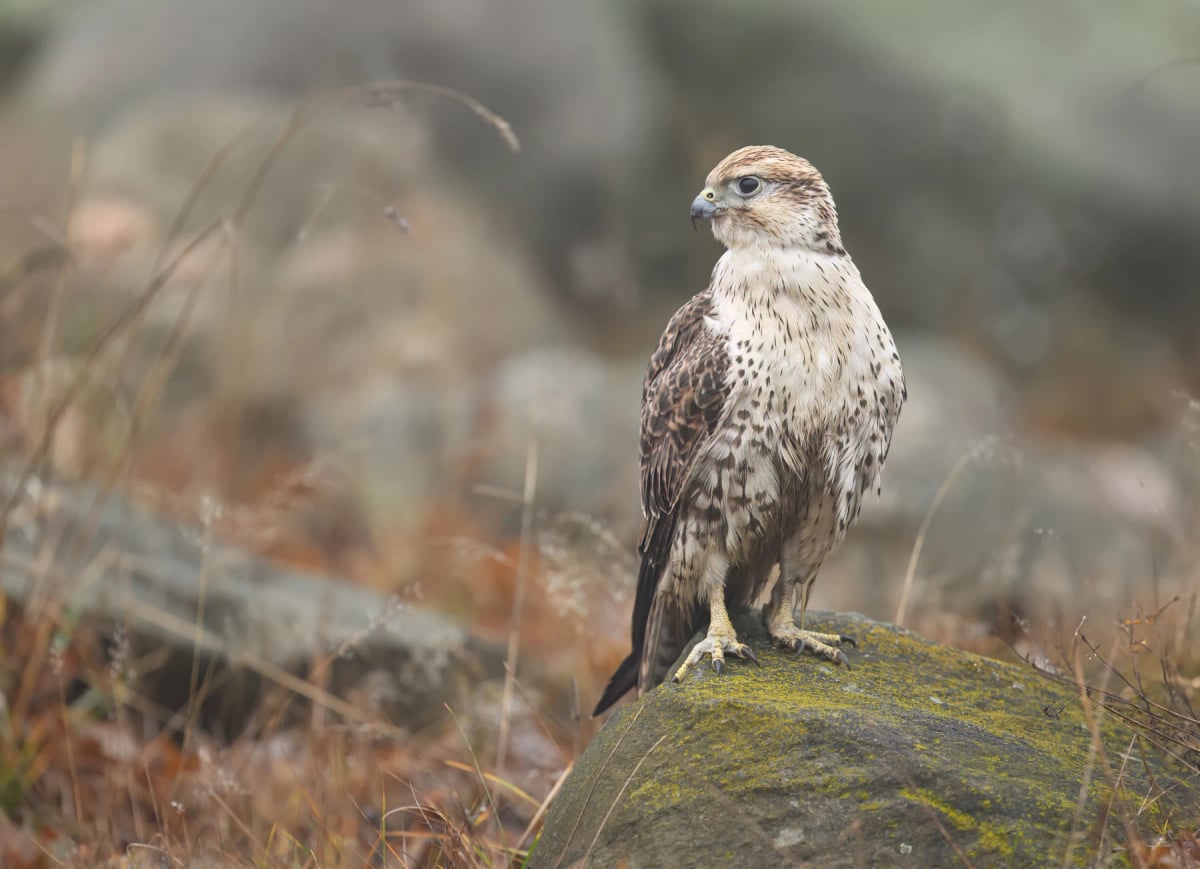
Saker Falcon
Falco cherrug
Sudan lies along the wintering and migratory route of the saker falcon, with birds passing through or spending the colder months across the country's semi-arid zones and open savannas. The Sahel belt in the south provides suitable foraging habitat during winter. Sudan's role as a passage country makes it relevant to the overall survival of the species across its range. The saker falcon is currently listed as Endangered by the IUCN.
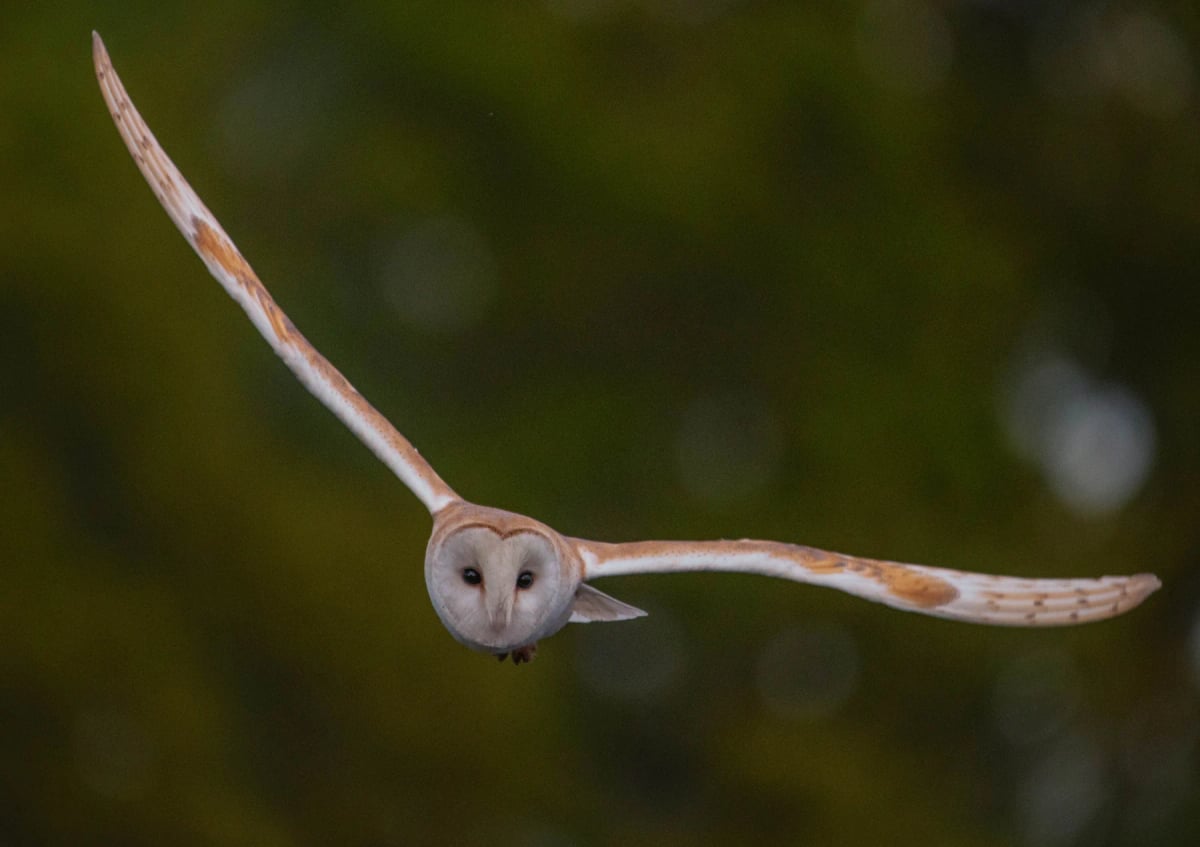
Barn Owl
Tyto alba
The barn owl is found in Sudan in open farmland, oases, and areas near villages along the Nile Valley, the Gezira irrigation scheme, and the Sahel belt in the south. It nests in old buildings, cliff faces, and palm groves, and hunts rodents at night. The vast desert regions of northern Sudan are largely unsuitable habitat. In the agricultural heartland of the Gezira plain and the Nile valley, where rodent damage to sorghum and wheat is a persistent problem, its role as a natural pest controller is particularly valuable.
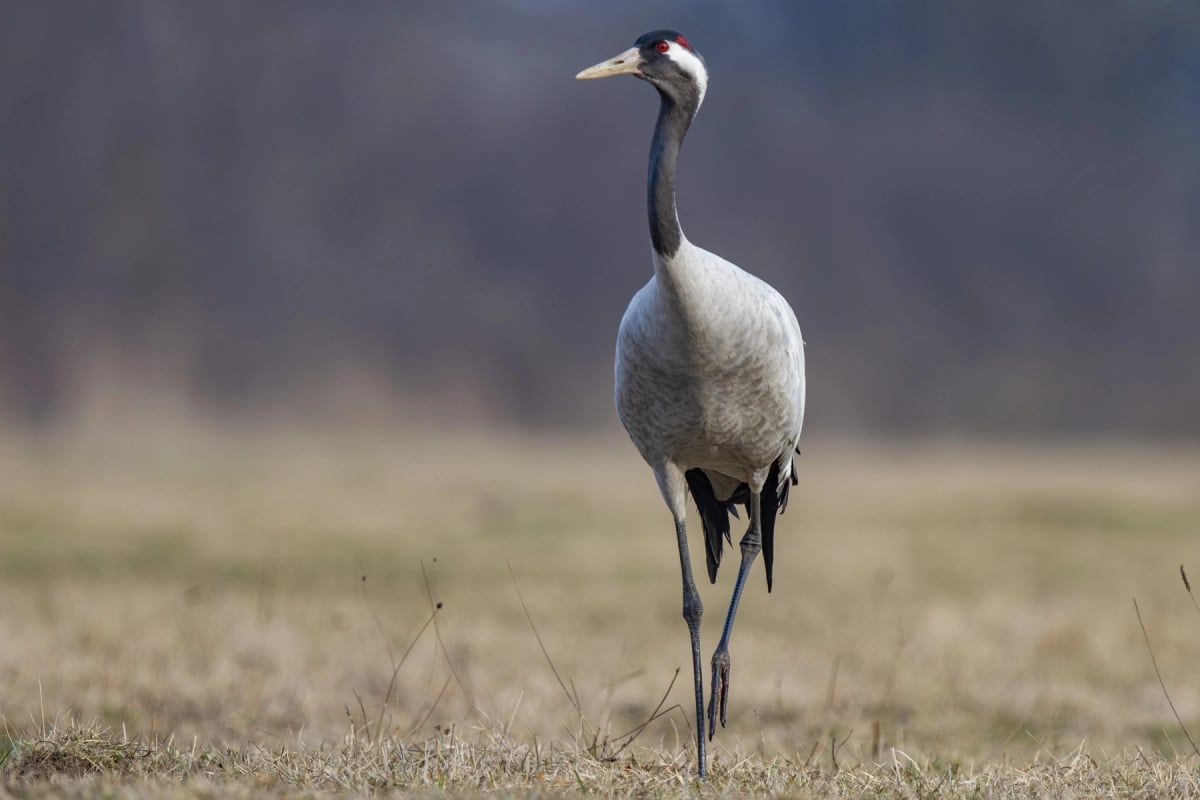
Crane
Grus grus
Sudan is one of the main wintering areas for common cranes of the eastern flyway. Birds from Russia and eastern Europe cross Turkey, the Levant and Egypt to spend the winter along the Nile and in the farmland and wetlands of the central and eastern plains, including the irrigated Gezira scheme. They arrive in October and November and leave again in February and March to fly back north. IUCN status: Least Concern.
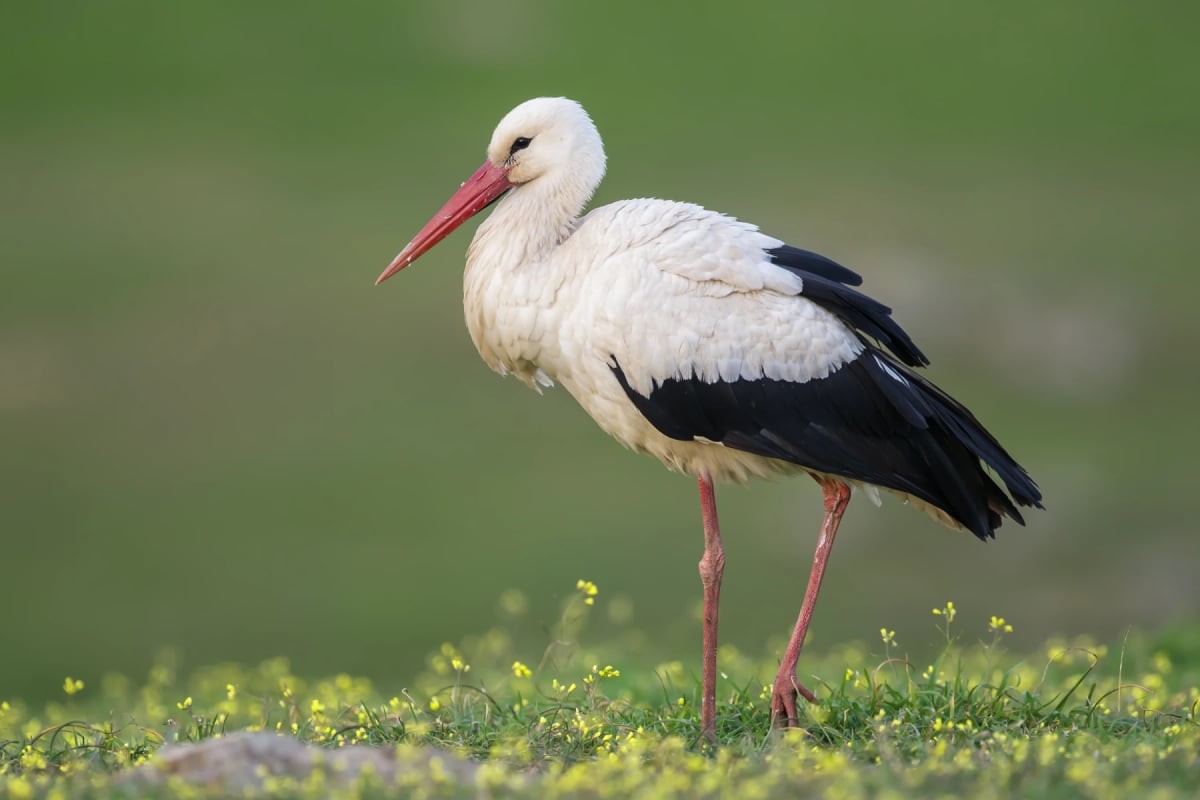
Stork
Ciconia ciconia
Sudan sits astride the white stork's main eastern migration route between Europe and Africa south of the Sahara. Flocks move through the Nile valley and surrounding grasslands during autumn and spring, and some birds spend the winter in the country's more southern regions. The vast open landscapes of Sudan, including the savanna areas near the South Sudan border, provide important resting and feeding stops during migration.
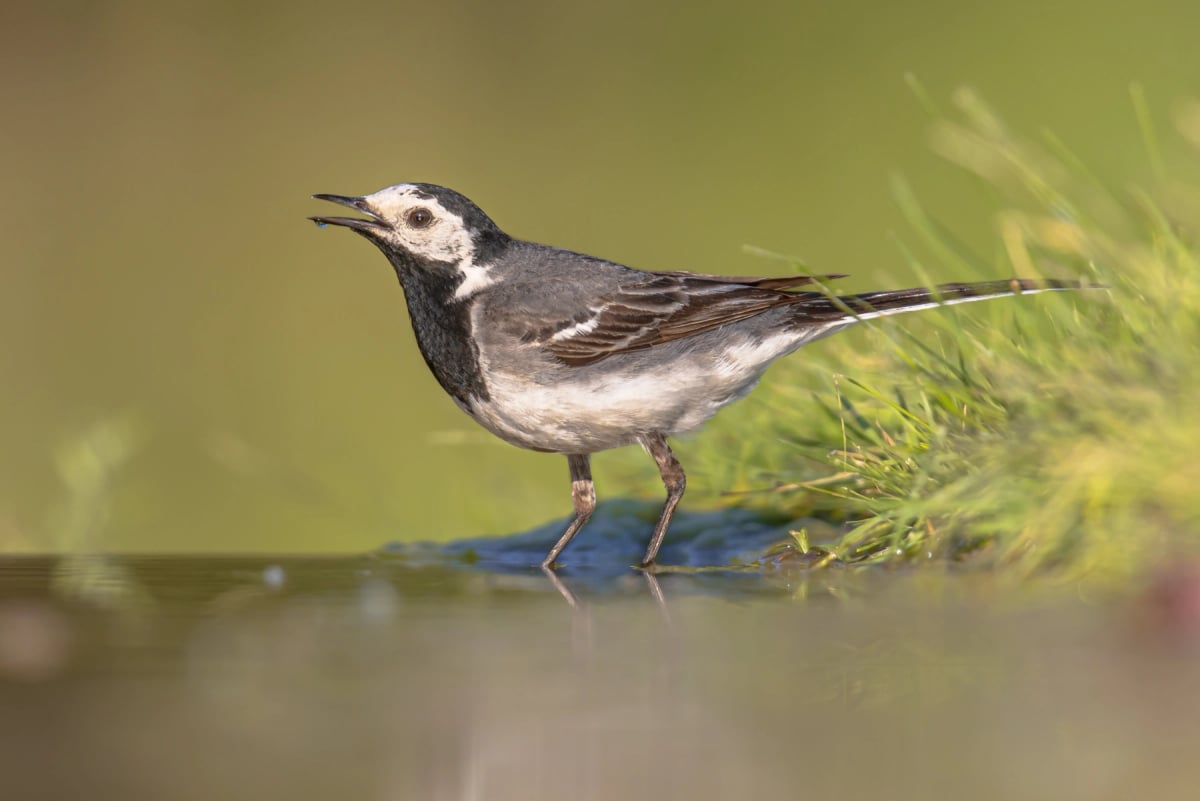
White Wagtail
Motacilla alba
Sudan is an important wintering country for the white wagtail. From October to March large numbers of birds from Europe and western Asia spread along the Nile and its tributaries, in the irrigated farmland of the Gezira, around towns and at the edges of wetlands, where they run after insects on short grass and mud. Many more pass through on migration between Egypt and East Africa. IUCN status: Least Concern.
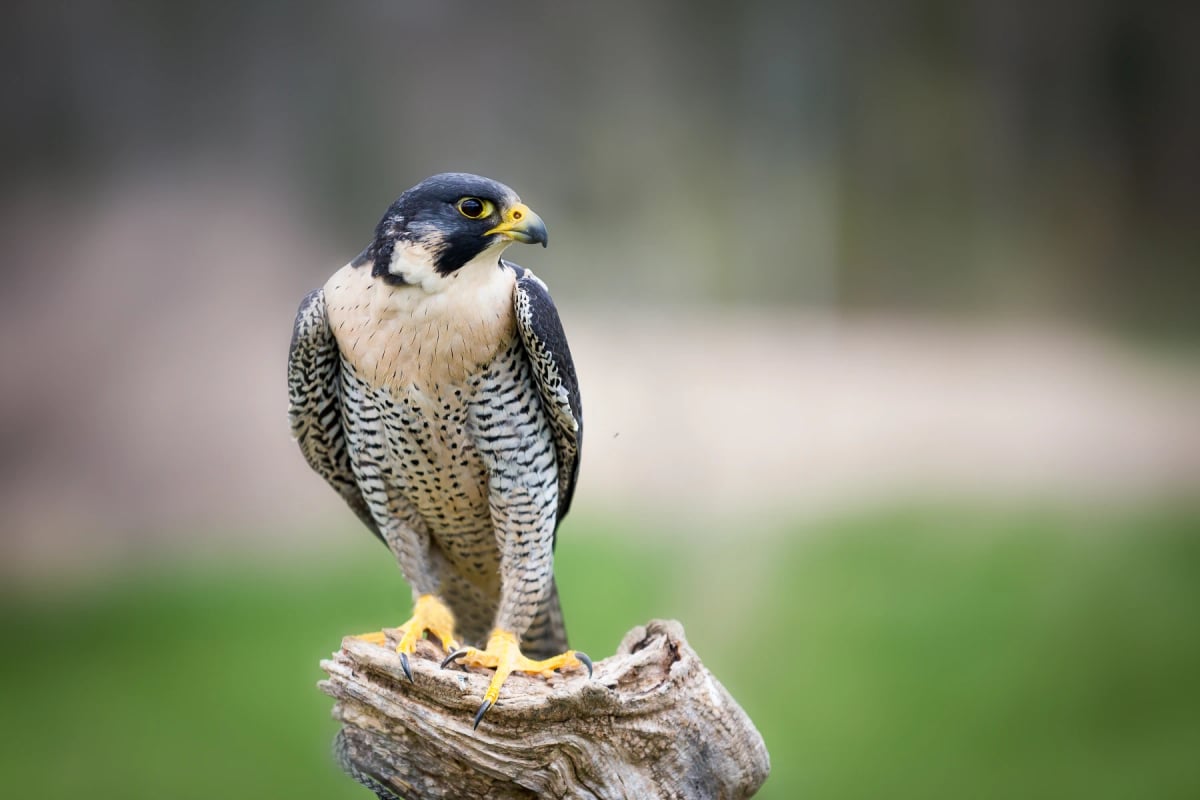
Peregrine Falcon
Falco peregrinus
In Sudan, the peregrine falcon is recorded as a passage migrant and winter visitor, crossing the country as it moves along the Nile Valley corridor and over the eastern Sahara. The Nile and its surrounding wetlands attract concentrations of birds that the peregrine hunts during its stay. Sudan's vast open landscapes and semi-arid zones in the north see the species on passage each year. No confirmed breeding is known from the country. Its IUCN status is Least Concern.
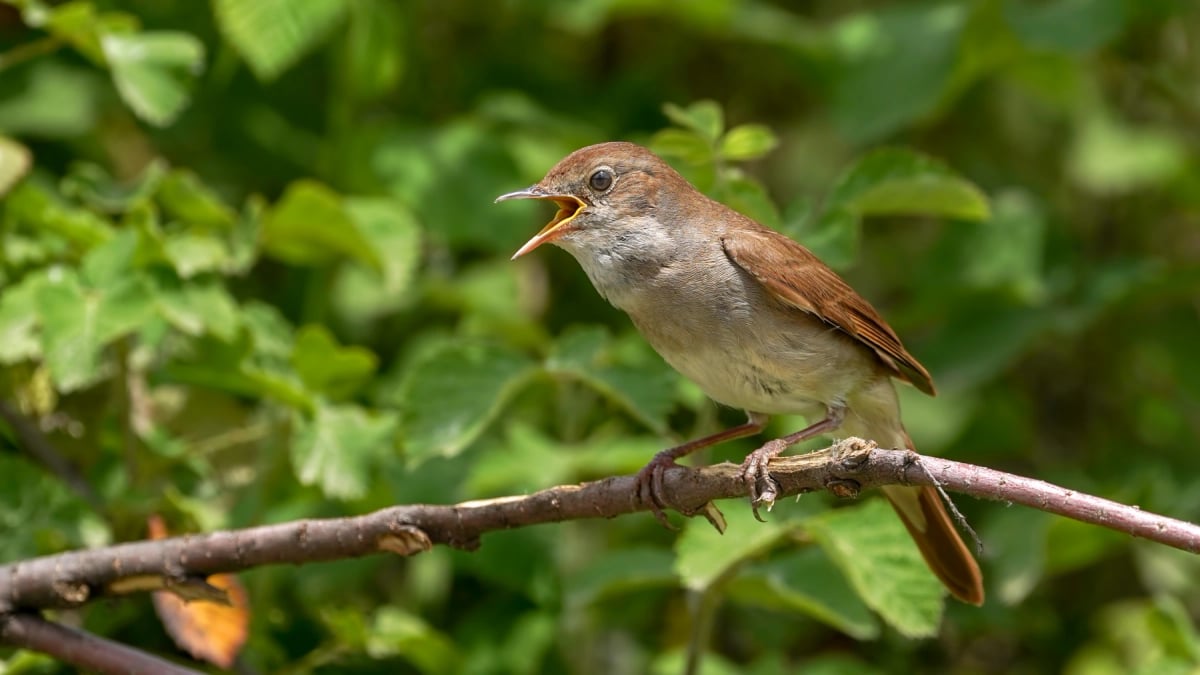
Nightingale
Luscinia megarhynchos
Sudan lies along the nightingale's wintering route through northeastern Africa, and the bird passes through or overwinters in areas of scrub, acacia woodland, and vegetation along the Nile corridor. It tends to stay close to cover, foraging quietly on the ground for insects and small fruits. During this season it rarely sings, making it easy to overlook despite being present across parts of the country. Its IUCN status is Least Concern.
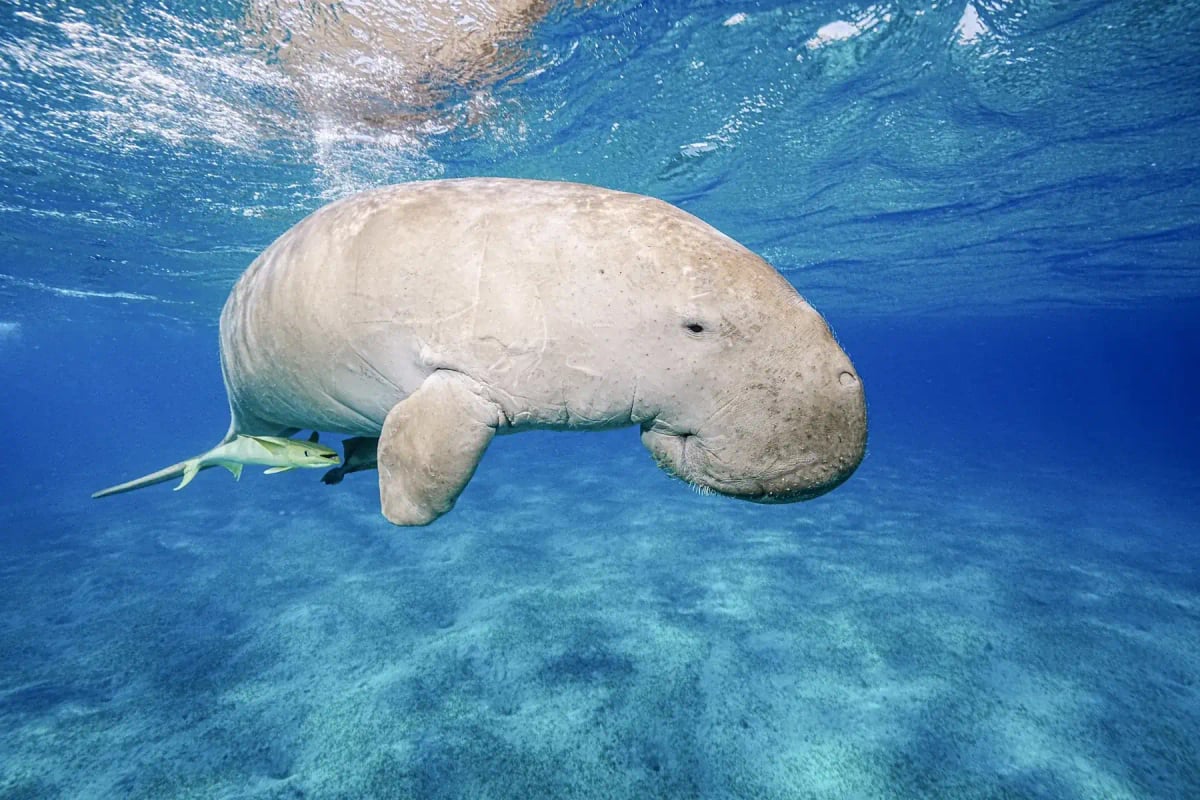
Dugong
Dugong dugon
Sudan's Red Sea coast provides habitat for dugongs, with shallow reef lagoons and seagrass patches found along this relatively pristine stretch of coastline. The dugong population here is not well documented, but the species has been recorded in Sudanese waters. Artisanal fishing and the gradual increase in coastal activity present growing threats. The remote nature of much of the Sudanese Red Sea coast may offer dugongs some protection compared to more developed neighboring areas. IUCN status: Vulnerable.
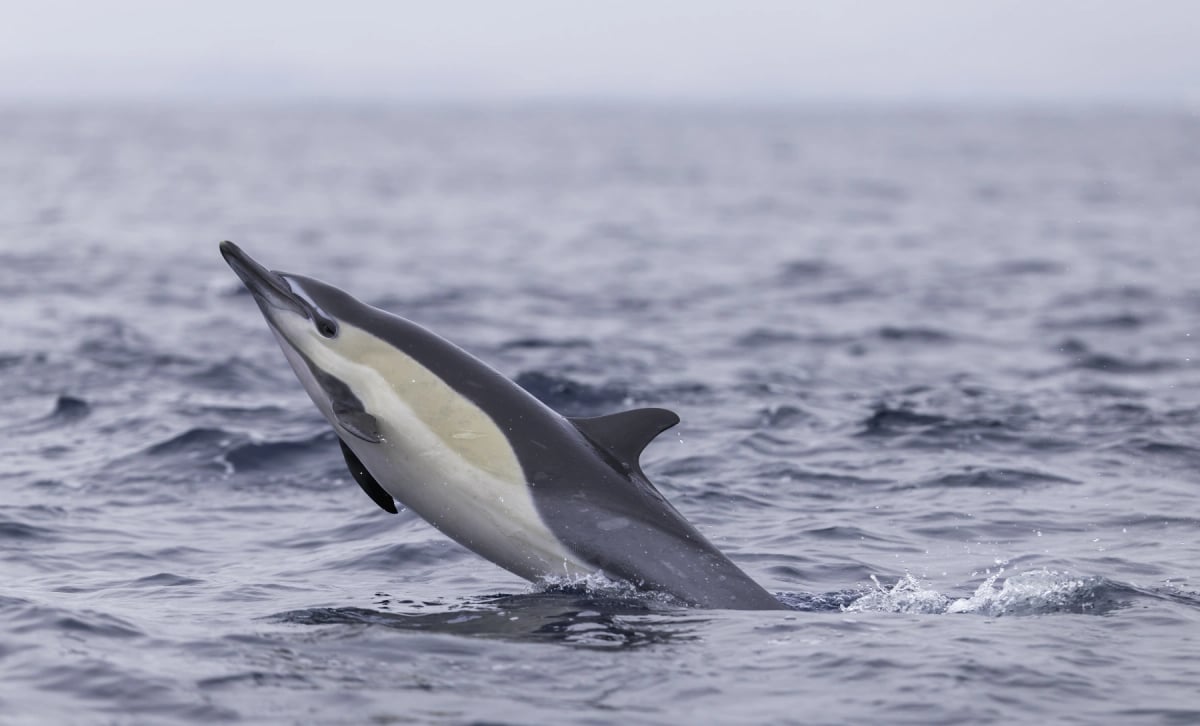
Common Dolphin
Delphinus delphis
Common dolphins are present in the Red Sea waters off Sudan's coast, an area known for its coral reefs and rich marine life. They tend to favour deeper offshore channels where fish are plentiful. Sudan's Red Sea coast, centred around Port Sudan, supports a variety of cetacean species, and the common dolphin is among those recorded in the region. Their IUCN status is Least Concern.
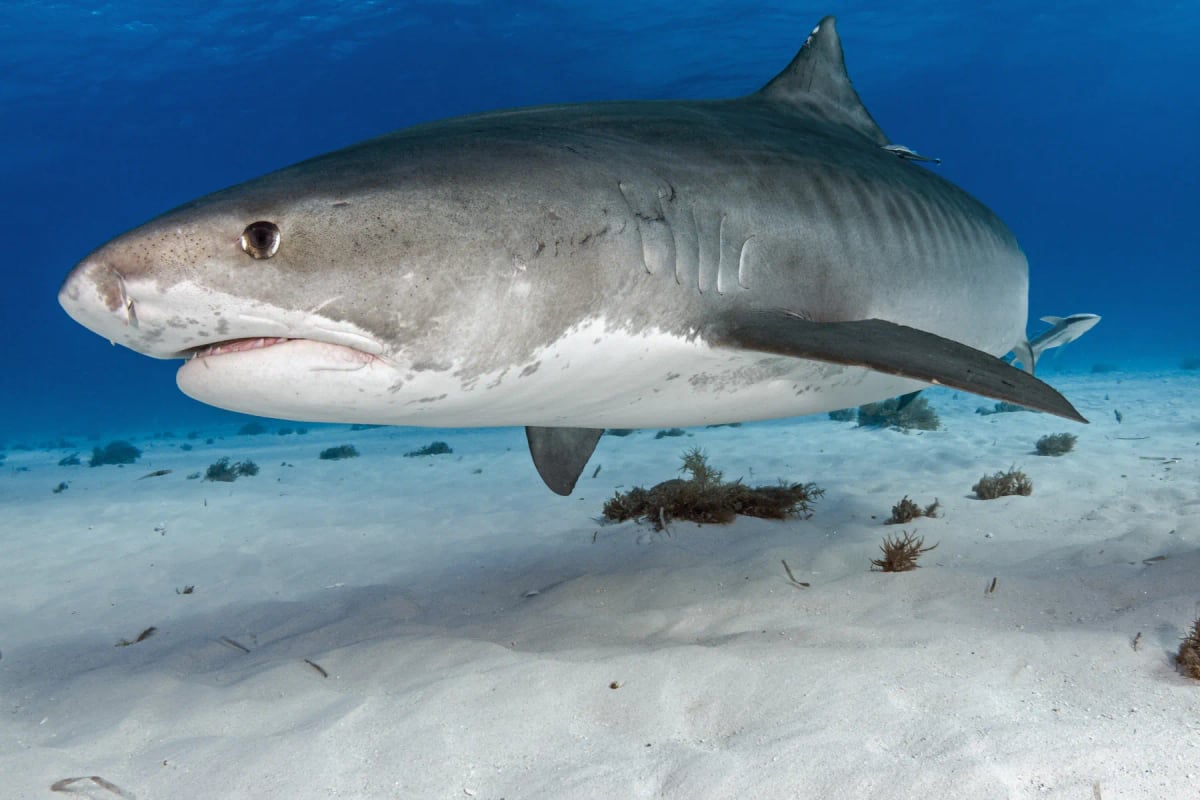
Tiger Shark
Galeocerdo cuvier
Sudan's Red Sea coastline offers tiger sharks a warm, productive environment rich in fish, rays, and sea turtles. They frequent the coastal shallows and reef edges along this stretch of water, which is known for its exceptional marine biodiversity. Fishing activity in the region poses a threat through bycatch, and the demand for shark fins adds further pressure on the population. Their IUCN status is Near Threatened.
Researched and written by Juan Pablo. Sources: IUCN Red List, scientific literature and regional field guides. Last updated: .