Animals in Hawaii
Wildlife in Hawaii
Hawaii rises from volcanoes with short valleys, lava fields and broad coral reefs. Parks set clear paths to lookouts and waterfalls, and boats run along the Kona and Maui coasts for winter whale trips. Calm bays often host sea turtles and dolphins, while reef shelves offer easy snorkel and glass bottom tours. From towns, short drives reach beaches, blowholes and simple coastal walks for families.
Most Dangerous Animals in Hawaii
Risk in Hawaii is mainly at sea. Tiger sharks and hammerheads use reef edges, channels and some river mouths, sobre todo after storms, while great whites belong to deeper offshore water on long routes. Most beaches are busy and shallow in calm weather, so wildlife is usually seen at distance from boats or cliffs. On land, risk is low compared with the coast and depends on swell, season and visibility.
Top 10 Animals in Hawaii
Our Top 10 for Hawaii keeps a tight focus on two names from your list that visitors ask about most. The great white shark represents the open Pacific and is linked to deep channels off island points. The bald eagle adds an iconic bird to the mix through reports tied to long coasts and tall perches. Together they frame a simple pairing for photos, viewing platforms and local wildlife events.

Iguana
Iguana iguana
The green iguana is invasive in Hawaii, introduced through the pet trade and now established on several islands including Oahu and Maui. Females can reproduce without fertilization, which has accelerated population growth. Hawaii's native ecosystems are especially sensitive to introduced species, and the iguana poses a risk to native plants and ground nesting seabirds. The state monitors populations and encourages reporting of sightings to control further spread.
Sea Turtle
Cheloniidae & Dermochelyidae (families)
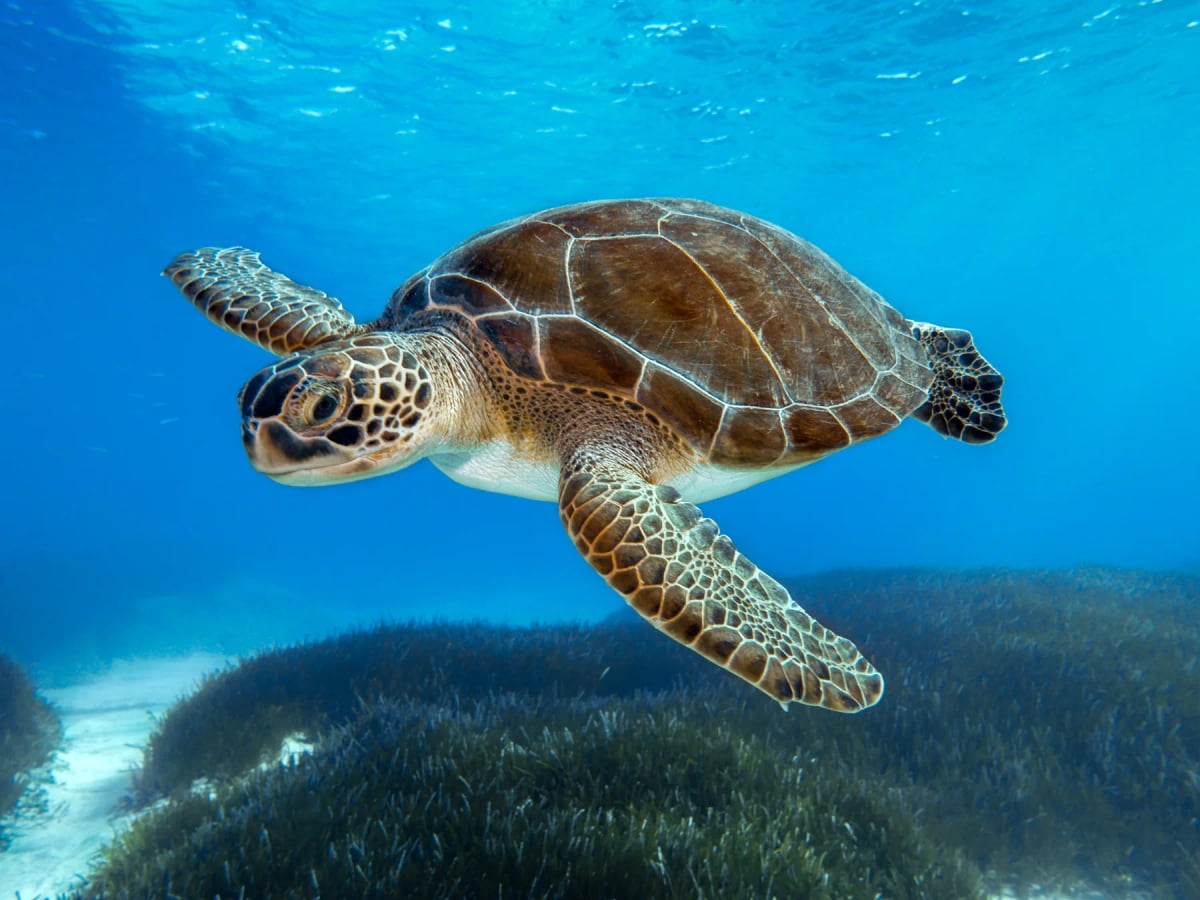
Hawaii is home to one of the most studied green sea turtle populations in the Pacific. The Hawaiian green turtle, known locally as honu, nests primarily on the French Frigate Shoals in the Northwestern Hawaiian Islands, which account for the vast majority of nesting in the archipelago. Since receiving federal protection in 1978, the Hawaiian green turtle population has recovered significantly and is now frequently seen resting on beaches across the main islands. Hawksbill turtles also nest in small numbers on the Big Island.
Coquí
Eleutherodactylus coqui
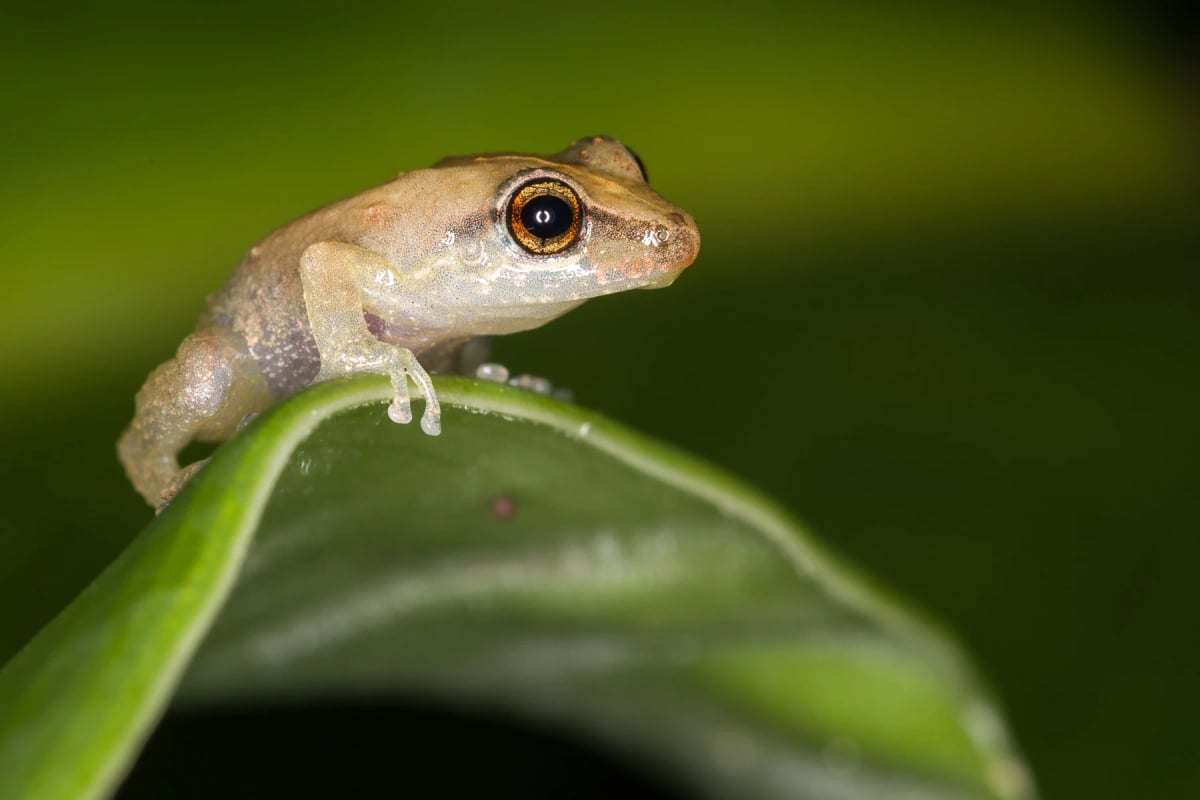
The coqui is not native to Hawaii. It arrived in the late 1980s in potted plants shipped from Puerto Rico and spread fast across islands with no native frogs and no predators for it. Densities of around 91,000 frogs per hectare have been recorded, and the nightly chorus is treated as noise pollution that hurts property values and nurseries. Control depends on citric acid sprays, plant inspections and reports from residents.
Green Pheasant
Phasianus versicolor
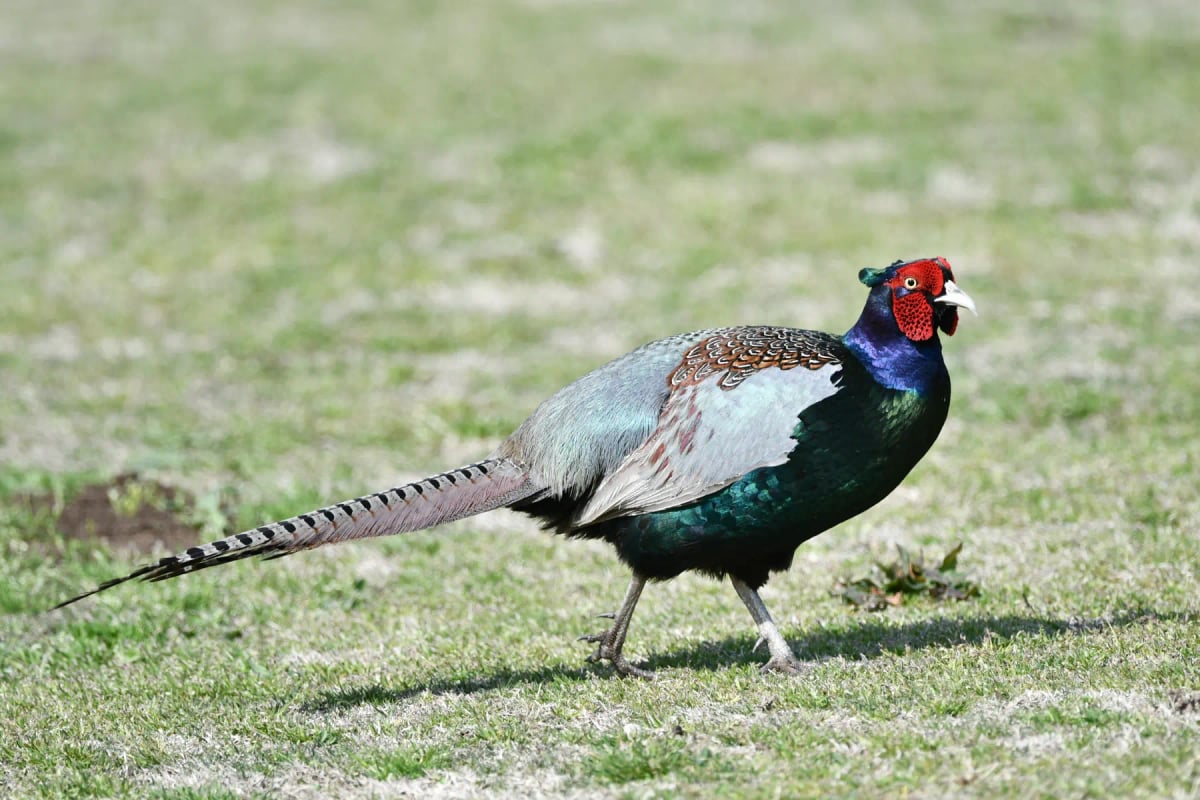
The green pheasant, Japan's national bird, was brought to Hawaii as a game bird and now lives wild on several islands, with records from Hawaii Island, including the Saddle Road area and Parker Ranch, as well as Maui and Kauai. It favors grassland, pasture and open forest edges. Many birds are hybrids, because it interbreeds freely with the ring necked pheasants also introduced to the islands. IUCN status: Least Concern.
Barn Owl
Tyto alba
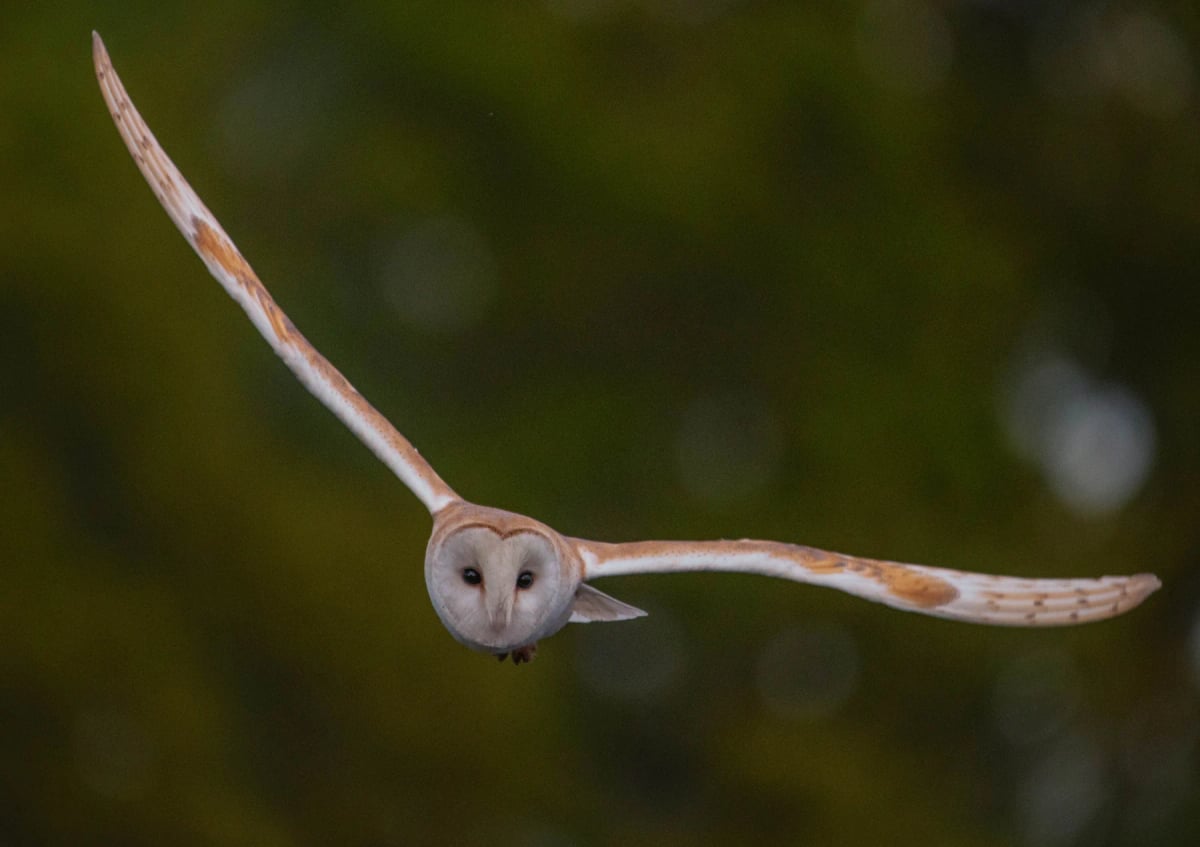
The barn owl is not native to Hawaii. It was released on the islands between 1958 and 1963 to control rats in sugarcane fields and is now established on all the main islands, where it hunts in open country by night and sometimes by day. It did little to solve the rat problem, and today it is a concern for conservation because it also preys on native seabirds and forest birds, some of them endangered. The IUCN lists it as Least Concern globally.
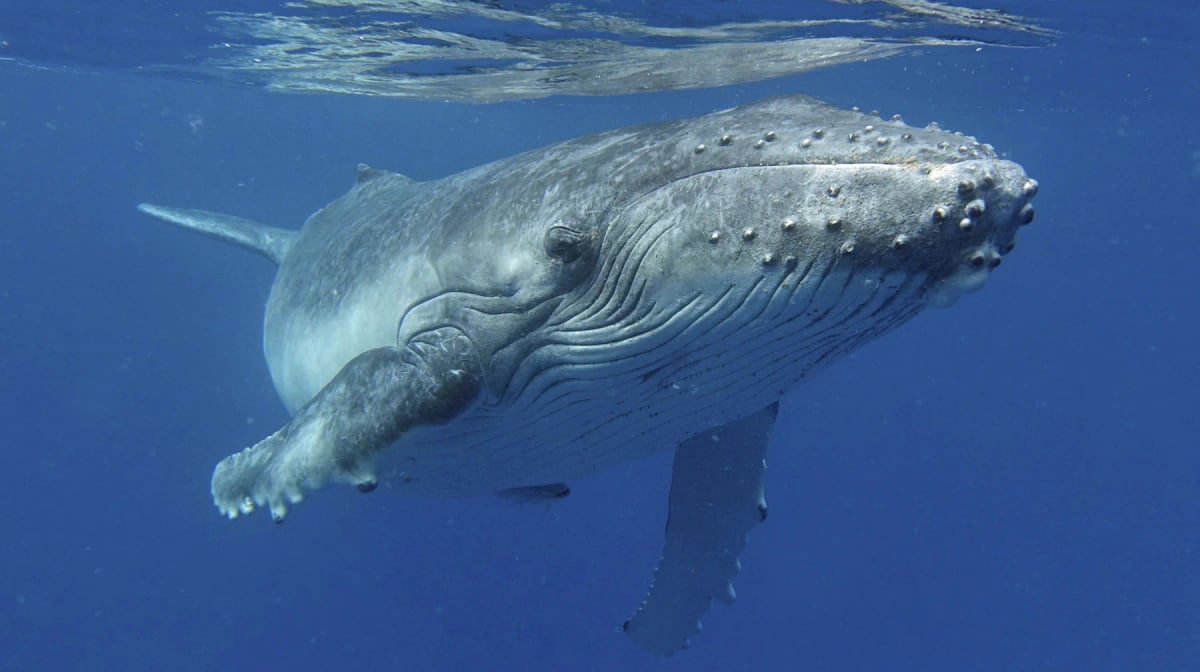
Humpback Whale
Megaptera novaeangliae
The Hawaiian Islands are one of the most important humpback whale breeding grounds in the North Pacific. Each winter, thousands of whales travel from their feeding areas in Alaskan waters to the warm, shallow seas around the main Hawaiian Islands, particularly the channel between Maui, Lanai, and Molokai. The Hawaiian Islands Humpback Whale National Marine Sanctuary was established specifically to protect them. Males sing some of the most complex songs recorded in the animal kingdom here.
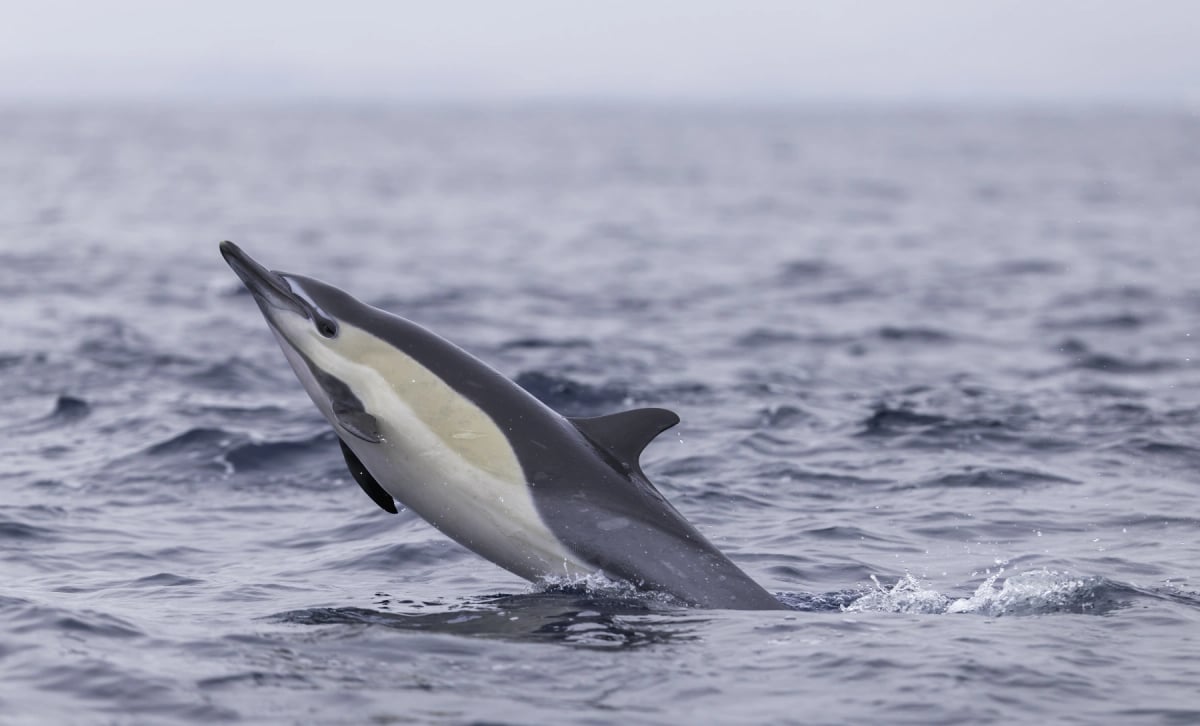
Common Dolphin
Delphinus delphis
Around the Hawaiian Islands, common dolphins inhabit the warm offshore waters of the central Pacific. They tend to stay in deeper, open ocean habitat rather than coastal shallows, forming energetic groups that leap and ride vessel bow waves. They feed on fish and squid in these tropical seas. Sightings are less frequent than on the US mainland coast. IUCN status: Least Concern.
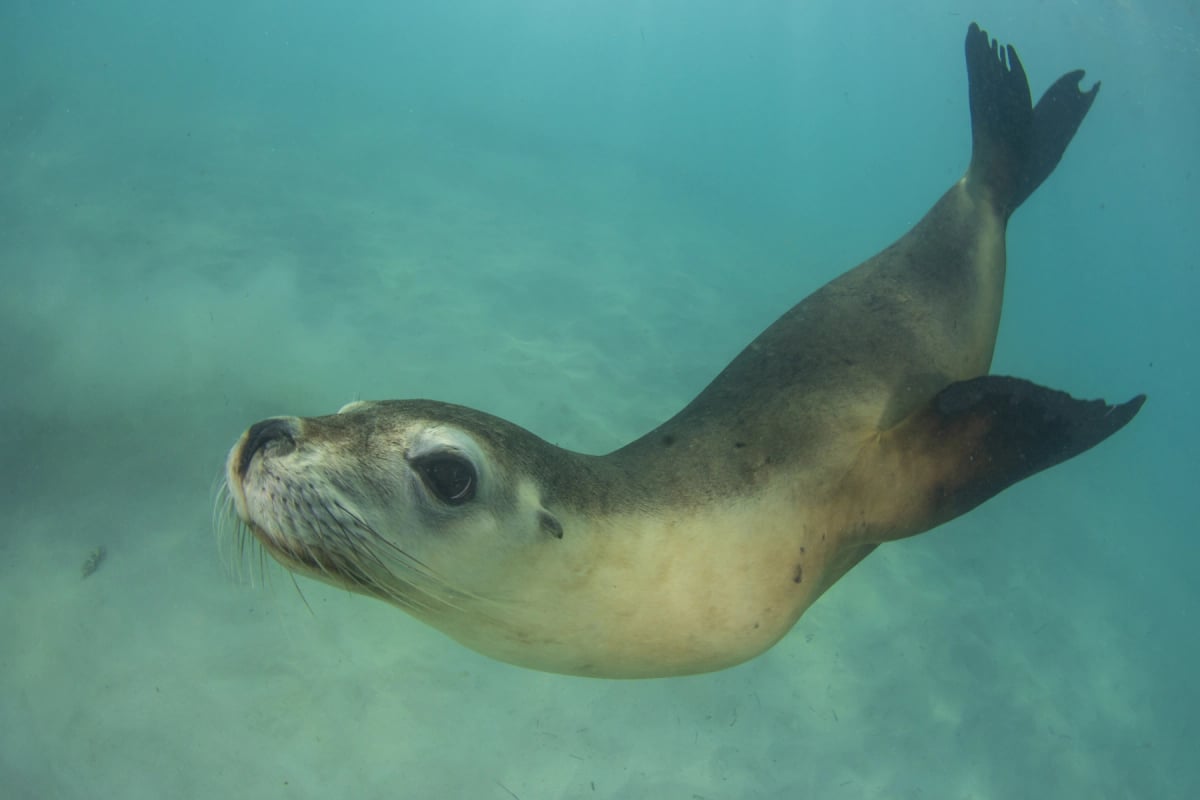
Sea Lion
Otariinae spp.
Sea lions are not native to Hawaii, but California sea lions occasionally appear in Hawaiian waters as rare visitors traveling far from their usual Pacific coast range. These sightings are uncommon and typically involve young males exploring beyond their normal territory. Hawaii's marine environment is dominated by the Hawaiian monk seal, a critically endangered species, making any sea lion appearance a notable event for local researchers.
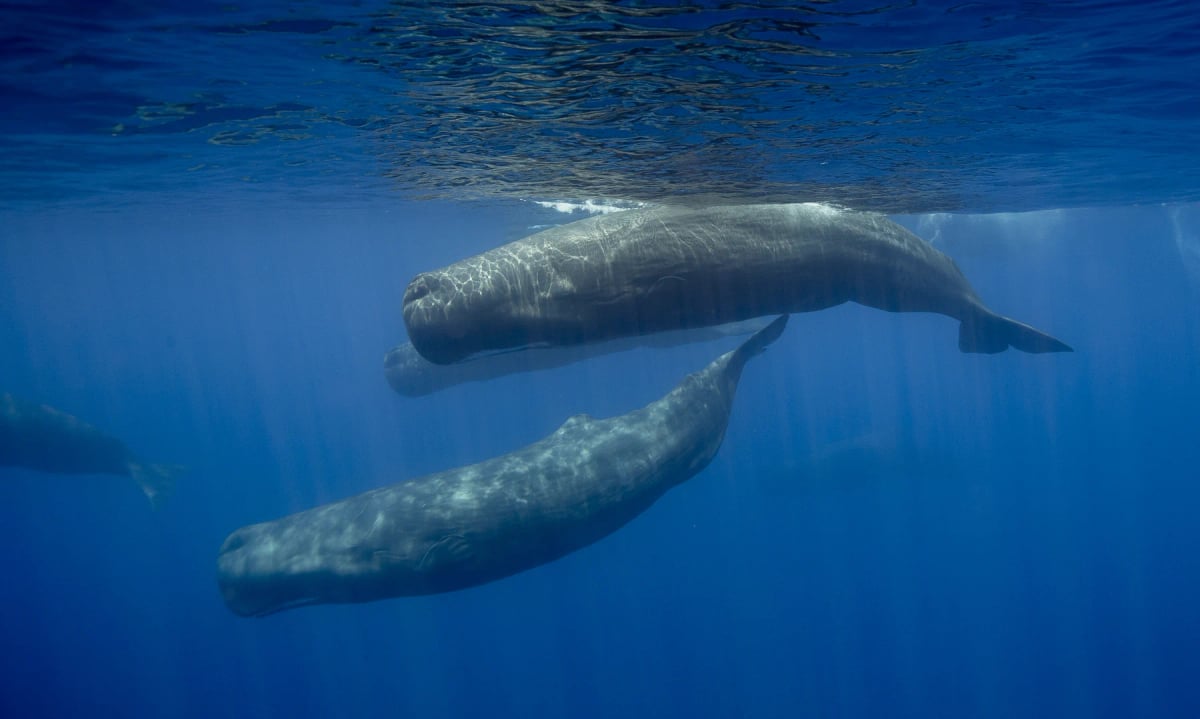
Sperm Whale
Physeter macrocephalus
The deep waters surrounding the Hawaiian Islands provide excellent habitat for sperm whales throughout the year. Research conducted in Hawaii has greatly advanced understanding of sperm whale social behavior and communication, including the study of their complex click patterns known as codas. Groups of females and calves are regularly observed in these warm Pacific waters. The IUCN lists the sperm whale as Vulnerable.
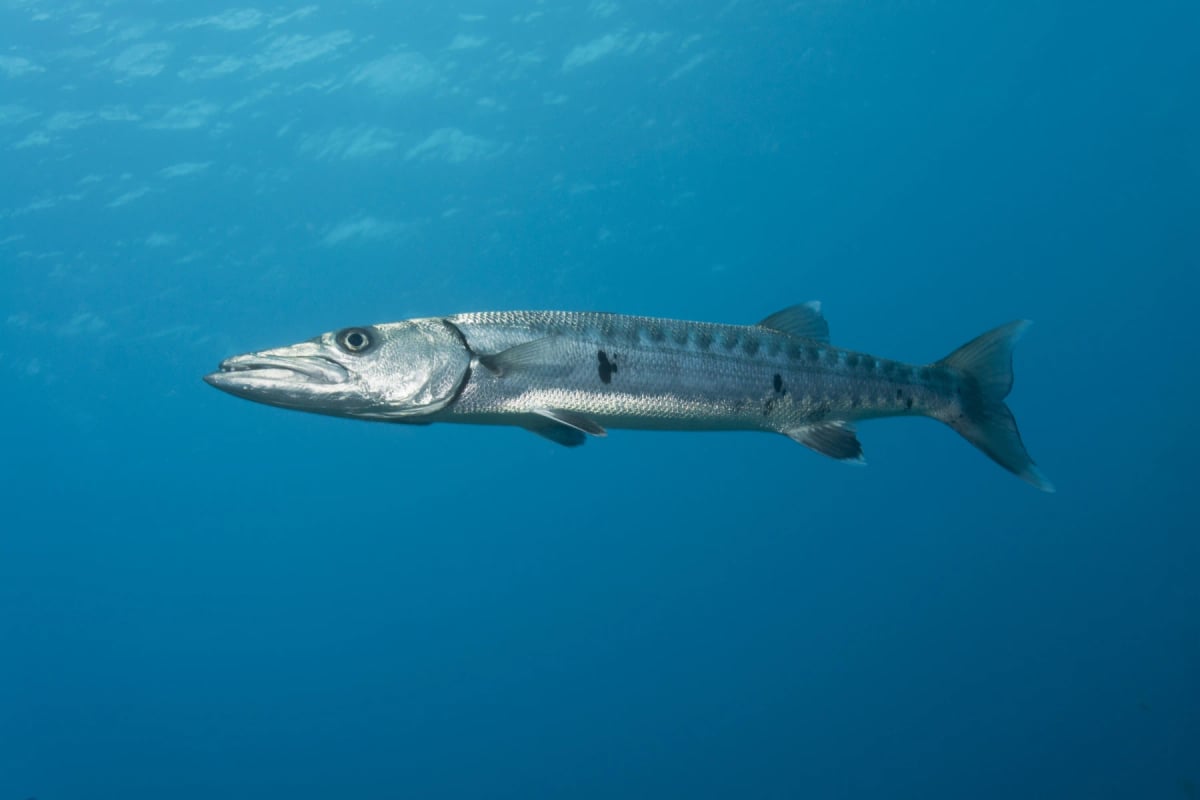
Barracuda
Sphyraena spp.
The great barracuda is found in Hawaiian waters, inhabiting coral reefs, rocky coastal areas, and open water around all the main islands of the archipelago. It is regularly encountered by divers and snorkelers on reef dives across Maui, Oahu, Kauai, and the Big Island, where it patrols reef edges and hovers in open water near coral structures. In Hawaii the great barracuda is known locally as kaku and is generally considered harmless to divers and snorkelers in clear water. It is also occasionally targeted by recreational fishermen in nearshore and offshore waters.
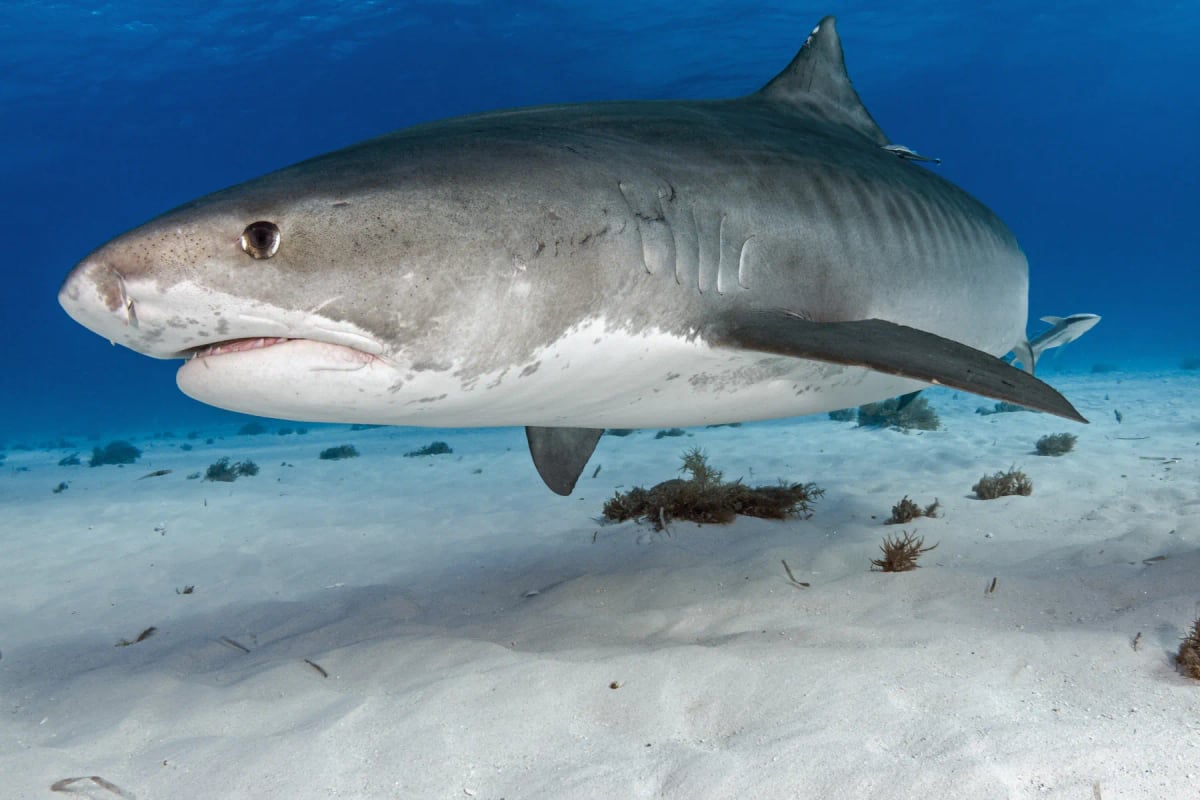
Tiger Shark
Galeocerdo cuvier
Hawaii is one of the best known places in the world to encounter tiger sharks. They are year round residents in Hawaiian waters, regularly patrolling coastal reefs, bays, and open ocean areas across the archipelago. They are the shark species most often involved in encounters with ocean users in Hawaii. The state runs an active monitoring and tagging program to study their movements. The IUCN lists the species as Near Threatened.
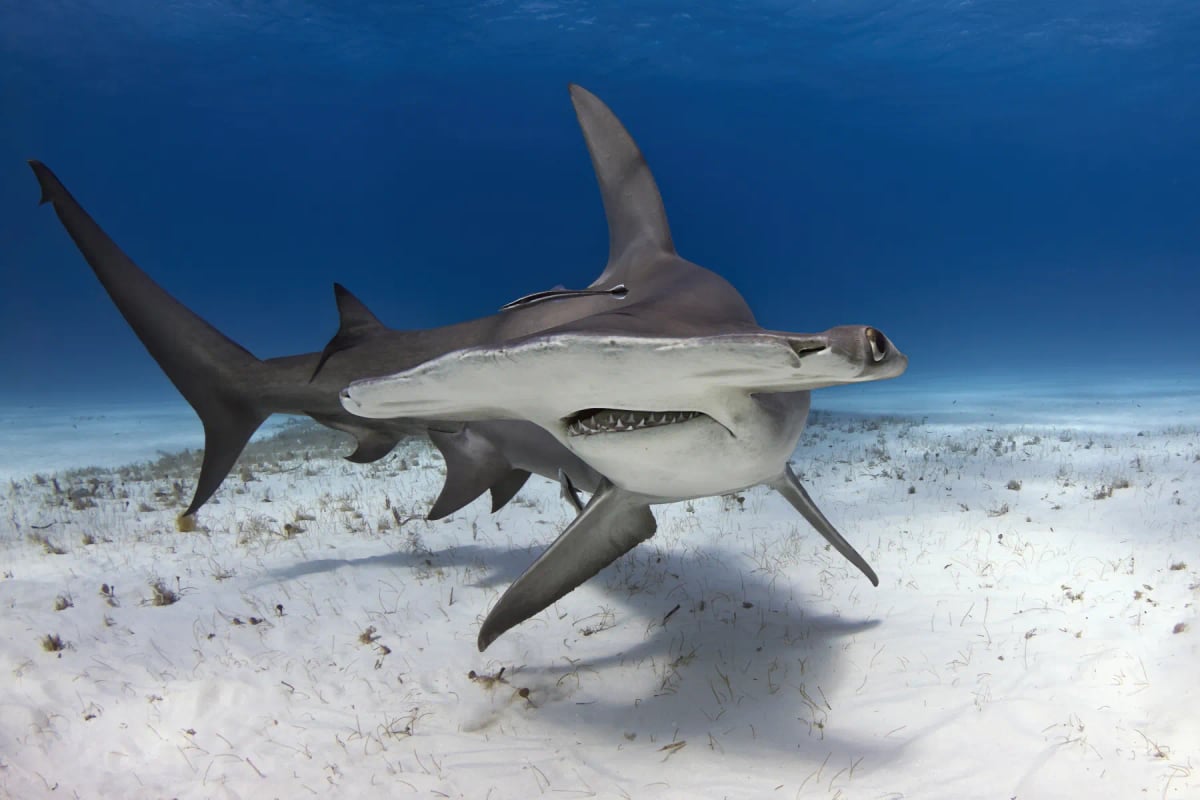
Hammerhead Shark
Sphyrna spp.
Hawaii's clear Pacific waters are home to scalloped hammerhead sharks, which are known to gather in large schools around seamounts and island slopes. These gatherings are among the most spectacular shark behaviors seen anywhere in the ocean. Despite their visibility to divers, scalloped hammerheads remain critically endangered due to global fishing pressure and finning, even within Hawaiian waters.
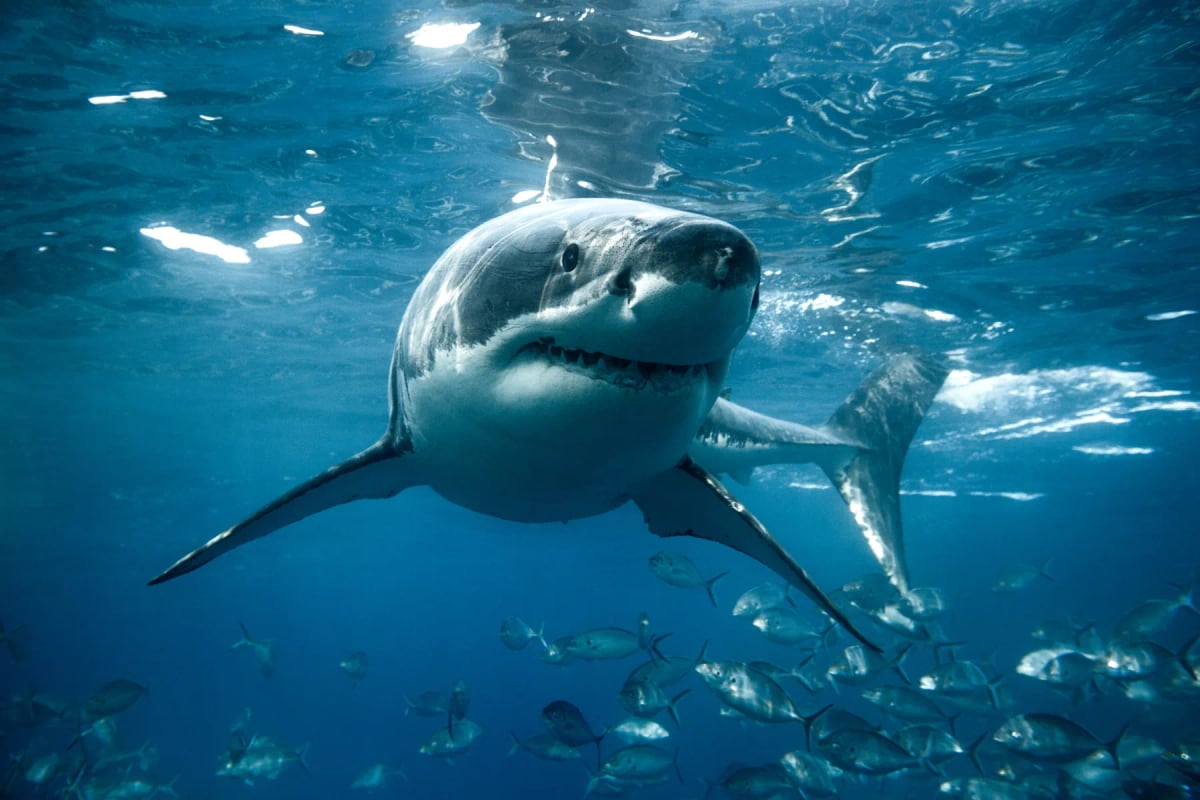
Great White Shark
Carcharodon carcharias
Great white sharks visit Hawaiian waters, typically appearing in the cooler months when conditions suit them better. They are not year-round residents of the archipelago, but tagged individuals have been tracked moving through the central Pacific and stopping near the islands. Hawaii sits along migration corridors used by this species, and occasional sightings remind locals and visitors alike that these sharks range far across open ocean.
Researched and written by Juan Pablo. Sources: IUCN Red List, scientific literature and regional field guides. Last updated: .