Animals in Brunei
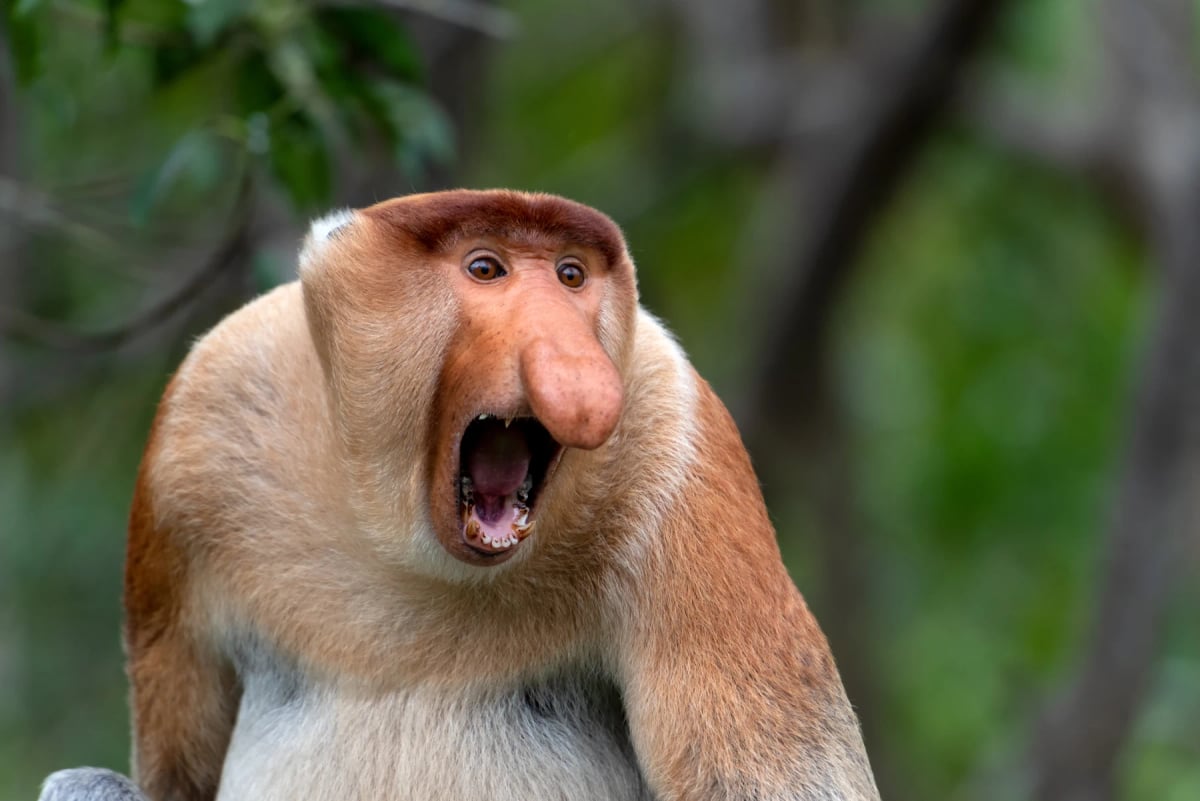
Proboscis Monkey
Nasalis larvatus
The proboscis monkey is one of the best known animals of Brunei and often acts as an unofficial national symbol. Its large nose and calm behaviour make it easy to recognise along rivers and mangroves. It appears in local stories nature tours and simple souvenirs as a clear link between daily life forests and coastal wetlands.
View details→Wildlife in Brunei
Brunei combines dense rainforest, mangroves and a short but busy coastline. Visitors usually explore wildlife through guided walks in protected forests, boat trips along quiet rivers and visits to coastal viewpoints. In these areas it is possible to spot deer, monkeys or birds while still staying close to roads small towns and simple tourist services.
Most Dangerous Animals in Brunei
Danger in Brunei comes from a few predators in specific habitats. In forests the reticulated python and the king cobra may appear near dense vegetation or quiet paths while at sea orca and bull shark hunt in deeper water. Encounters for regular visitors are rare and usually limited to brief views from boats or distant points on the shore.
Top 10 Animals in Brunei
The top 10 list for Brunei focuses on the reticulated python in warm forest areas and the peregrine falcon on open coasts and cliffs. These animals stand out for their strong presence clear views at a distance and regular sightings during boat trips or short walks near rivers and sea which helps explain why they appear in the list.
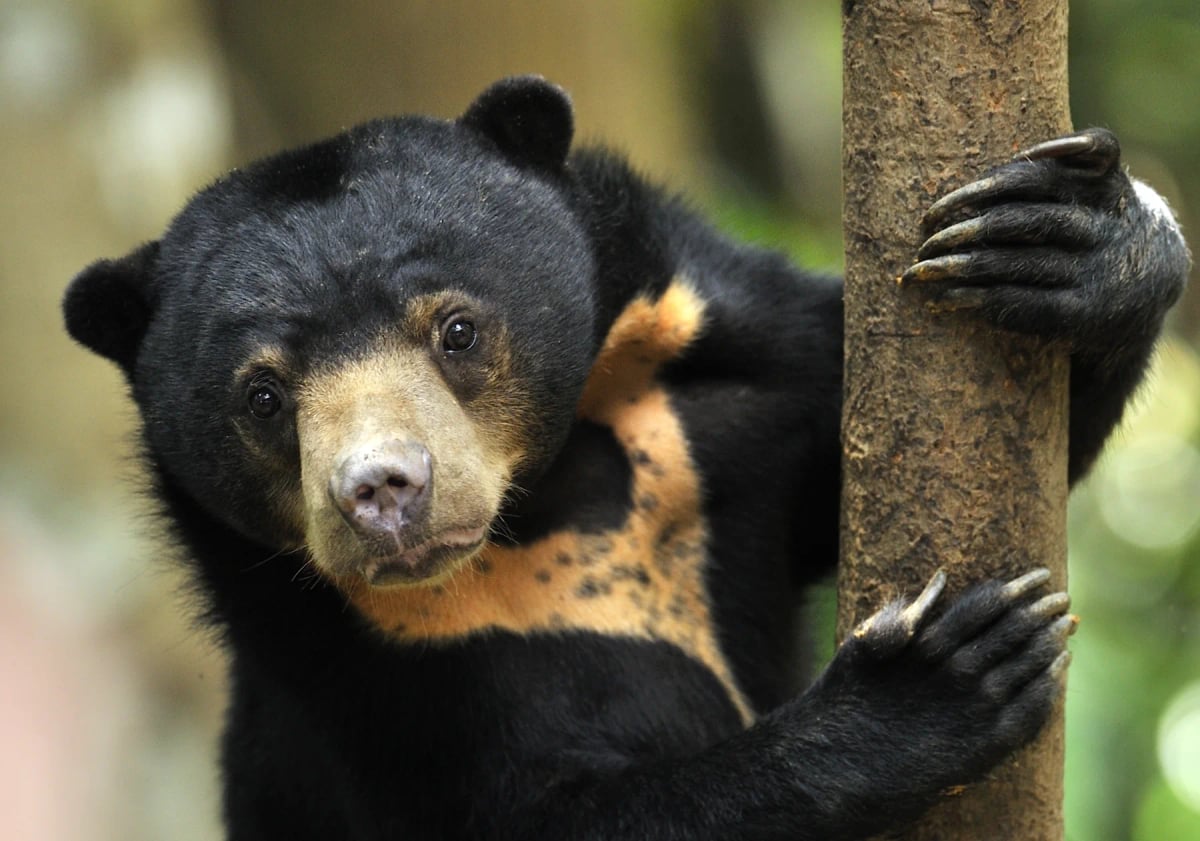
Sun Bear
Helarctos malayanus
The sun bear roams the rainforests of Brunei, where patches of intact forest still offer shelter and food. The smallest bear species in the world, it is recognized by its black coat and the pale crescent on its chest. It is an excellent climber and forages in the treetops for fruit, honey, and insects. In Brunei, forest protection efforts give this Vulnerable species a better chance of survival.
Proboscis Monkey
Nasalis larvatus
The proboscis monkey is one of Brunei's most iconic wildlife residents, living in the mangrove forests and riverine forests along the Brunei River and Temburong district. Males carry a large, drooping nose used to amplify loud calls and attract females. These monkeys are strong swimmers and often leap into rivers to escape danger. Brunei's protected forest reserves offer some of the most stable habitat remaining for the species.
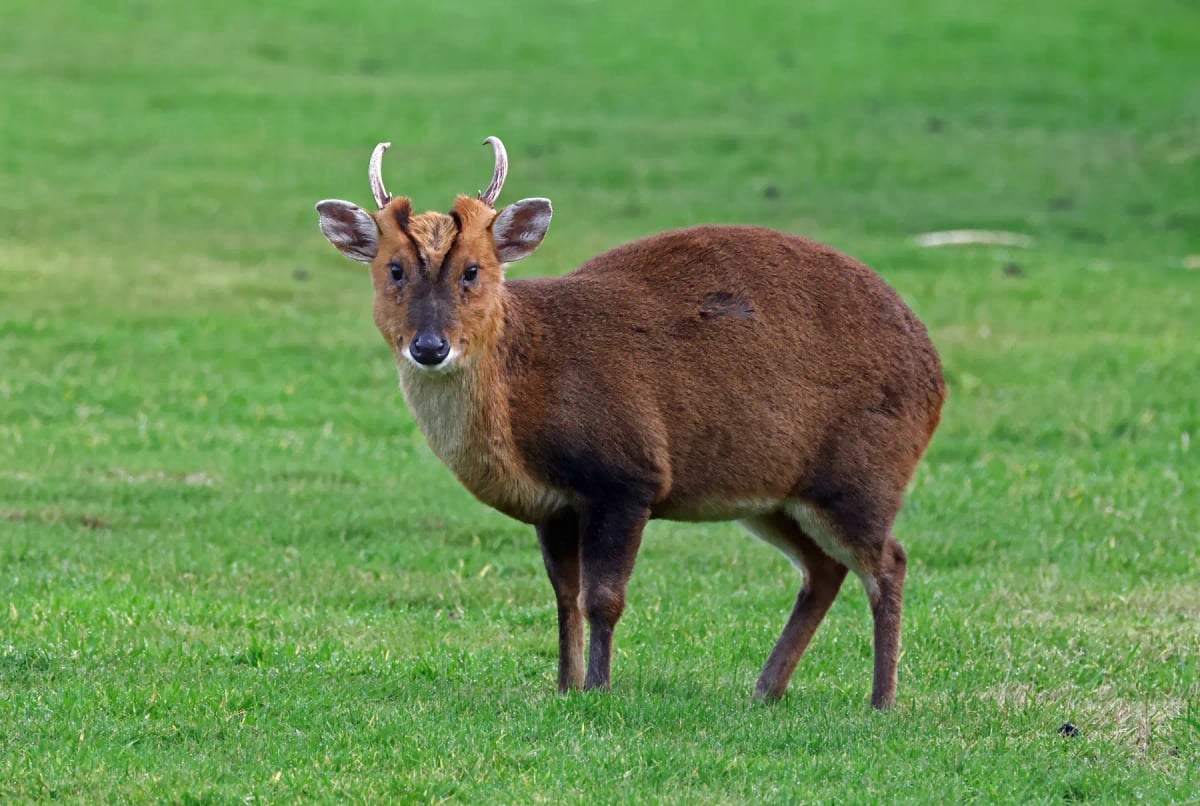
Southern Red Muntjac
Muntiacus muntjak
The southern red muntjac is a familiar resident of Brunei's rainforests, including the forests around Ulu Temburong National Park. Recognised by its reddish brown coat and sharp, bark-like alarm call, this small deer browses on leaves, fruits and shoots. Males carry short antlers and long canine teeth used in fights over territory. The species is classified as Least Concern by the IUCN and remains relatively common across the country.
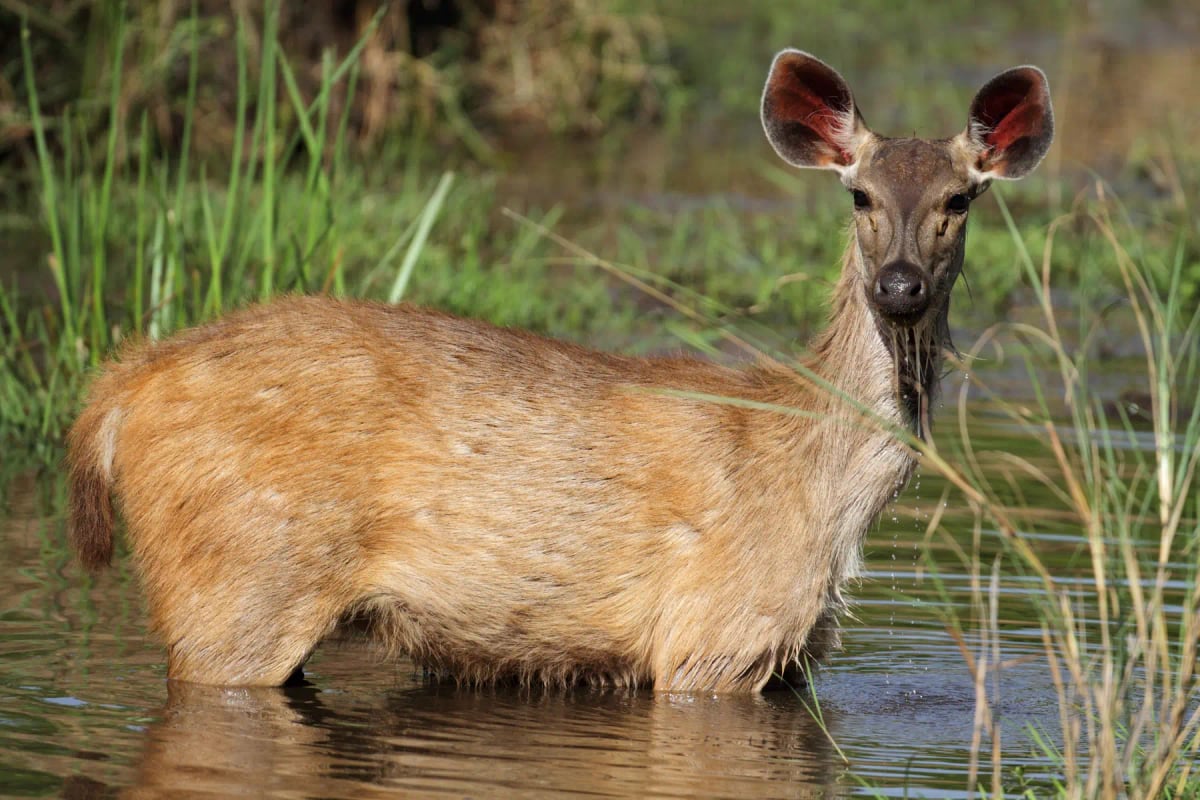
Sambar Deer
Rusa unicolor
Sambar deer live in the rainforests of Brunei, including the protected areas within Temburong District, home to some of the most pristine forest in Borneo. They browse on vegetation in dense forest understories and near riverbanks. Habitat loss from logging and land conversion threatens their numbers across Borneo. The IUCN classifies the sambar as Vulnerable across its range.
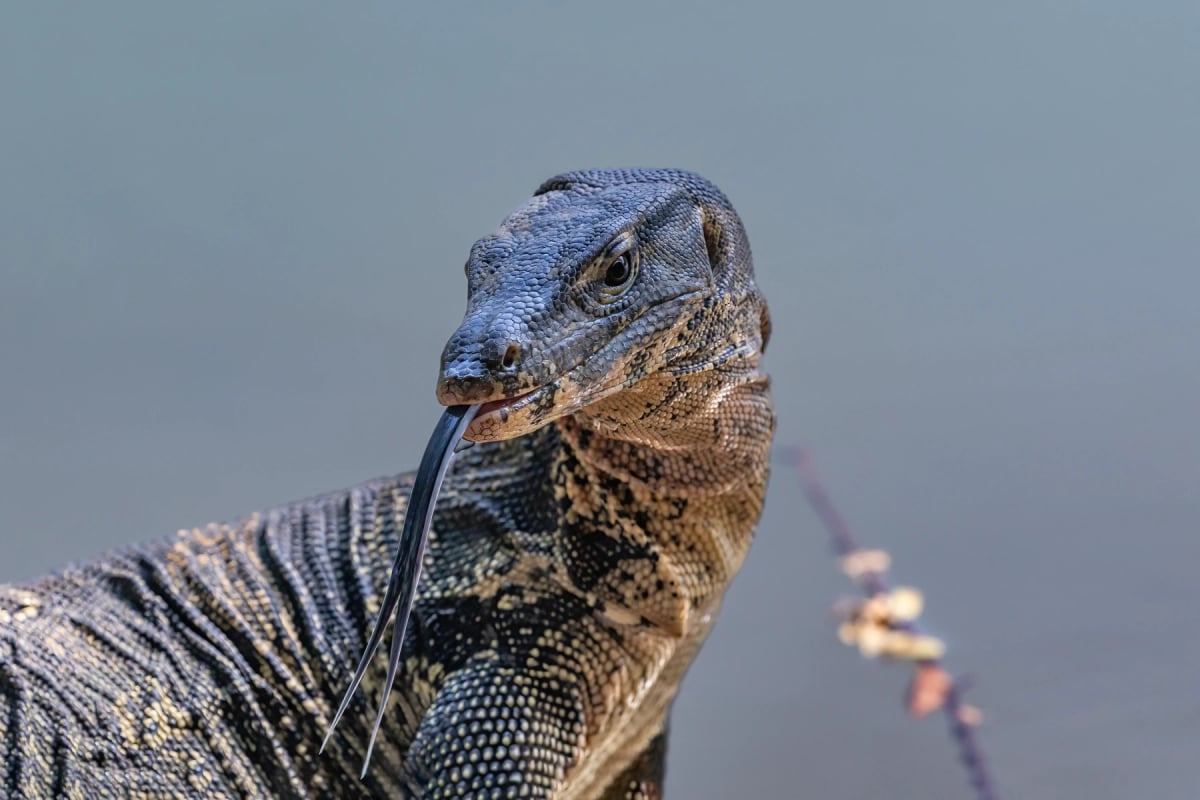
Monitor Lizard
Varanus salvator
Brunei's forests and river systems on the island of Borneo provide ideal habitat for the Asian water monitor. The species is common along rivers and wetlands in the interior, as well as in mangroves near the coast. Brunei's largely intact forest cover, particularly in the Temburong district, supports healthier populations than many neighboring areas where habitat loss and hunting have had a greater impact.
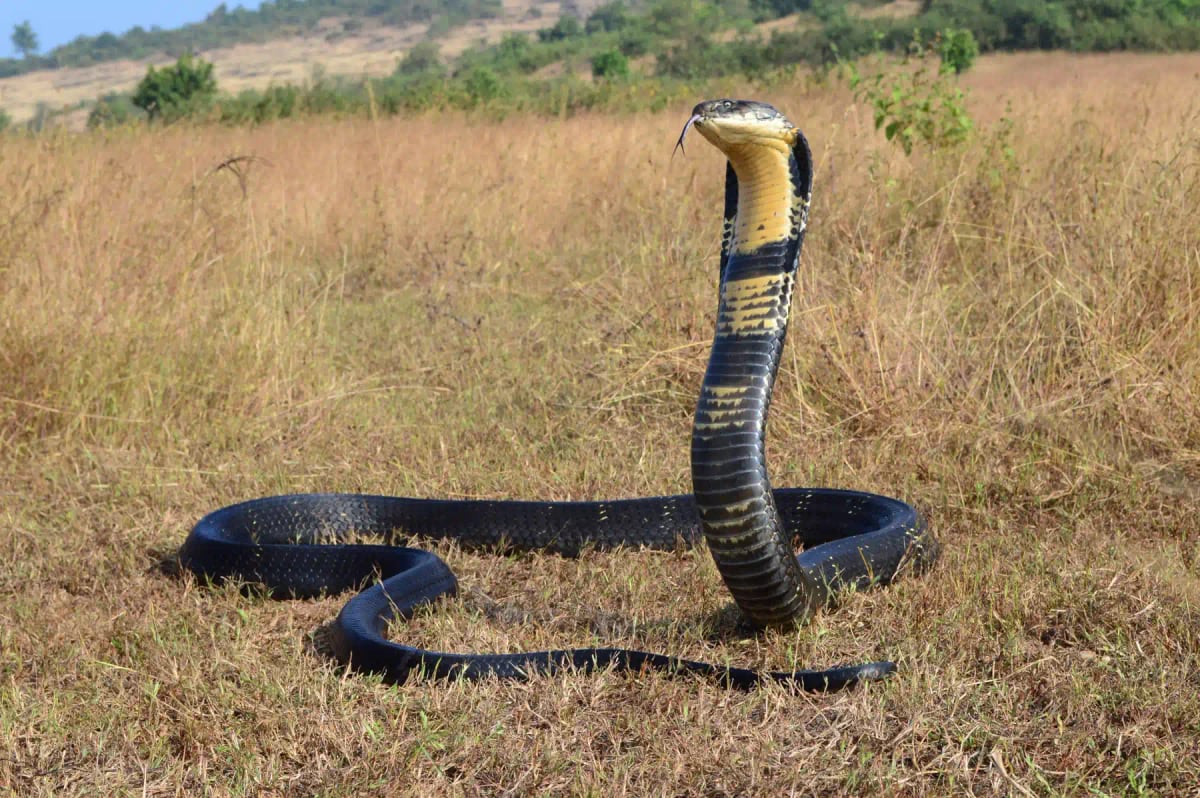
King Cobra
Ophiophagus hannah
Brunei's rainforests on the island of Borneo provide some of the most intact habitat for the king cobra in Southeast Asia. The species lives in primary and secondary forest near streams and in areas with abundant snake prey. Brunei's strict forest conservation policies have helped maintain the habitat this species depends on. The king cobra is rarely seen but present throughout the forested interior of the country.
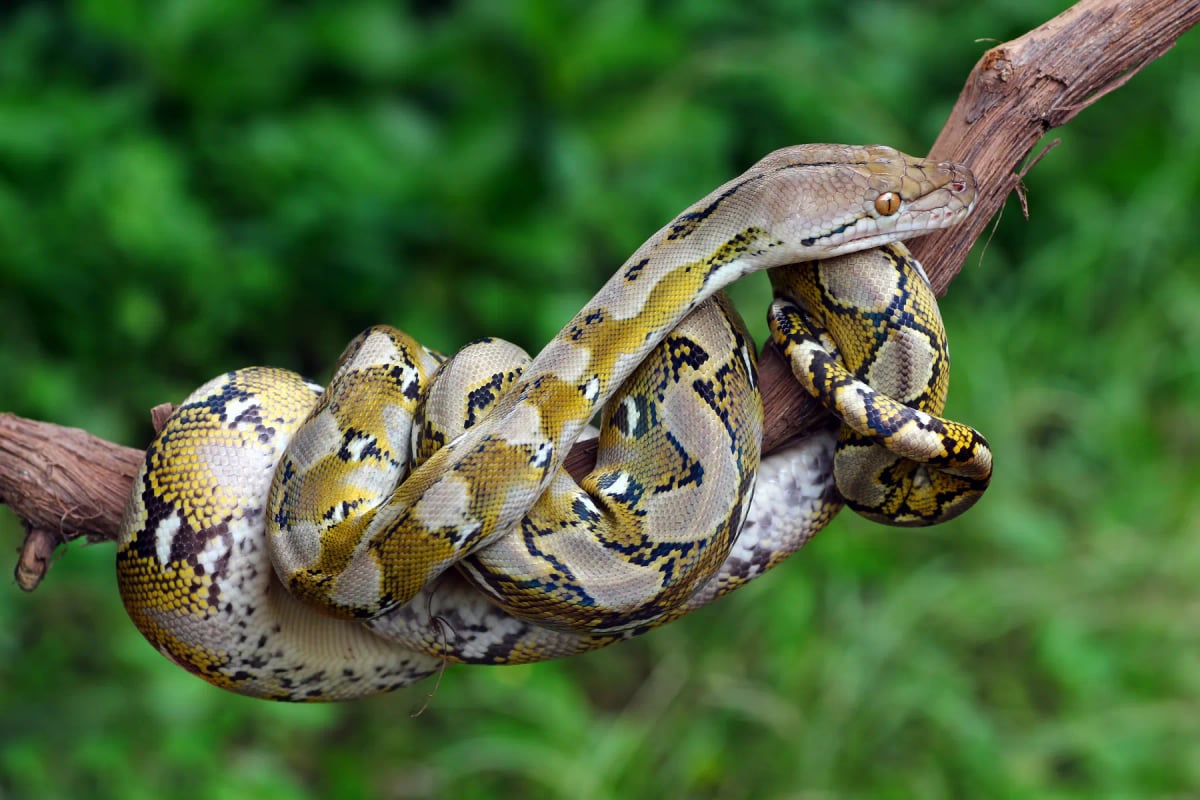
Reticulated Python
Malayopython reticulatus
Brunei's well-preserved rainforests, particularly those of Temburong district, provide excellent habitat for the reticulated python. The country's strict forest protections have helped keep large stretches of lowland and riverine forest intact, giving this massive snake reliable cover and prey. It is regularly encountered near rivers and in the forests bordering rural settlements across the country.
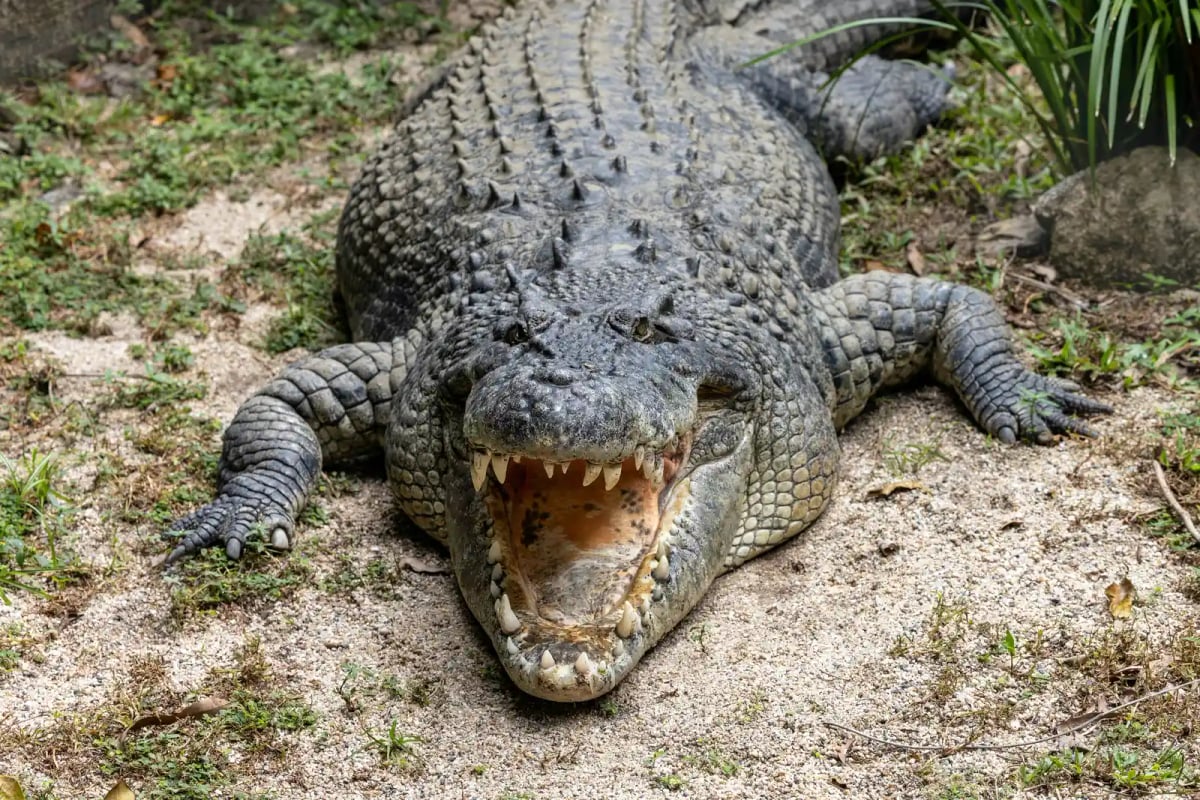
Saltwater Crocodile
Crocodylus porosus
Brunei is small but well suited to the species, with mangrove lined rivers and tidal creeks running through the Brunei and Temburong districts. Crocodiles are regularly seen in the Brunei River, sometimes close to the stilt village of Kampong Ayer and the capital itself, which keeps public awareness high. Much of the country remains forested, so habitat pressure is lower than in neighboring states, but sightings near populated water lead to occasional capture operations.
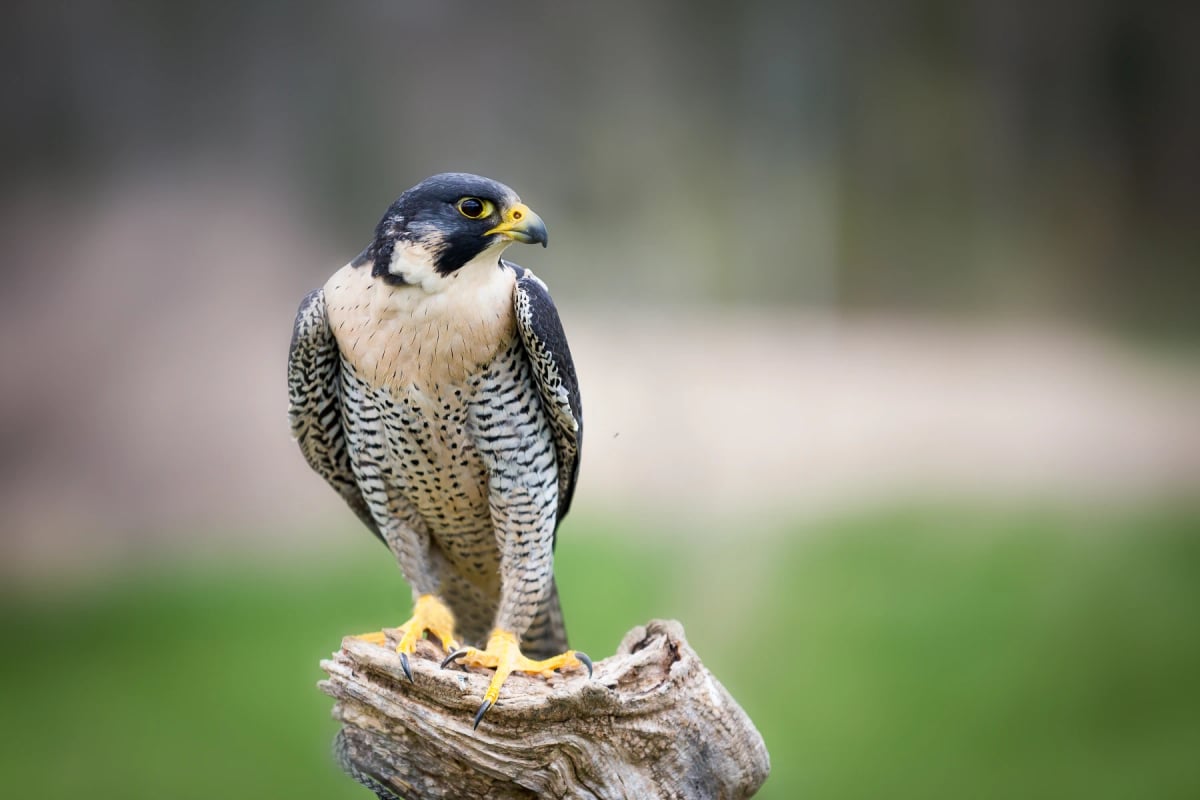
Peregrine Falcon
Falco peregrinus
The peregrine falcon occurs in Brunei as a migratory visitor, passing through during its long seasonal journeys between breeding grounds in the north and wintering areas further south. It can appear over coastal areas, forest edges, and open land along the shores of Borneo. Brunei's position along major flyways in Southeast Asia means this fast falcon is an occasional but regular sight during migration periods. IUCN status: Least Concern.
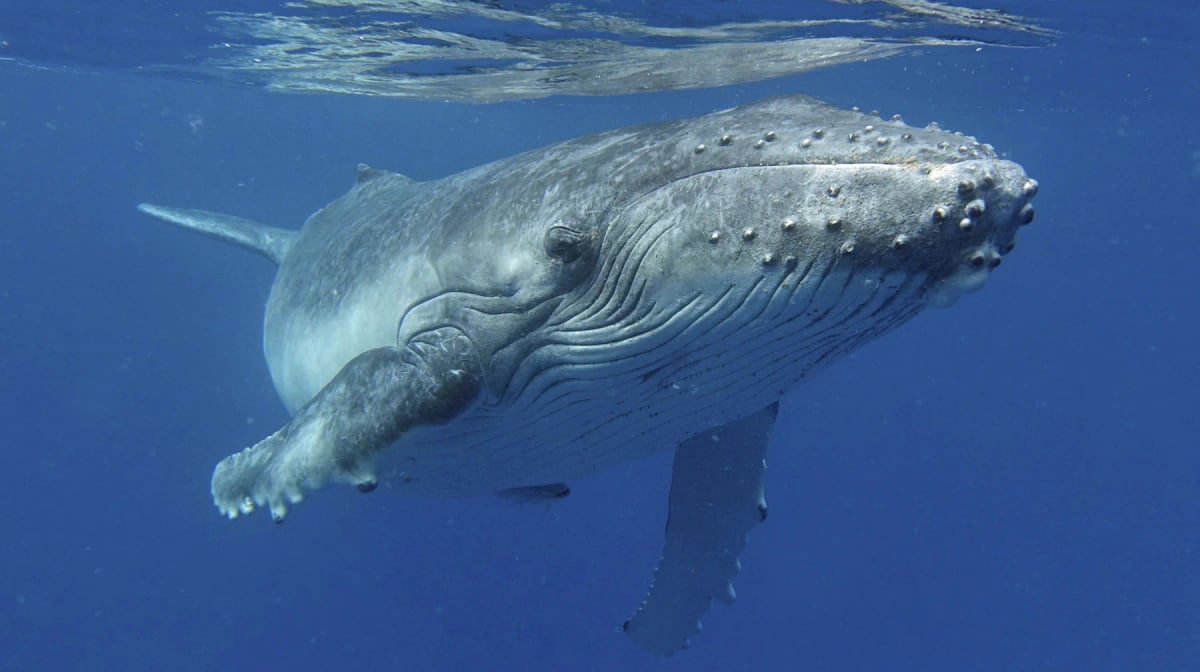
Humpback Whale
Megaptera novaeangliae
Humpback whales have been recorded in the waters of Brunei and the broader Sulu and Celebes Sea region of Southeast Asia. The species represents an infrequent but notable presence in these warm tropical waters, which form part of the Coral Triangle, one of the most biodiverse marine regions on Earth. Research into large whale presence in Brunei's waters is still developing. The IUCN lists the humpback whale as Least Concern globally.
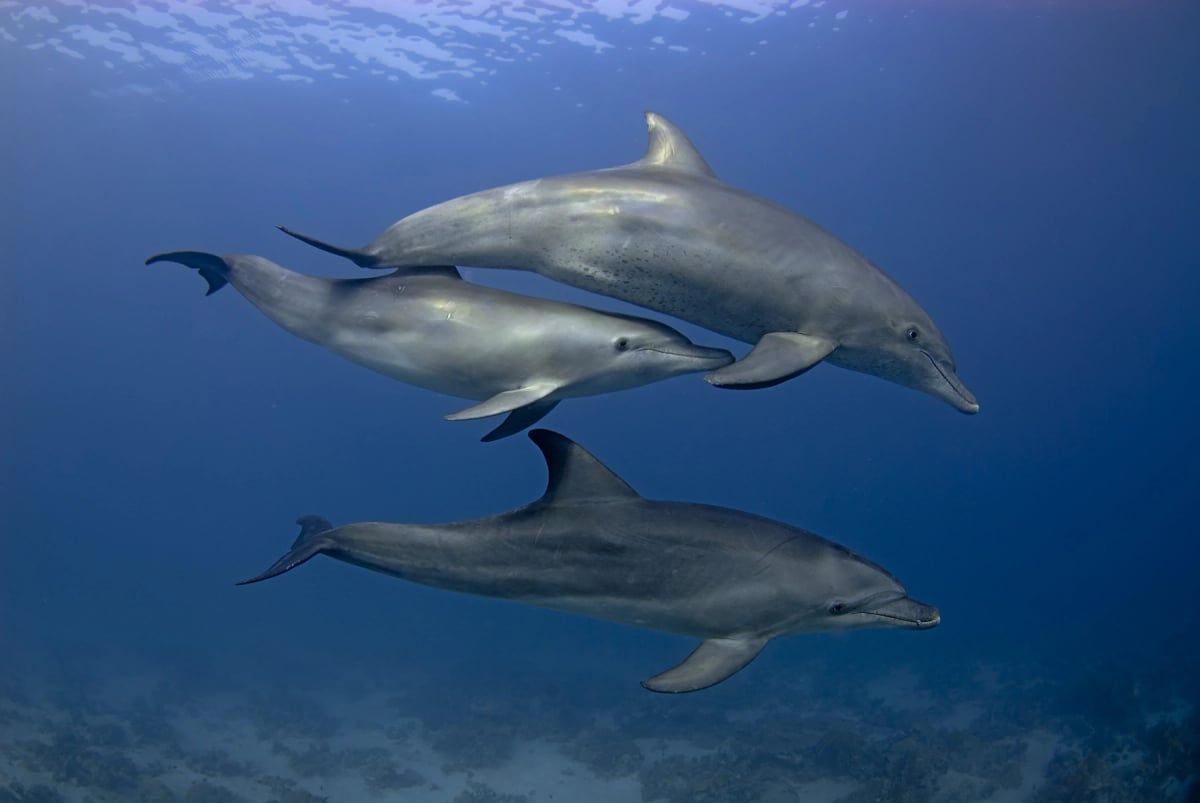
Bottlenose Dolphin
Tursiops truncatus
Bottlenose dolphins inhabit the coastal and offshore waters of Brunei along the South China Sea, where warm tropical conditions and productive marine ecosystems support their presence year round. They are typically seen in small pods near the coast and around the mouths of rivers that drain into Brunei Bay. The species is classified as Least Concern globally, though local threats include coastal development and marine pollution.
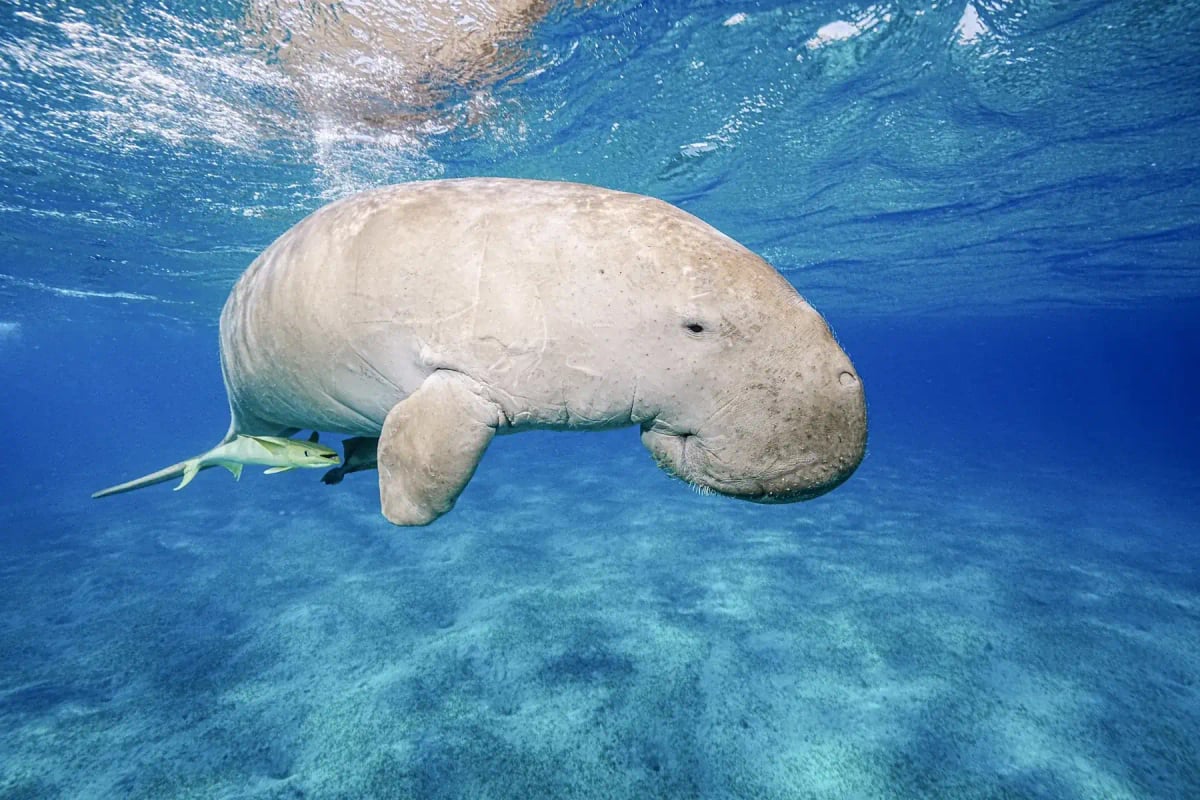
Dugong
Dugong dugon
Dugongs are occasionally sighted in the shallow coastal waters and sheltered bays of Brunei, where seagrass beds provide vital feeding grounds. The species faces pressure here from coastal development and fishing activity. Brunei's relatively small coastline limits population size, but the presence of dugongs highlights the ecological importance of protecting the country's remaining seagrass ecosystems along the South China Sea. IUCN status: Vulnerable.
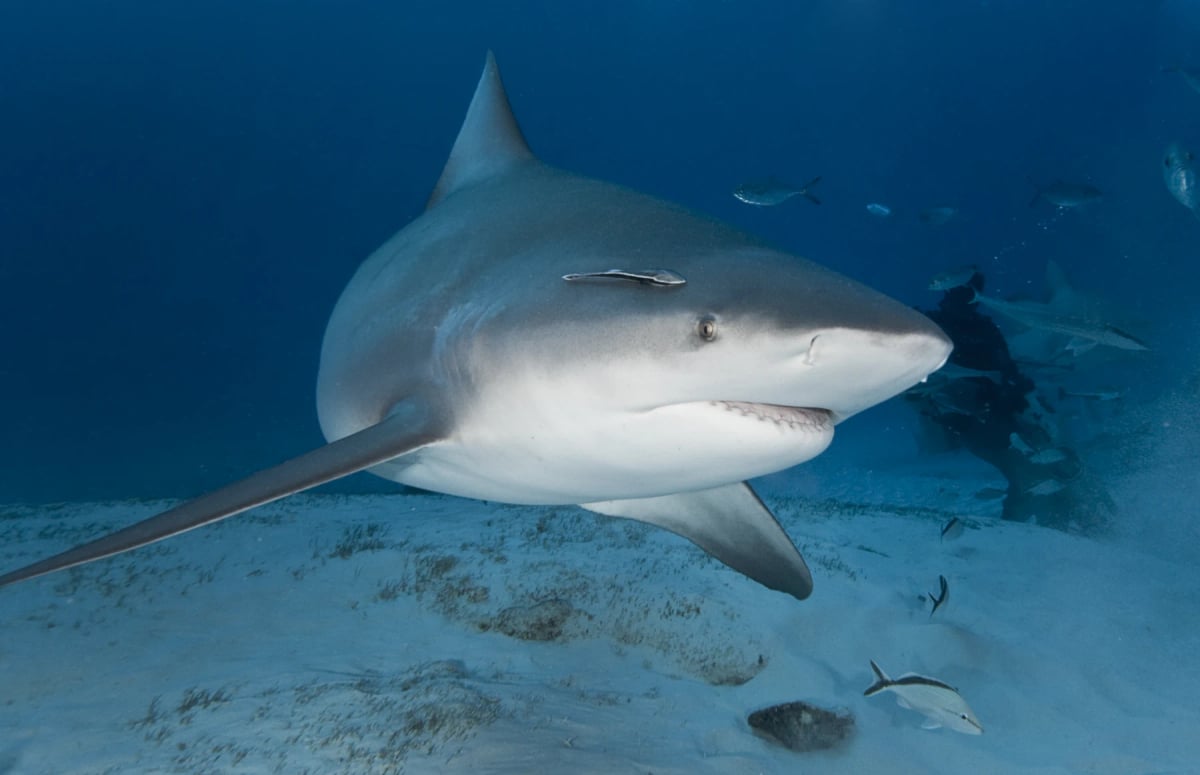
Bull Shark
Carcharhinus leucas
Bull sharks are present in the coastal and estuarine waters of Brunei, where the warm, shallow bays and mangrove fringed river mouths of Borneo's northern coast offer suitable habitat. The species moves through the productive inshore fisheries zones of the Brunei Bay area. Although Brunei's small coastline limits the scale of the population, the species benefits from relatively intact mangrove ecosystems that serve as important nursery grounds for juvenile sharks.
Researched and written by Juan Pablo. Sources: IUCN Red List, scientific literature and regional field guides. Last updated: .