Animals in El Salvador
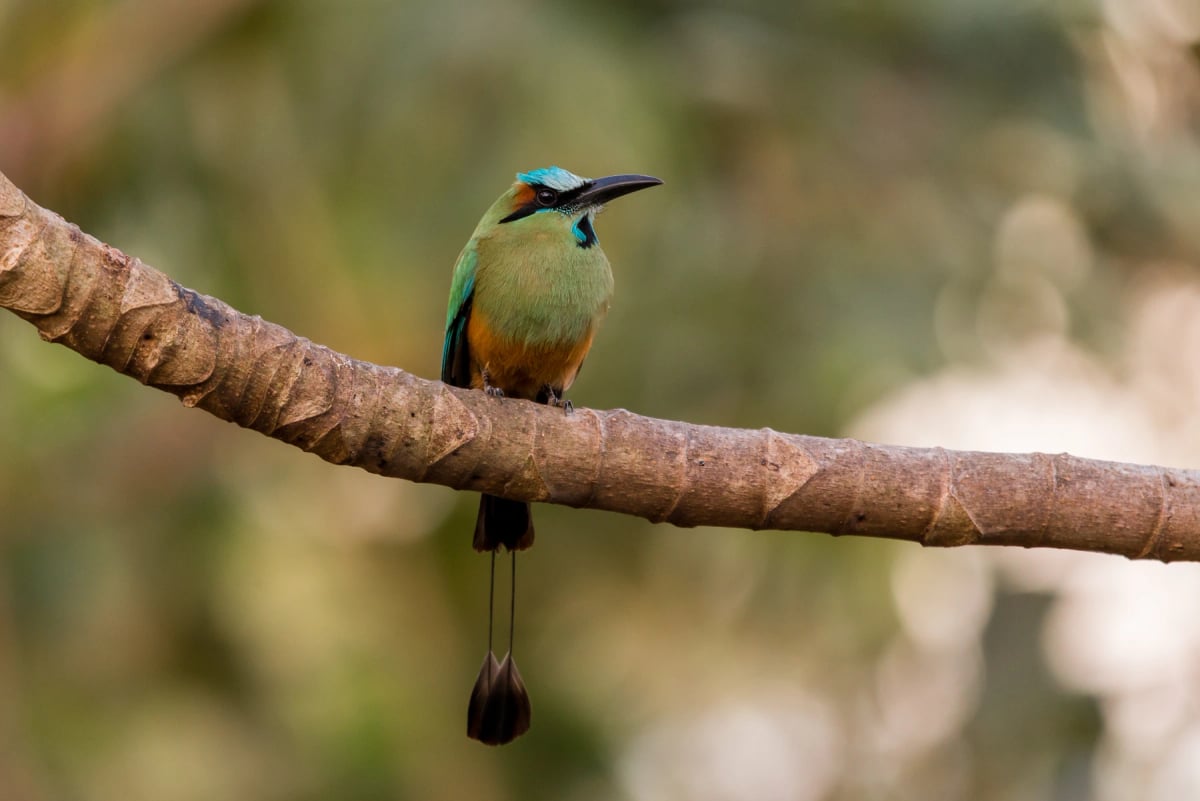
Turquoise browed Motmot
Eumomota superciliosa
The turquoise browed motmot, known in El Salvador as torogoz, is the national bird and a familiar sight in open woodland and rural clearings. Its green, blue and chestnut feathers and the bare shafts of its tail give it a very recognisable outline when it rests on a branch above the ground. It feeds on insects and small animals that it catches in short flights, then returns calmly to its perch. Because it lives close to fields and paths, many people grow up hearing its call and seeing its colours, so caring for the torogoz often means caring for the last patches of natural vegetation that it needs.
View details→Wildlife in El Salvador
El Salvador, although small in area, has more wildlife than many visitors expect because of its mix of volcano slopes, dry valleys, river plains and mangrove coast. Forests and thickets shelter mammals, reptiles and small amphibians that have adapted to steep ground and a warm climate, while offshore waters hold dolphins, whales and coastal fish. The country also lies on an important route for migratory birds, so skies and wetlands change with the seasons. Even with pressure from cities and farming, protected areas still keep pockets of native nature where this variety can survive.
Most Dangerous Animals in El Salvador
El Salvador is not known for very dangerous animals on land, but its Pacific waters do require caution and respect. Offshore, large sharks such as the bull shark move along coasts and channels where currents bring food, and they sit near the top of the marine food chain. On rarer occasions orcas pass through deeper water and may be seen by people at sea. Encounters with these predators are uncommon, yet anyone who swims, dives or fishes in wild areas should stay informed and follow local advice so that they can enjoy the ocean while keeping a safe distance.
Top 10 Animals in El Salvador
El Salvador’s top 10 animals on this site focuses on familiar, easy to see species rather than rare icons or large predators. It highlights creatures that share fields, hillsides and coastal zones with people, showing how everyday landscapes still hold real wildlife. The aim is to reflect the side of Salvadoran nature that most visitors and locals are likely to meet on short trips, rural roads or walks near towns.
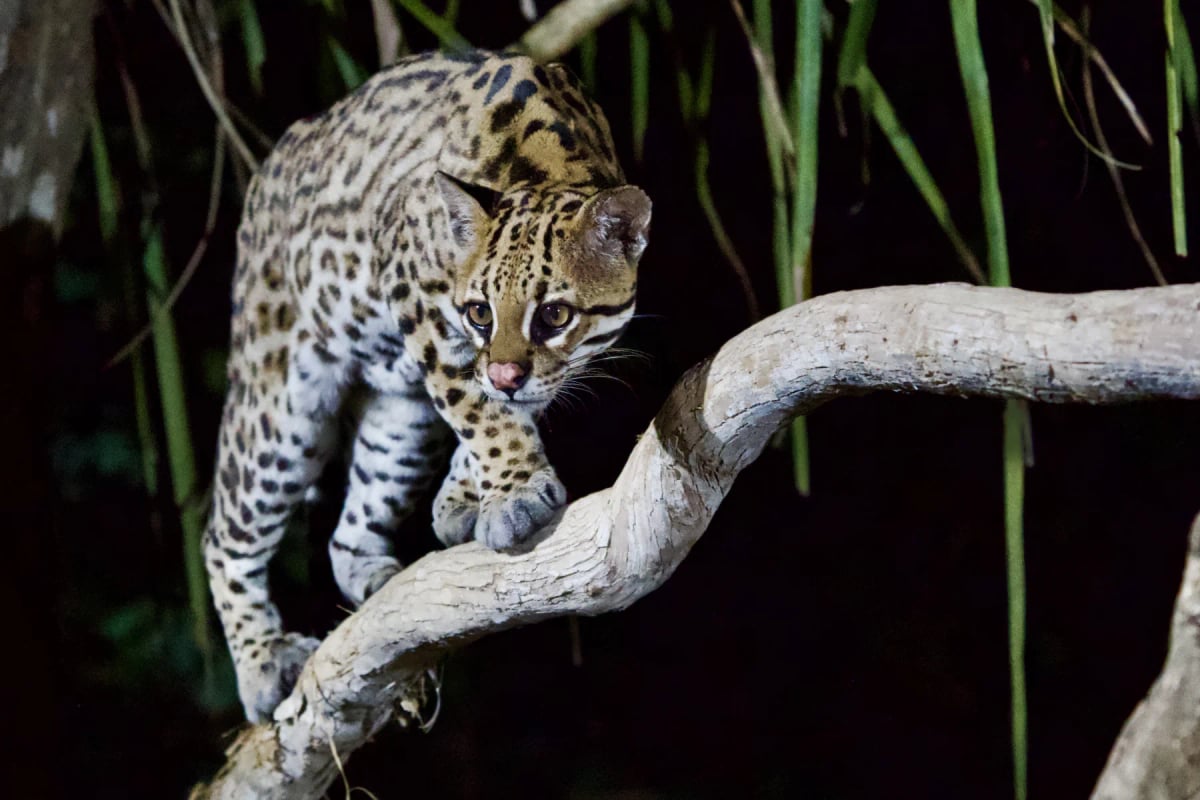
Ocelot
Leopardus pardalis
El Salvador is the most densely populated country in Central America, and its forests have been heavily reduced over decades. Ocelots persist in small numbers in remaining forest patches, including areas near the Montecristo cloud forest on the border with Honduras and Guatemala. Their survival in El Salvador depends almost entirely on the protection of these last forest fragments. Habitat loss and road traffic are the most pressing threats the species faces here.
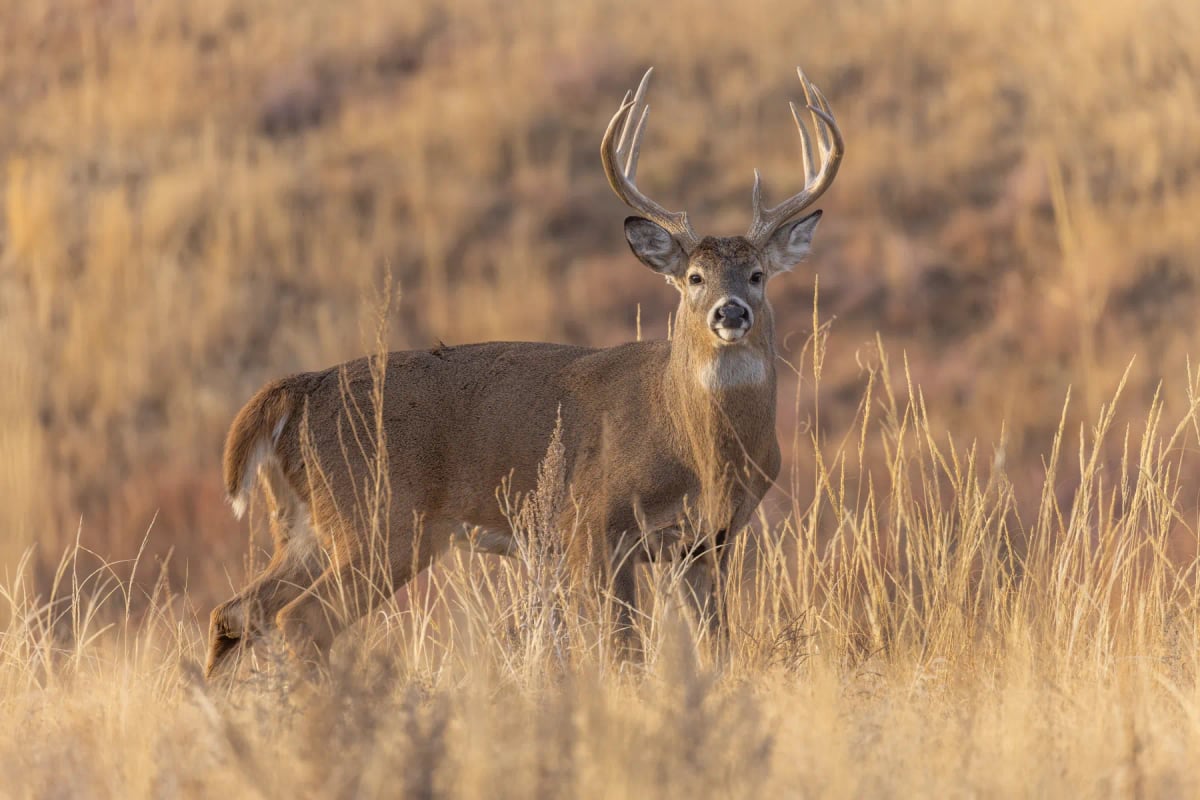
White tailed Deer
Odocoileus virginianus
The white tailed deer is the national animal of El Salvador and holds deep cultural significance in the country. It inhabits the remaining patches of dry forest, scrubland, and rural farmland edges across the country. Habitat loss due to agriculture and urban growth has reduced its range considerably, making sightings less common than in the past. Conservation efforts in protected natural areas aim to support the remaining populations.
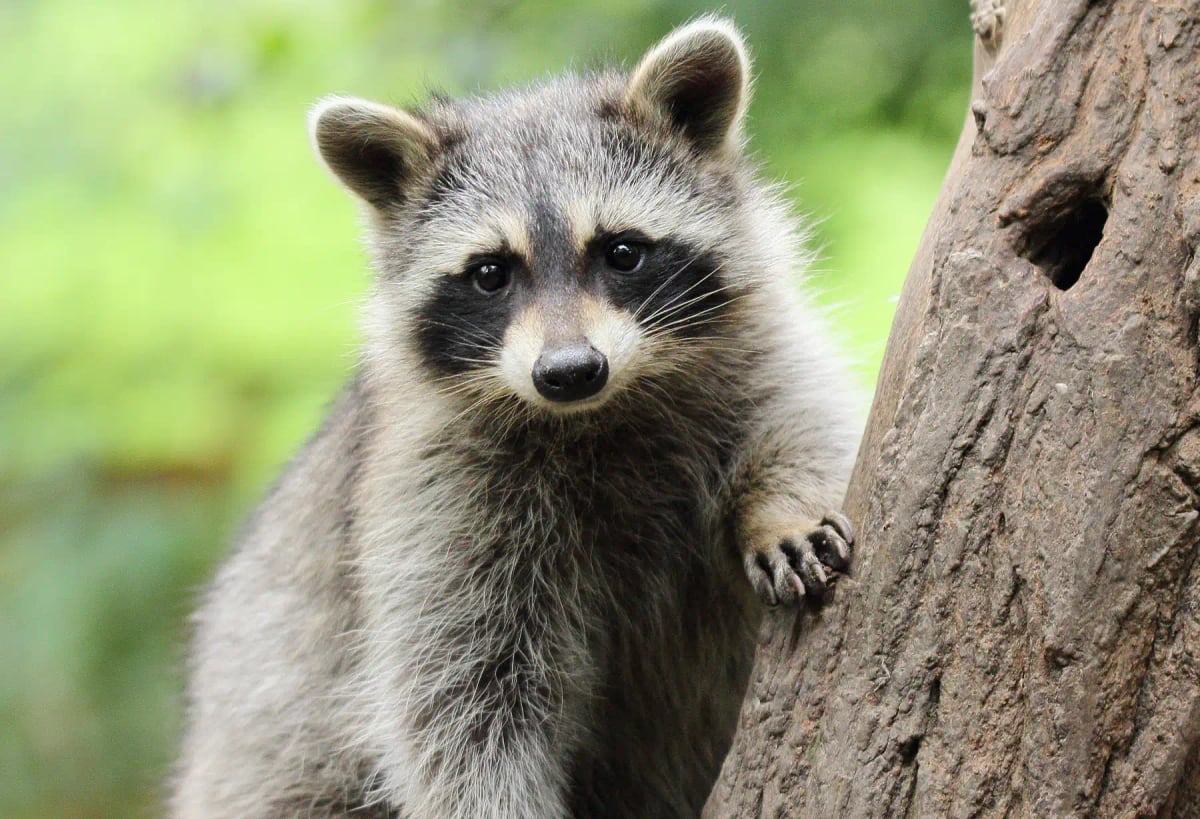
Raccoon
Procyon lotor
The raccoon lives throughout El Salvador in mangroves, river corridors, and the patches of forest that remain across this densely populated country. It is one of the more adaptable native mammals, persisting even where natural habitat has been reduced by agriculture and urban growth. Raccoons are sometimes seen raiding crops or refuse near towns. The species is listed as Least Concern, but habitat fragmentation puts pressure on wildlife across El Salvador.
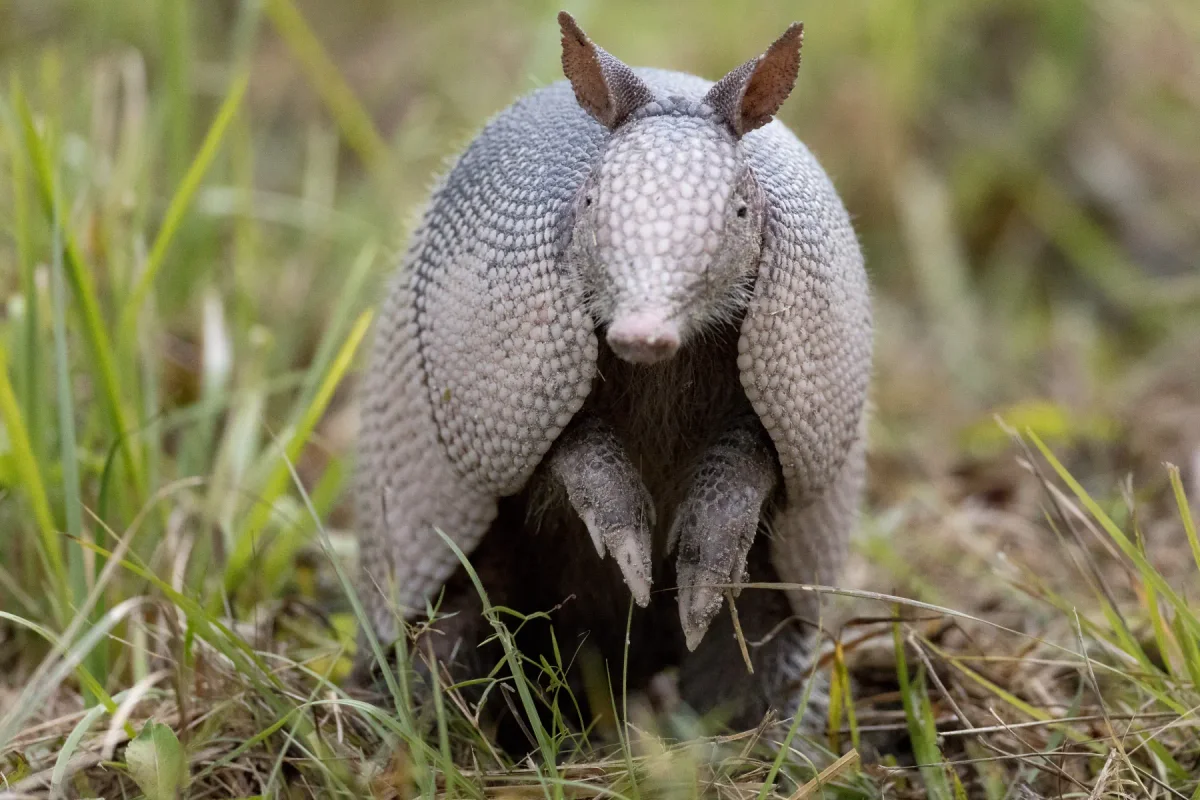
Armadillo
Dasypodidae spp.
The nine banded armadillo is found throughout El Salvador, the smallest and most densely populated country in Central America. Despite extensive deforestation and agricultural expansion, the armadillo has persisted in forest patches, scrublands, and agricultural margins across the country. It forages at night for insects and invertebrates and digs burrows in soft soil for shelter. Road mortality is a particularly significant threat given El Salvador's dense road network, and habitat loss continues to reduce available territory across the country.
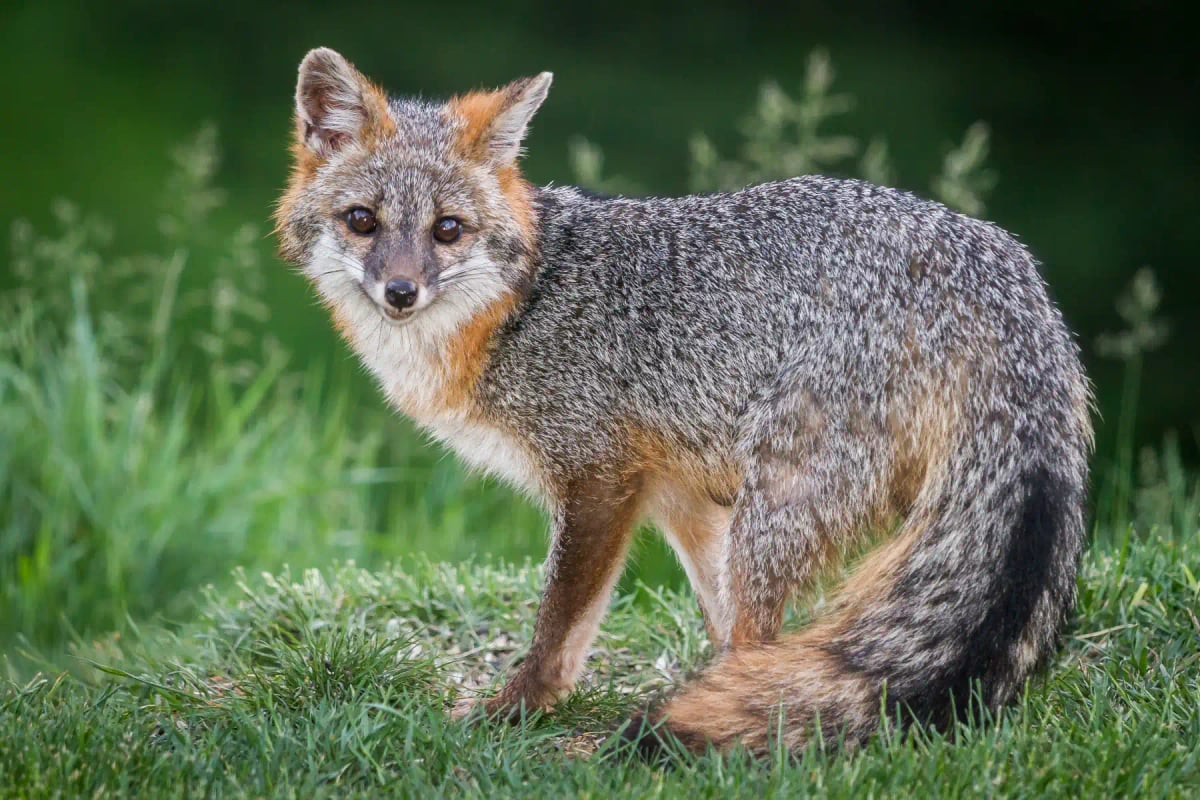
Gray Fox
Urocyon cinereoargenteus
The gray fox is present in El Salvador, one of the smallest and most densely populated countries in Central America. It occupies remaining patches of dry forest and scrubland, particularly in rural and hilly areas. Habitat loss due to agriculture and urban expansion has reduced available territory, making conservation of forest remnants important for its continued presence. Despite the pressures it faces, the species shows resilience and can survive in fragmented landscapes with sufficient cover.
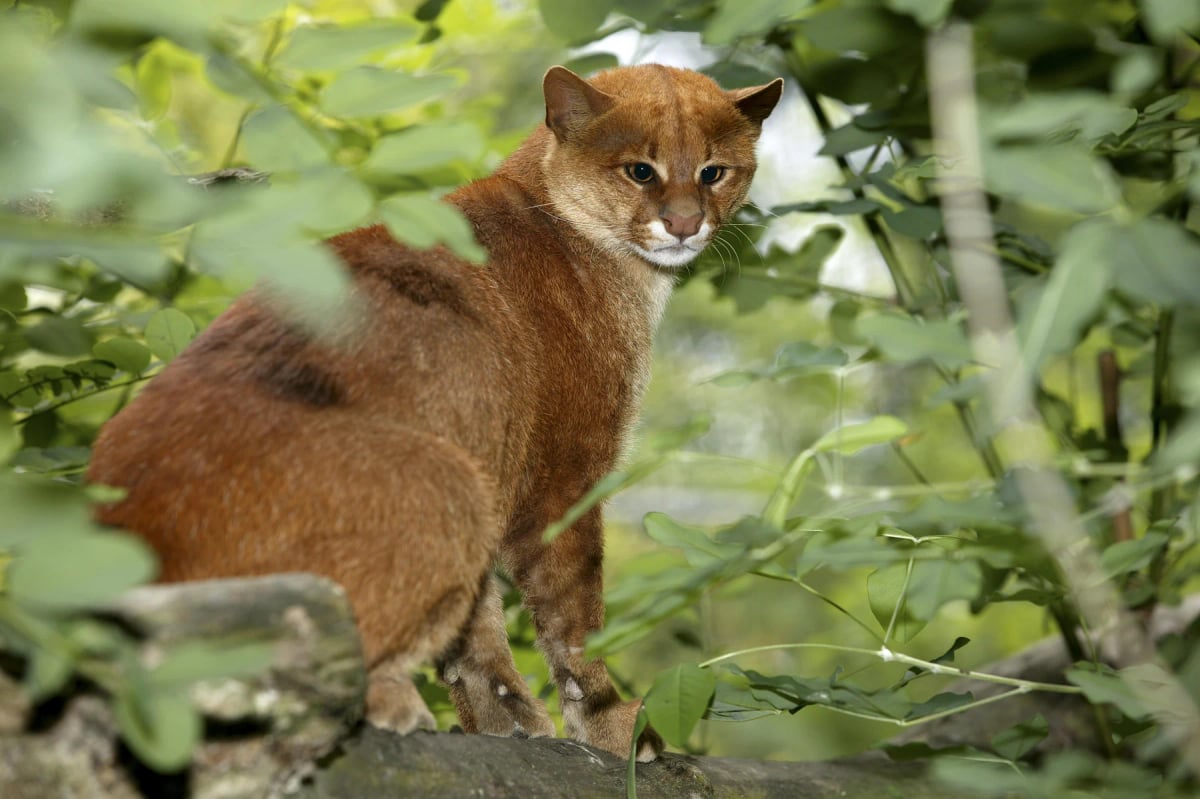
Jaguarundi
Herpailurus yagouaroundi
El Salvador is the most densely populated country in Central America, and habitat loss has significantly reduced the range of wildlife here, including the jaguarundi. This cat persists in remaining patches of tropical dry forest and scrubland, particularly in protected areas such as El Imposible National Park. It is active during the day and feeds on birds, lizards, and small mammals. Continued deforestation is a serious concern for its future in the country.
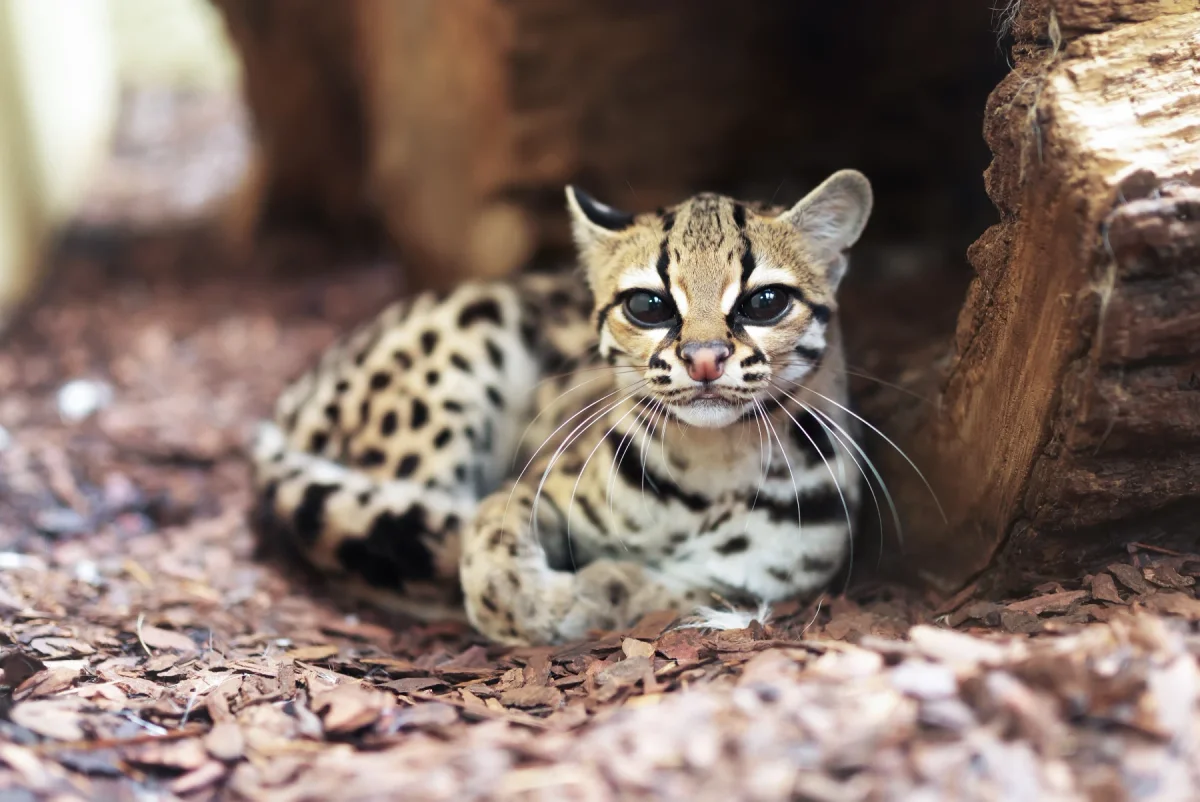
Margay
Leopardus wiedii
El Salvador represents one of the most challenging places for the margay to survive, as the country has lost the vast majority of its original forest cover. Small and fragmented forest remnants in areas such as El Imposible National Park offer limited refuge for this nocturnal cat. Its presence in El Salvador is considered rare, and continued habitat loss makes the situation increasingly difficult. The IUCN classifies the margay as Near Threatened across its range.

Iguana
Iguana iguana
The green iguana is widespread in El Salvador's tropical lowlands, found along rivers, in forest edges and in coastal vegetation. Juveniles are notably bright blue, a coloration that fades as they mature. The species has been traditionally hunted for its meat and eggs, and populations have declined in heavily deforested areas. Despite this pressure, iguanas remain part of everyday wildlife in rural communities across the country's warm lowland zones.
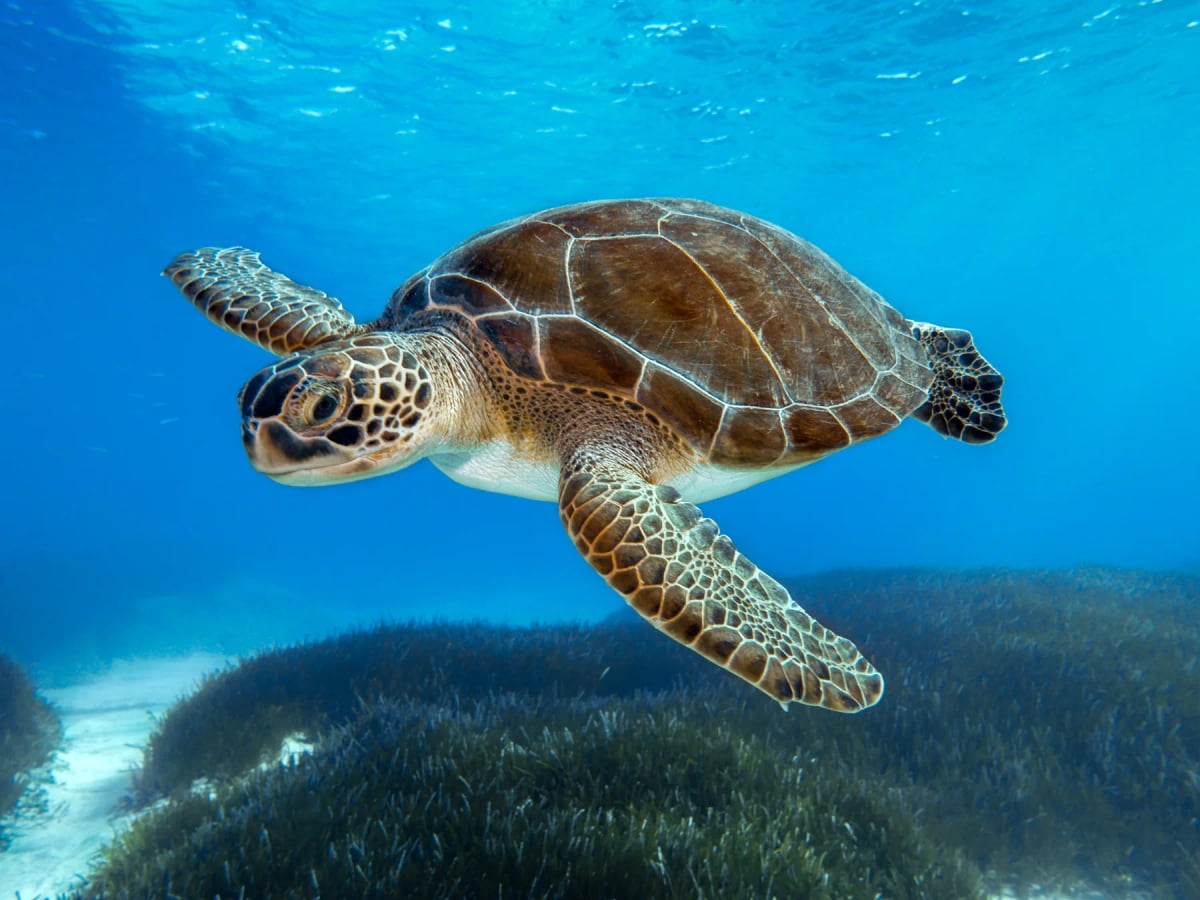
Sea Turtle
Cheloniidae & Dermochelyidae (families)
El Salvador's Pacific coast is an important nesting ground for olive ridley sea turtles. Beaches such as Torola, El Icacal and Los Cóbanos see regular nesting activity, and the country has implemented protection programs in key areas. Despite being one of the smallest countries in Central America, El Salvador manages several turtle sanctuaries where eggs are relocated to hatcheries and local communities participate in conservation and monitoring efforts.
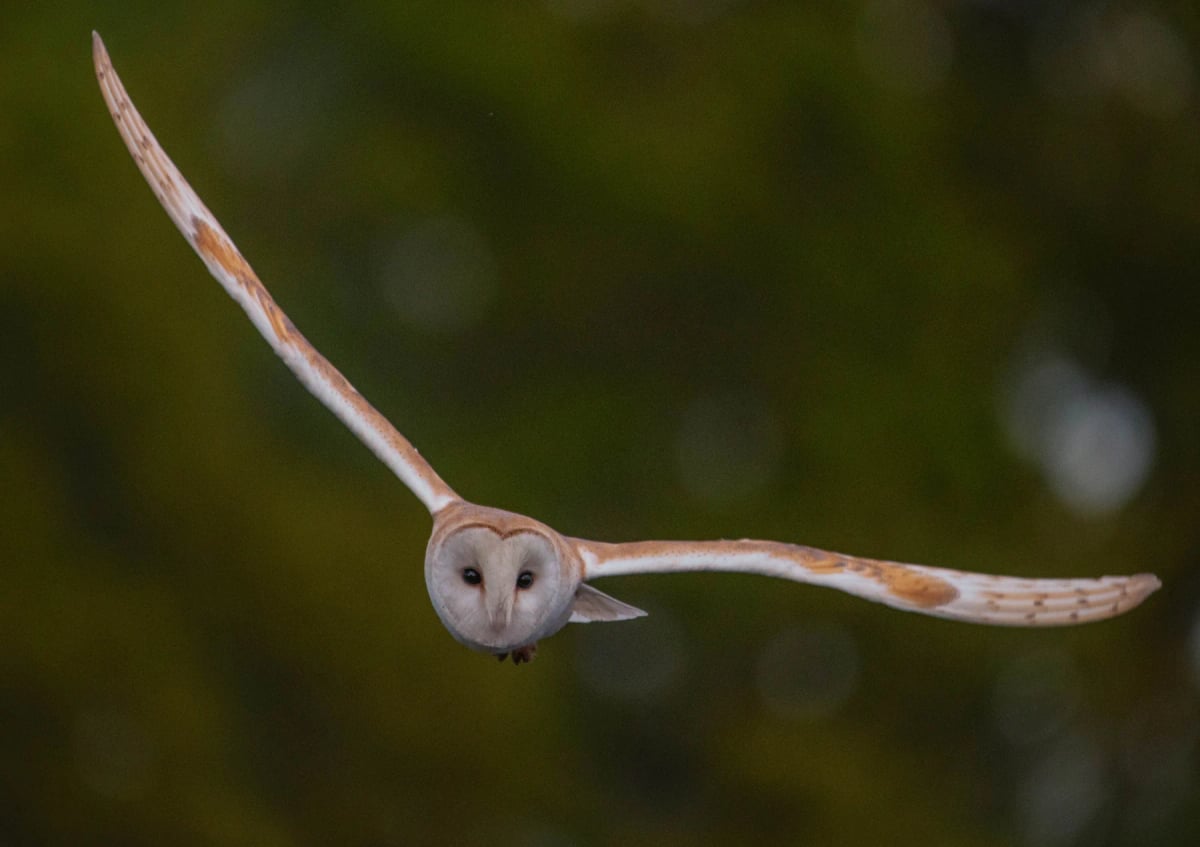
Barn Owl
Tyto alba
The barn owl is found across El Salvador in open farmland, pastures, and the outskirts of towns and villages throughout this densely populated country. It nests in old buildings, church towers, and hollow trees, and hunts rodents at night. In one of the most heavily farmed countries in Central America, it plays a useful role controlling small mammal populations that damage crops and stored grain. It is one of the more commonly encountered owls in the country's open habitats.
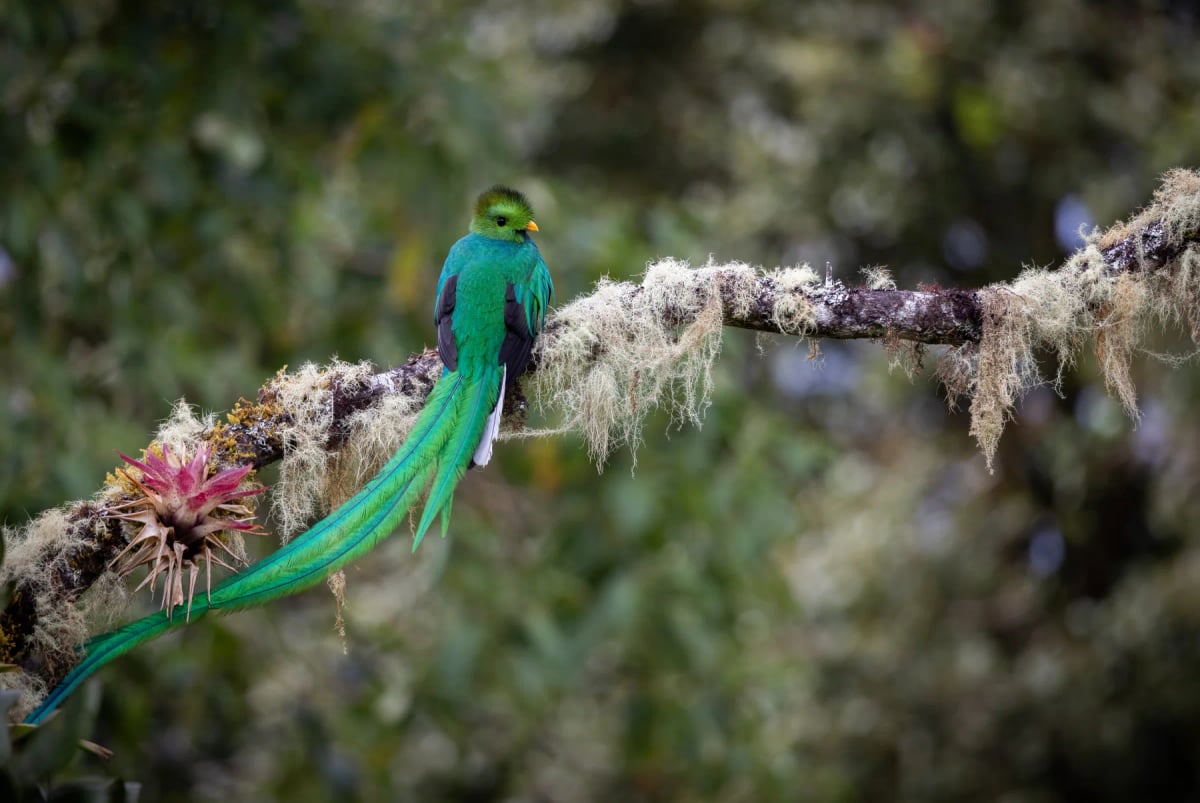
Resplendent Quetzal
Pharomachrus mocinno
In El Salvador, the Resplendent Quetzal is an extremely rare visitor to the few remaining cloud forest patches in the Montecristo area, near the border with Guatemala and Honduras. Severe deforestation has drastically reduced its presence in the country. The male's long tail plumes and vivid coloring make it unmistakable. Protecting the highland forests of Montecristo is essential for any chance of the species recovering in El Salvador.
Turquoise browed Motmot
Eumomota superciliosa
The turquoise browed motmot is El Salvador's national bird, a source of deep cultural pride across the country. It is commonly seen in dry forests and woodland edges, from the lowland Pacific coast to the interior valleys. Perching on open branches, it hunts insects, small frogs, and lizards with quick, precise drops. Its slow tail swing is a familiar sight to anyone who spends time outdoors in the Salvadoran countryside.
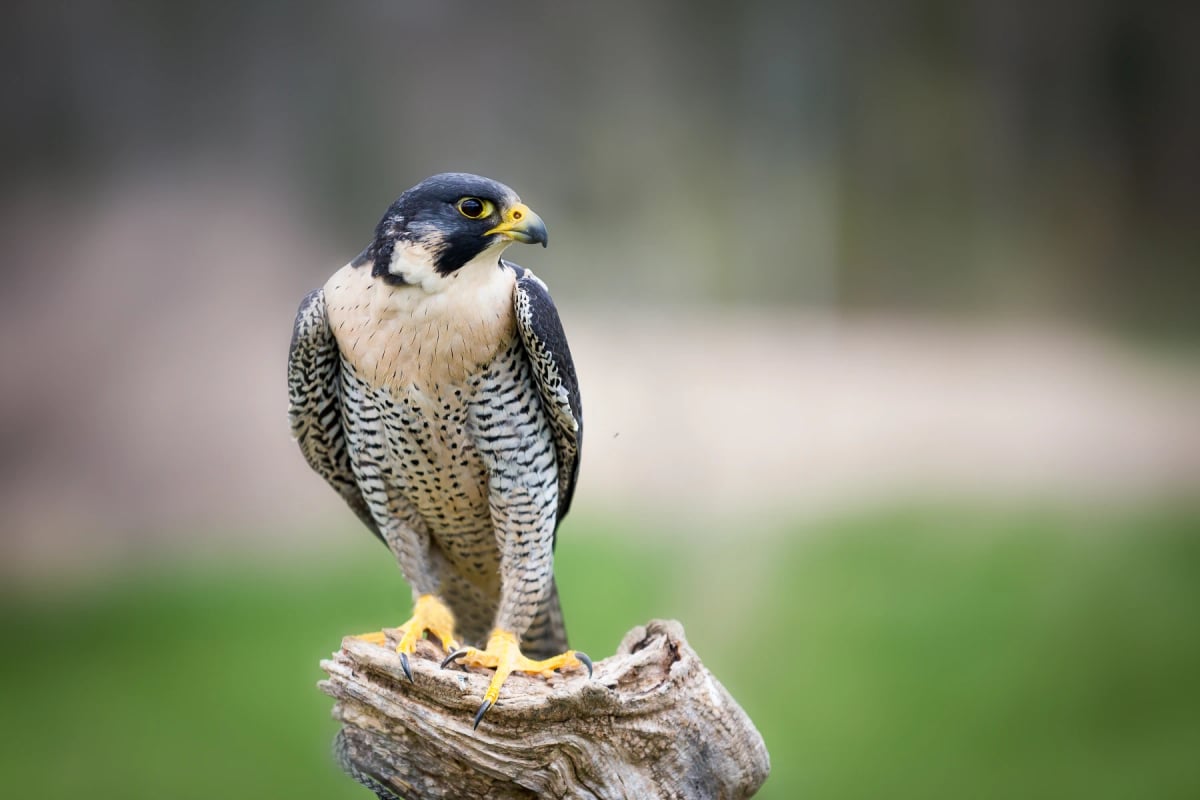
Peregrine Falcon
Falco peregrinus
The peregrine falcon passes through El Salvador each year during migration, moving between North and South America along the Pacific corridor. It can be seen over coastal wetlands, estuaries, and open farmland from October through March. The Bahía de Jiquilisco and other protected coastal areas are particularly good spots to observe this falcon hunting shorebirds and pigeons during its winter stay. Its IUCN status is Least Concern.
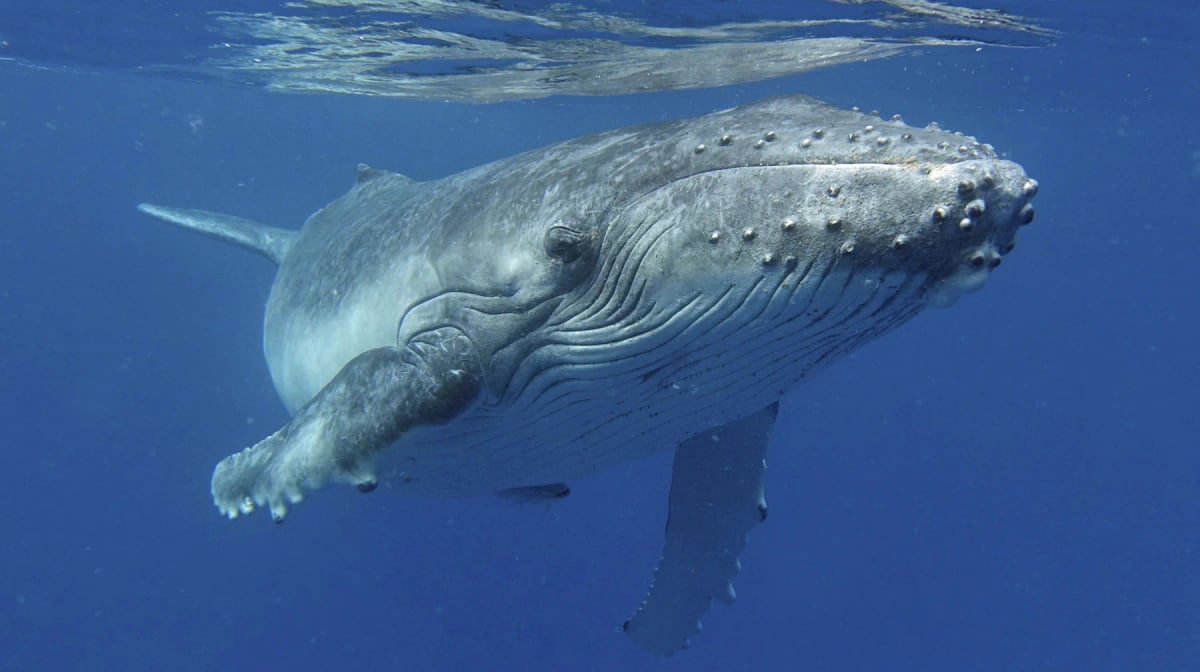
Humpback Whale
Megaptera novaeangliae
El Salvador's short Pacific coastline sits within a corridor used by humpback whales during their annual migration. These whales travel from cold southern feeding grounds to warmer tropical waters to breed, and sightings off the Salvadoran coast, though not frequent, have been recorded. Reaching up to 16 metres in length, their presence adds to the rich marine biodiversity of Central America's Pacific waters. The IUCN lists them as Least Concern.

Bottlenose Dolphin
Tursiops truncatus
Bottlenose dolphins are spotted along El Salvador's Pacific coastline, particularly in the waters off the Gulf of Fonseca and near coastal fishing communities. They typically appear in small pods, feeding on fish close to shore. Local fishers frequently encounter them, as the dolphins often follow fishing boats. Their presence highlights the ecological richness of El Salvador's narrow but productive stretch of Pacific Ocean. The IUCN lists the species as Least Concern.
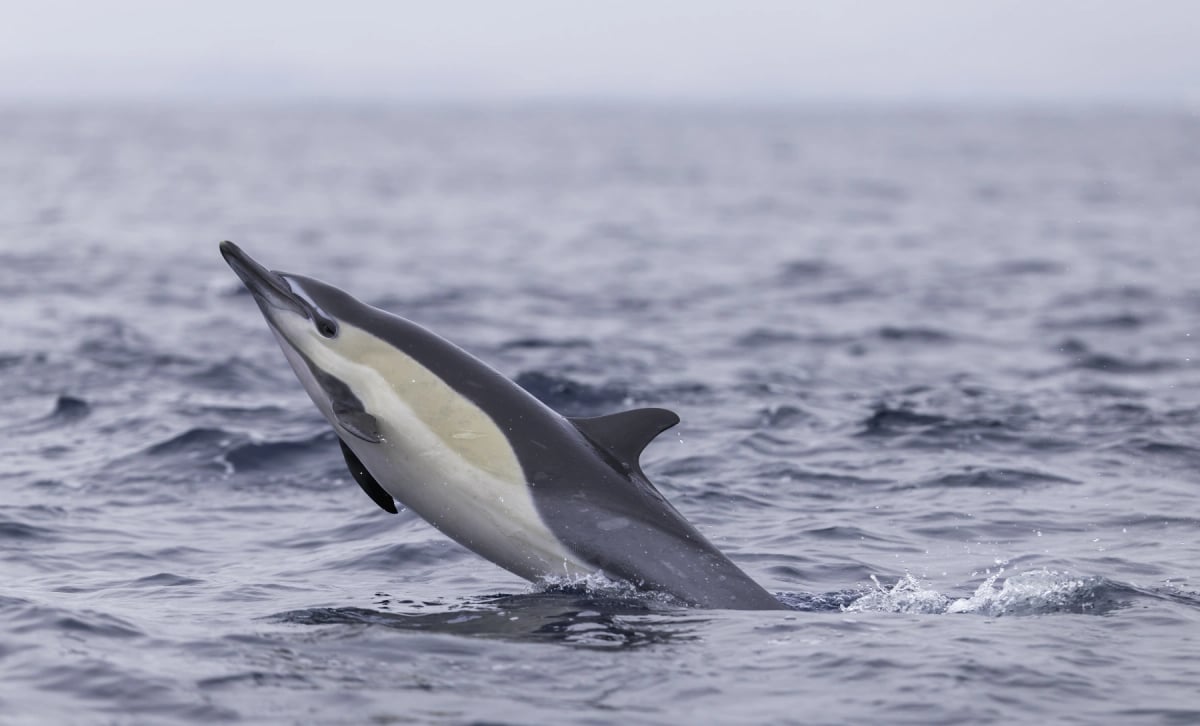
Common Dolphin
Delphinus delphis
Common dolphins inhabit the Pacific coastal and offshore waters of El Salvador, one of the smaller Central American nations with access to this oceanically productive region. They are typically seen in groups chasing schools of anchovies and sardines. El Salvador's short coastline borders waters influenced by seasonal upwellings that support diverse marine life. The species is considered Least Concern by the IUCN and is not currently the focus of targeted conservation measures in the country.
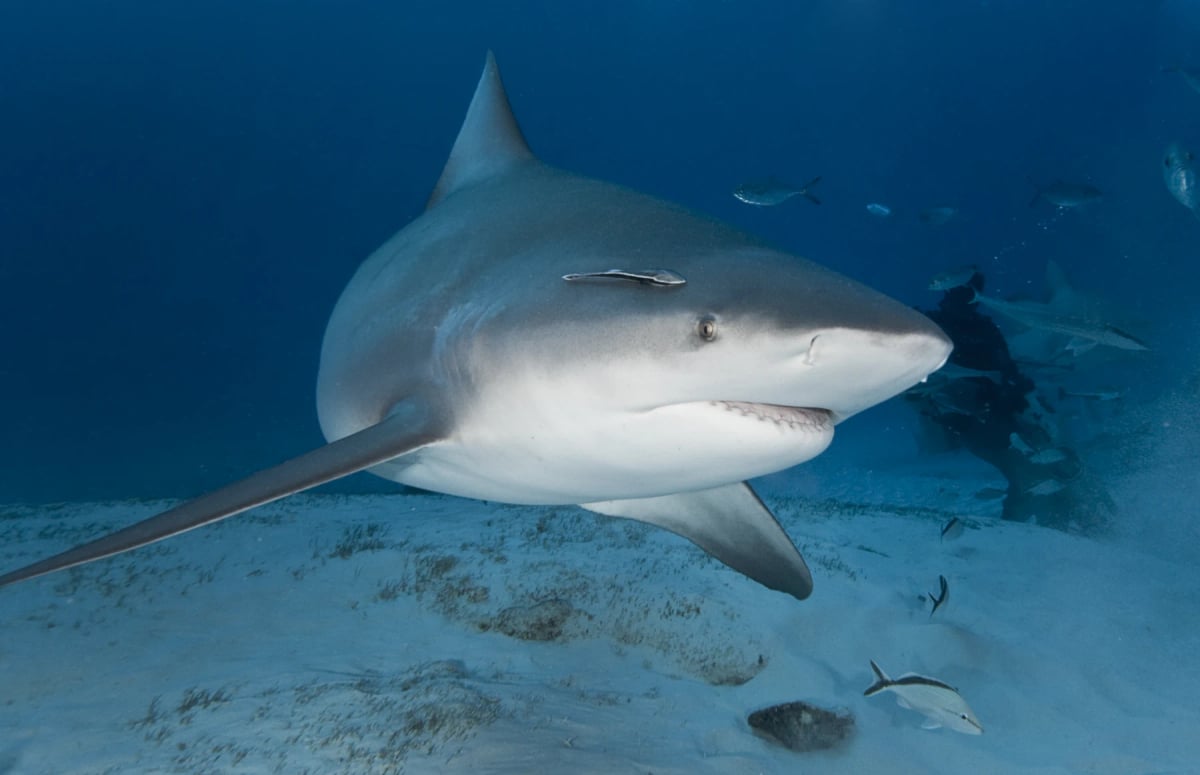
Bull Shark
Carcharhinus leucas
Bull sharks frequent the coastal waters and estuaries of El Salvador along the Pacific coast of Central America. They enter river mouths and shallow bays in search of prey, taking advantage of the murky, nutrient-rich conditions these habitats provide. As a species listed as Near Threatened by the IUCN, bull sharks face pressure from fishing activity across the region, where sharks are sometimes caught as bycatch or targeted for their fins.
Researched and written by Juan Pablo. Sources: IUCN Red List, scientific literature and regional field guides. Last updated: .