Animals in Paraguay
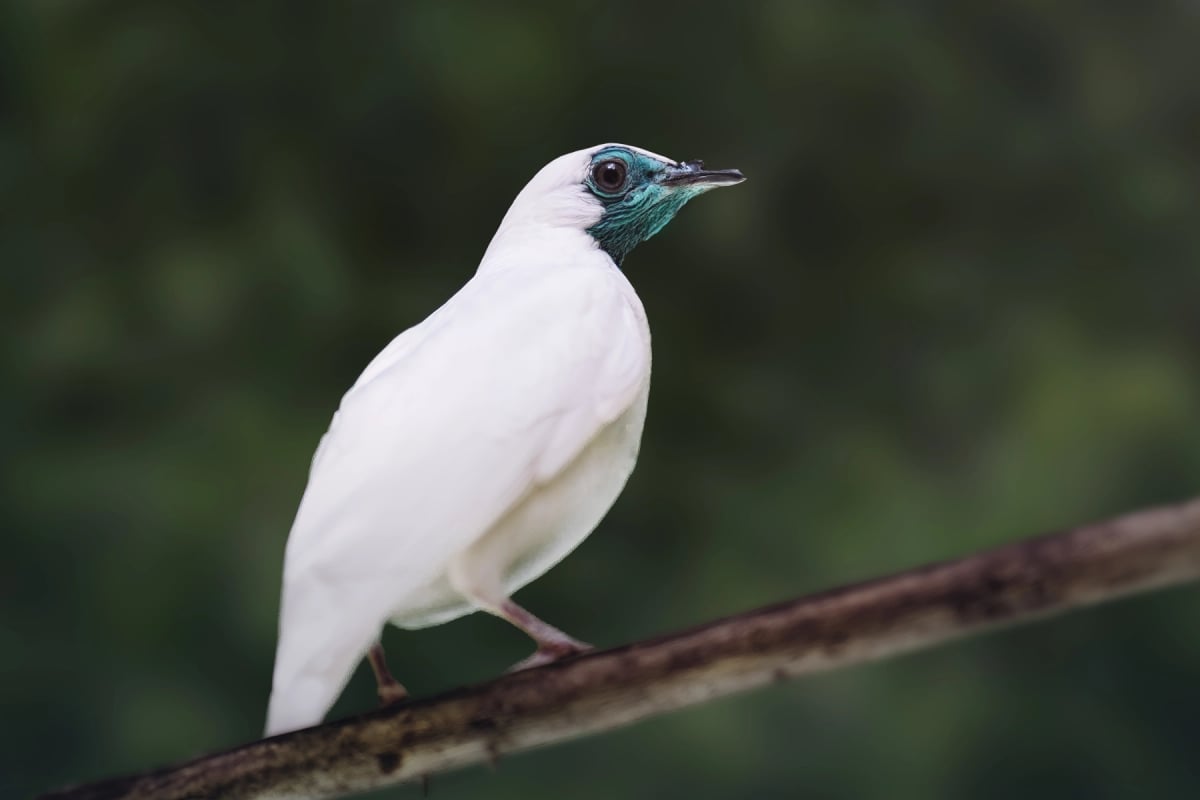
Bellbird
Procnias nudicollis
The bellbird, called pájaro campana in Spanish and guyra campana in Guaraní, has been the national bird of Paraguay since 2004. The male is white with a bare blue throat, and he sings from the top of the canopy with a loud metallic note that sounds like a hammer striking a bell and carries for more than a kilometer through the forest. Females are greenish and much harder to spot. Bellbirds eat forest fruit and help spread seeds. They live in the Atlantic forest of eastern Paraguay, and the loss of that forest has made them rare.
View details→Wildlife in Paraguay
Paraguay is divided by the Paraguay River into two very different halves. In the east are the last patches of Atlantic forest, green hills and farmland, where jaguars, ocelots, margays, jaguarundis, tapirs, brocket deer, anteaters, armadillos, toucans and the bellbird live among the trees. West of the river lies the Chaco, a huge, hot and thorny plain with very few people, one of the wildest places left in South America and still home to jaguars, cougars, maned wolves, giant anteaters, armadillos, rheas and many snakes. Between the two, the rivers and marshes of the Pantanal and the Ñeembucú wetlands fill with capybaras, marsh deer, caimans, anacondas and water birds when the floods arrive. Horneros, monk parakeets, southern lapwings and caracaras are everyday birds on farms and in towns, so wildlife is never far away in Paraguay.
Most Dangerous Animals in Paraguay
Paraguay has wild animals that can be dangerous in certain situations, mainly in the Chaco, the remaining forests and the wetlands. Jaguars and cougars are powerful cats, but they avoid people and attacks are extremely rare, even in the Chaco where jaguars are still common. Along rivers and ponds, caimans rest on the banks, and anacondas, yellow anacondas and boa constrictors hunt in the marshes; these snakes are not venomous and are rarely a threat to people. The real risk comes from venomous snakes, above all lanceheads, called yarará in Paraguay, and rattlesnakes, which live in tall grass, farm fields and dry scrub. Most bites happen to rural workers, and hospitals carry antivenom. Wearing boots, watching where you step, checking around woodpiles and traveling with local guides in the Chaco greatly reduce the risks.
Top 10 Animals in Paraguay
The top animals of Paraguay show how different its regions are. The jaguar is the biggest of them: around 1,500 are thought to survive in the country, almost all in the Chaco, where they hunt capybaras, armadillos and deer across a plain so dry and thorny that few people live there. The maned wolf, with its long legs and red coat, walks the open grasslands at dusk, and giant anteaters and armadillos dig through the dry scrub. In the forests of the east, tapirs, ocelots, margays, brocket deer, toucans and the bellbird live among the trees. In the wetlands of the Pantanal and the Ñeembucú, capybaras, marsh deer, caimans and anacondas depend on the seasonal floods, and rheas cross the open fields. Together they give a clear picture of a country where forest, wetland and Chaco each add their own animals.
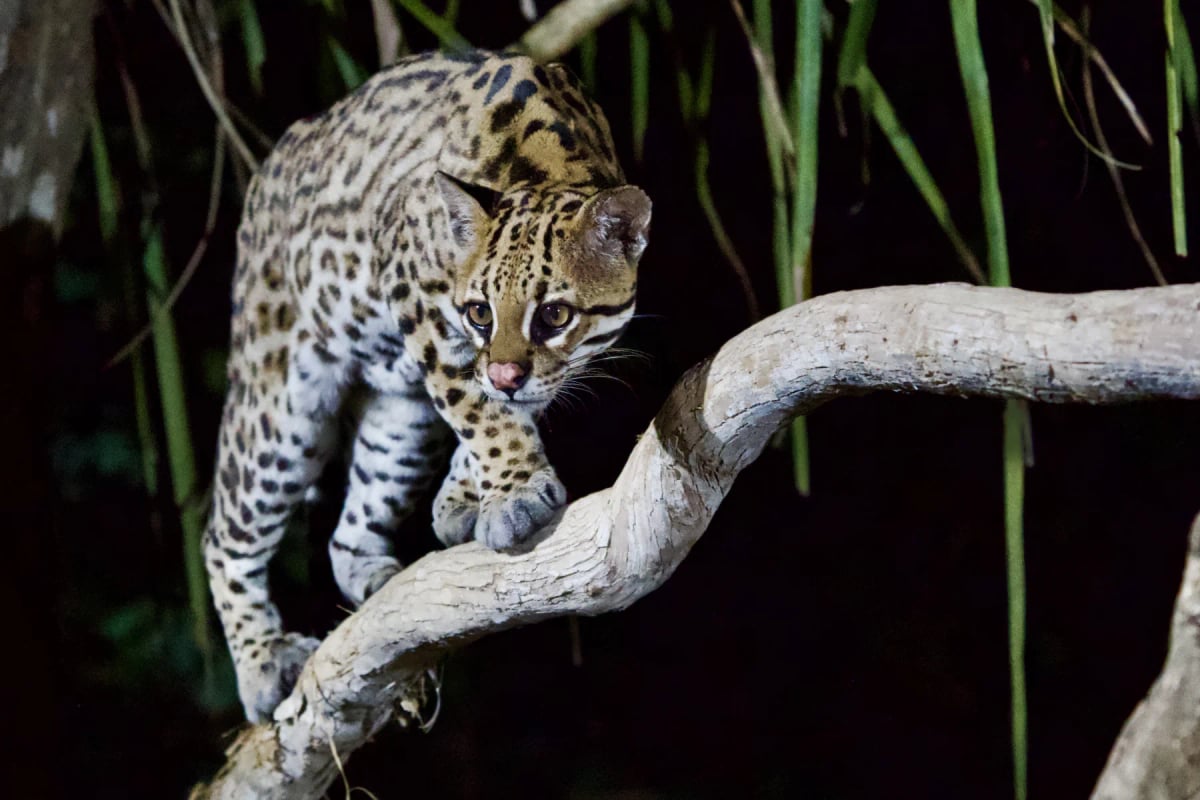
Ocelot
Leopardus pardalis
In Paraguay, ocelots are found in the Atlantic Forest remnants of the eastern region and in the dry forests and scrublands of the Gran Chaco. The Chaco is one of South America's largest dry forest ecosystems and supports a range of wildlife, including this adaptable cat. Deforestation rates in Paraguay are among the highest in the world, making habitat loss a pressing concern for ocelots and many other species.
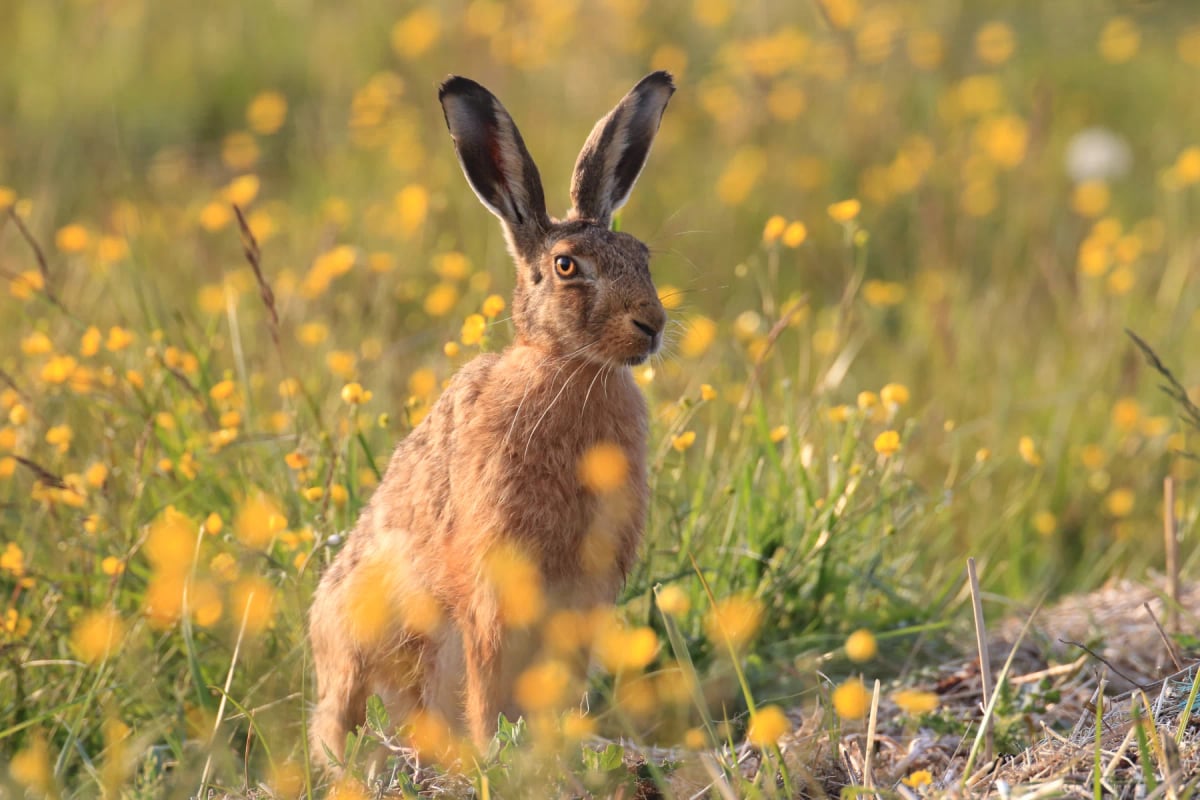
Hare
Lepus europaeus
The European hare has been recorded in Paraguay, where it reaches the northern edge of its introduced South American range. It is found in open grasslands and agricultural zones, habitats that mirror the conditions it favours elsewhere on the continent. Its populations in Paraguay are less studied than in neighbouring Argentina or Brazil, but the species is considered established in suitable lowland areas where open terrain and farmland are available.
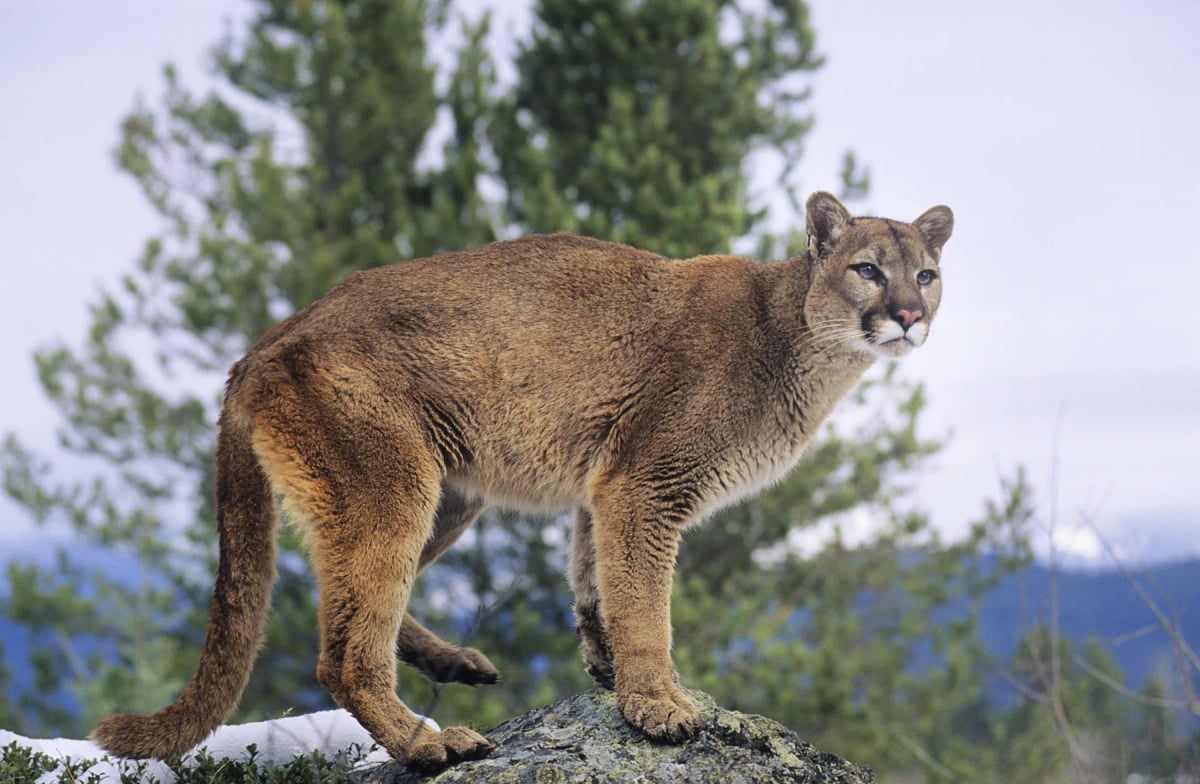
Cougar
Puma concolor
In Paraguay, the cougar inhabits the Chaco, one of South America's largest dry forests, as well as the Atlantic Forest remnants in the eastern part of the country. It preys on deer, armadillos and peccaries across these contrasting landscapes. The Atlantic Forest in eastern Paraguay has lost most of its original cover, making the Chaco increasingly vital for the species. The cougar is listed as Least Concern but faces ongoing habitat pressure.
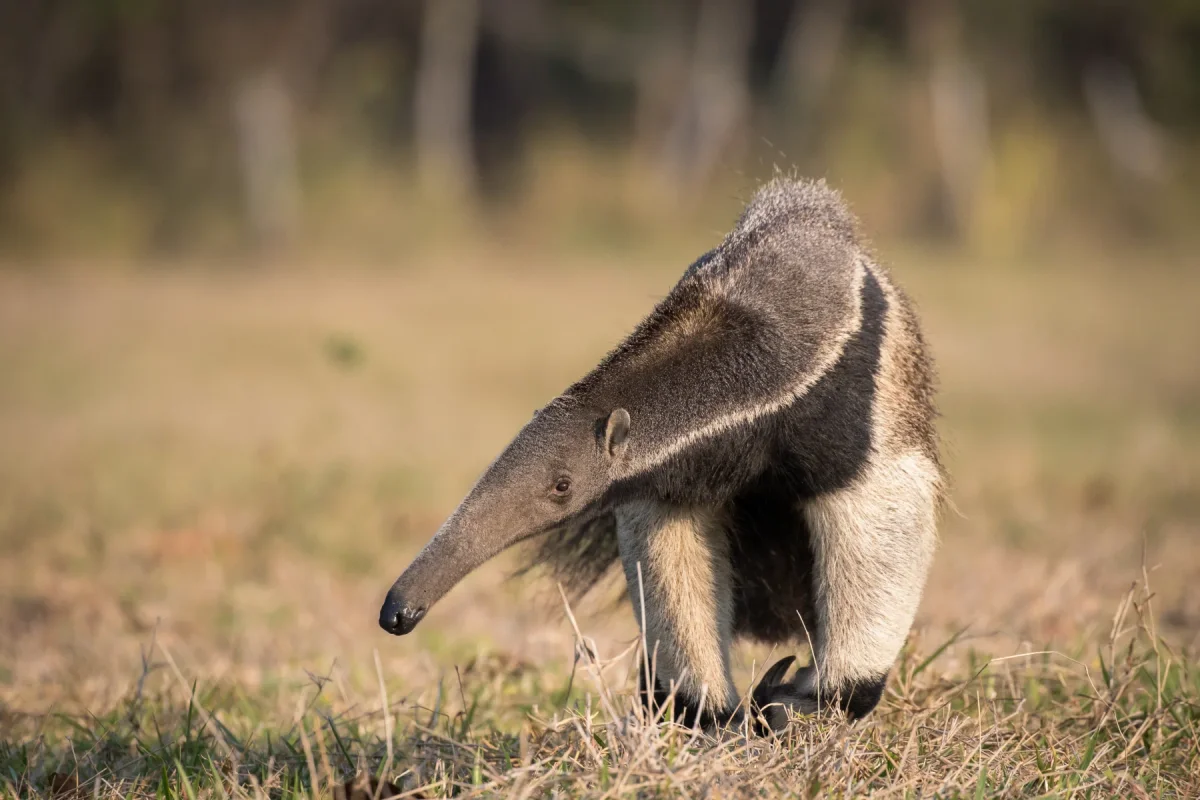
Anteater
Myrmecophaga tridactyla
The giant anteater is found in Paraguay's Chaco region and the wetlands of the eastern part of the country, where it inhabits open savannas, gallery forests, and floodplains. Populations have declined due to agricultural expansion, wildfires, and road mortality. The species is legally protected in Paraguay and conservation programs in the Chaco are working to stabilize remaining populations.
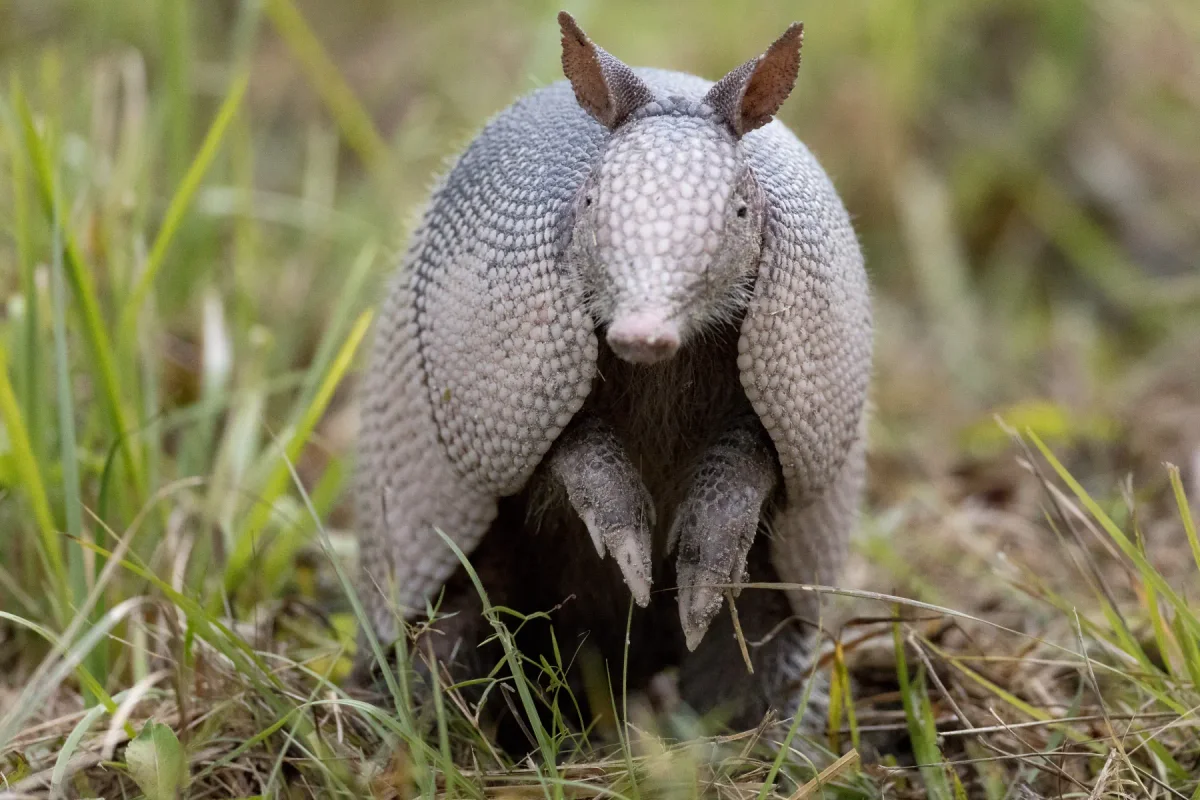
Armadillo
Dasypodidae spp.
Paraguay hosts several armadillo species, including the nine banded armadillo, the southern three banded armadillo, the giant armadillo, and various hairy armadillos found in the Chaco. The dry Chaco in the west supports a particularly high diversity of species adapted to arid and dry conditions. The southern three banded armadillo, one of the few that can roll into a complete ball, is found here and is classified as Near Threatened due to habitat loss. Hunting for meat and traditional uses of the shell remain common across rural Paraguay.
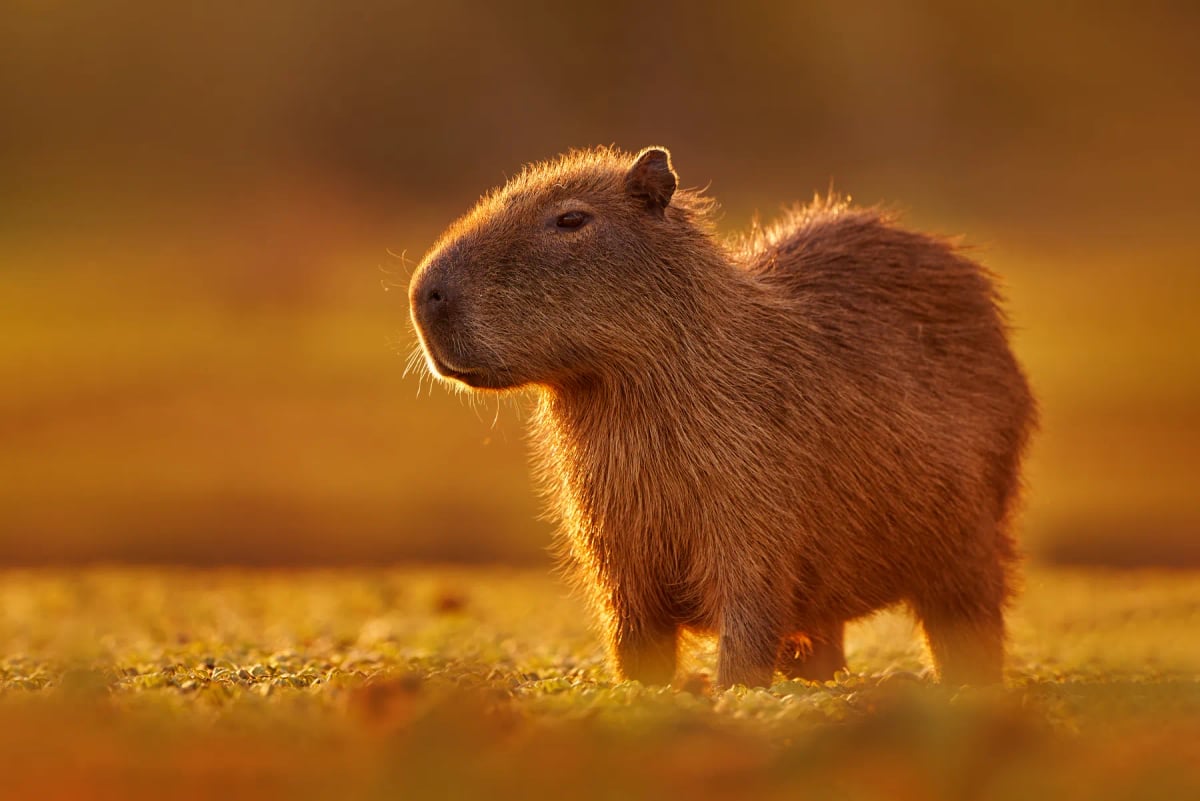
Capybara
Hydrochoerus hydrochaeris
In Paraguay, capybaras are found throughout the country, with particularly high densities in the Pantanal region of the Alto Paraguay Department and along the Paraguay and Paraná rivers. They thrive in seasonally flooded grasslands and wetlands. Listed as Least Concern by the IUCN, the species is an important part of Paraguay's wetland ecosystems, though habitat degradation from cattle ranching affects parts of its range.
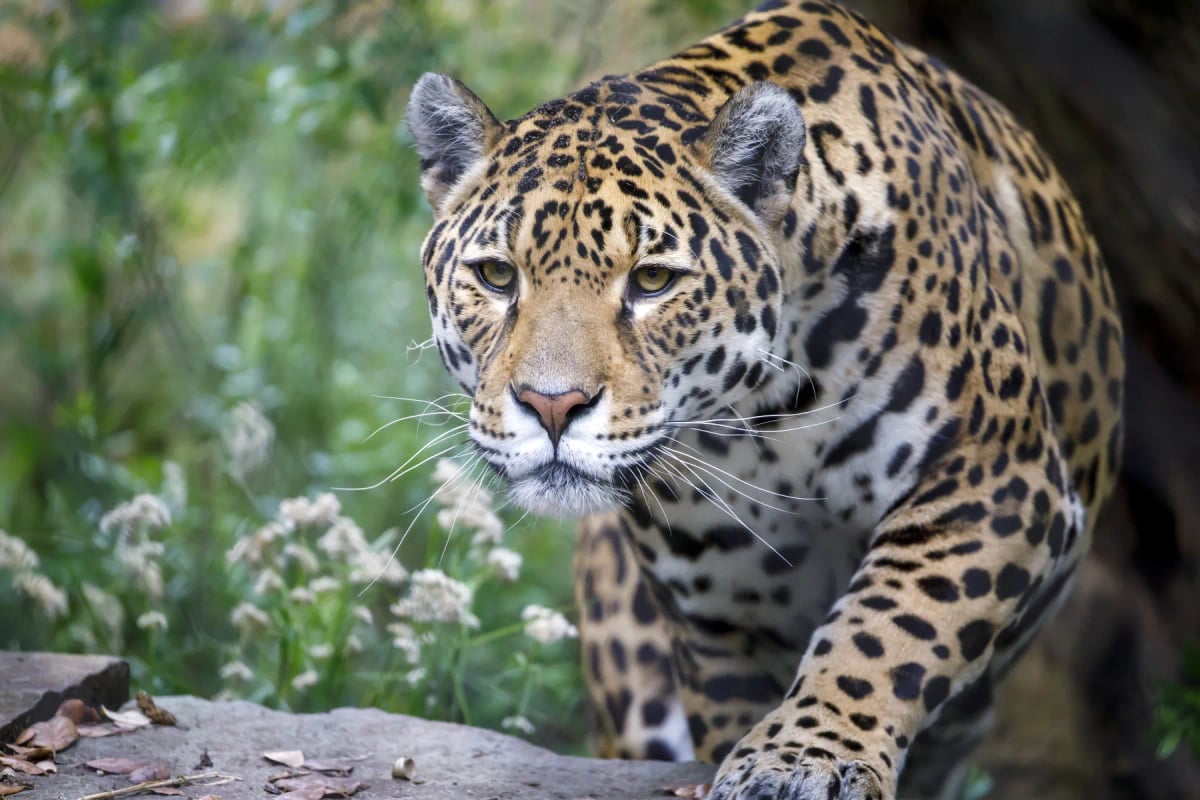
Jaguar
Panthera onca
In Paraguay, jaguars survive mainly in the Chaco region and in forests along the banks of the Paraguay River. Significant deforestation for cattle ranching has pushed these animals into increasingly fragmented habitats. The Pantanal, which extends into northwestern Paraguay, provides some of the most important remaining habitat for the species. Conservation organizations are working with local communities to reduce retaliatory killings by farmers. IUCN status: Near Threatened.
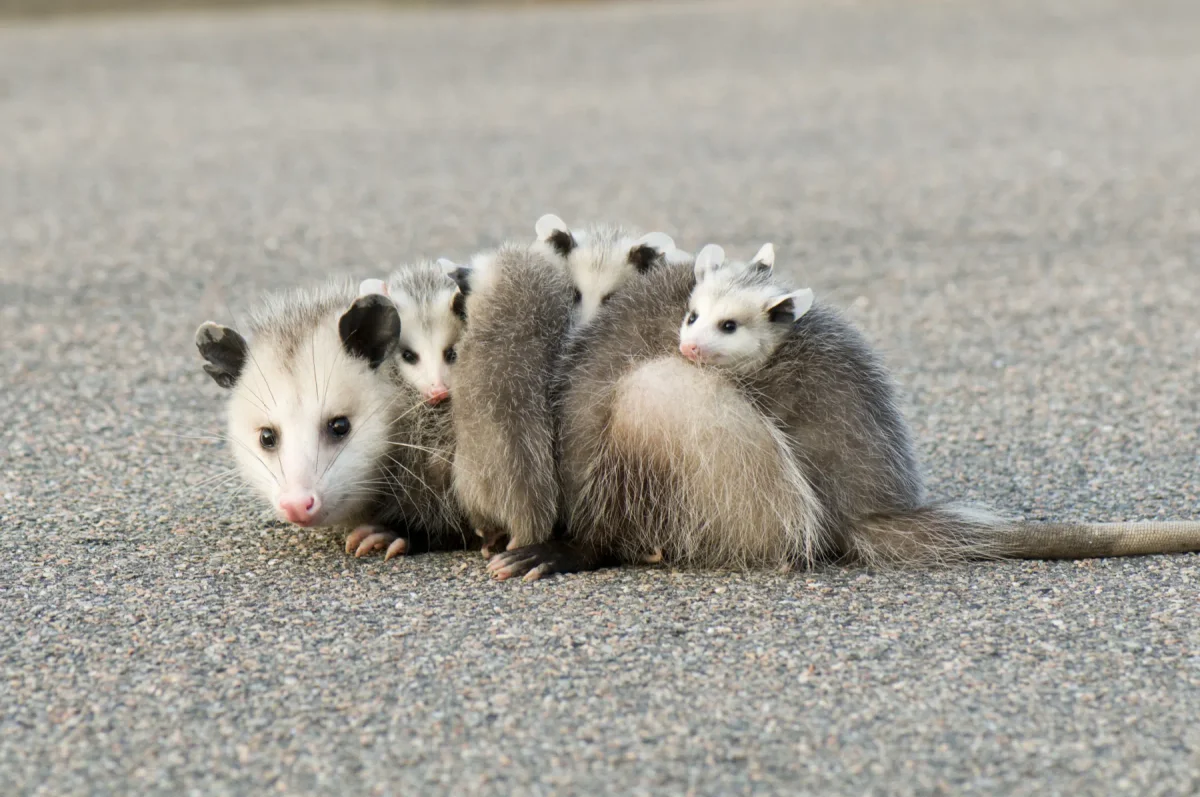
Opossum
Didelphis spp.
Paraguay lies within the natural range of several Didelphis species, which occupy both the humid eastern forests near the Paraná river and the drier Chaco region to the west. Known locally as "mbicuré," opossums are a recognized part of Paraguayan forest life. They are comfortable foraging near human settlements and are often spotted after dusk near fruit trees or garbage. Their conservation status is Least Concern.
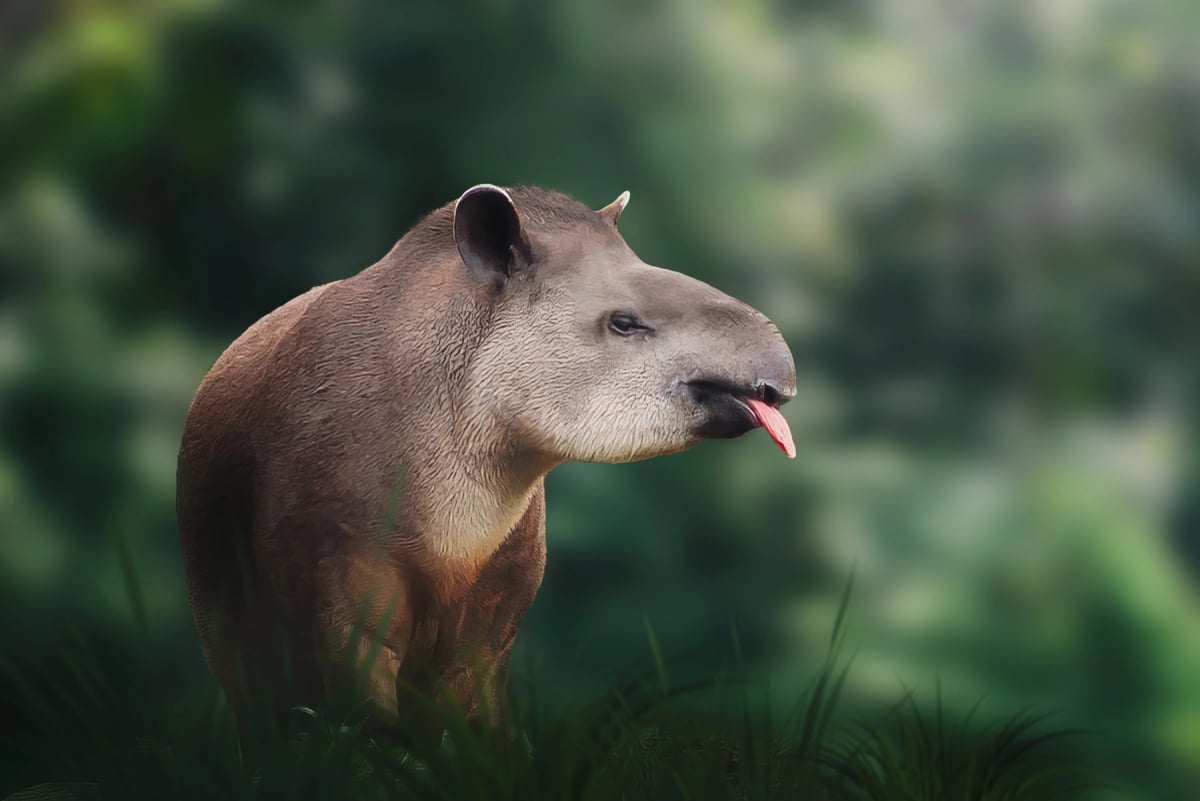
Tapir
Tapirus spp.
Paraguay is home to the South American tapir, which lives in the forests and wetlands of the eastern region as well as in the dry Chaco to the west. Rapid deforestation, particularly in the Gran Chaco, has reduced available habitat significantly in recent decades. Tapirs are also hunted for their meat in some rural areas. Efforts to protect remaining forest patches are essential for the species to survive in Paraguay.
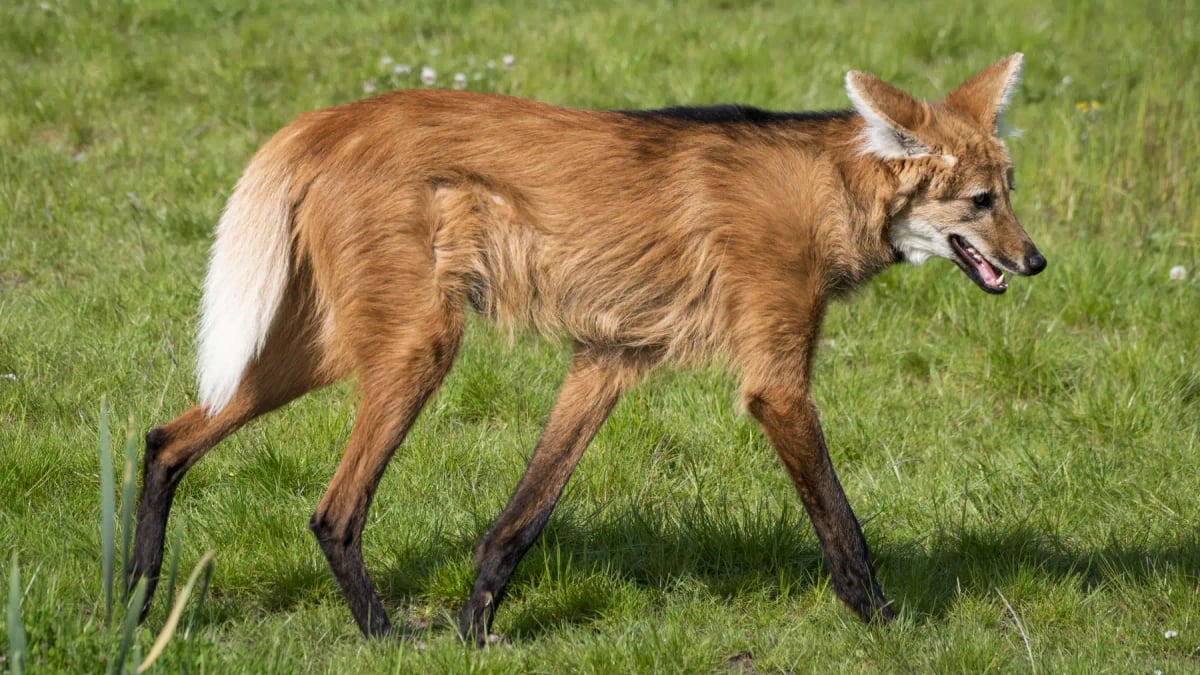
Maned Wolf
Chrysocyon brachyurus
In Paraguay, the maned wolf is found in the Cerrado and humid grasslands of the eastern region, as well as parts of the Chaco. It is a solitary animal that covers great distances each night in search of food. Deforestation and the expansion of farmland have significantly reduced its range within the country. It is considered vulnerable in Paraguay, and protected areas are critical to its continued presence.
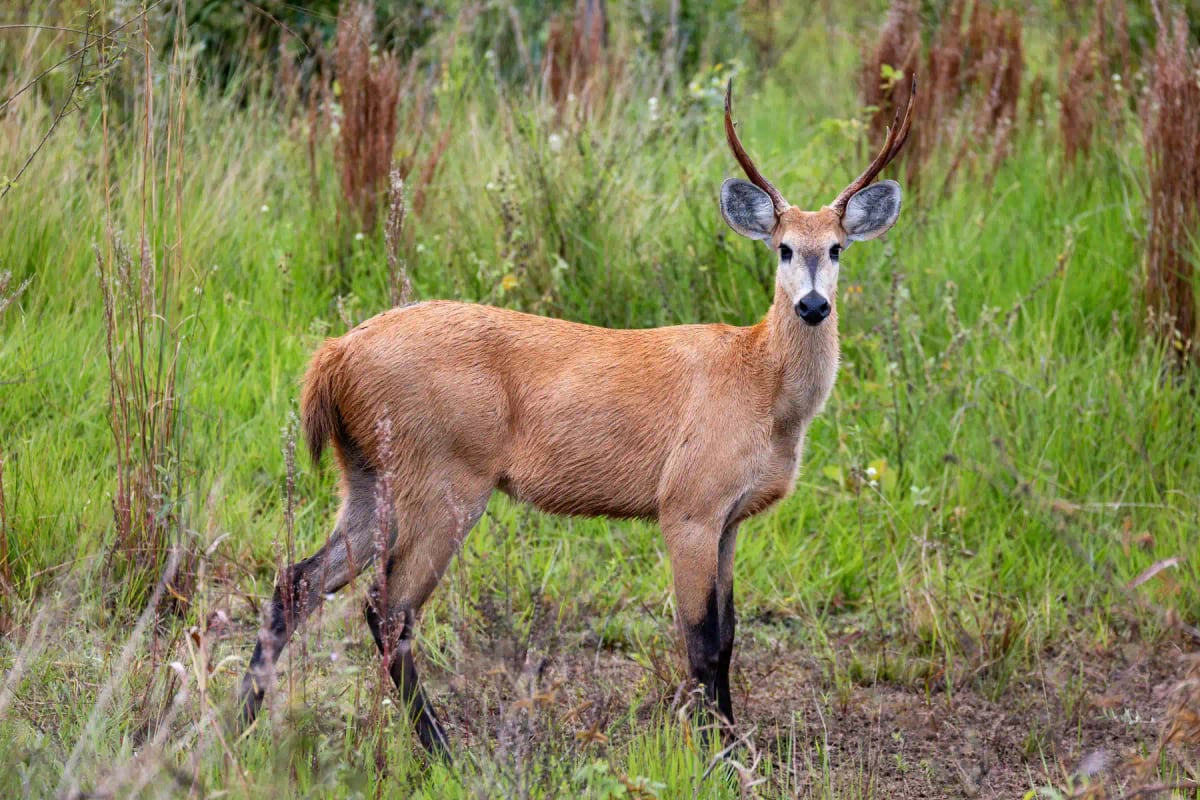
Marsh Deer
Blastocerus dichotomus
The marsh deer lives across the wetlands and river floodplains of Paraguay, where it feeds on grasses, aquatic herbs, and the stems of plants that grow at the water's edge. Adults can weigh over 150 kg and cross rivers with ease. Drainage of wetlands and disease spread by cattle have taken a heavy toll on local populations. The IUCN considers the species Vulnerable, with numbers continuing to decline across much of its range.
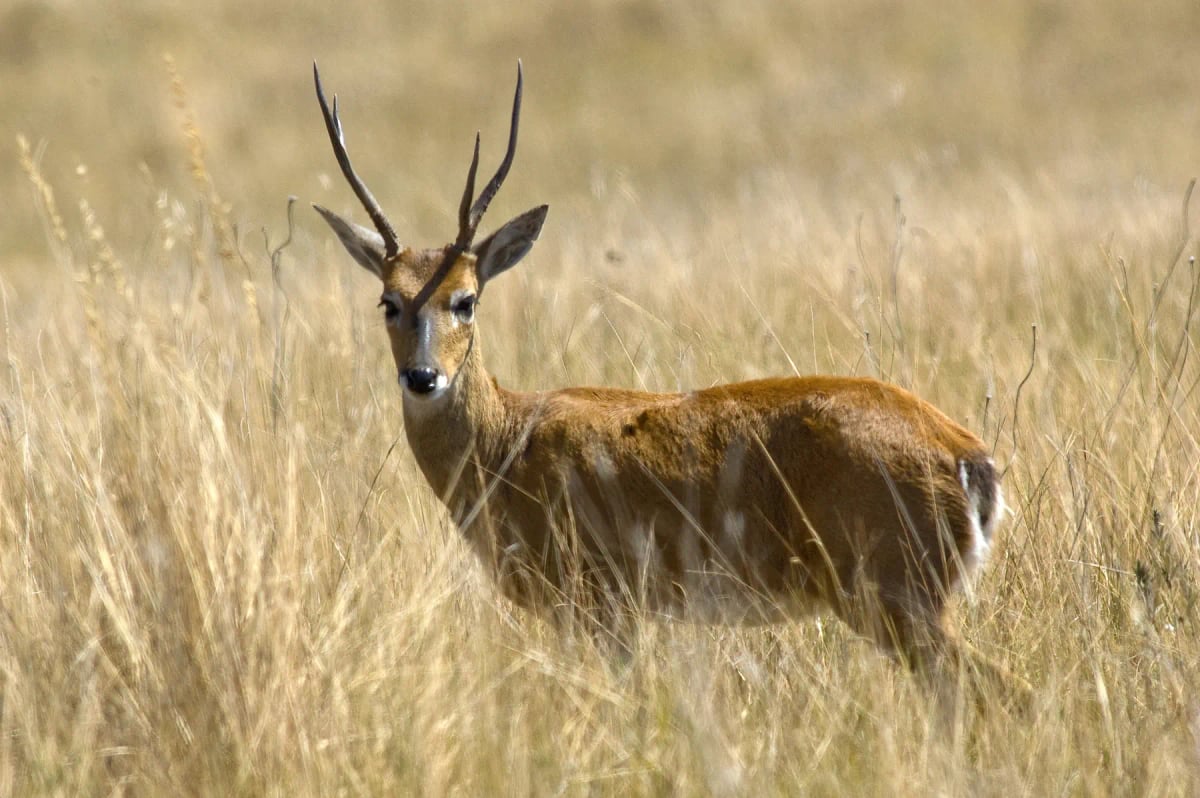
Pampas Deer
Ozotoceros bezoarticus
Paraguay's pampas deer live in the grasslands and open savannas of the eastern region, as well as in parts of the Chaco. The species is active mainly at dawn and dusk, feeding on grasses, herbs, and young shoots. Habitat loss due to agricultural expansion and hunting pressure have reduced populations significantly. Conservation programs in Paraguay aim to protect the native grassland ecosystems this deer depends on for its survival.
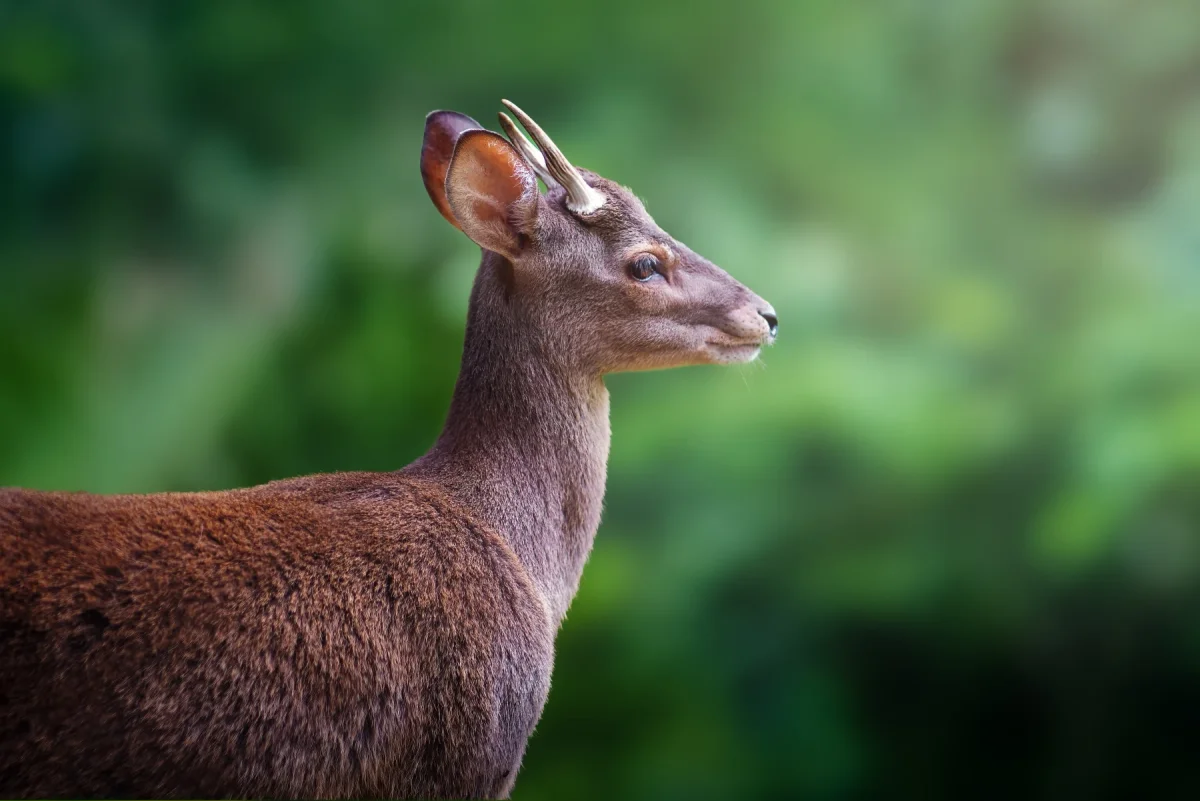
Brocket Deer
Mazama spp.
In Paraguay, brocket deer are found across the Atlantic Forest remnants of the east and the vast Chaco region to the west. The gray brocket is especially well adapted to the dry forests and scrublands of the Chaco, while the red brocket favors the more humid eastern forests. Deforestation in Paraguay has been among the fastest in the world in recent decades, making habitat preservation a critical concern for the survival of these deer over the long term.
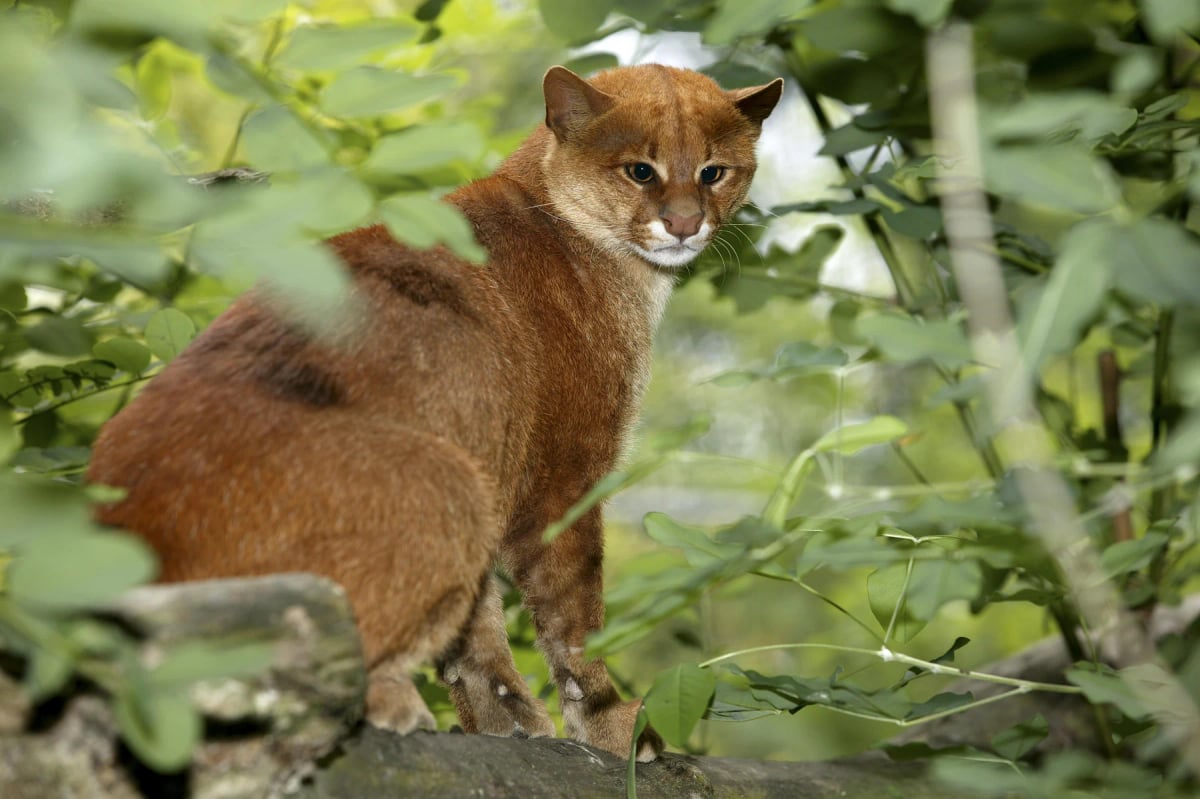
Jaguarundi
Herpailurus yagouaroundi
In Paraguay, the jaguarundi occupies the forests and shrublands of the Eastern Region as well as the dry Chaco to the west. It is a secretive animal despite being active during the day, and sightings are relatively uncommon. The IUCN considers it Least Concern, but in Paraguay the Atlantic Forest, once its prime habitat in the east, has been reduced to small fragments, making conservation of remaining forest patches critical.
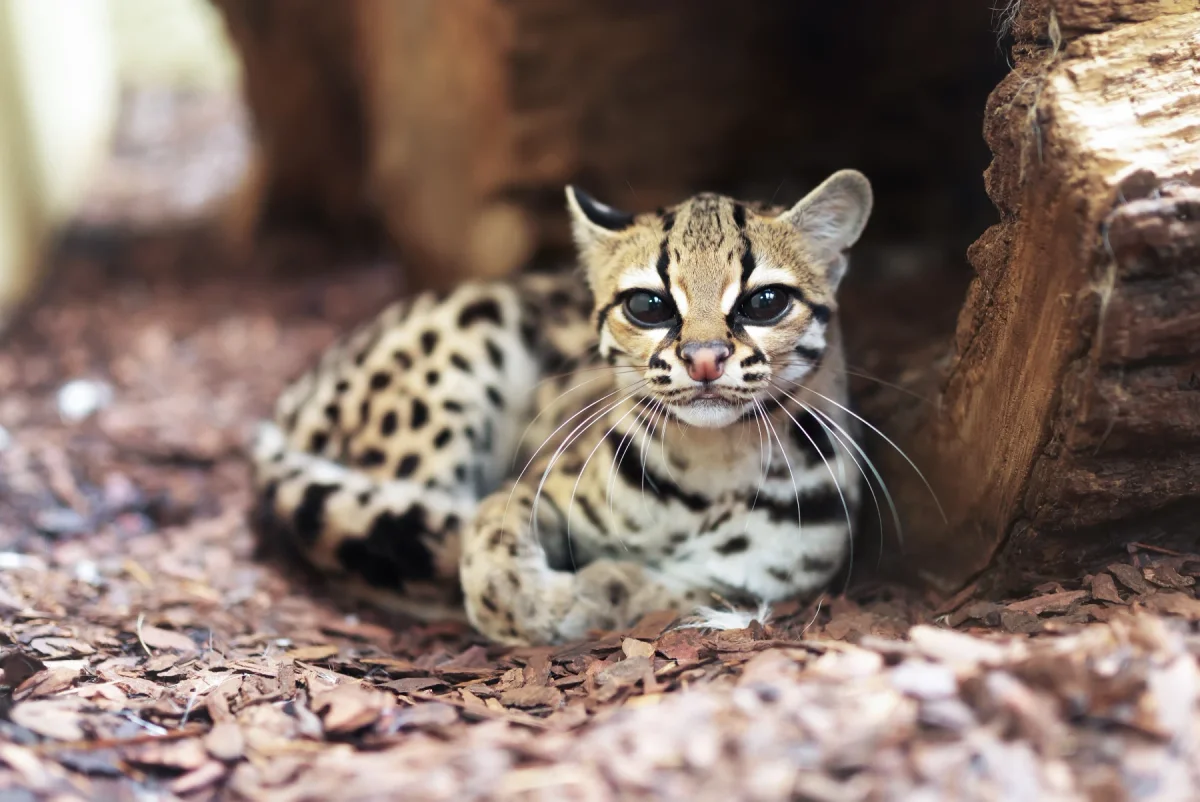
Margay
Leopardus wiedii
In Paraguay, the margay is found mainly in the Atlantic Forest fragments of the eastern region, one of the most threatened ecosystems in South America. Much of this forest has been cleared for agriculture, leaving the margay confined to scattered patches. It is a shy, tree-dwelling cat that hunts at night, rarely detected without camera traps. Protecting what remains of Paraguay's eastern forests is essential for this species. The IUCN lists it as Near Threatened.

Iguana
Iguana iguana
The green iguana reaches the southern limit of its natural range in Paraguay, found in the warm lowland forests of the eastern Chaco and the Atlantic Forest zone. It inhabits riverbanks along the Paraguay and Paraná rivers, basking in trees above the water. Populations here are less dense than in the tropical zones further north, and the species faces pressure from hunting and ongoing deforestation across the region.
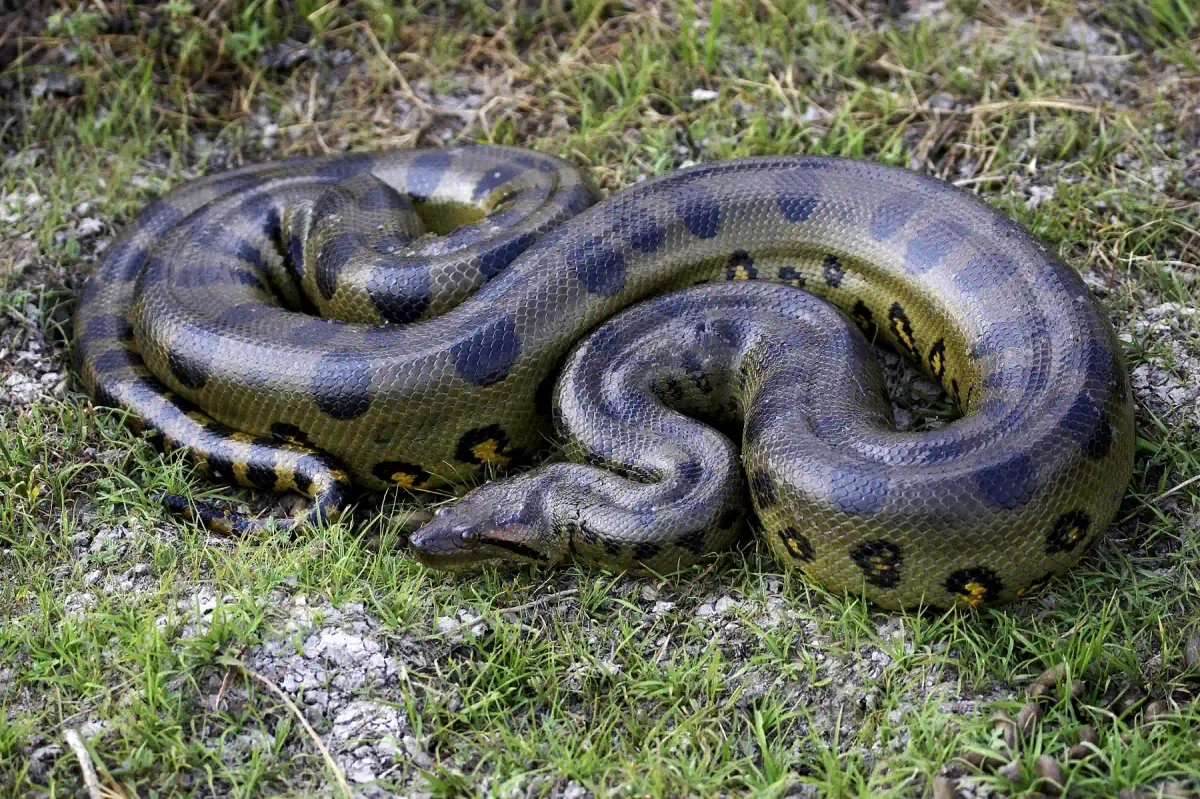
Anaconda
Eunectes murinus
The green anaconda reaches the southern limits of its range in Paraguay, where it is found in the humid Chaco and the wetlands of the northeastern part of the country. The Pantanal ecosystem extends into Paraguay and provides suitable habitat of flooded grasslands and gallery forests. Anacondas in Paraguay are less frequently encountered than in more northern parts of the range and face pressure from habitat conversion for agriculture.
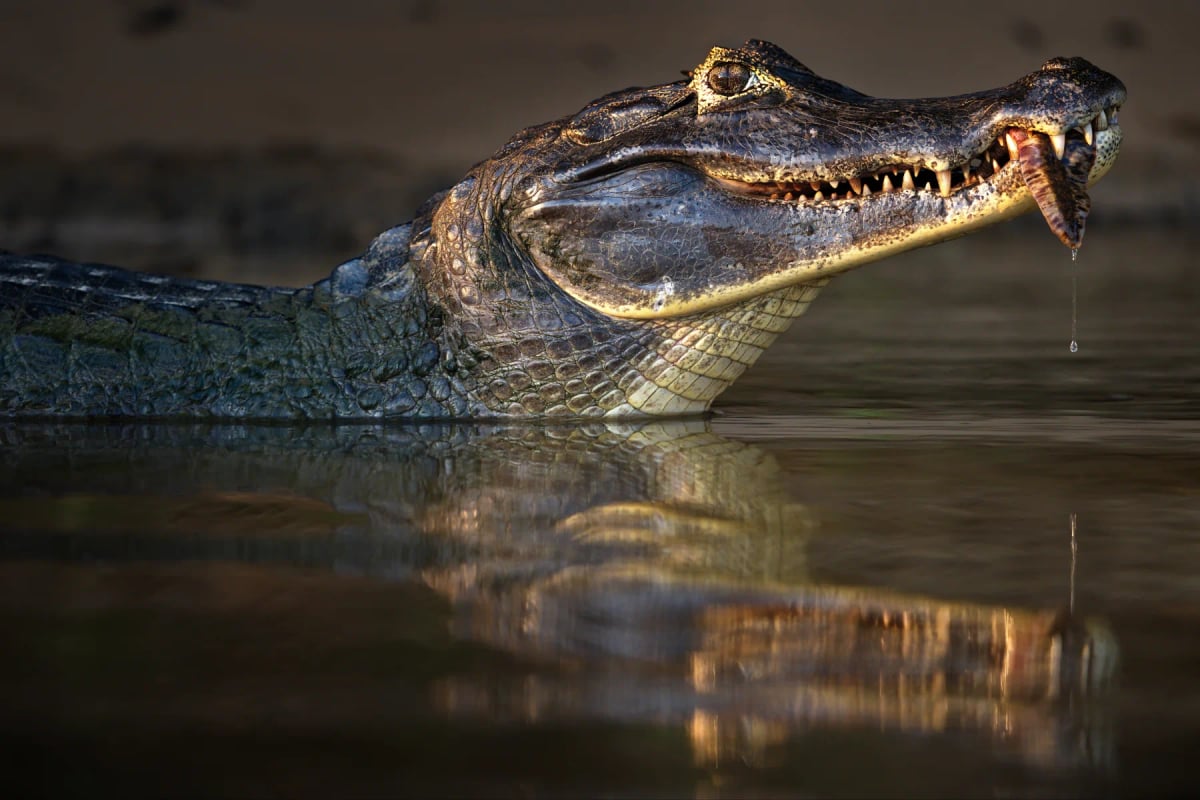
Caiman
Caiman spp.
Paraguay's yacare caiman populations are among the most notable in the continent, particularly in the wetlands of the Paraguayan Chaco and the country's portion of the Pantanal. These reptiles inhabit rivers, marshes, and seasonal lagoons throughout the lowlands. Regulated hunting programs introduced in the 1990s helped stabilize populations after decades of overexploitation. Caimans continue to serve as important regulators of aquatic food webs across Paraguayan wetlands.
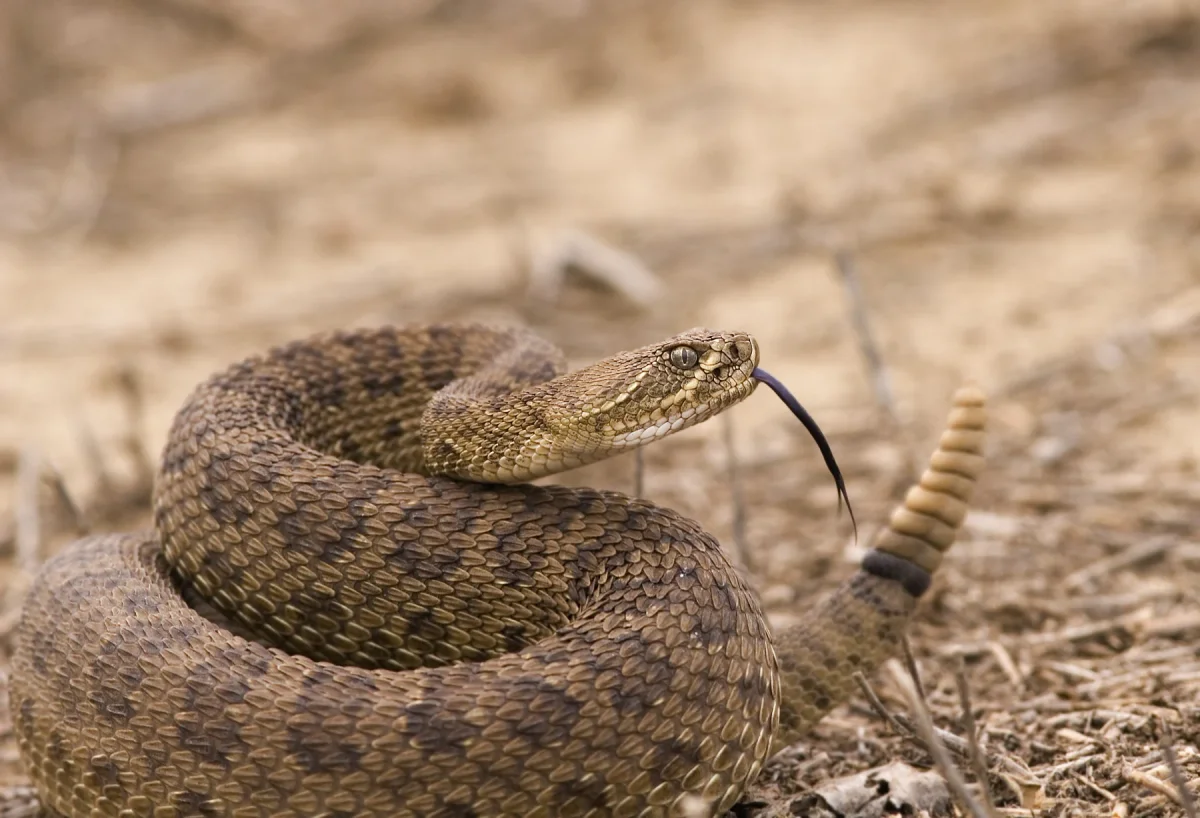
Rattlesnake
Crotalus spp. / Sistrurus spp.
Paraguay is home to Crotalus durissus, which thrives in the dry thorn forests and open grasslands of the Gran Chaco region in the west. The Chaco covers more than half of the country and provides ideal conditions for this ambush predator. Paraguayan ranching communities encounter them regularly, and fear-driven killing is common. Conservation efforts focus on educating rural populations about the snake's ecological value as a predator that helps keep rodent numbers in check. IUCN status: Least Concern.
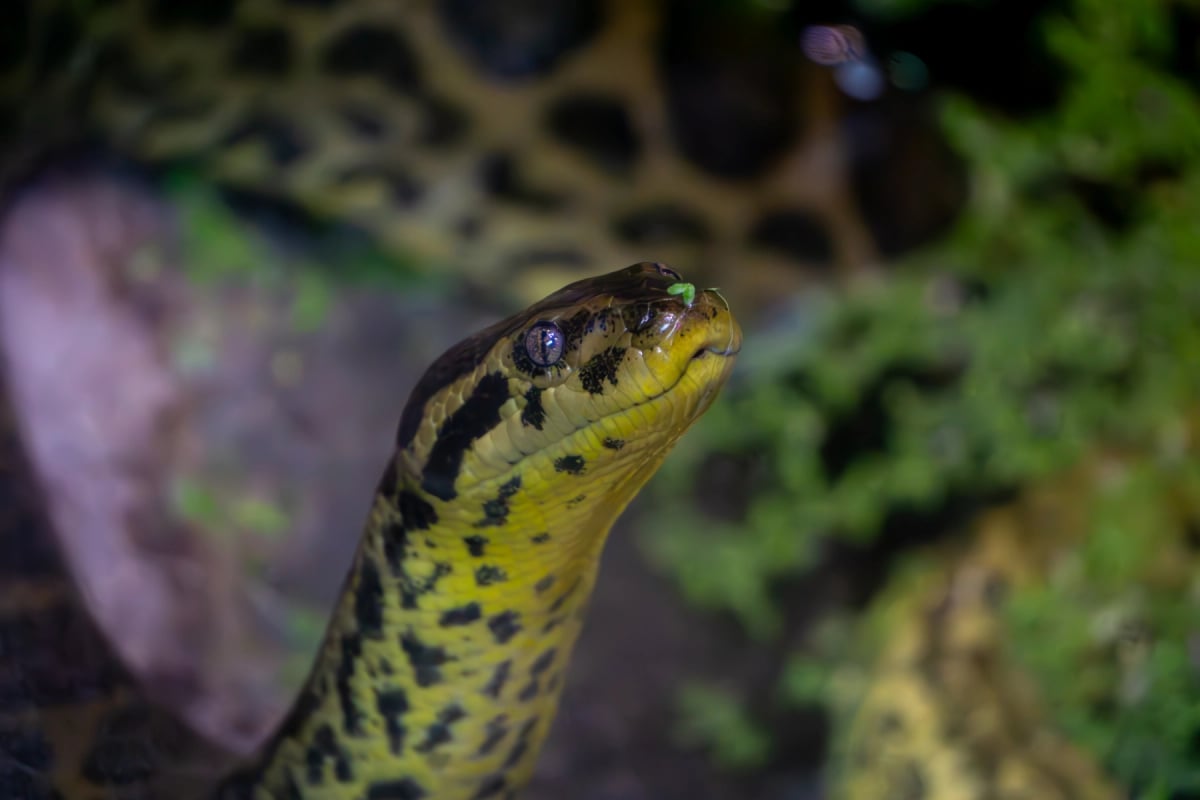
Yellow Anaconda
Eunectes notaeus
The yellow anaconda is one of the most iconic reptiles in Paraguay, closely tied to the wetlands of the Chaco and the Pantanal region near the eastern border. It lives in slow moving rivers, marshes and flooded grasslands, where it ambushes fish, birds and small mammals. Despite its size, it avoids humans and plays a key role in the balance of wetland ecosystems.
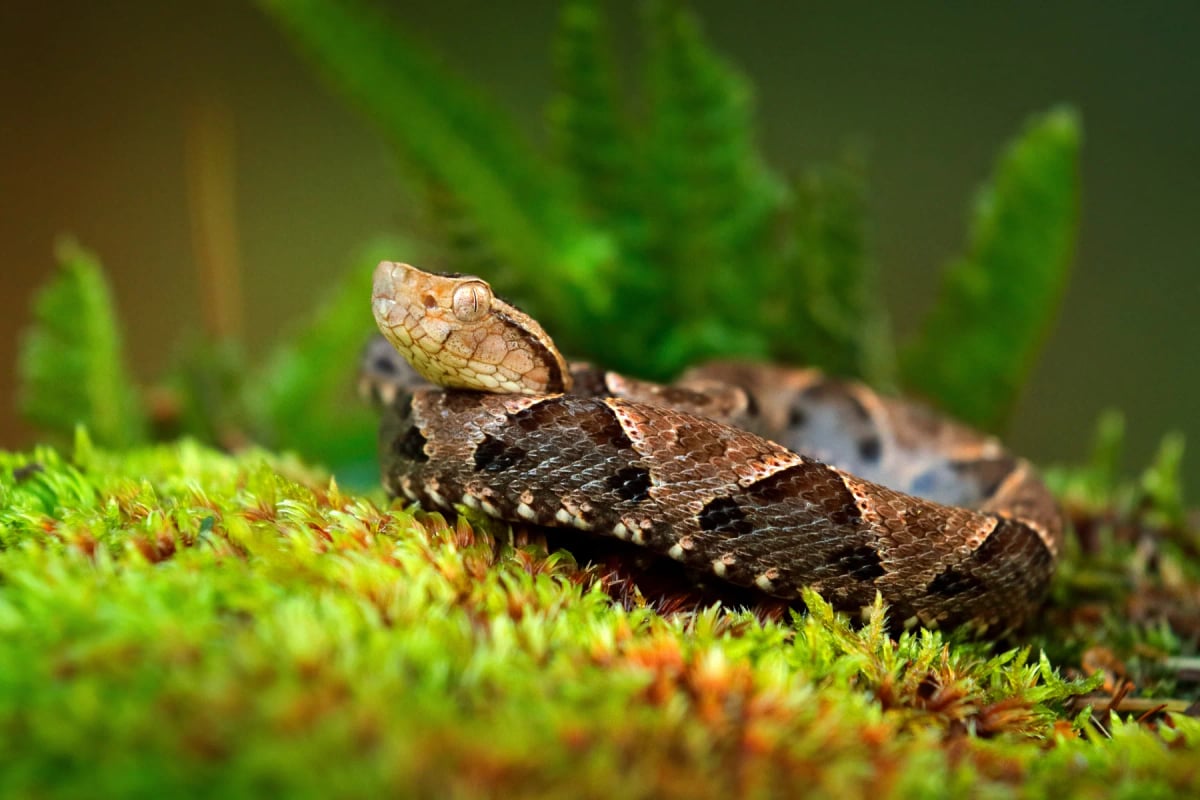
Lancehead
Bothrops spp.
In Paraguay, lanceheads are most commonly encountered in the humid forests of the eastern region, particularly in the Alto Paraná Atlantic Forest, one of the most threatened ecosystems in South America. Bothrops alternatus, known locally as the urutu, is among the species present. Agricultural expansion has reduced forest cover but lanceheads persist in remaining patches and forest edges, where they continue to control rodent populations.
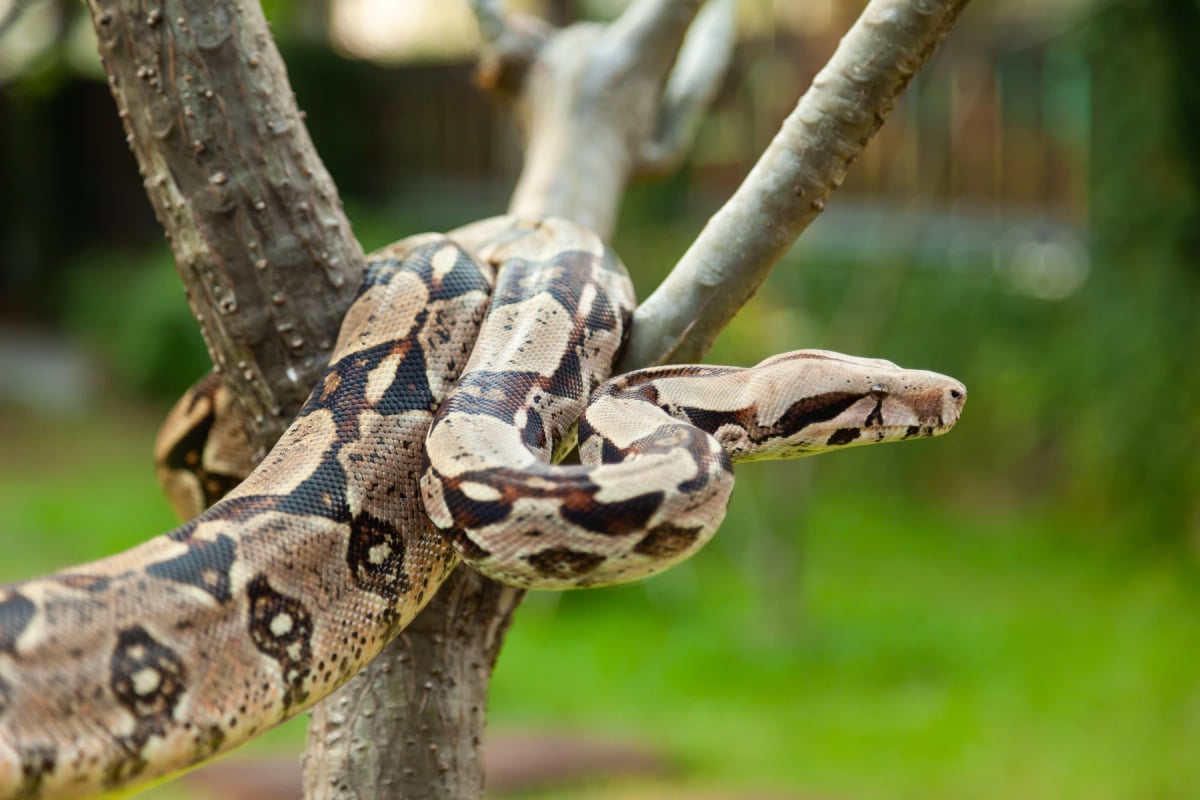
Boa Constrictor
Boa constrictor
In Paraguay, the boa constrictor is found mainly in the humid forests of the eastern region and in the dry Chaco woodlands to the west. It is one of the largest snakes recorded in the country. Listed as Least Concern by the IUCN, it faces serious pressure from the dramatic rate of forest loss in Paraguay, particularly in the Chaco, which has seen some of the highest deforestation rates in South America in recent decades.
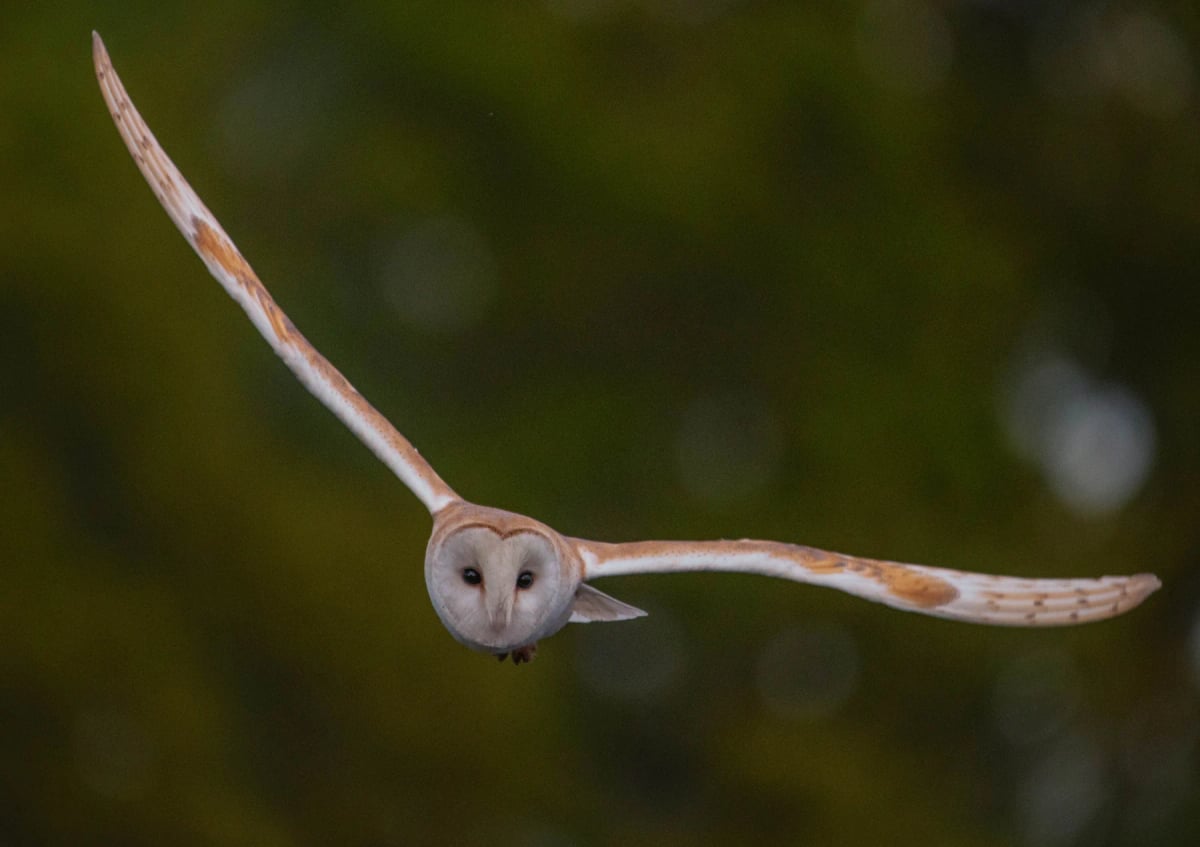
Barn Owl
Tyto alba
The barn owl is found across Paraguay in open farmland, grassland, and the outskirts of towns and villages throughout the country, from the humid eastern region to the dry Chaco in the west. It nests in old buildings, hollow trees, and cliff faces, and hunts rodents at night. In the agricultural communities of eastern Paraguay, where soy and cattle farming dominate, it plays a useful role in controlling the small mammal populations that damage crops and stored grain. It is one of the more commonly encountered owls in the country.
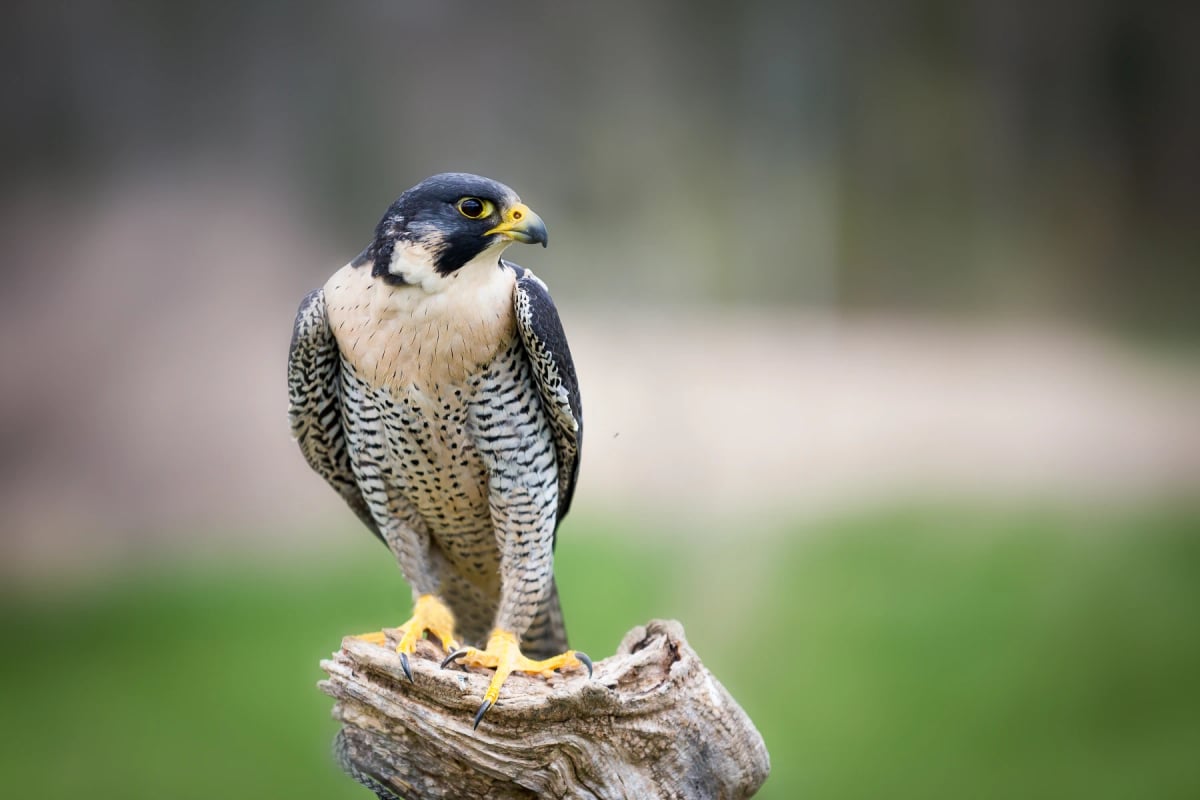
Peregrine Falcon
Falco peregrinus
The peregrine falcon visits Paraguay as a non-breeding migrant, arriving from North American breeding grounds during the austral summer. It travels through the country's open grasslands and along river systems such as the Paraguay and Paraná rivers. Though not a resident breeder here, it is a reliable seasonal presence, hunting small birds across the Chaco and eastern forested regions. Its IUCN status is Least Concern.
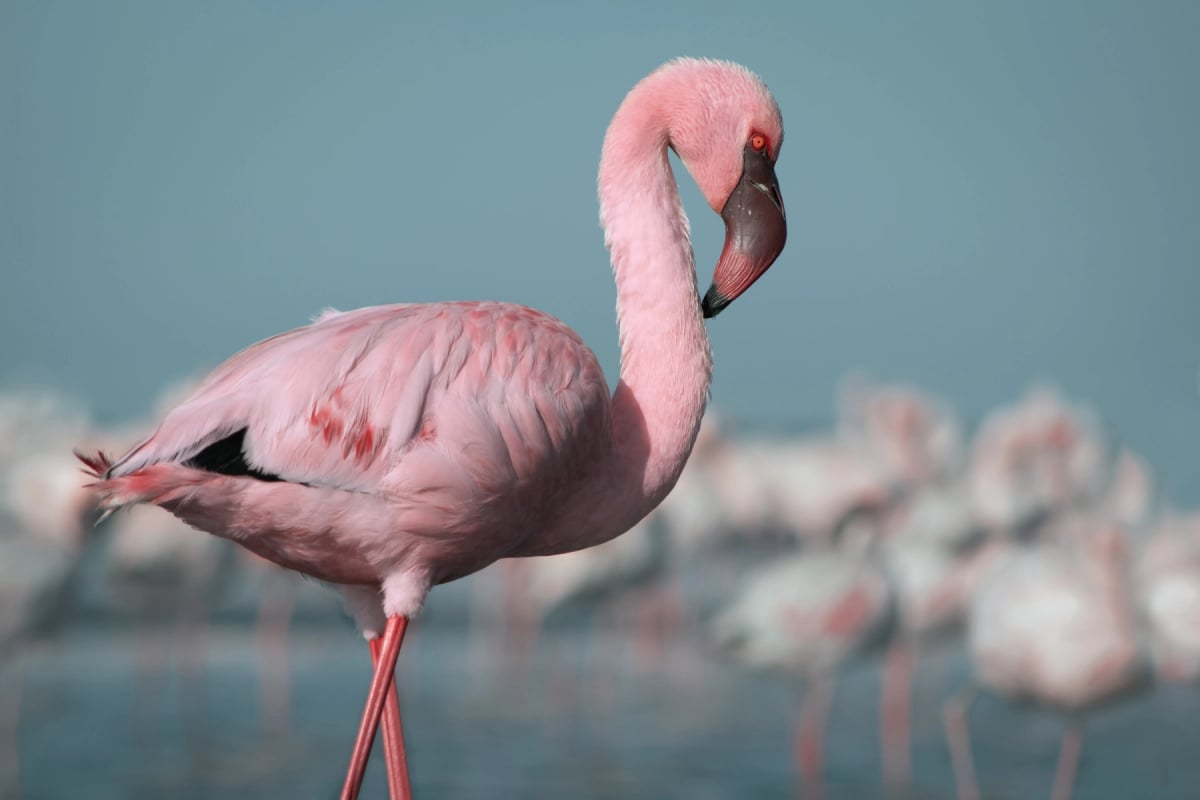
Flamingo
Phoenicopteridae (6 species)
The Chilean flamingo lives in Paraguay, mostly in the Chaco of the west, where salty lagoons form in the flat, dry plains after rain. Flocks feed in these shallow lagoons, filtering small invertebrates and algae, and their numbers change a lot from year to year with rainfall. The Chilean flamingo is the only flamingo in Paraguay, and it is listed as Near Threatened. IUCN status: Near Threatened.
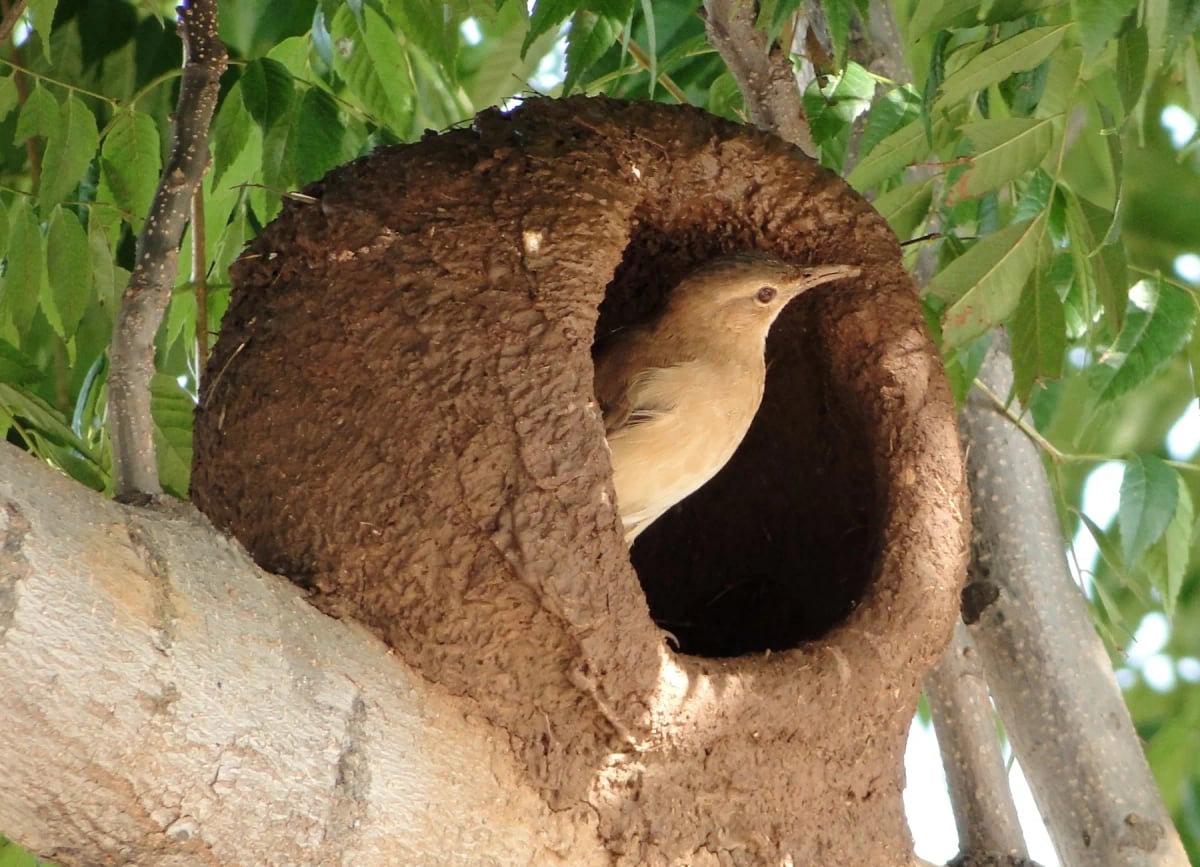
Hornero
Furnarius rufus
In Paraguay, the rufous hornero is a common presence in the grasslands and open woodlands of the Chaco and the eastern region. It forages on the ground near farms and villages, picking invertebrates from the soil. Its sturdy mud nest is a familiar sight on fence posts and low branches throughout the country. Populations are stable and the species faces no significant threats. Its IUCN status is Least Concern.
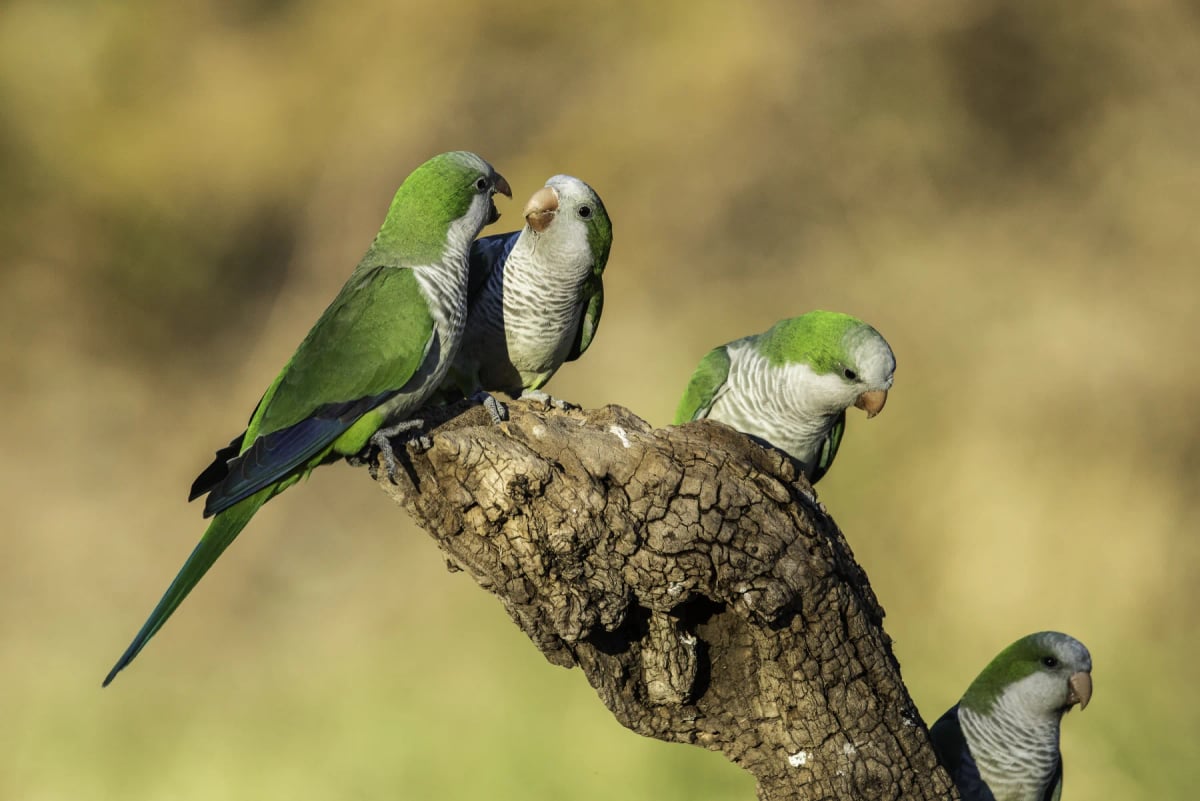
Monk Parakeet
Myiopsitta monachus
Paraguay is part of the monk parakeet's core native range. The bird is widespread across the country's open woodlands, grasslands, and agricultural zones, especially in the Chaco and Eastern Region. It nests communally in trees and on human made structures, with colonies that can hold dozens of birds. Its loud calls make it one of the most noticeable birds in the Paraguayan countryside. IUCN status: Least Concern.
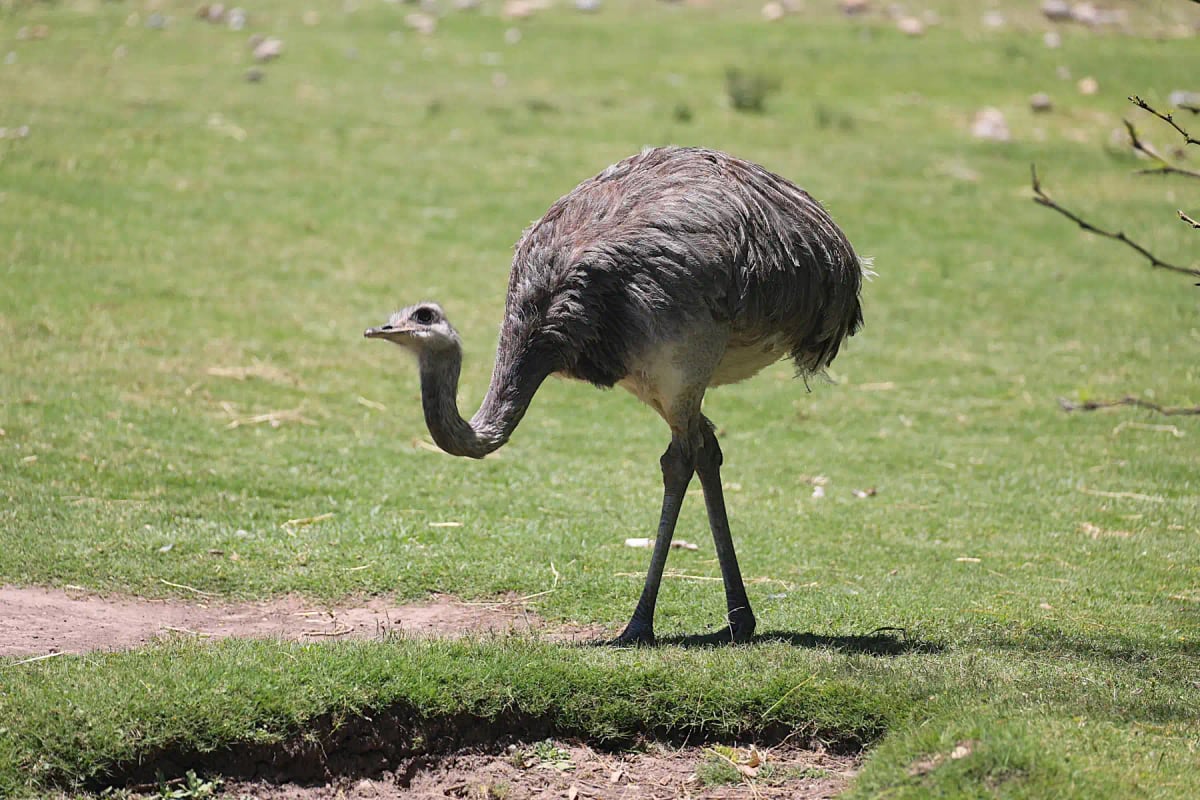
Rhea
Rhea americana
The greater rhea is the largest bird native to South America, reaching up to 1.5 metres in height. In Paraguay, it lives across the grasslands and dry forests of the Chaco and the eastern region. It shares much of its range with livestock farms. A male courts several females, then incubates all their eggs in a single ground nest and raises the chicks on his own. Its IUCN status is Near Threatened.
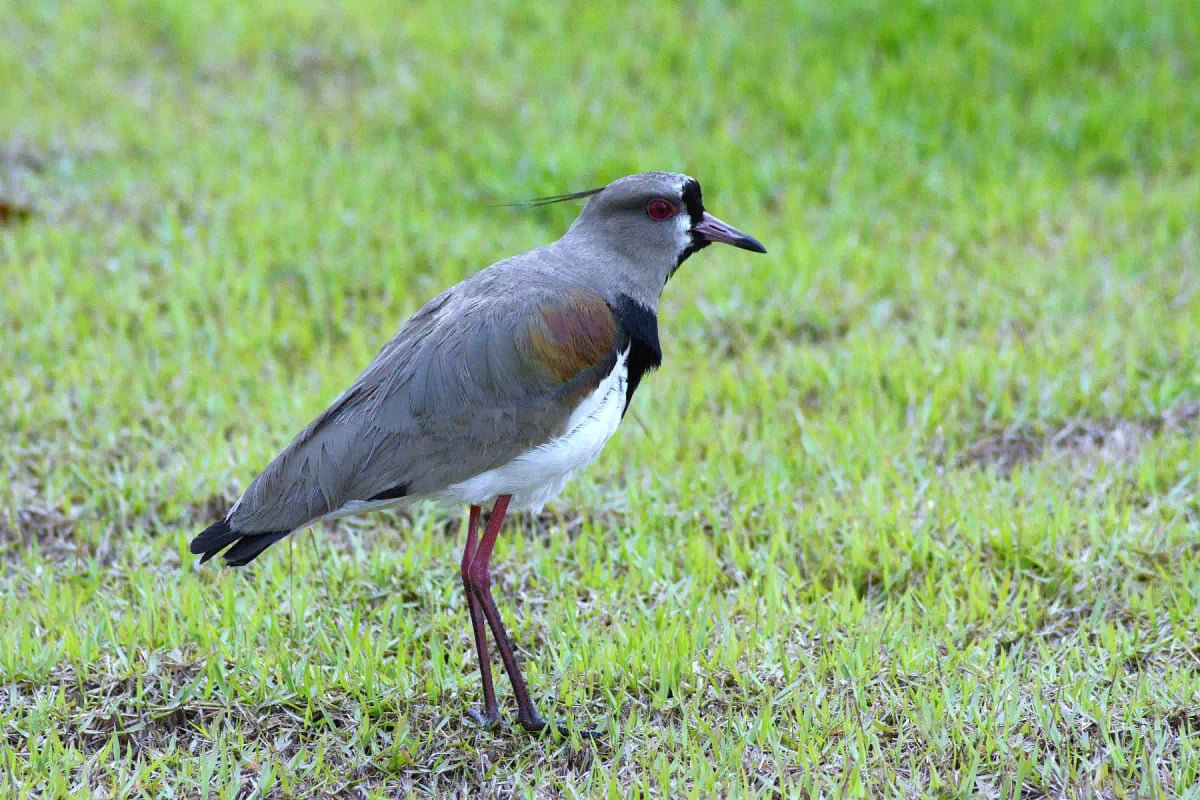
Southern Lapwing
Vanellus chilensis
The southern lapwing is abundant throughout Paraguay, present in the grasslands and wetlands of the Chaco as well as the agricultural regions of the eastern part of the country. Known locally as the tero-tero, it is a familiar sound on Paraguayan farms and roadsides. It nests on bare ground and defends its territory loudly and fearlessly. Its IUCN status is Least Concern.
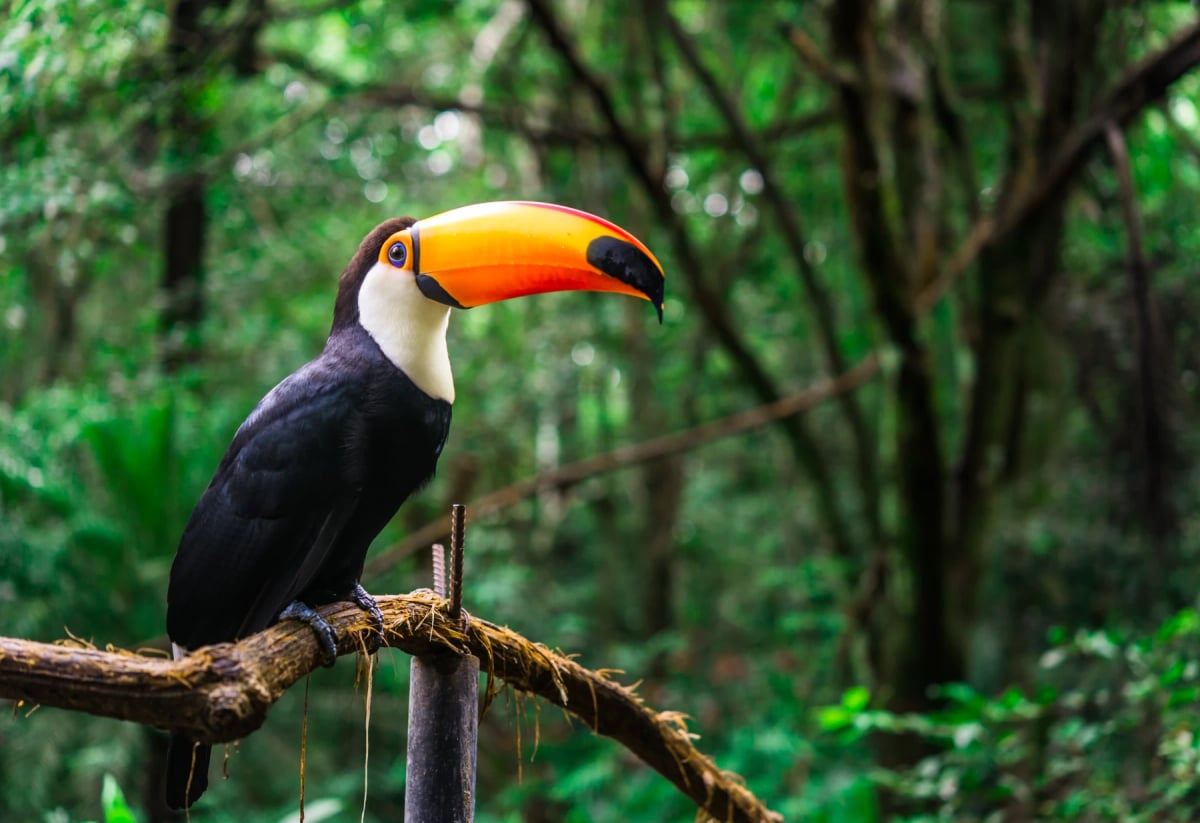
Toucan
Ramphastos spp.
In Paraguay, toucans are found mainly in the forested regions of the east, particularly in the Upper Paraná Atlantic Forest, one of the most threatened ecosystems in South America. The toco toucan is the species most often spotted here, moving through the remaining forest patches and wooded areas near rivers. Ongoing deforestation in eastern Paraguay has reduced their habitat significantly, making forest conservation efforts essential for their continued presence. IUCN status: Least Concern.
Bellbird
Procnias nudicollis
Paraguay's eastern region holds the westernmost populations of this species, within the country's remaining Atlantic Forest. Severe habitat loss has left these birds dependent on scattered forest remnants. The male's extraordinary metallic call, among the loudest of any bird on Earth, can carry over a kilometer through the remaining canopy, making it easier to detect than to see in dense vegetation.
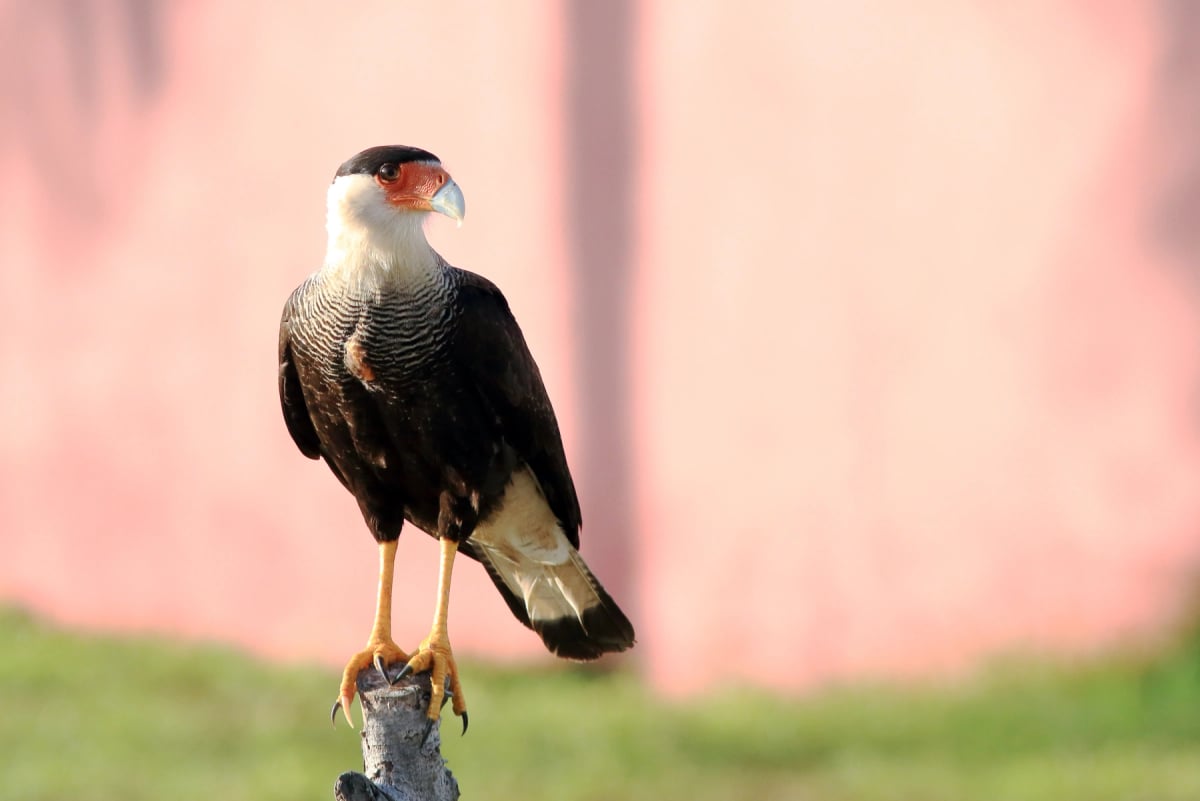
Southern Caracara
Caracara plancus
The southern caracara, called carancho in Paraguay, is one of the easiest birds of prey to see in the country. It lives both in the Chaco in the west and in the grasslands and wetlands of the east. It is part of everyday life in the countryside, where it walks among cattle, sits on fence posts and gathers at dead animals. The open plains of the Chaco suit it well, since it finds most of its food on foot.
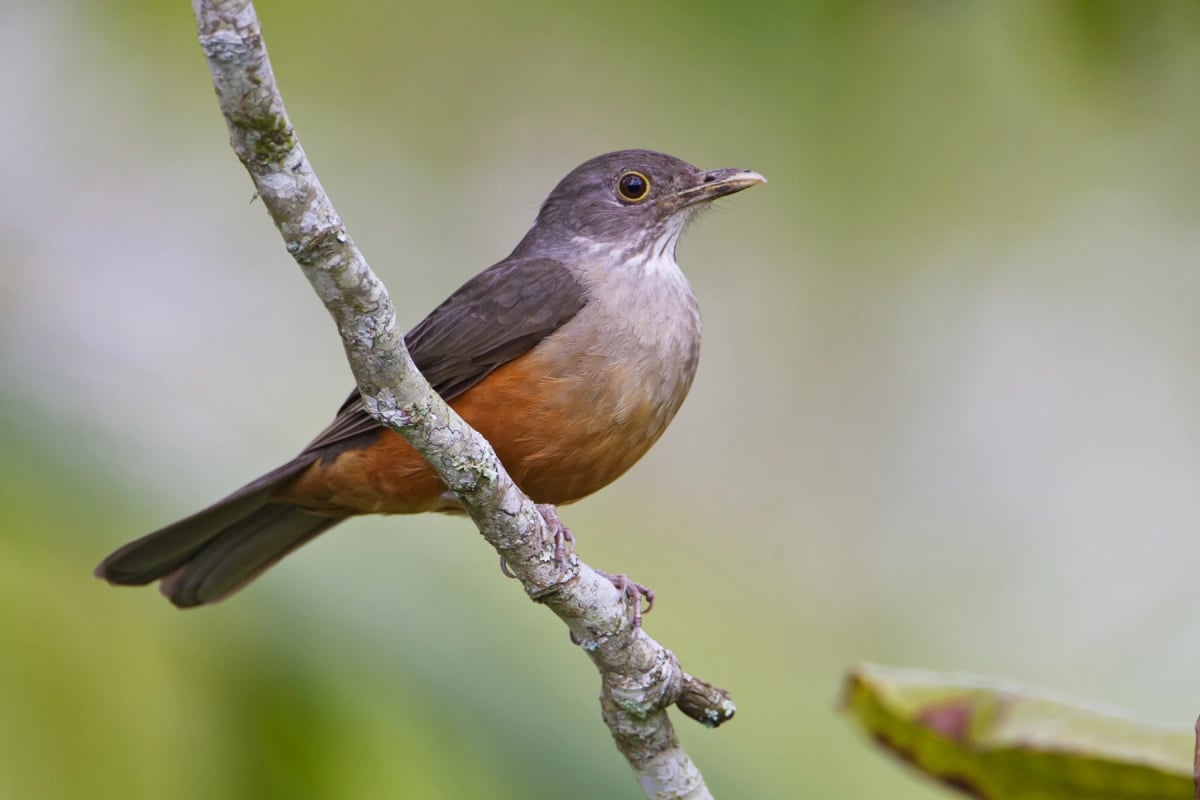
Rufous bellied Thrush
Turdus rufiventris
In Paraguay, the rufous bellied thrush is found across the eastern region, particularly in the remnant Atlantic Forest patches of the Paraná plateau and along gallery forests in the interior. It moves comfortably between natural woodland and the green spaces of Asunción and other towns. On the ground it searches leaf litter for invertebrates, while in fruiting trees it feeds alongside other species of thrush.
Frequently Asked Questions
What animals live in Paraguay?
Paraguay's animals include jaguars, cougars, ocelots, margays, jaguarundis, tapirs, capybaras, anteaters, armadillos, opossums, hares, maned wolves, marsh deer, pampas deer and brocket deer. Its birds include the bellbird, toucans, rheas, horneros, monk parakeets, southern lapwings, caracaras, rufous bellied thrushes, barn owls and peregrine falcons. Its reptiles include caimans, anacondas, yellow anacondas, boa constrictors, iguanas, rattlesnakes and lanceheads. Most of them live in the Chaco, in the wetlands along the rivers, or in the Atlantic forest of the east.
What is the national animal of Paraguay?
The national bird of Paraguay is the bellbird, known as pájaro campana in Spanish and guyra campana in Guaraní, declared a national symbol in 2004. The male is white with a bare blue throat and sings from the treetops with a metallic note like a bell, which can be heard more than a kilometer away. It lives in the Atlantic forest of eastern Paraguay and has become rare as that forest has been cleared. Paraguay has no other animal named a national symbol by law, although the jaguar appears in many stories and place names.
What animals live in the Paraguayan Chaco?
The Chaco covers the western half of Paraguay: a hot, dry and thorny plain with very few people, and one of the wildest places left in South America. Jaguars are still relatively common there, especially in Alto Paraguay, along with cougars, maned wolves, giant anteaters, armadillos, brocket deer and rheas. Snakes are everywhere, from boa constrictors to rattlesnakes and lanceheads. Defensores del Chaco is the largest national park in the country, and camera traps are used there to follow jaguars and their prey.
Are there jaguars in Paraguay?
Yes. Around 1,500 jaguars are thought to survive in Paraguay, and most of them live in the Chaco, in the west of the country. The jaguar is the largest cat in the Americas and hunts capybaras, caimans, armadillos and deer. It is a protected species: hunting it has been banned for decades, but deforestation for cattle ranching and conflicts with ranchers are still the main threats. Jaguars also live in the forests of the east and in the wetlands along the Paraguay River, although they are much rarer there.
What dangerous animals live in Paraguay?
The most dangerous animals in Paraguay are venomous snakes: lanceheads, called yarará, and rattlesnakes, which live in tall grass, farm fields and the dry scrub of the Chaco. Most bites happen to rural workers, and hospitals carry antivenom. Jaguars and cougars live in the Chaco and the eastern forests, but they avoid people and attacks are extremely rare. Caimans rest along rivers and ponds, and anacondas and boa constrictors hunt in the wetlands; neither is venomous and both are rarely a threat if left alone.
Researched and written by Juan Pablo. Sources: IUCN Red List, scientific literature and regional field guides. Last updated: .