Animals in Lesotho
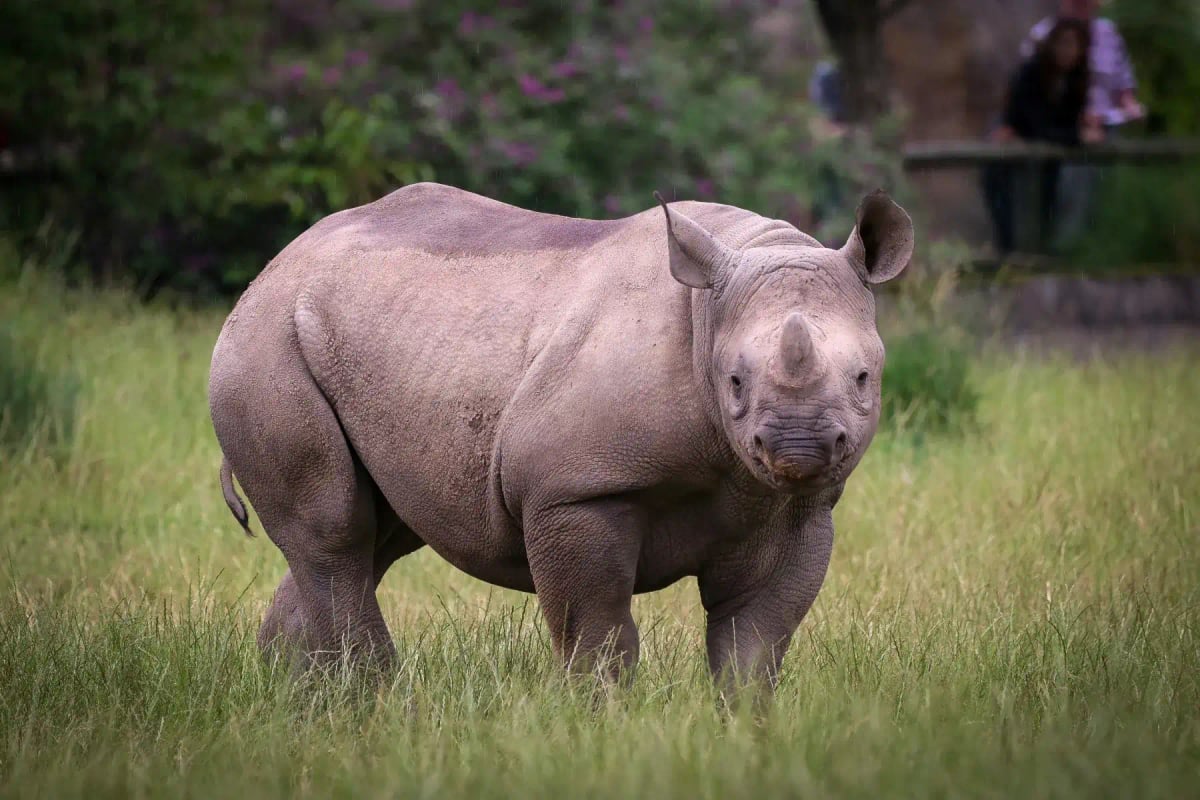
Black Rhinoceros
Diceros bicornis
The black rhinoceros, considered a historic symbol of Lesotho, represents strength and perseverance. Though rarely seen today, it reminds people of the region’s wildlife heritage and the shared effort in southern Africa to protect endangered species and restore their natural habitats.
View details→Wildlife in Lesotho
Lesotho’s wildlife is shaped by its mountains and cool climate. Falcons, eagles and cranes soar above valleys and cliffs, while small mammals and reptiles live among rocky slopes. The country’s national parks and hiking routes attract travelers who enjoy observing highland birds and quiet alpine landscapes.
Most Dangerous Animals in Lesotho
Lesotho’s wildlife poses little danger to visitors, as large predators are mostly absent. The main challenges come from weather and terrain, where cold temperatures and steep paths demand caution. Respecting the environment helps ensure a safe and pleasant experience in nature.
Top 10 Animals in Lesotho
Birdlife defines much of Lesotho’s natural charm. Raptors, cranes and storks are common sights in open skies and wetlands. Visitors interested in birdwatching or mountain hiking often find the country’s peaceful landscapes ideal for observing nature away from the busy safari routes of southern Africa.
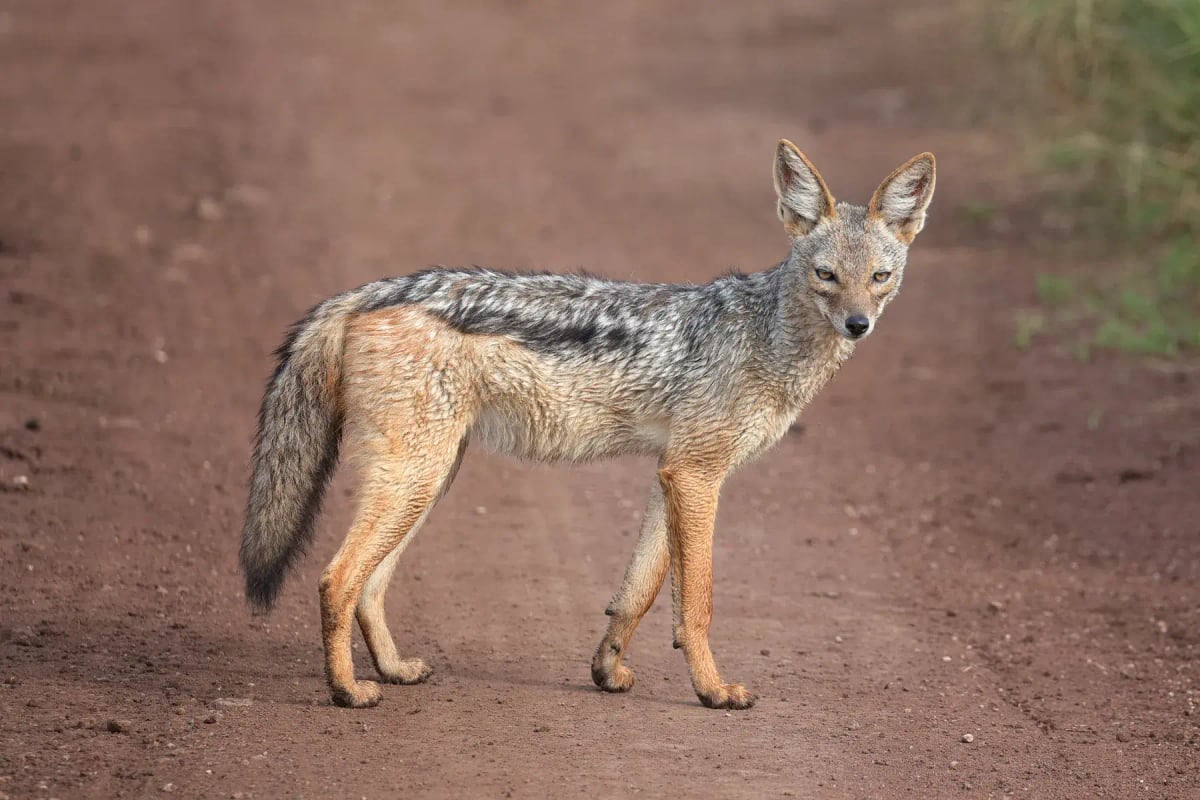
Black backed Jackal
Canis mesomelas
The black backed jackal is present in Lesotho's highland grasslands and the lower altitude valleys that border South Africa. It is considered a problem predator by sheep farmers in the region and is subject to ongoing lethal control. Despite this pressure, the species maintains stable numbers. Its IUCN status is Least Concern. The rugged mountain terrain of the Maluti and Drakensberg foothills provides some refuge from direct persecution.
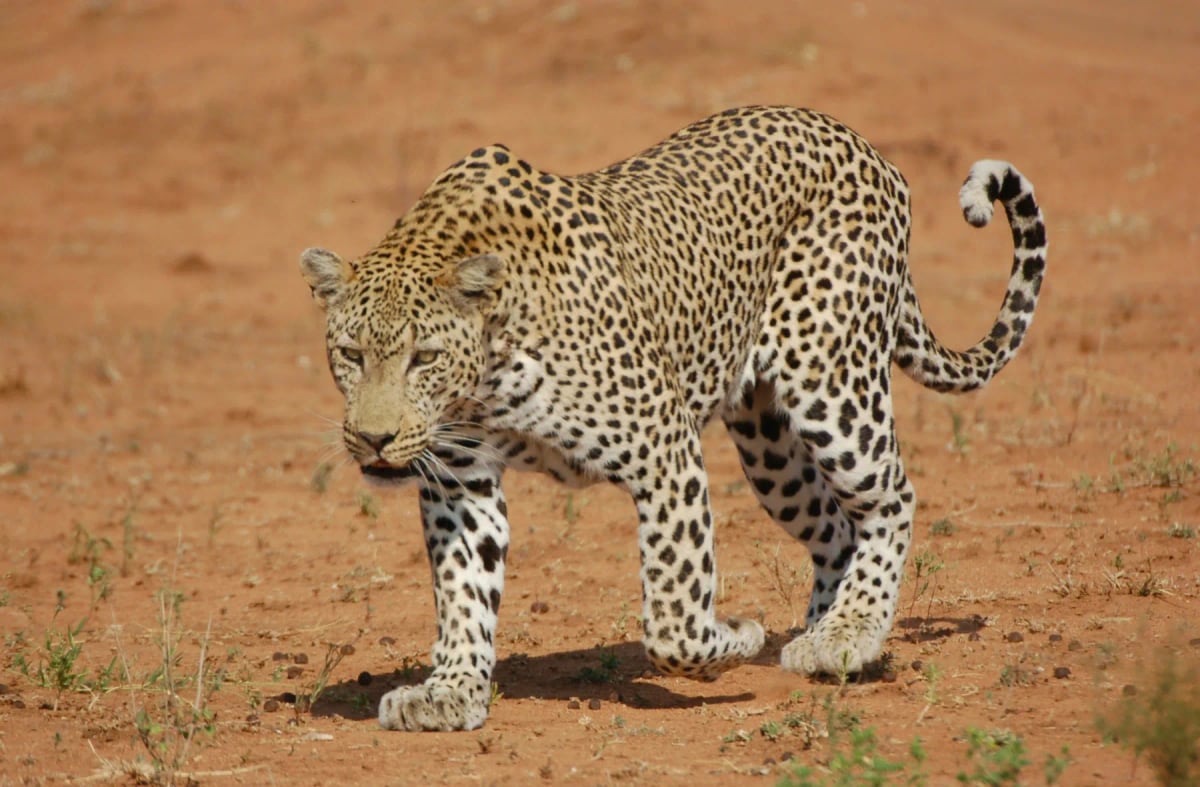
Leopard
Panthera pardus
Lesotho's rugged mountain terrain, part of the Maloti-Drakensberg range, provides refuge for a small leopard population. These leopards live at high altitudes and prey mainly on rock hyraxes, small antelopes, and livestock, which brings them into frequent conflict with local herders. Their survival in Lesotho depends on reducing this conflict. The species is listed as Vulnerable on the IUCN Red List.
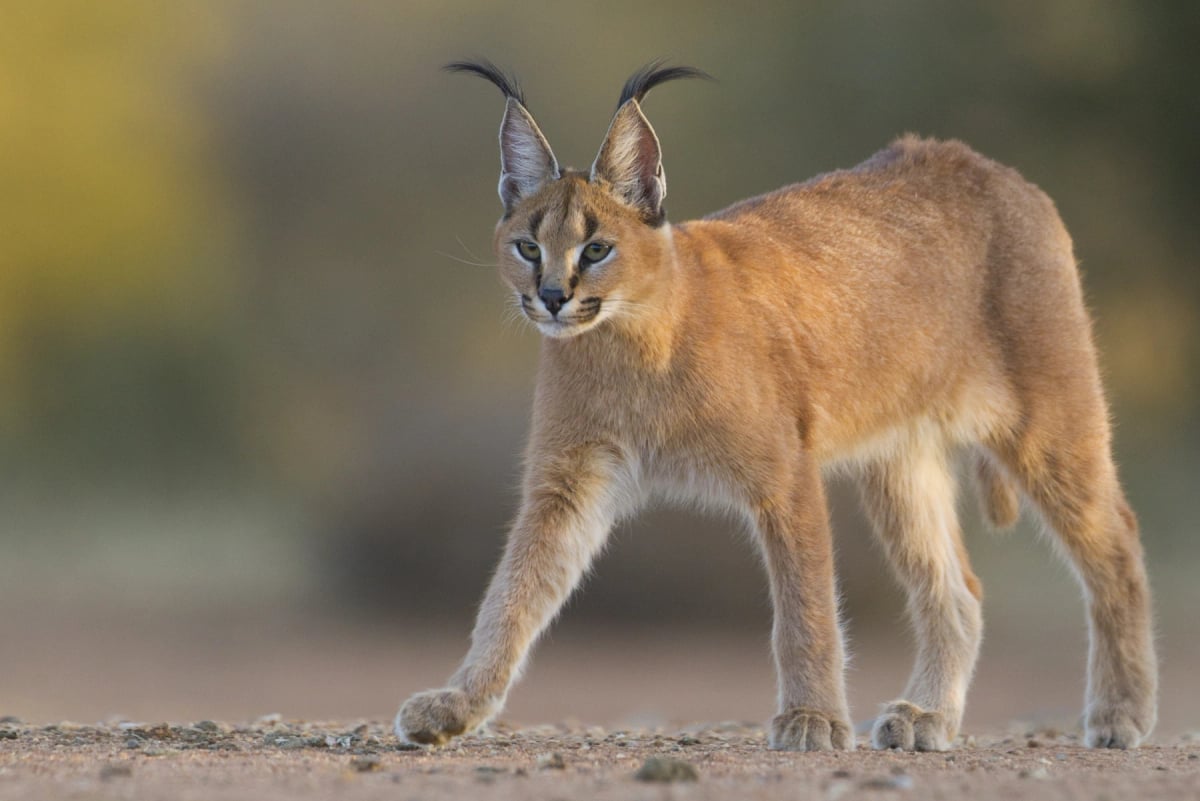
Caracal
Caracal caracal
In Lesotho, the caracal inhabits the mountain grasslands and rocky terrain of this landlocked highland kingdom. It is one of the more frequently reported wild cats in the country, though it comes into regular conflict with shepherds and livestock farmers across the mountain pastures. Lambs and small livestock are occasionally taken, leading to retaliatory killings. The IUCN lists the species as Least Concern globally, but local persecution is an ongoing challenge.
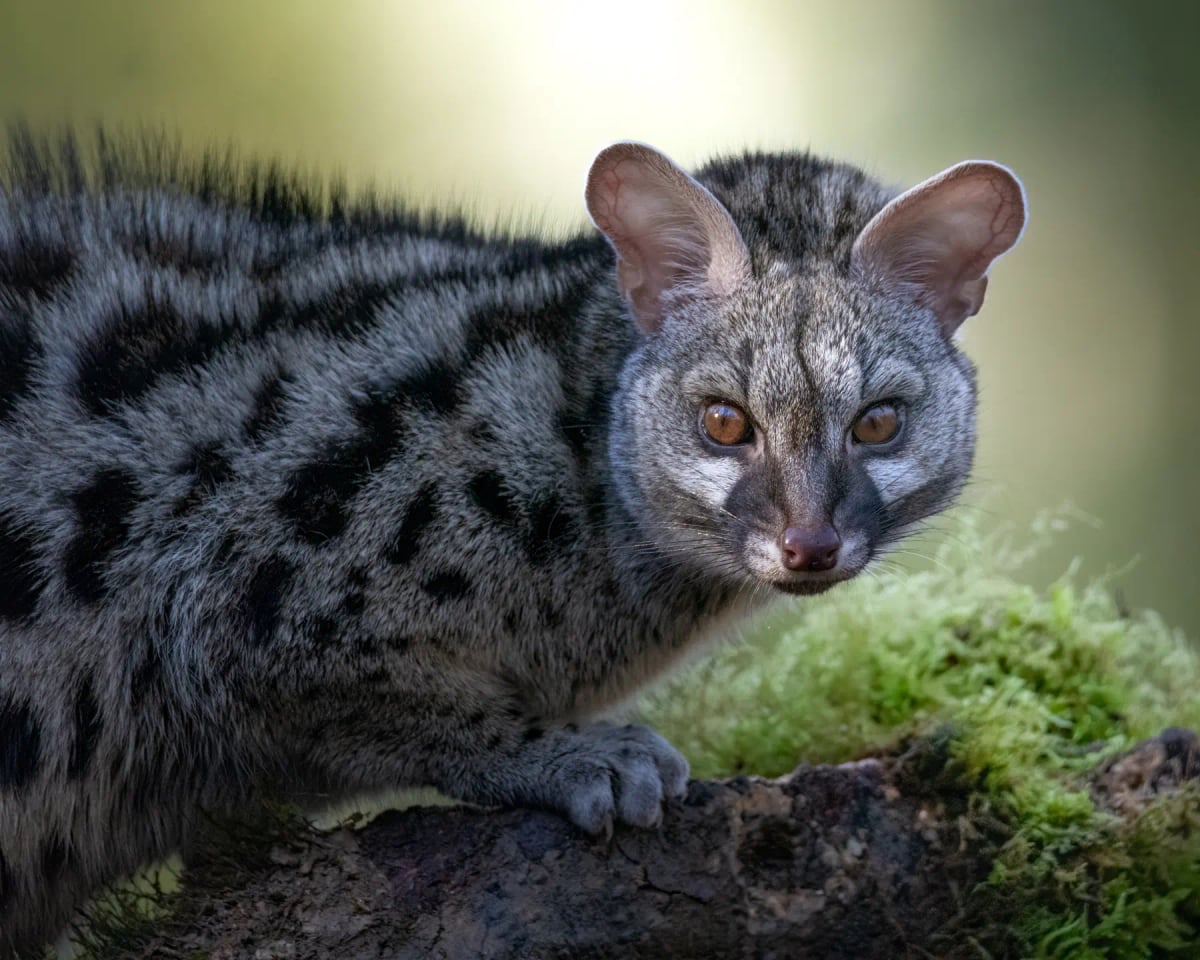
Common Genet
Genetta genetta
In Lesotho, the common genet inhabits rocky mountain slopes and the patches of scrub and woodland found in the lower valleys. This small landlocked country sits almost entirely above 1,000 metres, and the genet tends to use rocky outcrops and dense vegetation for shelter. It is a nocturnal predator of rodents, birds, insects, and reptiles. Its presence in Lesotho represents the southernmost extent of its range in the highlands of southern Africa. IUCN status: Least Concern.
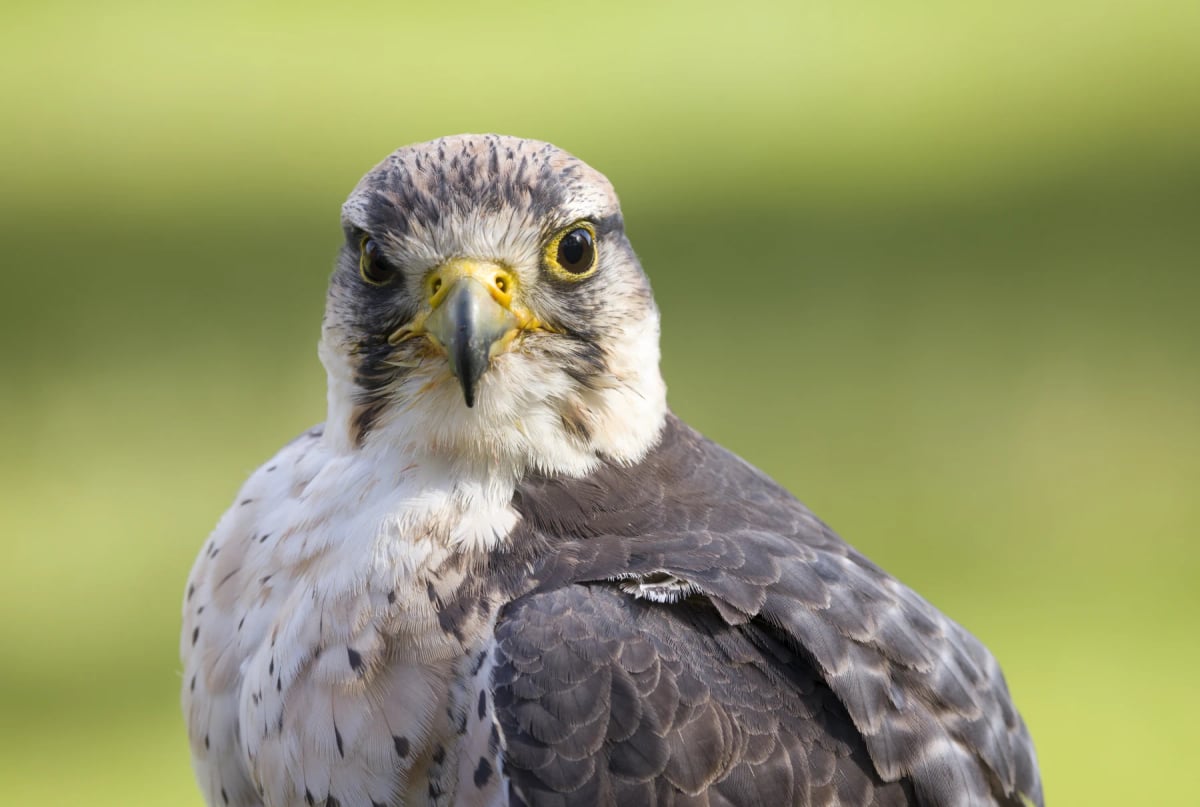
Lanner Falcon
Falco biarmicus
Lesotho's highland terrain, with its dramatic basalt cliffs and open grasslands at high elevation, provides good habitat for the lanner falcon. The species is resident here and nests on the rocky escarpments that define much of the country's landscape. It feeds on birds and large insects. The high-altitude grasslands of Lesotho support a range of raptors, and the lanner is among the more regularly recorded. IUCN status: Least Concern.
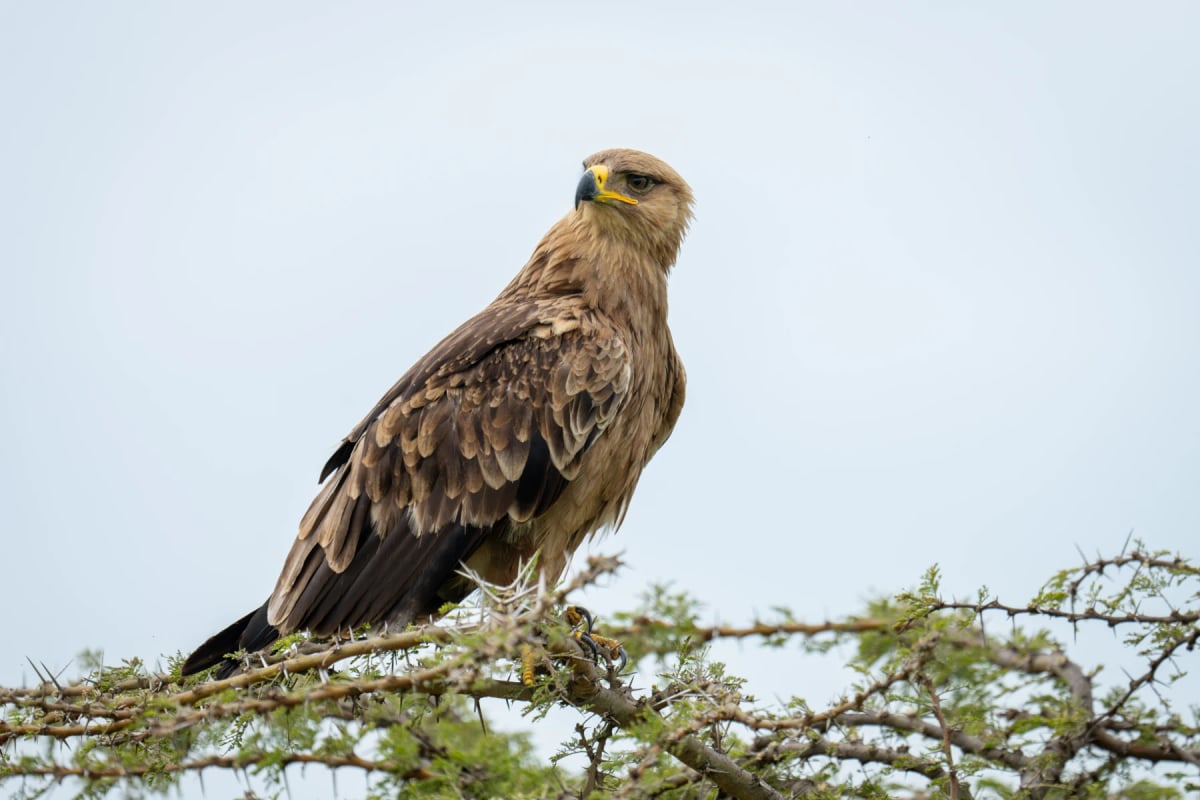
Tawny Eagle
Aquila rapax
The tawny eagle is an uncommon visitor to Lesotho, occasionally seen over the open highland grasslands and mountain plateaus that dominate this small kingdom. It may wander in from neighboring South Africa in search of food. Like elsewhere, it hunts small animals and will steal prey from other raptors. Habitat loss and poisoning have contributed to its decline, and the IUCN lists it as Vulnerable.
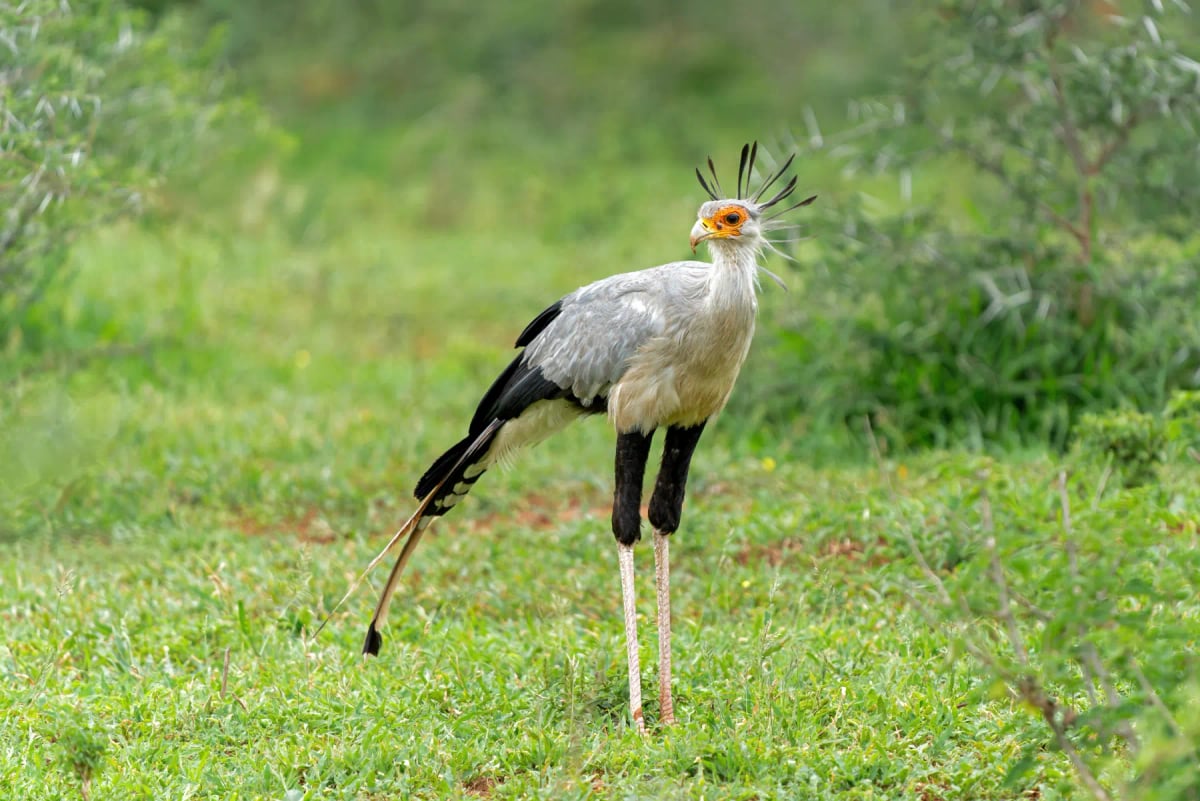
Secretary Bird
Sagittarius serpentarius
In Lesotho, the secretary bird inhabits open highland grasslands, a habitat type that covers much of this small, mountainous kingdom. It is one of few large raptors that hunts on foot in these high-altitude plains, targeting snakes, rodents, and insects. Overgrazing and agricultural encroachment have put pressure on Lesotho's grasslands for decades. The IUCN lists the species as Endangered, and protecting intact grassland areas in the highlands is important for its survival here.
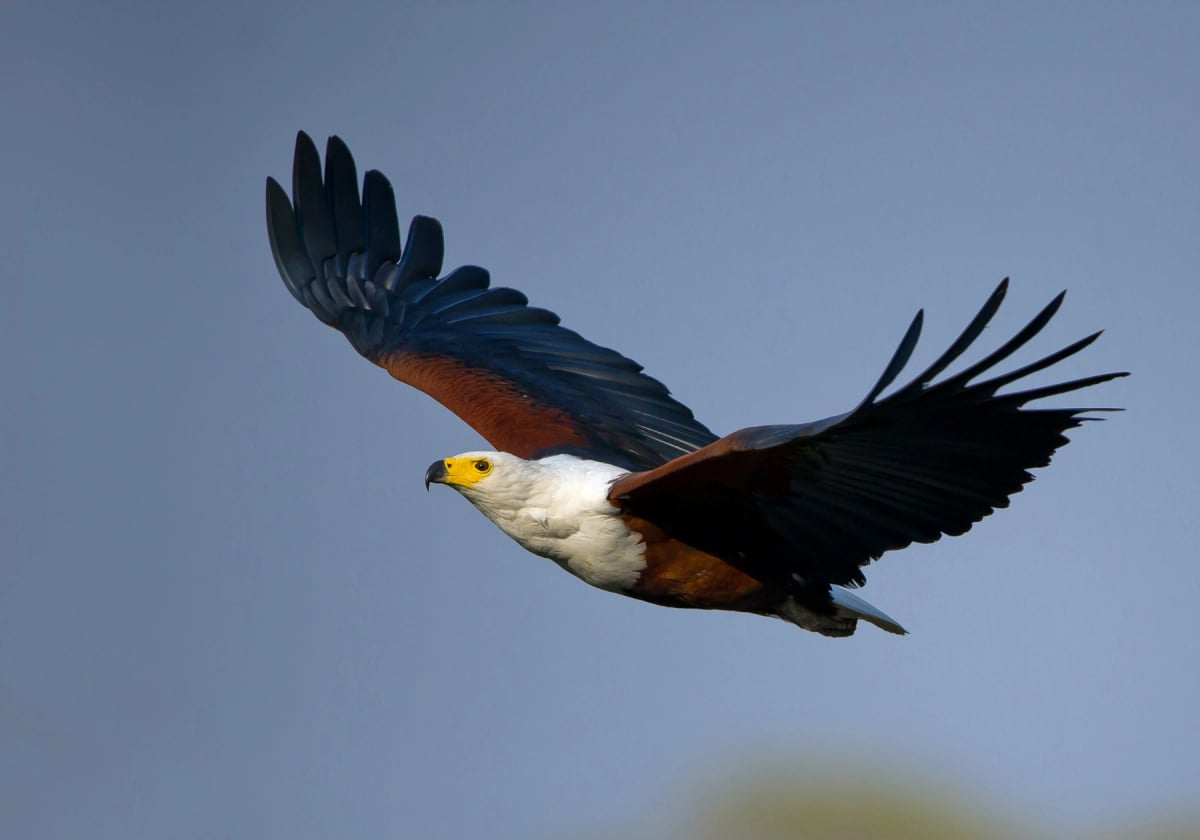
African Fish Eagle
Haliaeetus vocifer
Striking raptor with white head, dark body and loud ringing call that perches near lakes and rivers and snatches fish from the surface with strong talons.
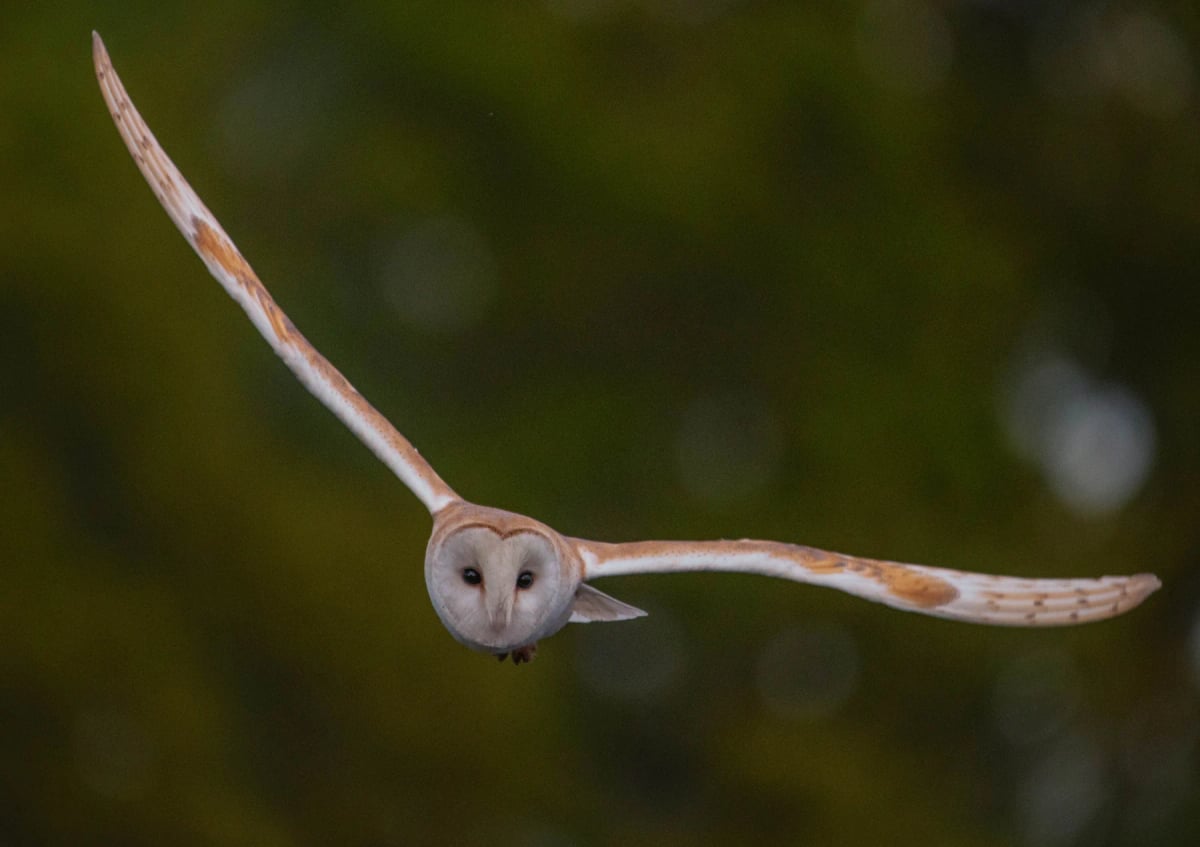
Barn Owl
Tyto alba
The barn owl is found in Lesotho in open grassland, farmland, and the outskirts of villages across this mountainous country. It nests in old buildings, cliff faces, and rocky outcrops, and hunts rodents at night by sound alone. Lesotho's high altitude grasslands, while cold at night, support populations of small mammals that provide reliable prey. It is present across a range of elevations and is one of the few birds of prey that remains active year round in the highland landscape.
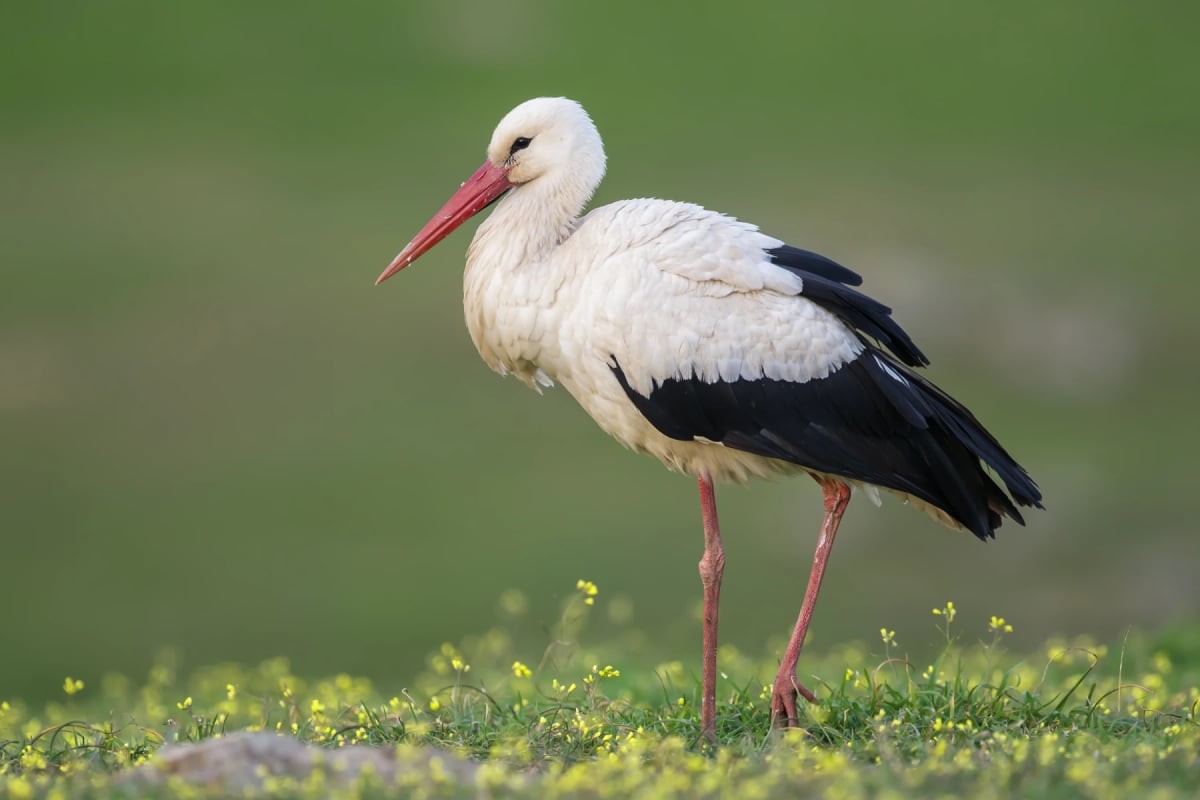
Stork
Ciconia ciconia
White storks visit Lesotho during the southern African summer, which coincides with the northern hemisphere winter when these birds are away from their breeding grounds. The highland grasslands and river valleys of this small, mountainous country offer foraging habitat for passing birds. Storks are typically seen in open areas where they hunt for locusts, small reptiles, and other prey. Their presence is seasonal, linked to their annual migration from Europe and western Asia.
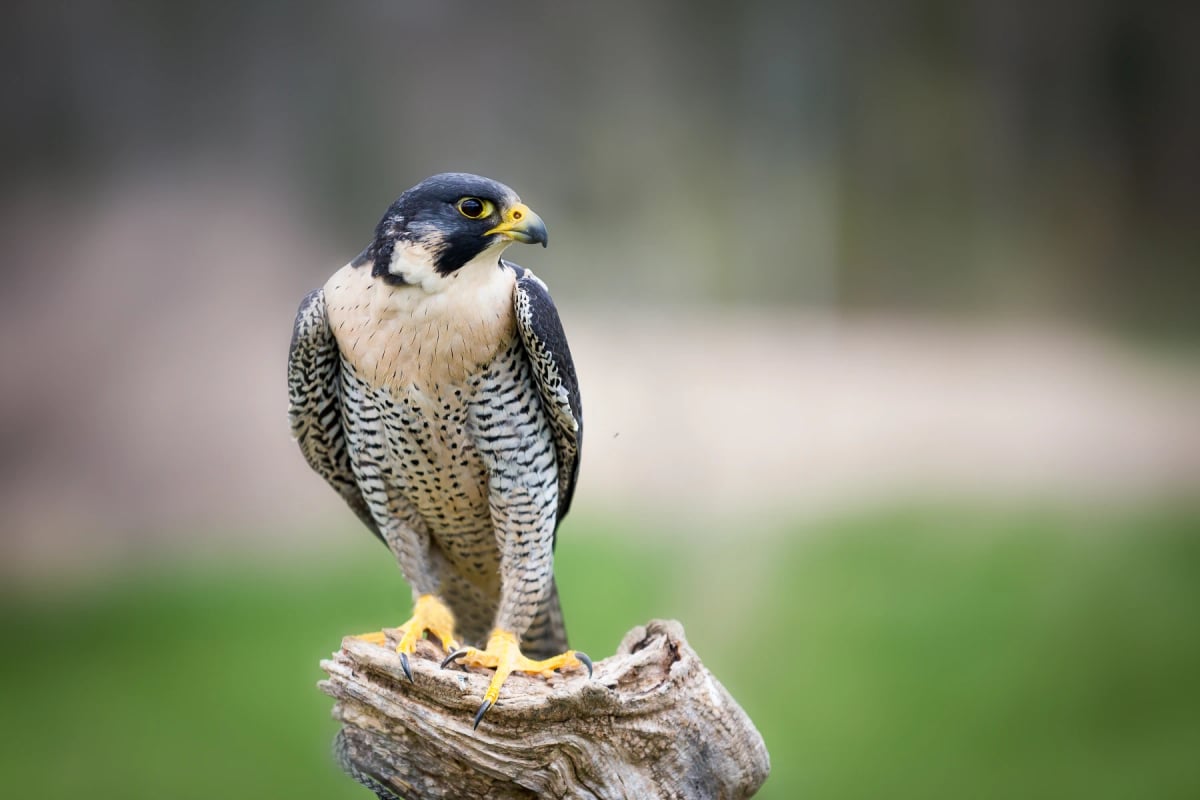
Peregrine Falcon
Falco peregrinus
The peregrine falcon soars over Lesotho's dramatic mountain landscape, one of the highest countries in the world. The Maluti and Drakensberg ranges provide sheer cliff faces that are perfect for nesting. This falcon hunts other birds across the open highland plateaus, diving at extraordinary speed. Its population in Lesotho is considered stable, and the species is listed as Least Concern by the IUCN.
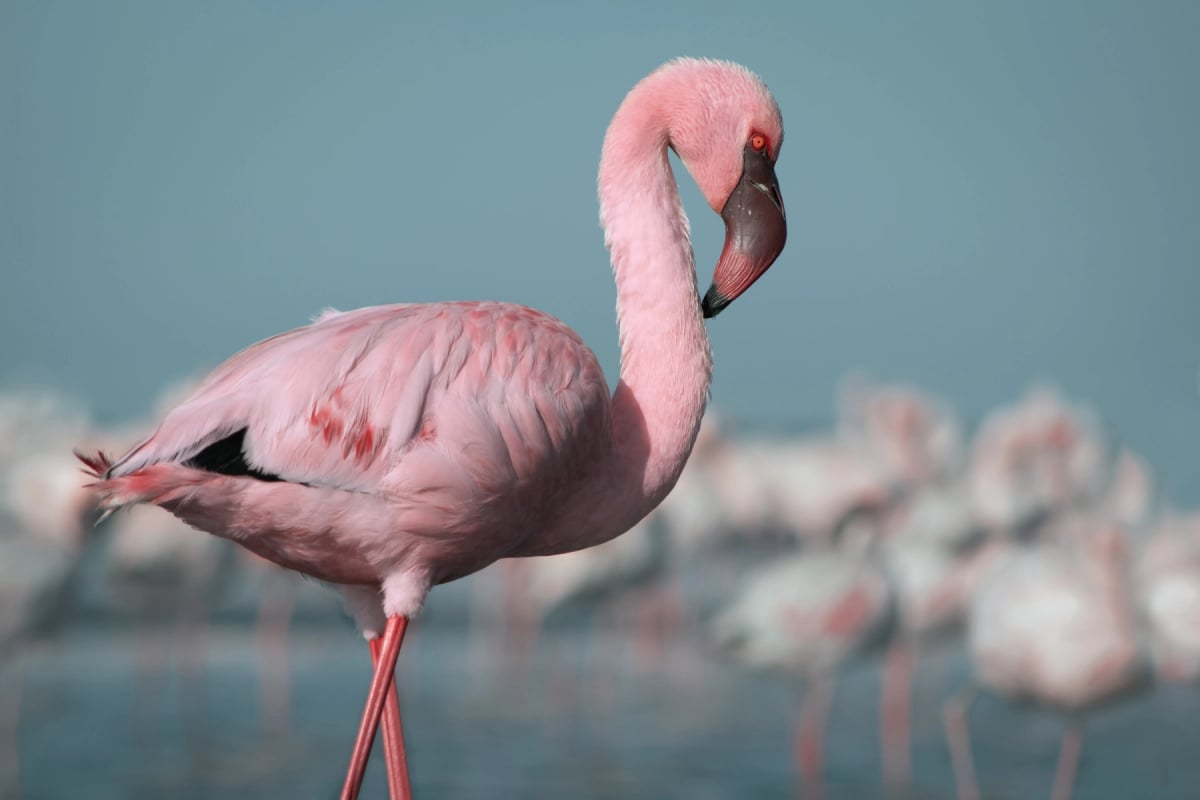
Flamingo
Phoenicopteridae (6 species)
The lesser flamingo visits Lesotho outside the breeding season, and it is a rare bird in this high, mountainous country. Occasional birds appear at dams and wetlands, usually on the move between the flamingo sites of South Africa, such as Kamfers Dam near Kimberley, and other wetlands of the region. Lesotho's cold highlands are far from the warm, salty lakes the species prefers. IUCN status: Near Threatened.
Researched and written by Juan Pablo. Sources: IUCN Red List, scientific literature and regional field guides. Last updated: .