Animals in Luxembourg
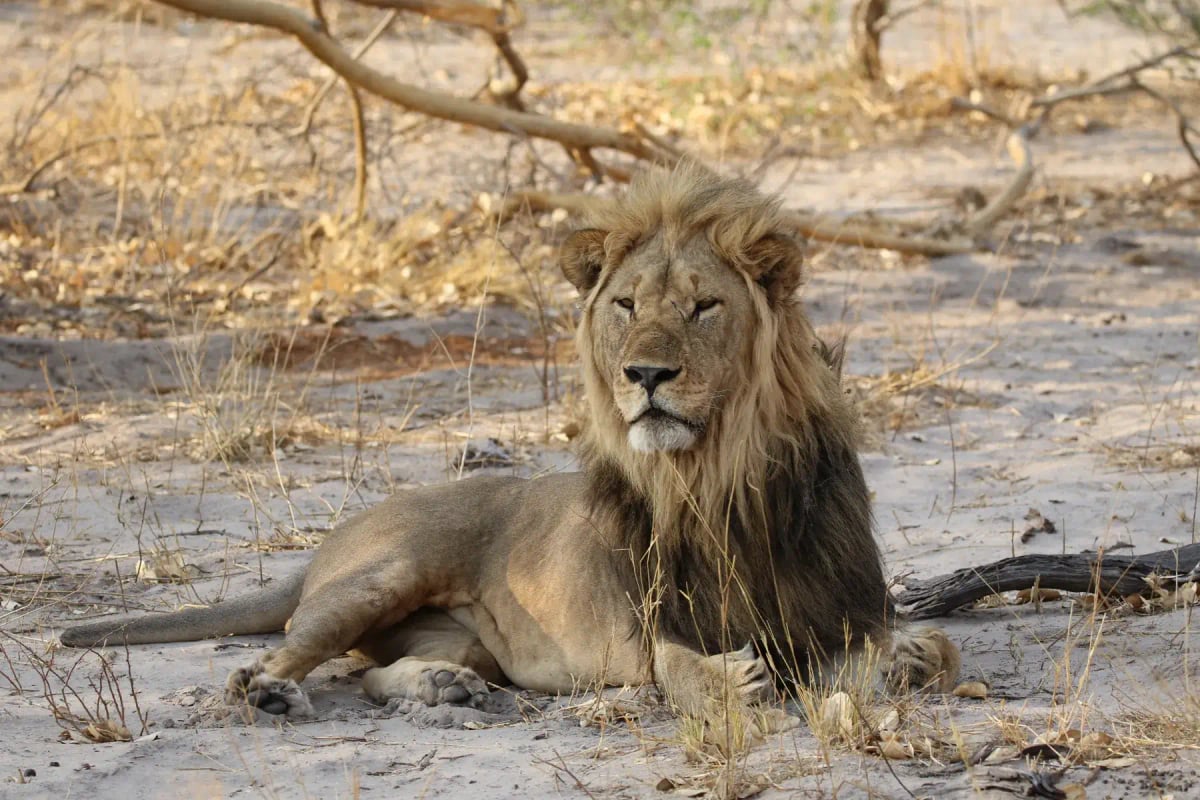
Lion
Panthera leo
The lion is Luxembourg’s historic emblem. It appears on the coat of arms, flags and many public buildings, even though lions do not live in the country. The symbol stands for courage and civic pride. Visitors see it carved on castles, bridges and fountains, and museums in the old quarters explain how a heraldic animal became a shared sign of identity across a small, modern state.
View details→Wildlife in Luxembourg
Luxembourg’s nature is compact and easy to explore. The Ardennes hold quiet beech and spruce forests, while the Mullerthal has narrow gorges and sandstone paths. Around Upper Sure Lake and the Moselle valley you find waymarked trails, cycle routes and bird hides. Deer, foxes and many birds live close to towns, so short walks often lead to simple wildlife watching without leaving main paths.
Most Dangerous Animals in Luxembourg
Wildlife encounters in Luxembourg are usually safe. Wild boar can be dangerous if surprised, and wolves are rare and avoid people. More common risks are ticks, slippery sandstone and winter ice. Keep to marked paths, wear boots, check hunting calendars in forests, and keep dogs leashed near farmland and reserves to avoid conflicts with livestock and ground nesting birds.
Top 10 Animals in Luxembourg
Highlights for nature trips include dawn walks in the Ardennes to spot deer, raptor watching from viewpoints above the Moselle, and quiet loops on the Mullerthal Trail through rock corridors and forests. Family friendly reserves near Upper Sure Lake offer hides, picnic areas and rental kayaks. Local guides help visitors read tracks, plan short routes and choose seasons with the best bird activity.
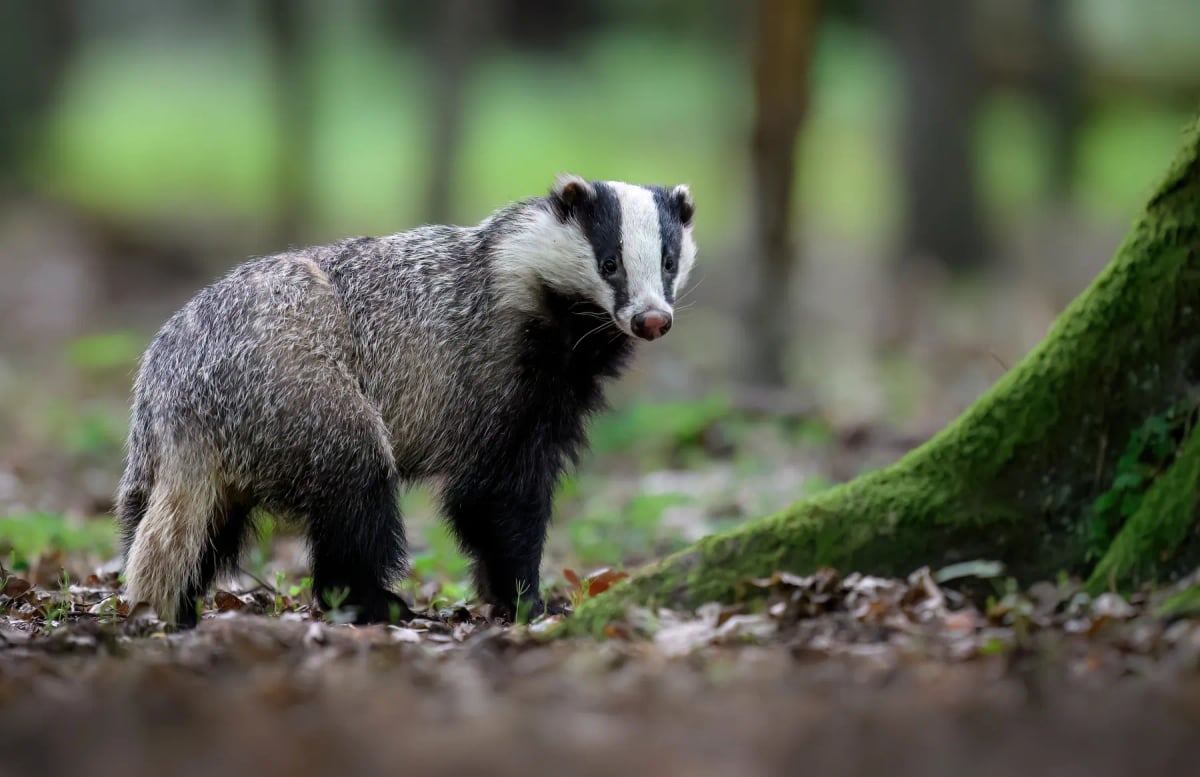
Badger
Meles meles
The Eurasian badger is present across Luxembourg in woodland and mixed farmland, with the highest densities in the forested Ardennes region in the north of the country. It lives in family groups in extensive setts and forages at night for earthworms, insects, berries and small animals. Despite Luxembourg's small size, badger populations are well established and the species is legally protected. Road mortality is a notable pressure given the country's high road density.
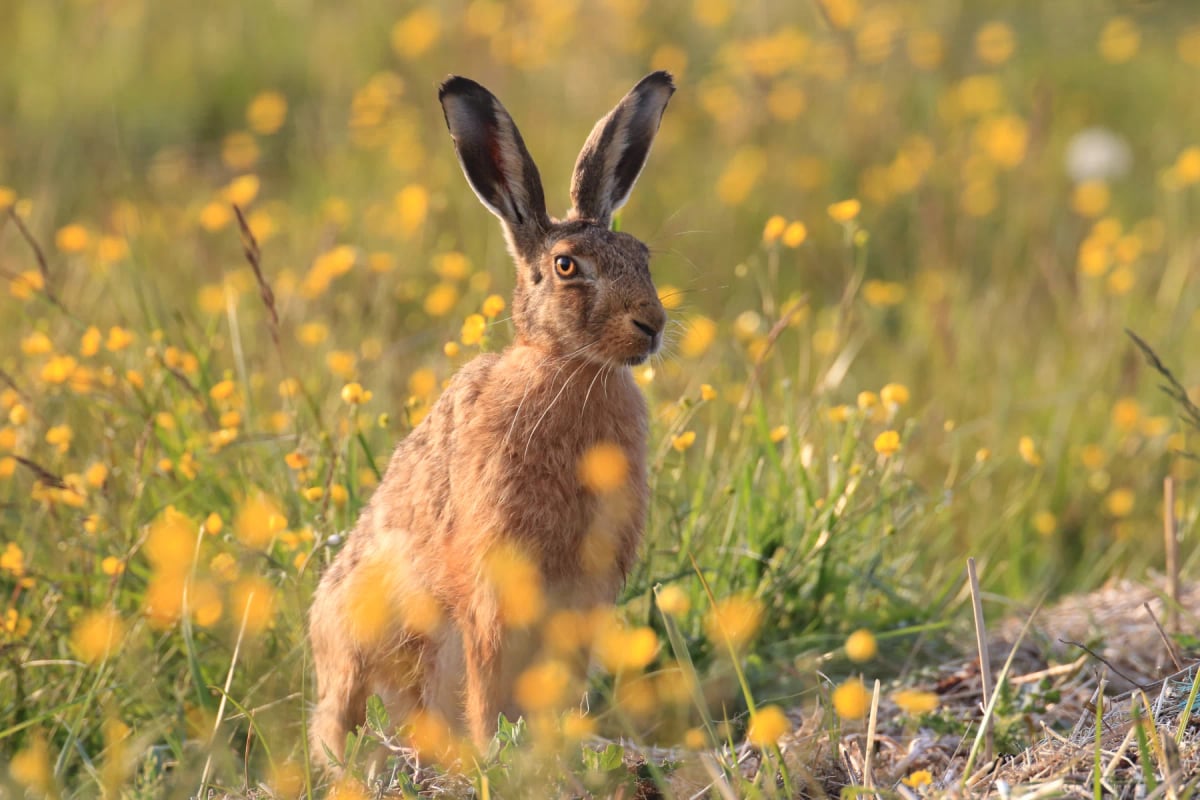
Hare
Lepus europaeus
The European hare lives in the open farmland and meadows of Luxembourg, particularly in the more rural areas of the south and centre of the country. It rests in shallow hollows in the ground and relies on open fields for foraging. Luxembourg's small size and high level of agricultural activity have contributed to pressure on local hare populations, though the species remains present across the country.
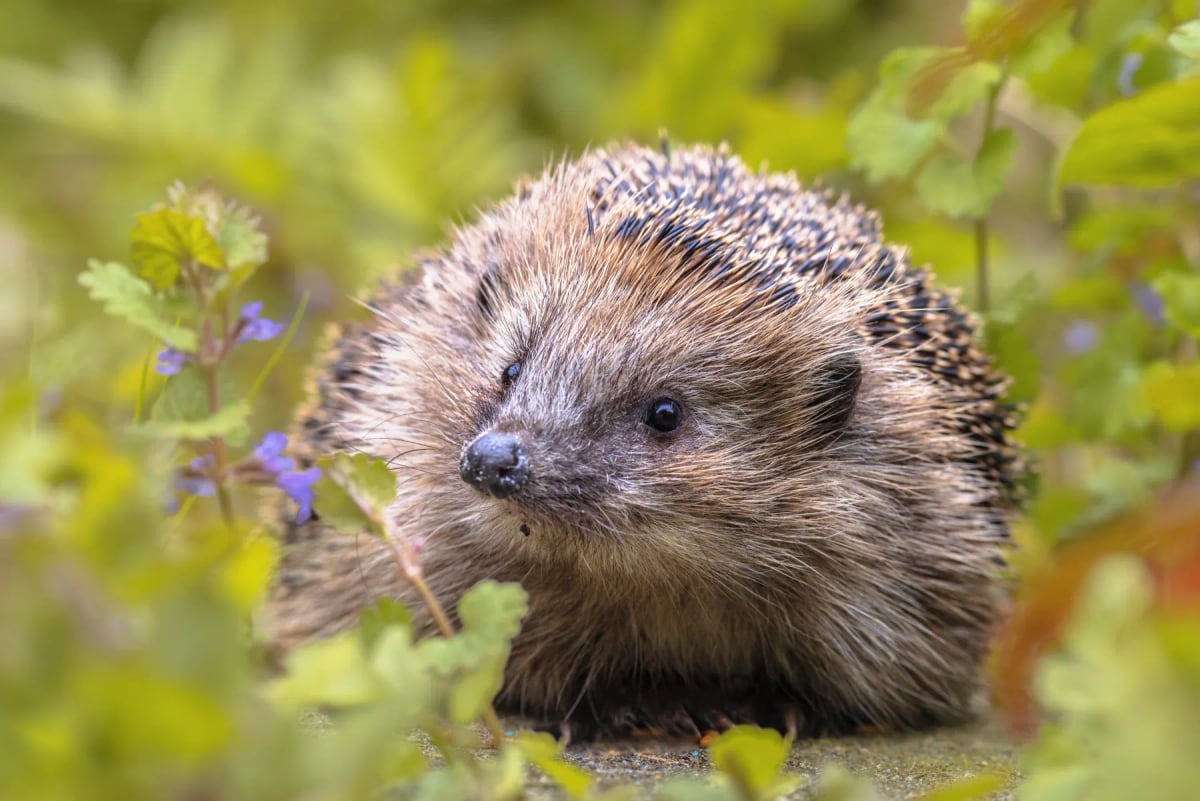
Hedgehog
Erinaceus europaeus
The European hedgehog is found throughout Luxembourg, from the wooded Ardennes hills in the north to the farming valleys of the south. Gardens and parks in and around Luxembourg City offer reliable food and shelter. Despite the small size of the country, road density is high, and traffic collisions are a significant cause of hedgehog deaths. Several local wildlife organisations run public awareness campaigns to encourage residents to make their gardens more hedgehog friendly. IUCN status: Least Concern.
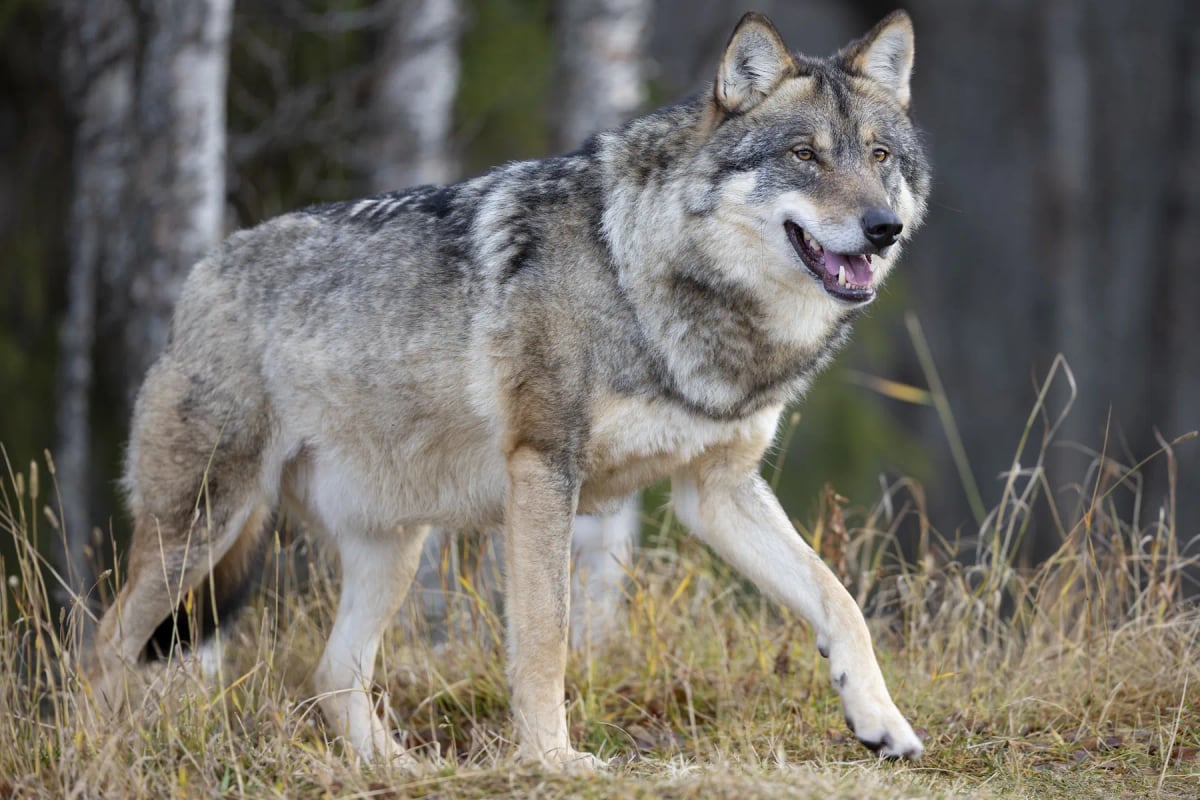
Gray Wolf
Canis lupus
The gray wolf has only recently returned to Luxembourg after an absence of well over a century. Individual wolves dispersing from populations in Germany and Belgium have been recorded in the country since the late 2010s. No established pack has yet been confirmed, but territorial activity and livestock incidents have been documented. Luxembourg is developing management guidelines for the species as part of a broader European framework. Its IUCN status is Least Concern.
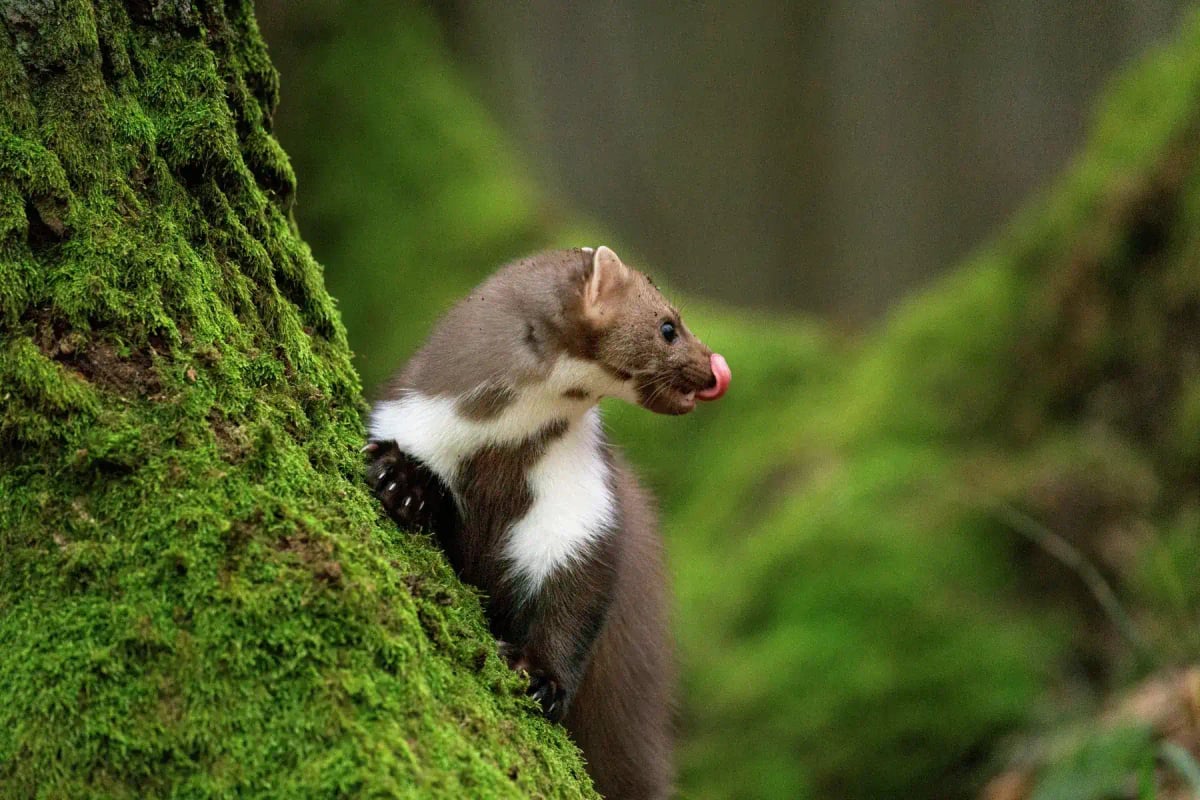
Marten
Martes martes / Martes foina
In Luxembourg, both the pine marten and the stone marten are present. The pine marten favors the forested Ardennes region in the north, while the stone marten is more common in the agricultural south and around human settlements. Stone martens are particularly well known for causing trouble in car engine compartments, a reminder of how comfortably they coexist with people. Both species are nocturnal hunters of rodents, birds, and fruit. Their IUCN status is Least Concern.
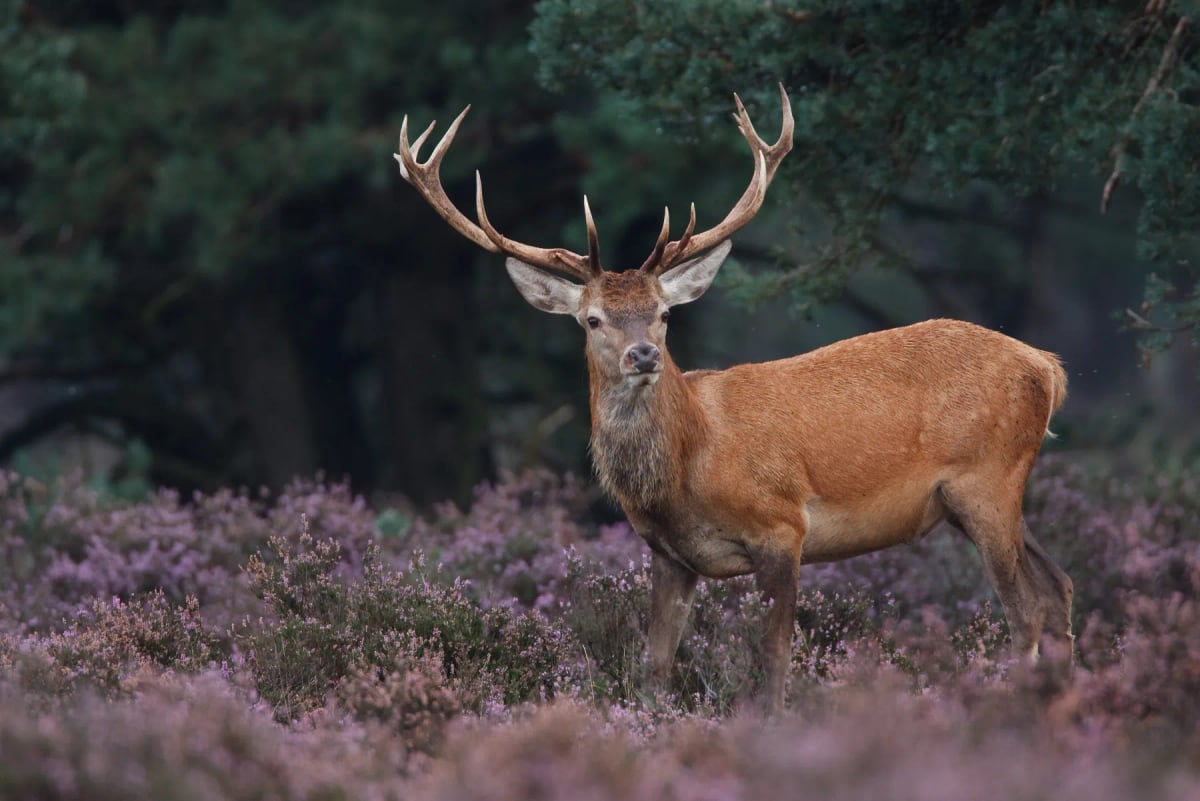
Red Deer
Cervus elaphus
The red deer (Cervus elaphus) is present in Luxembourg, particularly in the forested areas of the Ardennes in the north of the country. These woodlands offer the shelter and browse that the species needs throughout the year. Stags are a striking sight each autumn when they roar and spar during the rut. Hunting is carefully managed to balance population levels with the needs of the forest. The IUCN lists the species as Least Concern.
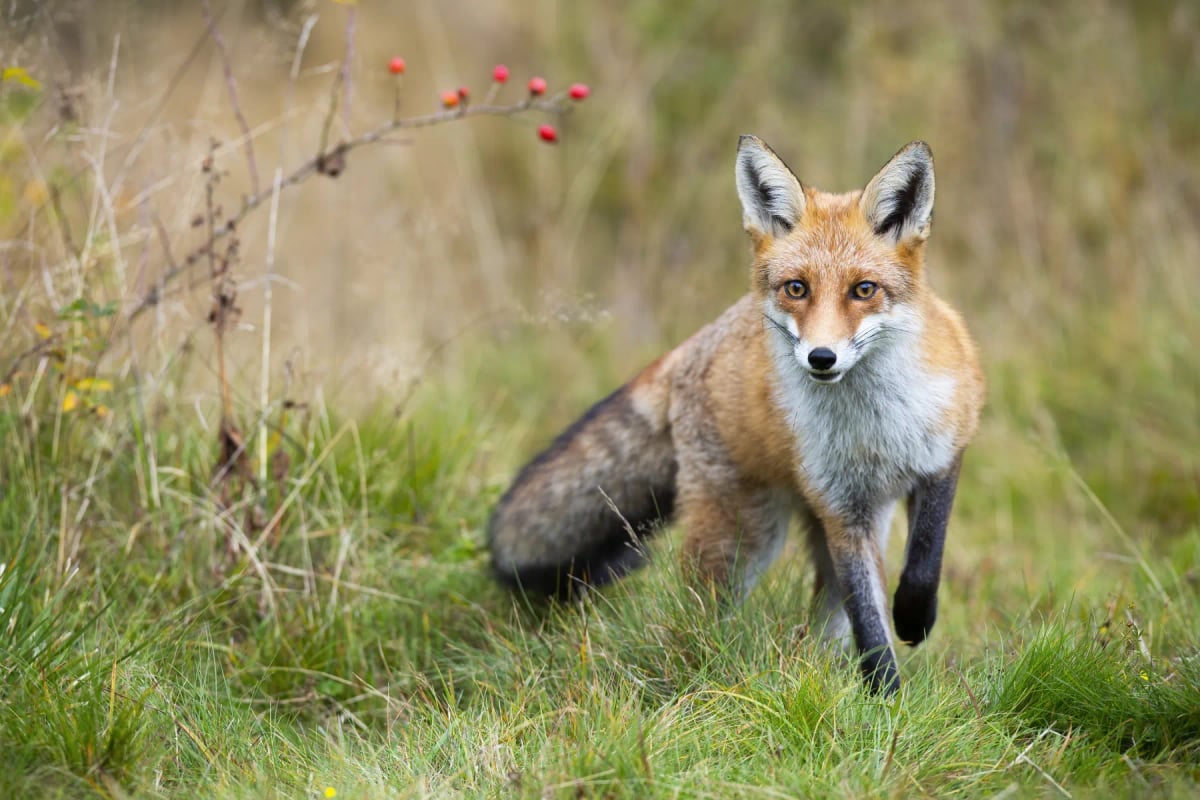
Red Fox
Vulpes vulpes
The red fox is well established across Luxembourg, living in its deciduous forests, river valleys, and agricultural land. As one of Europe's most densely populated countries, Luxembourg sees foxes regularly venturing into suburban gardens and green corridors within towns. They play a role in controlling rodent populations. Despite their small country range, Luxembourgish foxes are healthy in number and listed as Least Concern globally.
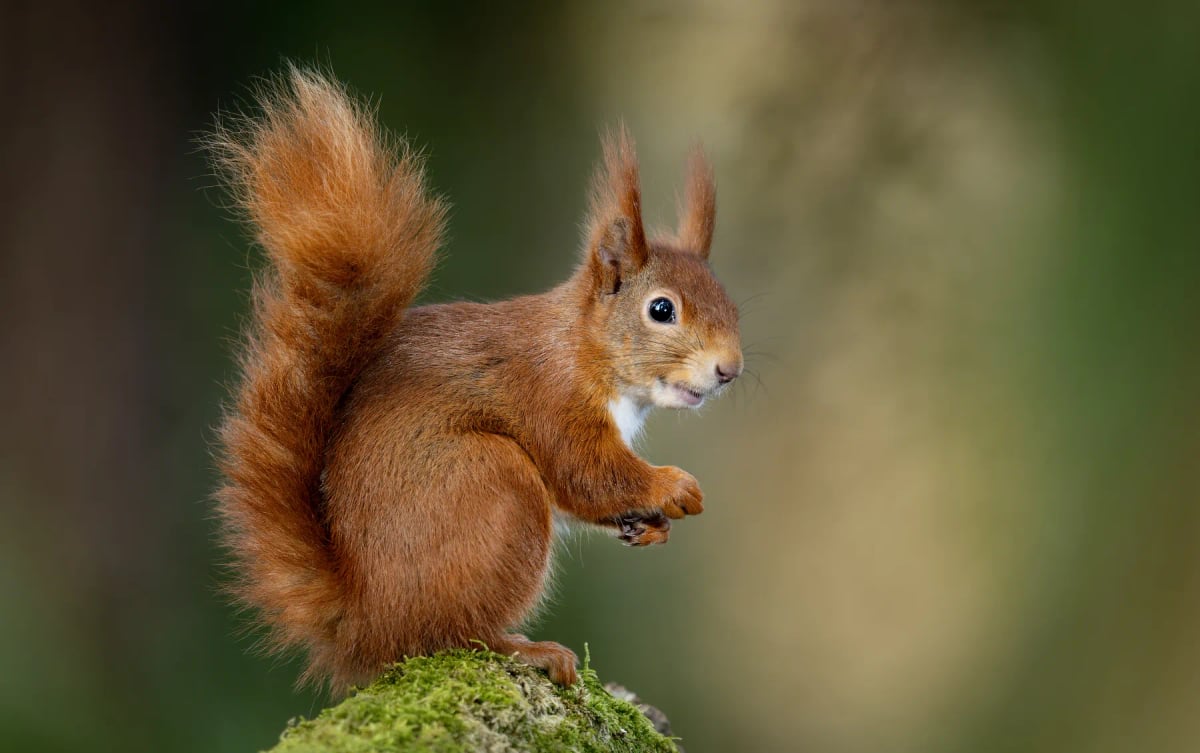
Red Squirrel
Sciurus vulgaris
The red squirrel is present throughout Luxembourg's woodlands, particularly in the forested Ardennes region in the north of the country. It favors areas with mature trees and a good supply of seeds and nuts. Luxembourg sits within western Europe, where competition from the introduced grey squirrel poses a concern in neighboring countries, though the grey squirrel has not yet established itself widely here, giving the red squirrel room to thrive.
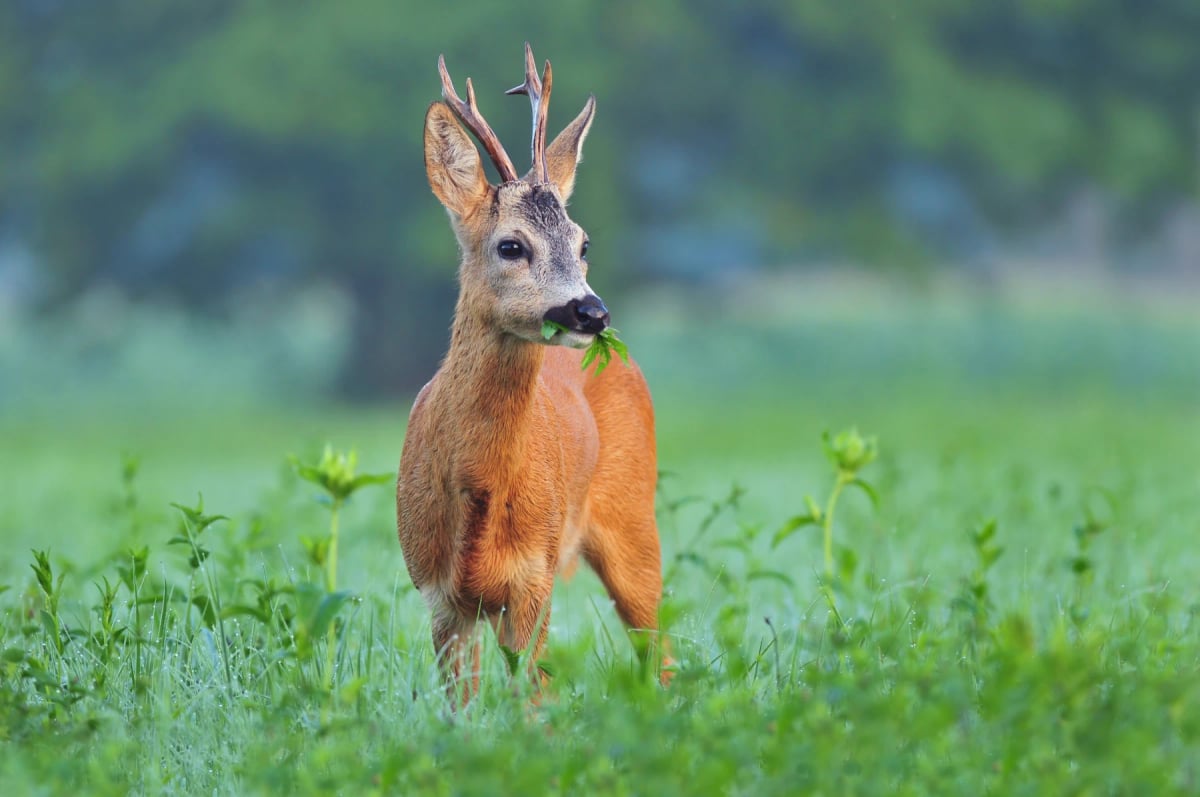
Roe Deer
Capreolus capreolus
Despite its small size, Luxembourg supports a healthy population of roe deer spread across its forests and farmland. The wooded plateaus of the Ardennes in the north and the mosaic landscapes of the Gutland in the south both provide good habitat. The deer is frequently seen at the edges of fields at dawn and dusk. Luxembourg's well preserved rural landscape and protected forest areas have helped the species remain stable and widespread across the Grand Duchy.
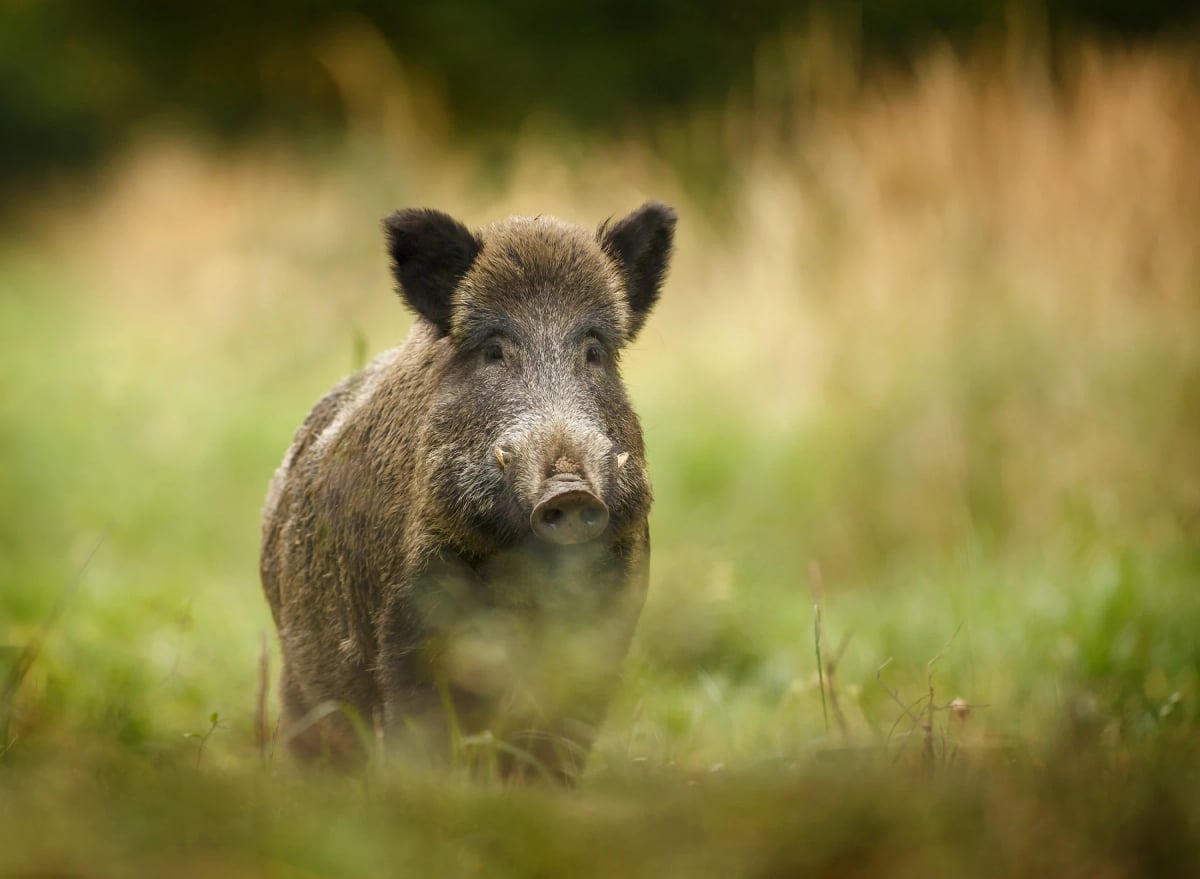
Wild Boar
Sus scrofa
Wild boars live mainly in the forested hills of northern Luxembourg, in the Eisleck region bordering Belgium's Ardennes. Despite the country's small size, dense woodland there provides good cover and food, supporting a stable population. Wild boars are hunted under regulated seasons and occasionally raid gardens and farmland at the edges of forested areas, particularly during years with abundant acorn crops.
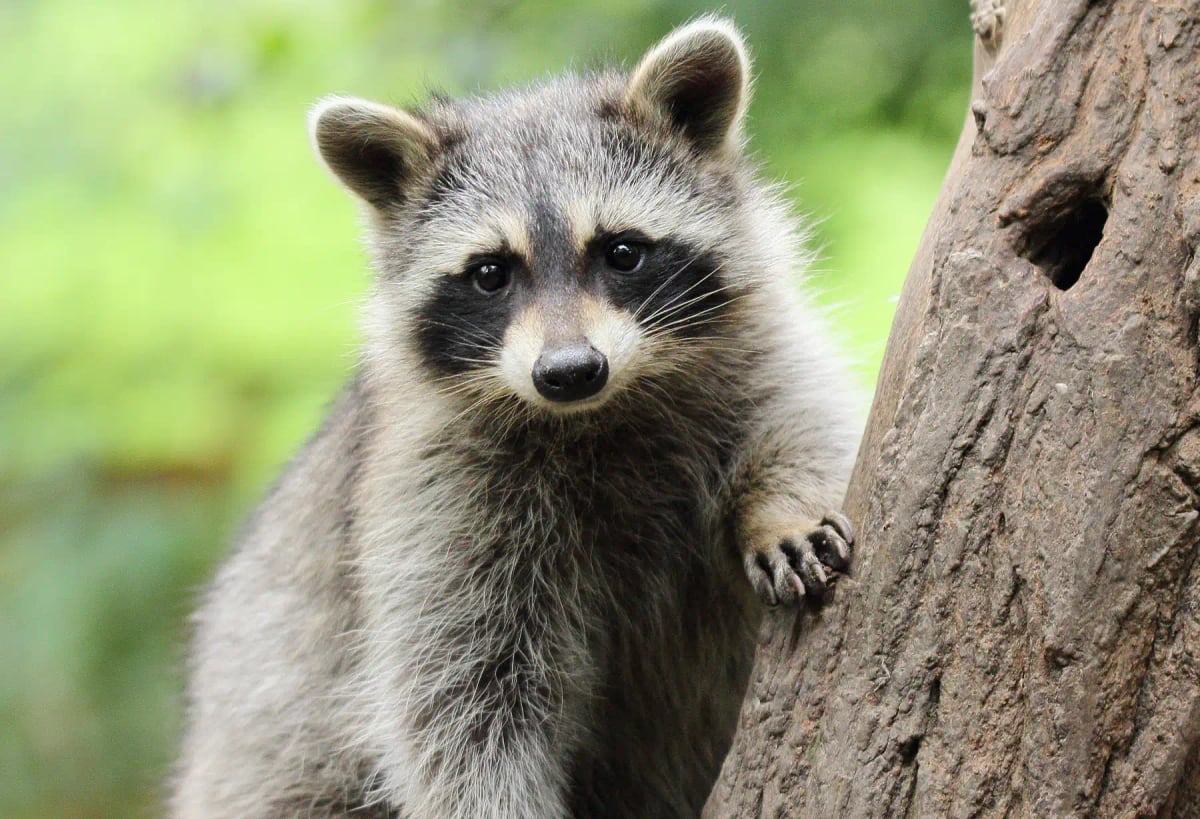
Raccoon
Procyon lotor
Luxembourg sits within the core zone of raccoon expansion in Western Europe, and the species is now well established in the country's mixed forests and river valleys, particularly near the Our, Sauer, and Moselle rivers. They adapt readily to the lush, fragmented landscapes of the Grand Duchy. Raccoons are listed as an invasive alien species of concern to the European Union, and Luxembourg participates in regional management efforts.
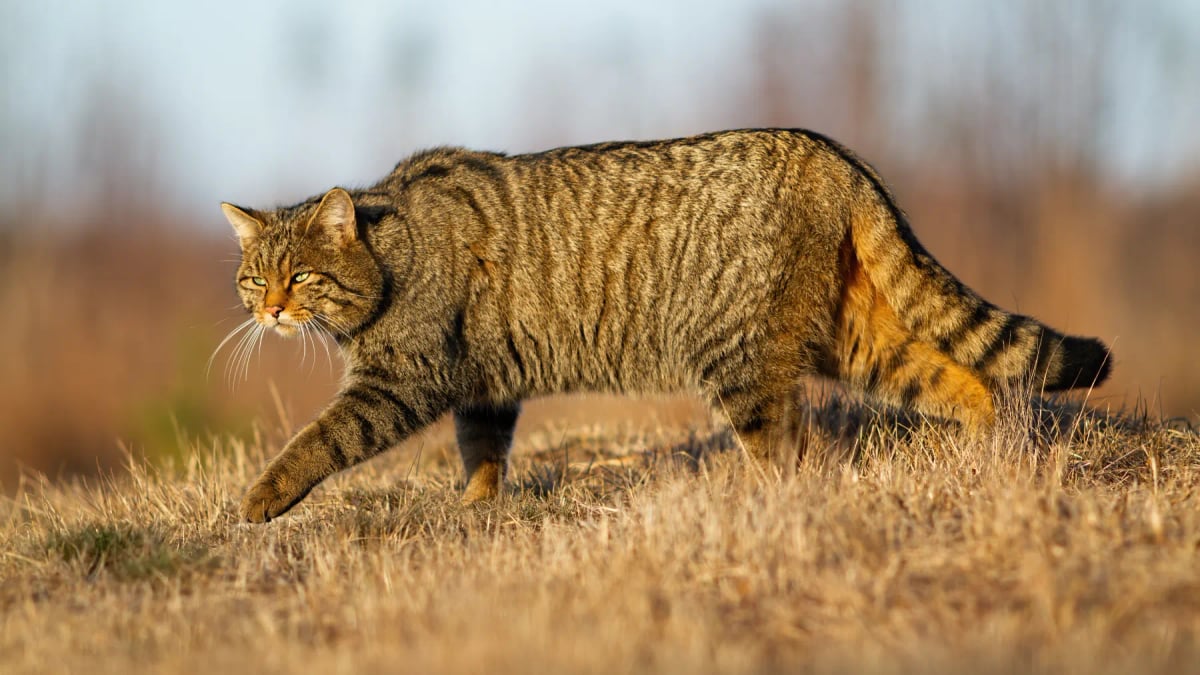
European Wildcat
Felis silvestris silvestris
Luxembourg hosts a small but notable population of European wildcats, largely connected to the broader population found across the Eifel and Ardennes regions that extend from neighboring Germany and Belgium. The country's mixed forests and river valleys provide suitable habitat. Wildlife crossing projects and forest protection measures support the species here. Hybridization with domestic cats remains the most pressing concern. IUCN status: Least Concern.
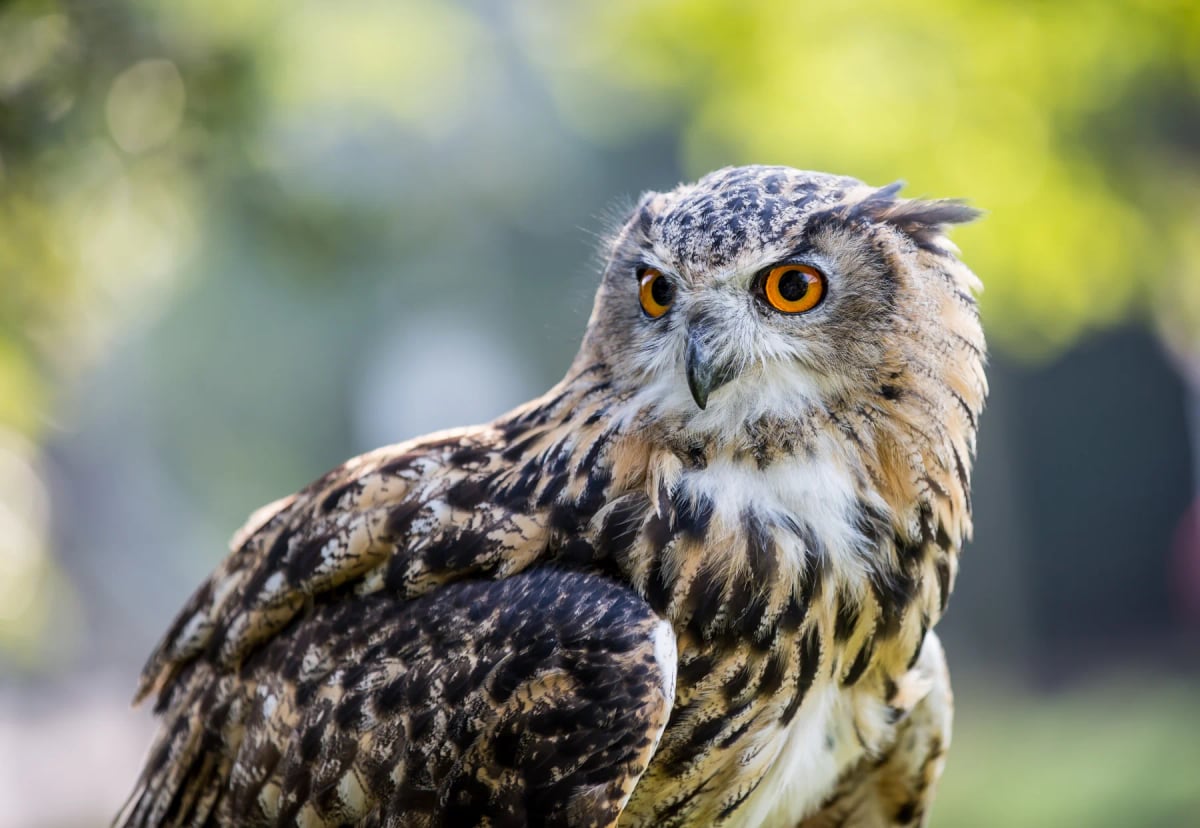
Eagle Owl
Bubo bubo
Luxembourg holds a very small but notable population of Eurasian eagle owls, with pairs recorded nesting in rocky valleys and along forested cliff faces, particularly in the Our and Sauer river regions. Once absent due to past persecution, the species has slowly returned following legal protection. It hunts nocturnally across farmland and woodland. Its size and vivid orange eyes set it apart from all other owls in the country. The IUCN lists it as Least Concern.
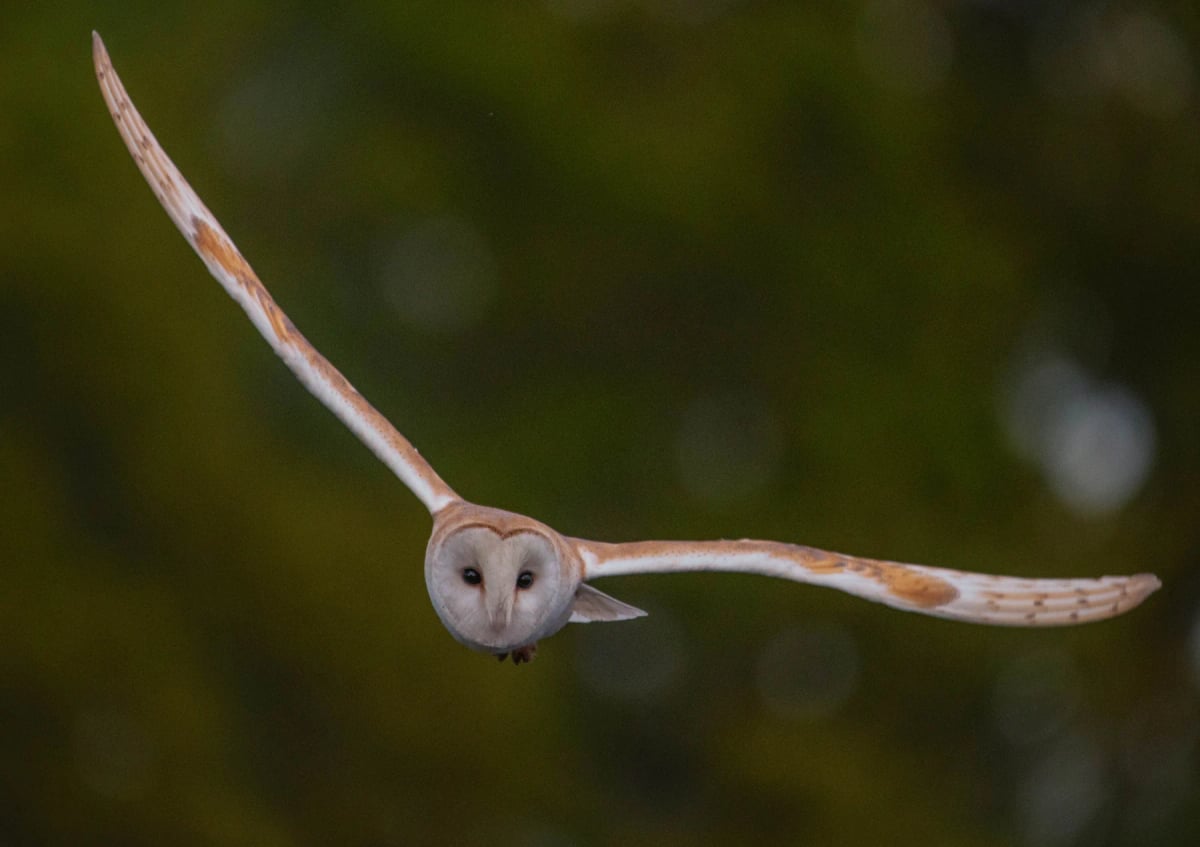
Barn Owl
Tyto alba
The barn owl is a resident of Luxembourg in open farmland, river valleys, and rural villages, nesting in old farm buildings and church towers across the country's agricultural lowlands. It is one of the smaller European countries where the species breeds regularly, though populations have declined due to agricultural intensification and the loss of old farm buildings used as nest sites. Nest box programs run by conservation groups and farmers have helped support the breeding population in recent decades.
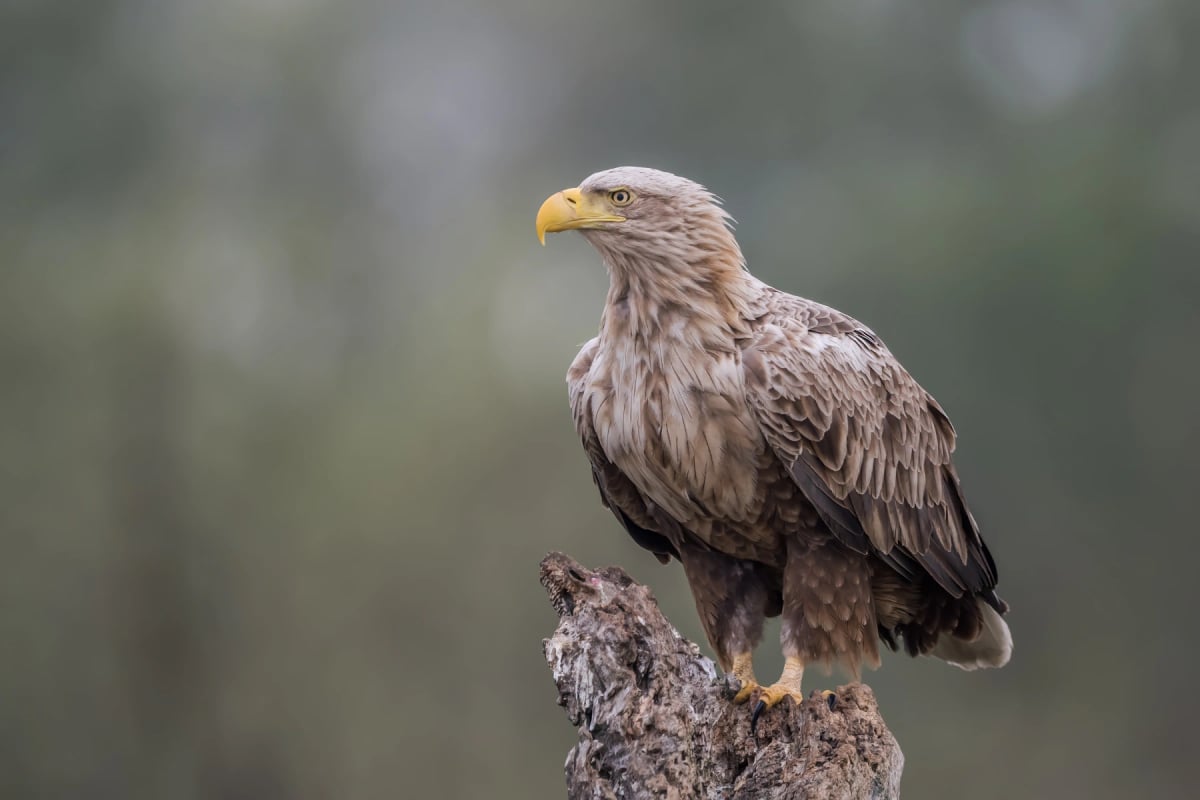
White tailed Eagle
Haliaeetus albicilla
Luxembourg records the white tailed eagle mainly as a winter visitor and occasional passage migrant, with sightings near the Our, Sure, and Moselle river valleys. As breeding populations in Germany and neighbouring countries have grown, appearances in Luxembourg have become more frequent. It is drawn to areas with open water and good fish stocks. The IUCN lists this eagle as Least Concern, reflecting its strong recovery across much of Europe.
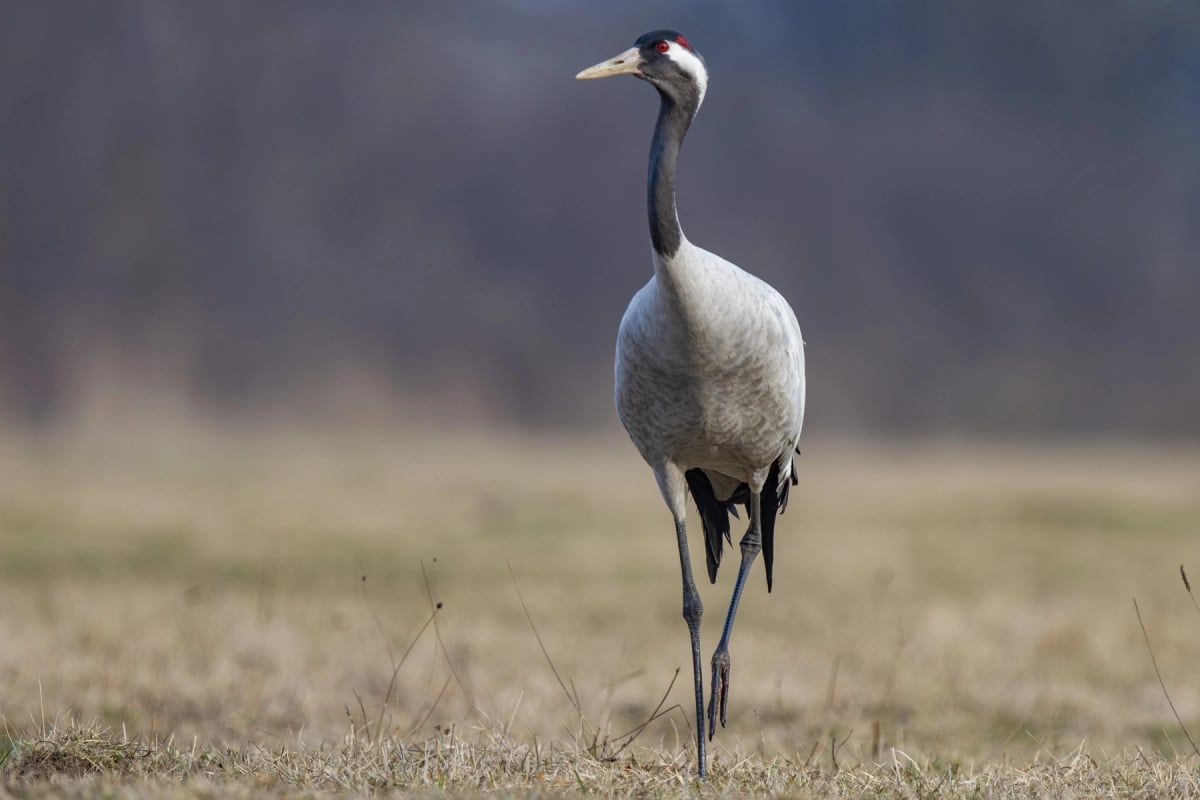
Crane
Grus grus
Luxembourg is a small but notable country for crane migration, with large flocks passing over each autumn and spring as birds travel between northern European breeding grounds and wintering areas in Spain and France. The open farmland and river valleys of Luxembourg offer occasional stopover spots for resting birds. Although the country is too small to hold significant wintering or breeding populations, crane flocks passing overhead are a well known seasonal event for birdwatchers there.
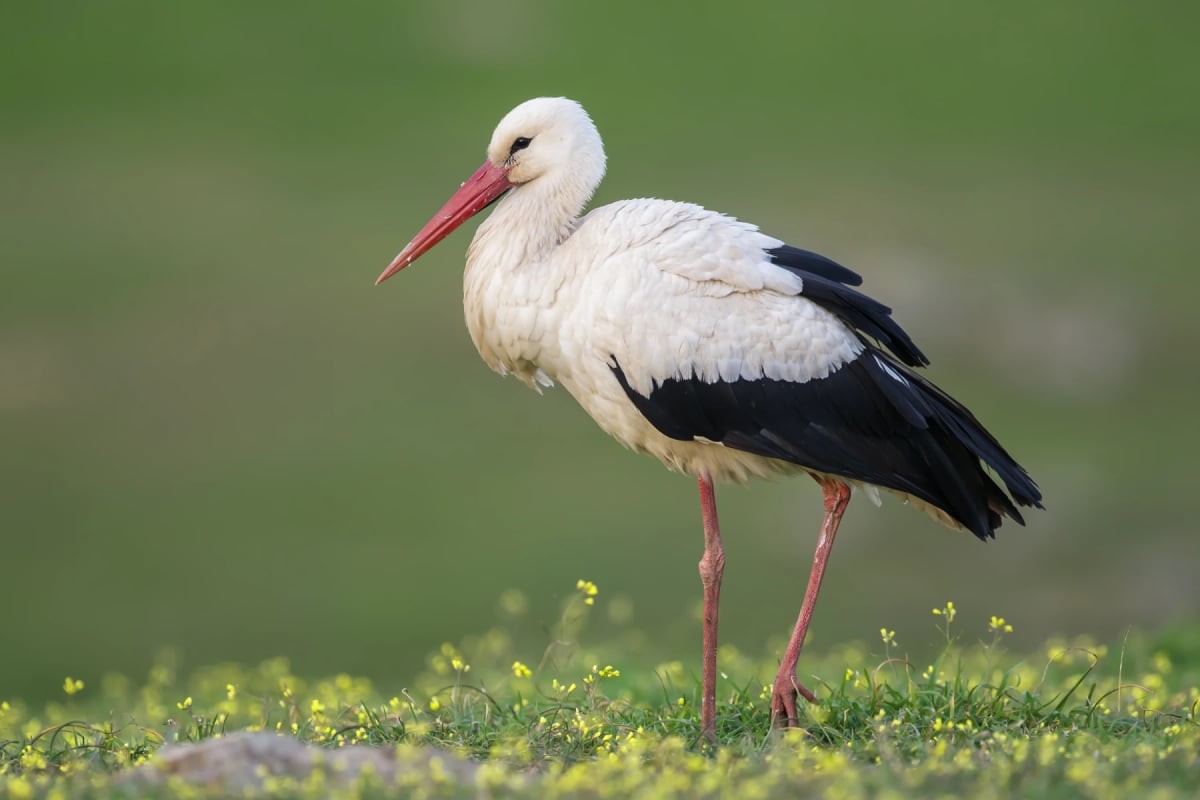
Stork
Ciconia ciconia
The white stork disappeared as a breeding bird from Luxembourg during the twentieth century but has made a gradual comeback thanks to dedicated reintroduction and habitat restoration efforts. Today a small breeding population exists, and storks can be seen in river valleys such as that of the Moselle and in open farmland across the country. Luxembourg's conservation programs have played a genuine role in helping the species reestablish itself in this part of western Europe.
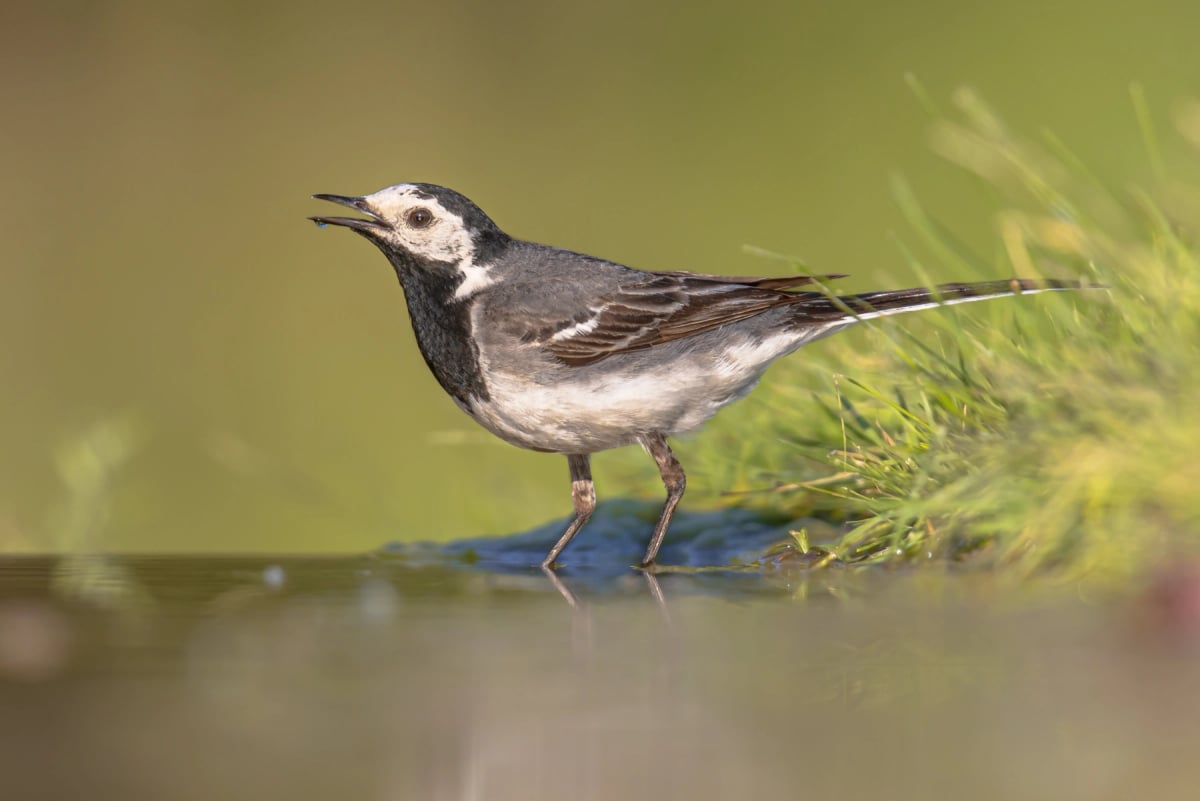
White Wagtail
Motacilla alba
In Luxembourg, the white wagtail breeds along the Moselle, Sûre and Our river valleys, as well as around farms and villages throughout the country. It is a confident bird in human company, often nesting in crevices in walls and farm buildings. It chases insects across riverside meadows and grazed fields. Numbers drop sharply in winter as most birds migrate south. Its IUCN status is Least Concern.
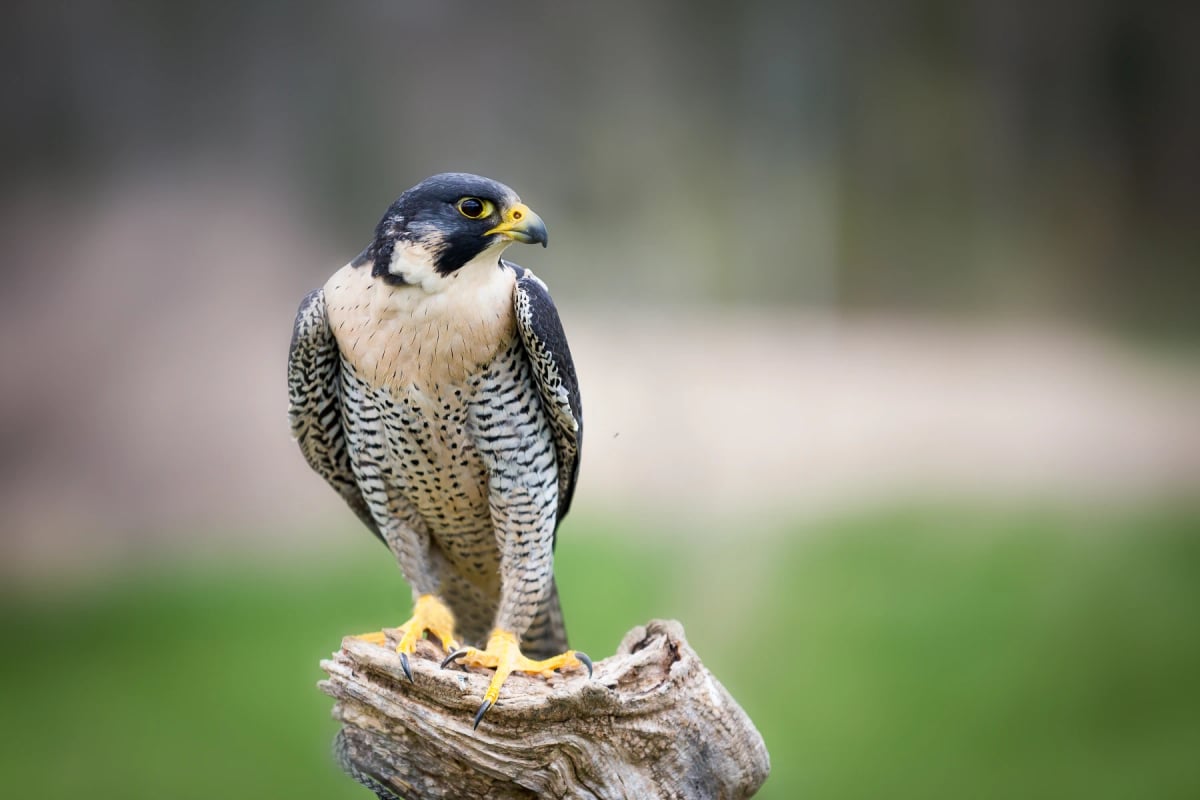
Peregrine Falcon
Falco peregrinus
Luxembourg is one of the smaller countries in Europe, but the peregrine falcon is a confirmed breeder here, nesting on rocky outcrops and quarry faces in the Ardennes region and along river valleys. After disappearing as a breeding bird in the twentieth century due to pesticide use, it returned and has since established a small but stable population. It also appears as a passage migrant each spring and autumn. Its IUCN status is Least Concern.
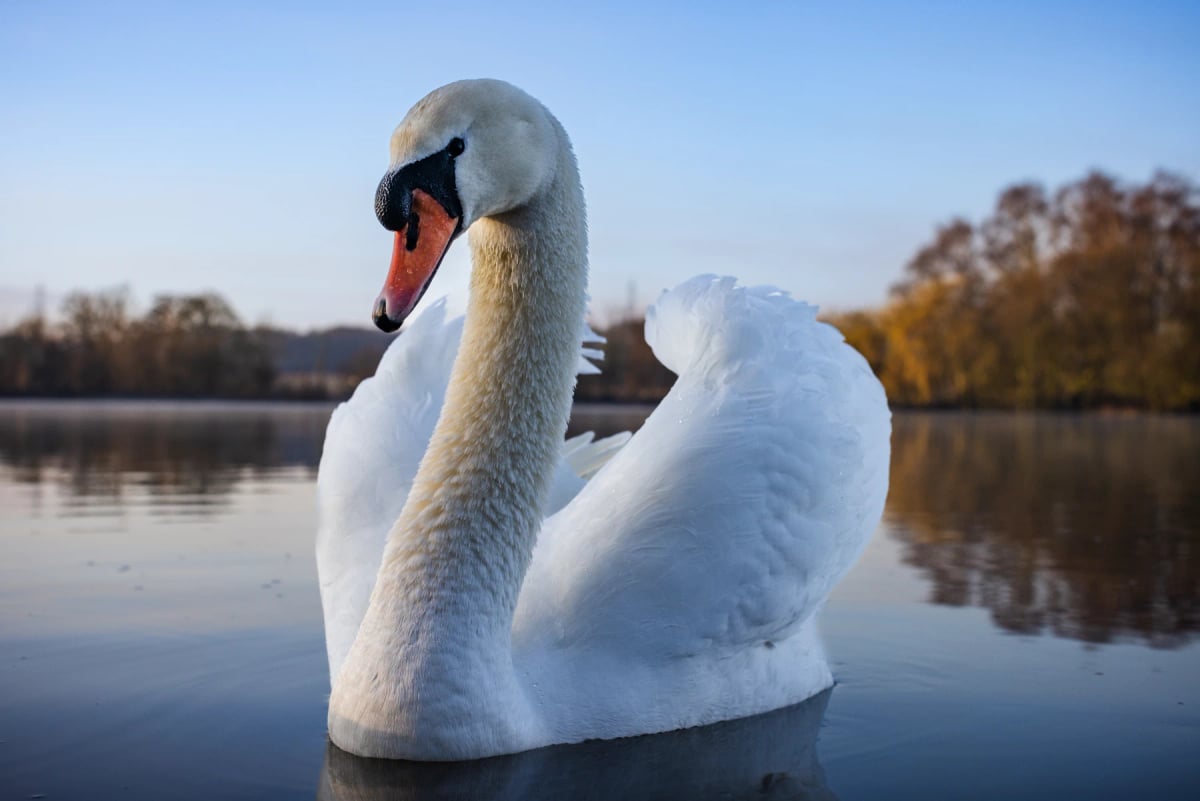
Mute Swan
Cygnus olor
The mute swan is a resident of Luxembourg's rivers and lakes, particularly along the Moselle and Our valleys and the reservoirs of the Ardennes region. Though Luxembourg is a small country, it offers suitable freshwater habitat where pairs nest and raise their young each spring. The birds are a well-known sight to locals along riverbanks and in public parks with open water. The IUCN lists this species as Least Concern.
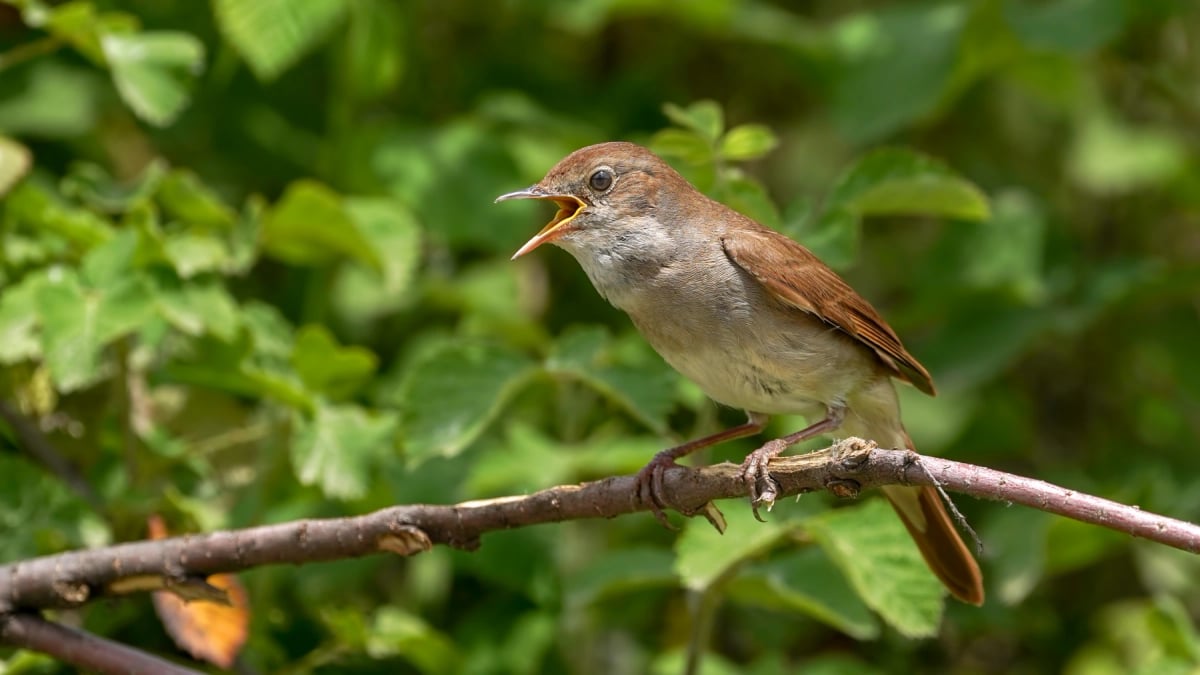
Nightingale
Luscinia megarhynchos
The nightingale breeds in Luxembourg in small but consistent numbers, favouring the dense scrubby thickets and woodland edges of the Moselle valley and the Gutland lowlands in the south of the country. It is less common in the hillier Ardennes region. Males sing from low cover during May and June. Like many woodland birds in western Europe, it has faced pressure from the loss of dense undergrowth. Its IUCN status is Least Concern.
Researched and written by Juan Pablo. Sources: IUCN Red List, scientific literature and regional field guides. Last updated: .