Animals in Burundi
Spotted Hyena
Crocuta crocuta
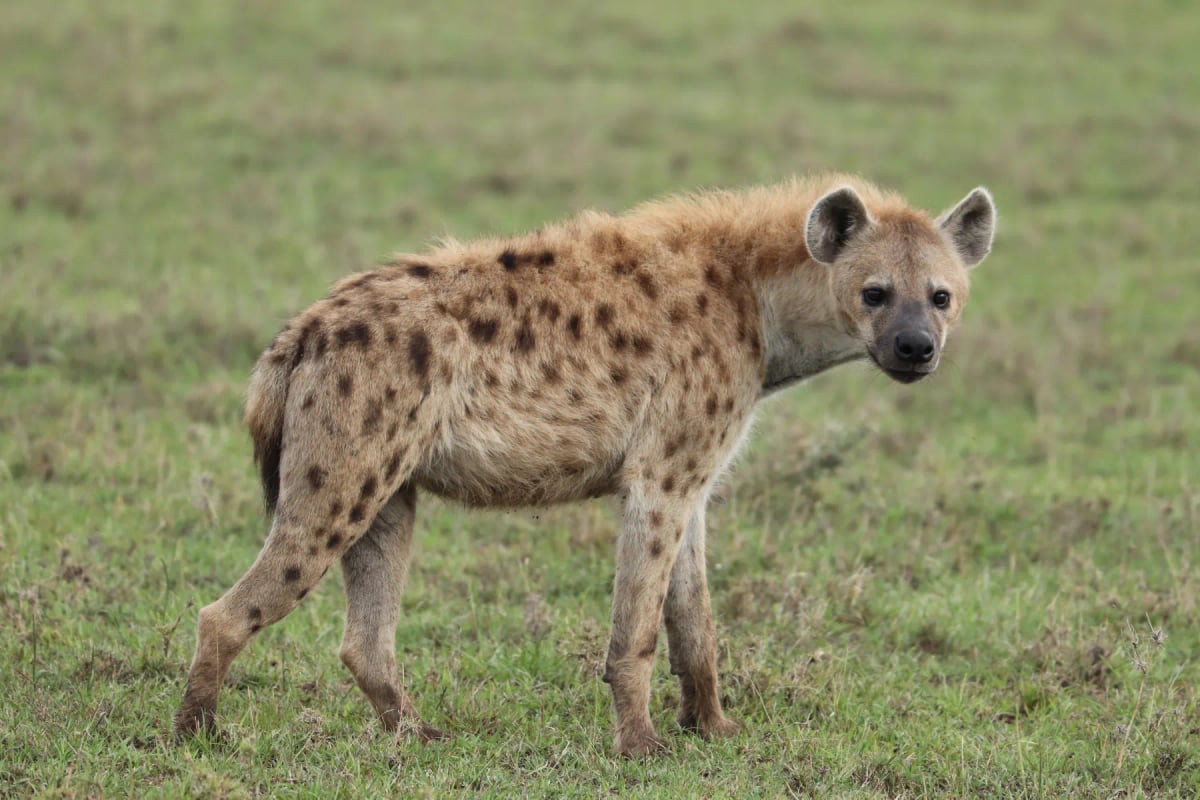
The spotted hyena, regarded as Burundi’s national animal, symbolizes adaptability and endurance. Known for its resilience and complex social life, it plays an essential ecological role. Its image represents the balance between survival and cooperation in the country’s natural environment.
View details→Wildlife in Burundi
Despite its small size, Burundi shelters diverse wildlife in its forests and around Lake Tanganyika. Chimpanzees, hippos, crocodiles and many bird species thrive in these habitats. Though often overlooked, the country offers nature experiences that reflect the ecological richness of East Africa.
Most Dangerous Animals in Burundi
Burundi is home to potentially dangerous species such as hippos, buffaloes, leopards and venomous snakes. Crocodiles and chimpanzees may also pose risks in rural areas. Guided visits allow safe encounters while protecting the country’s fragile ecosystems.
Top 10 Animals in Burundi
Burundi’s representative fauna includes chimpanzees, hippos, leopards, crocodiles and black mambas. These animals illustrate the contrast between forested highlands and aquatic zones, revealing the diversity and resilience of wildlife within its compact territory.
Buffalo
Syncerus caffer
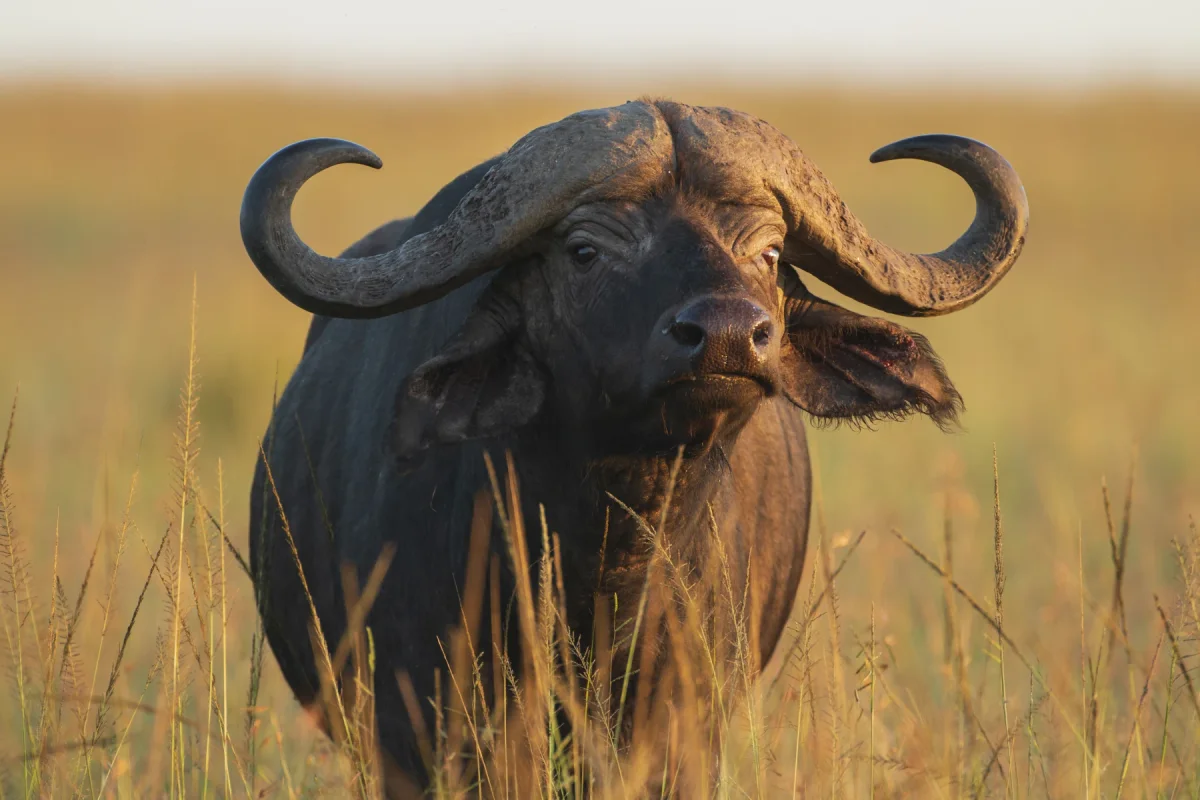
The African buffalo has a very limited presence in Burundi, where habitat loss and decades of human pressure have greatly reduced wildlife across the country. Small numbers may persist in Kibira National Park in the northwest and Ruvubu National Park in the east, both of which protect forest and savanna habitats. Conservation capacity in Burundi remains constrained, making population monitoring difficult. IUCN status: Least Concern.
Chimpanzee
Pan troglodytes
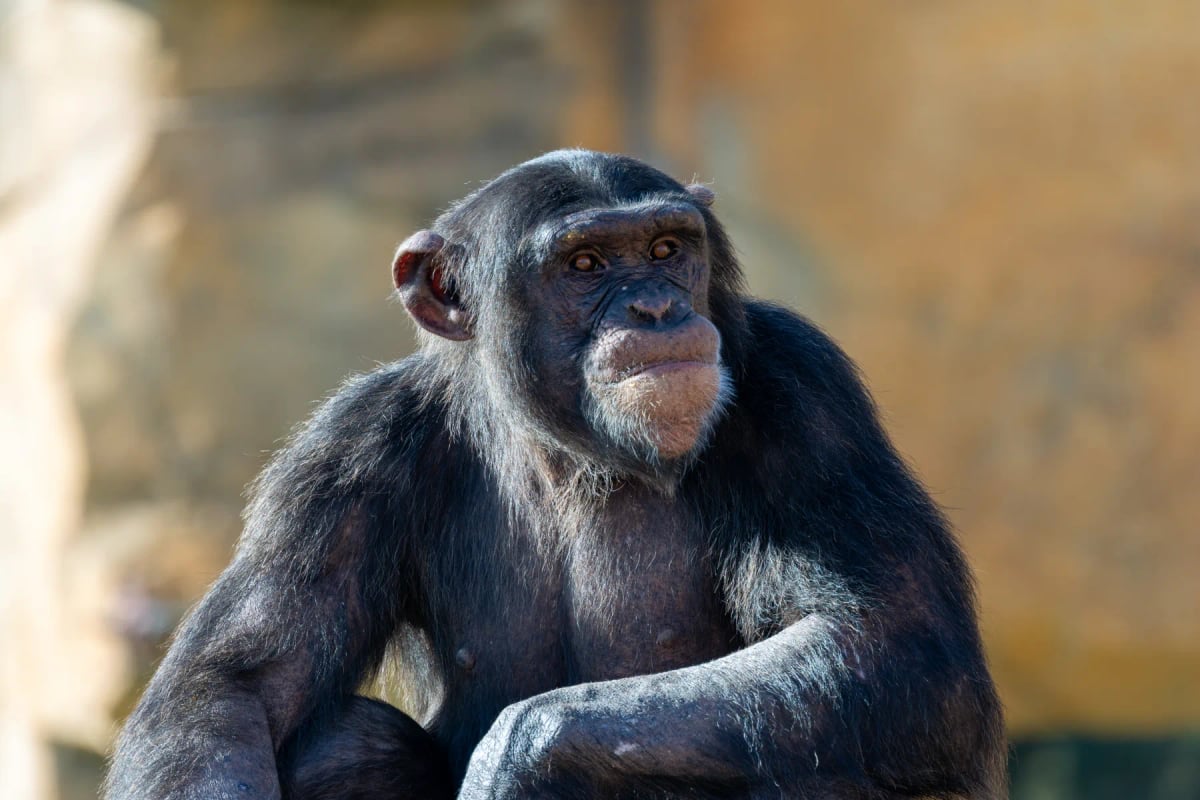
In Burundi, chimpanzees are largely confined to Kibira National Park in the northwest, a mountain rainforest that forms part of the larger Albertine Rift ecosystem. The park offers one of the last intact forest refuges in this densely populated country. Classified as Endangered, these chimpanzees face pressure from encroachment at forest edges and from illegal hunting.
Hippopotamus
Hippopotamus amphibius
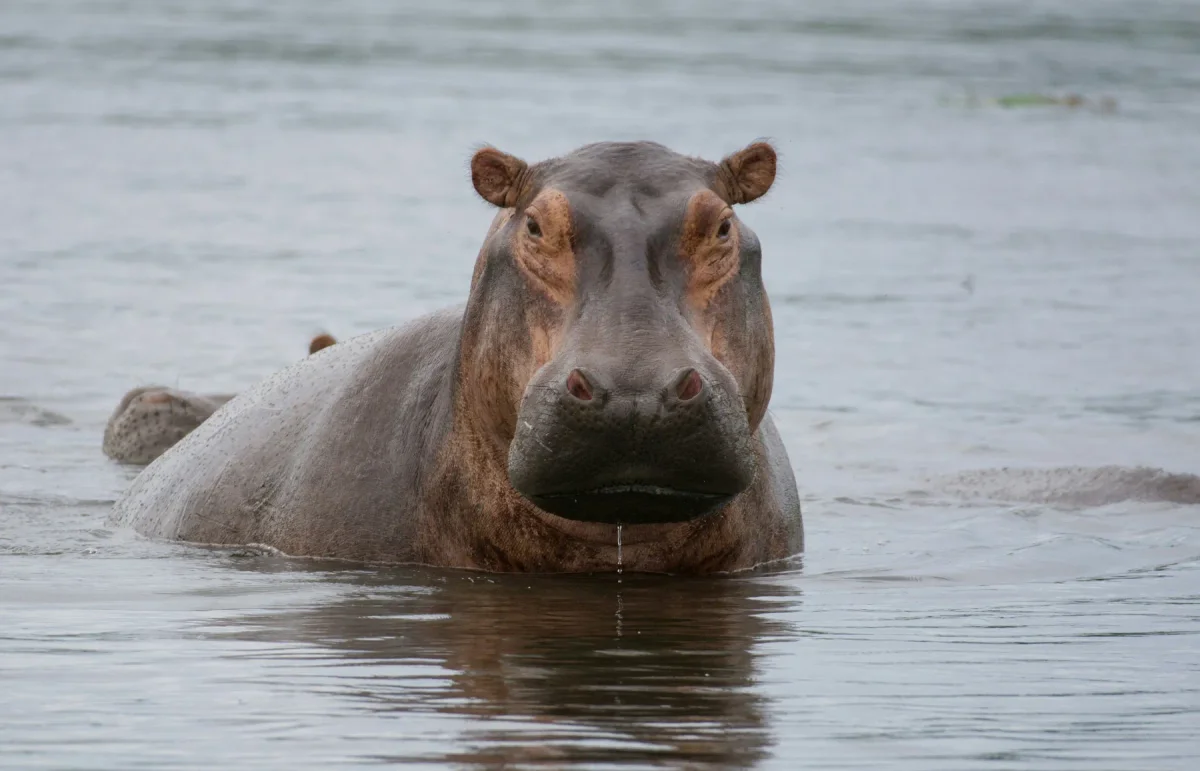
In Burundi, hippopotamuses are found along the Rusizi River and in the northern reaches of Lake Tanganyika, one of the deepest lakes in the world. The Rusizi National Park provides some protection, but hippo numbers in this small, densely populated country have declined sharply due to habitat loss and poaching. Conservation efforts face significant challenges given the pressure on land and water resources. The IUCN lists the hippopotamus as Vulnerable.
Spotted Hyena
Crocuta crocuta
The spotted hyena has a very limited presence in Burundi, one of Africa's most densely populated countries. Suitable habitat has been dramatically reduced by agriculture and human settlement, leaving little room for large carnivores. Any remaining individuals are likely found near the borders with Tanzania and the Democratic Republic of Congo, where patches of woodland and grassland still exist. Conflict with people poses a serious and ongoing threat.
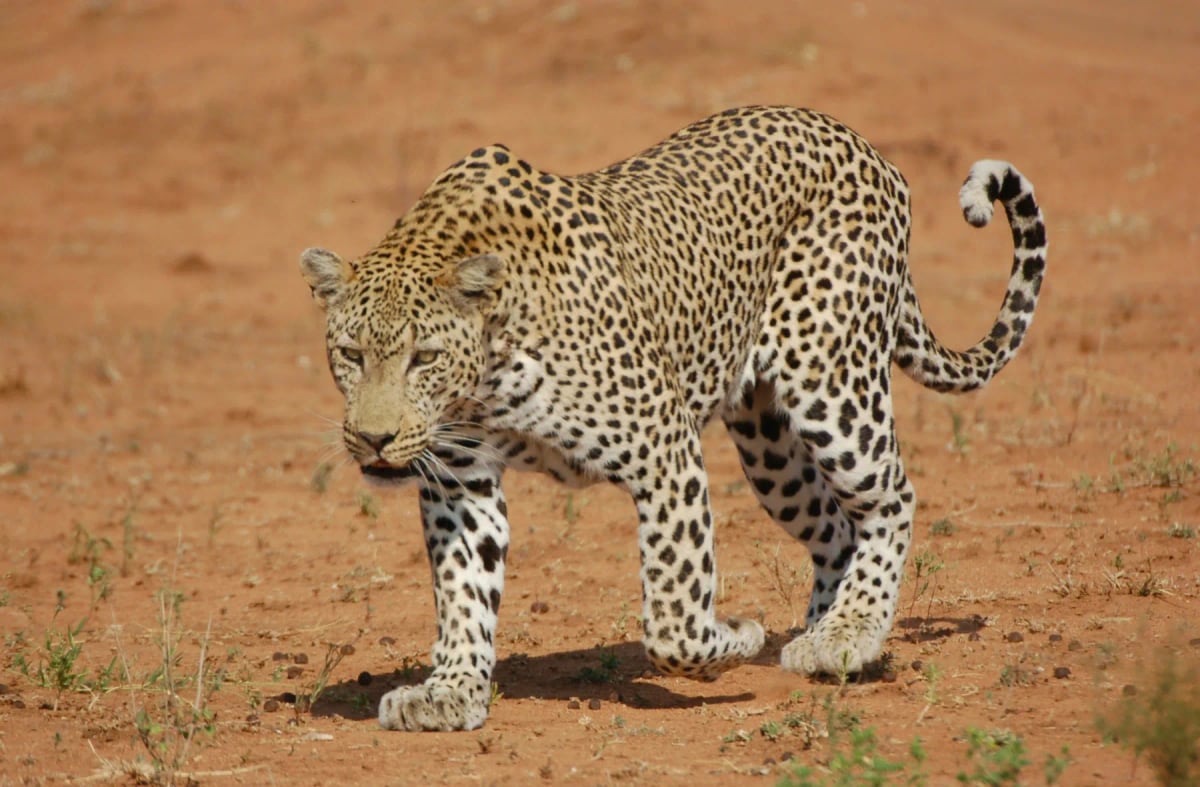
Leopard
Panthera pardus
Burundi is one of Africa's most densely populated countries, which has put enormous pressure on its remaining wild areas. Leopards are believed to persist in Kibira National Park, a montane rainforest in the northwest, and in Ruvubu National Park to the east. Habitat loss and fragmentation are the primary threats. The species is rarely seen, and reliable population data for Burundi remains limited.
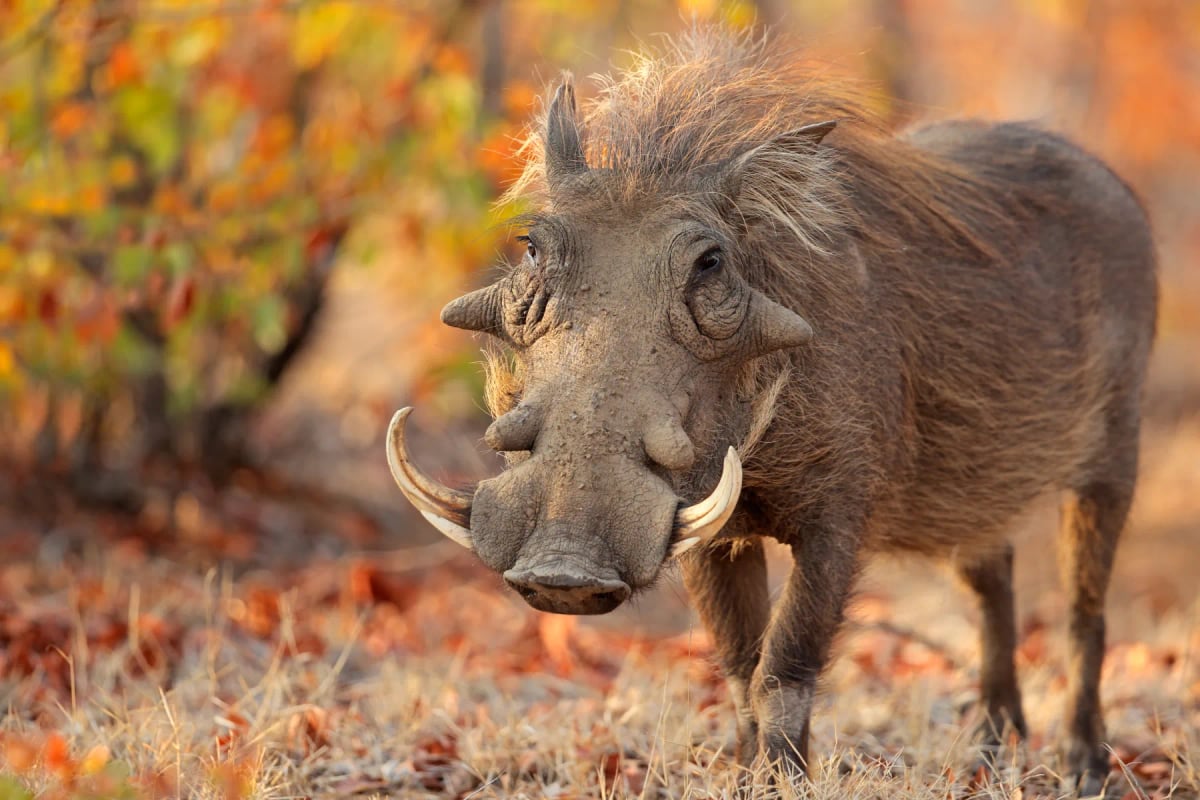
Warthog
Phacochoerus africanus
The common warthog occurs in Burundi's remaining patches of savanna and open woodland, though its range is limited by the country's dense human population and widespread agricultural land. It feeds on grasses and roots and relies on abandoned burrows for shelter. Warthogs are still encountered in and around Ruvubu National Park, the country's largest protected area. Its IUCN status is Least Concern.
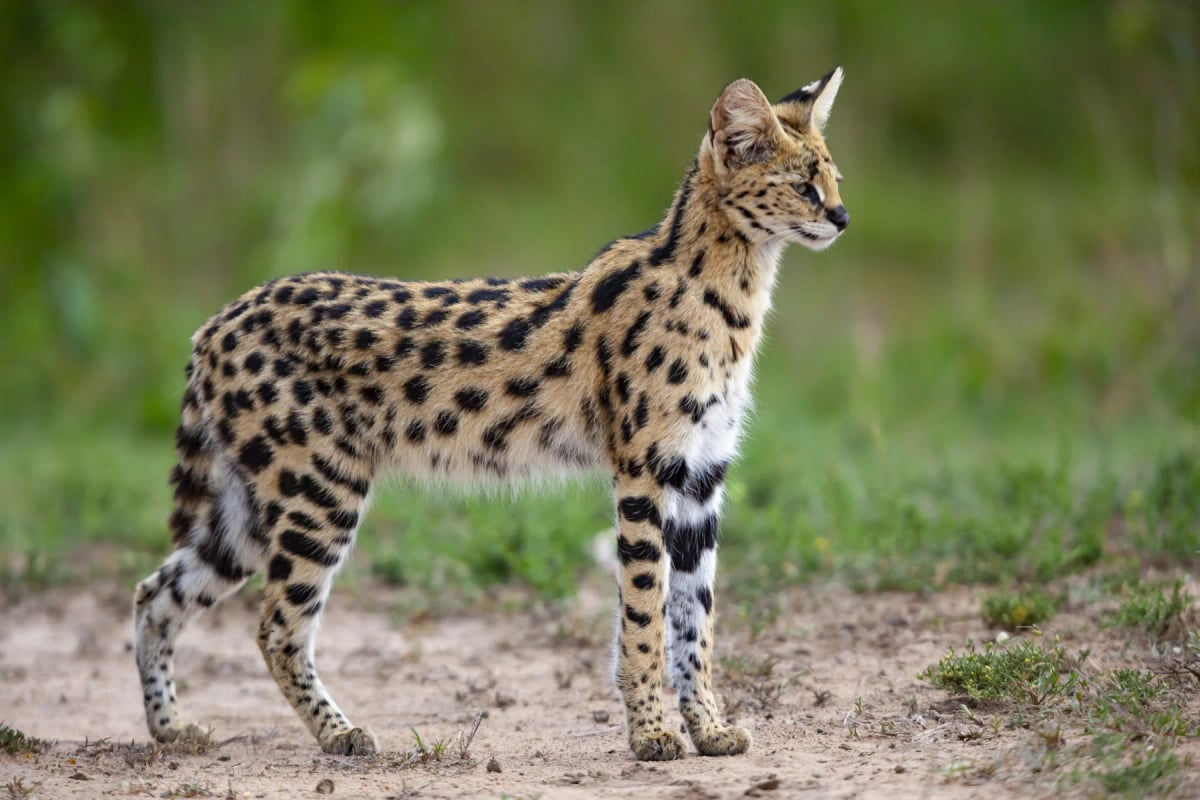
Serval
Leptailurus serval
The serval inhabits the wet highland grasslands and marshes of Burundi, a small but ecologically rich country in the heart of Africa. It is especially associated with areas bordering Lake Tanganyika and the Rusizi wetlands in the northwest. Its large ears allow it to locate prey beneath dense grass before striking with a precise leap. The IUCN considers it Least Concern, but Burundi's high population density puts pressure on its habitat.
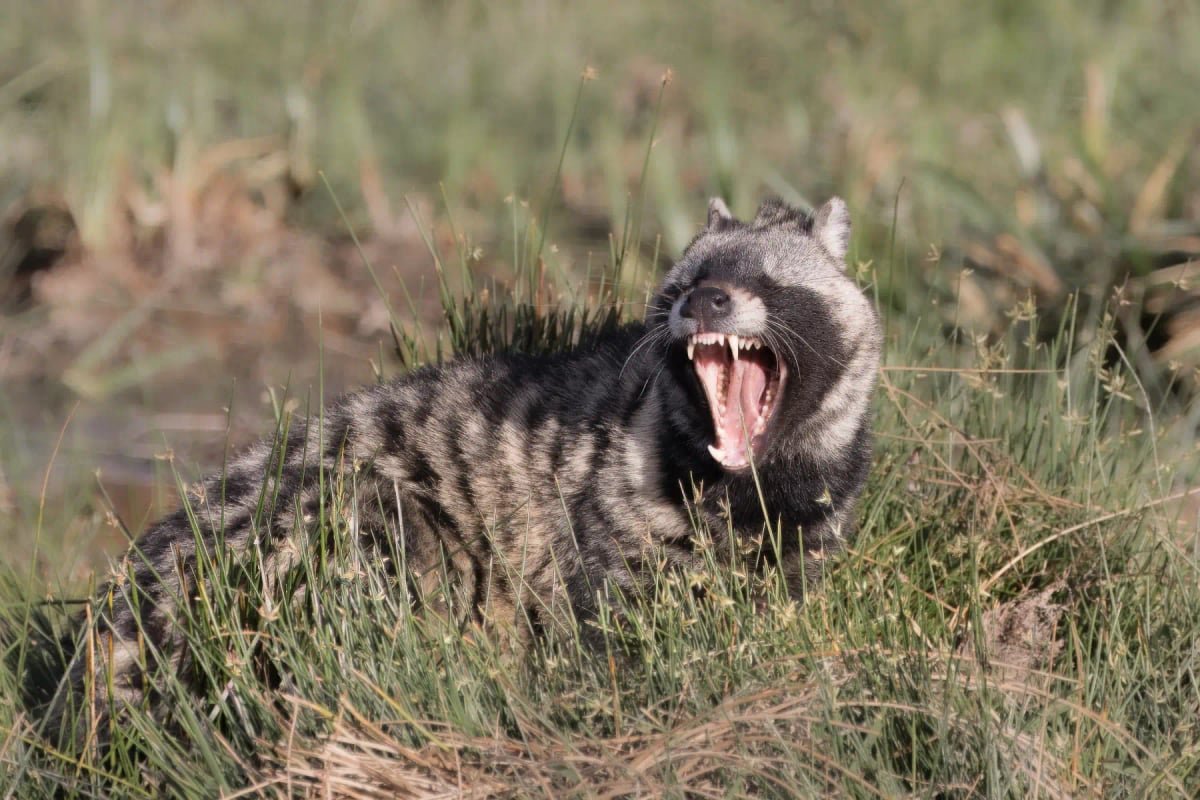
African Civet
Civettictis civetta
The African civet is present in Burundi's remaining forests and woodland savannas, particularly along the shores of Lake Tanganyika and in the river valleys descending from the central plateau. The country's varied topography supports resident populations in areas with dense vegetation and water access. Civets in Burundi face growing pressure from habitat loss, as forests have been heavily cleared for agriculture across much of the country's hillsides and valleys.

Honey Badger
Mellivora capensis
The honey badger occurs in Burundi across montane grasslands and forest edges, particularly in the higher elevations of the Congo-Nile ridge. Its loose, tough skin and powerful claws make it well suited to life in rugged terrain. It is an opportunistic feeder that takes snakes, rodents, and insects. Habitat loss from agriculture and high human population density in Burundi poses a long term challenge for the species.
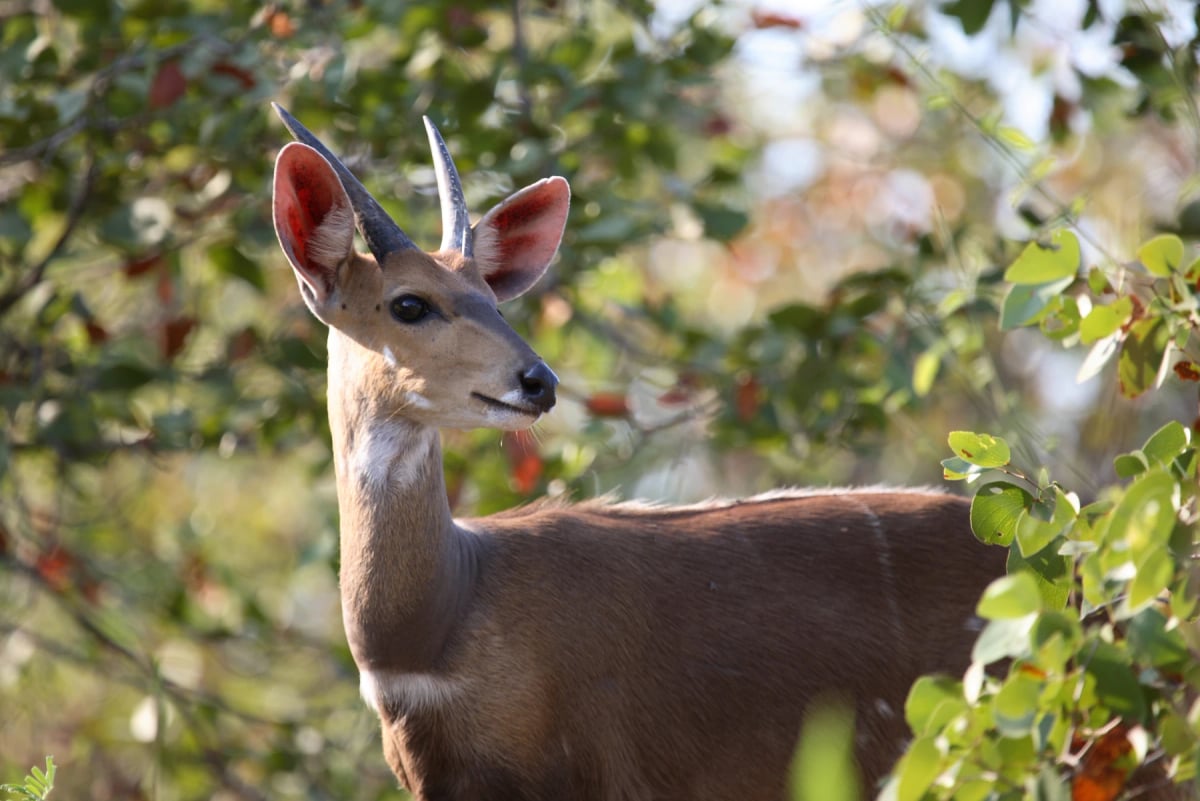
Bushbuck
Tragelaphus scriptus
In Burundi's forested and woodland regions, bushbucks thrive in dense vegetation where they forage nocturnally on leaves, shoots and bark. These solitary antelopes display characteristic white spots and stripes across their reddish brown coats. Males develop short spiraled horns while females are hornless. Despite their wide presence across African forests, bushbucks in Burundi remain difficult to observe due to their wary, retiring nature.
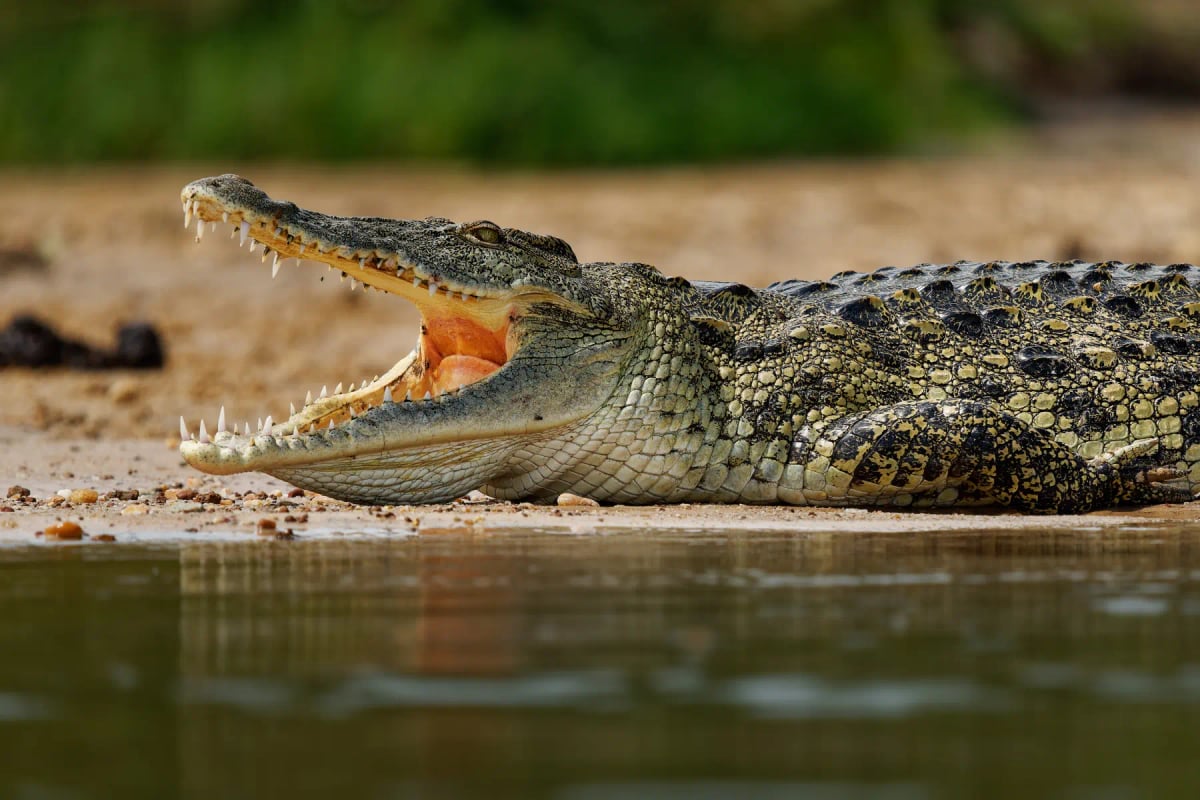
Nile Crocodile
Crocodylus niloticus
In Burundi, the Nile crocodile is present in Lake Tanganyika and the Rusizi River, which forms the country's border with the Democratic Republic of Congo. Lake Tanganyika is one of the deepest lakes in the world and supports a rich fish community that sustains crocodile populations. Habitat pressure and proximity to dense human settlements along these waterways create ongoing tension between people and crocodiles.
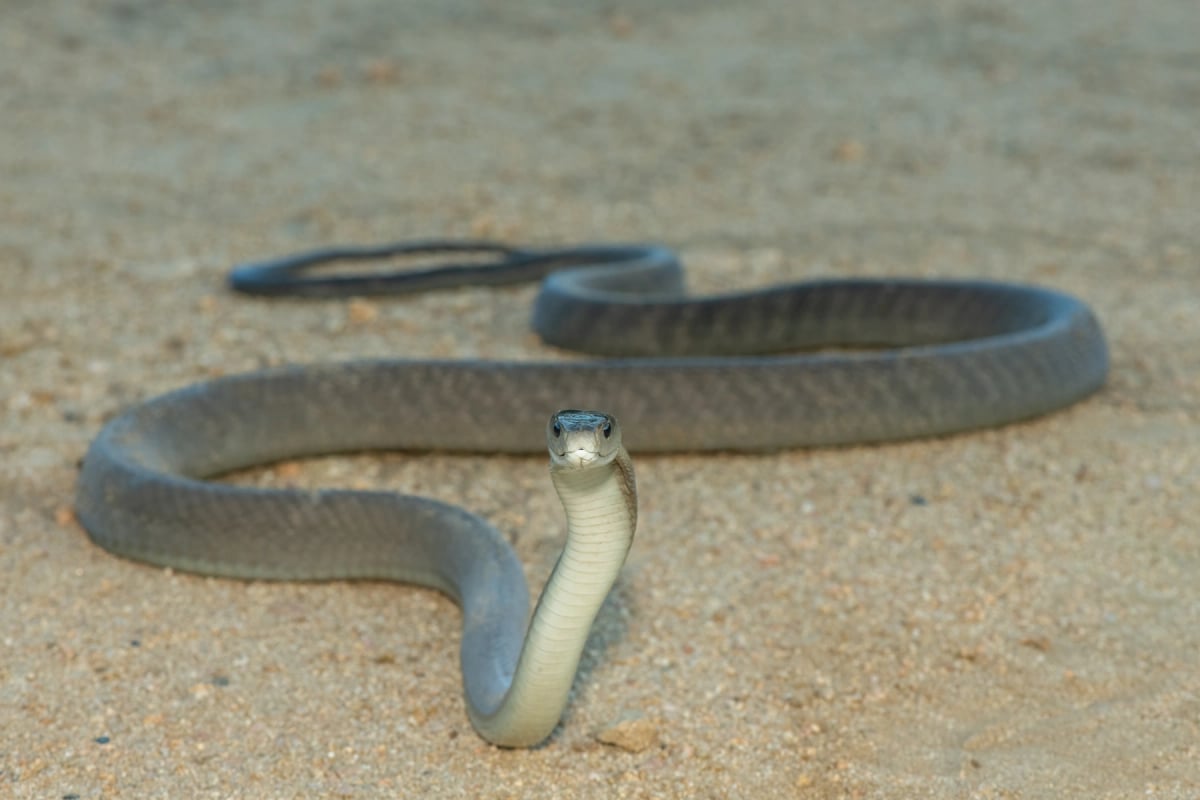
Black Mamba
Dendroaspis polylepis
In Burundi, the black mamba inhabits the drier savanna valleys and rocky slopes that contrast with the country's more densely forested highlands. Though sightings are relatively rare, it is a confirmed presence in suitable lowland habitat. Its neurotoxic venom acts quickly, and Burundi's limited antivenom availability means that any suspected bite should be treated as a medical emergency requiring immediate attention.
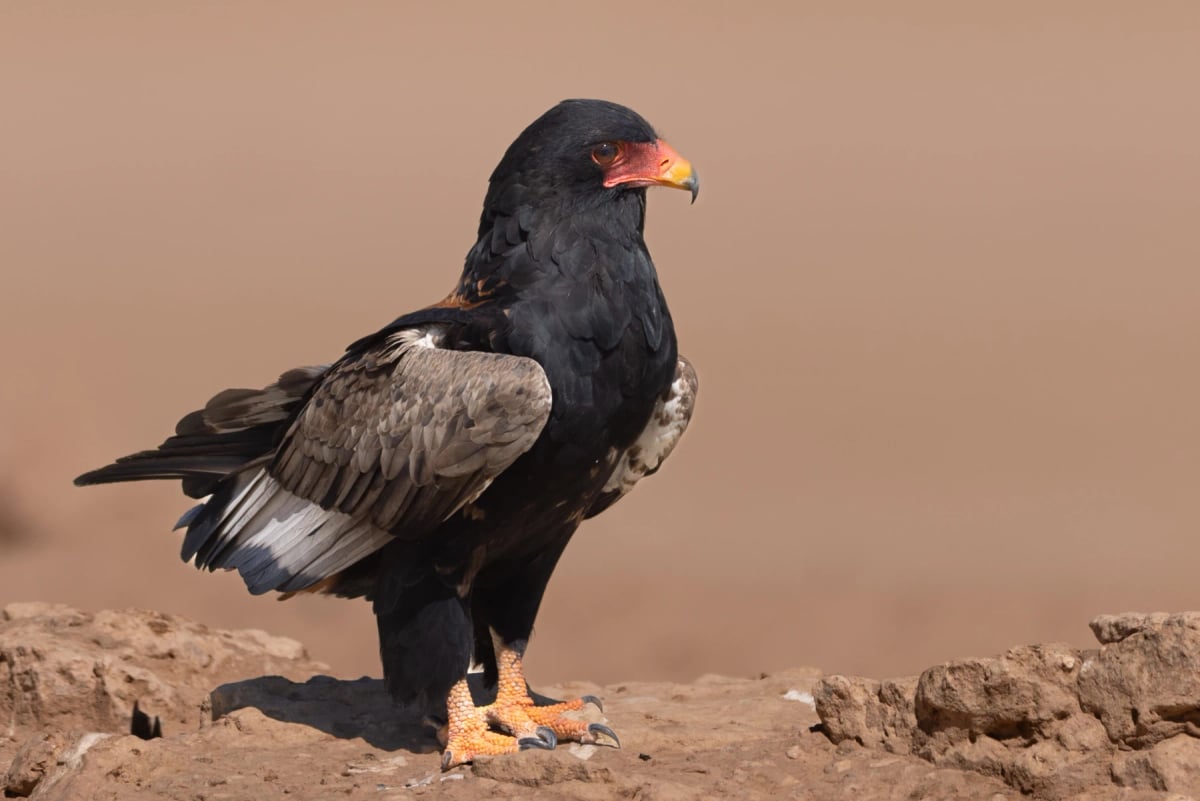
Bateleur
Terathopius ecaudatus
In Burundi, the bateleur is a scarce resident associated with open savanna and woodland habitats, particularly in the lower-lying areas toward the east of the country near the Tanzanian border. It covers extensive distances daily in its search for food. Burundi's high population density and ongoing habitat loss make conditions difficult for this IUCN Endangered eagle to maintain stable numbers.
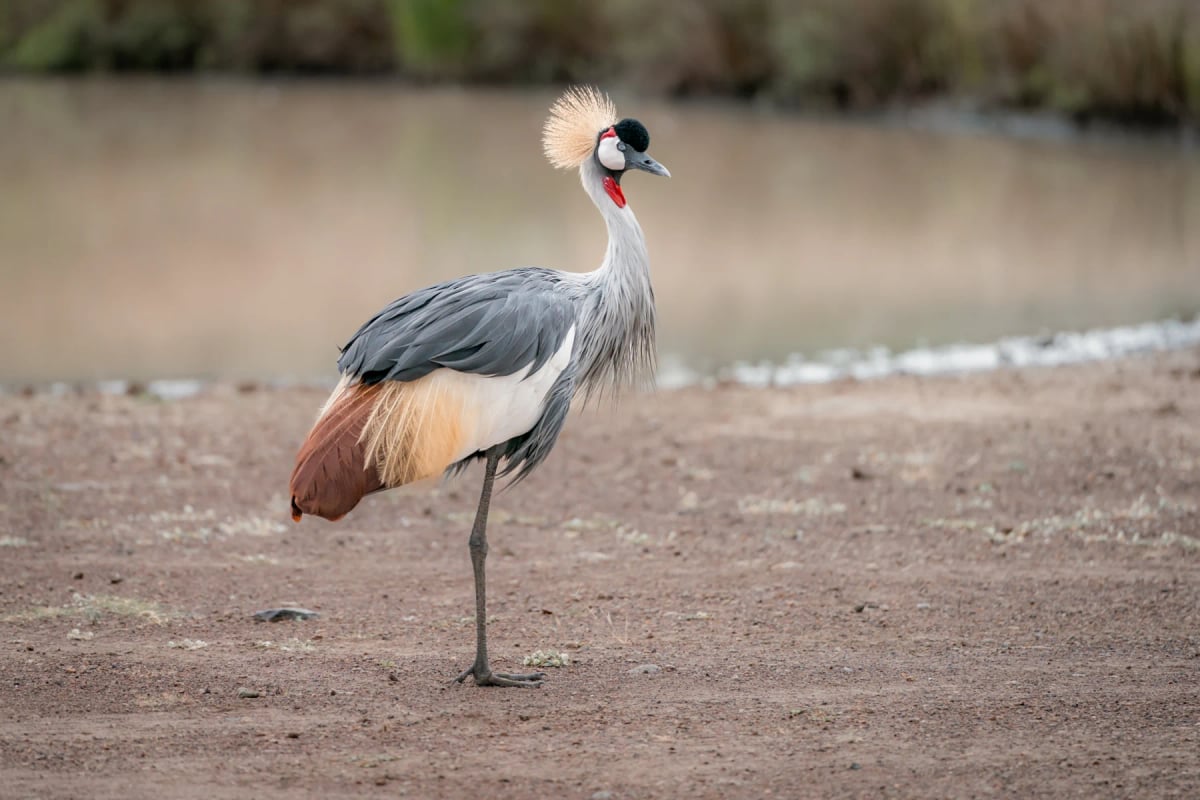
Grey Crowned Crane
Balearica regulorum
The Grey Crowned Crane is found in Burundi's remaining wetlands and moist valley grasslands, habitats that have shrunk considerably due to agricultural expansion. This elegant bird forages for seeds, insects, frogs, and small vertebrates, often in flooded fields and marshy areas. Burundi's dense human population puts strong pressure on the wetland ecosystems this species depends on, making local conservation efforts especially important for its survival. It is globally Endangered.
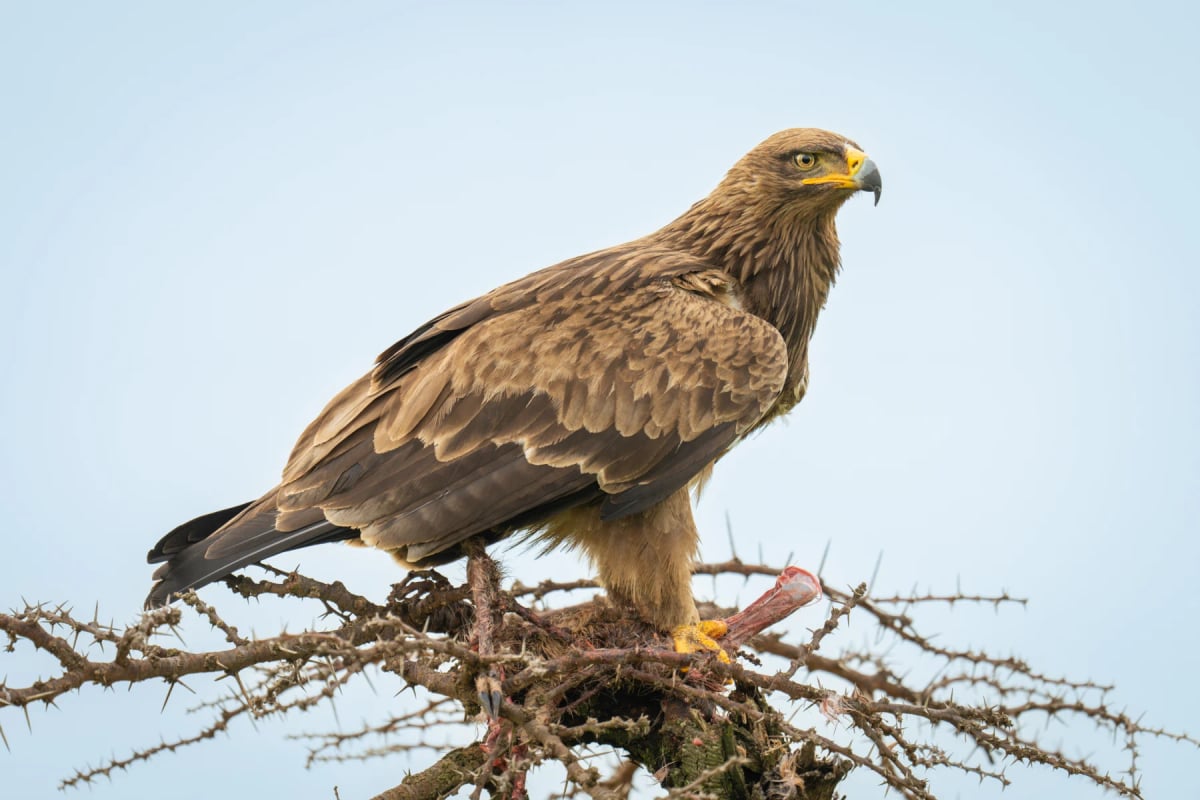
Steppe Eagle
Aquila nipalensis
Burundi lies along the migration and wintering range of the Steppe Eagle in East Africa. Open areas and grasslands within the country can host birds as they move through or settle for the winter months. Although records from Burundi are less frequent than from neighboring countries, the species has been documented here. Protecting open habitats in the region is important for this Endangered eagle throughout its annual cycle.
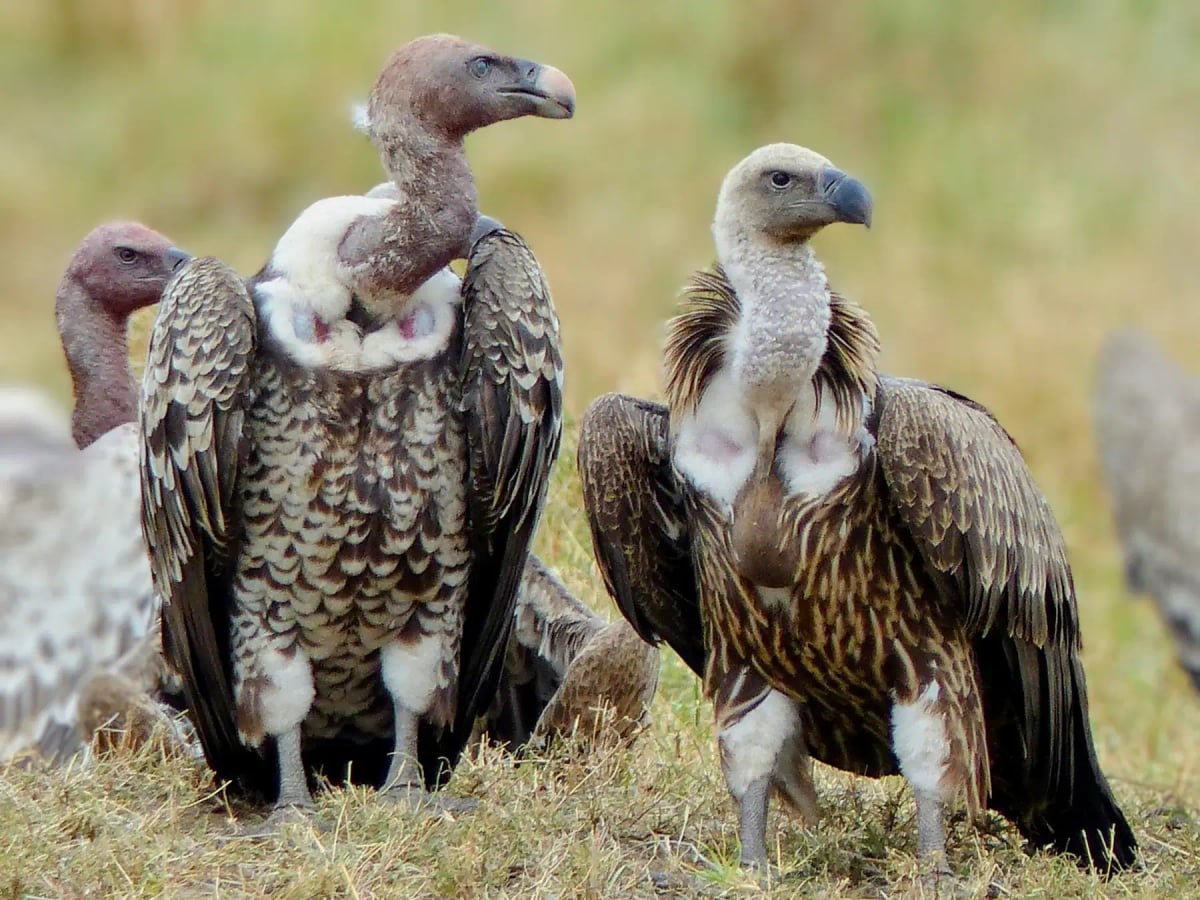
White backed Vulture
Gyps africanus
The white backed vulture has a limited and poorly documented presence in Burundi, one of the most densely populated countries in Africa. Suitable savanna habitat is scarce, and records of the species are infrequent. Any individuals present likely move across the border with Tanzania. Given its status as Critically Endangered, even small populations in Burundi deserve careful attention from local and regional conservation efforts.
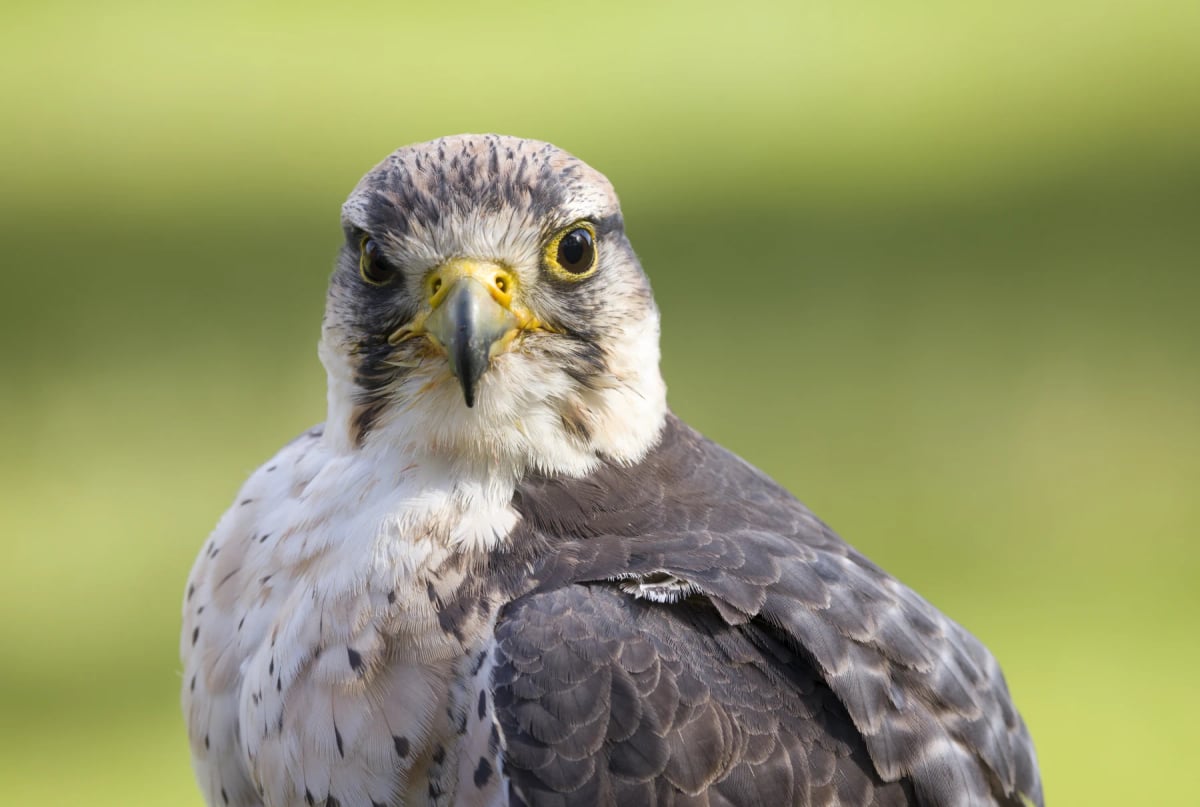
Lanner Falcon
Falco biarmicus
The lanner falcon is a regular presence in Burundi's highland areas and open savanna edges. It hunts birds such as doves by using fast, low pursuit flights rather than steep dives. Pairs are often seen working together to flush prey into the open. Cliff ledges and rocky outcrops across the country's hilly terrain provide ideal nesting sites. It is listed as Least Concern by the IUCN.
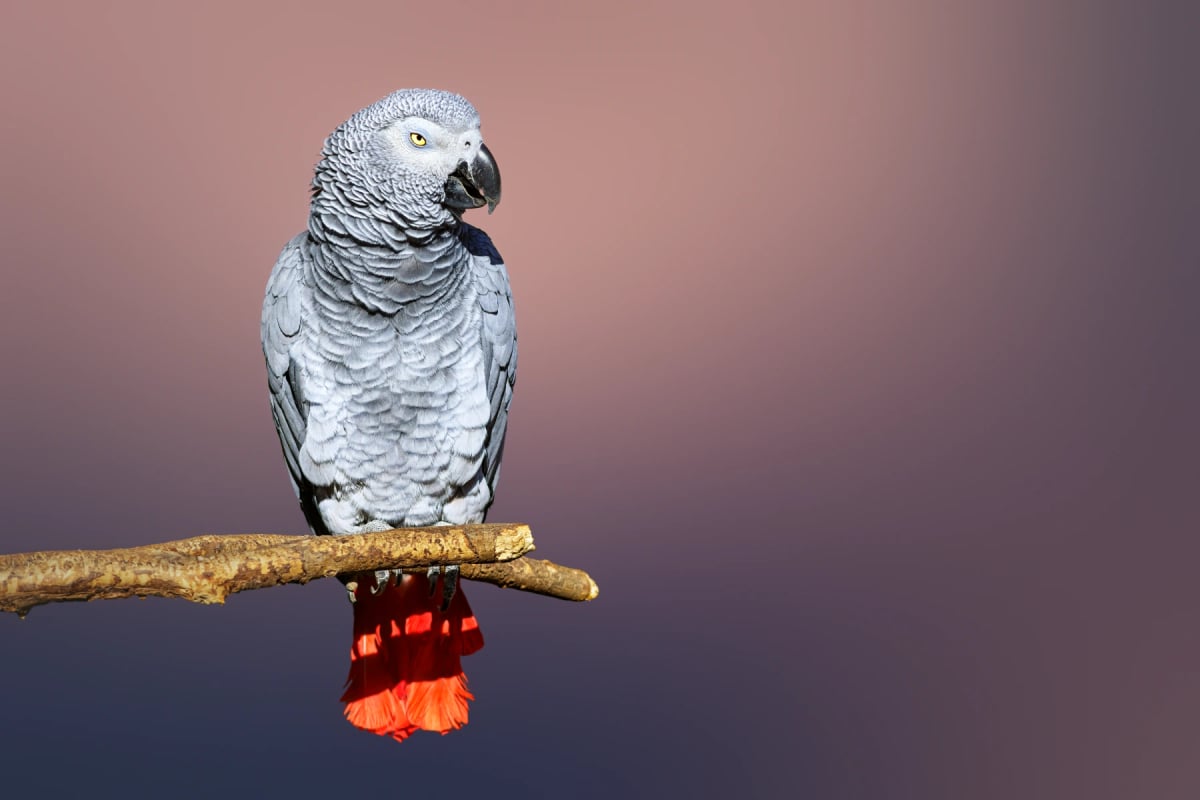
African Grey Parrot
Psittacus erithacus
Burundi's African grey parrots are confined to the remaining forest patches in the western part of the country, particularly near the Congo-Nile ridge and the forests bordering the Democratic Republic of Congo. As one of the most densely populated countries in Africa, Burundi has lost a large proportion of its forest cover, leaving the species in a fragmented and increasingly isolated habitat. Trapping for the pet trade has been documented here and contributes to ongoing population decline.
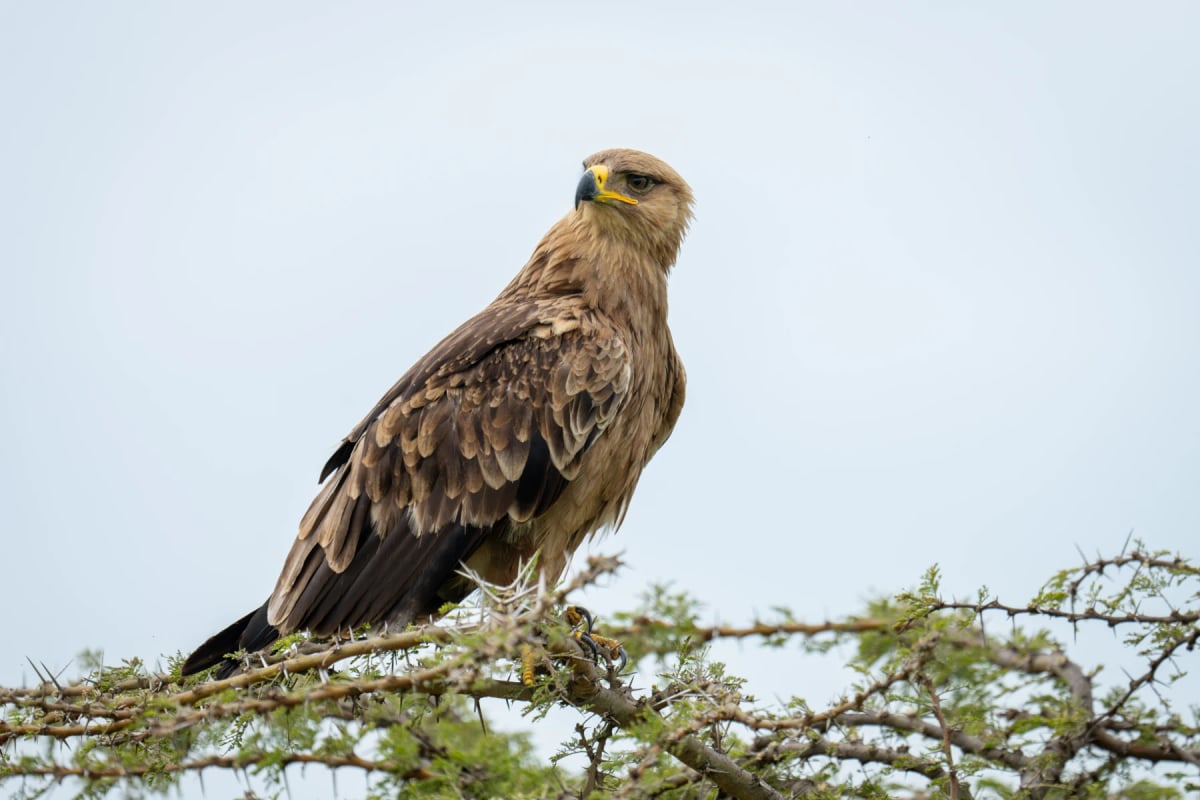
Tawny Eagle
Aquila rapax
In Burundi, the tawny eagle is associated with the open savannas and grasslands found mainly in the lower elevation areas near Lake Tanganyika and the eastern plains. It is an adaptable hunter that also relies on carrion. Its population in Burundi is small, and threats such as habitat clearance and poisoning continue to affect it across the wider region. The IUCN lists it as Vulnerable.
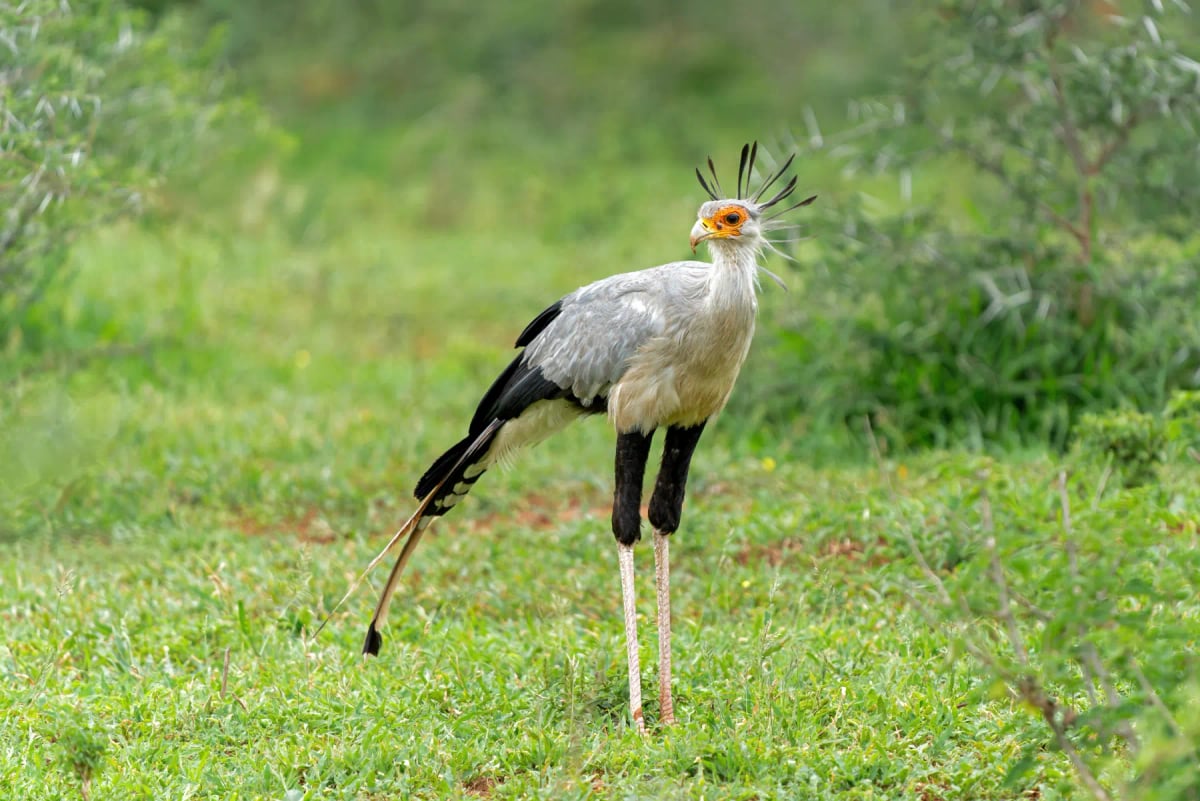
Secretary Bird
Sagittarius serpentarius
In Burundi, the secretary bird occurs in open grasslands and savanna areas, though its range is limited given the country's small size and heavily farmed landscape. It hunts on foot across open terrain, targeting snakes, rodents, and large insects. The ongoing conversion of natural grasslands to farmland has made sightings increasingly rare in Burundi. The IUCN lists it as Endangered.
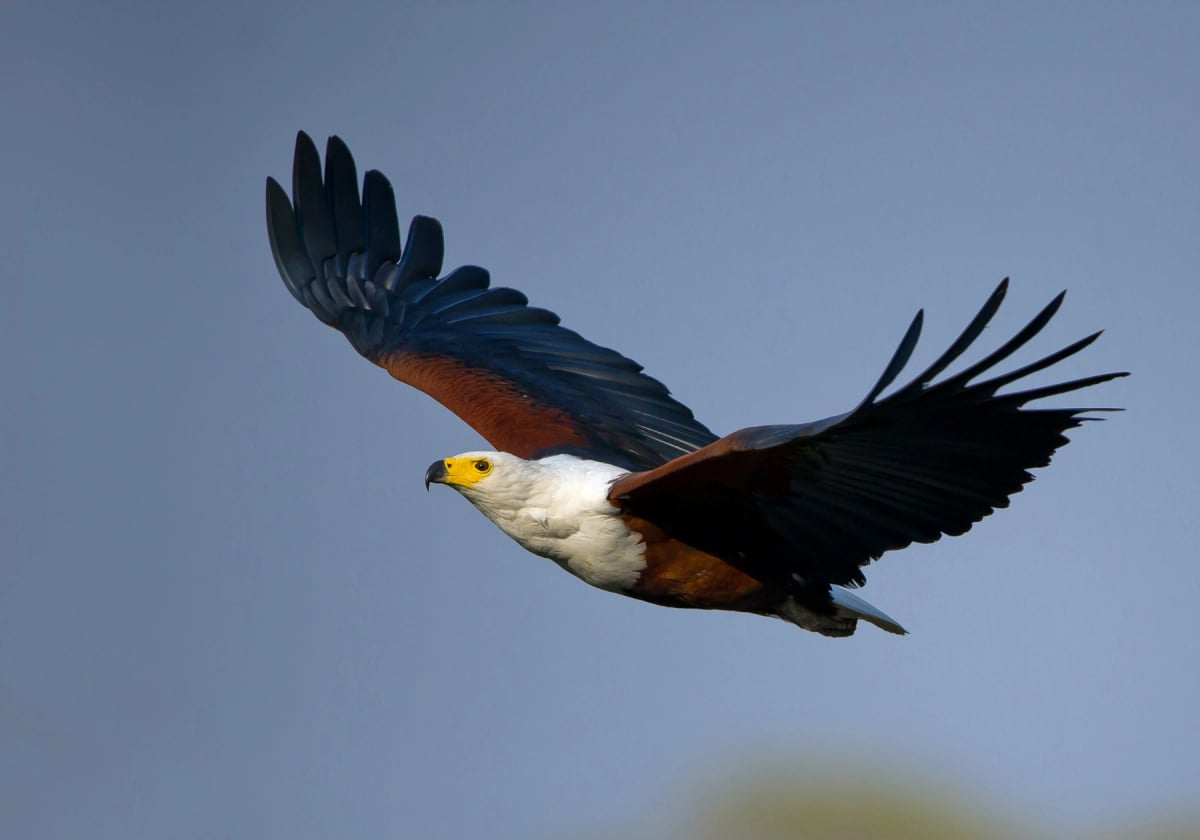
African Fish Eagle
Haliaeetus vocifer
The African fish eagle is found in Burundi mainly along Lake Tanganyika, which forms the entire western border of the country. The lake provides rich fishing grounds that support resident pairs throughout the year. It is also present along interior rivers and smaller wetlands, but the Tanganyika shoreline and the Rusizi River delta at the lake's northern tip are the most reliable spots to observe this eagle.
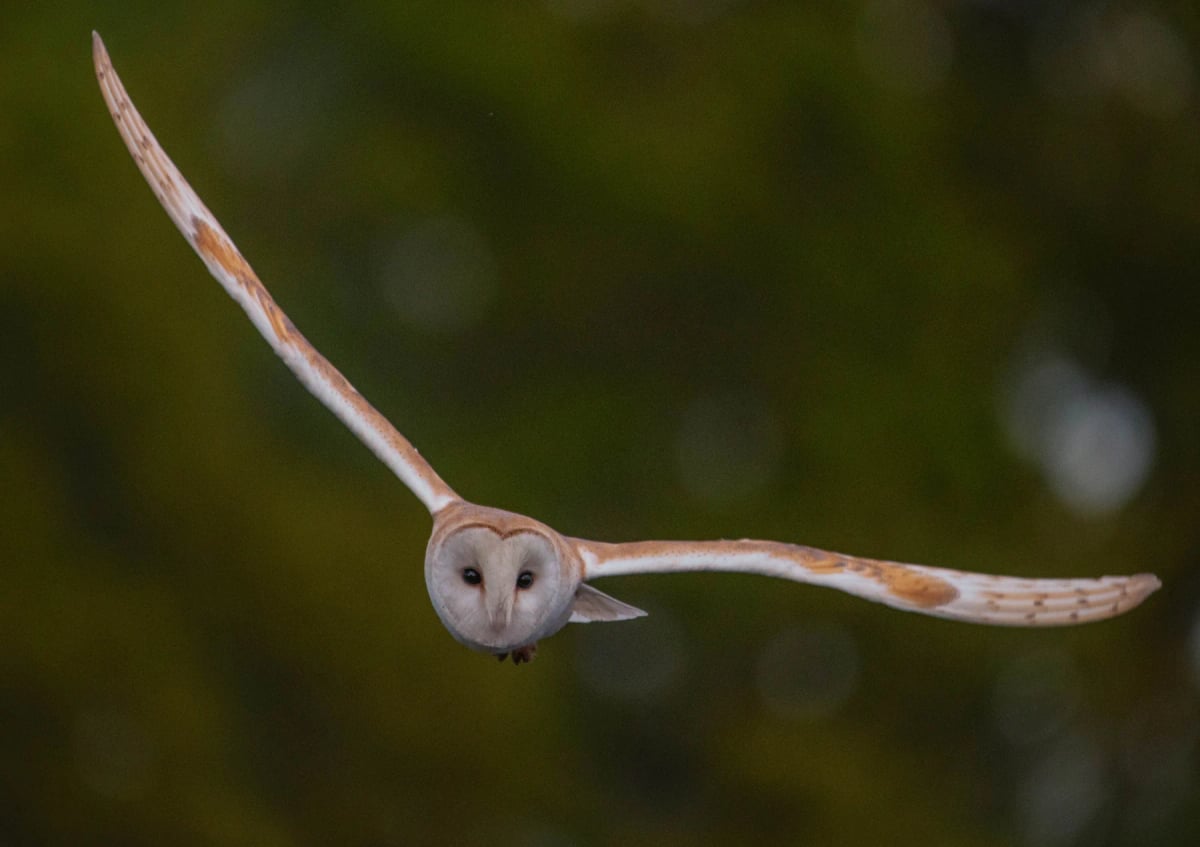
Barn Owl
Tyto alba
The barn owl is found in Burundi in open farmland, grassland, and the edges of villages across the country's densely populated highlands and lake shore areas. It nests in old buildings and hollow trees and hunts rodents at night. In one of the most densely farmed countries in Africa, it plays a meaningful role in controlling small mammal populations that damage crops and stored food, making it a quietly valued presence in rural communities.
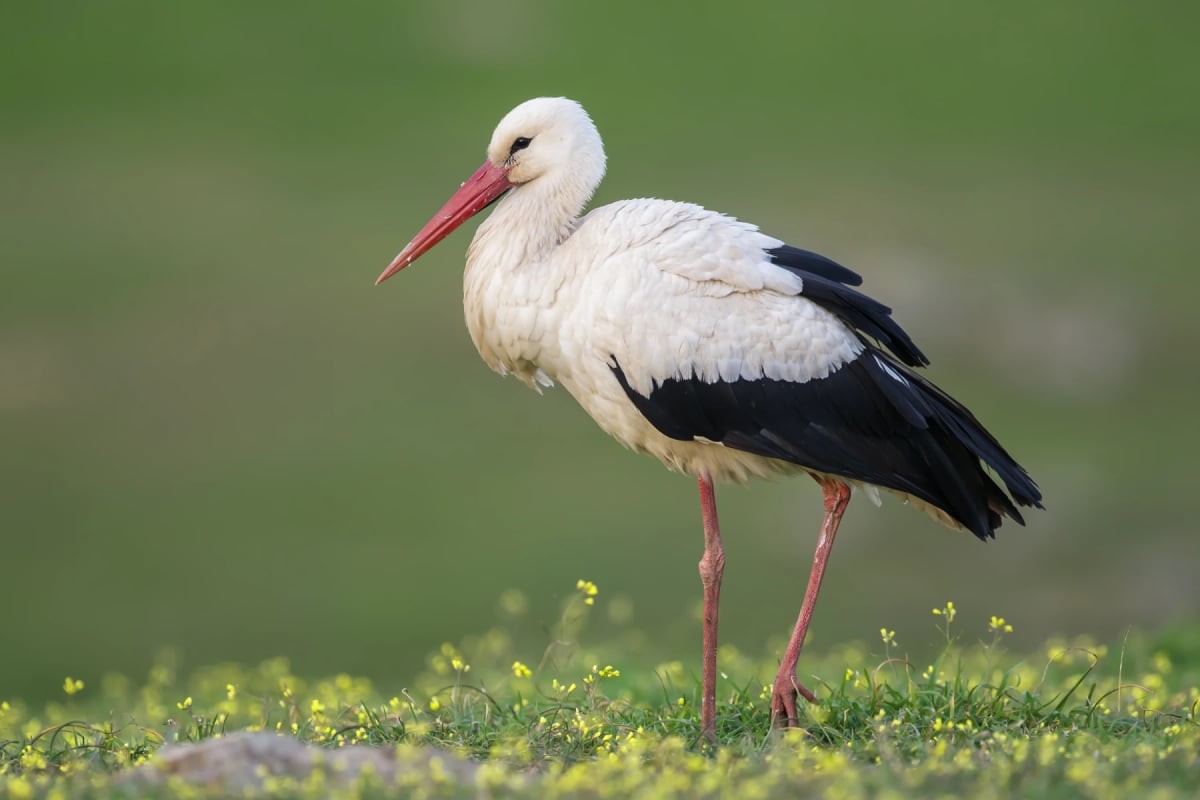
Stork
Ciconia ciconia
White storks pass through and winter in Burundi, a small but ecologically varied country in the heart of Africa. The highland valleys, wetlands, and agricultural plains provide feeding grounds for birds that have traveled from breeding areas in Europe and western Asia. Burundi's position in the Great Rift Valley places it on a corridor used by many migratory species. The IUCN lists the white stork as Least Concern.
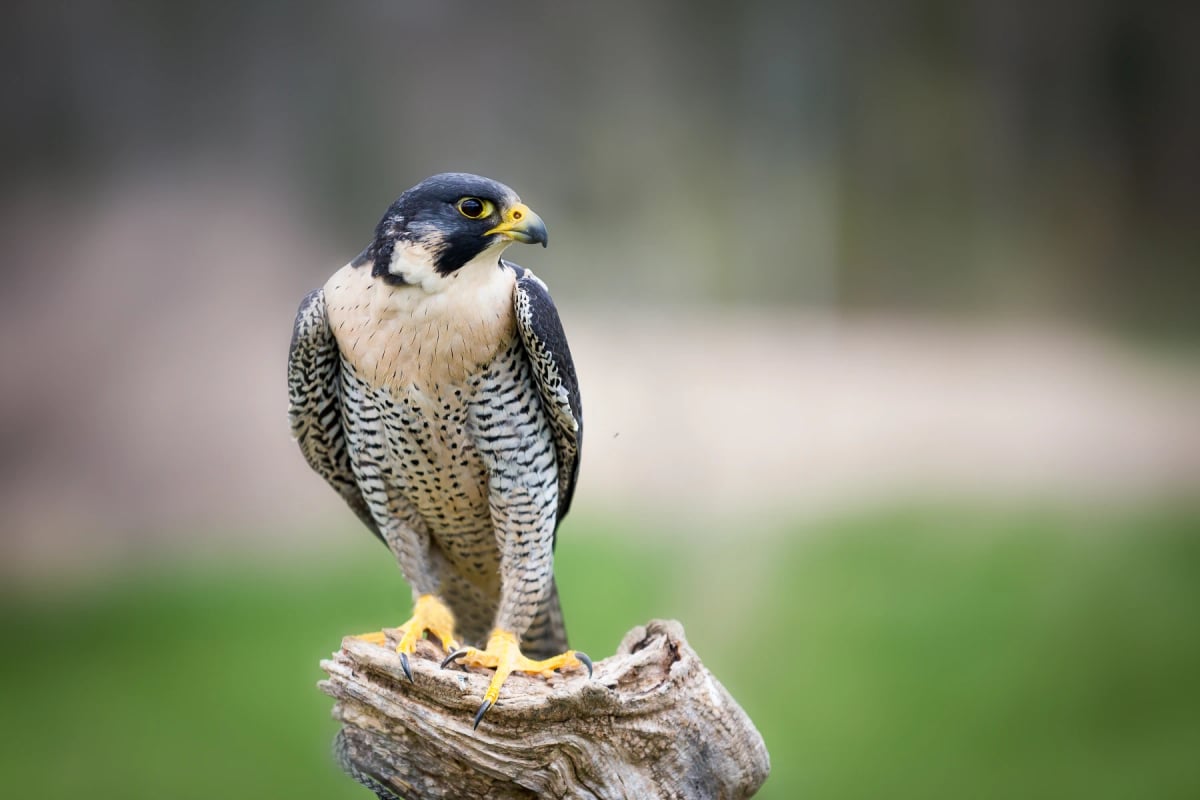
Peregrine Falcon
Falco peregrinus
The peregrine falcon occurs in Burundi as a migrant passing through the Albertine Rift region, one of Africa's most important corridors for birds traveling between the northern and southern hemispheres. It may also winter in small numbers across the country's highland areas and around Lake Tanganyika. Open ridges and escarpments in the western part of the country provide ideal conditions for a falcon that hunts other birds in open airspace.
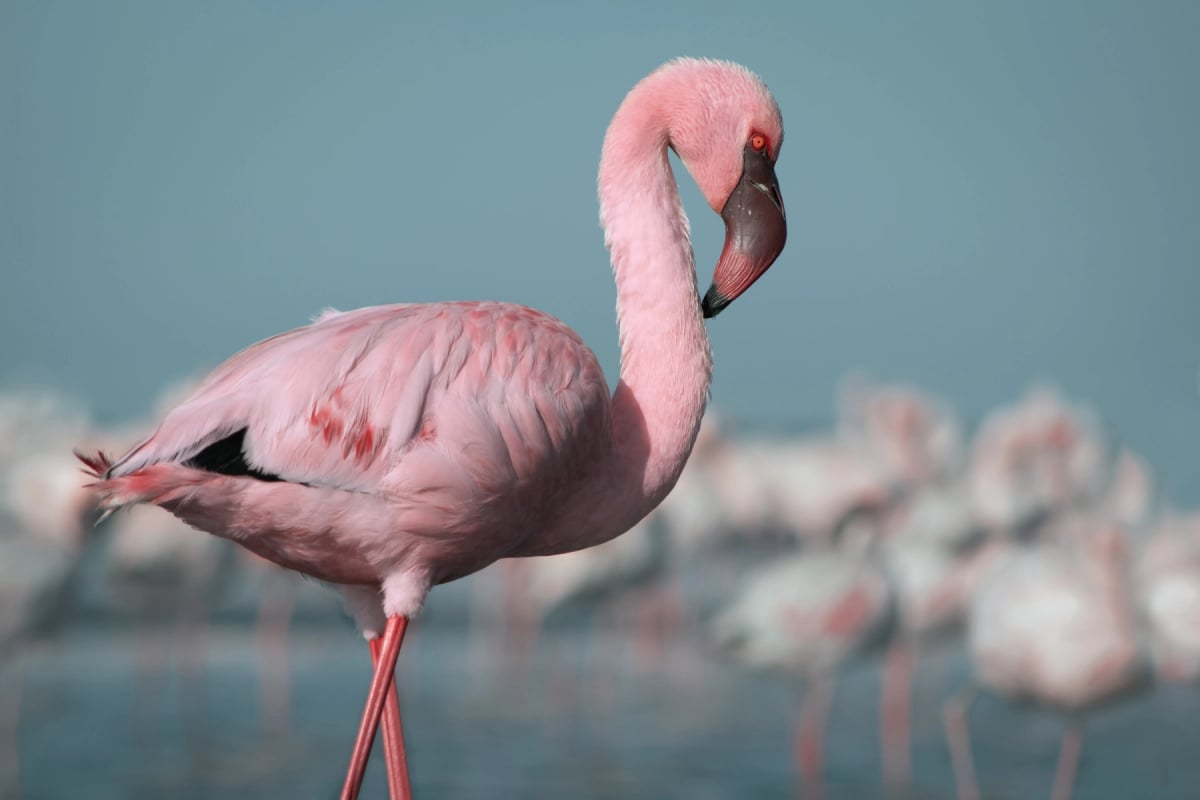
Flamingo
Phoenicopteridae (6 species)
Burundi has two flamingos: the greater flamingo, listed as present year round, and the lesser flamingo, which visits outside the breeding season. Both are uncommon here, far from the soda lakes of Kenya and Tanzania, and are usually seen in small numbers along the shores of Lake Tanganyika and nearby wetlands in the west. Their pink colors stand out among the herons and storks of the lakeshore. IUCN status: greater flamingo Least Concern, lesser flamingo Near Threatened.
Researched and written by Juan Pablo. Sources: IUCN Red List, scientific literature and regional field guides. Last updated: .