Animals in Malaysia
Wildlife in Malaysia
Malaysia spans Borneo and the Malay Peninsula, with rainforests, karst hills and rich coasts. Boardwalks and canopy towers in Sabah and Sarawak show forest life, while river cruises on Kinabatangan and Tasik Kenyir give easy views at dawn. Around Langkawi and the east coast, reefs and calm bays suit snorkel days and boat trips. Highways and short flights link parks with cities, so weekend visits are simple all year.
Most Dangerous Animals in Malaysia
Risk in Malaysia follows habitat. In rainforests, large mammals can be strong at close range and wild boar is unpredictable, while big lizards use open edges near villages. Humid zones hold reticulated pythons and king cobras, though most sightings are brief. At sea, sea snakes and sharks, including the bull shark, use channels and passes around reefs. Reports usually describe distant encounters on marked routes.
Top 10 Animals in Malaysia
Our Top 10 for Malaysia favors species that define typical routes from forest to coast. Big mammals and clear reef icons help plan simple days. Leopard and Asian elephant anchor the idea of deep rainforest, while the reticulated python adds a clear lowland note. The peregrine falcon brings city and cliff views, and the clownfish gives the easy reef image for family snorkel near islands and sheltered bays.
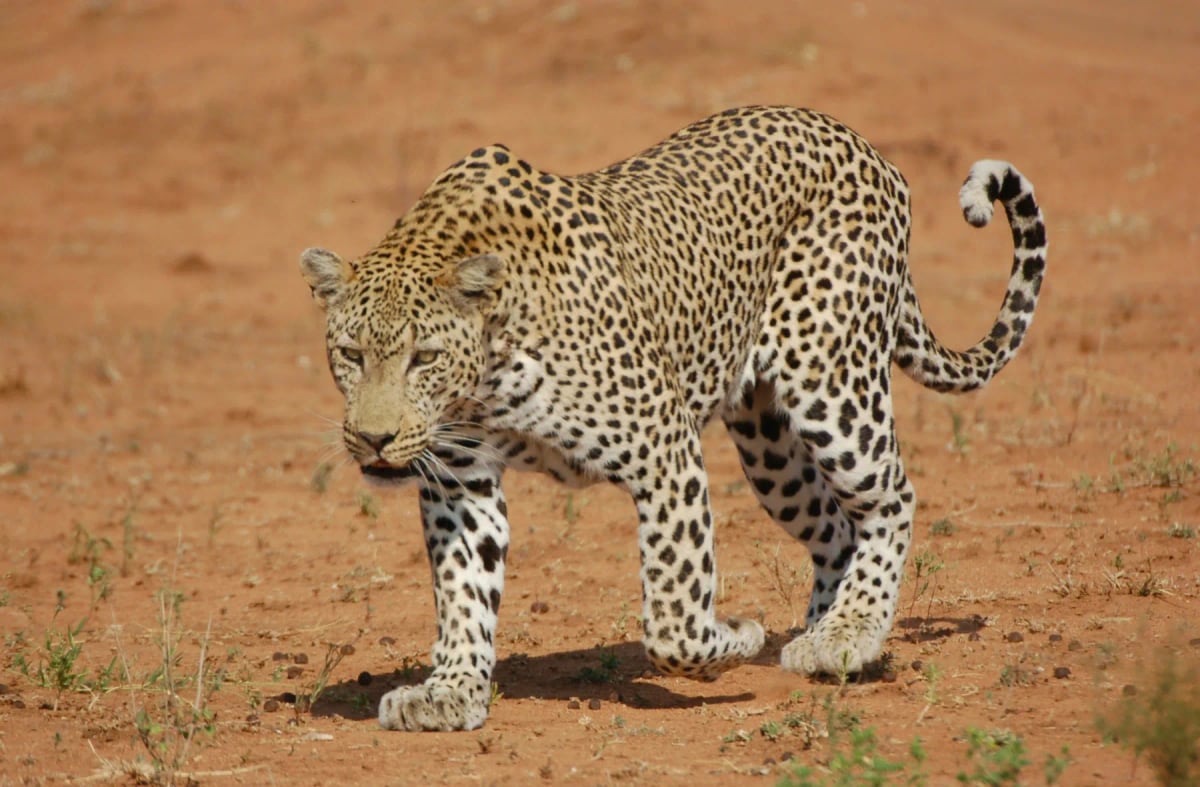
Leopard
Panthera pardus
In Malaysia, the Indochinese leopard (Panthera pardus delacouri) inhabits the rainforests of Peninsular Malaysia, while the island of Borneo is home to the clouded leopard, a separate species. Habitat loss from palm oil expansion and logging has significantly reduced leopard range on the peninsula. They are rarely seen and considered locally rare. Protected areas such as Taman Negara offer some of the most intact remaining forest habitat.
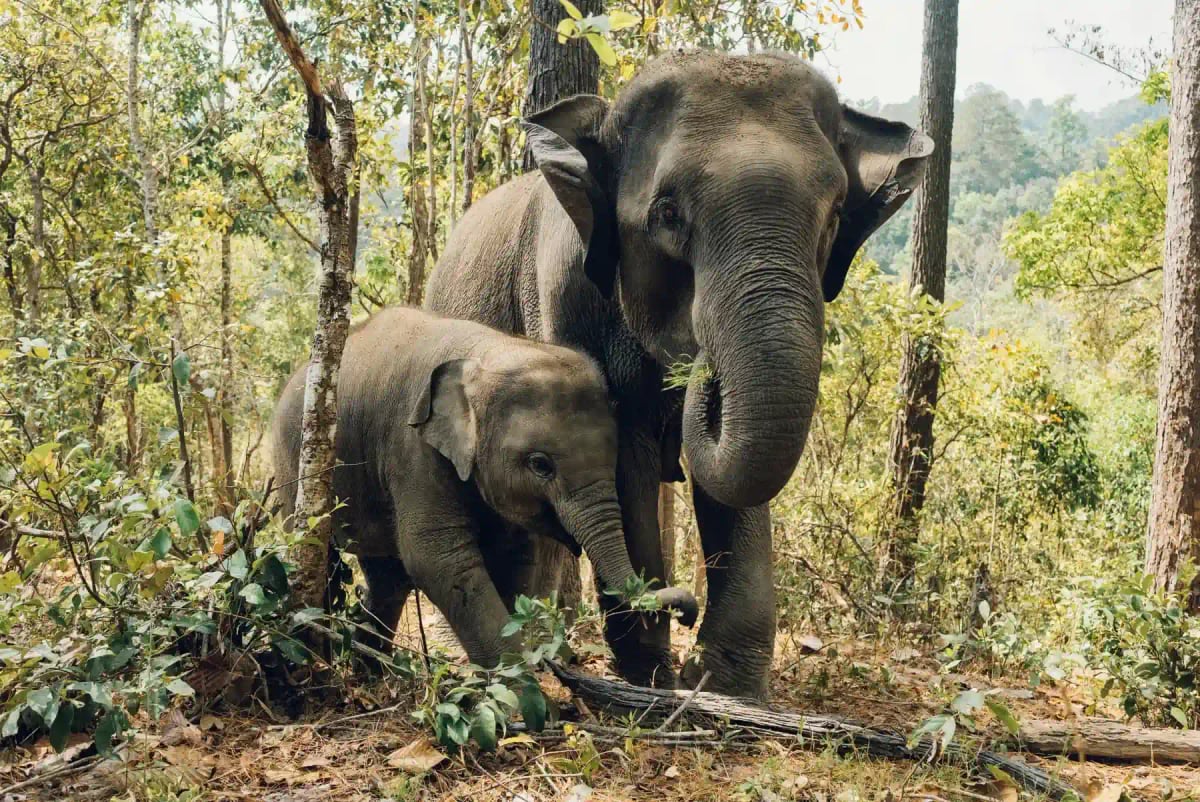
Asian Elephant
Elephas maximus
Malaysia holds two geographically separate elephant populations. In Peninsular Malaysia, the Malayan elephant inhabits interior forests, with the main concentrations in Taman Negara and Endau-Rompin national parks. In Sabah, on the island of Borneo, the pygmy elephant is found along the lower Kinabatangan River, one of the best places in Asia to observe wild elephants from a boat. Both populations face ongoing pressure from plantation expansion and habitat fragmentation.
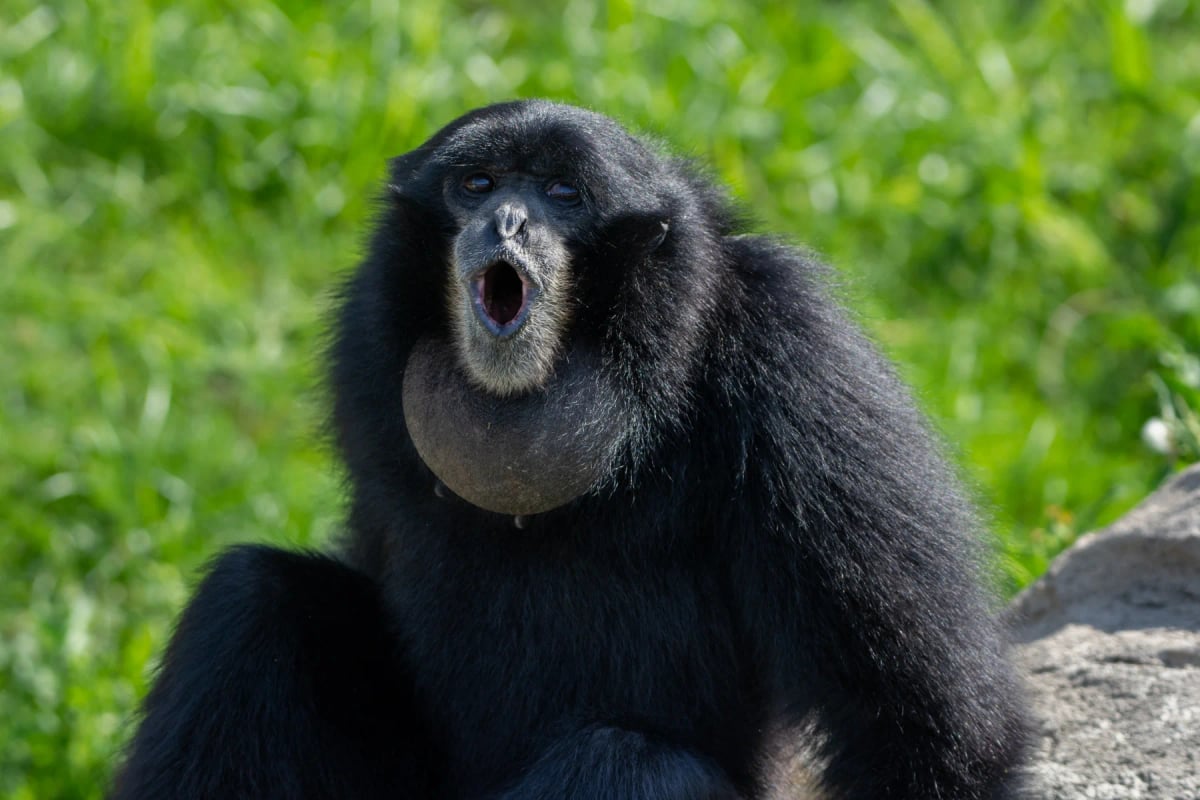
Siamang
Symphalangus syndactylus
The siamang inhabits the rainforests of the Malay Peninsula, where it is the largest of all gibbon species. Covered in dense black fur, it moves through the canopy by swinging on arms longer than its own body. Its resonating throat sac allows pairs to perform echoing morning calls heard for kilometers. Habitat loss from logging remains a serious threat, and the species is listed as Endangered.
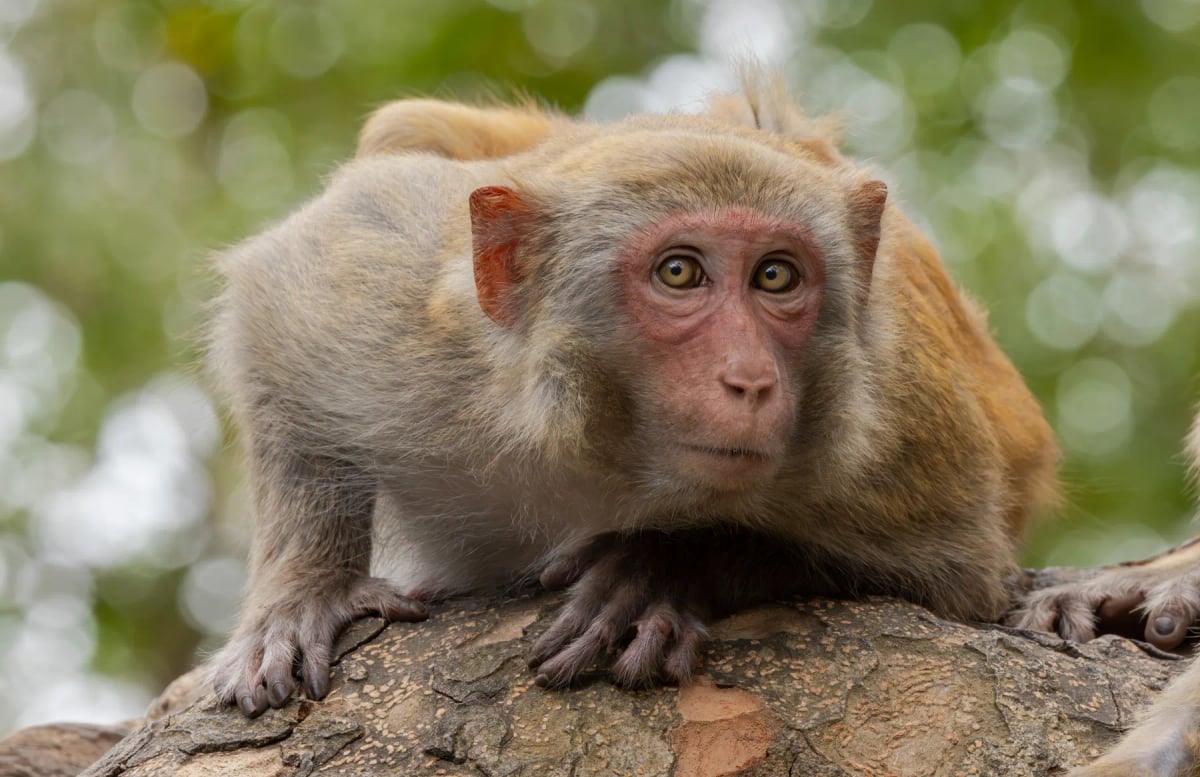
Macaque
Macaca spp.
Malaysia is home to long-tailed and pig-tailed macaques across both Peninsular Malaysia and the states of Sabah and Sarawak on Borneo. Long-tailed macaques adapt well to disturbed habitats and are common near rivers, coastal areas, and villages. Pig-tailed macaques are forest specialists and increasingly affected by deforestation tied to oil palm expansion. Some trained pig-tailed macaques are still used to harvest coconuts in parts of rural Malaysia.
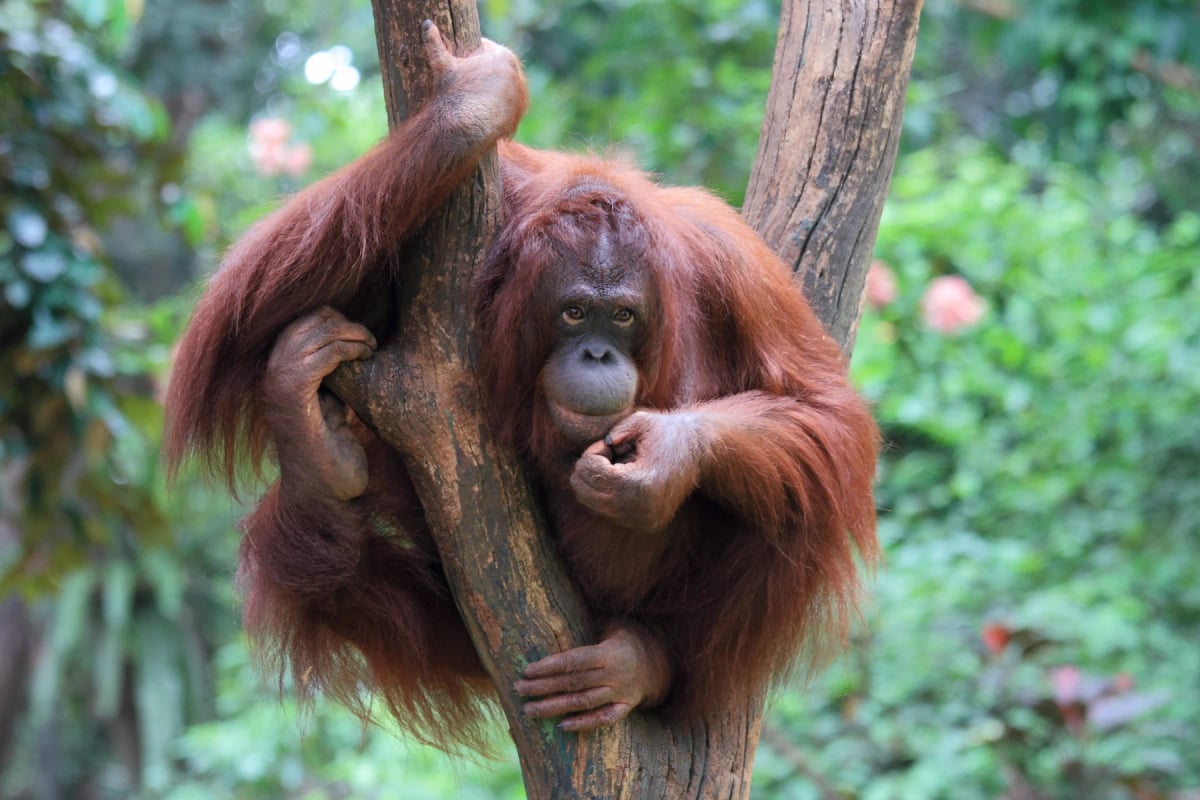
Orangutan
Pongo spp.
In Malaysia, orangutans live in the rainforests of Sabah and Sarawak on the island of Borneo, where the Bornean species, classified as critically endangered, finds some of its last remaining strongholds. Conservation programs run by organizations such as the Sabah Wildlife Department work to rehabilitate rescued individuals and protect forest corridors that allow orangutan populations to move and survive over the long term.
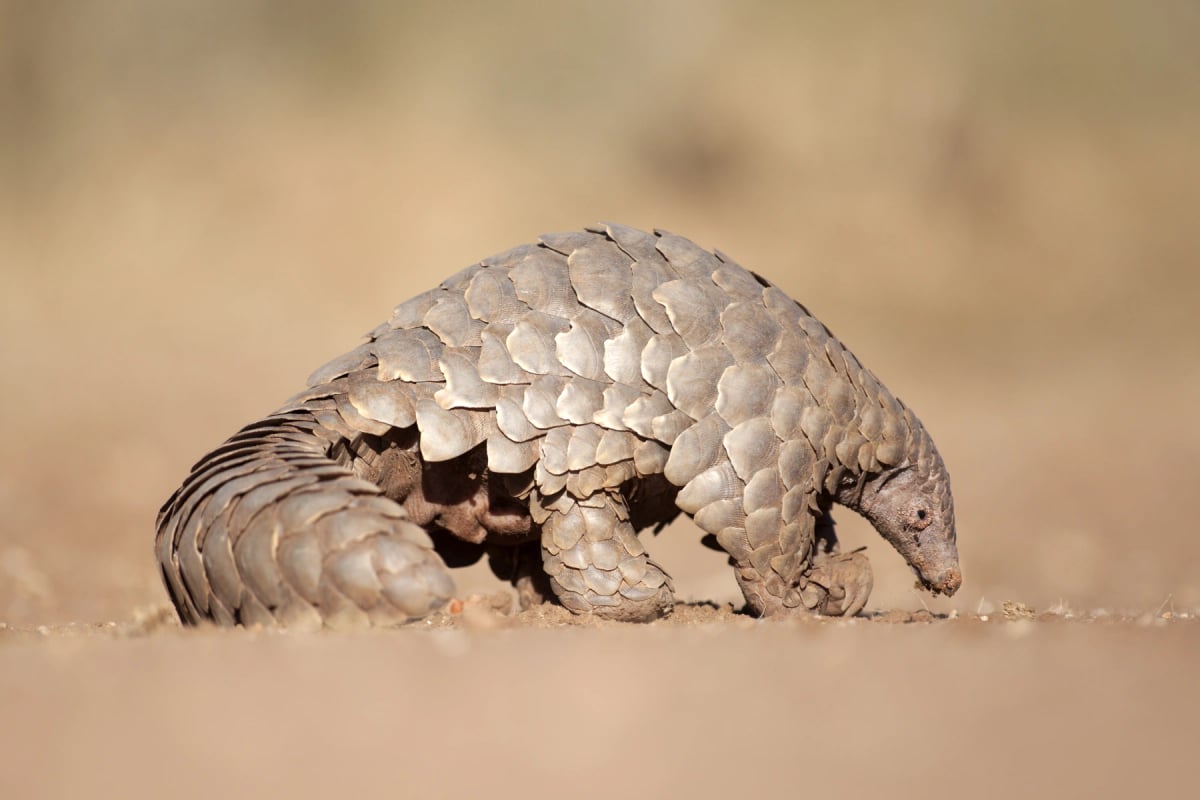
Pangolin
Manis spp.
The Sunda pangolin (Manis javanica) inhabits the rainforests of Peninsular Malaysia, Sabah, and Sarawak, including protected areas within Taman Negara and the forests of Borneo. It plays a quiet but important role in controlling ant and termite populations across the forest floor. Malaysia is a known transit country for the illegal pangolin trade bound for China and Vietnam. The species is fully protected under the Wildlife Conservation Act 2010, with penalties for poaching and possession.
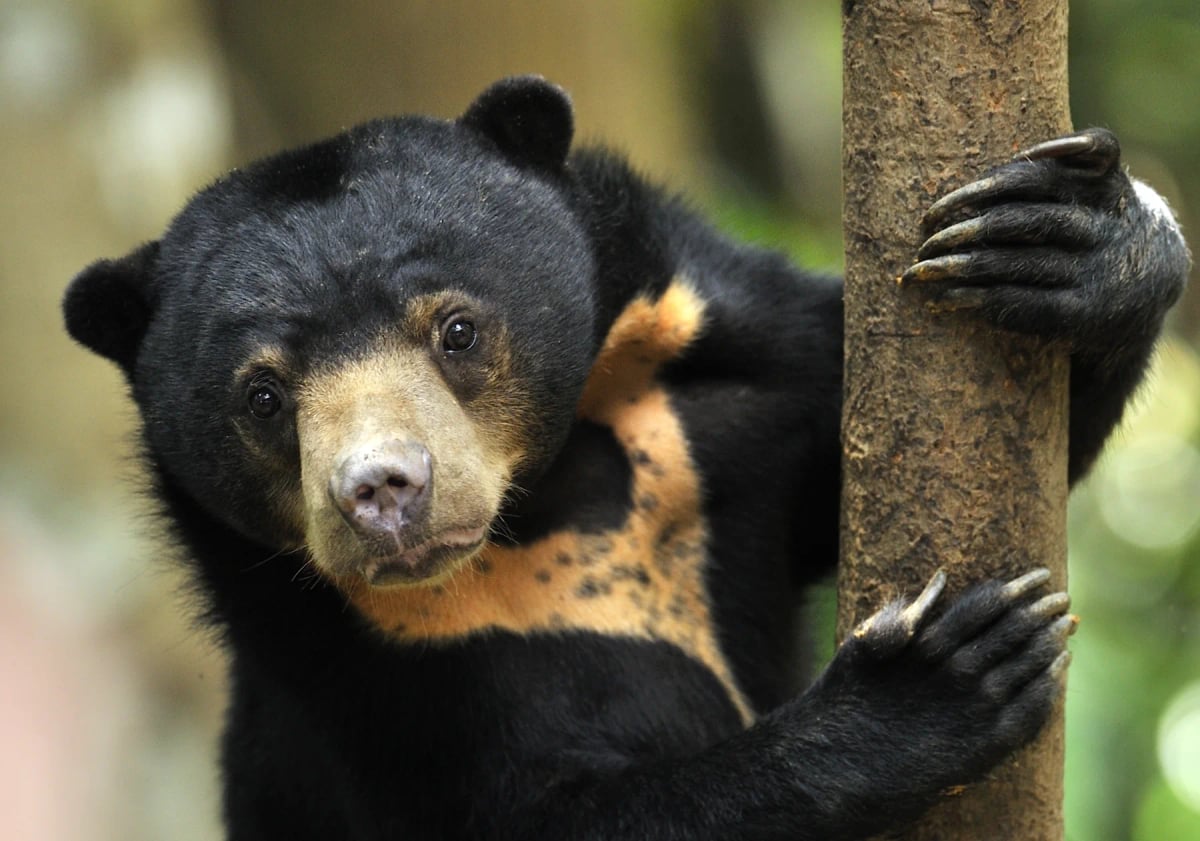
Sun Bear
Helarctos malayanus
Malaysia is one of the most important strongholds for the sun bear, with populations on both the Peninsula and in the forests of Sabah and Sarawak on Borneo. The Bornean Sun Bear Conservation Centre in Sabah rehabilitates rescued bears and raises public awareness. This species, the smallest bear in the world, is under pressure from logging and the pet trade. It is classified as Vulnerable across its range.
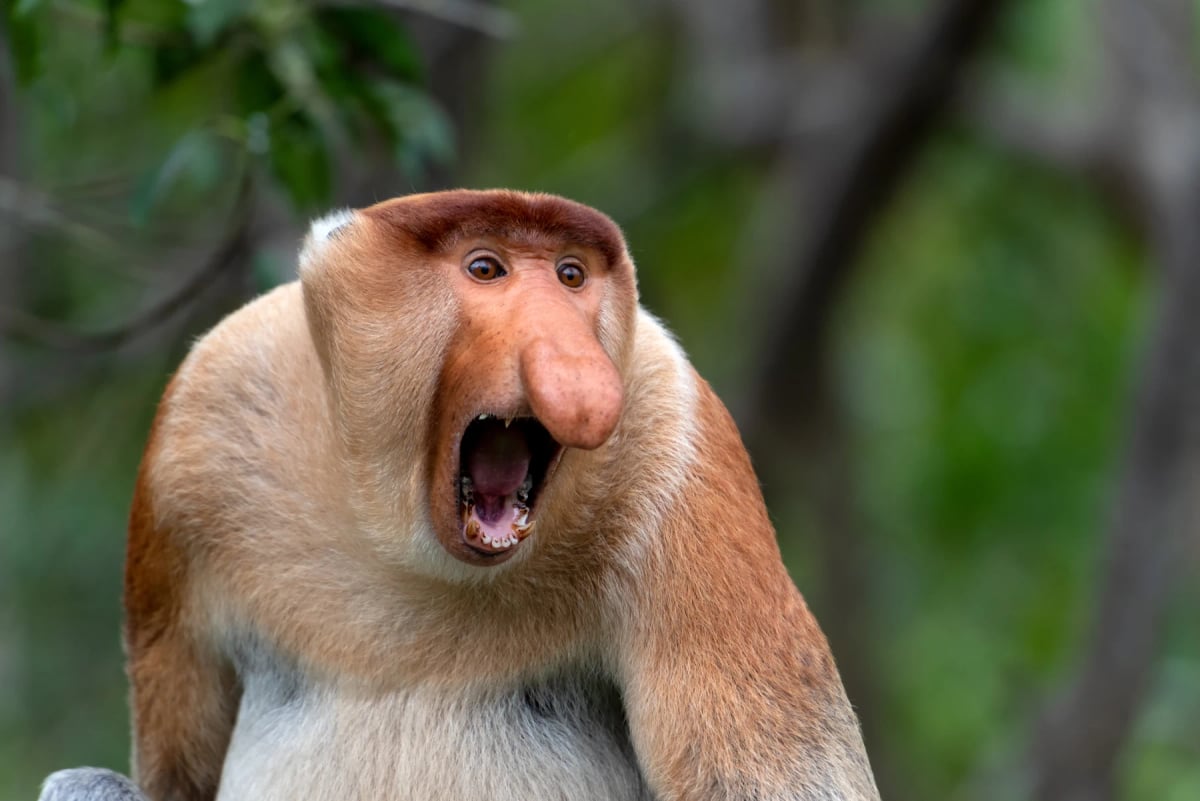
Proboscis Monkey
Nasalis larvatus
In Malaysia, proboscis monkeys live along the rivers and coastal mangroves of Sabah and Sarawak, both states located on the island of Borneo. The Kinabatangan River in Sabah is one of the best places to spot them gathering in trees at dusk. Widespread clearing of peat swamp forests and mangroves for agriculture has shrunk their range significantly, making conservation efforts in Malaysian Borneo especially important for the species.
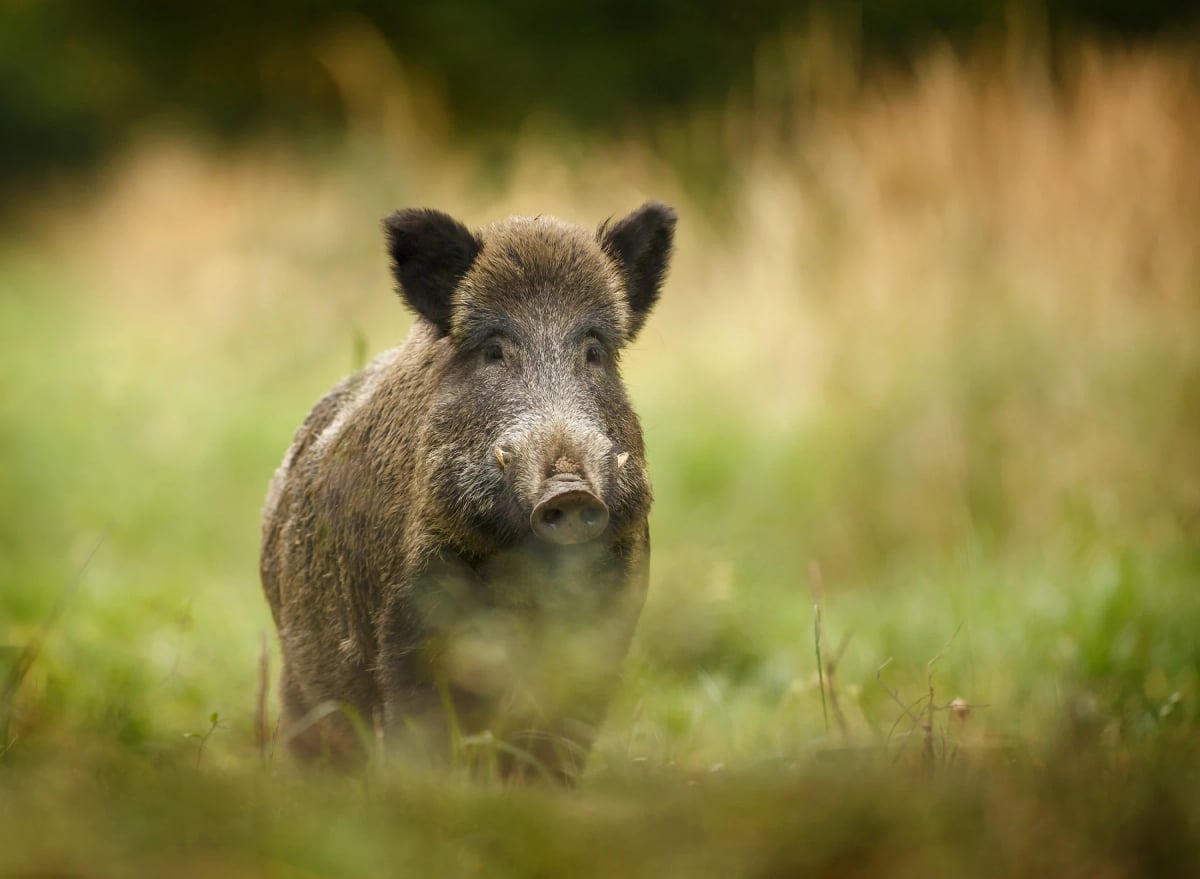
Wild Boar
Sus scrofa
Wild boars are found throughout the forests of Peninsular Malaysia and the island states of Sabah and Sarawak, where they remain prey for predators such as leopards and clouded leopards. They are a serious pest in oil palm and other plantations, causing significant crop losses. Because most Malaysians do not eat pork for religious reasons, hunting is largely practiced by non Muslim indigenous communities, who rely on wild boar as a traditional food source.
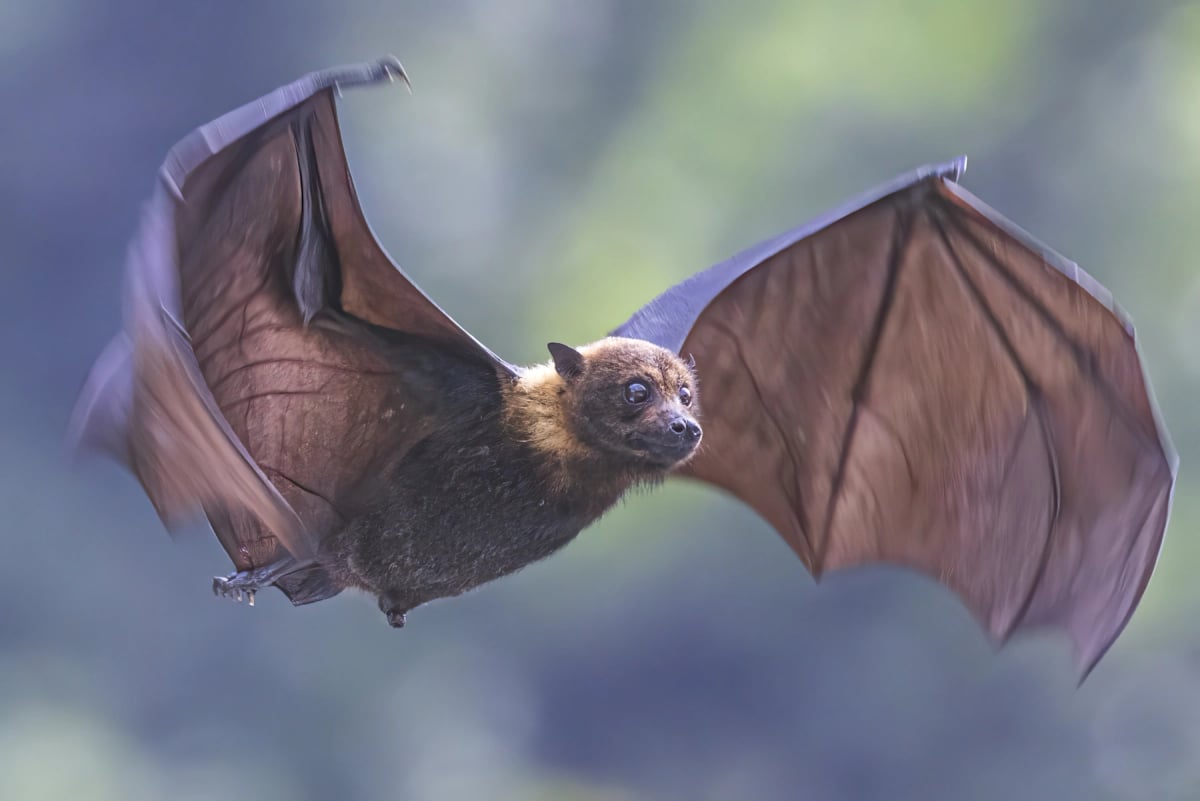
Fruit Bat
Pteropodidae
In Malaysia, fruit bats are a familiar sight across Borneo and the Malay Peninsula, roosting in rainforest canopies and venturing into orchards and plantations at night. The island of Borneo supports particularly rich bat diversity. Fruit bats here pollinate commercially important plants such as durian, and they disperse seeds of dipterocarp trees that form the backbone of Malaysian rainforests. Rapid loss of forest to palm oil plantations remains a serious concern for their populations.
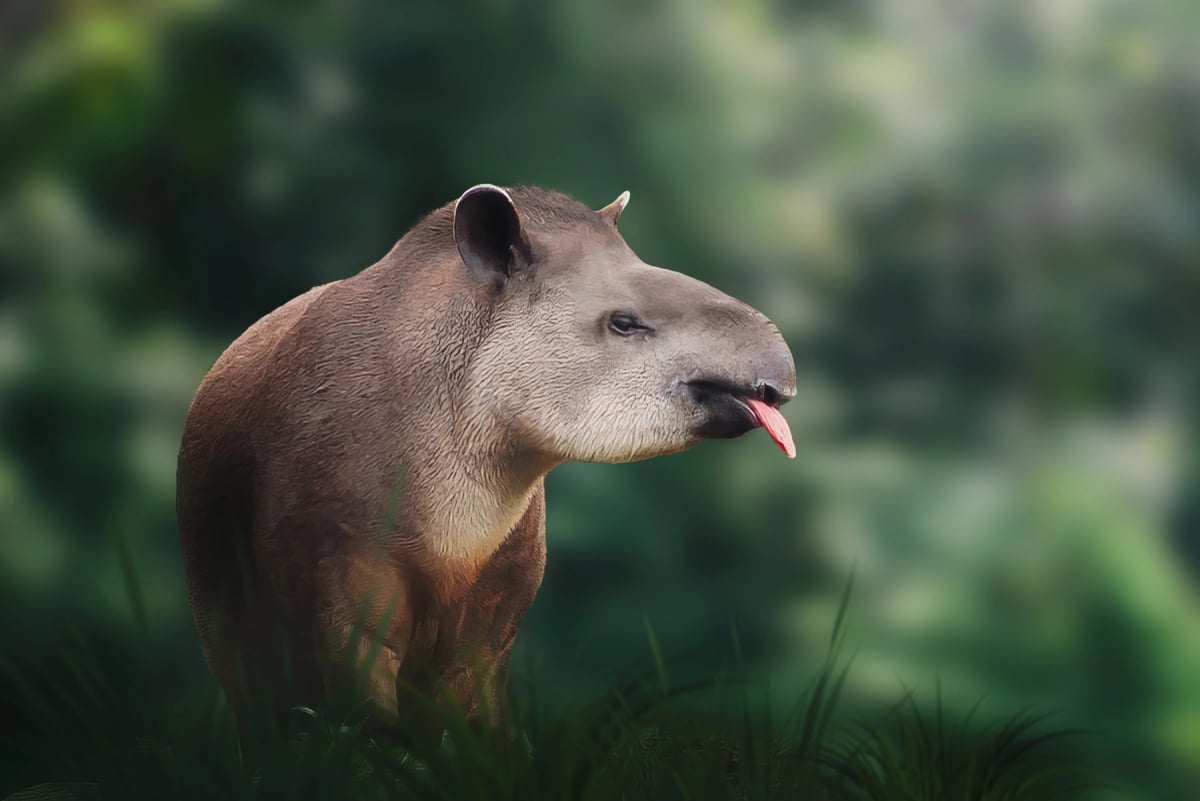
Tapir
Tapirus spp.
Malaysia is one of the most important countries for the Malayan tapir, with populations in both Peninsular Malaysia and, to a lesser extent, the island of Borneo. Tapirs live in lowland and hill forests and are strong swimmers, often crossing rivers. Deforestation for palm oil plantations is their biggest threat. Protected areas such as Taman Negara National Park provide critical refuge for this striking black and white mammal.
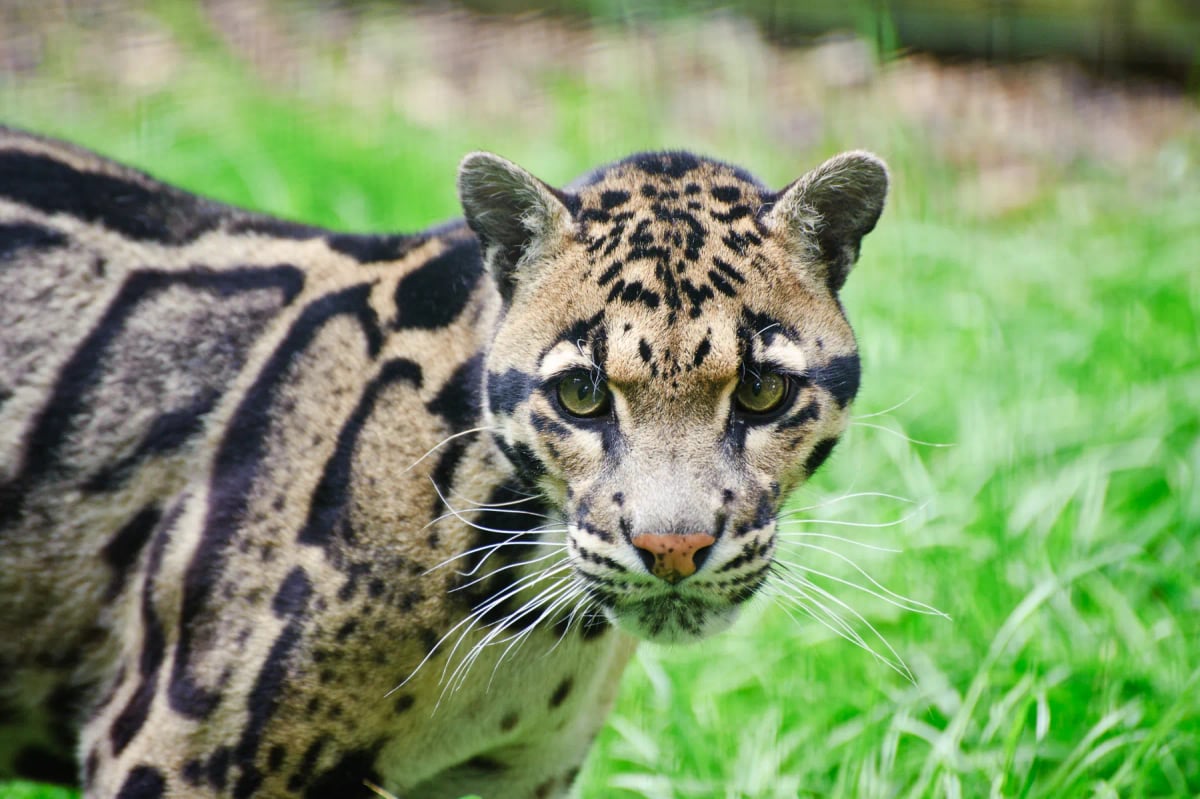
Clouded Leopard
Neofelis nebulosa
In Peninsular Malaysia, the clouded leopard is found in the primary rainforests of the interior, including Taman Negara, one of the oldest tropical forests in the world. It is the largest wild cat on the peninsula. Rapid deforestation for palm oil plantations has shrunk its habitat considerably. The IUCN lists it as Vulnerable, and protecting the remaining forest corridors across the peninsula is vital for its survival over the long term.
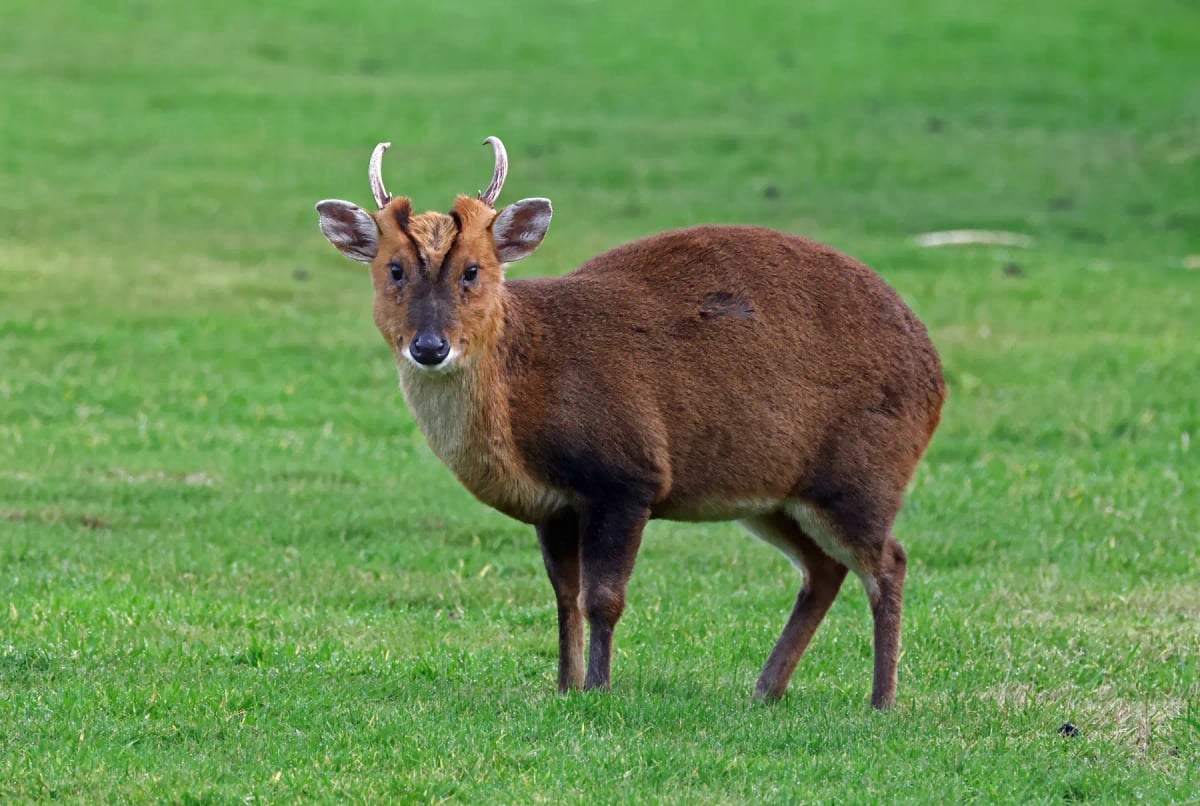
Southern Red Muntjac
Muntiacus muntjak
In Malaysia, the southern red muntjac is found across the forests of both Peninsular Malaysia and the states of Sabah and Sarawak on Borneo. It adapts well to disturbed habitats and forest edges near farmland, which makes it one of the more frequently spotted deer in the country. It feeds on leaves, fruits and shoots and communicates danger with a bark-like call. The IUCN considers it Least Concern.
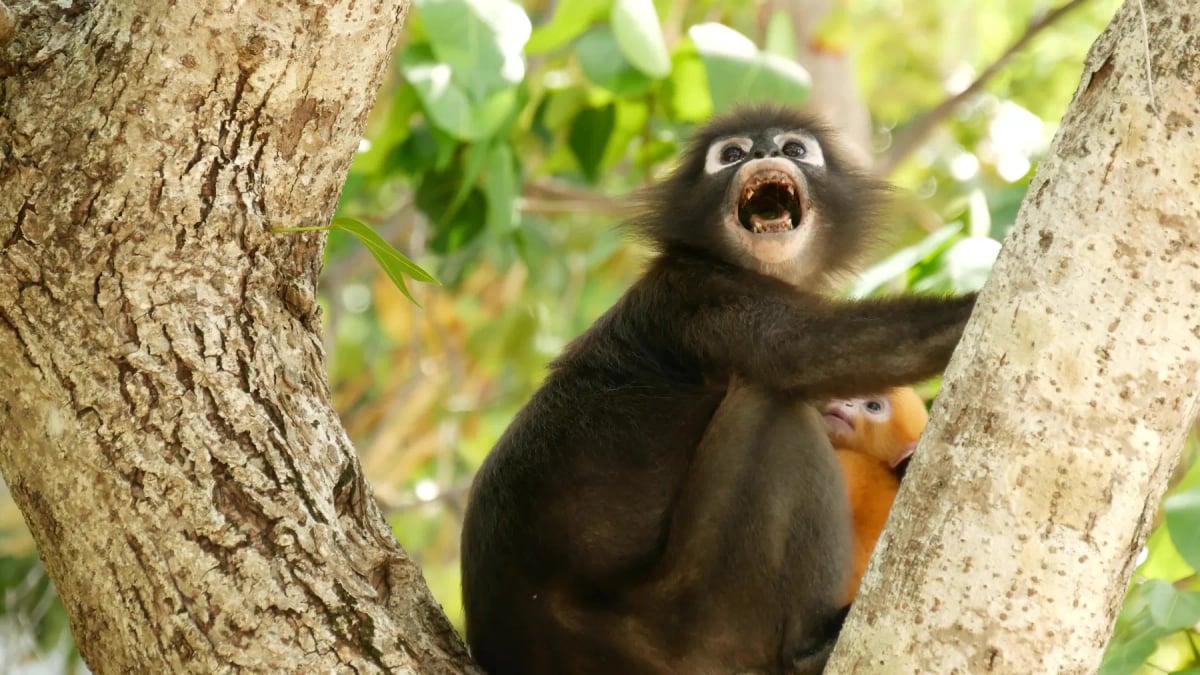
Dusky Langur
Trachypithecus obscurus
The dusky langur is a familiar sight in the forests of Peninsular Malaysia, from protected areas like Taman Negara to coastal woodland patches. It lives almost entirely in the canopy, feeding on young leaves and shoots in groups led by a single adult male. Newborns stand out with vivid orange fur before turning grey. Deforestation across the peninsula puts continued pressure on local populations.
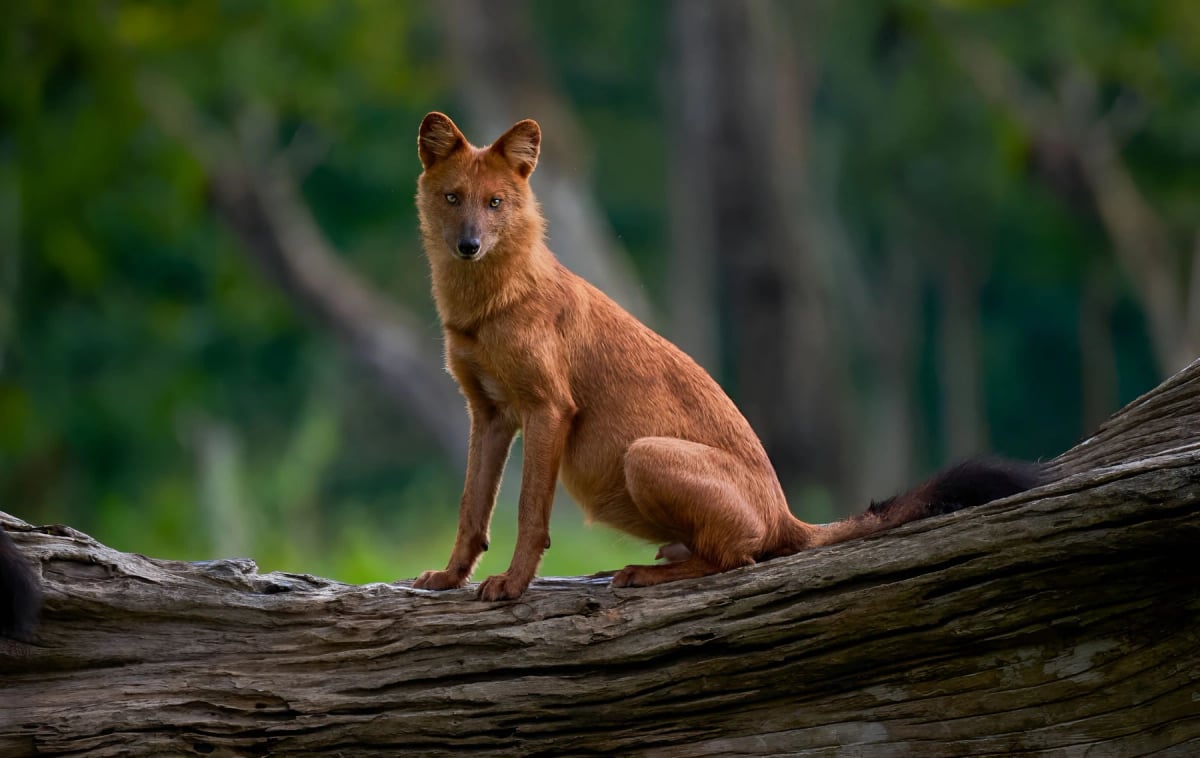
Dhole
Cuon alpinus
In Malaysia, dholes are found on the peninsula in forests such as Taman Negara, one of the oldest tropical rainforests in the world. They are rarely encountered and much of what is known about them there comes from camera trap records. Deforestation for palm oil plantations and other land uses has shrunk their habitat considerably. Protecting forest corridors is key to their survival. The IUCN lists the dhole as Endangered.
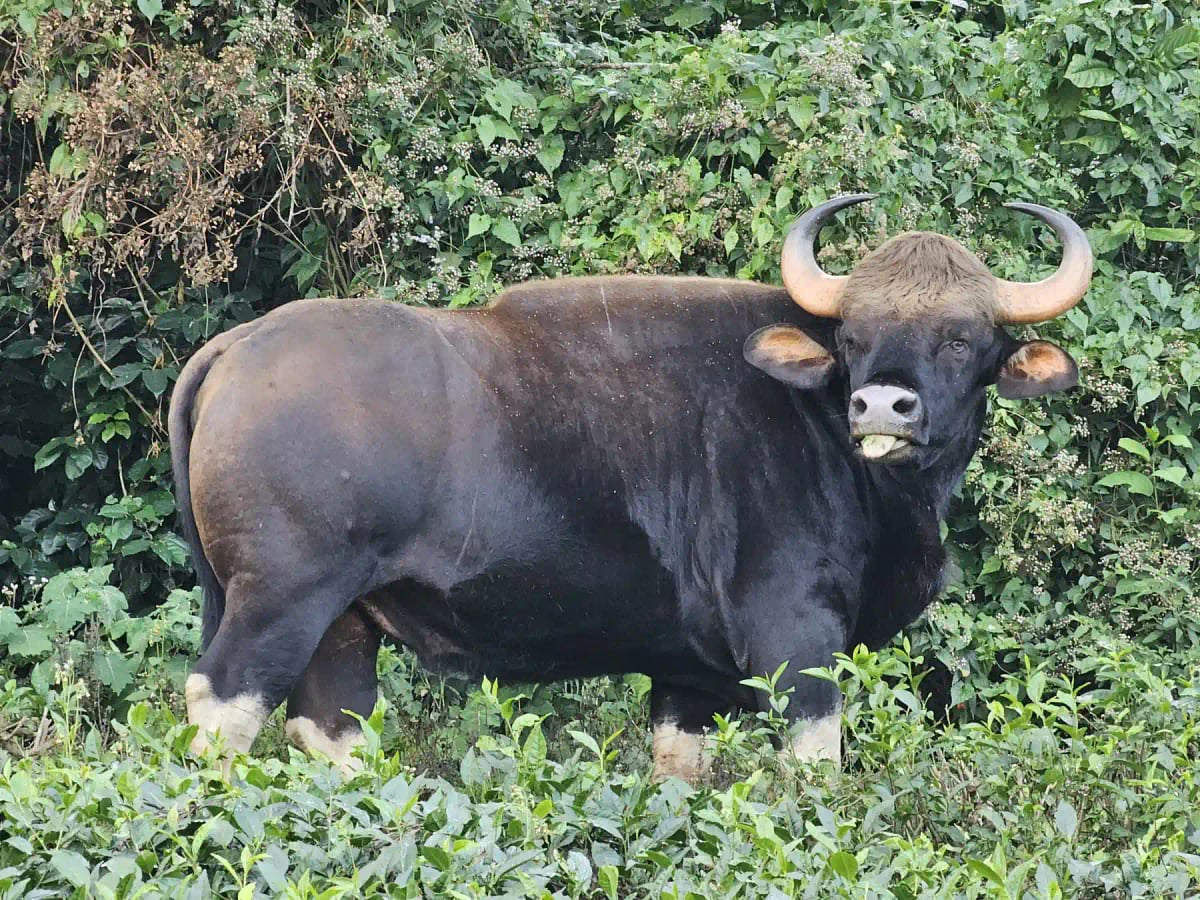
Gaur
Bos gaurus
In Malaysia, gaurs are found on the peninsula in forests connected to Taman Negara, one of the oldest rainforests in the world. The local Malay name for the animal is 'seladang.' Habitat loss from logging and plantation expansion is the main threat. The Malaysian government protects the species under national wildlife law, and ranger patrols help guard remaining herds in core forest areas.
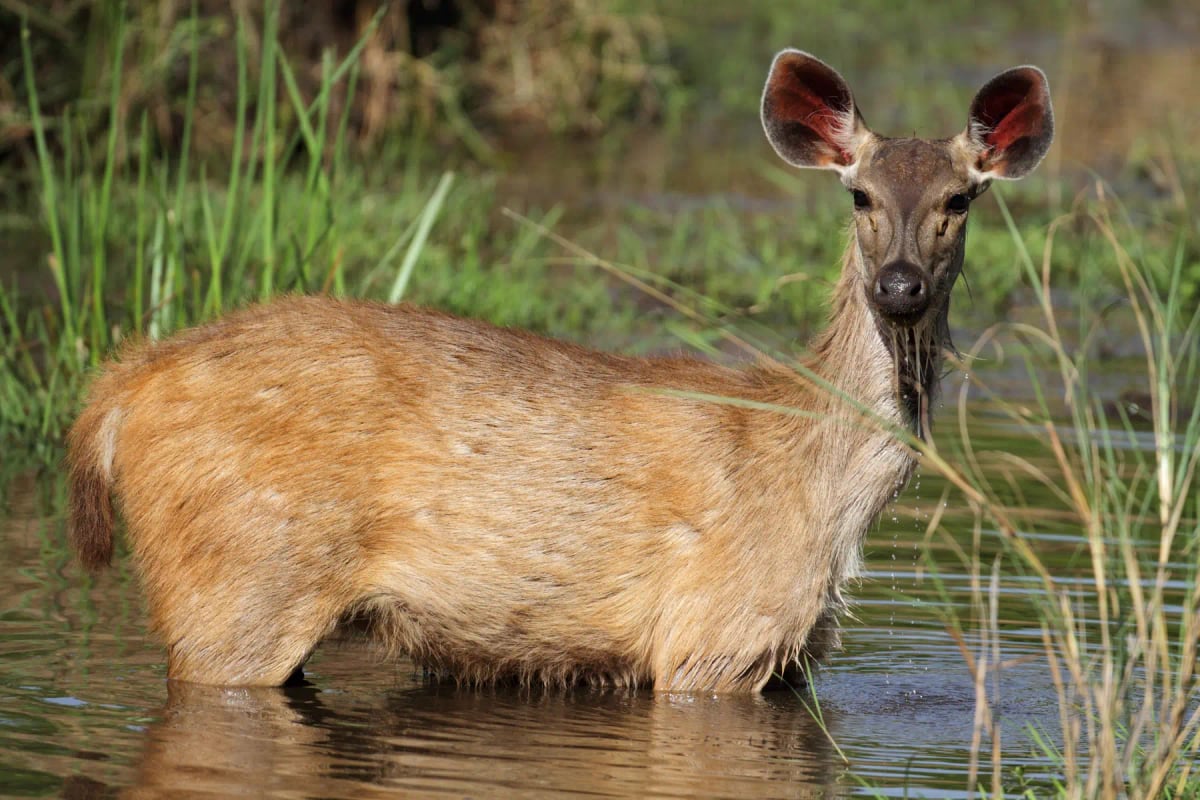
Sambar Deer
Rusa unicolor
Sambar deer are present across peninsular Malaysia and the states of Sabah and Sarawak on Borneo. They live in tropical rainforests and are frequently spotted near forest edges and rivers. In Taman Negara, one of the oldest rainforests in the world, sambar are part of a complex web of predator and prey relationships. Deforestation for agriculture and logging remains the primary threat to their habitat across Malaysia.
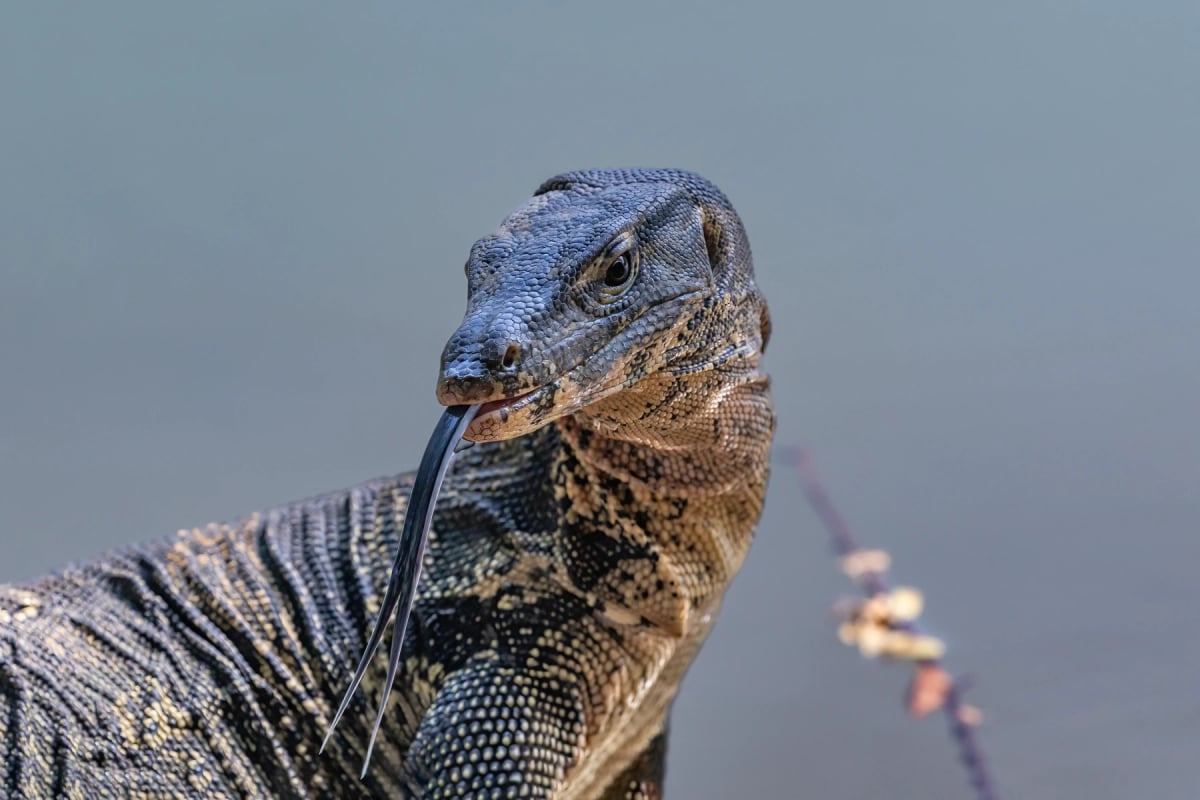
Monitor Lizard
Varanus salvator
Malaysia has some of the largest and most studied populations of Asian water monitors in Southeast Asia. It is found throughout Peninsular Malaysia and across Sabah and Sarawak on Borneo, in forests, rivers, oil palm plantations and mangroves. Known locally as "biawak," it is familiar in rural and urban settings alike. Malaysia is also one of the main sources for the international leather trade, with tens of thousands of individuals harvested annually.
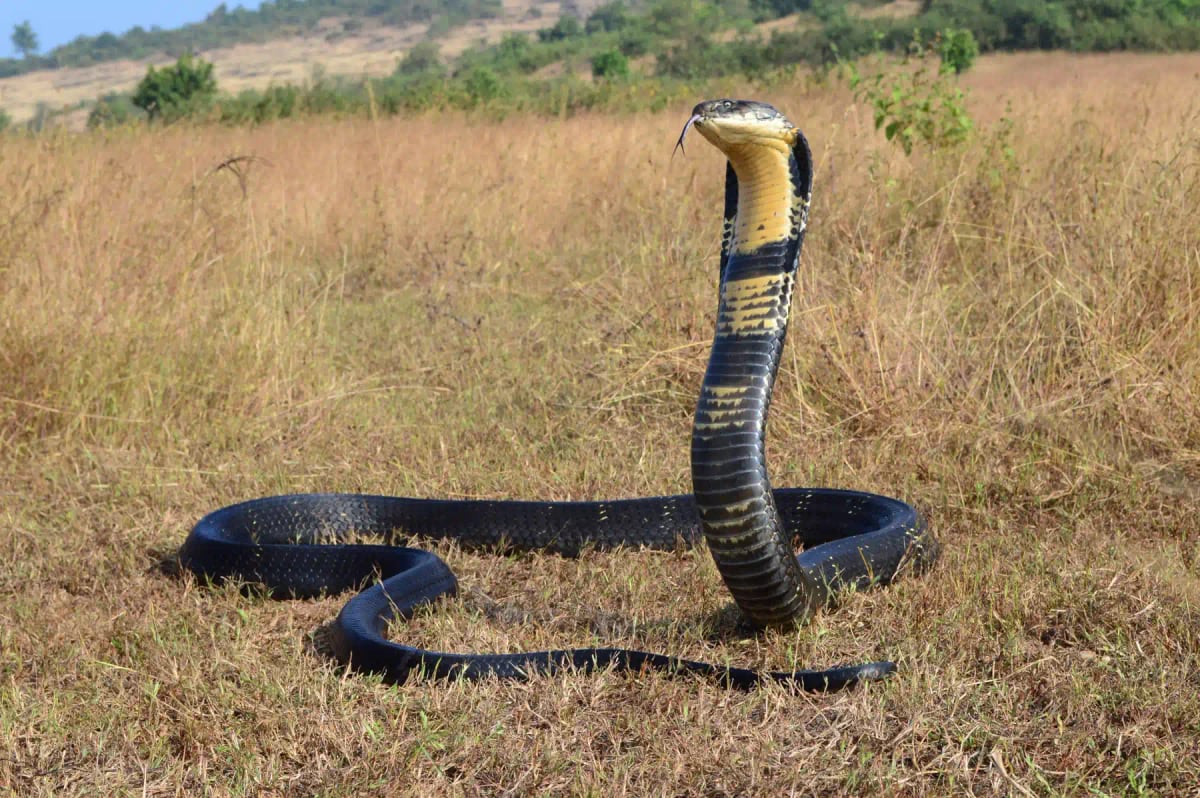
King Cobra
Ophiophagus hannah
Malaysia is one of the most important countries for the king cobra, with populations on the Malay Peninsula and in the Bornean states of Sabah and Sarawak. The species lives in lowland and montane rainforest, mangroves and forest edges. Malaysia's large areas of protected forest support healthy populations, though deforestation for palm oil and logging has reduced habitat in many parts of the country.
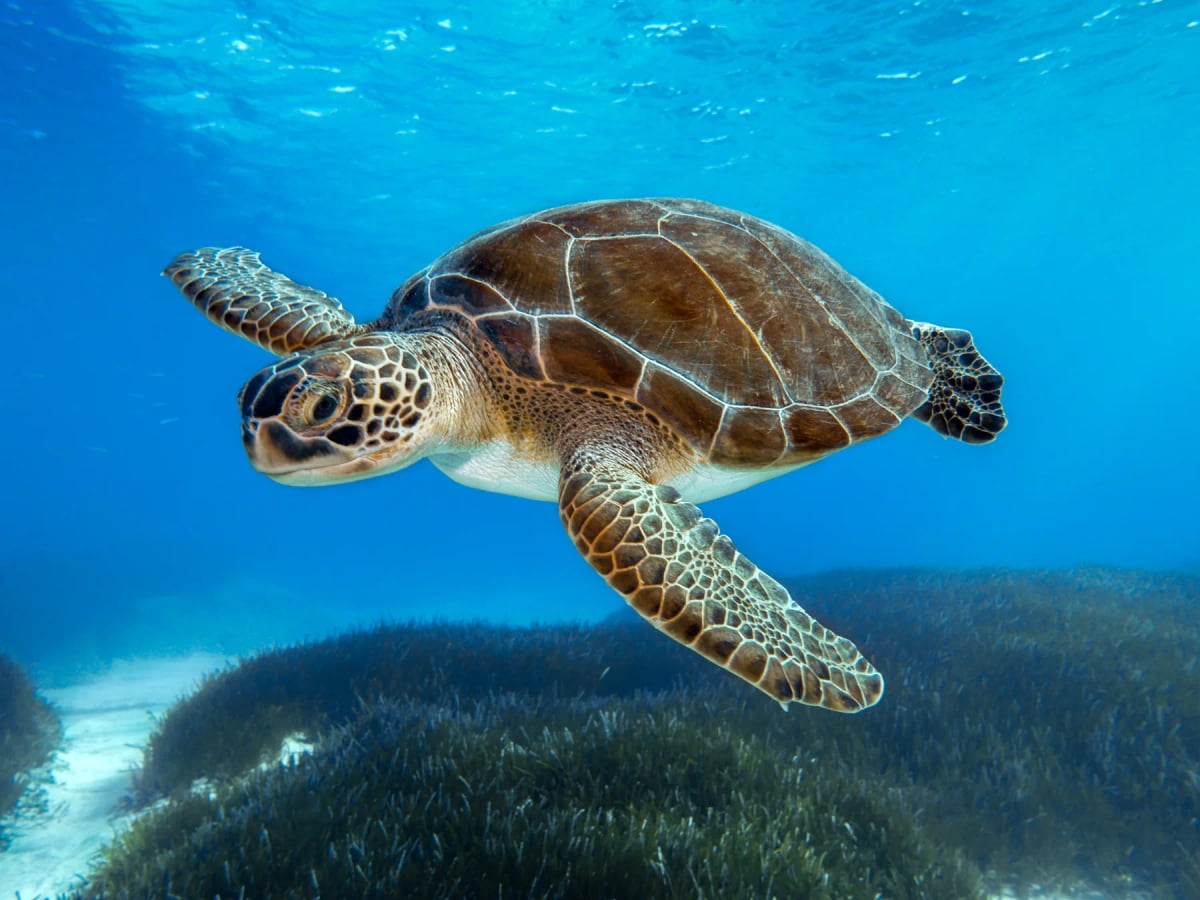
Sea Turtle
Cheloniidae & Dermochelyidae (families)
Malaysia holds some of the most historically significant sea turtle nesting beaches in Southeast Asia. Rantau Abang on the east coast of Peninsular Malaysia was once the largest leatherback nesting site in the world, though that population has collapsed due to decades of egg collection. Green and hawksbill turtles still nest in significant numbers on beaches in Sabah, particularly at Turtle Islands Park near Sandakan, one of the most important green turtle nesting sites in the region. Leatherback numbers in Malaysian waters remain critically low.
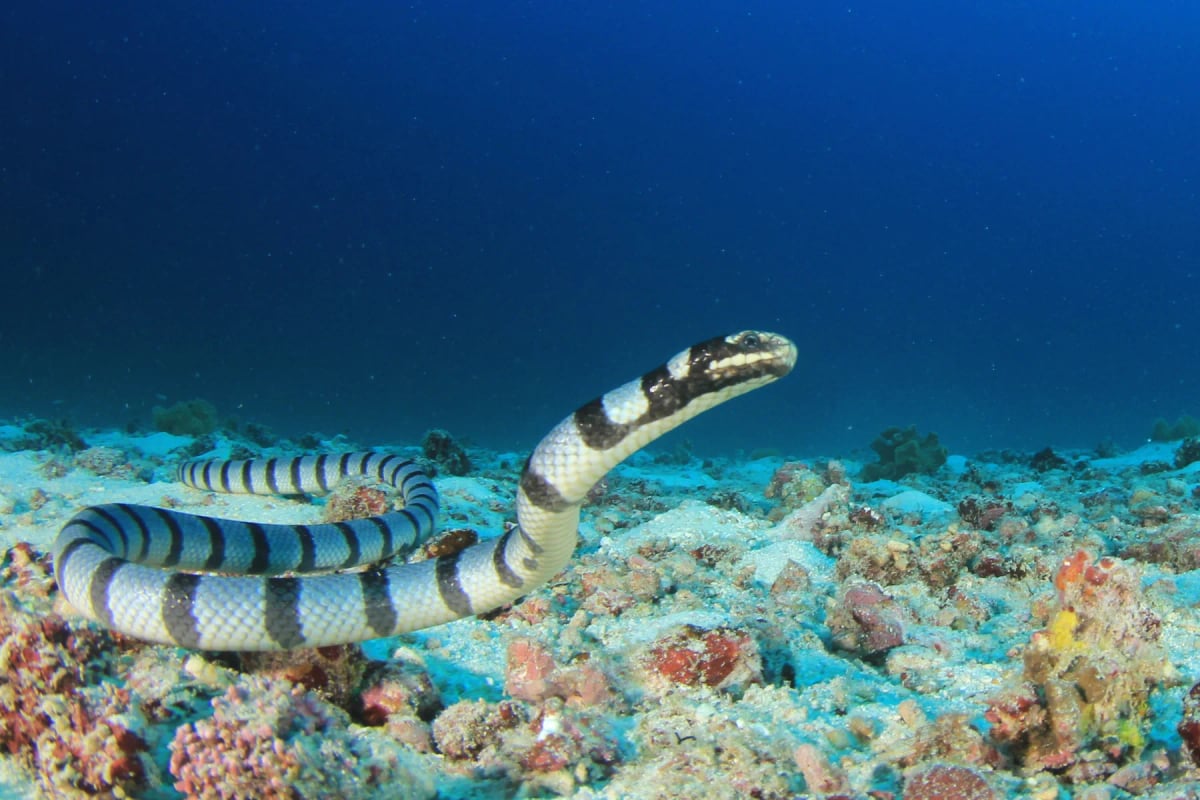
Sea Snake
Hydrophiinae / Laticauda spp.
Sea snakes are found throughout Malaysian coastal waters, from the Strait of Malacca to the reef systems of Sabah and Sarawak on Borneo, which lie within the Coral Triangle. Both live-bearing sea snakes and egg-laying sea kraits inhabit these waters. Accidental capture in trawl nets is the main threat they face. Their venom is highly toxic, yet bites on fishers and divers are rare. IUCN status: Data Deficient.
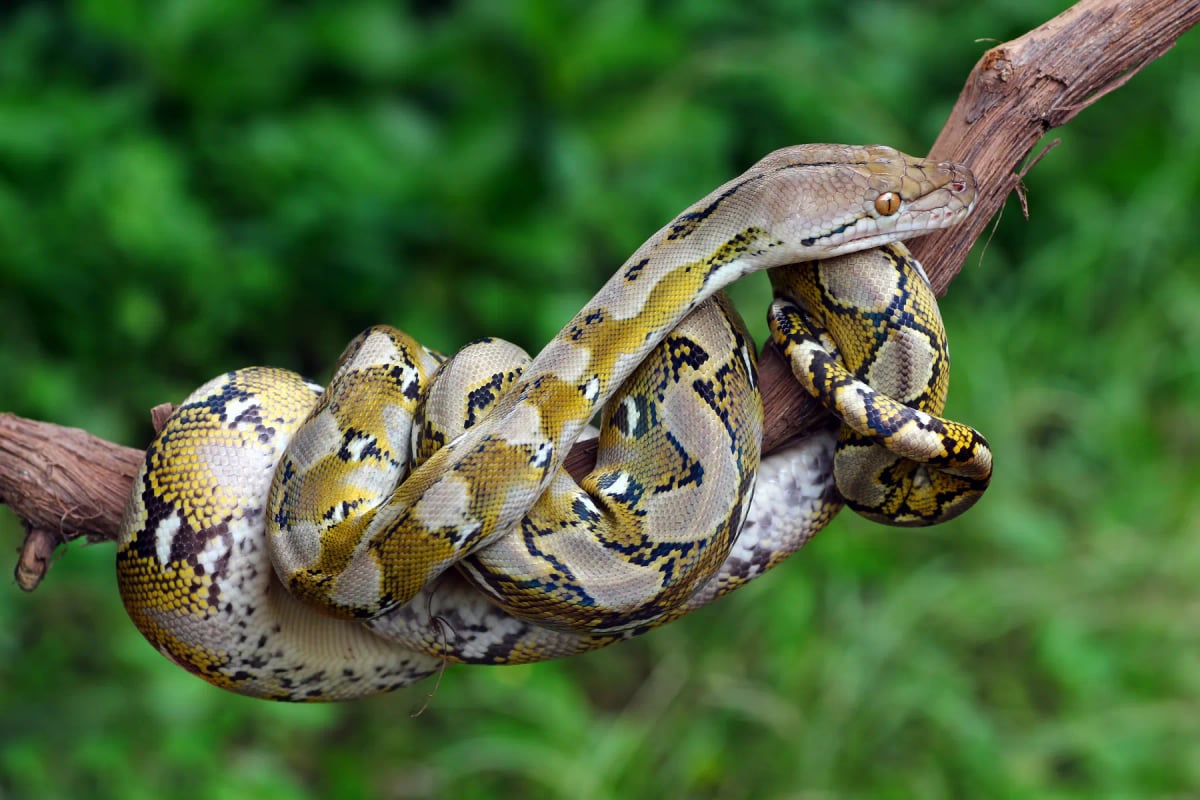
Reticulated Python
Malayopython reticulatus
Malaysia's ancient rainforests on both the peninsula and in Sabah and Sarawak on Borneo support healthy populations of the reticulated python. It is found near rivers, in peat swamp forests, and along the edges of oil palm plantations. The species is harvested commercially under quota for the skin trade, and its management is monitored as part of Malaysia's obligations under international wildlife trade agreements.
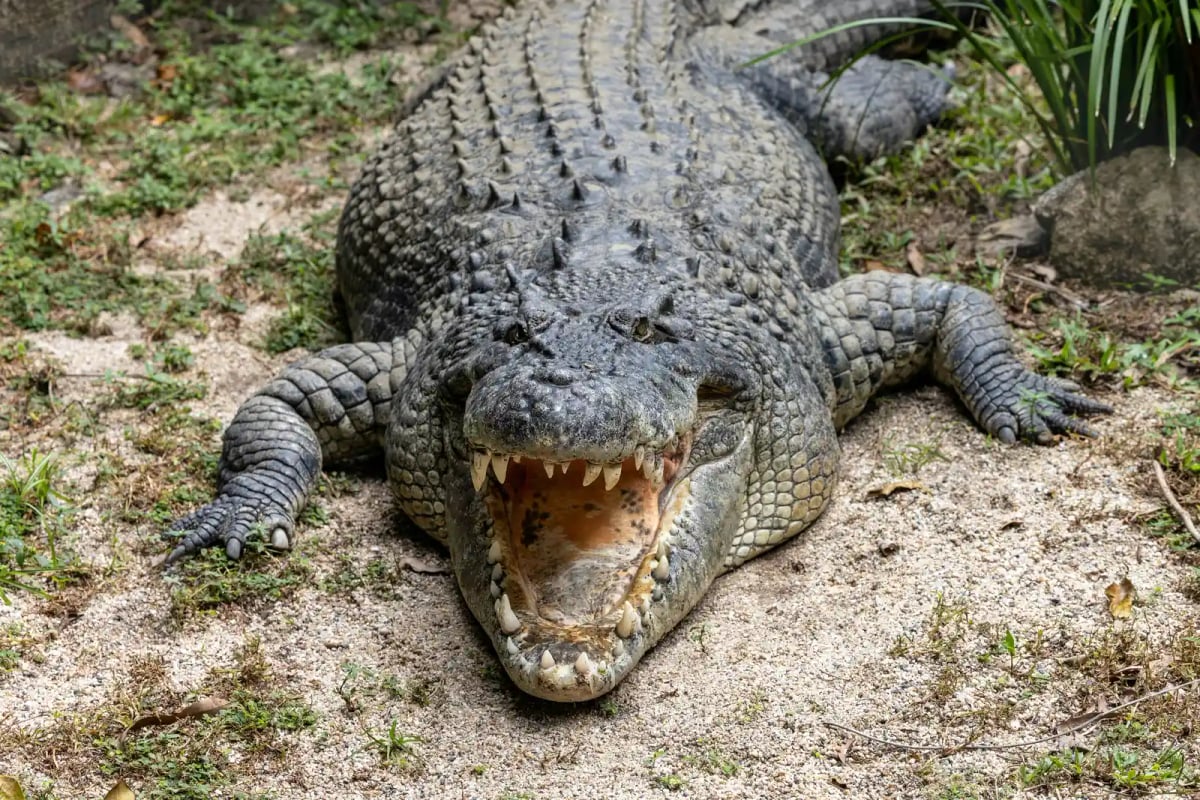
Saltwater Crocodile
Crocodylus porosus
In Malaysia the saltwater crocodile is found in both peninsular and Bornean waters, with its strongest presence in Sarawak and Sabah. The Batang Lupar river system in Sarawak and the Kinabatangan in Sabah are well known strongholds, and numbers there have grown enough to raise concern about encounters with fishers and villagers. Management now mixes legal protection with monitoring, public warnings and the removal of individuals considered a risk.
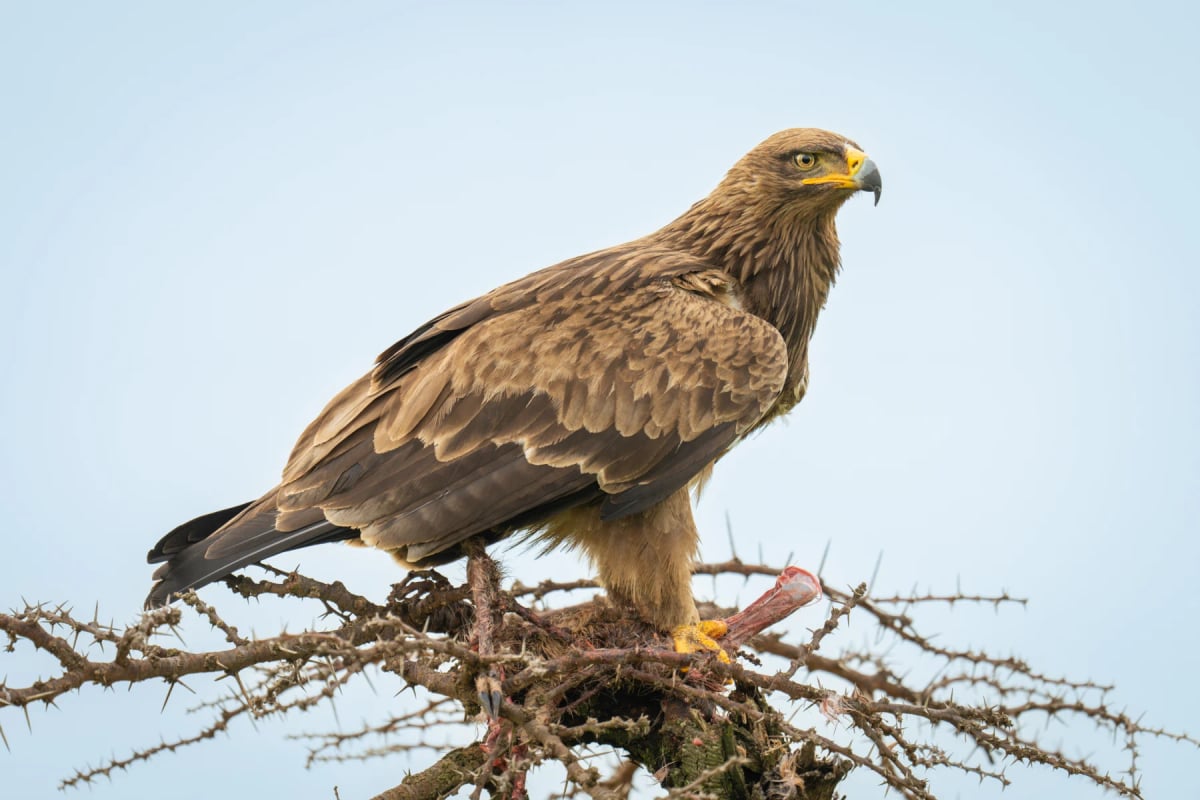
Steppe Eagle
Aquila nipalensis
The Steppe Eagle is an irregular visitor to Malaysia, recorded mainly along the coasts of the peninsula during the northern winter. It is not a common sight, and sightings are considered notable by local birdwatchers. Malaysia sits at the southeastern edge of the species' wintering range in Asia. The IUCN lists it as Endangered, and any records from Malaysia are valuable for understanding the full extent of this eagle's migration.
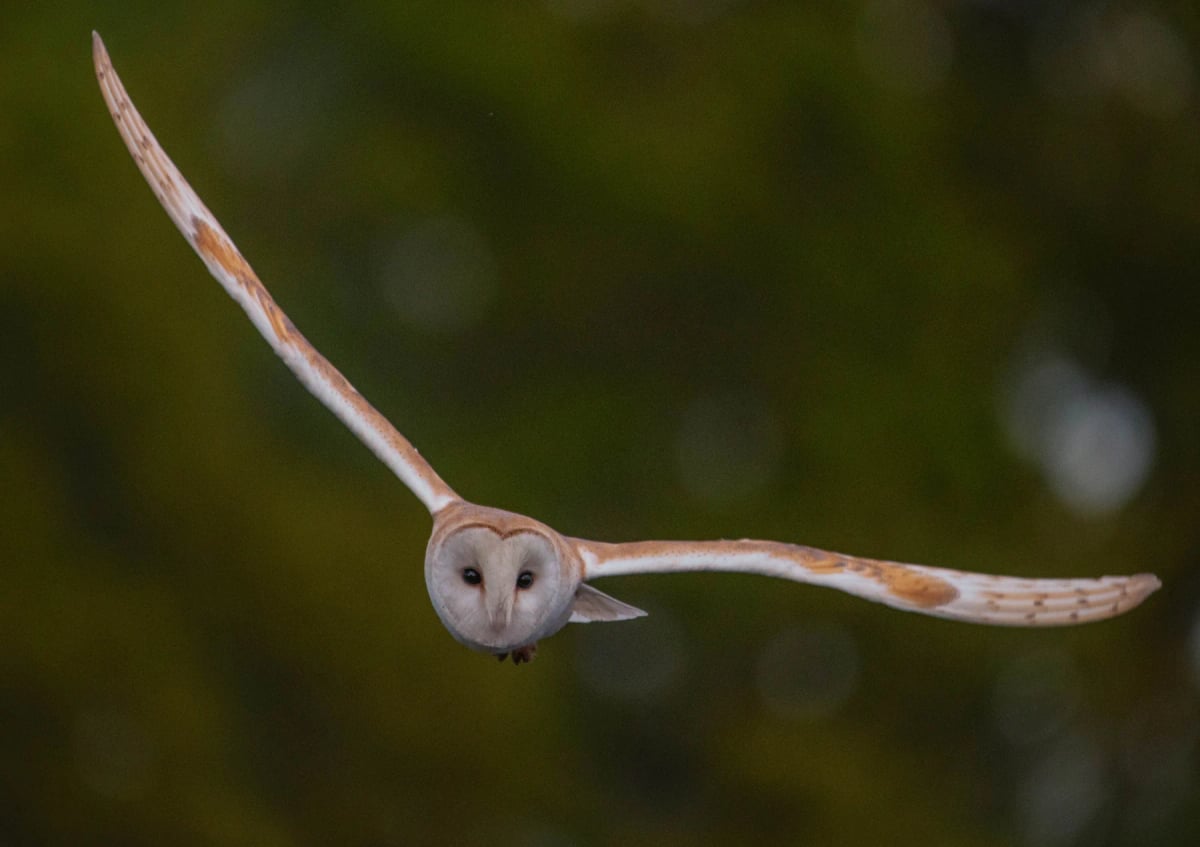
Barn Owl
Tyto alba
The barn owl is found across Malaysia in open farmland, oil palm and rubber plantations, and areas near villages and towns on both the Peninsula and the states of Sabah and Sarawak in Borneo. It nests in old buildings, hollow trees, and cliff faces, and hunts rodents at night. In Malaysia's large oil palm plantations, where rat damage to crops is a major economic problem, barn owls have been actively introduced and encouraged through nest box programs as a biological control agent. This has made Malaysia one of the countries where the relationship between barn owls and agriculture is most deliberately managed.
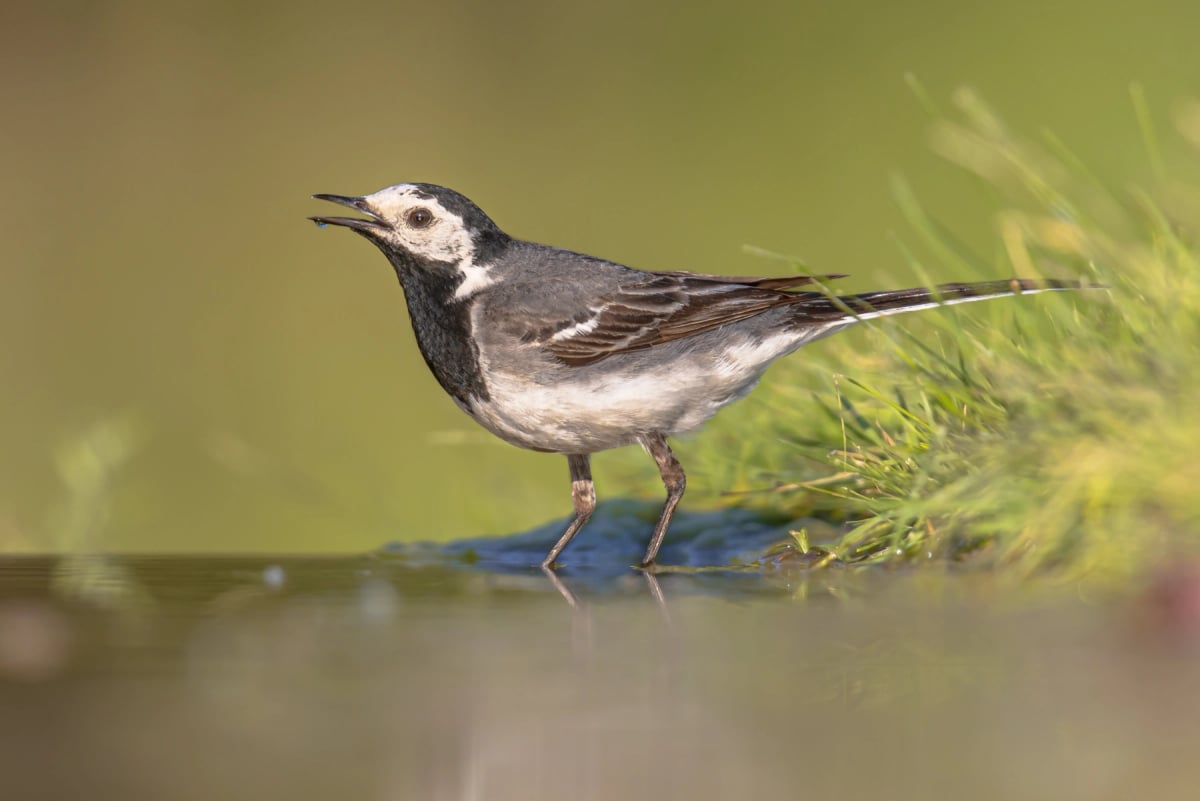
White Wagtail
Motacilla alba
The white wagtail reaches Malaysia as a non-breeding winter visitor, appearing mainly in the northern states of the peninsula and occasionally further south. It favours open habitats such as ricefields, riverbanks and the edges of towns. Arriving from breeding grounds across Asia, it feeds actively on insects near water before returning north in spring. Its IUCN status is Least Concern.
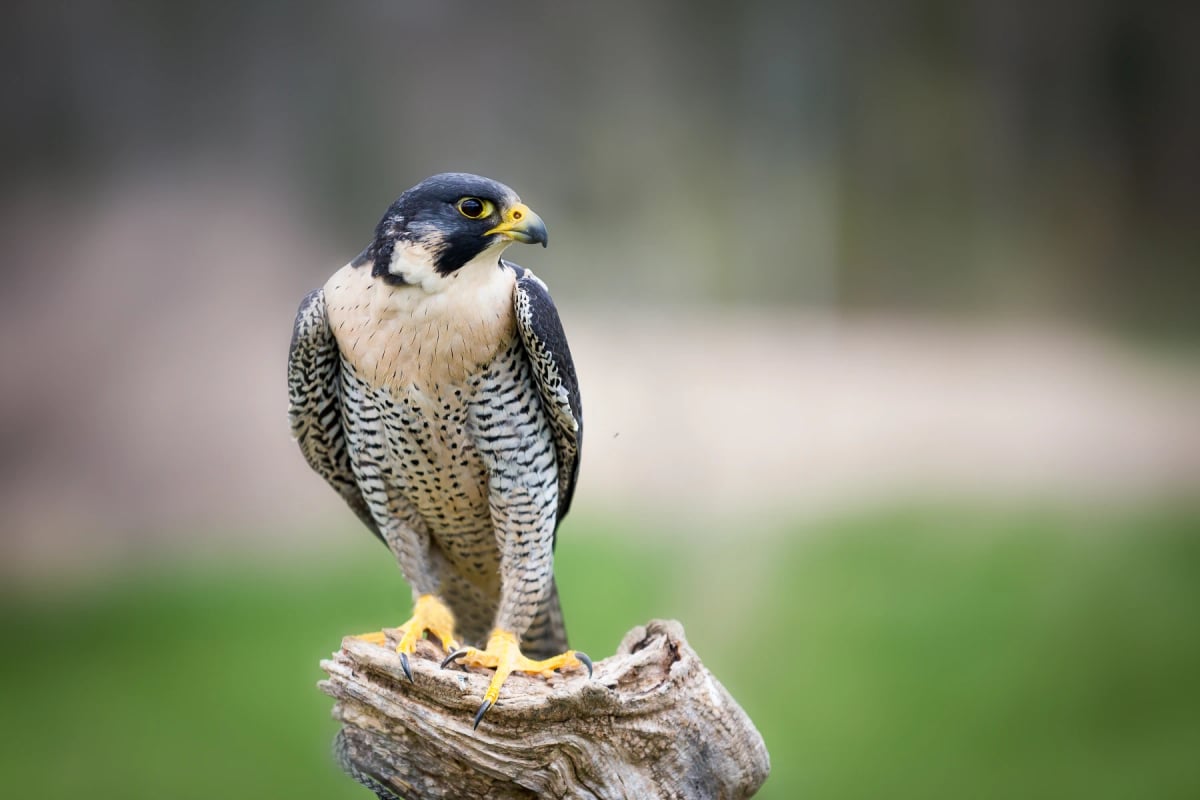
Peregrine Falcon
Falco peregrinus
In Malaysia, the peregrine falcon is a non-breeding visitor recorded along both the Peninsular and Bornean coasts during the northern winter. It favours open habitats including estuaries, rice paddies, and the edges of forests, where it hunts swiftlets, swallows, and other small birds. The migratory subspecies Falco peregrinus ernesti is among those documented in the region. Sightings are most frequent between October and March. Its IUCN status is Least Concern.
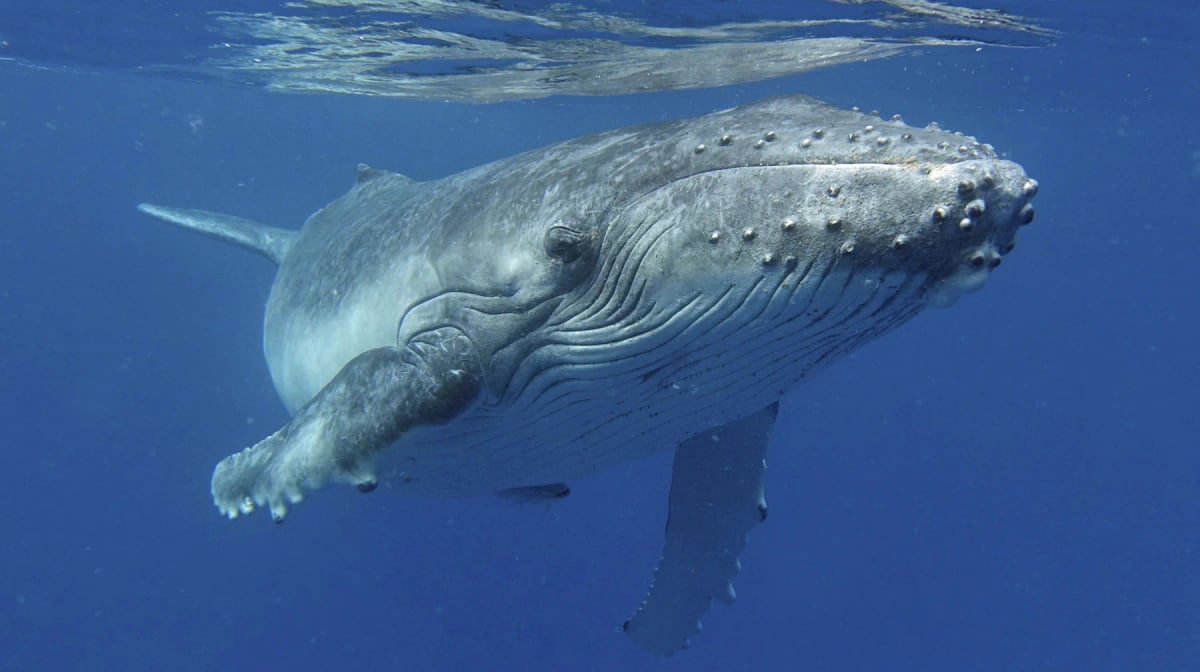
Humpback Whale
Megaptera novaeangliae
Humpback whales pass through Malaysian waters as part of their seasonal migrations across the Indo-Pacific. Sightings occur in the South China Sea and around the waters of Sabah and Sarawak in Borneo. Although not a regular breeding destination, these whales rely on the region as a migratory corridor. The IUCN lists the species as Least Concern, though threats from vessel traffic remain a concern in busy Malaysian shipping lanes.
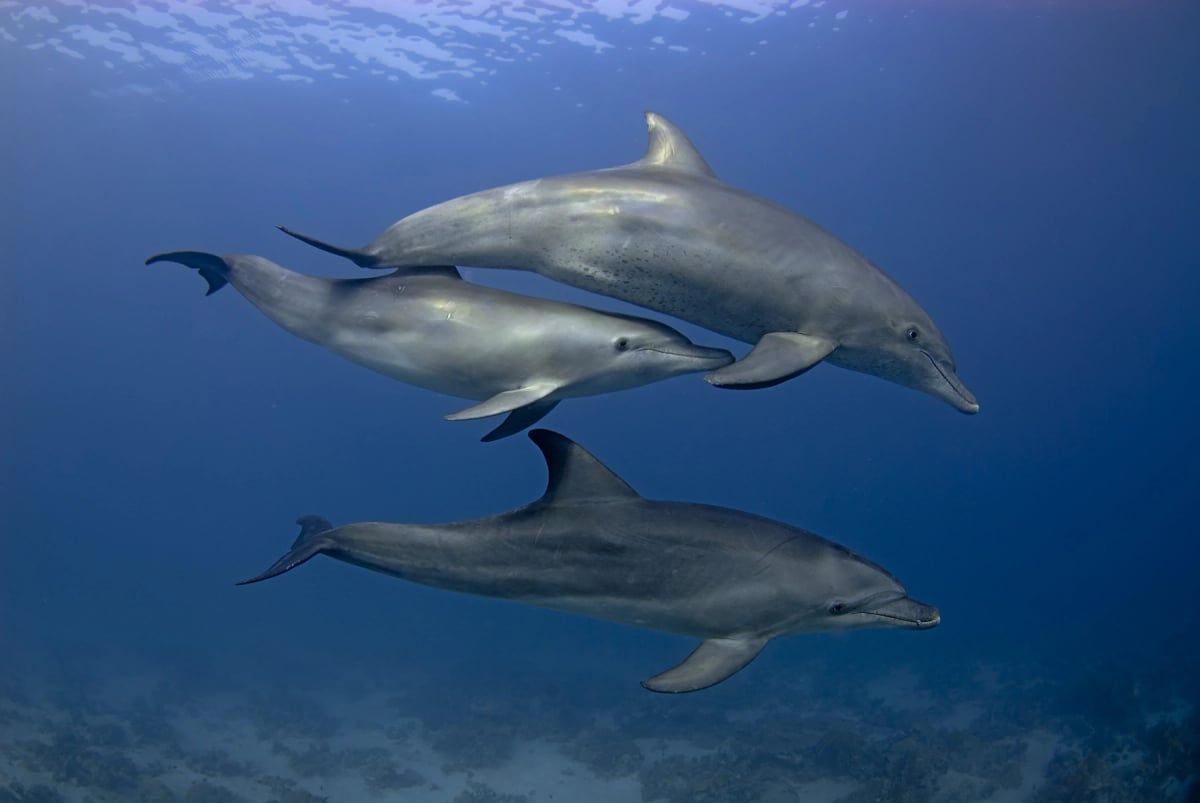
Bottlenose Dolphin
Tursiops truncatus
Bottlenose dolphins are present in Malaysian waters on both the South China Sea coast of Peninsular Malaysia and around the coasts of Sabah and Sarawak in Borneo. They inhabit warm shallow bays, estuaries, and coastal stretches where fish are abundant. Classified as Least Concern by the IUCN, local populations face pressure from coastal development, boat traffic, and pollution in some of Southeast Asia's busiest shipping corridors.
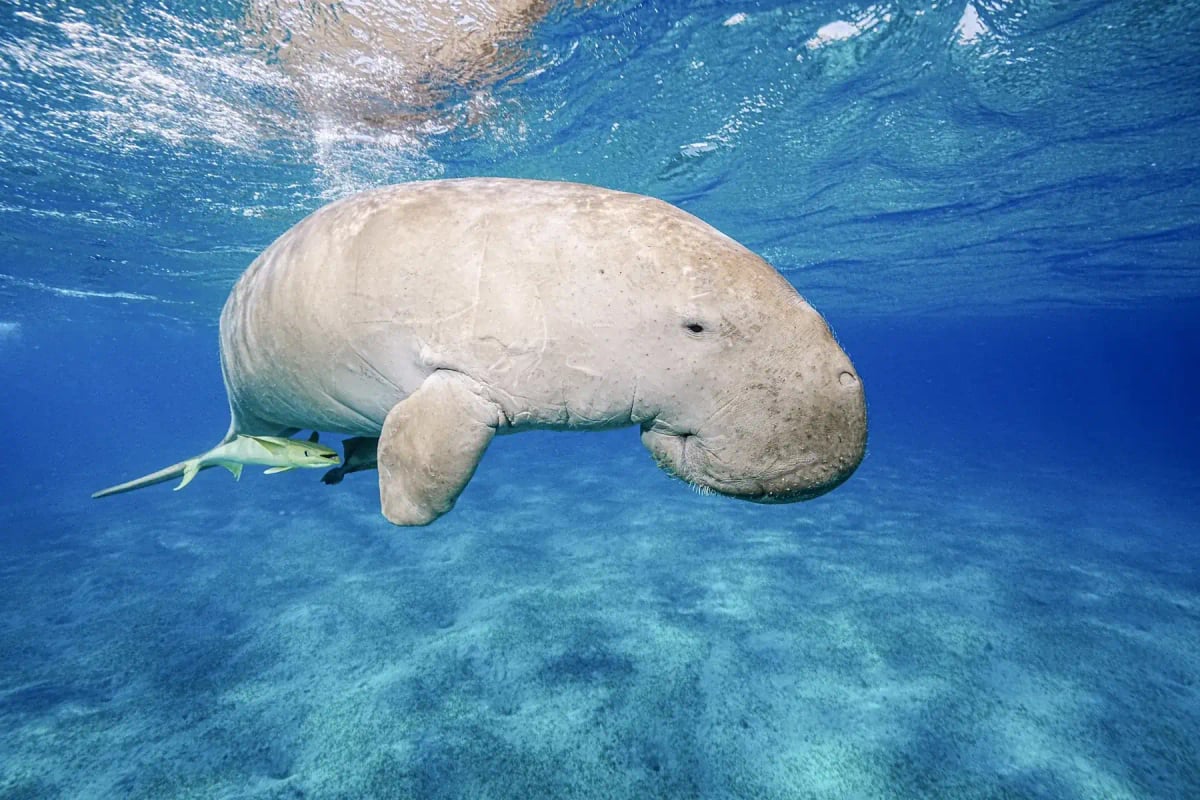
Dugong
Dugong dugon
In Malaysia, dugongs inhabit shallow coastal waters around the Peninsula and the states of Sabah and Sarawak on Borneo, where seagrass meadows provide their main food source. Johor Strait and the waters around the Mersing archipelago are among the better known areas for sightings. Boat traffic, coastal development, and the degradation of seagrass beds are the primary concerns for their survival in Malaysian waters. IUCN status: Vulnerable.
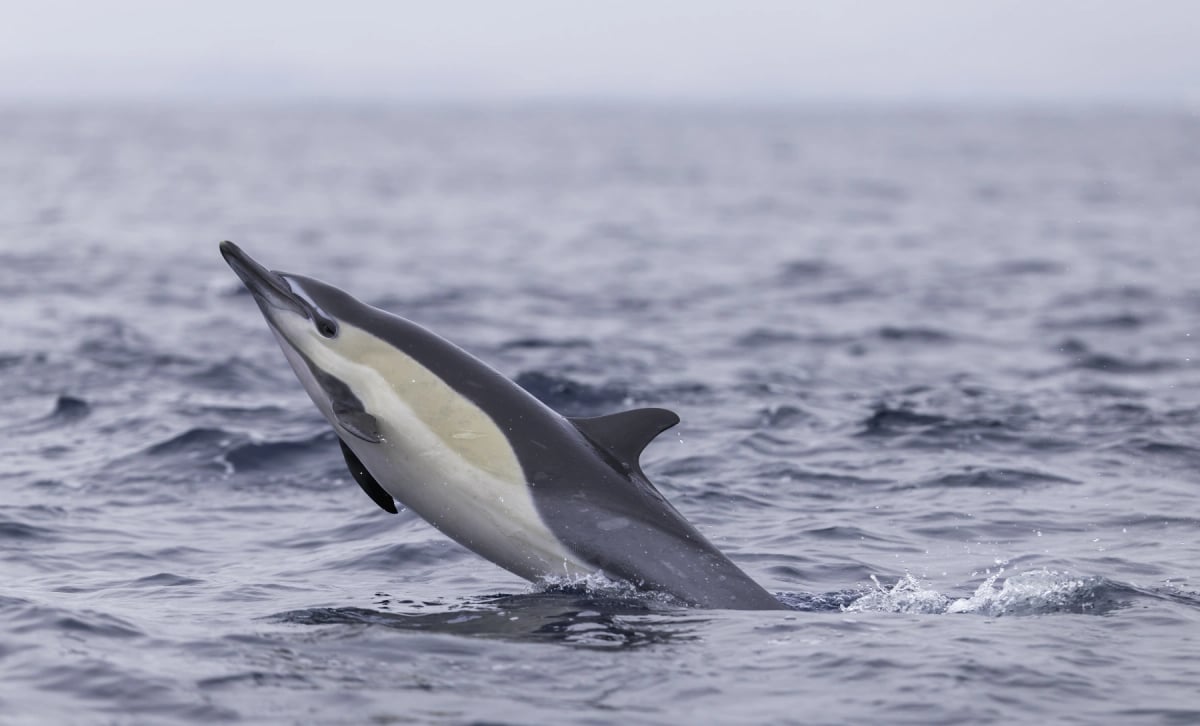
Common Dolphin
Delphinus delphis
The common dolphin is recorded in Malaysian waters, particularly in the South China Sea off the coasts of Peninsular Malaysia and Sarawak. It favours deeper offshore waters where prey such as anchovies and squid are plentiful. Malaysia's seas support a variety of cetacean species, and the common dolphin stands out for its vivid hourglass markings and its habit of leaping and riding the bow waves of passing vessels.
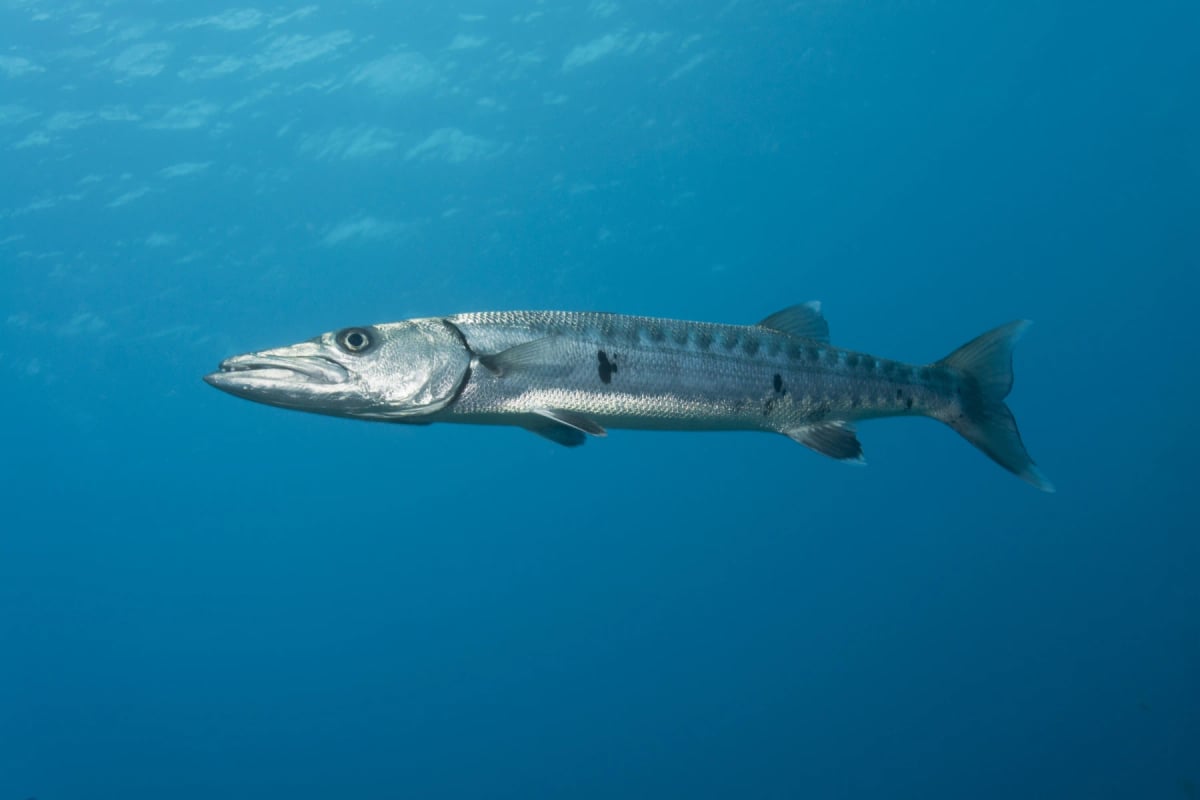
Barracuda
Sphyraena spp.
Barracudas are abundant in Malaysian waters, found throughout the coral reef systems of Sabah, Sarawak, and the Peninsula, including the world-famous reefs of Sipadan Island in the Celebes Sea. Sipadan is particularly renowned for its massive schools of chevron barracuda that form enormous spiraling vortexes around divers, one of the most celebrated spectacles in global diving. The great barracuda is also a common solitary presence on reef edges throughout Malaysian waters. The Perhentian Islands, Redang, and Tioman off the Peninsula east coast offer reliable barracuda encounters as well.
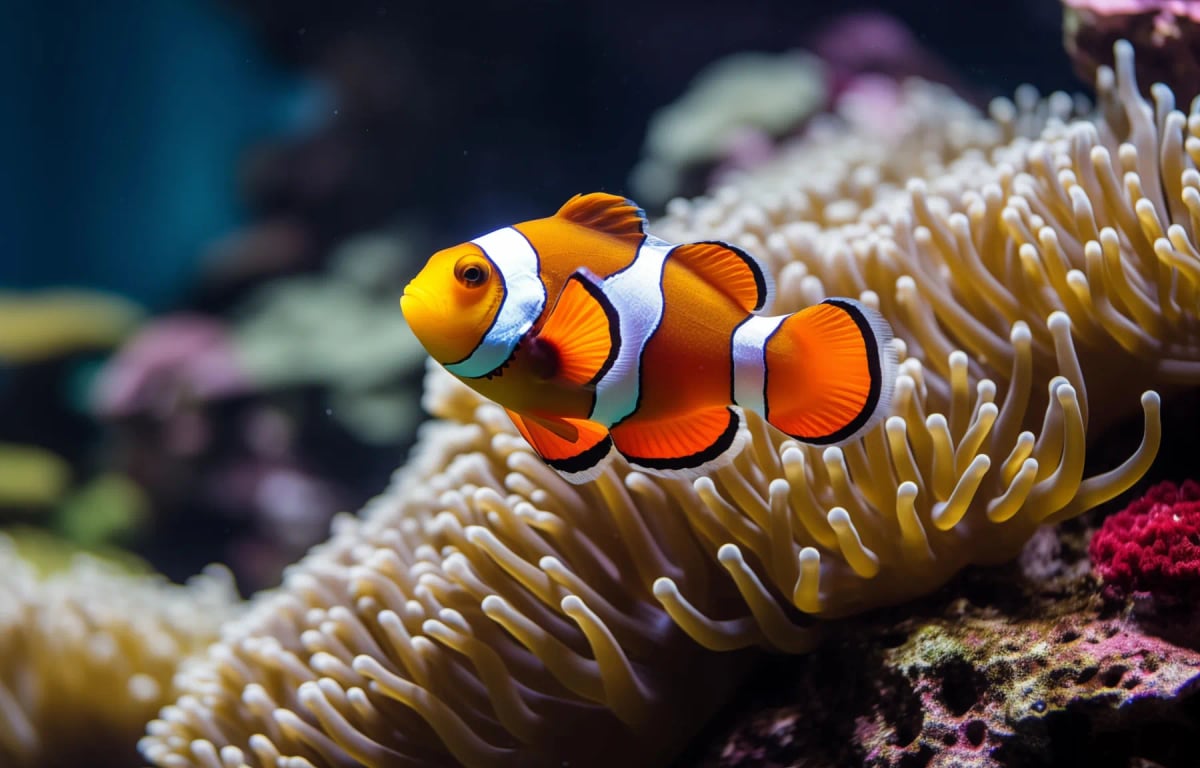
Clownfish
Amphiprioninae (over 30 species)
Malaysia's coral reefs, particularly around Sabah's Sipadan Island and the reefs of the South China Sea, are home to several species of clownfish. Sheltered within sea anemones on shallow reef slopes, these fish rarely travel beyond a few meters from their host throughout their lives. Malaysia has expanded its network of marine protected areas to safeguard coral ecosystems, which directly benefits clownfish and the many species they share the reef with.
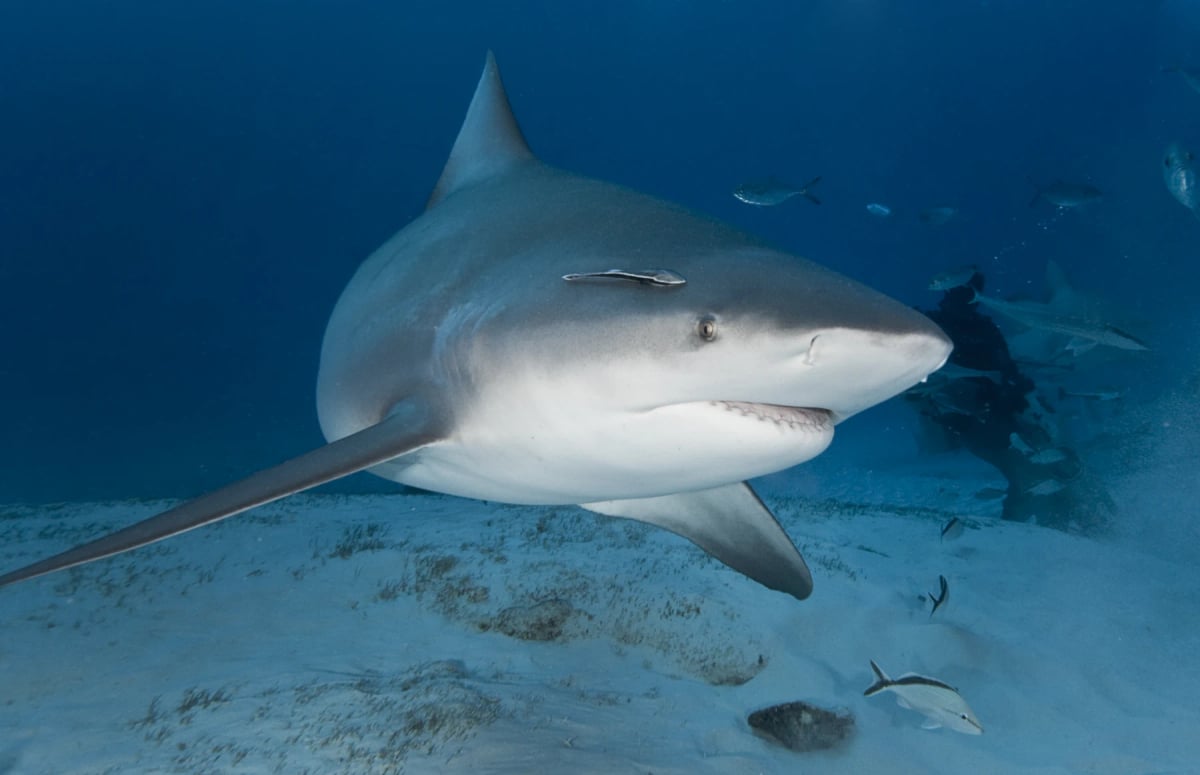
Bull Shark
Carcharhinus leucas
In Malaysia, bull sharks are found along the coasts of both Peninsular Malaysia and the states of Sabah and Sarawak on Borneo. They make use of the rich estuarine and mangrove habitats that fringe much of the coastline, as well as the lower sections of major rivers. Heavily fished across Malaysian waters, they face significant pressure from both targeted and incidental capture in commercial fisheries.
Researched and written by Juan Pablo. Sources: IUCN Red List, scientific literature and regional field guides. Last updated: .