Animals in Ghana
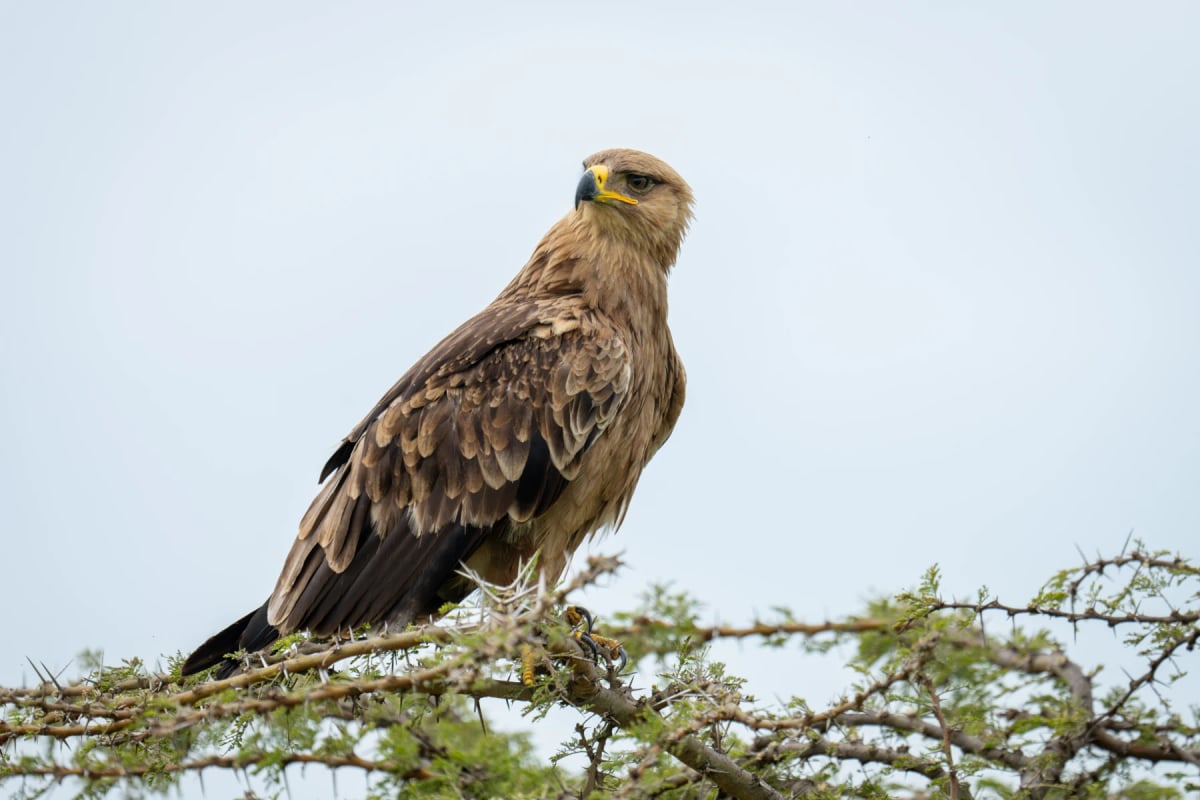
Tawny Eagle
Aquila rapax
The tawny eagle, seen as a national symbol in Ghana, often soars over open woodland and broad grassland in search of prey. Its sharp sight and calm flight inspire ideas of freedom and guidance. In some areas it also appears on emblems and local art that celebrate links between people and the land.
View details→Wildlife in Ghana
Ghana’s wildlife spans rainforests, savannas and coastal wetlands along the Gulf of Guinea. Chimpanzees, elephants, hippos and many bird species share rivers, forest canopies and grasslands. National parks, boardwalks and river tours give visitors an easy way to explore nature and support local conservation.
Most Dangerous Animals in Ghana
Some animals in Ghana require care and distance, especially elephants, buffaloes, hippos and certain snakes near rivers and farms. Guides explain safe viewing points and warn about risky paths during walks or boat trips. Clear rules and respect for space make encounters exciting but controlled for everyone.
Top 10 Animals in Ghana
Leopards, chimpanzees and hippos are among the animals that shape Ghana’s image in wildlife tourism. In Mole National Park, visitors may watch elephants at waterholes and hear calls of primates at dusk. Canopy walkways in Kakum Forest add views of birds and lush treetops above the ground. Simple lodges and guided drives help guests discover these animals at a calm pace and learn how rangers protect each reserve.
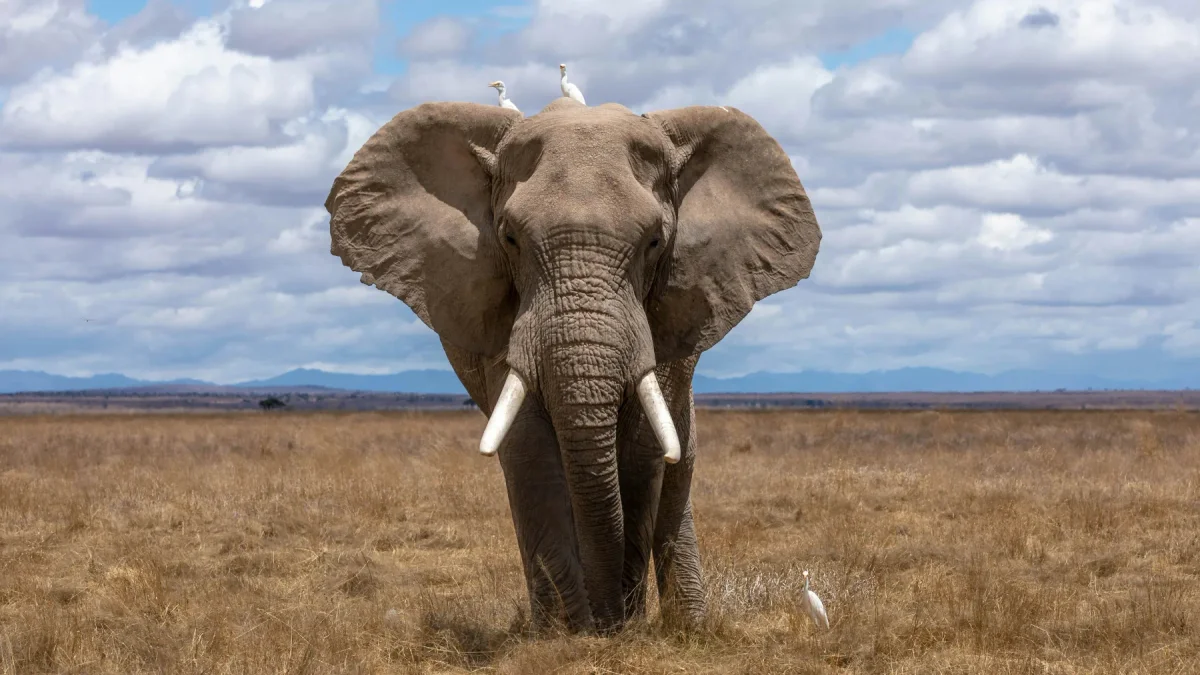
African Elephant
Loxodonta africana
Ghana's main elephant population lives in Mole National Park in the northwest, the country's largest protected area. Estimates put the population at around 400 to 500 individuals, confined largely to this savanna zone in the north. Ghana's elephants are relatively isolated from other West African populations and face pressure from expanding farming communities around the park's borders. Mole's elephants are the park's most iconic residents and a growing draw for wildlife tourism.
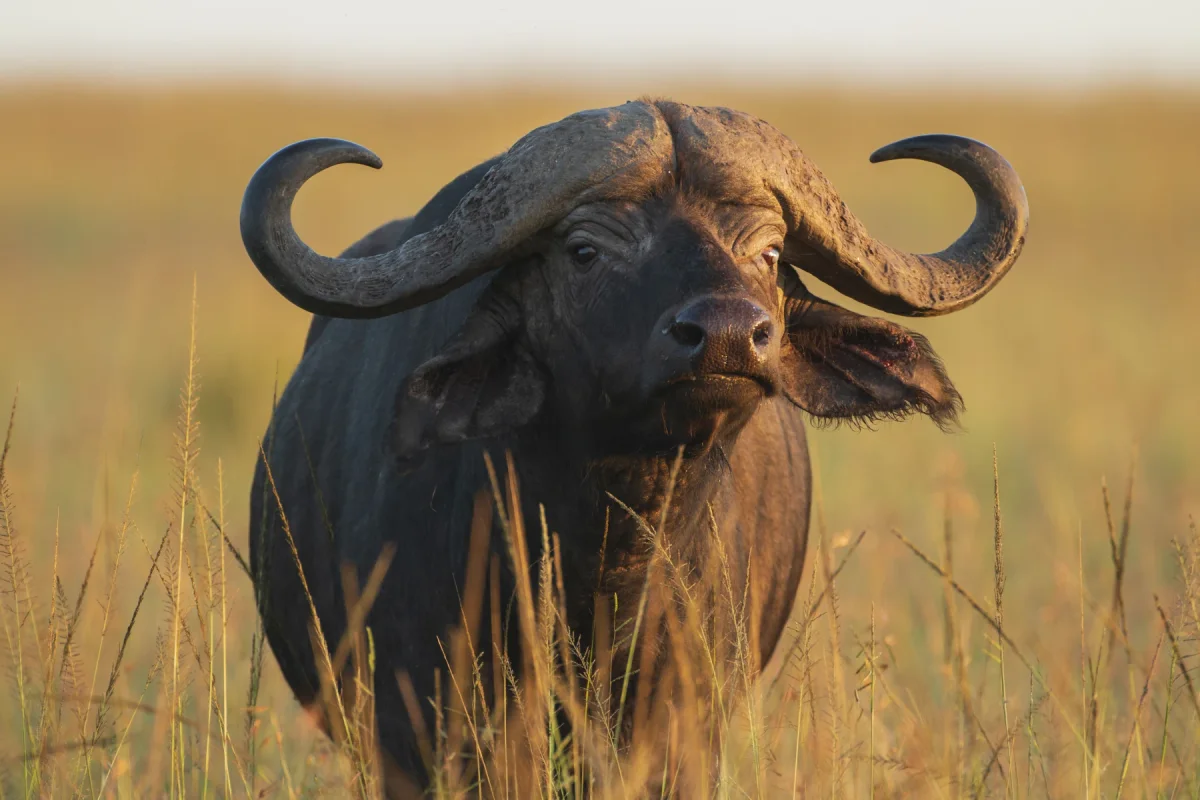
Buffalo
Syncerus caffer
In Ghana, African buffaloes are primarily found in the northern parts of the country, particularly within Mole National Park, which is the largest wildlife reserve in the country. The park's Guinea savanna woodland provides ideal grazing habitat. Buffalo numbers in Ghana remain modest compared to East African populations, and conservation efforts within Mole are essential for their continued presence in the country.
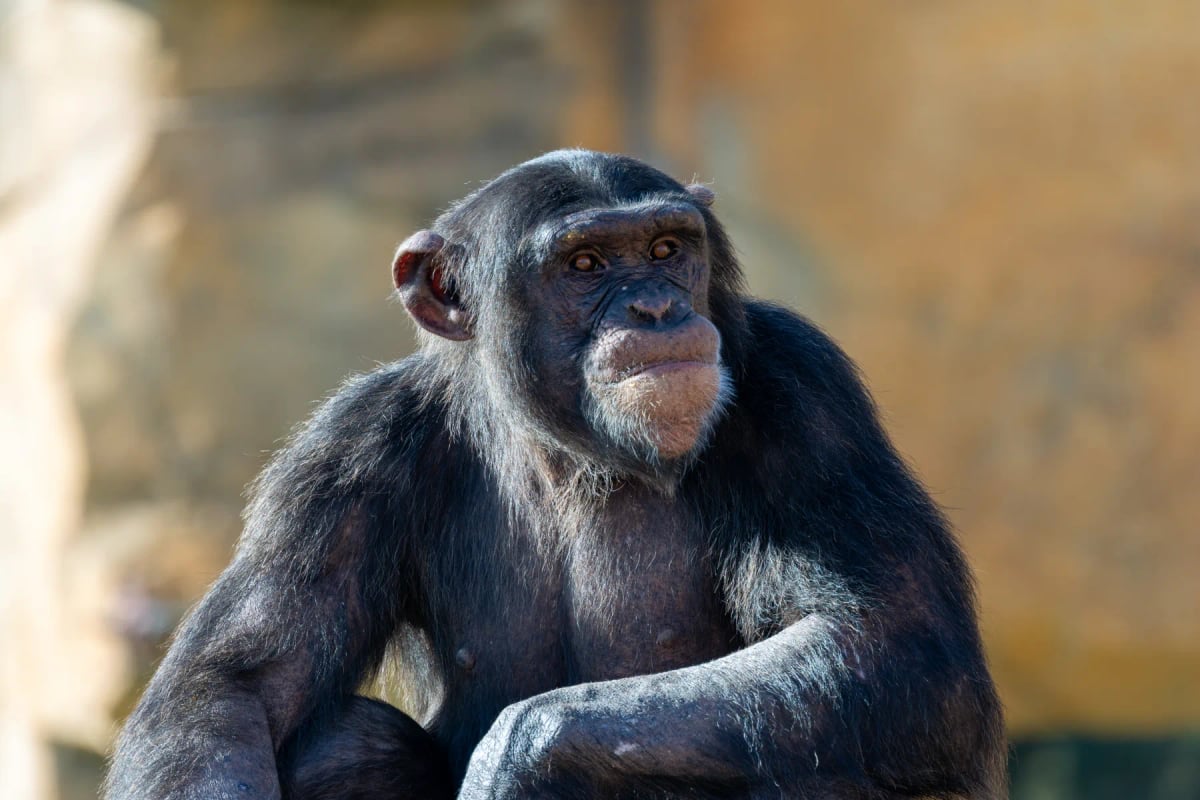
Chimpanzee
Pan troglodytes
Chimpanzees in Ghana are restricted to small forest reserves and fragments in the south and west of the country, including areas around Bia and Ankasa. Decades of deforestation have drastically reduced their range, and populations are now isolated and under significant pressure from habitat degradation and hunting. Ghana's chimpanzees represent one of the most threatened groups of the species across the whole of West Africa.
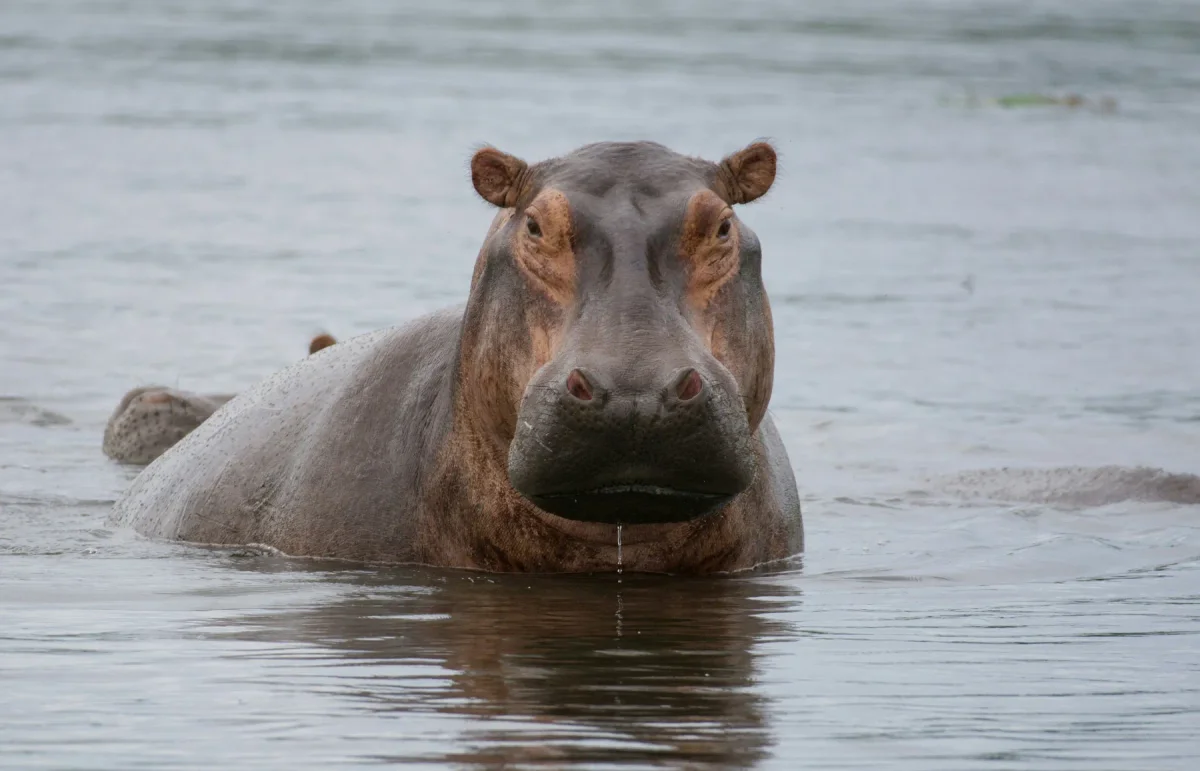
Hippopotamus
Hippopotamus amphibius
In Ghana, hippopotamuses are found in the Black Volta and other river systems, as well as in wetland areas in the north of the country. The Wechiau Community Hippo Sanctuary on the Black Volta is a notable example of community-led conservation, where local people protect hippos and benefit from wildlife tourism. The IUCN lists the hippopotamus as Vulnerable, and community models like this offer real promise.
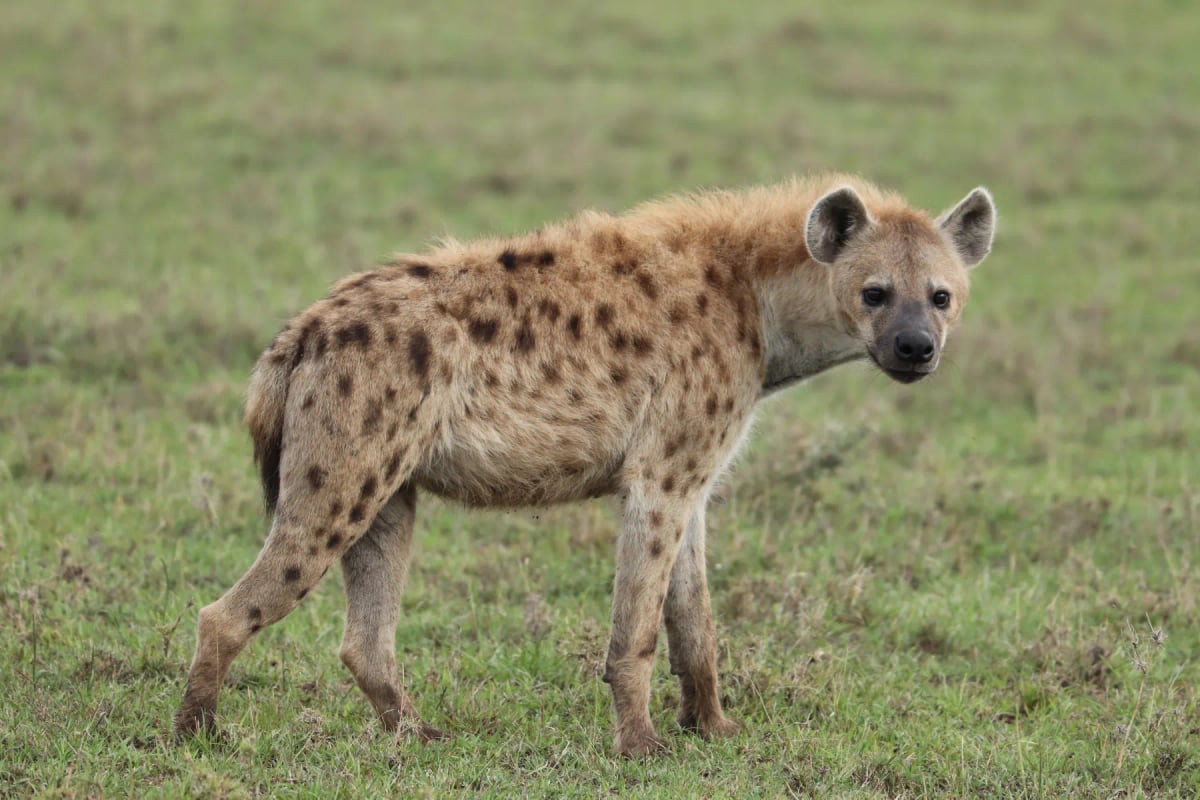
Spotted Hyena
Crocuta crocuta
Spotted hyenas in Ghana are concentrated in the northern savanna regions, including areas within and around Mole National Park, the country's largest protected area. They are important for ecosystem health, helping to recycle nutrients by consuming animal remains. Habitat loss from agriculture and human conflict over livestock depredation continue to put pressure on their populations in the country. Their IUCN status is Least Concern.
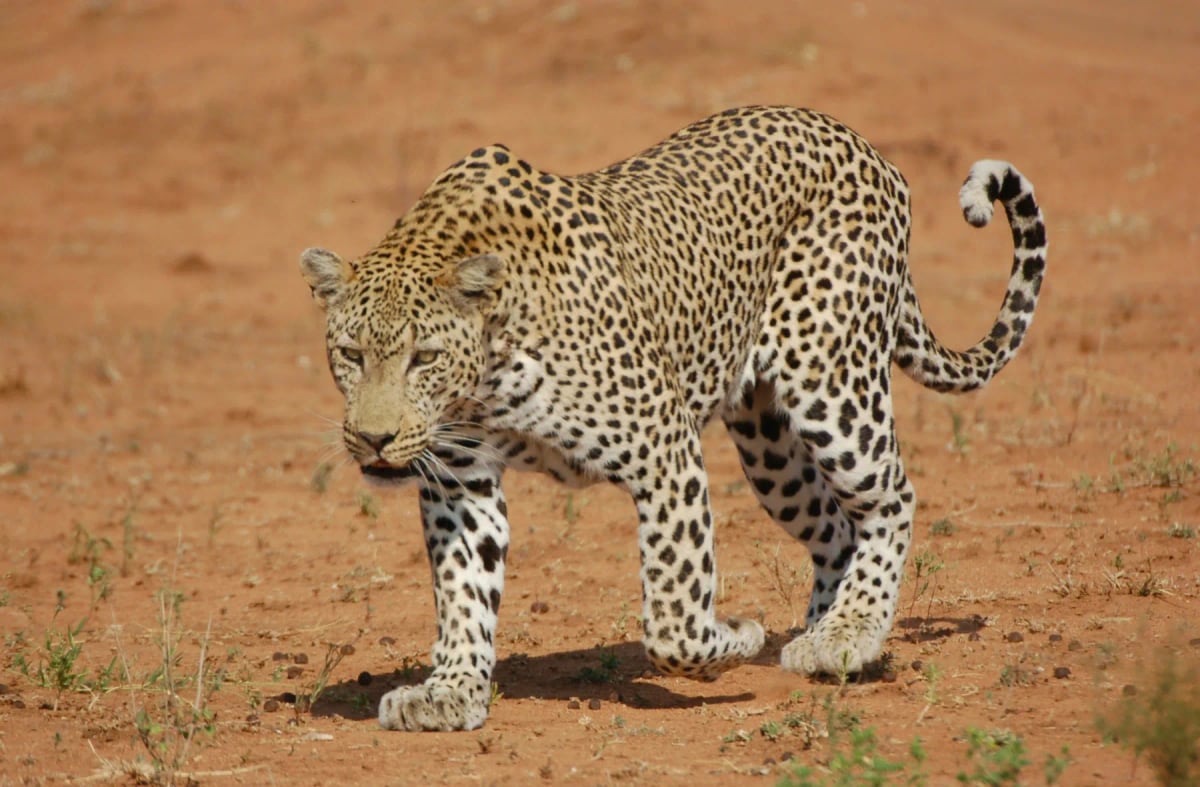
Leopard
Panthera pardus
Leopards in Ghana are found mainly in the northern savanna zones and within protected areas such as Mole National Park, the country's largest wildlife reserve. Forest leopards may also persist in the southwest, though sightings are infrequent. Prey loss and habitat fragmentation driven by farming and logging are the greatest threats. Camera trap surveys in Mole have confirmed their continued presence in recent years.
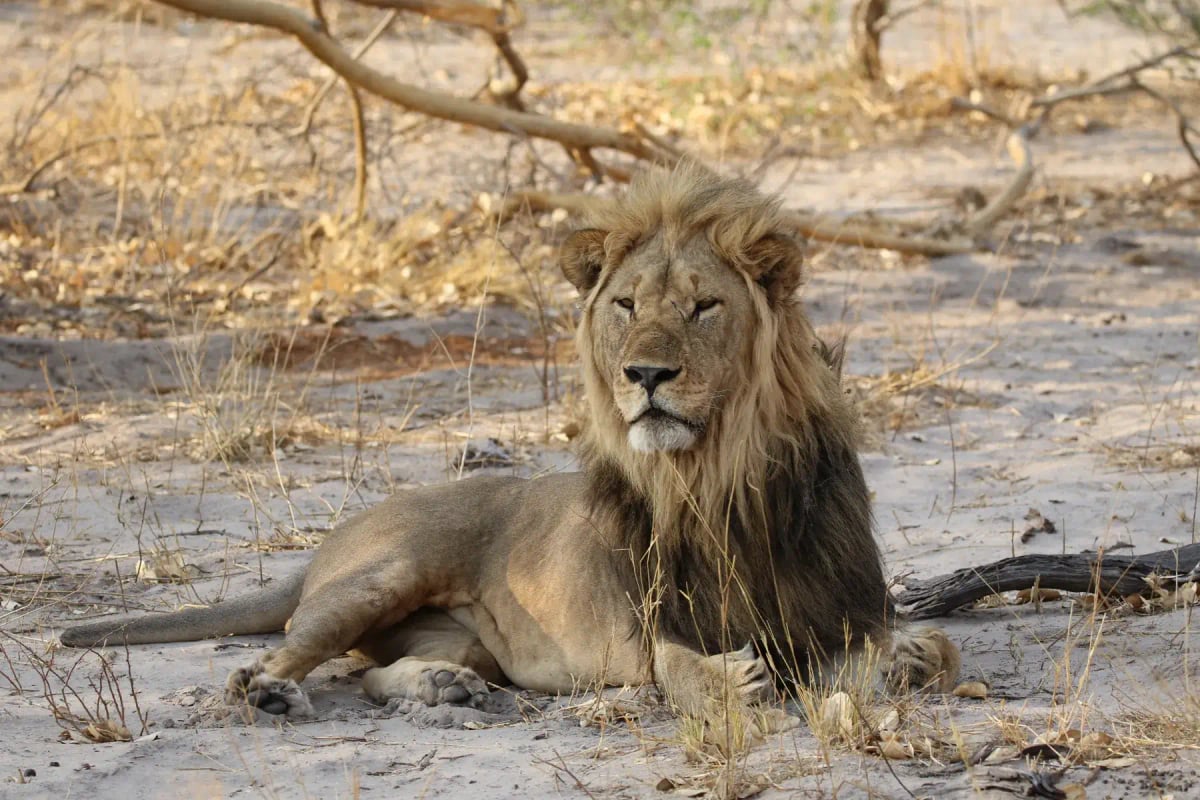
Lion
Panthera leo
In Ghana, lions survive in very small numbers in Mole National Park in the north, the largest protected area in the country. The population is considered one of the most endangered in West Africa, with only a handful of individuals believed to remain. Mole is the only place in Ghana where wild lions have been confirmed in recent years, and their long term survival in the country is uncertain.
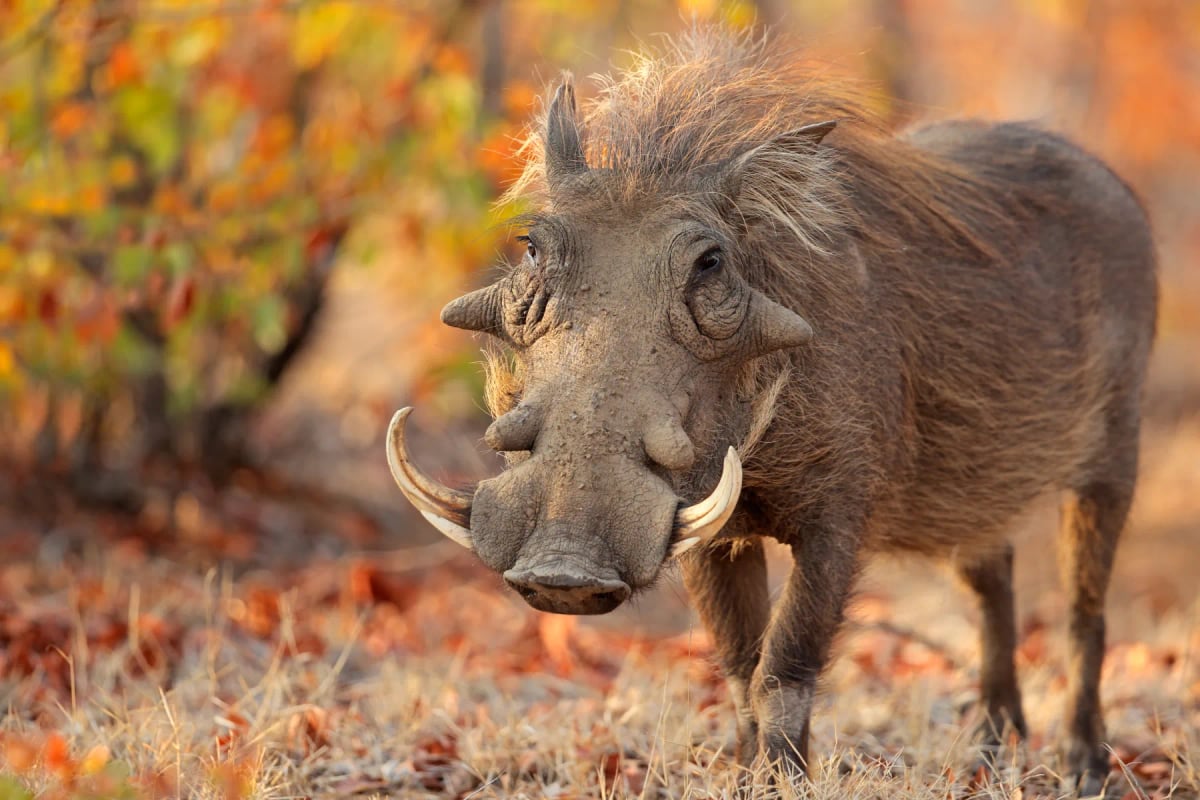
Warthog
Phacochoerus africanus
In Ghana, warthogs are found in the northern savanna zones, including within Mole National Park, the country's largest wildlife reserve. They roam open grasslands and woodland edges, feeding on grasses, roots, and bulbs. Predators such as lions and leopards, though reduced in numbers, still share parts of their range. The species is widespread in suitable habitat and carries a Least Concern status from the IUCN.
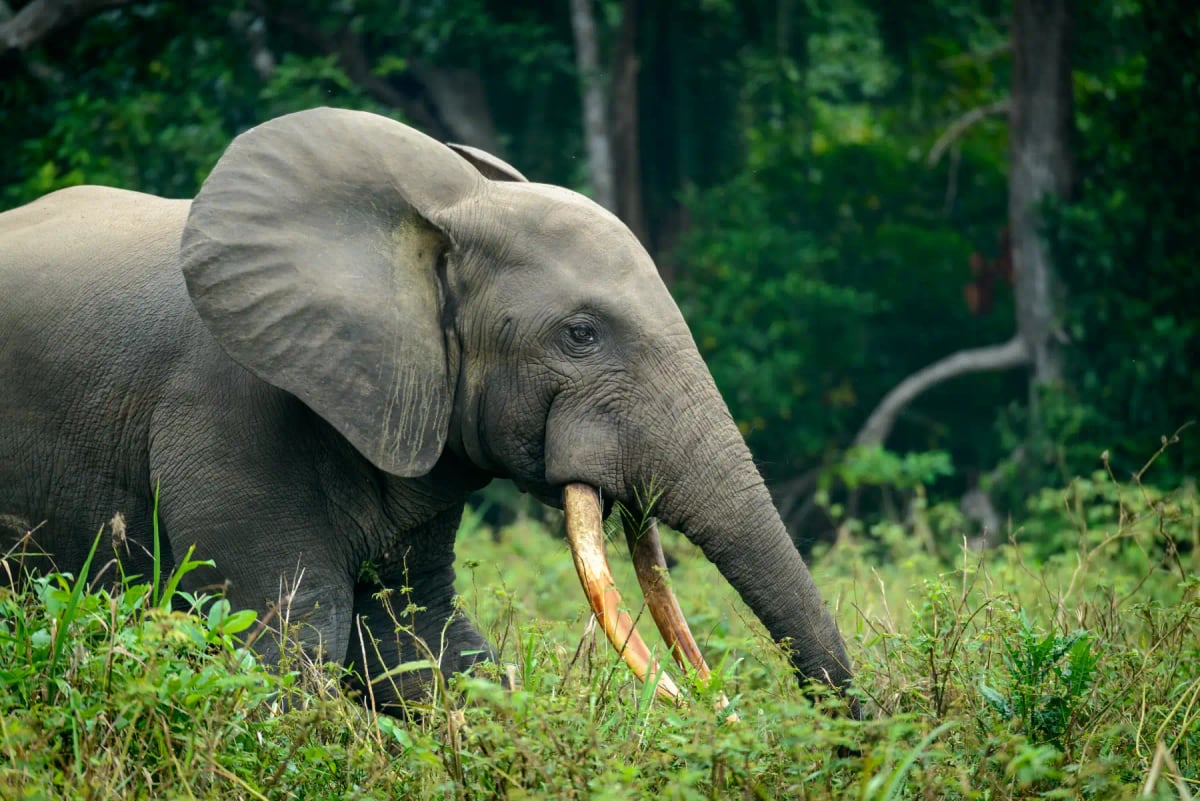
African Forest Elephant
Loxodonta cyclotis
Ghana's forest elephant population is small and restricted to the southwest, where remnant rainforest persists in protected areas such as Bia National Park and the forests bordering Côte d'Ivoire. Kakum National Park also holds a small number. Heavy deforestation across southern Ghana over the past century eliminated most suitable habitat, and the remaining population is fragmented and vulnerable. Surveys suggest fewer than a few hundred individuals remain in the country, making Ghana a marginal but documented range country.
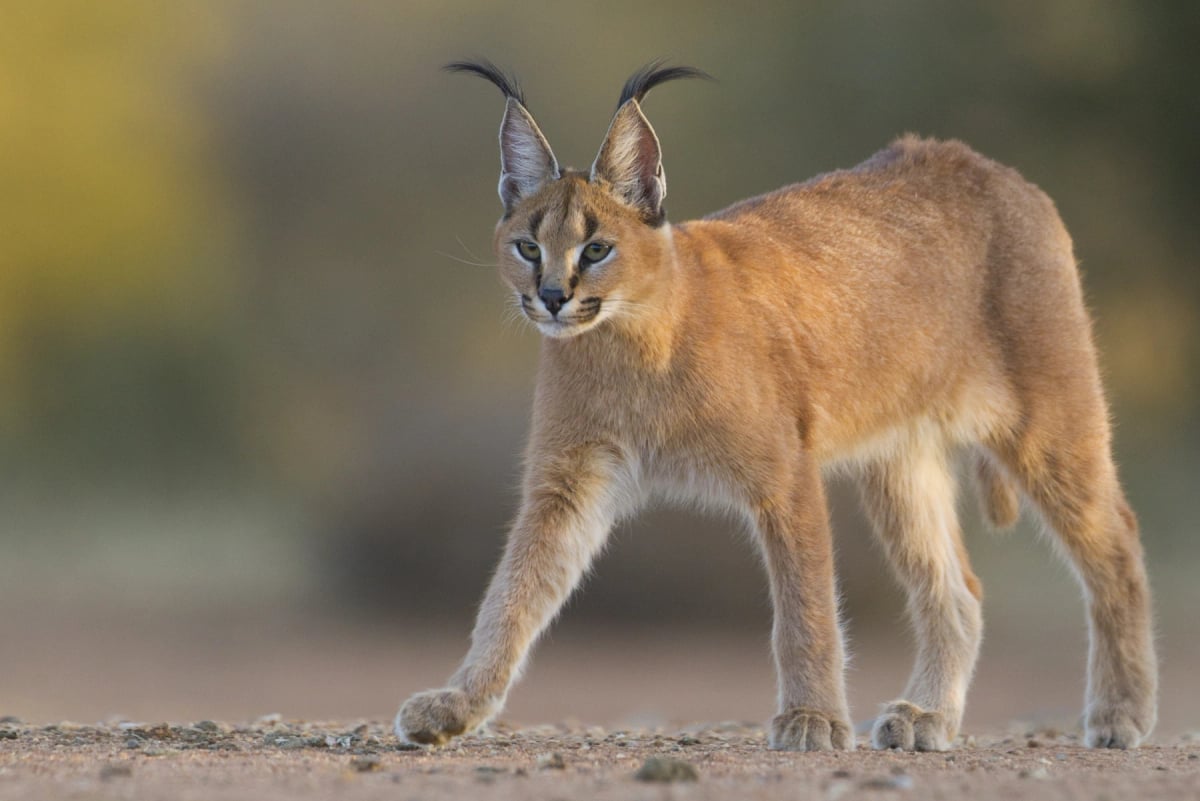
Caracal
Caracal caracal
In Ghana, the caracal is restricted to the savanna and dry woodland areas of the north, where it finds the open terrain it prefers. It rarely ventures into the more forested regions of the south. A skilled nocturnal hunter, it feeds on rodents, birds, and small mammals. Habitat conversion for farming is the primary threat it faces in Ghana. The IUCN considers the species Least Concern across its global range.
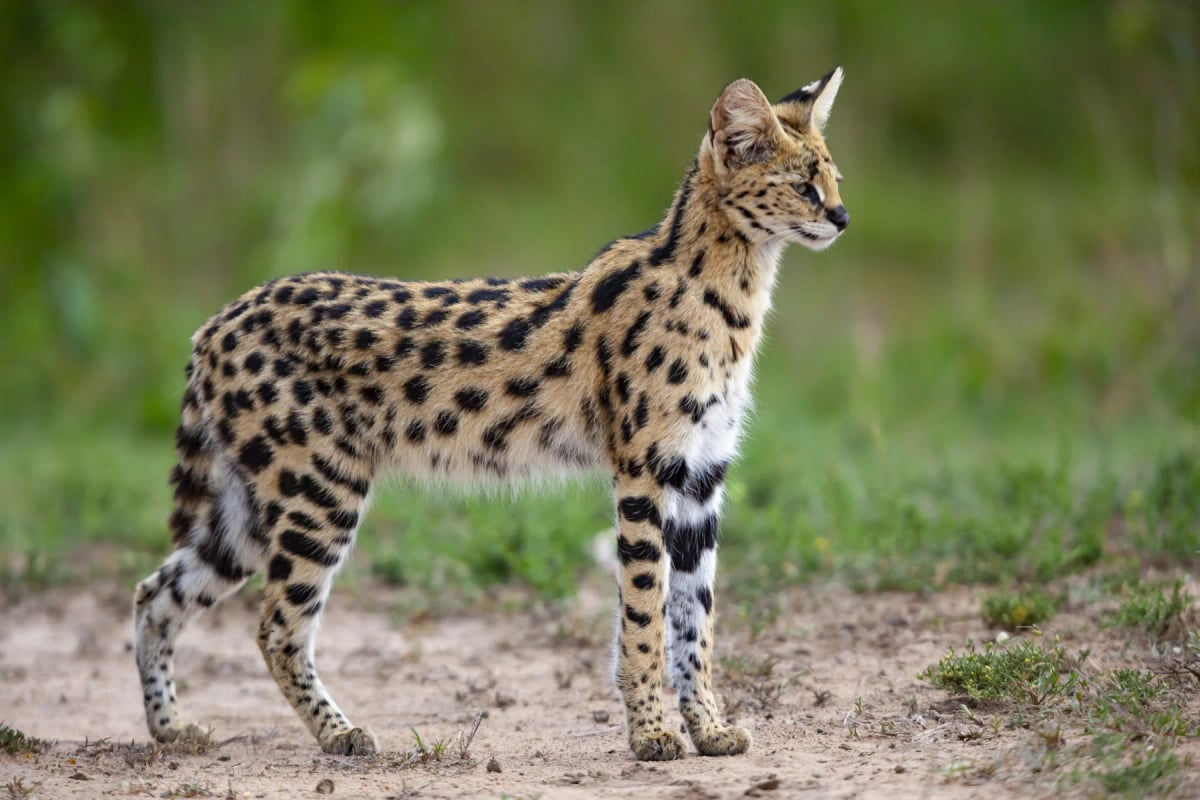
Serval
Leptailurus serval
In Ghana, the serval inhabits the Guinea savanna zone in the north of the country, where tall grasses and scattered trees create ideal hunting ground. It is closely tied to wetlands and stream edges, which support the rodents and frogs that make up most of its diet. Hunting and habitat degradation pose threats at the local level. The IUCN considers the serval Least Concern, but Ghana's protected areas play a key role in maintaining viable populations.
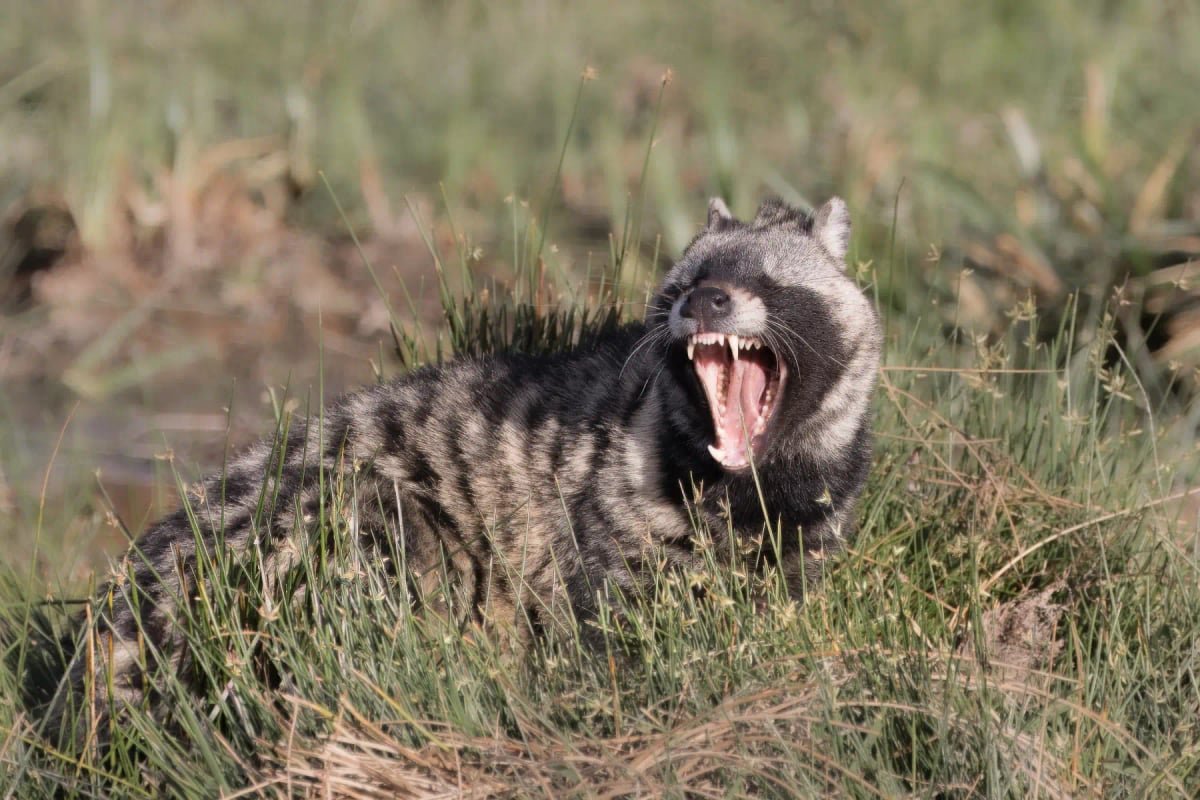
African Civet
Civettictis civetta
The African civet ranges across Ghana from the southern rainforests and forest reserves to the Guinea savanna woodlands of the center and north. Kakum National Park and the Ankasa Resource Reserve in the south provide protected habitat, while in the north, civets follow gallery forests along the Black and White Volta rivers. In Ghana's heavily farmed southern and central zones, civets are more often encountered at the edges of cocoa and timber plantations than in intact forest.

Honey Badger
Mellivora capensis
In Ghana, the honey badger is found mainly in the savanna regions of the north, including areas near Mole National Park. It is a stocky and fearless carnivore that digs for prey, raids beehives, and eats venomous snakes without hesitation. Conflict with local farming and beekeeping communities creates pressure in some areas. The IUCN lists the species as Least Concern across its wide African and Asian range.
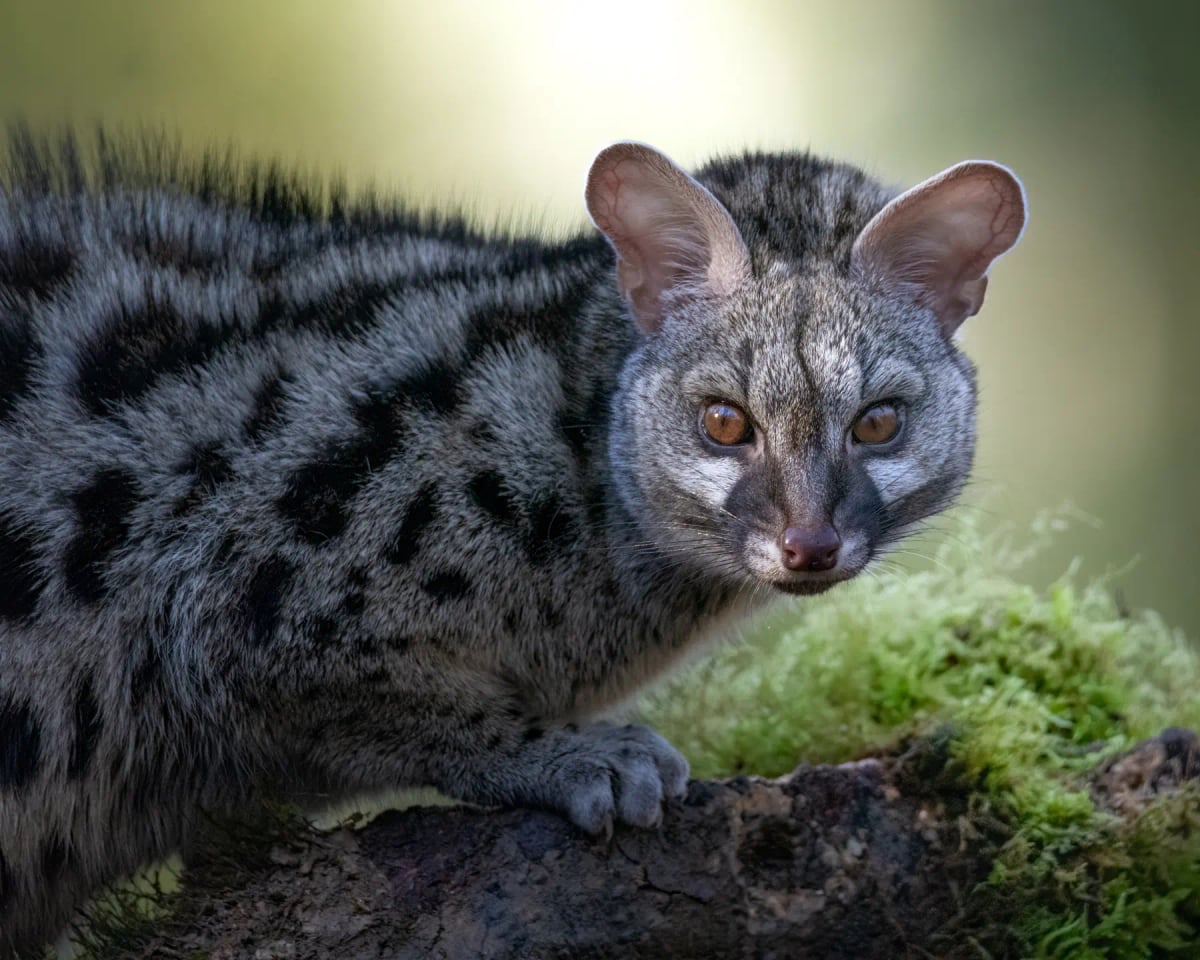
Common Genet
Genetta genetta
The common genet occurs in Ghana across a range of habitats, including the Guinea savanna woodland and forest edges in the north and centre of the country. It is an agile, nocturnal predator that preys on small rodents, birds, reptiles, and insects. Ghana's network of wildlife reserves, including Mole National Park, offers suitable habitat for this secretive carnivore. It shelters in hollow trees and dense undergrowth during daylight hours. IUCN status: Least Concern.
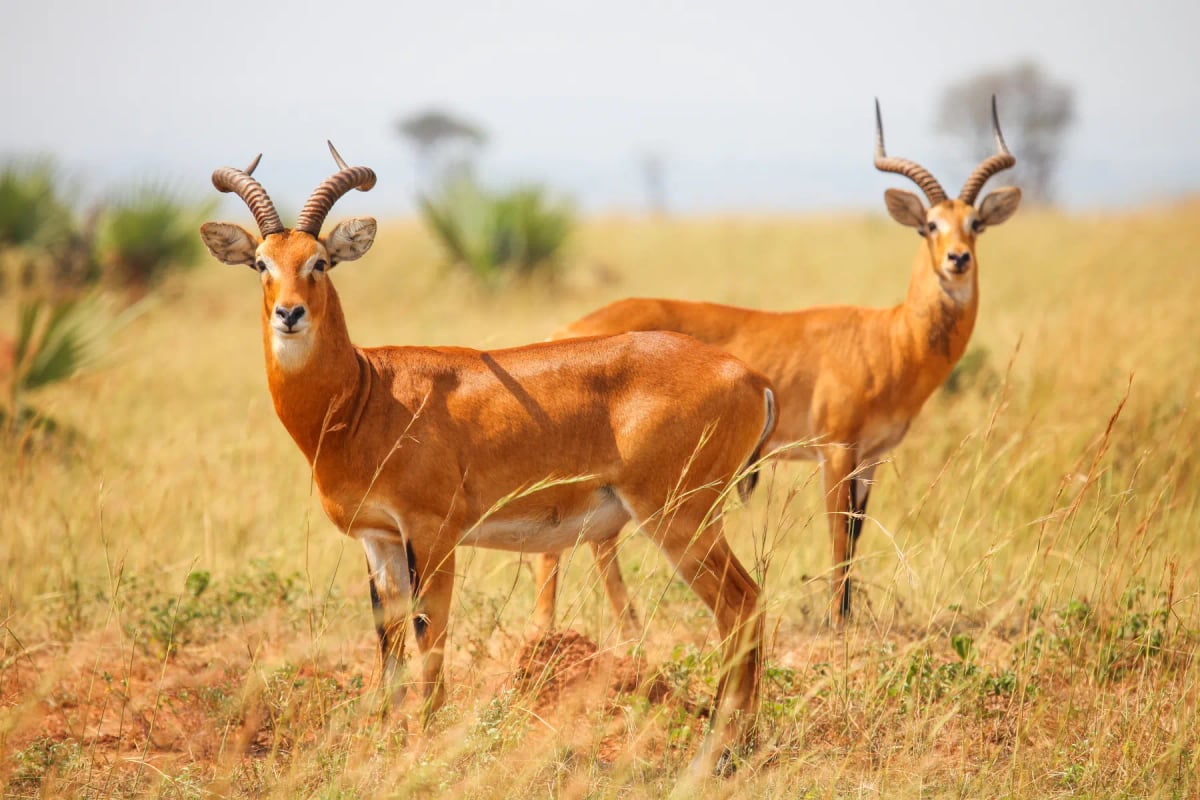
Kob
Kobus kob
The kob is found in northern Ghana, where the Guinea savanna and the Mole National Park provide some of the best remaining habitat for the species in the country. Mole's open grasslands and seasonal rivers support grazing herds throughout the year. As Ghana's largest wildlife reserve, Mole plays a central role in protecting the kob alongside elephants, buffaloes, and other large mammals. Its IUCN status is Least Concern.
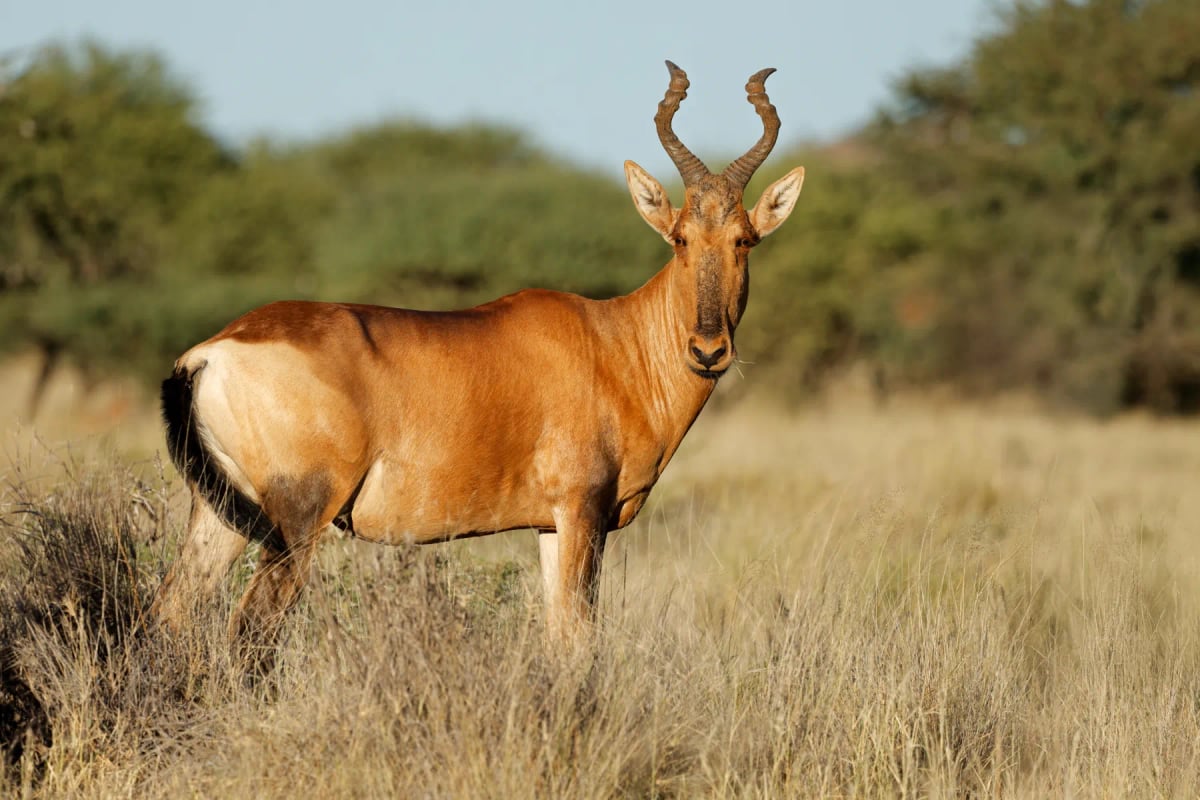
Hartebeest
Alcelaphus buselaphus
In Ghana, the hartebeest is found in the savanna grasslands of the north, particularly within Mole National Park. With its steeply sloping back, long face, and bracket-shaped horns, it is one of the more striking animals in the park. Hartebeests graze on coarse grasses that other animals tend to avoid, and their speed makes them difficult prey even for large predators. The species is listed as Least Concern overall.
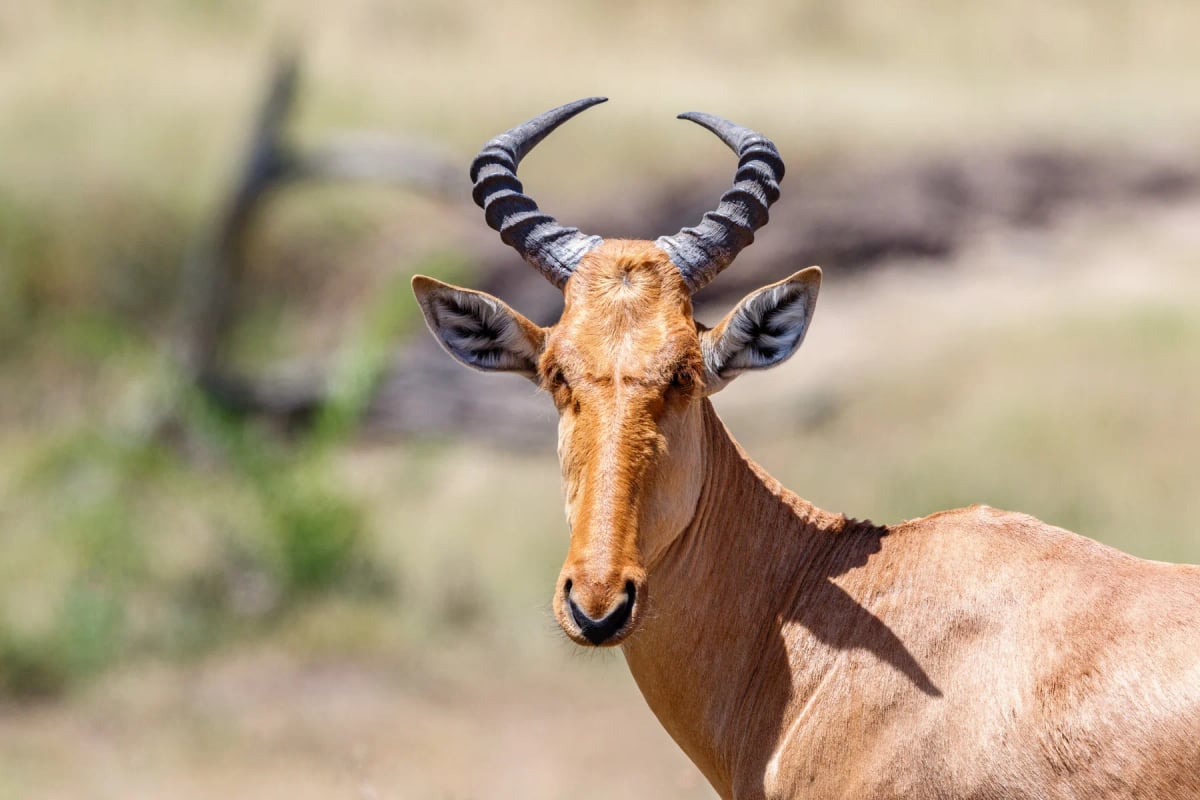
Topi
Damaliscus lunatus
The topi has a limited range in Ghana, where it is associated with the savanna habitats of the north, including areas around Mole National Park, the country's largest wildlife reserve. These open grasslands support grazing herds of topis alongside other large mammals. The species faces pressure from habitat conversion for agriculture and from poaching. Mole remains one of the best places in Ghana to observe this striking antelope in the wild. IUCN status: Least Concern.
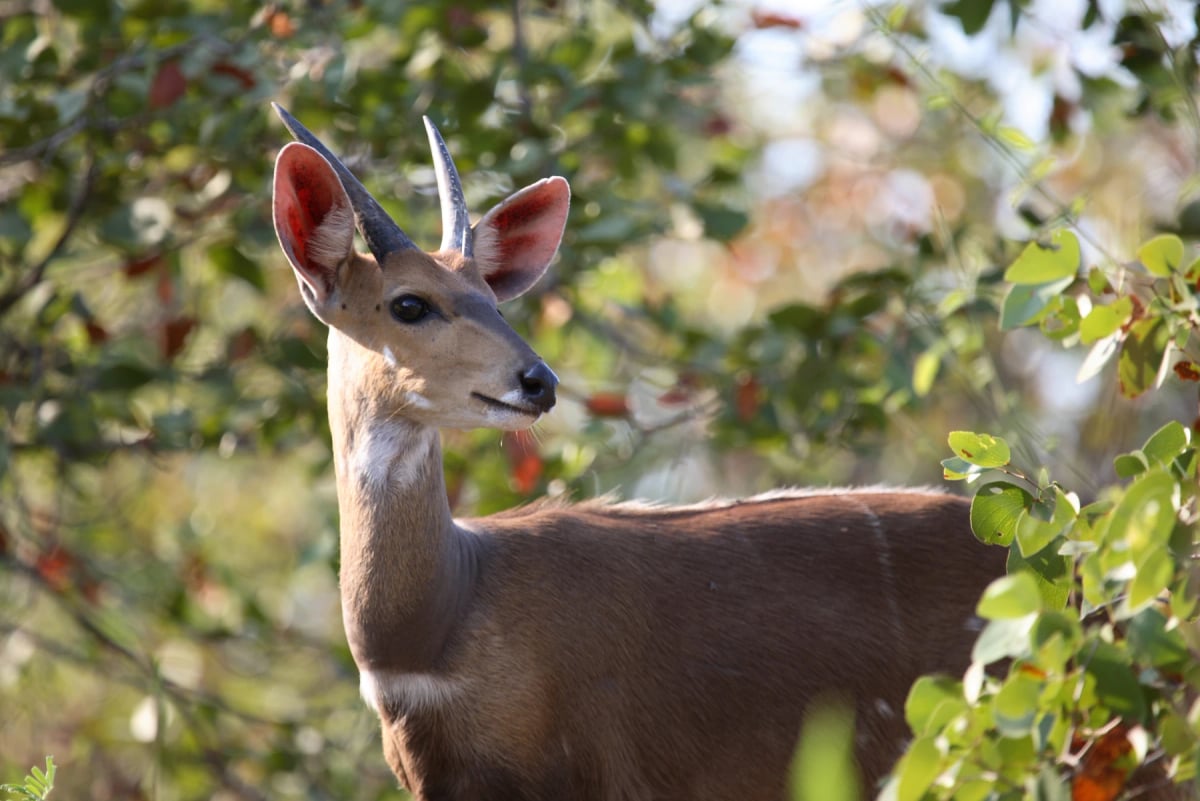
Bushbuck
Tragelaphus scriptus
Ghana's bushbucks inhabit forest reserves and remnant woodlands in the southwestern and southern regions. These secretive antelopes favor areas with dense vegetation near water sources. Conservation of Ghana's remaining forest patches is crucial for maintaining bushbuck populations in this region.
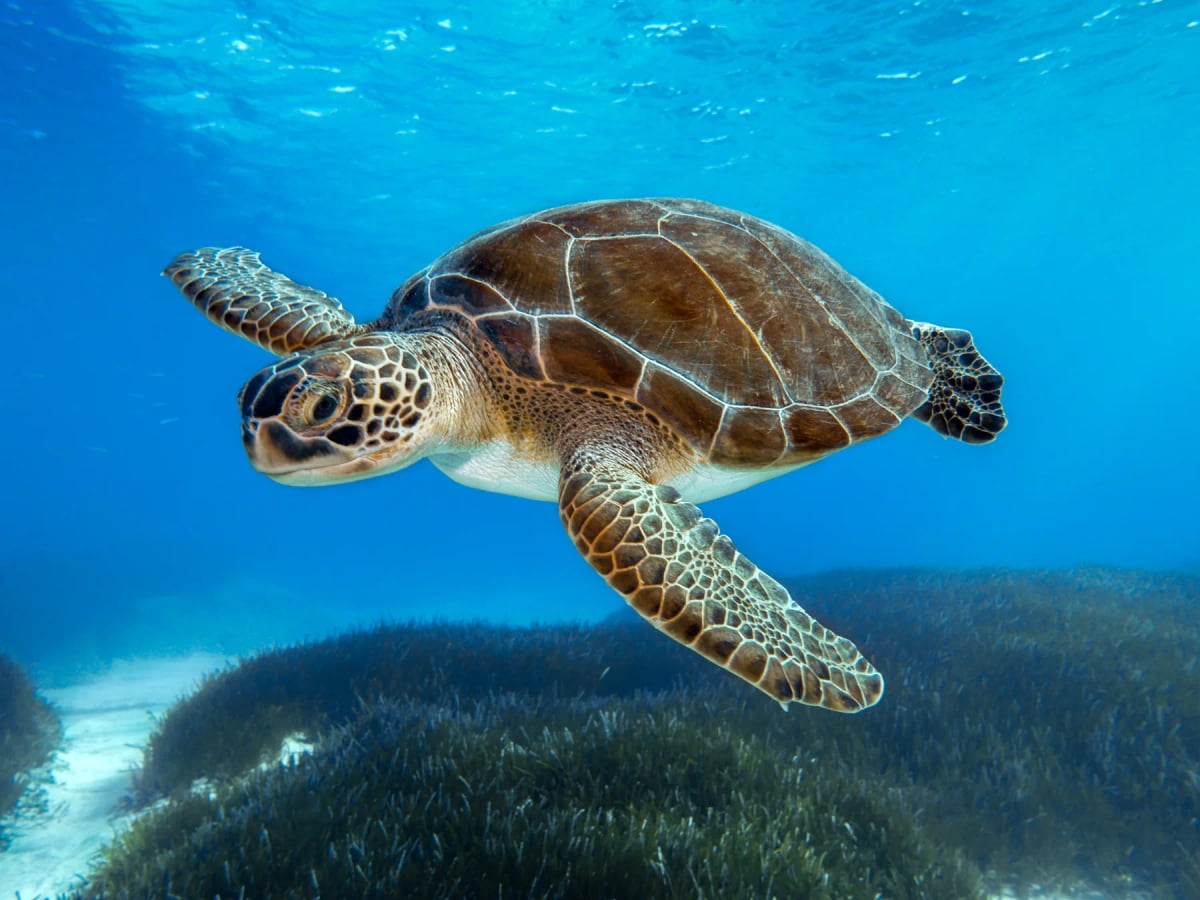
Sea Turtle
Cheloniidae & Dermochelyidae (families)
Ghana's Gulf of Guinea coastline is part of the West African sea turtle nesting corridor. Leatherback, olive ridley and green turtles nest on Ghanaian beaches, with some hawksbill activity also recorded in coastal waters. Beaches in the Western Region, including around Axim and the Ankasa area, are among the most active nesting sites. Conservation organizations work with fishing communities to reduce bycatch and protect nesting beaches from egg collection.
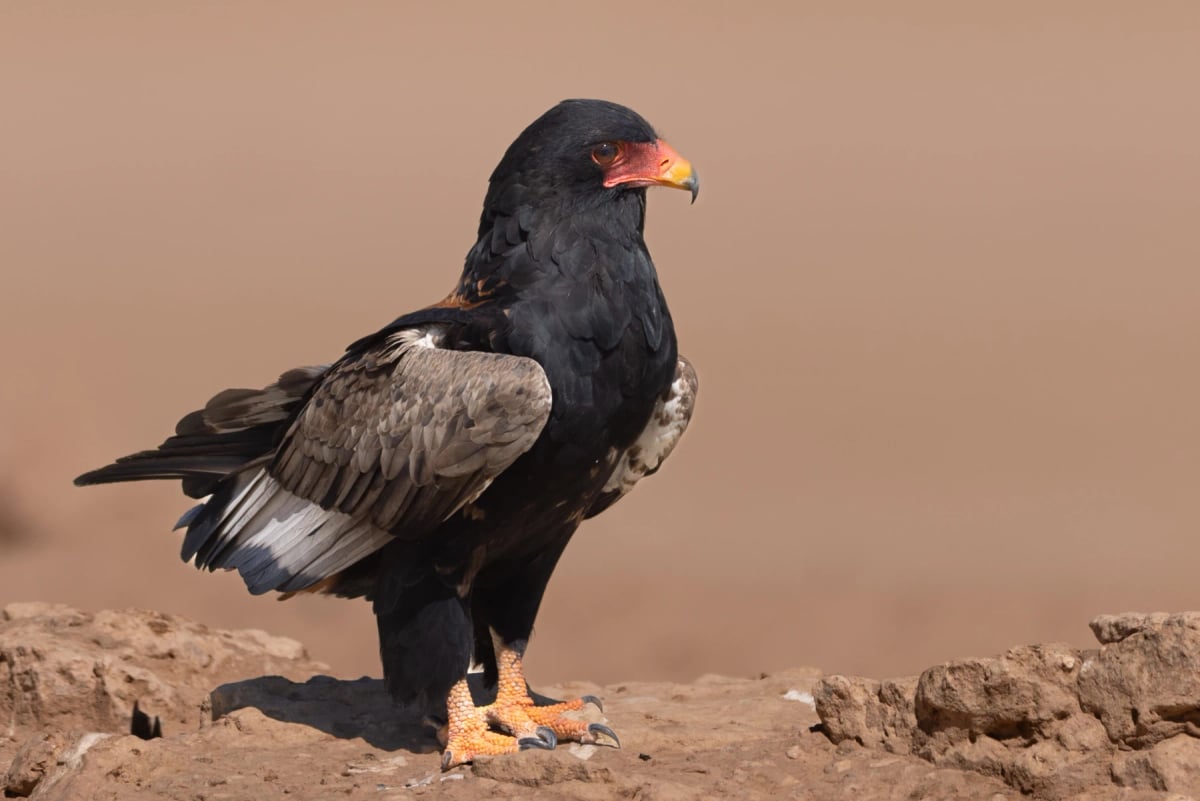
Bateleur
Terathopius ecaudatus
In Ghana, the bateleur is found in the northern savanna belt, including areas within and around Mole National Park, the country's largest wildlife reserve. It soars over open woodland and grassland while searching for carrion, reptiles, and small prey. Illegal poisoning and habitat conversion for agriculture are the primary threats it faces in the country. The IUCN lists this striking eagle as Endangered across its range.
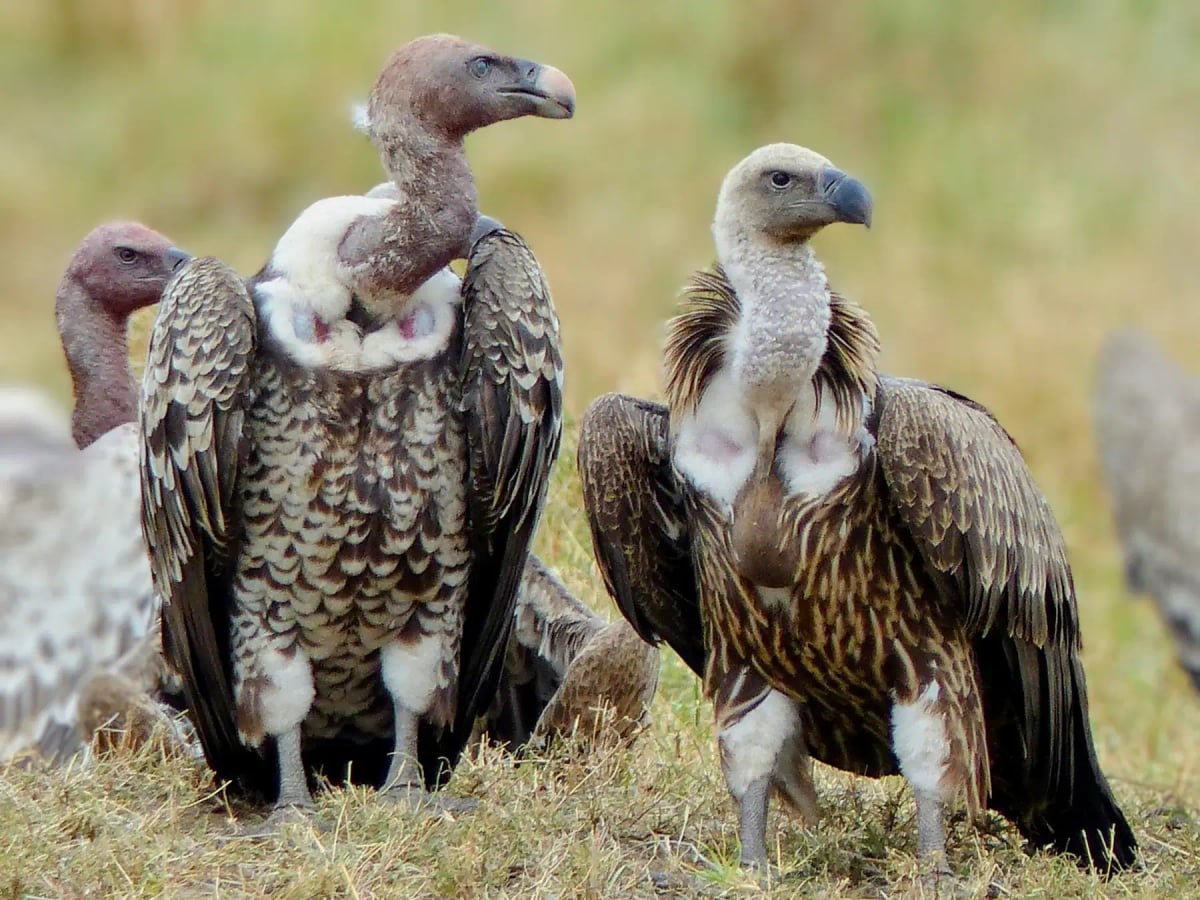
White backed Vulture
Gyps africanus
In Ghana, the white backed vulture is most often seen in the northern savanna regions, particularly around Mole National Park, the country's largest wildlife reserve. The park's populations of elephants, buffalo, and other mammals provide the food base this scavenger depends on. Critically endangered, the species is increasingly rare in Ghana. Poisoning events and the trade in vulture parts for traditional rituals are considered the biggest threats to its continued presence in the country.
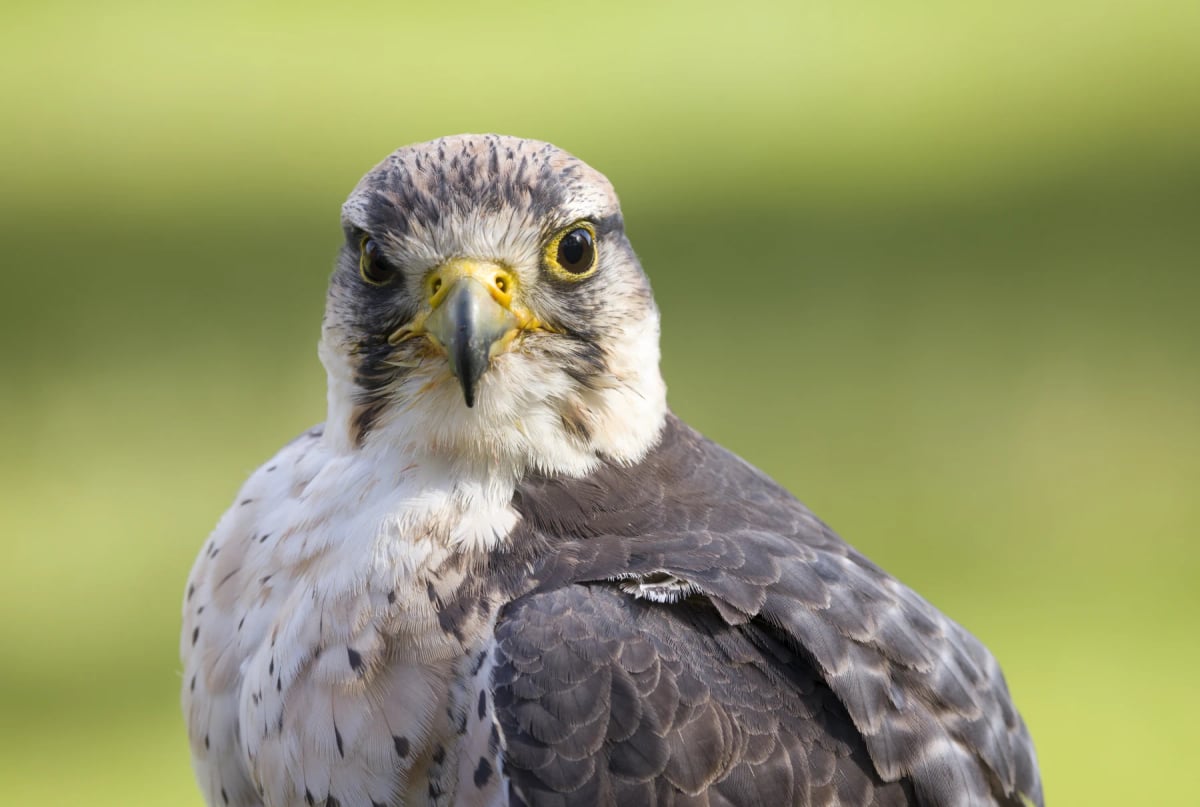
Lanner Falcon
Falco biarmicus
In Ghana, the lanner falcon is found mainly in the northern savanna zones, where open woodland, grassland, and rocky outcrops provide suitable habitat for hunting and nesting. It preys on birds including doves and weavers. Sightings are more frequent in the dry season. The species is listed as Least Concern by the IUCN, but deforestation and land conversion in the savanna belt continue to reduce available habitat.
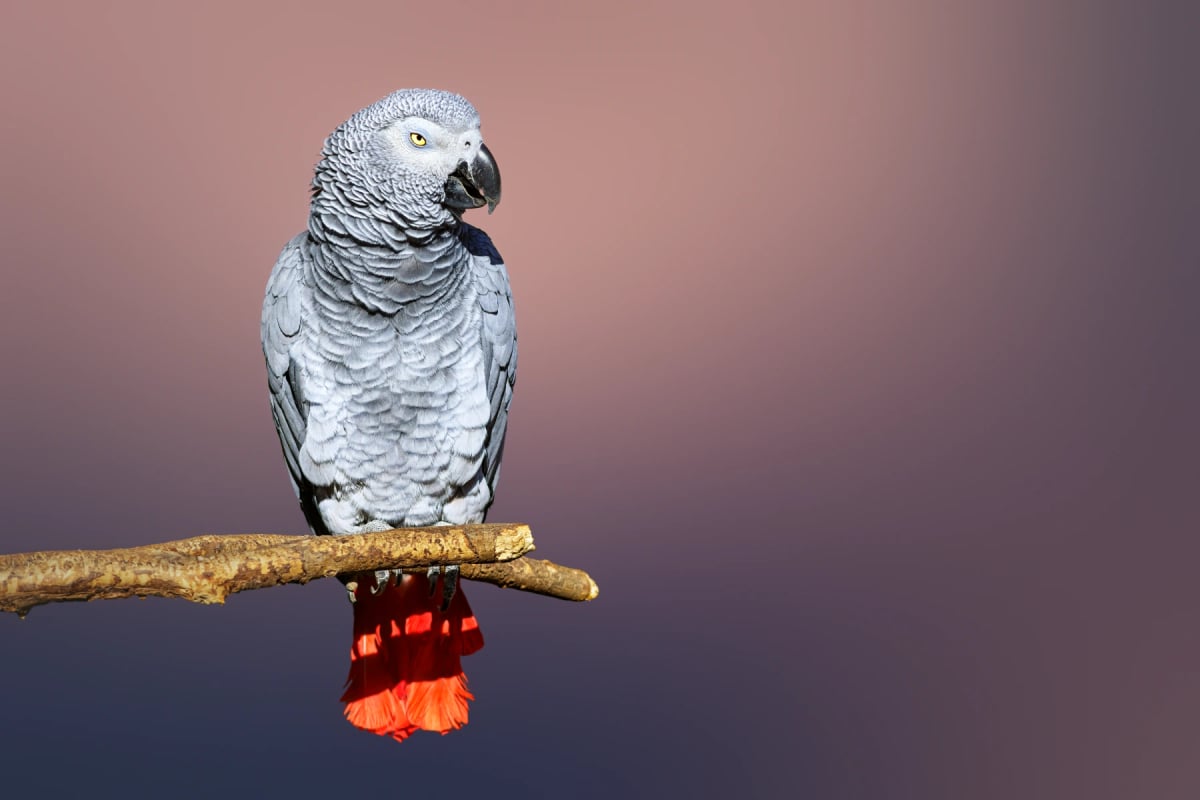
African Grey Parrot
Psittacus erithacus
Ghana has experienced some of the most dramatic African grey parrot population declines in West Africa, with surveys suggesting the species has disappeared from large parts of its former range within the country. Historically present across the southern forest zone, the parrot is now largely confined to a few remaining forest reserves. Ghana was one of the highest volume exporters of wild grey parrots in West Africa for decades, and the combination of trapping and near total loss of the country's original forest cover has pushed the population to critically low levels.
Tawny Eagle
Aquila rapax
The Tawny Eagle is found in the savanna zones of northern Ghana, where open grasslands and dry woodlands provide suitable hunting grounds. It feeds on small mammals, reptiles, and carrion, and is known to follow bush fires to catch fleeing animals. Pressure from habitat conversion for farming and from poisoning incidents has reduced its numbers in West Africa overall. The IUCN lists it as Vulnerable.
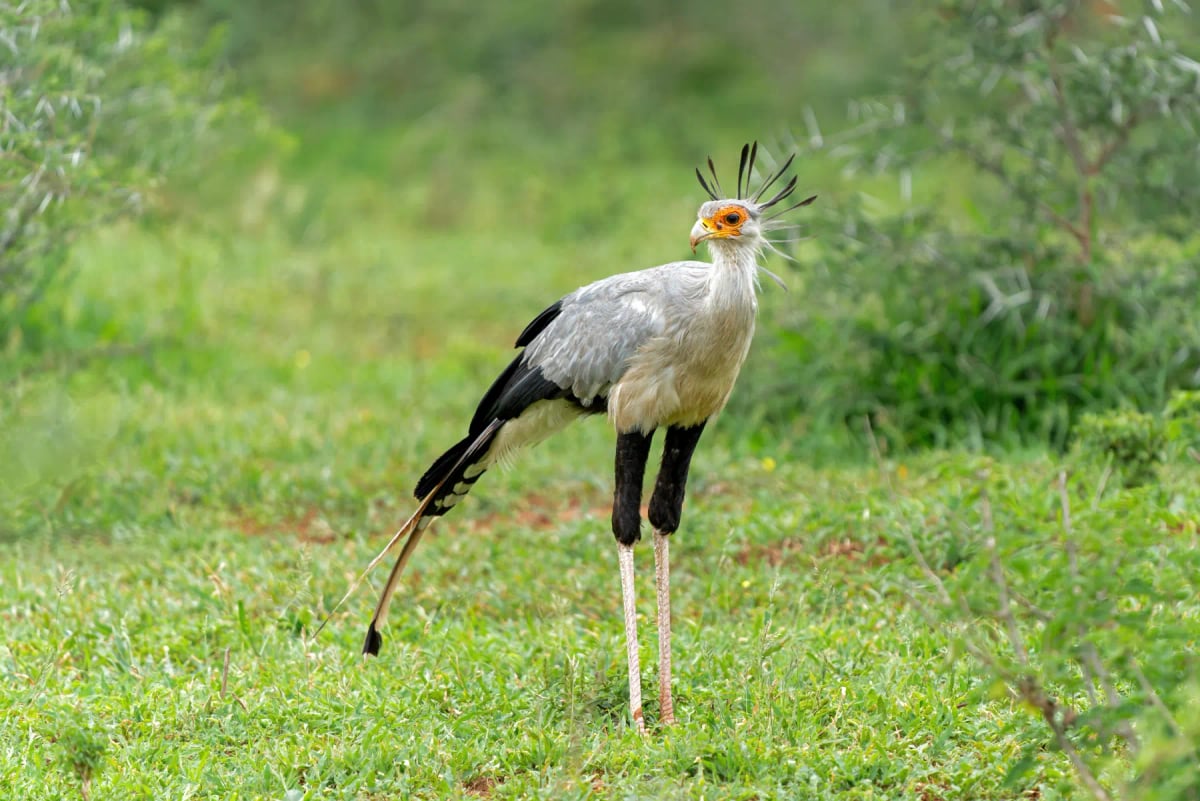
Secretary Bird
Sagittarius serpentarius
In Ghana, the secretary bird is found in the open savanna regions of the north, including the Guinea savanna belt. It strides across grasslands in search of snakes, rodents, and large insects, hunting entirely on foot. Seasonal burning of grasslands and conversion of land to agriculture have reduced suitable habitat across northern Ghana over time. The IUCN lists this distinctive raptor as Endangered, reflecting declines recorded across much of West Africa.
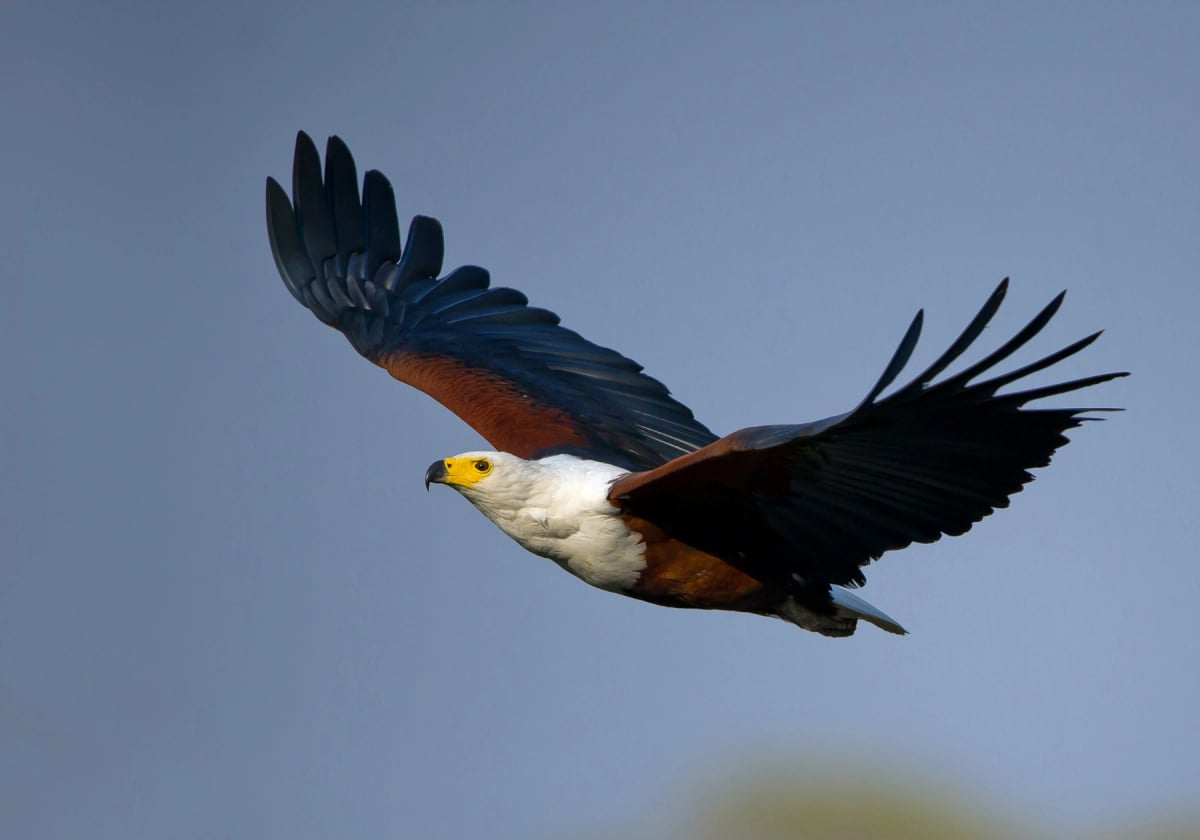
African Fish Eagle
Haliaeetus vocifer
The African fish eagle is present in Ghana near the country's rivers, lakes and wetlands. The Volta River system and Lake Volta, one of the largest reservoirs in the world by surface area, provide extensive habitat in the interior. The bird is also found along the Black and White Volta rivers and near the coastal lagoons of the south. Mole National Park and the wetland areas of the northern savanna are among the better spots to observe it.
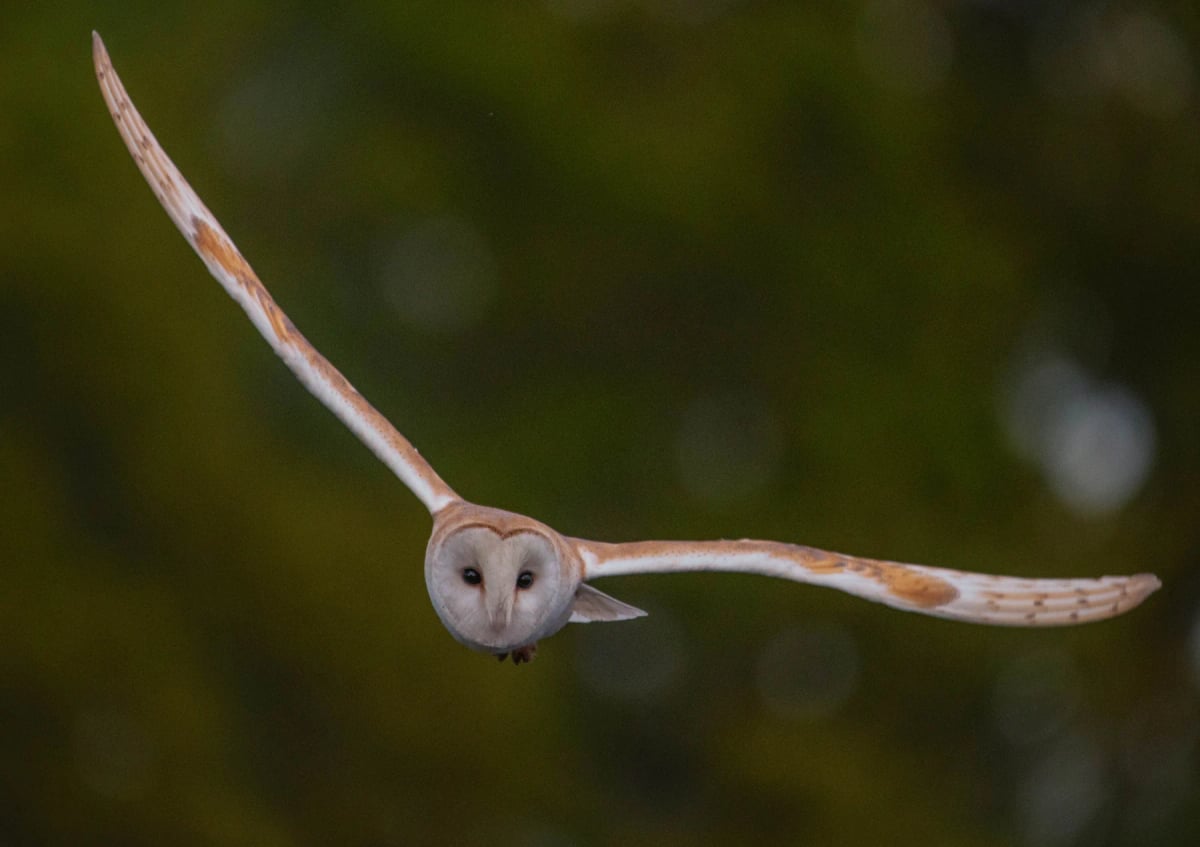
Barn Owl
Tyto alba
The barn owl is widespread across Ghana in open savanna, farmland, and areas near towns and villages from the Sahel fringe in the north through the transition zone to the wetter south. It nests in old buildings, hollow trees, and rocky outcrops, and hunts rodents at night. In farming communities across Ghana it is a beneficial presence for controlling the small mammal populations that damage stored grain and crops. It is less commonly found in the dense forest zones of the south and west.
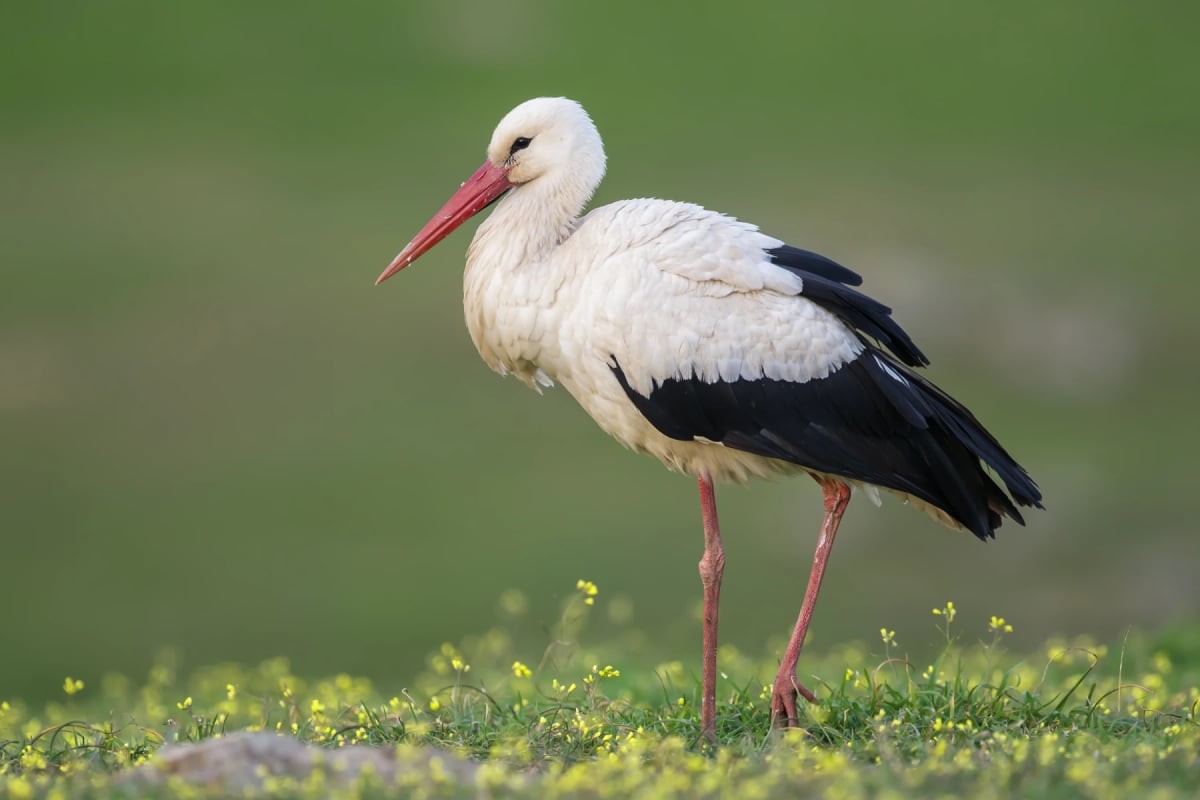
Stork
Ciconia ciconia
White storks visit Ghana during the northern winter, spending the season in the country's northern savanna zones, where open terrain and seasonal wetlands make foraging straightforward. They feed on insects, including locusts and grasshoppers, as well as frogs and small vertebrates. Ghana's position in West Africa places it within the western flyway used by storks crossing the Sahara via Mauritania and Senegal. The IUCN lists the white stork as Least Concern.
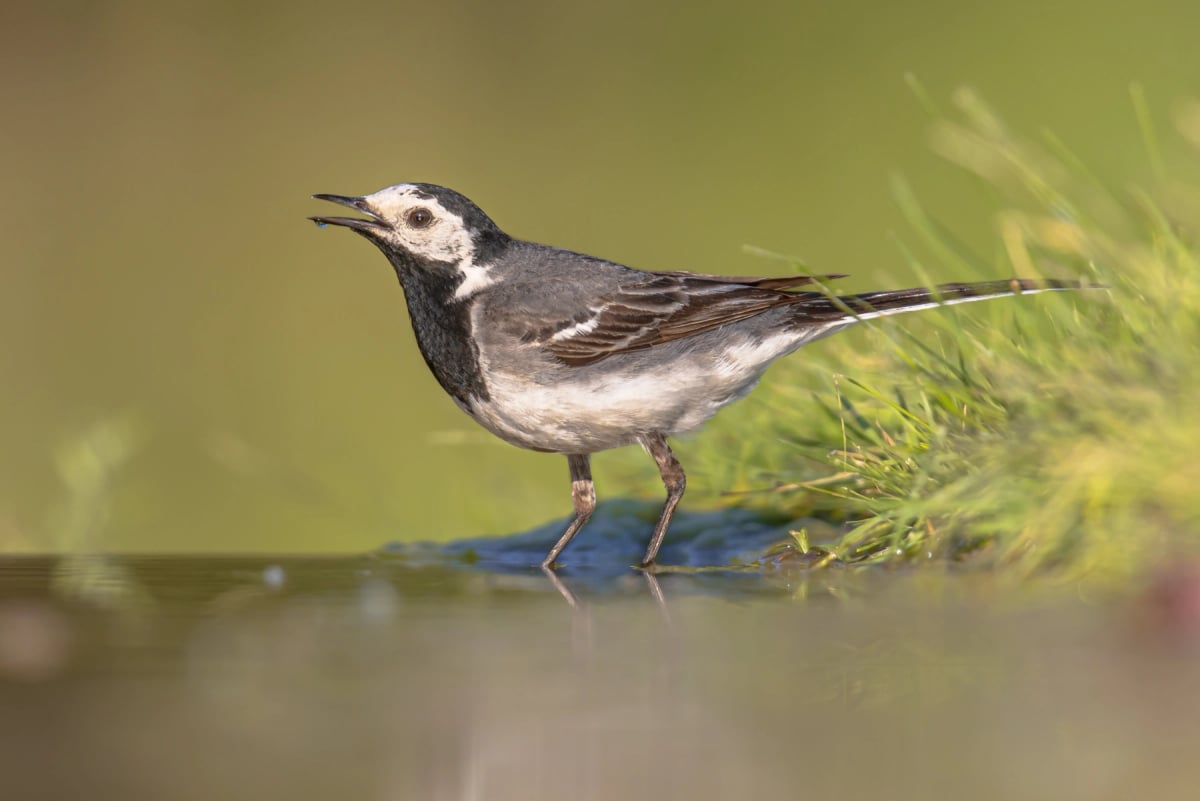
White Wagtail
Motacilla alba
Ghana lies at the southern edge of the white wagtail's winter range in West Africa. The IUCN includes it in the breeding range, but in practice the bird is a scarce winter visitor from Europe, seen mostly in the dry north between November and March, on open ground near rivers, reservoirs and irrigated fields around places like Tamale and the White Volta. Sightings farther south are rare. IUCN status: Least Concern.
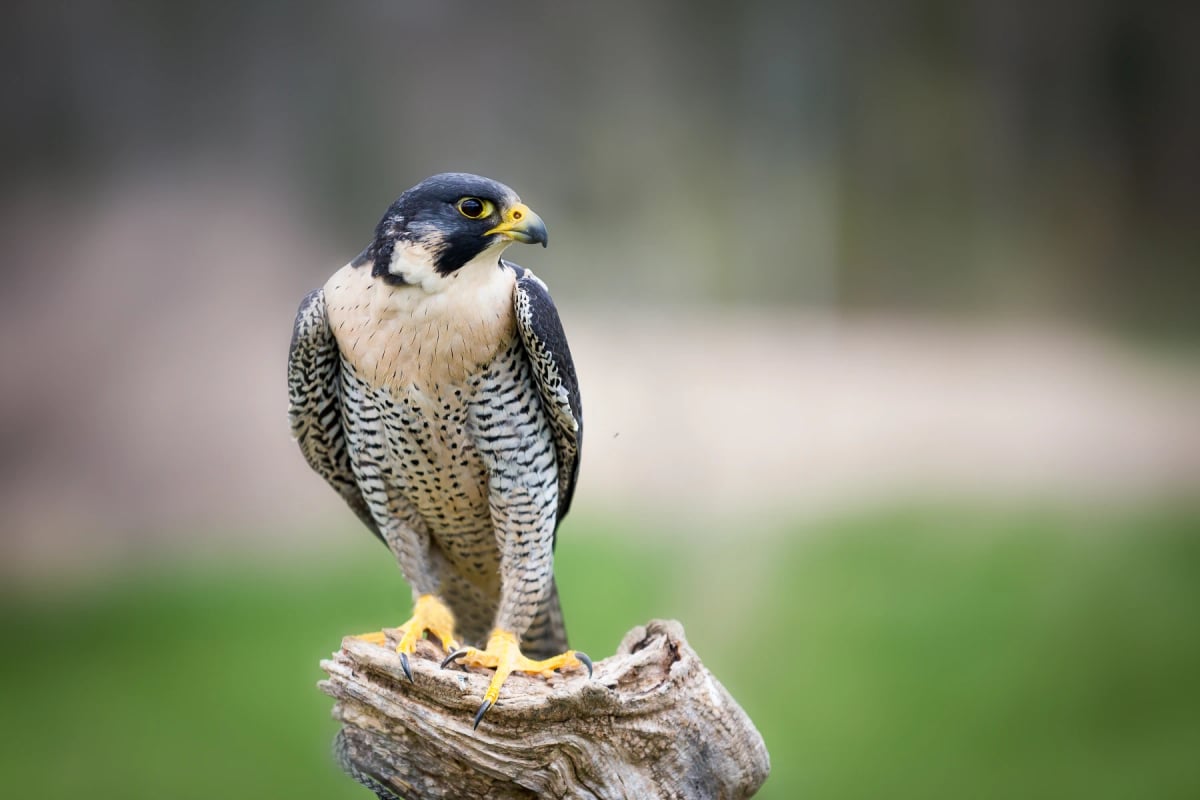
Peregrine Falcon
Falco peregrinus
The peregrine falcon visits Ghana as a migratory species, moving through the country between roughly October and March. It ranges across a variety of habitats including the coastal savanna zones, open woodland, and wetlands around the Volta River. Some individuals of the resident African subspecies may also be present. It is an active hunter of birds in flight, targeting doves, swifts, and waders. Its IUCN status is Least Concern.
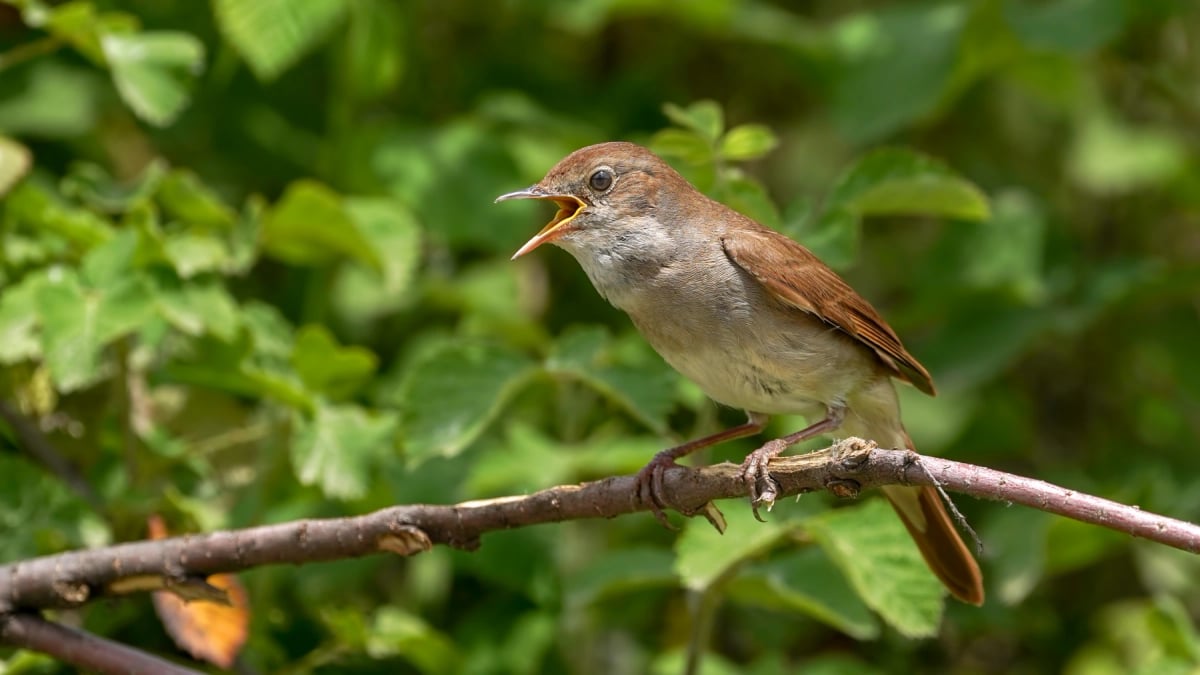
Nightingale
Luscinia megarhynchos
The nightingale winters across parts of Ghana, spending months in the Guinea savanna and forest edges of the country's middle and northern zones. Like elsewhere on its African wintering grounds, it stays largely silent and keeps to dense cover, making it easy to overlook. It relies on intact scrub vegetation to feed and shelter. Its IUCN status is Least Concern.
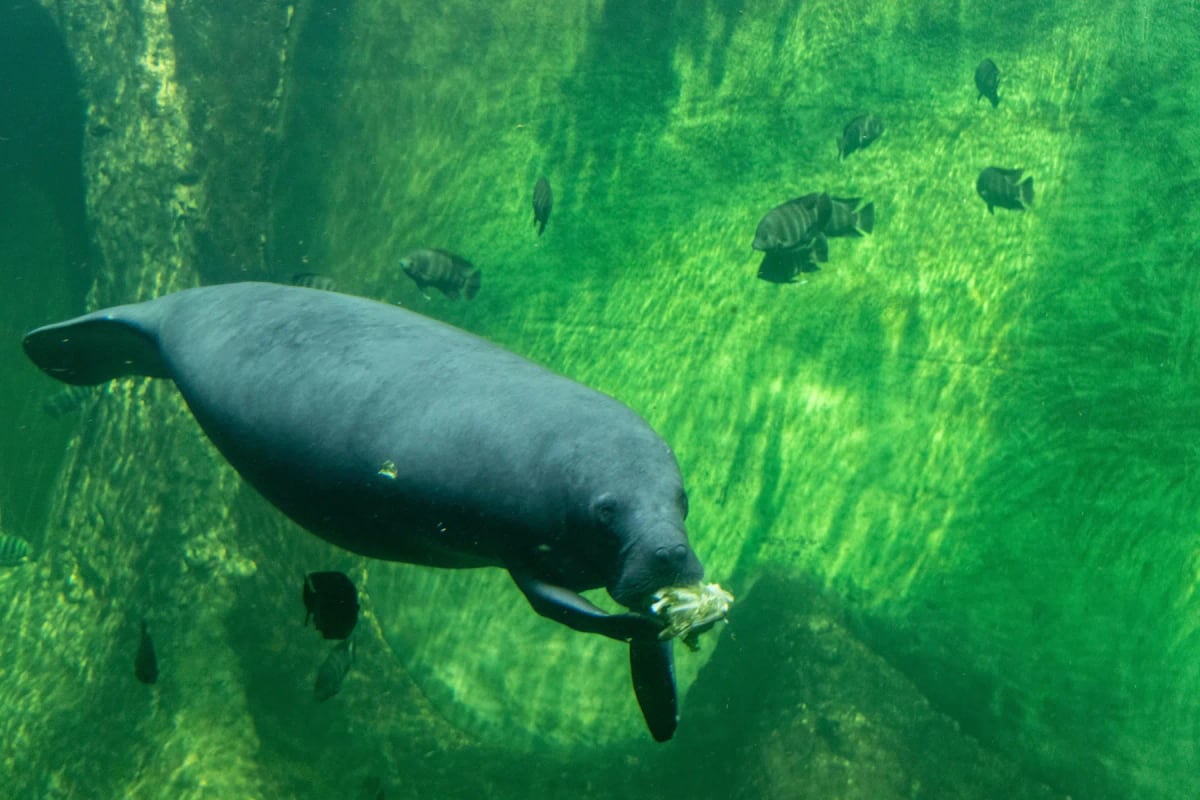
African Manatee
Trichechus senegalensis
In Ghana, the African manatee is found in coastal lagoons along the Gulf of Guinea and in the Volta River and its tributaries. The construction of the Akosombo Dam created Lake Volta, isolating some manatee populations from the rest of the river system. Hunting and entanglement in fishing nets are the main threats, and the species is rarely seen across much of its former range within the country.
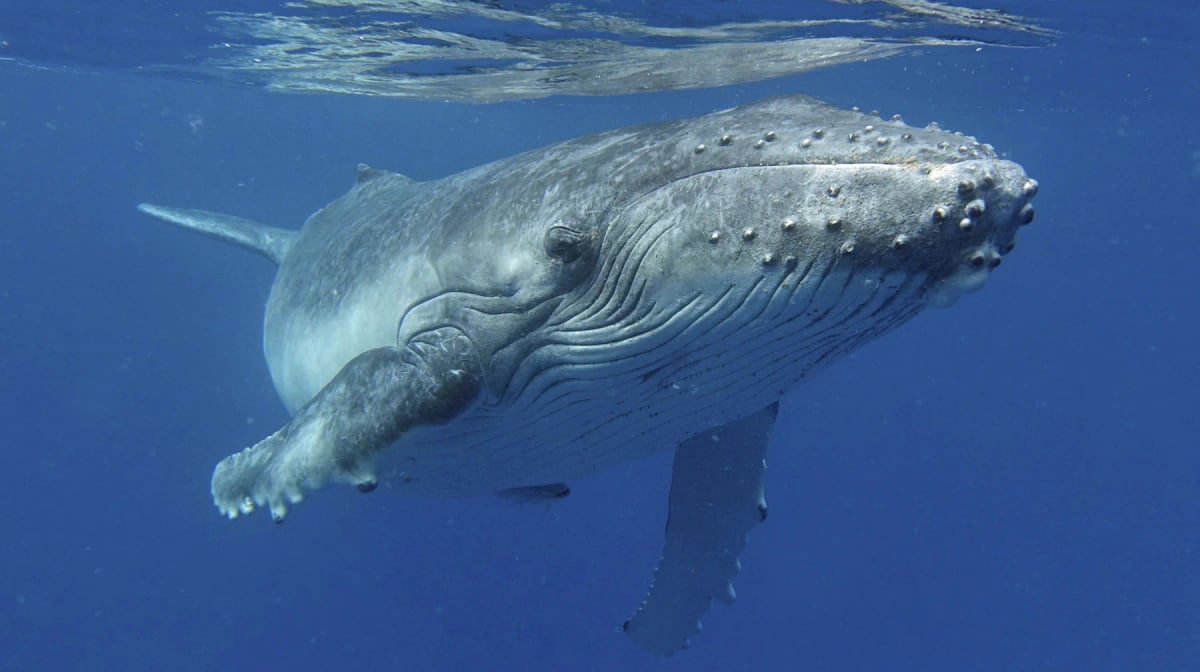
Humpback Whale
Megaptera novaeangliae
Humpback whales move through the warm coastal waters of Ghana in the Gulf of Guinea, primarily during their southward migration toward breeding grounds in the South Atlantic. Local fishing communities occasionally spot these animals close to shore. Ghana sits within a stretch of West African coastline that serves as an important corridor for this species. The IUCN lists it as Least Concern.
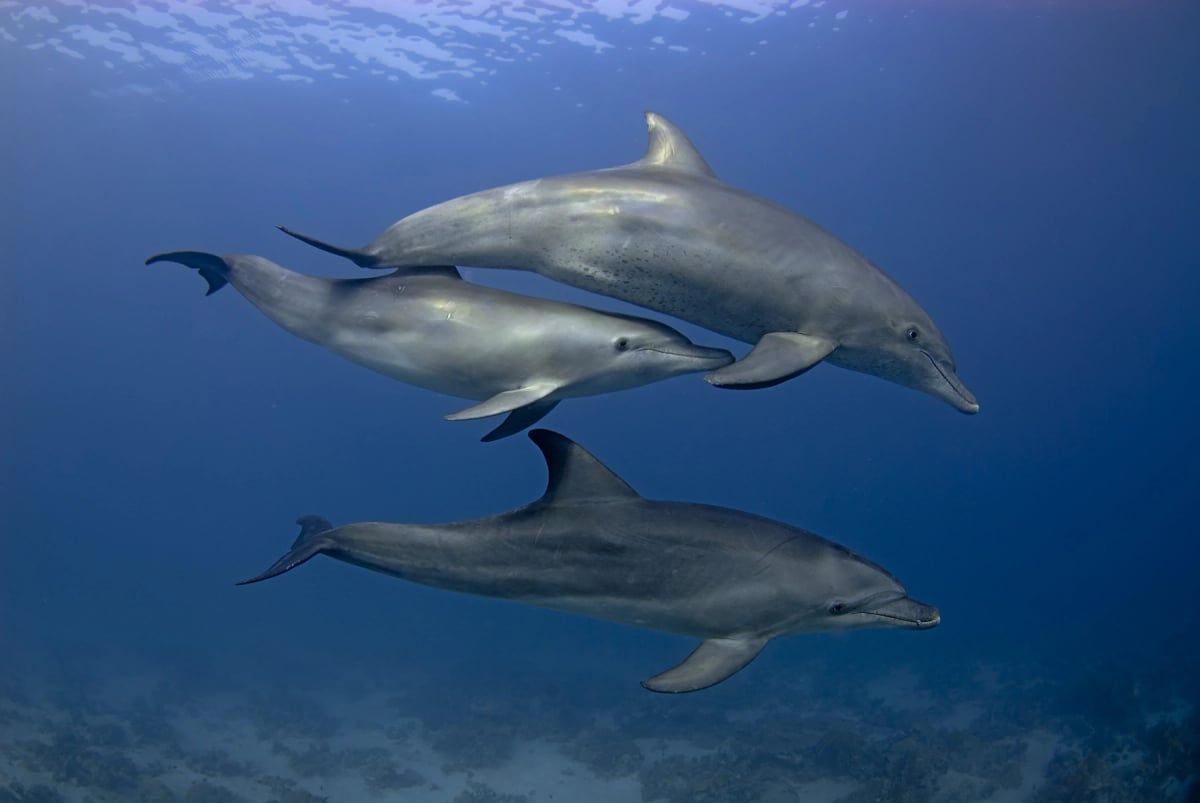
Bottlenose Dolphin
Tursiops truncatus
Bottlenose dolphins inhabit the coastal Atlantic waters of Ghana, where the Guinea Current creates upwelling conditions that support productive marine ecosystems. They are observed near fishing harbors and offshore areas along the Gulf of Guinea. Incidental capture in fishing nets is a known threat in this part of West Africa. Ghana's expanding offshore oil and gas industry also raises concerns about disturbance to marine mammals. The IUCN lists the species as Least Concern.
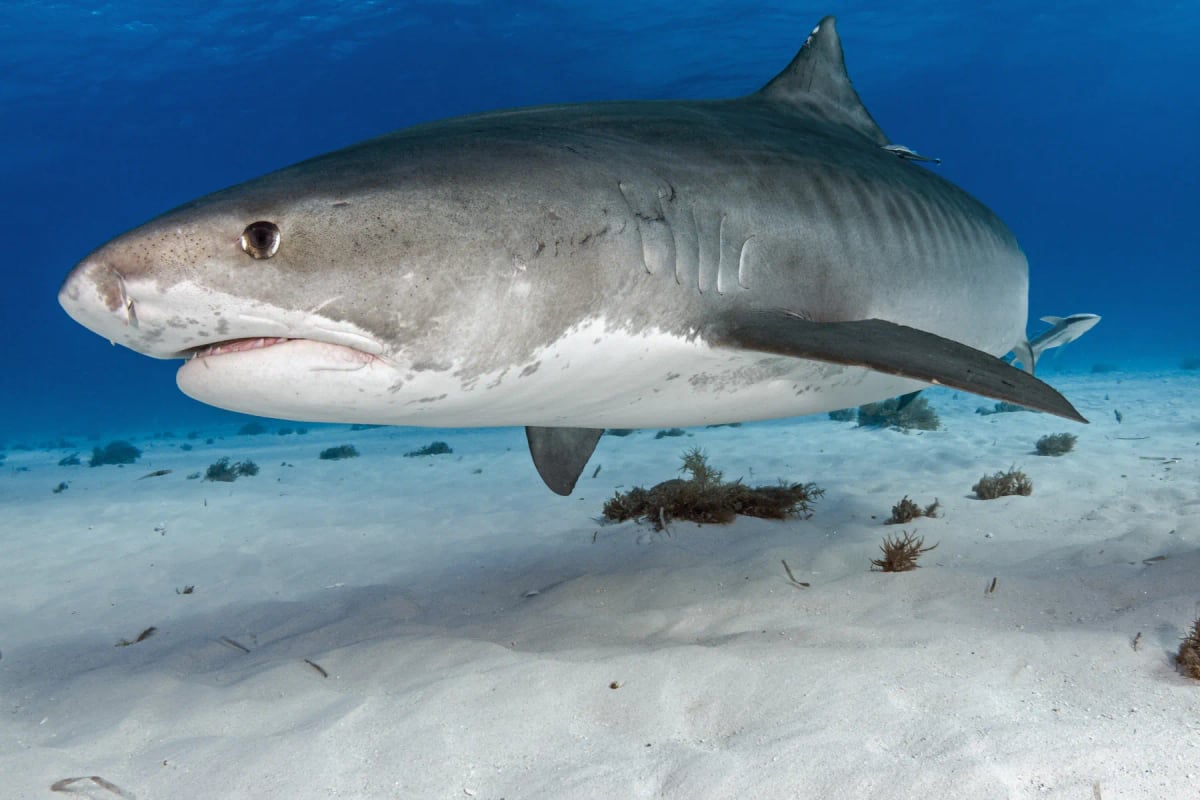
Tiger Shark
Galeocerdo cuvier
Tiger sharks move through the Gulf of Guinea waters off Ghana's coast, where warm currents and productive fishing grounds create a rich environment for large predators. They are known to frequent coastal areas and offshore waters alike. In Ghana, shark fishing has historically been part of local fisheries, putting pressure on populations of species like the tiger shark, which the IUCN rates as Near Threatened.
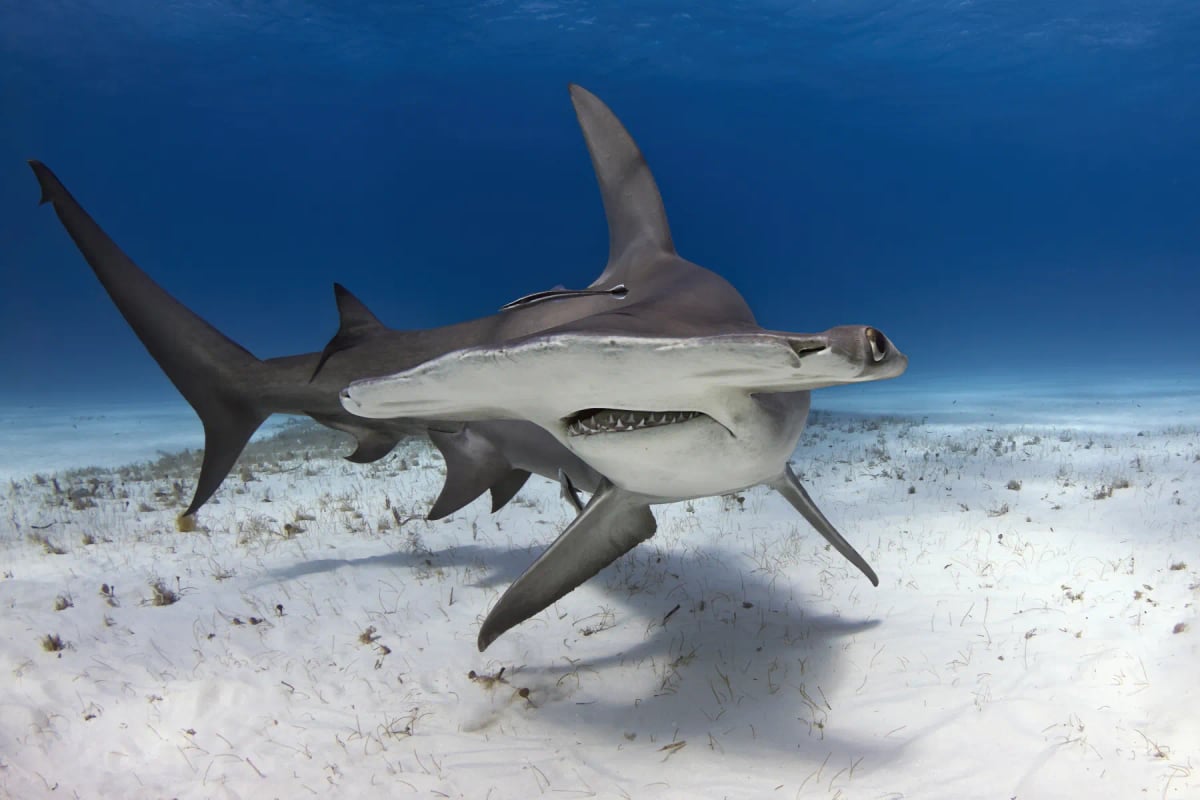
Hammerhead Shark
Sphyrna spp.
Ghana's waters along the Gulf of Guinea in the Atlantic Ocean are home to Hammerhead Sharks, which are attracted by the rich marine life along the West African coast. Industrial and artisanal fishing fleets operating out of Ghanaian ports pose a real threat through targeted catch and bycatch. The Hammerhead is Critically Endangered, and stronger fisheries management in Ghana would support the recovery of these sharks.
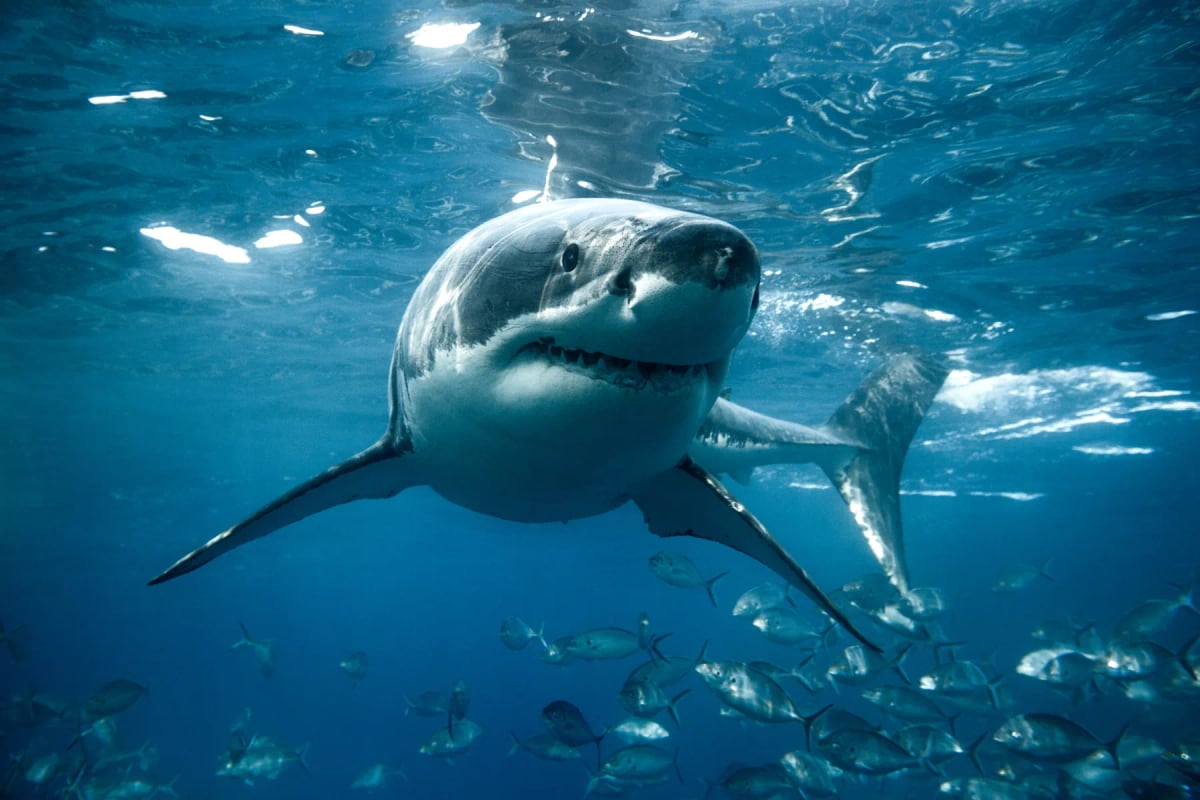
Great White Shark
Carcharodon carcharias
Great white sharks have been recorded in the Atlantic waters along Ghana's Gulf of Guinea coastline, though sightings are infrequent. Individual sharks moving along the West African coast occasionally enter these warmer equatorial waters. Classified as Vulnerable by the IUCN, the species faces pressure from unregulated fishing activity across the region, which increases the risk of accidental capture in nets and on longlines.
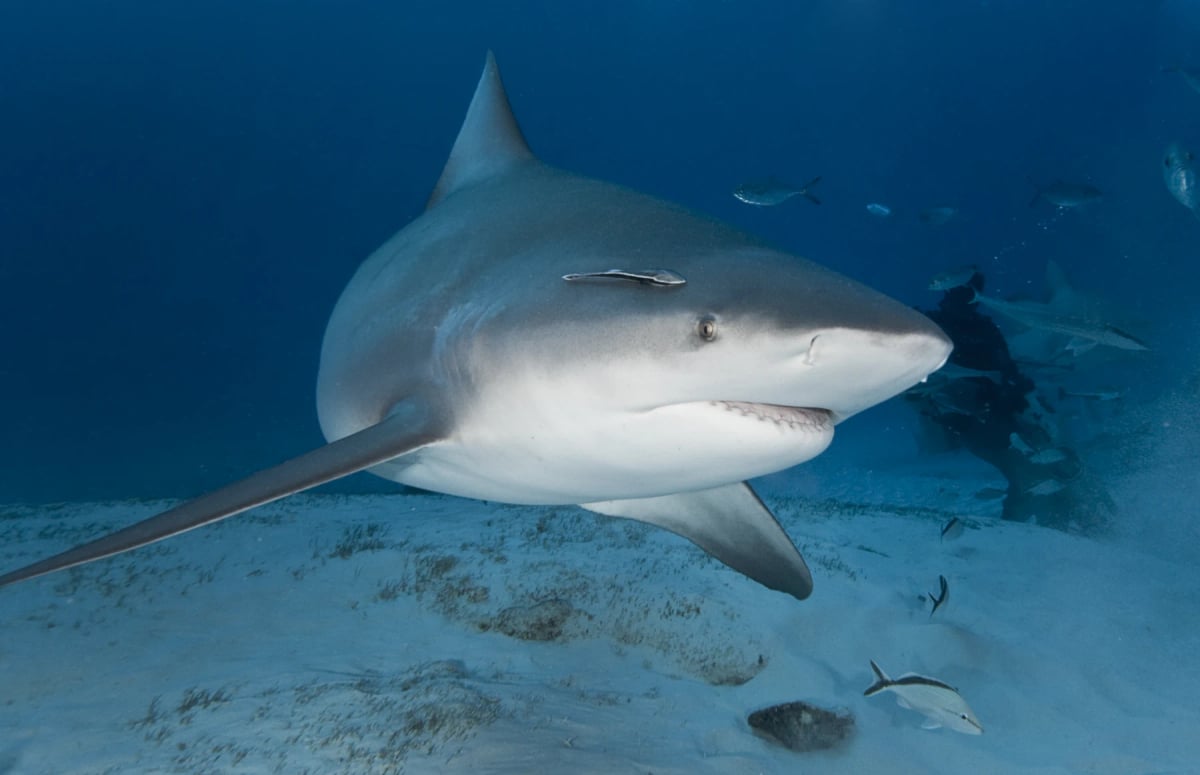
Bull Shark
Carcharhinus leucas
Bull sharks occur along Ghana's Gulf of Guinea coastline, where warm, shallow inshore waters and river estuaries provide suitable feeding and nursery habitat. The Volta River system, one of West Africa's largest, drains into the sea near the eastern coast and may historically have allowed bull sharks to penetrate inland. The species is Near Threatened according to the IUCN, and unregulated fishing along Ghana's coast remains a concern for its local populations.
Researched and written by Juan Pablo. Sources: IUCN Red List, scientific literature and regional field guides. Last updated: .