BDBangladesh

Animals in Bangladesh
Bengal Tiger
National animal
BDBangladesh

Bengal Tiger

Panthera tigris tigris

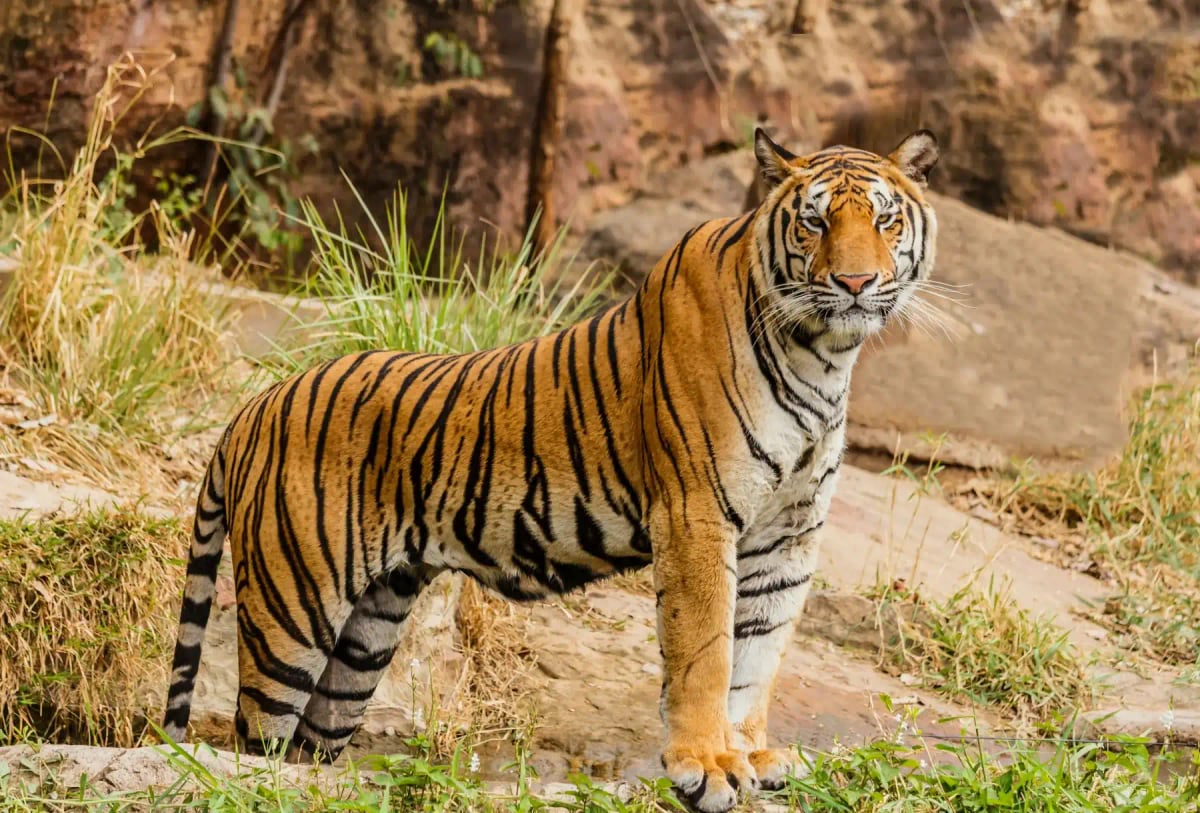
The Bengal tiger is the country’s best known symbol. It lives in the Sundarbans mangroves, moving between mudflats and forest to hunt deer and wild boar. Rangers use zones and timing to reduce conflict, and research with cameras tracks numbers across remote creeks. The tiger’s image appears in school books, sports teams and stamps, linking daily life with the delta’s wildlife.

View details→
Bengal Tiger
National animal
BDBangladesh

Bengal Tiger

Panthera tigris tigris

The Bengal tiger is the country’s best known symbol. It lives in the Sundarbans mangroves, moving between mudflats and forest to hunt deer and wild boar. Rangers use zones and timing to reduce conflict, and research with cameras tracks numbers across remote creeks. The tiger’s image appears in school books, sports teams and stamps, linking daily life with the delta’s wildlife.

View details→

Wildlife in Bangladesh

Bangladesh is a delta of rivers, mangrove islands and tea hills that are easy to visit from Dhaka, Chattogram and Sylhet. Boat rides in the Sundarbans pass creeks and watchtowers, while Lawachara and Satchari offer short forest trails. Bird hides near wetlands host busy mornings in winter. Along the coast, simple trips reach turtle sites and calm estuaries for dolphin watching.

National Animal of Bangladesh

The Bengal tiger is the country’s best known symbol. It lives in the Sundarbans mangroves, moving between mudflats and forest to hunt deer and wild boar. Rangers use zones and timing to reduce conflict, and research with cameras tracks numbers across remote creeks. The tiger’s image appears in school books, sports teams and stamps, linking daily life with the delta’s wildlife.

Most Dangerous Animals in Bangladesh

Wildlife risks in Bangladesh follow habitat. In mangroves the Bengal tiger is the main concern, and saltwater channels also hold large monitor lizards. In hill and plain forests, leopards, dholes and wild boar are present, while Asian elephants are powerful when herds cross tracks. Reticulated pythons and king cobras are rare but present, and bull sharks and orcas are possible offshore.

Top 10 Animals in Bangladesh

Our Top 10 for Bangladesh highlights five species that people ask about most and that have clear places to see them. Leopard records come from hill forests. The Bengal tiger is linked to managed boat routes in the Sundarbans. Asian elephants move along eastern corridors. Reticulated pythons occur in warm lowland woods, while peregrine falcons use tall buildings and river cliffs in key towns.
Golden Jackal

Golden Jackal

Canis aureus

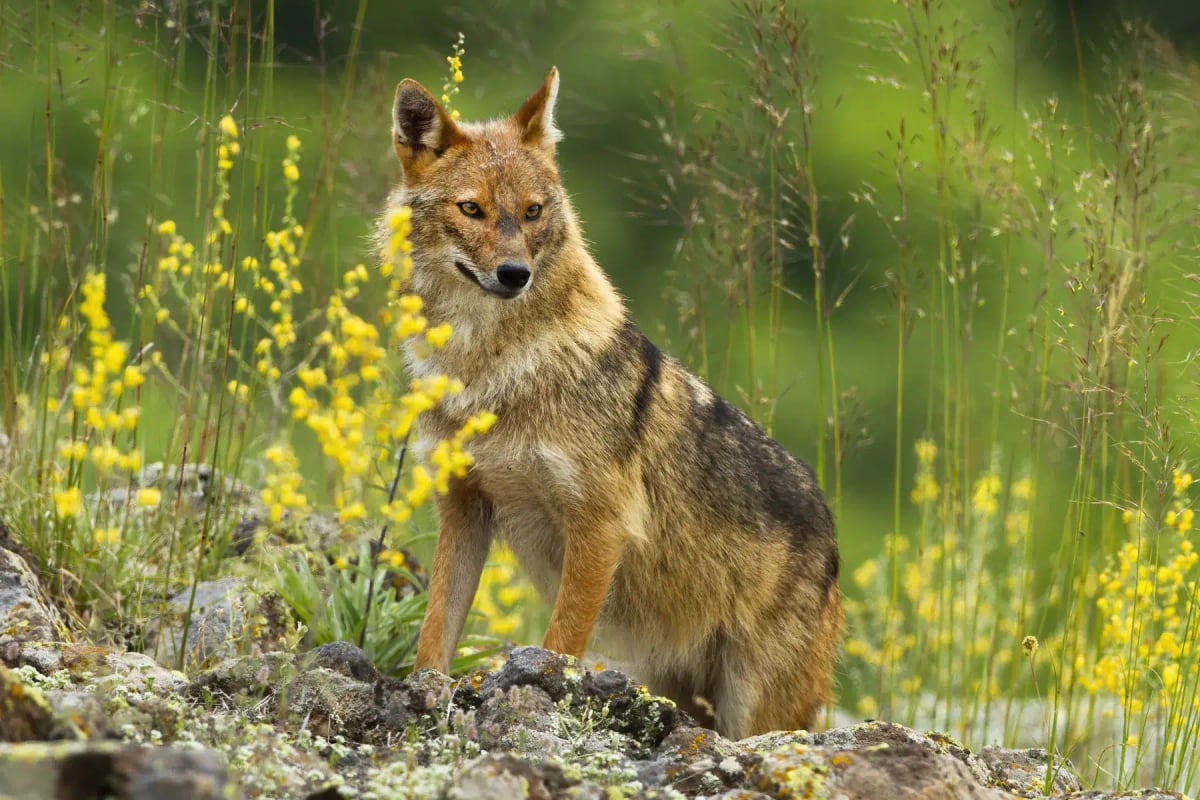
In Bangladesh, the golden jackal is found across a broad range of habitats, from the vast floodplains and wetlands of the delta to cultivated fields, village edges, and patches of scrub forest. It is one of the more familiar wild mammals in rural areas and plays a useful role as a scavenger. The Sundarbans mangrove region also supports some presence. IUCN status: Least Concern.
Least ConcernView more details & photos→
Golden Jackal

Golden Jackal

Canis aureus

In Bangladesh, the golden jackal is found across a broad range of habitats, from the vast floodplains and wetlands of the delta to cultivated fields, village edges, and patches of scrub forest. It is one of the more familiar wild mammals in rural areas and plays a useful role as a scavenger. The Sundarbans mangrove region also supports some presence. IUCN status: Least Concern.

Least ConcernView more details & photos→
Leopard

Leopard

Panthera pardus

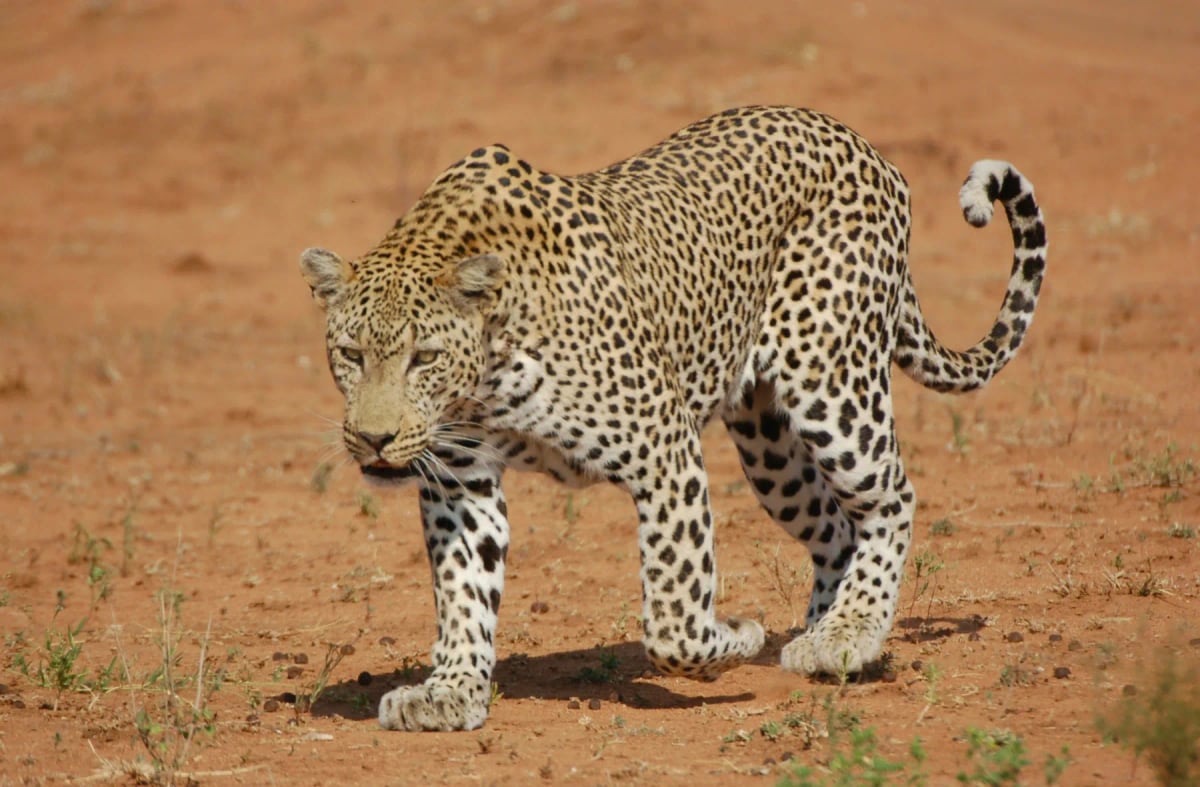
Leopards are present in Bangladesh primarily in the Chittagong Hill Tracts and in forest areas bordering India and Myanmar. The Sundarbans mangrove delta is not typical leopard habitat, but forested hill zones support a small number of individuals. Rapid deforestation and human encroachment have significantly reduced available habitat, making the leopard one of the more threatened large carnivores in the country.
VulnerableView more details & photos→
Leopard

Leopard

Panthera pardus

Leopards are present in Bangladesh primarily in the Chittagong Hill Tracts and in forest areas bordering India and Myanmar. The Sundarbans mangrove delta is not typical leopard habitat, but forested hill zones support a small number of individuals. Rapid deforestation and human encroachment have significantly reduced available habitat, making the leopard one of the more threatened large carnivores in the country.

VulnerableView more details & photos→
Asian Elephant

Asian Elephant

Elephas maximus

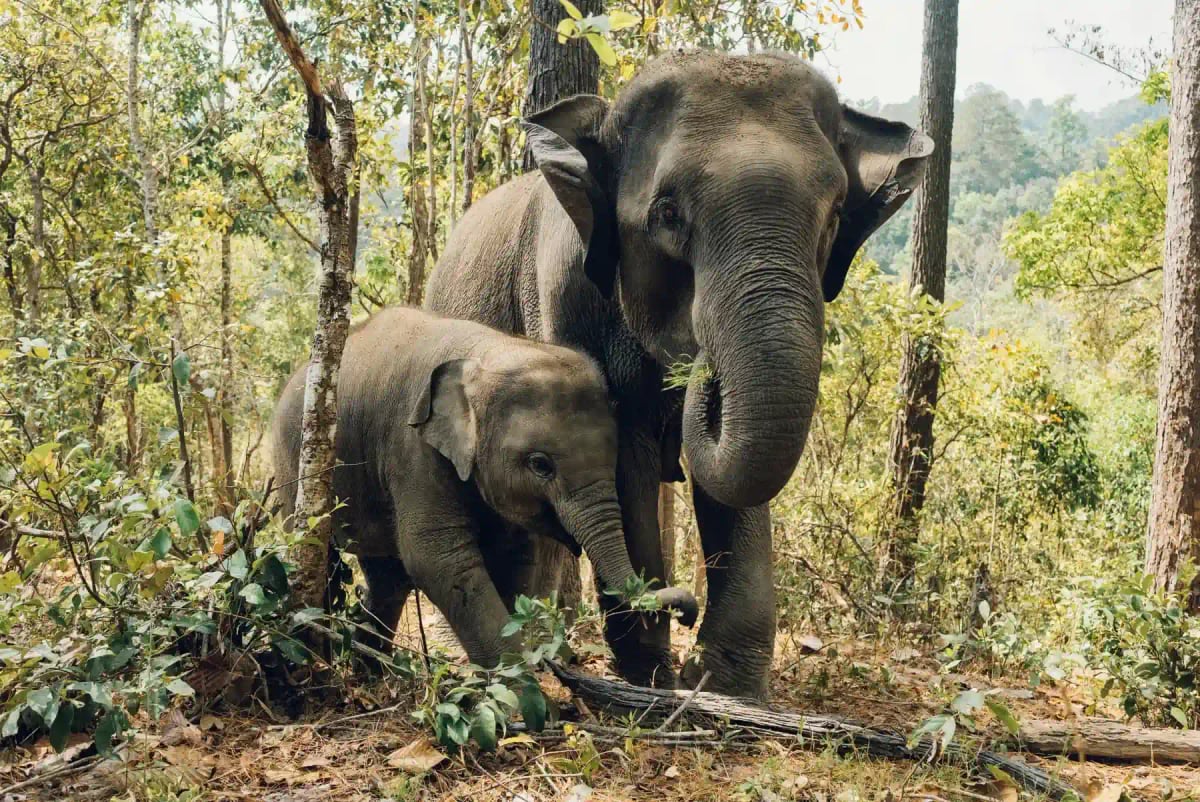
Bangladesh holds one of the smallest and most threatened Asian elephant populations in the world, concentrated in the Chittagong Hill Tracts in the southeast. Estimated at around 200 to 300 individuals, these elephants face intense pressure from habitat loss and conflict with farming communities. The population is connected to larger herds across the border in India and Myanmar, making transboundary conservation efforts essential to its survival.
EndangeredView more details & photos→
Asian Elephant

Asian Elephant

Elephas maximus

Bangladesh holds one of the smallest and most threatened Asian elephant populations in the world, concentrated in the Chittagong Hill Tracts in the southeast. Estimated at around 200 to 300 individuals, these elephants face intense pressure from habitat loss and conflict with farming communities. The population is connected to larger herds across the border in India and Myanmar, making transboundary conservation efforts essential to its survival.

EndangeredView more details & photos→
Asiatic Black Bear

Asiatic Black Bear

Ursus thibetanus

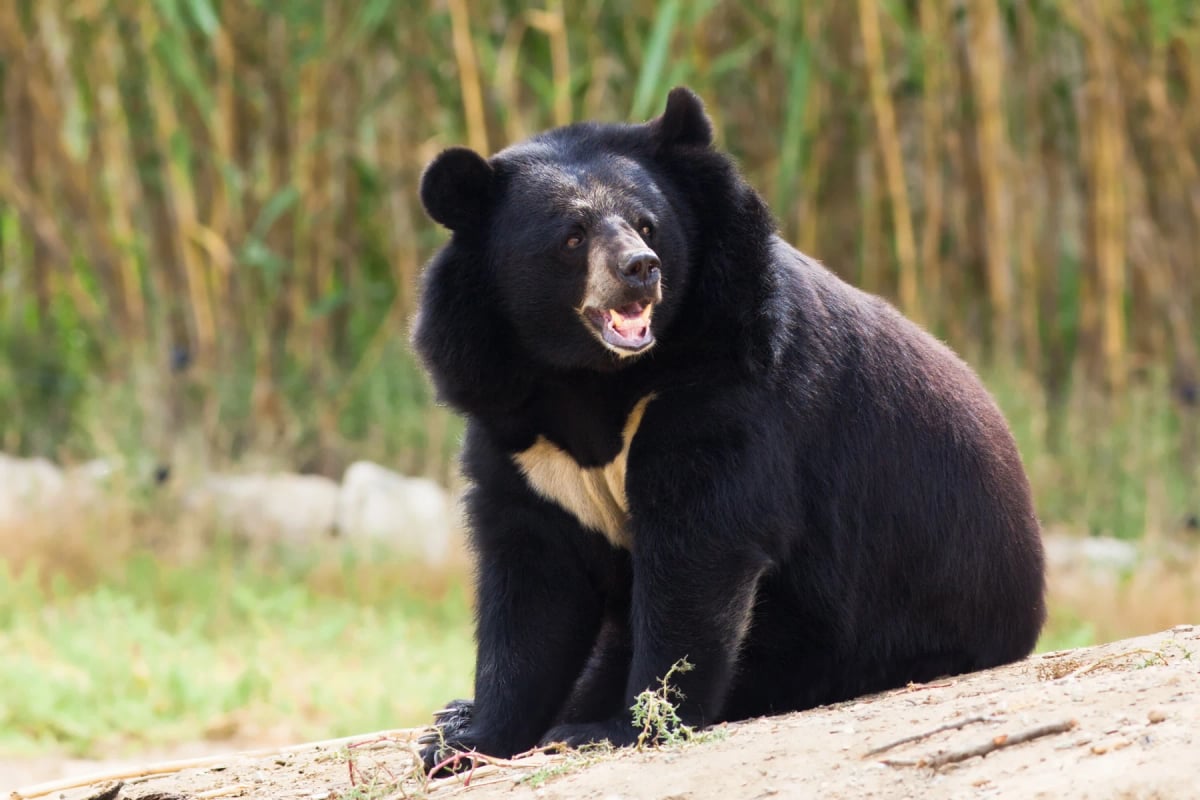
The Asiatic black bear is present in the hilly forests of the Chittagong Hill Tracts in southeastern Bangladesh, the same region that supports a small population of Asian elephants. The population is extremely limited and faces intense pressure from habitat loss driven by agricultural expansion and logging. It is rarely documented due to its nocturnal habits and the difficulty of conducting surveys in remote terrain. Transboundary connectivity with forests in Myanmar and northeastern India is essential for the long-term viability of this population.
VulnerableView more details & photos→
Asiatic Black Bear

Asiatic Black Bear

Ursus thibetanus

The Asiatic black bear is present in the hilly forests of the Chittagong Hill Tracts in southeastern Bangladesh, the same region that supports a small population of Asian elephants. The population is extremely limited and faces intense pressure from habitat loss driven by agricultural expansion and logging. It is rarely documented due to its nocturnal habits and the difficulty of conducting surveys in remote terrain. Transboundary connectivity with forests in Myanmar and northeastern India is essential for the long-term viability of this population.

VulnerableView more details & photos→
Fishing Cat

Fishing Cat

Prionailurus viverrinus

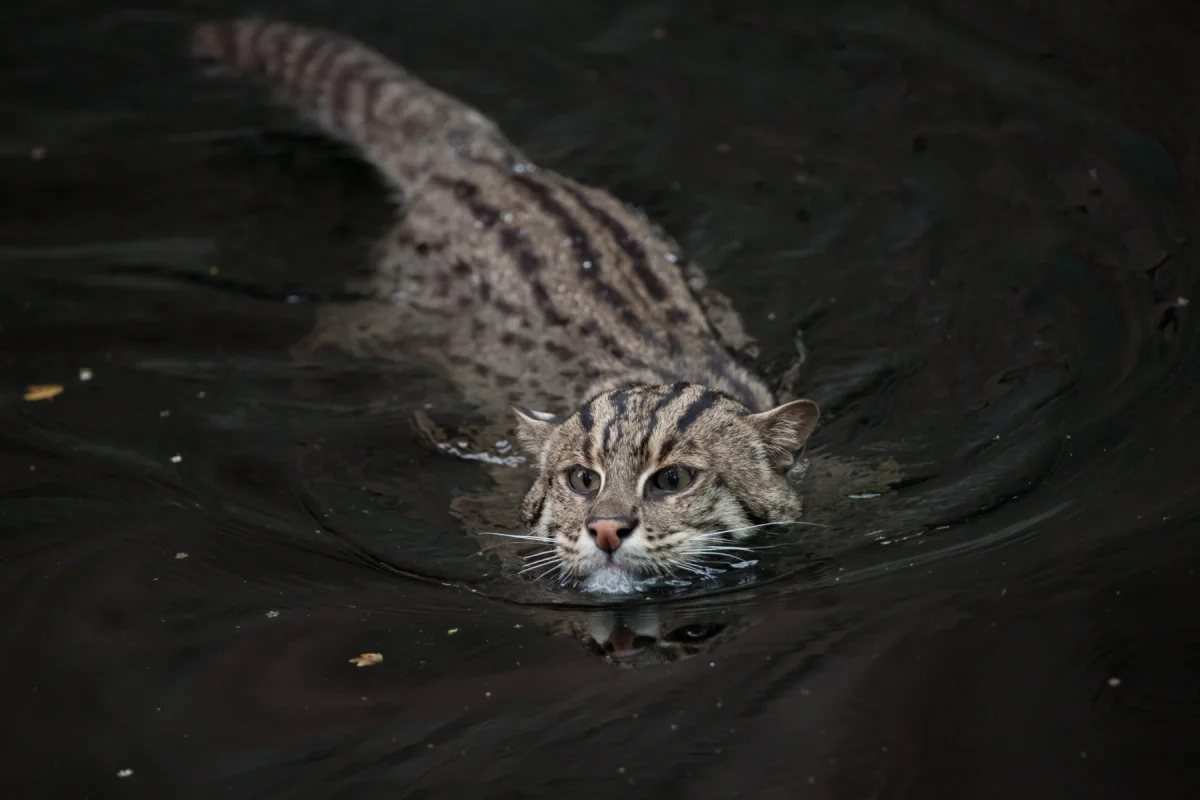
Bangladesh holds some of the most important fishing cat habitat left in the world. The Sundarbans, the vast mangrove forest shared with India, provides ideal cover and prey. This stocky wild cat wades through tidal channels and scoops fish with a quick paw strike. Wetland loss and poaching remain serious threats, but local conservation efforts in the delta are working to protect what remains of its population.
VulnerableView more details & photos→
Fishing Cat

Fishing Cat

Prionailurus viverrinus

Bangladesh holds some of the most important fishing cat habitat left in the world. The Sundarbans, the vast mangrove forest shared with India, provides ideal cover and prey. This stocky wild cat wades through tidal channels and scoops fish with a quick paw strike. Wetland loss and poaching remain serious threats, but local conservation efforts in the delta are working to protect what remains of its population.

VulnerableView more details & photos→
Langur

Langur

Semnopithecus spp.

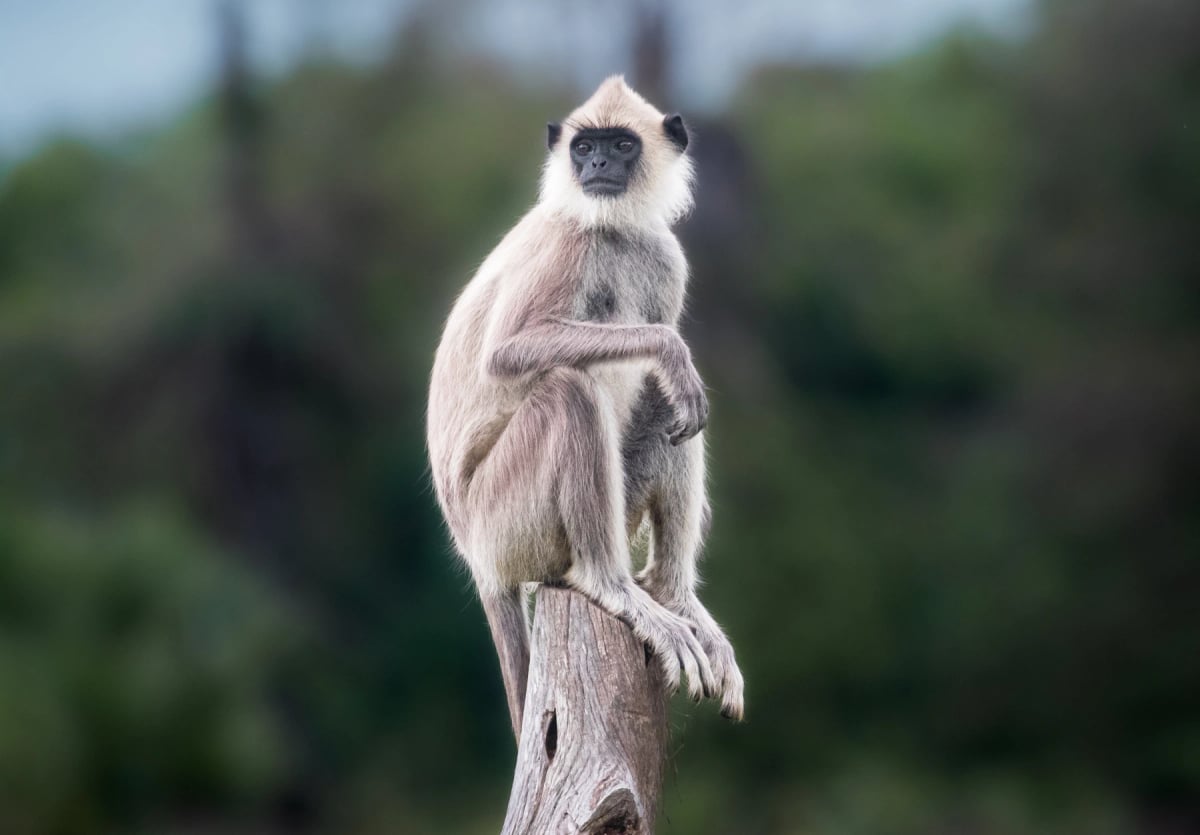
Langurs are found in the hill forests of southeastern Bangladesh, particularly in the Chittagong Hill Tracts. These slender, long-tailed monkeys feed mainly on leaves but also eat fruit and flowers. They live in troops and move between the trees and the ground. Deforestation for agriculture and settlement has put pressure on their populations, making forest conservation in this region especially important for their survival.
View more details & photos→
Langur

Langur

Semnopithecus spp.

Langurs are found in the hill forests of southeastern Bangladesh, particularly in the Chittagong Hill Tracts. These slender, long-tailed monkeys feed mainly on leaves but also eat fruit and flowers. They live in troops and move between the trees and the ground. Deforestation for agriculture and settlement has put pressure on their populations, making forest conservation in this region especially important for their survival.

View more details & photos→
Macaque

Macaque

Macaca spp.

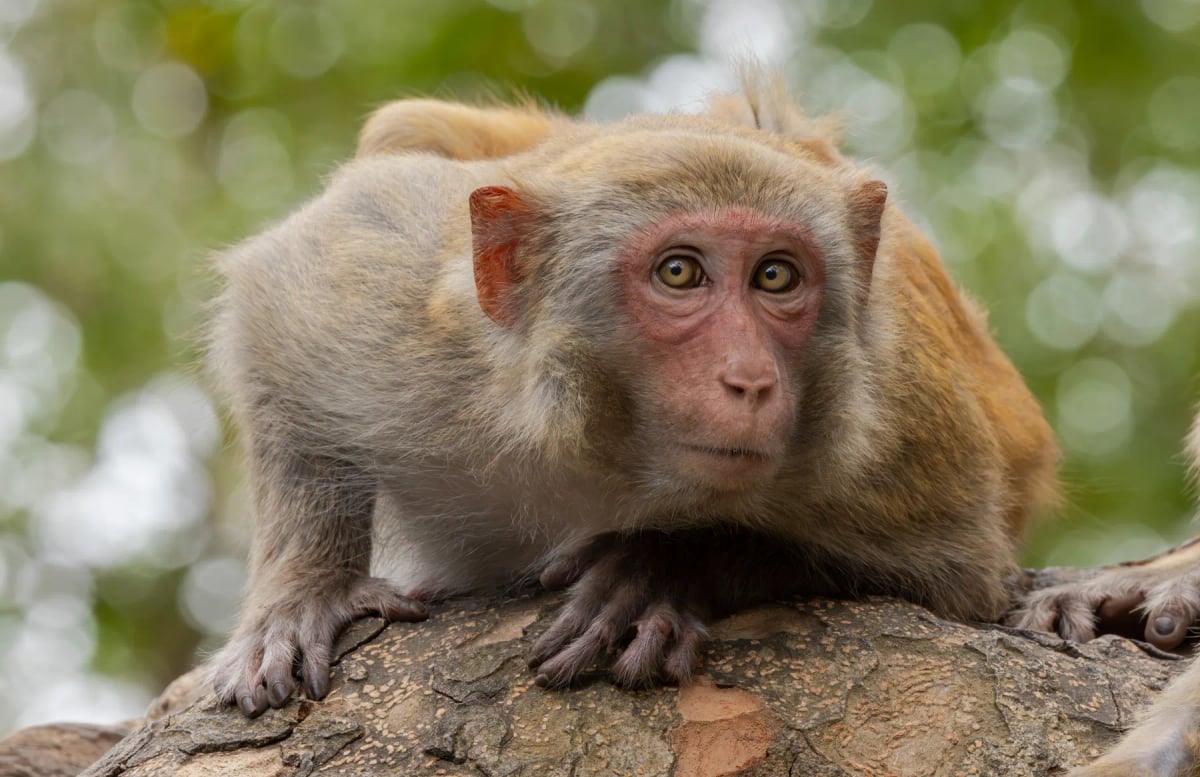
In Bangladesh, rhesus macaques are the most common species, found in forests, mangroves, and around temples and villages. The Sundarbans mangrove delta supports populations that forage along tidal waterways. They live in large social troops and often raid crops near farmland, which brings them into frequent conflict with local communities. Their adaptability keeps them widespread across the country.
View more details & photos→
Macaque

Macaque

Macaca spp.

In Bangladesh, rhesus macaques are the most common species, found in forests, mangroves, and around temples and villages. The Sundarbans mangrove delta supports populations that forage along tidal waterways. They live in large social troops and often raid crops near farmland, which brings them into frequent conflict with local communities. Their adaptability keeps them widespread across the country.

View more details & photos→
Pangolin

Pangolin

Manis spp.

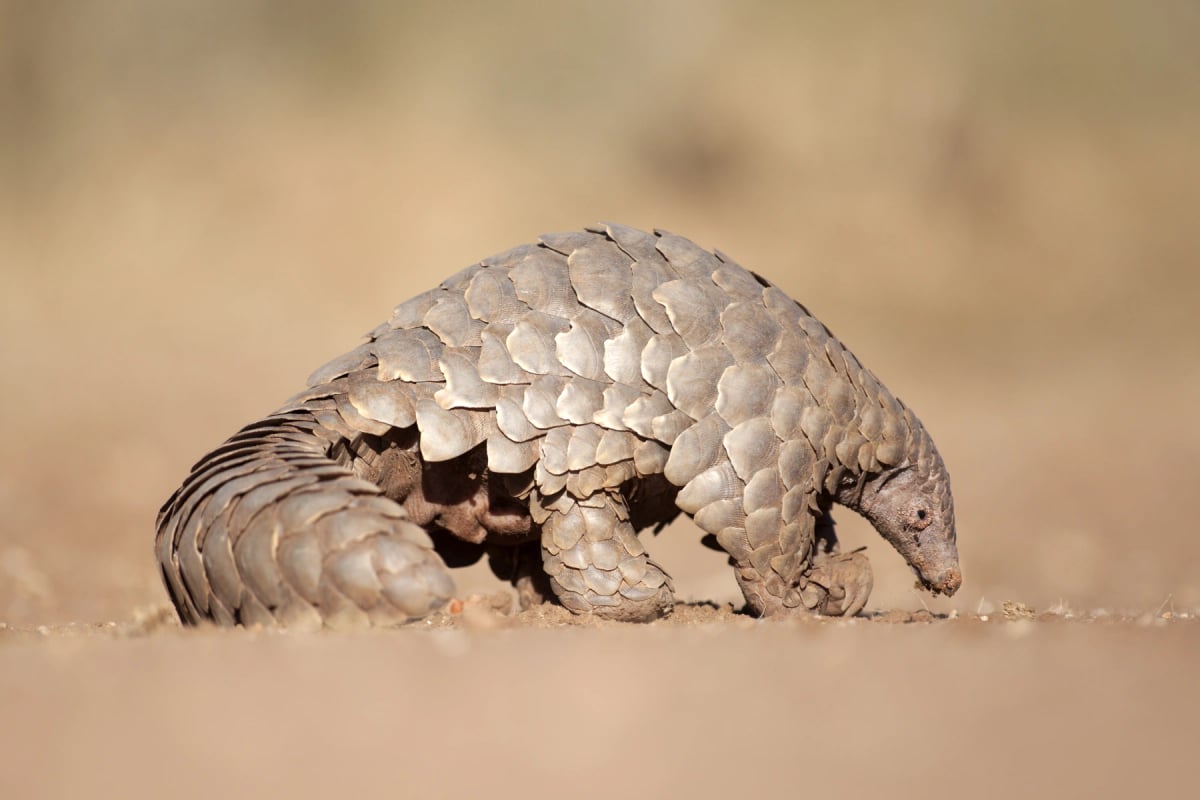
The Chinese pangolin (Manis pentadactyla) is found in the hilly forests of the Chittagong Hill Tracts in southeastern Bangladesh, one of the country's most biodiverse regions. It forages at night among dense forest undergrowth. Habitat loss from deforestation and poaching for the illegal trade in scales and meat have sharply reduced its numbers. Bangladesh lists it as a protected animal, but monitoring in remote hill districts is limited.
Critically EndangeredView more details & photos→
Pangolin

Pangolin

Manis spp.

The Chinese pangolin (Manis pentadactyla) is found in the hilly forests of the Chittagong Hill Tracts in southeastern Bangladesh, one of the country's most biodiverse regions. It forages at night among dense forest undergrowth. Habitat loss from deforestation and poaching for the illegal trade in scales and meat have sharply reduced its numbers. Bangladesh lists it as a protected animal, but monitoring in remote hill districts is limited.

Critically EndangeredView more details & photos→
Sun Bear

Sun Bear

Helarctos malayanus

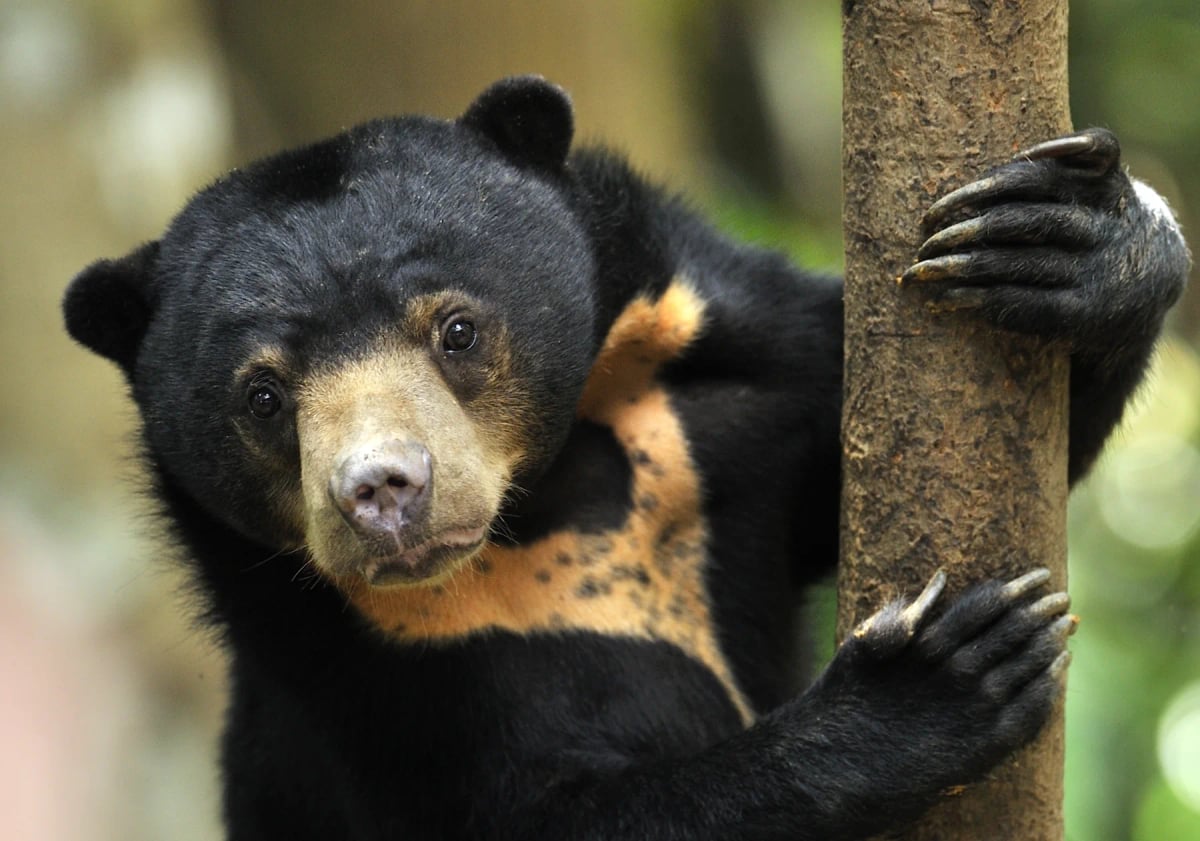
The sun bear is the smallest bear in the world, found in the hill forests of southeastern Bangladesh, particularly in the Chittagong Hill Tracts. It has a glossy black coat and a pale crescent patch on its chest that is unique to each individual. It uses its remarkably long tongue to extract honey and insects from trees. Habitat loss puts this Vulnerable species under serious pressure.

VulnerableView more details & photos→
Sun Bear

Sun Bear

Helarctos malayanus

The sun bear is the smallest bear in the world, found in the hill forests of southeastern Bangladesh, particularly in the Chittagong Hill Tracts. It has a glossy black coat and a pale crescent patch on its chest that is unique to each individual. It uses its remarkably long tongue to extract honey and insects from trees. Habitat loss puts this Vulnerable species under serious pressure.

VulnerableView more details & photos→
Bengal Tiger

Bengal Tiger

Panthera tigris tigris

Bangladesh shelters Bengal tigers almost entirely within the Sundarbans, the world's largest mangrove forest, shared with India. This extraordinary coastal habitat shapes a tiger unlike any other, one fully adapted to swimming between islands and hunting in tidal terrain. Estimates suggest fewer than 200 individuals remain on the Bangladeshi side, making conservation efforts here especially urgent. IUCN status: Endangered.
EndangeredView more details & photos→
Bengal Tiger

Bengal Tiger

Panthera tigris tigris

Bangladesh shelters Bengal tigers almost entirely within the Sundarbans, the world's largest mangrove forest, shared with India. This extraordinary coastal habitat shapes a tiger unlike any other, one fully adapted to swimming between islands and hunting in tidal terrain. Estimates suggest fewer than 200 individuals remain on the Bangladeshi side, making conservation efforts here especially urgent. IUCN status: Endangered.

EndangeredView more details & photos→
Red Fox

Red Fox

Vulpes vulpes

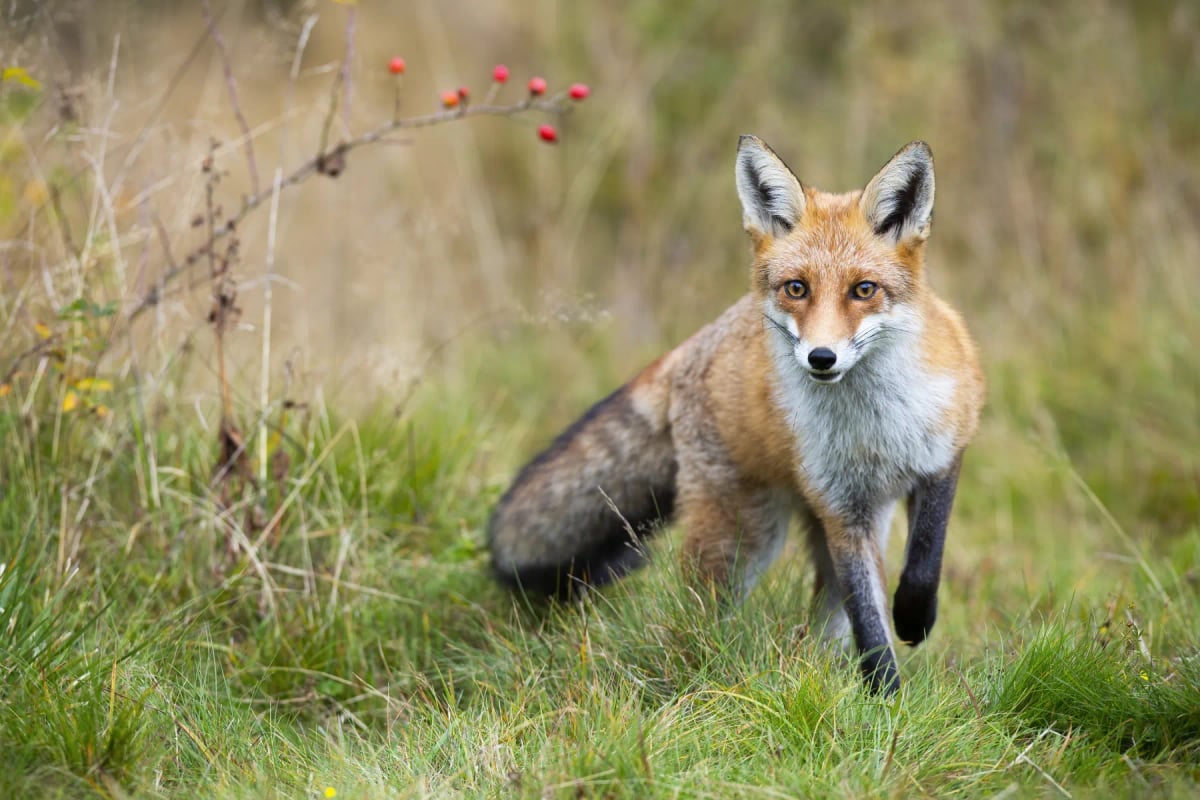
The red fox occurs in the drier, open areas of Bangladesh, particularly in the northwest of the country where habitat is less dense than in the tropical river deltas. It favors scrubland, cropland edges, and open woodland, hunting small mammals, birds, and insects. Human pressure on land is high across Bangladesh, making undisturbed habitat increasingly important for the species. Its IUCN status is Least Concern.
Least ConcernView more details & photos→
Red Fox

Red Fox

Vulpes vulpes

The red fox occurs in the drier, open areas of Bangladesh, particularly in the northwest of the country where habitat is less dense than in the tropical river deltas. It favors scrubland, cropland edges, and open woodland, hunting small mammals, birds, and insects. Human pressure on land is high across Bangladesh, making undisturbed habitat increasingly important for the species. Its IUCN status is Least Concern.

Least ConcernView more details & photos→
Wild Boar

Wild Boar

Sus scrofa

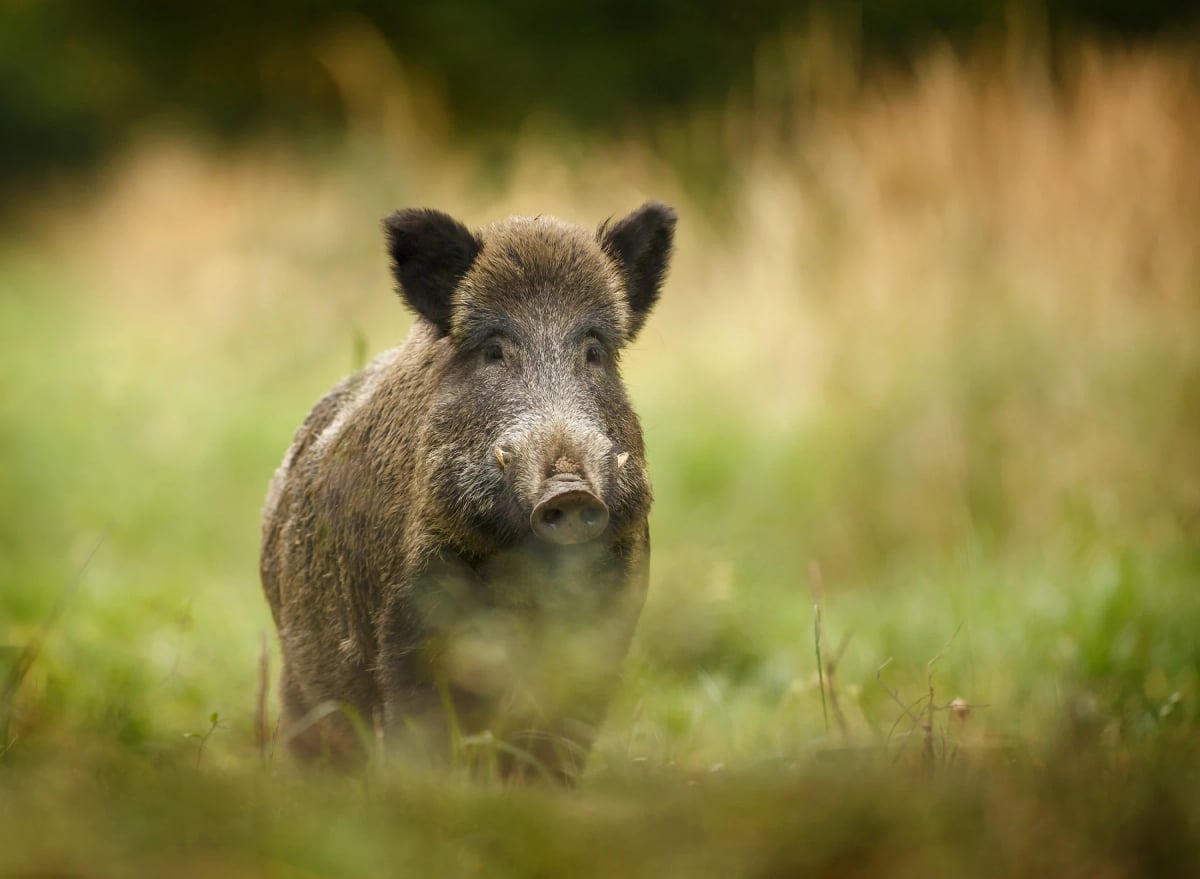
Wild boars are found across forested and wetland areas of Bangladesh, including the mangrove forests of the Sundarbans and the hill tracts of the southeast. In the Sundarbans, they form part of the prey base for the resident Bengal tigers. Elsewhere, wild boars frequently raid rice paddies and other crops, putting them in conflict with farming communities, though hunting for meat is limited for religious and cultural reasons.
Least ConcernView more details & photos→
Wild Boar

Wild Boar

Sus scrofa

Wild boars are found across forested and wetland areas of Bangladesh, including the mangrove forests of the Sundarbans and the hill tracts of the southeast. In the Sundarbans, they form part of the prey base for the resident Bengal tigers. Elsewhere, wild boars frequently raid rice paddies and other crops, putting them in conflict with farming communities, though hunting for meat is limited for religious and cultural reasons.

Least ConcernView more details & photos→
Clouded Leopard

Clouded Leopard

Neofelis nebulosa

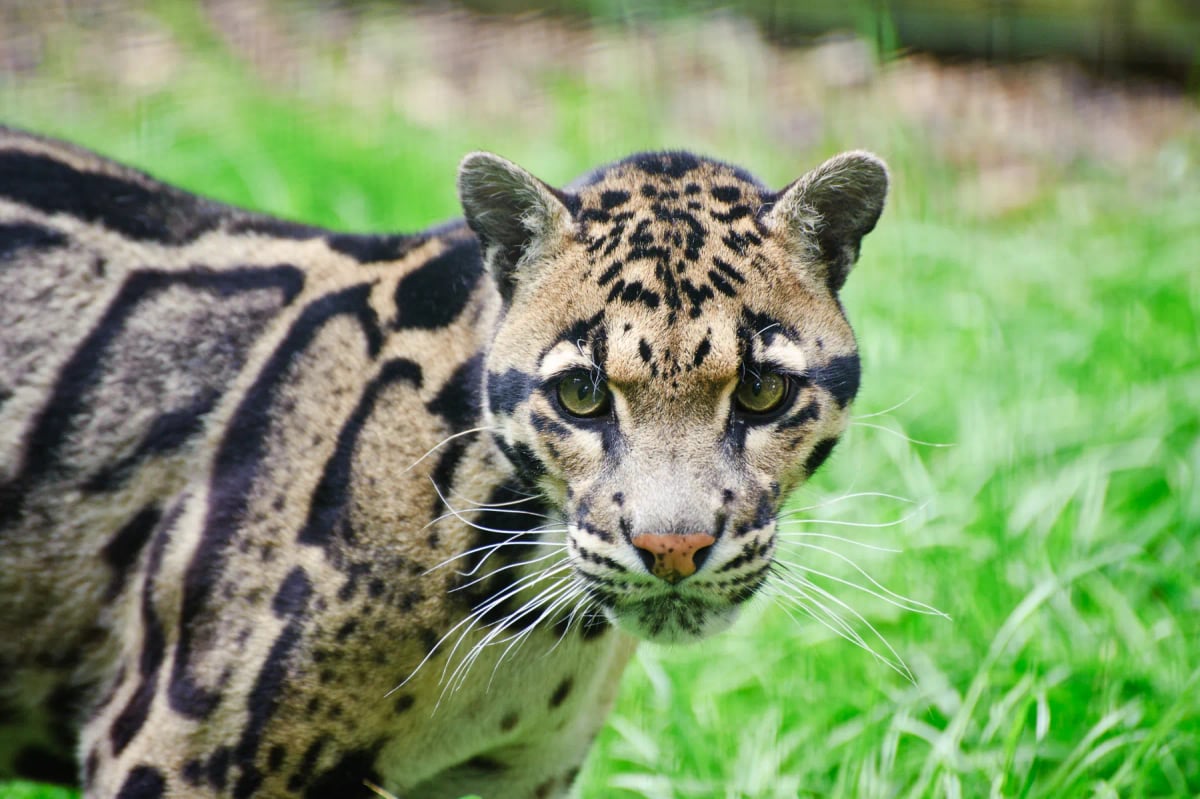
The clouded leopard lives in the hill forests of the Chittagong Hill Tracts in southeastern Bangladesh, where dense subtropical woodland provides the cover it needs. It is rarely photographed and remains one of the country's most elusive mammals. Habitat loss from logging and agriculture has reduced its range significantly. Listed as Vulnerable by the IUCN, its survival in Bangladesh depends on protecting what remains of its forest home.
VulnerableView more details & photos→
Clouded Leopard

Clouded Leopard

Neofelis nebulosa

The clouded leopard lives in the hill forests of the Chittagong Hill Tracts in southeastern Bangladesh, where dense subtropical woodland provides the cover it needs. It is rarely photographed and remains one of the country's most elusive mammals. Habitat loss from logging and agriculture has reduced its range significantly. Listed as Vulnerable by the IUCN, its survival in Bangladesh depends on protecting what remains of its forest home.

VulnerableView more details & photos→
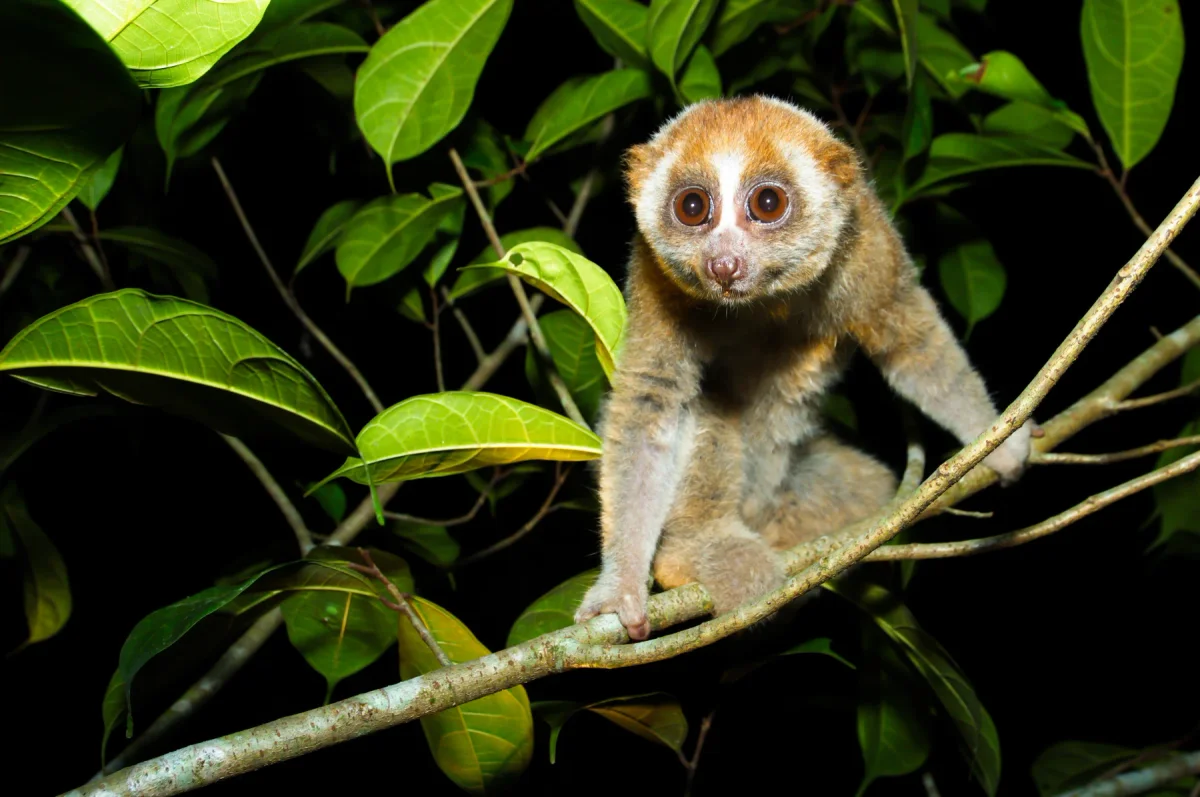
Bengal Slow Loris

Bengal Slow Loris

Nycticebus bengalensis

The Bengal slow loris is found in the mixed evergreen forests of Bangladesh, particularly in the Sylhet Division and the Chittagong Hill Tracts. It is the largest slow loris species and is known for producing venom from a gland on its inner arm. Habitat loss and capture for the illegal pet trade have made it a Vulnerable species, with populations in Bangladesh under serious pressure.
VulnerableView more details & photos→
Bengal Slow Loris

Bengal Slow Loris

Nycticebus bengalensis

The Bengal slow loris is found in the mixed evergreen forests of Bangladesh, particularly in the Sylhet Division and the Chittagong Hill Tracts. It is the largest slow loris species and is known for producing venom from a gland on its inner arm. Habitat loss and capture for the illegal pet trade have made it a Vulnerable species, with populations in Bangladesh under serious pressure.

VulnerableView more details & photos→
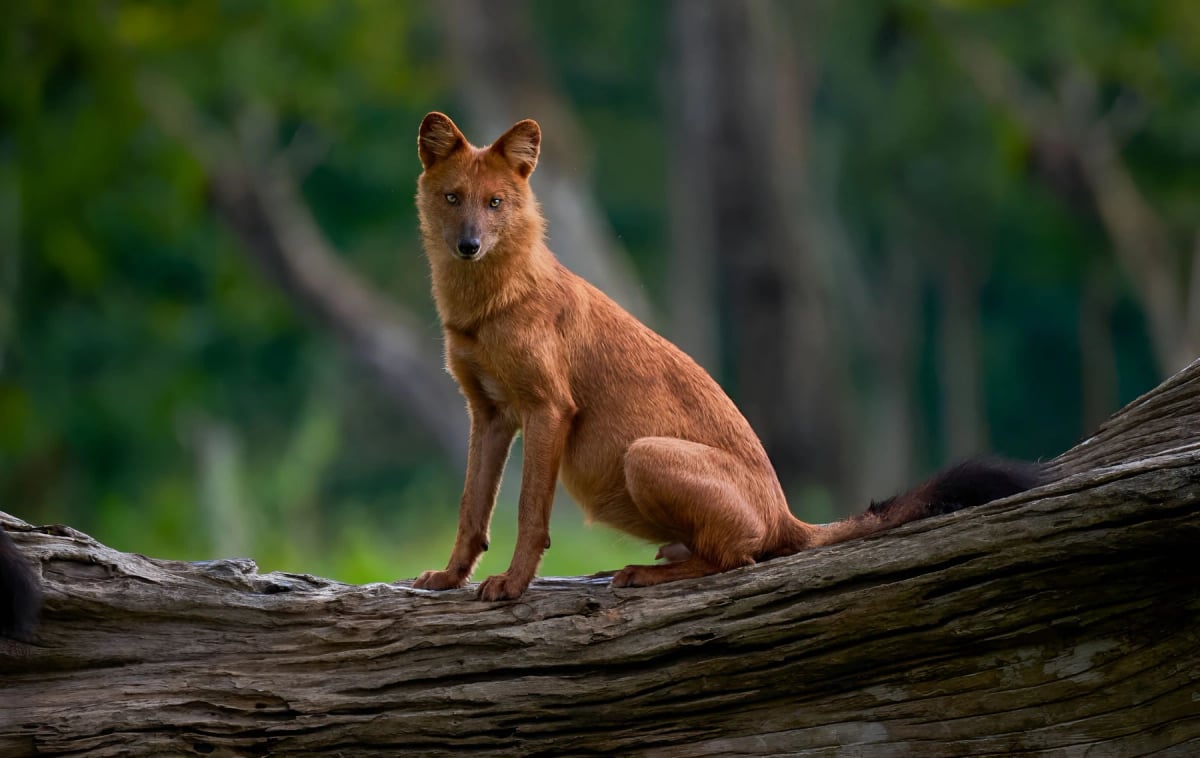
Dhole

Dhole

Cuon alpinus

The dhole is a wild dog found in the forested regions of Bangladesh, including the Chittagong Hill Tracts and areas bordering India. It lives in close packs and hunts cooperatively, targeting deer and other prey. Dholes are rarely seen and face serious threats from habitat loss and shrinking prey populations. The IUCN lists the dhole as Endangered.
EndangeredView more details & photos→
Dhole

Dhole

Cuon alpinus

The dhole is a wild dog found in the forested regions of Bangladesh, including the Chittagong Hill Tracts and areas bordering India. It lives in close packs and hunts cooperatively, targeting deer and other prey. Dholes are rarely seen and face serious threats from habitat loss and shrinking prey populations. The IUCN lists the dhole as Endangered.

EndangeredView more details & photos→
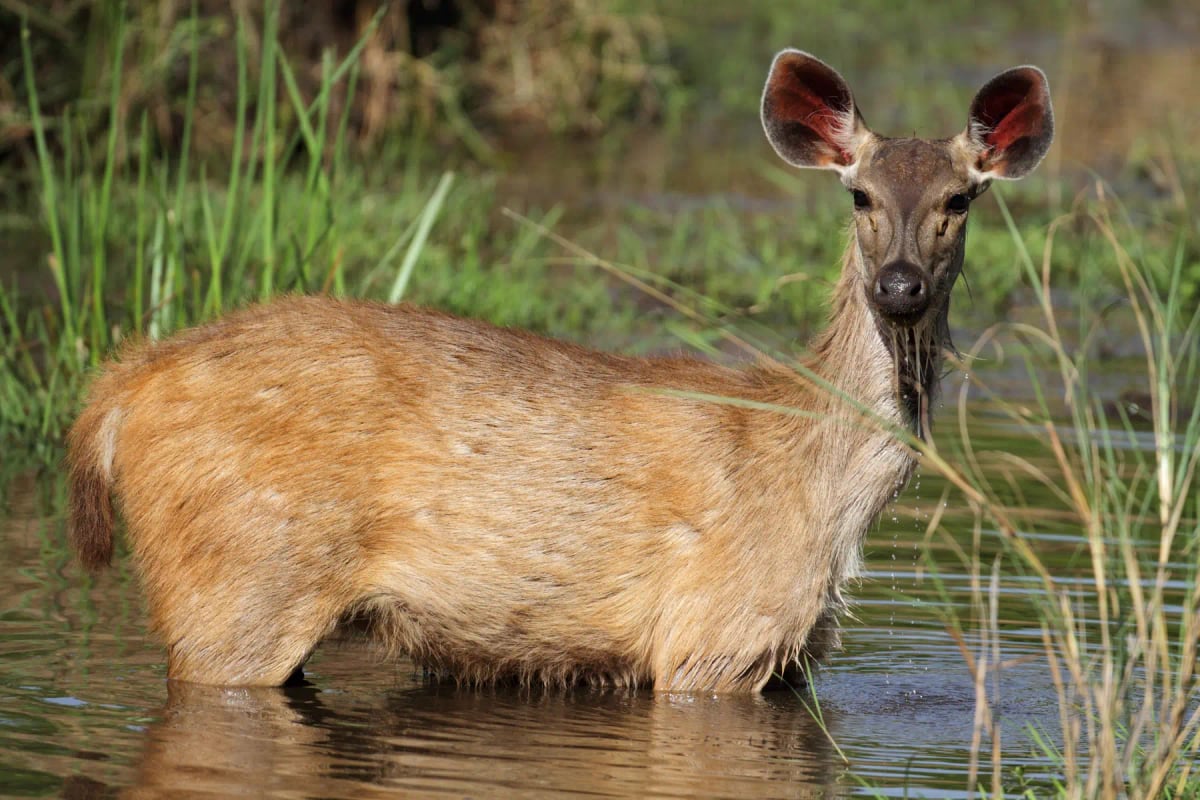
Sambar Deer

Sambar Deer

Rusa unicolor

The sambar deer is found in the Chittagong Hill Tracts and the Sundarbans mangrove forest, one of the largest mangrove systems in the world. These deer are strong swimmers, which suits life in this water-laced landscape perfectly. They face serious pressure from habitat loss and poaching. The IUCN lists the sambar as Vulnerable, and populations in Bangladesh have shrunk considerably over recent decades.
VulnerableView more details & photos→
Sambar Deer

Sambar Deer

Rusa unicolor

The sambar deer is found in the Chittagong Hill Tracts and the Sundarbans mangrove forest, one of the largest mangrove systems in the world. These deer are strong swimmers, which suits life in this water-laced landscape perfectly. They face serious pressure from habitat loss and poaching. The IUCN lists the sambar as Vulnerable, and populations in Bangladesh have shrunk considerably over recent decades.

VulnerableView more details & photos→
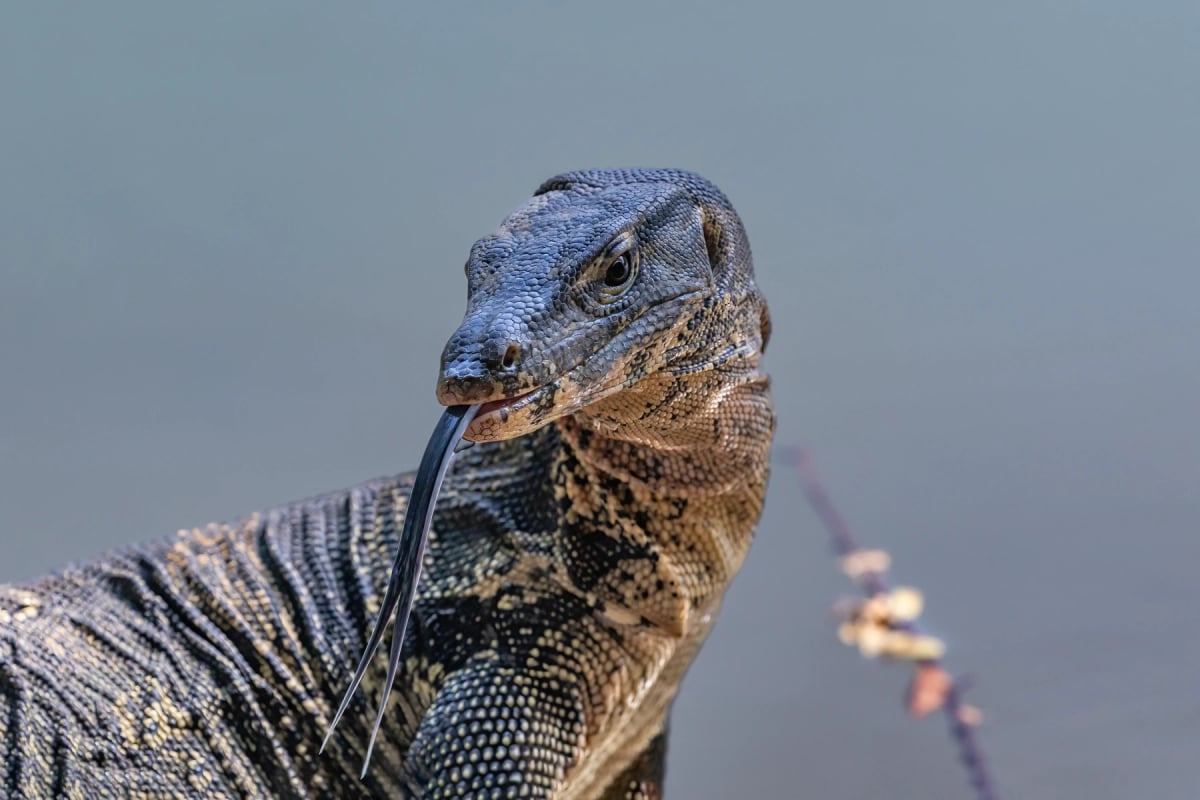
Monitor Lizard

Monitor Lizard

Varanus salvator

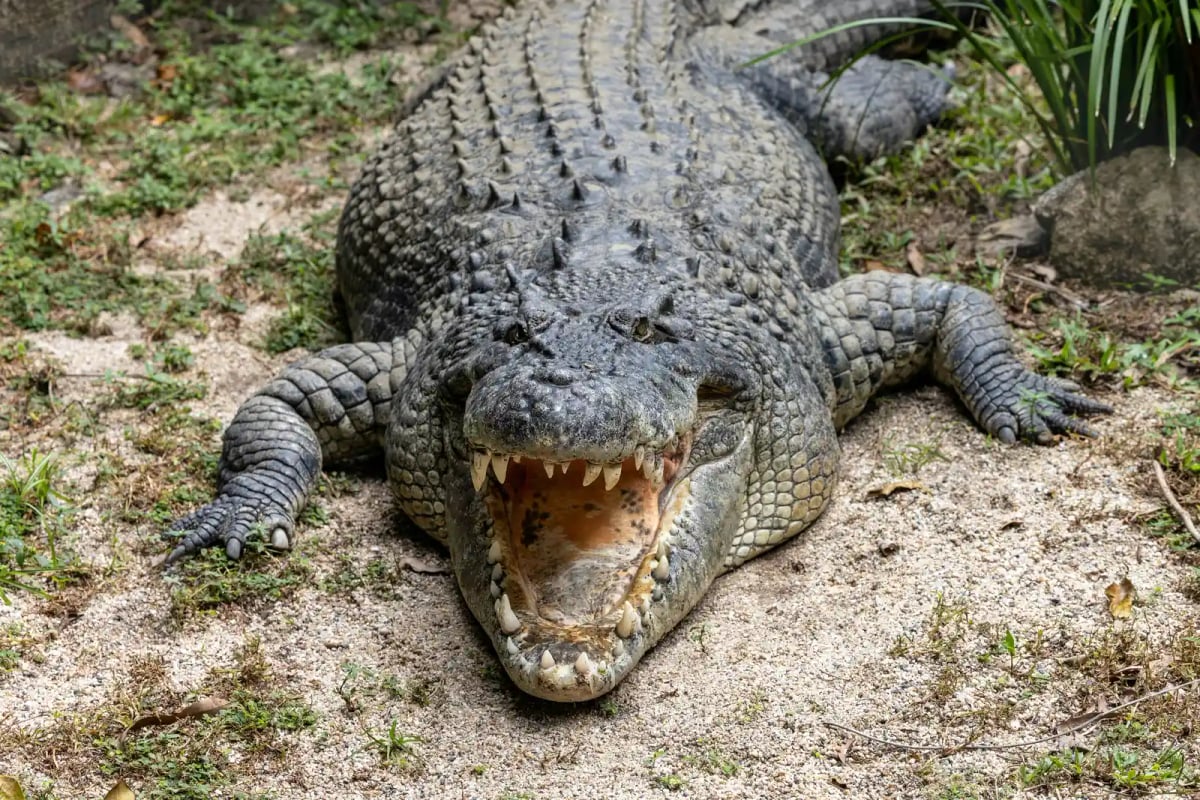
The Asian water monitor is found throughout Bangladesh, with its largest populations in the Sundarbans, the vast mangrove delta it shares with India. It is equally common along rivers, floodplains and wetlands across the country. Often seen near villages and markets, it scavenges confidently around human activity. Despite legal protection, it is still hunted in some areas for its skin and meat.

Least ConcernView more details & photos→
Monitor Lizard

Monitor Lizard

Varanus salvator

The Asian water monitor is found throughout Bangladesh, with its largest populations in the Sundarbans, the vast mangrove delta it shares with India. It is equally common along rivers, floodplains and wetlands across the country. Often seen near villages and markets, it scavenges confidently around human activity. Despite legal protection, it is still hunted in some areas for its skin and meat.

Least ConcernView more details & photos→
King Cobra

King Cobra

Ophiophagus hannah

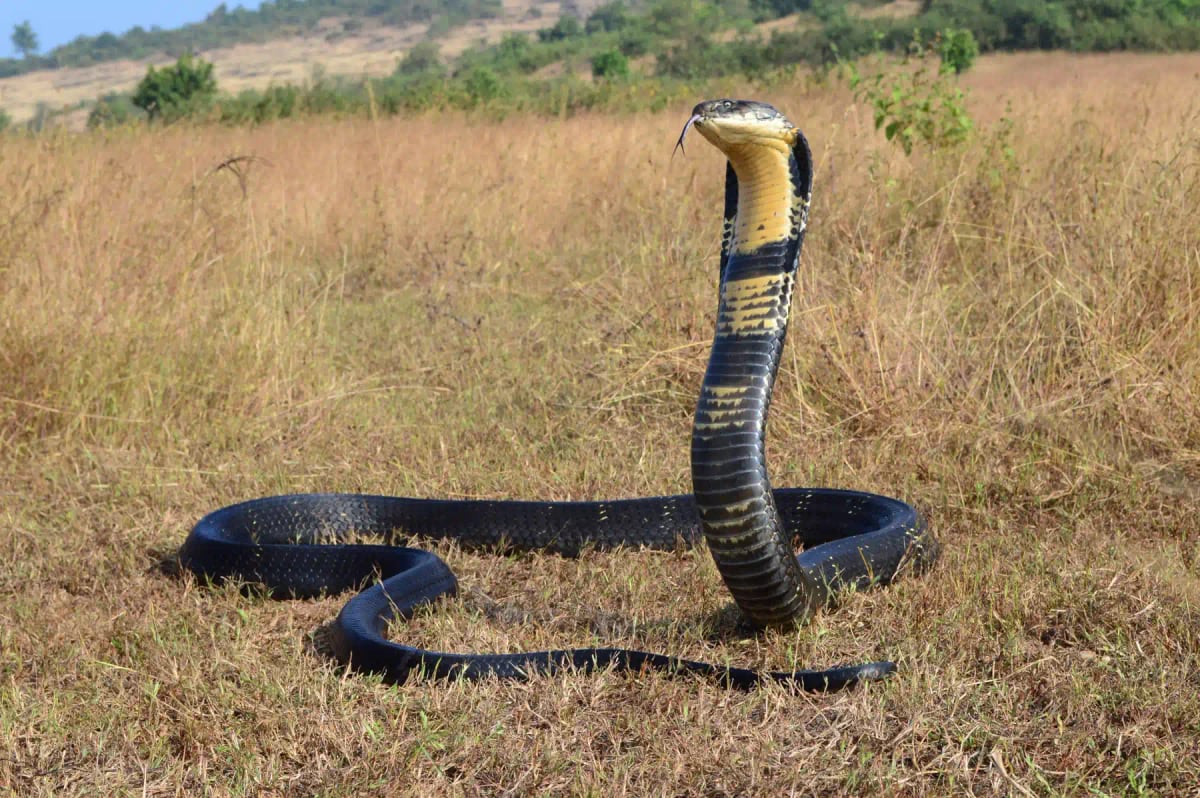
The king cobra inhabits the Sundarbans mangrove forest and the hill forests of the Chittagong Hill Tracts in the southeast. It is one of the longest venomous snakes in the country and feeds mainly on other snakes. Encounters with people are rare but can be dangerous given the volume of venom it delivers in a single bite. Forest clearing has reduced its available habitat across Bangladesh.

VulnerableView more details & photos→
King Cobra

King Cobra

Ophiophagus hannah

The king cobra inhabits the Sundarbans mangrove forest and the hill forests of the Chittagong Hill Tracts in the southeast. It is one of the longest venomous snakes in the country and feeds mainly on other snakes. Encounters with people are rare but can be dangerous given the volume of venom it delivers in a single bite. Forest clearing has reduced its available habitat across Bangladesh.

VulnerableView more details & photos→
Sea Turtle

Sea Turtle

Cheloniidae & Dermochelyidae (families)

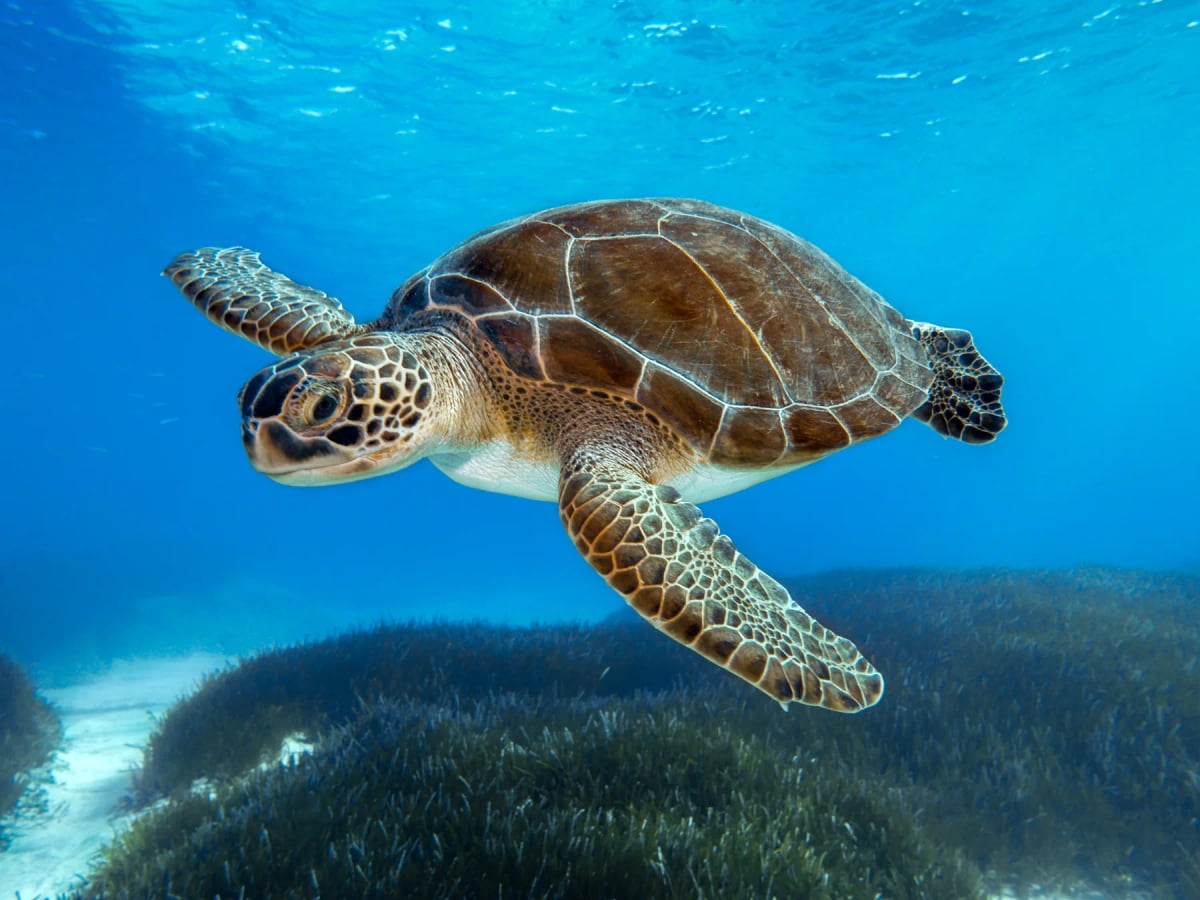
Bangladesh's coastal waters in the Bay of Bengal support sea turtle populations, with olive ridley turtles being the most commonly recorded species. Nesting takes place on beaches along Cox's Bazar and the Sundarbans delta islands. Saint Martin's Island, the country's only coral island, is known habitat for green and hawksbill turtles, though heavy coastal pressure poses serious challenges for conservation.

View more details & photos→
Sea Turtle

Sea Turtle

Cheloniidae & Dermochelyidae (families)

Bangladesh's coastal waters in the Bay of Bengal support sea turtle populations, with olive ridley turtles being the most commonly recorded species. Nesting takes place on beaches along Cox's Bazar and the Sundarbans delta islands. Saint Martin's Island, the country's only coral island, is known habitat for green and hawksbill turtles, though heavy coastal pressure poses serious challenges for conservation.

View more details & photos→
Reticulated Python

Reticulated Python

Malayopython reticulatus

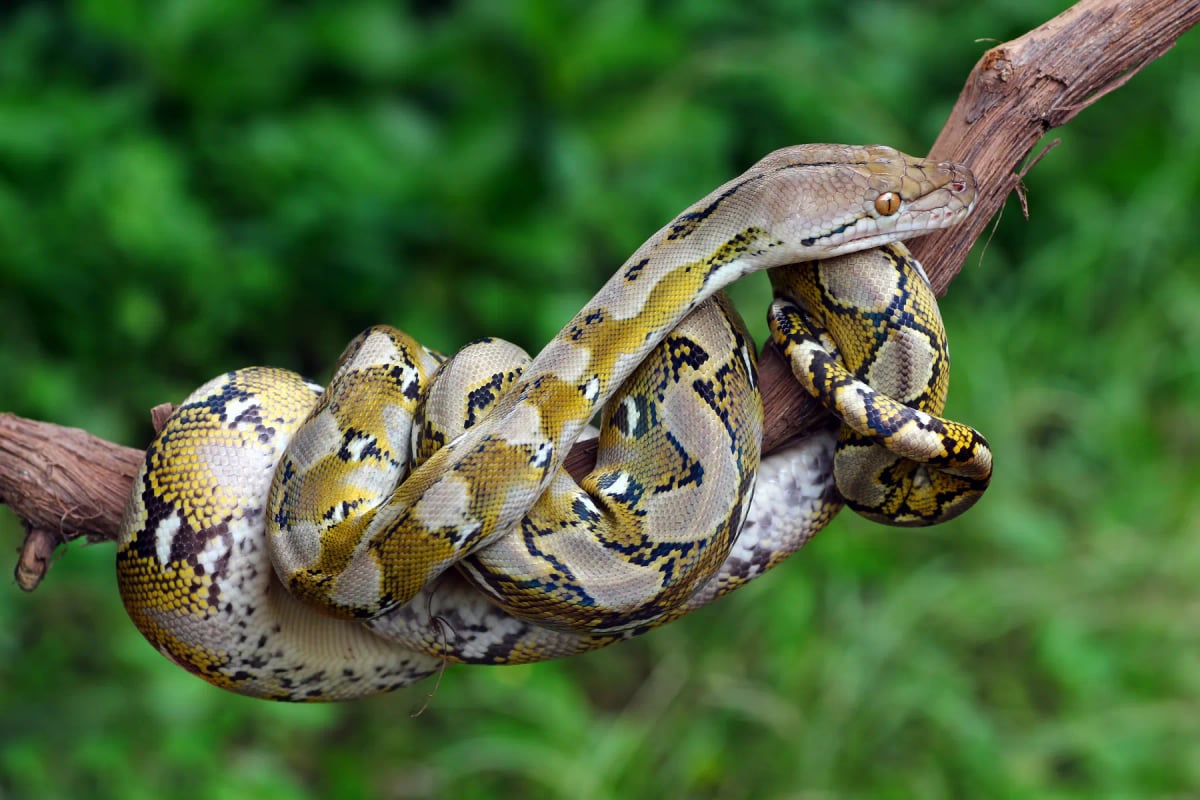
The reticulated python lives in the Sundarbans, the vast mangrove forest shared by Bangladesh and India, as well as in the forested hills of the Chittagong region. It hunts along riverbanks and in dense vegetation, preying on mammals and birds. Habitat loss and collection for the skin trade put pressure on populations, though the species is listed as Least Concern globally.

Least ConcernView more details & photos→
Reticulated Python

Reticulated Python

Malayopython reticulatus

The reticulated python lives in the Sundarbans, the vast mangrove forest shared by Bangladesh and India, as well as in the forested hills of the Chittagong region. It hunts along riverbanks and in dense vegetation, preying on mammals and birds. Habitat loss and collection for the skin trade put pressure on populations, though the species is listed as Least Concern globally.

Least ConcernView more details & photos→
Steppe Eagle

Steppe Eagle

Aquila nipalensis

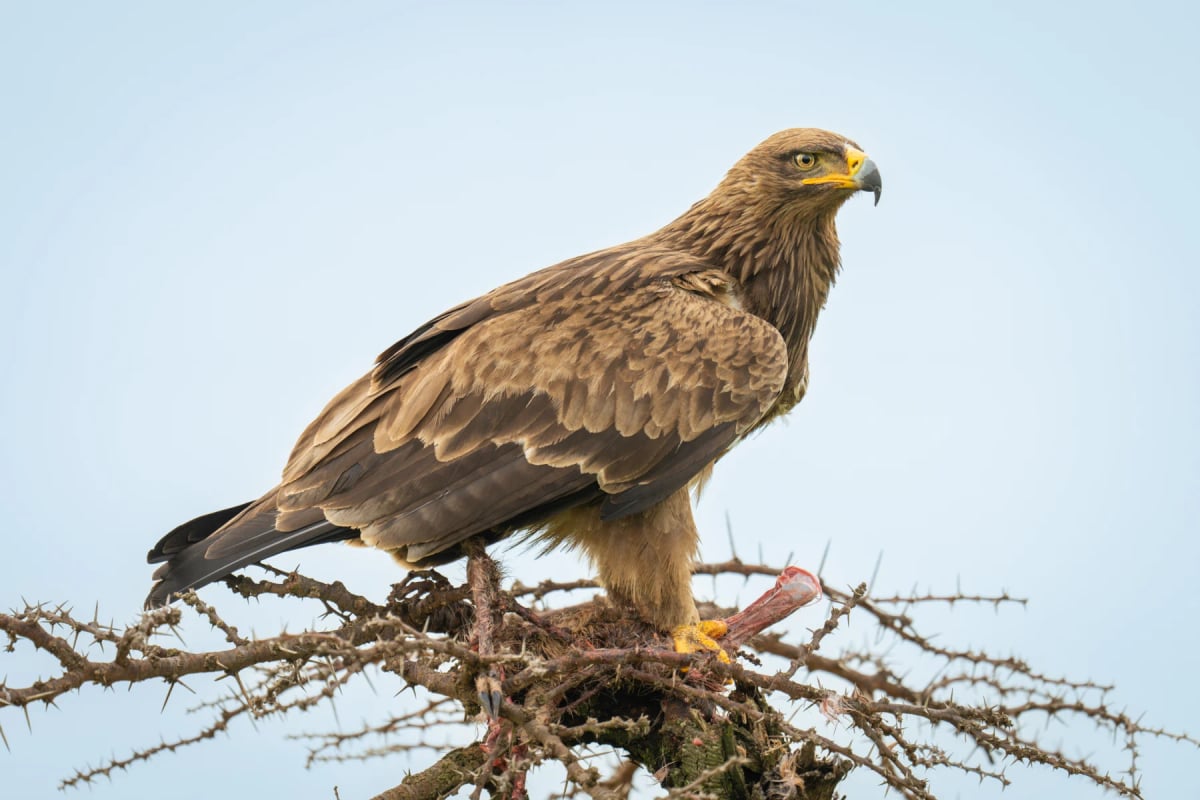
The Steppe Eagle occurs in Bangladesh as a winter visitor, arriving after an impressive journey from its breeding grounds in Central Asia. It tends to use open country, wetland edges, and agricultural plains, sometimes gathering where food is concentrated. Classified as Endangered by the IUCN, this large raptor is not common in Bangladesh, making each sighting noteworthy for local birdwatchers who track its irregular appearances across the country.

EndangeredView more details & photos→
Steppe Eagle

Steppe Eagle

Aquila nipalensis

The Steppe Eagle occurs in Bangladesh as a winter visitor, arriving after an impressive journey from its breeding grounds in Central Asia. It tends to use open country, wetland edges, and agricultural plains, sometimes gathering where food is concentrated. Classified as Endangered by the IUCN, this large raptor is not common in Bangladesh, making each sighting noteworthy for local birdwatchers who track its irregular appearances across the country.

EndangeredView more details & photos→
Barn Owl

Barn Owl

Tyto alba

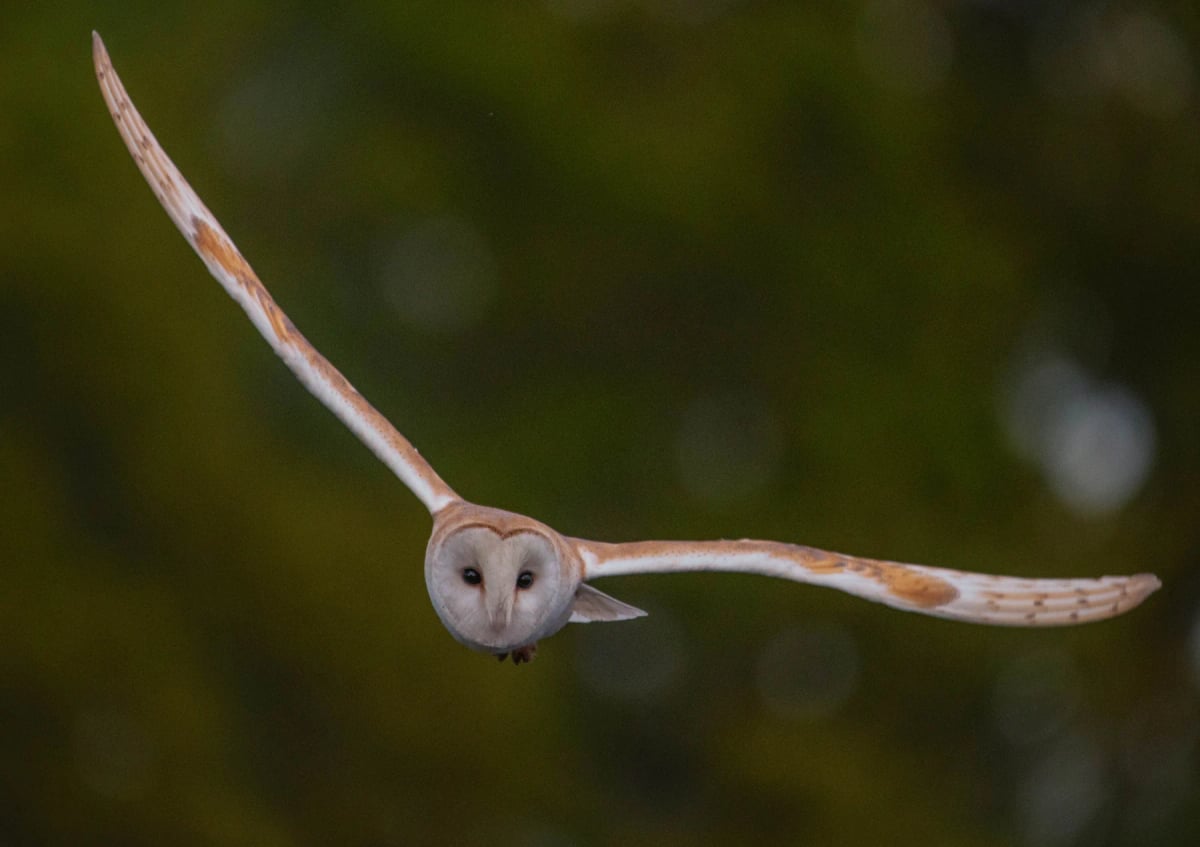
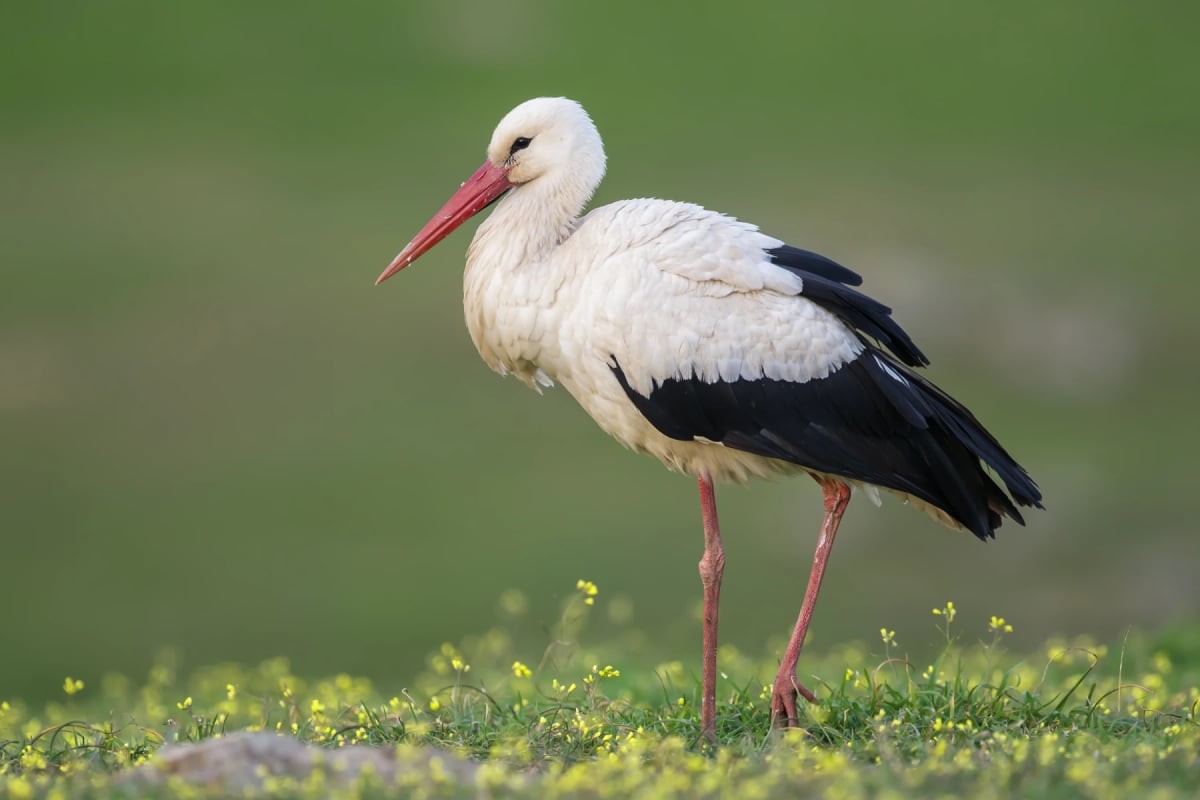
The barn owl is found across Bangladesh in open farmland, rice paddies, and areas near villages and towns throughout the low-lying delta landscape. It nests in old buildings, hollow trees, and bamboo groves, and hunts rodents at night using its exceptional hearing. In one of the most densely farmed countries in Asia, where rodent damage to rice crops is a significant agricultural problem, the barn owl is genuinely valued by farming communities. It is one of the more commonly encountered owls across the country's open agricultural plains.
Least ConcernView more details & photos→
Barn Owl

Barn Owl

Tyto alba

The barn owl is found across Bangladesh in open farmland, rice paddies, and areas near villages and towns throughout the low-lying delta landscape. It nests in old buildings, hollow trees, and bamboo groves, and hunts rodents at night using its exceptional hearing. In one of the most densely farmed countries in Asia, where rodent damage to rice crops is a significant agricultural problem, the barn owl is genuinely valued by farming communities. It is one of the more commonly encountered owls across the country's open agricultural plains.

Least ConcernView more details & photos→
White tailed Eagle

White tailed Eagle

Haliaeetus albicilla

In Bangladesh, the white-tailed eagle is an uncommon winter visitor, recorded mainly in the Sundarbans mangrove forest and along the broad river systems of the delta region. The vast network of waterways in the Ganges-Brahmaputra delta provides suitable foraging habitat, where the eagle hunts fish and waterbirds. Habitat loss and human disturbance remain key concerns for wintering raptors here. Its IUCN status is Least Concern.

Least ConcernView more details & photos→
White tailed Eagle

White tailed Eagle

Haliaeetus albicilla

In Bangladesh, the white-tailed eagle is an uncommon winter visitor, recorded mainly in the Sundarbans mangrove forest and along the broad river systems of the delta region. The vast network of waterways in the Ganges-Brahmaputra delta provides suitable foraging habitat, where the eagle hunts fish and waterbirds. Habitat loss and human disturbance remain key concerns for wintering raptors here. Its IUCN status is Least Concern.

Least ConcernView more details & photos→
White Wagtail

White Wagtail

Motacilla alba

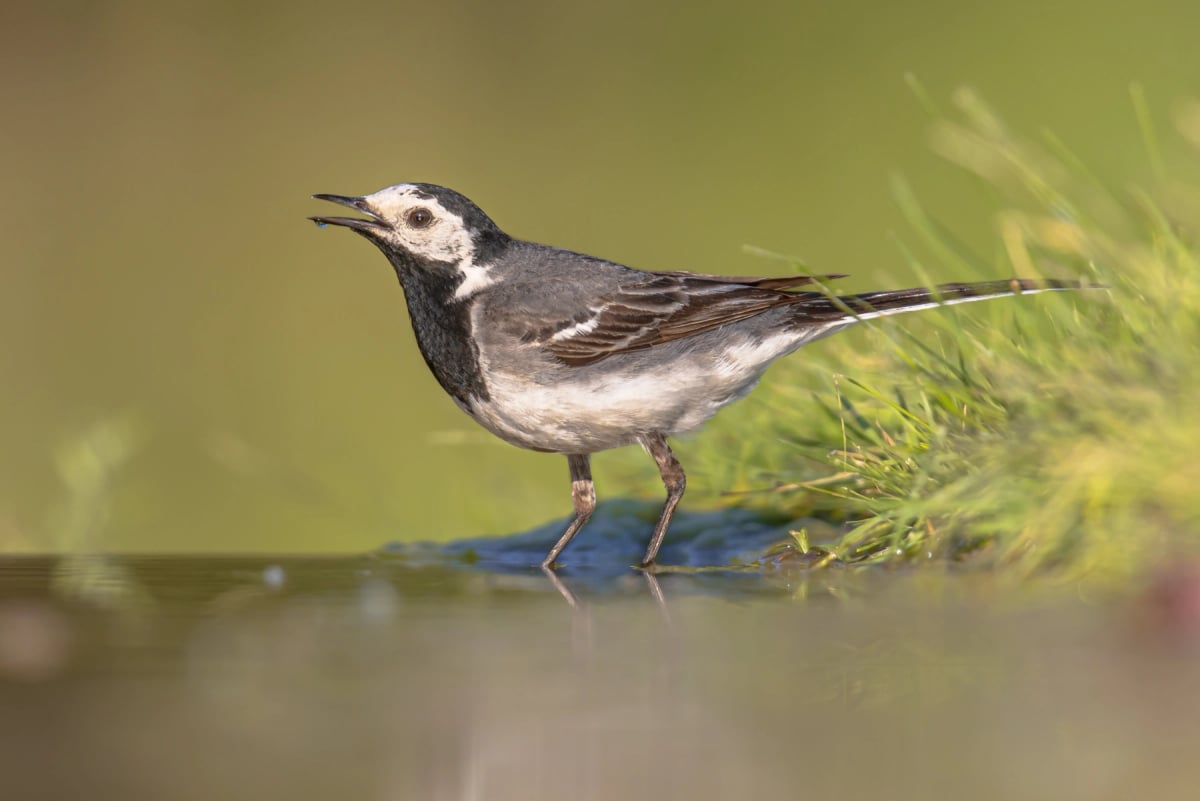
The white wagtail visits Bangladesh as a winter resident, arriving from its breeding grounds further north in Asia. It is widespread across the country, appearing along the banks of the great rivers such as the Padma and Jamuna, as well as rice paddies and open fields. It forages actively on the ground, wagging its tail in the characteristic way that makes it so easy to recognise. Its status is Least Concern.

Least ConcernView more details & photos→
White Wagtail

White Wagtail

Motacilla alba

The white wagtail visits Bangladesh as a winter resident, arriving from its breeding grounds further north in Asia. It is widespread across the country, appearing along the banks of the great rivers such as the Padma and Jamuna, as well as rice paddies and open fields. It forages actively on the ground, wagging its tail in the characteristic way that makes it so easy to recognise. Its status is Least Concern.

Least ConcernView more details & photos→
Peregrine Falcon

Peregrine Falcon

Falco peregrinus

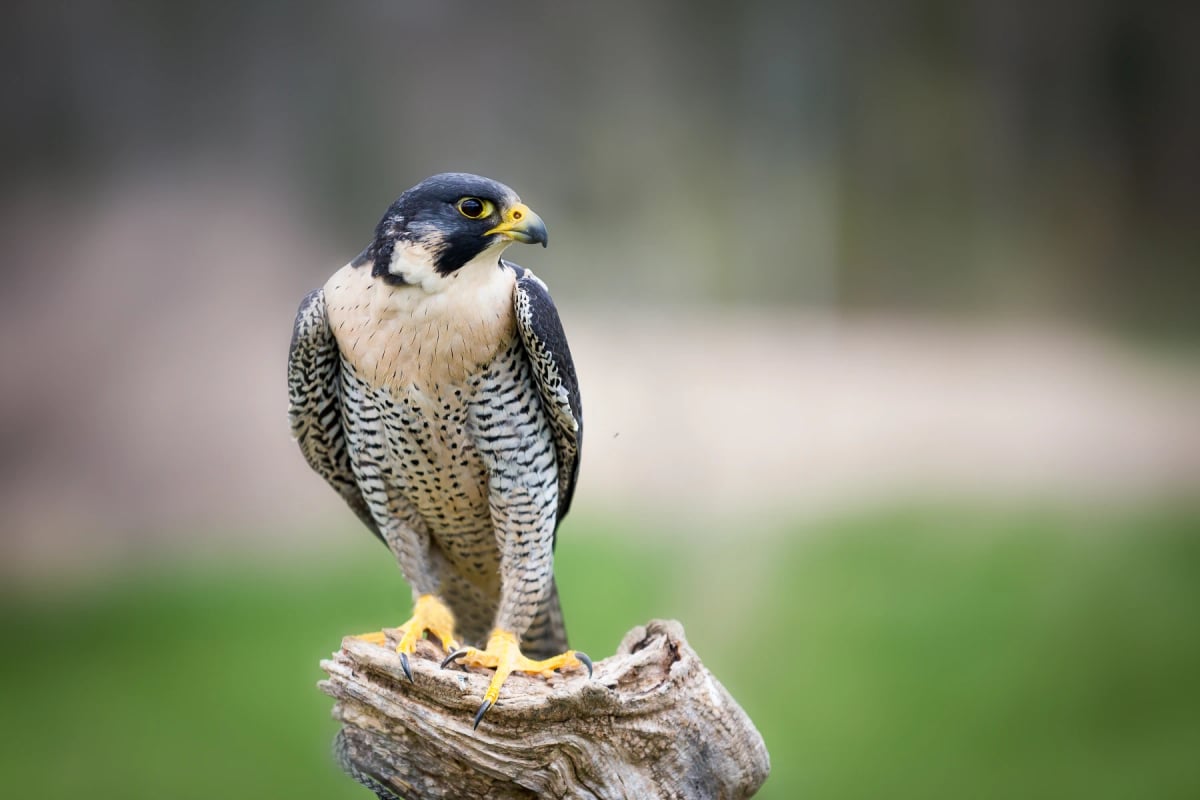
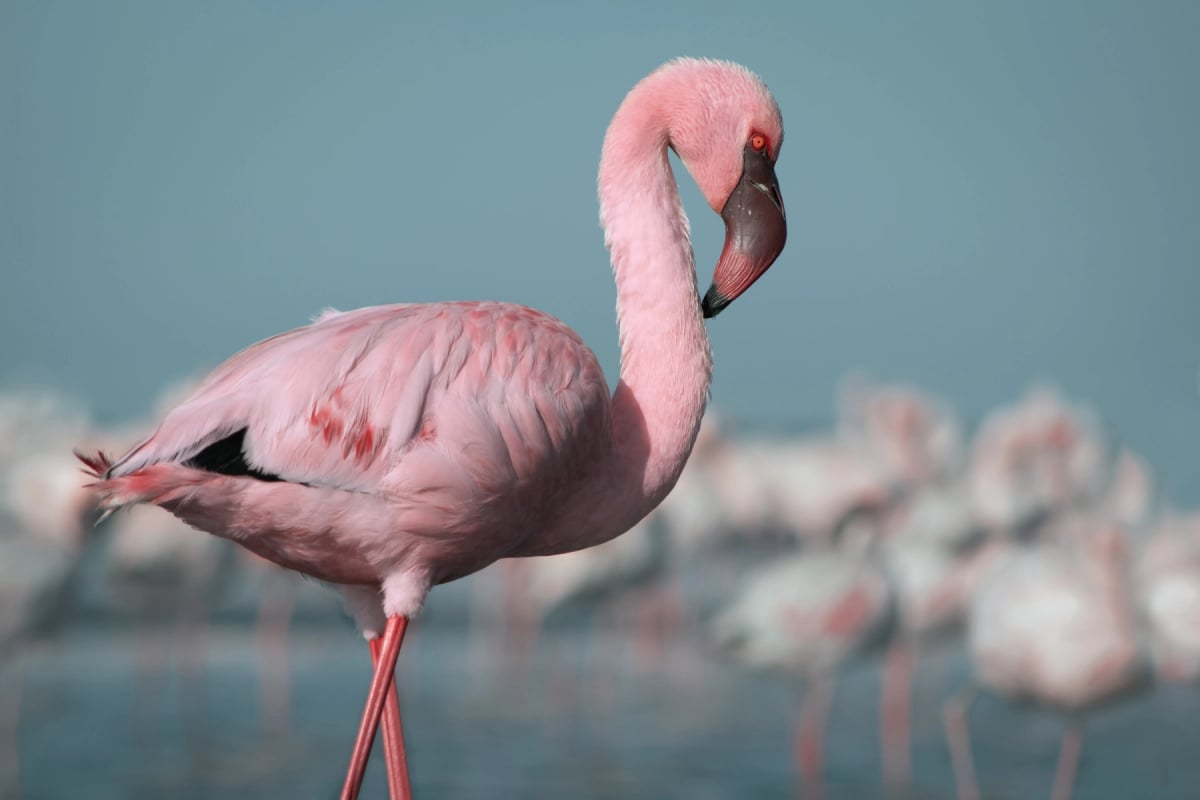
In Bangladesh, the peregrine falcon is primarily a winter visitor, arriving from breeding grounds further north and east. It can be spotted along the coastal mudflats of the Sundarbans, the Bay of Bengal shoreline, and around large wetlands and rivers where shorebirds and waterfowl gather in numbers. Its powerful hunting dive is occasionally witnessed by birdwatchers at key wetland sites. Its IUCN status is Least Concern.
Least ConcernView more details & photos→
Peregrine Falcon

Peregrine Falcon

Falco peregrinus

In Bangladesh, the peregrine falcon is primarily a winter visitor, arriving from breeding grounds further north and east. It can be spotted along the coastal mudflats of the Sundarbans, the Bay of Bengal shoreline, and around large wetlands and rivers where shorebirds and waterfowl gather in numbers. Its powerful hunting dive is occasionally witnessed by birdwatchers at key wetland sites. Its IUCN status is Least Concern.

Least ConcernView more details & photos→
Blue Whale

Blue Whale

Balaenoptera musculus

The blue whale has been recorded in the Bay of Bengal, which borders Bangladesh's southern coast. The Bay of Bengal supports a distinct population of pygmy blue whales that feed on krill and small crustaceans in these warm tropical waters. Bangladesh's coastline and the Sundarbans delta region sit at the edge of habitat used by this population, though sightings in inshore Bangladeshi waters specifically remain infrequent.

EndangeredView more details & photos→
Blue Whale

Blue Whale

Balaenoptera musculus

The blue whale has been recorded in the Bay of Bengal, which borders Bangladesh's southern coast. The Bay of Bengal supports a distinct population of pygmy blue whales that feed on krill and small crustaceans in these warm tropical waters. Bangladesh's coastline and the Sundarbans delta region sit at the edge of habitat used by this population, though sightings in inshore Bangladeshi waters specifically remain infrequent.

EndangeredView more details & photos→
Orca

Orca

Orcinus orca

Powerful black and white dolphin and top marine predator that lives in tight family pods and cooperatively hunts fish, seals and sometimes large whales.

View more details & photos→
Orca

Orca

Orcinus orca

Powerful black and white dolphin and top marine predator that lives in tight family pods and cooperatively hunts fish, seals and sometimes large whales.

View more details & photos→
Bottlenose Dolphin

Bottlenose Dolphin

Tursiops truncatus

In Bangladesh, bottlenose dolphins occur in the coastal waters of the Bay of Bengal and around the Sundarbans delta, one of the largest mangrove systems on Earth. These murky, productive waters support a wealth of fish on which the dolphins depend. The species shares habitat with the endangered Ganges river dolphin in some transitional areas. Pollution and fishing pressure are significant local threats. The IUCN lists the species as Least Concern.

Least ConcernView more details & photos→
Bottlenose Dolphin

Bottlenose Dolphin

Tursiops truncatus

In Bangladesh, bottlenose dolphins occur in the coastal waters of the Bay of Bengal and around the Sundarbans delta, one of the largest mangrove systems on Earth. These murky, productive waters support a wealth of fish on which the dolphins depend. The species shares habitat with the endangered Ganges river dolphin in some transitional areas. Pollution and fishing pressure are significant local threats. The IUCN lists the species as Least Concern.

Least ConcernView more details & photos→
Common Dolphin

Common Dolphin

Delphinus delphis

In Bangladeshi waters, common dolphins have been recorded in the Bay of Bengal, a sea that supports a rich variety of marine life. The warm, productive coastal waters near the Sundarbans delta provide feeding opportunities for a range of cetaceans. While sightings are less frequent here than in some other parts of their range, these dolphins remain part of the diverse marine fauna of the northern Indian Ocean.

Least ConcernView more details & photos→
Common Dolphin

Common Dolphin

Delphinus delphis

In Bangladeshi waters, common dolphins have been recorded in the Bay of Bengal, a sea that supports a rich variety of marine life. The warm, productive coastal waters near the Sundarbans delta provide feeding opportunities for a range of cetaceans. While sightings are less frequent here than in some other parts of their range, these dolphins remain part of the diverse marine fauna of the northern Indian Ocean.

Least ConcernView more details & photos→
Sperm Whale

Sperm Whale

Physeter macrocephalus

The Bay of Bengal, which borders Bangladesh, extends into deep offshore waters that fall within the known range of the sperm whale in the northern Indian Ocean. While sperm whale sightings near Bangladesh are not frequently documented, the species is present in the broader Bay of Bengal region. The deep submarine fan formed by sediment from the Ganges and Brahmaputra rivers creates a unique underwater landscape in the area.

VulnerableView more details & photos→
Sperm Whale

Sperm Whale

Physeter macrocephalus

The Bay of Bengal, which borders Bangladesh, extends into deep offshore waters that fall within the known range of the sperm whale in the northern Indian Ocean. While sperm whale sightings near Bangladesh are not frequently documented, the species is present in the broader Bay of Bengal region. The deep submarine fan formed by sediment from the Ganges and Brahmaputra rivers creates a unique underwater landscape in the area.

VulnerableView more details & photos→
Bull Shark

Bull Shark

Carcharhinus leucas

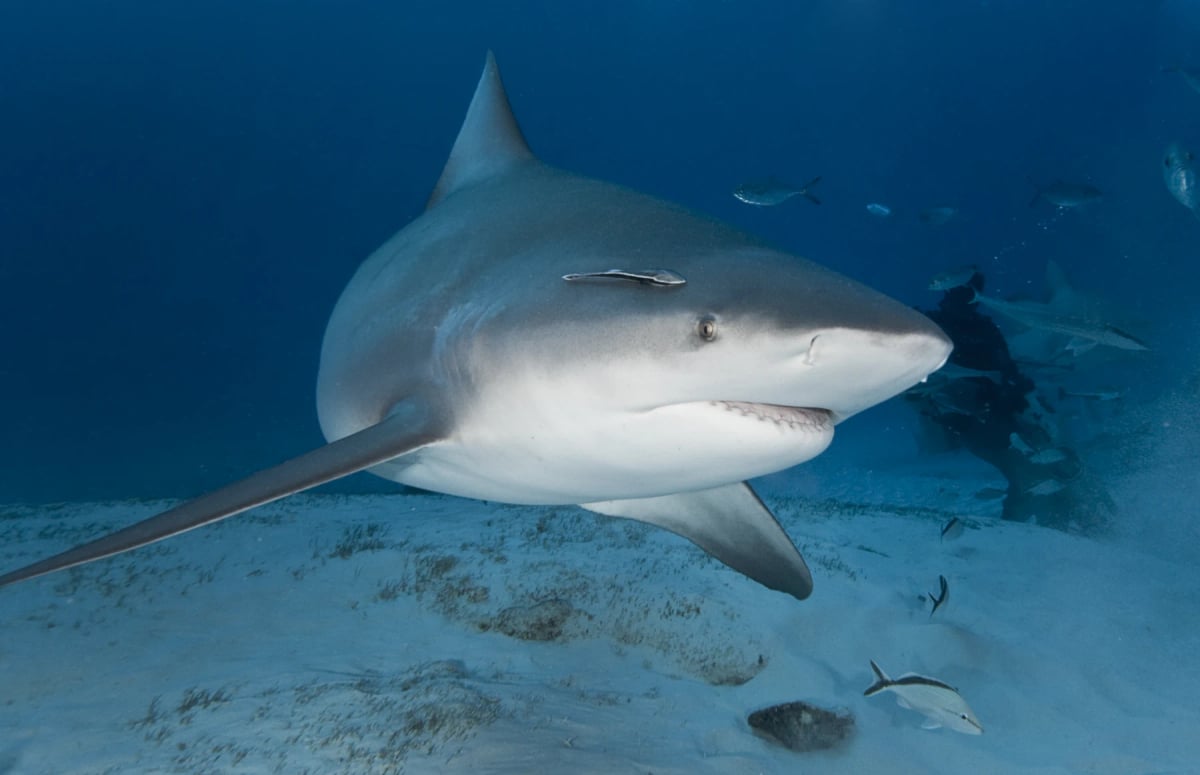
The Sundarbans delta and the broader Bay of Bengal coastline of Bangladesh provide productive habitat for bull sharks, which can penetrate deep into the freshwater channels that thread through this vast mangrove forest. The species has historically been recorded in the Ganges and Brahmaputra river systems. Overfishing and habitat degradation in one of the world's most densely populated coastal regions present serious challenges to the survival of this shark.

Near ThreatenedView more details & photos→
Bull Shark

Bull Shark

Carcharhinus leucas

The Sundarbans delta and the broader Bay of Bengal coastline of Bangladesh provide productive habitat for bull sharks, which can penetrate deep into the freshwater channels that thread through this vast mangrove forest. The species has historically been recorded in the Ganges and Brahmaputra river systems. Overfishing and habitat degradation in one of the world's most densely populated coastal regions present serious challenges to the survival of this shark.

Near ThreatenedView more details & photos→

🌍Most searched countries

1
BR
Brazil
2
RU
Russia
3
US
the United States
4
CA
Canada
5
AU
Australia
6
GL
Greenland
7
CN
China
8
IN
India
9
AR
Argentina
10
MX
Mexico

🐾Most searched animals

1
Gray Wolf
Gray Wolf
2
Lion
Lion
3
Red Fox
Red Fox
4
Leopard
Leopard
5
Golden Jackal
Golden Jackal
6
Wild Boar
Wild Boar
7
Bengal Tiger
Bengal Tiger
8
Capybara
Capybara
9
Caracal
Caracal
10
Hammerhead Shark
Hammerhead Shark
The Animal Map LogoThe Animal Map

Directory

All Countries
AfghanistanAlbaniaAlgeriaAngolaAntarcticaArgentinaArmeniaAustraliaAustriaAzerbaijanBahamasBangladeshBelarusBelgiumBelizeBeninBhutanBoliviaBosnia and HerzegovinaBotswanaBrazilBruneiBulgariaBurkina FasoBurundiCambodiaCameroonCanadaCentral African RepChadChileChinaColombiaCongoCosta RicaCote d'IvoireCroatiaCubaCyprusCzechiaDem. Rep. CongoDenmarkDjiboutiDominican RepEcuadorEgyptEl SalvadorEq GuineaEritreaEstoniaEswatiniEthiopiaFalkland Is.FijiFinlandFr. S. Antarctic LandsFranceFrench GuianaGabonGambiaGeorgiaGermanyGhanaGreeceGreenlandGuatemalaGuineaGuinea BissauGuyanaHaitiHondurasHungaryIcelandIndiaIndonesiaIranIraqIrelandIsraelItalyJamaicaJapanJordanKazakhstanKenyaKosovoKuwaitKyrgyzstanLaosLatviaLebanonLesothoLiberiaLibyaLithuaniaLuxembourgMadagascarMalawiMalaysiaMaliMauritaniaMexicoMoldovaMongoliaMontenegroMoroccoMozambiqueMyanmarNamibiaNepalNetherlandsNew ZealandNicaraguaNigerNigeriaNorth KoreaNorth MacedoniaNorwayOmanPakistanPalestinePanamaPapua New GuineaParaguayPeruPhilippinesPolandPortugalPuerto RicoQatarRomaniaRussiaRwandaS SudanSaudi ArabiaSenegalSerbiaSierra LeoneSlovakiaSloveniaSomaliaSomalilandSouth AfricaSouth KoreaSpainSri LankaSudanSurinamSwedenSwitzerlandSyriaTaiwanTajikistanTanzaniaThailandthe United StatesTimor LesteTogoTrinidad and TobagoTunisiaTurkeyTurkmenistanUgandaUkraineUnited Arab EmiratesUnited KingdomUruguayUzbekistanVenezuelaVietnamW SaharaYemenZambiaZimbabwe
Regions
AlaskaCaliforniaFloridaHawaiiNew YorkTexas
All Animals
AddaxAfrican CivetAfrican ElephantAfrican Fish EagleAfrican Forest ElephantAfrican Grey ParrotAfrican ManateeAkhal Teke HorseAlligatorAlpine IbexAlpine MarmotAmazon River DolphinAmerican BisonAmerican Black BearAnacondaAndean CondorAnteaterArabian GazelleArabian LeopardArabian OryxArctic FoxArctic HareArctic WolfArmadilloAsian ElephantAsiatic Black BearAurochsAxolotlBactrian CamelBadgerBald EagleBarbary MacaqueBarn OwlBarracudaBateleurBeaverBellbirdBeluga WhaleBengal Slow LorisBengal TigerBlack backed JackalBlack browed AlbatrossBlack MambaBlack necked SwanBlack RhinocerosBlack SwanBlackbuckBlue CraneBlue WhaleBoa ConstrictorBobcatBonoboBottlenose DolphinBrocket DeerBrown BearBrown HyenaBrown SkuaBuffaloBull SharkBushbuckCaimanCanadian LynxCape PetrelCapybaraCaracalCassowaryChameleonChamoisCheetahChimpanzeeClouded LeopardClownfishCommon DolphinCommon GenetCoquíCottonmouth SnakeCougarCowCoyoteCraneCuban HutiaCuban TrogonDama GazelleDholeDingoDromedary CamelDugongDusky LangurEagle OwlEchidnaEld's DeerElephant SealEmuEurasian LynxEurasian MagpieEuropean AdderEuropean BisonEuropean WildcatFennec FoxFiji Crested IguanaFishing CatFlamingoFossaFruit BatFur SealGaurGelada BaboonGharialGiant OtterGiant PandaGiraffeGoitered GazelleGolden EagleGolden JackalGray FoxGray WolfGreat White SharkGreater KuduGreen PheasantGreen Tree PythonGrey Crowned CraneGriffon VultureGrizzly BearGuanacoGyrfalconHammerhead SharkHareHarpy EagleHartebeestHedgehogHimalayan MonalHippopotamusHispaniolan TrogonHoney BadgerHorneroHuemulHumpback WhaleIberian LynxIguanaImpalaItalian WolfJaguarJaguarundiJapanese MacaqueJapanese SerowKarabakh HorseKeaKing CobraKing PenguinKiwiKoalaKobKomodo DragonKookaburraKoupreyLanceheadLangurLanner FalconLeopardLeopard SealLesser KiskadeeLionLlamaMacaqueMacaroni PenguinMagellanic PenguinManateeMandrillManed WolfMaraMargayMarkhorMarsh DeerMartenMeerkatMonitor LizardMonk ParakeetMooseMouflonMountain GazelleMountain GorillaMugger CrocodileMusk OxMute SwanNarwhalNightingaleNile CrocodileNubian IbexOcelotOkapiOpossumOrangutanOrcaOryxOstrichPalmchatPampas DeerPanamanian Golden FrogPangolinParrotfishPeregrine FalconPersian LeopardPlatypusPolar BearProboscis MonkeyPronghornPrzewalski's HorsePuffinPygmy HippoRaccoonRaggiana Bird of paradiseRattlesnakeRed billed StreamertailRed DeerRed FoxRed Howler MonkeyRed KangarooRed PandaRed SquirrelReef SharkReindeerResplendent QuetzalReticulated PythonRheaRing tailed LemurRiver OtterRoe DeerRoosterRufous bellied ThrushSable AntelopeSaigaSaker FalconSambar DeerSand GazelleScarlet IbisScarlet MacawSea LionSea SnakeSea TurtleSealSecretary BirdServalSiamangSiberian TigerSlothSnow LeopardSoemmerring's GazelleSouth American Gray FoxSouthern CaracaraSouthern LapwingSouthern Red MuntjacSouthern Right WhaleSpectacled BearSperm WhaleSpider MonkeySpotted HyenaSpringbokSquirrel MonkeySri Lankan ElephantSteppe EagleStorkStriped HyenaSun BearTakinTapirTasmanian DevilTawny EagleThe TurulThomson's GazelleTiger SharkTiger SnakeTopiTornjakToucanTree KangarooTrumpeter SwanTuataraTurpialTurquoise browed MotmotVicuñaWallabyWalrusWarthogWater BuffaloWestern Lowland GorillaWhale SharkWhite backed VultureWhite faced CapuchinWhite StallionWhite tailed DeerWhite tailed EagleWhite WagtailWild BoarWild DogWildebeestWolverineWombatYakYellow AnacondaZebra
AboutPrivacy PolicyTerms & ConditionsCookies Policy
Change language