Fennec Fox
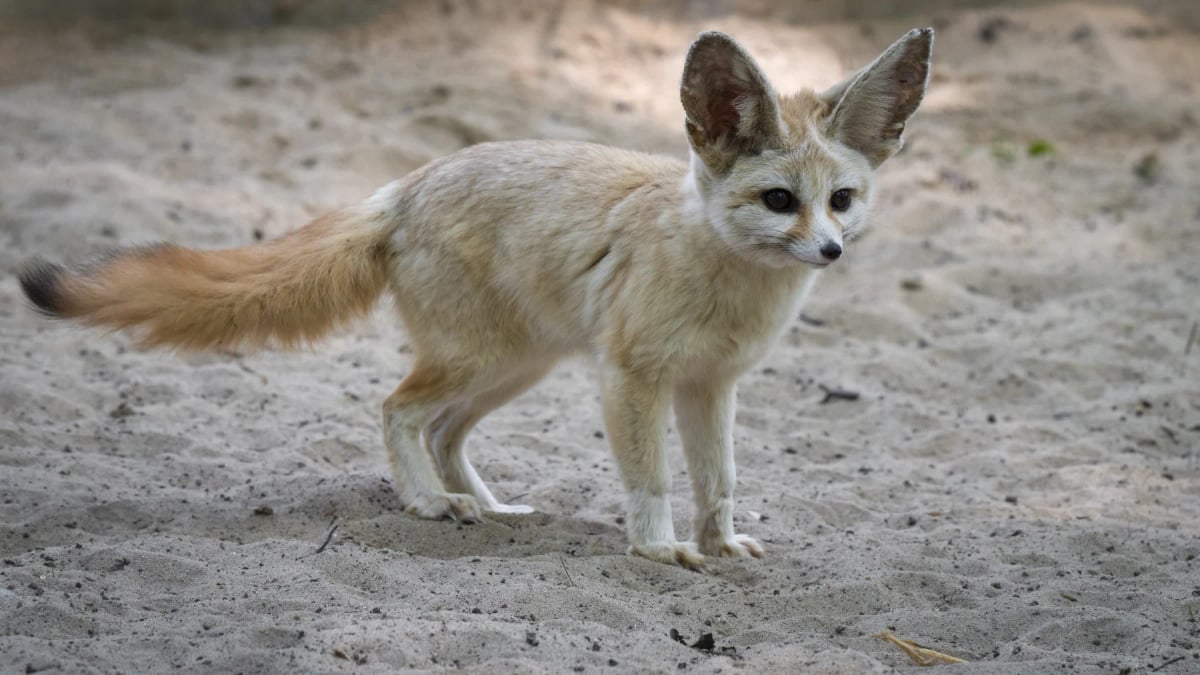
The fennec fox (Vulpes zerda) is the world's smallest fox, native to the Sahara and surrounding deserts of North Africa. Its enormous ears, up to 15 centimeters long, serve a dual purpose: they radiate excess body heat and pick up the sounds of prey moving underground. Thick fur on the paws protects against burning sand and provides grip on loose dunes. Remarkably, fennec foxes can go extended periods without drinking, relying on highly specialized kidneys and the moisture in their food. Unlike most foxes, they are genuinely social, living in family groups of up to ten individuals.
Appearance
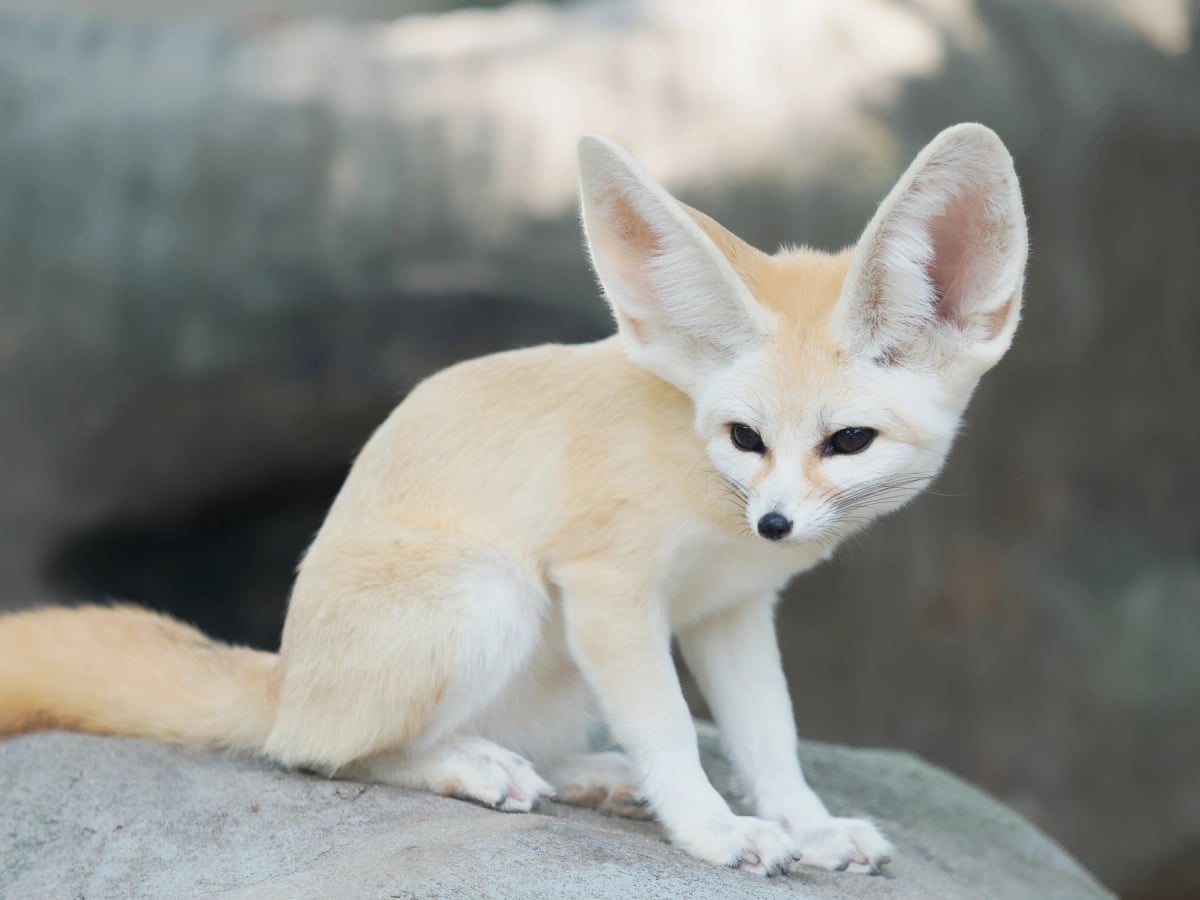
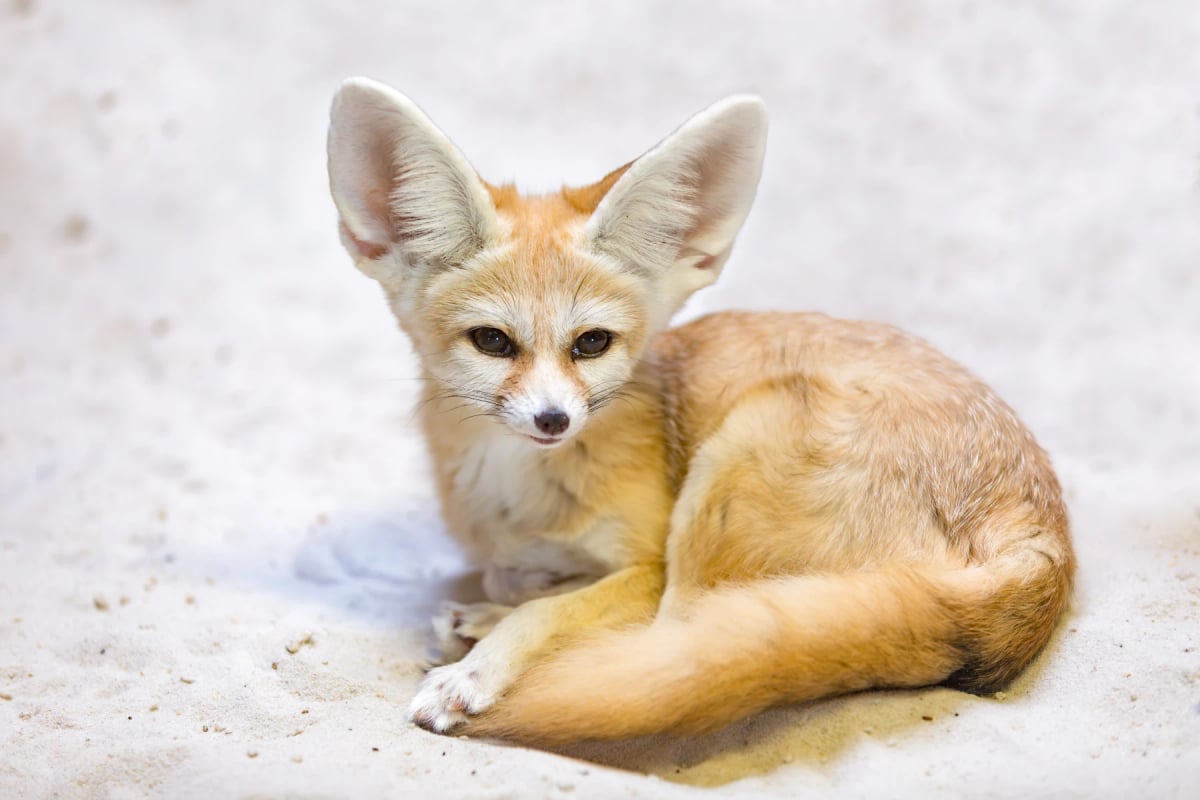
The fennec fox is the smallest canid in the world, with a body length of 36 to 41 centimeters and a weight of around 1.5 kilograms. Its most striking feature is its ears, which can reach 15 centimeters in length, the largest relative to body size of any canid species. The coat is thick, long and pale cream or sandy in color, blending with desert dunes. The underside is white, the bushy tail has a black tip, and the soles of the feet are covered in thick fur that insulates against hot sand and provides traction on loose dune surfaces.
Desert adaptations
The fennec fox has evolved a precise set of tools for surviving in one of the world's harshest environments. Its oversized ears contain a dense network of blood vessels close to the skin, which radiate excess body heat into the cooler air and detect the faint movements of prey beneath the sand. Its kidneys are highly specialized to produce extremely concentrated urine, minimizing fluid loss, and it can go extended periods without drinking by extracting moisture from food. Thick fur across the body insulates against cold desert nights, while its pale coloring reflects solar radiation during the intense heat of the day.
Diet
The fennec fox is an omnivore whose diet adapts completely to what the desert offers. Insects, especially beetles and grasshoppers, make up a large part of its meals. It also eats small rodents, lizards, birds and eggs, and supplements these with plant material including roots, fruit and tubers, which also provide moisture. Hunting happens almost entirely at night, using its exceptional hearing to pinpoint the faint sounds of insects and small animals moving beneath the sand. Surplus food is sometimes cached near the den to draw on when prey is scarce.
Behavior
Unlike most fox species, the fennec is genuinely social, living in family groups of up to ten individuals built around a monogamous pair that mates for life. Both parents raise the young: the male guards the den and brings food while the female nurses the pups. Burrows can extend up to ten meters and often have several entrances, sometimes shared by extended family members. The fennec communicates with chatters, whimpers, barks and shrieks. It breeds once a year, mainly in January and February, with litters of two to five pups born after a gestation of about 51 days.
Conservation
The fennec fox is listed as Least Concern by the IUCN, and its population across the Sahara is considered stable, though exact numbers are unknown. Its greatest local pressures come from capture for the international pet trade, documented across North Africa, and disturbance from tourism in accessible desert areas. In Algeria, where it is the national animal and gives its name to the football team nickname "Les Fennecs," it carries cultural significance that has helped raise public awareness. Habitat loss from expanding human activity along desert margins is a growing concern for local populations.
5 Curiosities about the Fennec Fox
Here are five quick facts people often miss about the fennec fox: • It is the smallest fox species in the world, with adults often weighing less than 1.5 kg. • Its ears can measure up to 15 cm, helping both with heat regulation and detecting prey underground. • Fennec foxes can survive long periods without drinking water, obtaining most moisture from their food. • They have highly developed hearing and can locate insects moving beneath the sand. • Their burrow systems can be extensive, sometimes with multiple entrances shared by family members.
Where it is found
The Fennec Fox can be found in places such as:
Researched and written by Juan Pablo. Sources: IUCN Red List, scientific literature and regional field guides. Last updated: .