Animals in Fiji
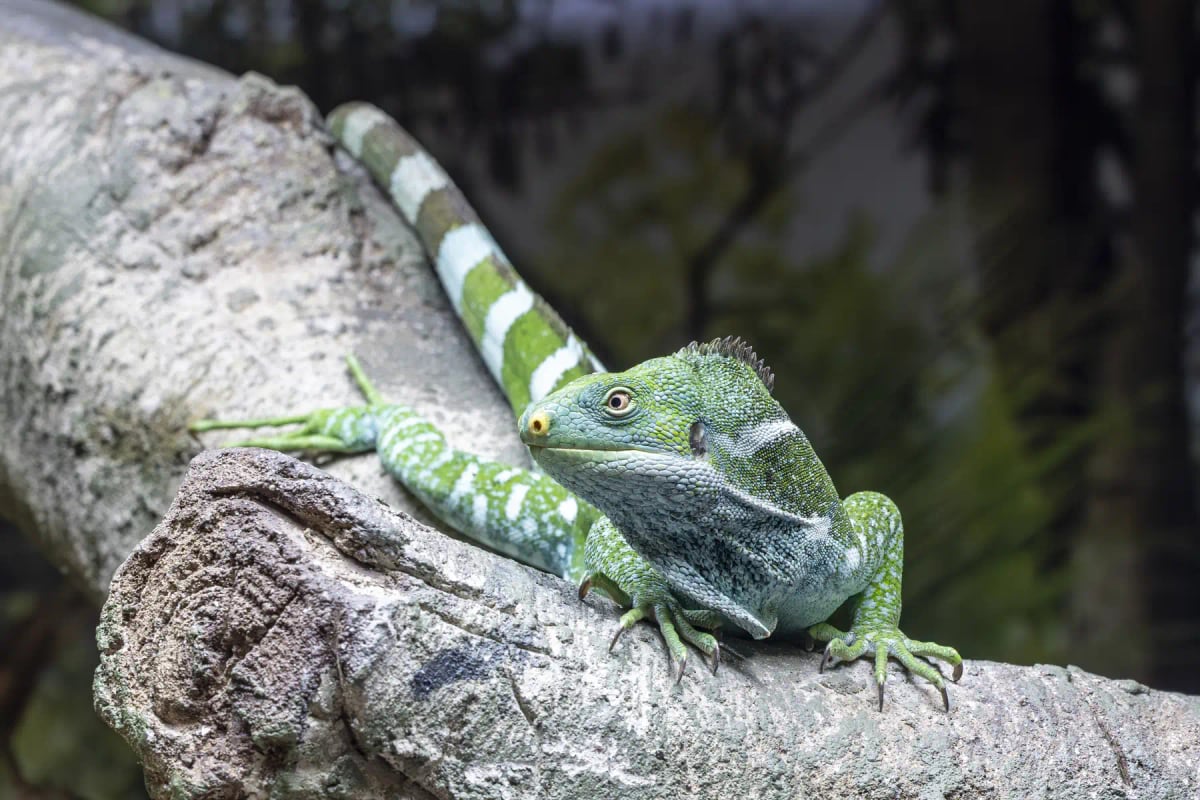
Fiji Crested Iguana
Brachylophus vitiensis
The Fiji crested iguana is an island reptile found only on a small number of Fijian islands. It lives mainly in dry forest and bush near the coast, where it climbs shrubs and trees and spends much of the day resting among leaves. Adults are bright green with a row of raised scales along the back and tail, which gives the species its name. At night it becomes more active and feeds on leaves, flowers and fruits. Loss of dry forest, grazing by livestock and the arrival of invasive predators have reduced many of its populations, so it is now a focus of local conservation work.
View details→Wildlife in Fiji
Fiji is made up of tropical islands with rainforests, small rivers, coastal mangroves and wide coral reefs. On land, the only native land mammals are bats, and they share the forest with iguanas, skinks, geckos and many insects. Coastal flats and mangroves hold crabs, shellfish and wading birds. Around the reefs, reef fish, sea turtles and reef sharks move between coral heads and sandy bottoms, while deeper water is used by larger sharks, dolphins and whales. Nature based tourism often focuses on snorkelling, diving and boat trips, where much of this wildlife can be seen with relatively low impact.
Most Dangerous Animals in Fiji
In Fiji, most dangerous animals are linked to wild land areas and the sea. In forest and rural zones, wild boars can cause serious injury if they are cornered or surprised at close range. In coastal waters, sea snakes with strong venom sometimes rest among coral or rocks and should never be handled. Around reefs and deeper channels, sharks such as tiger, bull, reef and great white sharks, together with occasional orcas, are the main top predators. Serious incidents are uncommon, but staying with guides, avoiding swimming in murky water or near bait and keeping distance from wildlife are important steps to reduce risk.
Top 10 Animals in Fiji
Among the animals that most people associate with Fiji, one of the most striking is the great white shark. This large predator uses offshore waters and cooler currents and is known from records and occasional reports in the wider region. Its powerful build, size and feeding habits place it at the top of the marine food chain. Although direct encounters are rare, its presence helps show that the seas around Fiji include not only shallow reefs and small coastal species but also large ocean predators that move over long distances.
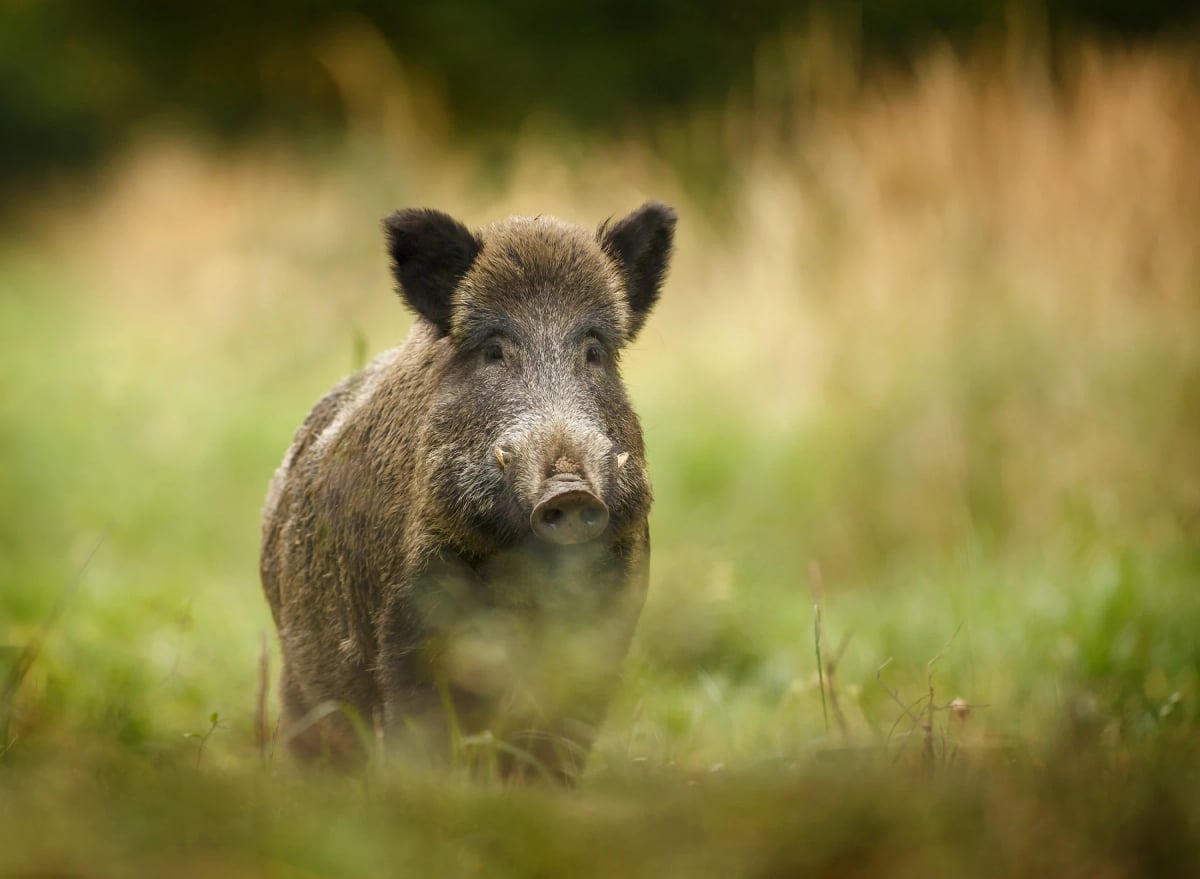
Wild Boar
Sus scrofa
Feral pigs in Fiji descend from animals brought by early Pacific settlers and later European colonizers, and now live in forested hills across several islands. Pigs hold deep cultural importance in Fiji, traditionally raised and exchanged for ceremonies and feasts, and wild populations are hunted for food in many rural communities. Their rooting can damage native forest understory and nearby subsistence gardens.
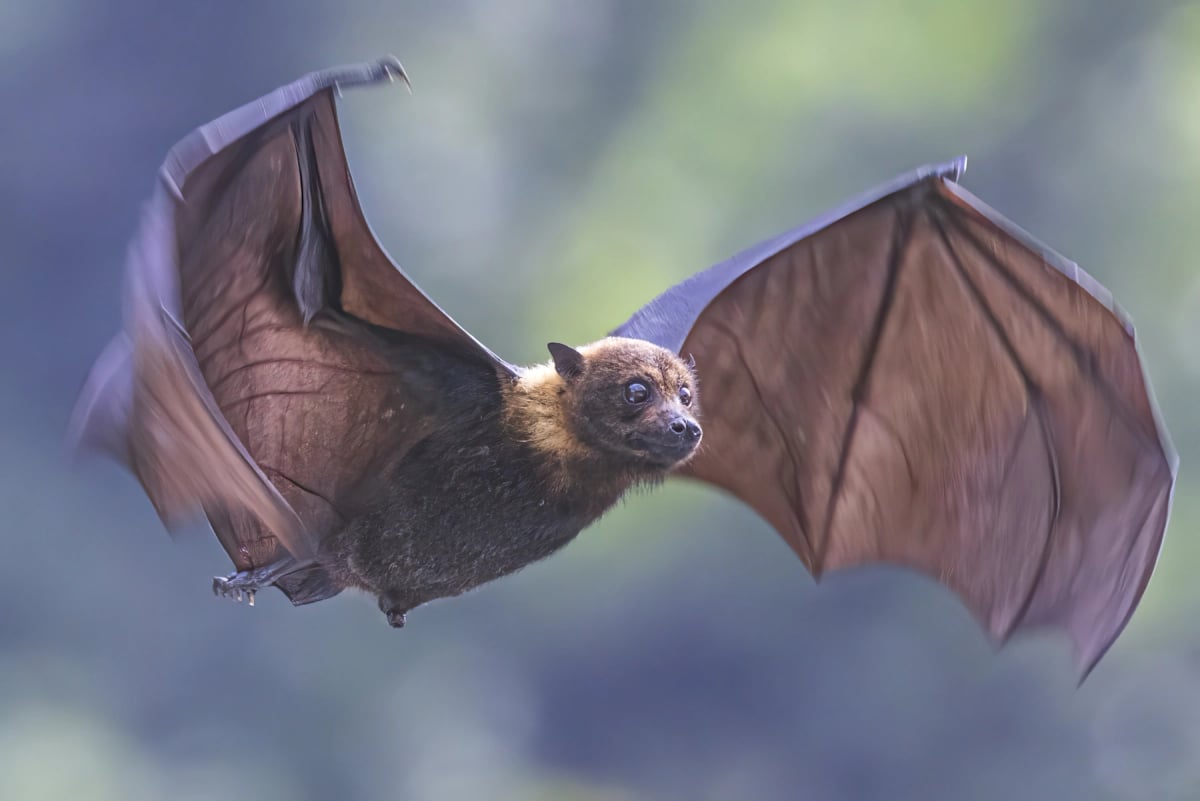
Fruit Bat
Pteropodidae
Fiji's fruit bats, particularly the Fijian flying fox, are found across the archipelago's forested islands. They roost in groups in mature trees and travel each night to feed on native fruit and flowers. On small island ecosystems like Fiji's, their role in pollination and seed dispersal is especially important, as forests depend heavily on these bats to regenerate. Habitat clearance for agriculture remains the main threat to local populations.

Iguana
Iguana iguana
The green iguana arrived in Fiji around 2000, making it one of the few established invasive populations outside the Caribbean and North America. It has spread through the coastal and lowland vegetation of several islands and poses a threat to native plants and ground nesting birds. Fiji has implemented management efforts to control the population, but eradication of the species has proved impossible once a breeding population becomes established.
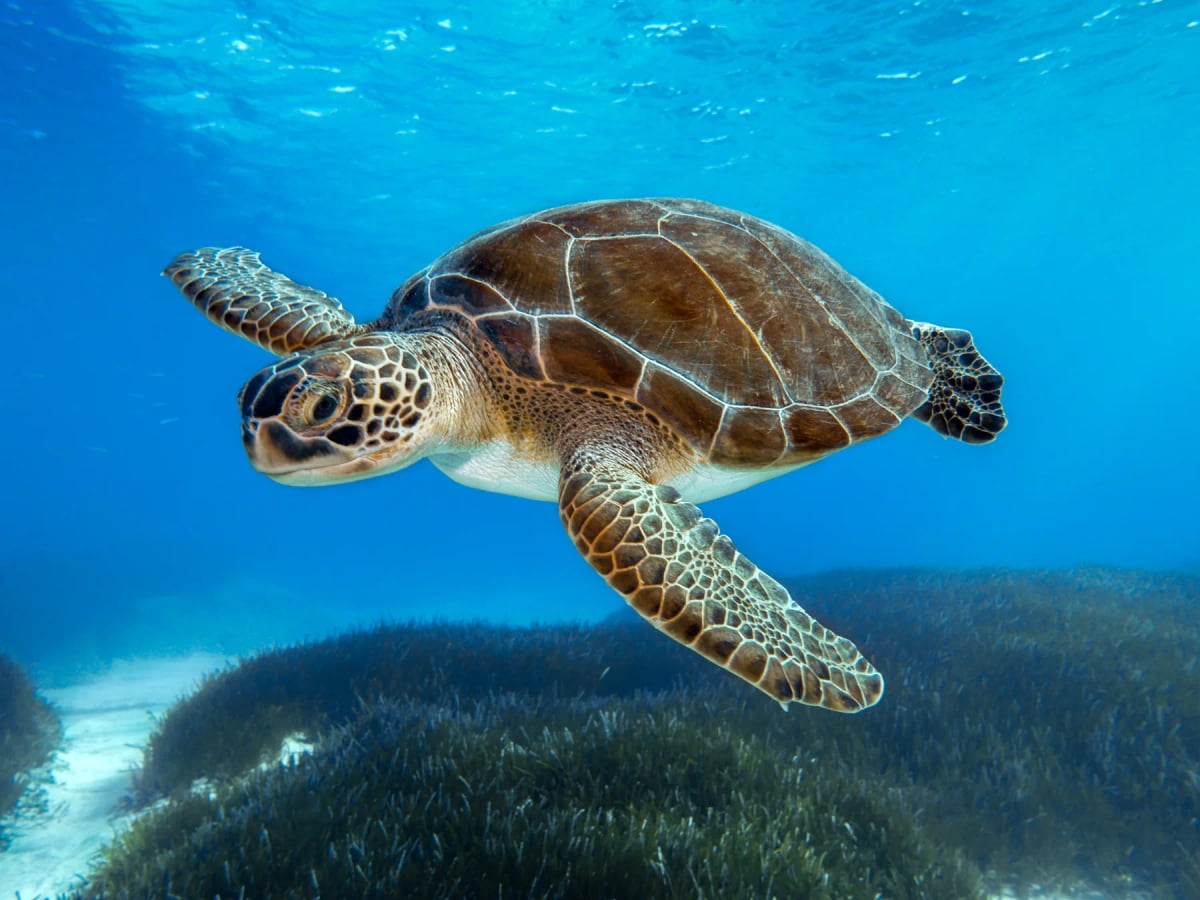
Sea Turtle
Cheloniidae & Dermochelyidae (families)
Fiji's tropical waters and coral reefs provide important habitat for green and hawksbill sea turtles. Green turtles forage in the seagrass beds around the main islands, while hawksbills are found on coral reef ecosystems. Nesting takes place on beaches across the archipelago, including on outer islands with lower human disturbance. Community conservation programs across Fiji work to protect nesting beaches and raise awareness about the cultural and ecological importance of sea turtles.
Fiji Crested Iguana
Brachylophus vitiensis
The Fiji crested iguana is one of the rarest reptiles on Earth, found only in the dry forests of a few remote islands across Fiji. Monuriki Island holds one of its best-known populations. Vivid green with pale white bands, males darken when threatened. Feral cats, rats, and goats have pushed numbers dangerously low. Captive breeding programs across Fiji are working hard to protect this critically endangered species.
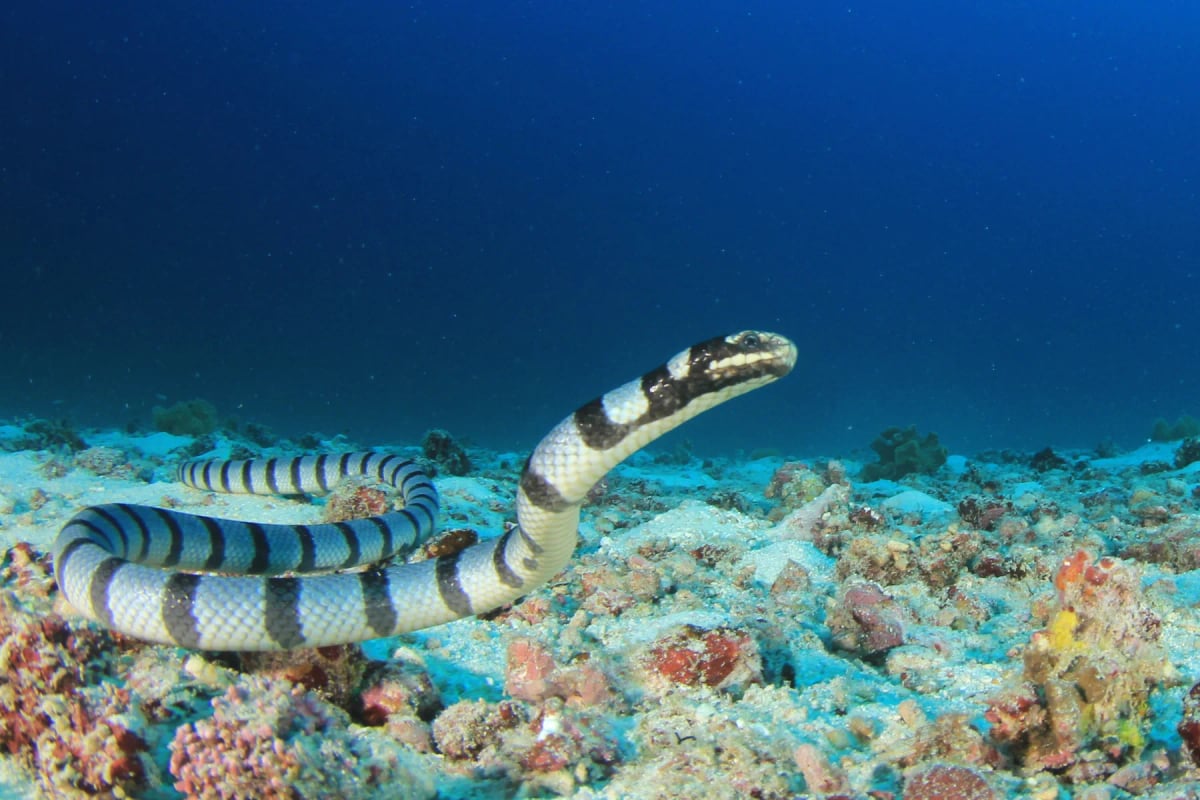
Sea Snake
Hydrophiinae / Laticauda spp.
Fiji's extensive coral reef systems and warm tropical lagoons make it excellent habitat for sea snakes, particularly sea kraits of the genus Laticauda. These snakes return to land to lay their eggs on rocky islets and shorelines throughout the archipelago. They are skilled hunters of fish and eels in reef channels. They are generally shy around people and bites are extremely uncommon. IUCN status: Data Deficient.
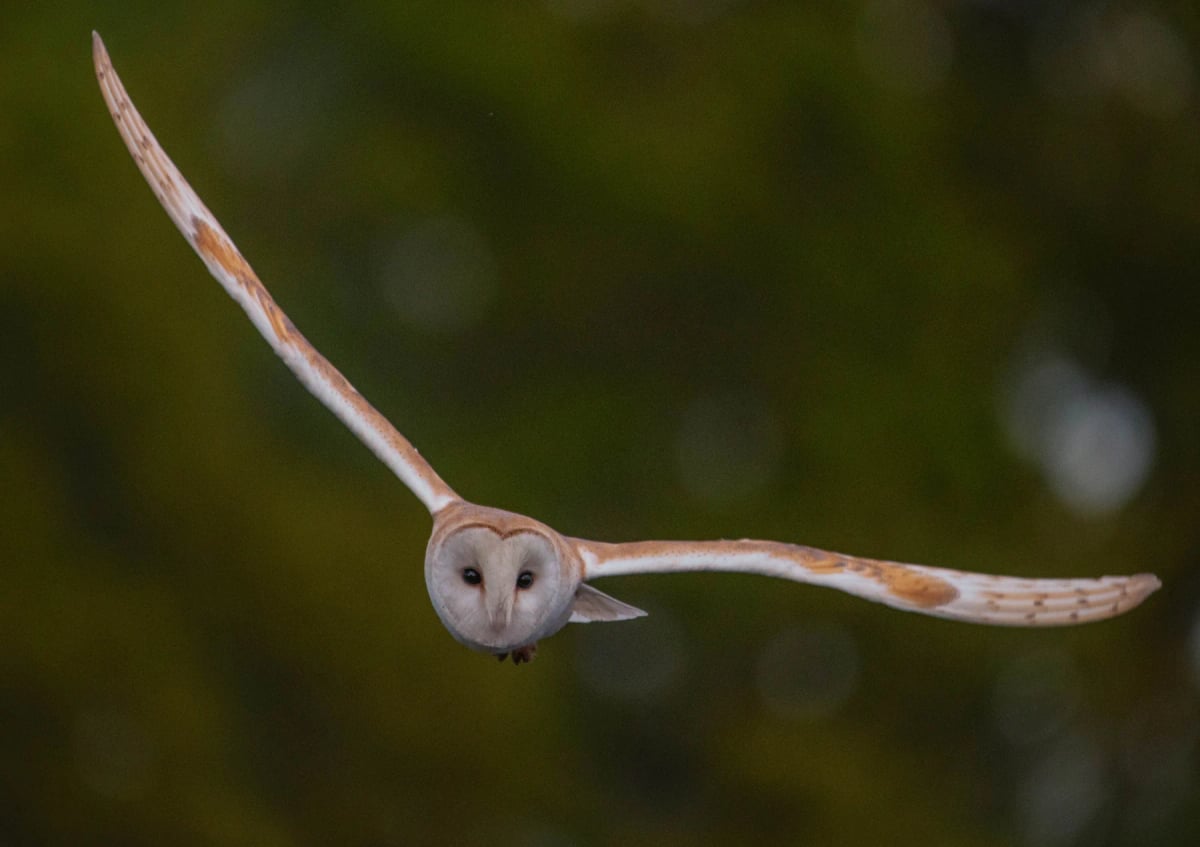
Barn Owl
Tyto alba
The barn owl is found across the main islands of Fiji in open farmland, grassland, and the outskirts of villages and towns. It nests in old buildings, hollow trees, and cliff faces, and hunts rodents and other small prey at night. In Fiji's agricultural areas it provides useful natural control of rat populations that damage sugarcane and other crops. It is one of the more commonly encountered owls in the islands and is present across a range of lowland and foothill habitats.
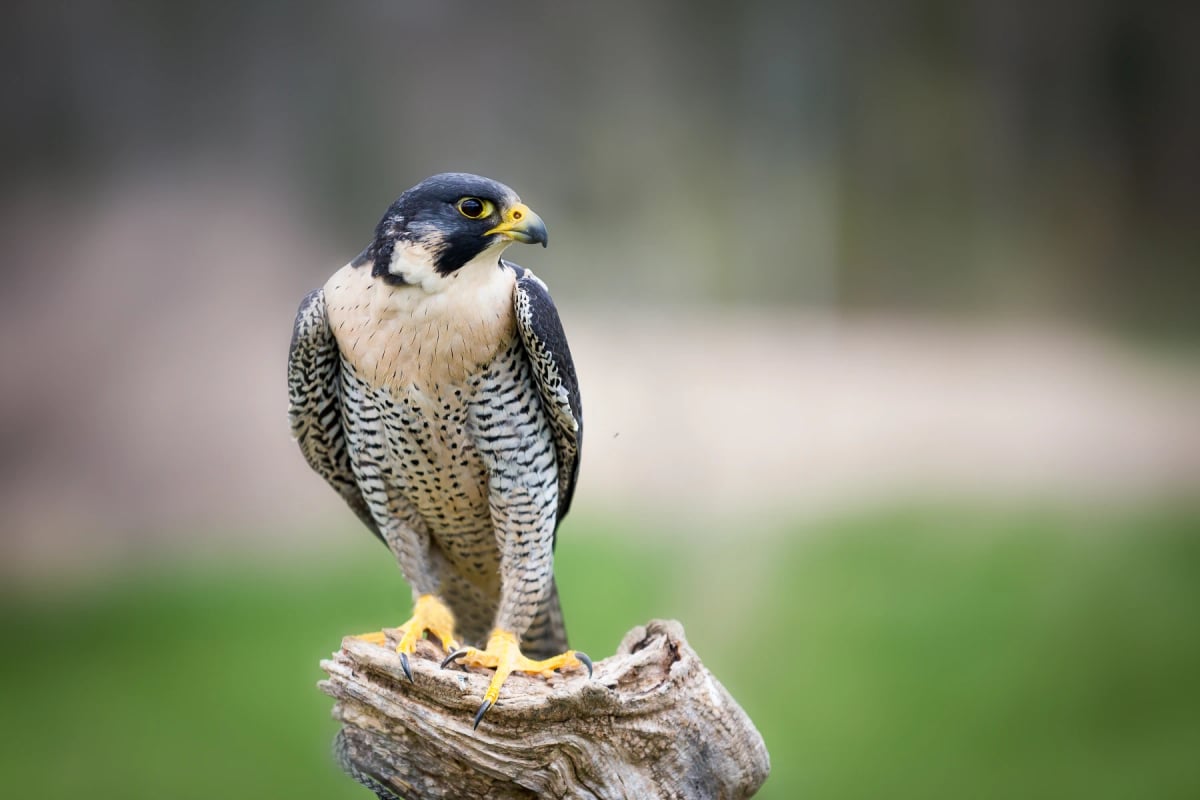
Peregrine Falcon
Falco peregrinus
The peregrine falcon visits Fiji as a migratory passage bird, occasionally observed along the coastlines and open skies of the main islands. It does not breed in Fiji but takes advantage of the island's seabirds and shorebirds as prey during its travels across the Pacific. Birdwatchers on Viti Levu and Vanua Levu report sightings during the austral summer months. Its IUCN status is Least Concern.
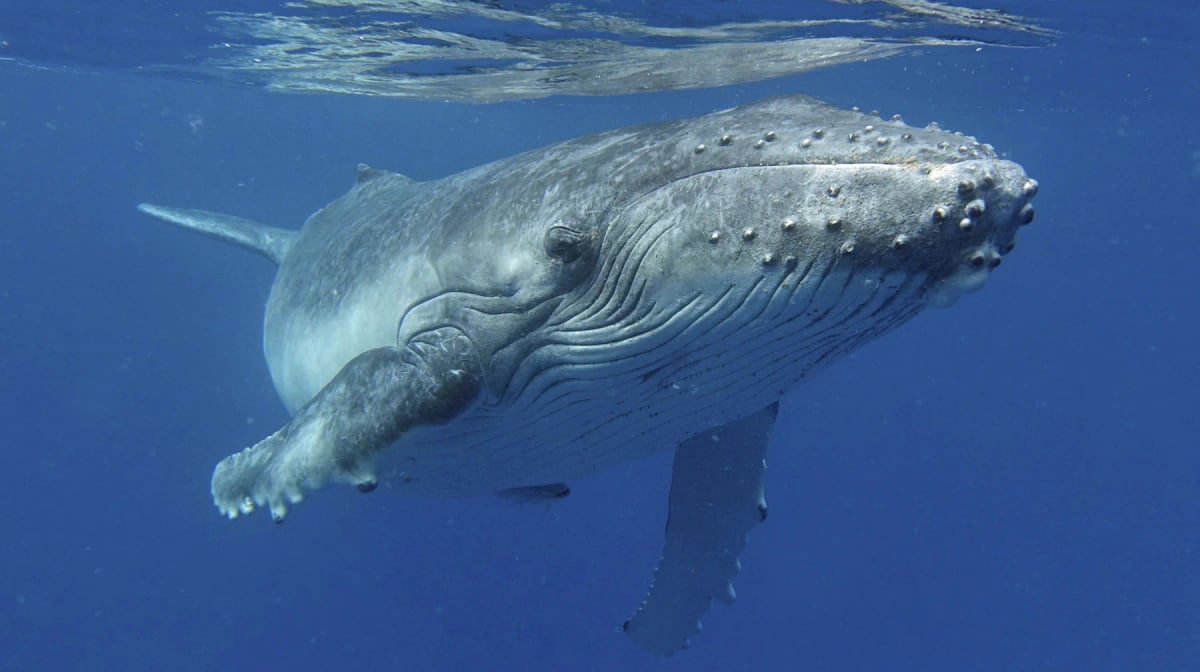
Humpback Whale
Megaptera novaeangliae
Humpback whales pass through Fijian waters between July and October, using the warm South Pacific as a breeding ground after feeding in Antarctic seas. Their spectacular breaching and the complex songs of males make them a prized sight for whale watchers in the region. These animals can reach 16 metres in length and weigh up to 40 tonnes. The IUCN considers the species to be of Least Concern globally.
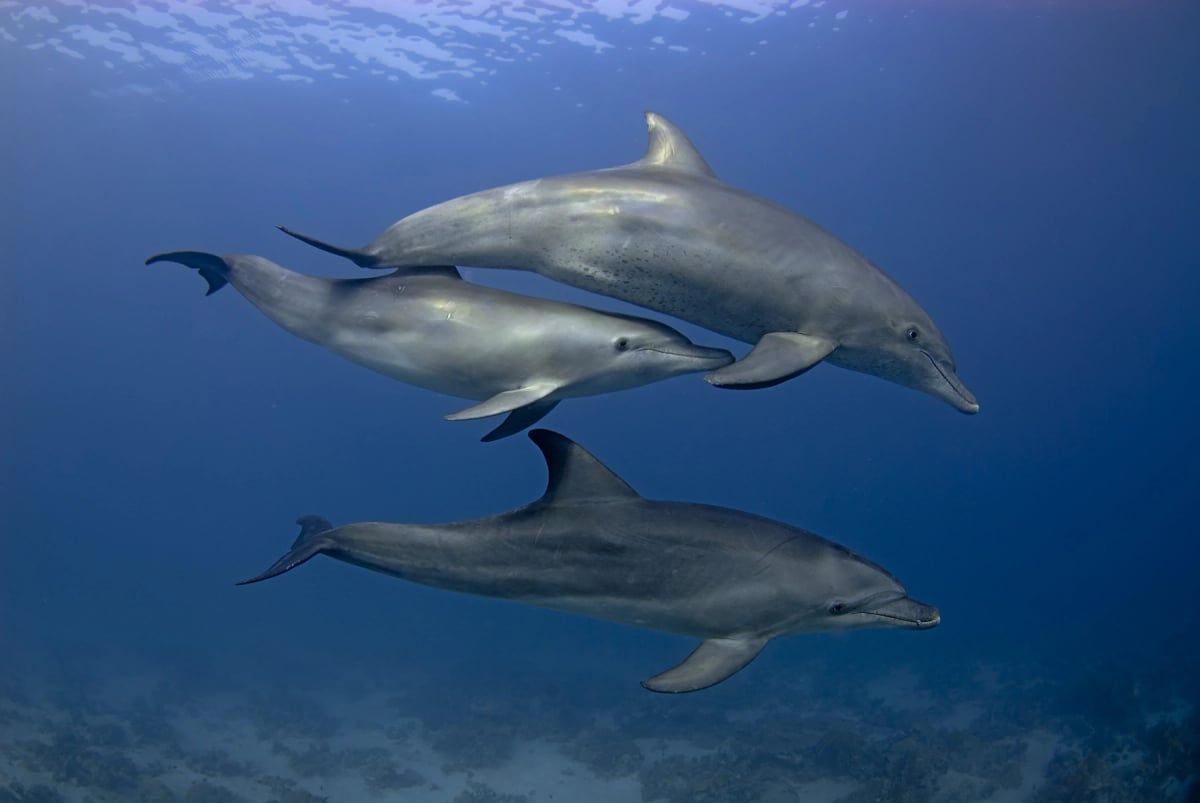
Bottlenose Dolphin
Tursiops truncatus
Bottlenose dolphins are a familiar presence in the warm tropical waters of Fiji, frequenting coastal lagoons, reef passages, and the open ocean between the archipelago's many islands. They are regularly encountered by snorkelers, divers, and boat operators. Pods sometimes travel through the passages of the Koro Sea and along the Coral Coast of Viti Levu. Ecotourism centered on dolphin watching has grown in recent years. The IUCN lists the species as Least Concern.
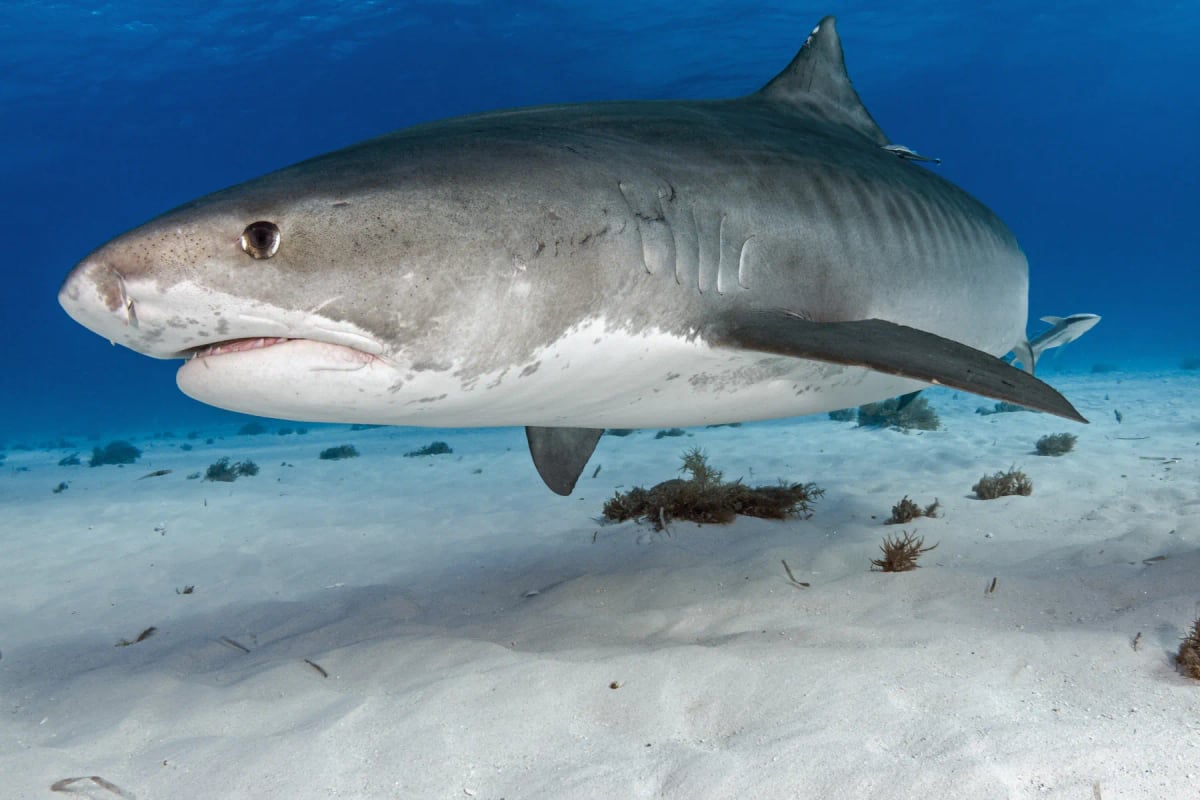
Tiger Shark
Galeocerdo cuvier
Tiger sharks inhabit the warm Pacific waters surrounding Fiji's more than 300 islands, where coral reefs and open ocean zones offer a wide range of prey. They are occasionally sighted near reef drop-offs and in passages between islands. Fiji has developed shark diving as a tourism activity, and there is growing local awareness around shark conservation. The IUCN lists the tiger shark as Near Threatened globally.
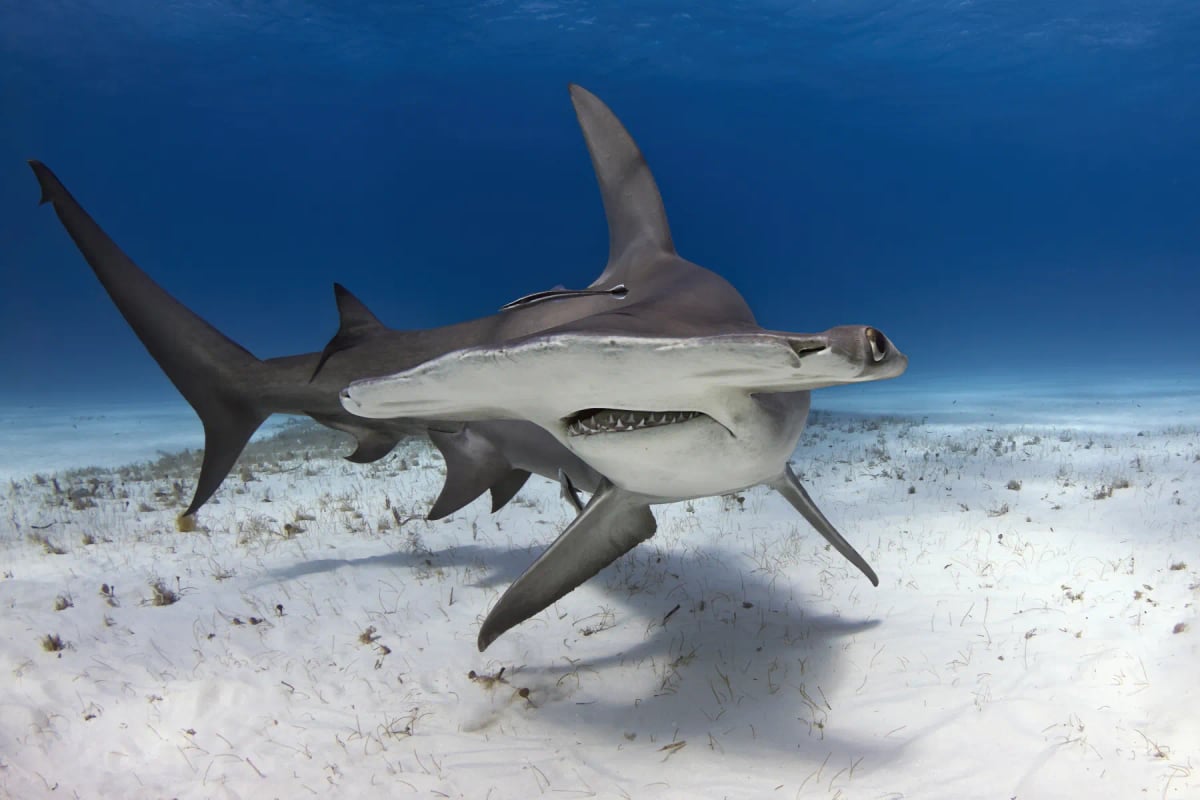
Hammerhead Shark
Sphyrna spp.
Fiji's warm, clear Pacific waters are among the most celebrated shark habitats in the world. Hammerhead Sharks frequent the deeper reefs and open waters around the Fijian archipelago, where they hunt fish and rays. Fiji has developed strong shark conservation policies, including a national shark sanctuary declared in 2014, offering these Critically Endangered animals meaningful protection.
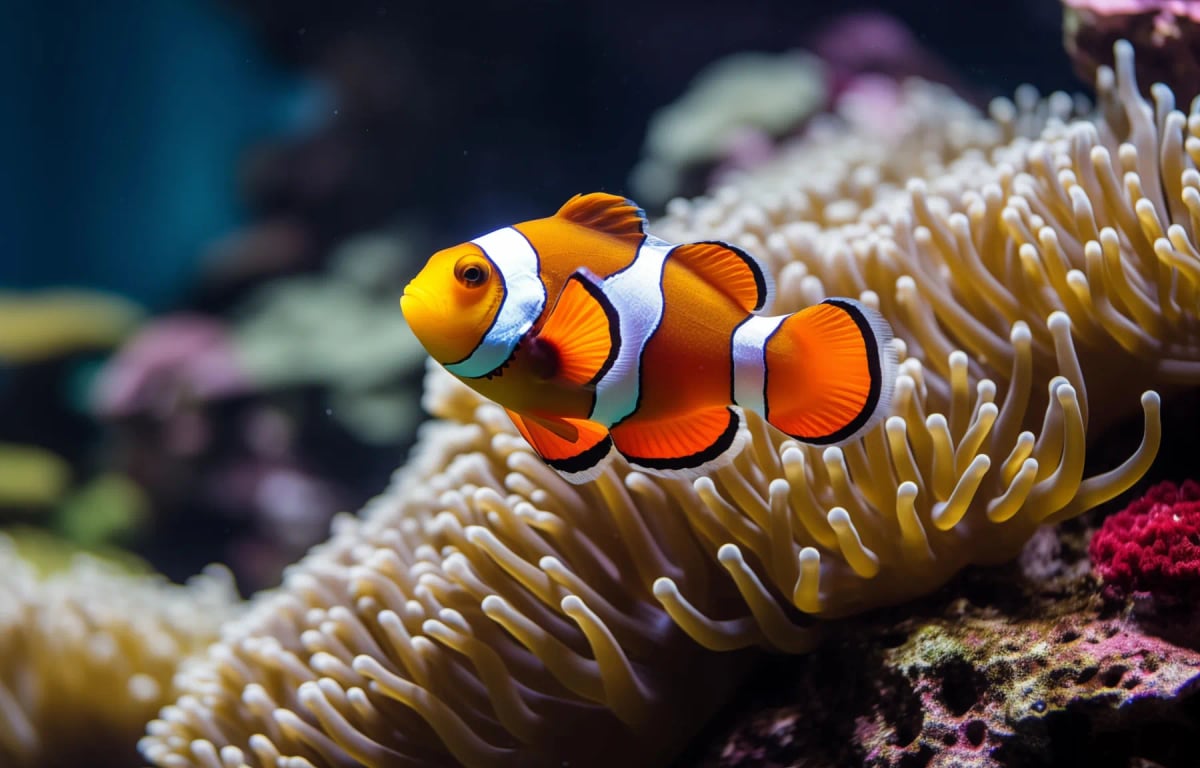
Clownfish
Amphiprioninae (over 30 species)
Fiji's warm Pacific waters and extensive reef systems, including those within the Great Sea Reef, provide a welcoming habitat for clownfish. Tucked into sea anemones on coral slopes and in sheltered lagoons, these fish are a delight for snorkelers and divers across the islands. Fiji has made notable strides in community-led marine conservation, with locally managed marine areas helping to preserve the reef ecosystems that clownfish and countless other species call home.
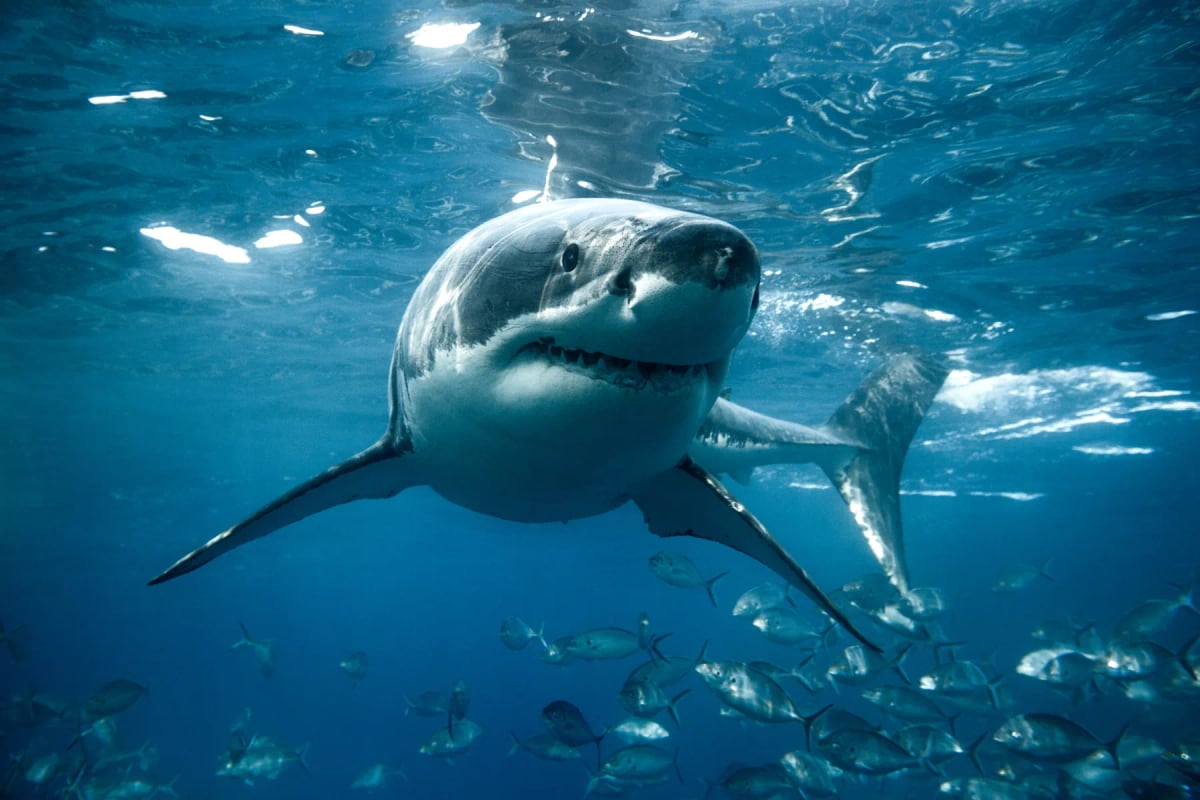
Great White Shark
Carcharodon carcharias
Great white sharks have been recorded in the waters around Fiji, situated in the South Pacific Ocean. While the tropical warmth of Fijian waters is not the preferred habitat of great whites, the species does move through the region, particularly in deeper offshore areas. Fiji has developed a reputation as a destination for shark diving and has taken steps to protect shark species within its exclusive economic zone, which benefits wide-ranging Vulnerable species like the great white.
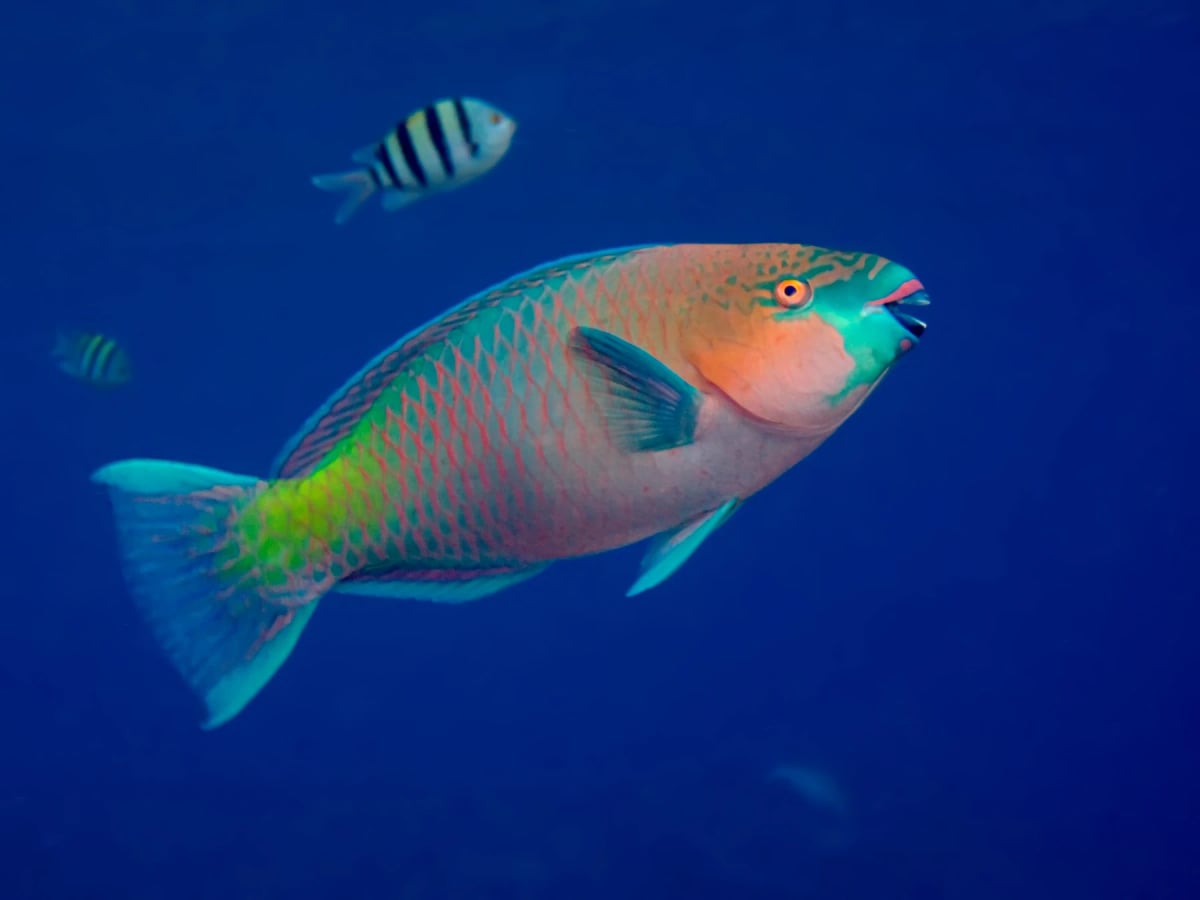
Parrotfish
Scaridae
Fiji's fringing reefs and sheltered lagoons are home to several species of parrotfish, which play a quiet but essential role in reef health. They graze steadily through the day, scraping algae from coral surfaces and grinding the material into fine sand. This sand builds up in the lagoons and on the beaches that Fiji is known for. At night, parrotfish retreat to reef crevices and produce a transparent mucus cocoon around their bodies.
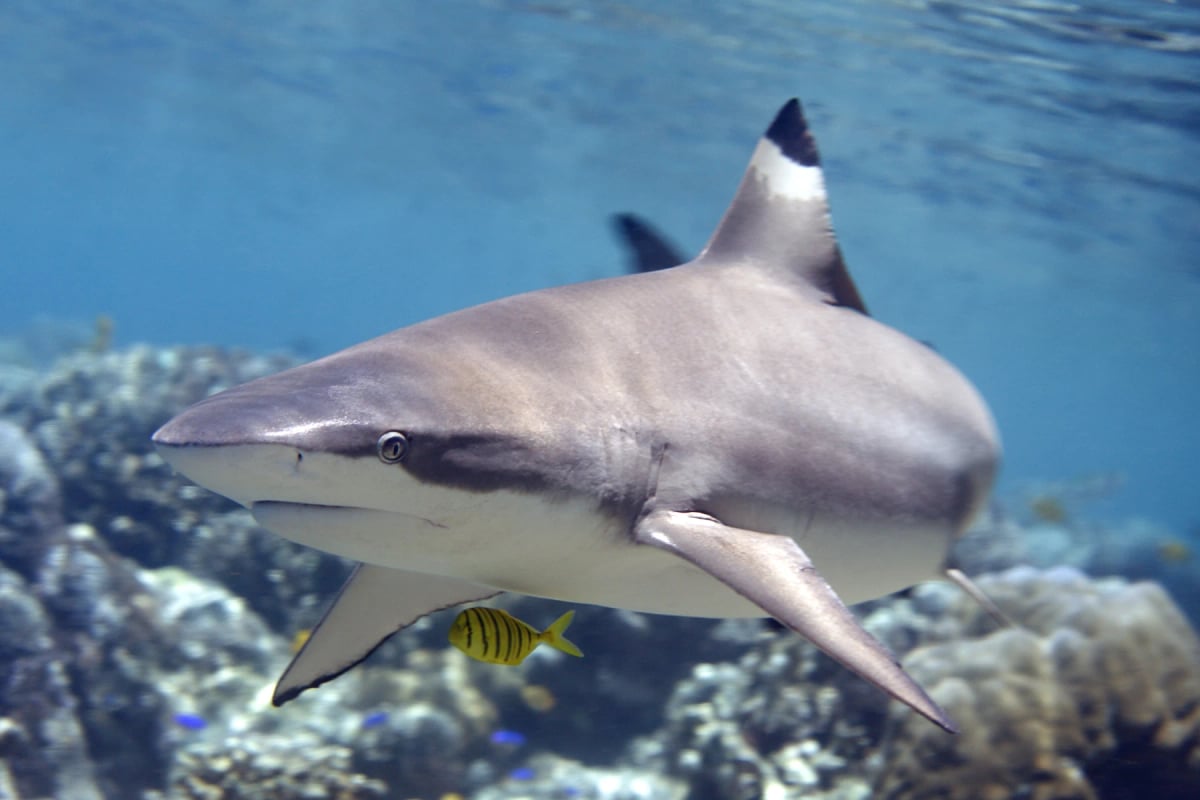
Reef Shark
Carcharhinus spp.
Fiji's warm, reef-rich waters in the South Pacific are home to both whitetip and blacktip reef sharks, which are commonly seen along the outer edges of coral reefs and in shallow lagoons. Shark diving is a significant part of Fiji's tourism industry, and local communities have a direct economic interest in protecting these animals. Some reef areas in Fiji are managed by villages under traditional marine tenure systems.
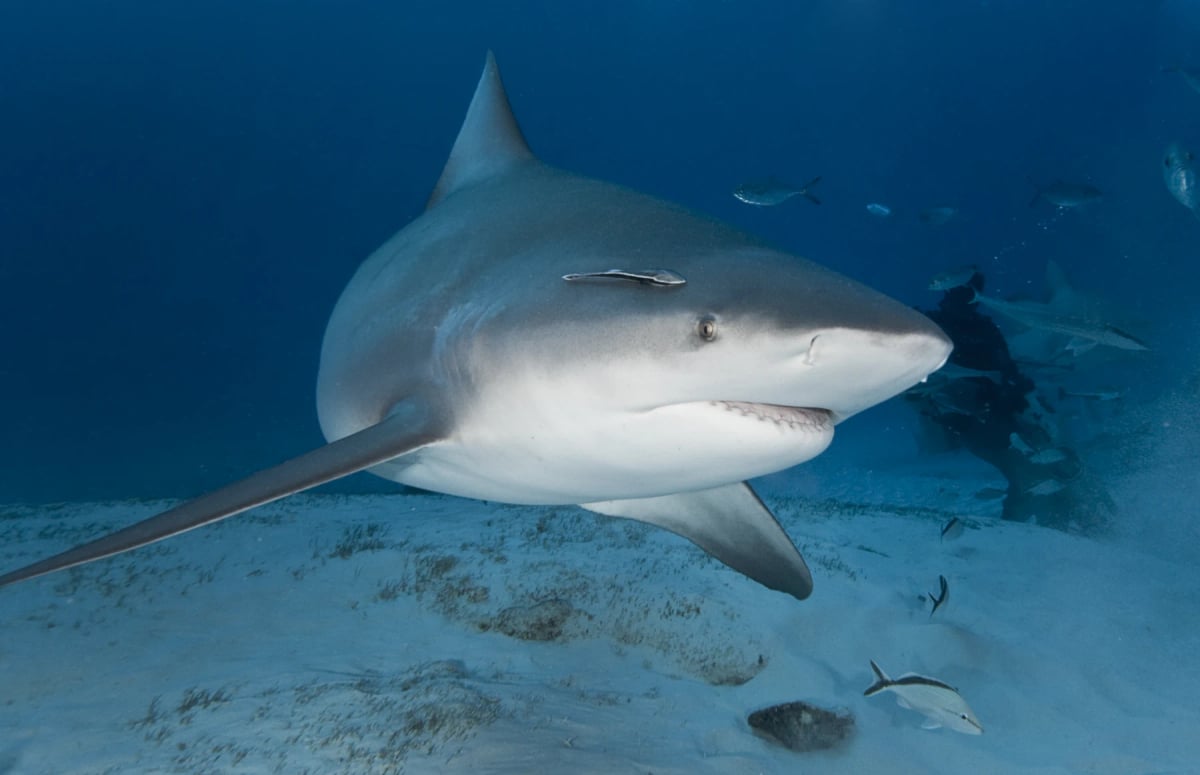
Bull Shark
Carcharhinus leucas
Bull sharks are a well-known presence in Fijian waters, particularly around the Beqa Lagoon, where they have become central to a thriving shark diving industry. This ecotourism activity has given local communities a strong economic incentive to protect them. Bull sharks here inhabit reef edges and shallow coastal zones across the archipelago. The species is listed as Near Threatened by the IUCN, and Fiji has taken steps to protect sharks in its waters.
Researched and written by Juan Pablo. Sources: IUCN Red List, scientific literature and regional field guides. Last updated: .