Animals in Congo
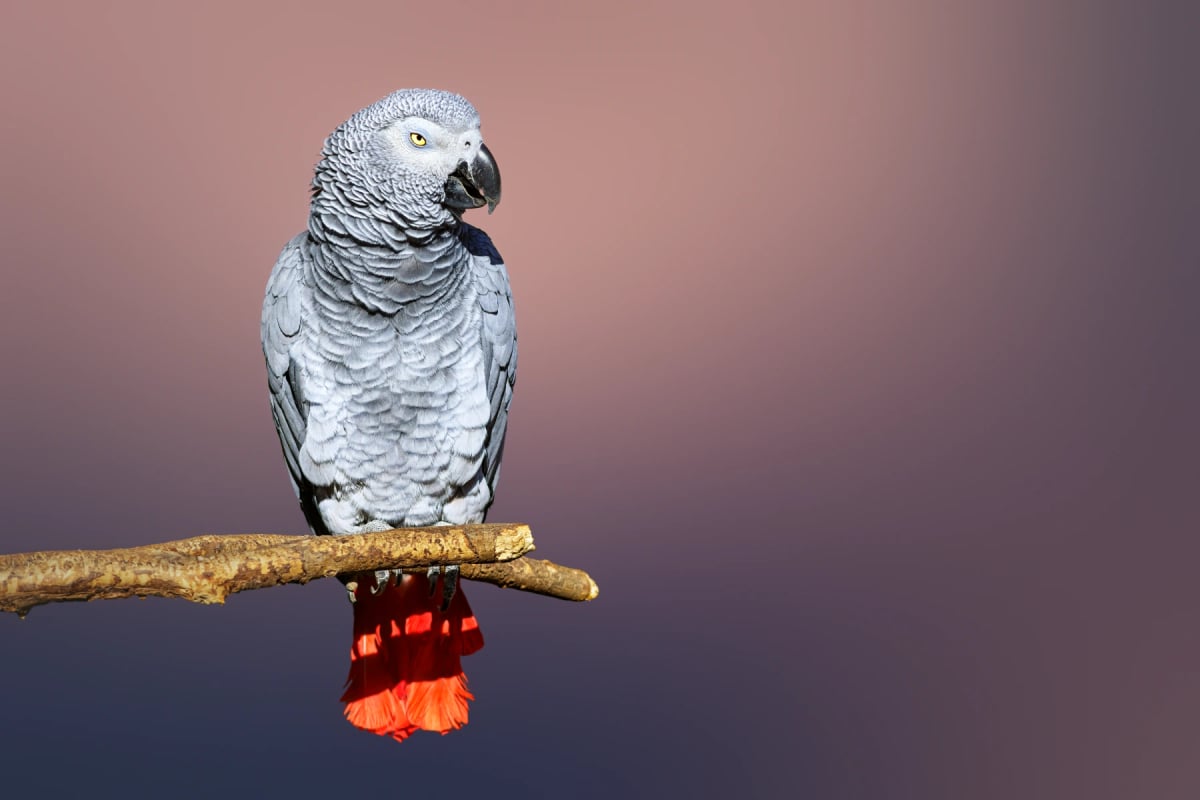
African Grey Parrot
Psittacus erithacus
The African grey parrot, national animal of Congo, is celebrated for its intelligence and mimicry. Native to the country’s forests, it symbolizes communication and natural wealth. Conservation efforts now focus on protecting it from illegal wildlife trade.
View details→Wildlife in Congo
Congo’s wildlife thrives in dense rainforests, winding rivers and a stretch of Atlantic coastline. Elephants, gorillas, crocodiles and dolphins coexist in habitats that link Central Africa’s tropical forests with the marine life of the Gulf of Guinea, attracting researchers and eco-travelers.
Most Dangerous Animals in Congo
Congo hosts potentially dangerous animals such as elephants, leopards, hippos and crocodiles. Encounters in rivers or remote forest zones require awareness and guided observation to ensure safety and harmony with the environment.
Top 10 Animals in Congo
Congo’s emblematic fauna includes elephants, chimpanzees, gorillas, hippos, leopards and crocodiles. These species define the country’s image as a biodiversity stronghold and a key destination for understanding tropical ecosystems.
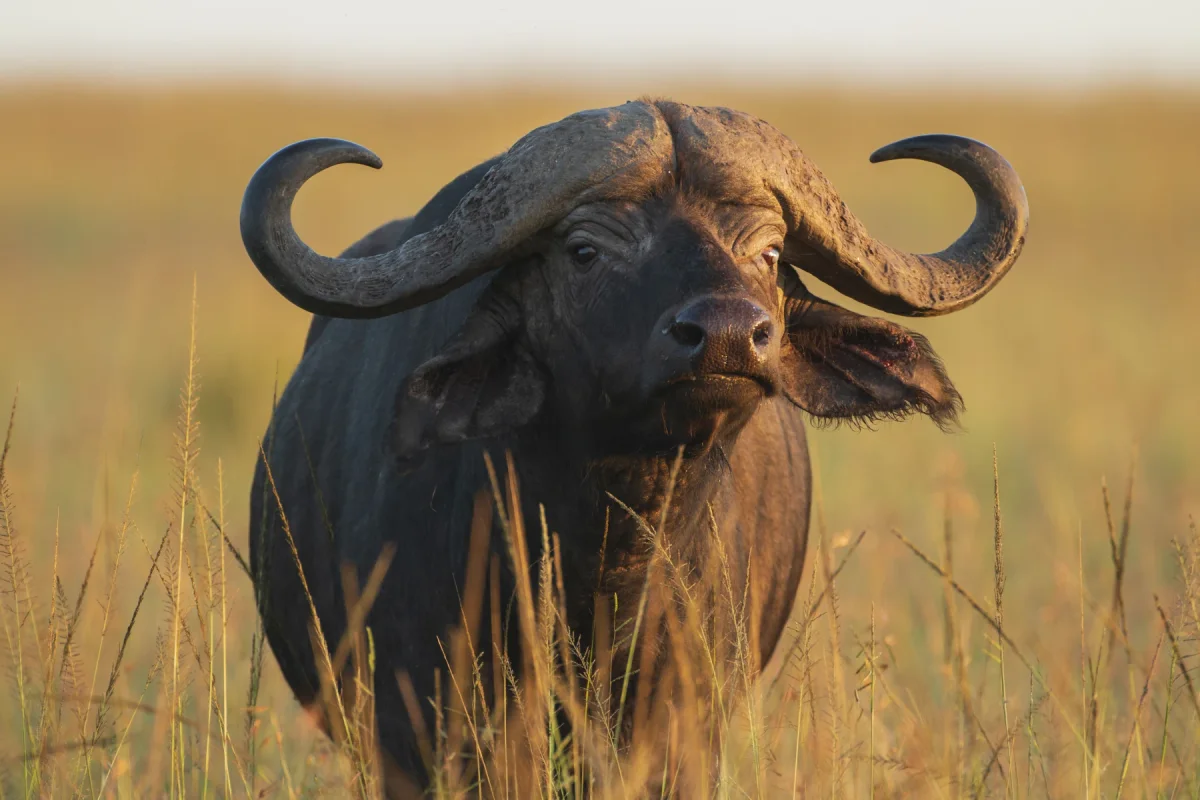
Buffalo
Syncerus caffer
In the Republic of the Congo, the African buffalo is present in both savanna and forest habitats. Forest buffalo inhabit the dense lowland rainforests of the north and center, while savanna populations occur in areas such as Odzala–Kokoua National Park. This park is one of central Africa's most biodiverse protected areas and supports a range of large mammals alongside buffalo. Hunting pressure outside reserves remains a challenge. IUCN status: Least Concern.
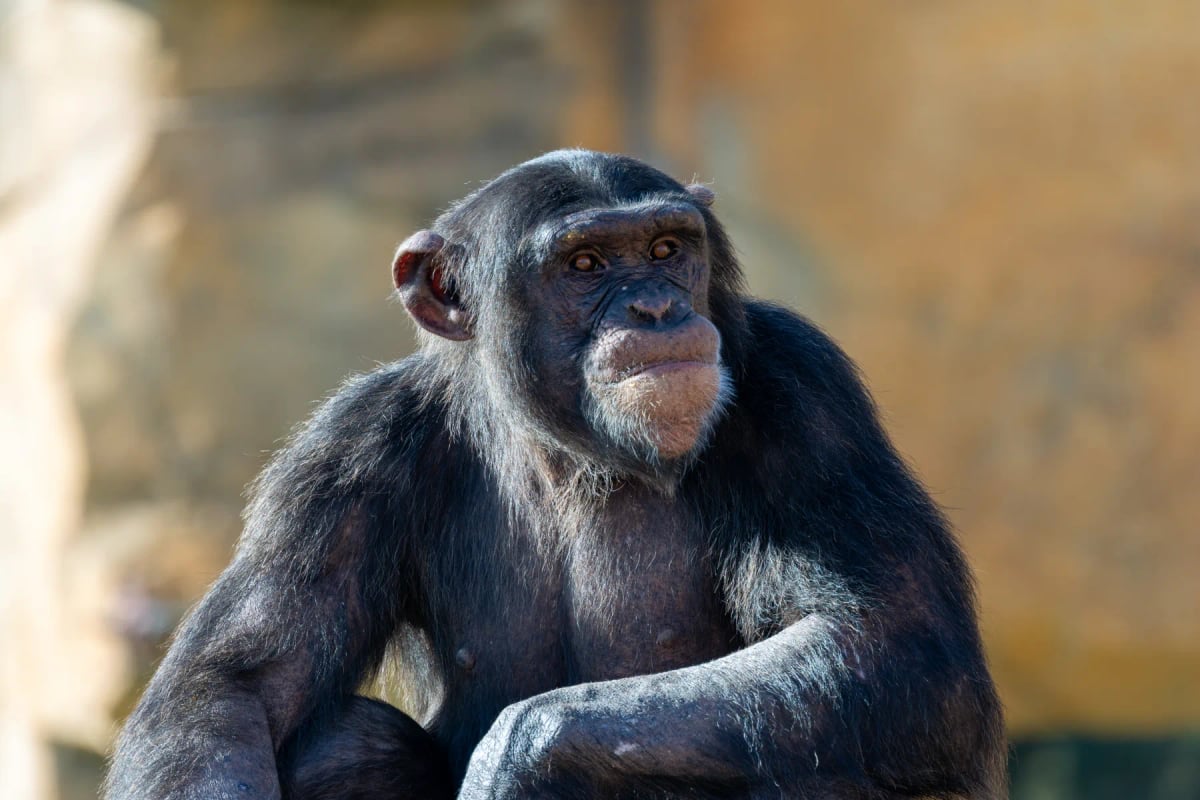
Chimpanzee
Pan troglodytes
The Republic of the Congo contains extensive rainforest habitat across its northern and central regions, supporting healthy chimpanzee populations in areas such as Nouabalé-Ndoki National Park. These forests form a key part of the Congo Basin, the second largest tropical forest on Earth. Conservation partnerships with local communities have helped reduce poaching pressure in several protected areas.
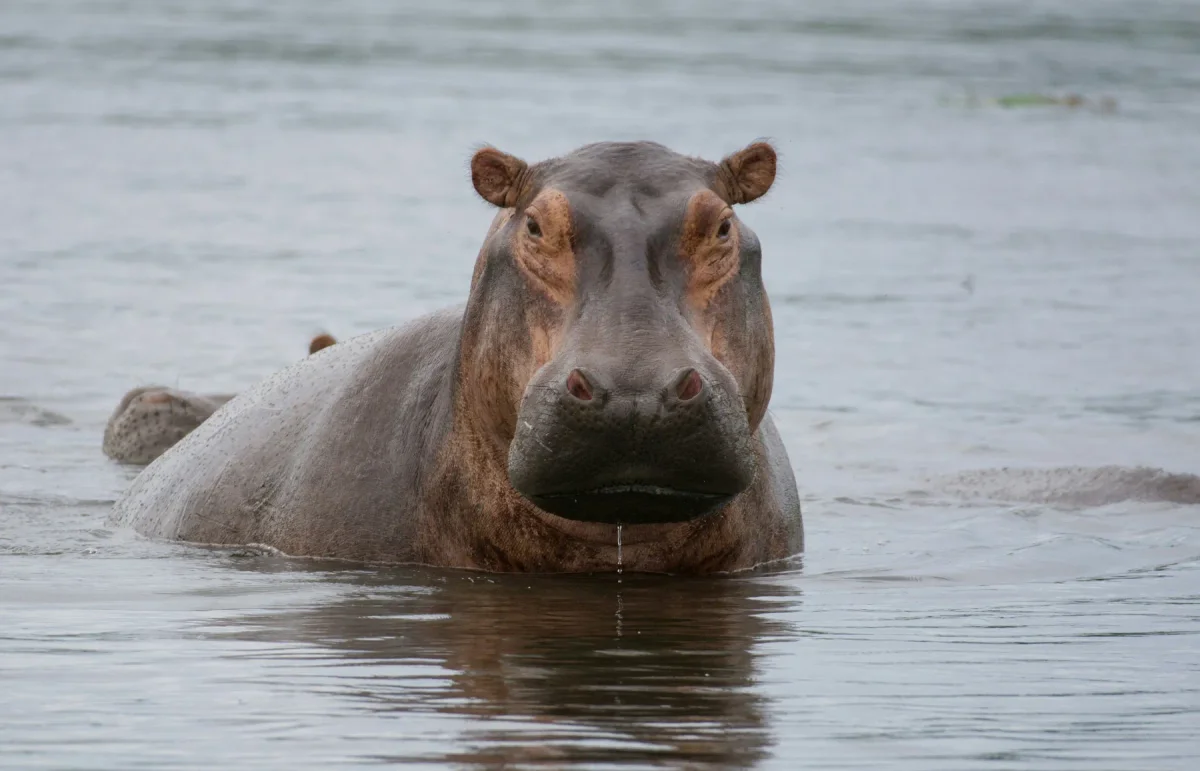
Hippopotamus
Hippopotamus amphibius
In the Republic of the Congo, hippopotamuses inhabit the Congo River and its many tributaries, along with swamp forests and floodplains across the country. The Nouabalé-Ndoki National Park and surrounding areas support wildlife in the north. Dense forest cover and relatively low human population density in parts of the country help preserve riverine habitat. Even so, poaching remains a concern. The IUCN lists the hippopotamus as Vulnerable.
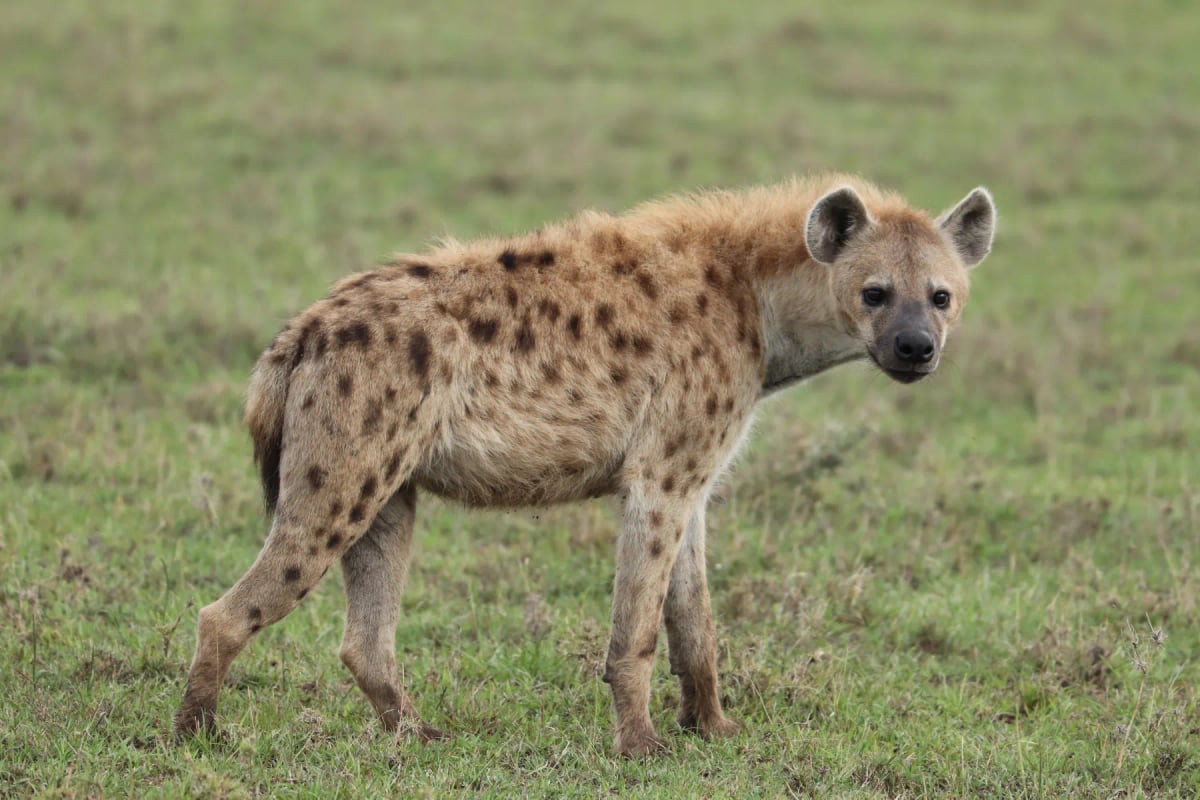
Spotted Hyena
Crocuta crocuta
In the Republic of the Congo, spotted hyenas are largely restricted to the northern and northeastern savanna areas, as the dense tropical rainforest that covers much of the country provides unsuitable habitat for the species. The Odzala-Kokoua National Park region and the grassland patches of the north are the most likely areas where hyenas are present. Their overall numbers in this country are believed to be relatively low compared to East or southern Africa.
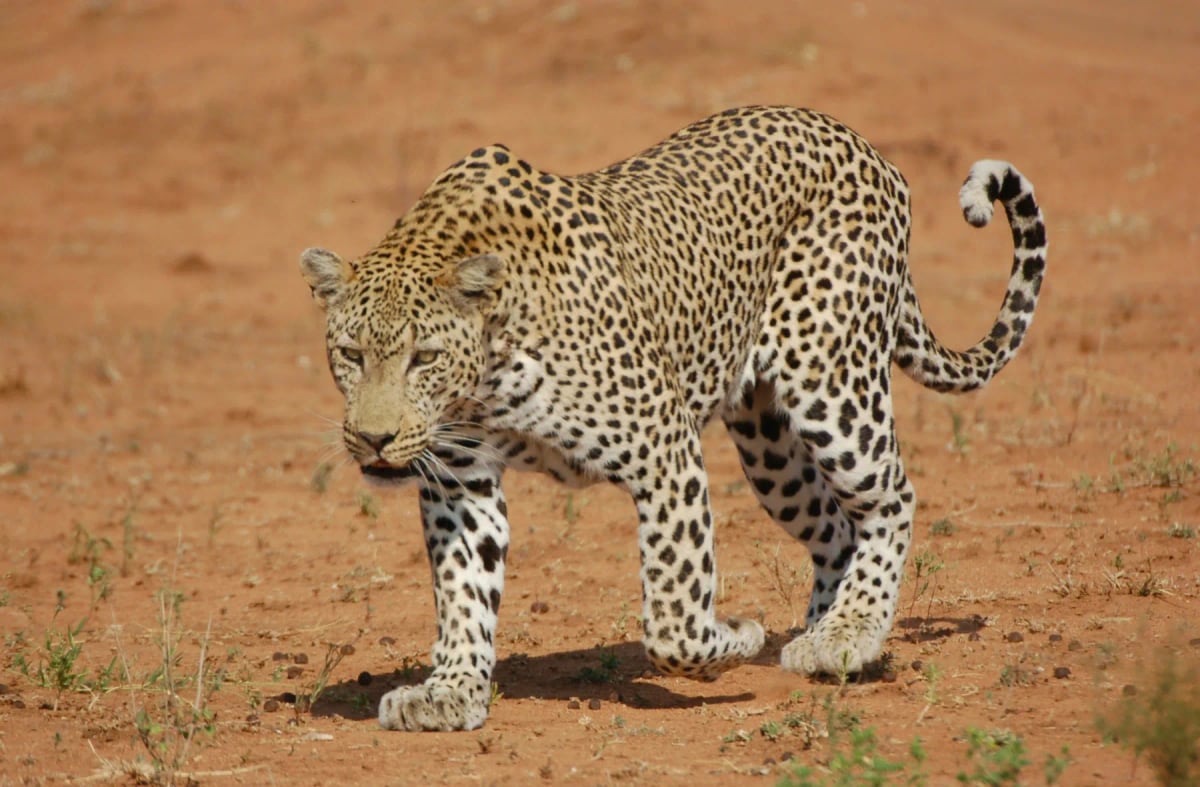
Leopard
Panthera pardus
Leopards are present in the Republic of Congo, particularly within the Congo Basin rainforest, one of the largest tropical forests on Earth. They are secretive and rarely observed, moving through dense vegetation with ease. The Nouabalé-Ndoki National Park offers some of the most intact habitat for leopards in Central Africa. Bushmeat hunting and deforestation remain ongoing threats. The species is listed as Vulnerable on the IUCN Red List.
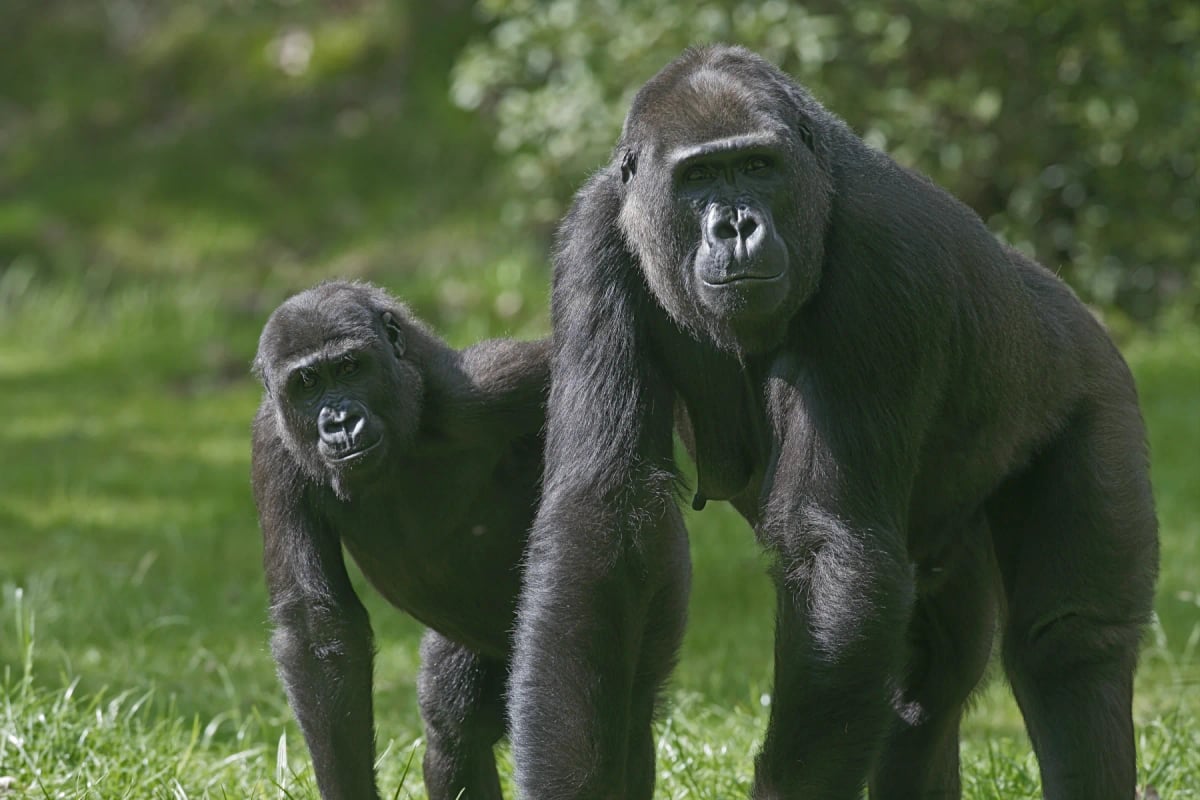
Western Lowland Gorilla
Gorilla gorilla gorilla
The Republic of Congo is home to one of the largest remaining populations of western lowland gorillas, spread across its vast northern rainforests. The Nouabalé-Ndoki National Park and the Odzala-Kokoua National Park are vital strongholds. Ebola has caused devastating losses in some areas. Conservation partnerships between the government and international organizations have helped stabilize populations in several protected zones.
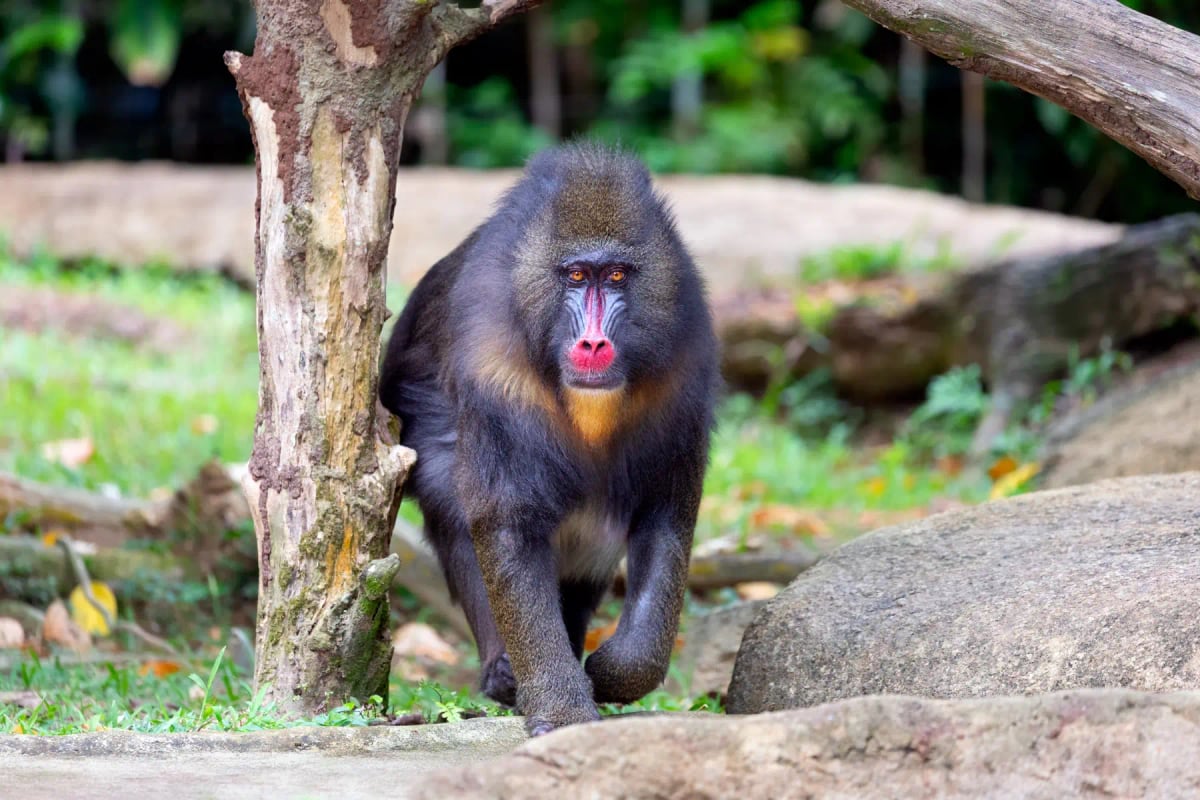
Mandrill
Mandrillus sphinx
In the Republic of Congo, mandrills inhabit the tropical rainforests of the north and west of the country, where the forest canopy provides cover for their large social groups. These primates, the biggest monkeys in the world, forage across the forest floor and communicate through calls, facial expressions, and scent. Deforestation and bushmeat hunting put pressure on local populations. The IUCN considers the species Vulnerable.
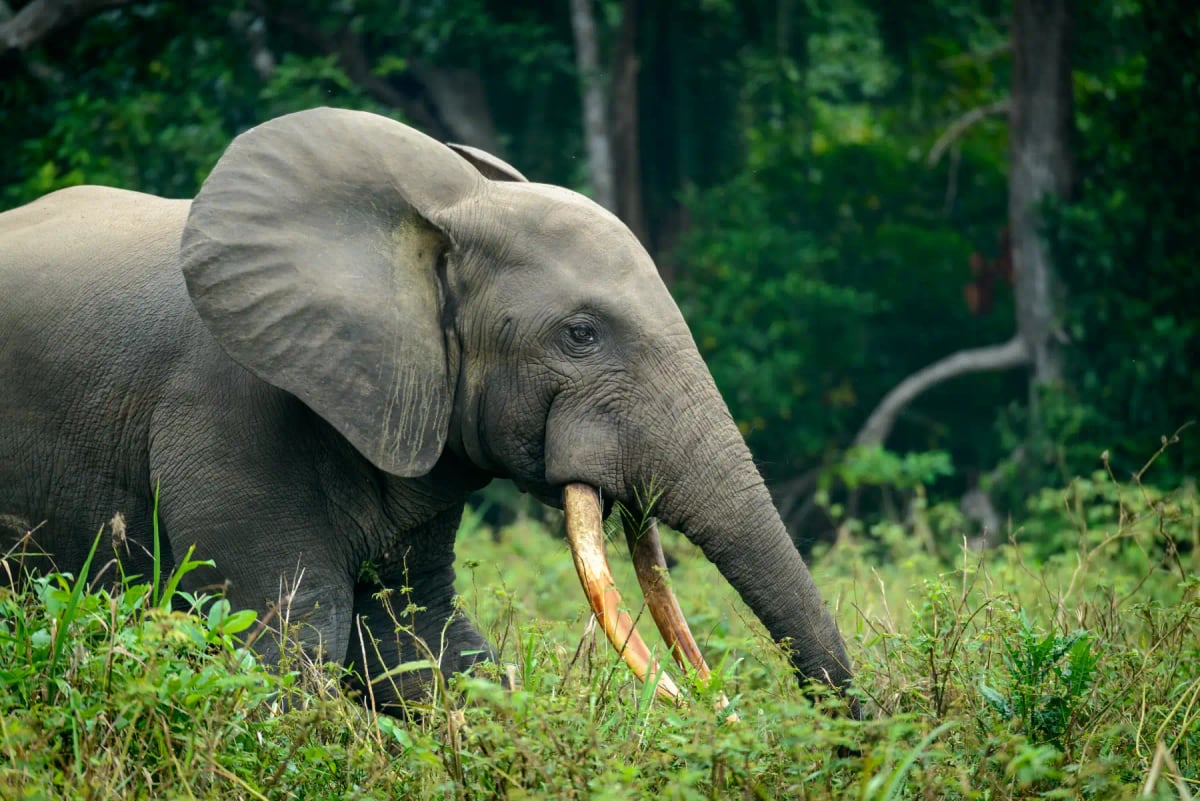
African Forest Elephant
Loxodonta cyclotis
The Republic of the Congo holds a substantial population of African forest elephants, particularly in the Nouabalé-Ndoki National Park in the north and the Odzala-Kokoua National Park in the northwest. These protected areas contain some of the least disturbed rainforest in Central Africa and support large herds that gather at forest bais to consume soil rich in minerals. Congo's forests are among the most important refuges for the species, and active conservation programs operate across the country's protected areas.
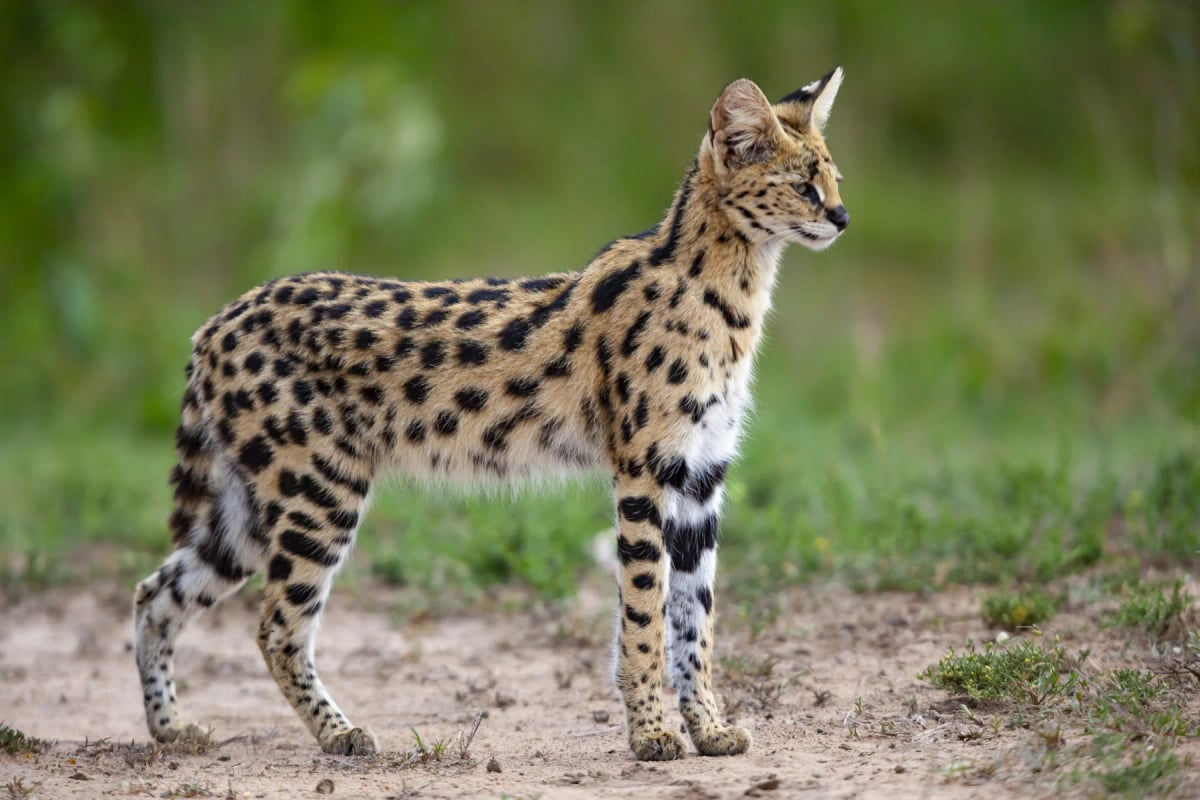
Serval
Leptailurus serval
In the Republic of the Congo, the serval is associated with the savanna corridors and grassland patches in the south of the country, particularly around the Batéké Plateau. It avoids the dense equatorial rainforest that covers much of the north. A solitary and territorial animal, it marks its range with scent and hunts mainly at dusk. The IUCN lists it as Least Concern. Habitat conversion for agriculture is the main local pressure facing this species.
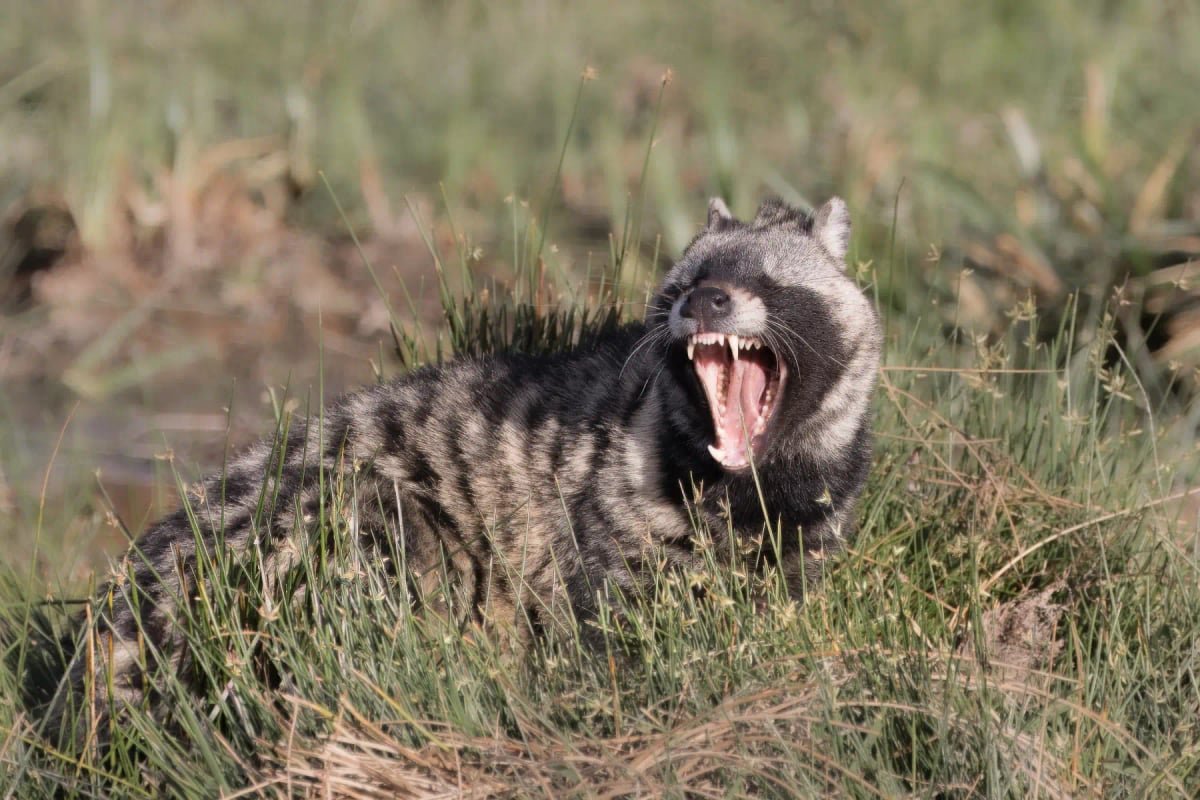
African Civet
Civettictis civetta
The Republic of Congo's rainforests and gallery forests provide excellent habitat for the African civet across much of the country. It ranges from the Congo Basin forests of the north and center to the savanna corridors of the Batéké Plateau in the east. Civets are common around Nouabalé-Ndoki National Park and along the major river tributaries, where forest cover, moisture, and ground vegetation are consistently available.

Honey Badger
Mellivora capensis
In the Republic of the Congo, the honey badger occupies savanna patches and woodland edges rather than the dense equatorial forest that covers much of the country. It is a solitary and wide-ranging animal, capable of traveling large distances each night in search of food. Its diet includes snakes, rodents, fruit, and bee larvae. The IUCN lists it as Least Concern, though forest conversion reduces available habitat.
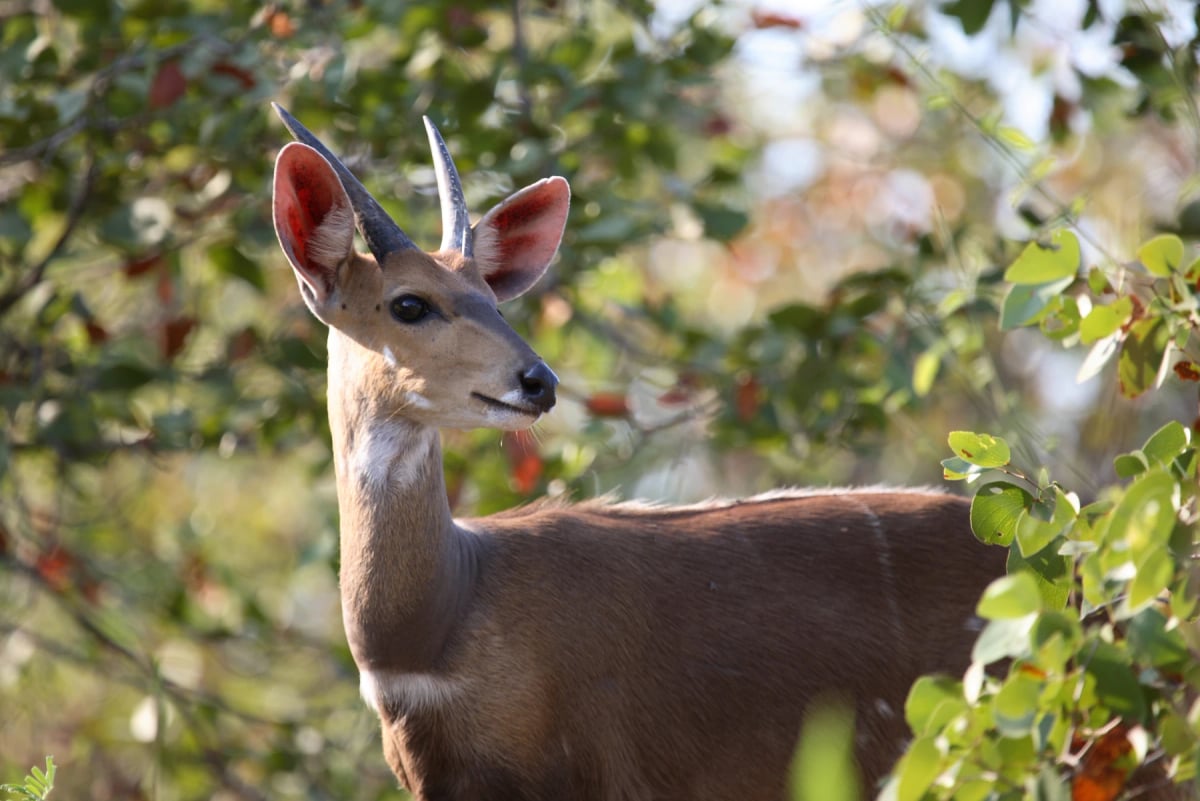
Bushbuck
Tragelaphus scriptus
In the Republic of the Congo, bushbucks thrive within forest and woodland ecosystems where dense vegetation conceals these elusive antelopes. These medium sized, solitary browsers are primarily nocturnal, feeding on leaves, shoots, fruits and bark. Males possess distinctive horns with a tight spiral structure and white spotted reddish brown coats; females are hornless. Their wary nature and preference for thick cover make direct observation challenging.
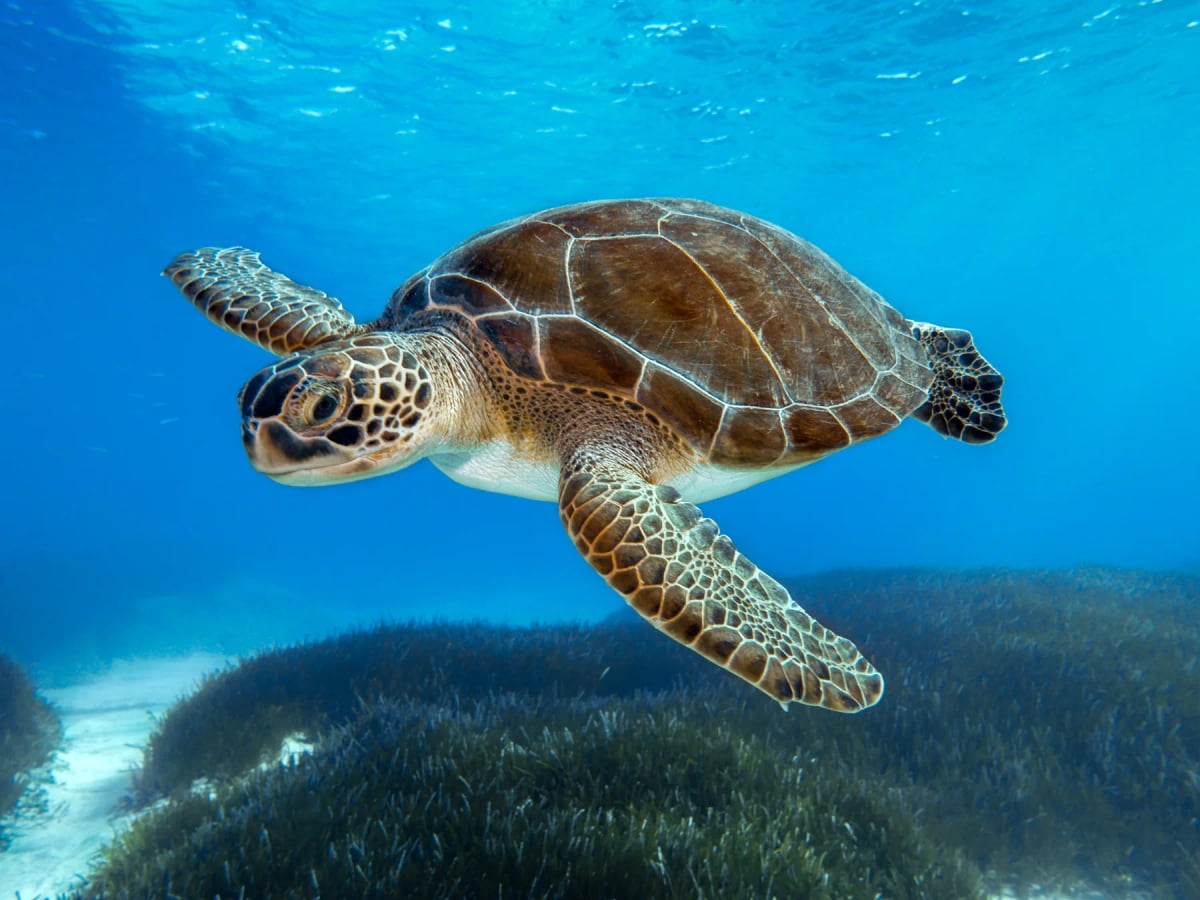
Sea Turtle
Cheloniidae & Dermochelyidae (families)
The Republic of Congo's Atlantic coastline is part of the Central African sea turtle nesting zone. Leatherback and olive ridley turtles nest on Congolese beaches, and green turtles are present in coastal waters. Conkouati-Douli National Park is the most studied turtle habitat in the country, where conservation programs document nesting activity and work to reduce egg collection and bycatch in local fisheries.
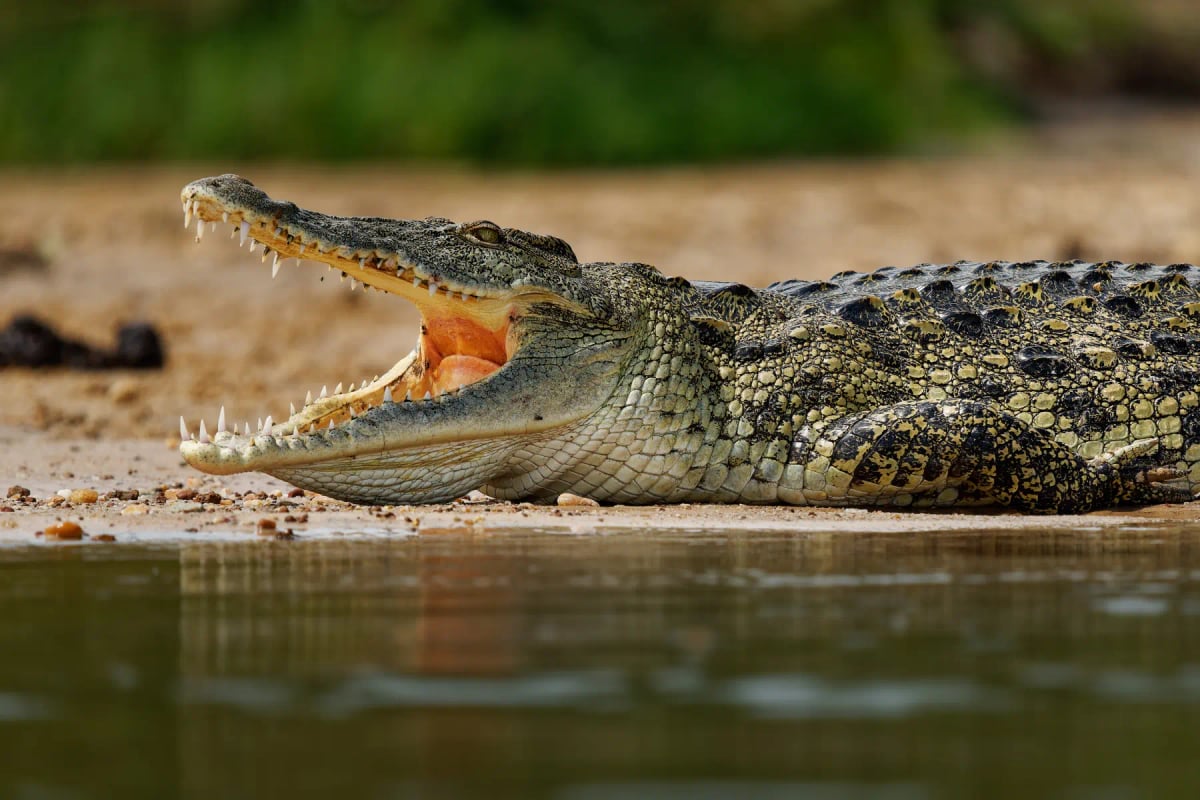
Nile Crocodile
Crocodylus niloticus
In the Republic of Congo, the Nile crocodile is found in rivers and lakes throughout the country, including waterways that drain into the Congo River basin. The country's extensive tropical forest and wetland habitats provide cover and prey. Crocodiles here feed on fish, birds and mammals that come to drink. Despite a Least Concern listing from the IUCN, illegal hunting for skins and meat continues to put pressure on local populations.
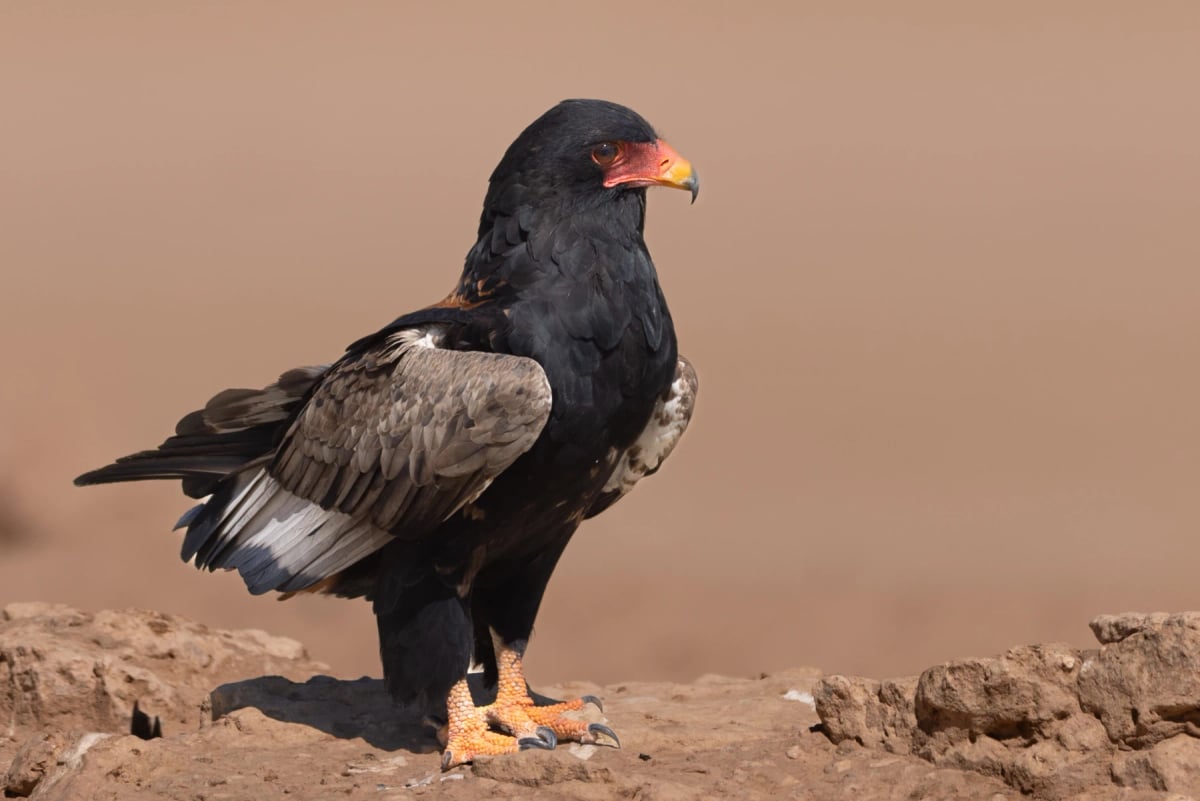
Bateleur
Terathopius ecaudatus
In the Republic of the Congo, the bateleur is associated with the savanna and open woodland areas of the north and the Batéké Plateau region, rather than the dense equatorial forest that covers much of the country. It patrols these open landscapes in search of carrion and reptiles. Classified as Endangered by the IUCN, habitat conversion and human pressure continue to reduce available territory for this eagle.
African Grey Parrot
Psittacus erithacus
The Republic of Congo is one of the core countries in the African grey parrot's range, with extensive lowland rainforest covering much of the country's north and center. The Congo Basin forests here are among the least disturbed in Central Africa and support significant parrot populations. The country was historically one of the largest sources of wild-caught grey parrots for the international pet trade, with export quotas running into thousands of birds annually before the CITES Appendix I listing in 2016.
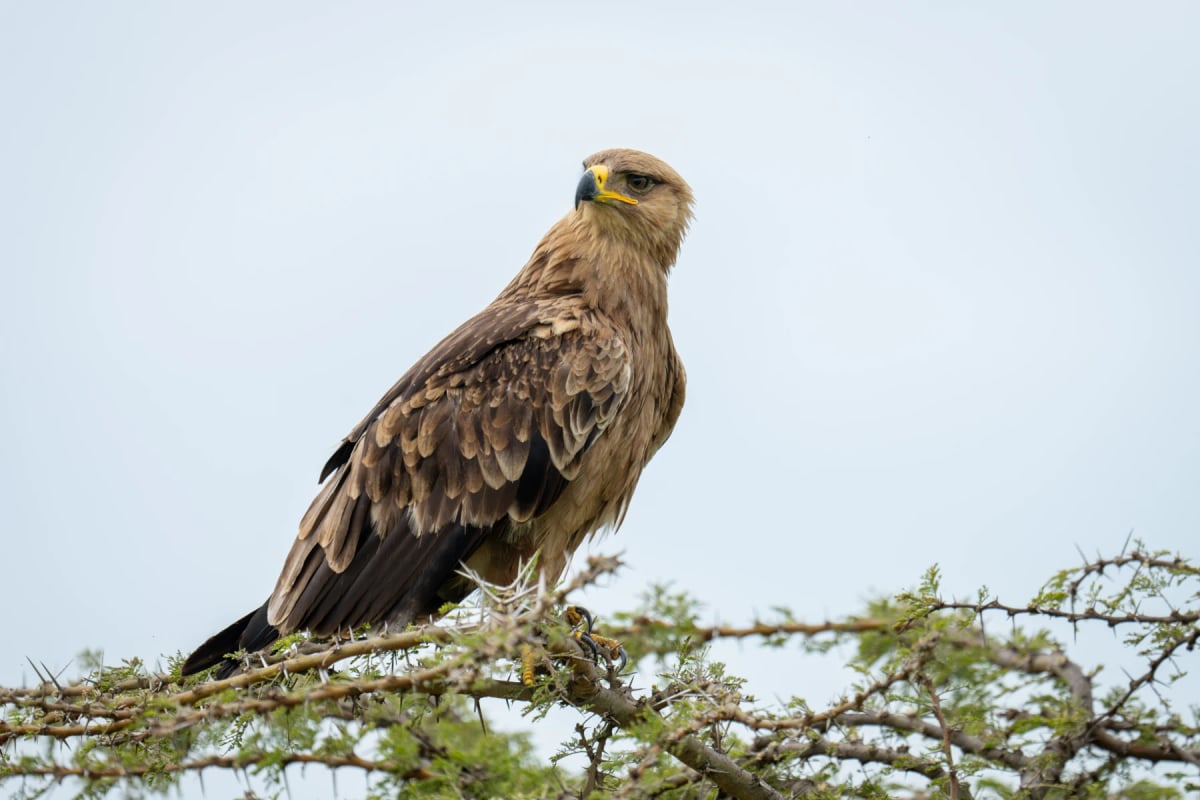
Tawny Eagle
Aquila rapax
In the Republic of the Congo, the tawny eagle lives mainly in the open savanna patches of the south, away from the dense rainforest that covers much of the north. It hunts small prey and feeds on carrion, often soaring on warm air over the grassland. Habitat conversion and hunting pressure affect it here. It nests in trees at the forest edge and is scarce in the country. IUCN status: Vulnerable.
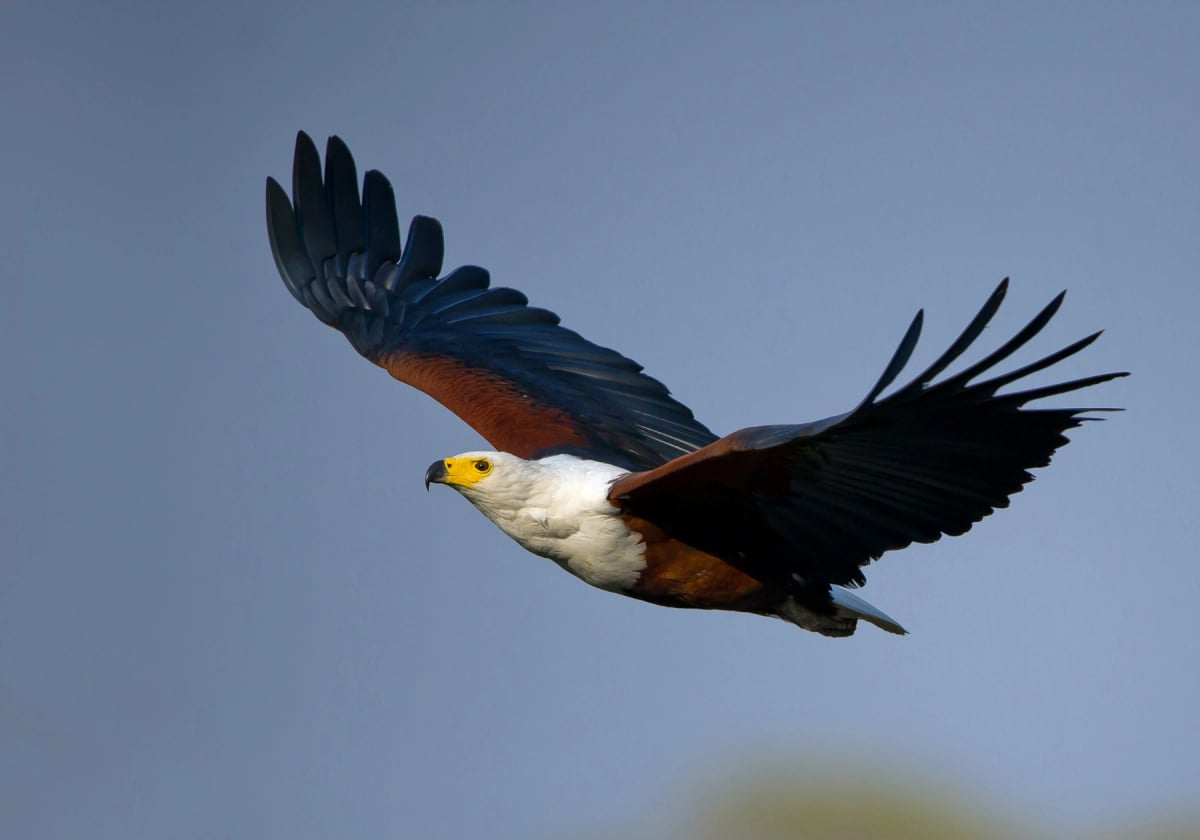
African Fish Eagle
Haliaeetus vocifer
The African fish eagle is a regular resident in the Republic of the Congo, where the Congo River and its tributaries offer extensive habitat. The Sangha and Likouala rivers in the north and the Pool Malebo near Brazzaville are among the best areas. The dense river network of the equatorial forest gives it access to fish all year. Pairs nest in tall trees along the banks. IUCN status: Least Concern.
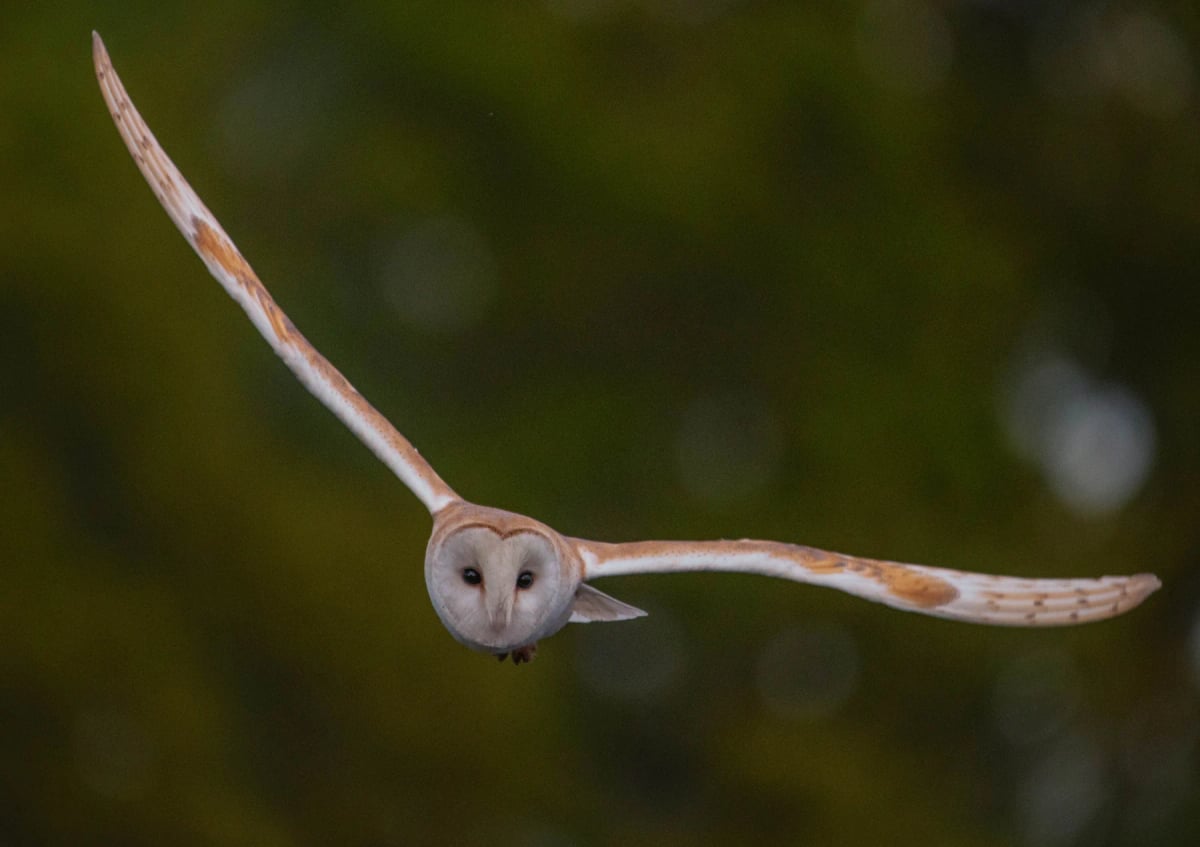
Barn Owl
Tyto alba
The barn owl is found in the Republic of the Congo in open savanna, farmland, and the outskirts of towns and villages, particularly in the southern savanna zones and along the Congo River valley. It nests in old buildings and hollow trees and hunts rodents at night. It is less commonly encountered in the dense equatorial rainforest that covers much of the country's interior, where suitable open hunting habitat is limited.
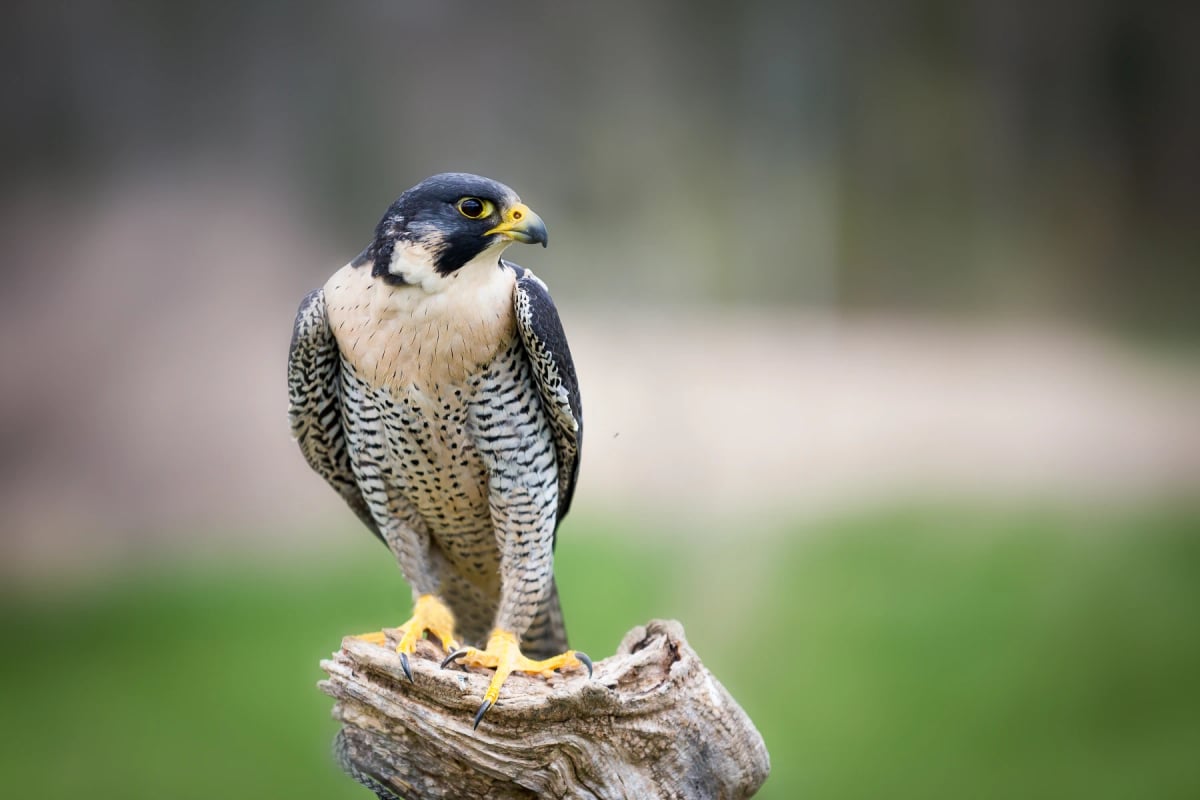
Peregrine Falcon
Falco peregrinus
In the Republic of the Congo, the peregrine falcon is primarily a passage migrant and non-breeding visitor, moving through the country during the northern winter. The Congo Basin's forest margins, river cliffs, and open areas near the coast provide stopover habitat. Sightings tend to occur along the coastal strip and in more open landscapes to the south. Globally, the species is rated Least Concern by the IUCN.
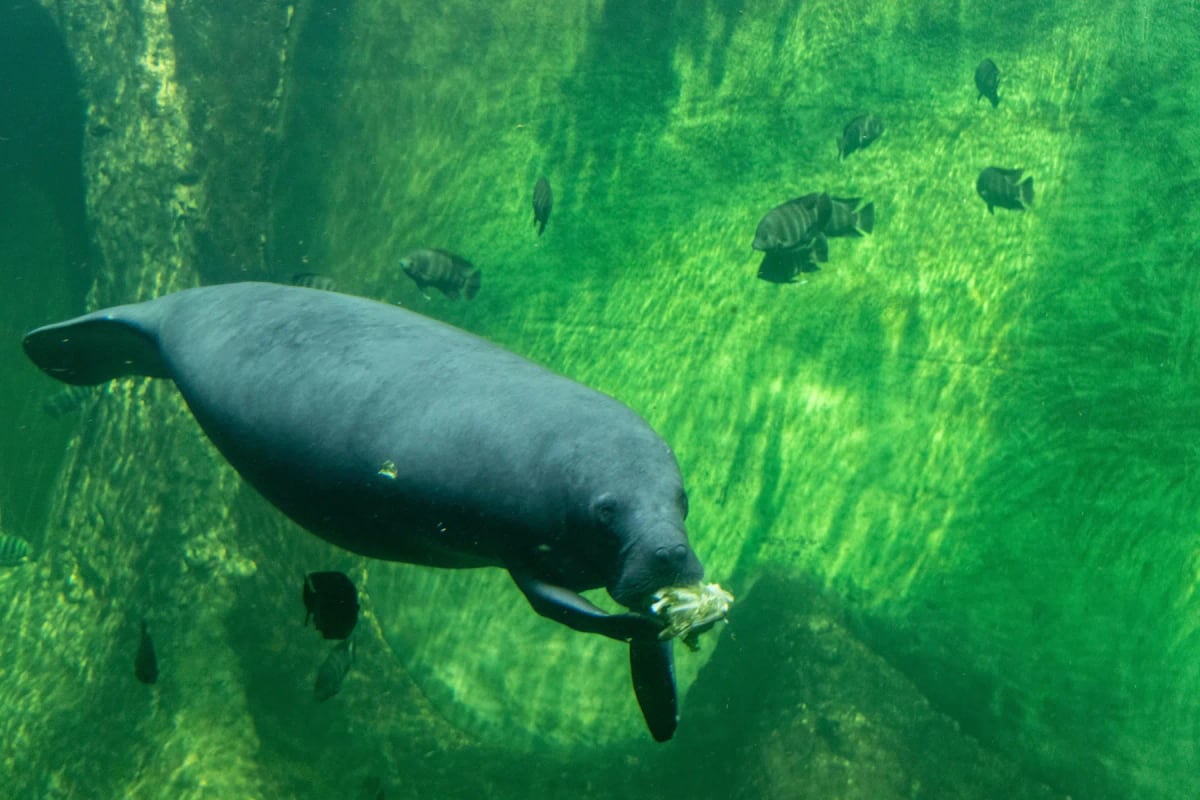
African Manatee
Trichechus senegalensis
In the Republic of the Congo, the African manatee is found along the Atlantic coast and throughout much of the Congo River basin and its tributaries. Dense forest river systems and coastal lagoons provide sheltered habitat with abundant aquatic vegetation. Populations here face threats from artisanal fishing, habitat degradation and occasional hunting, though the extent of the population within the country remains poorly studied.
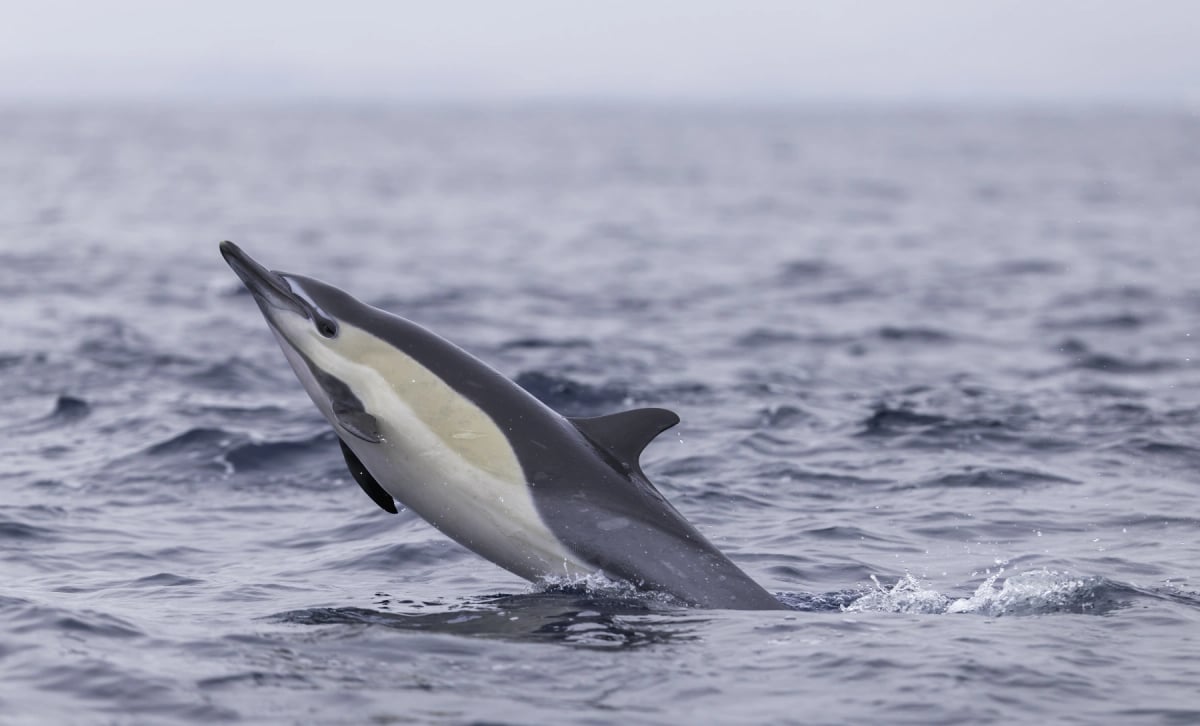
Common Dolphin
Delphinus delphis
Common dolphins are found in the Atlantic waters off the coast of the Republic of Congo, where the Guinea Current influences sea temperatures and productivity. They feed on small fish and squid in these tropical coastal waters. Sightings tend to occur further offshore, away from the turbid waters near river mouths. The species is not heavily studied in this region but is considered Least Concern globally by the IUCN.
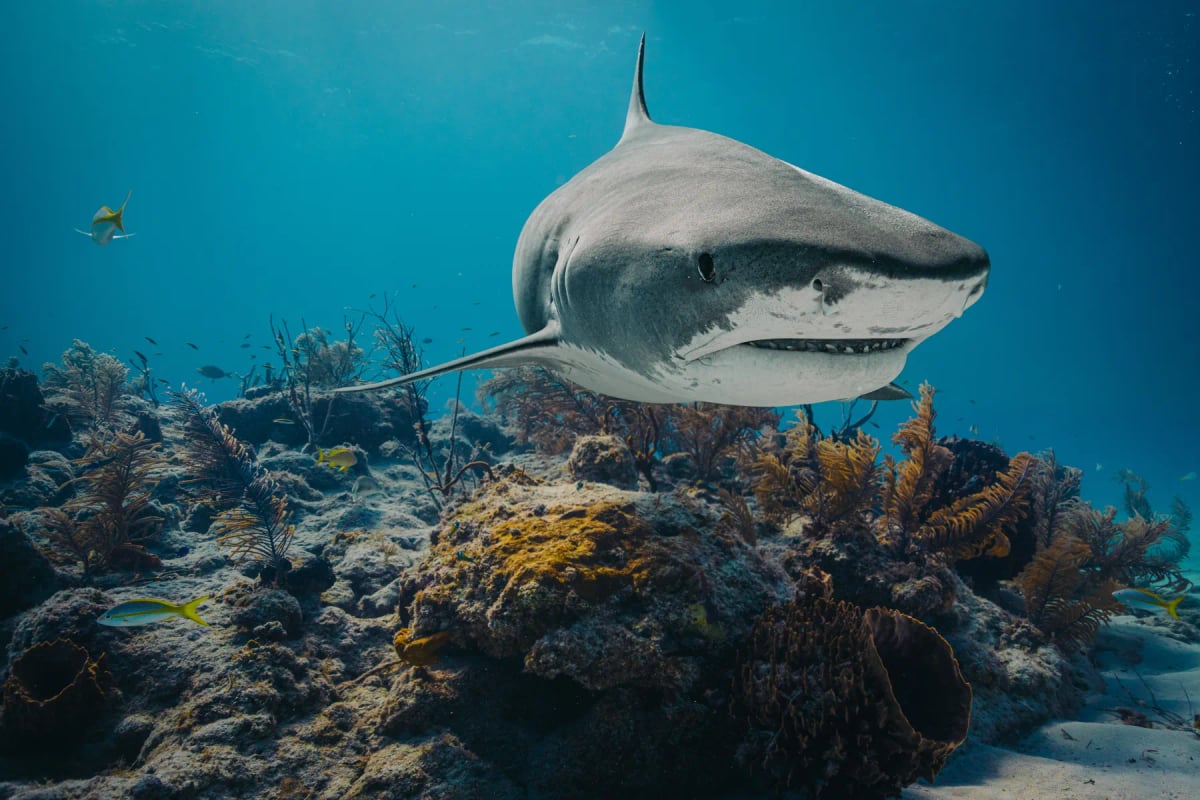
Tiger Shark
Galeocerdo cuvier
Warm water and a rich continental shelf make the coast of the Republic of the Congo good tiger shark habitat. The species hunts fish, rays and turtles near shore and in deeper water. It hunts off the short coast around Pointe Noire. Sharks are an important catch for local fishers, who sell the meat fresh or smoked and the fins to traders. Bites on people along this coast are almost unknown. IUCN status: Near Threatened.
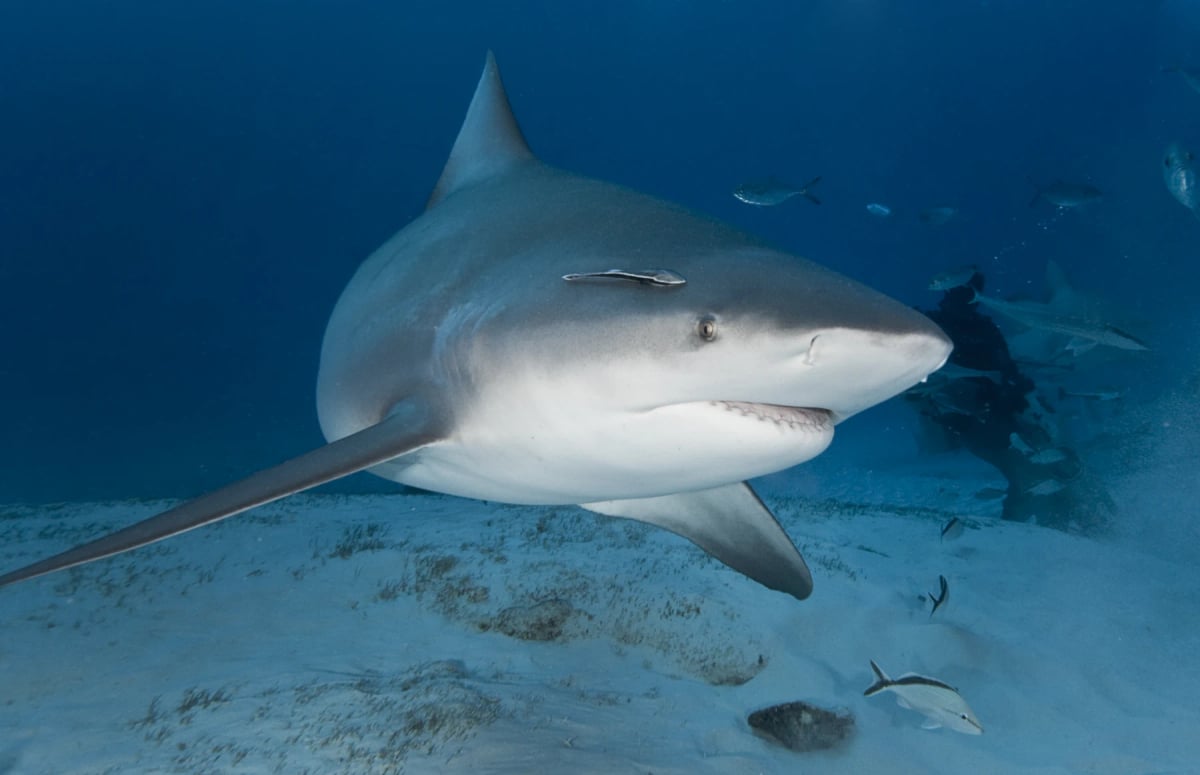
Bull Shark
Carcharhinus leucas
Warm, murky water and many river mouths make the coast of the Republic of the Congo good bull shark habitat. The species hunts close to shore, and its young grow up in the river mouths and lagoons of the coast around Pointe Noire. The country's coast is short, between Gabon and Angola. Like other sharks in West Africa, it is heavily fished by artisanal fleets, and very little is known about how its numbers are changing. IUCN status: Vulnerable.
Researched and written by Juan Pablo. Sources: IUCN Red List, scientific literature and regional field guides. Last updated: .