Animals in Afghanistan
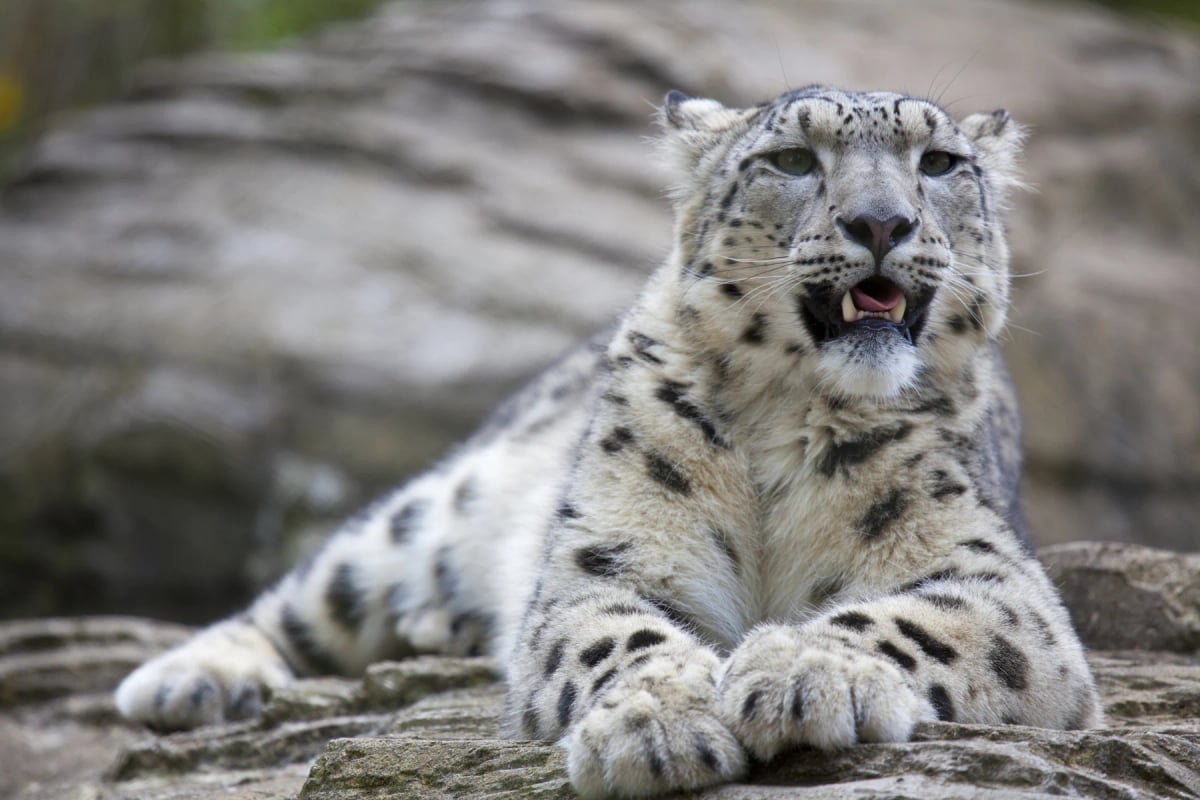
Snow Leopard
Panthera uncia
The snow leopard is the national symbol and a guide to the high country. It uses cliffs, scree and quiet hours to move between basins, and its tracks appear near ridges that hold ibex and wild sheep. Community projects explain how herders, guard dogs and corrals protect flocks while keeping space for native cats. In museums and schools the snow leopard links culture, mountain travel and the care of remote habitats.
View details→Wildlife in Afghanistan
Afghanistan links the Hindu Kush, dry plateaus and river valleys with small oases and high passes. In the Wakhan Corridor and central highlands, clear tracks lead to open views and quiet meadows where ibex and gazelles share space with foxes and wolves. Lakes like Band e Amir add water birds and simple boat outings in season. Around village fields, orchards and rugged hills, wildlife still moves along old paths between valleys.
Most Dangerous Animals in Afghanistan
Wildlife risk in Afghanistan follows altitude and cover. In high valleys and broken slopes, large cats remain secretive but powerful, and wolves or wild boar can react if surprised near food. Across dry plains, encounters are brief and usually at distance. Around rivers and village fields, night hours see more movement. Reports from guides and rangers describe scarce contacts that depend on season and snow.
Top 10 Animals in Afghanistan
Our Top 10 for Afghanistan favors species that shape typical routes and photos. Leopard and Eurasian lynx stand for rugged ridges and forest edges in the north and east. Gray wolf adds the feel of open steppe and high valleys. The dromedary camel represents travel across dry basins and historic caravan ways. Together these names give a clear map from desert tracks to mountain viewpoints many travelers use.
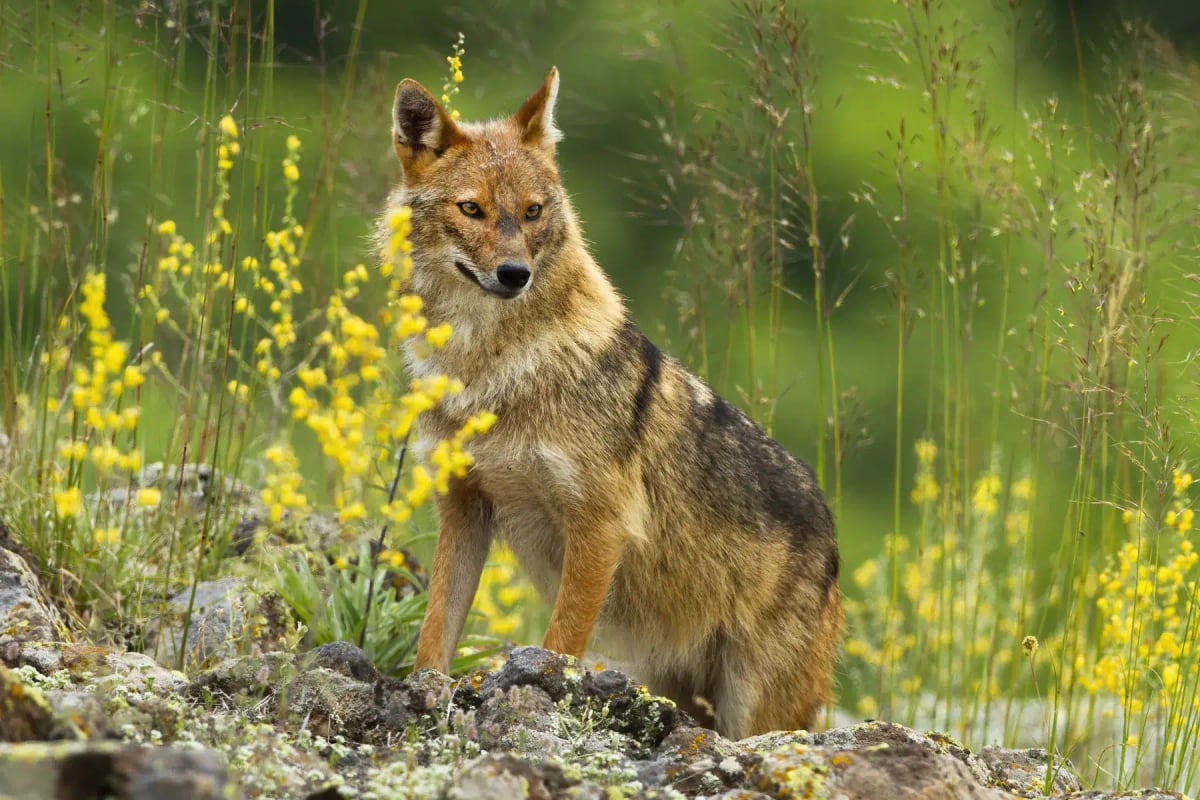
Golden Jackal
Canis aureus
The golden jackal is widespread across Afghanistan, roaming river valleys, agricultural plains, and scrubland from the lowlands up into foothill zones. It adapts well to the country's varied terrain, scavenging near farms and villages as readily as it hunts in open country. Living mainly in pairs or small family groups, it is most active at night, and its wailing call is a familiar sound across rural Afghanistan. IUCN status: Least Concern.
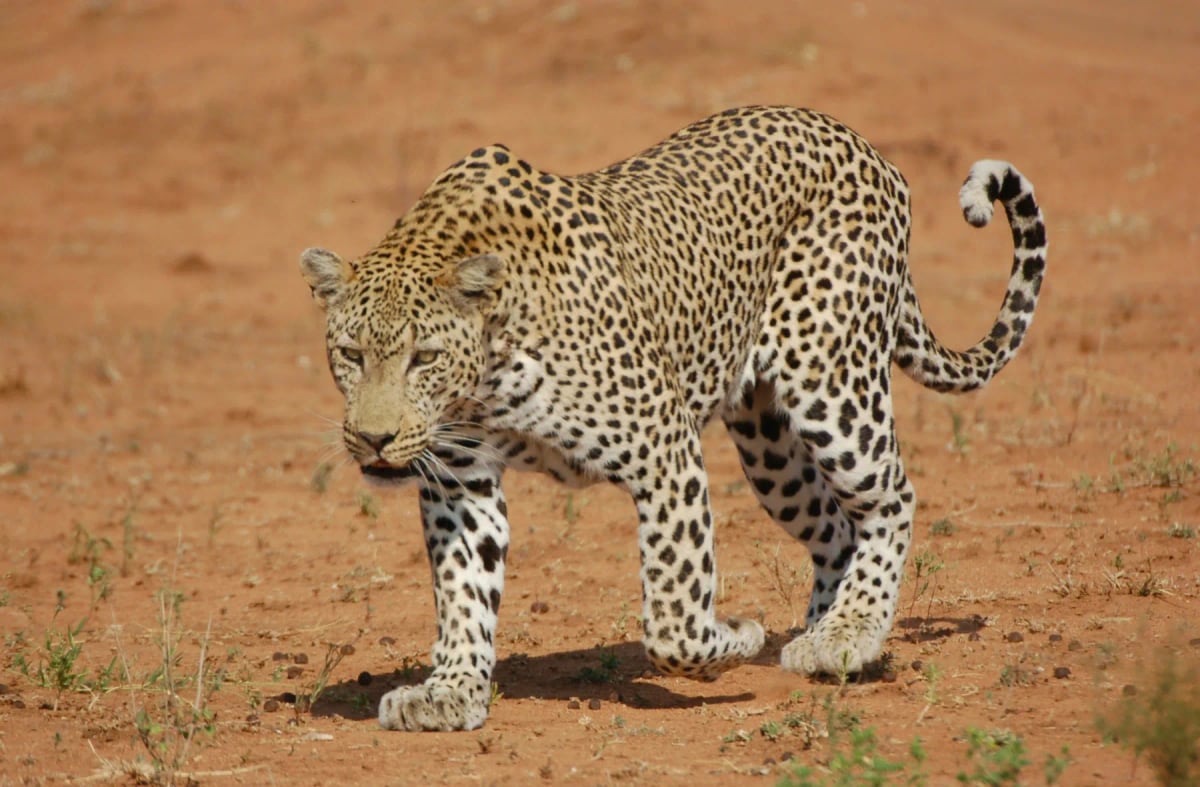
Leopard
Panthera pardus
The leopard survives in Afghanistan's rugged mountain ranges, including the Hindu Kush and Nuristan highlands, where rocky terrain and forested valleys provide cover. Populations here are sparse and under serious pressure from poaching and the loss of wild prey. Decades of conflict have made conservation efforts extremely difficult, and the leopard's future in Afghanistan depends on long-term stability and protection of its remaining habitat.
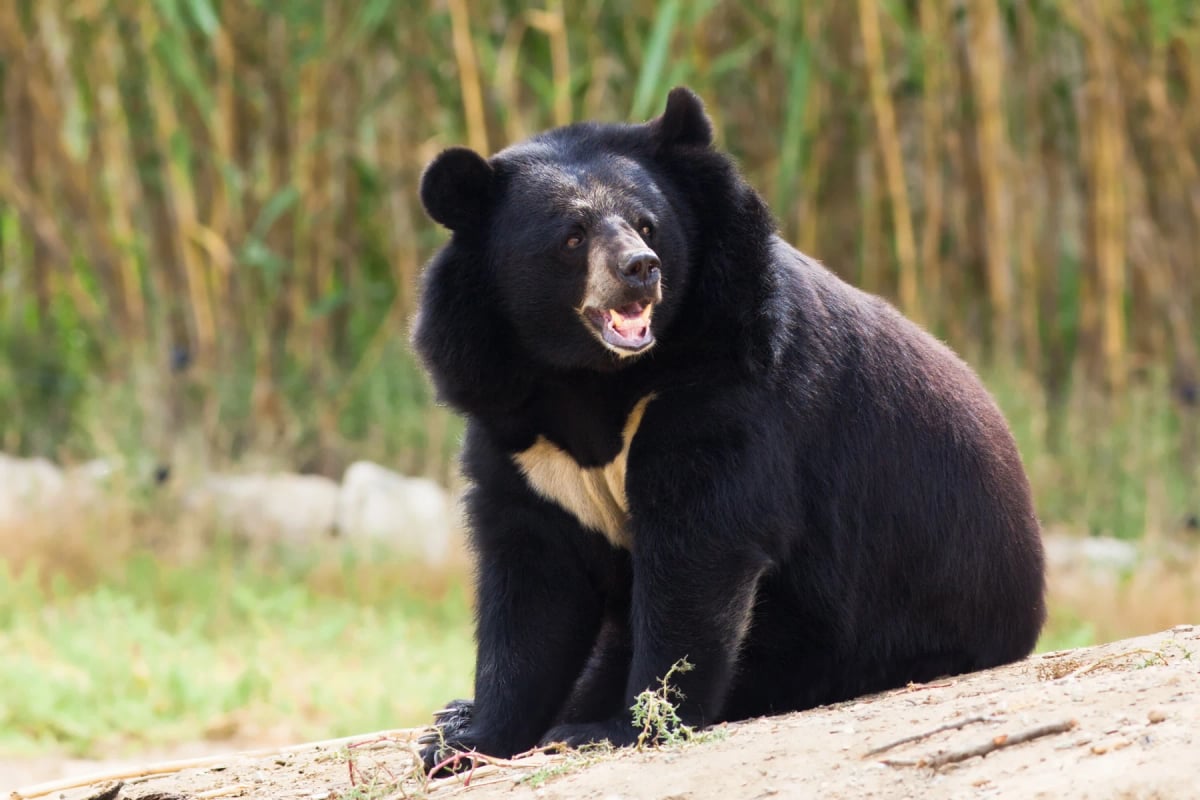
Asiatic Black Bear
Ursus thibetanus
The Asiatic black bear reaches the western edge of its range in Afghanistan, where small populations persist in the forested areas of Nuristan and Kunar provinces in the northeast. These forests represent some of the most isolated habitat for the species across its entire range. Decades of conflict have made systematic surveys difficult, and the true status of the population remains uncertain. Poaching and habitat degradation from logging and agricultural encroachment are the primary threats in the country.
Snow Leopard
Panthera uncia
In Afghanistan, snow leopards inhabit the rugged peaks of the Hindu Kush and Wakhan Corridor, one of the most remote mountain landscapes in Central Asia. Decades of conflict have made systematic surveys difficult, so population estimates remain uncertain. The cats prey on Marco Polo sheep and ibex in these high valleys. Despite the challenges, local conservation efforts have begun to document their presence. IUCN status: Vulnerable.
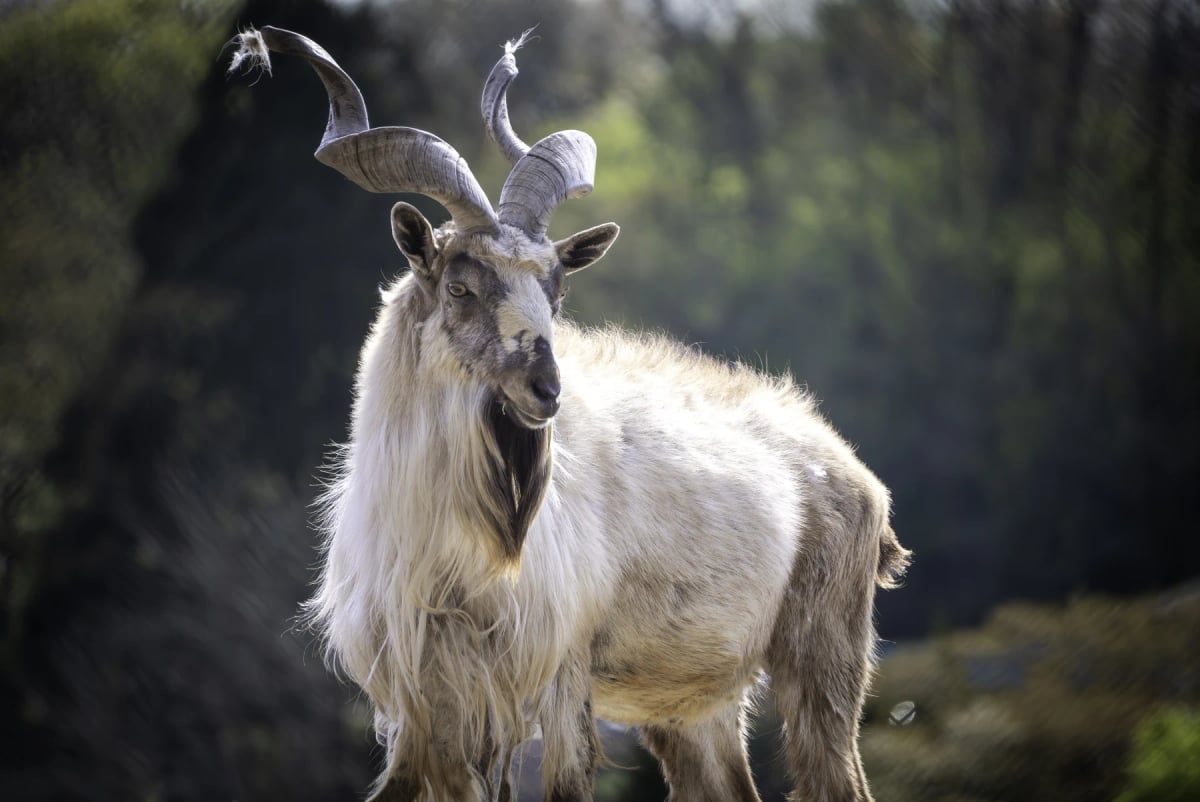
Markhor
Capra falconeri
The markhor lives across the rugged mountain ranges of Afghanistan, including the Hindu Kush and Karakoram regions. It navigates steep cliffs and rocky slopes with ease, grazing on grasses and browsing on shrubs. Decades of conflict have made conservation efforts difficult, and poaching remains a serious threat. The species holds Near Threatened status globally, and its Afghan populations need stronger protection to recover.
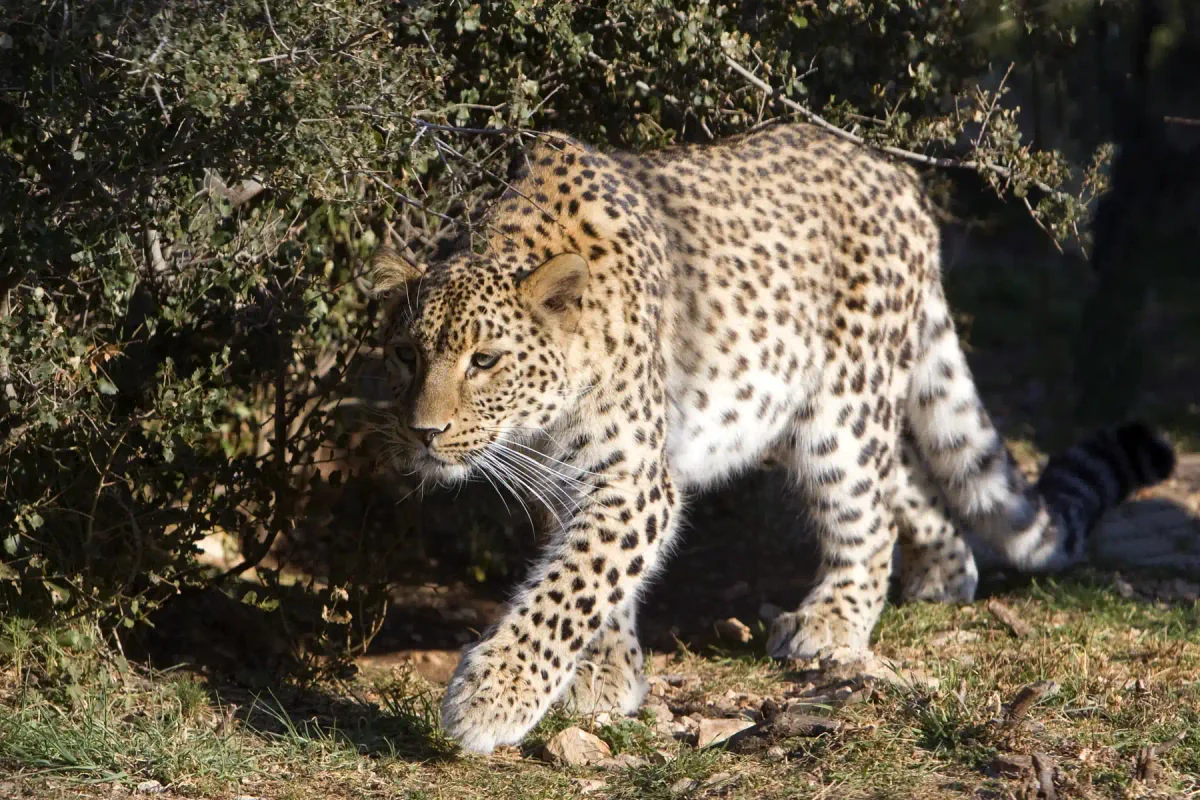
Persian Leopard
Panthera pardus tulliana
Afghanistan's northeastern mountains, including parts of the Hindu Kush and Pamir foothills, provide habitat for a small number of Persian leopards. The subspecies hunts markhor, ibex, and other mountain ungulates across steep and remote terrain. Decades of conflict have made systematic surveys extremely difficult. The leopard receives little formal protection in practice, and poaching alongside prey depletion poses a serious risk to its persistence.
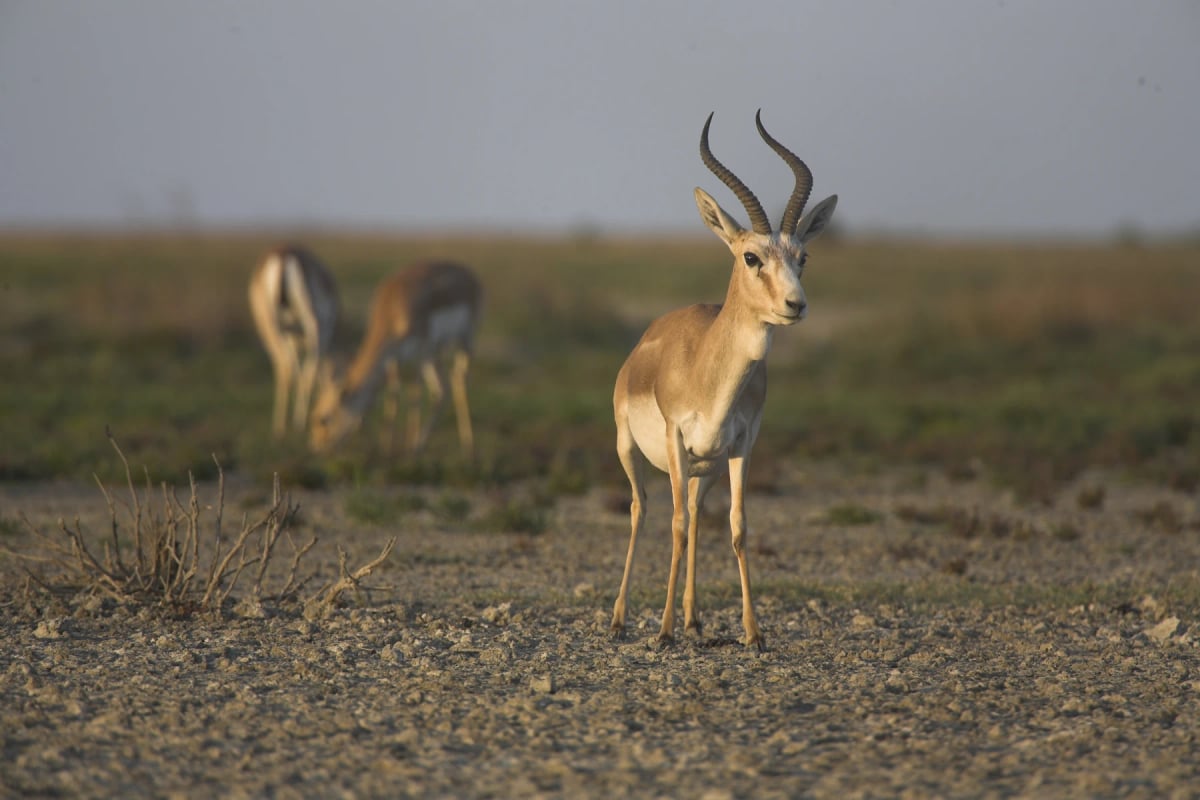
Goitered Gazelle
Gazella subgutturosa
The goitered gazelle roams the arid plains and desert fringes of northern and western Afghanistan, including areas around the Registan Desert. Males grow a visibly swollen throat during the rutting season to call out to females. Poaching and decades of conflict have put serious pressure on local populations, and the species is listed as Vulnerable by the IUCN. Conservation attention in the region remains limited.
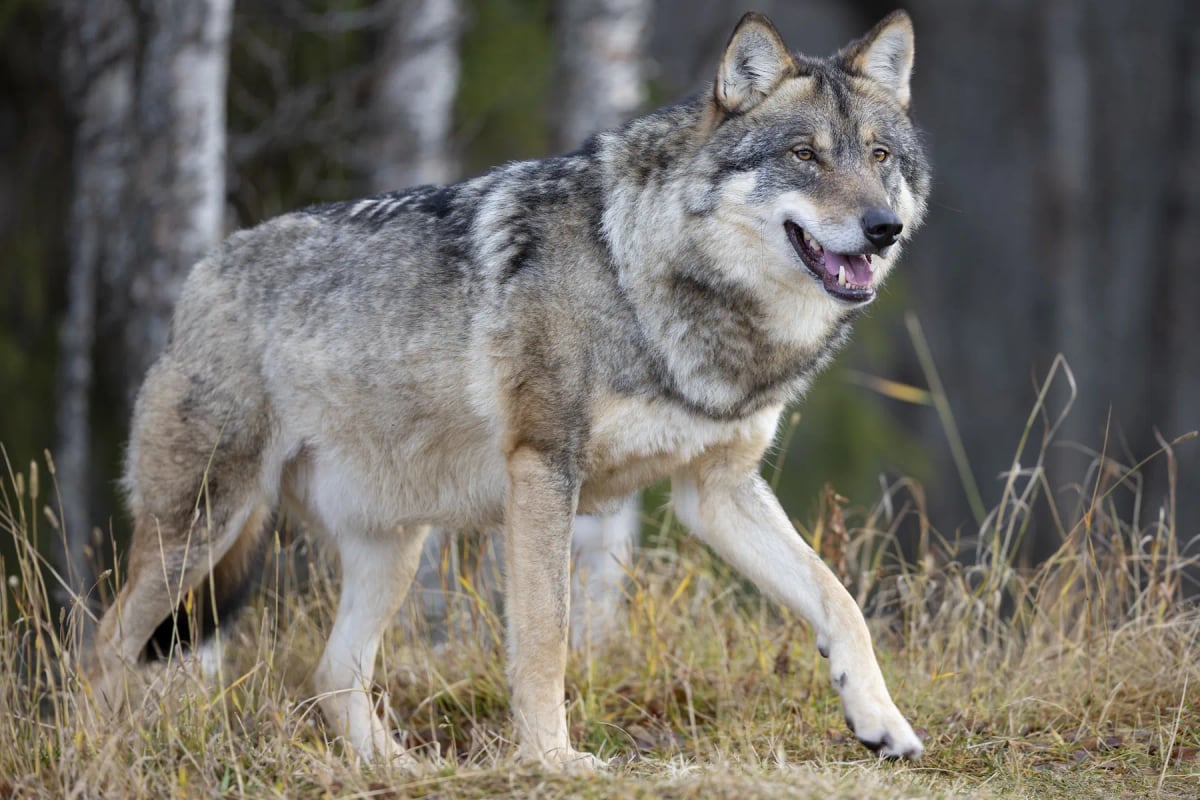
Gray Wolf
Canis lupus
The gray wolf is widely distributed across Afghanistan, roaming the rugged mountain ranges and open steppes that cover much of the country. It is one of the larger predators still present in the region. Wolves here tend to prey on wild ungulates as well as livestock, which brings them into frequent conflict with herding communities. Afghanistan is considered part of the core range of the species in Central Asia. IUCN status: Least Concern.
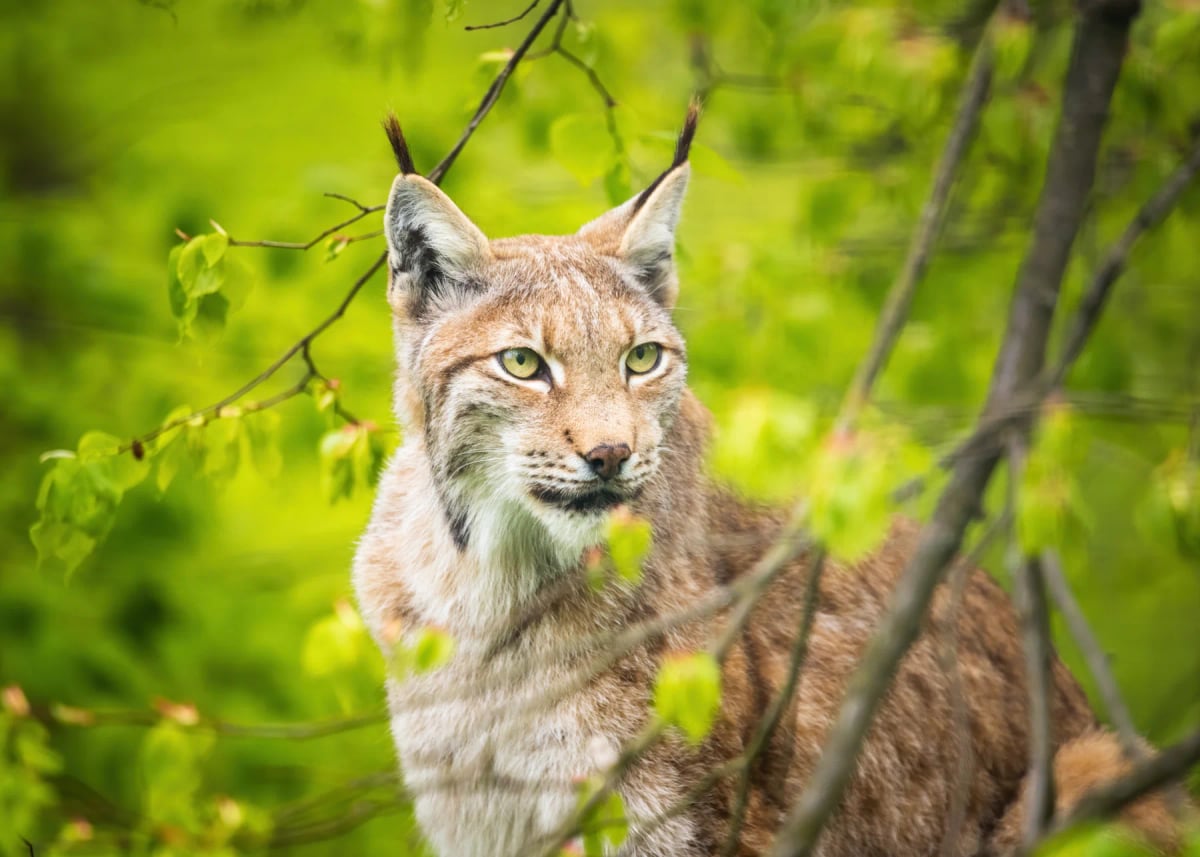
Eurasian Lynx
Lynx lynx
The Eurasian Lynx is found in the mountainous northeastern regions of Afghanistan, particularly around the Hindu Kush range. It navigates rocky terrain and sparse forests at high elevations, hunting hares and other small prey. Ongoing conflict and limited wildlife monitoring make it difficult to assess population numbers, but the species is considered present across suitable habitat in the region. Its IUCN status is Least Concern.
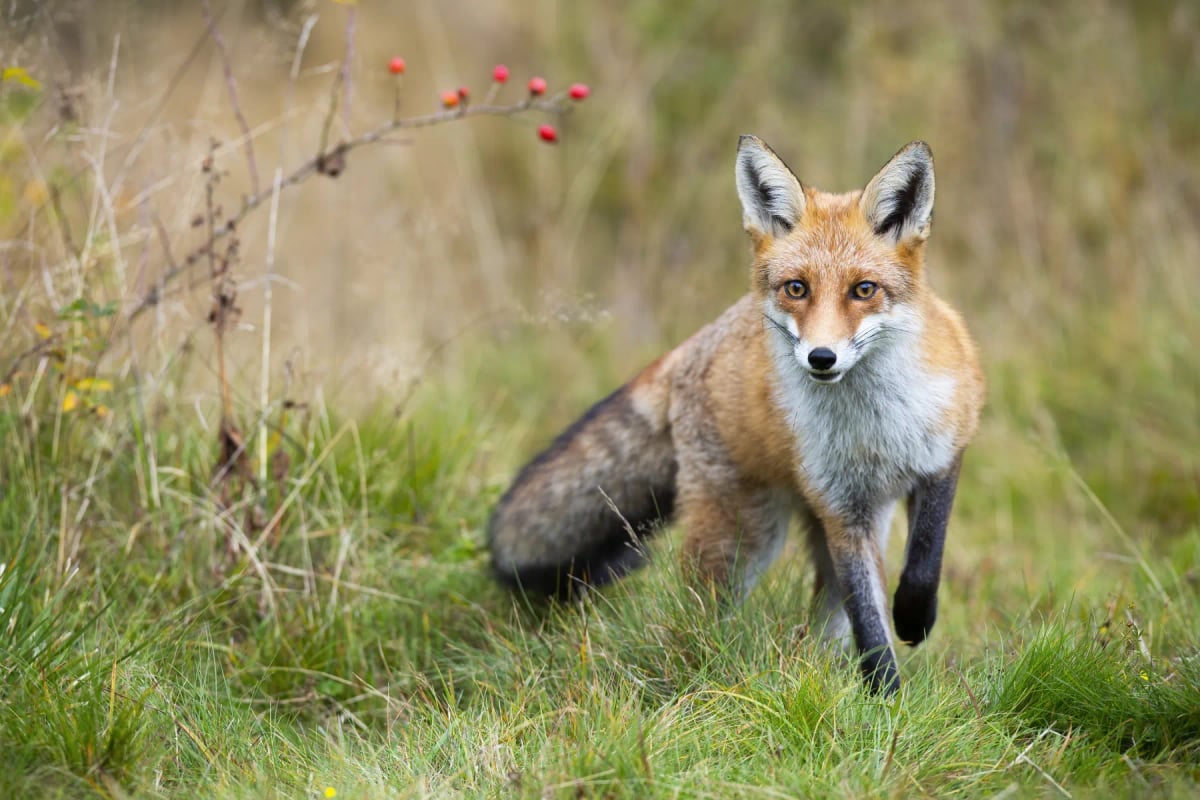
Red Fox
Vulpes vulpes
The red fox is a common sight across Afghanistan, from the rocky mountain slopes of the Hindu Kush to the dry plains of the south. It adapts well to harsh conditions, hunting rodents, insects, and fruit depending on the season. Afghans have long shared landscapes with this clever animal, and it appears in local folklore as a symbol of cunning. Its IUCN status is Least Concern.

Wild Boar
Sus scrofa
In Afghanistan, wild boars live mainly along rivers and wetlands in the north, including reed beds near the Amu Darya, where dense vegetation offers cover and food. Because pork is not eaten for religious reasons, boars are rarely hunted for meat, though farmers sometimes need to control them when they damage irrigated crops near rivers and marshes. Populations are not well studied compared with other large mammals in the country.
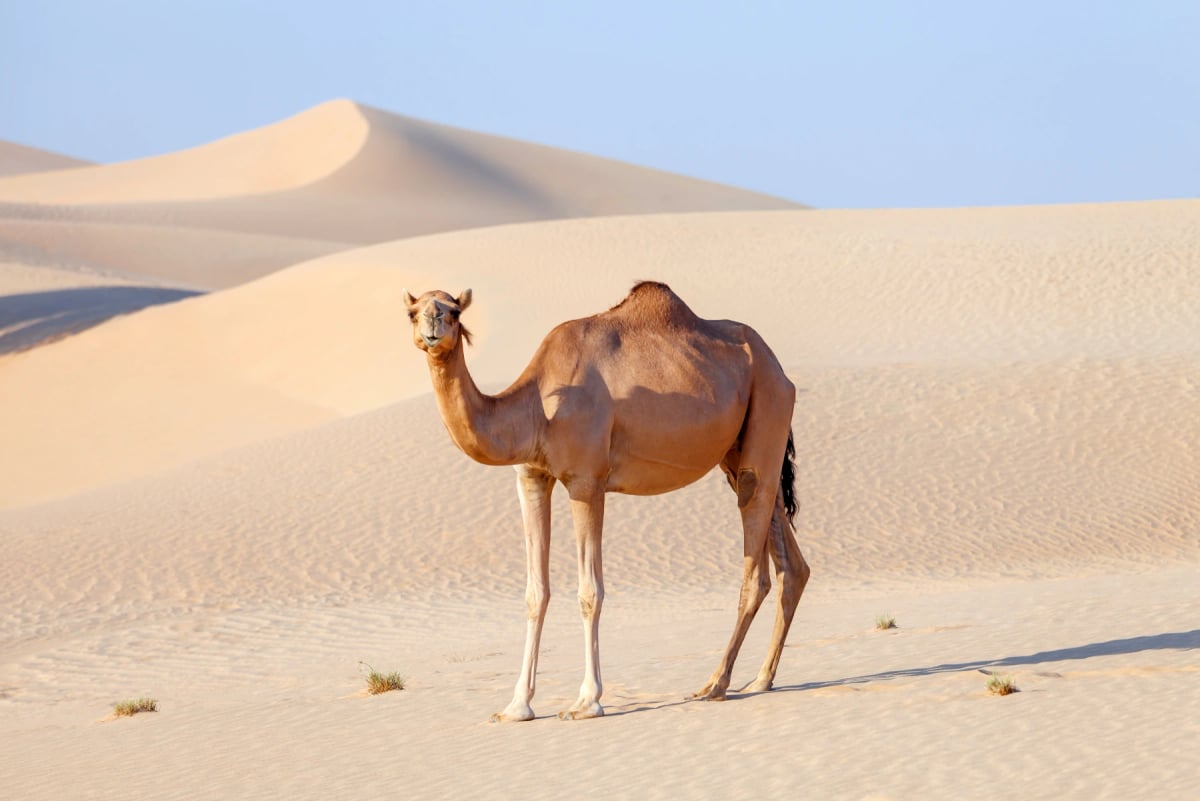
Dromedary Camel
Camelus dromedarius
Dromedary camels are found in the arid lowlands of southern and western Afghanistan, including parts of Helmand, Kandahar, and Nimroz provinces. In these dry, desert landscapes, nomadic Kuchi herders have kept dromedaries for centuries as pack animals and sources of milk and meat. The animals are well suited to Afghanistan's harsh seasonal extremes and remain an essential part of life for pastoral communities that move with the seasons. IUCN status: not evaluated.
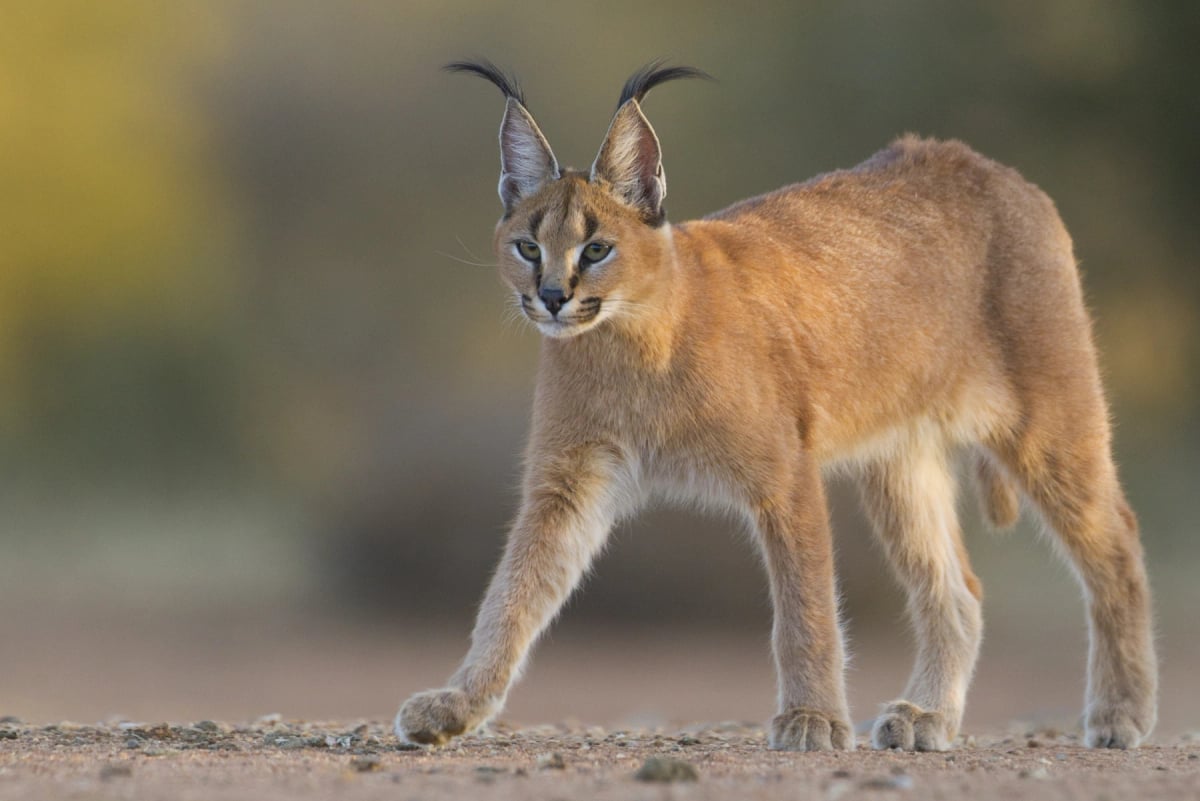
Caracal
Caracal caracal
In Afghanistan, the caracal inhabits rocky hillsides, scrublands, and dry valleys, particularly in the southern and eastern regions. This wild cat of medium size is recognized by the long black tufts on its ears and a tawny coat built for arid terrain. Mostly active at dusk and night, it preys on hares, rodents, and birds. Ongoing conflict and habitat degradation pose serious threats to its survival in the country. IUCN status: Least Concern.
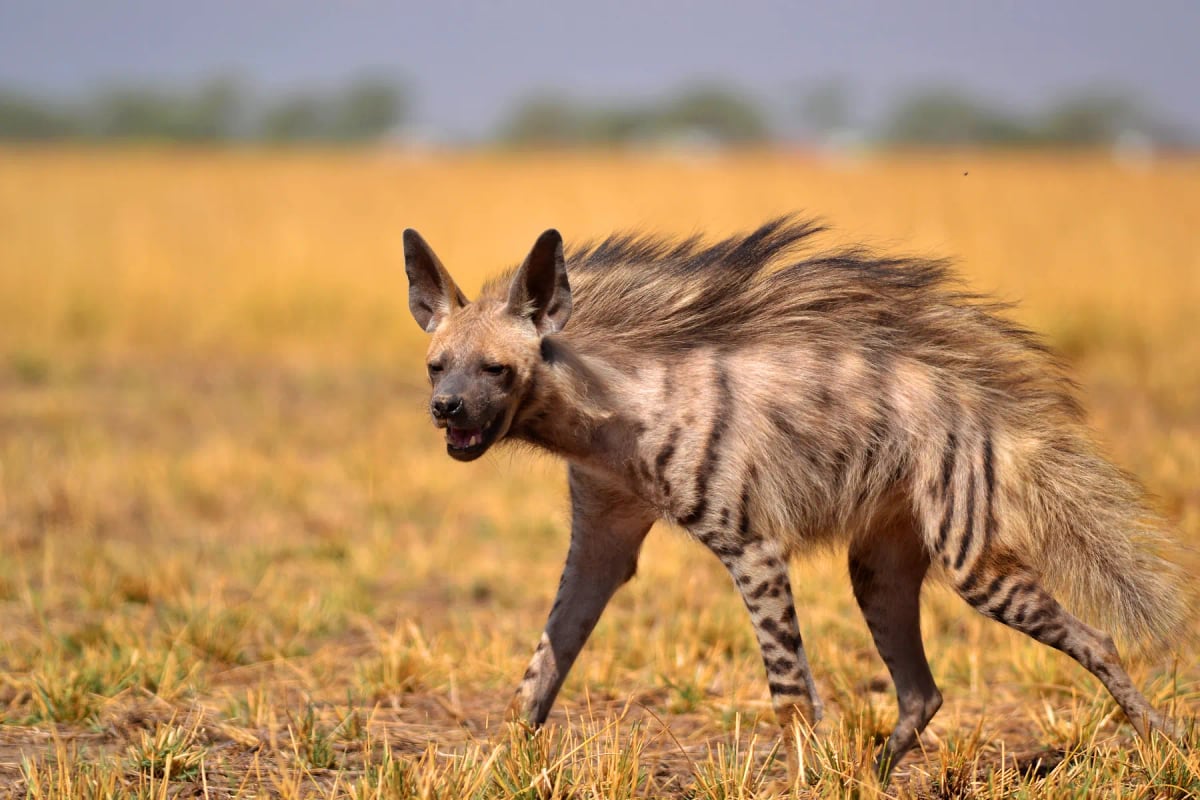
Striped Hyena
Hyaena hyaena
Shy nocturnal scavenger with a striped gray coat and an erectile mane that helps clean the landscape by consuming carcasses across Africa, the Middle East and Asia.
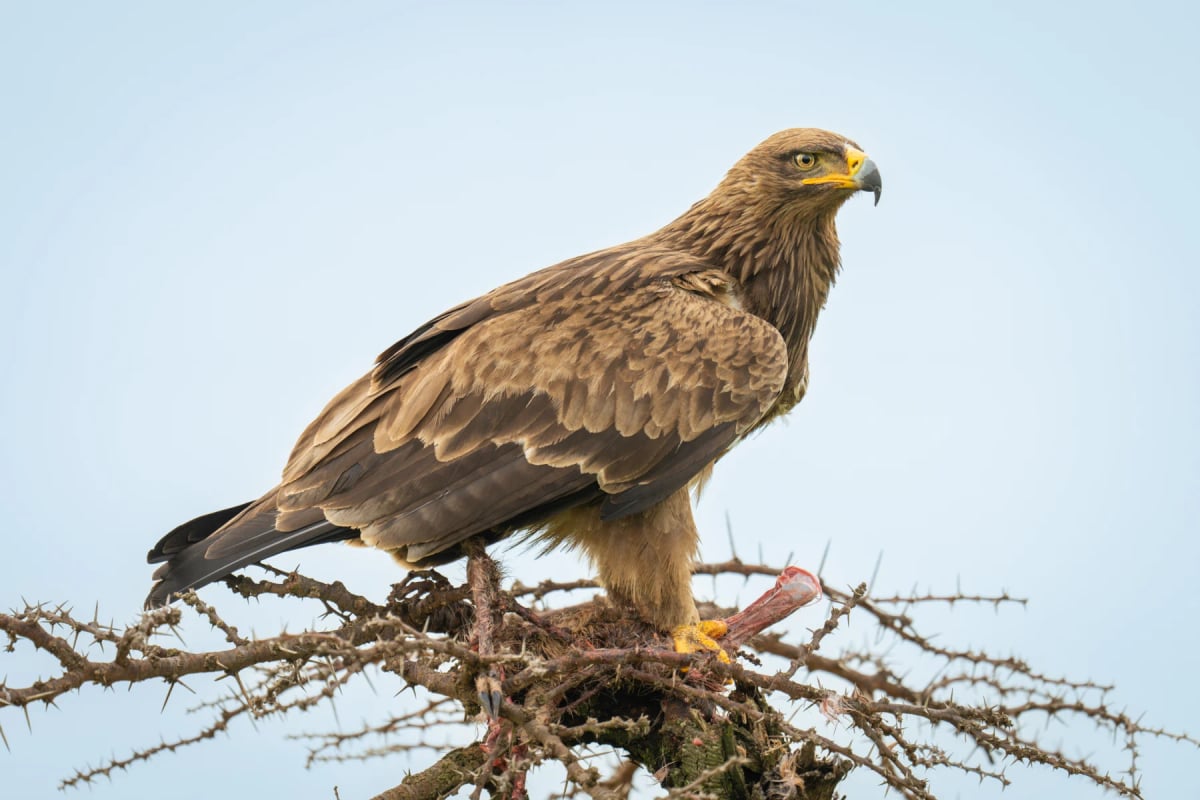
Steppe Eagle
Aquila nipalensis
In Afghanistan, the steppe eagle is seen mainly on migration, when birds from Kazakhstan and Central Asia cross the country on their way to Pakistan and India, and a few spend the winter here, for example in Nuristan. It forages on carrion and small animals in open plains and valleys. Long years of conflict have made monitoring very hard, so its numbers in the country are poorly known. IUCN status: Endangered.
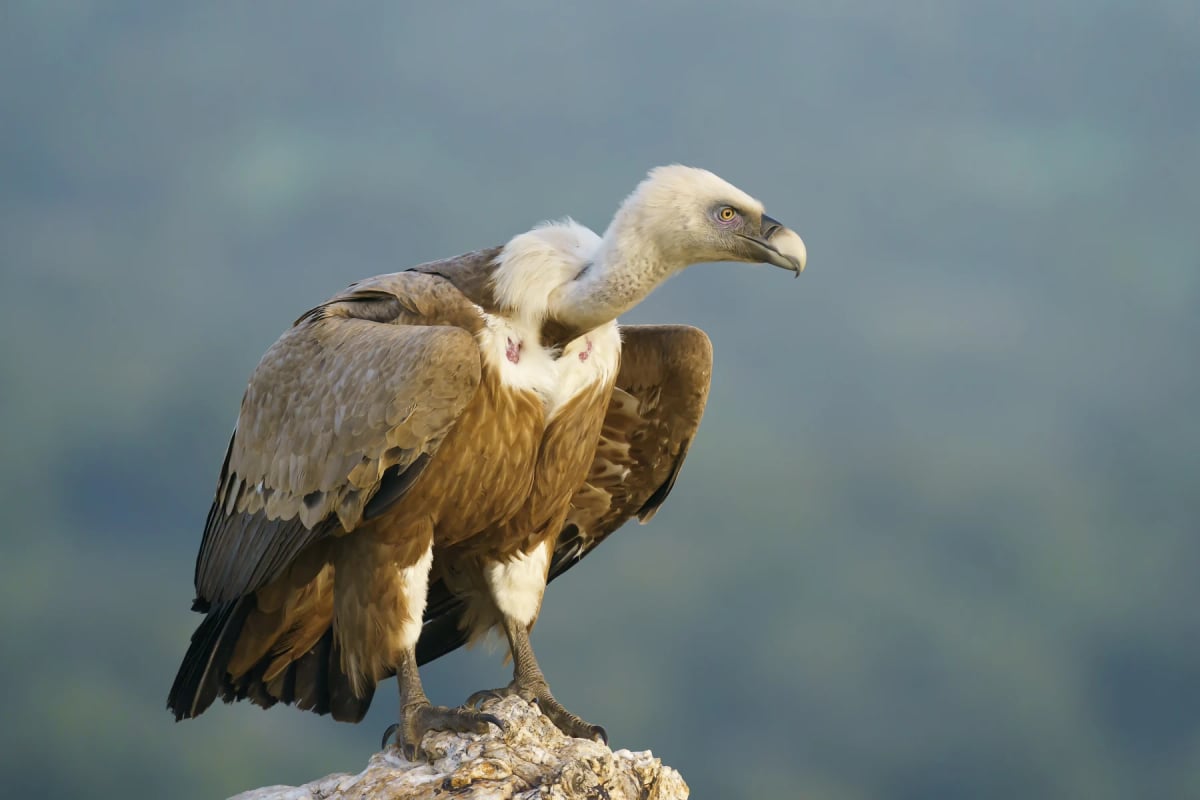
Griffon Vulture
Gyps fulvus
The griffon vulture breeds in the mountains of Afghanistan, where cliffs in the Hindu Kush and its foothills give it safe ledges for its nests. From there it soars over dry valleys and high pastures, following the herds of sheep and goats that provide most of the carcasses it feeds on. Decades of conflict mean there is little recent survey work, but the country sits right in the middle of the species' Asian range. IUCN status: Least Concern.
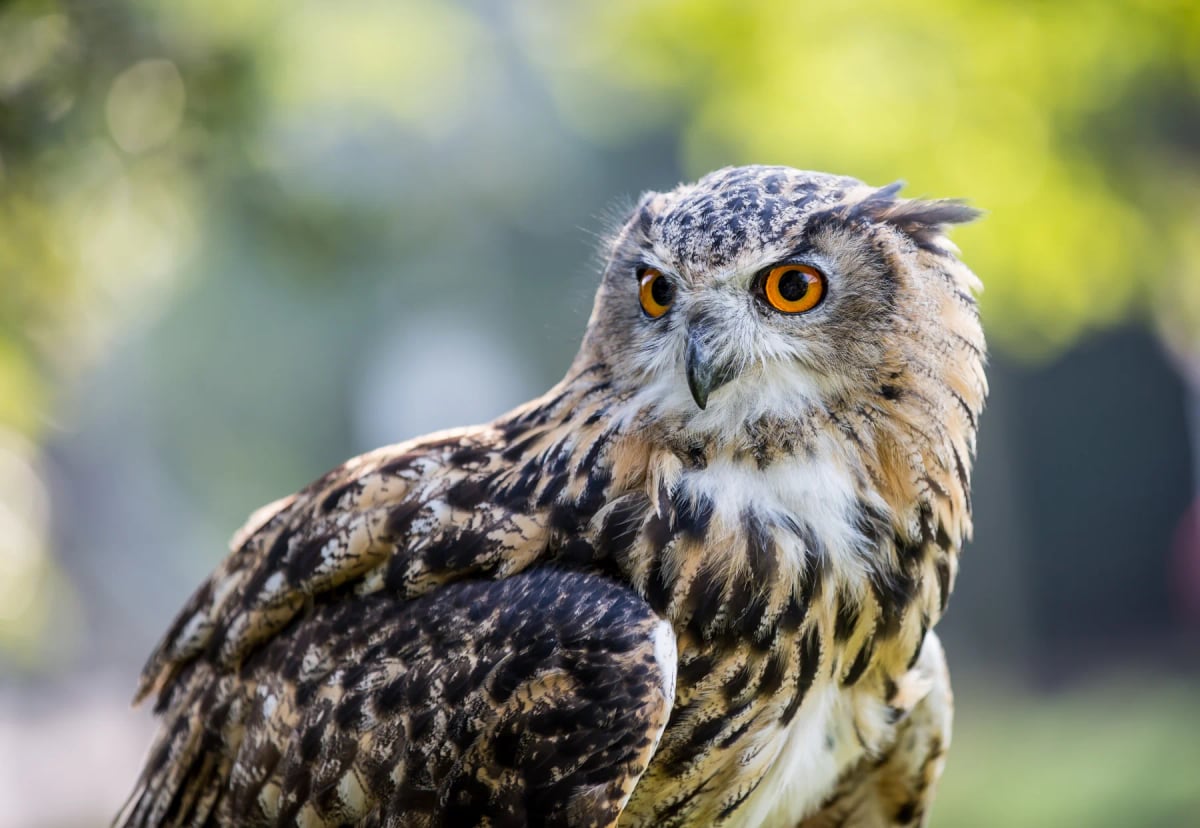
Eagle Owl
Bubo bubo
The Eurasian eagle owl is found across Afghanistan's rugged mountain ranges, including the Hindu Kush, where rocky gorges and cliffsides provide ideal nesting sites. Pairs nest directly on bare ledges, well away from human activity. This powerful owl hunts at night, taking hares, rodents, and birds. The IUCN lists it as Least Concern, and its remote habitat offers it some natural protection.
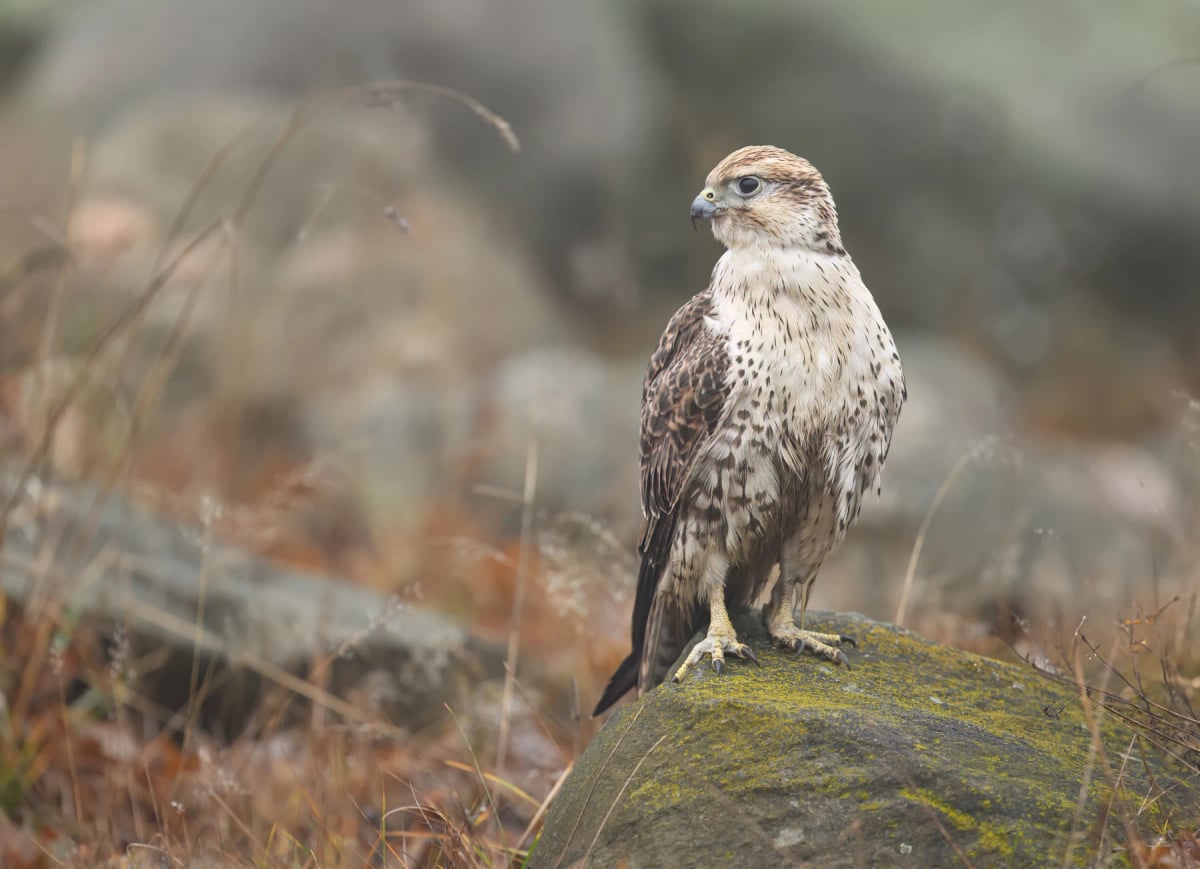
Saker Falcon
Falco cherrug
Afghanistan falls within the breeding and migratory range of the saker falcon. The country's open steppes, high plateaus, and semi-arid plains offer habitat that suits this powerful hunter. It feeds heavily on ground squirrels and medium-sized birds across these landscapes. Afghanistan has a long tradition of falconry, and illegal trapping for that trade has historically added pressure to an already declining population. The IUCN lists it as Endangered.
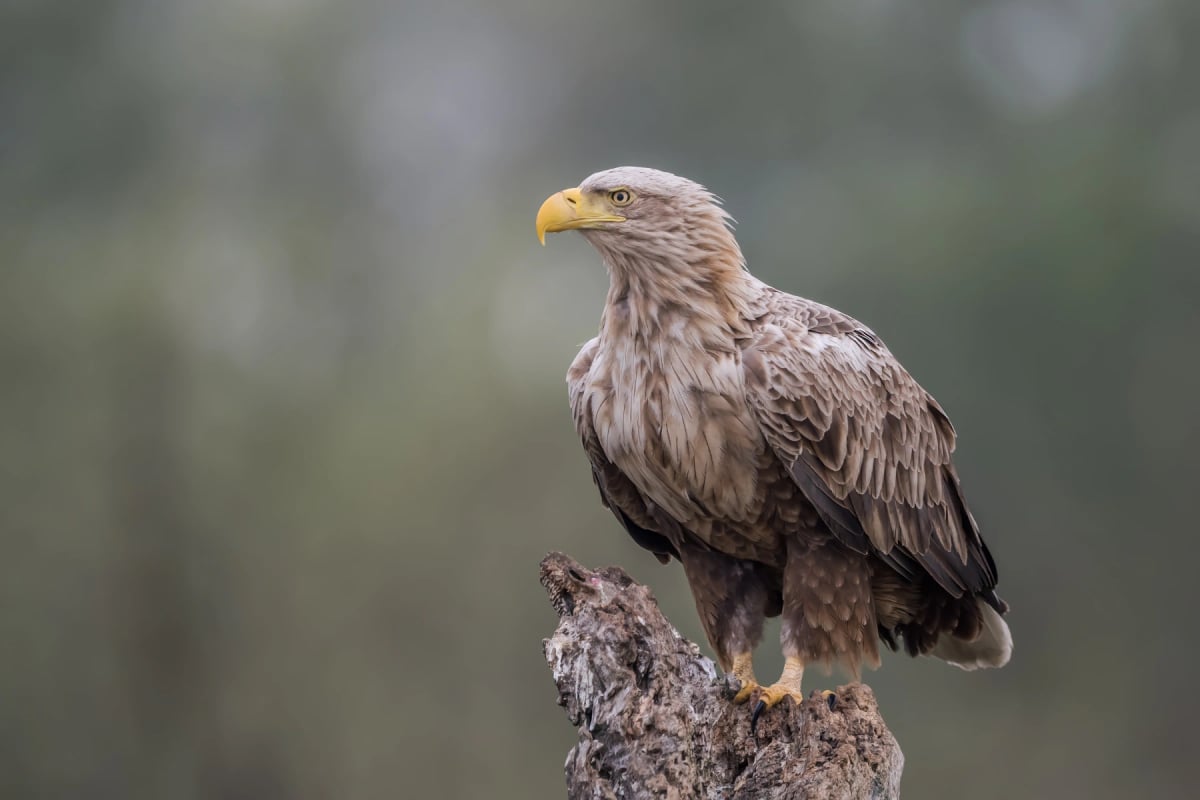
White tailed Eagle
Haliaeetus albicilla
In Afghanistan, the white tailed eagle is found in small numbers along the Amu Darya river and the larger wetlands of the north, with more birds arriving in winter. With a wingspan of up to about 2.4 meters and a white tail, it is hard to miss. It hunts fish and waterbirds and also feeds on carrion. Little survey work has been possible, so its numbers in the country are not well known. IUCN status: Least Concern.
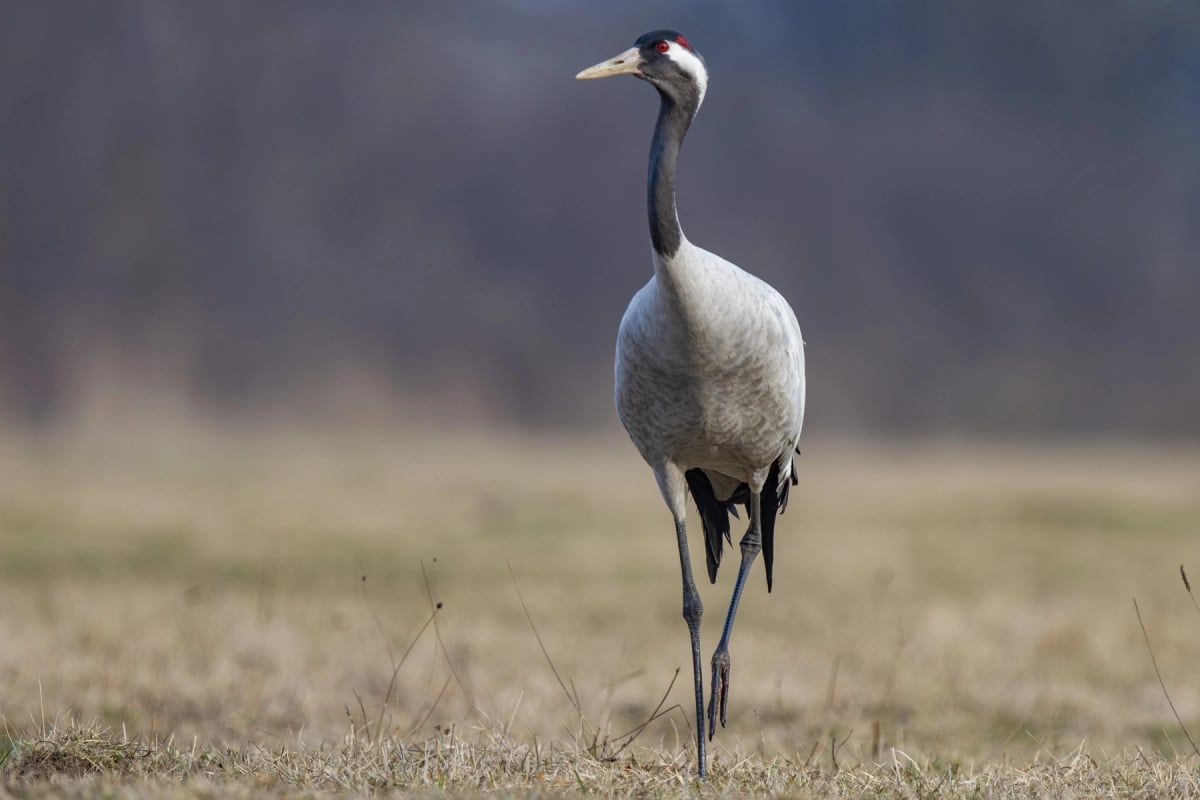
Crane
Grus grus
The common crane passes through Afghanistan during its seasonal migrations between central Asian breeding grounds and wintering sites further south. Flocks follow river valleys and open lowland areas as they travel. Standing up to 120 centimeters tall, these grey birds with their bold black and white heads are hard to miss. The species is listed as Least Concern by the IUCN, with populations remaining stable across its wide range.
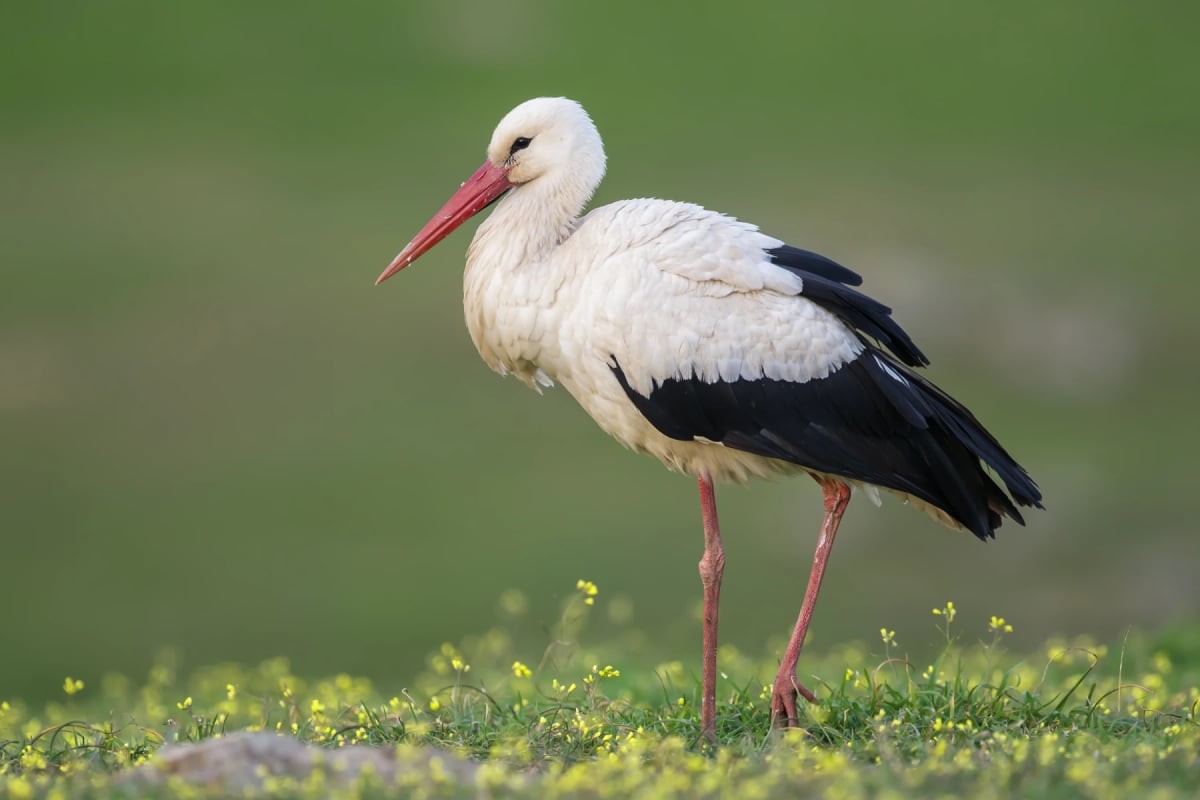
Stork
Ciconia ciconia
The white stork passes through Afghanistan on migration each spring and autumn, following river valleys, irrigated plains, and wetlands where it can stop to feed on frogs, large insects, and small animals. These birds belong mostly to the Central Asian population, which breeds farther north and spends the winter in Pakistan and India. The country is a stopover, not a nesting area, for the species. IUCN status: Least Concern.
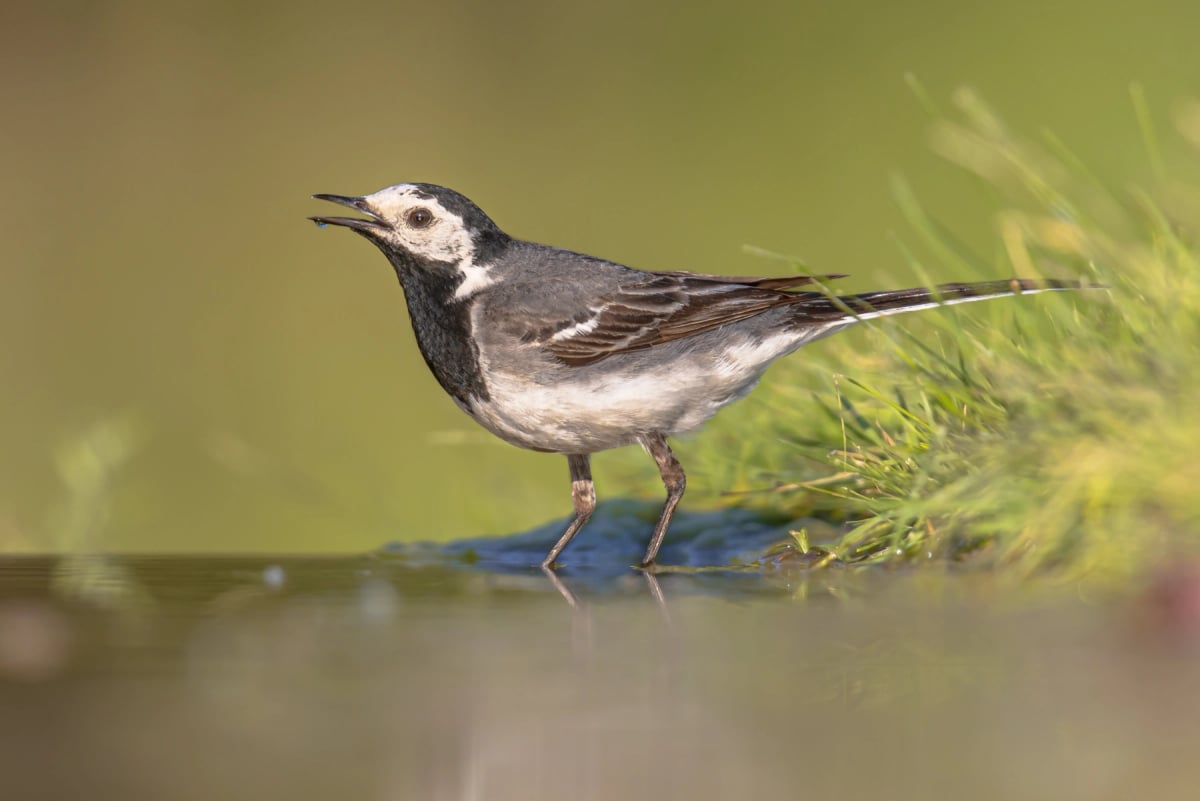
White Wagtail
Motacilla alba
The white wagtail is a familiar sight across Afghanistan, especially along the Kabul River and the wetlands of the north. It bobs its tail constantly as it forages along riverbanks and irrigated fields. Many birds pass through during spring and autumn migration, while others stay to breed in rocky crevices and walls. Its status is Least Concern globally.
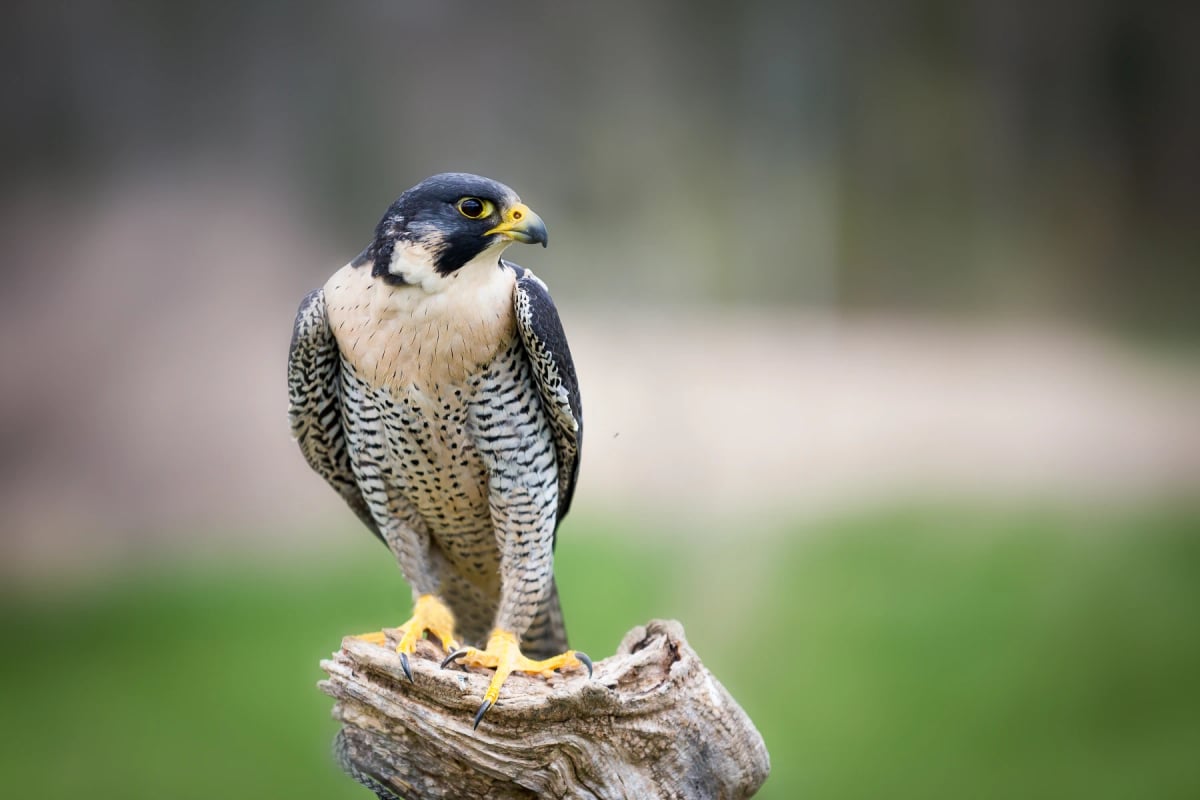
Peregrine Falcon
Falco peregrinus
Afghanistan's mountains, gorges and dry plains give the peregrine falcon cliffs to nest on and open ground to hunt over. Resident birds breed in the rocky highlands, and migrants from Central Asia and Siberia pass through or spend the winter here. Falconry has a long history in the country, and illegal trapping of wild falcons for the trade has been a concern. The IUCN lists the peregrine falcon as Least Concern.
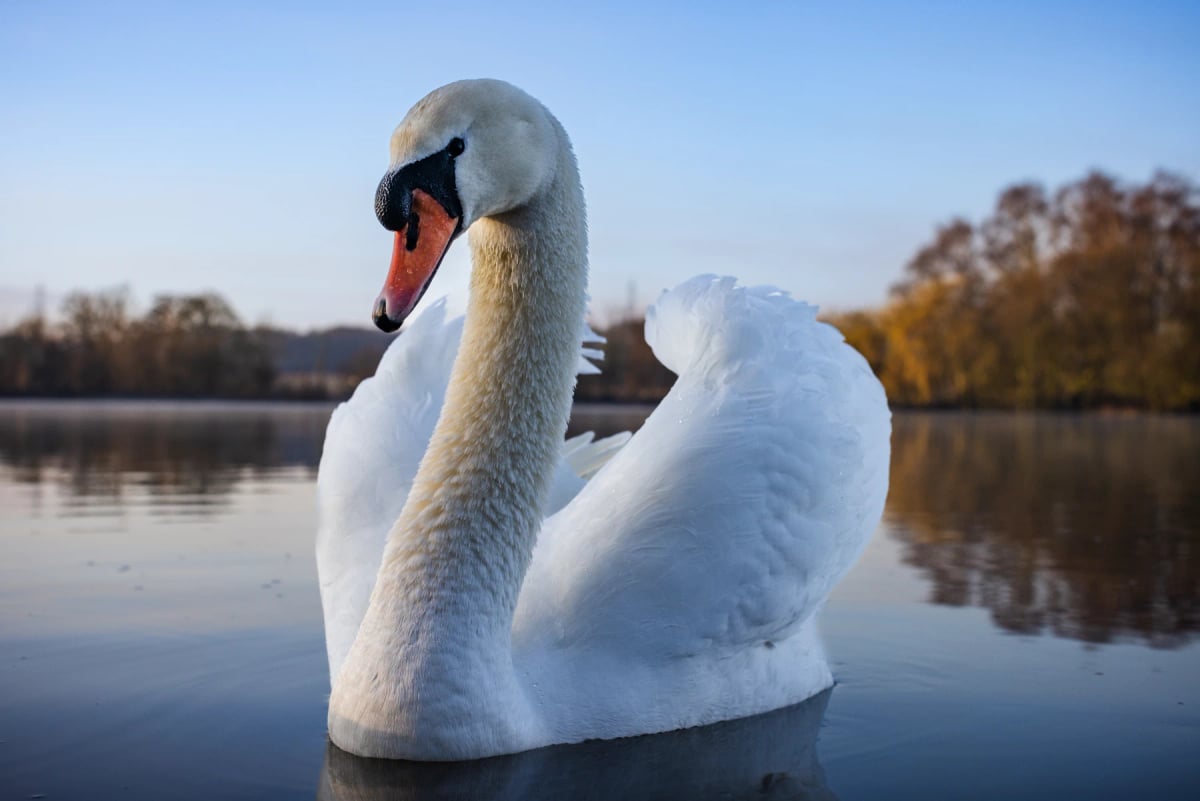
Mute Swan
Cygnus olor
The mute swan reaches Afghanistan at the southeastern limit of its Central Asian range, appearing as an irregular visitor at larger wetlands and lakes. The lakes of Band-e-Amir and wetlands in the north of the country near the Amu Darya are among the habitats where it has been recorded. Sightings are infrequent and the species does not breed here, but it reflects the broad migratory reach of this waterbird across Asia. IUCN status: Least Concern.
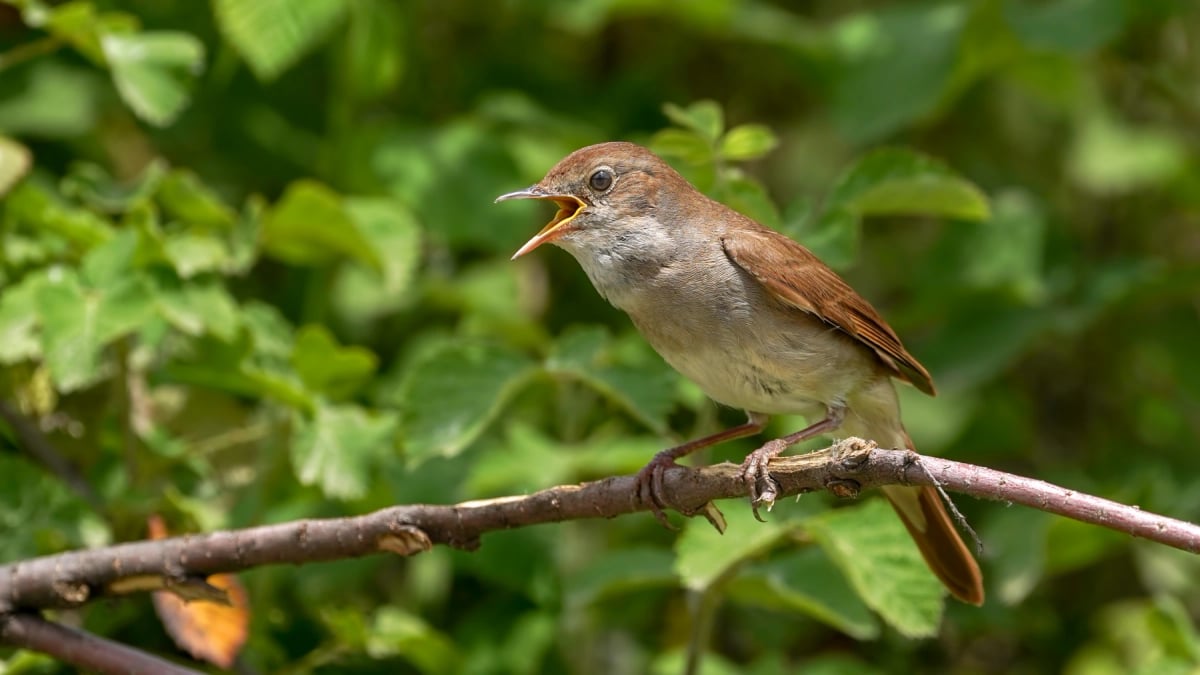
Nightingale
Luscinia megarhynchos
In Afghanistan, the nightingale breeds in dense riparian thickets and vegetation along river valleys, particularly in the greener north and northeast of the country. Males sing at night from deep within shrubby cover in spring and early summer. The country links the Middle Eastern birds with the paler central Asian subspecies, whose range continues east to western China and Mongolia. IUCN status: Least Concern.
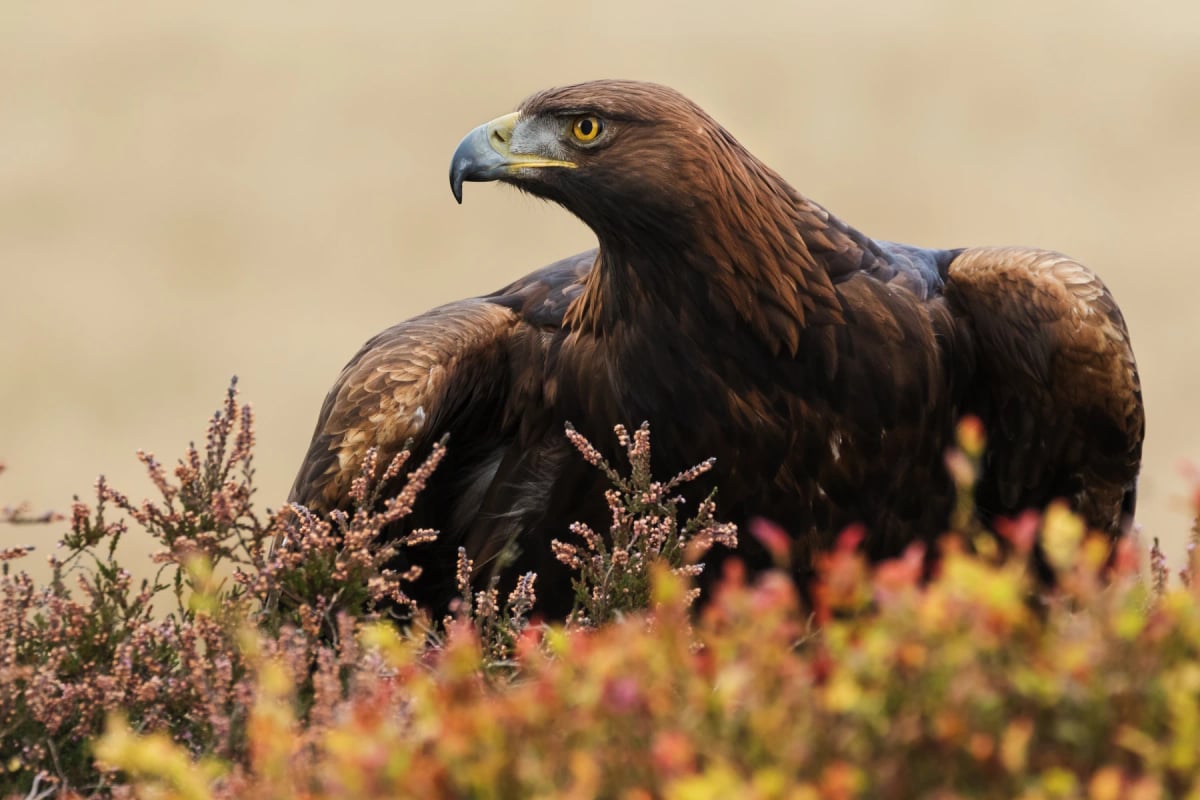
Golden Eagle
Aquila chrysaetos
The golden eagle is found across Afghanistan's rugged mountains, including the Hindu Kush and the Pamir highlands of the Wakhan corridor. It hunts over open slopes and rocky valleys, preying on hares, marmots and ground squirrels, and nests on high cliff ledges. Decades of conflict have made it hard to study, so its numbers here are poorly known. Pairs keep the same territory for years and often have several nests. IUCN status: Least Concern.
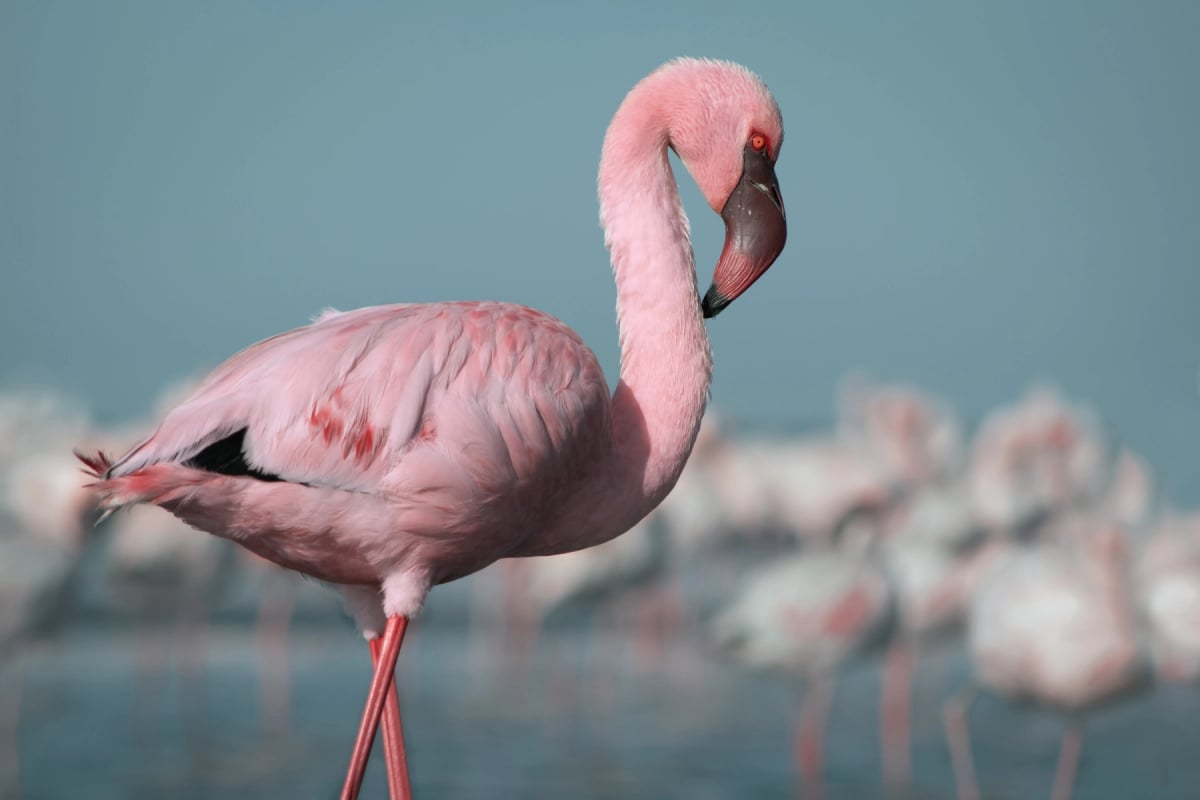
Flamingo
Phoenicopteridae (6 species)
The greater flamingo breeds in Afghanistan, and the shallow salt lake of Ab i Istada, south of Ghazni, was historically one of its most important colonies in the region, reached by birds that winter in India and Pakistan. The colony depends on the lake holding water, so breeding happens only in wet years, and drought and hunting have made it irregular. The birds filter brine shrimp and algae from the salty water. IUCN status: Least Concern.
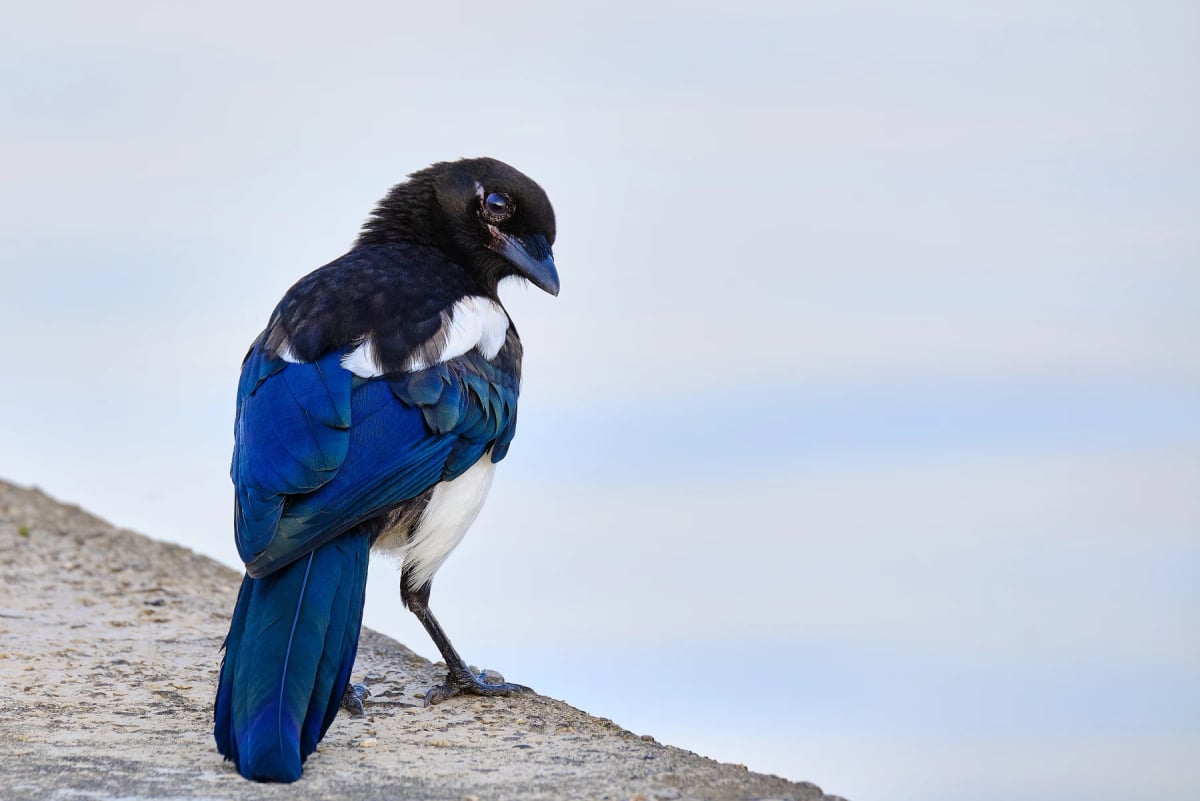
Eurasian Magpie
Pica pica
In Afghanistan, the Eurasian magpie lives mainly in the north and in the mountain valleys, where orchards, poplar and willow groves along rivers, and the edges of villages offer the mix of trees and open ground it needs. Birds here belong to the Central Asian subspecies, with more white in the wings. Bold and adaptable, it feeds on insects, grain, fruit and scraps around farms and settlements. IUCN status: Least Concern.
Researched and written by Juan Pablo. Sources: IUCN Red List, scientific literature and regional field guides. Last updated: .