Animals in Turkmenistan
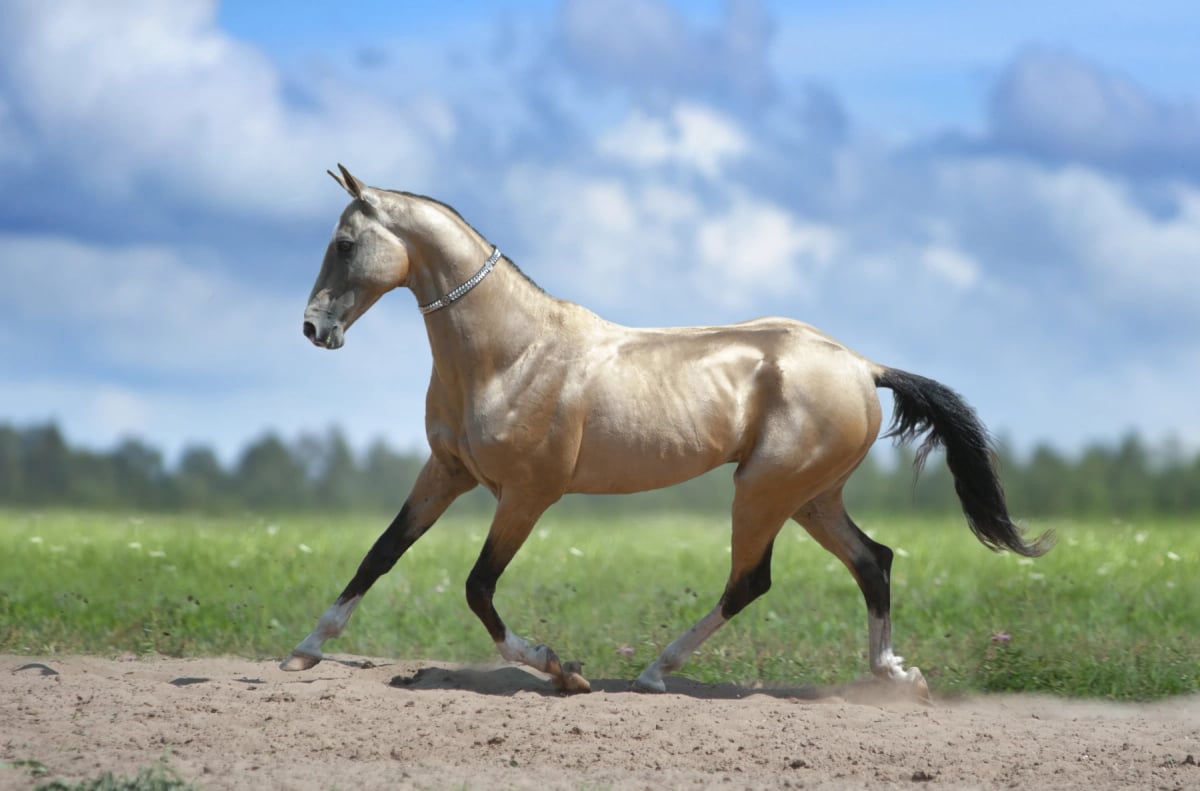
Akhal Teke Horse
Equus ferus caballus
The Akhal Teke horse, regarded as a national symbol of Turkmenistan, is one of the oldest and most revered horse breeds in the world. Known for its shimmering metallic coat, endurance and agility, this breed embodies grace, heritage and national pride. Beyond its physical elegance, the Akhal Teke holds deep historical value, tied to nomadic traditions and the identity of the Turkmen people. It remains a living emblem of strength and continuity across generations.
View details→Wildlife in Turkmenistan
Turkmenistan has wide deserts, dry steppes, mountain slopes and a short coast on the Caspian Sea. Visitors usually discover nature on long road journeys, guided desert drives and walks near oases or mountain villages. Along these routes they see sand dunes, rocky hills and river valleys where hardy mammals and many birds of prey still live far from the busiest towns.
Most Dangerous Animals in Turkmenistan
Although much of Turkmenistan’s landscape seems desolate, it is home to several species that can pose danger under certain circumstances. Predators like leopards and wolves are rarely seen but remain part of the natural balance in more remote zones. Wild boars are more likely to be encountered and may become aggressive, particularly when surprised or defending young. In these vast and rugged landscapes, caution and respect for the natural environment are essential.
Top 10 Animals in Turkmenistan
Turkmenistan’s top wildlife representatives often reflect the country's rugged terrain and harsh conditions, favoring animals that have evolved to survive in isolation. While the list continues to evolve, it includes species that are either culturally significant, ecologically vital or recognized for their elusive presence in the wild. These animals offer a compelling look into the strength and mystery of Central Asian ecosystems.
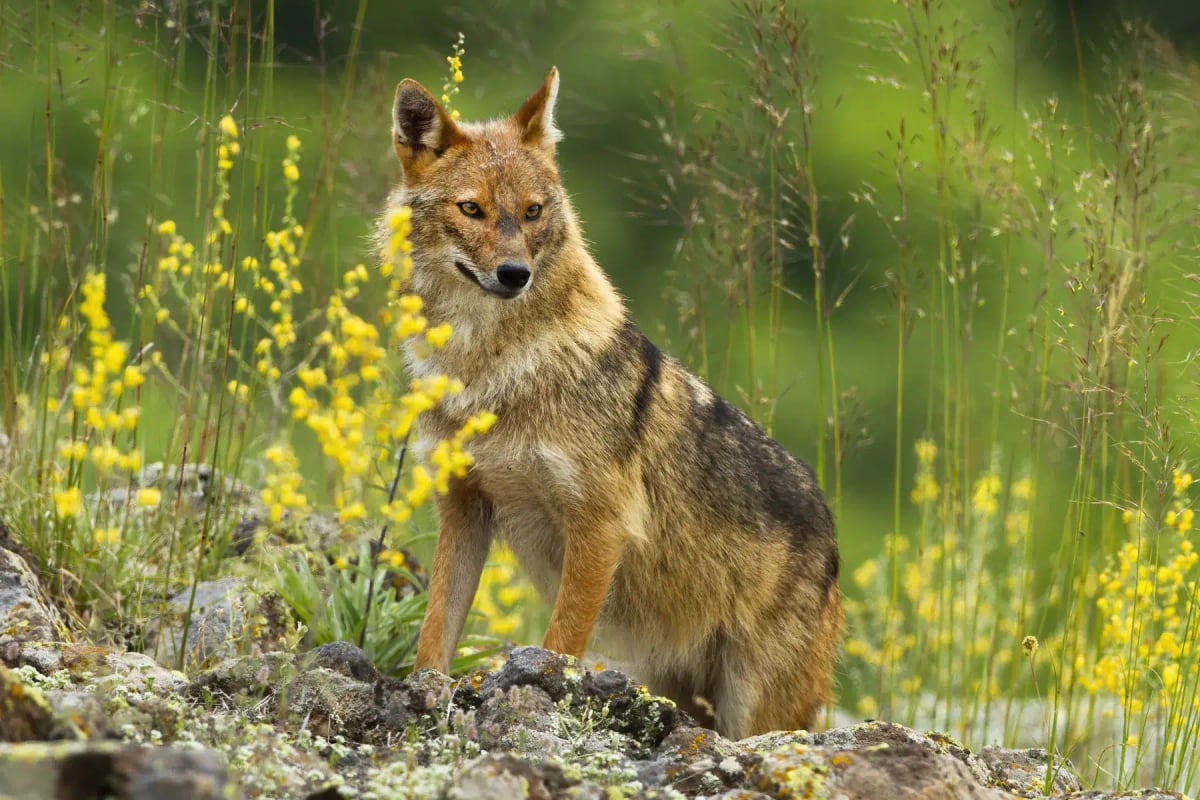
Golden Jackal
Canis aureus
In Turkmenistan, golden jackals are found along the Amu Darya river valley and in the Caspian coastal lowlands, where dense reed beds and riverside thickets provide ideal cover. They also occur near irrigated farmland and human settlements in the south. Opportunistic feeders, they consume small animals, fruit, and refuse. The species is well established but rarely the focus of dedicated monitoring programmes. IUCN status: Least Concern.
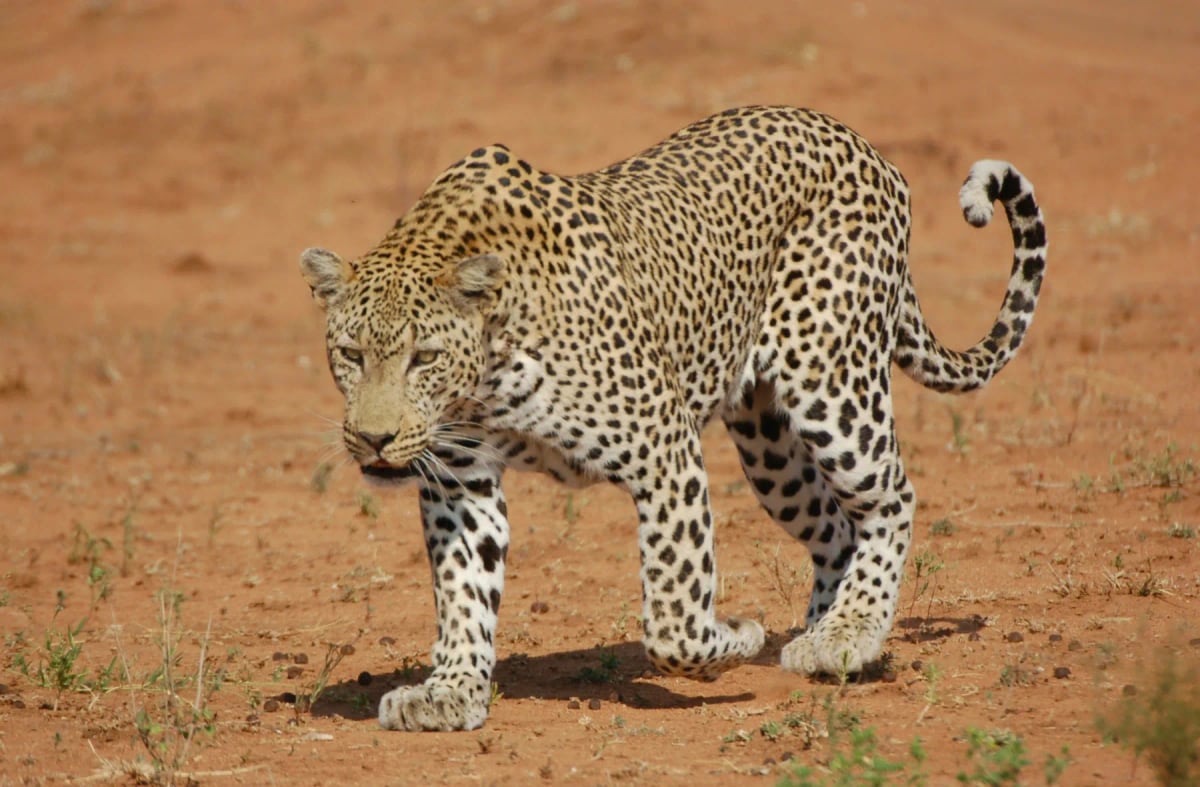
Leopard
Panthera pardus
The Persian leopard, Panthera pardus saxicolor, is critically endangered in Turkmenistan, with only a tiny number of individuals believed to remain in the Kopet Dag mountain range along the border with Iran. This subspecies is the largest of all leopard subspecies. Habitat degradation, a severe decline in prey species, and poaching have pushed the population to the edge of local extinction. IUCN status: Vulnerable.
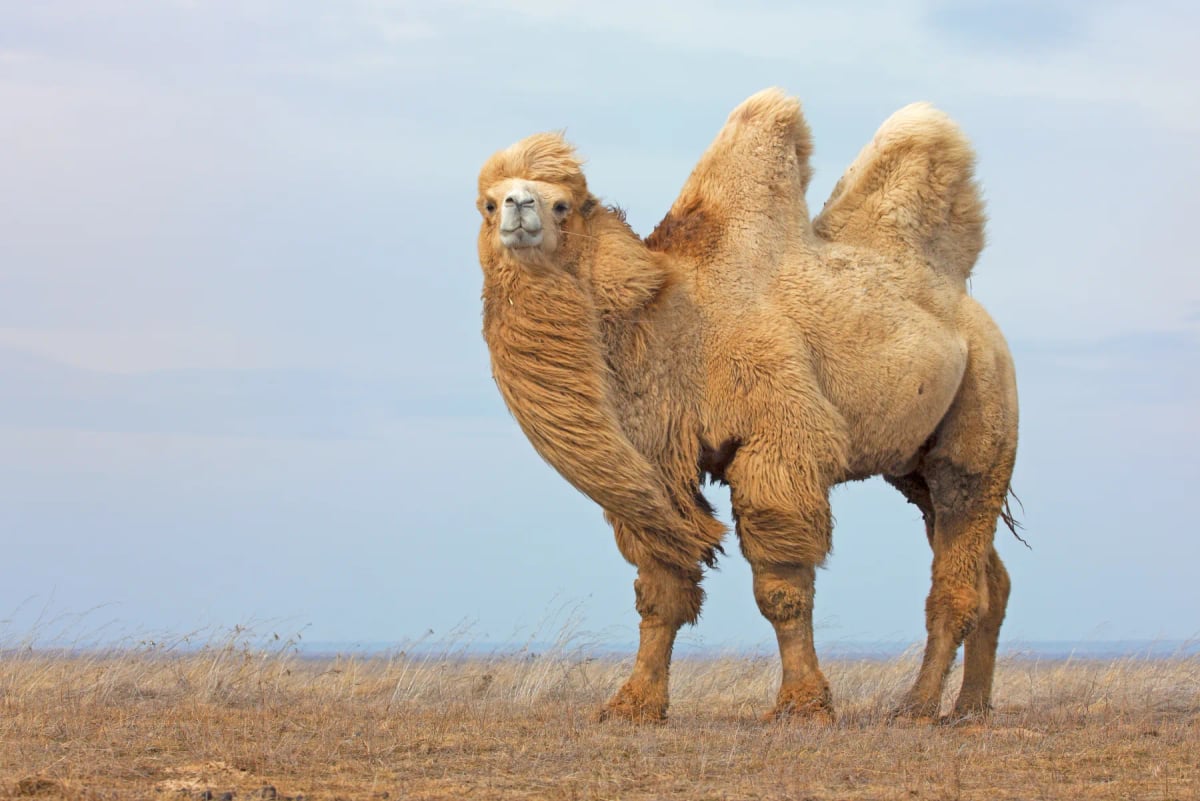
Bactrian Camel
Camelus bactrianus
Turkmenistan has a documented population of around 2,500 domesticated Bactrian camels, found mainly in the northern and eastern parts of the country near the Karakum Desert. The animals are kept by rural communities for milk, wool, and occasional transport use. While the dromedary is more commonly associated with the region's desert landscapes, the Bactrian camel has maintained a presence in Turkmenistan for centuries due to its tolerance of cold winters and ability to thrive on sparse desert vegetation.
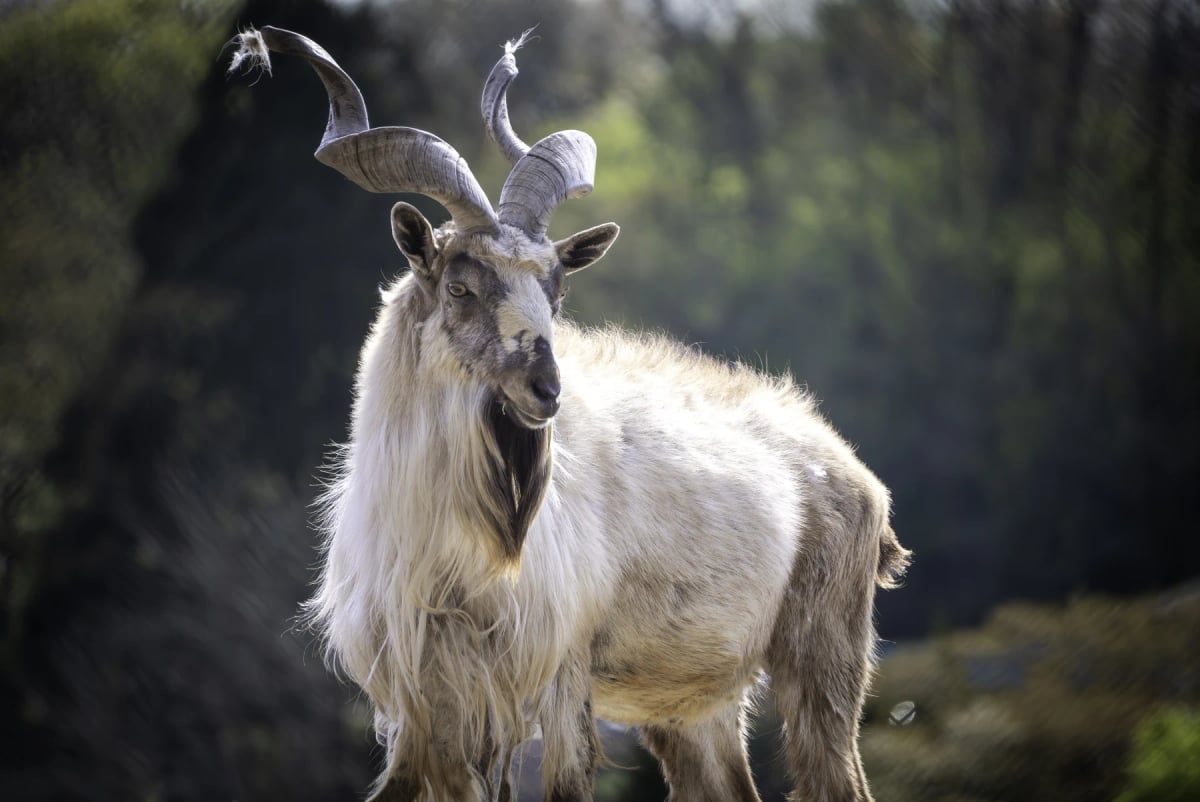
Markhor
Capra falconeri
The markhor has a limited presence in Turkmenistan, where it occupies isolated mountain areas in the southeast of the country. Its range here is restricted and the population is considered very small. Habitat degradation and hunting have reduced numbers over the decades. Greater regional cooperation and enforcement of existing protections are essential for any meaningful recovery of the markhor within Turkmenistan's borders.
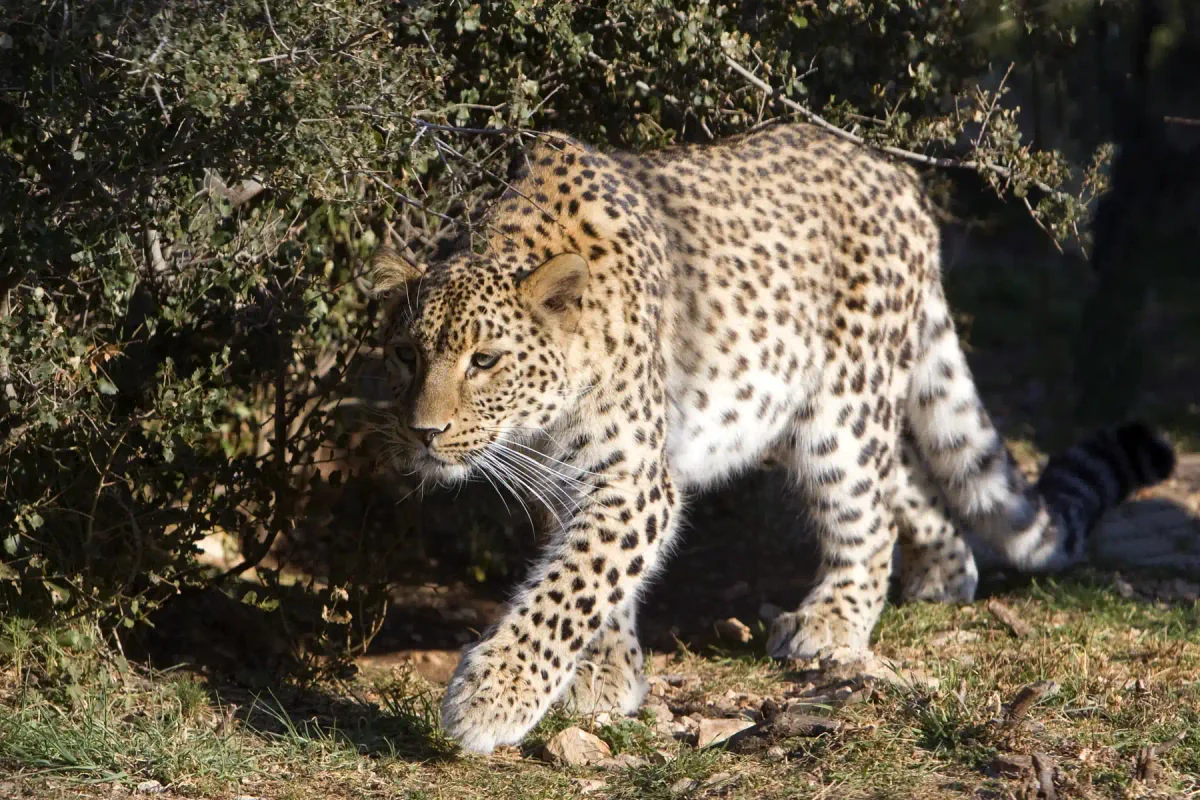
Persian Leopard
Panthera pardus tulliana
Turkmenistan's Kopet Dag mountains, along the border with Iran, are home to one of the more notable Persian leopard populations in Central Asia. This dry, rocky range supports ibex and other prey that the leopard depends on. The subspecies is protected under national law, and cross-border cooperation with Iran has been important for monitoring individuals that move between both countries.
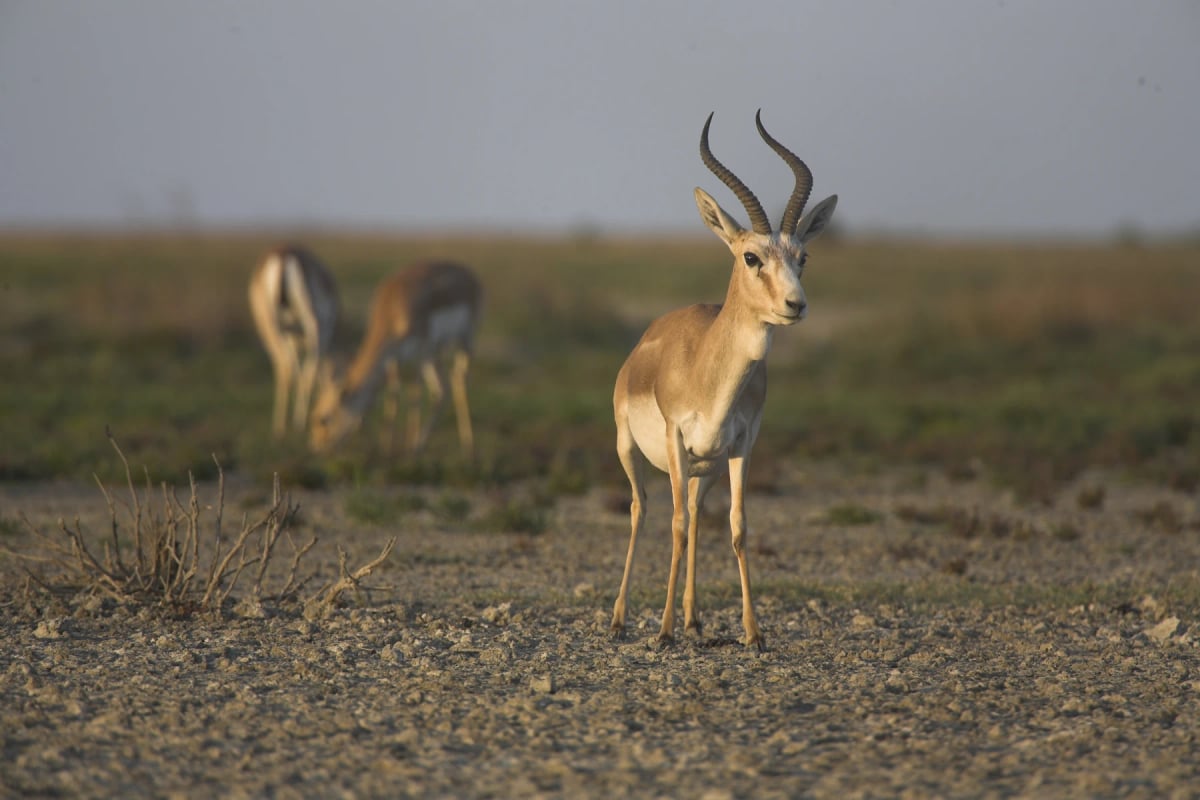
Goitered Gazelle
Gazella subgutturosa
Turkmenistan is one of the core countries for the goitered gazelle in Central Asia. The species is widespread across the Karakum Desert and surrounding plains, where it survives on minimal water and sparse vegetation. The Repetek Biosphere Reserve provides some degree of protection. Despite this, poaching and habitat disruption remain persistent problems. The IUCN lists the species as Vulnerable, and Turkmenistan plays a key role in the survival of the species across the region.
Akhal Teke Horse
Equus ferus caballus
The Akhal Teke is Turkmenistan's national animal and one of the country's most powerful cultural symbols. Bred for thousands of years in the Karakum Desert, this horse is central to Turkmen identity, appearing on the national coat of arms and currency. The government protects its bloodlines through an official stud book, and gifting an Akhal Teke is considered one of the highest honors in the country.
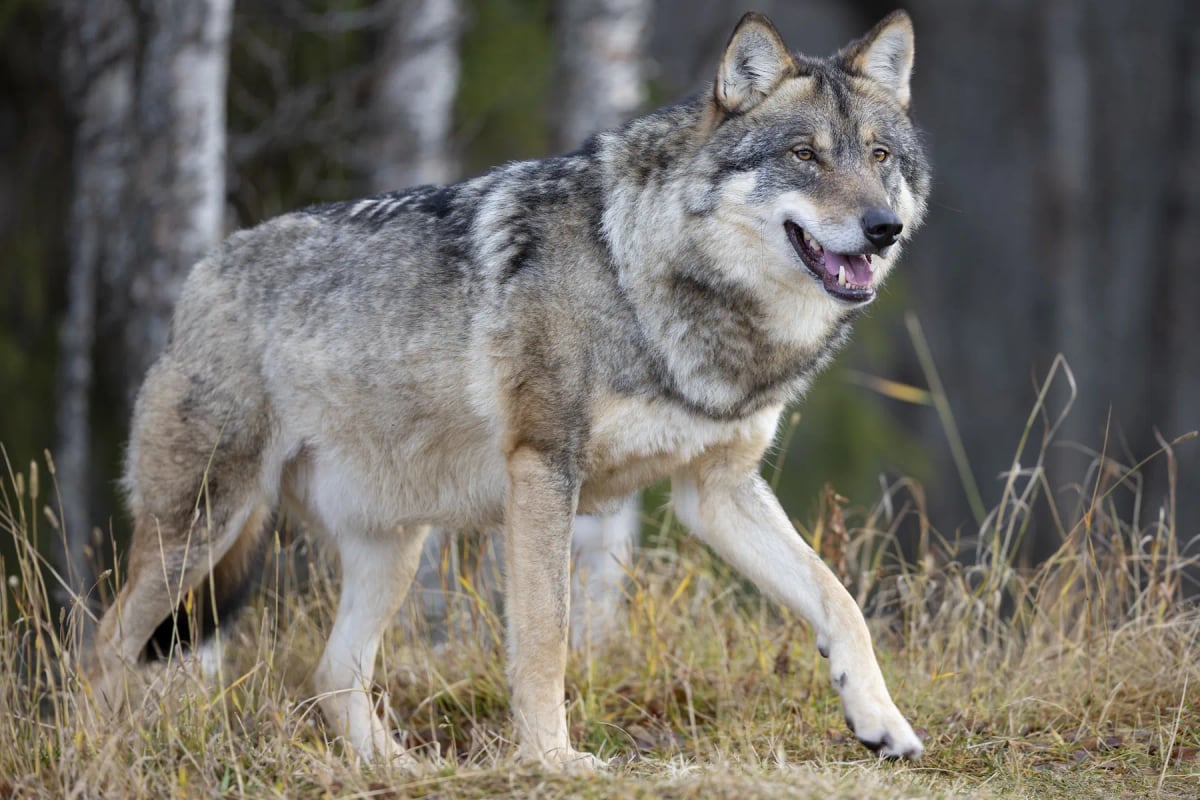
Gray Wolf
Canis lupus
The gray wolf roams the deserts, mountains, and semi-arid plains of Turkmenistan, including the Kopet-Dag range along the Iranian border. Wolves here survive in landscapes that offer little cover, relying on their endurance to pursue prey such as gazelles and livestock. They are considered a threat by herders, which has led to widespread persecution. The species holds Least Concern status globally.
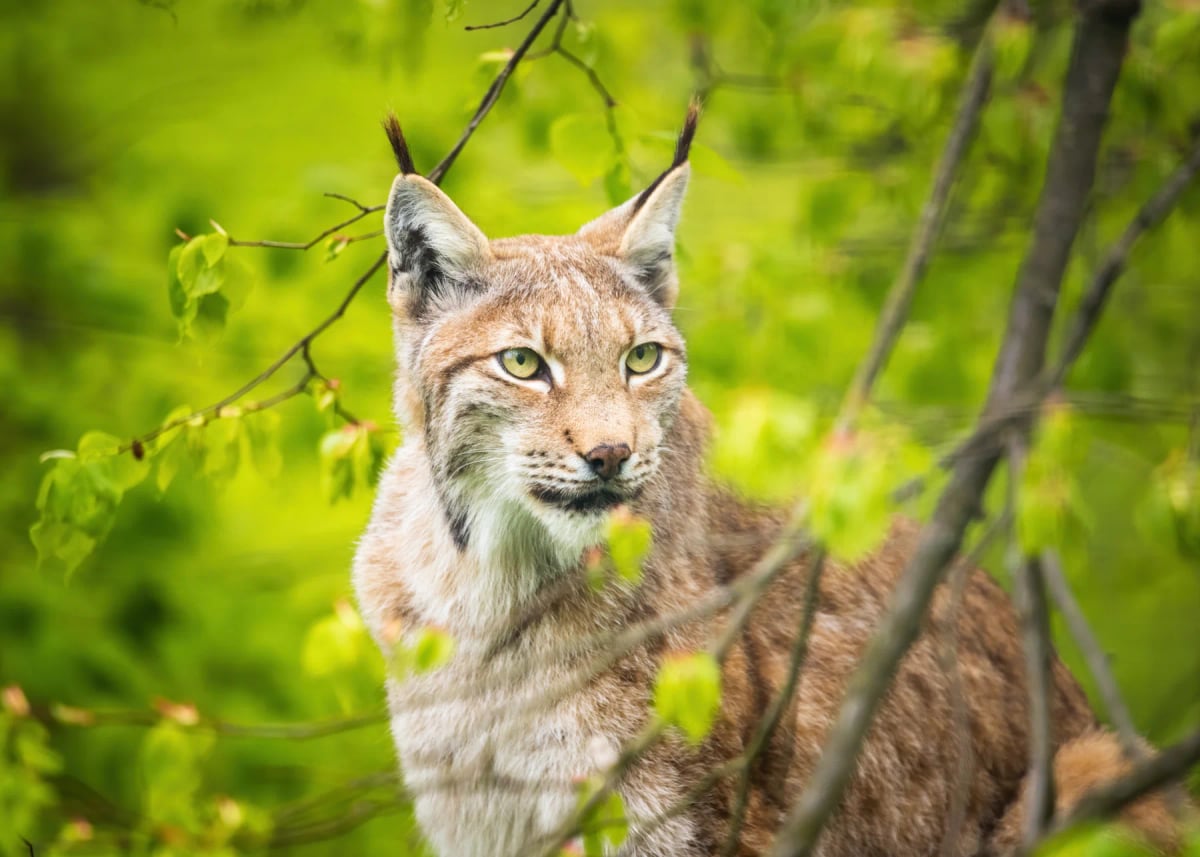
Eurasian Lynx
Lynx lynx
The Eurasian Lynx occurs in Turkmenistan primarily in the Kopet Dag mountain range along the southern border with Iran, where rocky slopes and sparse forest provide suitable cover. This population is considered small and isolated. The lynx preys on hares, birds, and small ungulates in this arid terrain. Reliable population data is difficult to gather in this region. The IUCN lists the species as Least Concern at the global level.
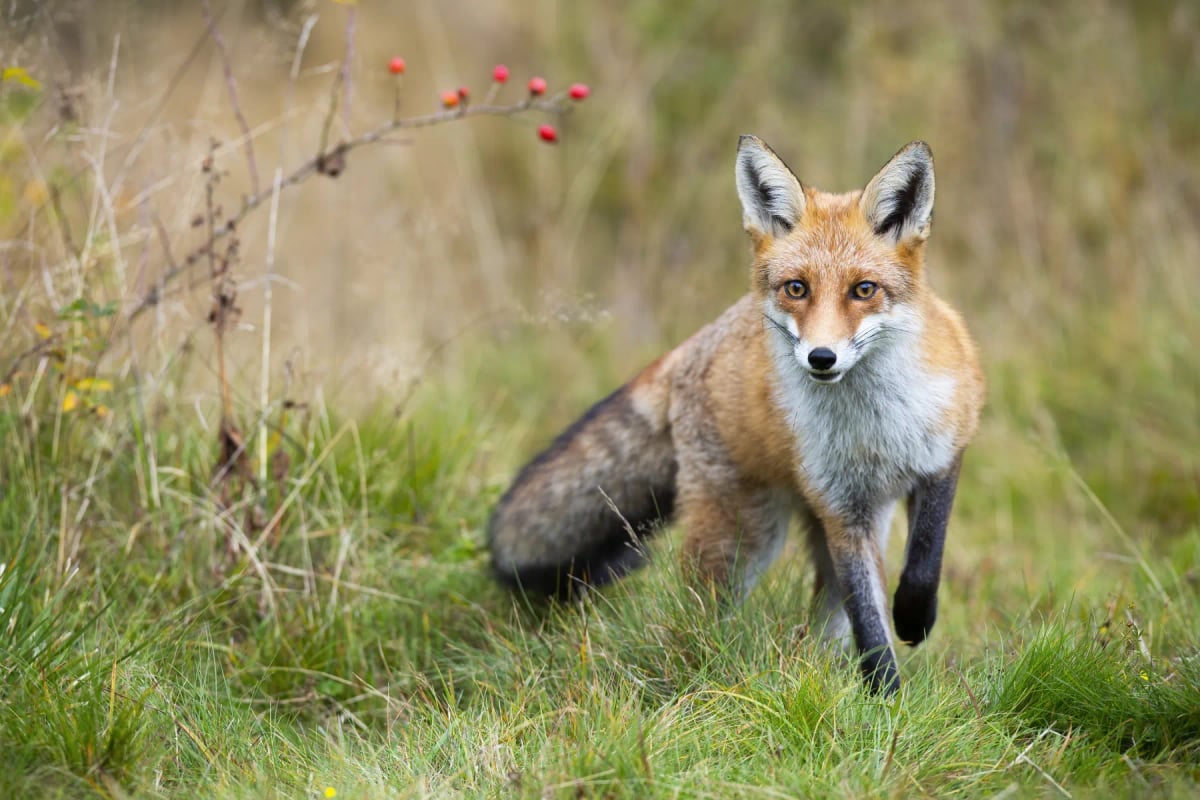
Red Fox
Vulpes vulpes
In Turkmenistan, the red fox survives across a challenging landscape that includes the vast Karakum Desert, the foothills of the Kopet Dag mountains, and the fertile plains along the Amu Darya river. It is well suited to arid environments, feeding on rodents, lizards, insects, and plant material. The species is considered Least Concern and remains one of the more commonly encountered carnivores across the country.
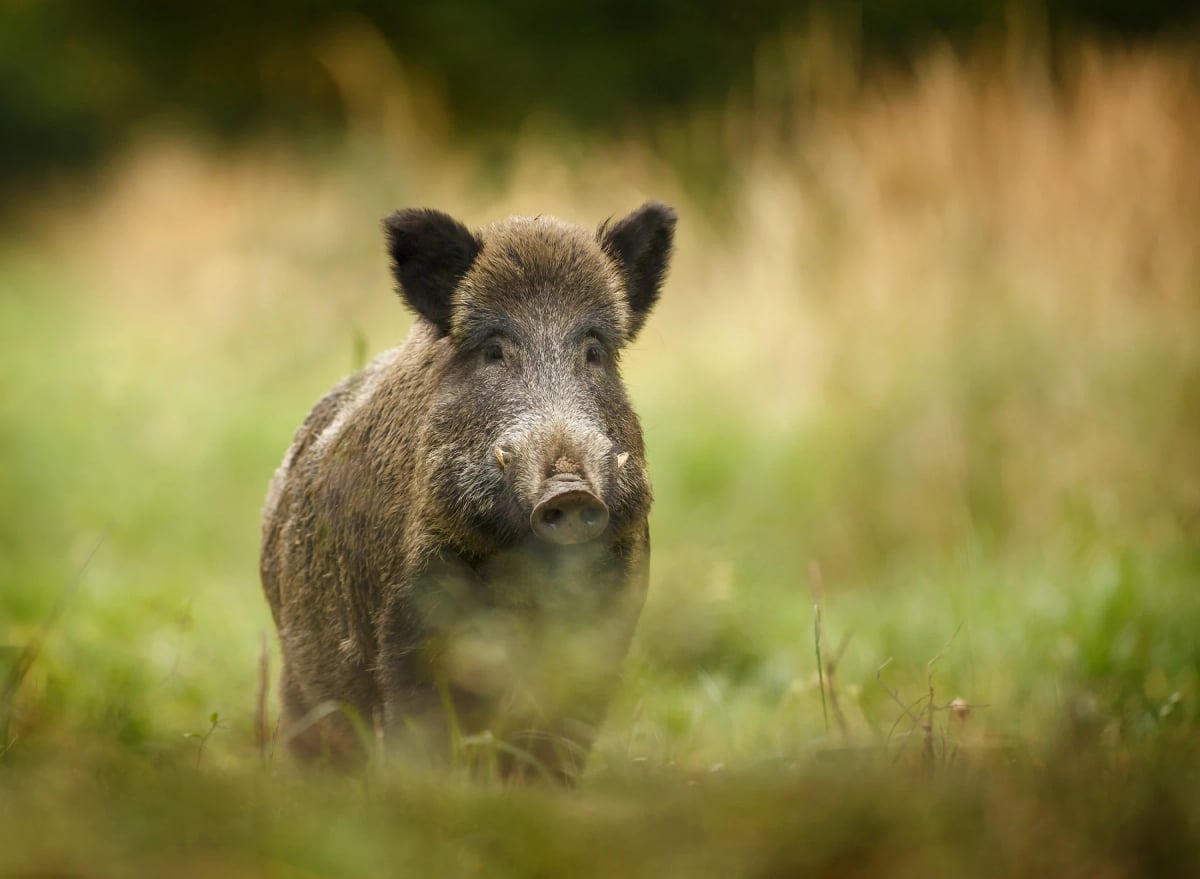
Wild Boar
Sus scrofa
Wild boars in Turkmenistan inhabit the tugai forests and reed beds along rivers such as the Amu Darya, where dense riverside vegetation provides cover and food in an otherwise arid landscape. Habitat loss from agricultural expansion along these waterways has reduced the species' range in some areas. Wild boars are hunted in limited parts of the country, mainly where rural communities outside the Muslim majority maintain the tradition.
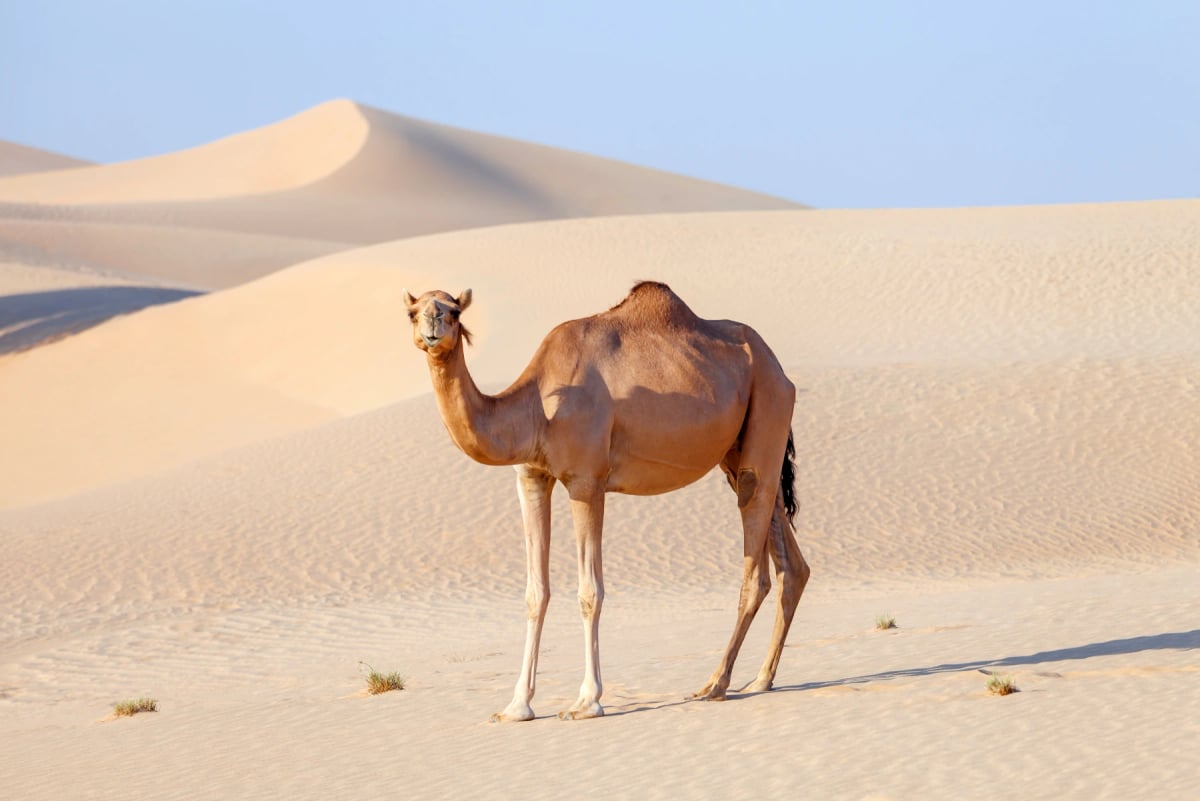
Dromedary Camel
Camelus dromedarius
Dromedary camels have a long history in Turkmenistan, where the Karakum Desert covers most of the country. The Turkmen people developed their own distinct breed, the Arvana dromedary, prized for its high milk production and calm temperament. Camels remain an important part of rural life and are featured in national culture and celebrations. Herds graze across the sandy desert plains, surviving on sparse vegetation with little water.
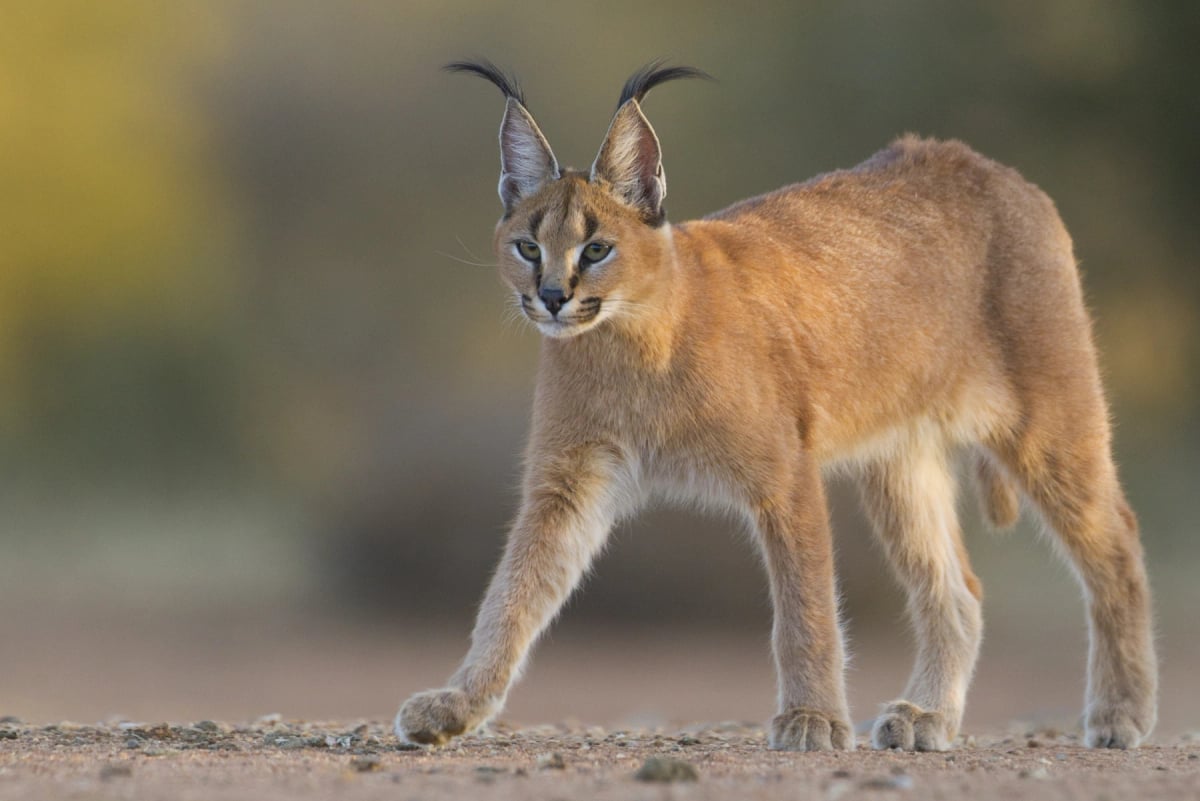
Caracal
Caracal caracal
In Turkmenistan, the caracal occupies desert and semi-arid scrubland habitats, particularly in the Karakum Desert region and areas bordering Iran and Afghanistan. It is considered rare across Central Asia. The species hunts rodents, hares, and birds in these sparse landscapes. Although listed as Least Concern globally by the IUCN, its numbers in Turkmenistan are low and reliable population data remains limited.
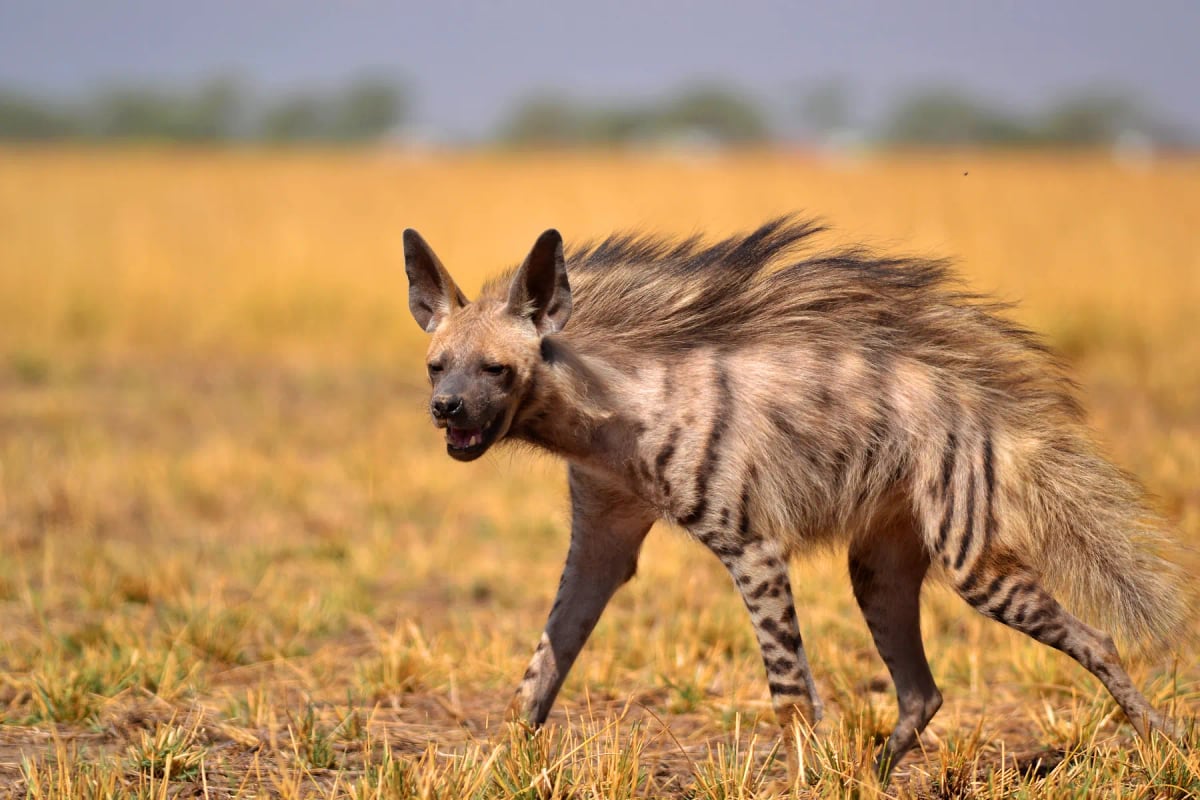
Striped Hyena
Hyaena hyaena
In Turkmenistan, the striped hyena inhabits desert edges, rocky hills, and semi-arid valleys, particularly in the south near the borders with Iran and Afghanistan. It is a solitary, nocturnal animal that depends heavily on scavenging to survive in these harsh landscapes. Populations across Central Asia are declining. The IUCN classifies the species as Near Threatened, with habitat loss and direct persecution among the main threats facing it in this region.

Honey Badger
Mellivora capensis
Turkmenistan lies near the northern edge of the honey badger's Asian range, with populations found in the desert and semi desert terrain bordering Iran and Uzbekistan. A local subspecies has even been described based on coat coloration found in this region. It survives on rodents, reptiles and insects in a landscape with little vegetation. Sightings remain rare, and the species is listed as Least Concern by the IUCN.
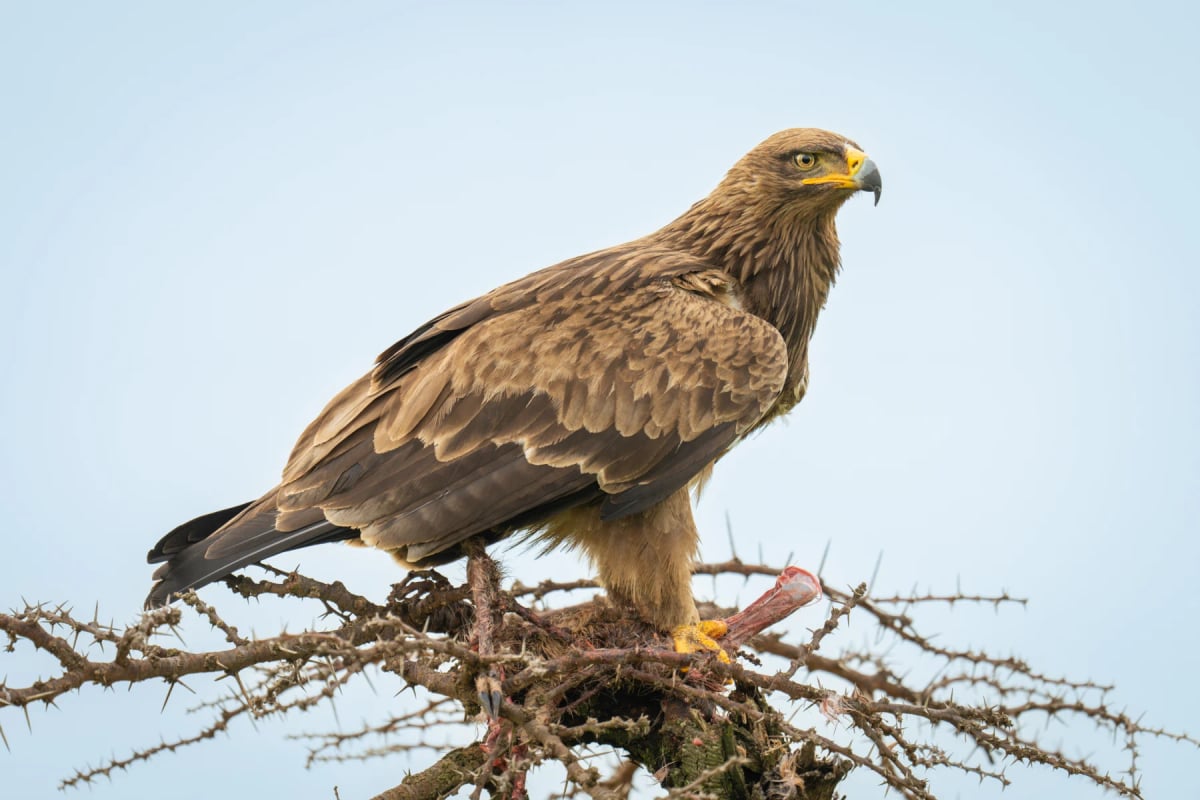
Steppe Eagle
Aquila nipalensis
Turkmenistan's arid plains and semi-desert landscapes form part of the Steppe Eagle's breeding and migration range in Central Asia. The country's open terrain is well suited to a raptor that nests on the ground and hunts across wide, flat expanses. The species is Endangered, and threats such as poorly insulated power lines, which are common across Central Asia, pose a direct risk to breeding birds here.
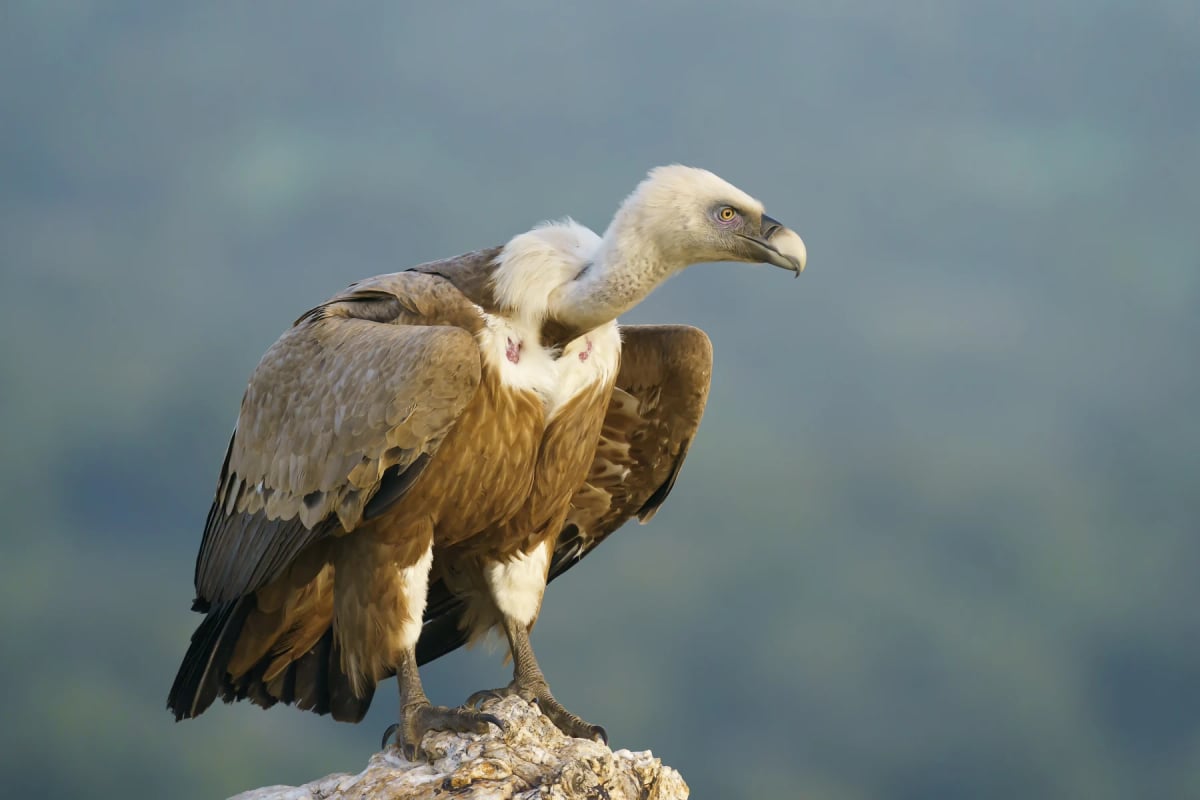
Griffon Vulture
Gyps fulvus
In Turkmenistan, griffon vultures are associated with the Kopet Dag mountain range along the southern border with Iran, where rocky cliffs provide nesting habitat. They also venture over the vast Karakum Desert in search of food, using thermal currents to cover large distances with minimal effort. The remote nature of much of Turkmenistan means that detailed population data is limited, but the species is regularly observed in suitable habitat areas. IUCN status: Least Concern.
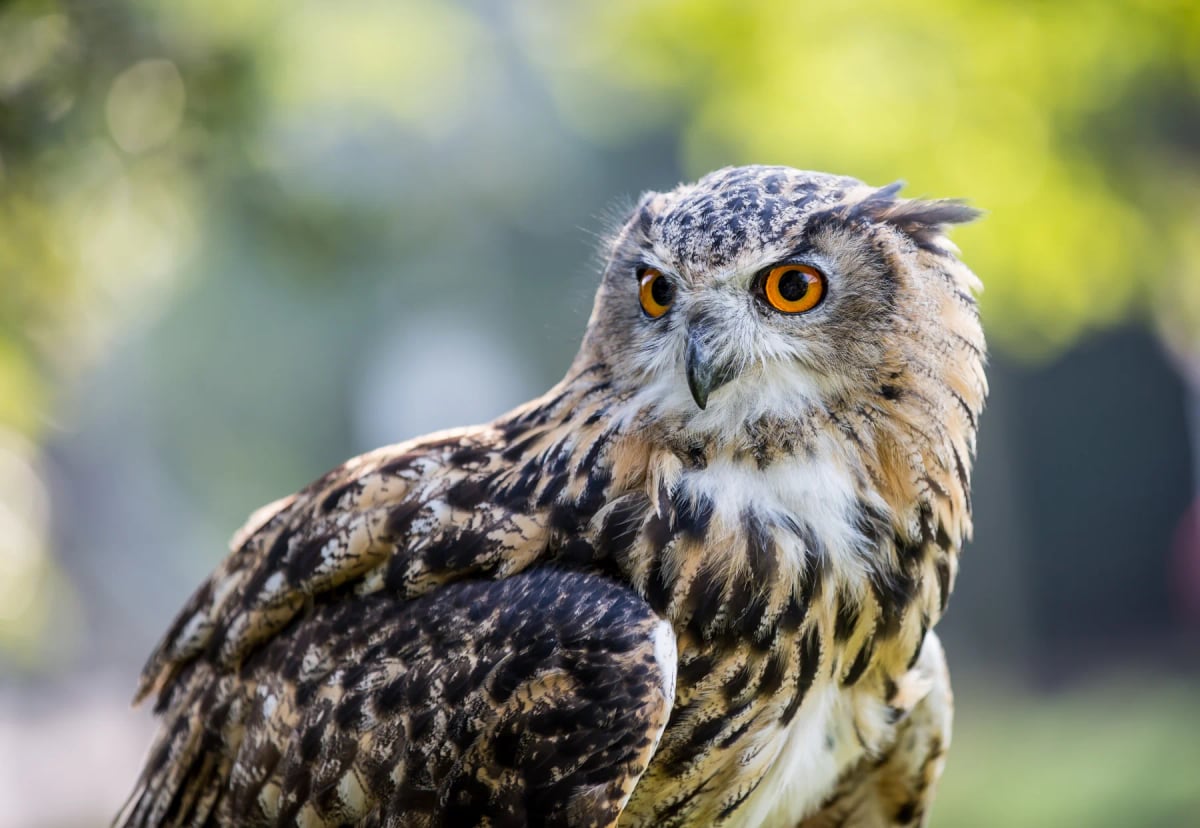
Eagle Owl
Bubo bubo
The eagle owl is present in Turkmenistan across the rocky ridges of the Kopet Dag mountains along the southern border, as well as in dry plains and desert edges where suitable nesting cliffs exist. It preys primarily on rodents and other small mammals that are common in these dry landscapes. The species is largely nocturnal and uses cliff ledges as nest sites. IUCN status: Least Concern.
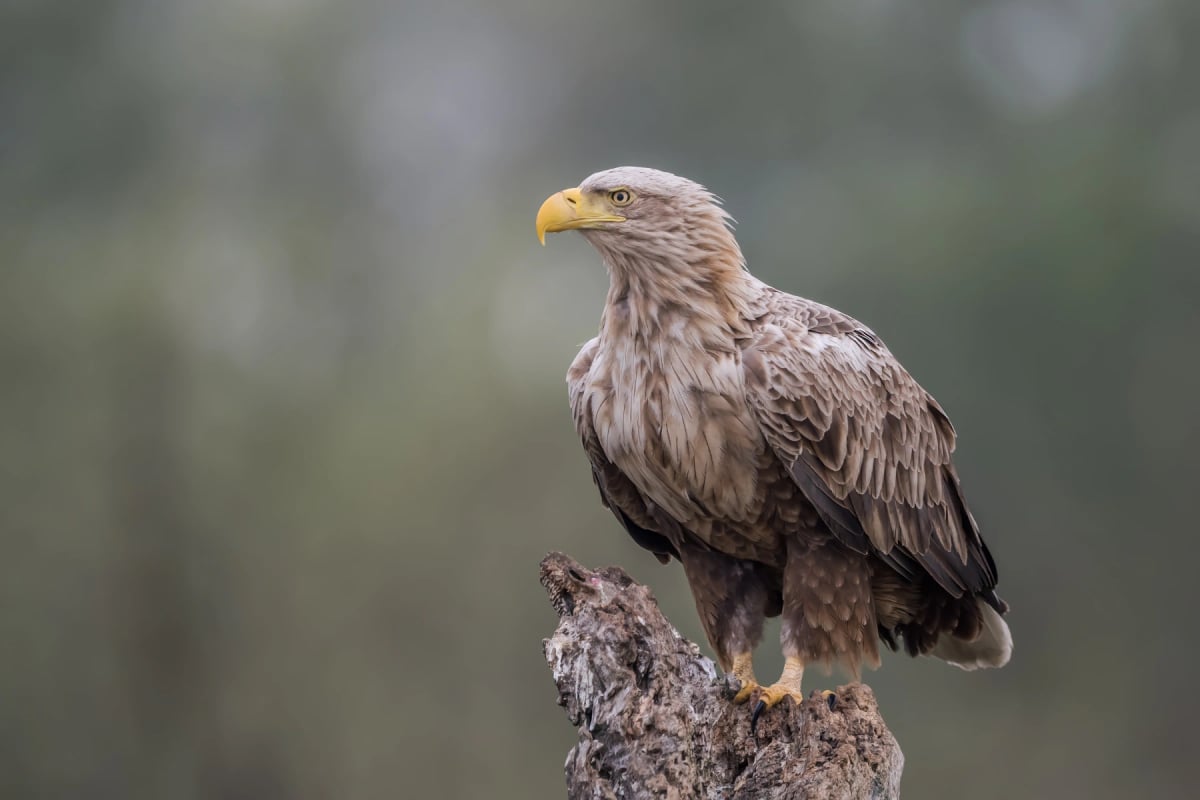
White tailed Eagle
Haliaeetus albicilla
In Turkmenistan, the white tailed eagle is found mainly along the Amu Darya river and around the Caspian Sea coast, where wetlands and fish stocks attract these birds during migration and winter. Breeding is possible but not well documented. The degradation of wetland habitats following the shrinking of the Aral Sea has affected prey availability across the wider region. Continued habitat monitoring is needed to better understand the species' status in the country.
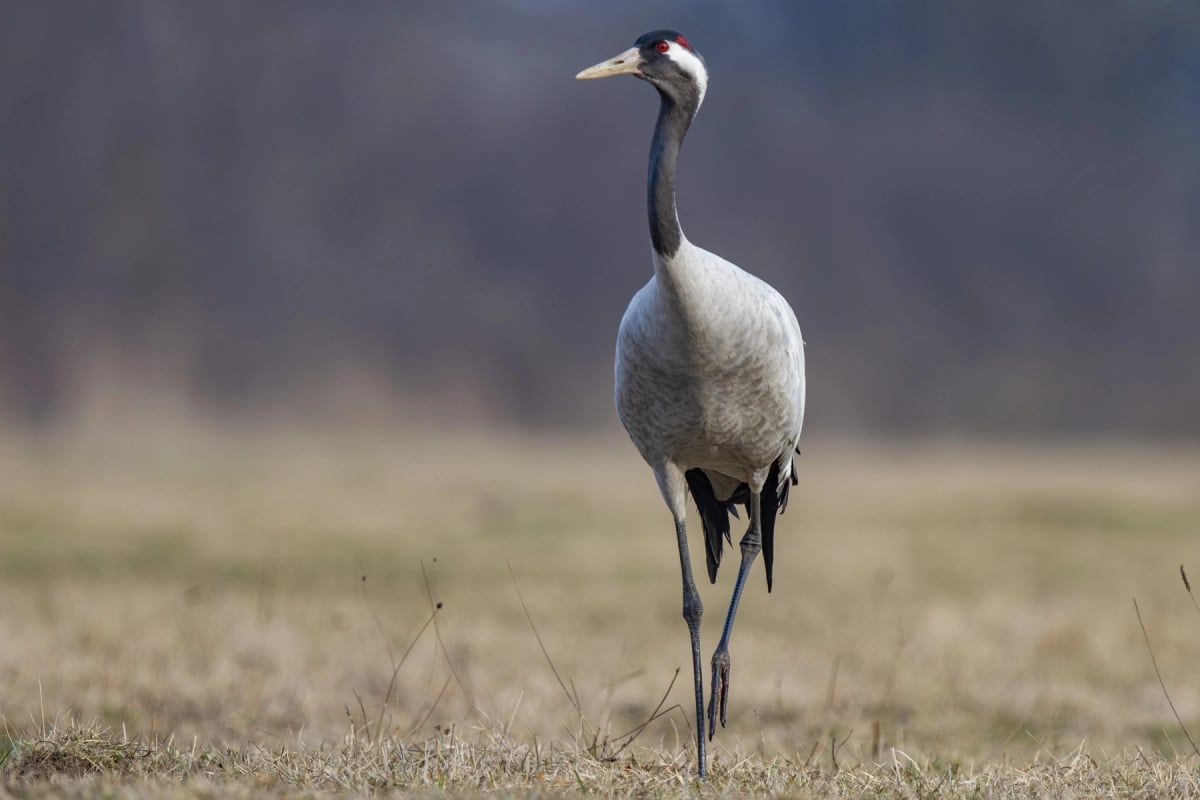
Crane
Grus grus
Turkmenistan lies on the Central Asian flyway, and common cranes cross it each spring and autumn between Kazakhstan and their wintering grounds in Iran and beyond. Flocks rest along the Amu Darya valley and in wetlands near the Caspian coast, and some birds spend the winter in the southern oases and irrigated farmland, where water and grain are easier to find in this largely desert country. IUCN status: Least Concern.
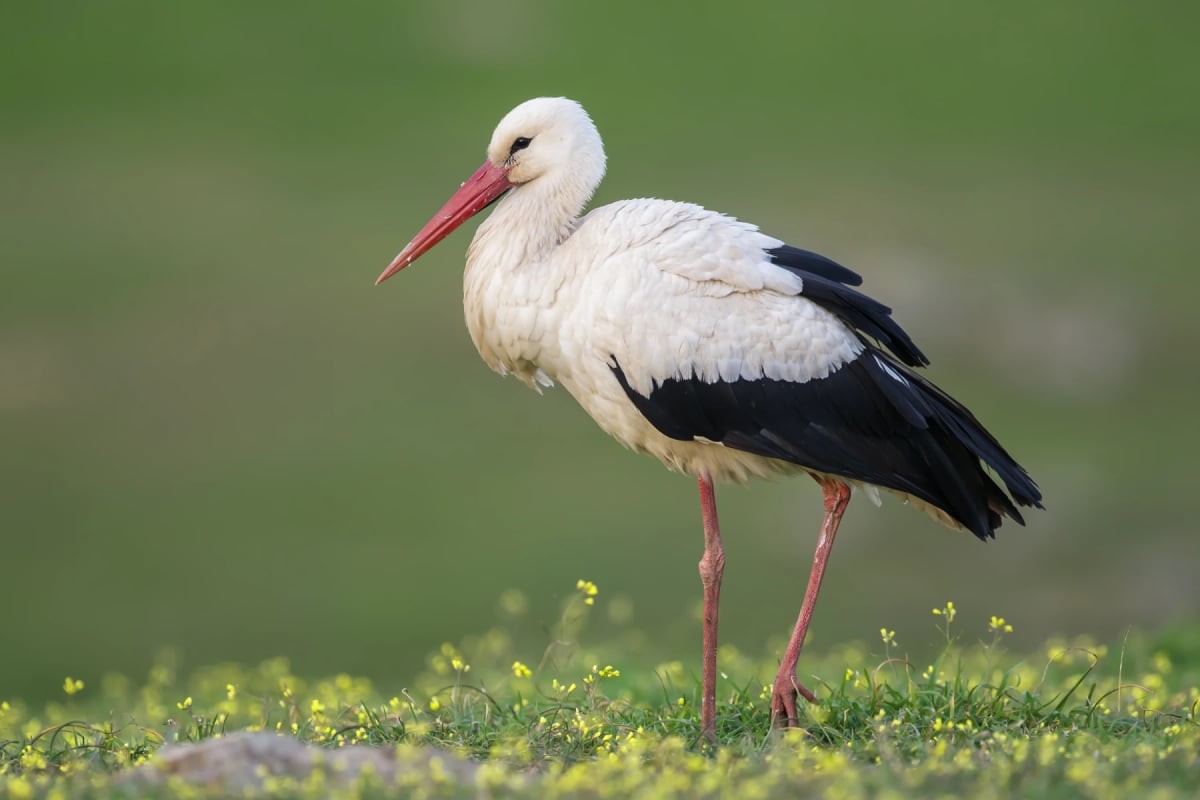
Stork
Ciconia ciconia
The white stork occurs in Turkmenistan both as a migrant and a breeding bird, favoring irrigated farmland and river corridors such as those along the Amu Darya. These areas provide the frogs, insects, and small animals it depends on. Nests are often built on man made structures in villages and towns, and pairs return to the same site each year. Its populations across Central Asia remain stable. It is listed as Least Concern by the IUCN.
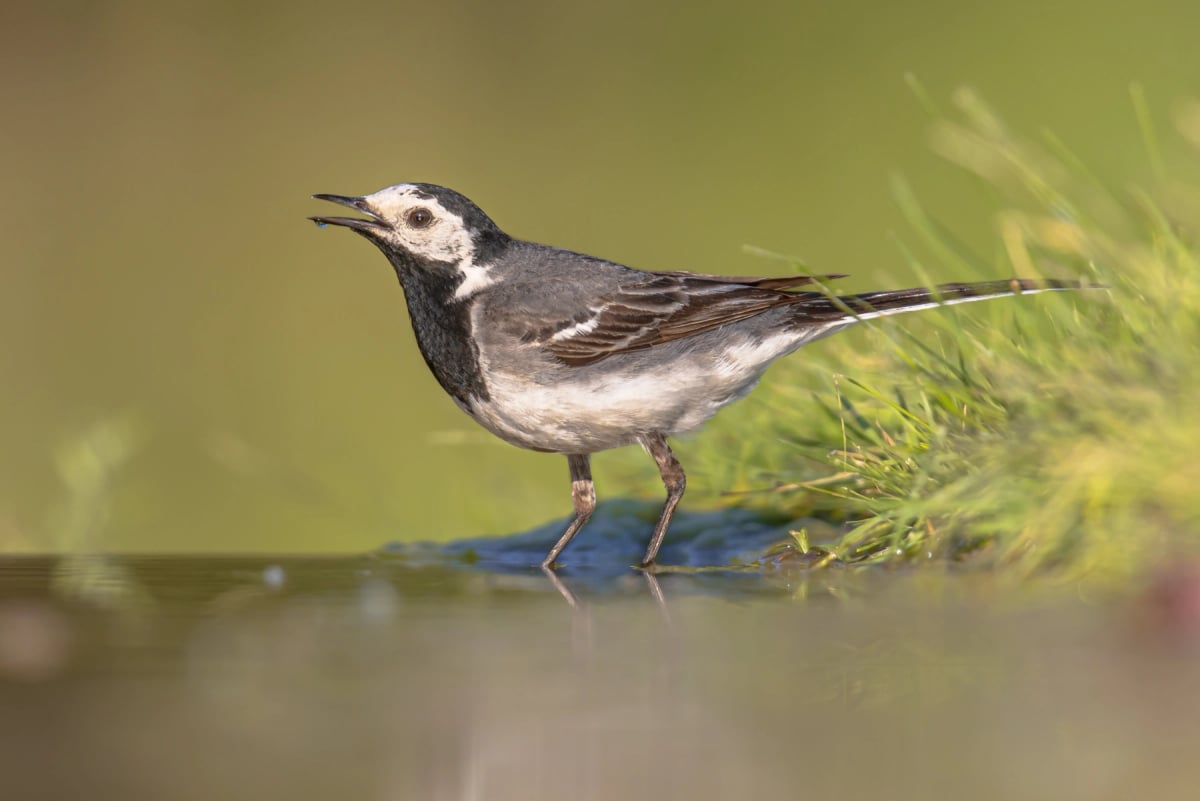
White Wagtail
Motacilla alba
In Turkmenistan the white wagtail breeds along rivers and oases such as the Amu Darya and Murghab and in the foothills of the Kopet Dag, where the masked wagtail with its black head is the common form. It nests in banks, walls and buildings near water. In winter, birds from farther north arrive and join those that stay, feeding on irrigated fields, canals and town edges in the south. IUCN status: Least Concern.
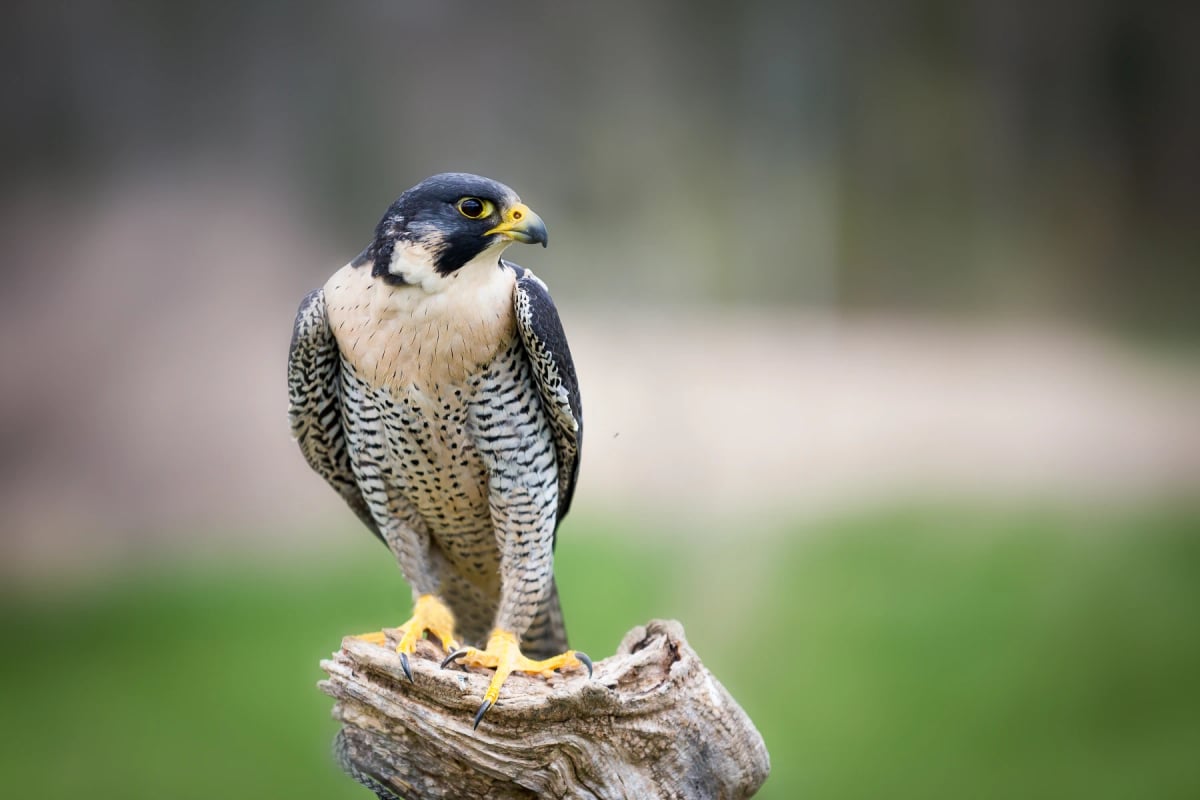
Peregrine Falcon
Falco peregrinus
In Turkmenistan, the peregrine falcon occurs across a varied landscape that includes the Kopet Dag mountain range along the Iranian border and the vast Karakum Desert. It is most often seen during migration as birds travel between breeding grounds in northern Asia and wintering areas farther south. Rocky ridges and river valleys provide perches and hunting ground for those that do settle temporarily in the country. IUCN status: Least Concern.
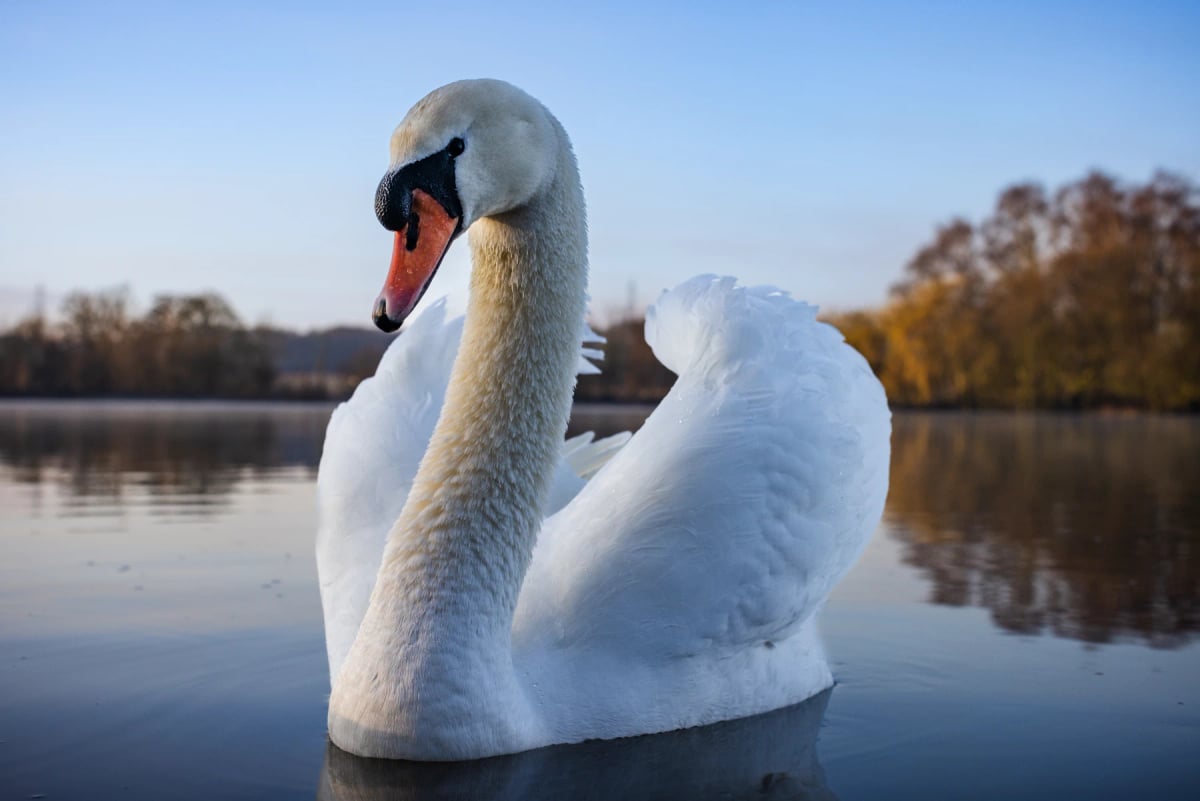
Mute Swan
Cygnus olor
Turkmenistan sits at the southern edge of the mute swan's breeding range in Central Asia. A few pairs nest on reed fringed lakes and wetlands in summer, and more birds appear along the eastern Caspian coast during migration and in winter, when the sheltered bays of the southern Caspian stay free of ice. Numbers are modest, but the species is a regular part of the country's waterbird fauna, most often seen in its wetlands near the sea. IUCN status: Least Concern.
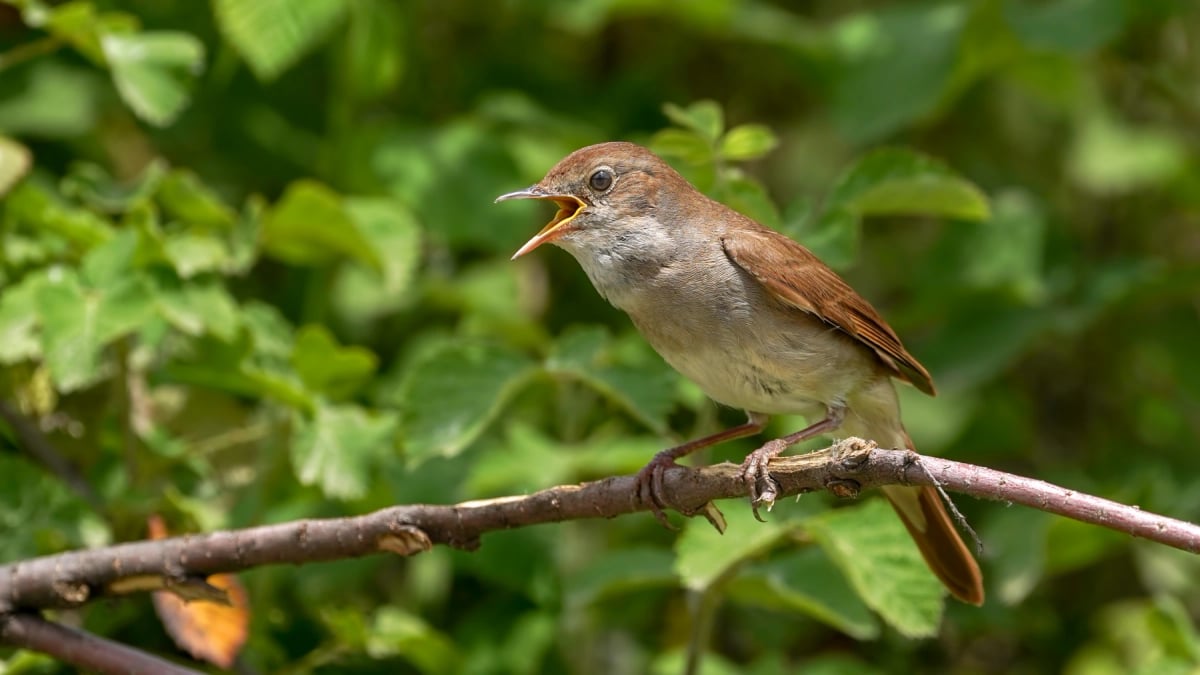
Nightingale
Luscinia megarhynchos
The nightingale occurs in Turkmenistan as a breeding visitor, found mainly in scrubby riverine vegetation and foothill thickets along the Kopet Dag mountain range in the south and in the valleys of the Amu Darya and Murgab rivers. These areas of dense low shrub provide the nesting cover the species requires. It winters in sub-Saharan Africa, making a substantial seasonal journey. This forms part of the species range in central Asia.
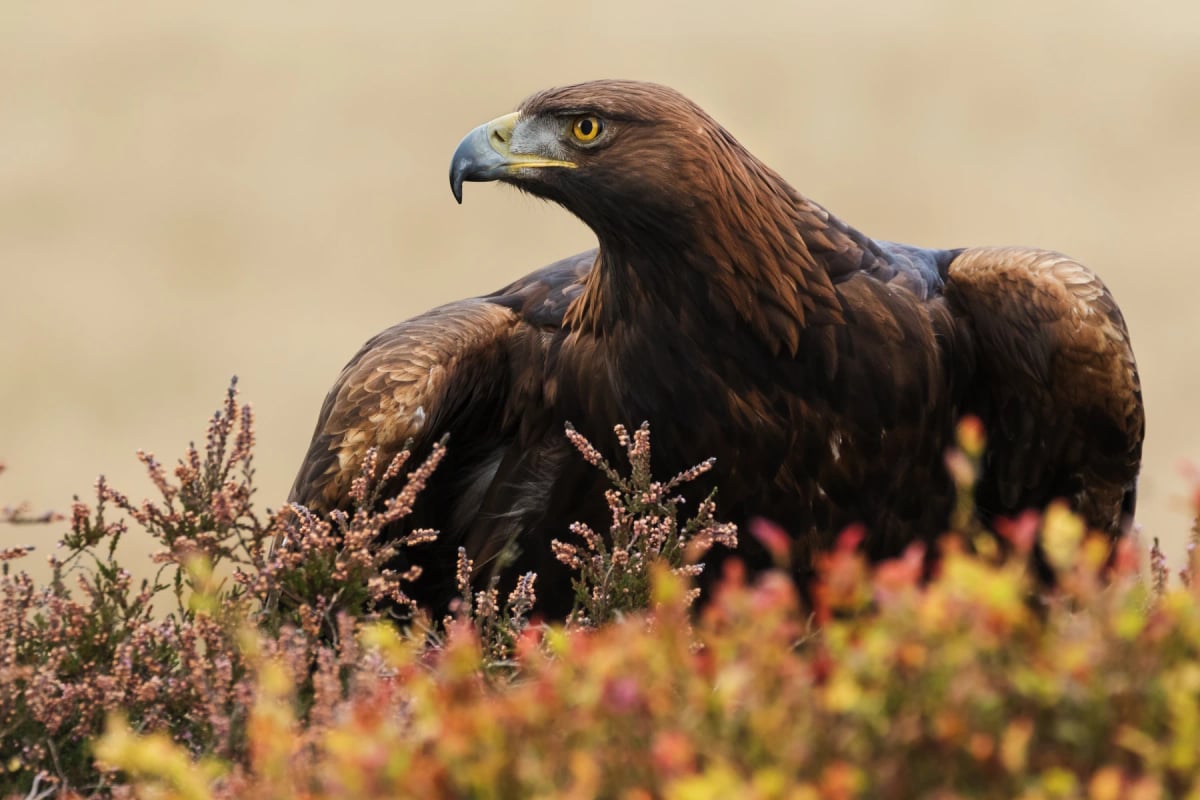
Golden Eagle
Aquila chrysaetos
In Turkmenistan, the golden eagle is found in the Kopet Dag mountain range along the southern border with Iran, as well as in scattered rocky areas across the country. It nests on cliff ledges and hunts over semi-arid terrain, targeting hares, ground squirrels, and other small prey. The species is also used in traditional falconry in Central Asia. The IUCN lists the golden eagle as Least Concern across its global range.
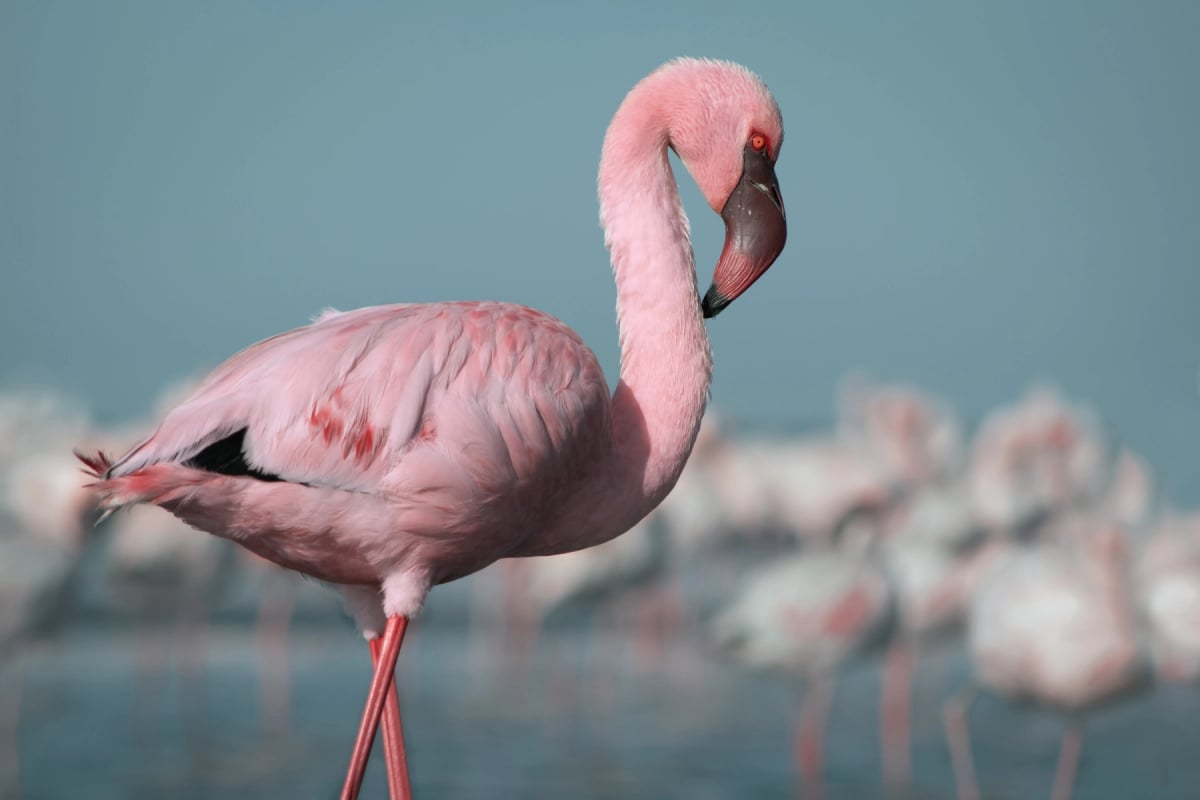
Flamingo
Phoenicopteridae (6 species)
The greater flamingo lives in Turkmenistan along the eastern shore of the Caspian Sea, where shallow bays such as the Gulf of Turkmenbashy offer rich feeding and shelter. In winter, the southern Caspian stays free of ice, and large flocks from the breeding colonies of Kazakhstan gather there. The birds filter small crustaceans and algae from the salty shallows, forming pink lines along the desert coast. IUCN status: Least Concern.
Researched and written by Juan Pablo. Sources: IUCN Red List, scientific literature and regional field guides. Last updated: .