Animals in Azerbaijan
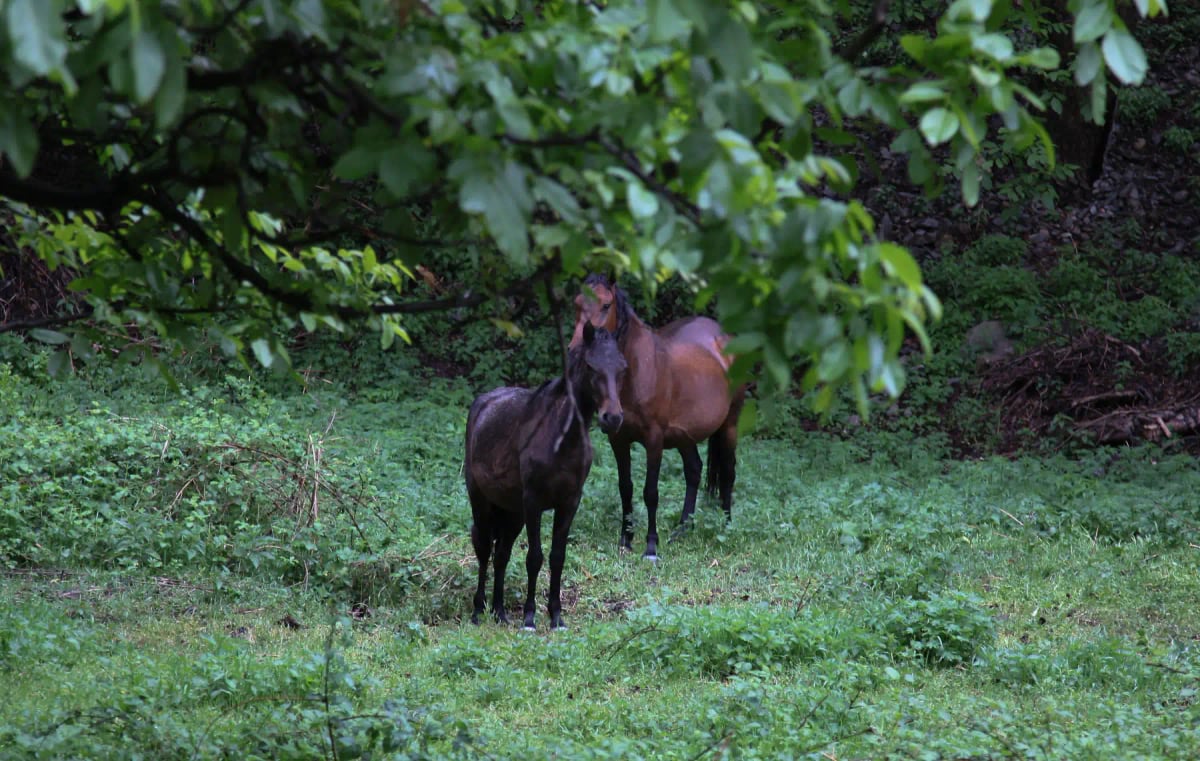
Karabakh Horse
Equus ferus caballus
The Karabakh horse is a national symbol tied to steppe travel, sport and music. Bred for stamina and a smooth gait, it moved riders between villages and high pastures and still appears at festivals, parades and stud farms. Museums and equestrian centers use the horse to tell how herders, orchards and mountain tracks shaped daily life. Its calm temper and endurance link tradition with modern rural culture.
View details→Wildlife in Azerbaijan
Azerbaijan links Caucasus mountains, open steppe and the Caspian coast. Gobustan and Absheron offer short walks to rock art sites, mud volcano fields and easy sea views, while Shahdag and Zangazur parks keep forests, alpine meadows and clear rivers. Wetlands along the Kura and Araz rivers host cranes and raptors during migration. Roads from Baku to inland towns make weekend nature trips simple across the year.
Most Dangerous Animals in Azerbaijan
Wildlife risk in Azerbaijan varies by habitat. In rocky hills and forest edges, wild boar can be forceful and wolves remain powerful across open country. Large cats such as leopard and the Persian leopard occur at low density in remote areas, and lynx keeps to dense cover. Striped hyenas work mostly as scavengers on dry plains. Most encounters mentioned by rangers are brief and at a distance.
Top 10 Animals in Azerbaijan
Our Top 10 for Azerbaijan pairs mountain predators with a clear bird of prey and a classic deer scene. Leopard and Eurasian lynx speak to remote cliffs and forest edges in the south and east. Gray wolf adds the feel of steppe valleys and winter tracks. Red deer anchors family views in mixed woods. Peregrine falcon closes the set with fast flights over towers, ridges and river gorges for easy spotting.
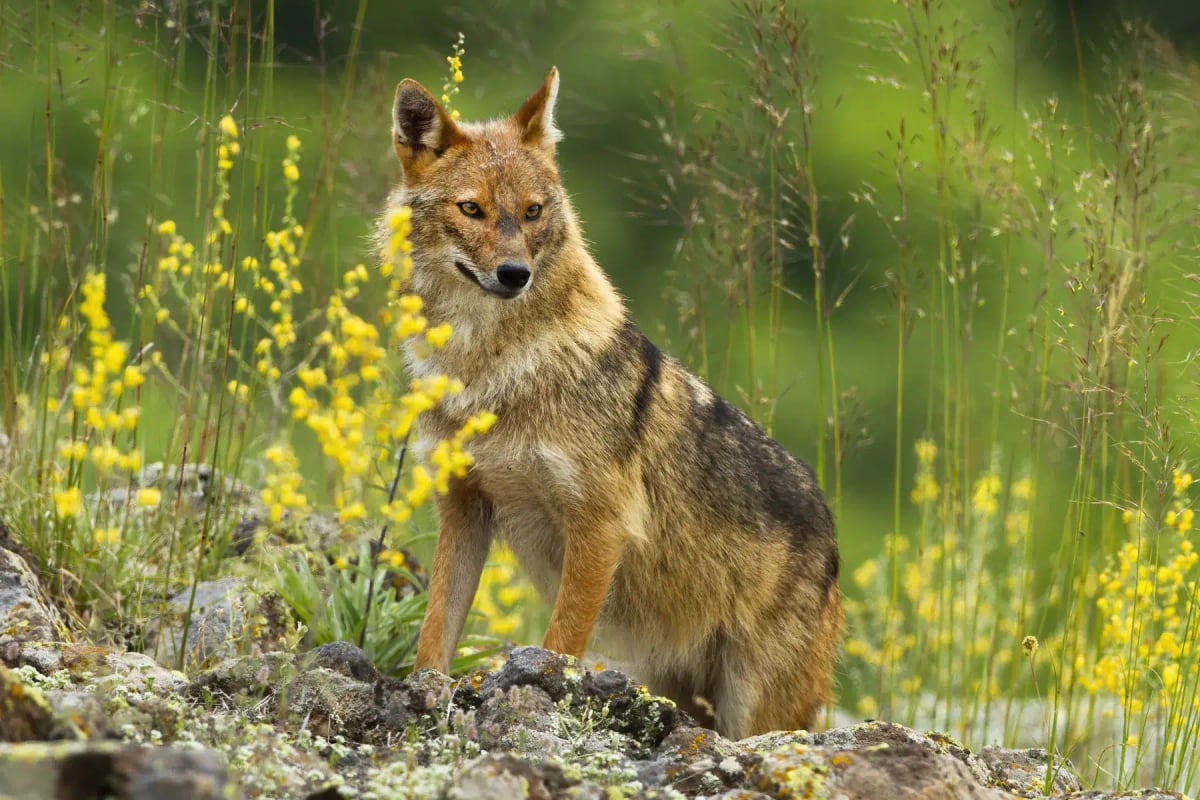
Golden Jackal
Canis aureus
Azerbaijan is one of the golden jackal's strongholds in the South Caucasus. The species is common in the Kura and Aras river lowlands, as well as in the dry plains of the east and the wetlands around the Caspian coast. It thrives alongside agriculture and is heard regularly at night across rural areas. Family groups often use dense reedbeds and thickets as shelter. IUCN status: Least Concern.
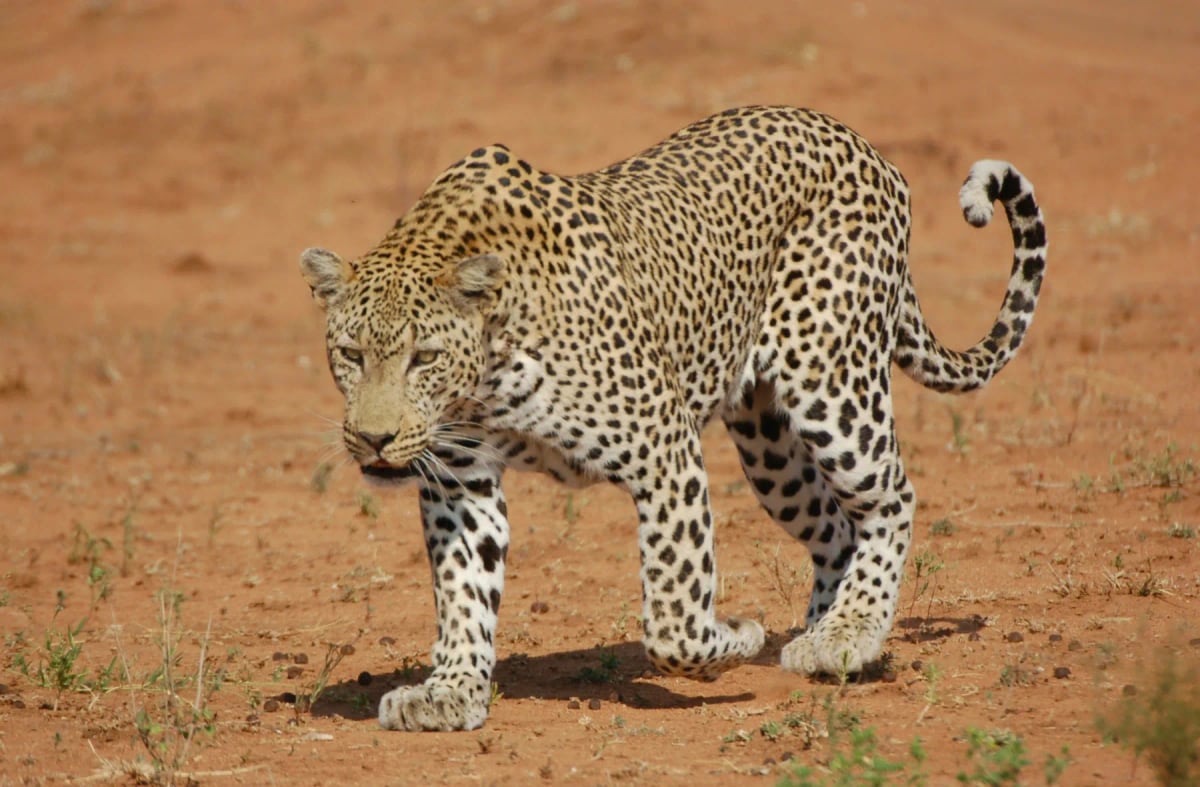
Leopard
Panthera pardus
The Caucasian leopard has been documented in Azerbaijan, particularly in the Talysh Mountains near the Iranian border and in parts of the Lesser Caucasus. The population is very small, and encounters are rare. Camera trap surveys have confirmed the species is still present, offering cautious optimism. Habitat connectivity with neighboring Iran and Georgia is considered vital for the survival of this subspecies in the region.
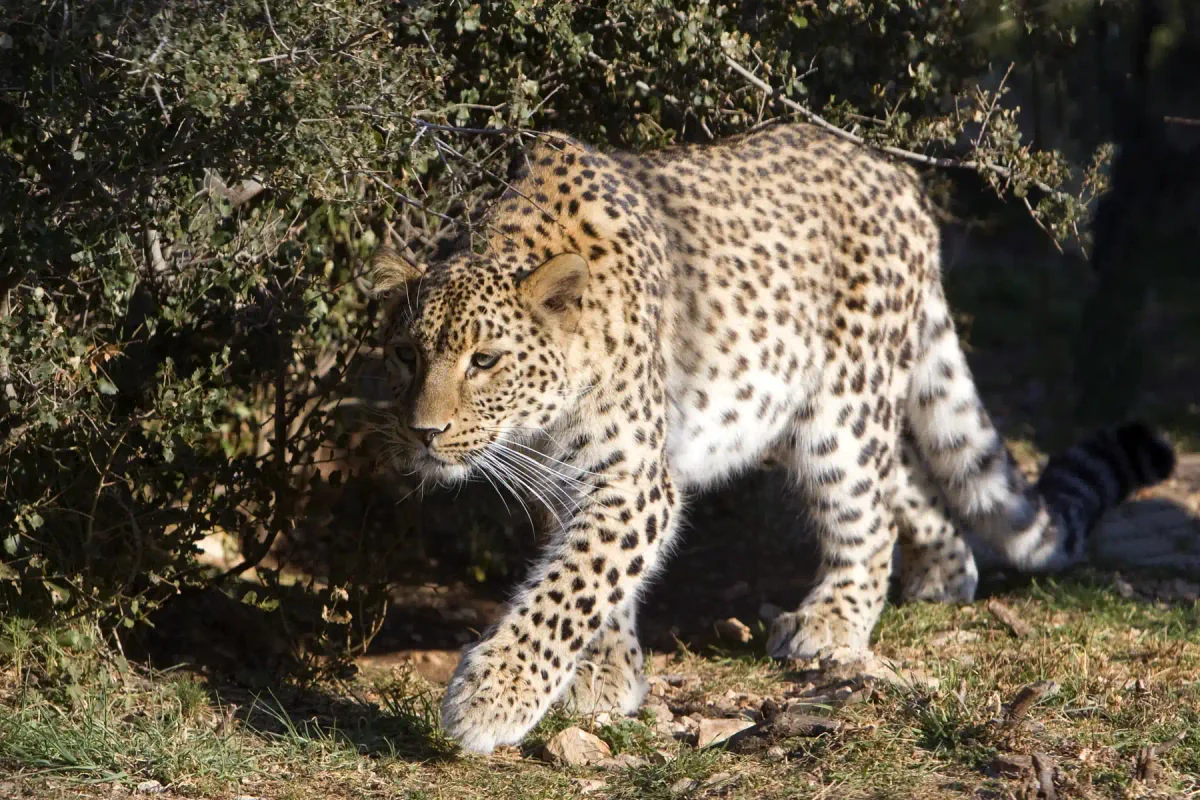
Persian Leopard
Panthera pardus tulliana
In Azerbaijan, Persian leopards inhabit the forested mountain slopes of the Greater and Lesser Caucasus ranges. Sightings are rare, and the population is thought to be very small. The leopard preys on roe deer and wild boar where forests are intact. Camera trap surveys have confirmed its presence, and conservation efforts are growing to protect remaining habitat corridors across the region.
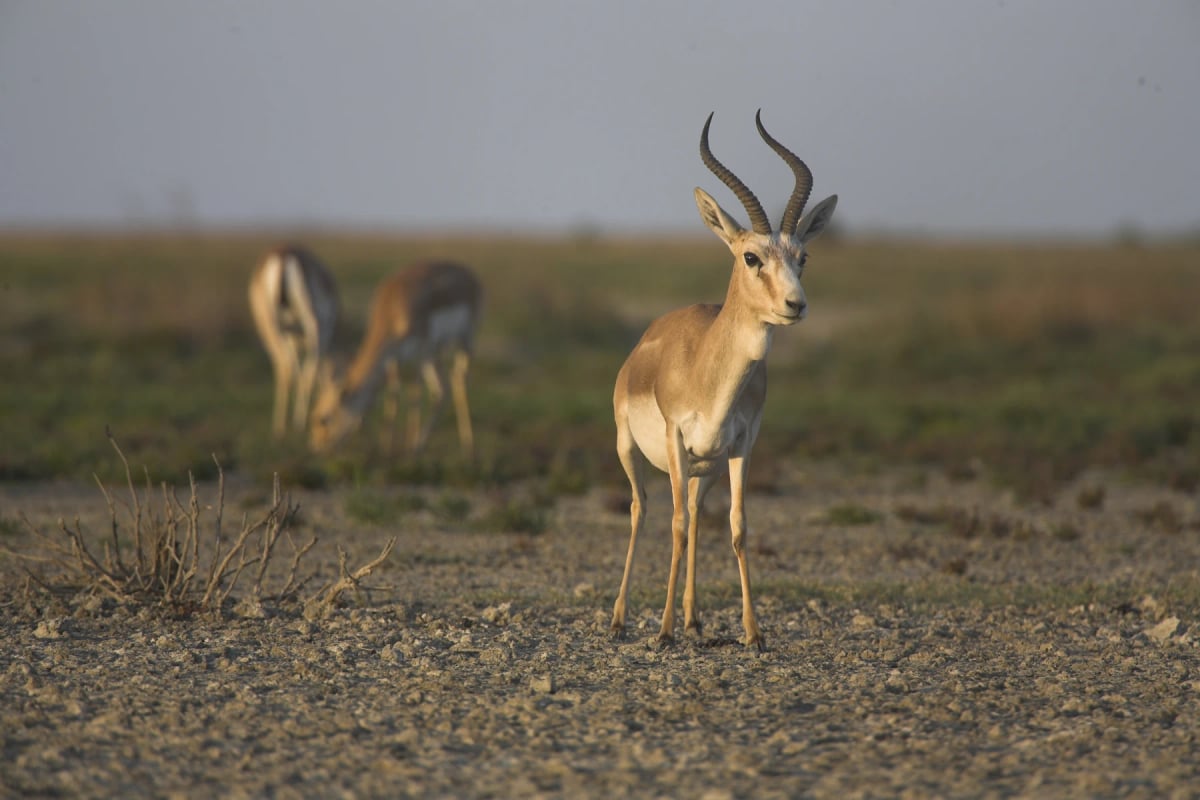
Goitered Gazelle
Gazella subgutturosa
In Azerbaijan, the goitered gazelle is found in the semi-arid lowlands of the Kura-Araks depression and nearby steppe zones. It feeds on grasses and low shrubs and can survive with very little water. Habitat loss and poaching have sharply reduced numbers in the country. The IUCN lists the species as Vulnerable, and local efforts to protect remaining populations are ongoing but face considerable challenges.
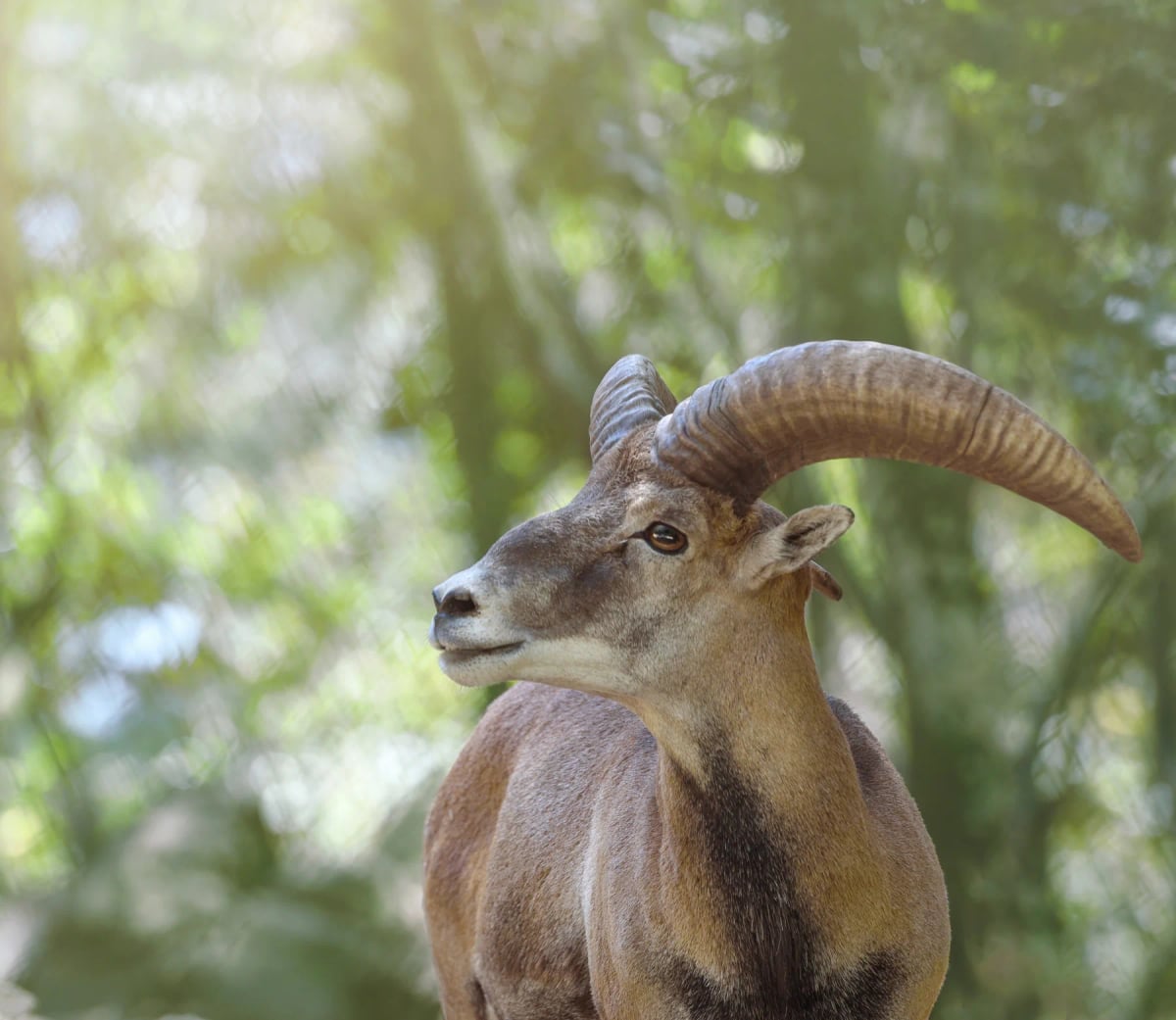
Mouflon
Ovis gmelini
In Azerbaijan, the mouflon occupies rugged highland areas, particularly in the Nakhchivan Autonomous Republic and parts of the Lesser Caucasus. It grazes on grasses, herbs, and leaves across steep, open slopes. Males and females generally live apart outside the breeding season. Hunting pressure over many decades reduced numbers significantly, and the species is listed as Near Threatened, making continued protection essential for its survival in the country.
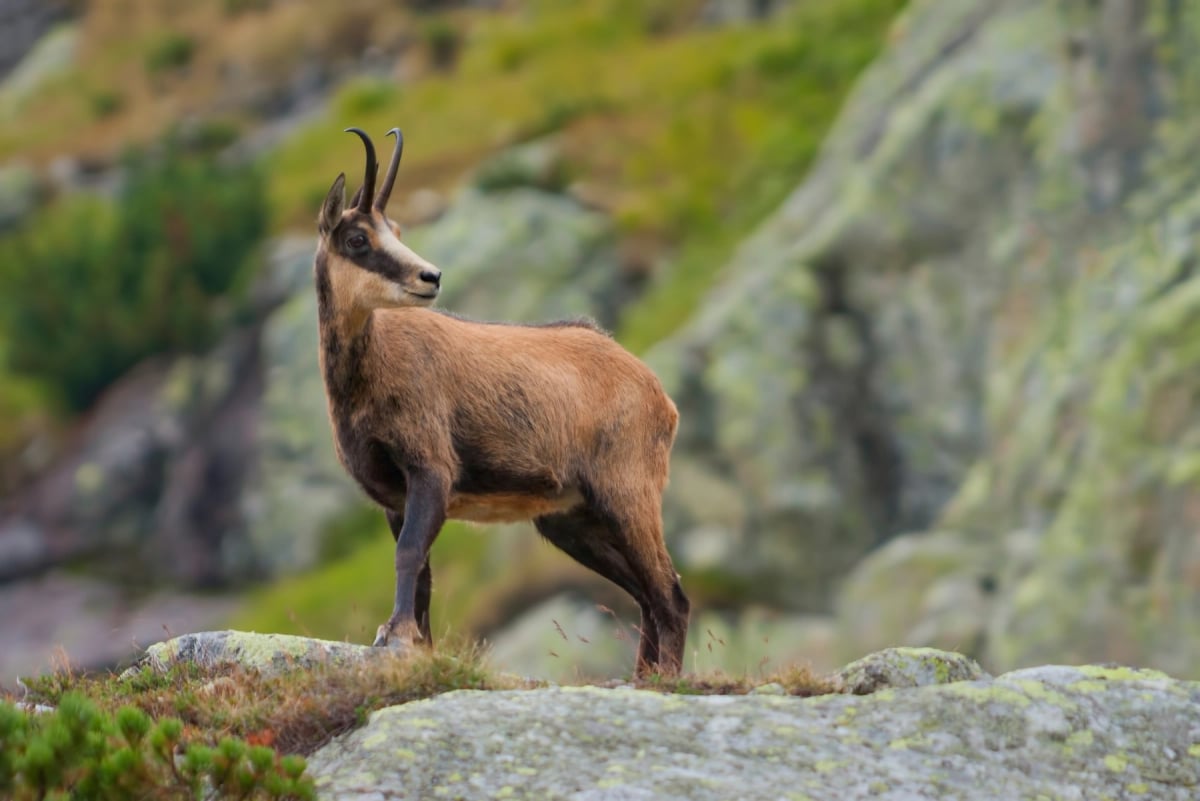
Chamois
Rupicapra rupicapra
In Azerbaijan, the chamois is found in the Greater Caucasus range, particularly in the high mountain zones near the borders with Russia and Georgia. Its range here represents the eastern edge of the species across the Caucasus. Populations are relatively small and face pressure from illegal hunting. The animal is listed as Least Concern globally, though regional numbers in the Caucasus warrant careful monitoring.
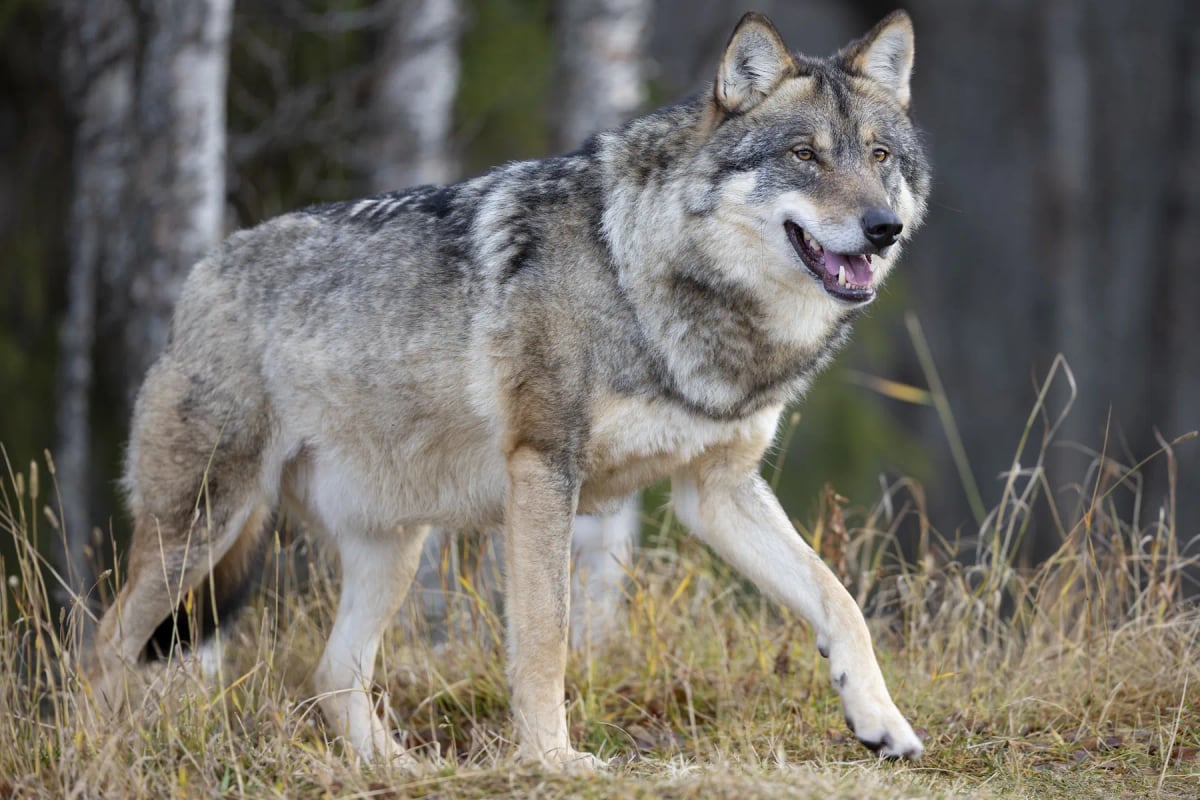
Gray Wolf
Canis lupus
In Azerbaijan, gray wolves inhabit forests, mountains and lowland areas, including parts of the Greater and Lesser Caucasus ranges. The species is widespread but not always welcomed, as it frequently preys on livestock in rural areas. Azerbaijan is part of the broader Caucasus region, where wolf populations form an important ecological link across a landscape shared with Armenia, Georgia and neighboring countries. IUCN status: Least Concern.
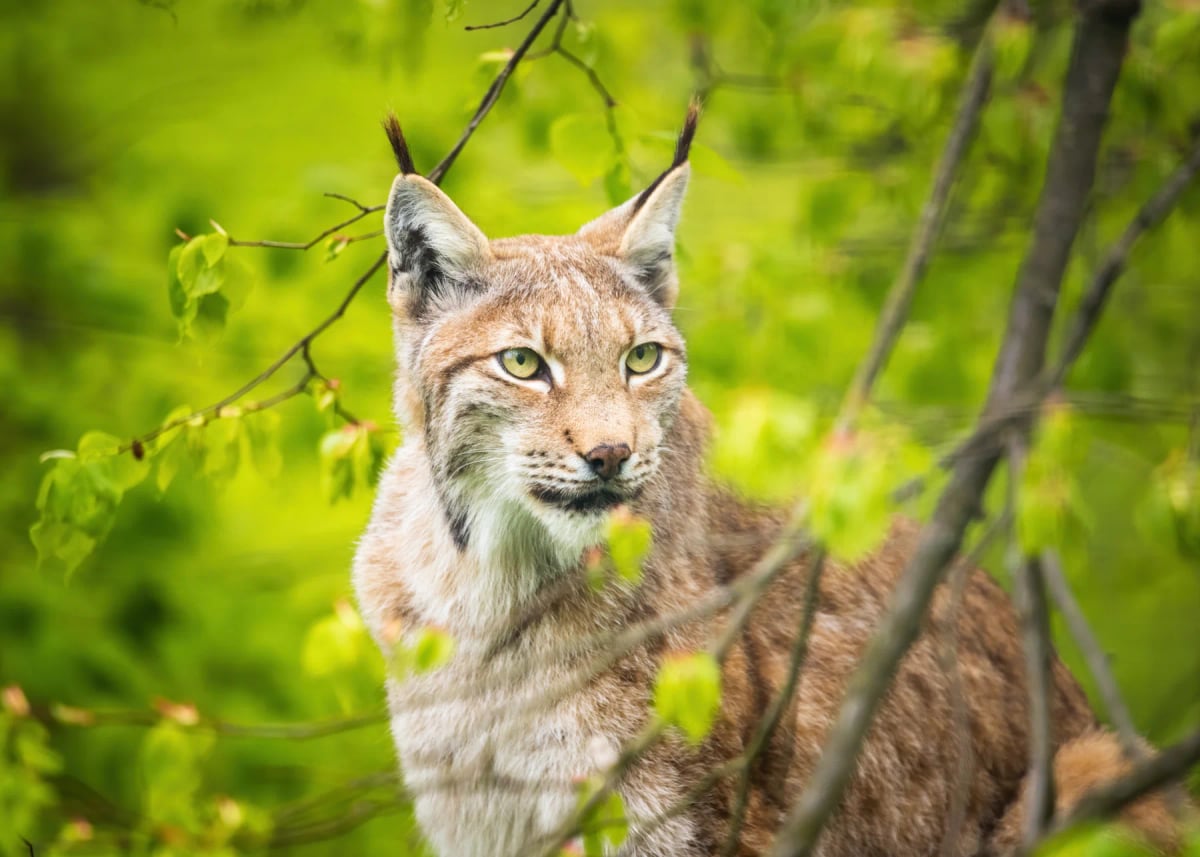
Eurasian Lynx
Lynx lynx
In Azerbaijan, the Eurasian Lynx inhabits forested areas of the Caucasus Mountains, particularly in the Greater Caucasus range in the north of the country. It is a rare and elusive predator here, with little detailed population data available. The lynx preys on roe deer, hares, and other available animals. Habitat loss and hunting pressure are the main concerns for the species in this part of its range. Its IUCN status is Least Concern.
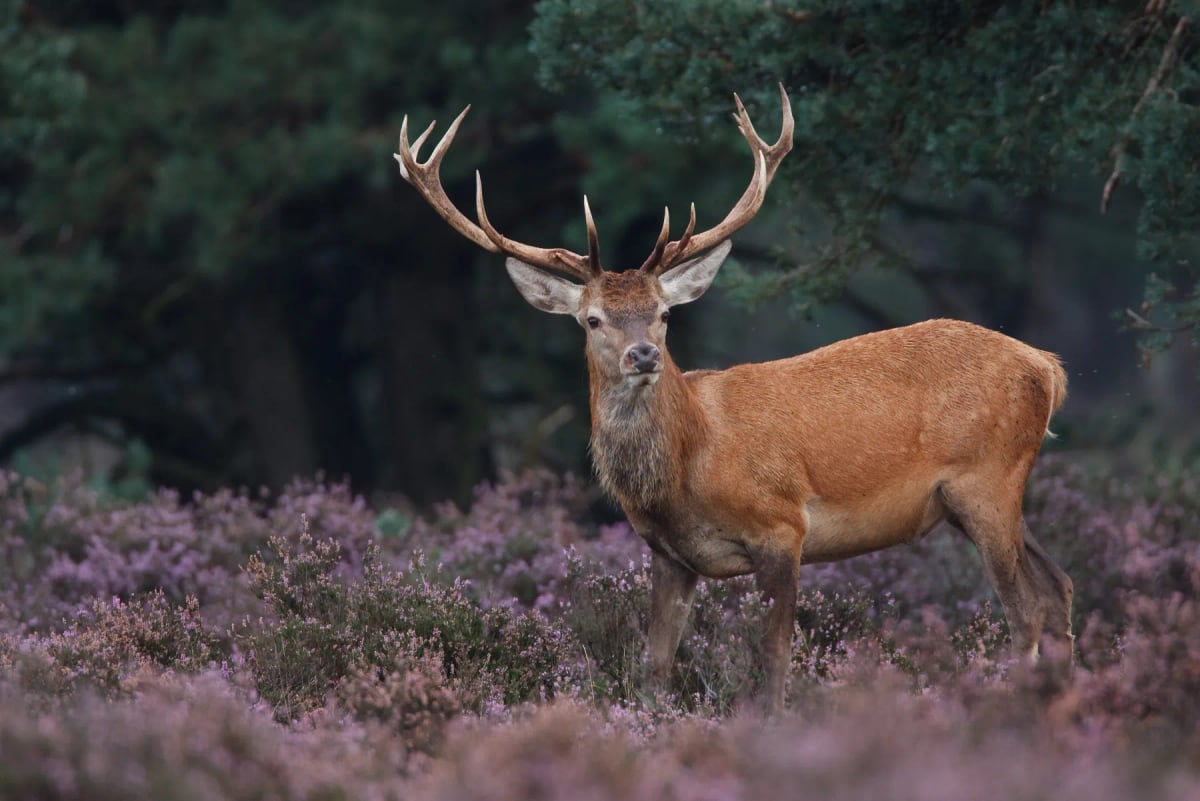
Red Deer
Cervus elaphus
Red deer are found in the forested regions of Azerbaijan, particularly in the Caucasus mountain zones in the north and the Talysh Mountains in the south. The Hirkan National Park, a UNESCO World Heritage Site, provides some of the most important habitat for the species in the country. Populations face ongoing pressure from poaching and habitat disturbance. IUCN status: Least Concern.
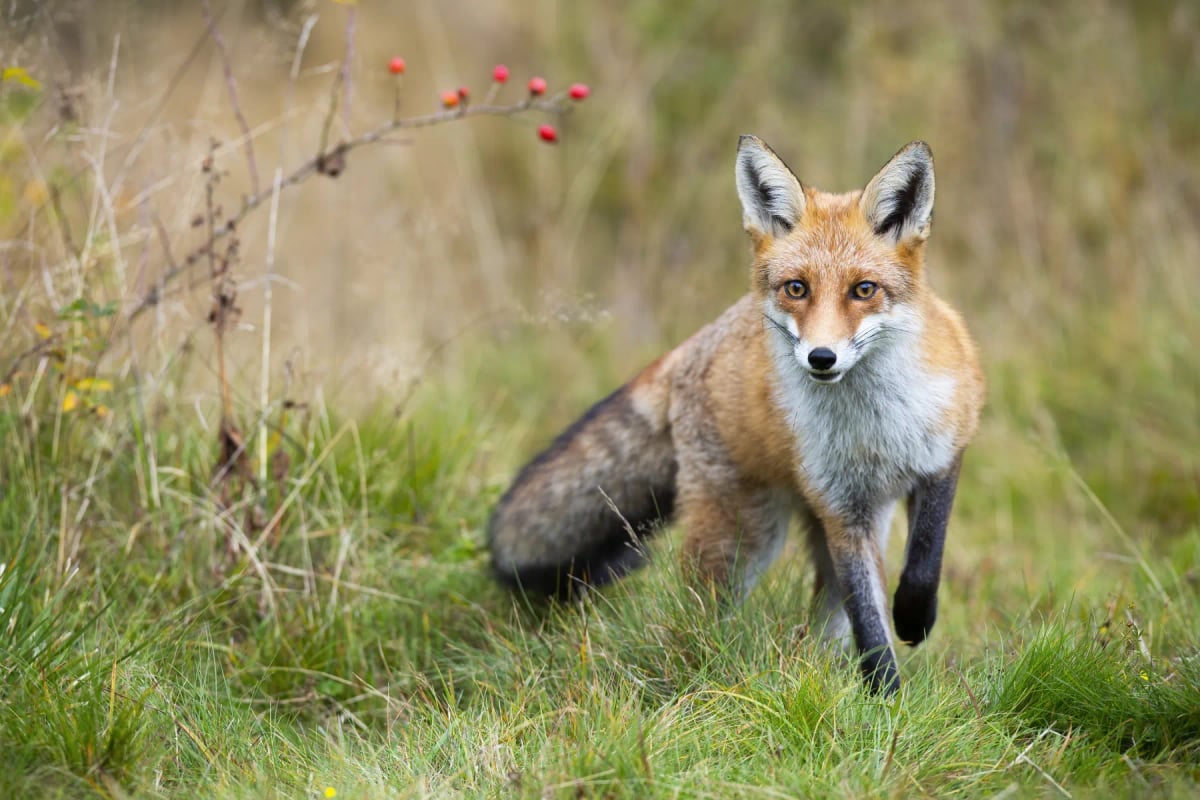
Red Fox
Vulpes vulpes
The red fox thrives across Azerbaijan's diverse habitats, from the Greater Caucasus forests in the north to the semi-desert lowlands near the Caspian Sea. It is a year-round resident that hunts rodents and ground-nesting birds and supplements its diet with fruit and invertebrates. The species is common on farmland and occasionally raids chicken coops in rural communities. Its IUCN status is Least Concern.
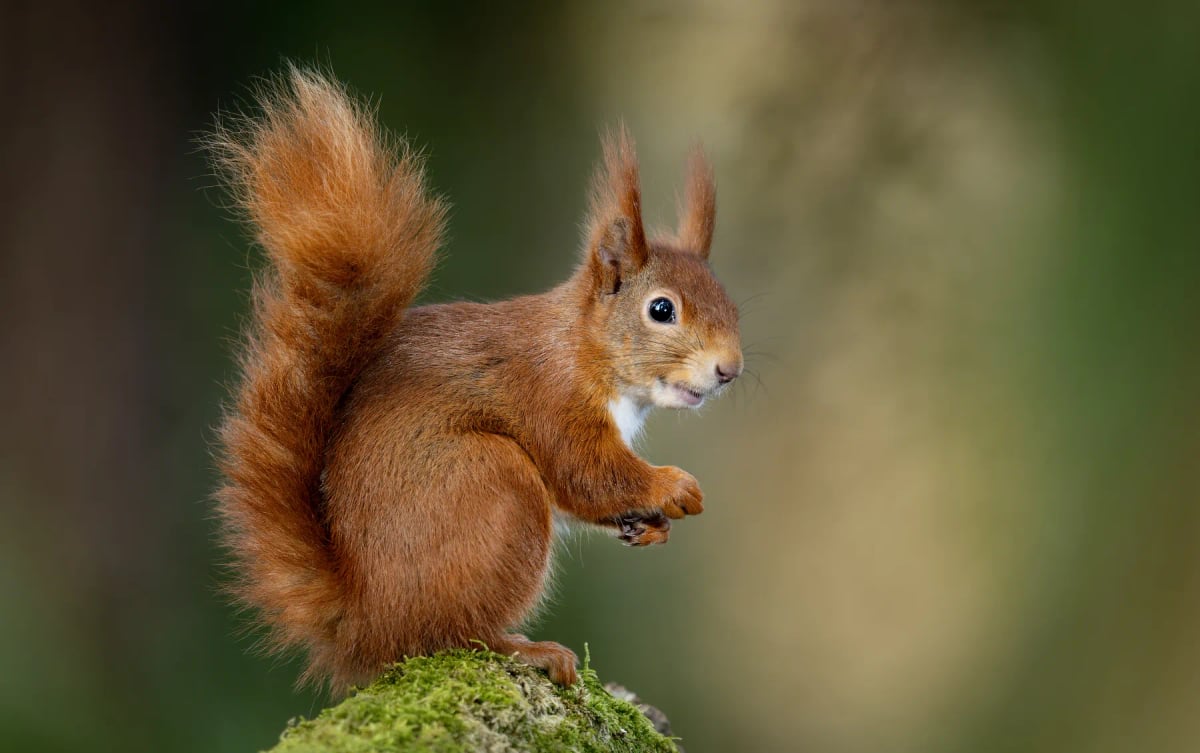
Red Squirrel
Sciurus vulgaris
The red squirrel lives in the forested mountain zones of Azerbaijan, particularly in the Greater Caucasus range in the north and the Talysh Mountains in the south. These areas support rich mixed and broadleaf forests where the squirrel finds plenty of food throughout the year. Populations are considered stable, and the species faces no major local threats. Its IUCN status is Least Concern.
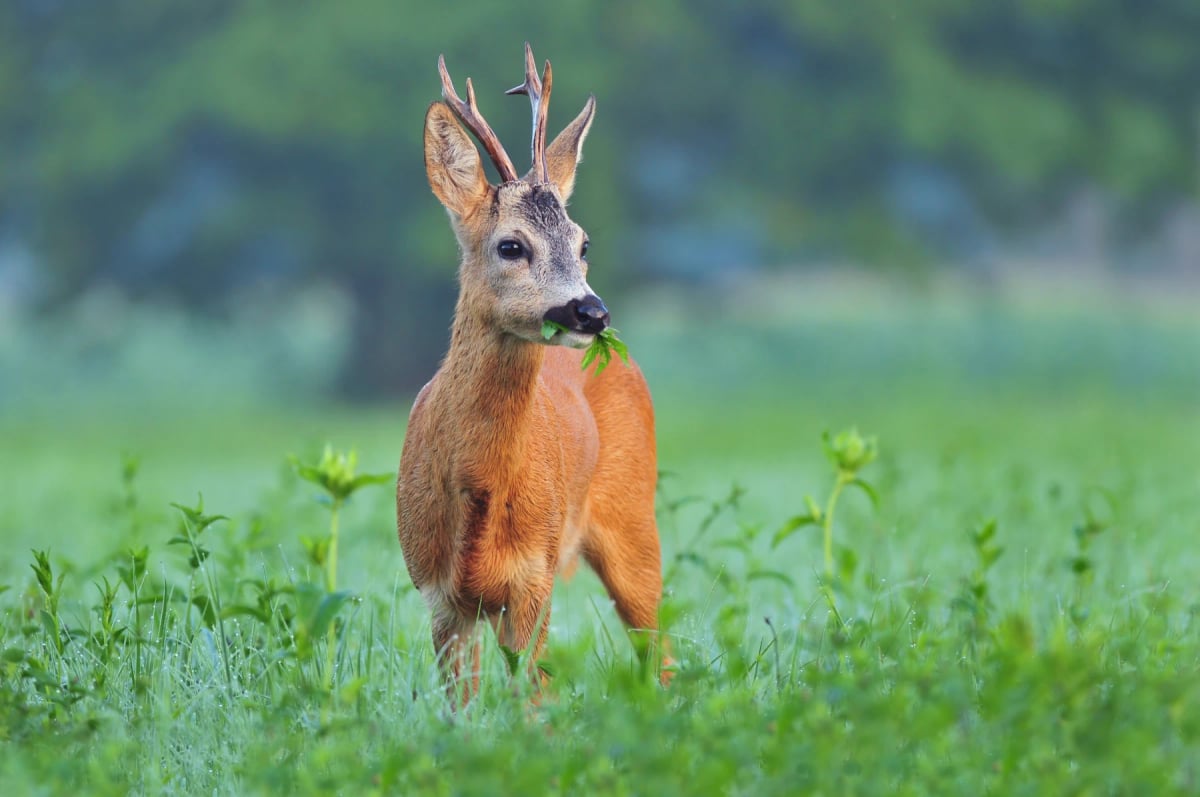
Roe Deer
Capreolus capreolus
In Azerbaijan, roe deer are found in the forested mountain zones of the Greater and Lesser Caucasus ranges, where broadleaf woodland offers shelter and year-round browsing. The Hirkan forests in the south, with their humid subtropical character, also support populations of the species. Globally assessed as Least Concern, roe deer in Azerbaijan face local pressures from illegal hunting and the degradation of lowland forest habitats.
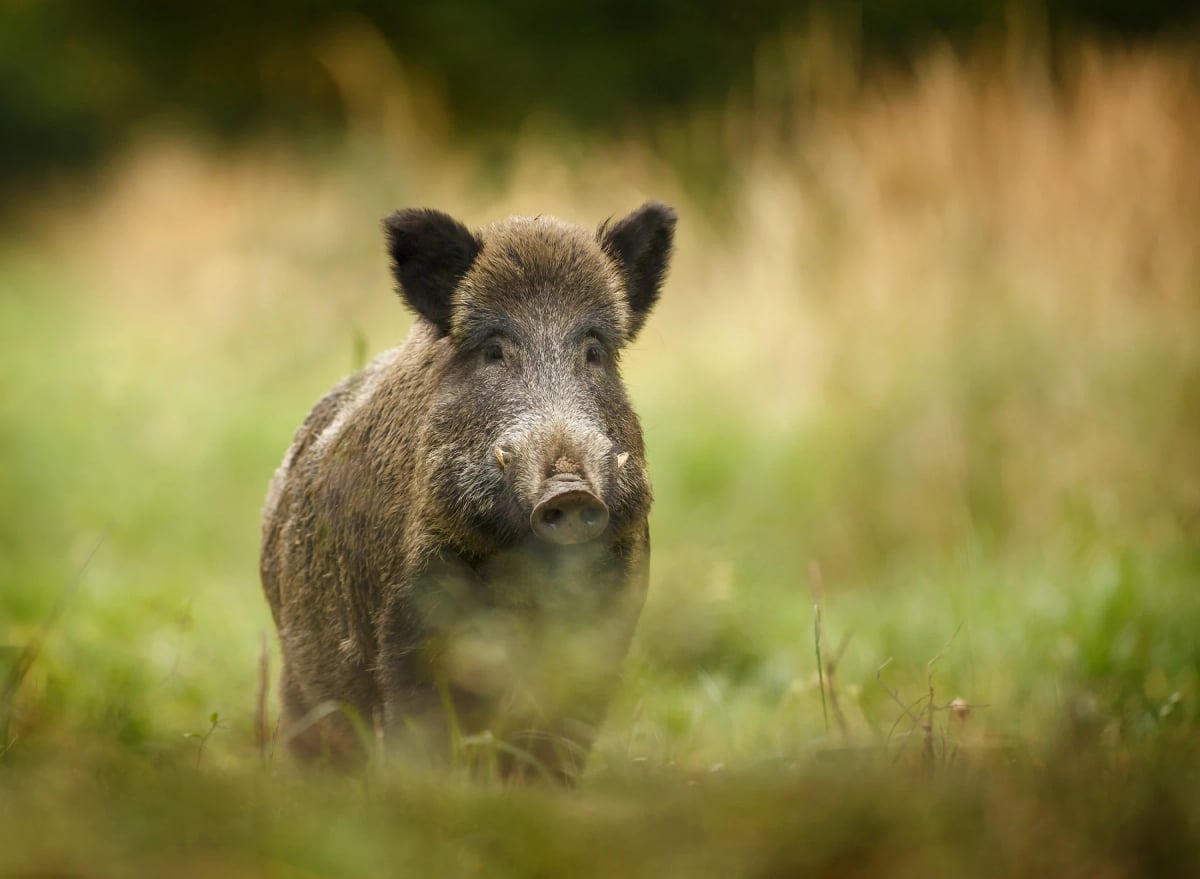
Wild Boar
Sus scrofa
In Azerbaijan, wild boars live in the wetlands and reed beds of the Caspian lowlands, as well as in the forested foothills of the Caucasus and Talysh mountains. Protected areas such as Shirvan National Park support notable populations. Wild boars are hunted in parts of the country, though pork consumption remains limited, and they are also an important prey species for predators like wolves and lynx in forested regions.
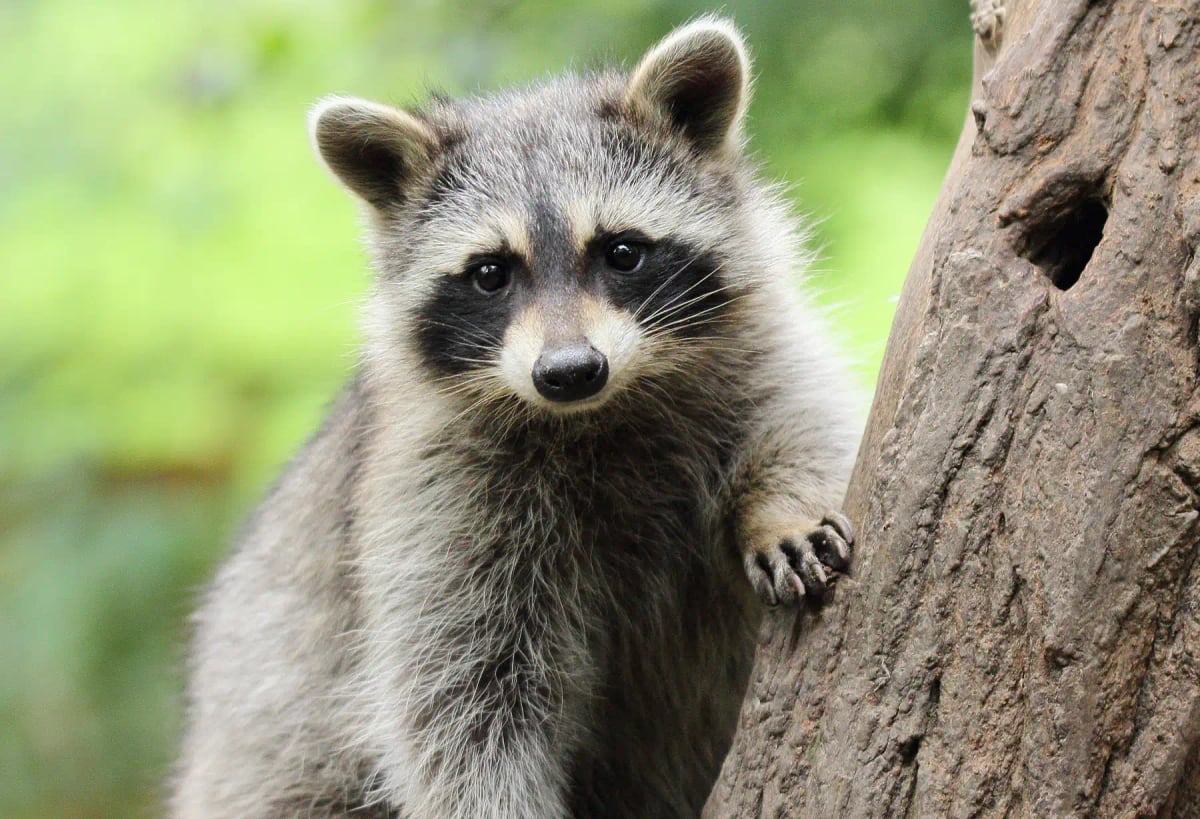
Raccoon
Procyon lotor
The raccoon is present in Azerbaijan, where it inhabits forested areas near rivers and lowland regions bordering the Caspian coast. Descended from introductions made during the Soviet era, this population represents one of the easternmost in the broader Eurasian range. Raccoons here face fewer management pressures than in Western Europe, though their impact on local wildlife and ecosystems continues to attract the attention of researchers.
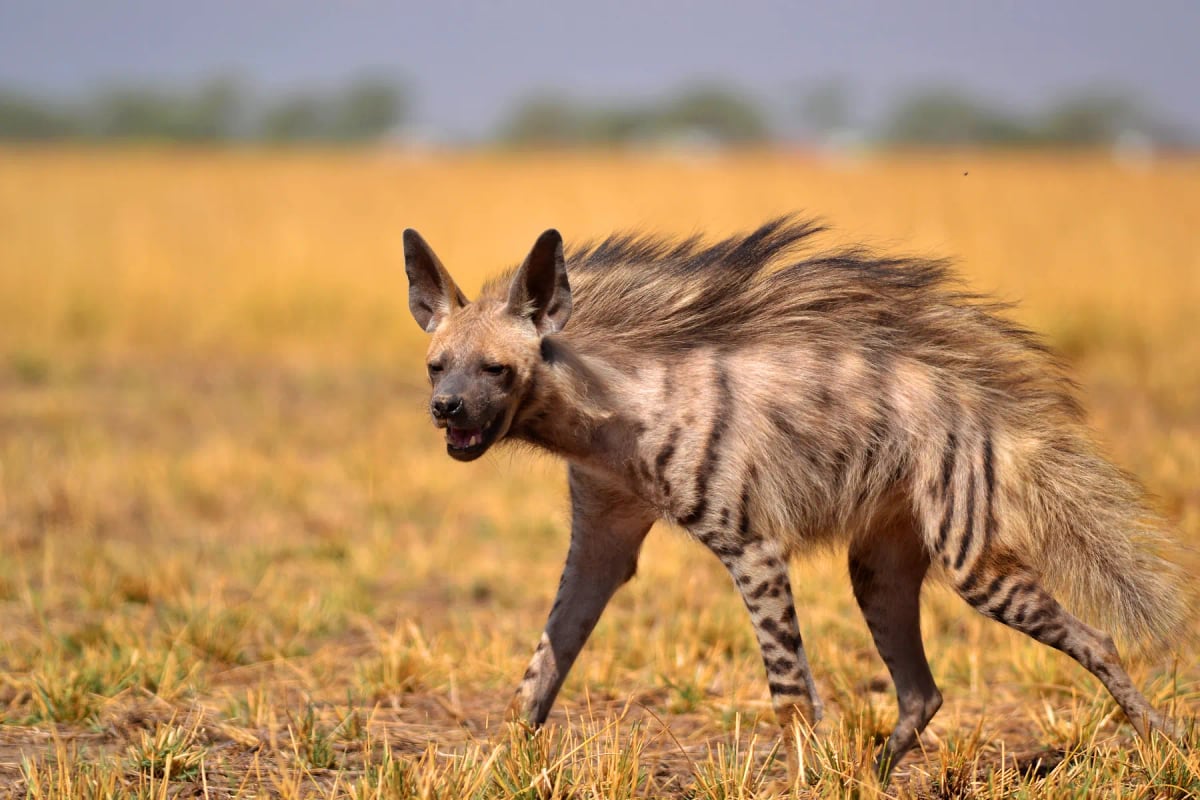
Striped Hyena
Hyaena hyaena
Shy nocturnal scavenger with a striped gray coat and an erectile mane that helps clean the landscape by consuming carcasses across Africa, the Middle East and Asia.
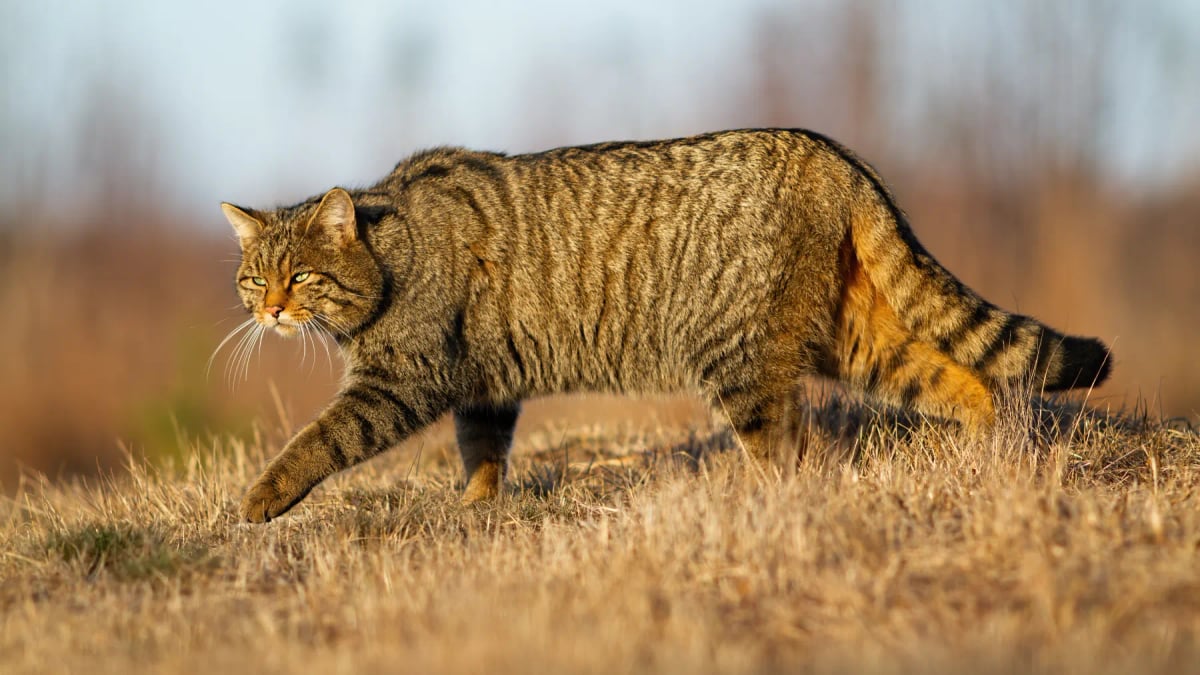
European Wildcat
Felis silvestris silvestris
The European wildcat occurs in the forested regions of Azerbaijan, including the Talysh Mountains in the south and the Greater Caucasus range in the north. It favors dense woodland with good cover for hunting. Nocturnal and solitary, it preys mainly on small rodents and birds. Habitat loss due to deforestation is a growing pressure. The IUCN classifies it as Least Concern globally.
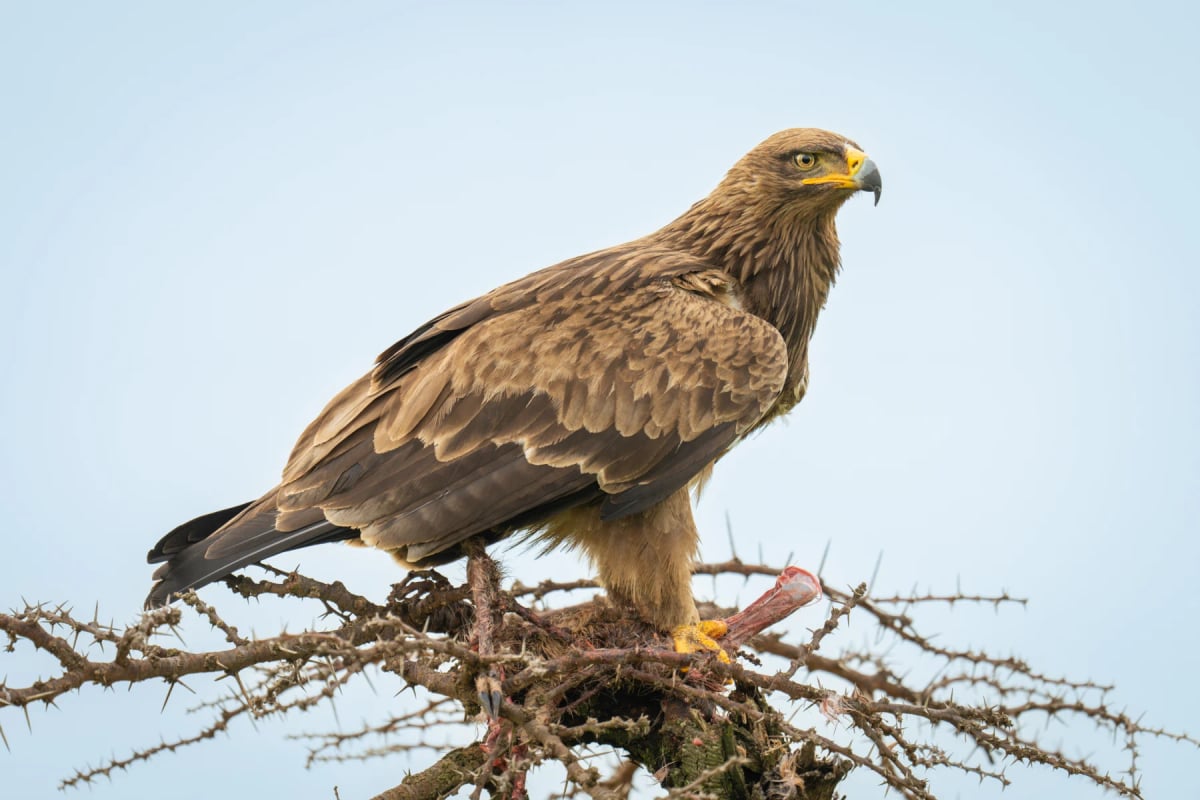
Steppe Eagle
Aquila nipalensis
Azerbaijan's position between the Caspian Sea and the Caucasus mountains makes it a natural funnel for migrating Steppe Eagles moving between Central Asia and their wintering grounds further south and west. Open steppe habitats in the lowlands are used for foraging during stopovers. Listed as Endangered by the IUCN, the species benefits from intact landscapes along migration corridors, where threats such as power line electrocution remain a serious concern.
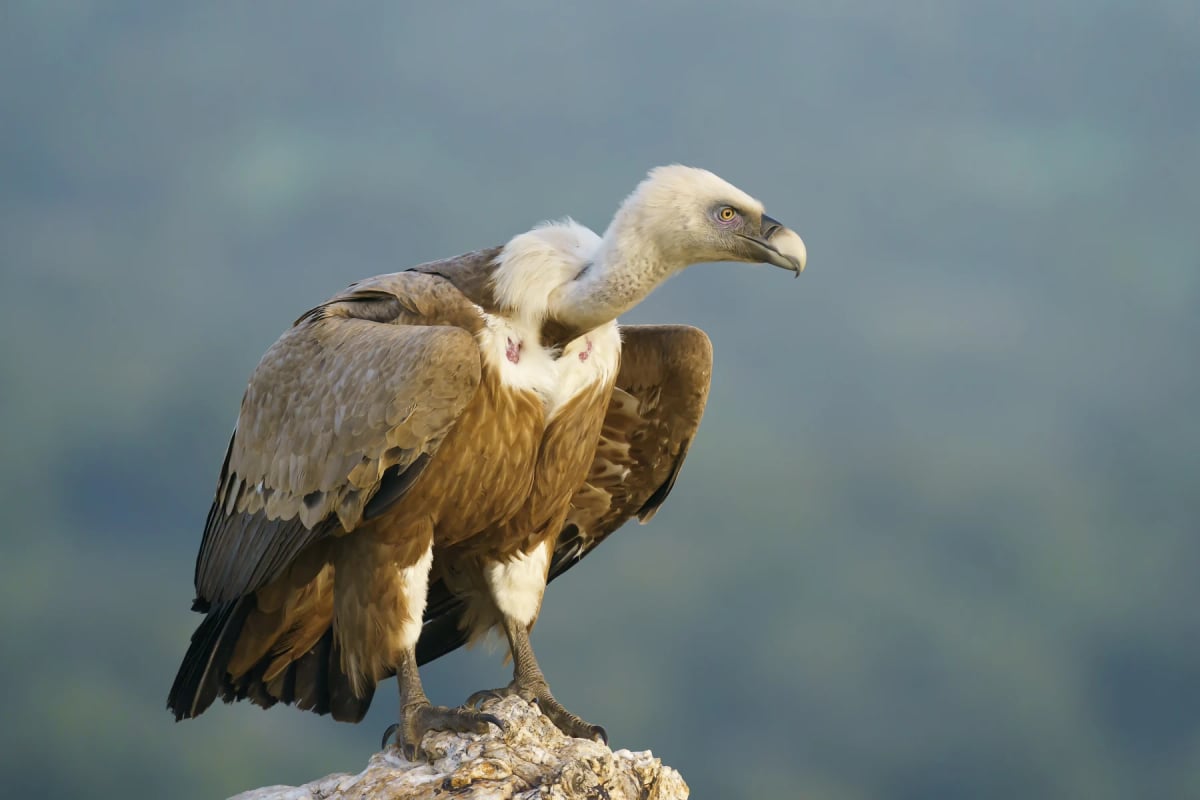
Griffon Vulture
Gyps fulvus
The griffon vulture is present in Azerbaijan across the cliff formations of the Greater Caucasus and in the drier landscapes of the south. It nests in colonies on exposed rock faces and depends on open terrain to spot carcasses from altitude. Birds from the Caucasus also move south in winter to Iran and beyond. Poisoned baits are the main threat, and conservation work focuses on monitoring the nesting colonies. IUCN status: Least Concern.
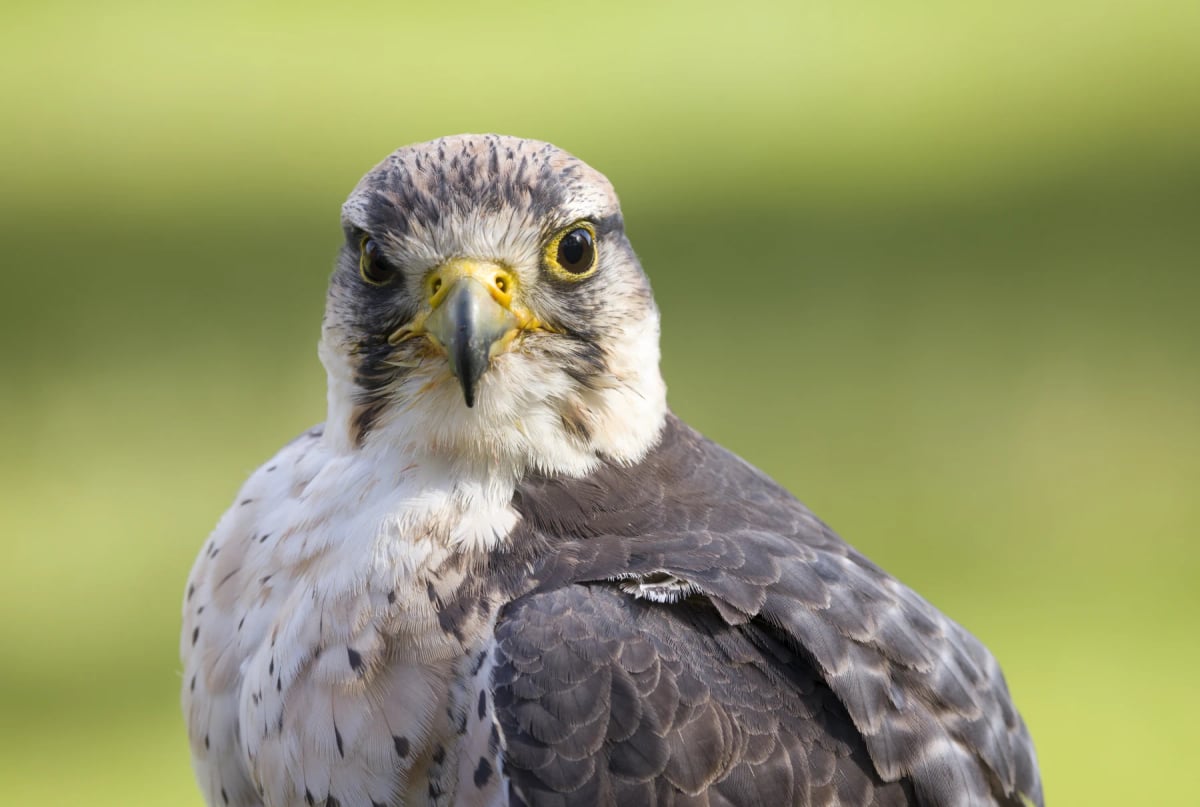
Lanner Falcon
Falco biarmicus
In Azerbaijan, the lanner falcon is an uncommon bird associated with rocky, open landscapes, particularly in the semi-arid lowlands near the Caspian coast and the drier valleys of the south. It nests on cliff ledges and pursues prey birds in fast, low flights. As part of the wider Caucasus population, individuals here may overlap with birds from Armenia, Georgia, and Iran during the non-breeding season.
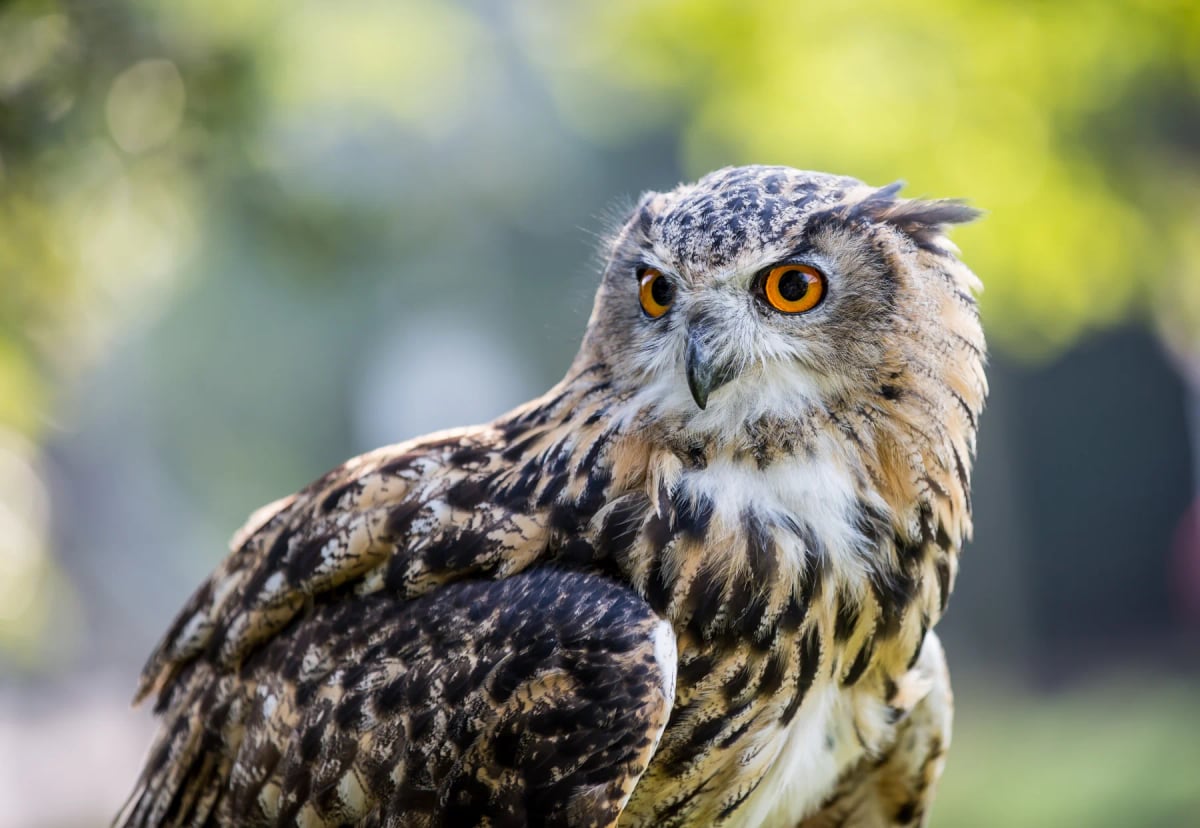
Eagle Owl
Bubo bubo
In Azerbaijan, the Eurasian eagle owl occupies a range of environments from the Greater and Lesser Caucasus mountains to the semidesert lowlands near the Caspian coast. Rocky outcrops and steep cliffs serve as nesting sites. It preys on rodents, hares, and various birds under cover of darkness. The species is a year round resident and is rated Least Concern by the IUCN.
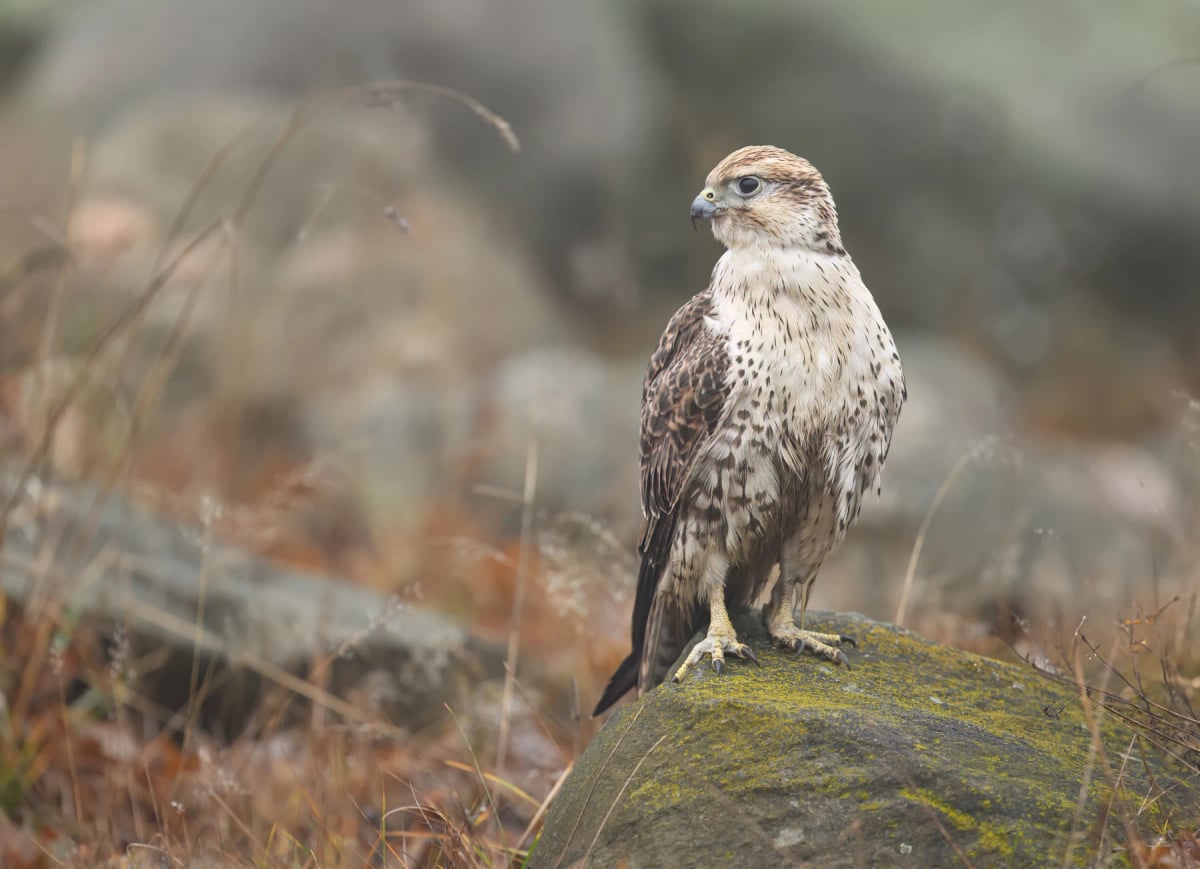
Saker Falcon
Falco cherrug
Azerbaijan is a wintering area for the saker falcon, with birds from breeding grounds farther north spending the cold months in the Kura River lowlands and the open semi-desert of the Caucasus region. Azerbaijan also sits within the falconry tradition of the Caucasus and Central Asia, where this bird has been prized for centuries. Illegal trapping for the live falcon trade remains a serious threat. The IUCN lists it as Endangered.
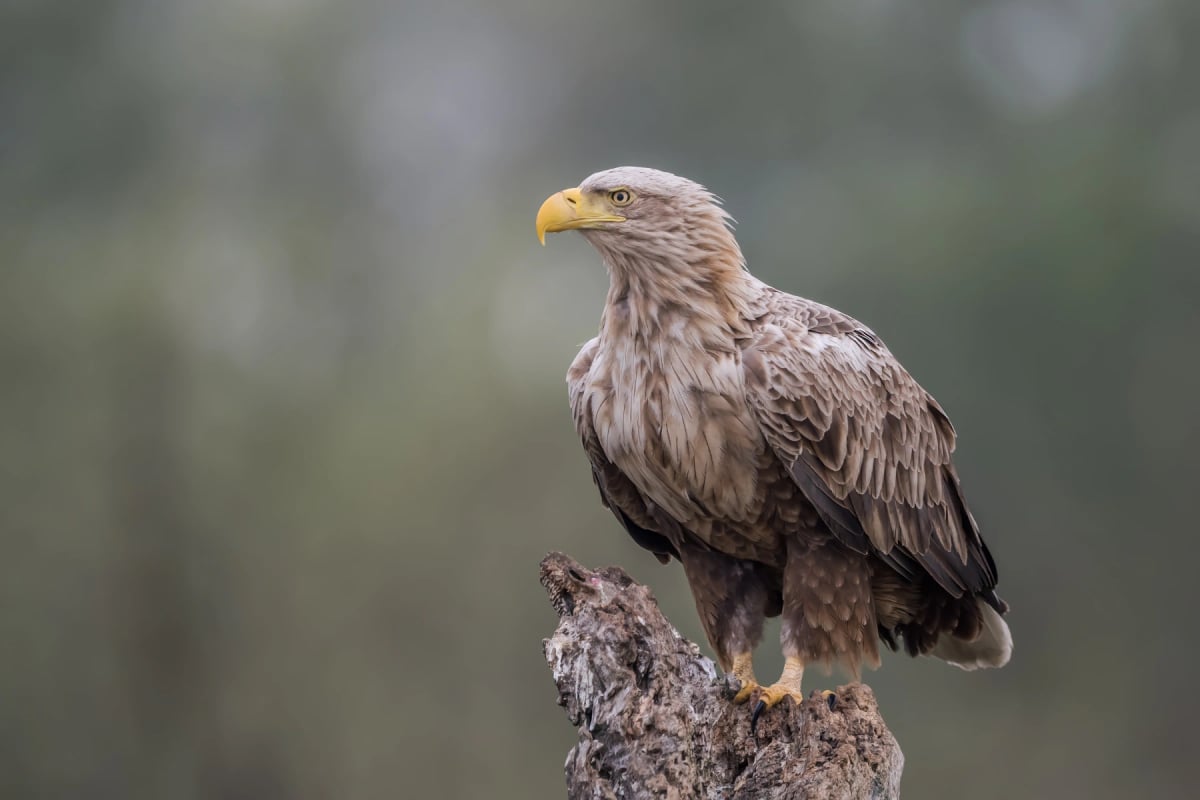
White tailed Eagle
Haliaeetus albicilla
Azerbaijan provides important habitat for the white-tailed eagle, particularly along the Kura river lowlands and the wetlands bordering the Caspian Sea. The country sits on a key migration route, and both resident and wintering birds have been recorded. It feeds on the abundant fish and waterfowl found in these coastal and riverine habitats. The IUCN lists it as Least Concern.
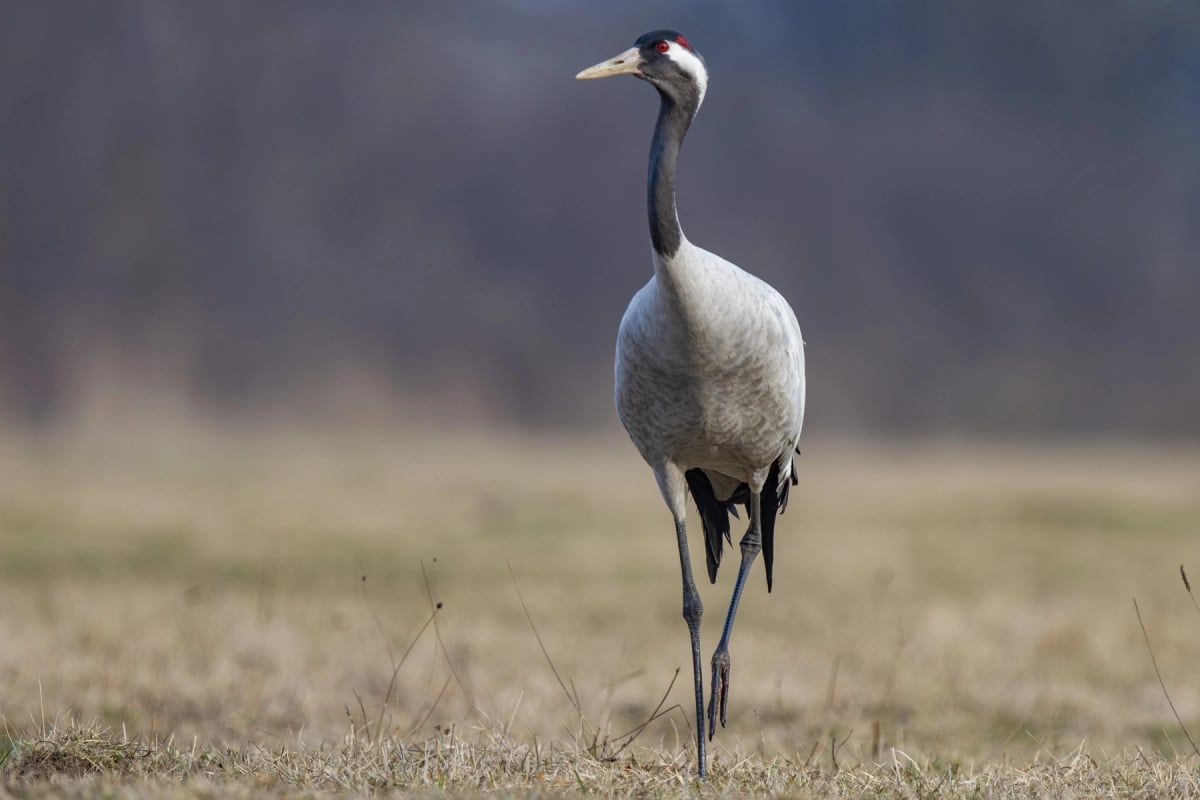
Crane
Grus grus
Azerbaijan lies along one of the main migration corridors used by common cranes traveling between their northern breeding grounds and wintering areas in the Middle East and Africa. The Kura and Aras river lowlands offer resting and feeding spots for large flocks during both spring and autumn. This impressive bird, standing up to 120 centimeters tall, is listed as Least Concern. Its annual passage through Azerbaijan is a notable wildlife event in the southern Caucasus region.
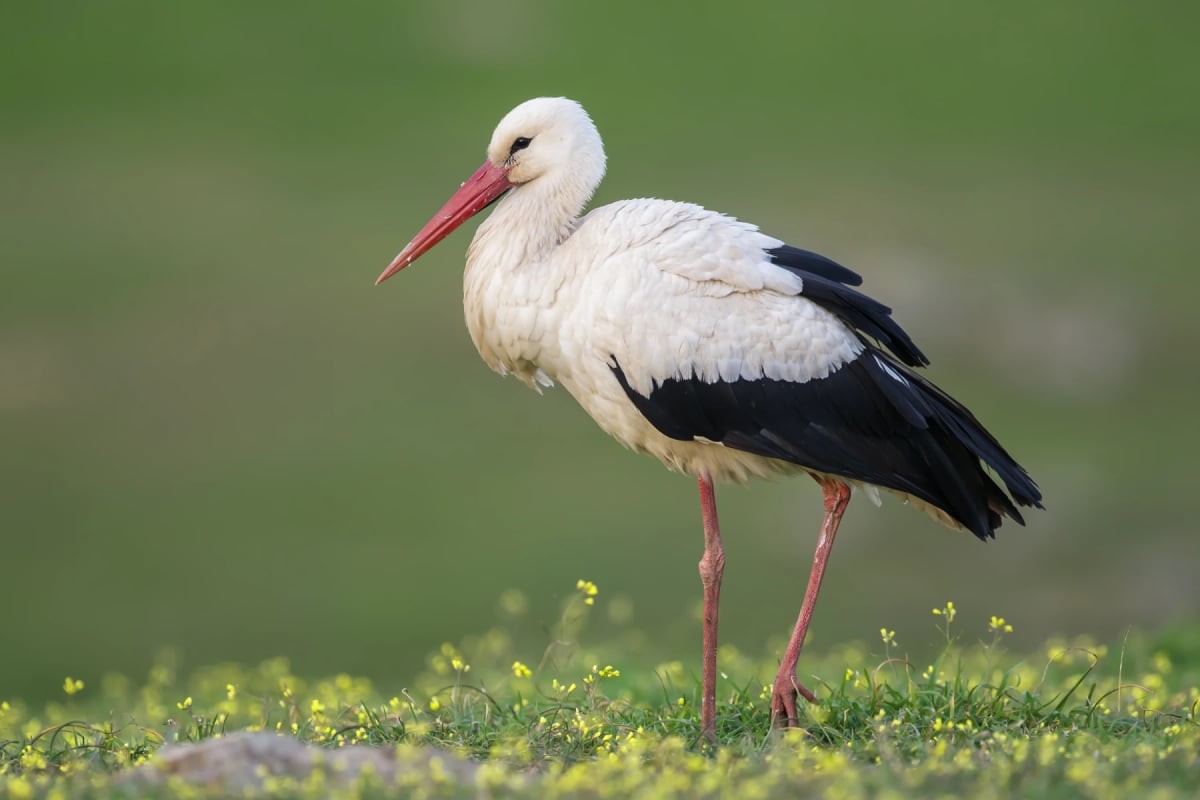
Stork
Ciconia ciconia
Azerbaijan lies on the eastern flyway used by white storks migrating between Europe and Africa, and the Kura River lowlands provide important stopover and breeding habitat. Storks are a familiar sight in rural villages, where they nest on man made structures. The wetlands along the Caspian coast also offer rich feeding grounds during migration. The IUCN lists the white stork as Least Concern.
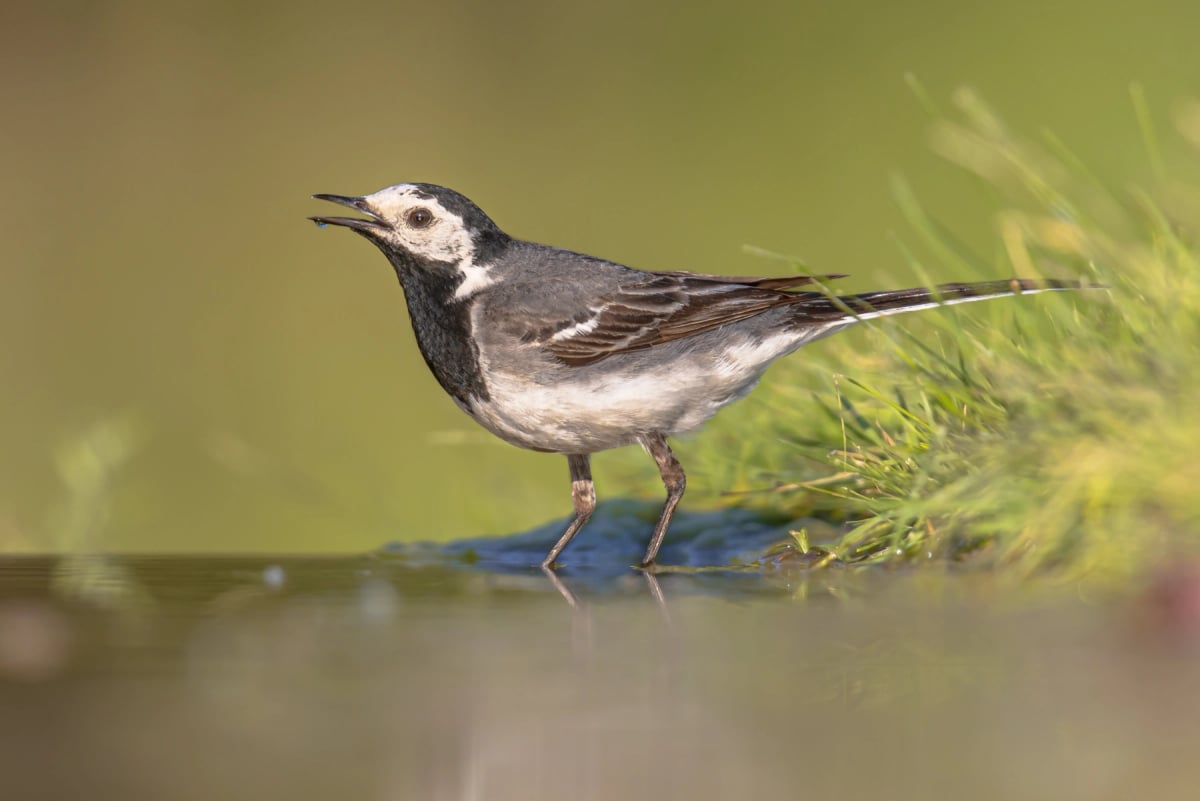
White Wagtail
Motacilla alba
In Azerbaijan, the white wagtail frequents the lowlands along the Kura and Aras rivers, as well as wetlands on the Caspian coast. It is both a breeding resident and a passage migrant, with numbers swelling during spring and autumn. Open fields, fish ponds and muddy shores are favorite feeding spots where it chases insects with quick, darting runs. Its status is Least Concern.
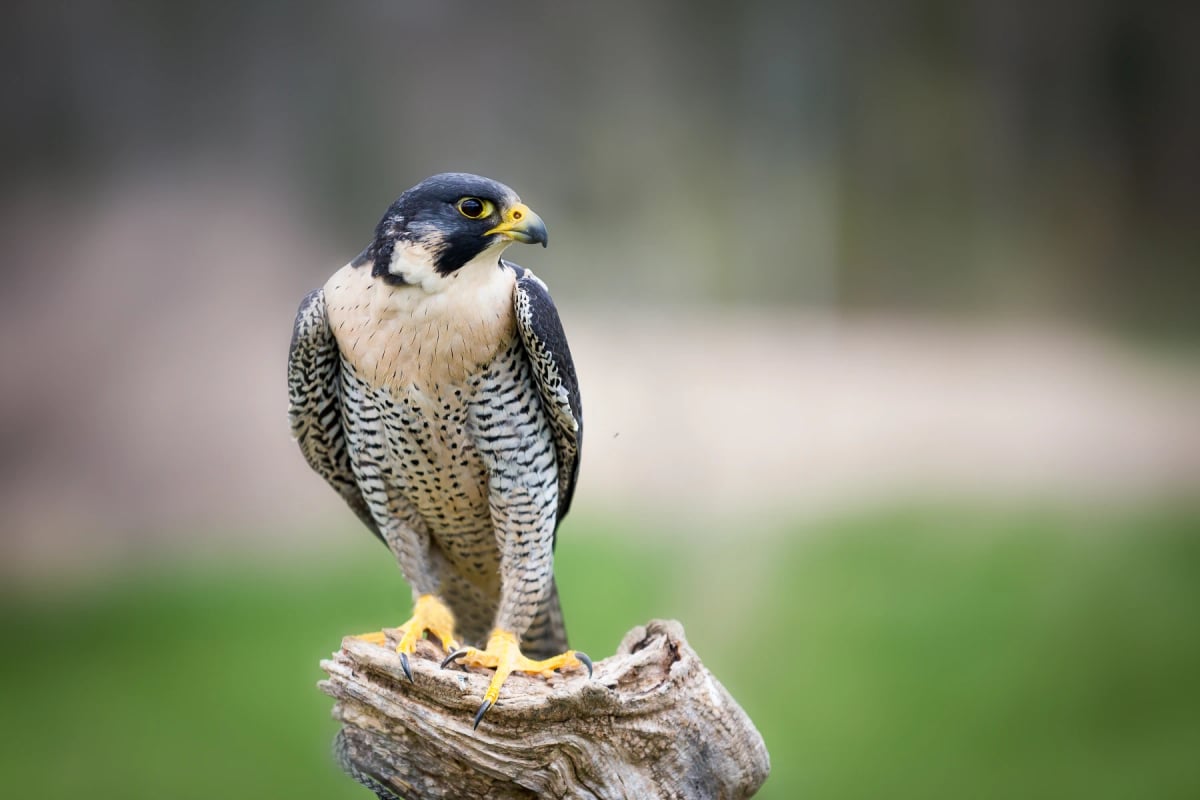
Peregrine Falcon
Falco peregrinus
The peregrine falcon occurs in Azerbaijan along the Greater and Lesser Caucasus mountain ranges, where steep cliff faces provide ideal nest sites. It also appears along the Caspian coastline during migration periods. The species preys on waterfowl and passerines passing through the region. Azerbaijan sits on an important flyway for migratory birds, making it a significant stopover area for this falcon. Its IUCN status is Least Concern.
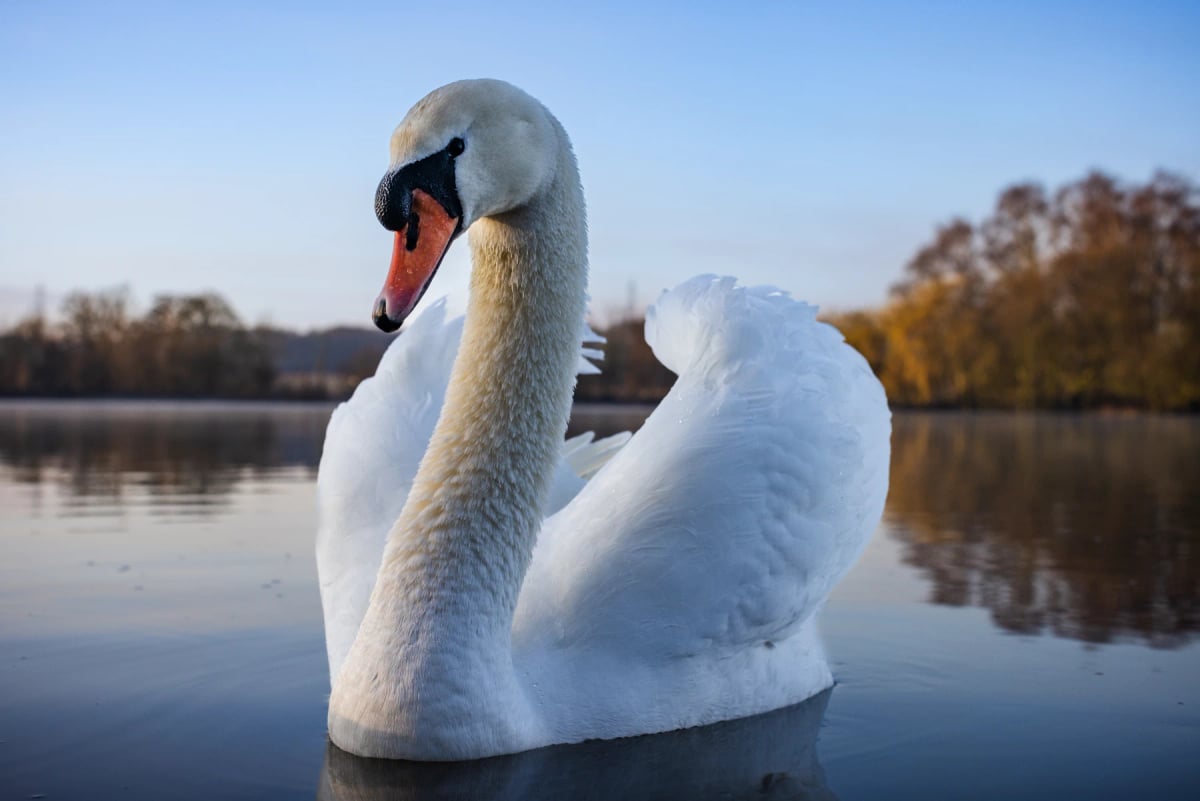
Mute Swan
Cygnus olor
The mute swan is a large, white waterbird with a gracefully curved neck and an orange bill with a black knob at its base. In Azerbaijan, it appears along the Caspian Sea coast and in the wetlands of the Kura River delta, particularly during migration and winter. Flocks can gather in sheltered bays to rest and feed. The IUCN lists this species as Least Concern.
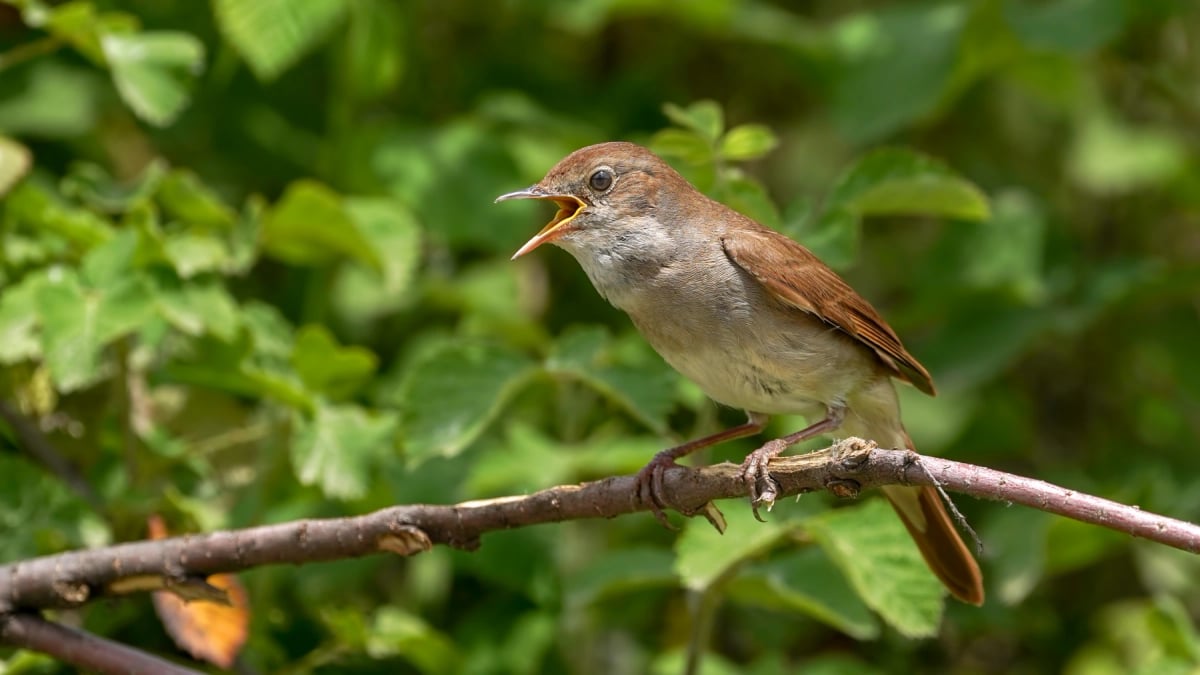
Nightingale
Luscinia megarhynchos
Azerbaijan lies on a key migration corridor between Europe and Africa, and nightingales both pass through and breed here. They nest in the lowland forests and dense thickets of the Kura River valley, as well as in scrubby woodland along the Caspian coast. Their loud, elaborate song is a familiar sound in rural gardens and riverine woodland throughout spring. It is rated Least Concern by the IUCN.
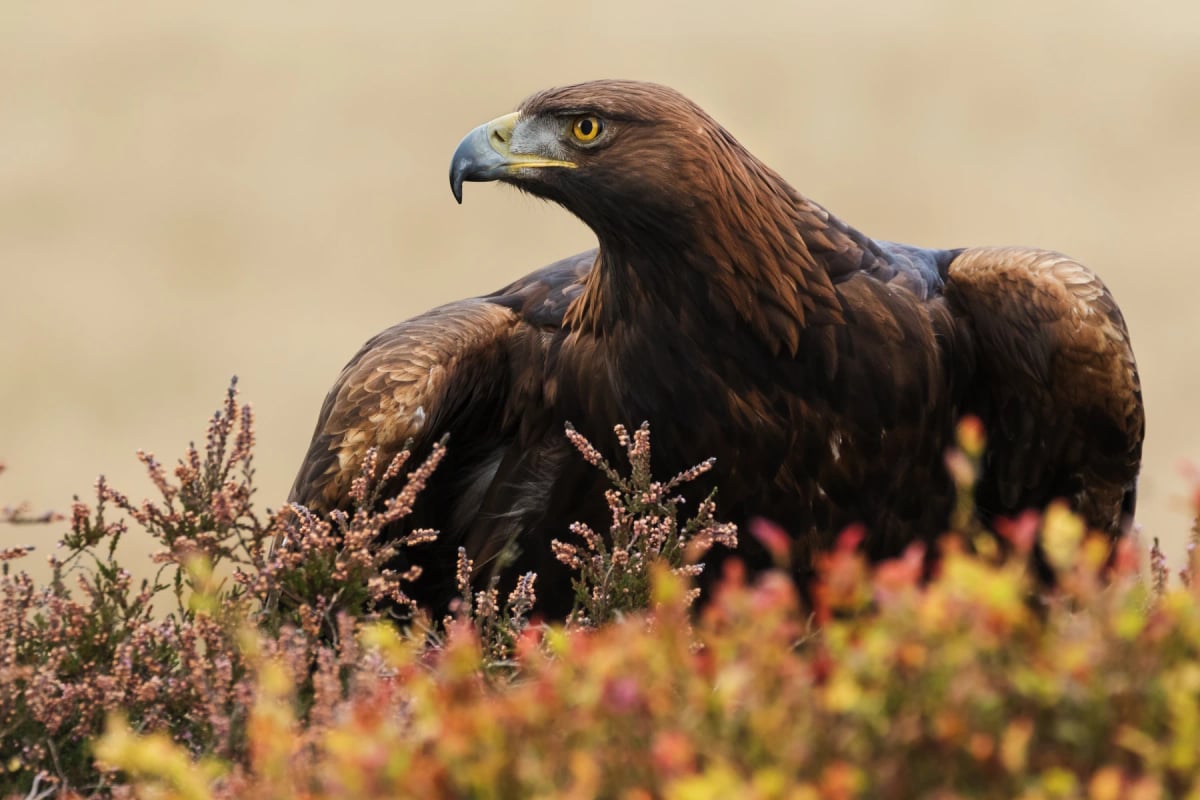
Golden Eagle
Aquila chrysaetos
The golden eagle inhabits the Greater and Lesser Caucasus mountain ranges in Azerbaijan, as well as open upland areas near the country's borders. It hunts hares, marmots, and small reptiles across rocky terrain. Nesting pairs are loyal to cliff sites used over many seasons. The IUCN lists the species as Least Concern, though habitat disturbance and human activity near nesting areas remain concerns.
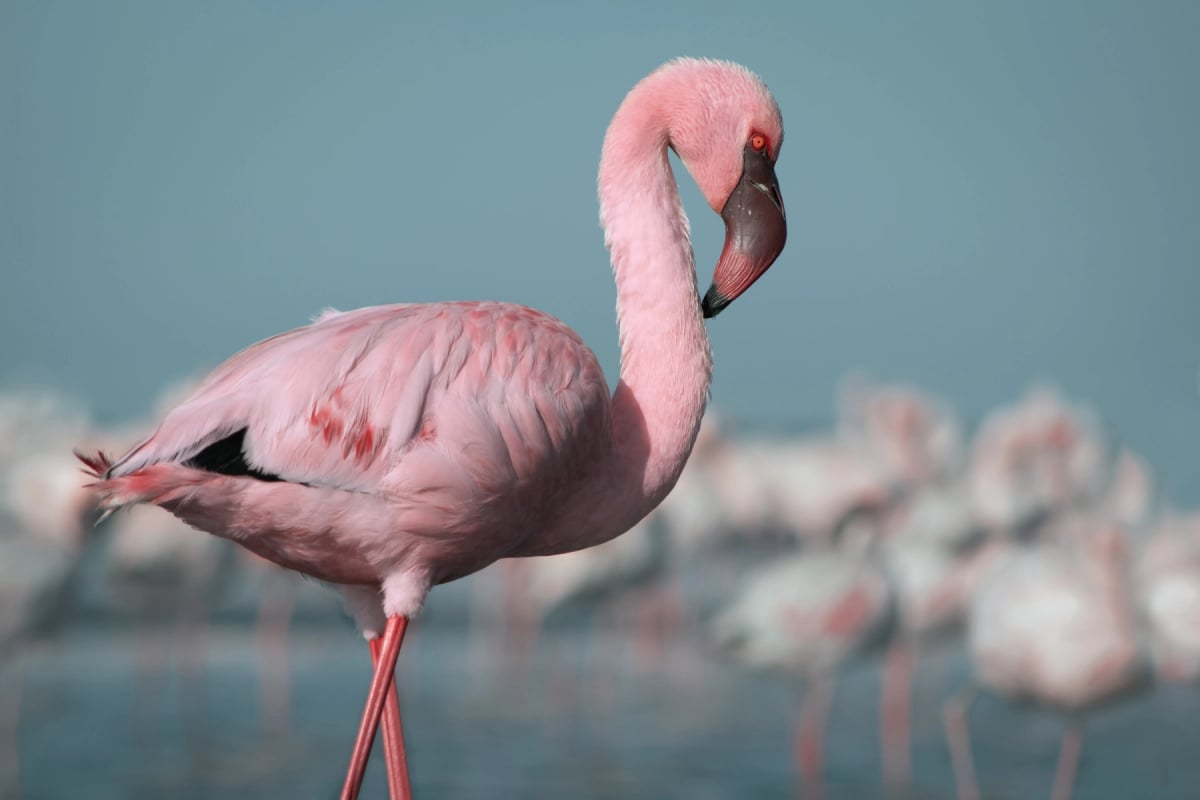
Flamingo
Phoenicopteridae (6 species)
The greater flamingo lives year round in Azerbaijan, and in winter the Caspian coast becomes one of its key sites in the region. Large flocks gather in the shallow bays of the Kyzylagach reserve in the south, where the sea rarely freezes and the water is rich in small crustaceans. Birds from colonies further north, such as those in Kazakhstan, join them in the cold months, turning the shallows pink. IUCN status: Least Concern.
Researched and written by Juan Pablo. Sources: IUCN Red List, scientific literature and regional field guides. Last updated: .