Animals in Syria
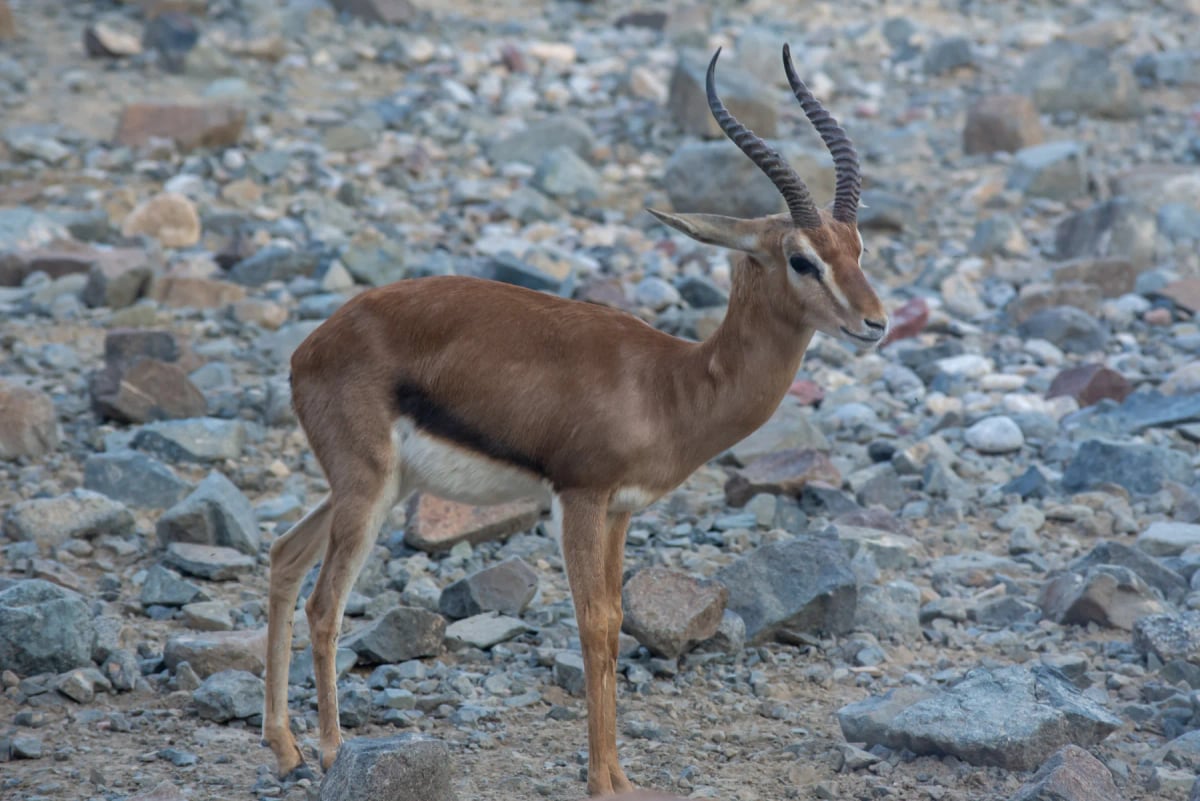
Arabian Gazelle
Gazella arabica
The gazelle is often treated as a symbol of Syria and is linked to open steppe and gentle desert hills. Its light body and quick movement suggest grace and calm strength in a dry landscape. Many people associate it with quiet travel across fields and with herds that still move between rocky slopes, shrubs and seasonal grazing areas.
View details→Wildlife in Syria
Syria combines dry steppe, desert plains, wooded hills and a short Mediterranean coast, so wildlife areas sit close to villages and farms. Visitors usually meet nature on short drives to hill viewpoints, simple walks in river valleys and coastal paths above small bays. From these routes they may see foxes, gazelles, boar, wolves and many birds in quiet hours.
Most Dangerous Animals in Syria
Danger for visitors in Syria appears mainly in quiet rural areas and offshore waters. Wild boar can react with force if they feel cornered in thick scrub, while wolves and striped hyenas are strong carnivores that usually avoid people. At sea hammerhead and great white sharks use deeper coastal zones, and most encounters stay brief and distant from normal tourist routes.
Top 10 Animals in Syria
The top 10 list for Syria highlights wolves and a large shark, showing the contrast between inland habitats and sea. Wolves use hills, valleys and field edges and are sometimes seen from rural roads at dawn or dusk. The great white shark represents deeper Mediterranean waters and is mostly known from rare reports by fishers and long boat trips offshore.
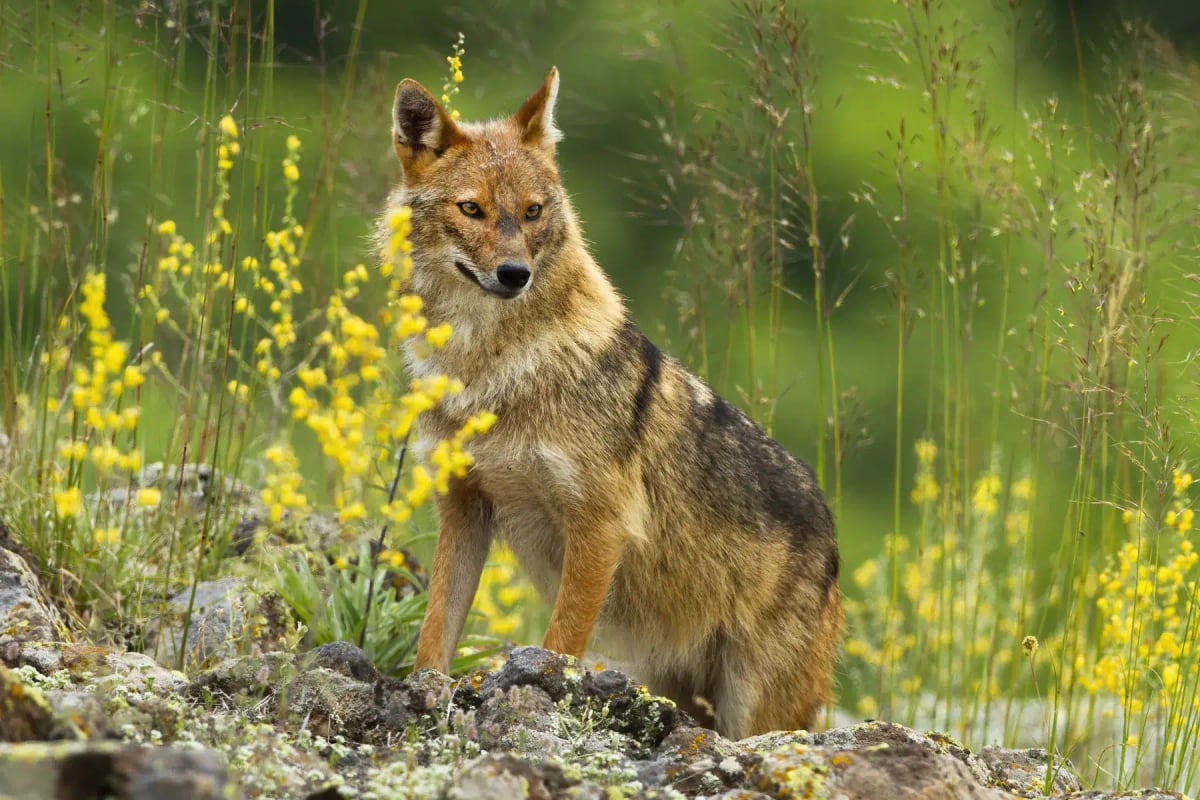
Golden Jackal
Canis aureus
The golden jackal is present across Syria in a range of habitats, from the coastal hills and river valleys of the west to the more arid margins of the steppe further inland. It is adaptable to life near farmland and villages, which has helped it persist despite years of landscape disruption across the country. Its IUCN status is Least Concern.
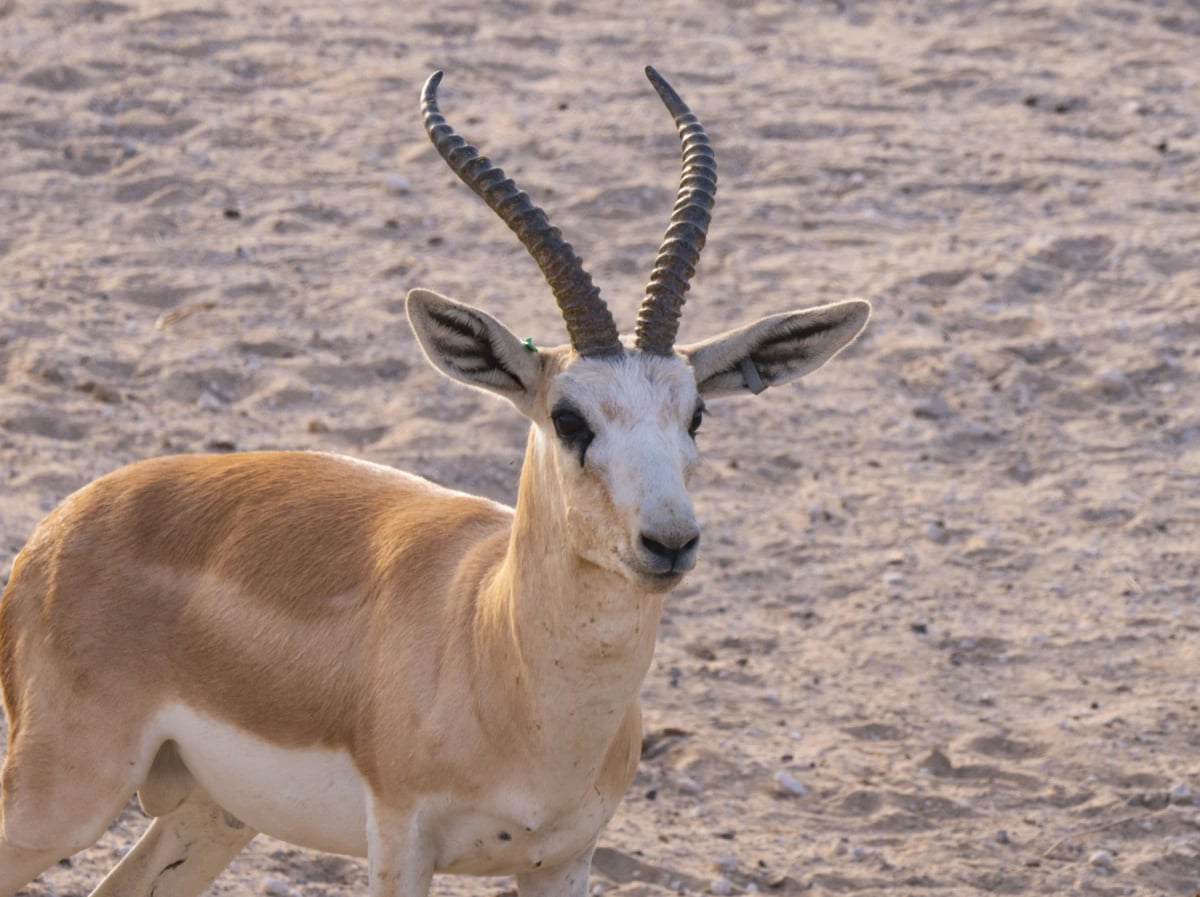
Sand Gazelle
Gazella marica
The sand gazelle once moved freely across the Syrian Desert, the vast interior plateau that dominates eastern and southern Syria. Prolonged conflict and widespread poaching have made reliable population assessments nearly impossible in recent years. Before the outbreak of war, small groups of the reem were still recorded in remote desert areas. The species' future in Syria depends heavily on political stability and the restoration of wildlife protection measures across the region.
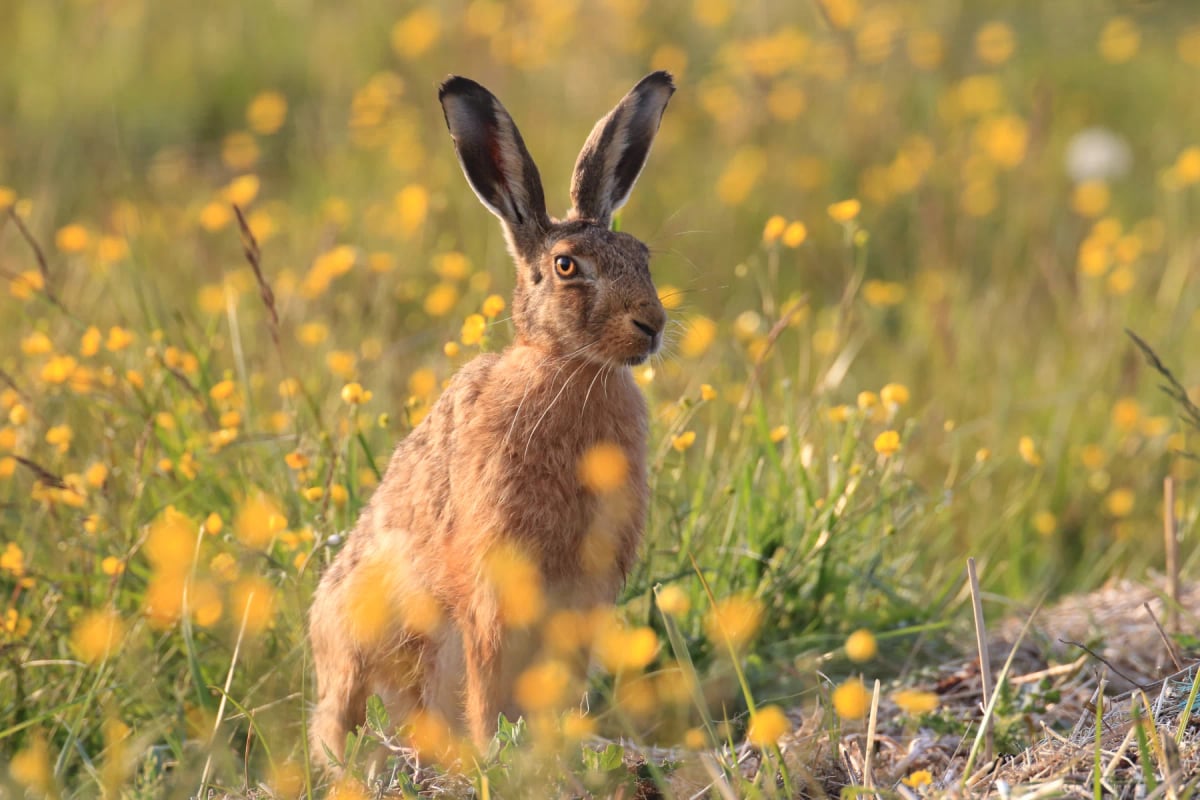
Hare
Lepus europaeus
The European hare occurs in the more temperate and cultivated parts of Syria, including the coastal plains near the Orontes River valley and agricultural areas in the northwest of the country. It favours open ground with access to grasses and crops. Across the broader region, habitat disruption and unregulated hunting have placed pressure on populations. The species is adaptable, but stable habitat and reduced hunting pressure are important for its survival in this part of its range.
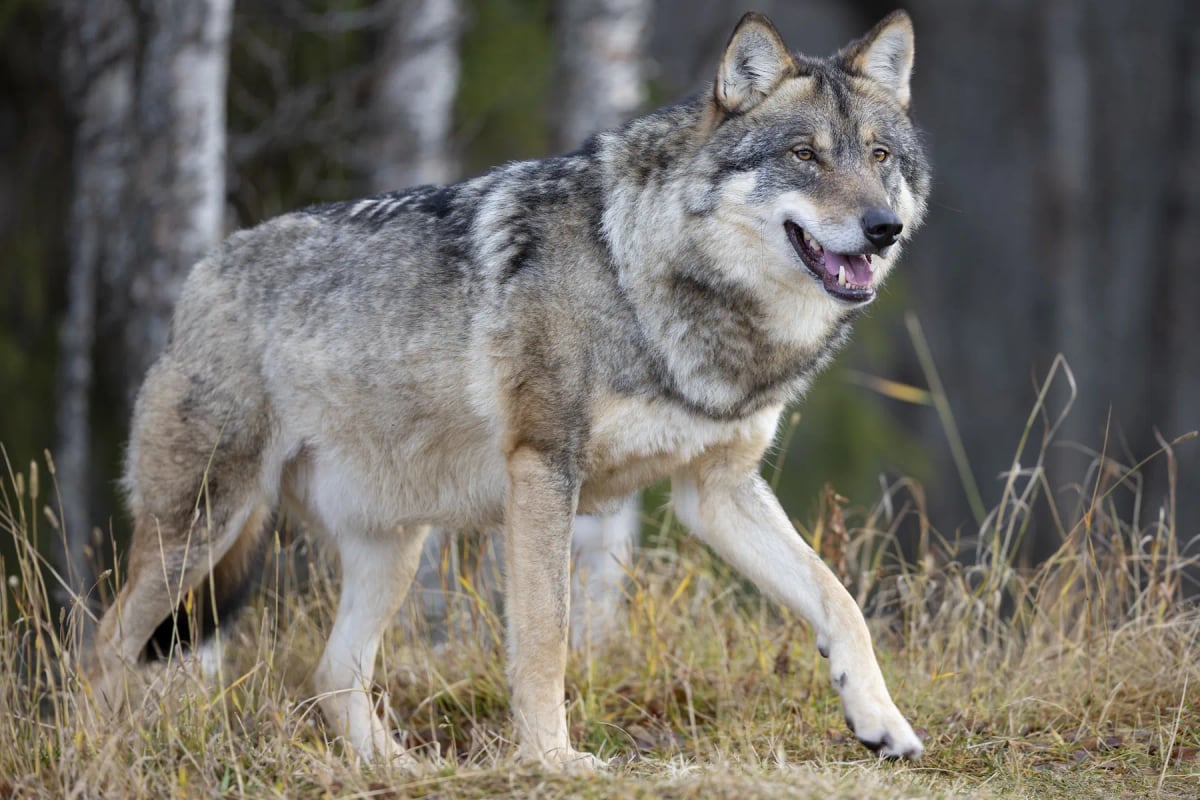
Gray Wolf
Canis lupus
Gray wolves persist in Syria in small numbers, primarily in the more remote and less populated areas of the north and northeast, including steppe and semi arid regions near the borders with Turkey and Iraq. Decades of conflict have made systematic wildlife monitoring extremely difficult. Wolves in Syria belong to populations that are connected across the broader Middle East. Habitat degradation and hunting continue to threaten their survival. IUCN status: Least Concern.
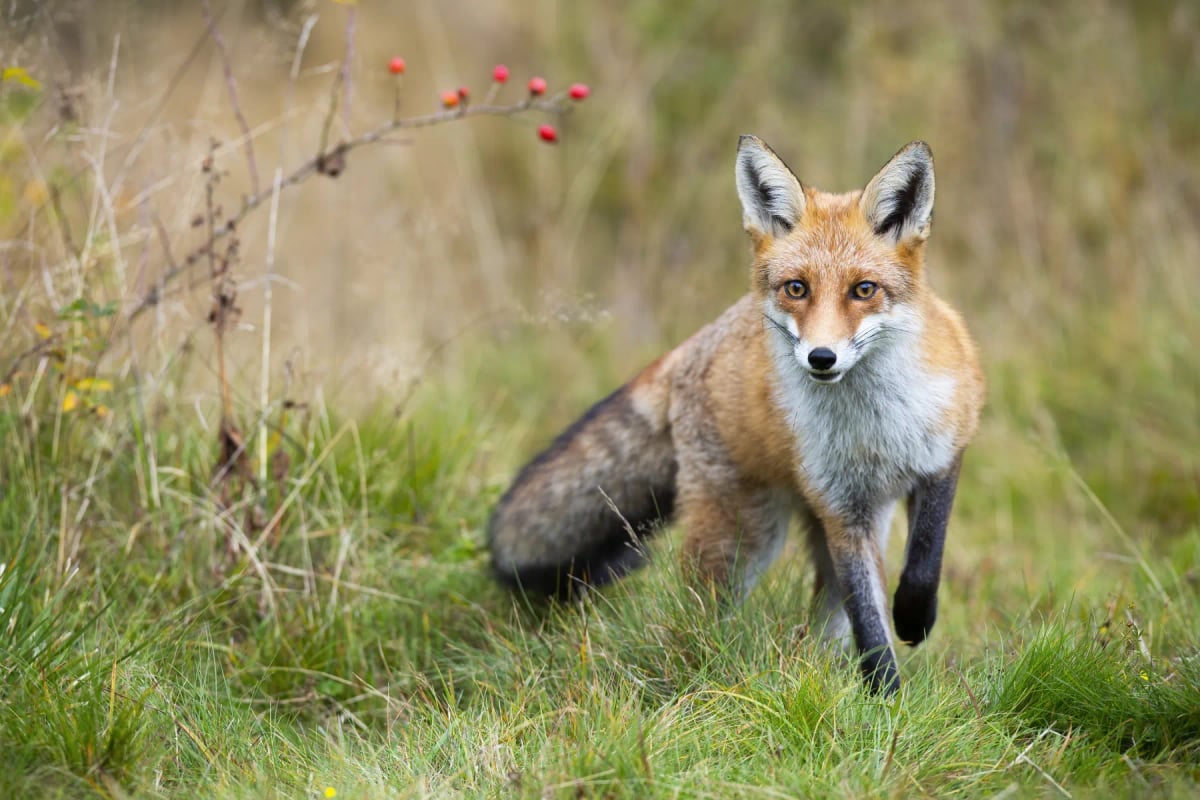
Red Fox
Vulpes vulpes
The red fox is one of the more resilient wild mammals in Syria, found across the steppe grasslands, semi-arid hills, and agricultural zones of the country. It copes well with dry conditions and is an opportunistic feeder, eating rodents, insects, fruit, and scraps near human settlements. Despite the country's prolonged conflict and its effects on wildlife monitoring, the red fox remains present and classified as Least Concern.
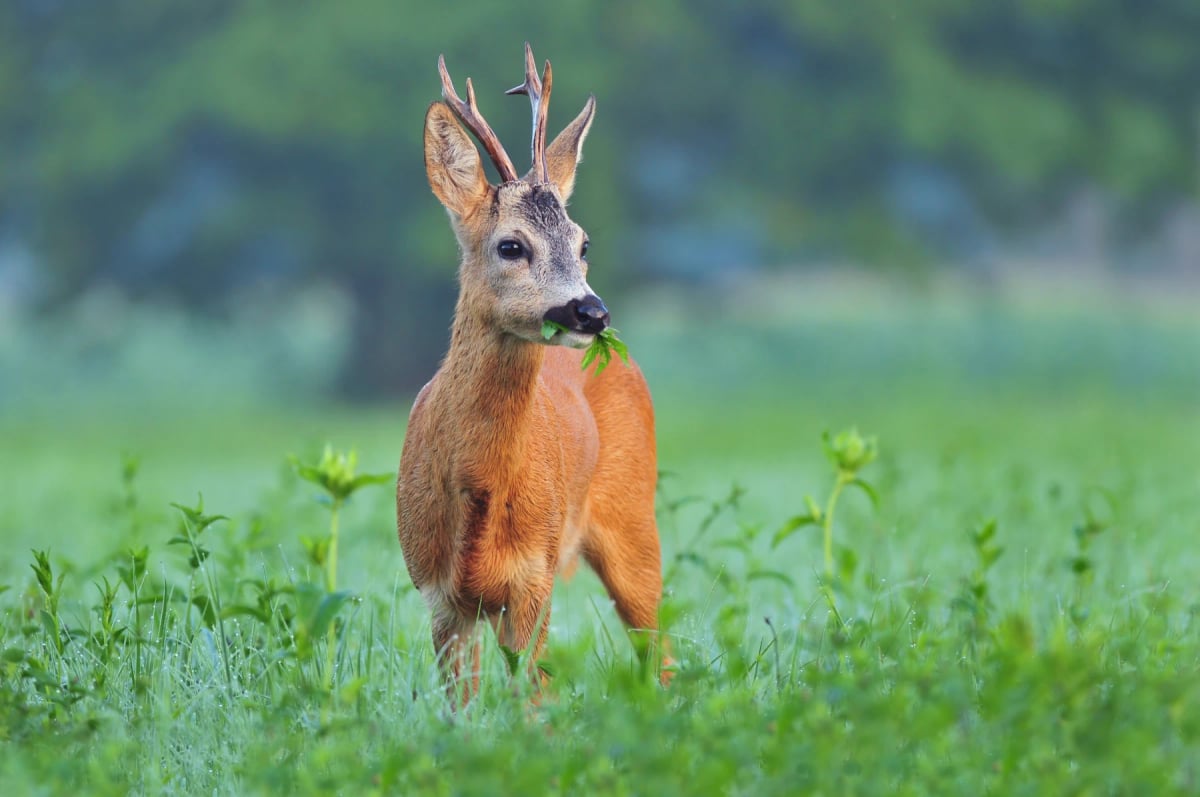
Roe Deer
Capreolus capreolus
The roe deer reaches the southern edge of its range in Syria, where small populations persist in the forested hills of the northwest, particularly around the Latakia and Tartus regions. Habitat loss and hunting pressure have made sightings increasingly rare. Its coat turns grey brown in winter and russet in summer, and like all roe deer, it feeds on leaves, buds, and shoots rather than grazing on grass. IUCN status: Least Concern.
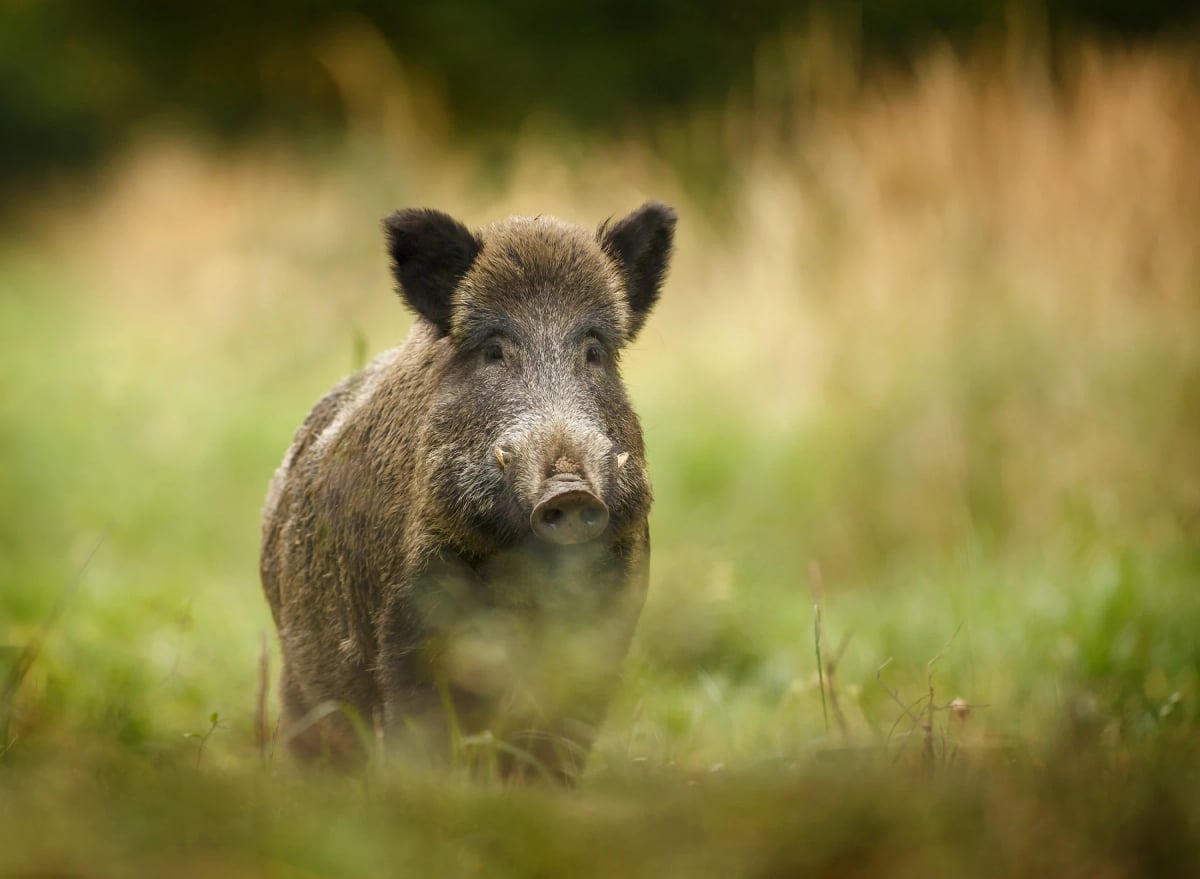
Wild Boar
Sus scrofa
Wild boars in Syria live mainly in the forested coastal mountains near Latakia and in parts of the Euphrates river valley further east. Because pork is not eaten for religious reasons, boars have traditionally faced little hunting pressure and are regarded as agricultural pests. Years of conflict have disrupted wildlife monitoring across the country, making it difficult to assess current population trends with confidence.
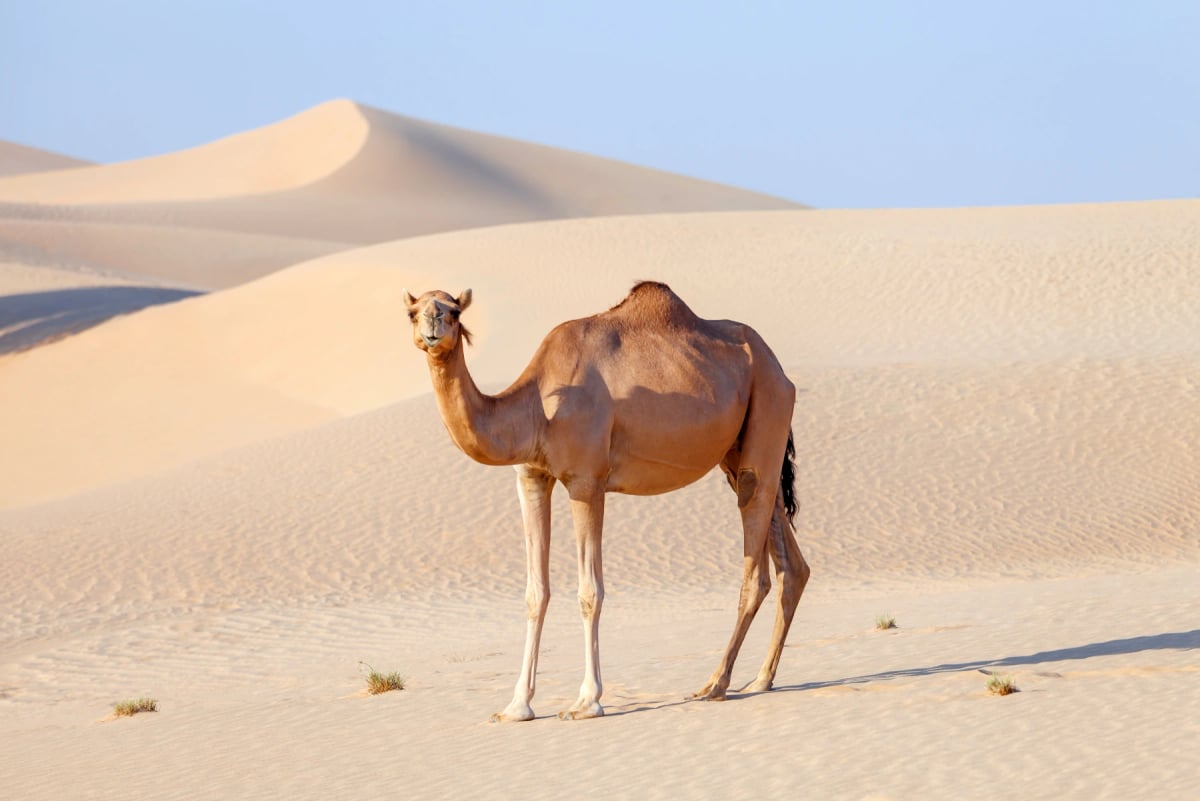
Dromedary Camel
Camelus dromedarius
In Syria, dromedary camels inhabit the vast Syrian Desert and the steppe regions of the east, areas long used by Bedouin herders who have kept camels as working and domestic animals for thousands of years. Syrian dromedaries are valued for their milk, meat, and ability to transport loads across dry terrain. Ongoing conflict in recent years has disrupted traditional herding practices, placing pressure on camel keeping communities.
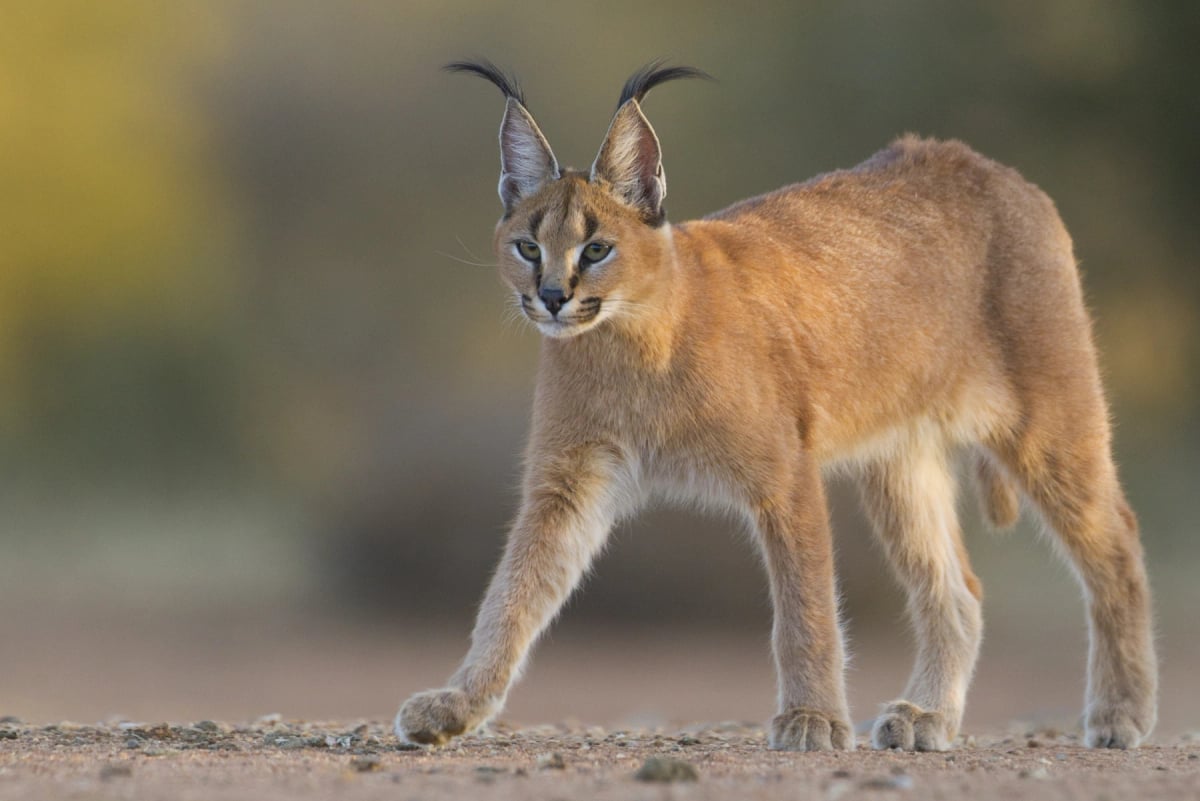
Caracal
Caracal caracal
In Syria, the caracal inhabits rocky hillsides, arid steppes, and sparse scrublands, particularly in the more remote areas away from dense human activity. Once more widespread across the Levant, its range has contracted significantly due to hunting pressure and habitat loss. This solitary cat hunts nocturnally, taking rodents, hares, and birds. The IUCN lists the species as Least Concern globally, but regional populations in the Middle East face considerable pressure.
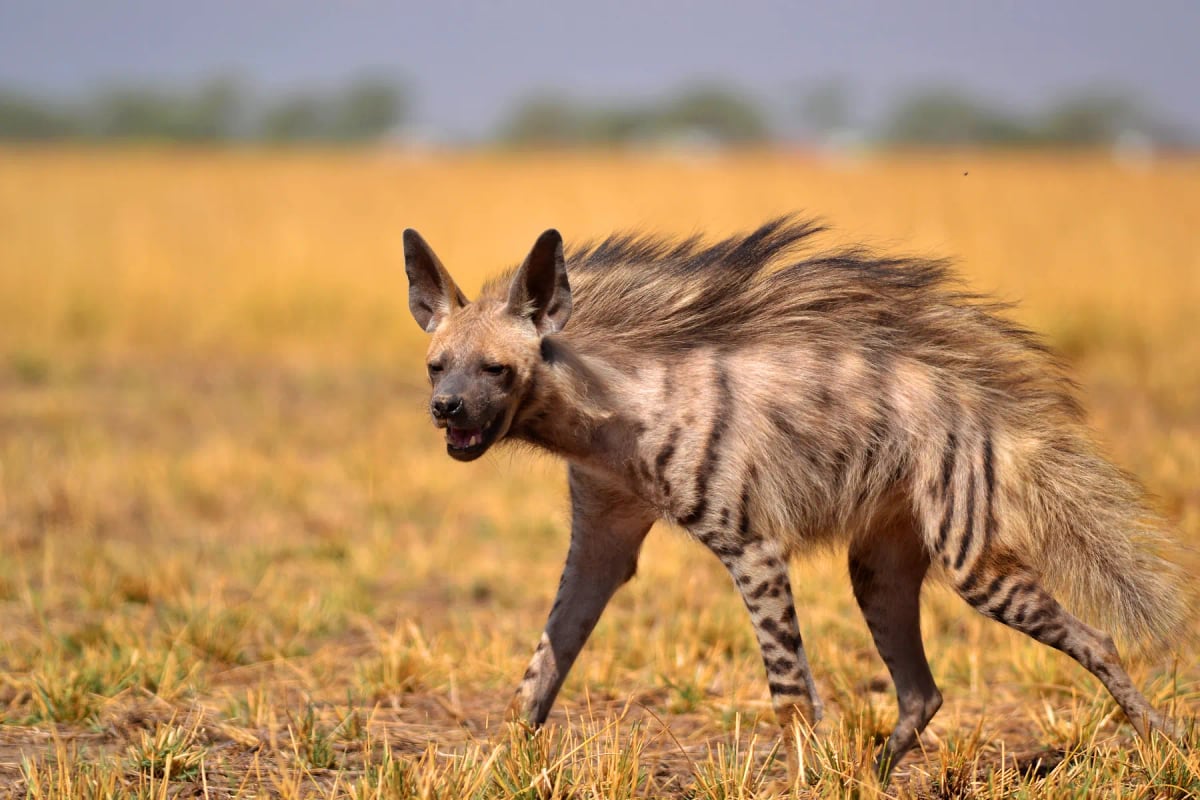
Striped Hyena
Hyaena hyaena
The striped hyena once ranged widely across Syria, inhabiting the semi-arid steppes and rocky hillsides of the interior. Years of civil conflict have made monitoring extremely difficult, but the species is believed to persist in remote areas. Unregulated hunting, habitat degradation, and the collapse of wildlife management pose serious risks to its survival. The IUCN lists it as Near Threatened.
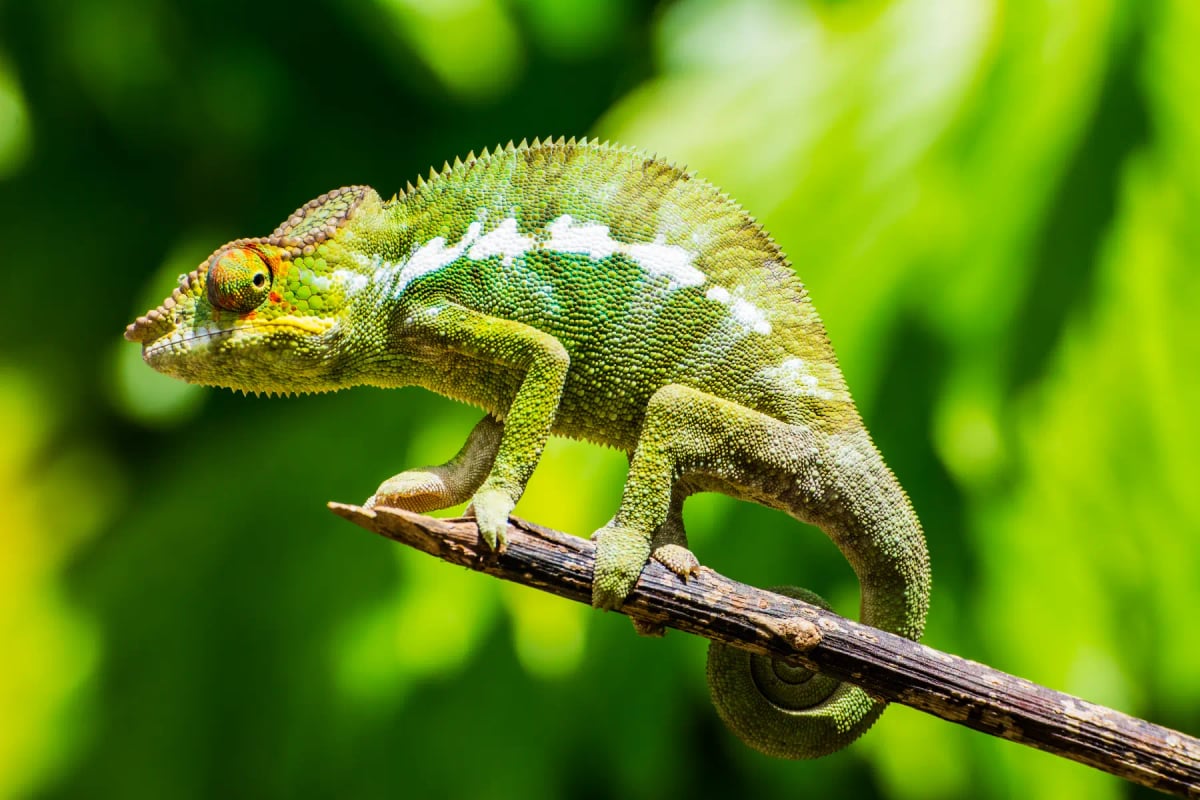
Chameleon
Chamaeleo chamaeleon
In Syria, the common chameleon is found in the coastal and northwestern regions, particularly in the scrublands and mixed woodlands near the Latakia area. These wetter, more temperate zones along the Mediterranean fringe provide the insect life and dense vegetation the species needs. Ongoing habitat disturbance in the country has made monitoring wild populations increasingly difficult in recent years.
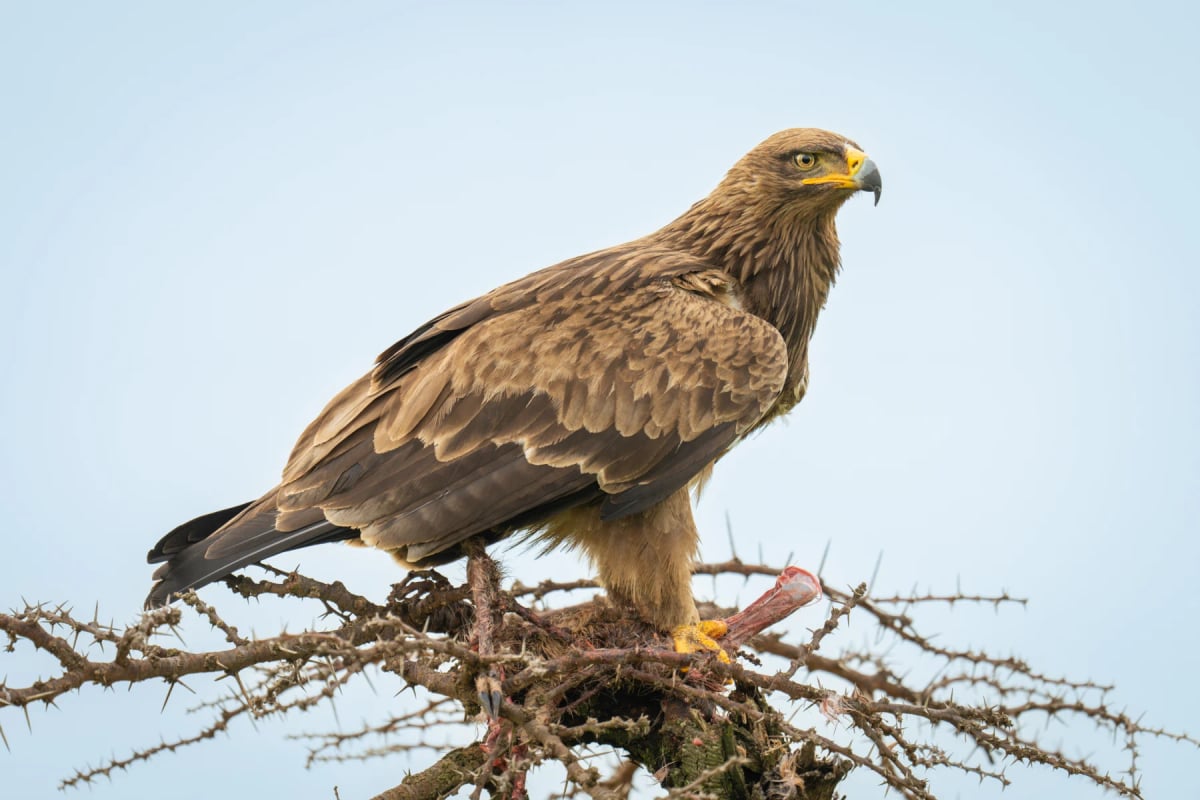
Steppe Eagle
Aquila nipalensis
Syria lies beneath a major raptor flyway connecting Central Asia with Africa, and Steppe Eagles are recorded moving through the country each spring and autumn. The open steppe landscapes of eastern and central Syria offer temporary foraging opportunities for birds pausing during migration. The species is classified as Endangered by the IUCN, and ongoing regional instability makes systematic monitoring in Syria particularly challenging for conservationists tracking population trends.
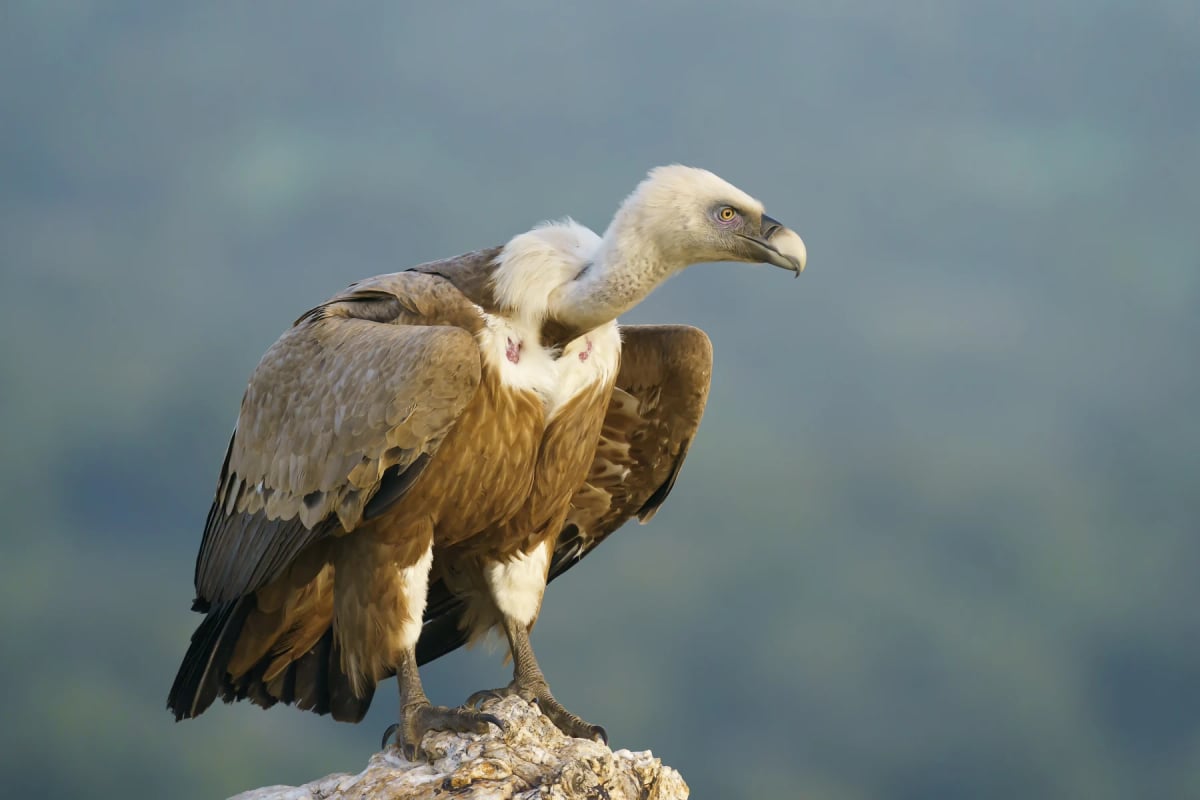
Griffon Vulture
Gyps fulvus
In Syria, the griffon vulture historically nested along the limestone cliffs of the coastal mountain ranges and the Anti-Lebanon mountains. Sightings have been recorded in the northwestern highlands and near the Euphrates valley. The species has suffered severe pressure due to ongoing conflict, habitat degradation, and reduced availability of wild prey. Reliable population data for Syria is currently limited, though the species is presumed to still pass through or reside in smaller numbers. Its IUCN status is Least Concern.
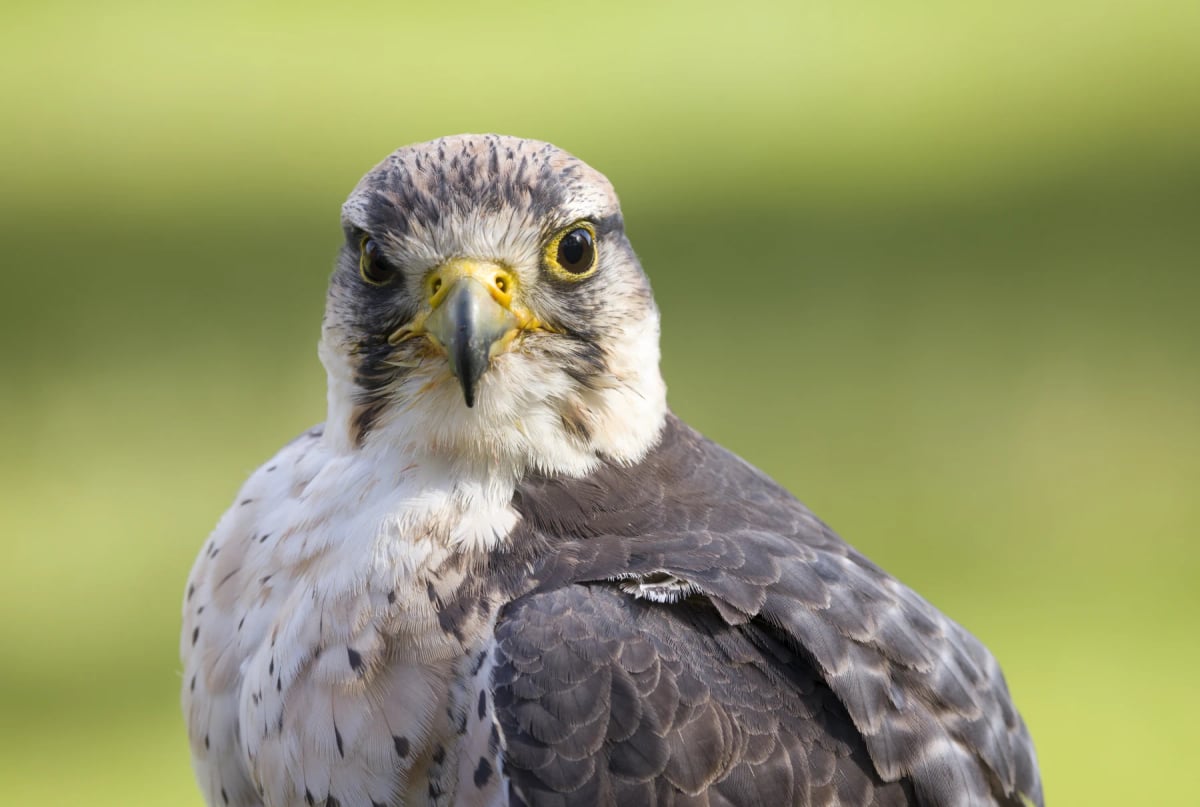
Lanner Falcon
Falco biarmicus
In Syria, the lanner falcon is recorded mainly as a passage migrant, moving through the rocky steppe, desert plateaus and river valleys such as the Euphrates rather than settling to breed. It hunts doves and smaller birds across open terrain on its way. Ongoing conflict has severely limited wildlife monitoring in the country. The species is listed as Least Concern by the IUCN, though its current status within Syria is difficult to assess.
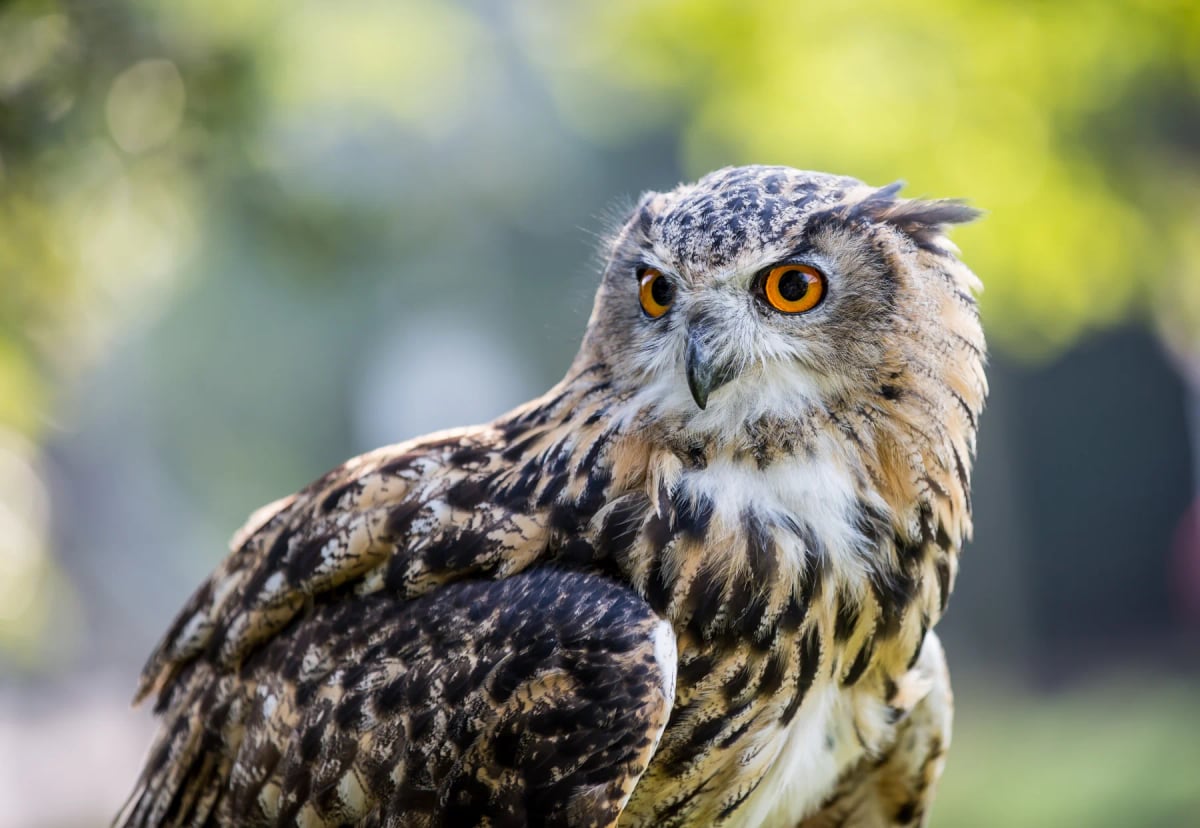
Eagle Owl
Bubo bubo
The eagle owl occurs across Syria in rocky desert terrain, river valleys such as the Euphrates corridor, and the more rugged areas of the Anti Lebanon mountains. It is largely nocturnal and hunts rodents, hares, and large insects in arid landscapes. Ongoing conflict has made systematic monitoring difficult, but the species is considered present and breeding in suitable habitat across the country. IUCN status: Least Concern.
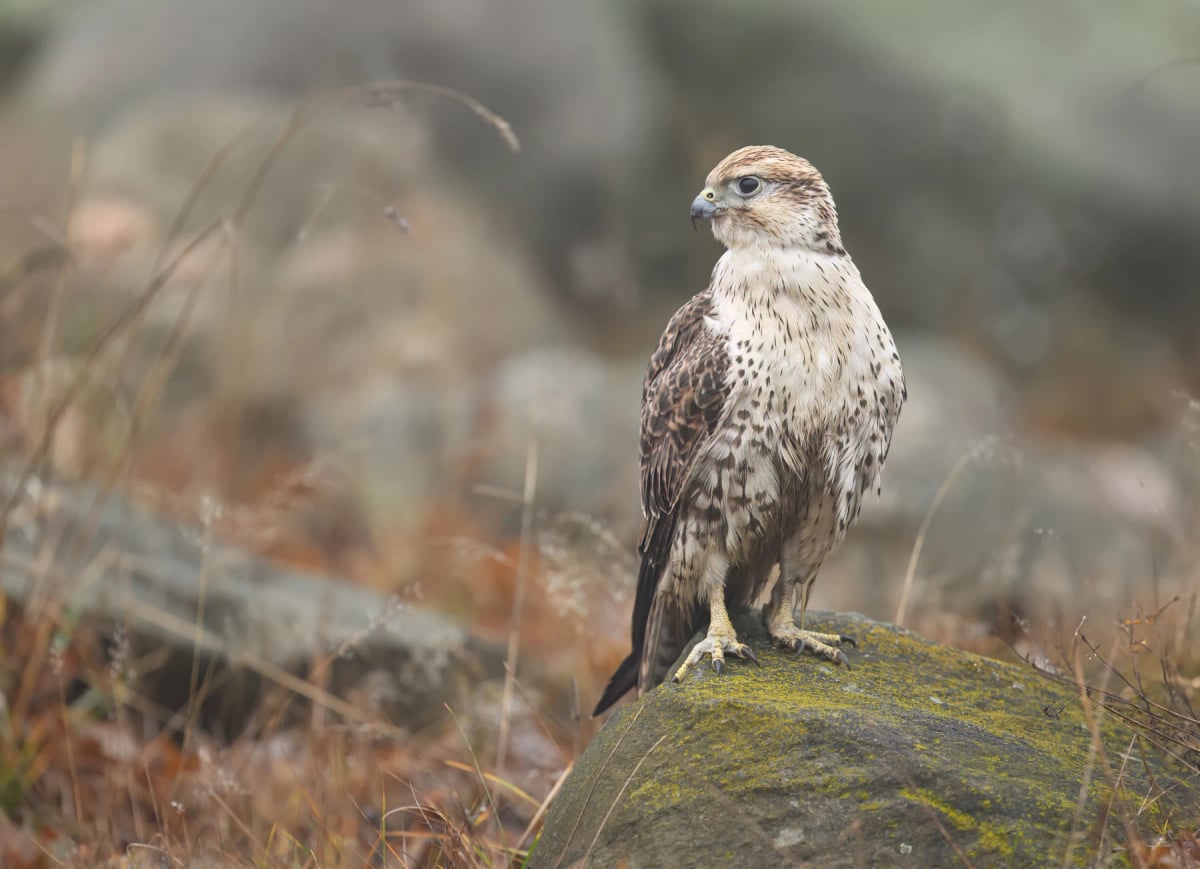
Saker Falcon
Falco cherrug
Syria serves as both a migration corridor and a wintering area for the saker falcon, with birds travelling through the region on their way between Central Asian breeding grounds and African or Arabian wintering sites. The open steppes and semi-arid plains of inland Syria provide suitable stopover and foraging habitat. Ongoing instability in the country has made systematic conservation monitoring extremely difficult. The saker falcon is listed as Endangered on the IUCN Red List.
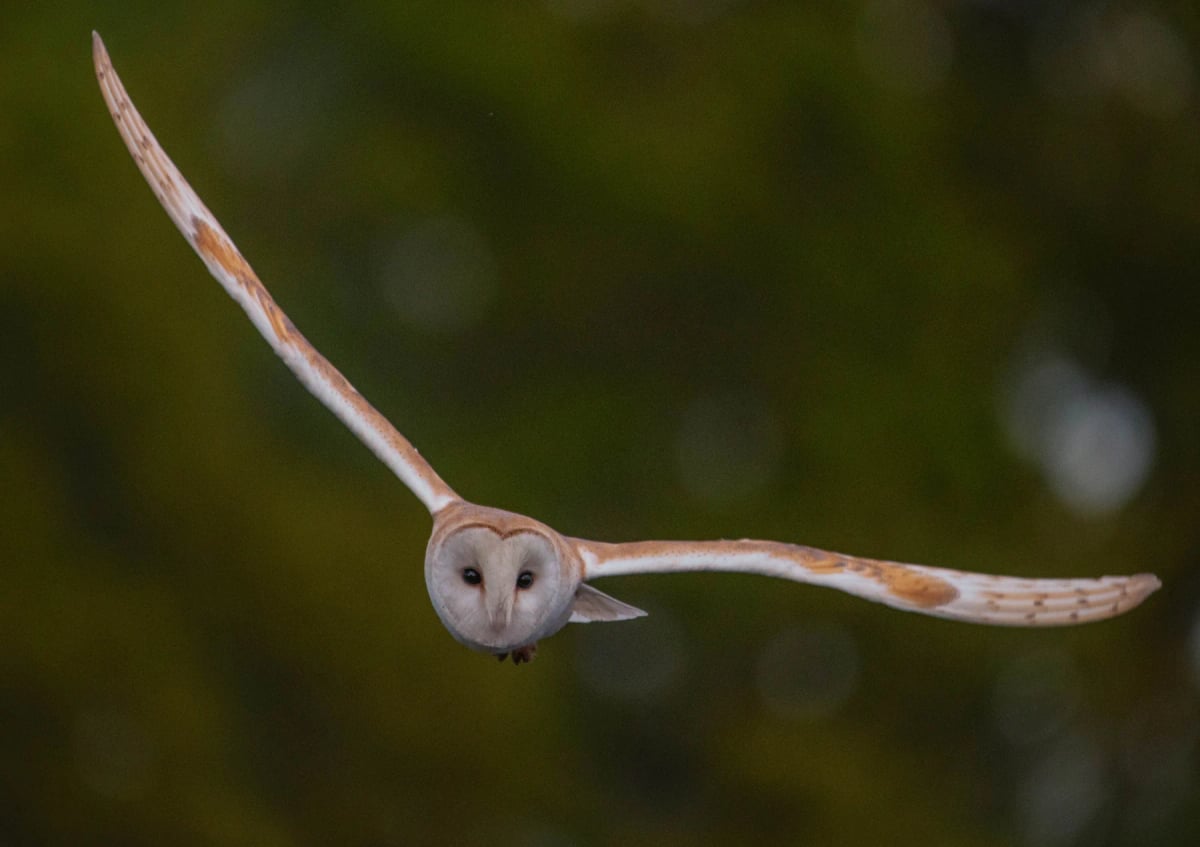
Barn Owl
Tyto alba
The barn owl is found across Syria in open farmland, scrubland, and areas near villages from the fertile Orontes Valley and the Hauran plateau to the drier steppe zones of the interior. It nests in old buildings, ruins, cliff faces, and hollow trees, and hunts rodents at night. In the agricultural regions of northwestern Syria and the Euphrates valley it provides natural control of small mammal populations. Its presence in ancient ruins and historic structures, of which Syria has many, gives it a distinctive role in the country's landscape.
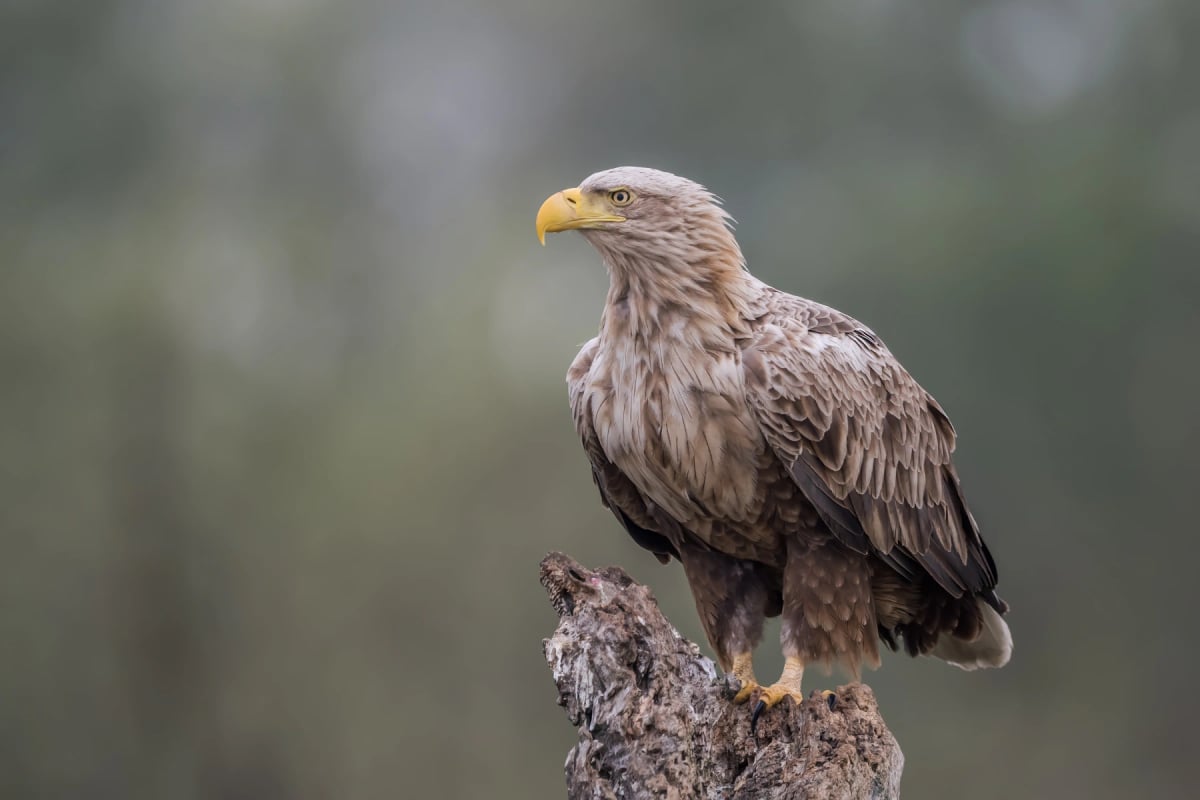
White tailed Eagle
Haliaeetus albicilla
In Syria, the white-tailed eagle occurs as a passage migrant and winter visitor, appearing along the Euphrates River valley and coastal wetlands near the Mediterranean. These habitats offer the fish and waterfowl it depends on during the colder months. Ongoing conflict and habitat degradation have placed additional pressure on wildlife across the country. Its IUCN status is Least Concern.
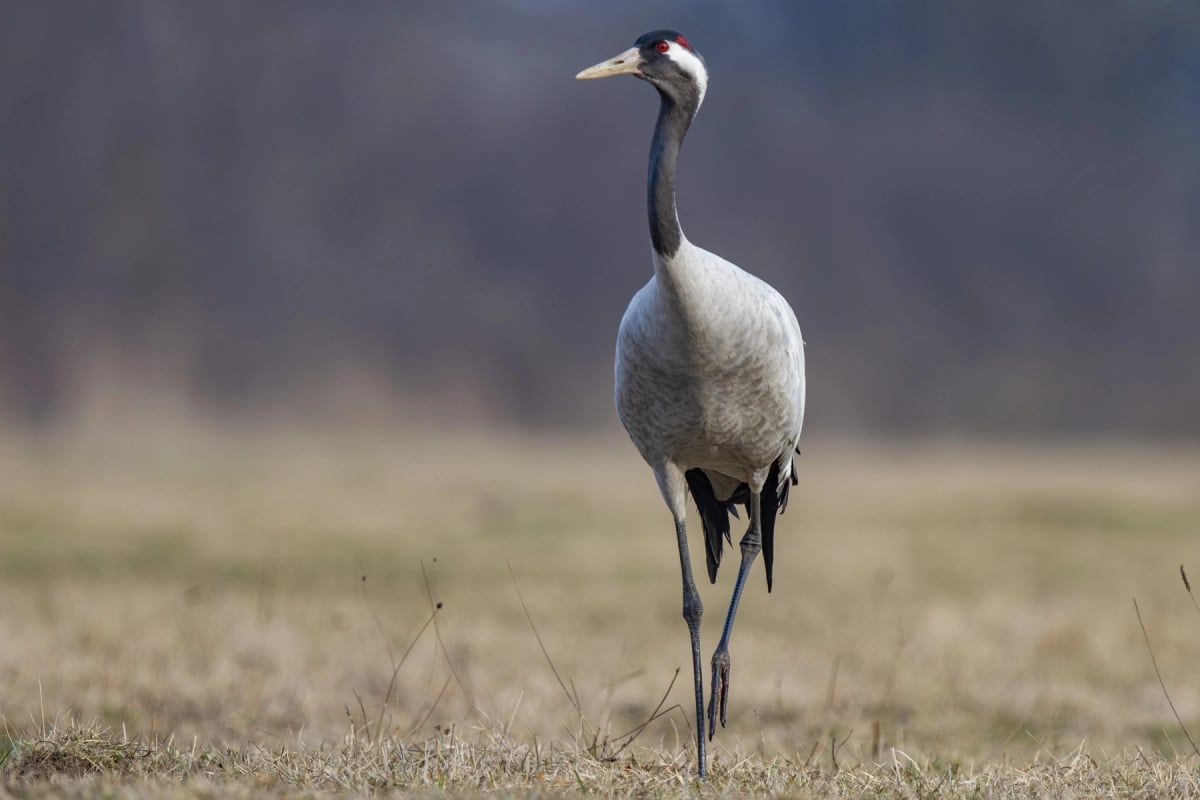
Crane
Grus grus
Syria sits on the eastern flyway used by common cranes traveling between Russia, Turkey and their wintering grounds in the Middle East and Africa. Large flocks cross the country each autumn and spring, resting in farmland and wetlands, and some birds stay through the winter. The Euphrates valley, the Orontes plain and the Jabbul salt lake near Aleppo are key stopover areas for the species. IUCN status: Least Concern.
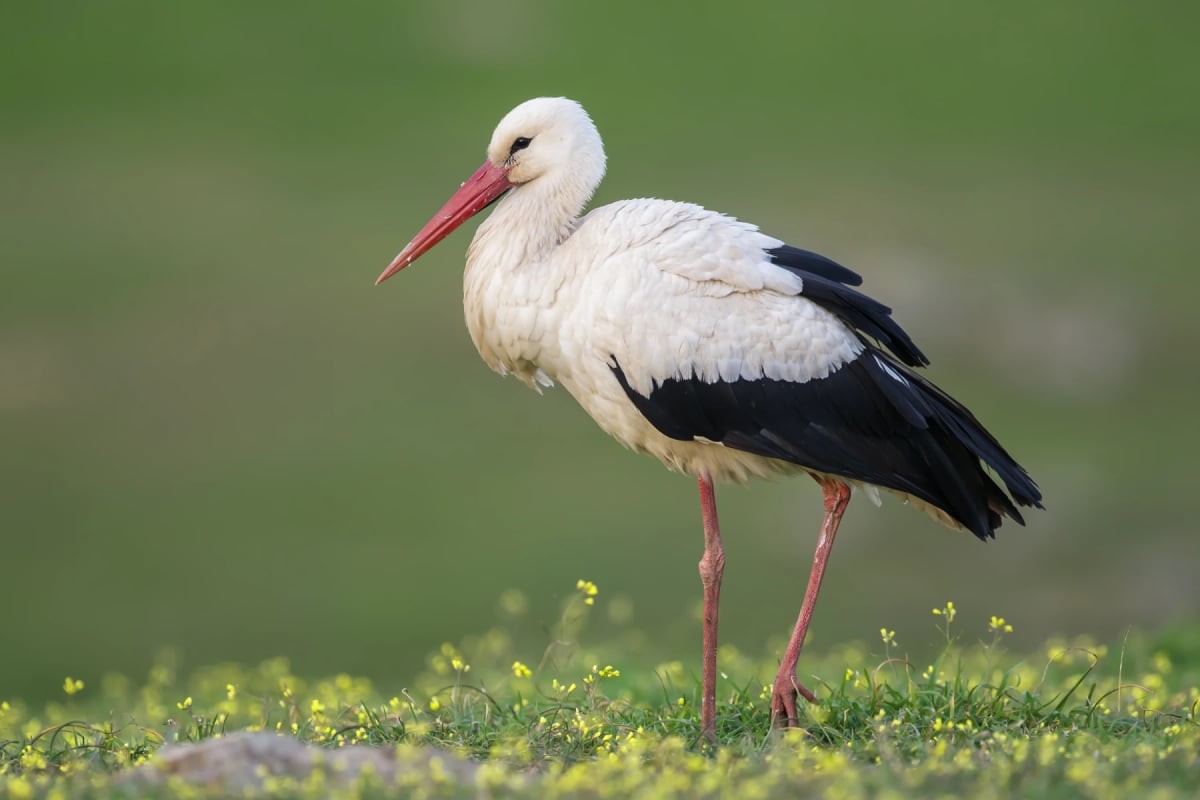
Stork
Ciconia ciconia
Syria is an important transit country for white storks moving along the eastern Mediterranean flyway. The Euphrates and Orontes river valleys, along with surrounding farmland, provide resting and feeding opportunities for migrating flocks in spring and autumn. Storks have also nested in some parts of the country historically. With its striking white and black plumage and tall stance, the white stork is a well known figure in Syrian rural culture and tradition. IUCN status: Least Concern.
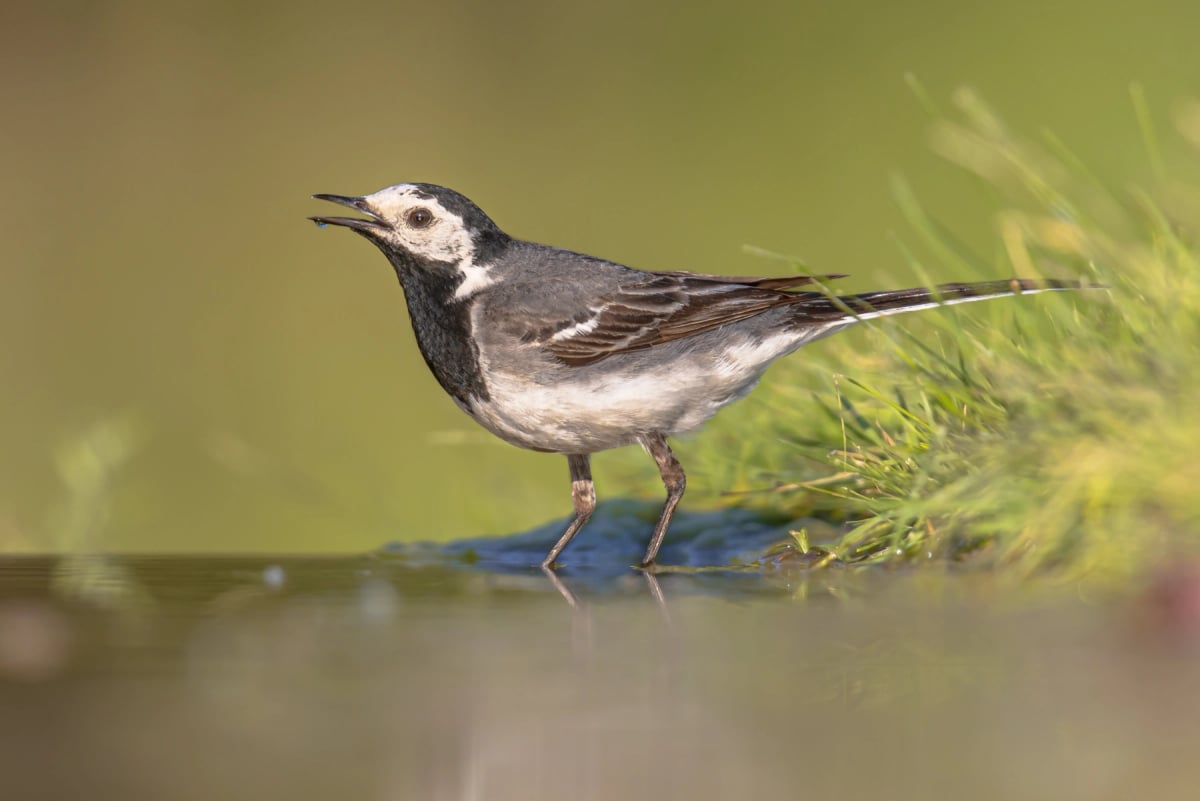
White Wagtail
Motacilla alba
Syria lies on a busy migration route, and the white wagtail passes through in large numbers each spring and autumn, with many birds staying for the winter. From October to March it is common along the Euphrates and Orontes valleys, around wetlands such as the Jabbul salt lake, on irrigated farmland and in towns, where it hunts insects on the ground with its tail constantly bobbing. IUCN status: Least Concern.
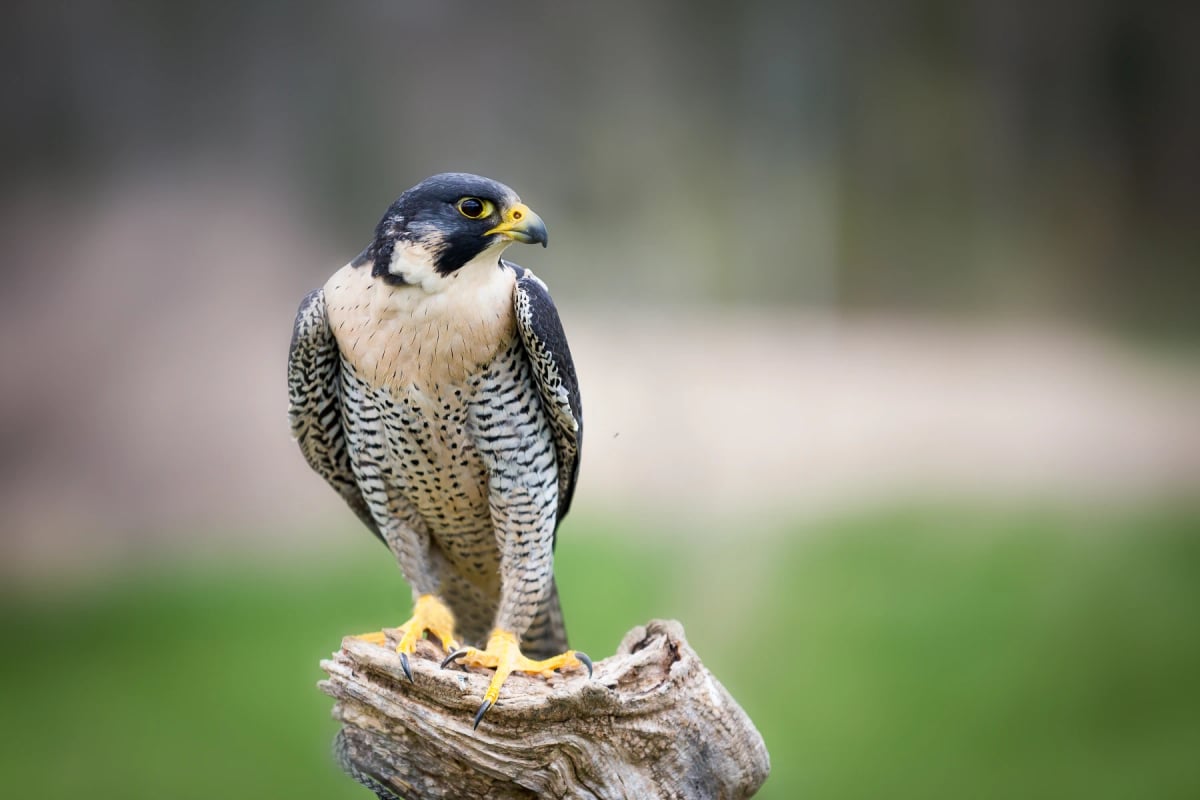
Peregrine Falcon
Falco peregrinus
The peregrine falcon occurs in Syria primarily as a passage migrant, moving through the country each spring and autumn between its breeding and wintering grounds. Rocky escarpments and open valleys can attract individual birds during these journeys. Ongoing conflict in Syria has made systematic wildlife monitoring difficult, but the species remains listed as Least Concern by the IUCN across its global range.
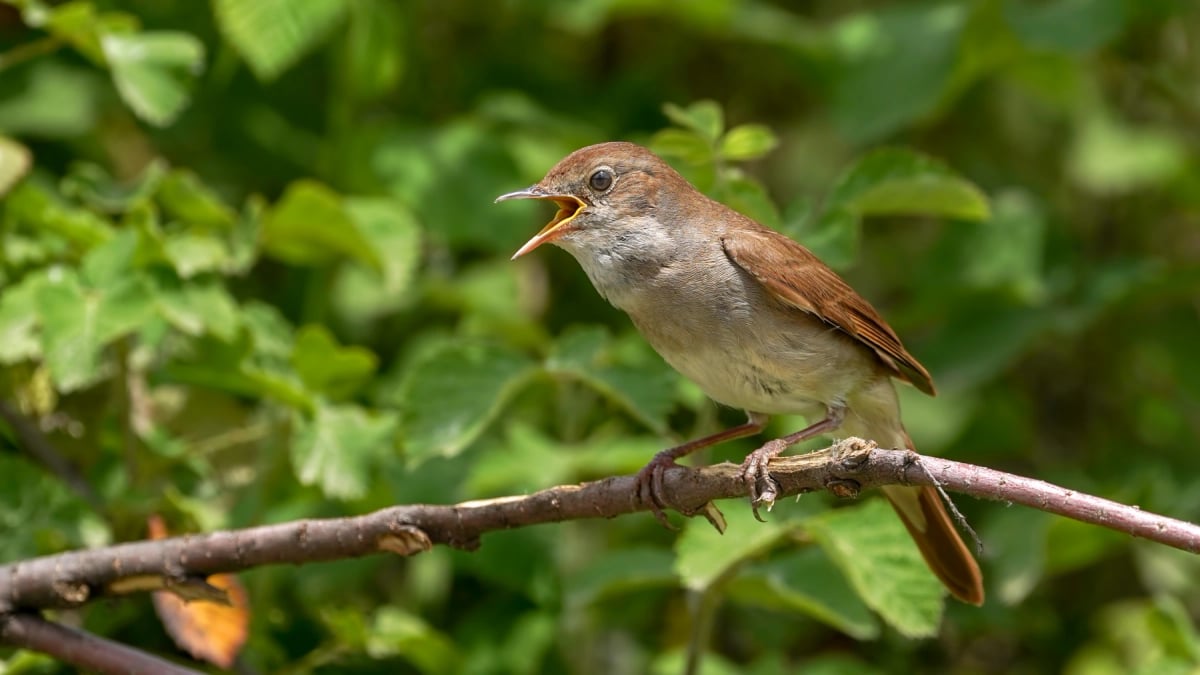
Nightingale
Luscinia megarhynchos
The nightingale breeds in Syria in riparian thickets, gardens, and areas of dense scrub, particularly in the wetter western parts of the country near the coast and along river valleys. Males sing powerfully through spring nights, a sound deeply woven into the region's poetry and cultural tradition. Many birds also pass through on migration heading toward African wintering grounds. Its IUCN status is Least Concern.
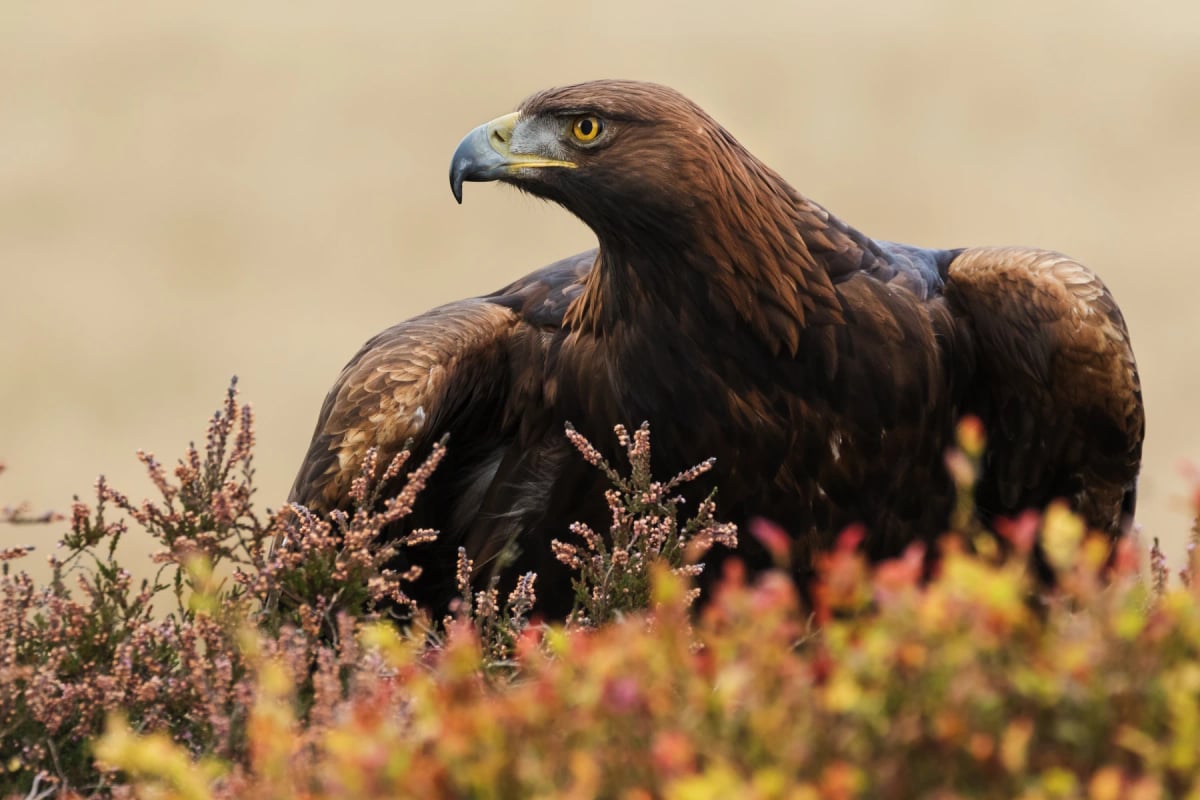
Golden Eagle
Aquila chrysaetos
In Syria, the golden eagle occurs as a breeding resident and winter visitor across mountainous areas, including the Anti-Lebanon range and parts of the northern highlands. It hunts over open stony terrain and agricultural edges. Ongoing conflict has disrupted wildlife monitoring, making population assessments difficult. The IUCN lists the species as Least Concern globally, though conditions in Syria present serious challenges for the conservation of birds of prey.
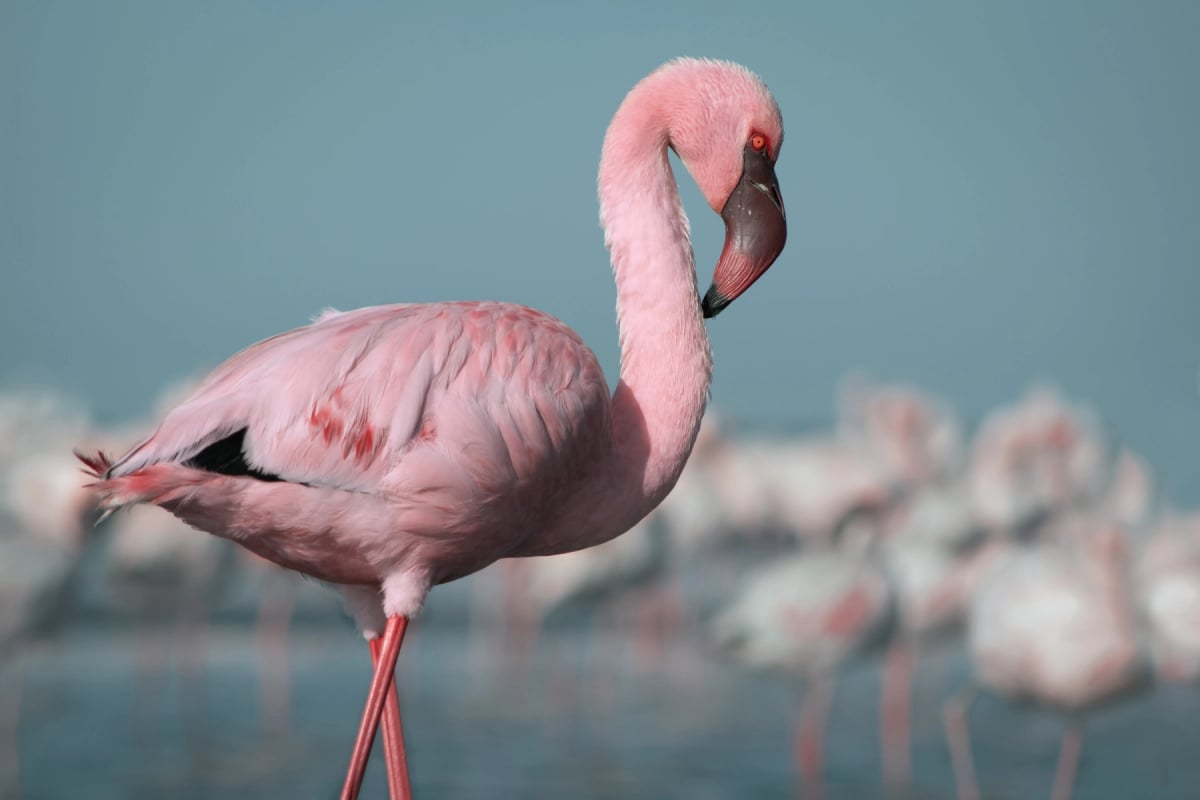
Flamingo
Phoenicopteridae (6 species)
The greater flamingo lives in Syria, where its most important site is Sabkhat al Jabbul, a large salt lake east of Aleppo. Thousands of flamingos have been recorded there, and the lake is one of the key wetlands for the species in the Middle East, although water levels and conflict have made it hard to monitor. The birds filter brine shrimp and algae from the lake's shallow, salty water. IUCN status: Least Concern.
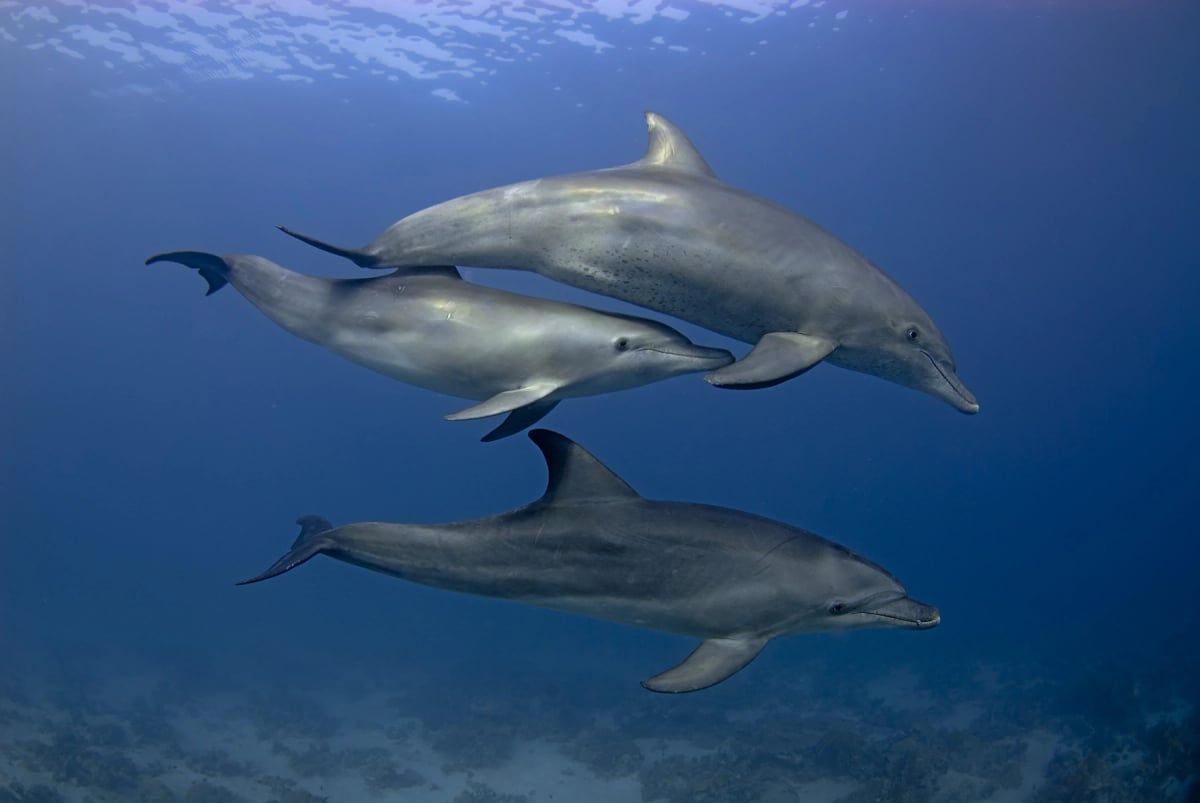
Bottlenose Dolphin
Tursiops truncatus
Bottlenose dolphins are present along Syria's narrow Mediterranean coastline, particularly in the waters near Latakia and Tartus. They tend to follow fish schools close to shore and are occasionally spotted from fishing boats. The eastern Mediterranean population faces pressure from overfishing and boat traffic, making encounters increasingly rare. The species is classified as Least Concern globally by the IUCN.
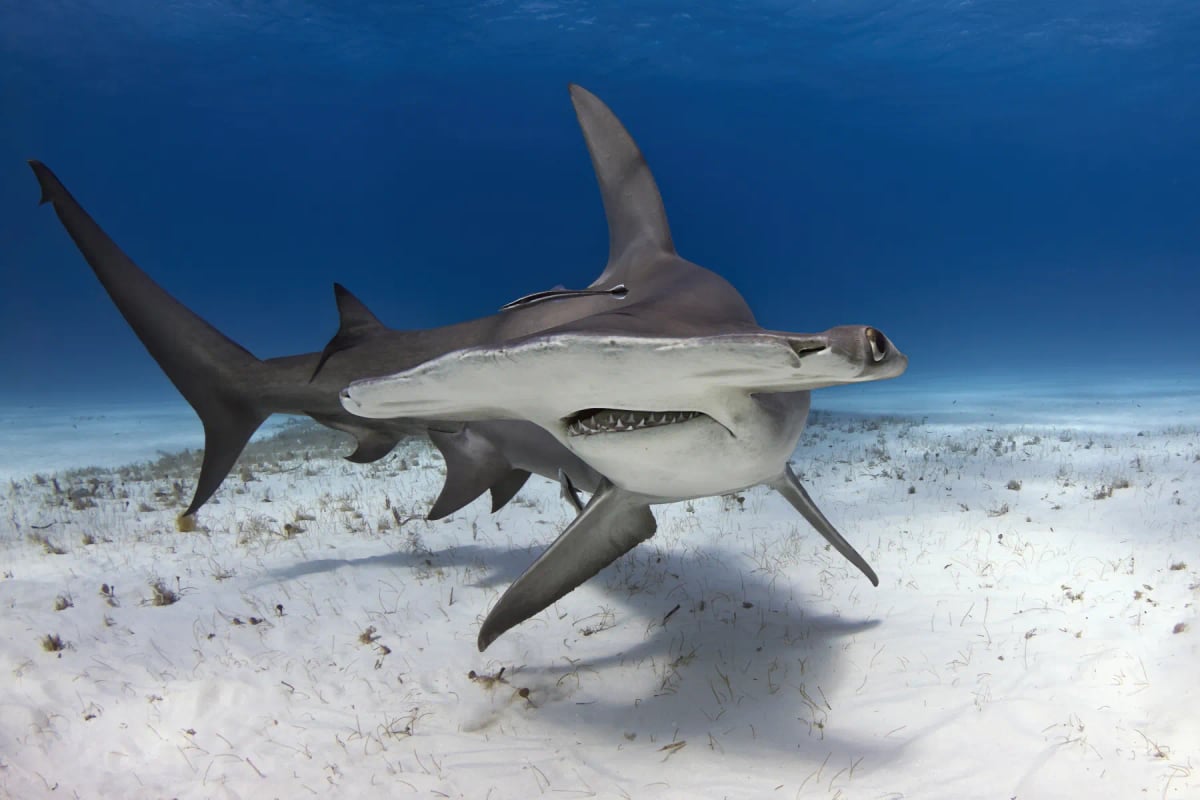
Hammerhead Shark
Sphyrna spp.
Syria has a modest coastline along the eastern Mediterranean Sea, where hammerhead sharks are occasionally observed. These waters represent a marginal part of the species' Mediterranean range, and sightings are infrequent. The eastern Mediterranean has experienced significant declines in shark populations over decades due to overfishing. Regional cooperation is considered essential for any meaningful recovery of hammerhead numbers in this part of the sea.
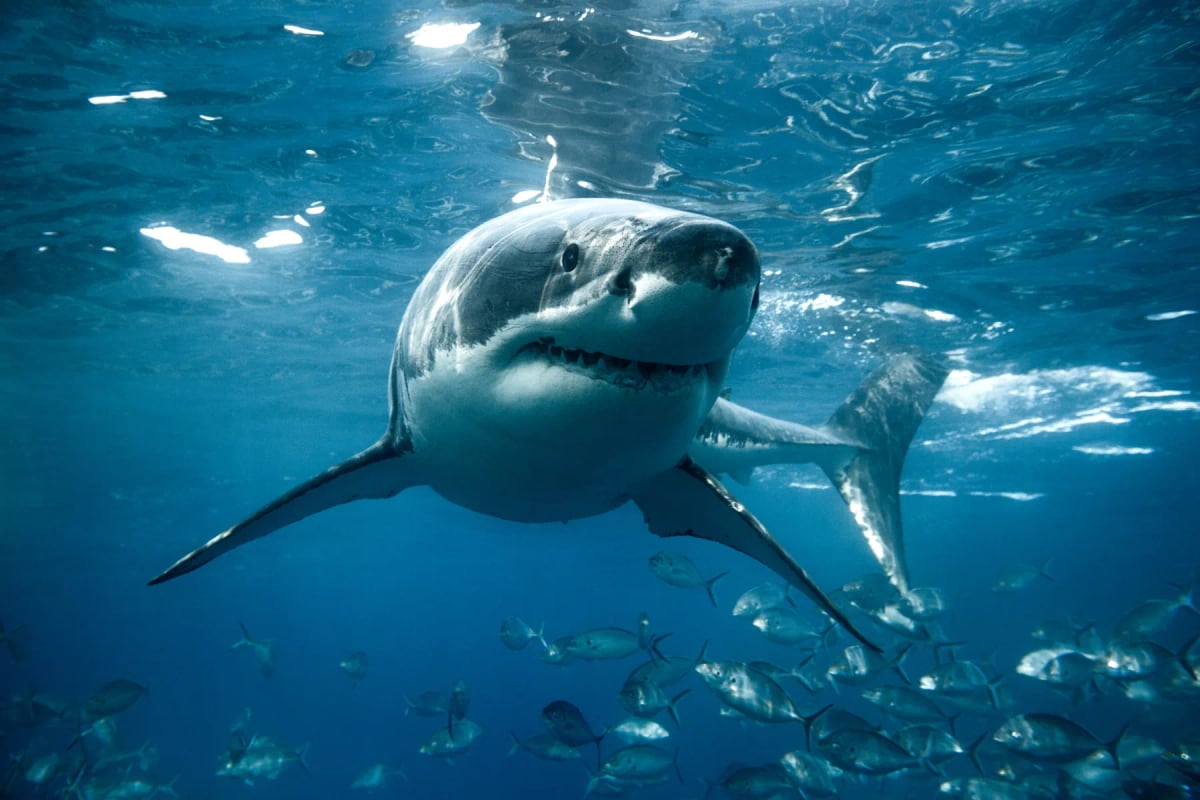
Great White Shark
Carcharodon carcharias
Syria has a coastline along the eastern Mediterranean Sea, a region where great white sharks have historically been present. The eastern Mediterranean holds one of the smallest and most isolated populations of this species. Fishing pressure, habitat change, and low reproductive rates make sharks in this part of the sea particularly at risk. Records of great whites in Syrian waters are rare, reflecting both low numbers and limited research.
Researched and written by Juan Pablo. Sources: IUCN Red List, scientific literature and regional field guides. Last updated: .