Animals in Greece
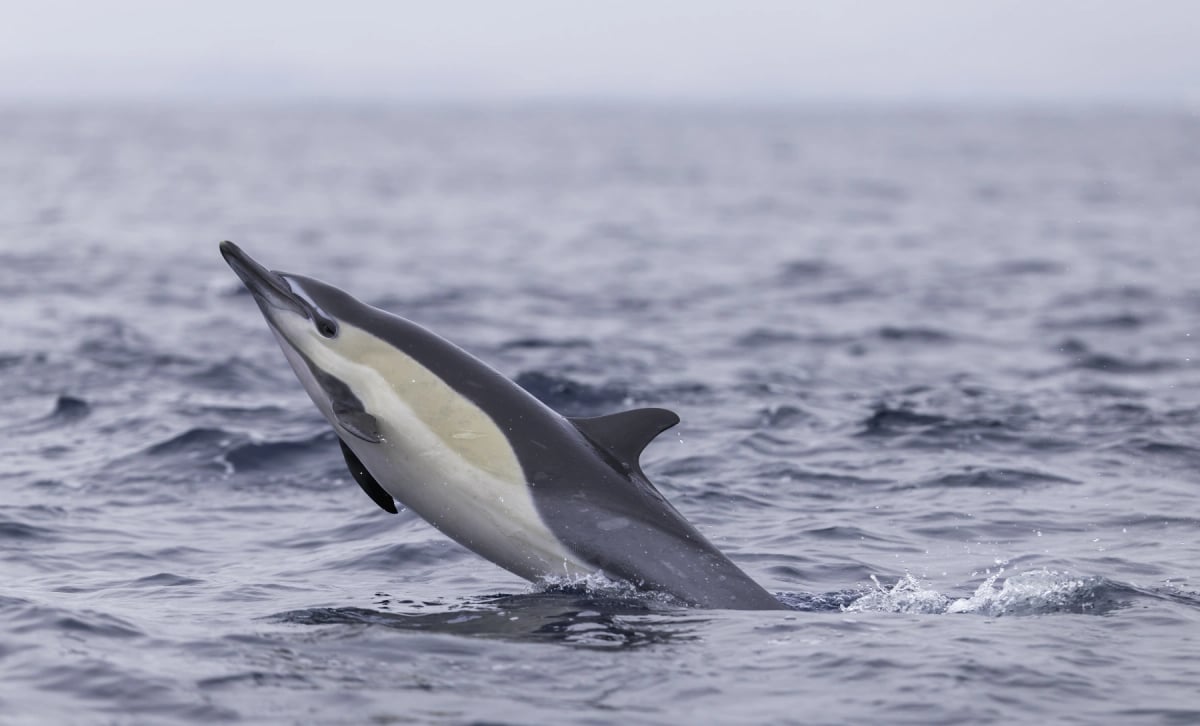
Common Dolphin
Delphinus delphis
Greece has no official national animal, but the dolphin is the animal most closely tied to the country. Dolphins appear on a famous wall painting more than 3,000 years old in the palace of Knossos on Crete, and Greek myths tell of dolphins saving people at sea, like the poet Arion. The common dolphin still lives in Greek waters, although it has become much rarer in parts of the Ionian Sea. Today many boat trips in the Aegean and Ionian seas spot dolphins swimming next to the boat, which keeps this very old connection alive.
View details→Wildlife in Greece
Greece has much more wildlife than most visitors expect. Brown bears and gray wolves still live in the Pindus and Rhodope mountains in the north, and Balkan chamois climb the high rocky slopes of places like Mount Olympus. Wetlands such as Lake Kerkini, the Evros Delta and the lagoons of Messolonghi fill with storks, cranes, flamingos and birds of prey. At sea, dolphins are a common sight, sperm whales live in the deep waters off the Peloponnese and Crete, and loggerhead sea turtles lay their eggs on the beaches of Zakynthos. In spring, nightingales sing in the woods, and at night golden jackals can be heard calling near coastal wetlands.
Most Dangerous Animals in Greece
Greece is a very safe country when it comes to wild animals. Brown bears and wolves live in remote mountains and almost always stay away from people. Wild boars can charge if they feel trapped, especially mothers with young. Greece has several kinds of venomous vipers, and they are the animals to keep in mind on hot, rocky trails. Bites are rare and usually happen when someone steps on a snake or tries to pick it up. The European adder is one of them, although in Greece it only lives in some northern mountains. At sea, great white and hammerhead sharks are very rare, and attacks on swimmers are almost unheard of in Greek waters.
Top 10 Animals in Greece
The top 10 animals in Greece show how much variety this fairly small country holds. On land there are brown bears, gray wolves and red deer, which can be found on Mount Parnitha, just outside Athens. In the sky fly golden eagles, peregrine falcons and white tailed eagles, while white storks build their big nests on rooftops and poles in villages of northern Greece. Mute swans gather in lakes and wetlands. Offshore live sperm whales and a few large sharks, although these are rarely seen. Most of these animals are shy, so the best places to look for them are national parks, wetlands and boat trips.
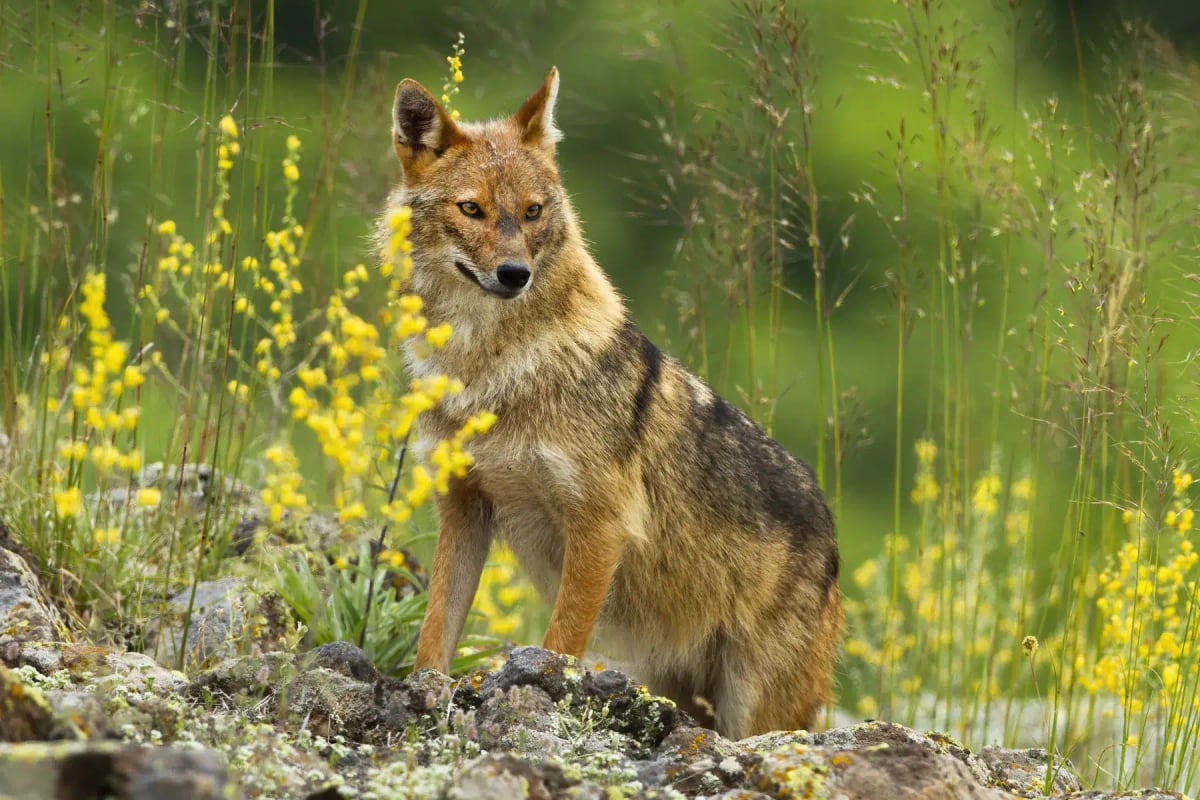
Golden Jackal
Canis aureus
Greece holds one of the most significant golden jackal populations in Europe. The species is especially well represented in Thrace, Central Macedonia, and the wetland systems of northern Greece, including the Evros delta. It favors river floodplains, reedbeds, and farmland edges. Conflict with livestock farmers occurs in some areas, but the jackal remains legally protected under Greek and European Union wildlife law. IUCN status: Least Concern.
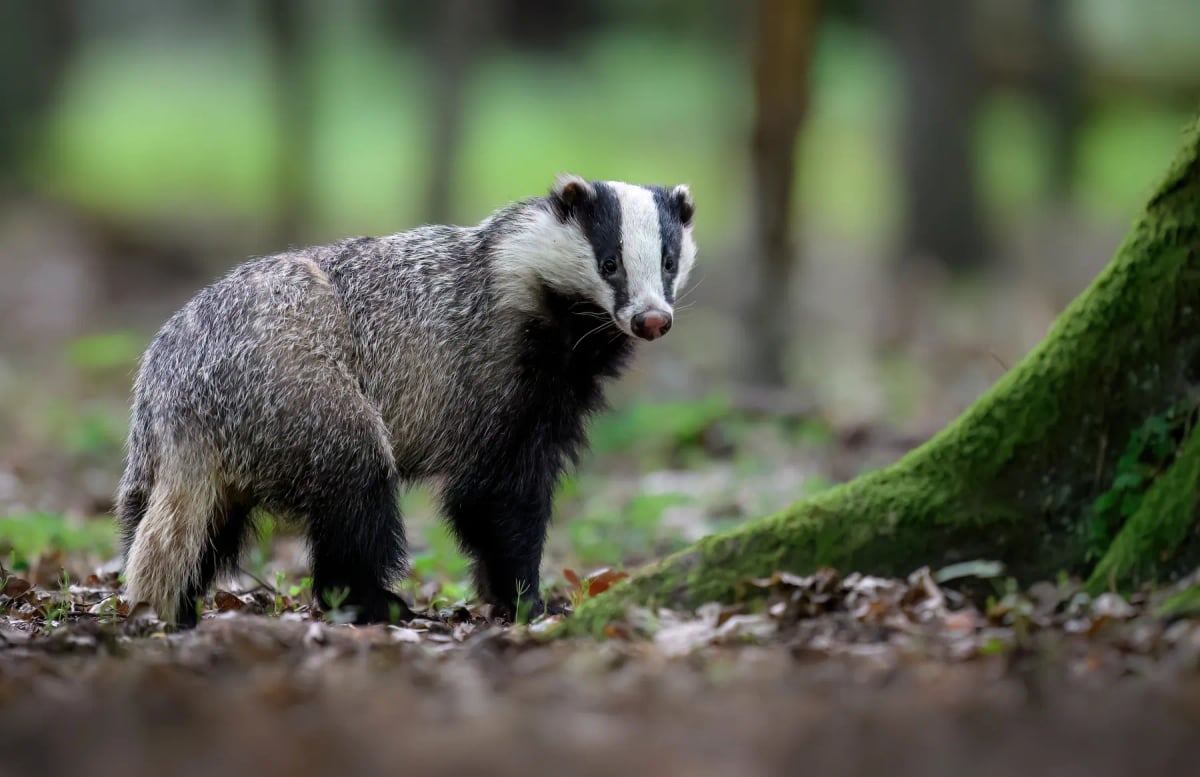
Badger
Meles meles
The Eurasian badger is present across Greece in woodland, scrubland and mixed habitat from the northern border regions down through the mainland. It favors areas with suitable soils for digging setts, particularly on forested slopes and forest edges. In Greece it feeds on earthworms, insects, fruit and small animals, with diet varying considerably by season and region. Populations are present across the mainland though distribution becomes patchier in the drier southern areas.

Brown Bear
Ursus arctos
In Greece, brown bears are found primarily in the Pindus mountain range and the Rhodope Mountains in the north of the country. The population is small, estimated at around 450 individuals, and is considered locally vulnerable. Forests rich in oak and beech provide essential food and shelter. Conservation programmes run by organisations such as Callisto work to reduce conflict between bears and local farming communities.
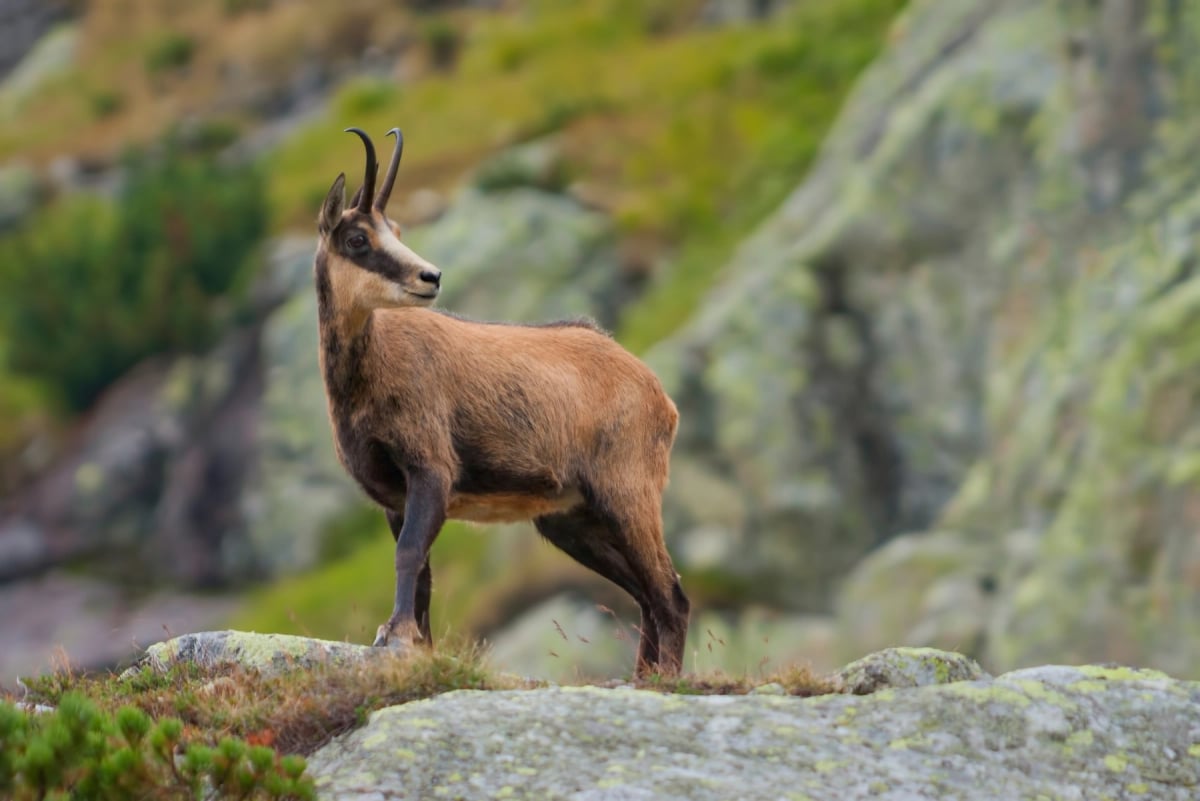
Chamois
Rupicapra rupicapra
In Greece, the chamois is found in the Vikos–Aoös National Park and the peaks of the Pindus mountain range in the northwest. The population is small and considered vulnerable to hunting pressure and habitat disturbance. These animals navigate steep limestone cliffs with remarkable ease, grazing on alpine herbs during summer and relying on sparse vegetation through the harsh winters at elevation. IUCN status: Least Concern.
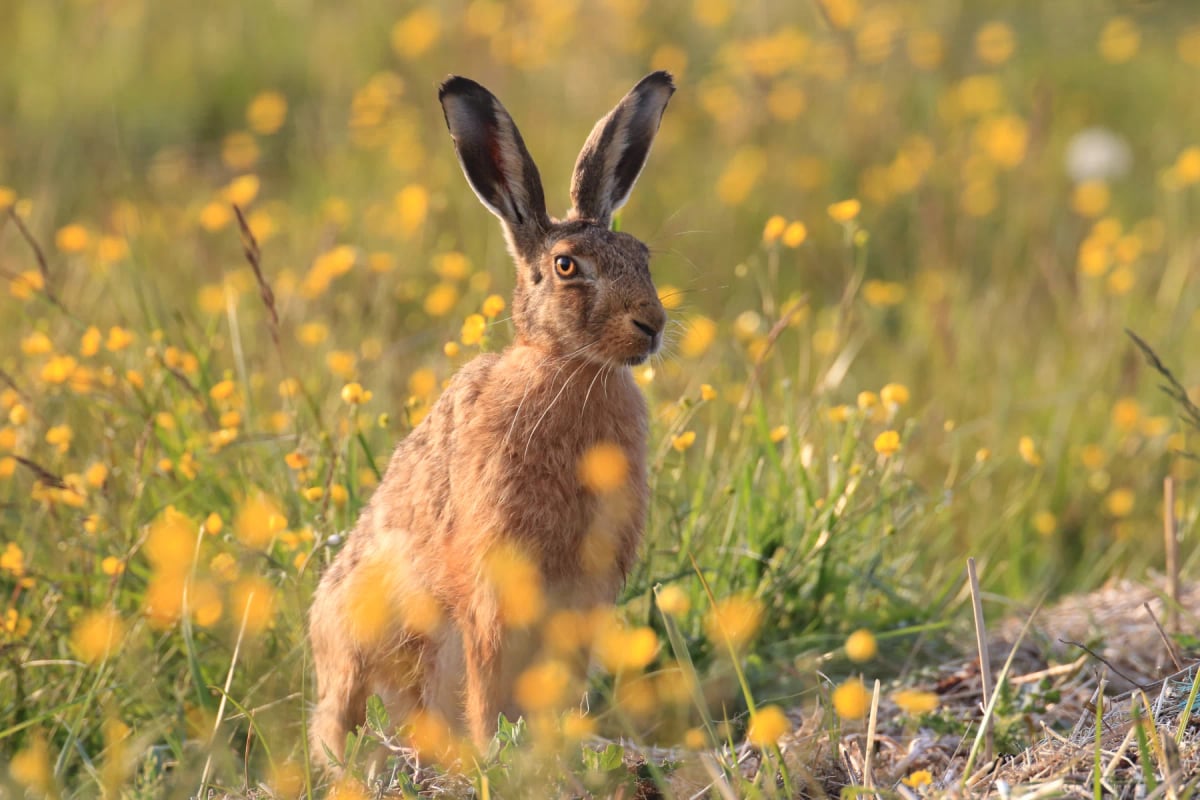
Hare
Lepus europaeus
In Greece, the European hare is found across a wide range of habitats, from the agricultural plains of Thessaly and Macedonia to the lower slopes of mountain ranges and the scrubland of the Mediterranean coast. It is a popular game species, and hunting regulations help manage its populations. Warm, dry summers and mild winters across much of the country provide conditions well suited to this adaptable mammal. IUCN status: Least Concern.
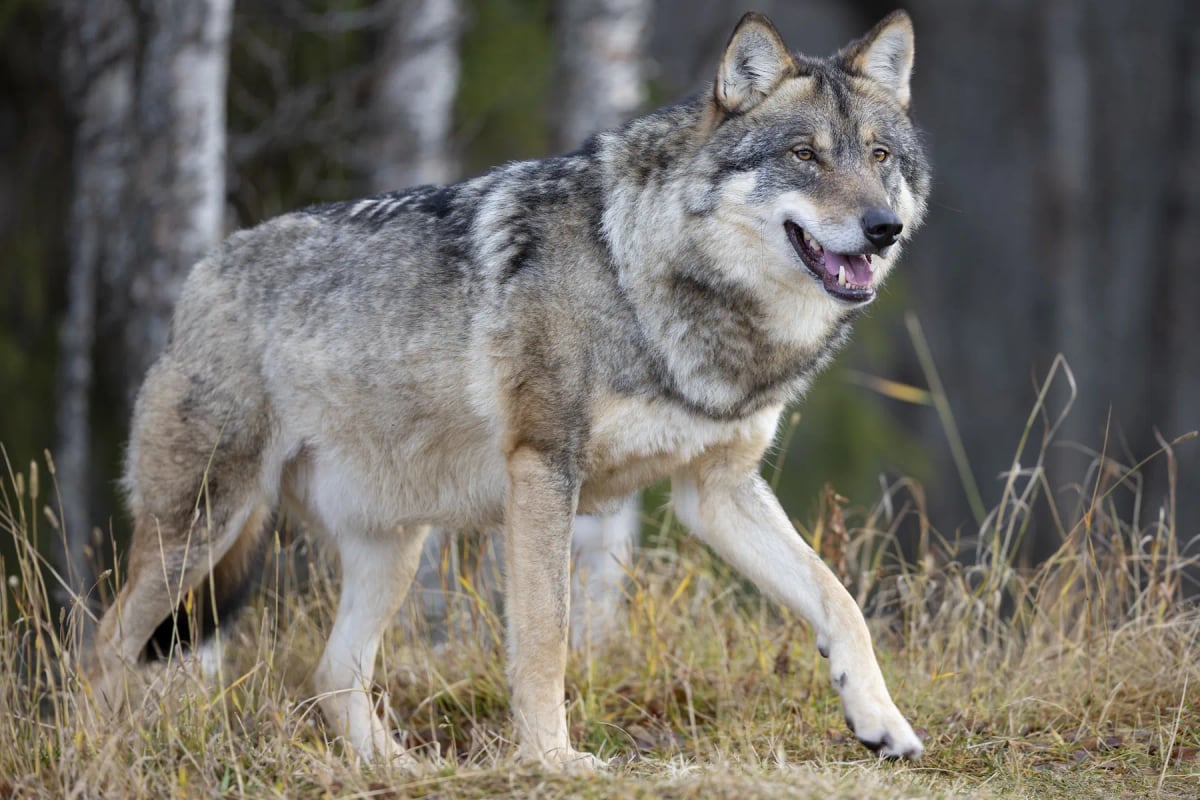
Gray Wolf
Canis lupus
In Greece, gray wolves live primarily in the mountain ranges of the north, including the Pindus and Rhodope ranges along the borders with Albania and Bulgaria. The population numbers in the hundreds and has been slowly recovering after past persecution. Wolves here roam mixed forests and rugged highland terrain, sometimes coming into conflict with shepherds who graze livestock across these mountainous areas.
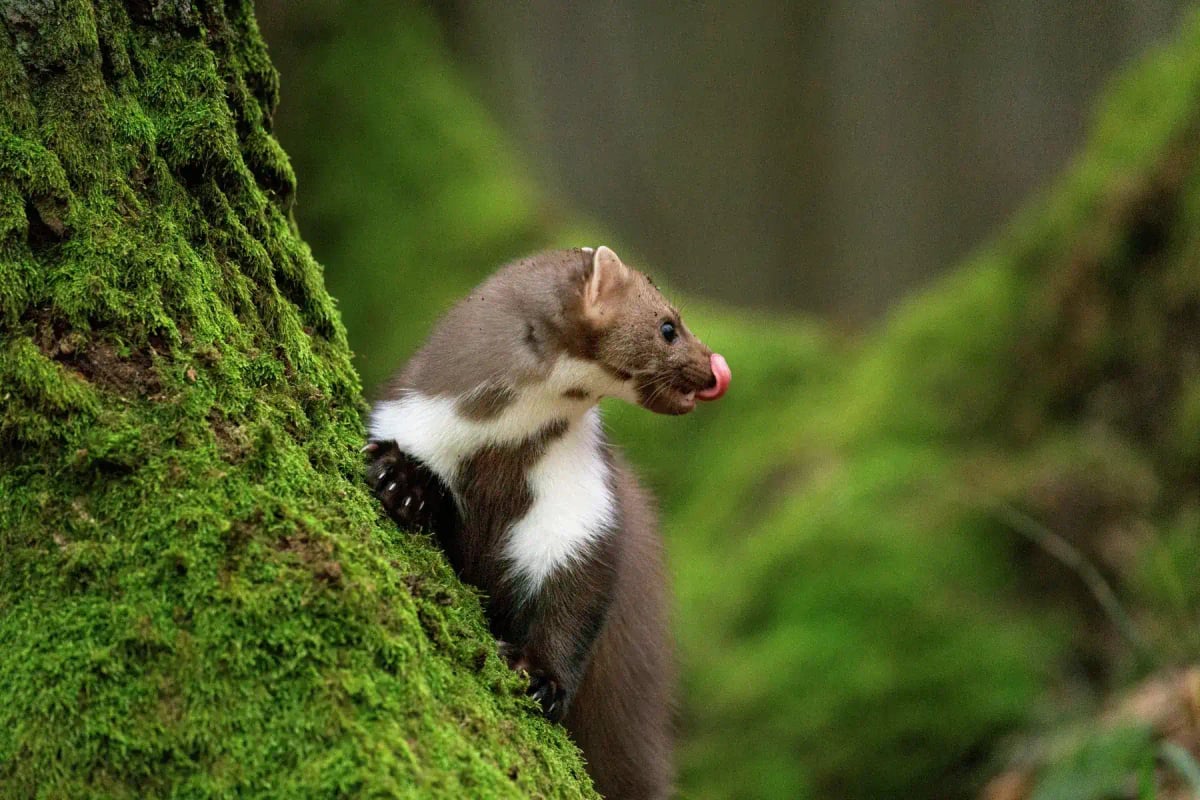
Marten
Martes martes / Martes foina
In Greece, the stone marten is the more widespread of the two marten species, found across a range of habitats from rocky hillsides and olive groves to the edges of villages. Pine martens are present mainly in the denser forests of northern Greece, including the mountain ranges of Macedonia and Thrace. Both species are nocturnal and feed on a varied diet that shifts with the season. Their IUCN status is Least Concern.
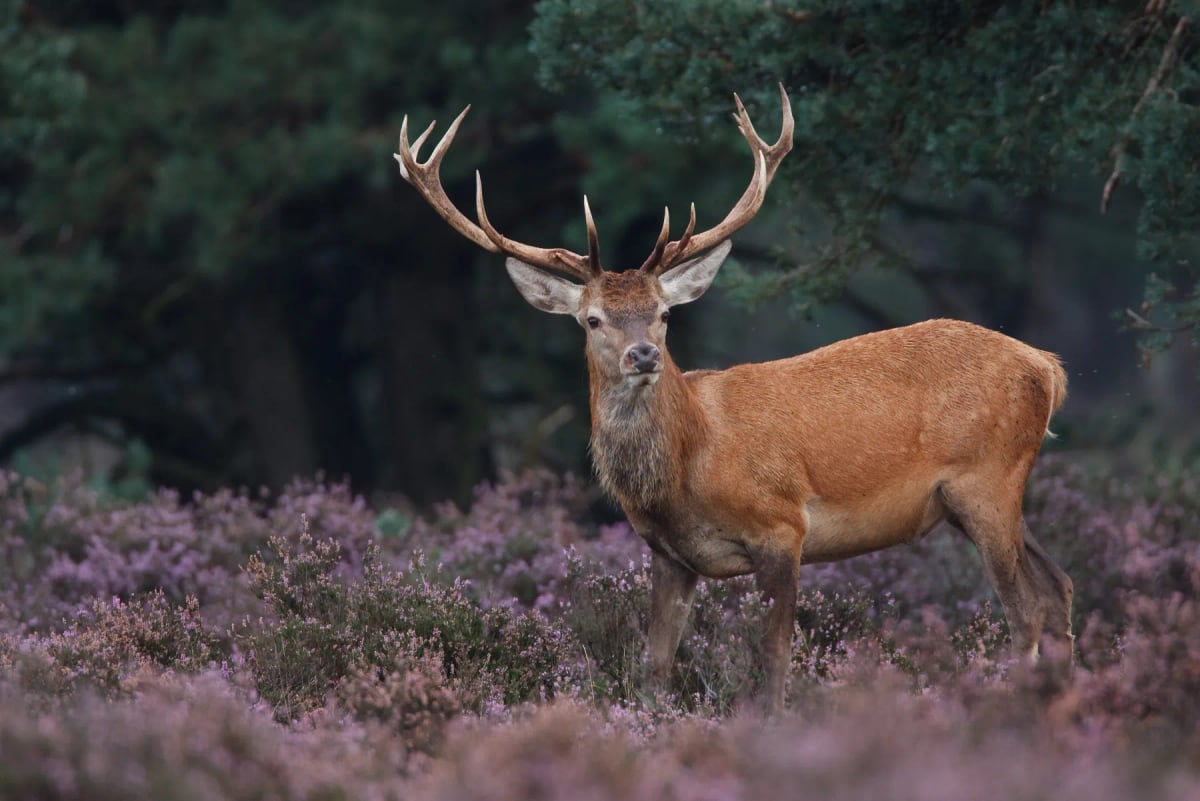
Red Deer
Cervus elaphus
In Greece, red deer are found mainly on the island of Rhodes and in the forests of northern mainland Greece, including the Rhodope mountain range near the Bulgarian border. The population on Rhodes has lived there for centuries and is closely associated with the island's identity. On the mainland, red deer inhabit dense broadleaf forests. Conservation efforts focus on protecting habitat and managing hunting pressure. Its IUCN status is Least Concern.
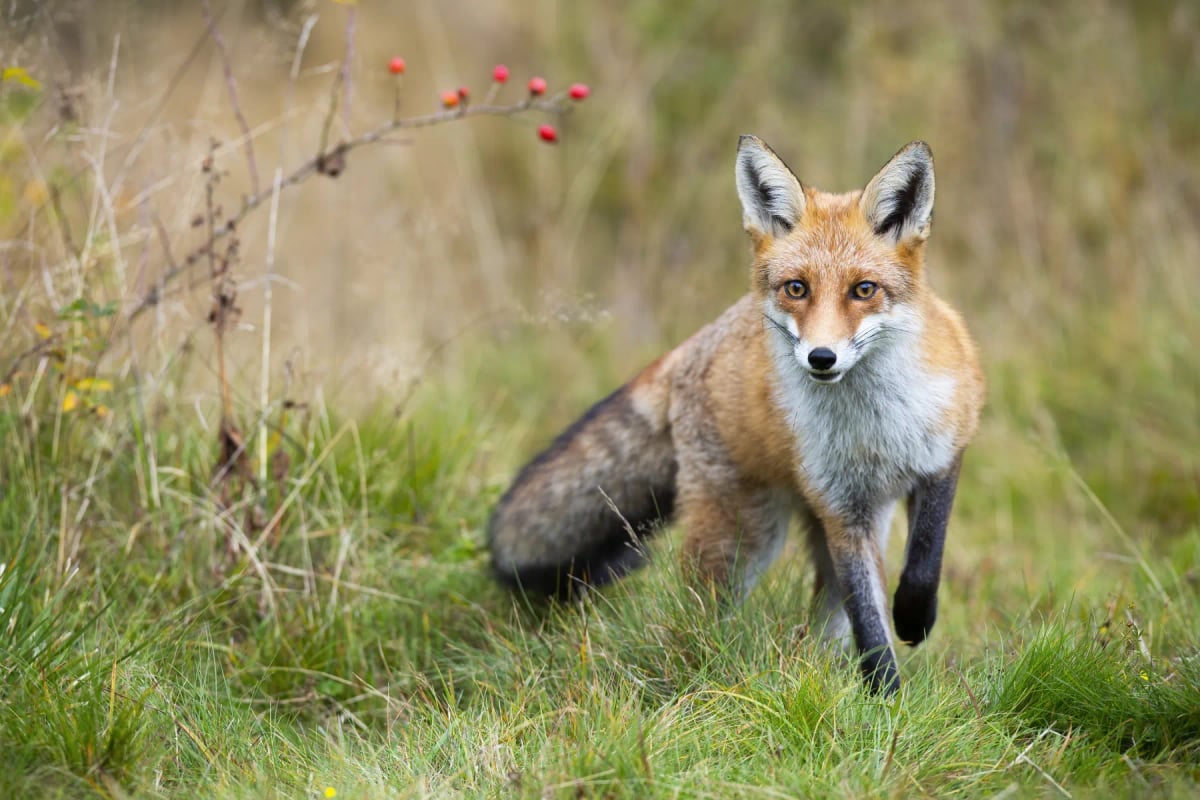
Red Fox
Vulpes vulpes
The red fox is widely distributed across Greece, inhabiting scrubland, olive groves, mountain forests, and even the outskirts of Athens. It is particularly common in the maquis landscapes of the Peloponnese and on several of the larger Greek islands. As a generalist omnivore, it feeds on everything from small rodents and insects to fruit and carrion, making it well suited to the varied and often dry terrain of the country.
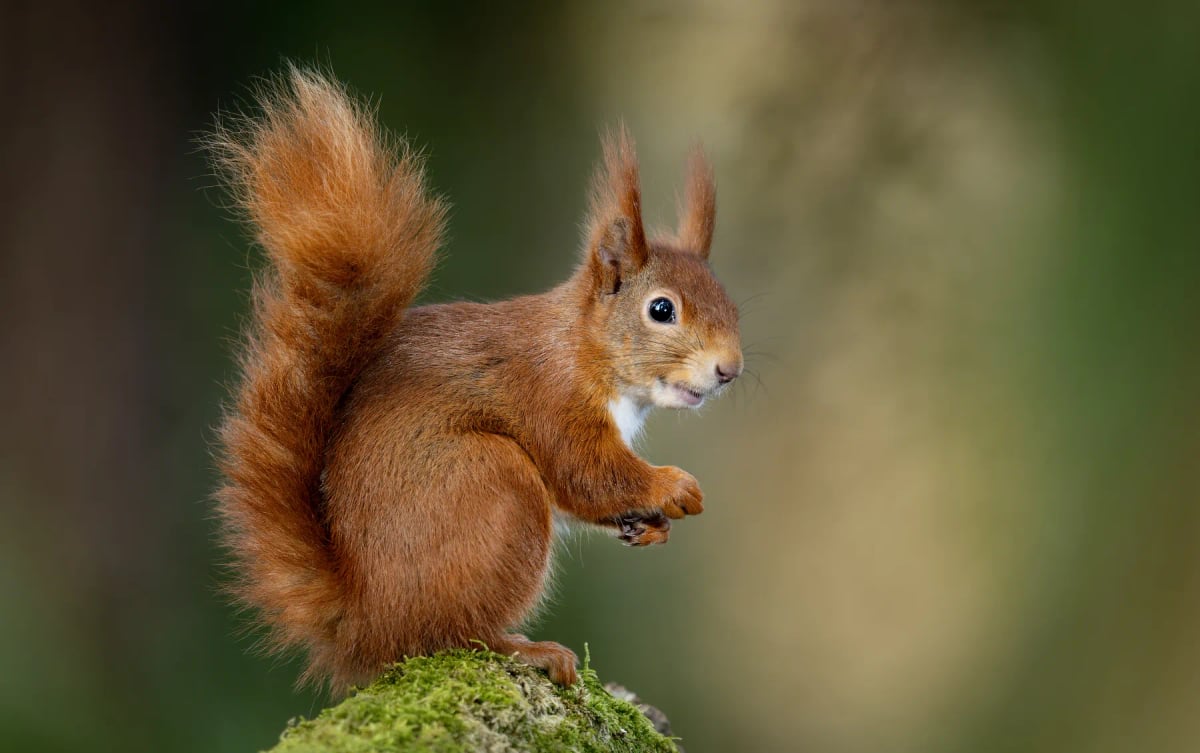
Red Squirrel
Sciurus vulgaris
In Greece, the red squirrel is found mainly in the dense mountain forests of the north, including the woodlands of Macedonia, Epirus and Thrace, where oak, beech and conifer trees provide suitable habitat. It is far less common in the south of the country and is absent from most of the Greek islands. Its range in Greece represents the southern edge of its European distribution. IUCN status: Least Concern.
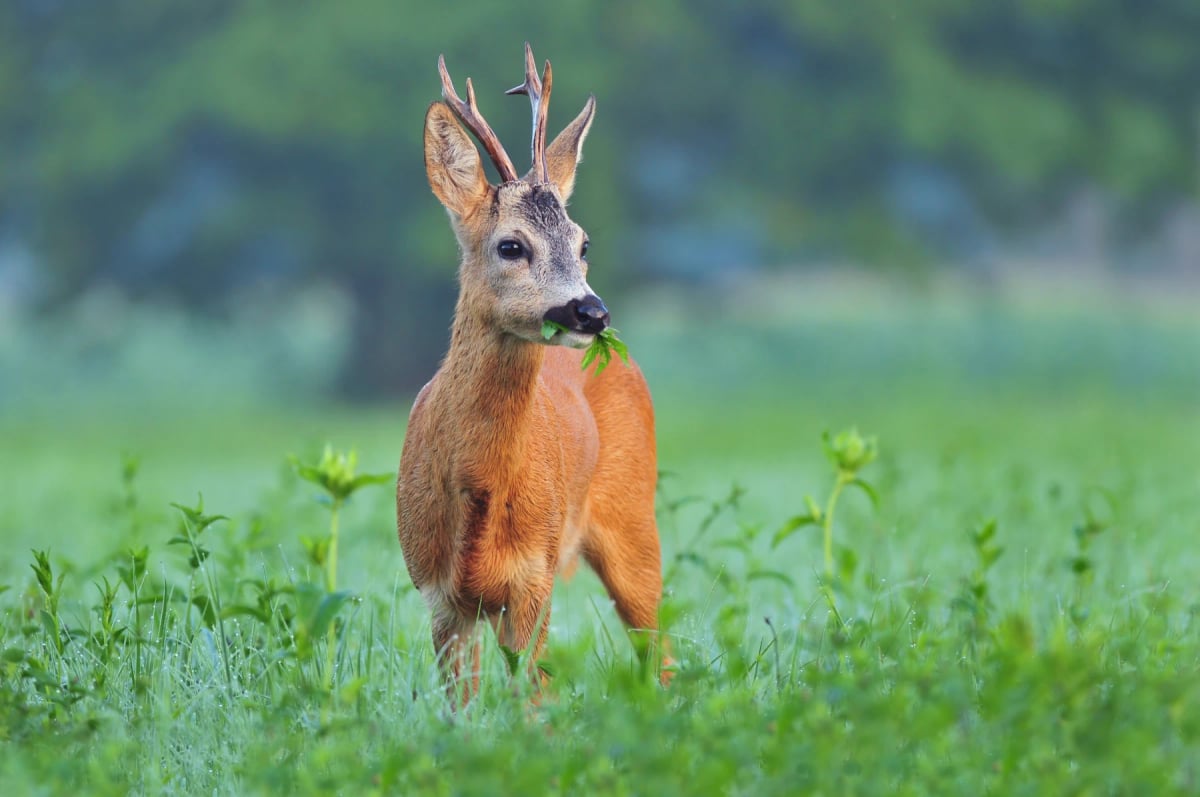
Roe Deer
Capreolus capreolus
In Greece, the roe deer is found mainly in the forests of the north, particularly in Macedonia and Thrace, where oak and mixed woodlands provide suitable habitat. It is less widespread than in central Europe and tends to avoid the drier, more open landscapes of the south and the islands. Hunting pressure and habitat loss are monitored by Greek wildlife authorities. Its IUCN status is Least Concern.
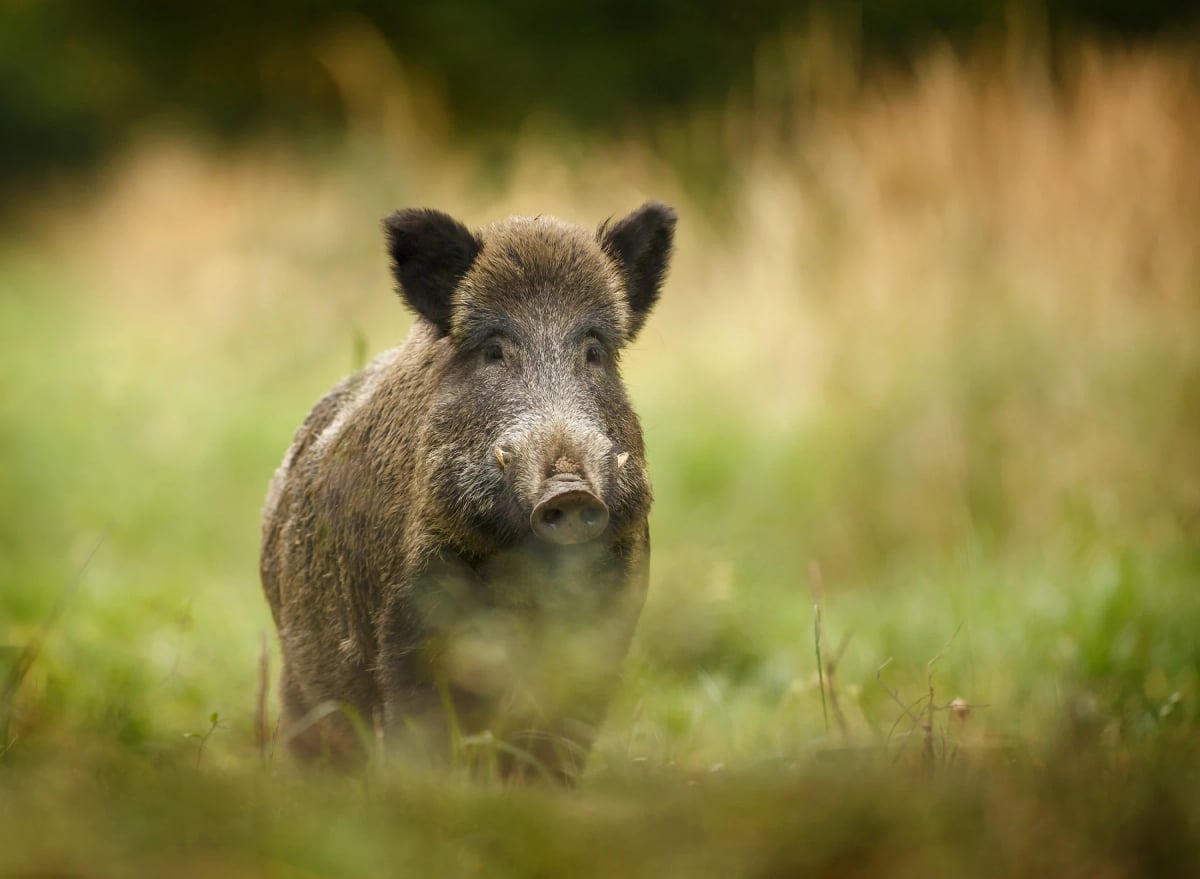
Wild Boar
Sus scrofa
Wild boars are found across nearly all of mainland Greece, with the notable exception of densely populated Attica, as well as on several larger forested islands such as Crete and Rhodes. They favor mixed forest and scrubland and feed on roots, acorns and fallen fruit. Wild boar hunting is a long standing tradition in rural Greece, and the species is closely monitored as a nuisance animal in some farming areas.
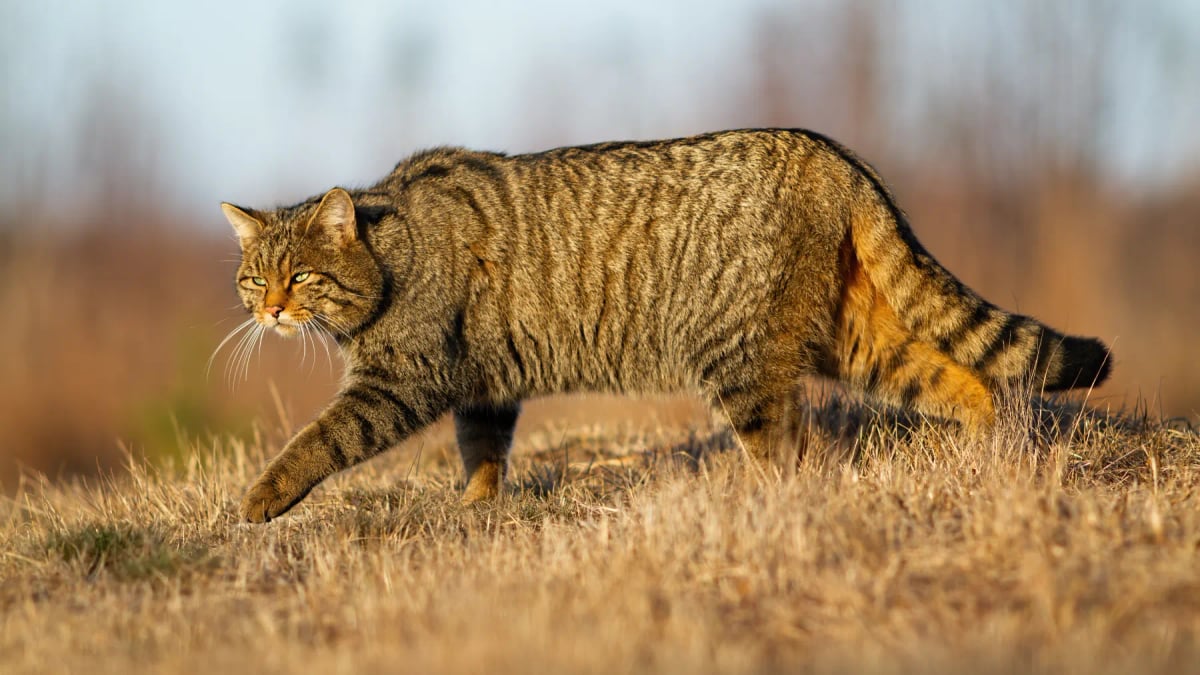
European Wildcat
Felis silvestris silvestris
In Greece, the European wildcat inhabits dense forests and rugged mountain terrain, with populations recorded in northern regions such as the Rhodope Mountains and the Pindus range. It shares these landscapes with other predators and relies on intact woodland to hunt and shelter. Habitat fragmentation and hybridization with stray cats pose the main risks. IUCN status: Least Concern.
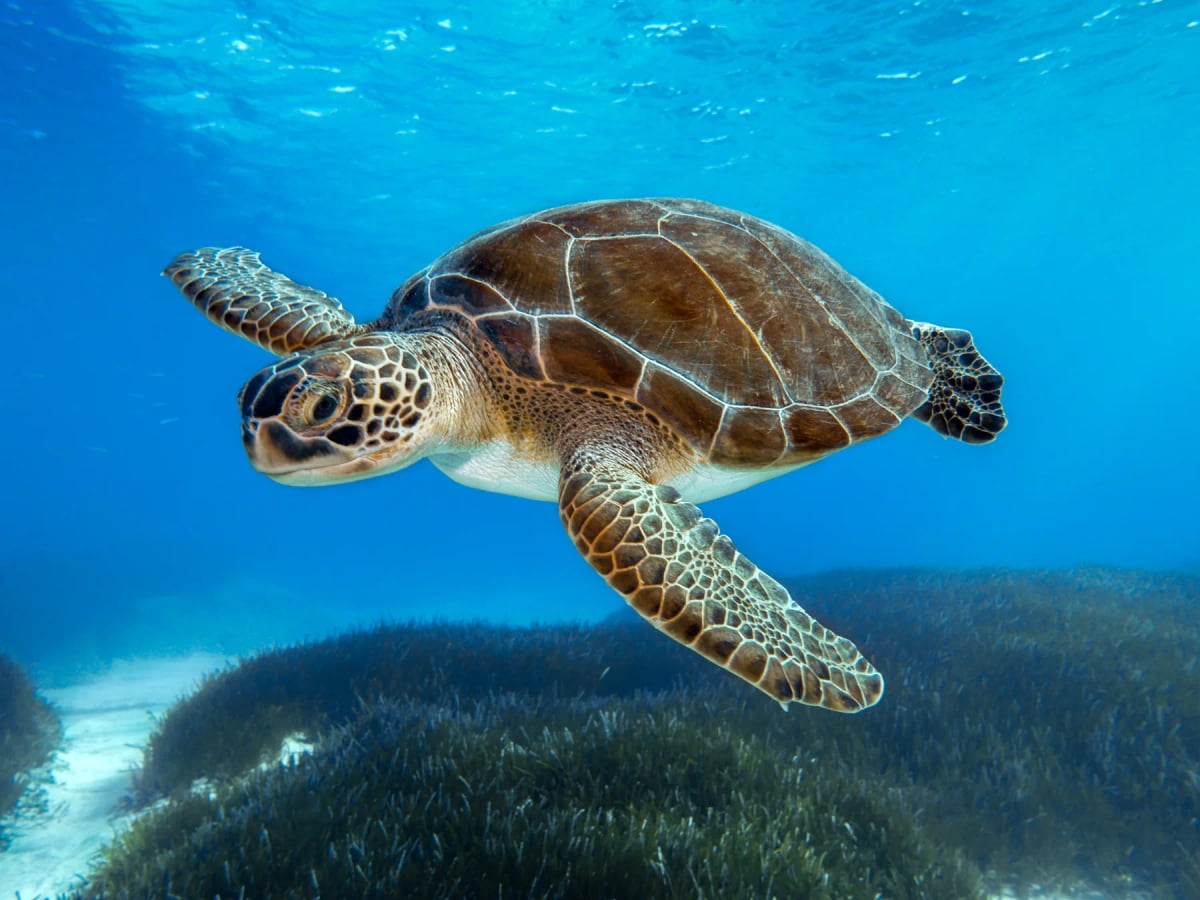
Sea Turtle
Cheloniidae & Dermochelyidae (families)
Greece is one of the most important countries for sea turtle conservation in the Mediterranean. Loggerhead turtles nest in significant numbers on beaches across the Ionian and Aegean coasts, with Zakynthos Island hosting the largest loggerhead nesting population in the Mediterranean. Laganas Bay on Zakynthos was designated a National Marine Park in 1999 specifically to protect nesting activity. Conservation organizations have been monitoring Greek beaches since the 1980s, making this one of the best documented loggerhead populations in the world.
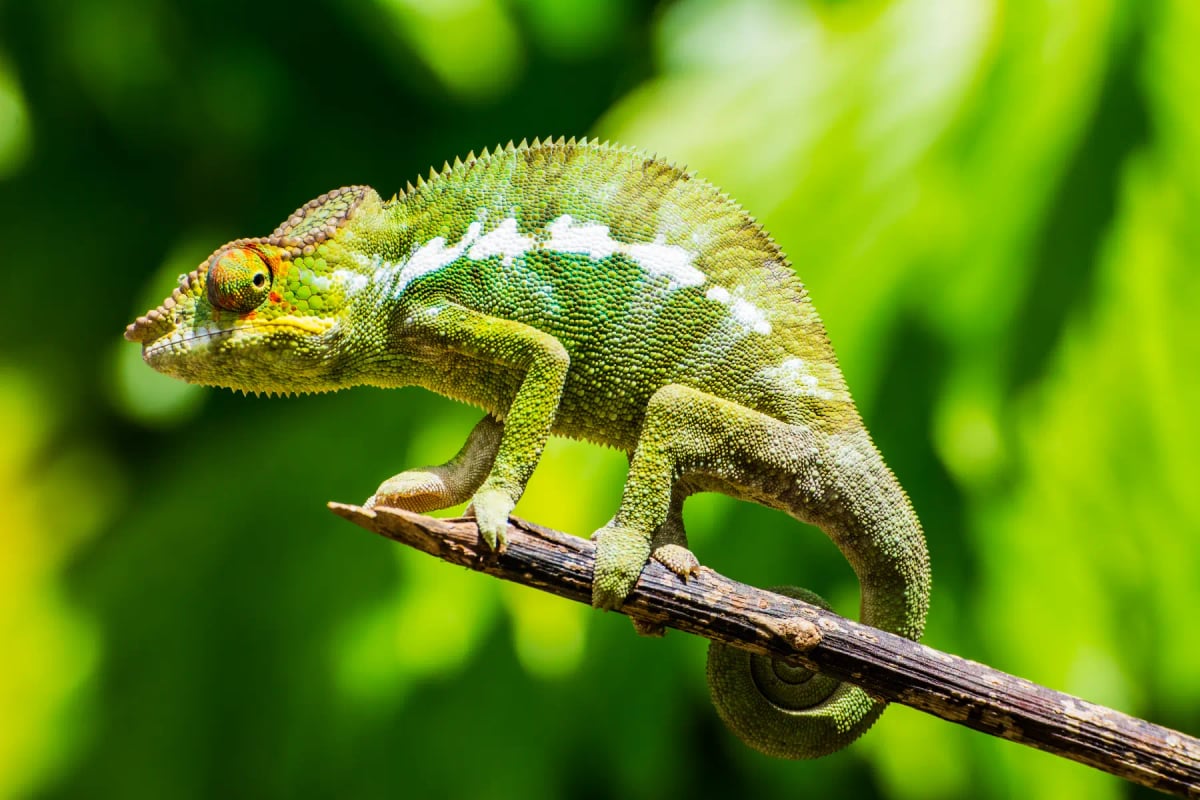
Chameleon
Chamaeleo chamaeleon
Greece marks the northeastern limit of the common chameleon's (Chamaeleo chamaeleon) European range. Populations are concentrated on the island of Samos and parts of the eastern Aegean, where dry Mediterranean scrub and olive groves provide ideal habitat. It is the only chameleon native to Europe. Fragmented habitats and road traffic are key threats. Color change is driven by mood and social communication rather than background matching. IUCN status: Least Concern.
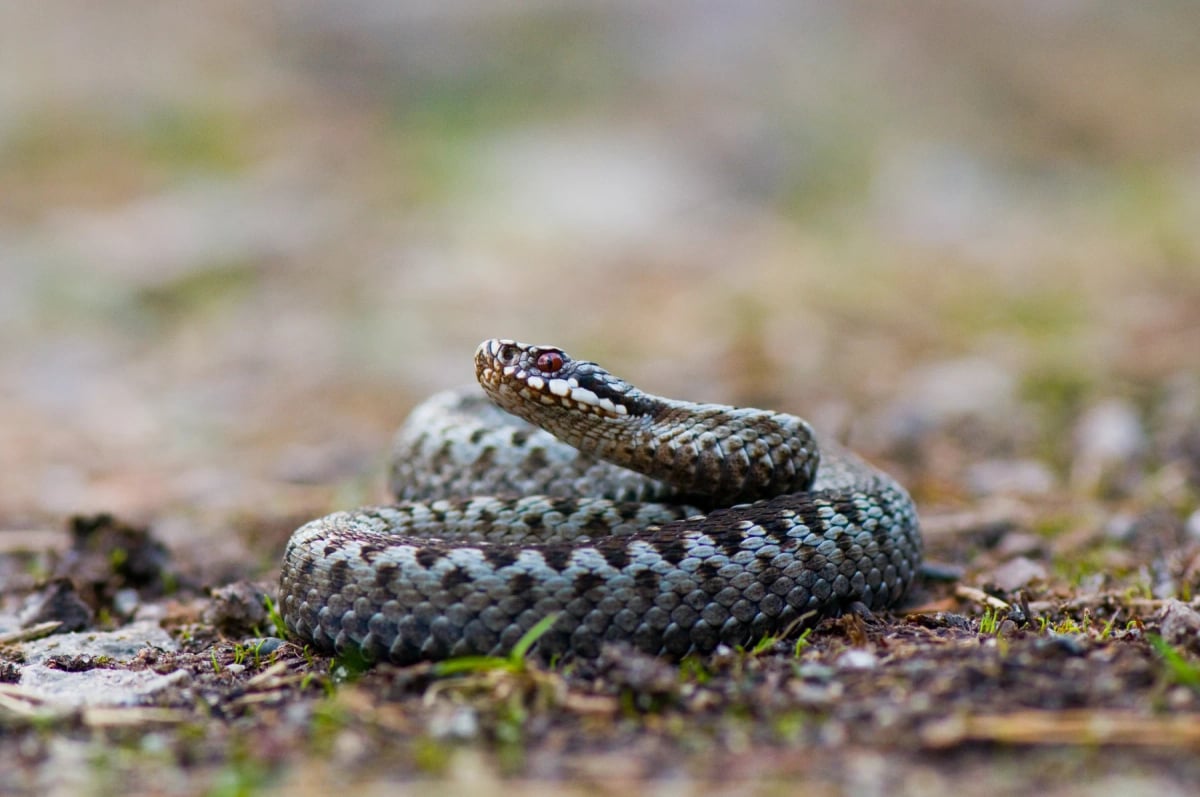
European Adder
Vipera berus
In Greece, the European adder reaches the southern edge of its European range, occurring mainly in the mountainous regions of the north, including areas of Macedonia and Thrace. It favours rocky slopes, scrubland, and woodland clearings at higher elevations, where cooler temperatures suit its needs. It is far less widespread here than in central or northern Europe and is considered rare in much of the country. Its IUCN status is Least Concern.
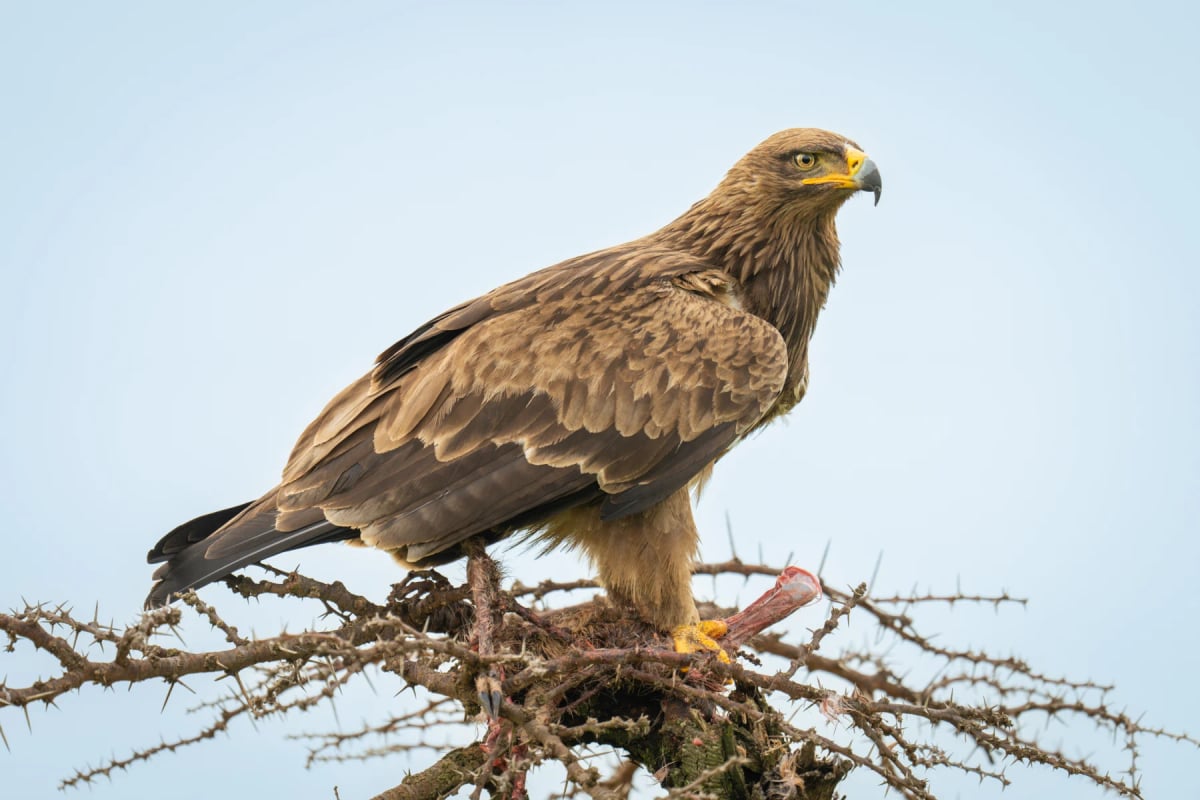
Steppe Eagle
Aquila nipalensis
Greece sits along an important migratory corridor for the Steppe Eagle, with birds funneling through the northern regions and island chains as they travel between Central Asia and Africa. Observers in Thrace and Macedonia have recorded these large, dark raptors during both spring and autumn passage. Listed as Endangered, the species continues to decline globally, making each sighting in Greek skies a notable event for birdwatchers.
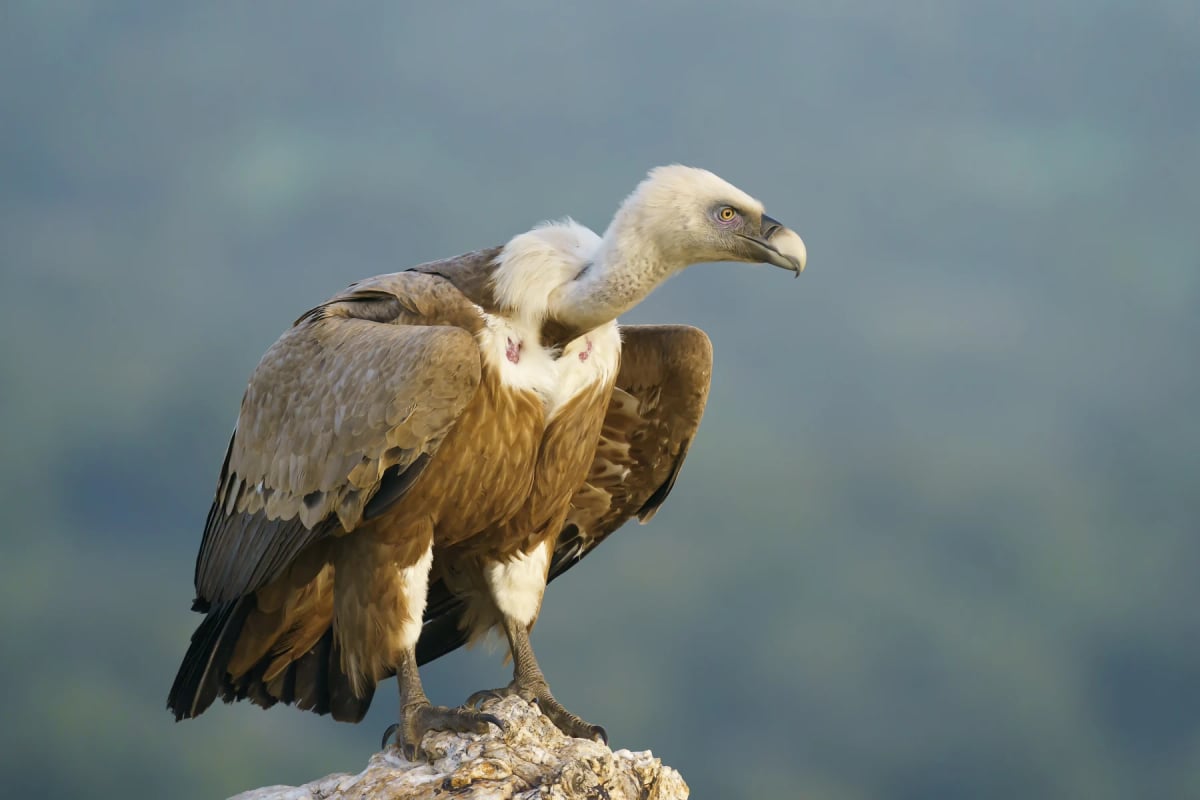
Griffon Vulture
Gyps fulvus
Greece is home to one of the most important griffon vulture populations in the European Union. Crete holds the largest island population in the world, and the species also breeds on Naxos, Kefalonia, and in parts of the mainland, while it has vanished from islands such as Corfu, Rhodes, and Euboea. Poison baiting has historically been the greatest threat to vultures in Greece. IUCN status: Least Concern.
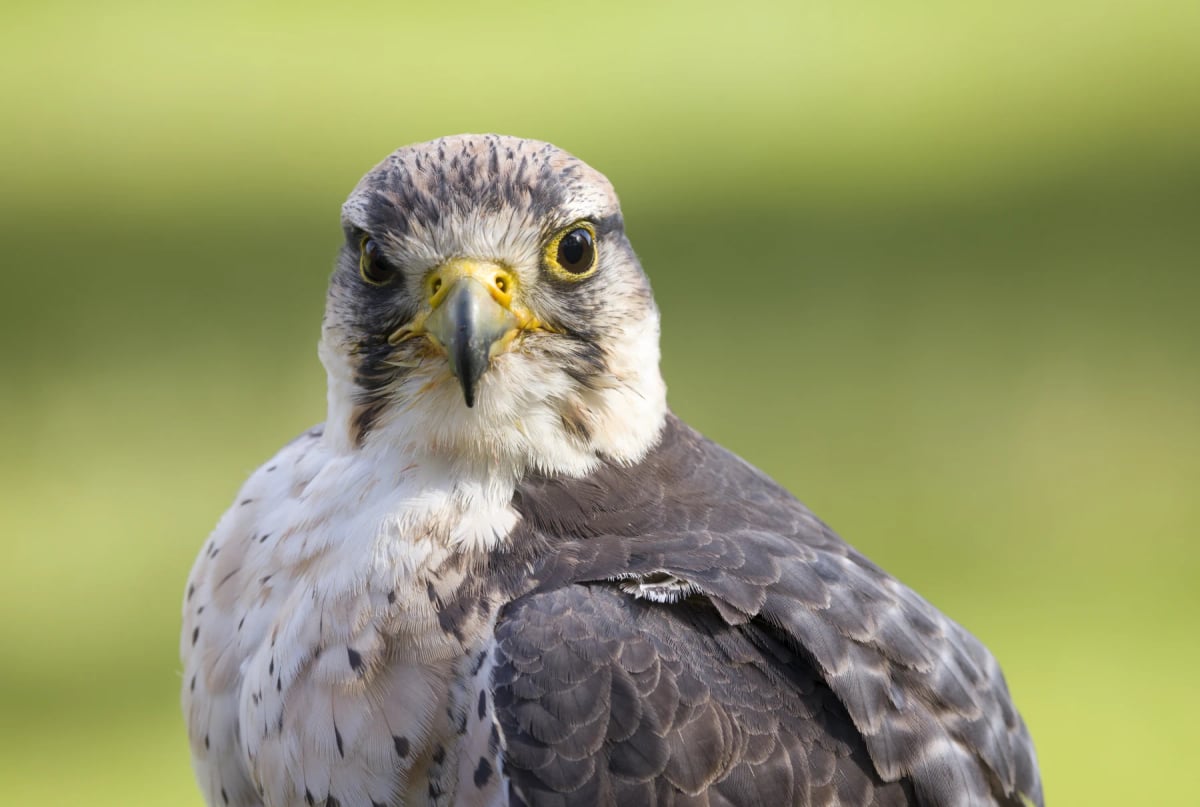
Lanner Falcon
Falco biarmicus
Greece is one of the few countries in the European Union where the lanner falcon still breeds, with pairs nesting on cliff faces in Thrace, the Peloponnese, and several Aegean islands. The Greek population is small and considered nationally threatened. It hunts birds across open farmland and scrub. The IUCN lists the species as Least Concern globally, but conservation efforts in Greece focus on protecting nest sites and reducing disturbance.
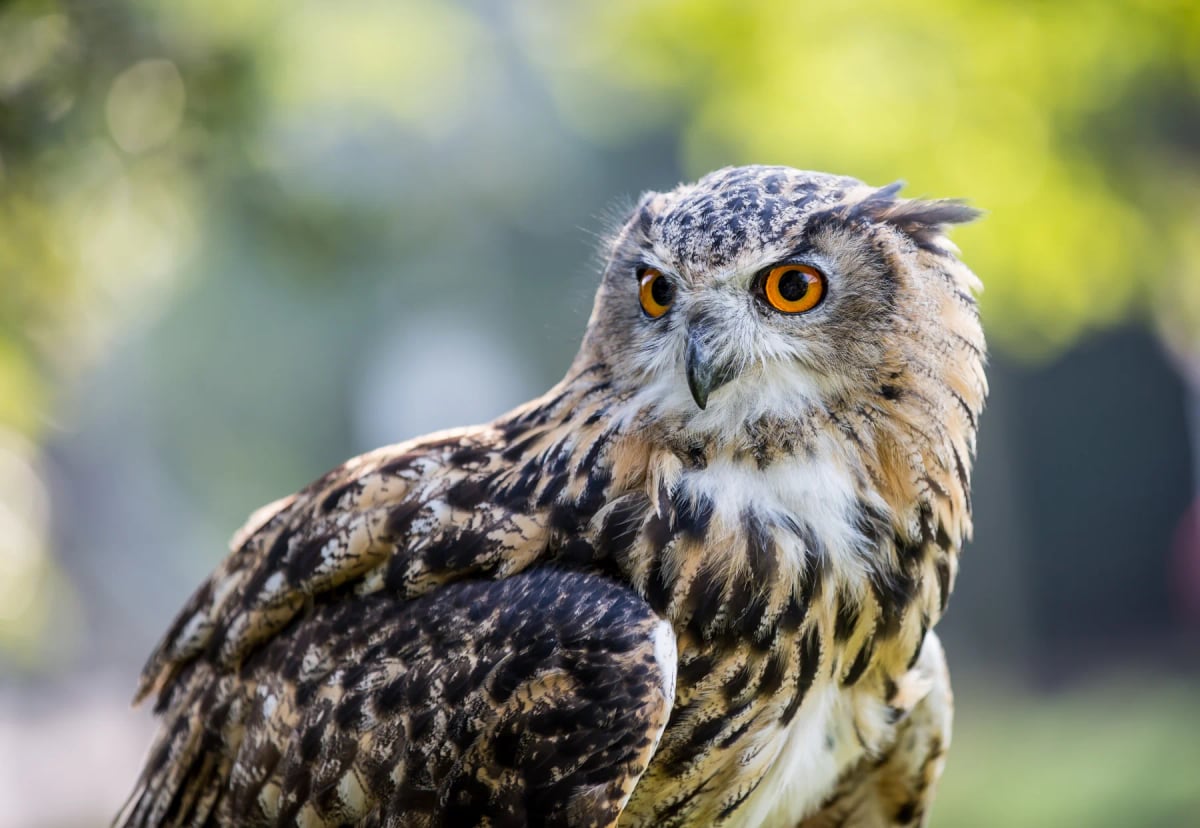
Eagle Owl
Bubo bubo
The eagle owl is widely distributed across Greece, making use of the country's varied landscape of limestone mountains, rocky coastal cliffs, and scrubland. It is resident on the mainland and on several larger islands. In Greece it often shares its rocky nesting habitat with griffon vultures, occupying ledges on the same dramatic cliff faces. It hunts rabbits, reptiles, and birds across open ground. The IUCN lists it as Least Concern.
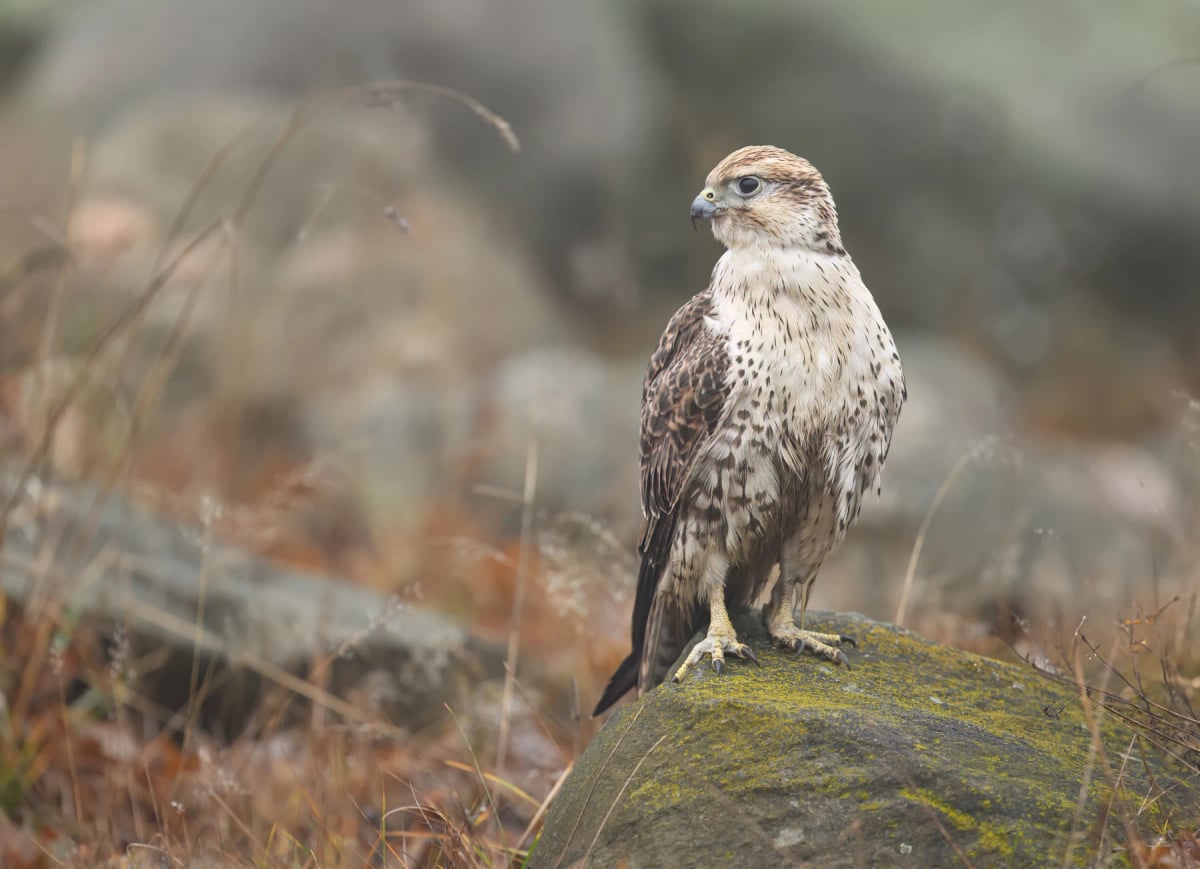
Saker Falcon
Falco cherrug
Greece sits along migratory routes connecting the Balkans with the Middle East and Africa, making it a passage zone for saker falcons in autumn and spring. The open plains of Thessaly and the Evros Delta region can provide temporary hunting and resting habitat for migrating birds. Illegal trapping of raptors has been a concern in parts of southern Europe. The IUCN lists the saker falcon as Endangered.
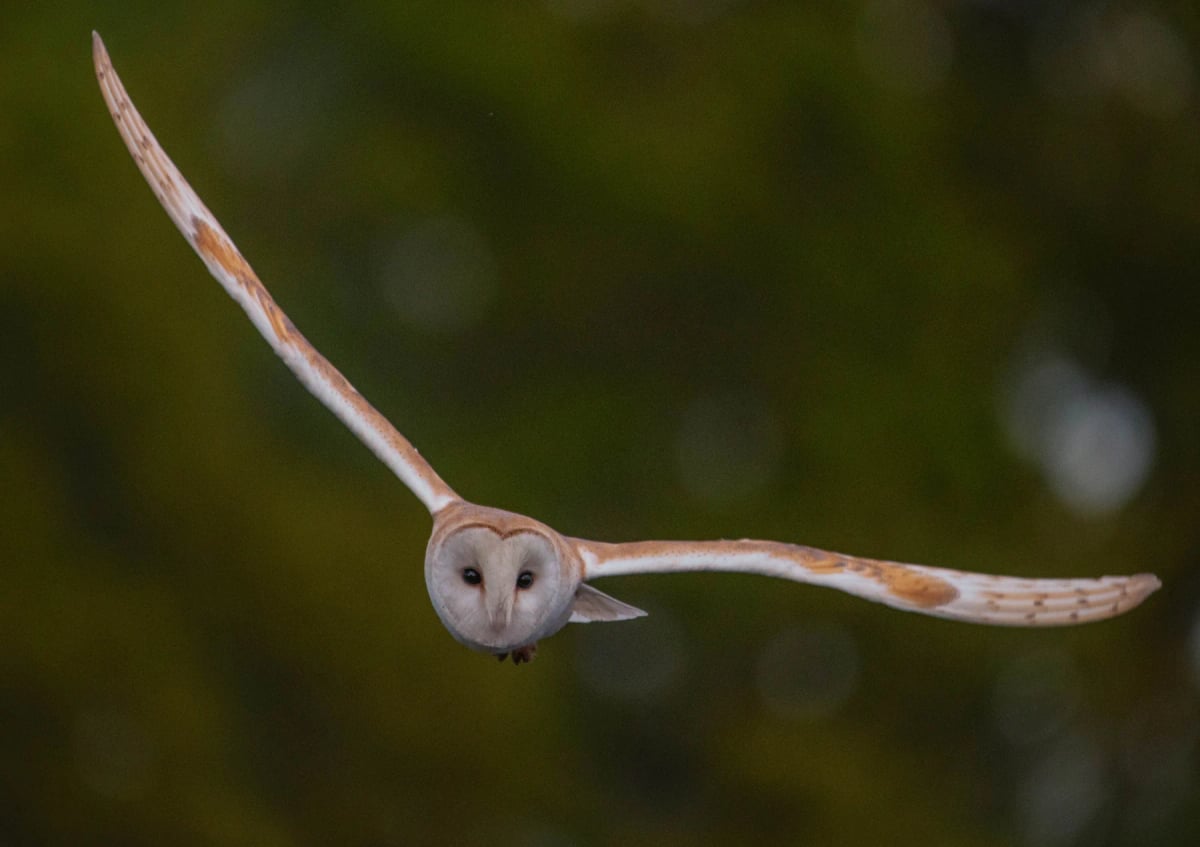
Barn Owl
Tyto alba
The barn owl is found across Greece in open farmland, olive groves, scrubland, and rural villages on both the mainland and the islands. It nests in old stone buildings, churches, cliff faces, and hollow trees. Greece's warm climate and diverse agricultural landscape support stable populations in many regions. On the islands, where rodent control is important for protecting stored crops and food supplies, it is particularly valued and encouraged by local farming communities.
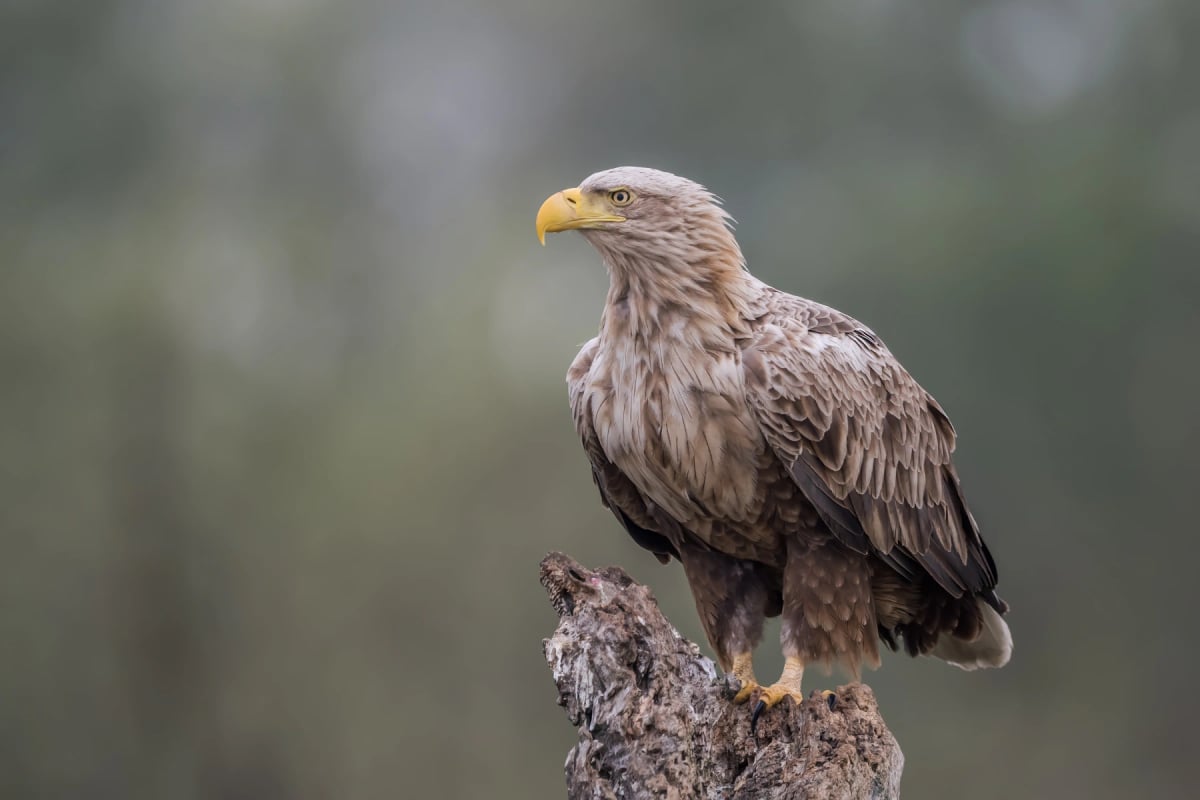
White tailed Eagle
Haliaeetus albicilla
In Greece, the white-tailed eagle is mainly a winter visitor, found around coastal lagoons, river deltas, and large lakes. The Evros Delta and Lake Kerkini are among the most important sites for the species. Small numbers may occasionally breed in the north of the country. Wetland conservation is key to supporting the birds that visit each season. The IUCN lists it as Least Concern.
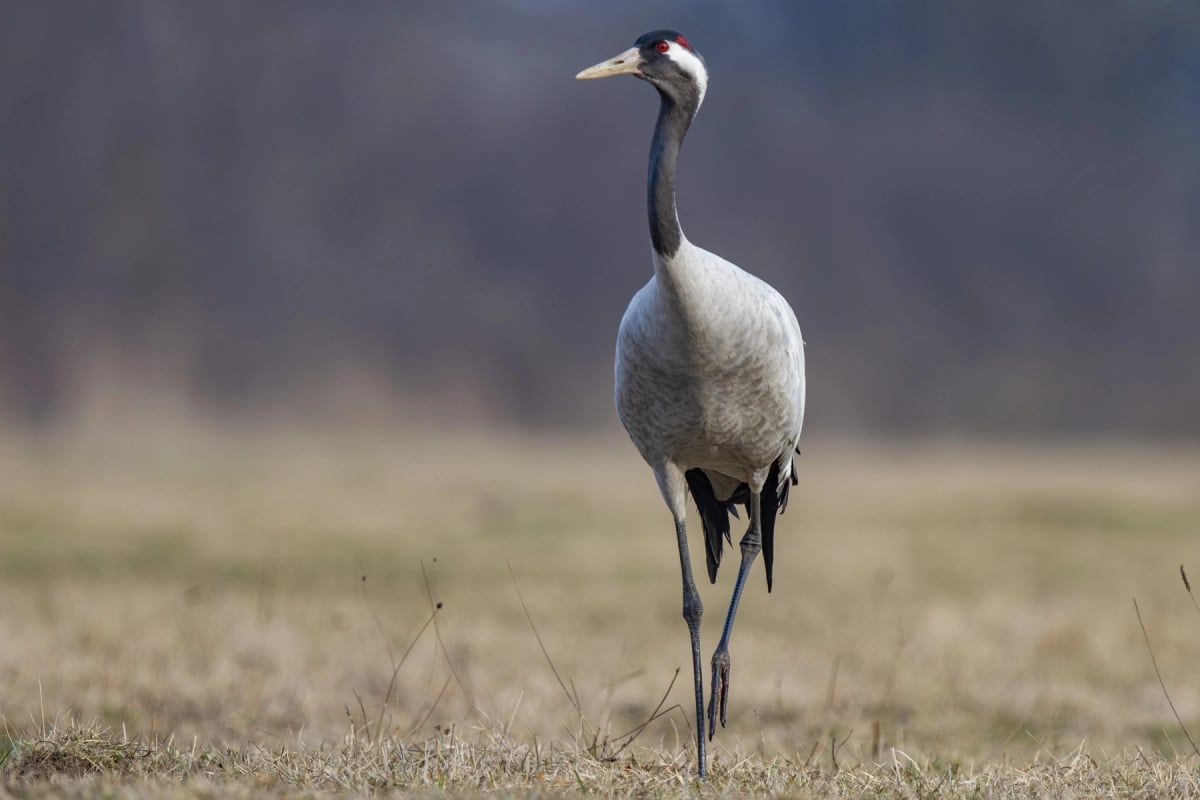
Crane
Grus grus
Greece lies on the eastern Mediterranean flyway and receives large numbers of common cranes during both autumn and spring migration. The wetlands of northern Greece, including Lake Kerkini and the Evros Delta, serve as important stopover and wintering sites. Some flocks rest and feed in agricultural plains, particularly in Macedonia and Thrace. The species reaches up to 120 centimeters in height, with a grey body and a vivid red crown patch. Its IUCN status is Least Concern.
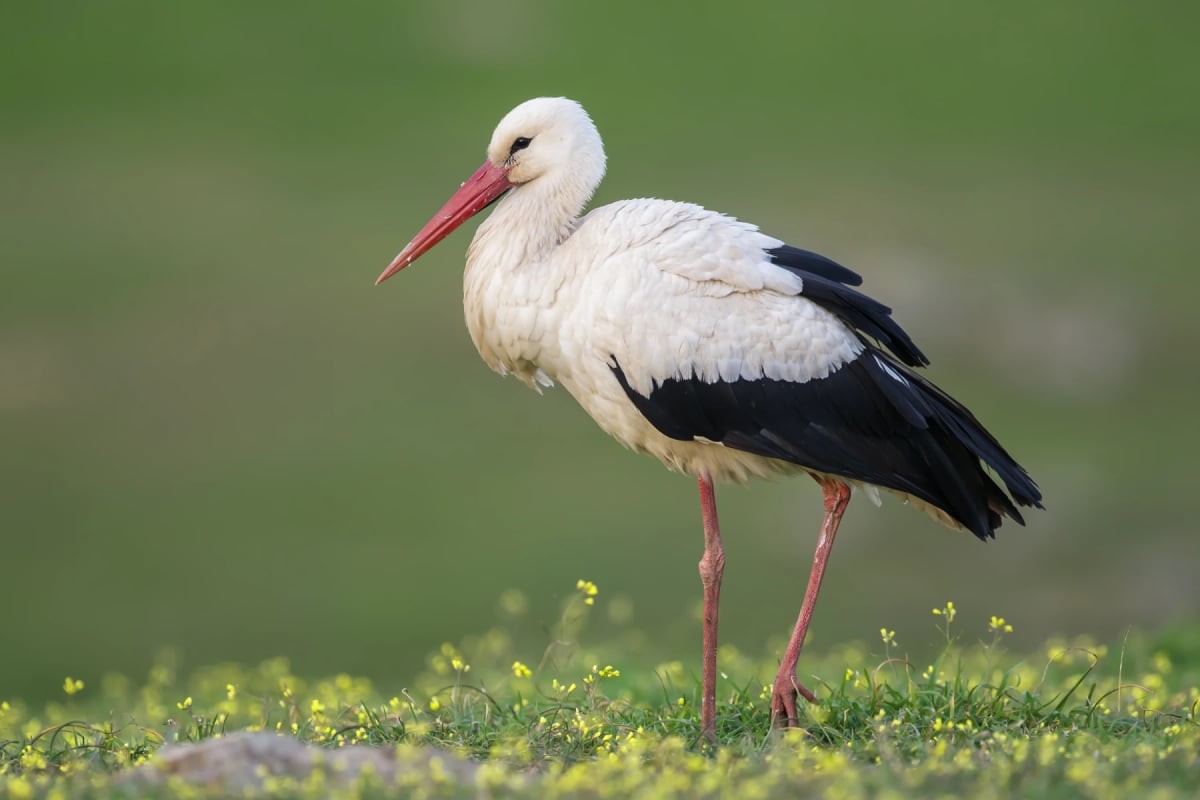
Stork
Ciconia ciconia
Greece supports a healthy breeding population of white storks, with nesting pairs particularly visible in the northern regions of Thrace and Macedonia. River deltas, wetlands, and farmland provide excellent feeding grounds for the species. The Evros Delta is among the most important sites. Storks migrate through Greece each spring and autumn, using the Bosphorus corridor nearby. Listed as Least Concern by the IUCN, the Greek population has benefited from rural landscapes that remain hospitable to the species.
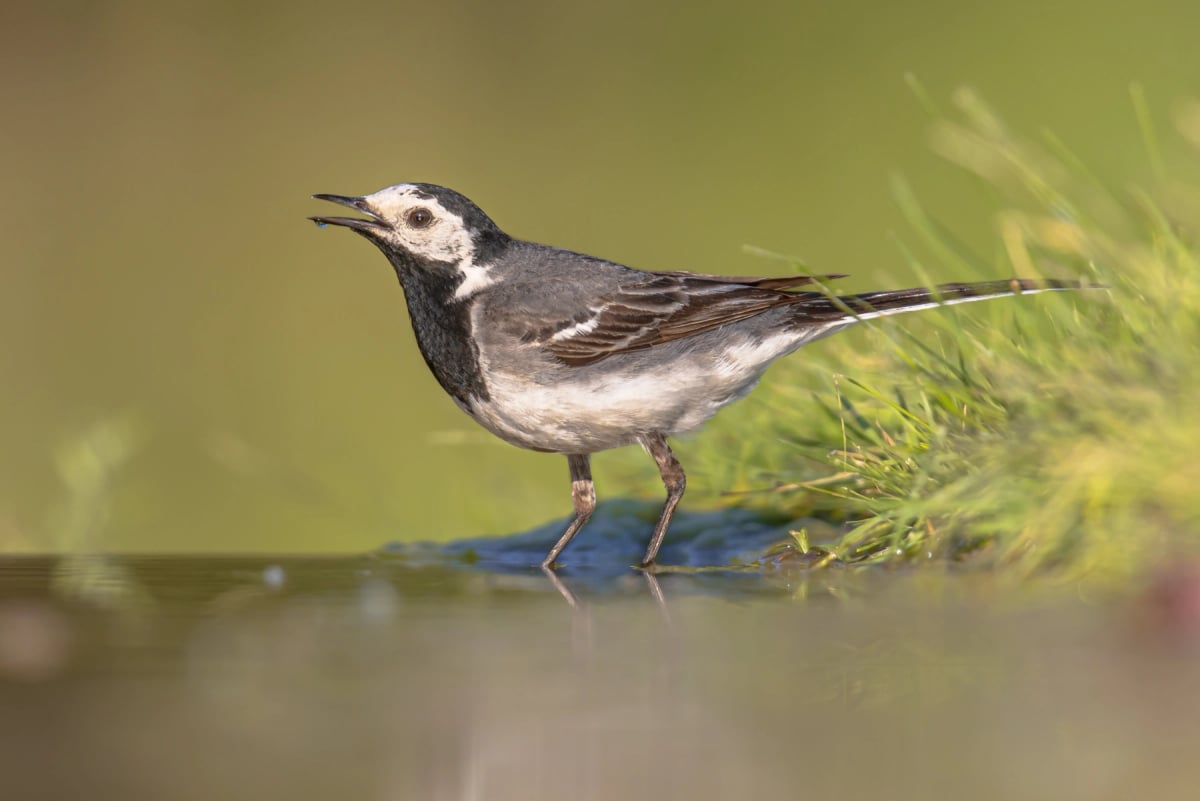
White Wagtail
Motacilla alba
In Greece, the white wagtail breeds across the mainland and on many of the larger islands, nesting near rivers, wetland edges and farm buildings. Some birds remain through the mild Greek winter, particularly in the south and along the coast. Greece also sits on an important flyway, so large numbers of birds from eastern Europe and central Asia pass through in autumn and spring. The Axios Delta and Lake Kerkini are among the best places to see them. IUCN status: Least Concern.
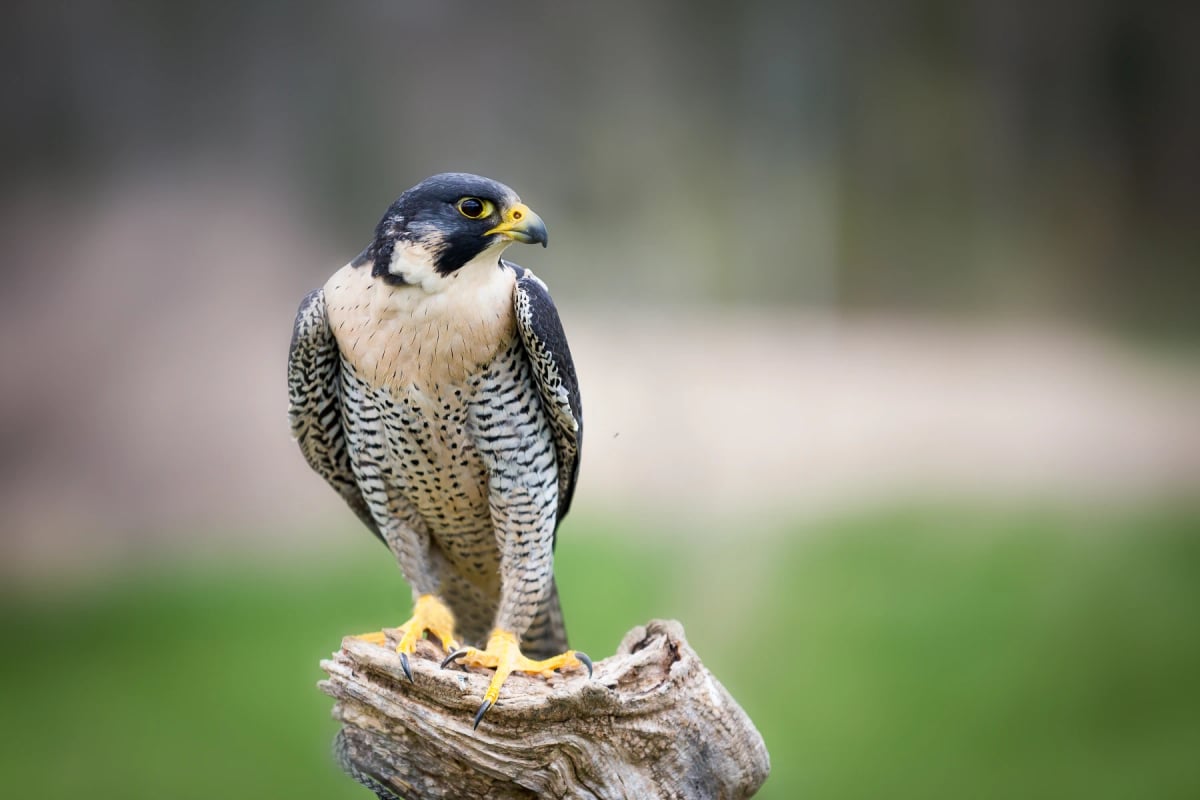
Peregrine Falcon
Falco peregrinus
In Greece, the peregrine falcon breeds on the steep cliffs of the mainland mountains and on rocky island coasts across the Aegean and Ionian Seas. The Vikos Gorge and the Meteora rock formations are among the notable nesting areas. Greece also receives wintering individuals from northern Europe. The species faces some pressure from illegal trapping in parts of the country. Its IUCN status is Least Concern.
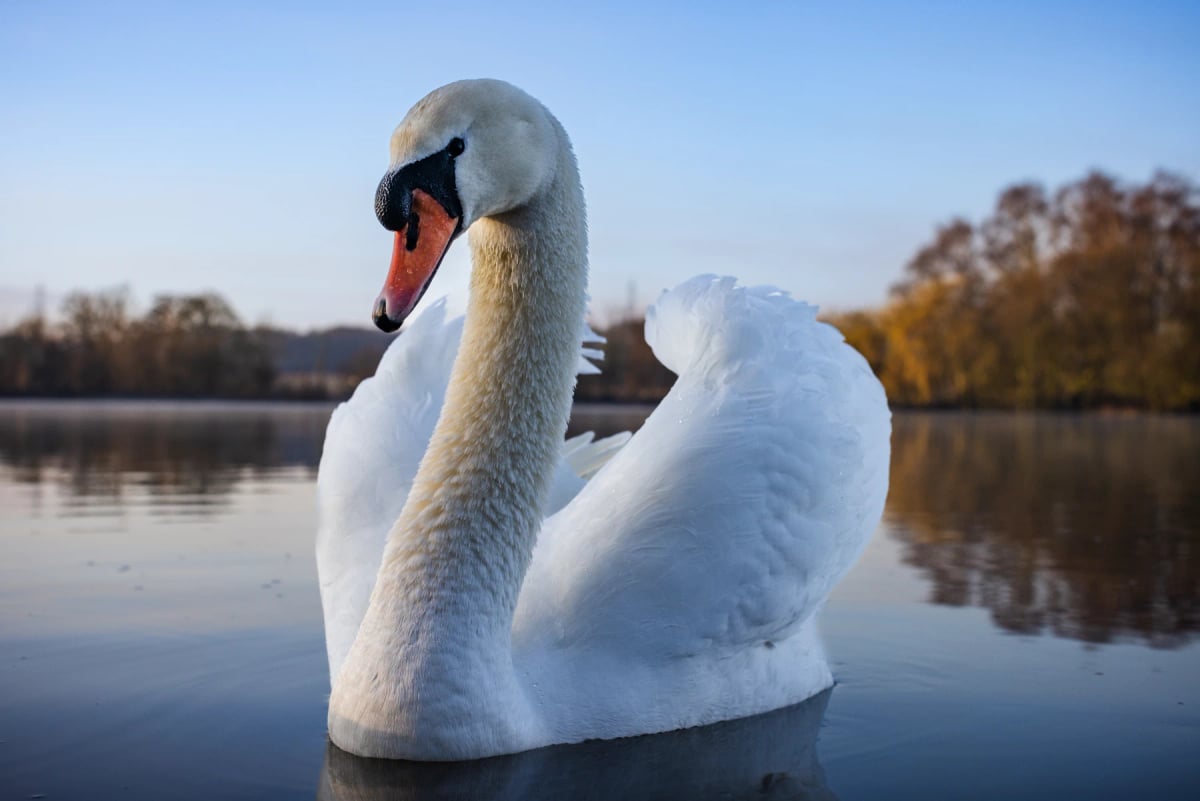
Mute Swan
Cygnus olor
In Greece, the mute swan is mainly found in the wetlands of the north, including the Axios, Evros, and Nestos river deltas, as well as lakes such as Kerkini and Vistonida. These areas provide the shallow, vegetation rich waters the species needs for feeding and nesting. Numbers are lower here than in northern Europe, and the bird is more of a seasonal or partial resident in many Greek wetlands. It is listed as Least Concern.
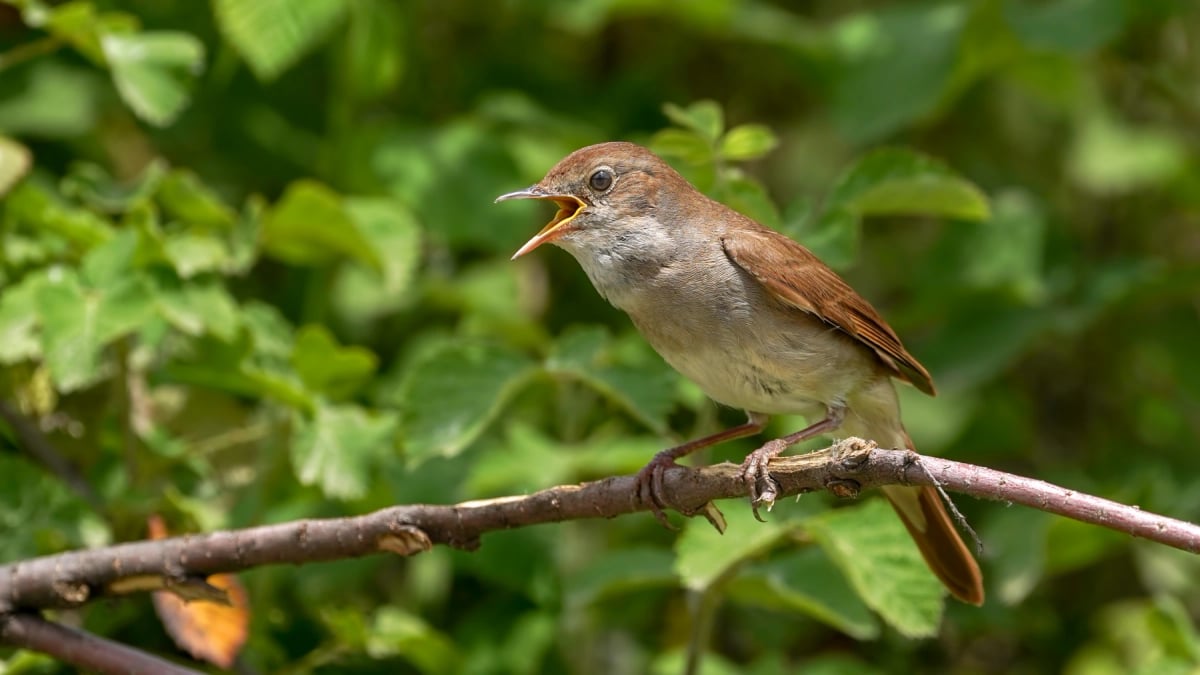
Nightingale
Luscinia megarhynchos
Greece is an important breeding country for the nightingale, with the species widespread across the mainland and many islands. It thrives in the dense Mediterranean scrub, riverside thickets and woodland margins that cover much of the landscape. The warm Greek spring brings an abundance of song, and the species remains common here compared to declines seen farther north and west in Europe. Its IUCN status is Least Concern.
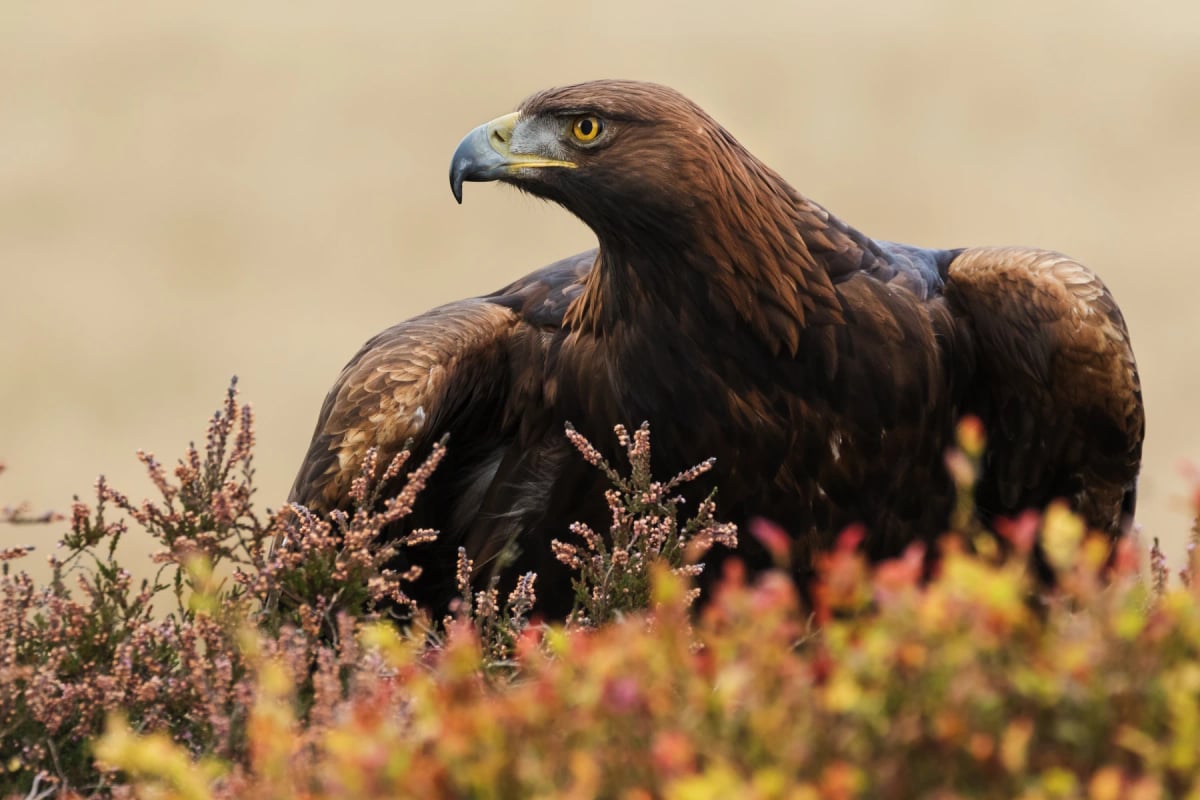
Golden Eagle
Aquila chrysaetos
The golden eagle is found across the mountainous regions of Greece, particularly in the Pindus range and the peaks of the Peloponnese. It soars over rocky gorges and open highland terrain, hunting hares and other small animals. Pairs defend large territories and nest on cliff ledges. It is listed as Least Concern by the IUCN, though disturbance near nest sites remains a concern in Greece.
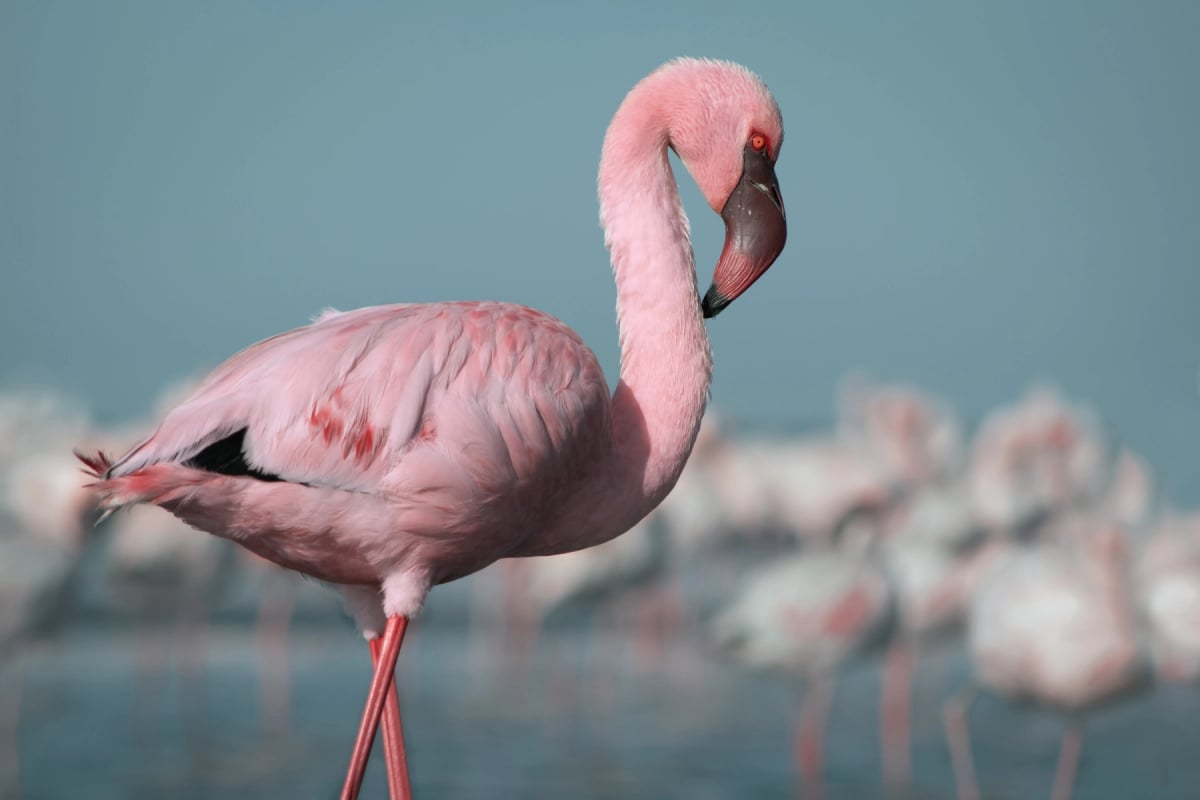
Flamingo
Phoenicopteridae (6 species)
In Greece, flamingos are a familiar sight at the Evros Delta in Thrace and the Kalloni Salt Pans on the island of Lesbos. They pass through or overwinter in these coastal wetlands, feeding on the rich supply of small crustaceans and algae. The greater flamingo is the species most commonly seen here. Listed as Least Concern by the IUCN, the birds benefit from the protected status of several Greek wetland sites.
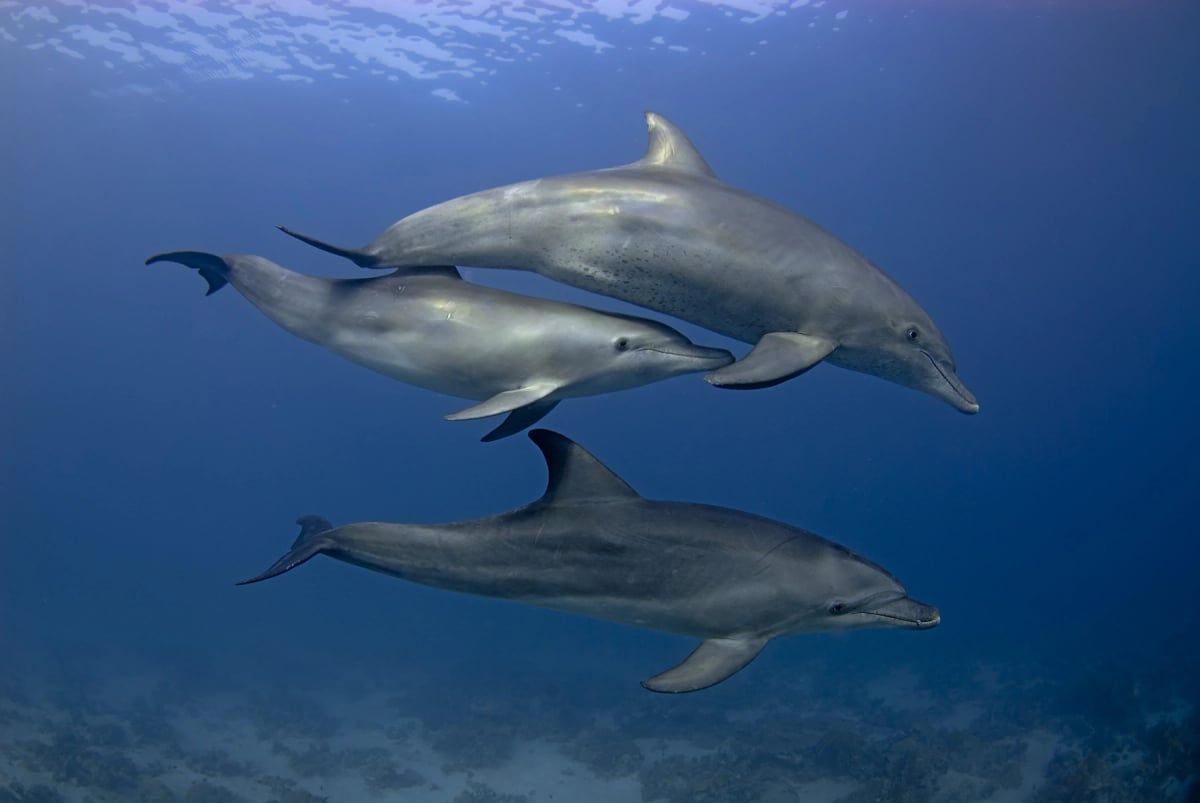
Bottlenose Dolphin
Tursiops truncatus
Bottlenose dolphins are a familiar presence across Greek waters, inhabiting the Aegean, Ionian, and Mediterranean seas. They are frequently spotted near coastal fishing grounds and around island archipelagos, where food is plentiful. Greek waters support some of the best studied dolphin populations in the Mediterranean. The IUCN lists the species as Least Concern, though local pressures from fishing activity and boat traffic remain ongoing concerns.
Common Dolphin
Delphinus delphis
Common dolphins are present throughout Greek seas, including the Ionian Sea and parts of the Aegean, where they feed on fish and squid in waters that have been home to this species for centuries. Greek mythology celebrated dolphins as sacred animals, and their image appears in ancient art across the country. Today, bycatch and the decline of prey fish due to overfishing remain the main threats to dolphins in Greek waters. IUCN status: Least Concern.
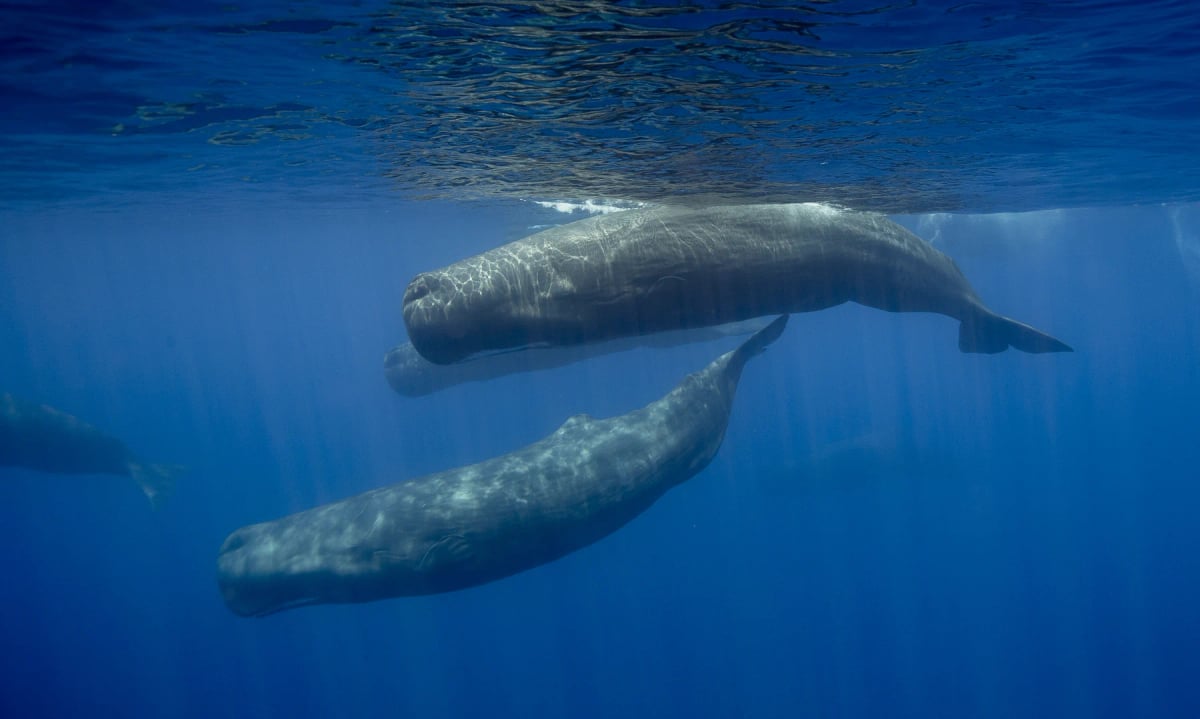
Sperm Whale
Physeter macrocephalus
Greece sits at the heart of the Mediterranean Sea, home to one of the most studied and most threatened sperm whale populations in the world. The deep waters of the Hellenic Trench, off the western coast, are a key habitat for this small and isolated population. Greek researchers have been central to Mediterranean sperm whale study for decades. Fishing line entanglement and vessel strikes are among the gravest dangers these whales face in Greek waters. IUCN status: Vulnerable.
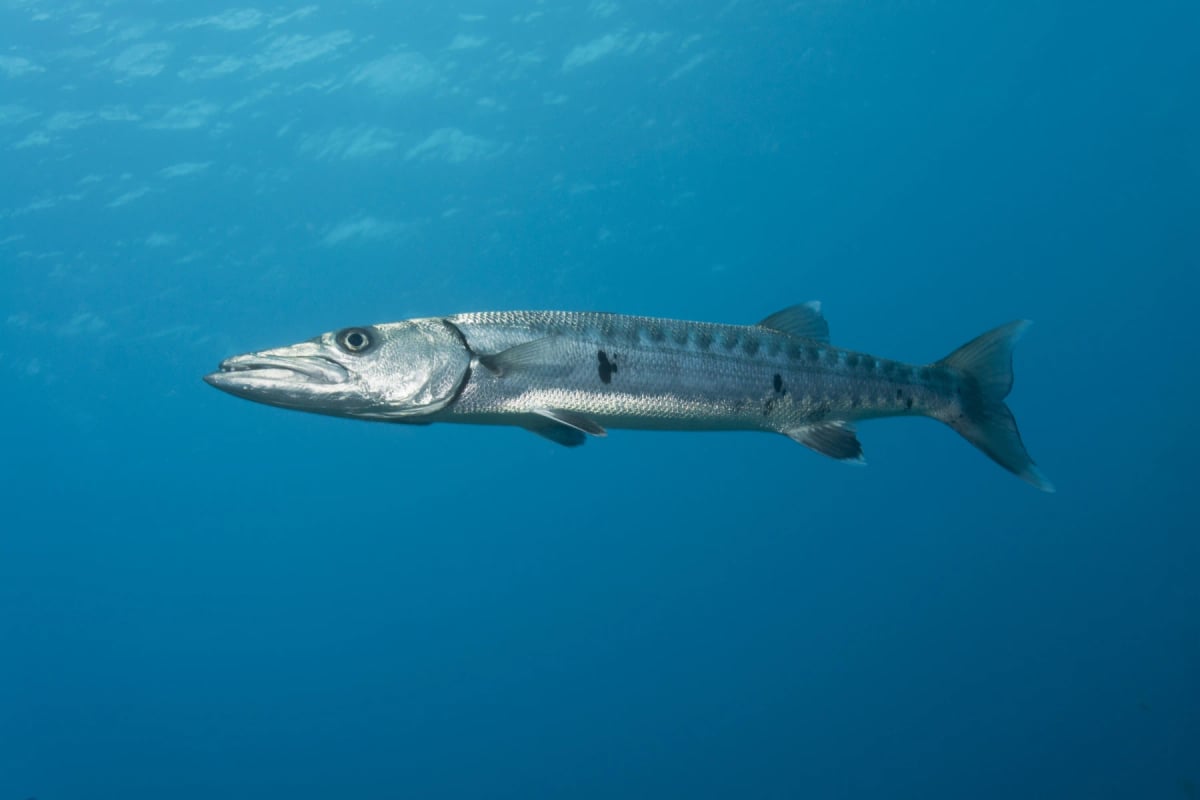
Barracuda
Sphyraena spp.
The European barracuda is found throughout Greek waters, inhabiting rocky reefs, coastal drop-offs, and open bays across the Aegean, Ionian, and Mediterranean coasts. It is a familiar predator encountered by divers and snorkelers around the island reefs of the Cyclades, Dodecanese, and the Ionian Islands. Younger fish often form schools near shallow reefs, while adults hunt alone. As sea temperatures in the eastern Mediterranean rise, barracuda populations have become more visible in Greek waters in recent years, with sightings becoming more frequent and extending further north than historically recorded.
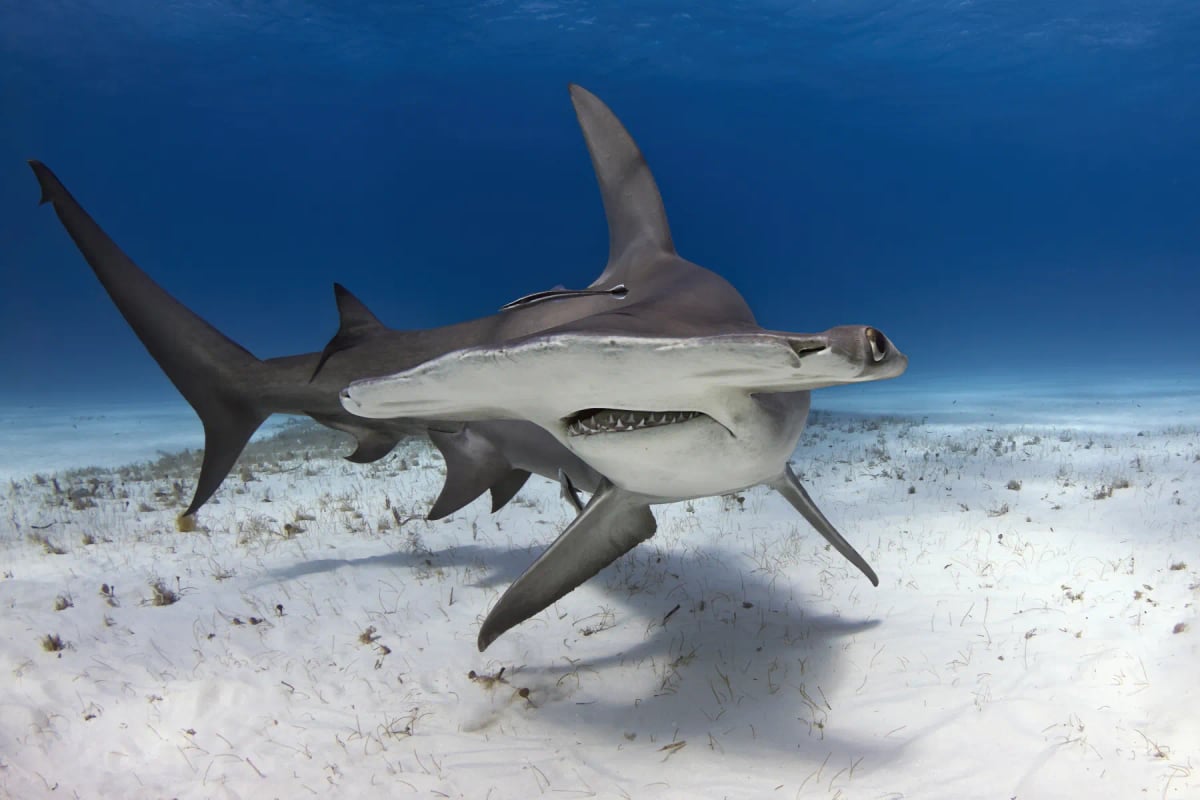
Hammerhead Shark
Sphyrna spp.
The Hammerhead Shark occasionally passes through Greek waters in the Mediterranean, particularly around the Ionian Sea and the Aegean Sea. Recognized by its wide, flattened head and far-set eyes, this shark hunts fish and rays in warm coastal waters. It is Critically Endangered globally, and sightings in Greece are rare, largely due to decades of overfishing across the Mediterranean basin.
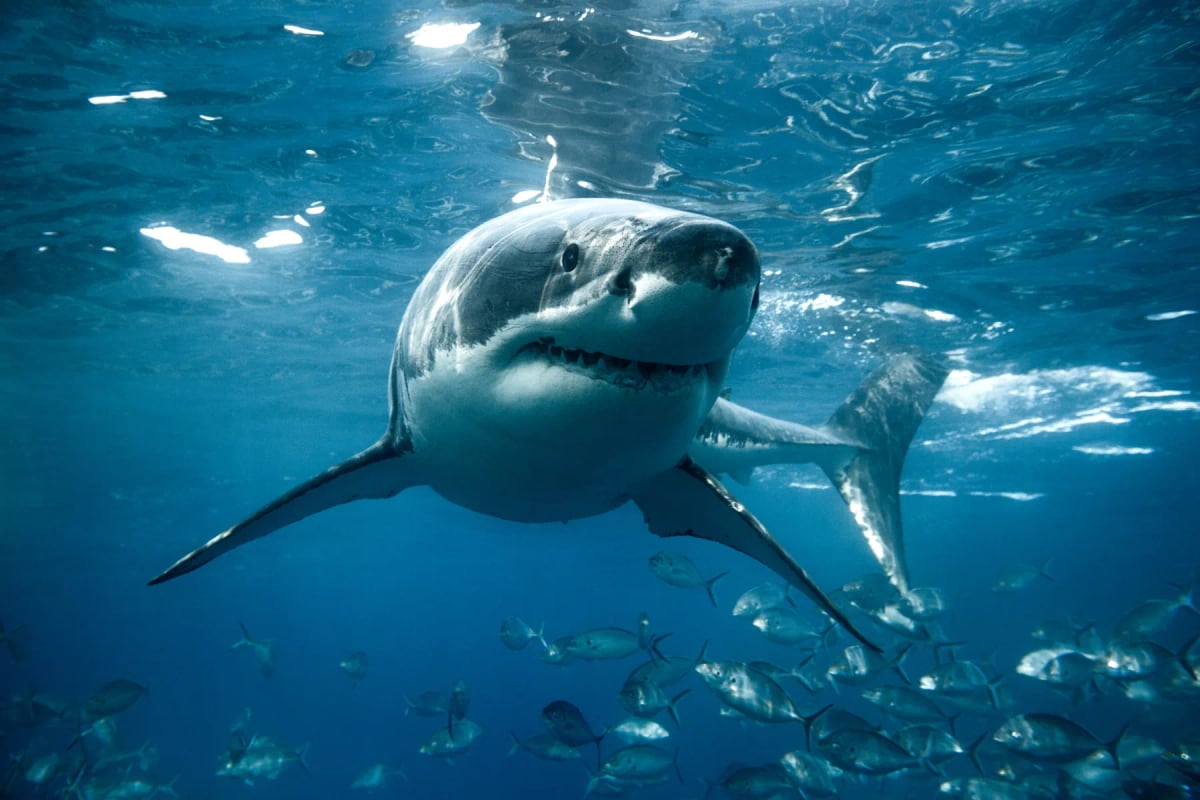
Great White Shark
Carcharodon carcharias
The great white shark inhabits the Mediterranean Sea, and Greece's extensive coastline and deep surrounding waters fall within its range. Historical records and more recent sightings confirm its presence around Greek seas, including the Ionian and Aegean. The Mediterranean population is considered especially at risk, facing pressure from decades of overfishing and heavy maritime traffic across one of the world's busiest enclosed seas.
Frequently Asked Questions
What animals live in Greece?
Greece is home to brown bears, gray wolves, golden jackals, red deer, chamois, wild boars, red foxes and badgers. Its birds include golden eagles, griffon vultures, eagle owls, storks, cranes and flamingos, and nightingales sing in its woods in spring. There are also reptiles like the chameleon and several snakes. In the sea you can find bottlenose and common dolphins, sperm whales, loggerhead sea turtles and fish like barracuda.
Are there bears and wolves in Greece?
Yes. Brown bears live in the mountains of northern Greece, mainly in the Pindus range and the Rhodope Mountains. Near the village of Nymfaio, the Arcturos sanctuary cares for bears that can no longer live in the wild. Gray wolves are more widespread and live across much of mainland Greece. Both animals are protected by law, and they are shy, so hikers rarely see them.
What animals live on Crete?
Crete has no bears, wolves or vipers, but it still has interesting wildlife. Griffon vultures are easy to see soaring over the island's deep gorges, such as the Samaria Gorge. Loggerhead sea turtles nest on beaches of the north coast, near Rethymno and Chania, from early summer. Badgers and martens live in the countryside, and the island is an important stop for migrating birds in spring and autumn.
Where can you see sea turtles in Greece?
Greece has the most important nesting beaches for loggerhead sea turtles in the Mediterranean. The best known is Laganas Bay on Zakynthos, which is protected as a national marine park. Other key places are Kyparissia Bay in the Peloponnese and parts of the north coast of Crete. Females lay their eggs at night in summer, so some beaches have rules about hours, umbrellas and lights to keep the nests safe.
Which animals were symbols of ancient Greece?
The best known is the owl, the symbol of Athena, goddess of wisdom and protector of Athens. An owl appeared on the silver coins of ancient Athens for centuries, and the same design is on the Greek one euro coin today. The eagle was the bird of Zeus, king of the gods, and dolphins were linked to Apollo and Poseidon. Owls, golden eagles and dolphins all still live in Greece today.
Researched and written by Juan Pablo. Sources: IUCN Red List, scientific literature and regional field guides. Last updated: .