Animals in Jamaica
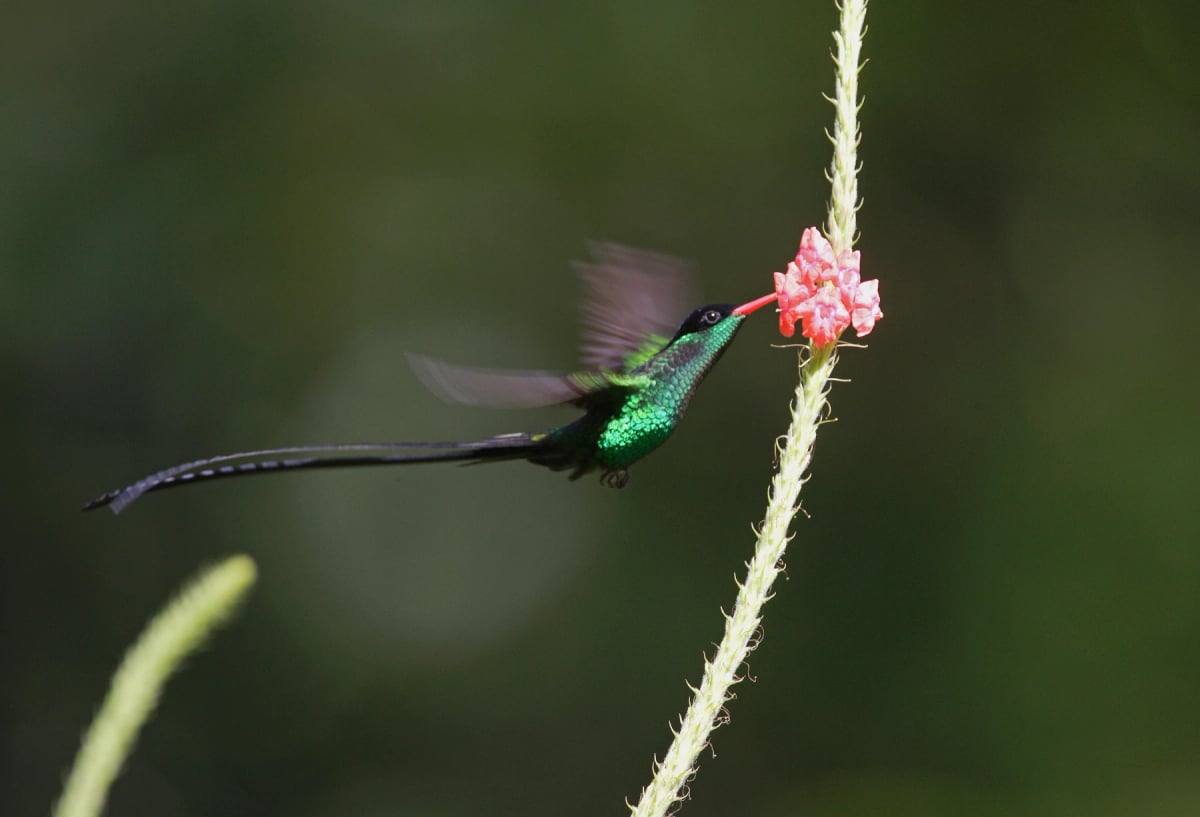
Red billed Streamertail
Trochilus polytmus
The national bird of Jamaica is the red billed streamertail, a hummingbird that lives only on the island and is known to everyone as the doctor bird. Males have shiny green feathers, a bright red bill and two very long black tail feathers that flutter behind them in flight. Females are smaller and have no long tail. The doctor bird appears in Jamaican stories and songs and on many national symbols. It is common in gardens, forests and hills across the island, and at places like Rocklands Bird Sanctuary near Montego Bay it even drinks from visitors' hands.
View details→Wildlife in Jamaica
Jamaica's wildlife has been shaped by life on an island, far from the mainland for millions of years, so many of its land animals are found nowhere else. The most famous is the red billed streamertail, a hummingbird known as the doctor bird, which lives in gardens and forests all over the island and is the national bird. The large land animal that Jamaicans know best is the wild hog, descended from pigs brought by the Spanish, which lives in the rugged hills of Cockpit Country and the Blue Mountains. The richest wildlife in Jamaica, though, is in the sea. Coral reefs along the north and south coasts are home to parrotfish, barracudas, reef sharks and sea turtles, and bottlenose dolphins swim in the bays. Farther out live tiger and bull sharks, and humpback whales sometimes pass by in winter. Overfishing and coastal building have hurt the reefs, and sea turtles are endangered, so marine reserves and protected areas like the Blue and John Crow Mountains are key for the future.
Most Dangerous Animals in Jamaica
Jamaica is a safe place when it comes to wild animals. There are no venomous snakes on the island, and no large land predators. On land, the only animal that calls for some care is the wild hog, which lives in remote hills and forests. It usually runs away, but it can charge if it is cornered or hunted, and its tusks can cause deep wounds. Most of the risk is in the sea. Tiger and bull sharks live in Jamaican waters, and bull sharks can enter shallow bays and river mouths, especially when the water is murky after rain. Reef sharks are usually calm around divers, and great white sharks are extremely rare. Barracudas may bite at shiny objects, so it is best not to wear jewelry when swimming. Shark attacks in Jamaica are very rare, and swimming at busy beaches in clear water keeps the risk low.
Top 10 Animals in Jamaica
The top 10 animals of Jamaica show how closely the island is tied to the sea. Sharks take several places: the great white, a very rare visitor to these warm waters, the tiger shark, which eats almost anything, the bull shark, which can swim into river mouths, and the reef shark of the coral reefs. The barracuda, a fast silver hunter often seen by snorkelers, and the bottlenose dolphin complete the marine side. On land, the doctor bird is the star, a hummingbird found only in Jamaica and the national bird. The scarlet ibis, a bright red wading bird from South America, is a rare wanderer to the island's wetlands. The wild hog stands for the mountains and for Jamaican history, since the Maroons hunted it in the hills. Sea turtles, parrotfish and humpback whales are other animals in Jamaica worth knowing.
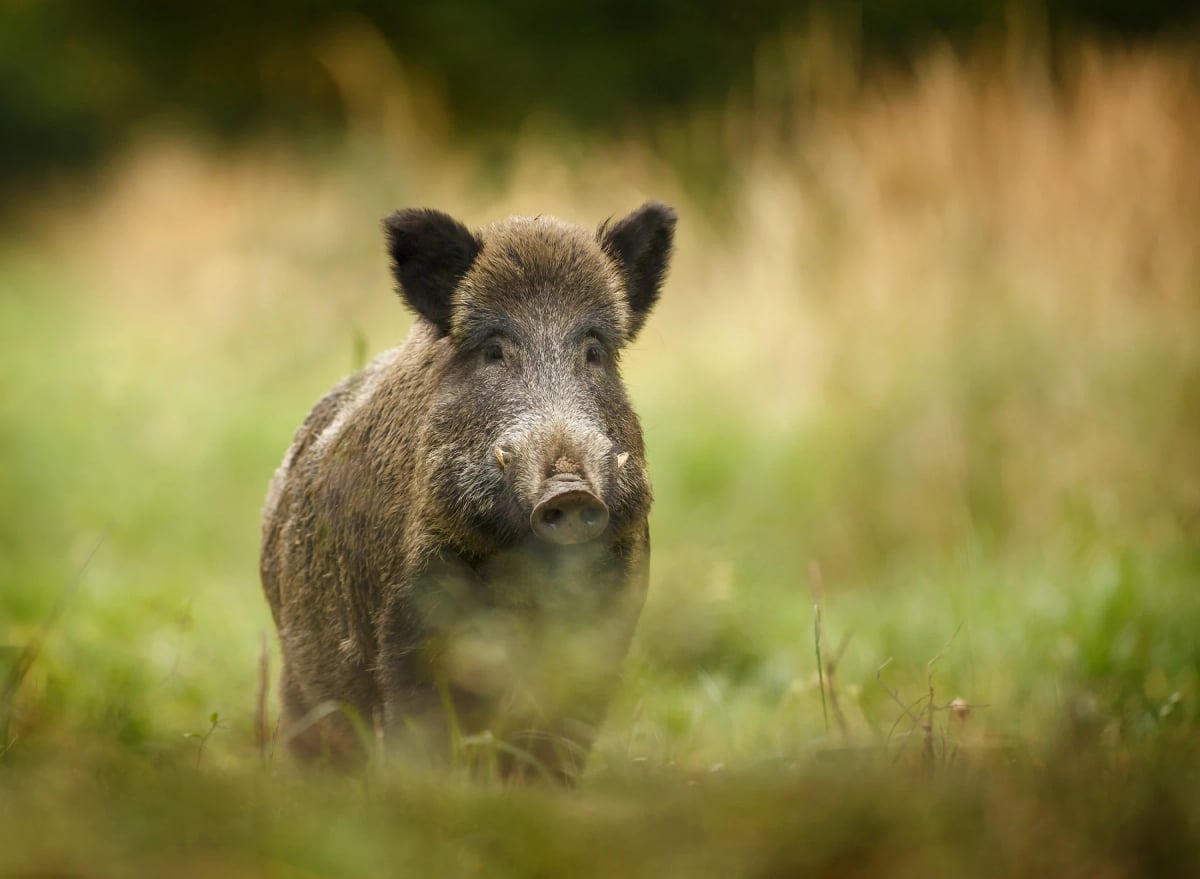
Wild Boar
Sus scrofa
Feral pigs in Jamaica live mainly in forested mountain areas such as Cockpit Country and the Blue Mountains, where dense, rugged terrain offers cover from hunters. Hunting wild hogs has deep roots in Jamaican history, particularly among Maroon communities in the island's interior, and remains a traditional rural practice today. Wild pigs can damage crops near farmland bordering forested hills.
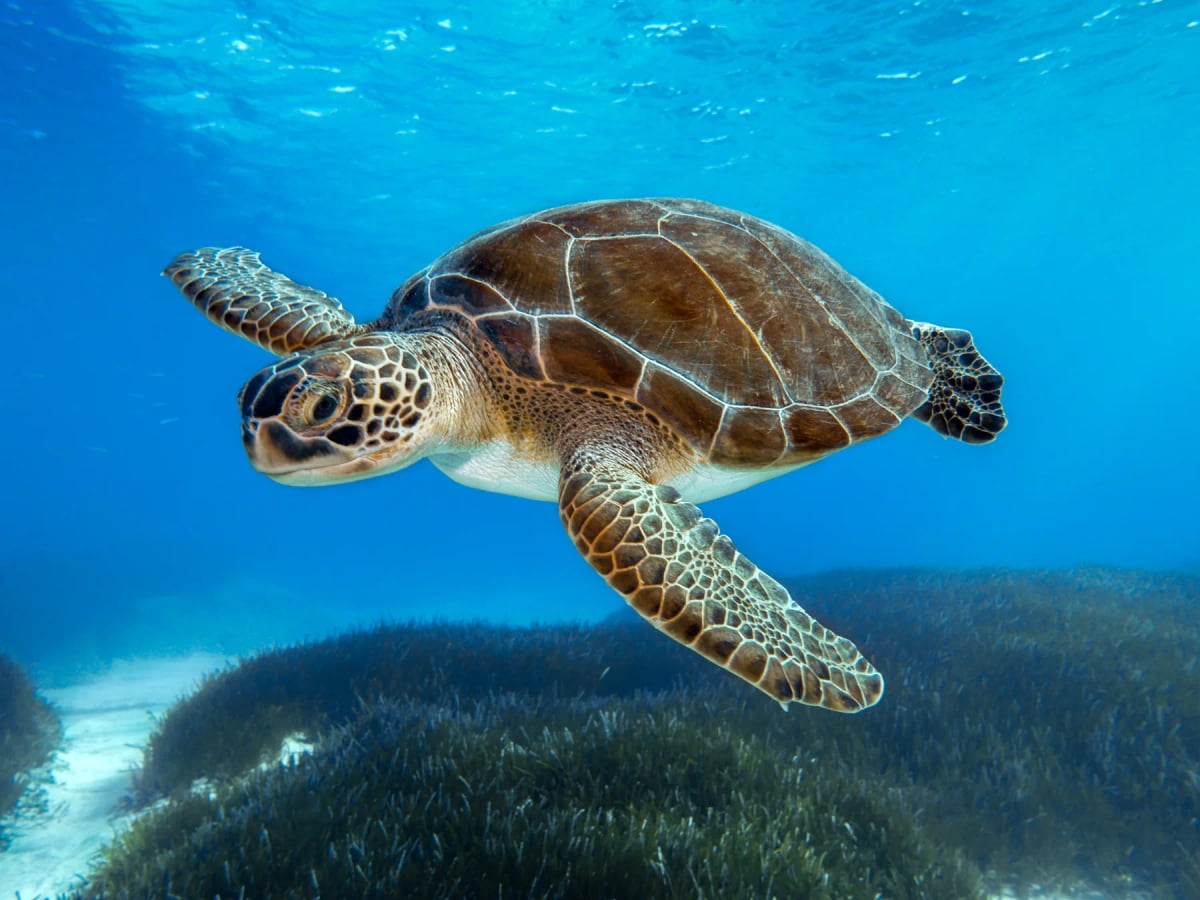
Sea Turtle
Cheloniidae & Dermochelyidae (families)
Jamaica's Caribbean waters provide foraging and nesting habitat for hawksbill, loggerhead and green sea turtles. Hawksbill turtles are the most commonly encountered species, found around coral reefs along the island's north and south coasts. Several beaches have documented nesting activity, particularly on the east coast and around the Portland Bight Protected Area. Conservation organizations and community groups run monitoring programs to protect nesting females and nests during the season.
Red billed Streamertail
Trochilus polytmus
The red billed streamertail, the doctor bird, is Jamaica's national bird and found nowhere else on Earth. Males glow emerald green, with a coral red bill and two tail streamers as long as the rest of the bird. It is the island's most common hummingbird, from coastal gardens to mountain forests at 1,500 meters, everywhere except the far east, home of the black billed streamertail. IUCN status: Least Concern.
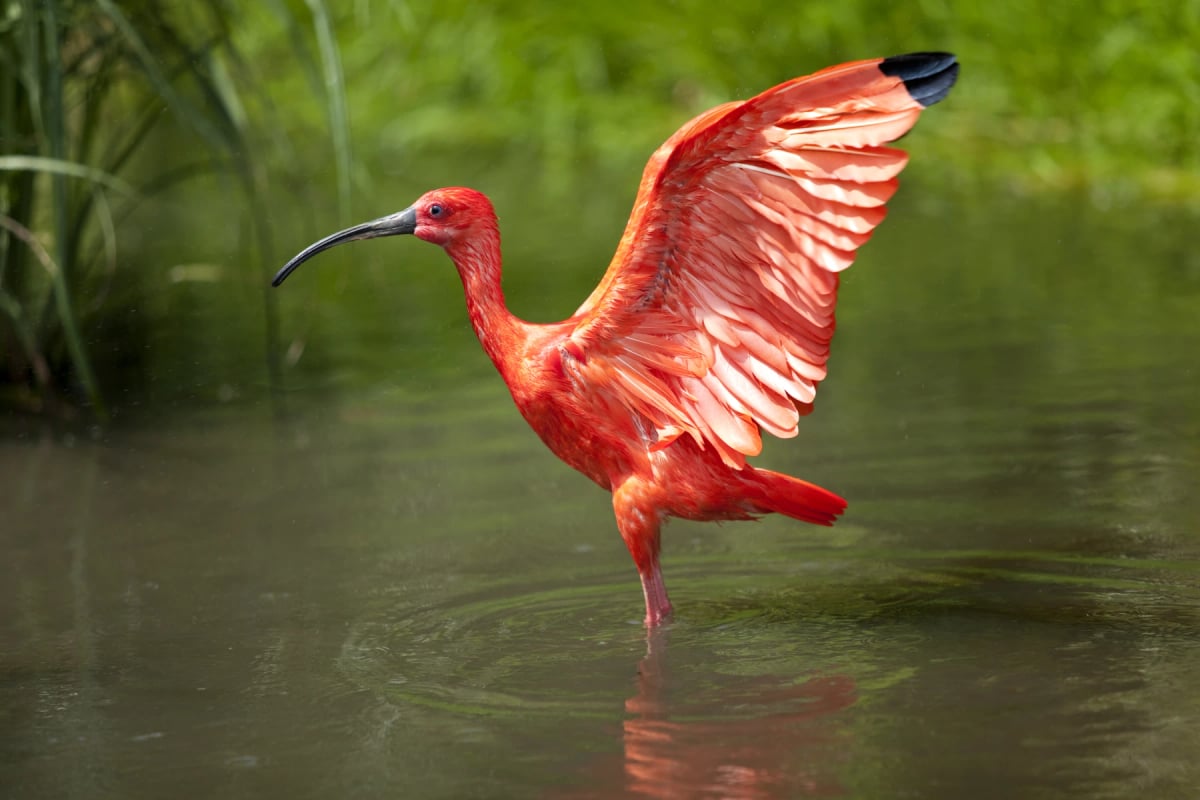
Scarlet Ibis
Eudocimus ruber
Jamaica holds occasional records of the Scarlet Ibis, a species that wanders far from its core range in South America and the Caribbean mainland. Sightings have been linked to coastal wetlands and mangrove areas around the island. The bird's striking all-red plumage, built up through years of feeding on carotenoid-rich crustaceans, makes it instantly recognizable. It does not breed in Jamaica and is considered a rare vagrant. The IUCN lists it as Least Concern.
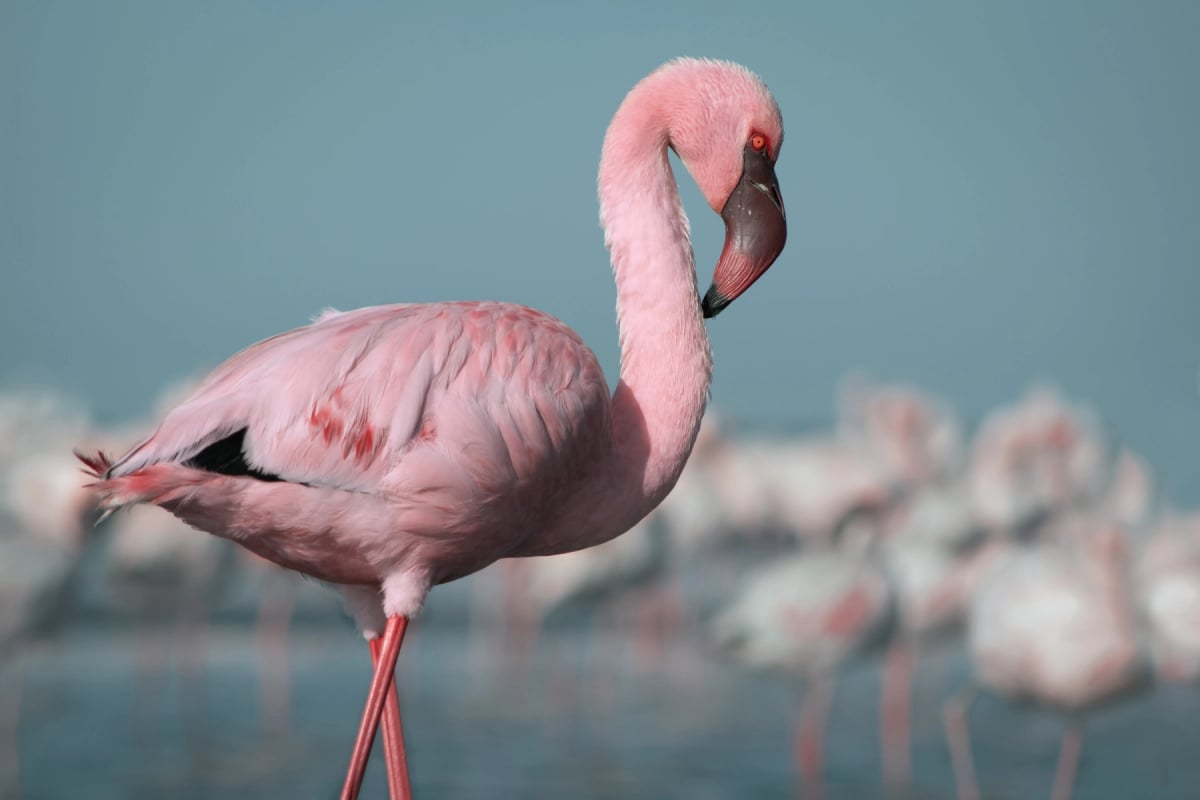
Flamingo
Phoenicopteridae (6 species)
The American flamingo visits Jamaica outside the breeding season. Birds from the large colonies of Cuba, the Bahamas and Mexico turn up in small numbers at coastal lagoons, salt ponds and mangrove wetlands, especially along the south coast. They do not nest on the island, but their visits are always a highlight for local birdwatchers, since the species is otherwise absent from Jamaica. IUCN status: Least Concern.
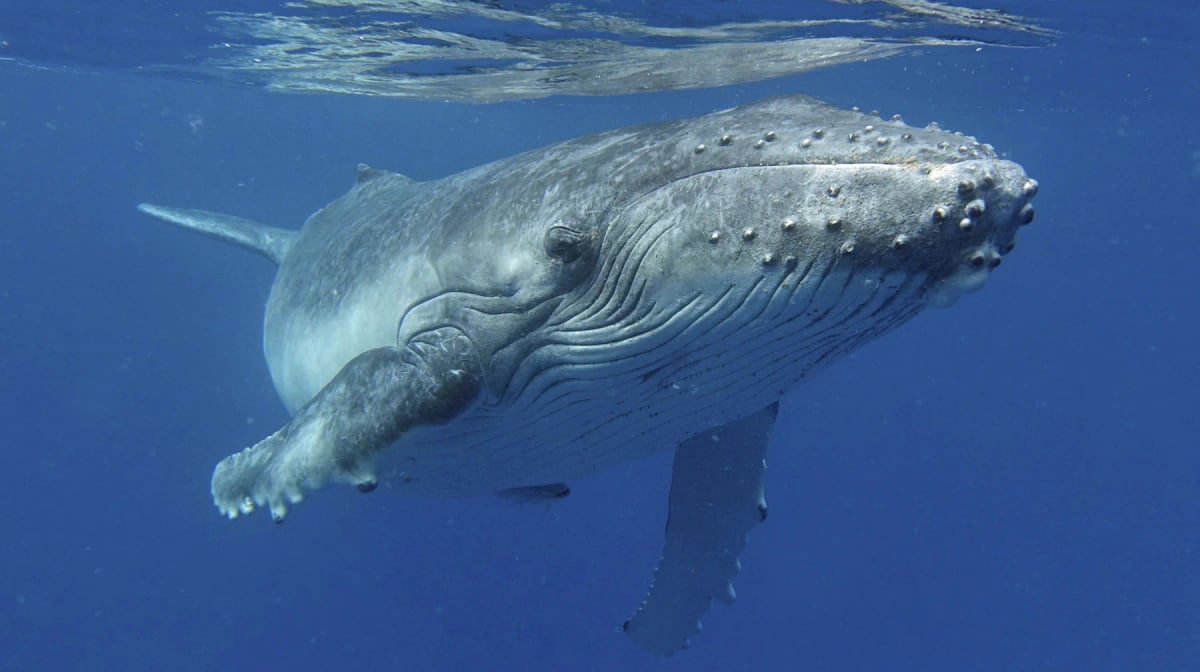
Humpback Whale
Megaptera novaeangliae
Jamaica sits within the Silver Bank and Caribbean breeding region, one of the most important wintering areas for North Atlantic humpback whales. Whales pass through Jamaican waters between roughly January and March on their way to and from breeding grounds. Whale watching has developed as an ecotourism activity in the Caribbean, raising awareness of these giants. The IUCN classifies the humpback whale as Least Concern.
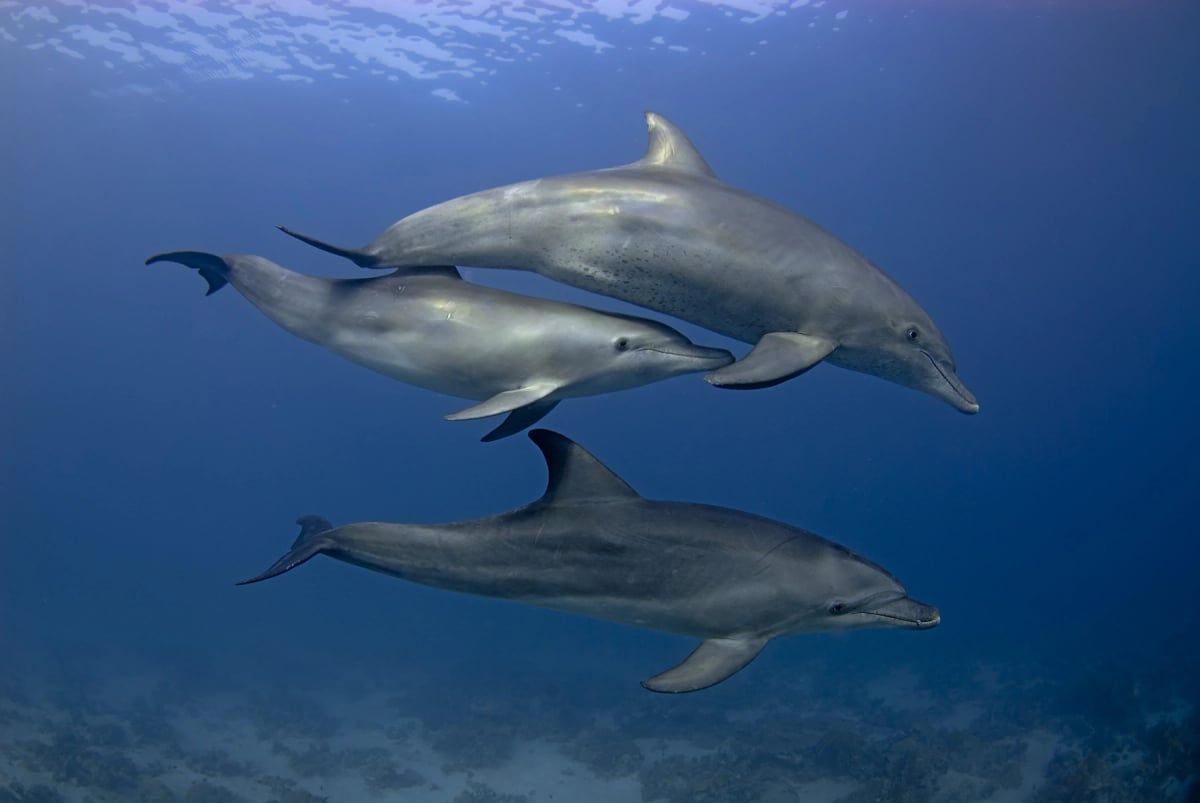
Bottlenose Dolphin
Tursiops truncatus
Bottlenose dolphins inhabit the warm Caribbean waters surrounding Jamaica, often seen in coastal bays and near coral reef systems along the island's north and south shores. They feed on reef fish and schooling prey in these productive tropical waters. Classified as Least Concern by the IUCN, they are also central to wildlife tourism, which brings both economic benefits and concerns about disturbance to wild populations.
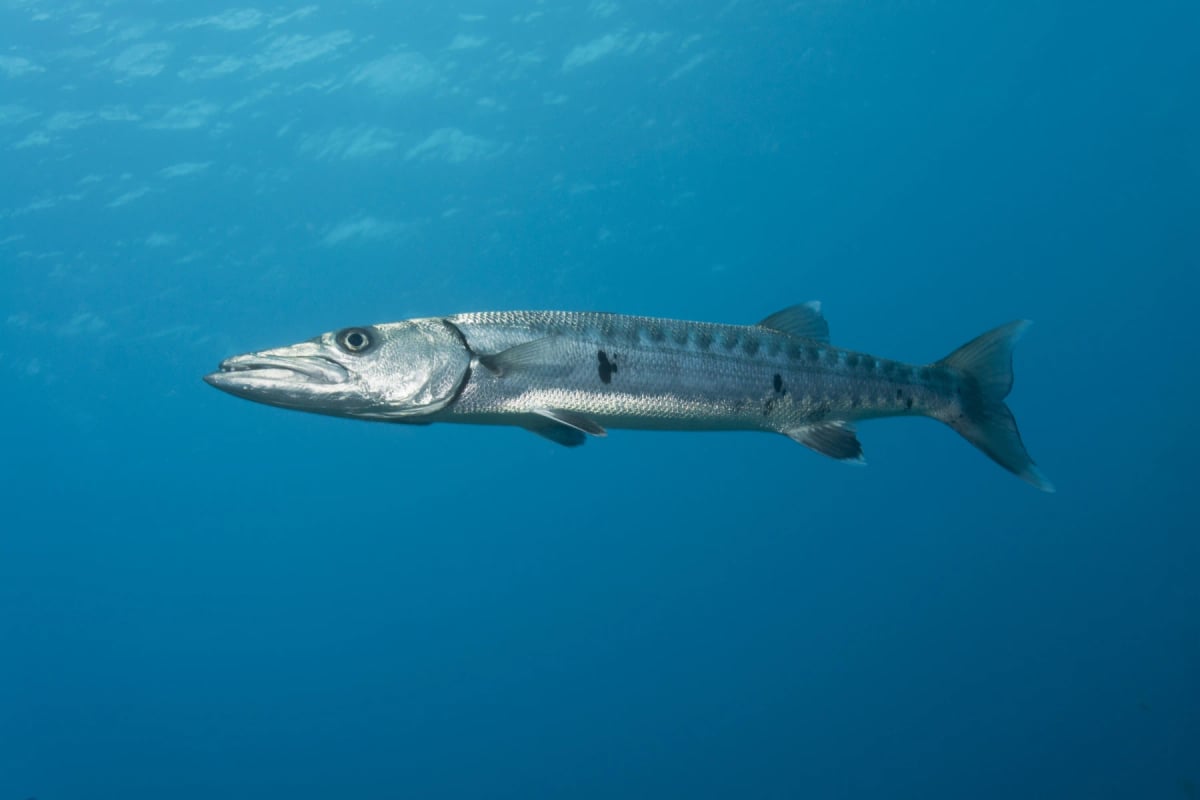
Barracuda
Sphyraena spp.
Barracudas are a common predator in Jamaica's coastal and reef waters, found around coral reefs, rocky shorelines, and open bays across the island. The great barracuda is regularly seen by divers and snorkelers at reef sites along the north coast near Montego Bay, Negril, and Ocho Ríos. Jamaica's fringing reefs and offshore coral structures provide suitable habitat for barracuda throughout the year. They are one of the larger and more recognizable fish that divers encounter on Jamaican reef dives, typically observed hovering alone at reef edges.
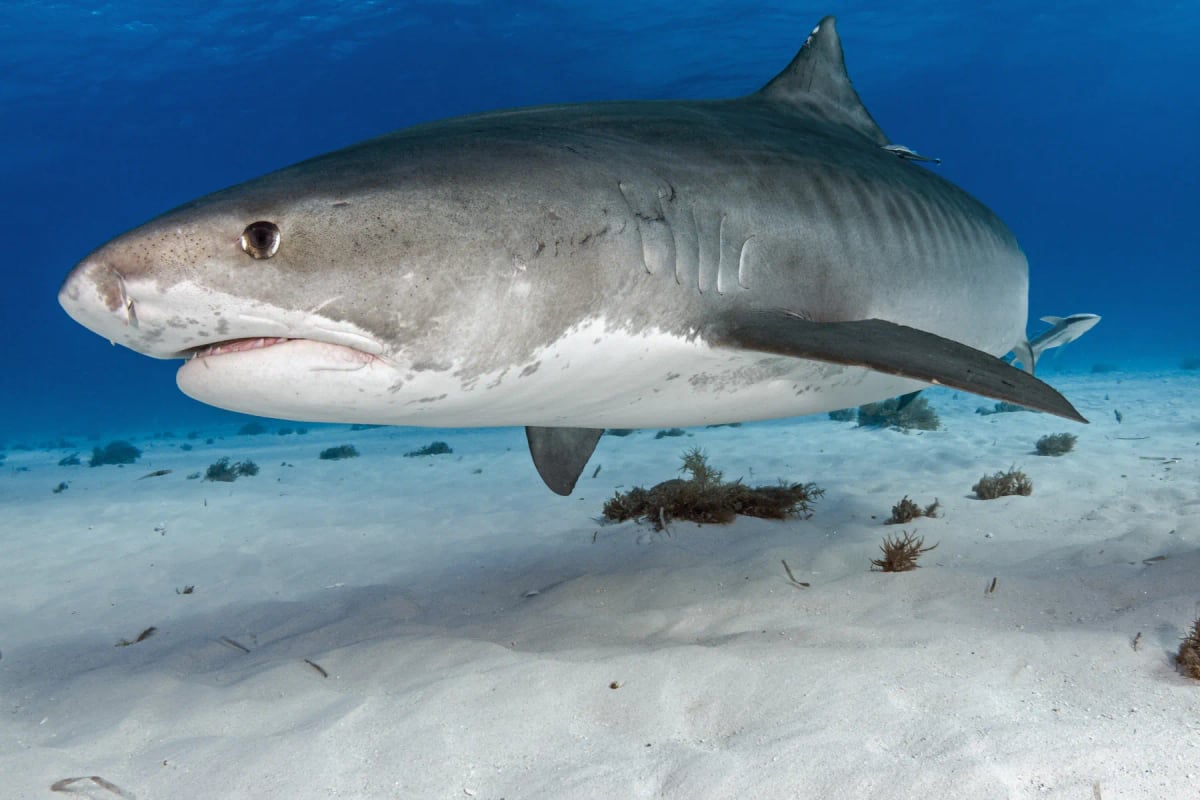
Tiger Shark
Galeocerdo cuvier
The warm Caribbean waters surrounding Jamaica are well within the tiger shark's range. This powerful predator is encountered along the island's coastal areas and in the deeper waters of the Caribbean Sea nearby. It feeds on sea turtles, fish, and rays. The species is listed as Near Threatened by the IUCN, and overfishing across the Caribbean has reduced shark populations in the region over recent decades.
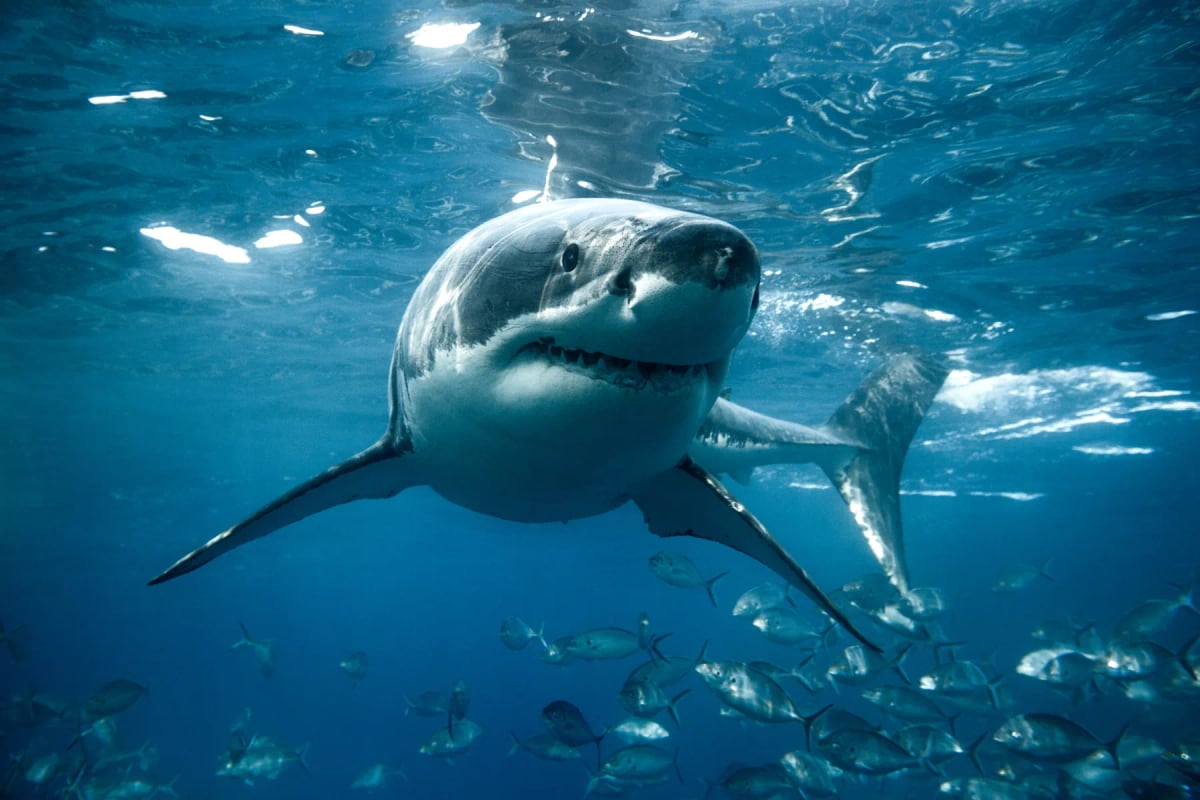
Great White Shark
Carcharodon carcharias
The great white shark has been recorded in the Caribbean Sea, and Jamaica's surrounding waters fall within its occasional range in the region. Sightings near Jamaica are rare, as the Caribbean is not a core habitat for the species, which generally favors cooler or temperate coastal waters. Nevertheless, juveniles and wandering adults can appear in these areas. The species is classified as Vulnerable by the IUCN.
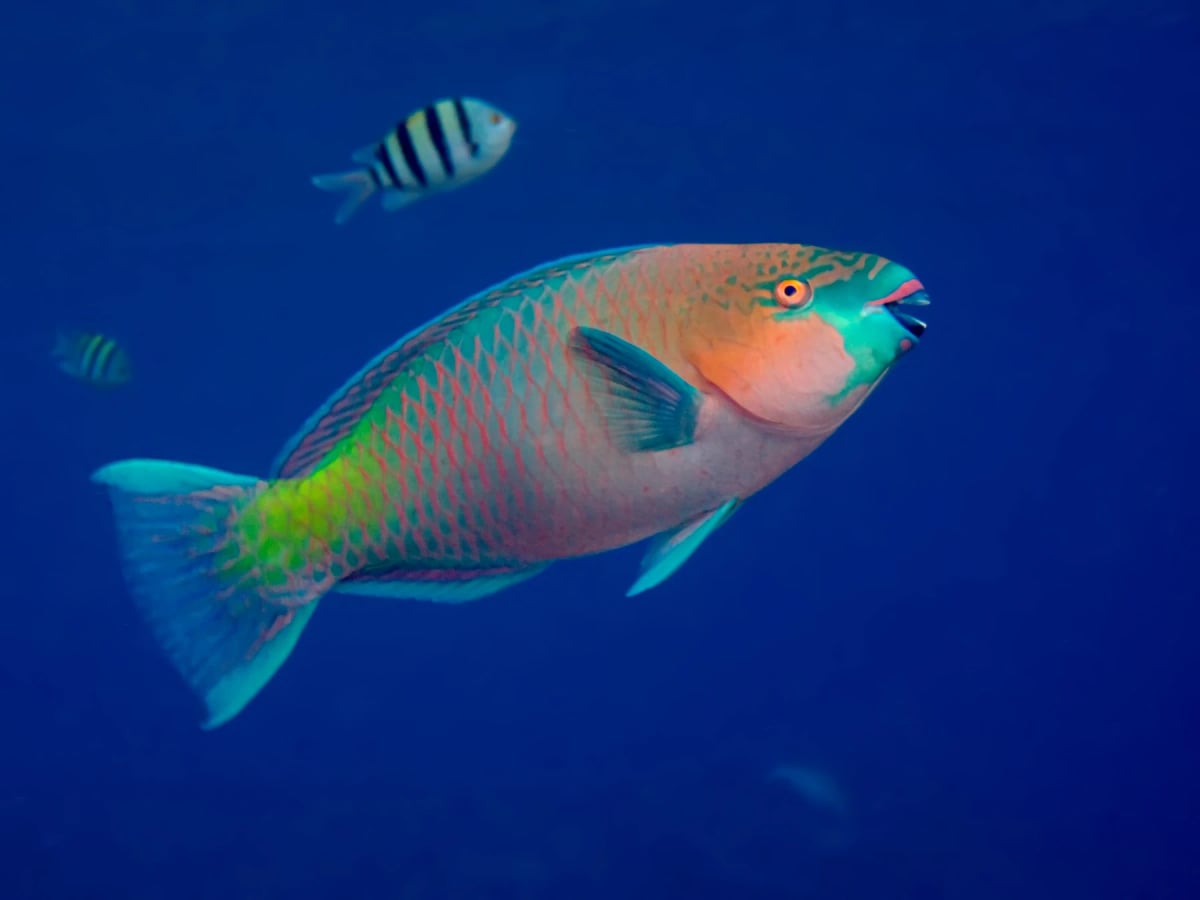
Parrotfish
Scaridae
Jamaica's reefs have faced significant pressure from overfishing and coastal development, and parrotfish have been particularly affected. The loss of parrotfish has contributed to algae taking over reef areas, reducing coral cover across much of the island's coastline. Conservation groups and the Jamaican government have pushed for protections on parrotfish, understanding that their grazing is essential to reef recovery. Their role in producing beach sand also directly supports the coastal tourism that Jamaica's economy depends on.
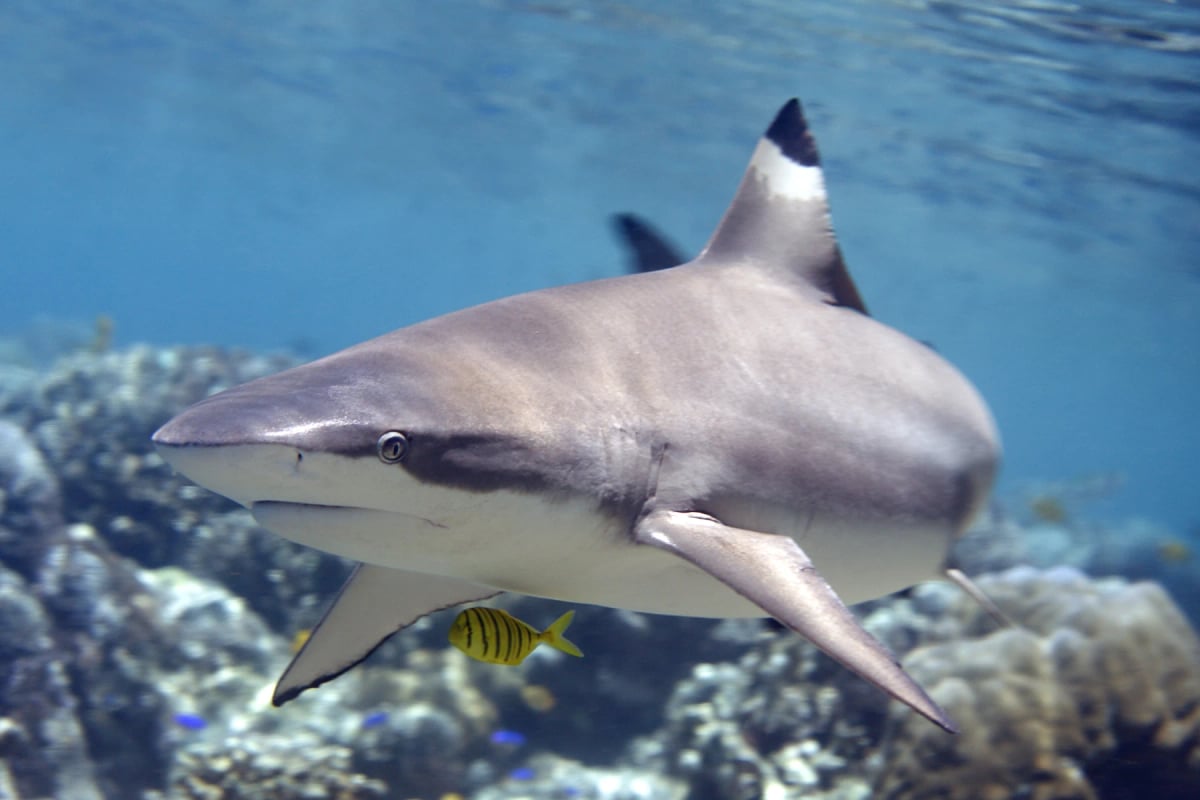
Reef Shark
Carcharhinus spp.
Jamaica's coral reefs along its north and south coasts provide habitat for Caribbean reef sharks, though reef degradation from pollution, coastal development, and overfishing has reduced the quality of these habitats over the decades. Reef sharks play an important role in keeping Jamaican reef ecosystems in balance. Marine conservation efforts are growing in Jamaica, with community-led initiatives working to restore reef health and protect local wildlife.
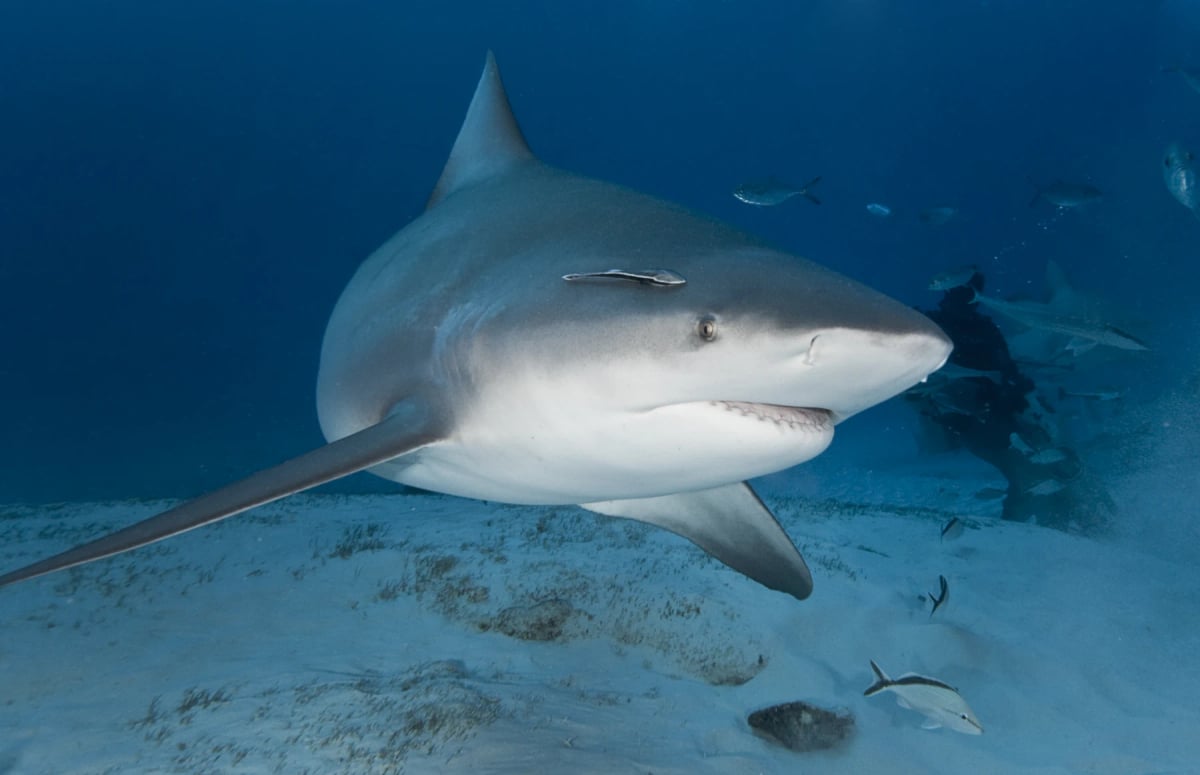
Bull Shark
Carcharhinus leucas
Bull sharks are found in the coastal and estuarine waters surrounding Jamaica, hunting in the warm, shallow zones of the Caribbean Sea. They are capable of entering river mouths and mangrove-lined lagoons around the island. Jamaica's inshore marine ecosystems, already under pressure from coastal development and overfishing, are important habitats for this species as an apex predator in Caribbean reef and coastal systems. IUCN status: Near Threatened.
Frequently Asked Questions
What animals are in Jamaica?
Jamaica's best known land animals are the red billed streamertail, or doctor bird, a hummingbird that is the national bird, and the wild hog, which lives in the hills and forests. The scarlet ibis is a rare visitor to the wetlands. Most of the island's wildlife lives in the sea, where there are sea turtles, parrotfish, barracudas, bottlenose dolphins and reef, tiger and bull sharks. Humpback whales sometimes pass by in winter, and great white sharks have been recorded, although they are very rare. Many small Jamaican animals, especially birds, live nowhere else in the world.
What is the national animal of Jamaica?
Jamaica's national animal is usually said to be the red billed streamertail, the national bird, which Jamaicans call the doctor bird. It is a hummingbird that lives only in Jamaica. Males are bright green with a red bill and two very long tail feathers that stream behind them as they fly, which gives the bird its name. It feeds on flower nectar and small insects and is common in gardens and forests all over the island. At Rocklands Bird Sanctuary, near Montego Bay, it is famous for drinking from feeders held in visitors' hands.
What animals are native to Jamaica?
Among the animals on this site, the red billed streamertail is native to Jamaica and lives nowhere else in the world. Sea turtles, parrotfish, barracudas, bottlenose dolphins, humpback whales and the sharks of its coasts are native too, although they also live in many other parts of the Caribbean and the world. The wild hog is not native: pigs were brought by Spanish settlers in the 1500s, and some escaped into the hills, where their descendants still live. The scarlet ibis is not a resident either, only a rare wanderer from South America.
Are there dangerous animals in Jamaica?
Very few. Jamaica has no venomous snakes and no large land predators, so hiking in its forests and hills is quite safe. The wild hog can charge if it is cornered, but it usually avoids people. The main risks are at sea, where tiger and bull sharks live, although shark attacks in Jamaica are very rare. Bull sharks can come into shallow, murky water near river mouths, so it is best to avoid swimming there after heavy rain. Barracudas may bite at shiny jewelry. Swimming at busy beaches in clear water is the easiest way to stay safe.
Where can you see wildlife in Jamaica?
For birds, Rocklands Bird Sanctuary near Montego Bay is famous for hand feeding doctor birds, and the Blue and John Crow Mountains, in the east, protect forests full of birds found only in Jamaica. Cockpit Country, a rugged area of limestone hills in the west, is where wild hogs still live and where the Maroons once hunted them. For sea life, snorkeling and diving on the reefs near Montego Bay, Negril and Ocho Rios can show parrotfish, barracudas and sea turtles, and boat trips sometimes meet dolphins in the bays.
Researched and written by Juan Pablo. Sources: IUCN Red List, scientific literature and regional field guides. Last updated: .