Animals in Lithuania
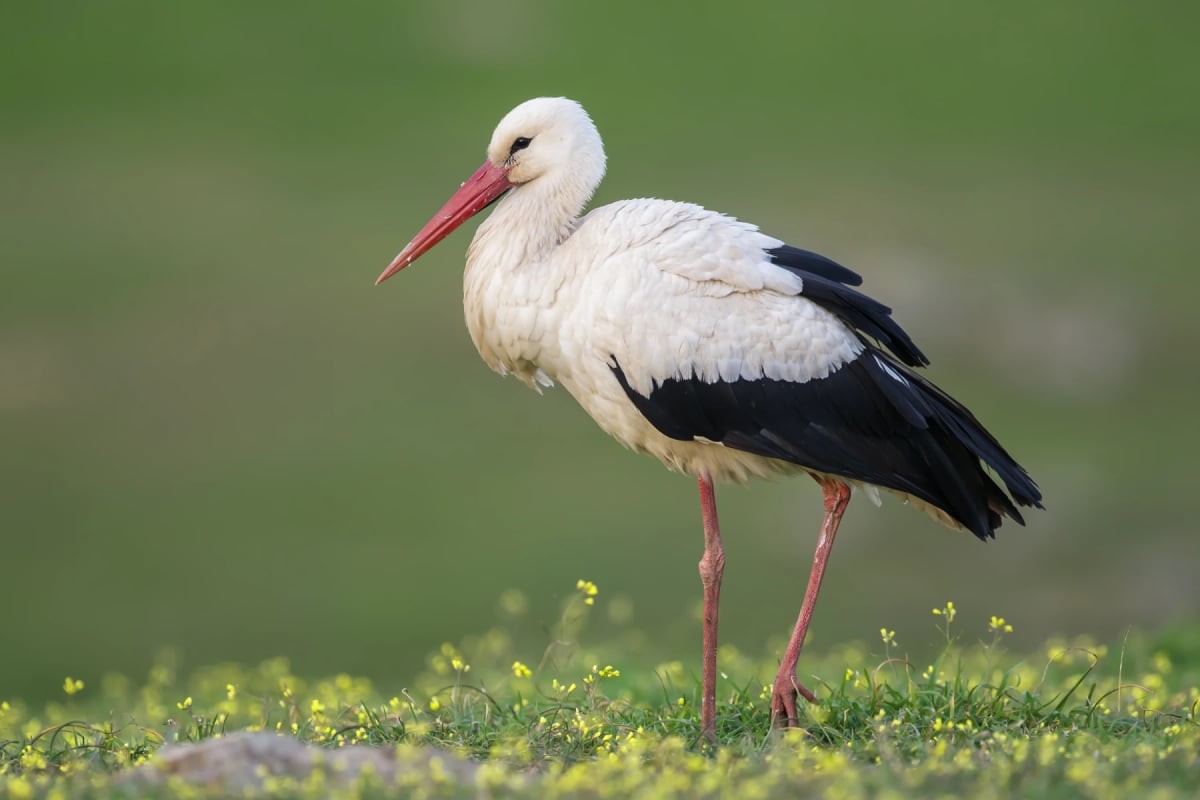
Stork
Ciconia ciconia
The stork is Lithuania’s national bird and a beloved symbol of prosperity. Every spring its return marks the change of season and is celebrated across the country. Many rural villages still protect stork nests, seeing them as a sign of good fortune and a connection between people and nature.
View details→Wildlife in Lithuania
Lithuania combines forests, rivers and wetlands that remain rich in wildlife. Moose, wolves and lynxes roam its green landscapes, while storks and cranes fill the skies in spring. Visitors can explore nature trails in parks like Aukstaitija or Dzukija, where forests and lakes offer peaceful escapes and great opportunities for wildlife watching.
Most Dangerous Animals in Lithuania
Lithuania’s nature includes species that require caution such as moose, brown bears, wild boars and wolves. Although encounters are rare, travelers exploring rural areas should stay alert and respect wildlife signs. These animals are vital to the country’s natural balance and part of its ecological identity.
Top 10 Animals in Lithuania
Among Lithuania’s most notable animals are the brown bear, moose, Eurasian lynx, gray wolf and peregrine falcon. They inhabit dense forests and protected reserves where visitors can join guided tours or photo safaris. These experiences highlight the country’s strong commitment to wildlife conservation and ecotourism.
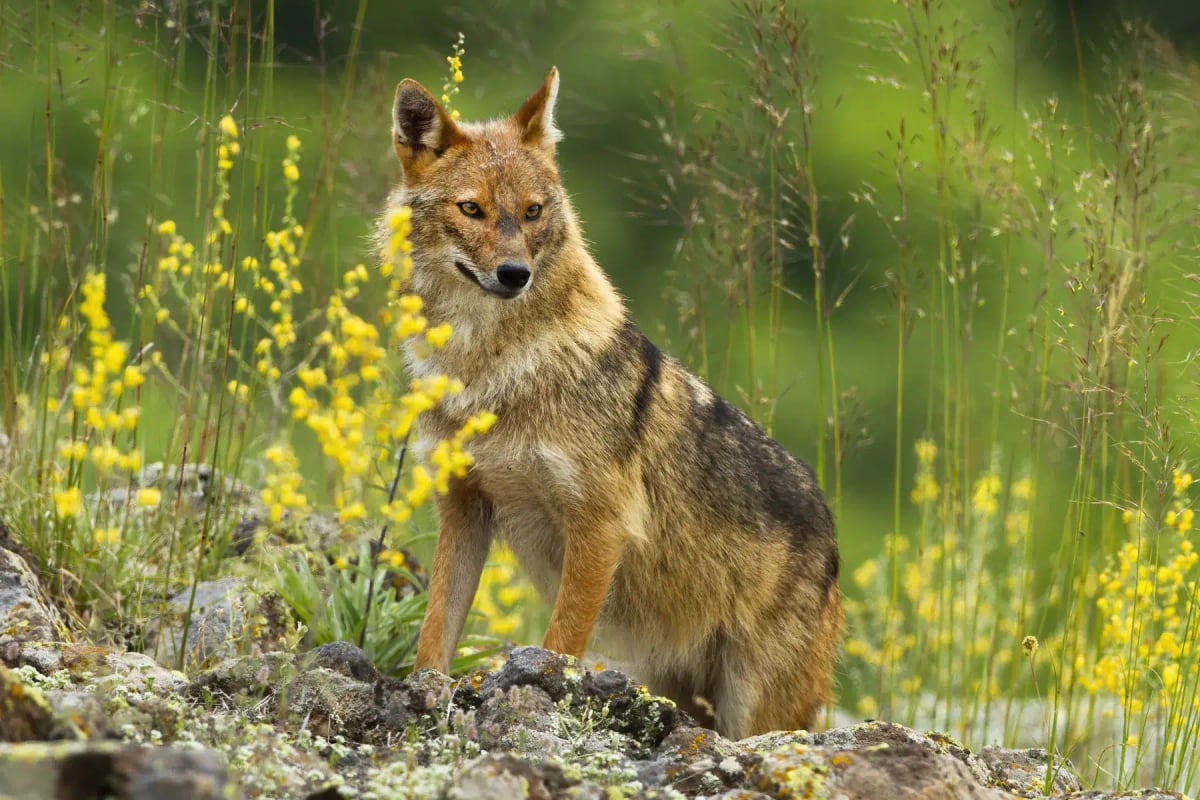
Golden Jackal
Canis aureus
Lithuania sits at the northern edge of the golden jackal's expanding European range. Individuals have been spotted moving through the country's mixed forests and open farmland, most likely dispersing from populations further south and east. No breeding population is confirmed yet, but records have grown in recent years. The species finds suitable habitat along river corridors and cultivated lowlands, and monitoring by local naturalists continues to build a clearer picture. IUCN status: Least Concern.
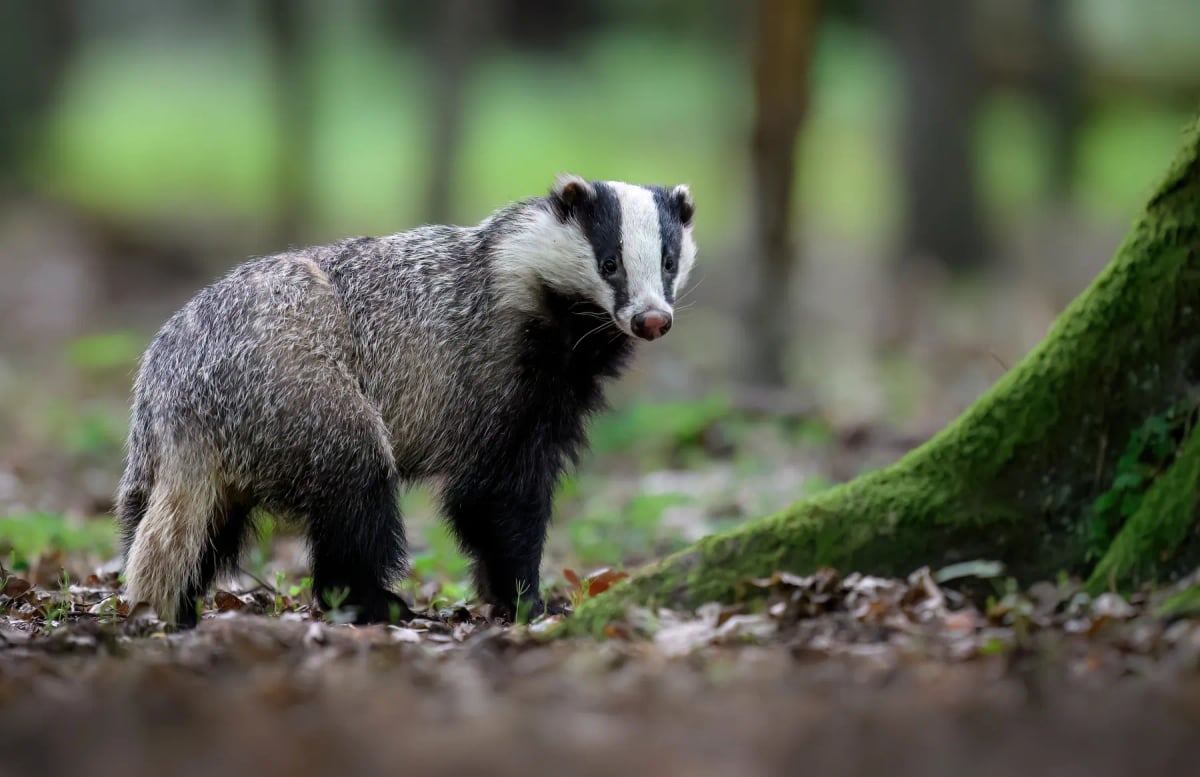
Badger
Meles meles
The Eurasian badger is present across Lithuania in mixed woodland, farmland and forest edges, with a preference for areas where well-drained soils make sett digging easier. It lives in family clans and is nocturnal, rarely seen despite being fairly common in suitable habitats. Lithuanian badgers reduce their activity considerably during winter but remain capable of emerging on milder nights. They feed on earthworms, insects, fruit and small animals throughout the active season.

Brown Bear
Ursus arctos
Brown bears are rare in Lithuania, with only occasional individuals recorded near the border regions shared with Latvia and Belarus. The country lies at the southern edge of the species' Baltic range, and no established resident population is confirmed. Sightings are sporadic and often involve young males dispersing from neighbouring countries. Lithuanian wildlife authorities monitor these movements as part of broader regional conservation efforts.
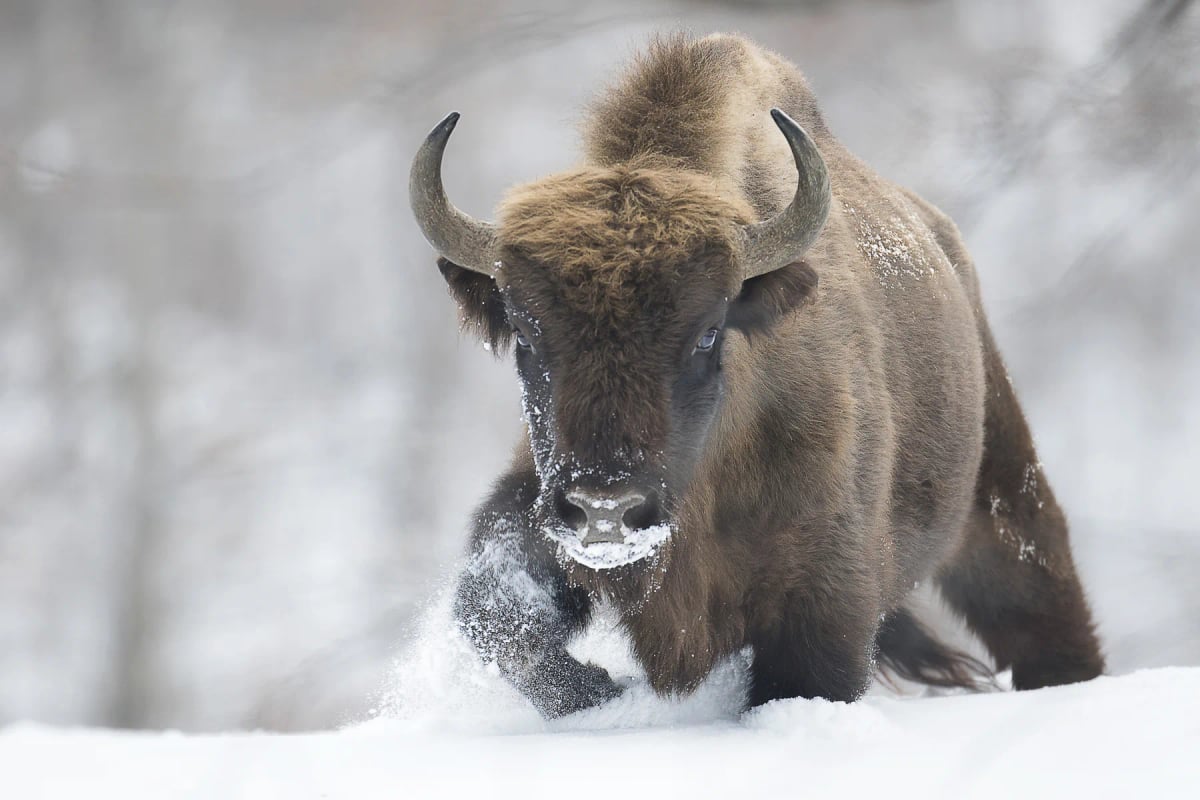
European Bison
Bison bonasus
Lithuania has worked to reestablish European bison within its forests after the species disappeared from the region during the twentieth century. Herds now roam woodland areas where the animals find shelter and browse on seasonal vegetation. Females and young travel together in groups, while adult males tend to live alone outside the rut. Lithuania's forests offer suitable habitat, and conservation programs continue to monitor and support the recovering population. IUCN status: Near Threatened.
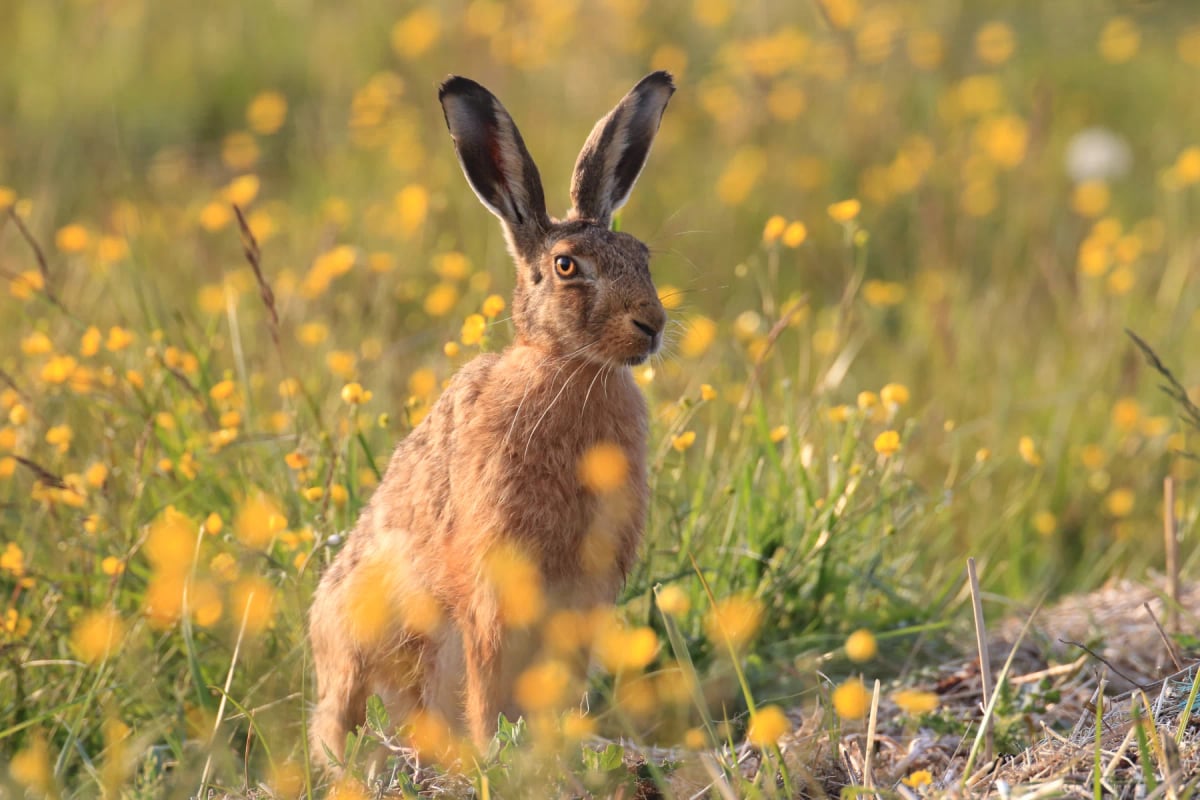
Hare
Lepus europaeus
The European hare is a familiar sight across Lithuania's agricultural plains, meadows, and forest clearings. It feeds on grasses, herbs, and crops, and is most active at dawn and dusk. Like elsewhere in the Baltic region, intensive farming practices have put pressure on local populations. The species is still widespread throughout the country and holds a conservation status of Least Concern on the IUCN Red List.
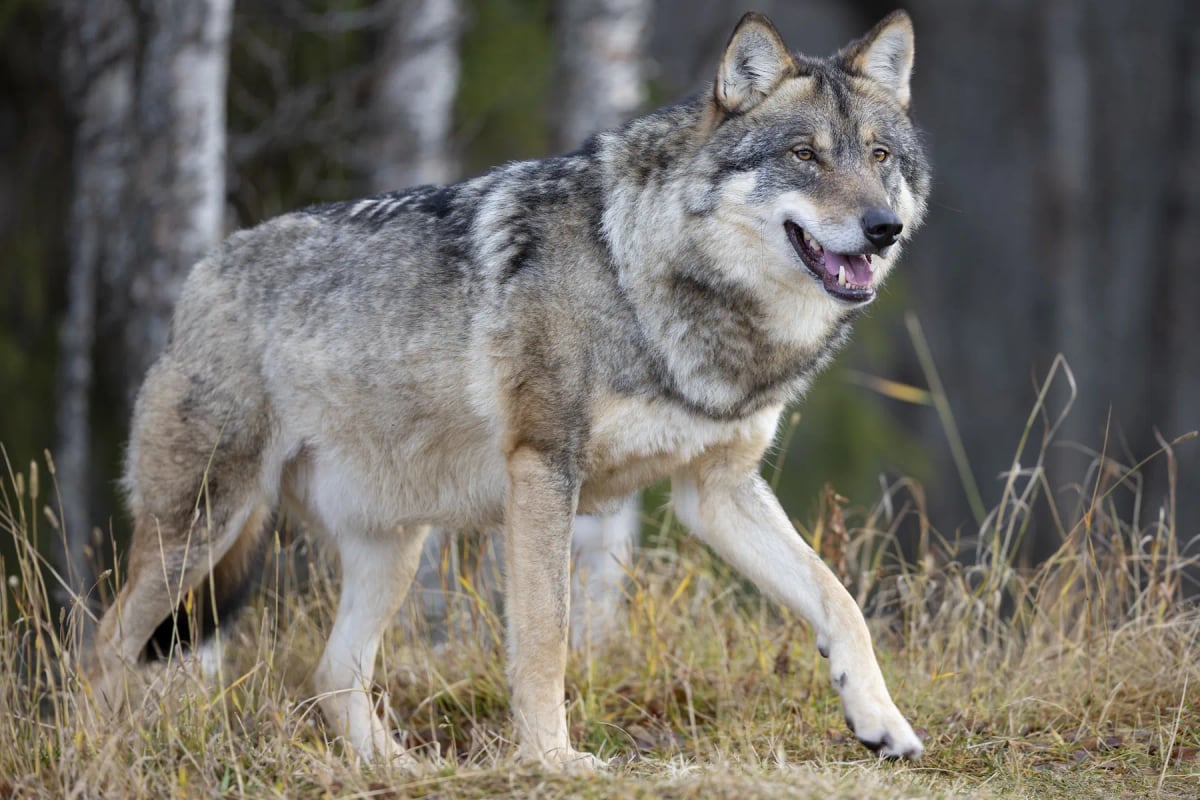
Gray Wolf
Canis lupus
Gray wolves are present throughout Lithuania's forested landscapes, particularly in the east and northeast of the country. The population fluctuates but has generally remained stable, supported by good prey availability in the form of deer and wild boar. Wolves are legally hunted in Lithuania under a quota system aimed at reducing livestock losses. Conservation groups continue to debate the appropriate management level for the species, which is Least Concern globally.
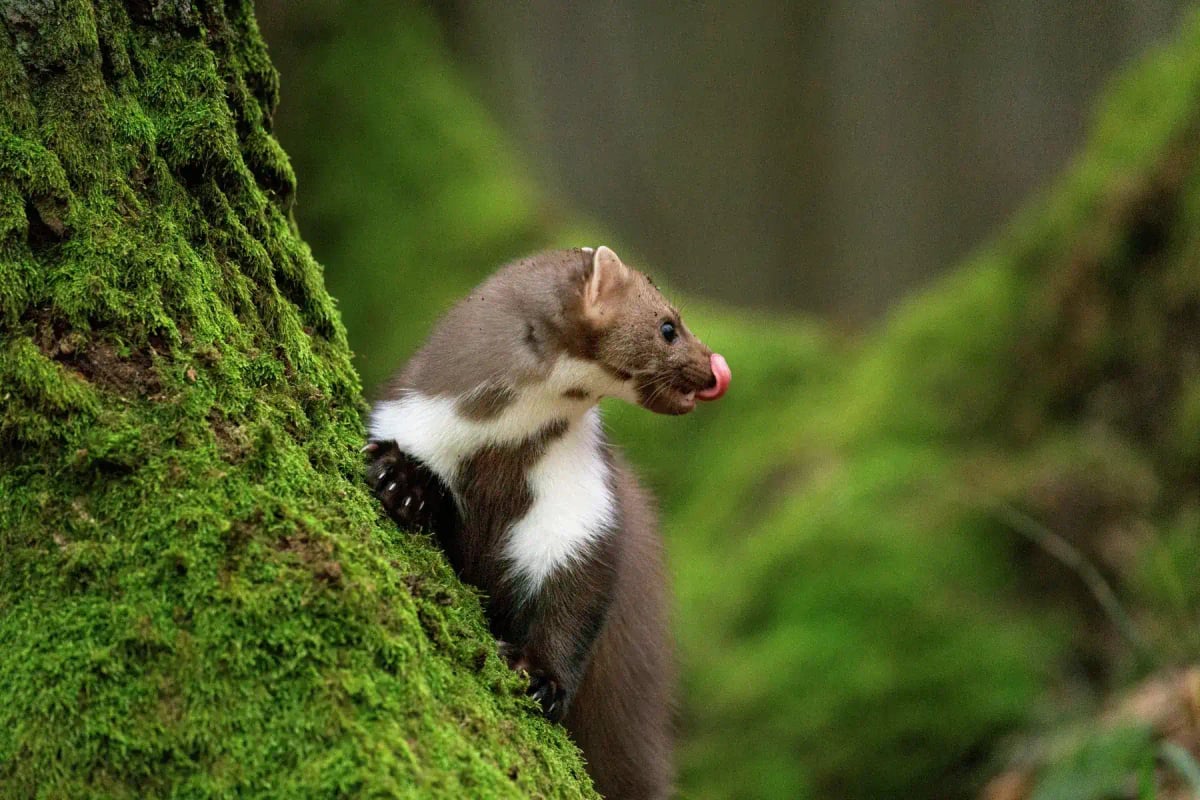
Marten
Martes martes / Martes foina
Lithuania's pine martens are at home in the country's broad stretches of mixed and conifer forest, including the forests of the Dzūkija region in the south. They are skilled climbers and spend much of their time in the tree canopy, hunting squirrels and birds. On the ground, they also take rodents and seasonal fruit. Lithuania's protected forest areas provide essential refuge and breeding habitat for this nimble carnivore. Its IUCN status is Least Concern.
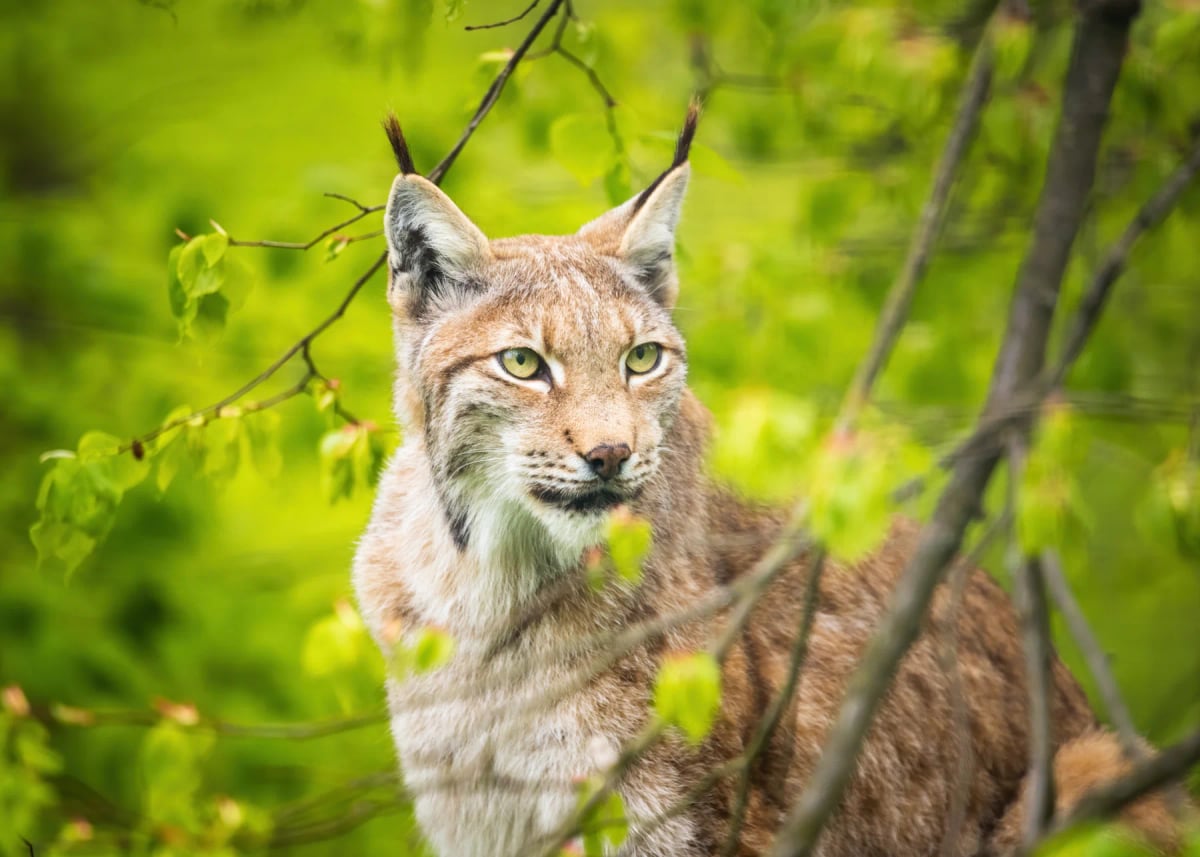
Eurasian Lynx
Lynx lynx
The Eurasian Lynx lives in the mixed and coniferous forests of Lithuania, where it preys mainly on roe deer and hares. The population is small but present, and its recovery has been supported by forest protection efforts across the country. Shy and active mainly at night, it is seldom spotted despite sharing woodland with hikers and hunters. The IUCN lists it as Least Concern.
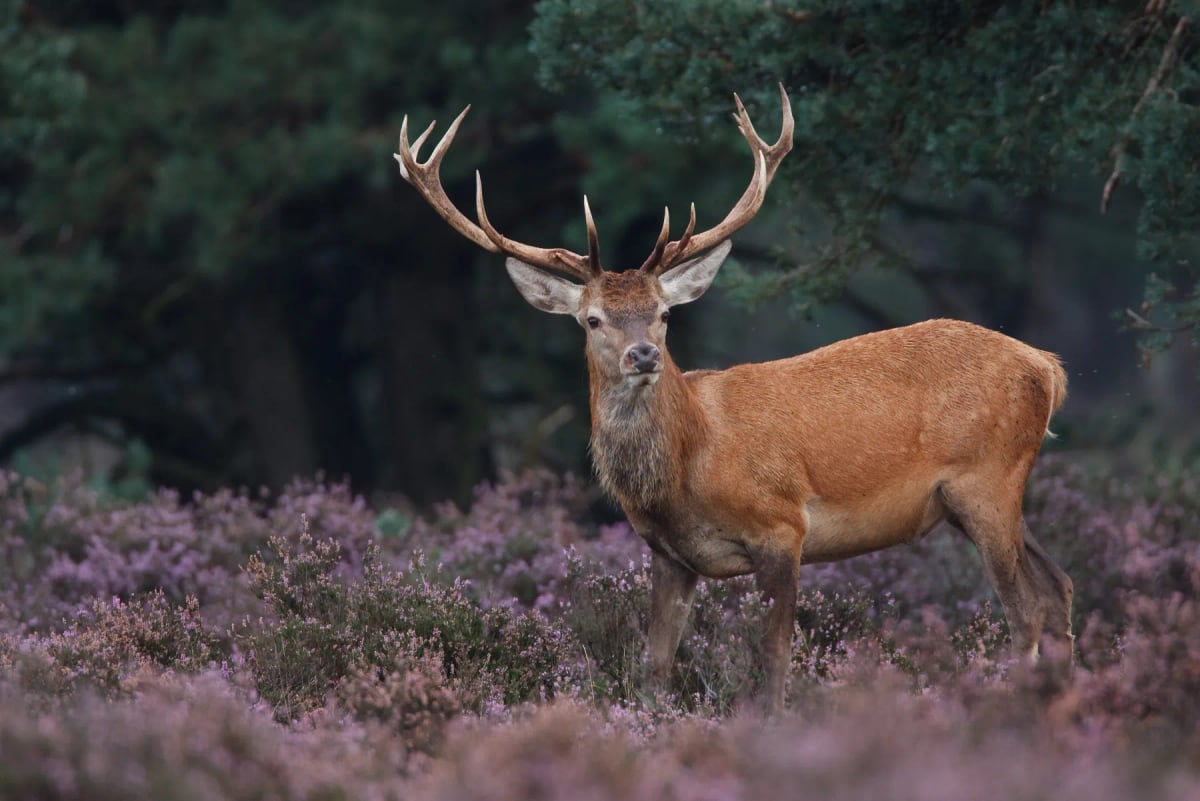
Red Deer
Cervus elaphus
Red deer (Cervus elaphus) roam the forests and wetland edges of Lithuania, where populations have recovered well following historical declines. The Dzūkija region, with its vast pine and mixed forests, provides important habitat. Stags shed and regrow their antlers every year and are heard bellowing across the woodland during the autumn rut. Regulated hunting and habitat protection have helped keep this species stable. The IUCN lists it as Least Concern.
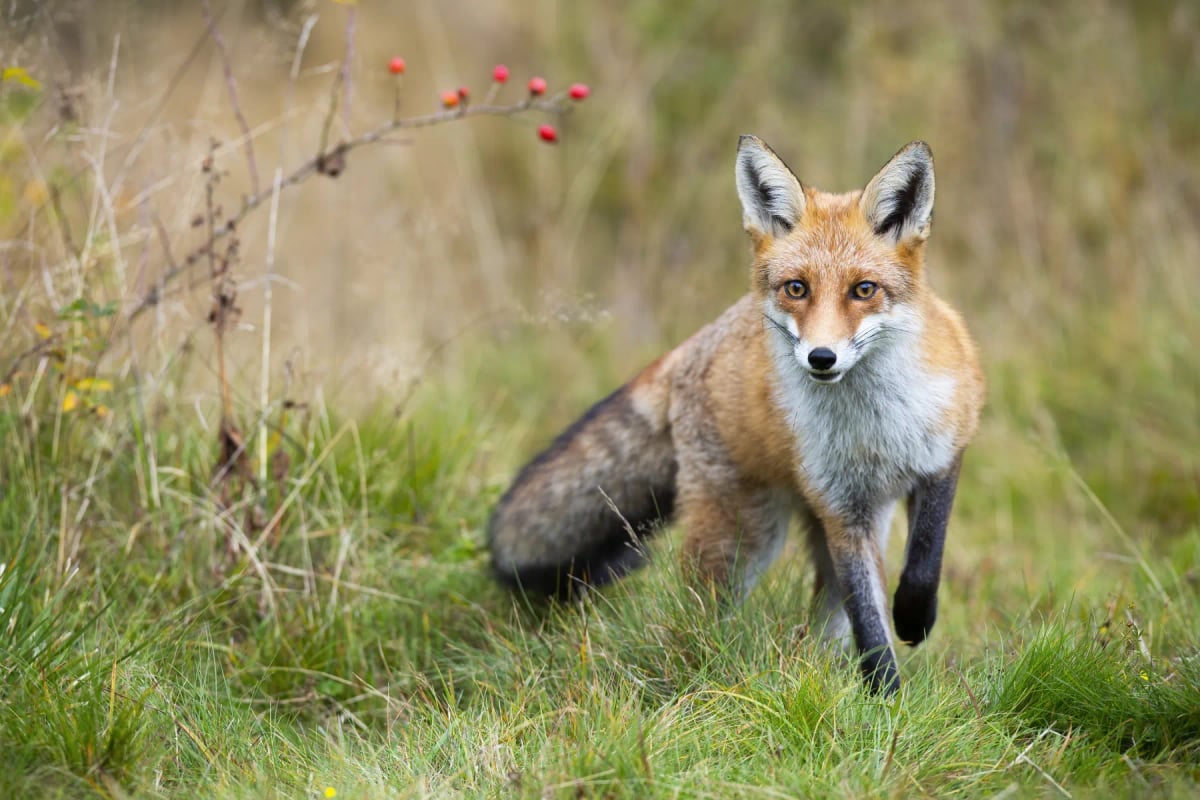
Red Fox
Vulpes vulpes
In Lithuania, the red fox is a common resident of mixed forests, farmland, and river valleys. It thrives in the country's mosaic of woodland and open countryside, where rodents are plentiful. Foxes also venture into villages and the edges of cities like Vilnius. Hunting and mange outbreaks periodically affect local populations, but overall numbers remain stable. It holds Least Concern status globally.
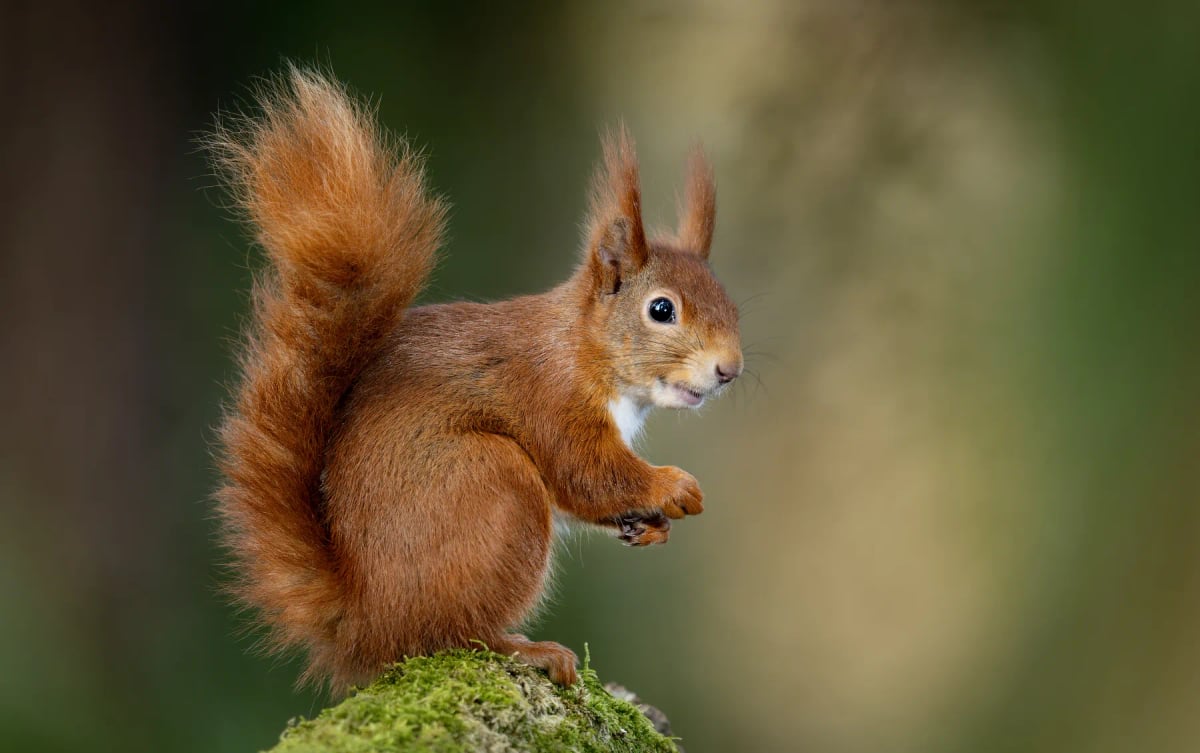
Red Squirrel
Sciurus vulgaris
The red squirrel is widespread across Lithuania, living in the pine and mixed forests that dominate the country's landscape. It is an active forager year round, relying on stored nuts and seeds during the harsh Baltic winters. Lithuania's forests remain largely intact, supporting a stable population. The squirrel is also spotted in larger parks and green spaces within cities such as Vilnius and Kaunas.
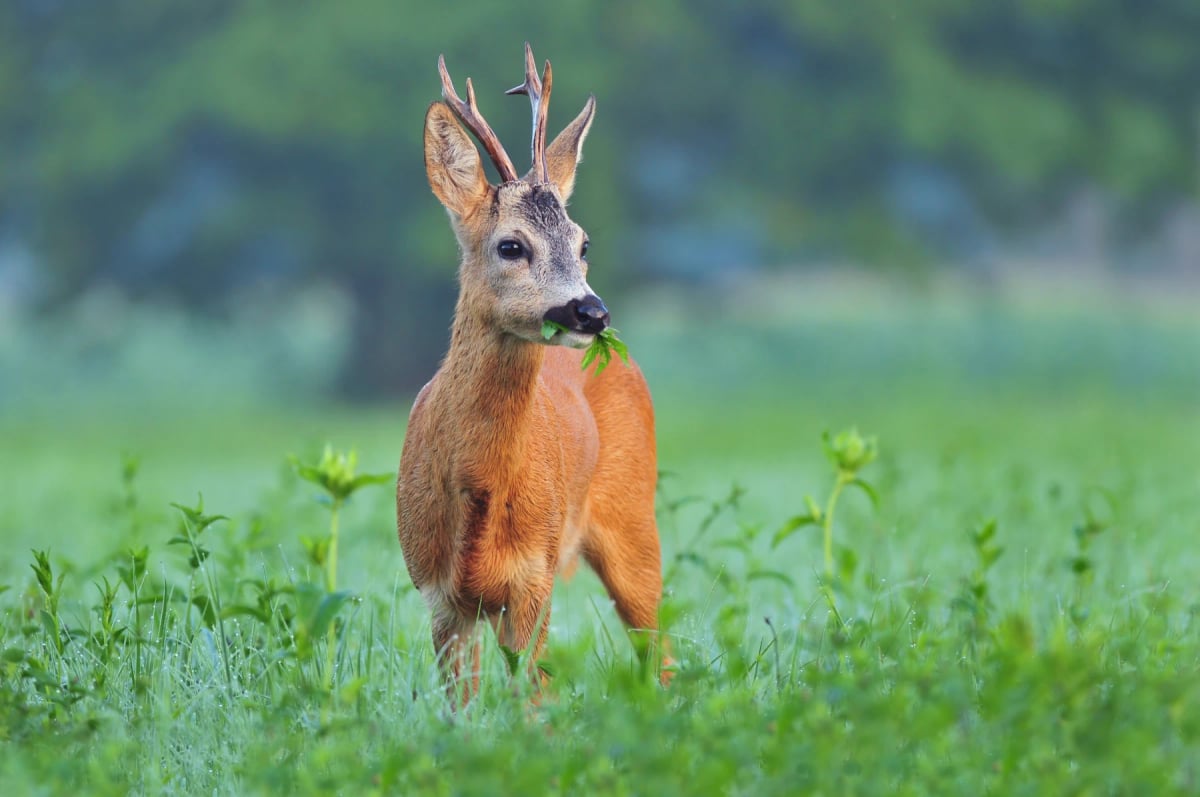
Roe Deer
Capreolus capreolus
The roe deer is one of the most familiar wild mammals in Lithuania, present in forests, farmland, and river valleys across the entire country. It is especially visible in the mixed woodlands of Dzūkija and the agricultural landscapes of Žemaitija, where fields and forest patches sit side by side. Populations are healthy and have grown over recent decades. The species is managed as a game animal, with annual hunting quotas set to keep numbers in balance with the habitat.
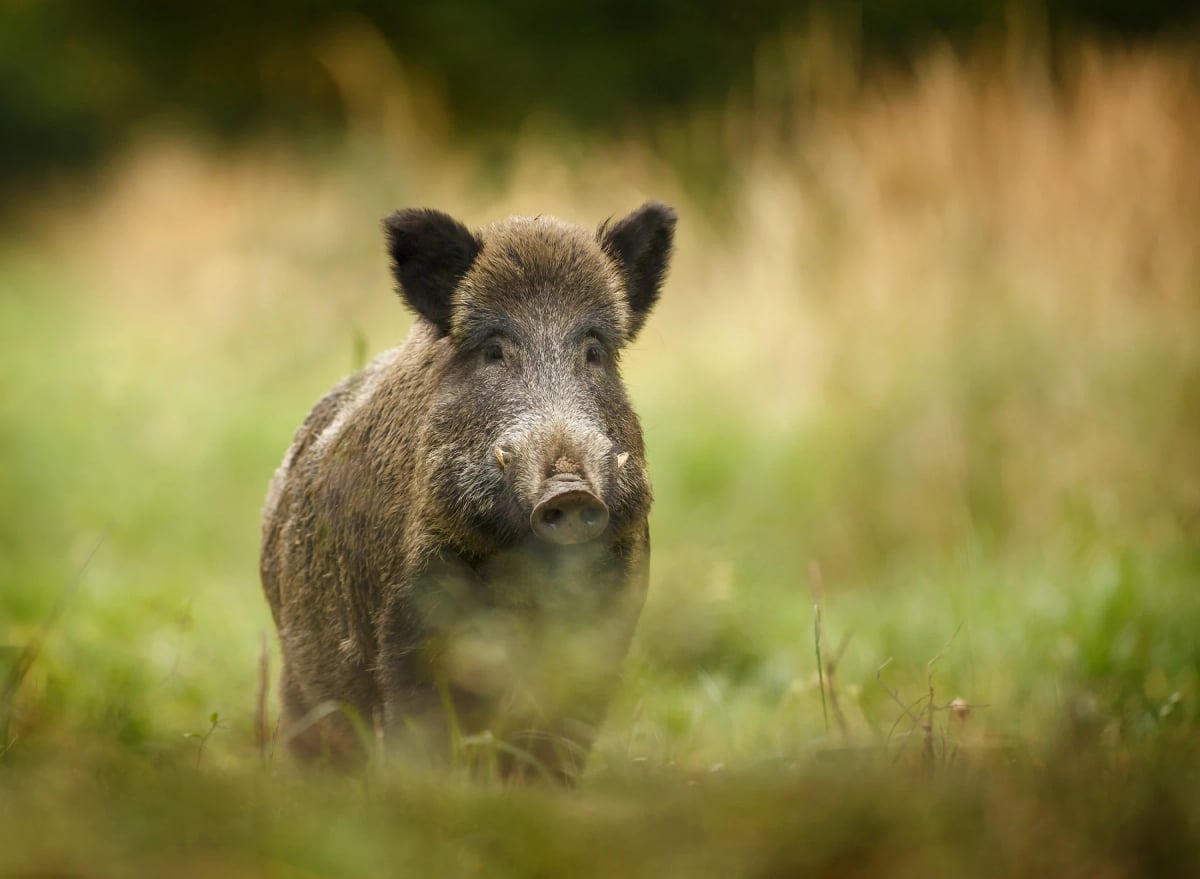
Wild Boar
Sus scrofa
Wild boars are widespread across Lithuania's forests, where they have long been one of the most popular game species. In recent years, outbreaks of African swine fever led authorities to carry out large scale culling, significantly reducing the wild boar population in many regions as part of efforts to limit the disease's spread among wild and domestic pigs. Numbers are now closely monitored in forested and agricultural areas alike.
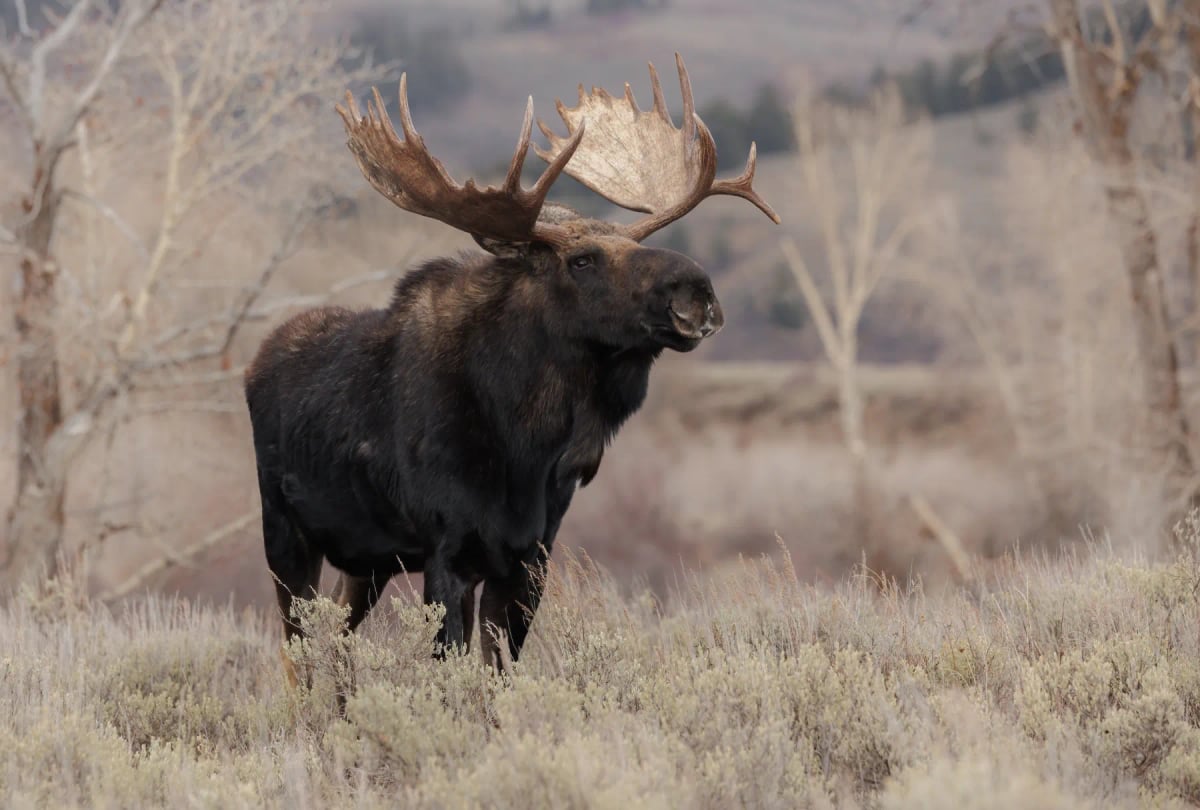
Moose
Alces alces
In Lithuania, moose roam the boreal and mixed forests of the northeast, particularly around the wetlands of Aukštaitija National Park. They are a familiar presence near rivers and marshy ground, where willows and aquatic vegetation grow in abundance. Population numbers have fluctuated due to hunting pressure and habitat change, but moose remain a well-established part of Lithuania's wildlife. IUCN status: Least Concern.
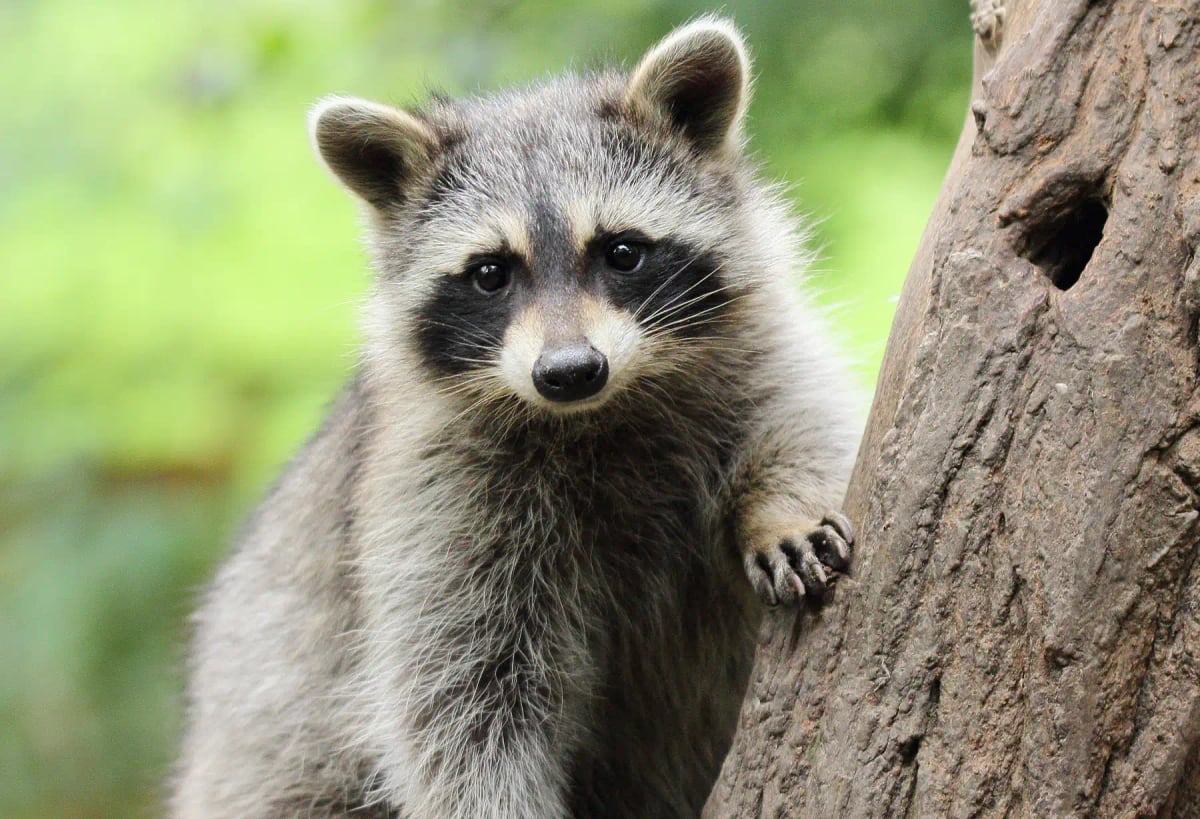
Raccoon
Procyon lotor
Raccoons reached Lithuania as part of their broader spread across Eastern Europe, appearing mainly in forested areas near rivers and wetlands. Their presence in the country is relatively recent and populations remain patchy. Lithuanian wildlife authorities monitor them as an invasive species under European Union regulations. They tend to settle near water, where they forage for fish, frogs, and invertebrates among the reeds and riverbanks.
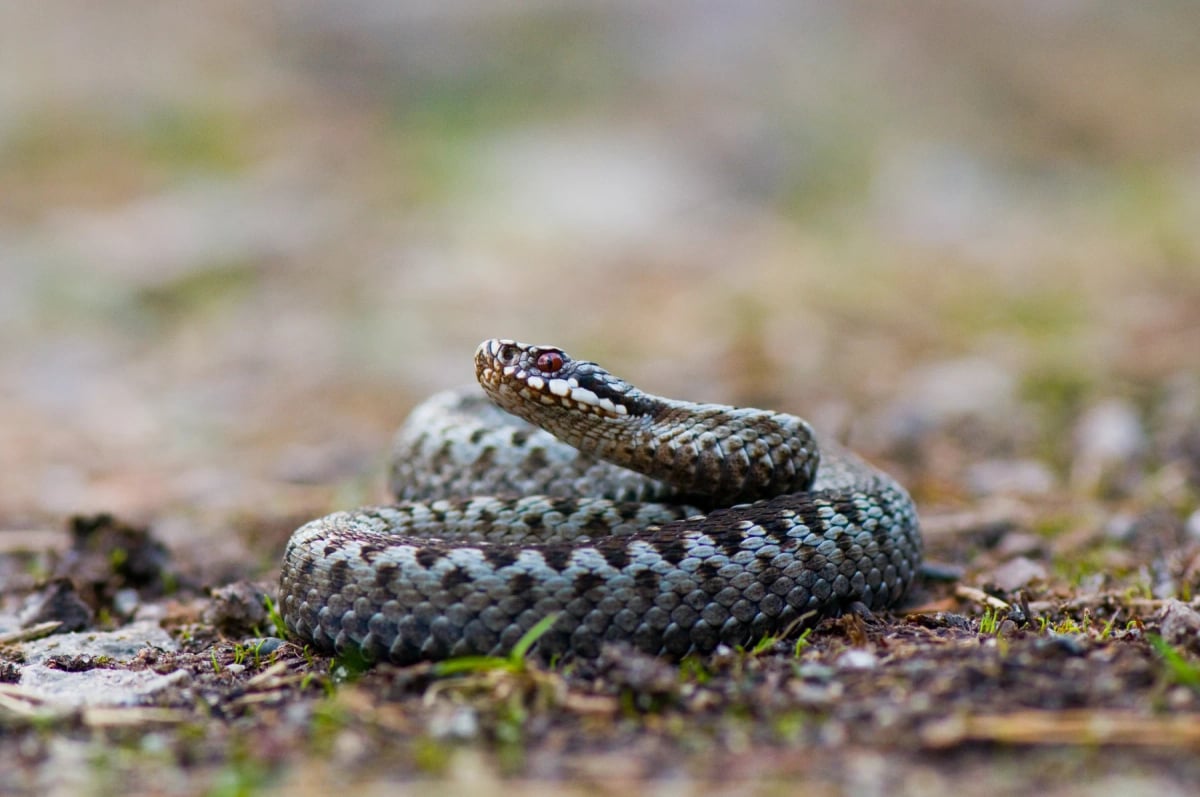
European Adder
Vipera berus
In Lithuania, the European adder is widely distributed and the country's only venomous snake. It lives in forests, wetlands, and heathlands, and is particularly associated with boggy habitats in the lowland areas that cover much of the country. It plays an important role in local ecosystems as a predator of small mammals and lizards. Though it is legally protected, it is still sometimes killed out of fear. Its IUCN status is Least Concern.
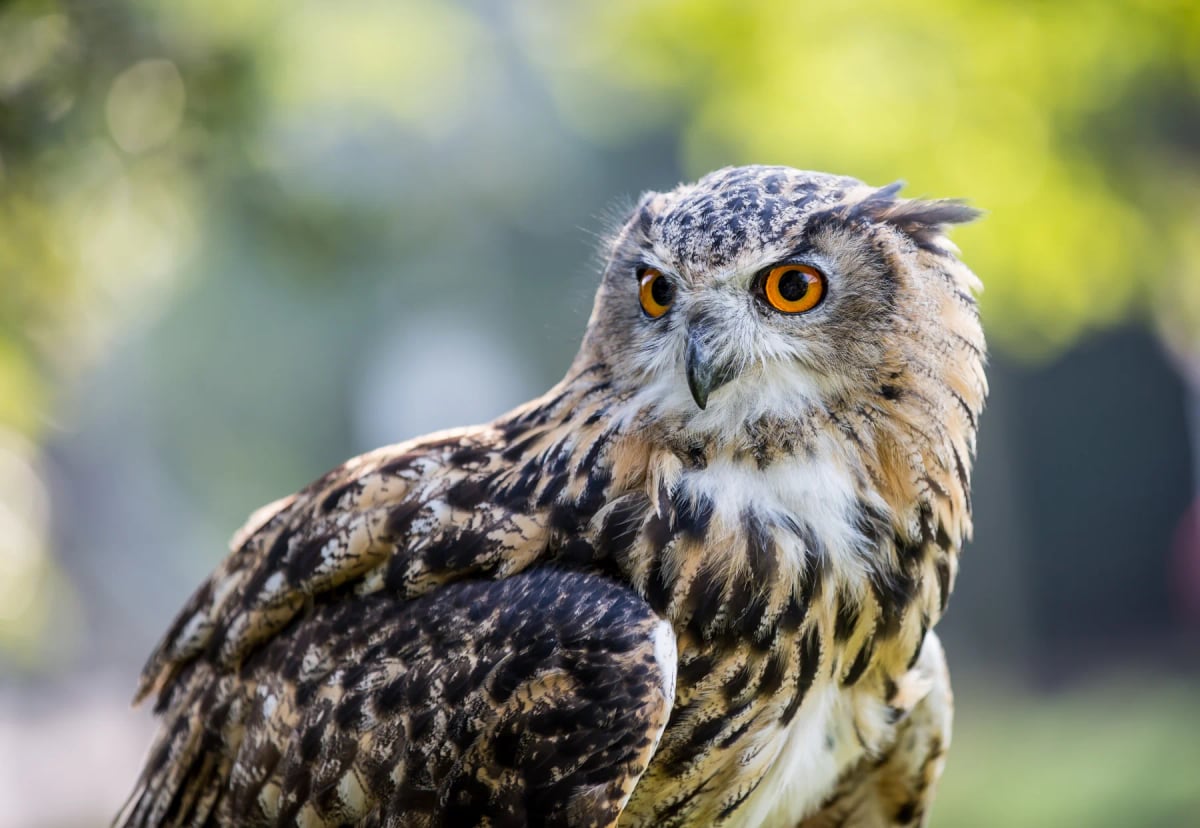
Eagle Owl
Bubo bubo
The Eurasian eagle owl is present in Lithuania in small numbers, typically nesting on rocky slopes, forest edges, and in active or disused quarries. It hunts at night over open fields and woodland, taking hares, rodents, and occasionally larger birds. The population has benefited from hunting bans introduced across Europe. With its striking orange eyes and large ear tufts, it is instantly recognizable. The IUCN lists it as Least Concern.
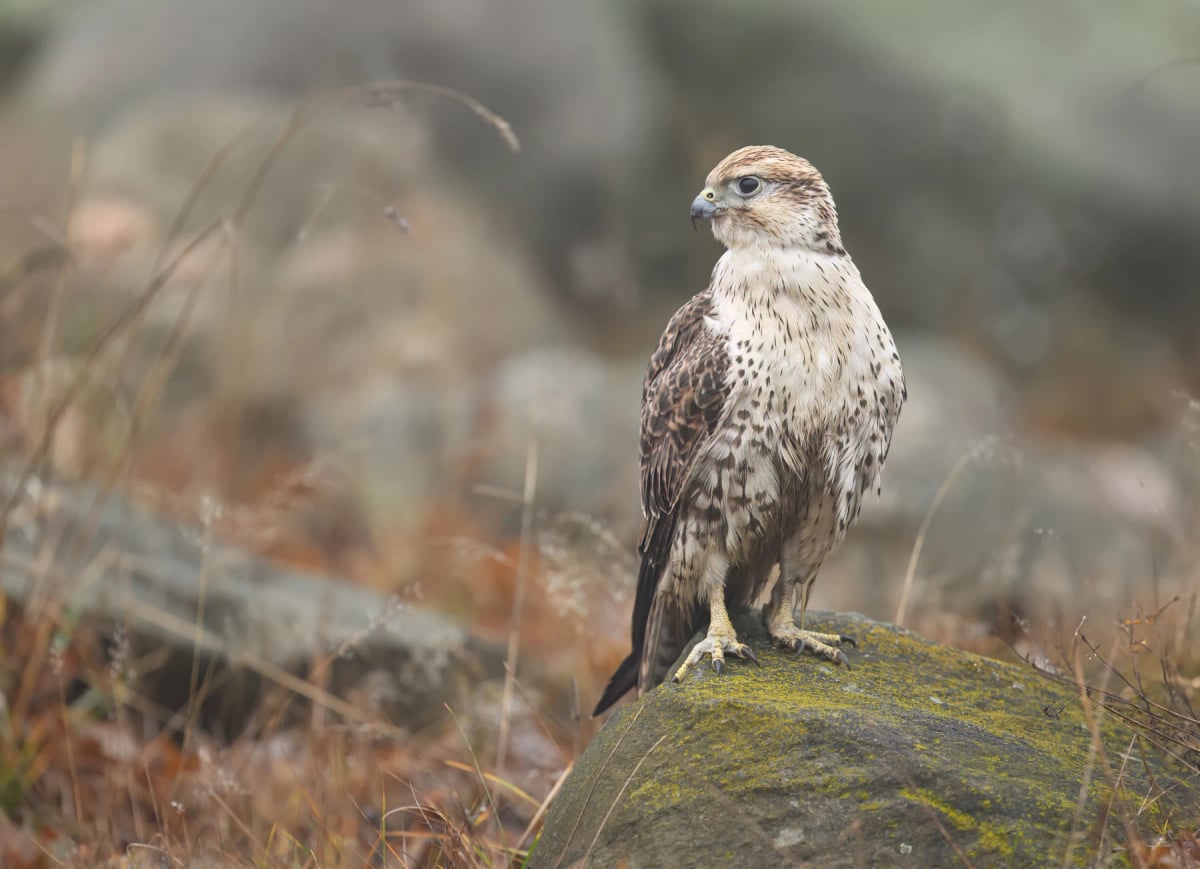
Saker Falcon
Falco cherrug
Lithuania sits at the northwestern edge of the saker falcon's range, where the bird appears as a rare but documented visitor during migration. Open farmland and river valleys in the country could offer temporary foraging opportunities as birds move between breeding and wintering grounds. Its extreme rarity in Lithuania makes any sighting noteworthy. Globally, the IUCN classifies the saker falcon as Endangered.
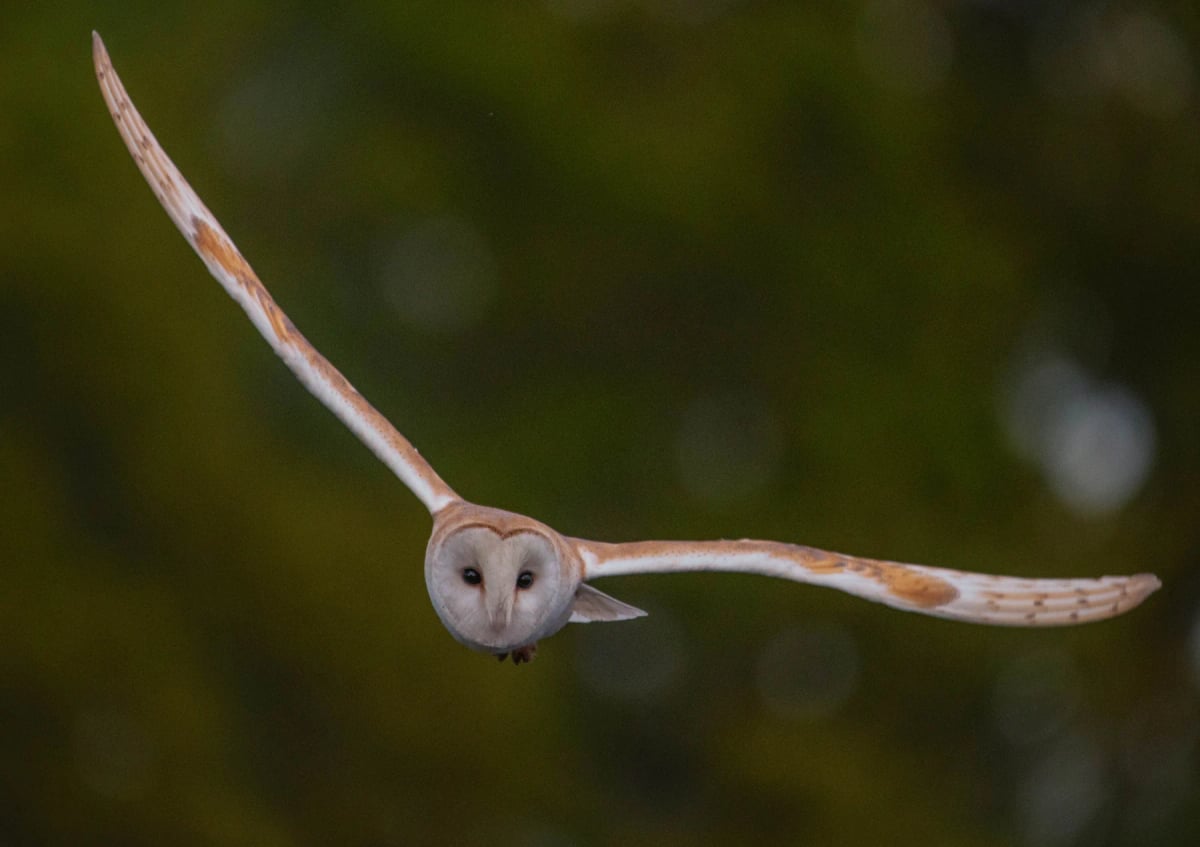
Barn Owl
Tyto alba
The barn owl is a rare and locally threatened resident in Lithuania, found mainly in the western lowlands and the Nemunas Delta region where open farmland and old buildings provide suitable habitat. Cold winters cause significant mortality and limit population size. It is considered one of the rarest breeding owls in the country and receives specific conservation attention. Nest box programs have been implemented in several areas to support the small breeding population, which is monitored closely by Lithuanian ornithological organizations.
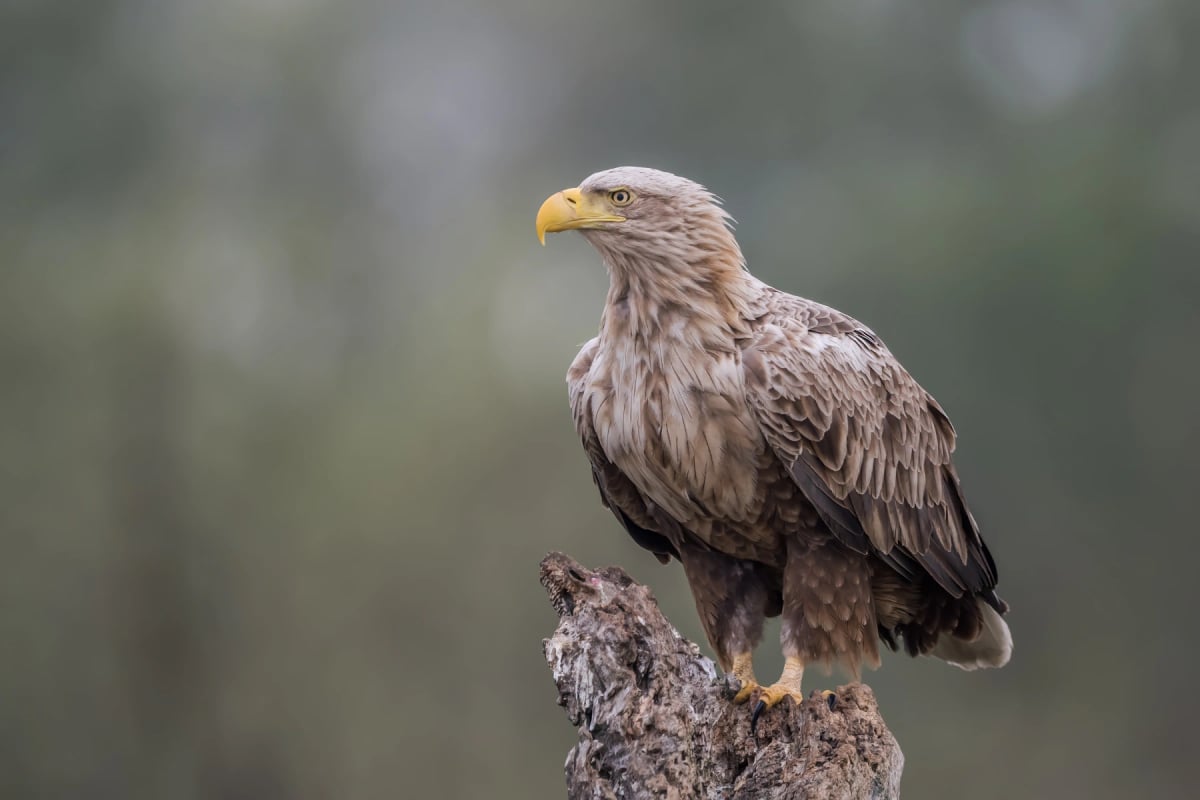
White tailed Eagle
Haliaeetus albicilla
Lithuania supports a growing breeding population of white tailed eagles, particularly along the Nemunas River delta and the Curonian Lagoon on the Baltic coast. These wetland landscapes offer abundant fish and waterfowl throughout the year. Conservation programs and legal protection have helped the species recover steadily. It is listed as Least Concern, though eagles here can still be affected by water pollution and disturbance at nest sites.
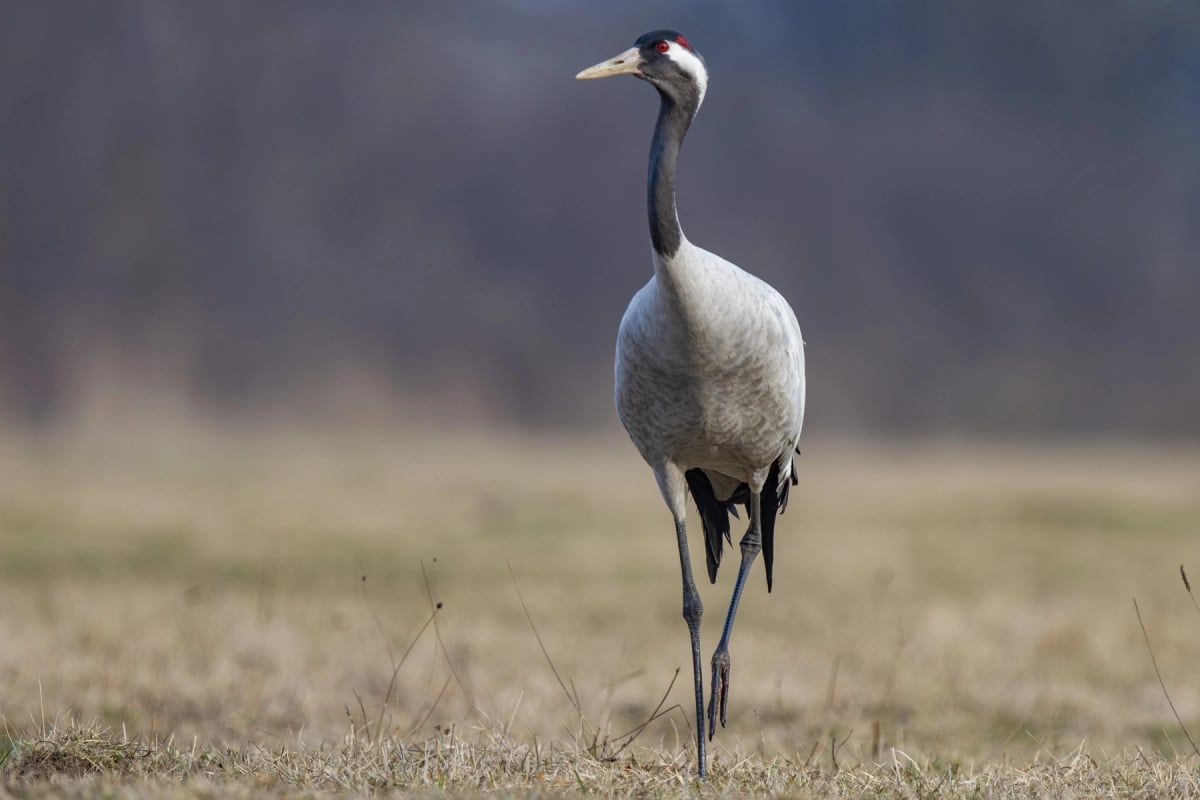
Crane
Grus grus
Common cranes breed across Lithuania in lowland bogs, wet meadows and forest clearings. The country is part of the Baltic flyway, and in autumn the skies above Lithuanian fields fill with migrating flocks heading southwest. Key staging areas attract thousands of birds each season. Lithuania's network of protected areas safeguards important wetland habitats used by cranes throughout the year. Globally the species is classified as Least Concern, and populations in the Baltic region are considered stable.
Stork
Ciconia ciconia
Lithuania is home to a healthy white stork population, with thousands of pairs breeding across the country each summer. The species thrives in the wet meadows, river floodplains, and farmland that cover much of the Lithuanian countryside. Stork nests on wooden poles are a common and beloved sight in rural areas. Lithuania celebrates the stork as a national symbol, and the bird features prominently in local folklore and tradition. IUCN status: Least Concern.
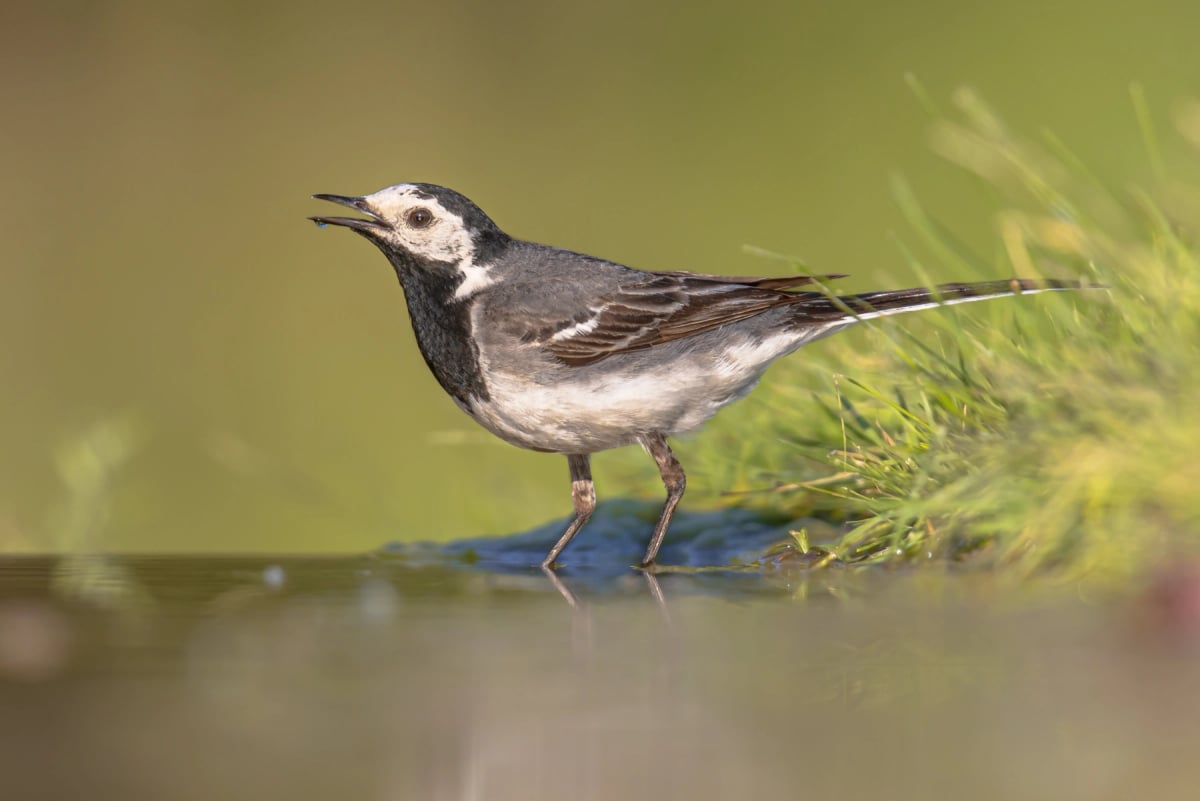
White Wagtail
Motacilla alba
The white wagtail is one of Lithuania's most recognisable spring arrivals, returning each year to nest along the Nemunas and Neris rivers, around lakes and on farmland. It runs with quick, darting movements across open ground, snapping up insects. By autumn, nearly all birds head south toward Africa. Its cheerful bobbing tail makes it easy to spot. Its IUCN status is Least Concern.
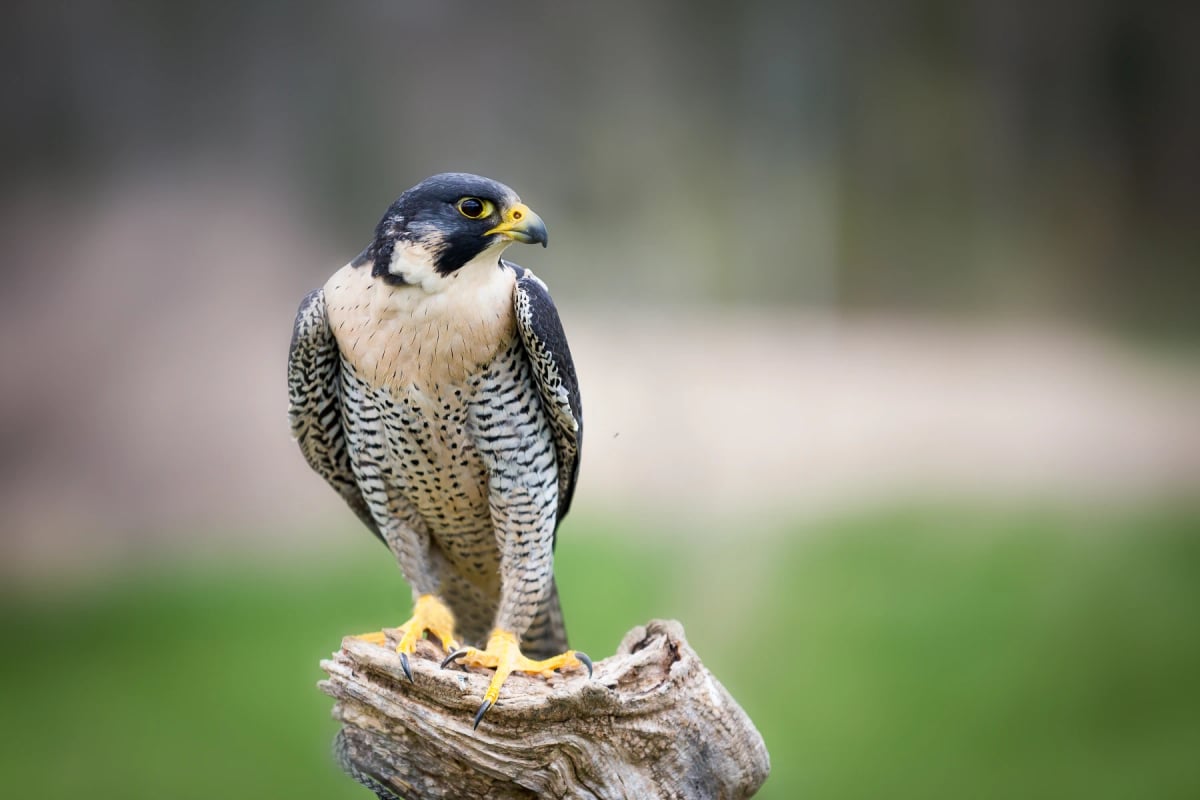
Peregrine Falcon
Falco peregrinus
In Lithuania, the peregrine falcon was once nearly absent as a breeding bird, but recovery efforts and the banning of DDT helped populations return. Today it nests in a small number of sites, often in tall forests near wetlands and river valleys. During migration, larger numbers pass through the country. Lithuania's wetland reserves and river floodplains serve as important stopover areas. The IUCN lists this species as Least Concern.
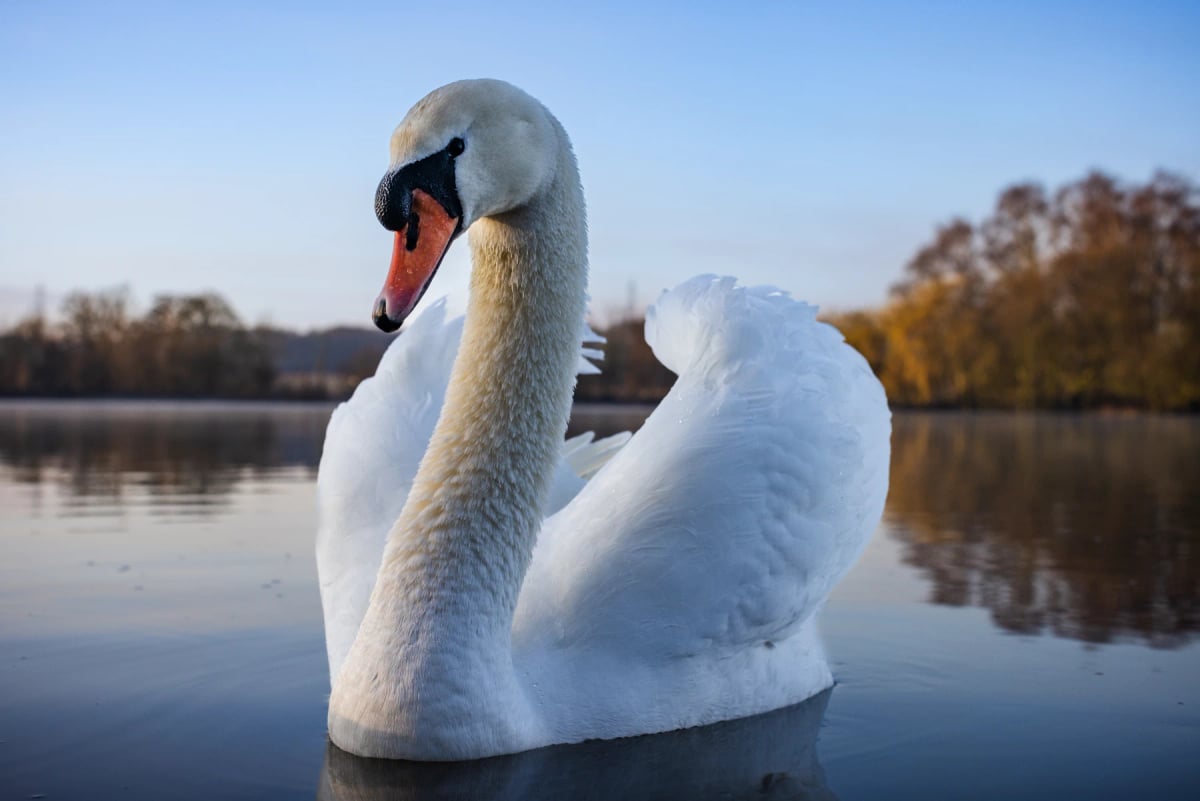
Mute Swan
Cygnus olor
In Lithuania, the mute swan is a familiar sight on lakes, slow rivers, and coastal lagoons, including the famous Curonian Lagoon near the Baltic coast. Pairs bond over many years and raise their young together in nests built among waterside vegetation. Numbers have grown steadily in recent decades, reflecting the health of Lithuania's freshwater habitats. The IUCN considers this species to be of Least Concern.
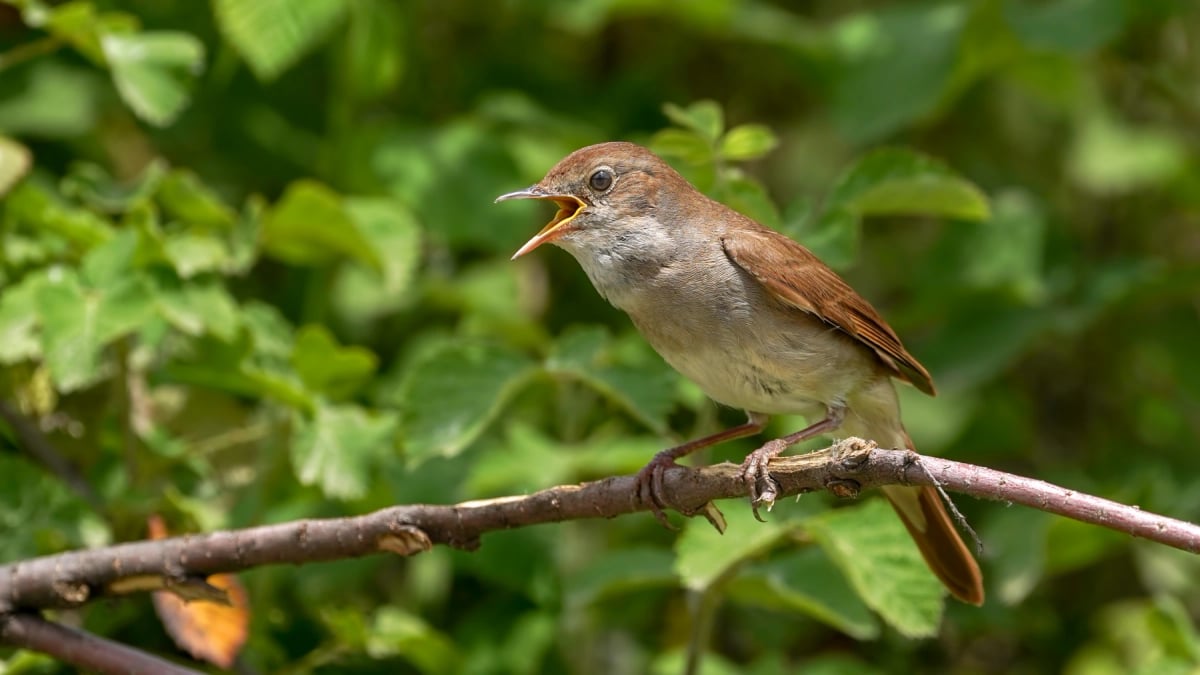
Nightingale
Luscinia megarhynchos
Lithuania falls within the breeding range of the nightingale, and the bird is a regular summer visitor across much of the country. It favours dense riverside thickets, mixed scrub, and the shrubby edges of broadleaved forests. The Nemunas and Neris river valleys are among the areas where it is most consistently heard. Males are at their most vocal in May, singing both by day and through the night to attract a mate.
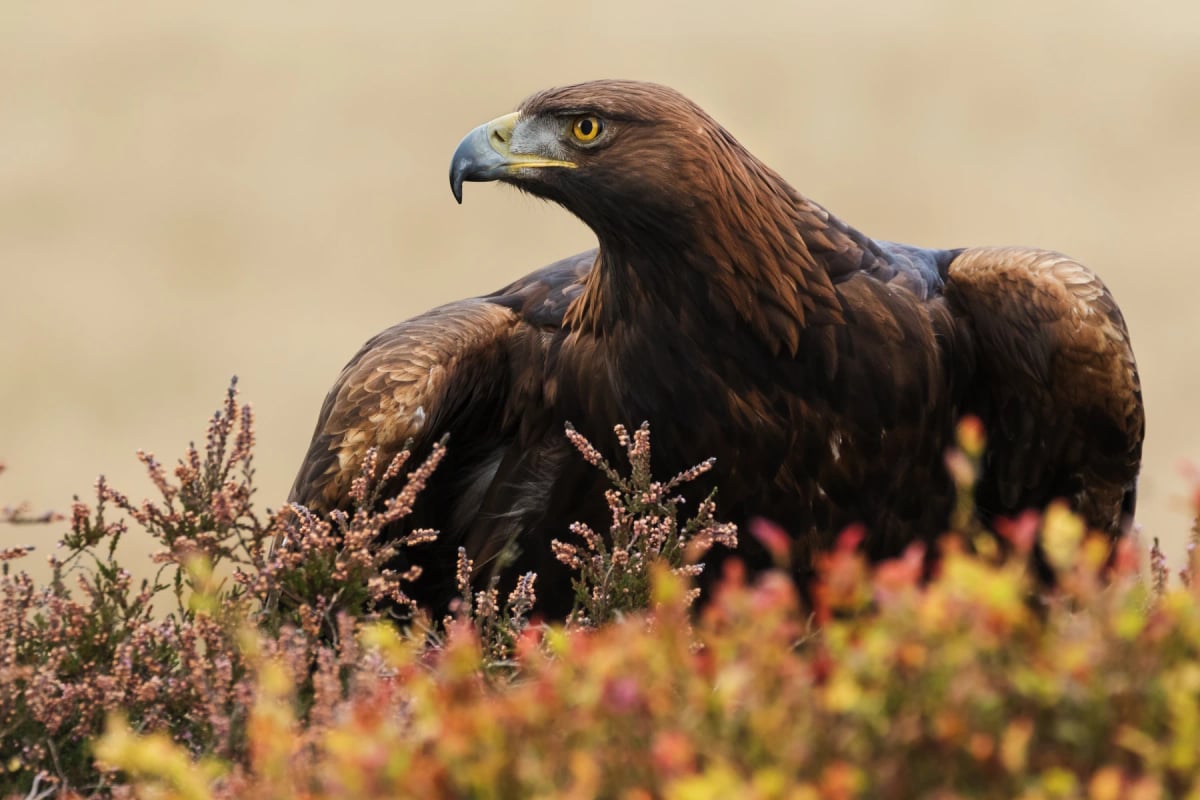
Golden Eagle
Aquila chrysaetos
The golden eagle is a rare but regular breeding species in Lithuania, nesting in remote forests and near large wetlands and river valleys. The country supports a small population that conservationists monitor closely. It hunts over open farmland and bogs, taking hares and waterfowl. Lithuania protects the species under national and EU wildlife legislation. The IUCN lists it as Least Concern globally.
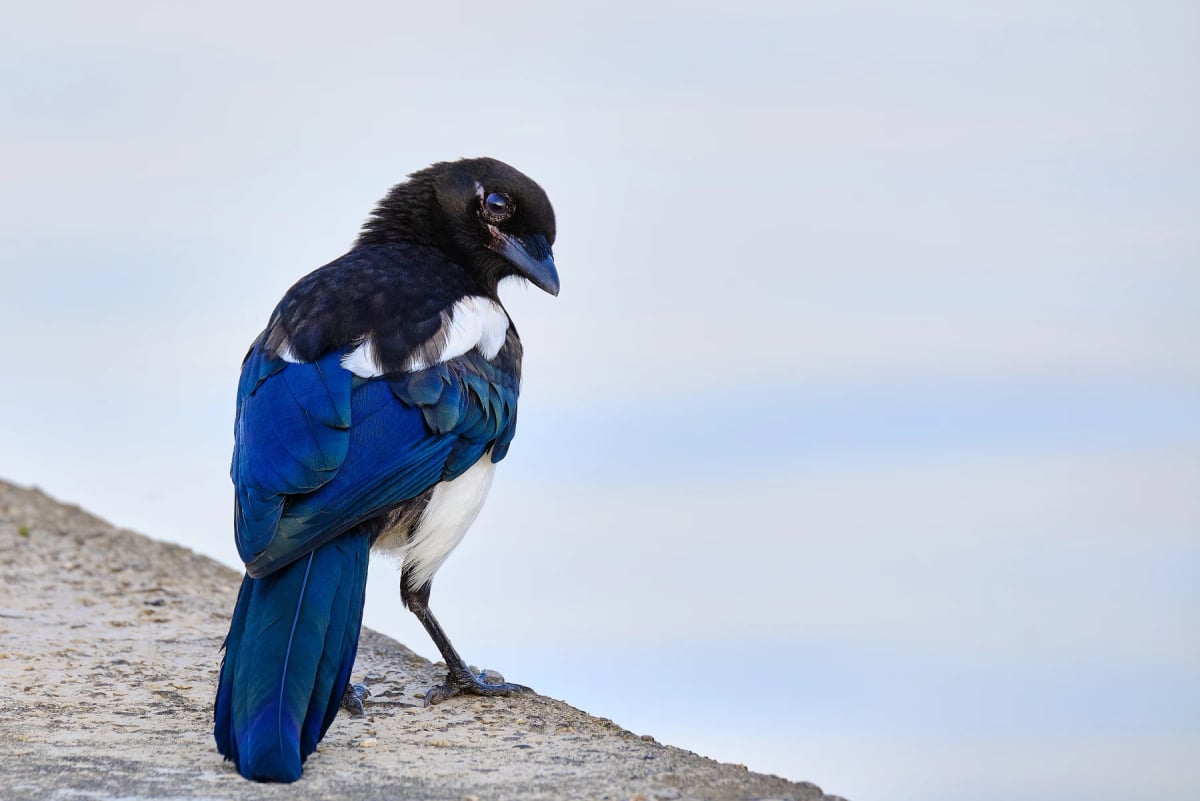
Eurasian Magpie
Pica pica
Across Lithuania, the Eurasian Magpie is a well-established resident of farms, parks, and mixed woodland edges. It adapts easily to life near people and is a common presence in city gardens and village outskirts. During winter it often gathers in small groups near sources of food. Known for its intelligence, it can recognize familiar individuals. Its IUCN status is Least Concern, and it is widespread throughout the country.
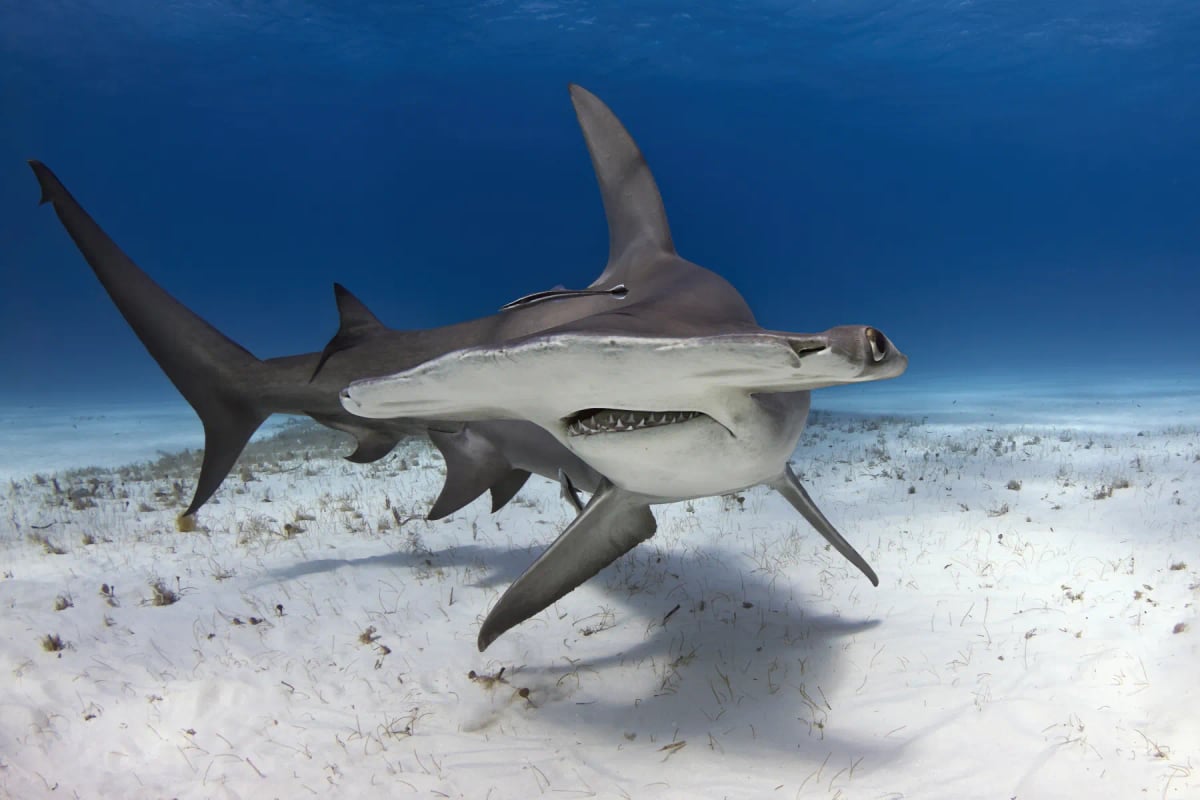
Hammerhead Shark
Sphyrna spp.
Lithuania has a short coastline on the Baltic Sea, where hammerhead sharks are not established residents. Lithuanian fishing vessels operating in Atlantic waters may encounter these sharks in their wider range. The global crisis facing hammerhead populations, driven by overfishing and the fin trade, affects the entire Atlantic basin. Several hammerhead species hold Critically Endangered status on the IUCN Red List.
Researched and written by Juan Pablo. Sources: IUCN Red List, scientific literature and regional field guides. Last updated: .