Animals in Slovenia
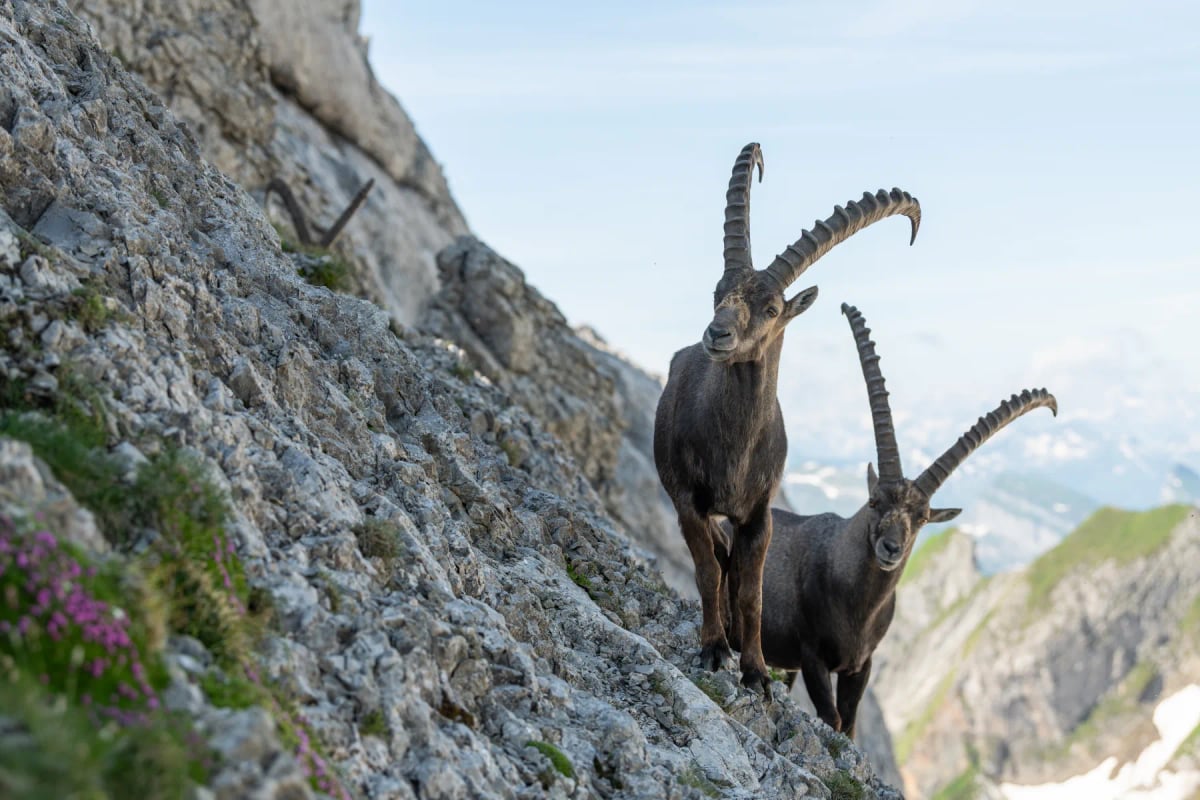
Alpine Ibex
Capra ibex
The alpine ibex is widely used as a national symbol in Slovenia. It lives on rocky slopes in the Julian Alps and is linked to mountain safety signs, club logos and local festivals. Small groups feed on grass above the tree line and rest on cliffs. Museums and park displays use the ibex to explain life at high altitude and why careful protection brought the species back.
View details→Wildlife in Slovenia
Slovenia brings together the Julian Alps, deep forests, rivers and a short Adriatic coast. Triglav National Park has clear trails to lakes and viewpoints, and boats cross Lake Bled and Lake Bohinj in summer. Karst areas add caves and springs near Postojna and Skocjan. Deer, bears and many birds live close to towns, so day trips often mix city stays with simple nature watching.
Most Dangerous Animals in Slovenia
Wildlife risks in Slovenia relate to habitat and season. In mountain forests, brown bears and wild boar can be defensive near food in late summer. Gray wolf keeps its distance but may pass near farms at night. The elusive Eurasian lynx is rarely seen. European adders rest on sunny rocks in warm months. Off the coast, great white and hammerhead sharks are rare visitors in deep Adriatic waters.
Top 10 Animals in Slovenia
Our Top 10 for Slovenia highlights red deer, brown bear, Eurasian lynx, gray wolf, peregrine falcon and great white shark. Deer are common at forest edges, while bears, wolves and the shy lynx keep the wild image of Kocevje and the Dinaric slopes. Peregrines nest on cliffs and tall bridges. Far offshore, the great white belongs to deep Adriatic waters and adds a clear marine note to a list led by mountain wildlife.
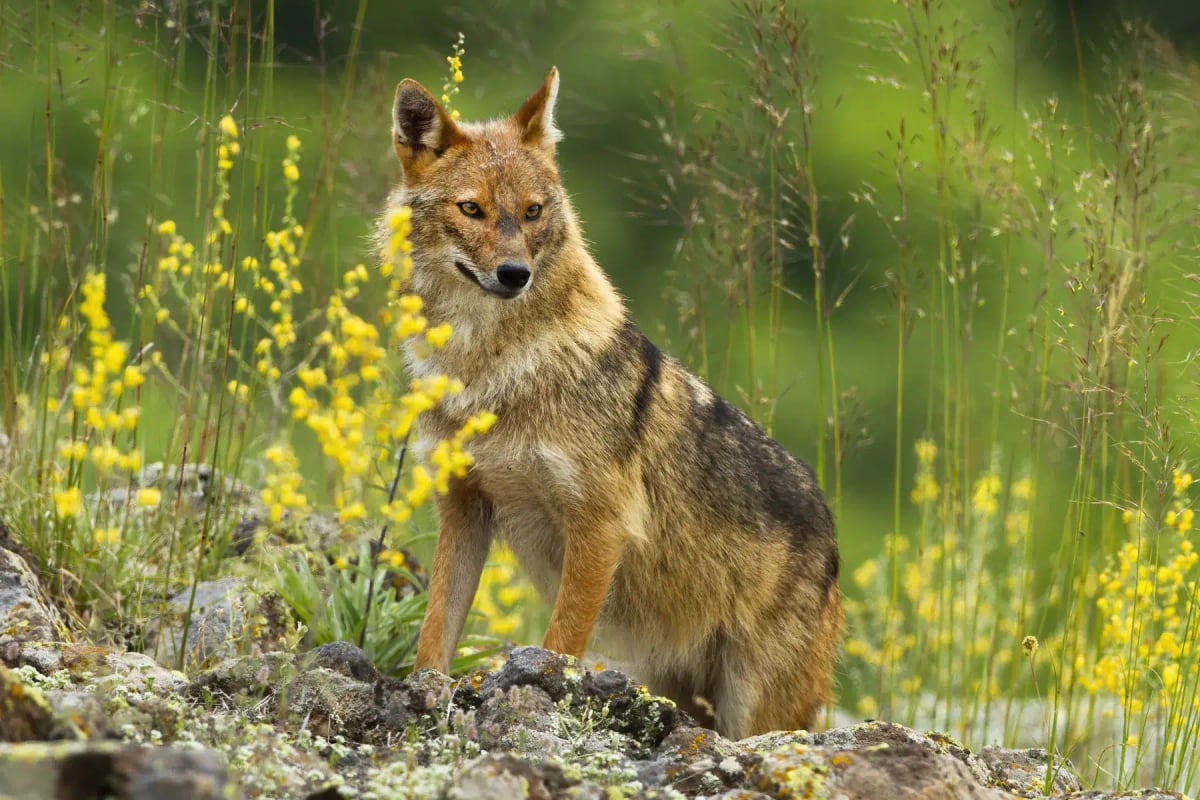
Golden Jackal
Canis aureus
Slovenia has seen golden jackals establish a foothold over recent decades, with confirmed sightings in the Karst region and the lowlands near the Croatian border. The species spread here as part of a broader expansion across the western Balkans. It uses scrubland, forest edges, and agricultural areas. Its IUCN status is Least Concern.
Alpine Ibex
Capra ibex
The Alpine ibex was reintroduced in Slovenia in the second half of the twentieth century, with animals released in the Julian Alps near Triglav National Park. The population has grown steadily and today numbers in the hundreds. Triglav, Slovenia's only national park, provides ideal habitat with its rugged limestone terrain and high alpine meadows. The ibex shares these mountains with chamois and is considered one of the most emblematic large mammals of Slovenian alpine wilderness.
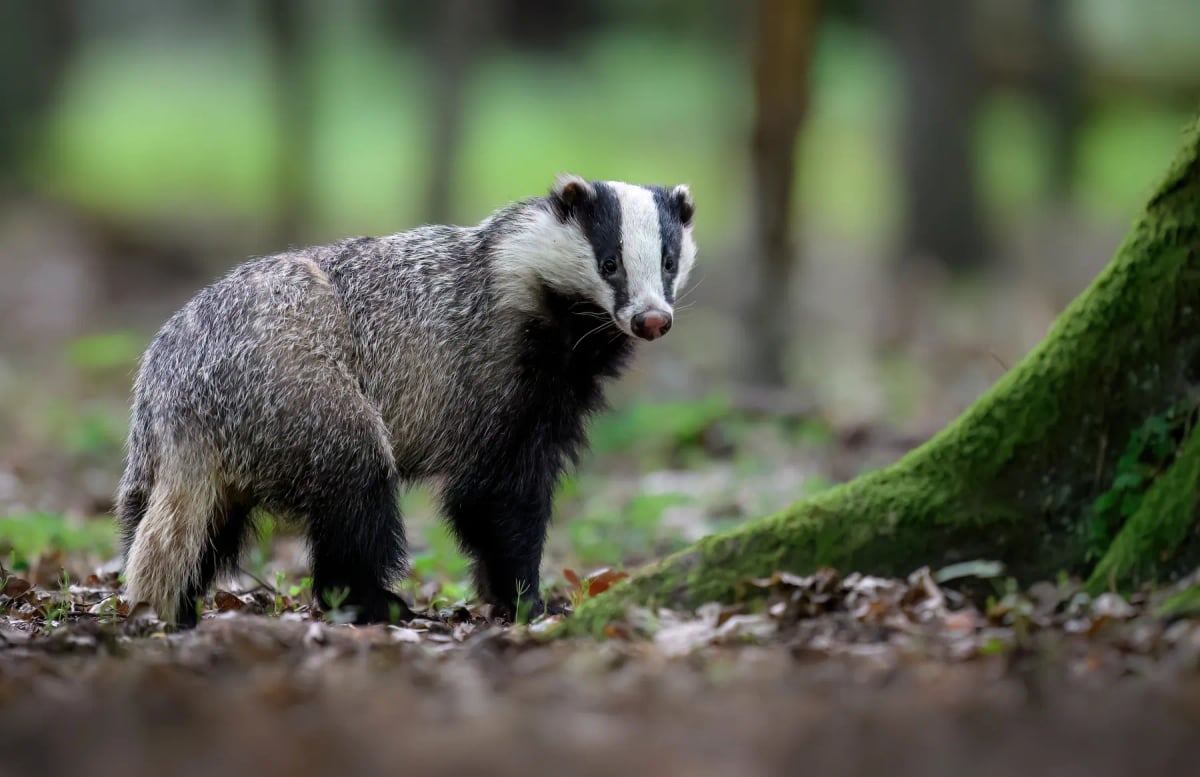
Badger
Meles meles
The Eurasian badger is present across Slovenia in mixed woodland, farmland and forested slopes throughout the country. It lives in family groups in extensive setts dug in well-drained soils and is active mainly at night. In Slovenia it feeds on earthworms, insects, fruit and small animals, with diet varying by season and habitat. Populations are stable and the species benefits from legal protection across its range in the country.

Brown Bear
Ursus arctos
Slovenia supports a well-established brown bear population centered in the forests of the Dinaric Alps, particularly the Kočevje region. This population is ecologically connected to bears in Croatia and Bosnia, forming part of a broader Dinaric metapopulation. Slovenia has played an active role in bear research and management in the region, though public debate over population control measures remains ongoing.
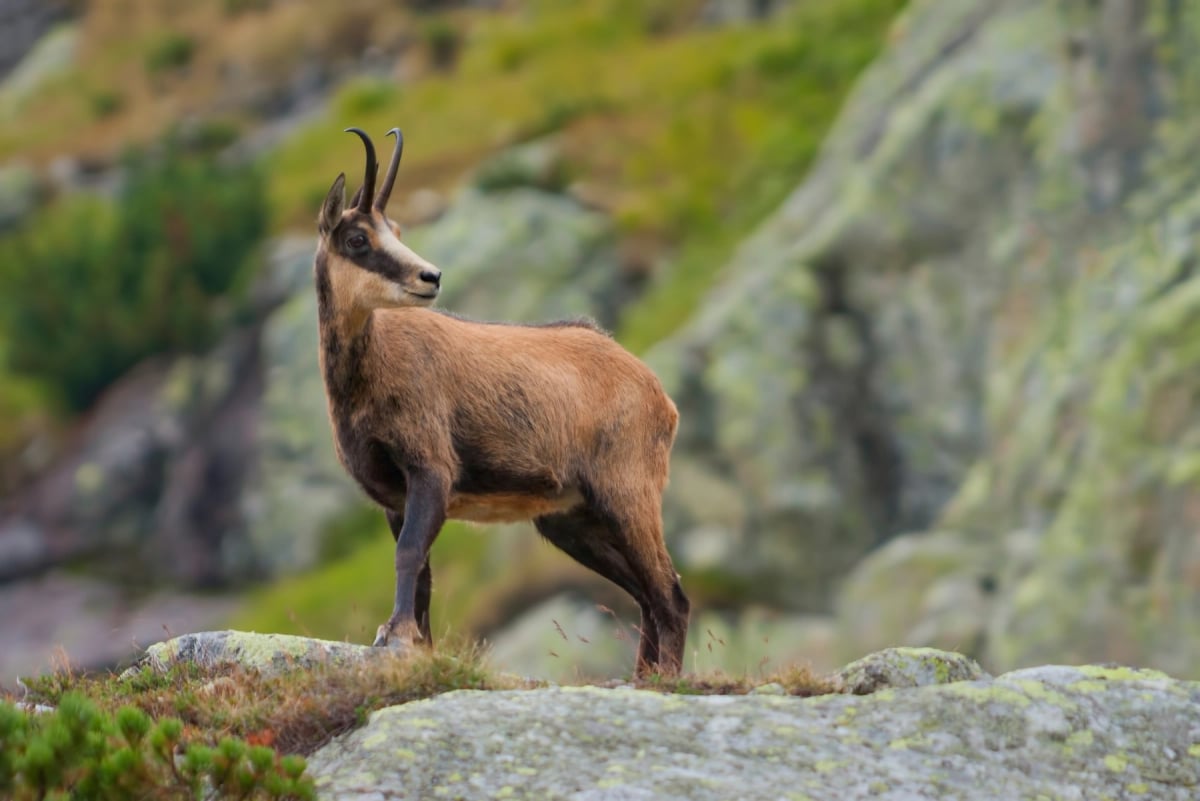
Chamois
Rupicapra rupicapra
Slovenia holds a healthy chamois population distributed across the Julian Alps, the Kamnik–Savinja Alps, and the Karavanke range. Triglav National Park, the country's only national park, provides a protected core habitat for these animals. Chamois are a familiar sight on rocky ridges above the treeline and are carefully managed through a national hunting plan that balances wildlife conservation with traditional mountain hunting culture. IUCN status: Least Concern.
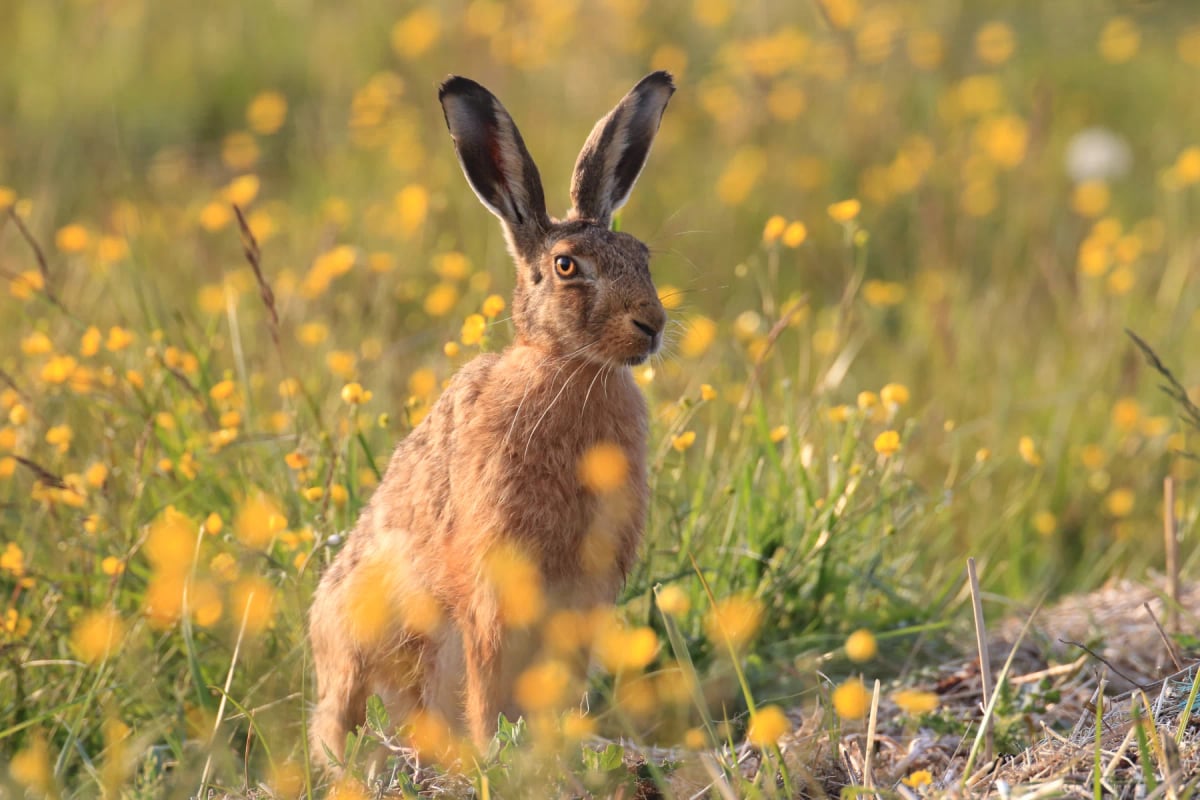
Hare
Lepus europaeus
In Slovenia, the European hare is most common in the agricultural lowlands of the Ljubljana Basin and the Pannonian region to the northeast. It favours open fields and the edges of cereal crops, where it rests in shallow forms hidden among vegetation. Habitat loss driven by the expansion of intensive farming has caused a gradual decline in numbers across parts of the country, and hunting management programmes are in place to monitor and support local populations.
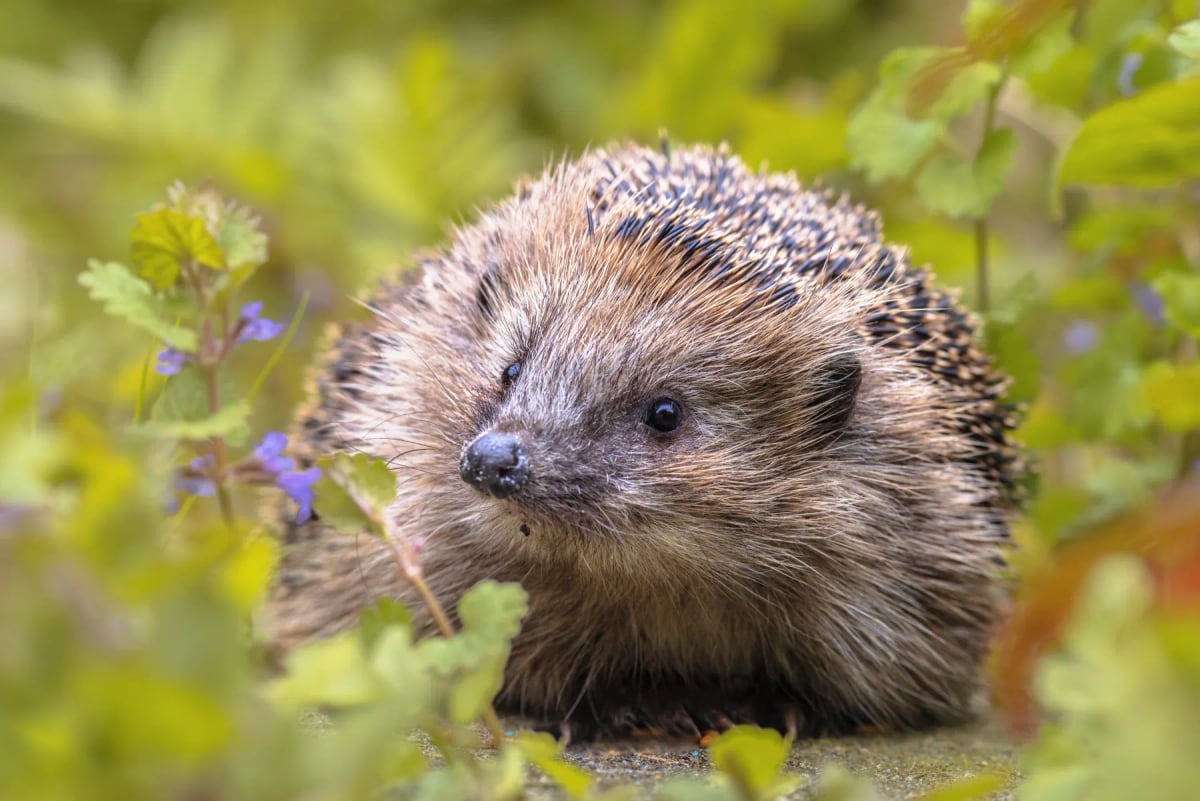
Hedgehog
Erinaceus europaeus
The European hedgehog is a familiar presence in Slovenia's gardens, forest edges, and river valleys, from the Ljubljana Basin to the foothills of the Julian Alps. It hunts beetles, earthworms, and slugs after dark and rolls into a spiny ball when threatened. Winters here are cold enough to trigger hibernation. Classified as Least Concern by the IUCN, it still faces pressure from road traffic and the use of pesticides in farmland.
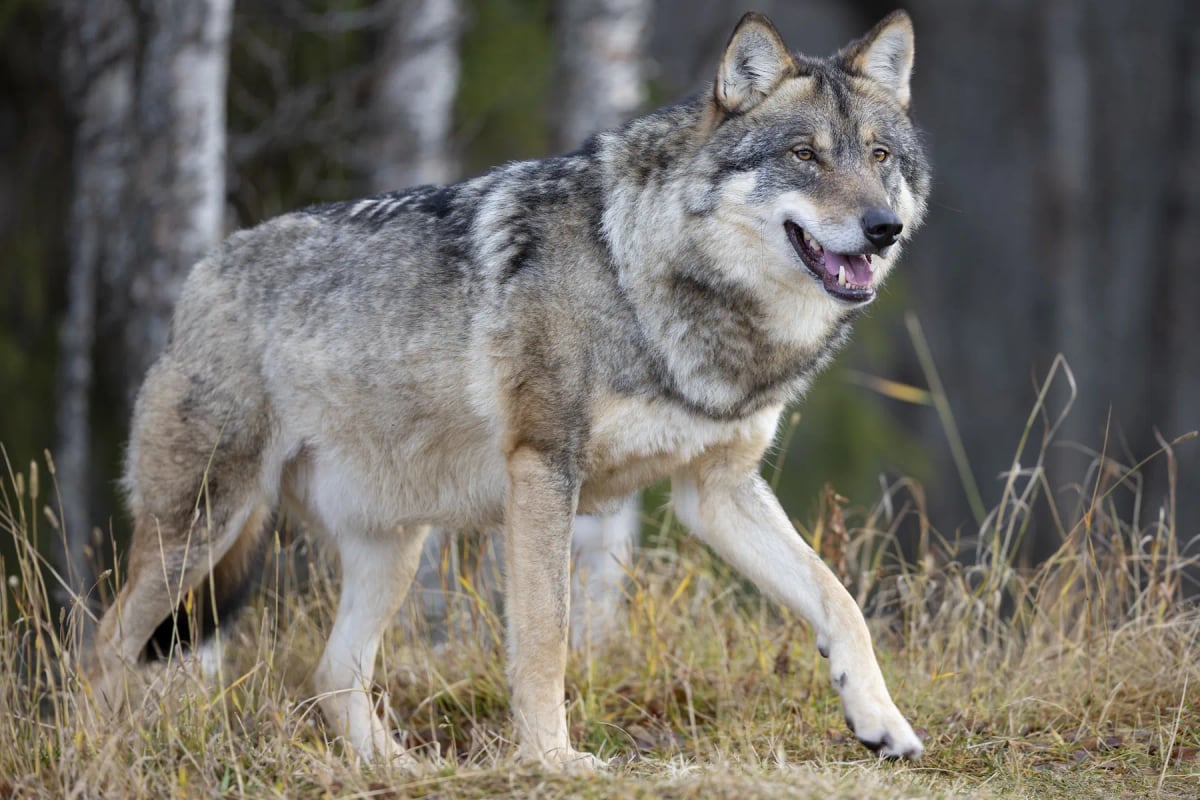
Gray Wolf
Canis lupus
Slovenia is home to a small but important wolf population living primarily in the Dinaric forests of the south, particularly in the Kočevje region. Slovenian wolves are part of the broader Dinaric population that extends into Croatia and Bosnia. The species is protected by law, and Slovenia has been active in monitoring packs and compensating farmers for livestock losses, helping to build tolerance for wolves. IUCN status: Least Concern.
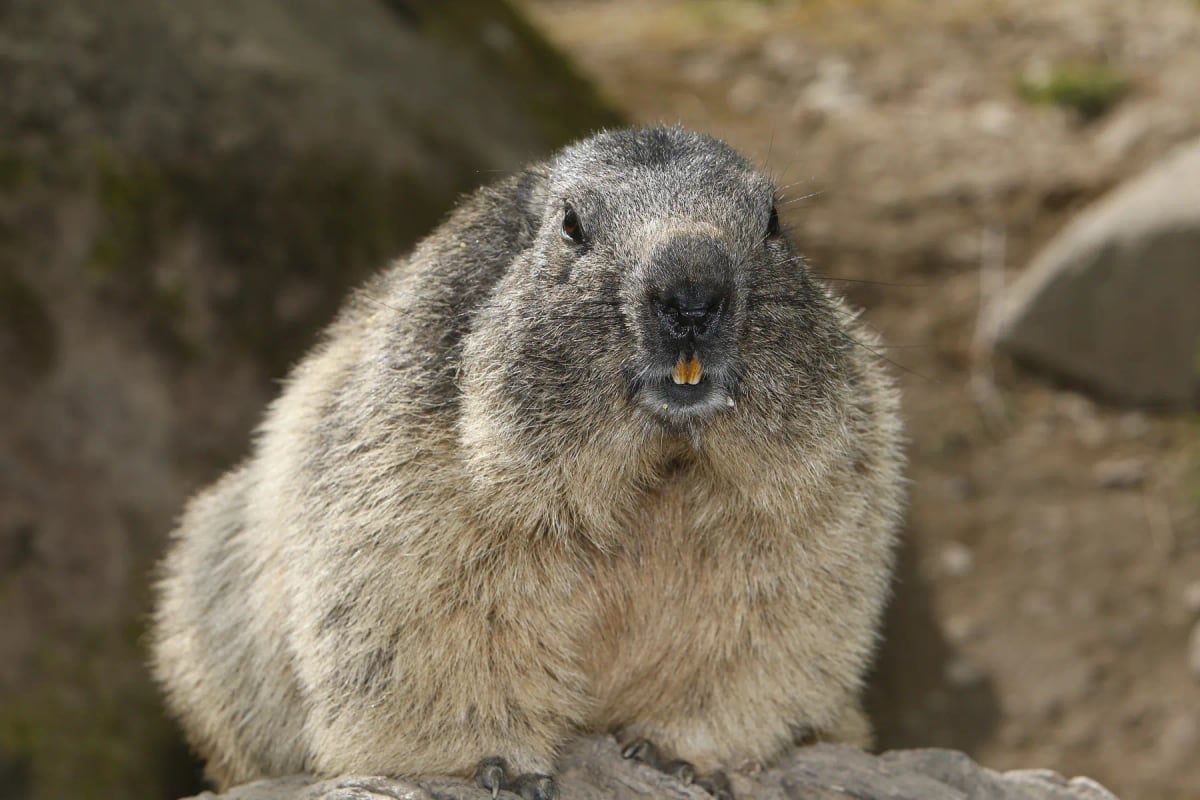
Alpine Marmot
Marmota marmota
The Alpine marmot is native to Slovenia's Julian Alps and is well established in the highlands surrounding Triglav National Park. Colonies occupy the open meadows and rocky terrain above the tree line, where they are active throughout the summer months. The marmot is one of the most visible large mammals for visitors to the Slovenian Alps and its alarm calls are a characteristic sound of the high mountain landscape. The species shares its habitat with chamois and is protected under Slovenian wildlife law.
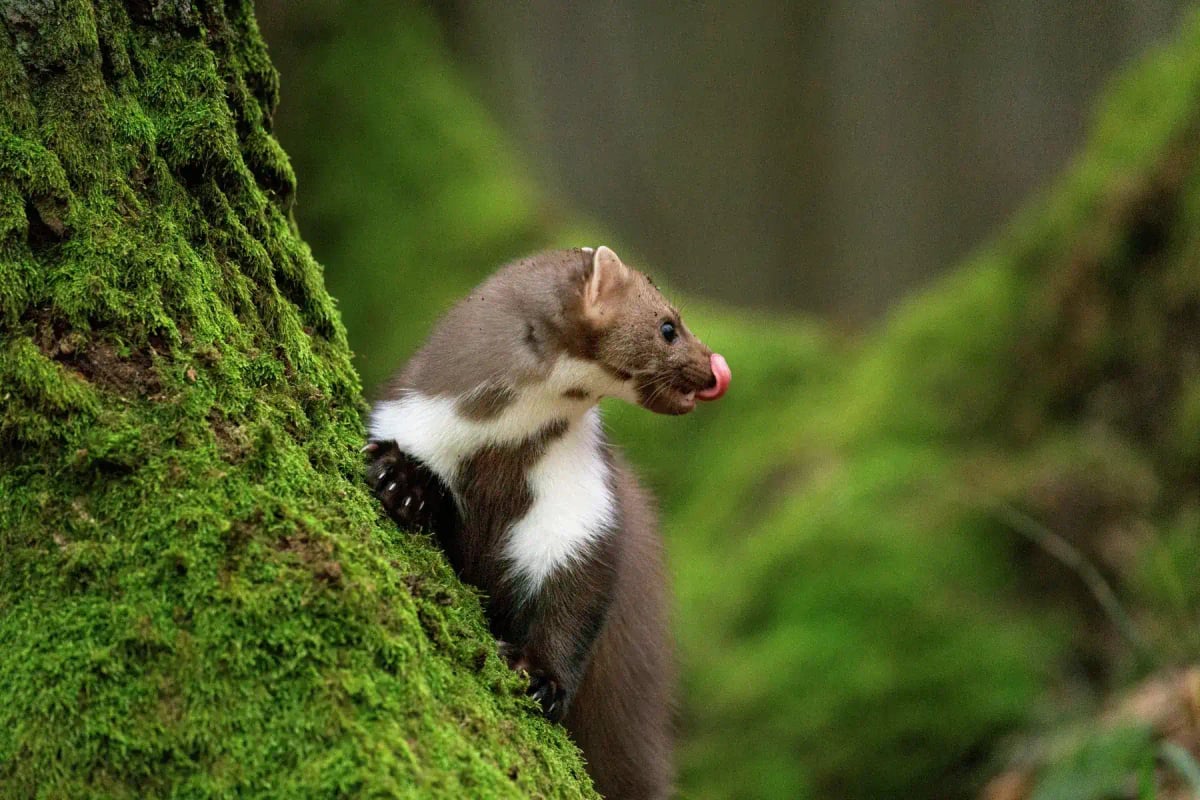
Marten
Martes martes / Martes foina
Slovenia hosts both the pine marten and the stone marten. The pine marten is found in the dense forests that cover more than half the country, particularly in the Dinaric Alps and Pohorje highlands. The stone marten is common in agricultural areas and near human settlements throughout the country. Slovenia's exceptional forest cover makes it ideal marten habitat and both populations are healthy. IUCN status: Least Concern.
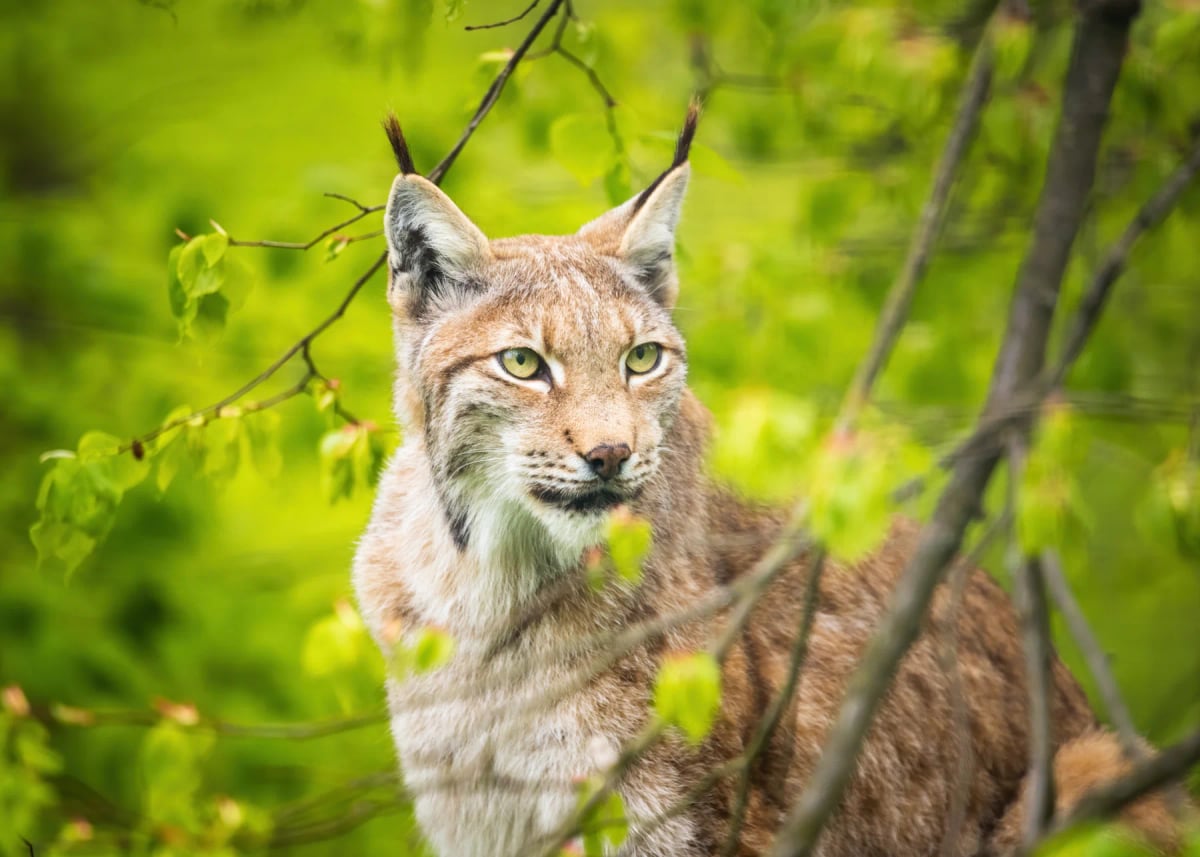
Eurasian Lynx
Lynx lynx
Slovenia's Eurasian Lynx population is part of the broader Dinaric population, centered on the dense forests of Kočevje and the Dinaric karst region. The species was reintroduced in 1973 after being hunted to local extinction, and the population has remained small. A transboundary conservation project with Croatia and neighboring countries works to strengthen connectivity and numbers. The IUCN lists the species as Least Concern.
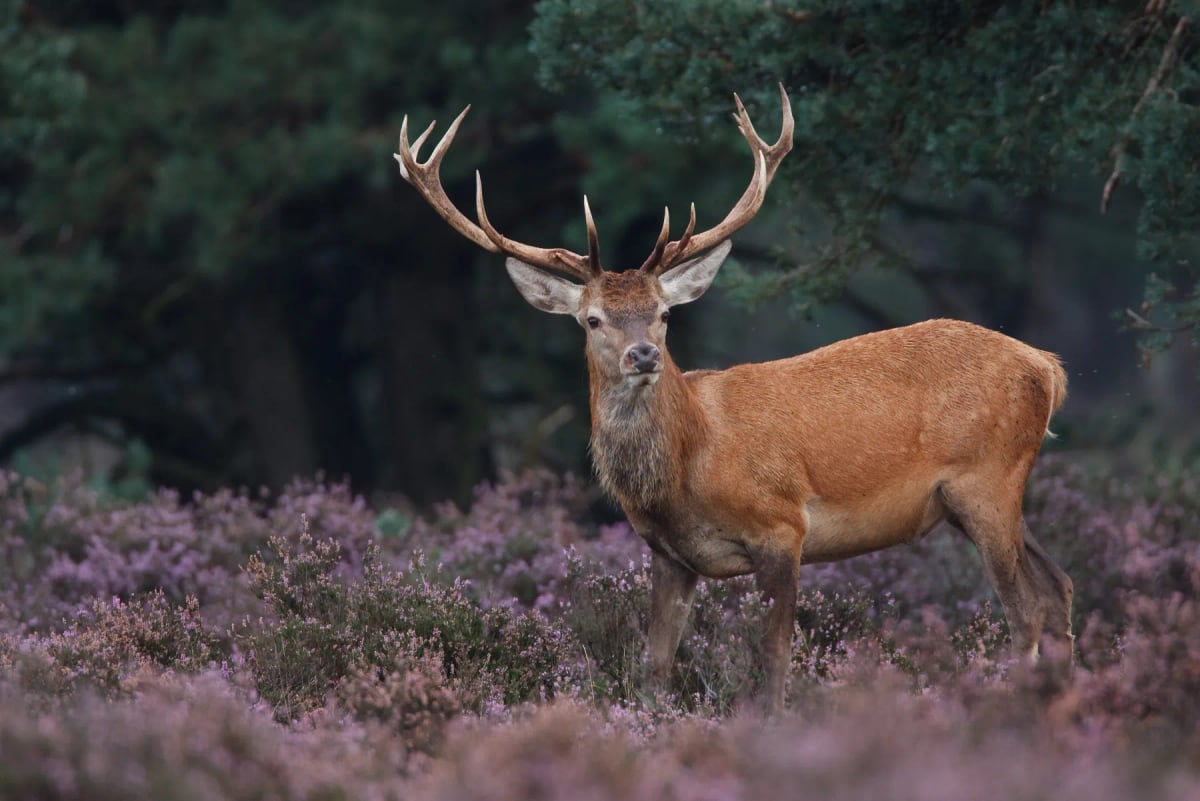
Red Deer
Cervus elaphus
Slovenia holds one of the densest red deer populations in central Europe, particularly in the Kočevje region and the Dinaric forests of the south. The species thrives in Slovenia's extensive woodland cover, feeding on grasses, leaves and bark. Stag numbers are regulated through hunting to prevent overgrazing of forest vegetation. The autumn rut is a spectacular seasonal event in Slovenian forests. Its IUCN status is Least Concern.
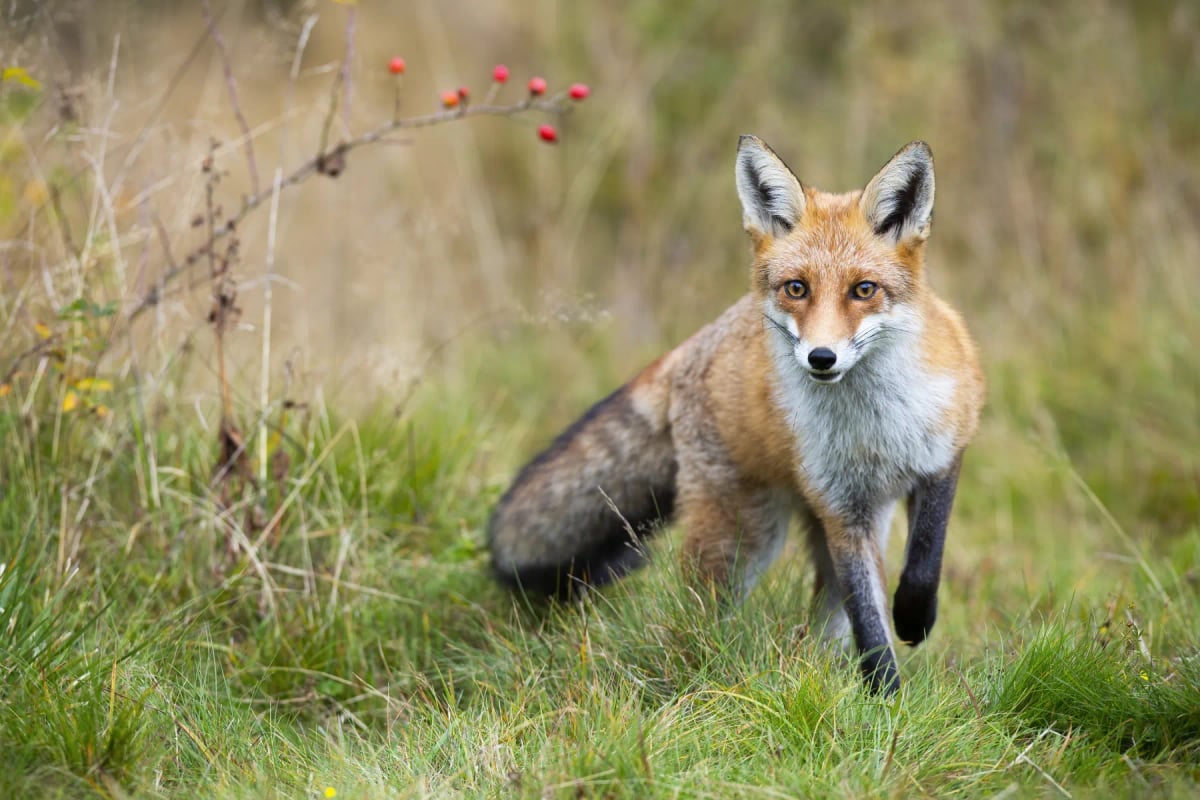
Red Fox
Vulpes vulpes
In Slovenia, the red fox occupies a wide range of habitats, from the dense forests of the Julian Alps to the karst plateaus and agricultural valleys of the lowlands. It is a common and adaptable predator, feeding mainly on small rodents and supplementing its diet with fruit and invertebrates. Classified as Least Concern, it remains one of the most frequently encountered wild carnivores in the country.
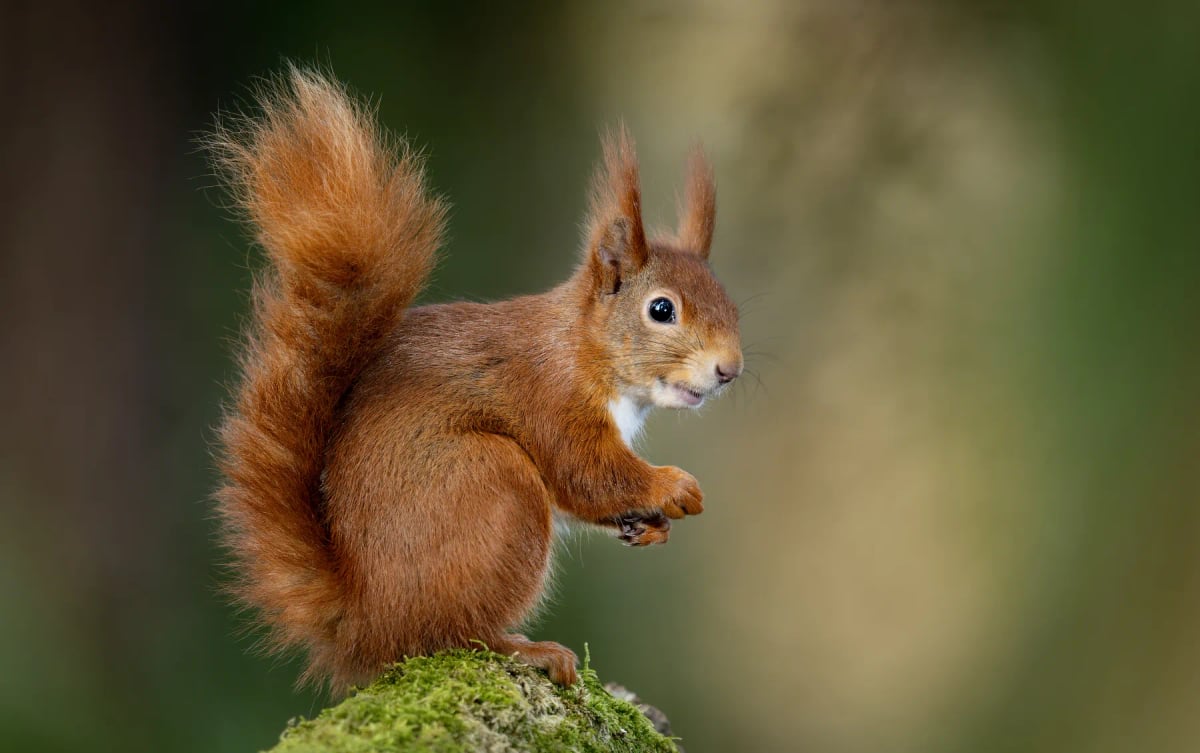
Red Squirrel
Sciurus vulgaris
Slovenia's rich forest cover, which blankets more than half the country, makes it well suited to the red squirrel. The species is present across a range of woodland types, from the beech forests of the Dinaric Alps to mixed lowland woods. It is a common and recognisable animal in Slovenian forests and is not considered at risk. Its IUCN status is Least Concern.
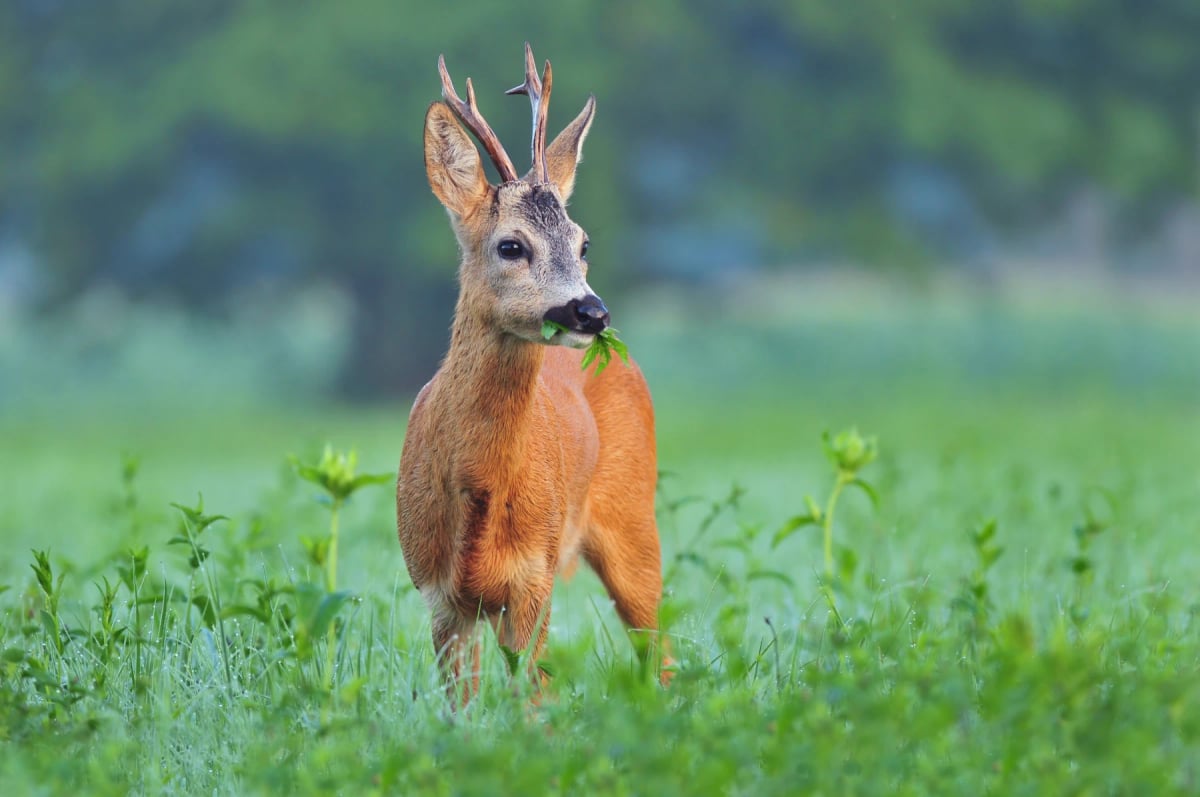
Roe Deer
Capreolus capreolus
Slovenia's roe deer populations are found throughout the country, from the dense forests of the Dinaric Alps to the agricultural lowlands of the Pannonian plain. The species is highly adaptable, thriving in both woodland and mixed farming landscapes. It is one of the most important game animals in Slovenia, with hunting carefully managed through annual plans. Roe deer feed on buds, leaves, and herbs, and are most active at dusk and dawn. IUCN status: Least Concern.
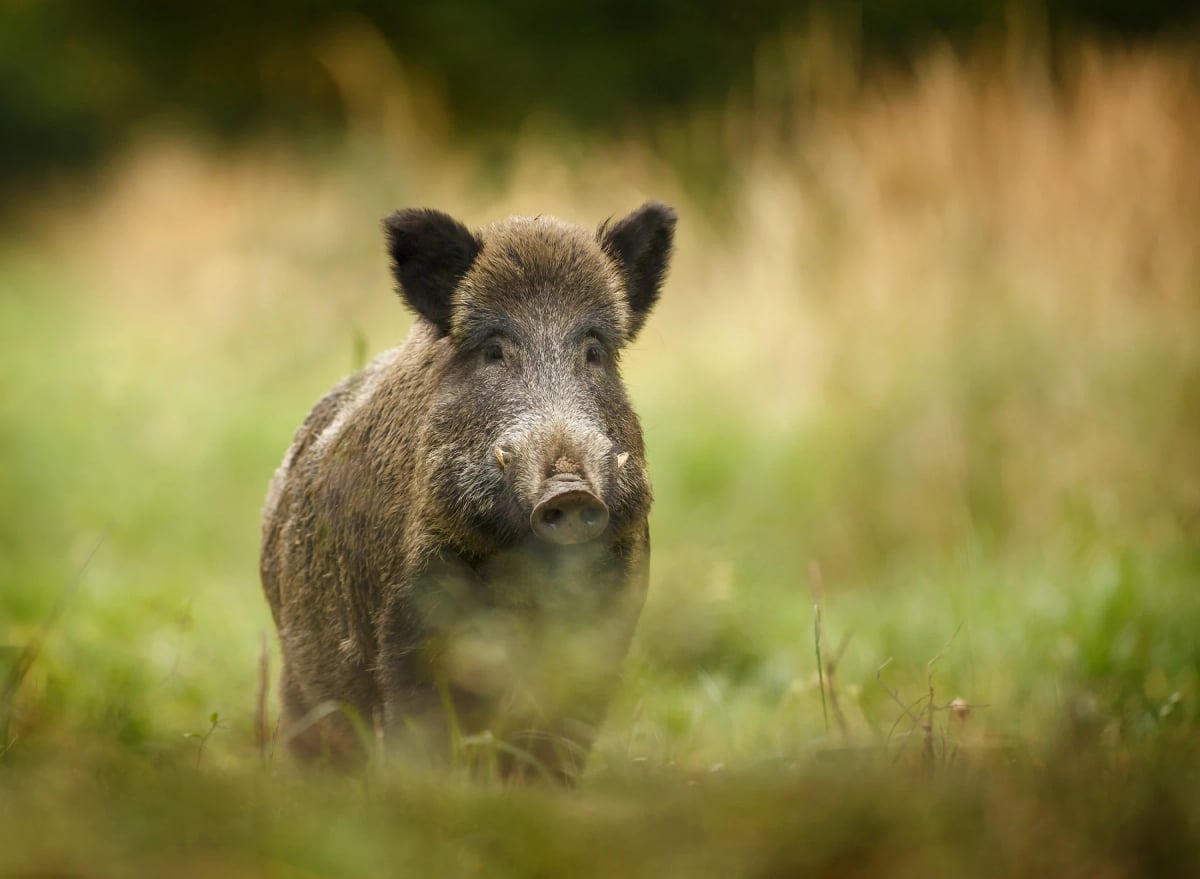
Wild Boar
Sus scrofa
Wild boars are widespread across the extensive forests that cover much of Slovenia, providing ample cover, acorns and other food. The species is an important and popular game animal managed through licensed hunting throughout the country. Growing populations in recent decades have increased crop damage near farmland, and boars are occasionally seen close to the outskirts of Ljubljana.
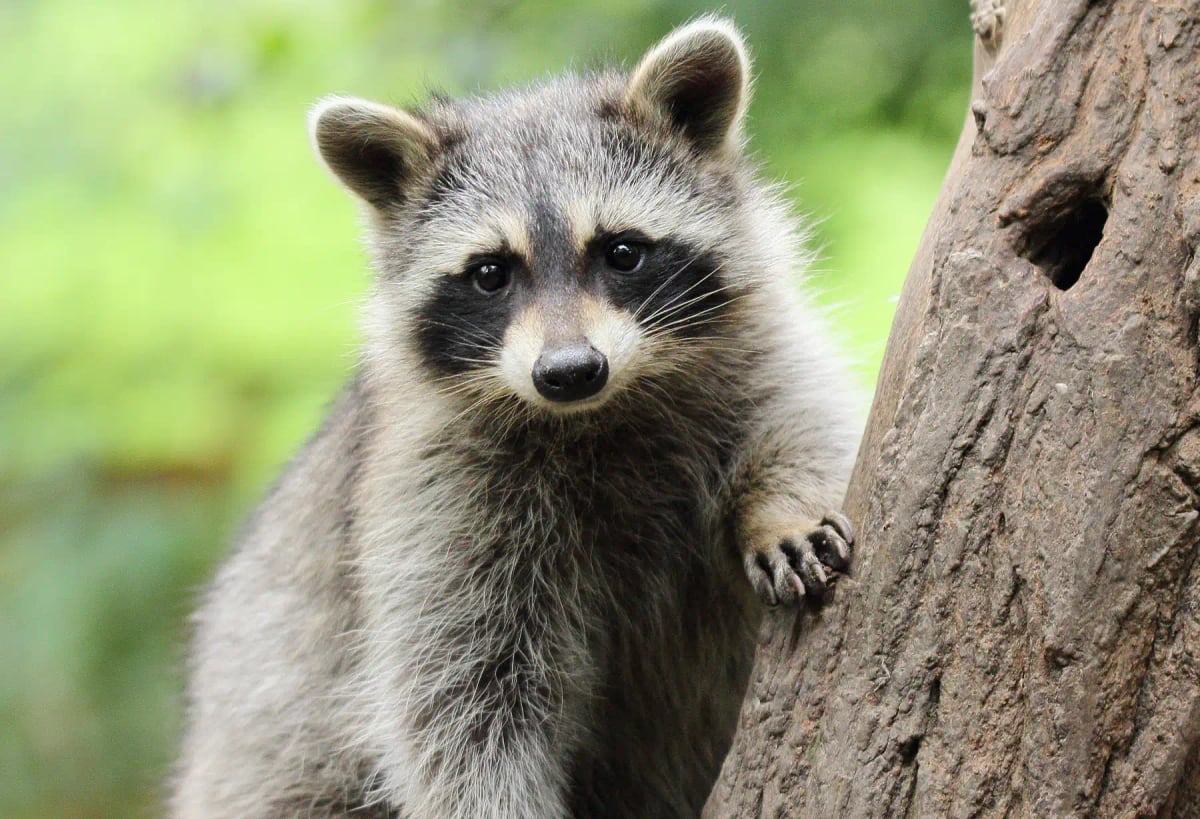
Raccoon
Procyon lotor
Raccoons have begun appearing in Slovenia as their European range continues to grow, with records linked to the expanding populations in Austria and neighbouring countries. They are attracted to forested areas and river corridors, which Slovenia has in abundance. The country treats them as an invasive alien species in line with European Union policy. Their ecological impact on Slovenia's rich native fauna, including amphibians and ground-nesting birds, is a concern for conservationists.
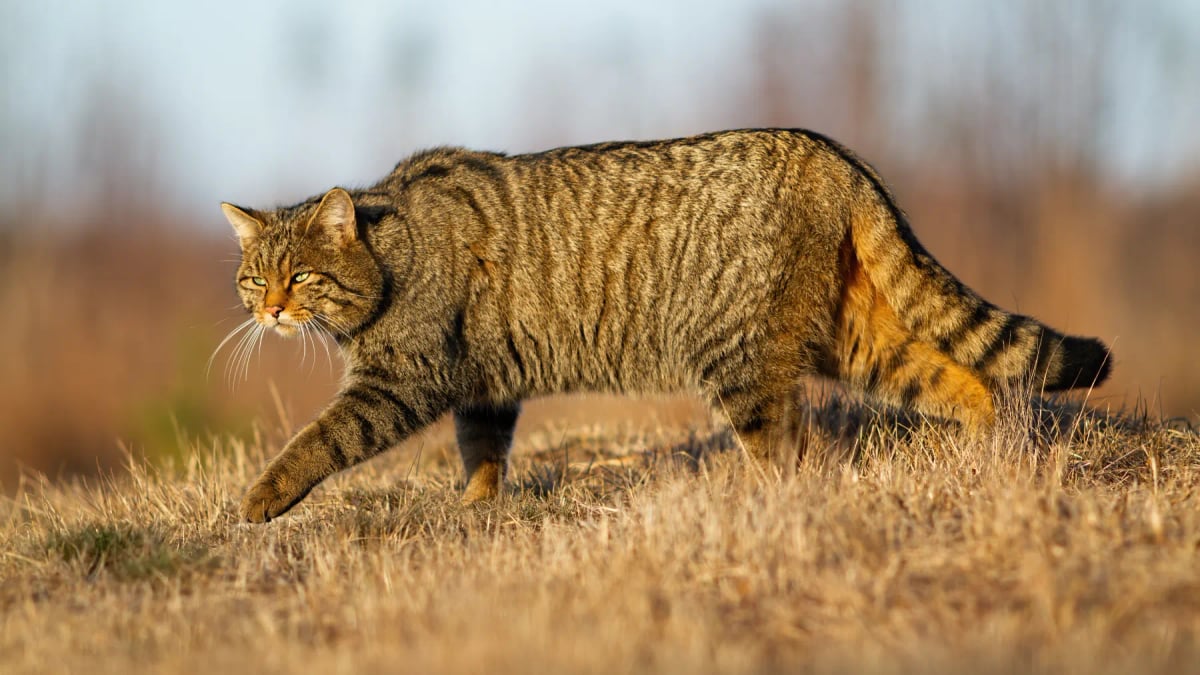
European Wildcat
Felis silvestris silvestris
Slovenia's dense Dinaric forests and the wooded valleys of the Julian Alps provide good habitat for the European wildcat. It is a stocky feline with dense, striped fur and a thick tail ending in a blunt dark tip. Solitary and territorial, each individual patrols a defined home range. Hybridization with domestic cats and habitat fragmentation from roads are the main conservation challenges in Slovenia.
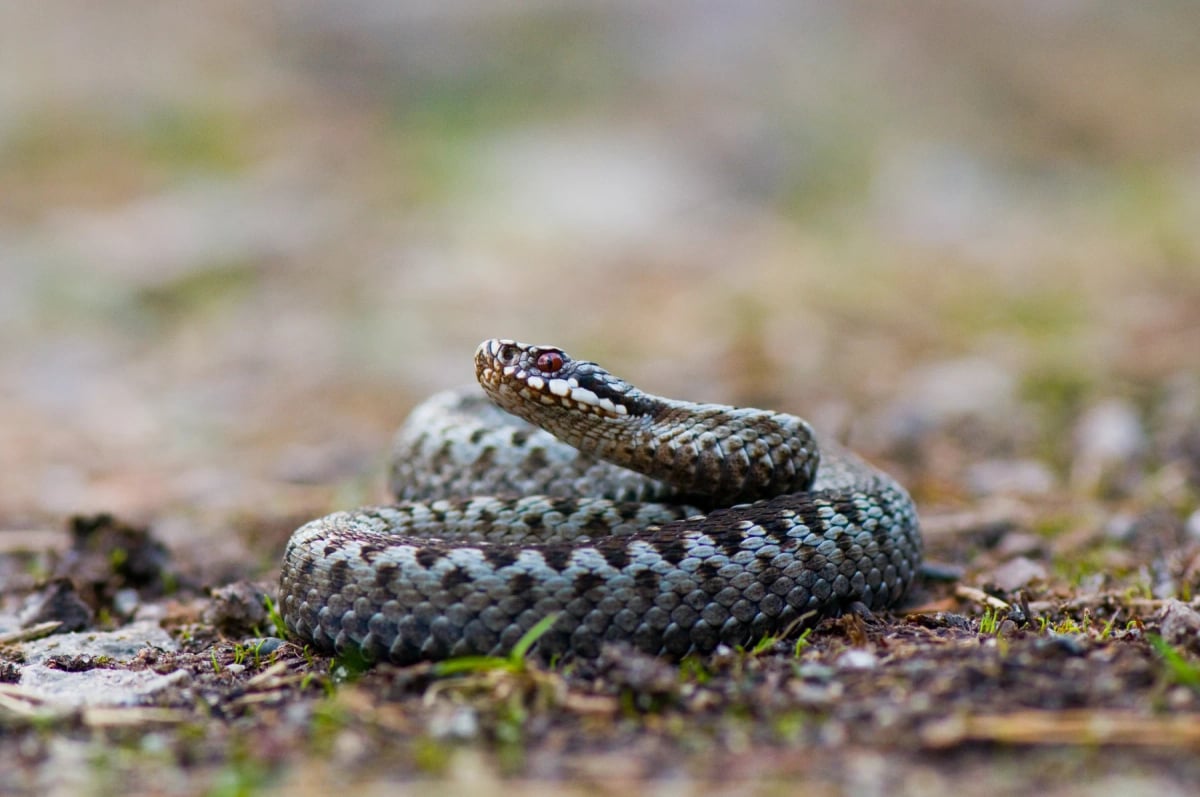
European Adder
Vipera berus
In Slovenia, the European adder inhabits alpine meadows, rocky slopes, and forest edges, particularly in the Julian Alps and the Karst region. It is one of three viper species found in the country and is most active in spring and early autumn. Though venomous, it is a shy snake that retreats when disturbed. Its IUCN status is Least Concern.
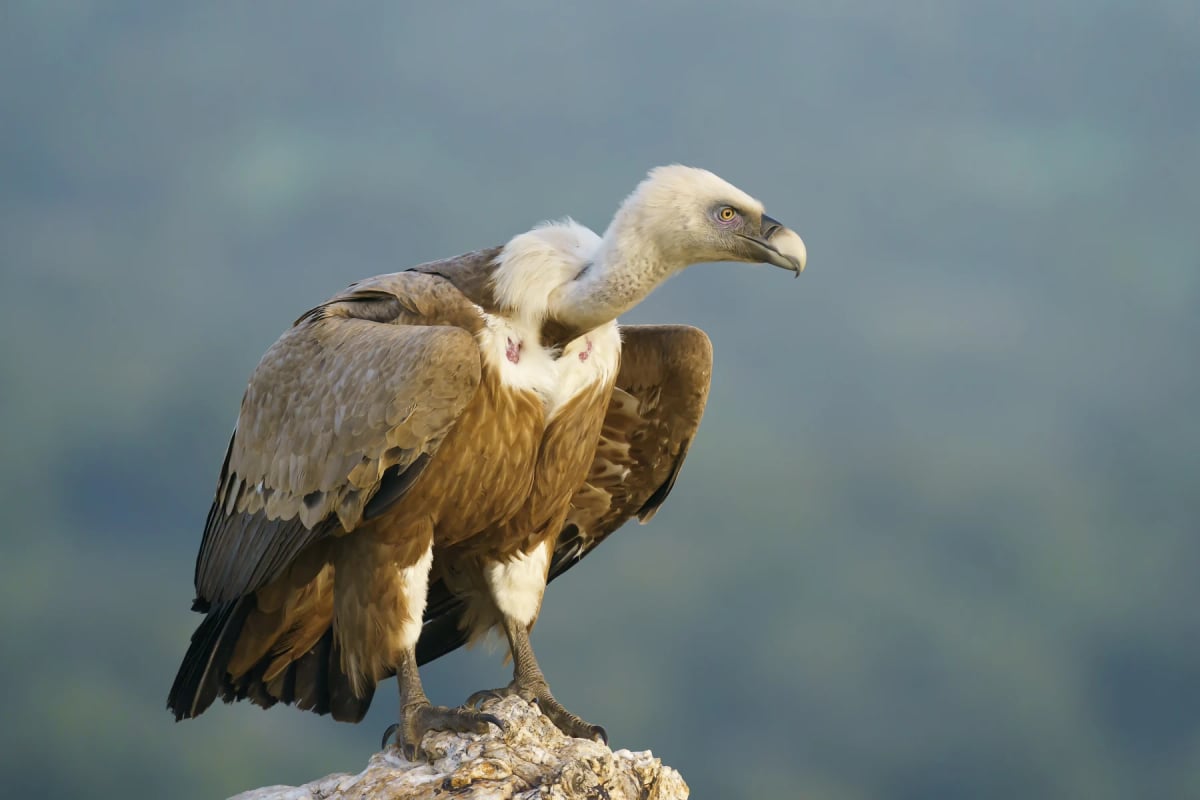
Griffon Vulture
Gyps fulvus
Slovenia sits at the northern edge of the griffon vulture's European range. Birds are seen over the Karst region and along the Soča River valley, most of them coming from the colonies of the Kvarner islands in nearby Croatia and from Friuli in Italy. The IUCN lists the species as resident, and the country forms part of an important flight corridor between the Balkans and the Alps. IUCN status: Least Concern.
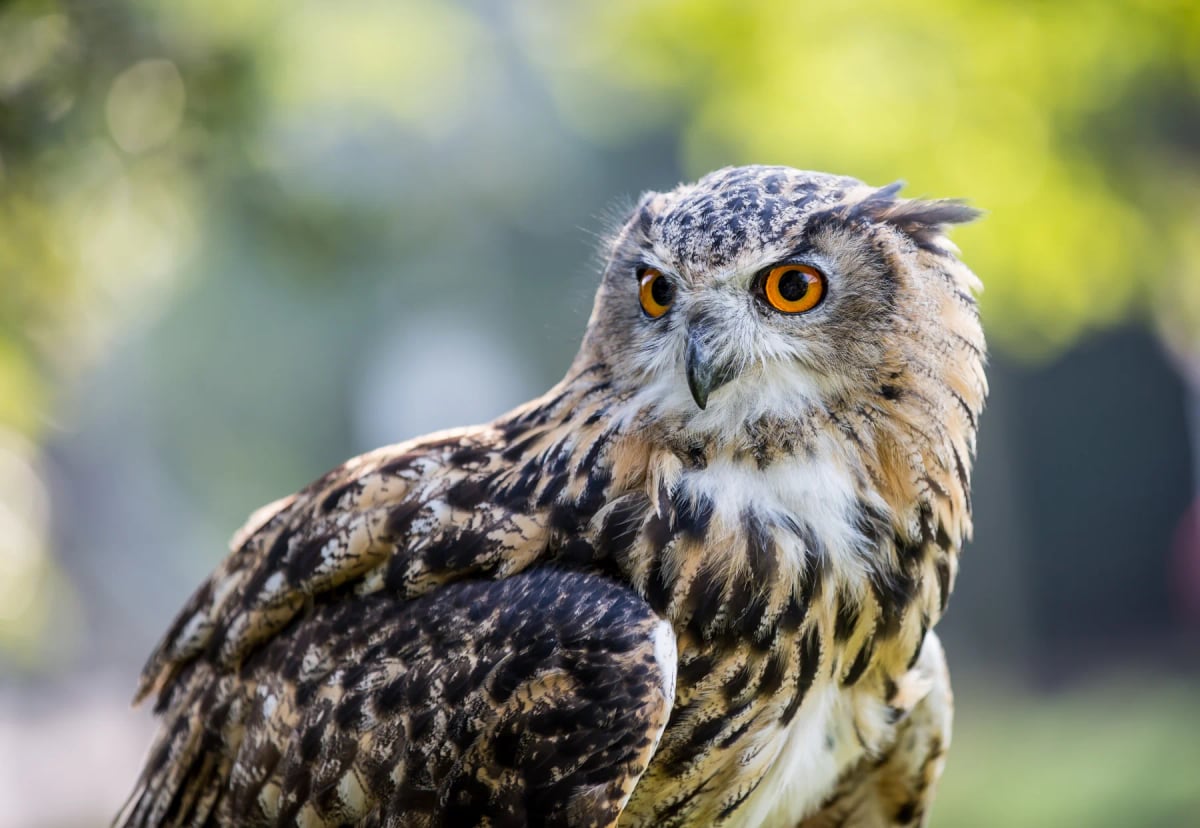
Eagle Owl
Bubo bubo
Slovenia's mix of alpine terrain, limestone karst, and forested river valleys makes it a suitable home for the eagle owl. The species nests on rocky cliffs and outcrops, particularly in the Karst region and along the Soča valley. Although never abundant, Slovenian eagle owls have maintained a modest breeding population with the help of legal protection. The IUCN lists the species as Least Concern across its full range.
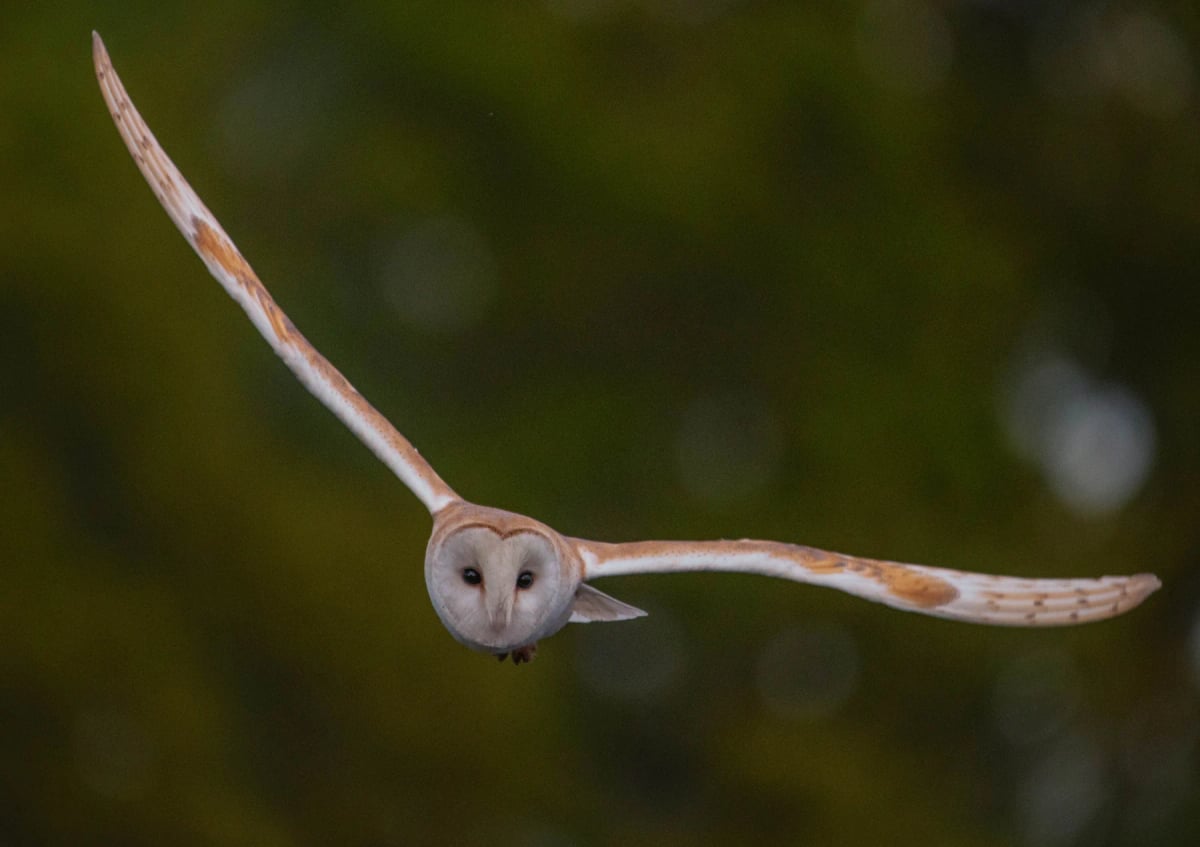
Barn Owl
Tyto alba
The barn owl is a resident of lowland Slovenia, found mainly in the Pannonian plains of the northeast and the Karst plateau in the southwest, where open farmland and old stone buildings provide nesting sites and hunting habitat. It hunts mice and voles at night in open fields and meadows, and nests in old farm buildings, church towers, and cliff faces. Populations are small and have been affected by agricultural change and harsh winters. Conservation programs with nest boxes have helped support the breeding population in key areas.
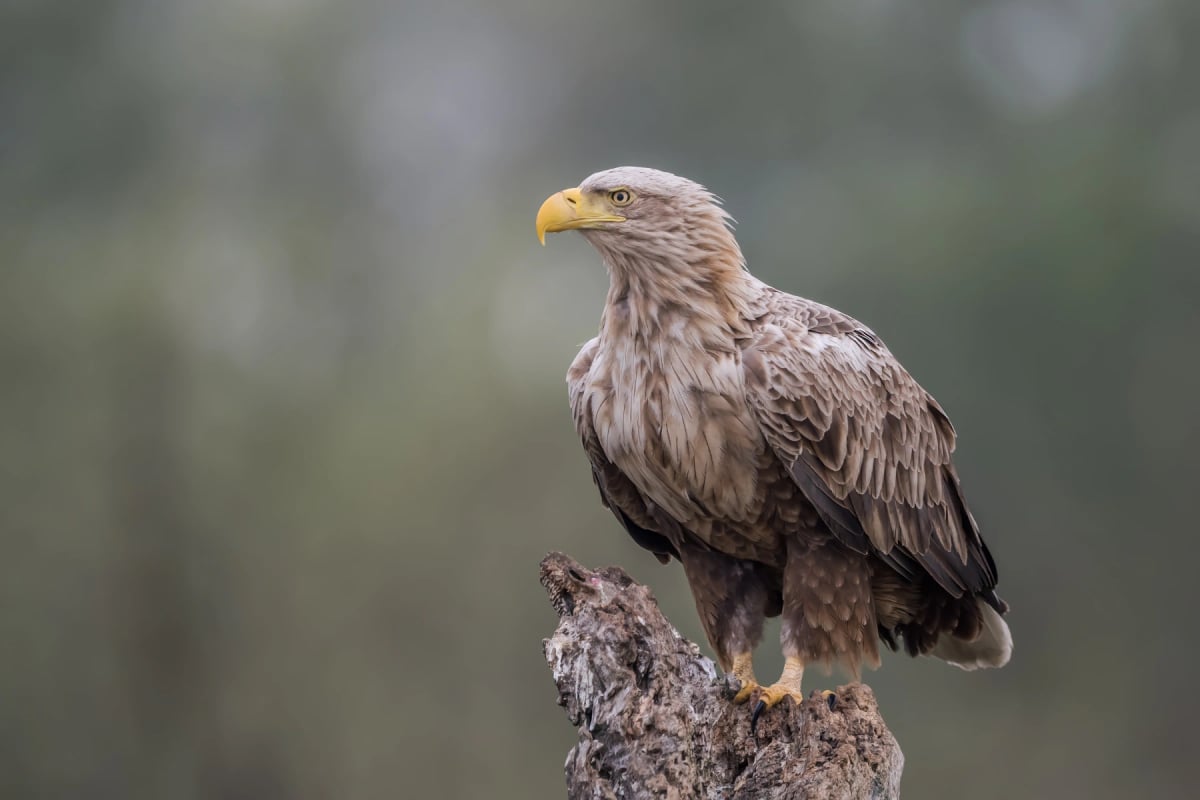
White tailed Eagle
Haliaeetus albicilla
The white tailed eagle is a rare but regular visitor to Slovenia, appearing mainly along the Sava and Drava rivers and at larger reservoirs during winter. Breeding is occasional and not firmly established. The species benefits from the country's network of protected wetlands and strict hunting laws. Its presence is considered a sign of healthy river ecosystems, and sightings are closely monitored by local ornithologists.
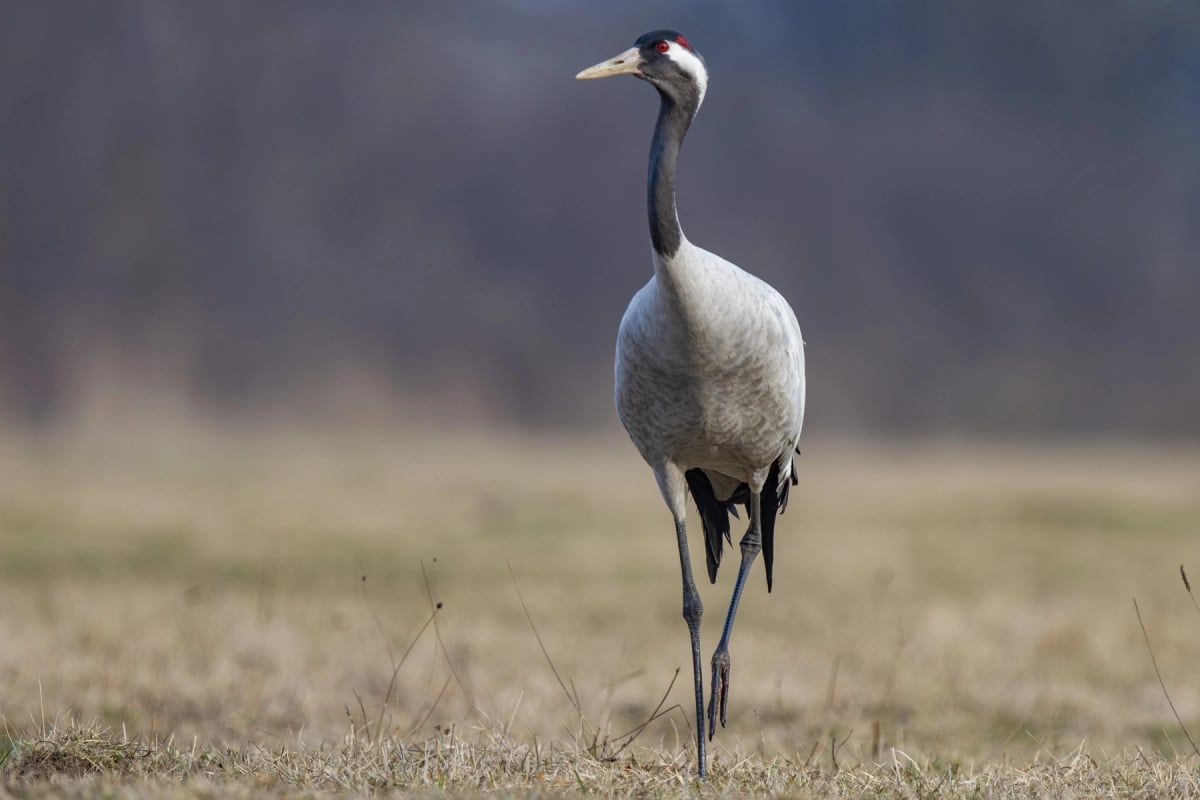
Crane
Grus grus
Slovenia is a transit country for common cranes migrating between Central Europe and the Mediterranean. Flocks are most visible in autumn as they pass over the Ljubljana Basin and river valleys heading toward wintering grounds in Spain and North Africa. While the crane does not breed in Slovenia, its seasonal appearances are well documented by local birdwatchers. The species adds to the country's rich diversity of migratory birds. Its IUCN status is Least Concern.
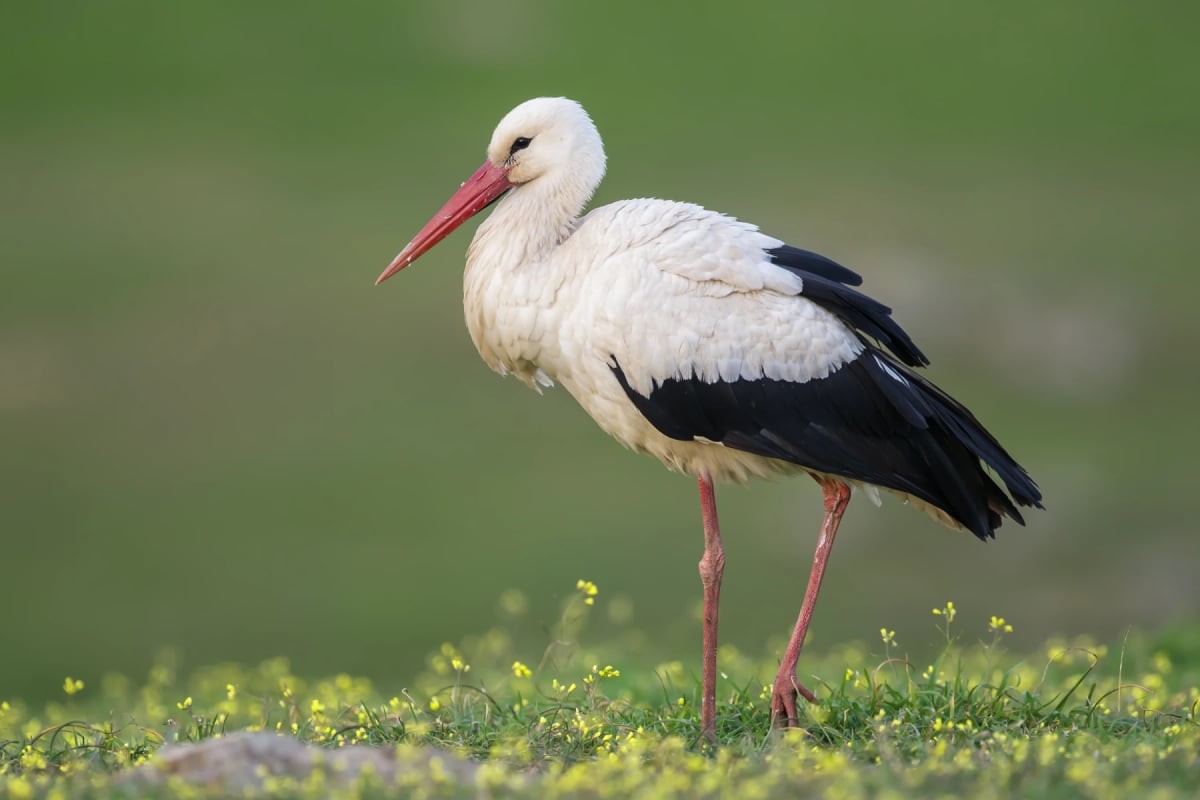
Stork
Ciconia ciconia
The white stork is a summer visitor to Slovenia, breeding in small numbers in the lowland areas of the east, particularly around the Pannonian basin near the borders with Croatia and Hungary. Wet meadows, rivers, and farmland in this region provide good foraging conditions. Nest platforms have been erected in several villages to support the population, which remains modest but is considered stable.
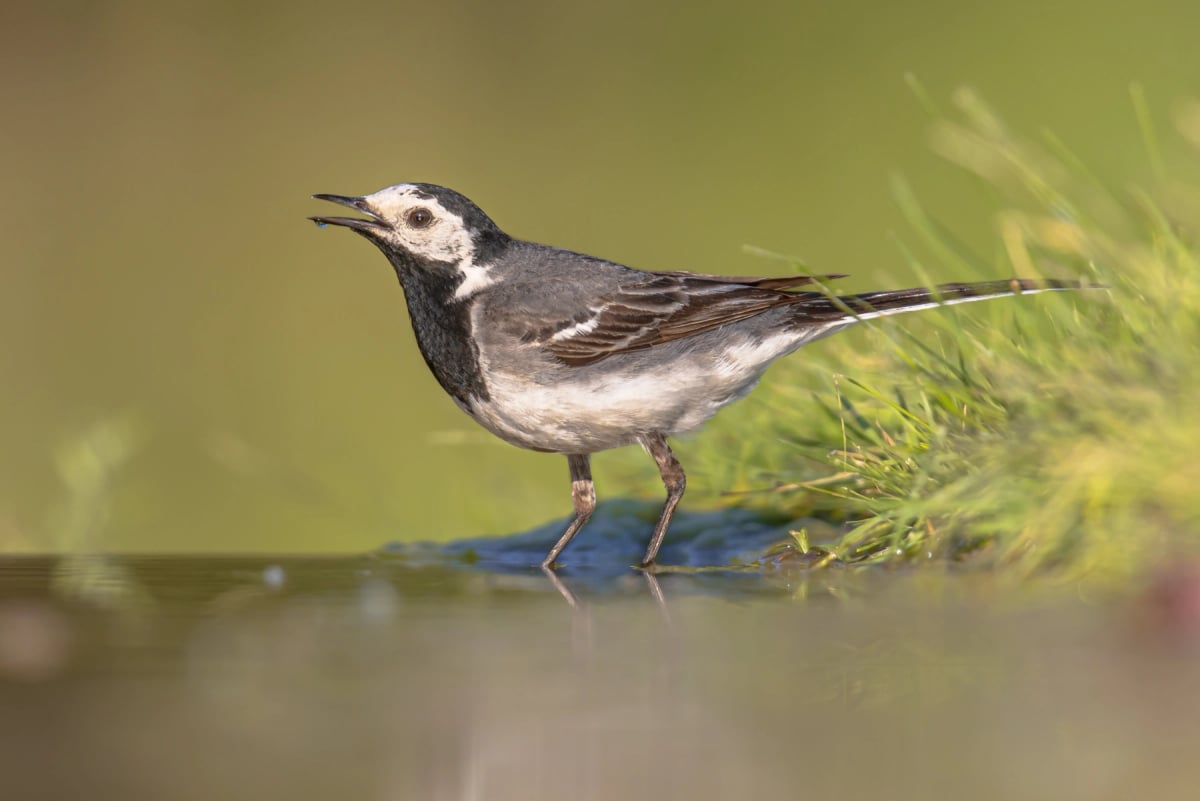
White Wagtail
Motacilla alba
In Slovenia the white wagtail is a common breeding bird of rivers, streams and villages, from the Mura and Sava lowlands to Alpine valleys such as the upper Soča. It nests in walls, bridges and buildings and feeds on insects along gravel banks and in meadows. Many birds leave in autumn for Italy and Africa, but some stay through the winter in the lowlands and along the short Adriatic coast. IUCN status: Least Concern.
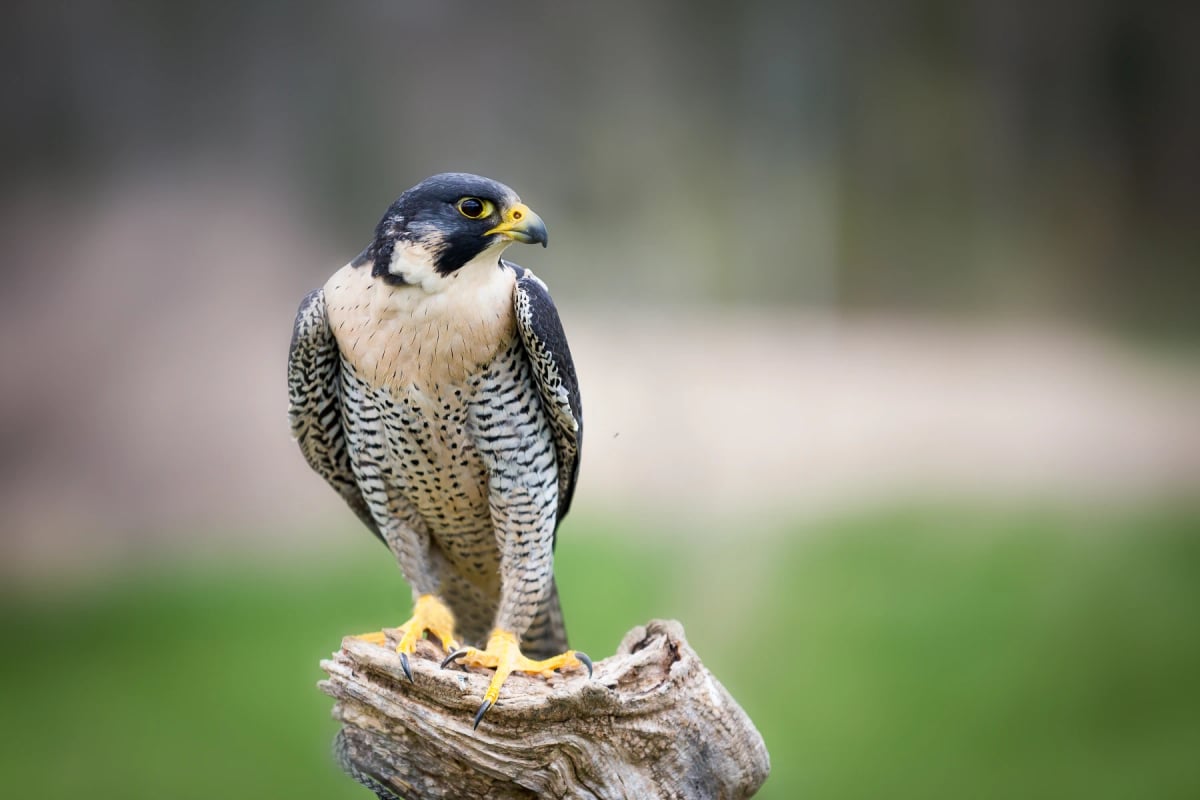
Peregrine Falcon
Falco peregrinus
Slovenia's dramatic limestone cliffs, especially in the Karst region and along the Soča River valley, provide nesting sites for a small resident population of peregrine falcons. The species disappeared from much of the country during the DDT era but has since made a steady comeback. Observers in Ljubljana have also recorded the bird nesting on tall urban structures. Its position at the crossroads of Central and Southeast Europe means migrating birds pass through regularly each spring and autumn. Its IUCN status is Least Concern.
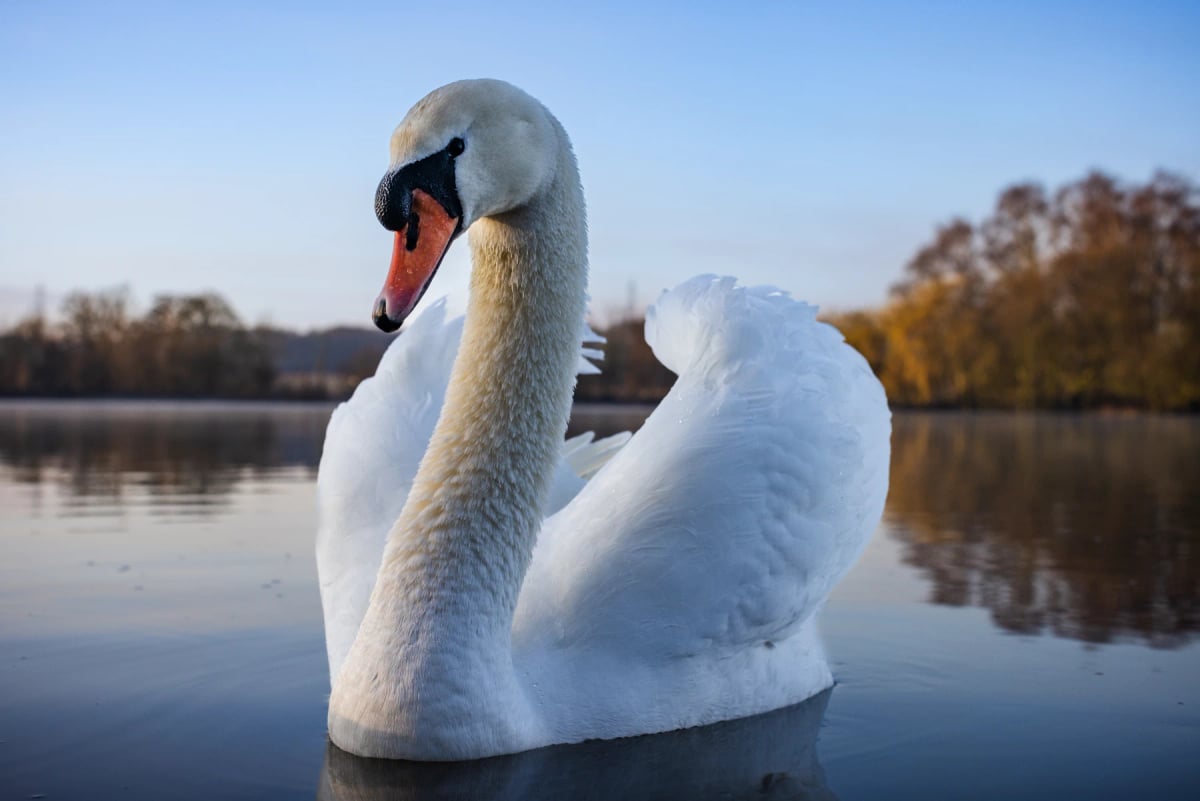
Mute Swan
Cygnus olor
The mute swan occurs in Slovenia along the lower stretches of the Sava and Drava rivers and on wetlands in the Ljubljana Marshes area. It is not among the most abundant waterbirds in this largely mountainous country, but its presence along slower lowland rivers and still water bodies is well documented. Pairs nest in sheltered spots among reeds and low vegetation. The IUCN lists it as Least Concern.
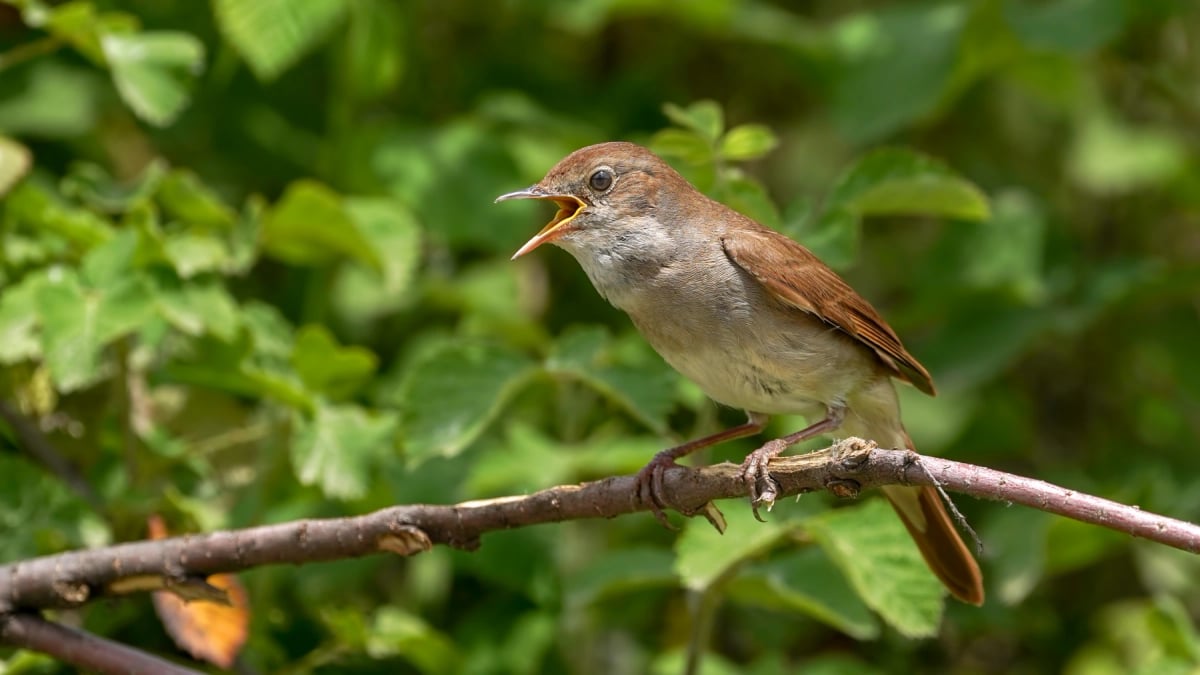
Nightingale
Luscinia megarhynchos
The nightingale visits Slovenia each spring, breeding in scrubby woodland edges, riparian thickets and overgrown hedgerows across the lower-lying parts of the country. It is most frequently encountered in the Pannonian lowlands in the northeast and along the valleys of the Sava and Drava rivers. Its song is heard from late April through June. Populations depend on the preservation of dense, shrubby vegetation at the margins of woodlands and waterways.
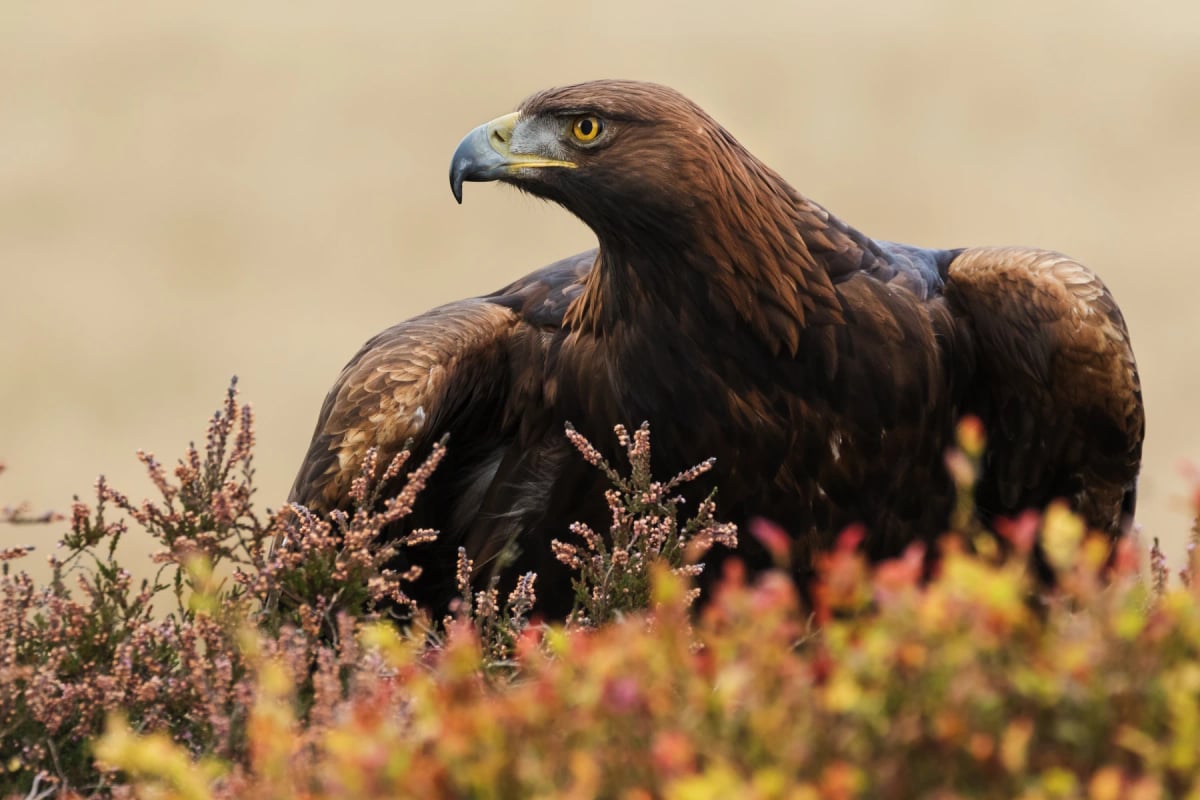
Golden Eagle
Aquila chrysaetos
Slovenia hosts a small population of golden eagles, mainly in the Julian Alps and the Karawanks range along the northern border. These birds nest on remote cliff faces and hunt across alpine meadows and forested valleys below. Conservation efforts focus on reducing disturbance during the breeding season. The IUCN lists the species as Least Concern, and Slovenia's protected areas provide important refuge for nesting pairs.
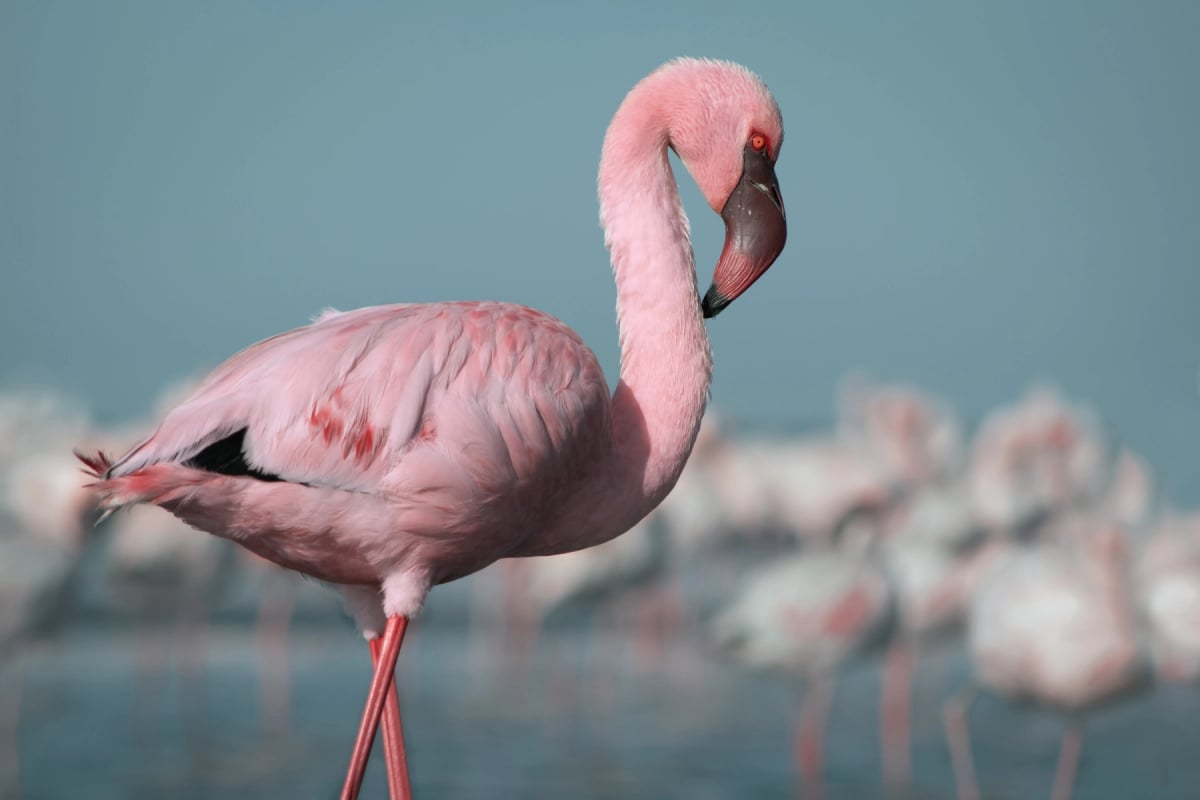
Flamingo
Phoenicopteridae (6 species)
The greater flamingo visits Slovenia outside the breeding season, on the country's short Adriatic coast. The Sečovlje salt pans, near the border with Croatia, and nearby coastal wetlands are where birds usually turn up, in small numbers, stopping to feed on brine shrimp in the shallow pans. Records have become more frequent as flamingo colonies in Italy have grown. IUCN status: Least Concern.

Bottlenose Dolphin
Tursiops truncatus
Slovenia has a short Adriatic coastline, but bottlenose dolphins are present in these waters as part of the broader northern Adriatic population. This population, shared with Italy and Croatia, is one of the most studied in the Mediterranean. Individuals have been identified through photo recognition projects spanning decades. Boat traffic, noise pollution, and reduced fish stocks are the primary concerns for dolphins in this busy, shallow stretch of sea. IUCN status: Least Concern.
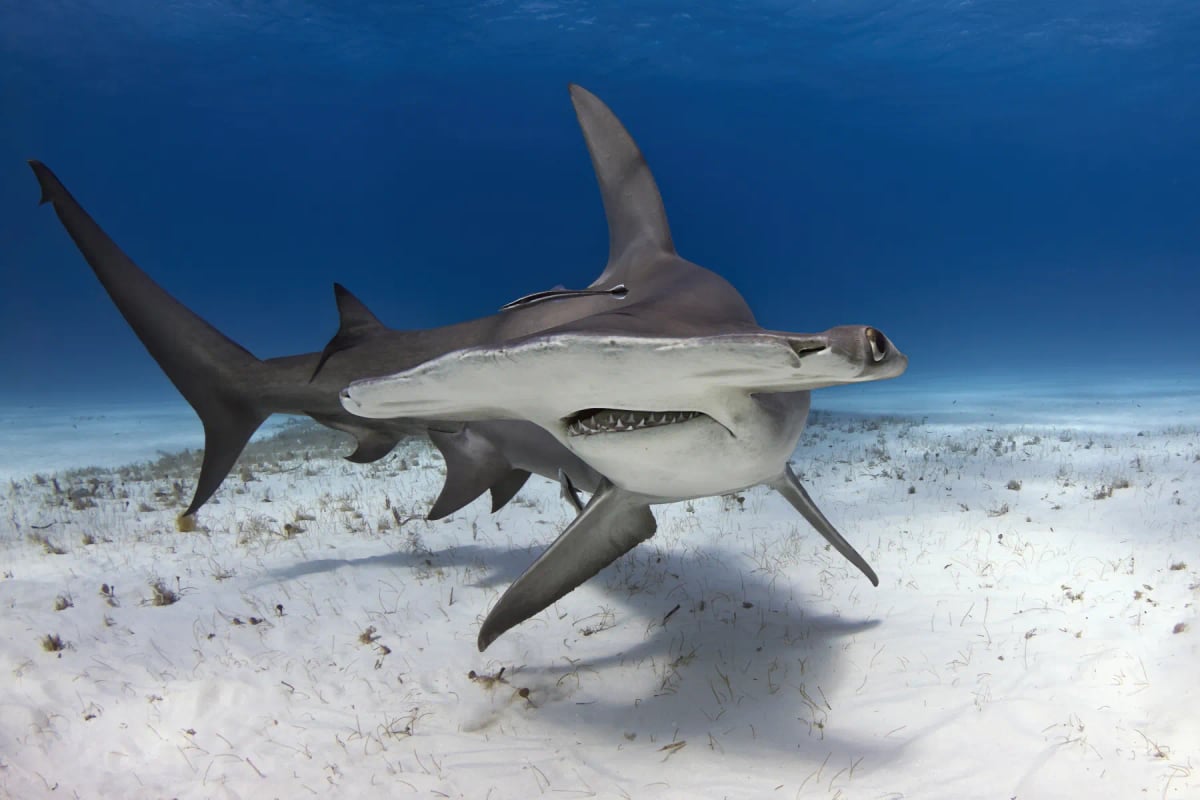
Hammerhead Shark
Sphyrna spp.
Slovenia has a short coastline along the Adriatic Sea near the Gulf of Trieste, where hammerhead sharks are occasionally recorded passing through. These waters represent the northern edge of their Mediterranean range. Sightings are rare, and the sharks do not reside here permanently. Regional conservation efforts across the Adriatic aim to reduce fishing pressure on this critically endangered species.
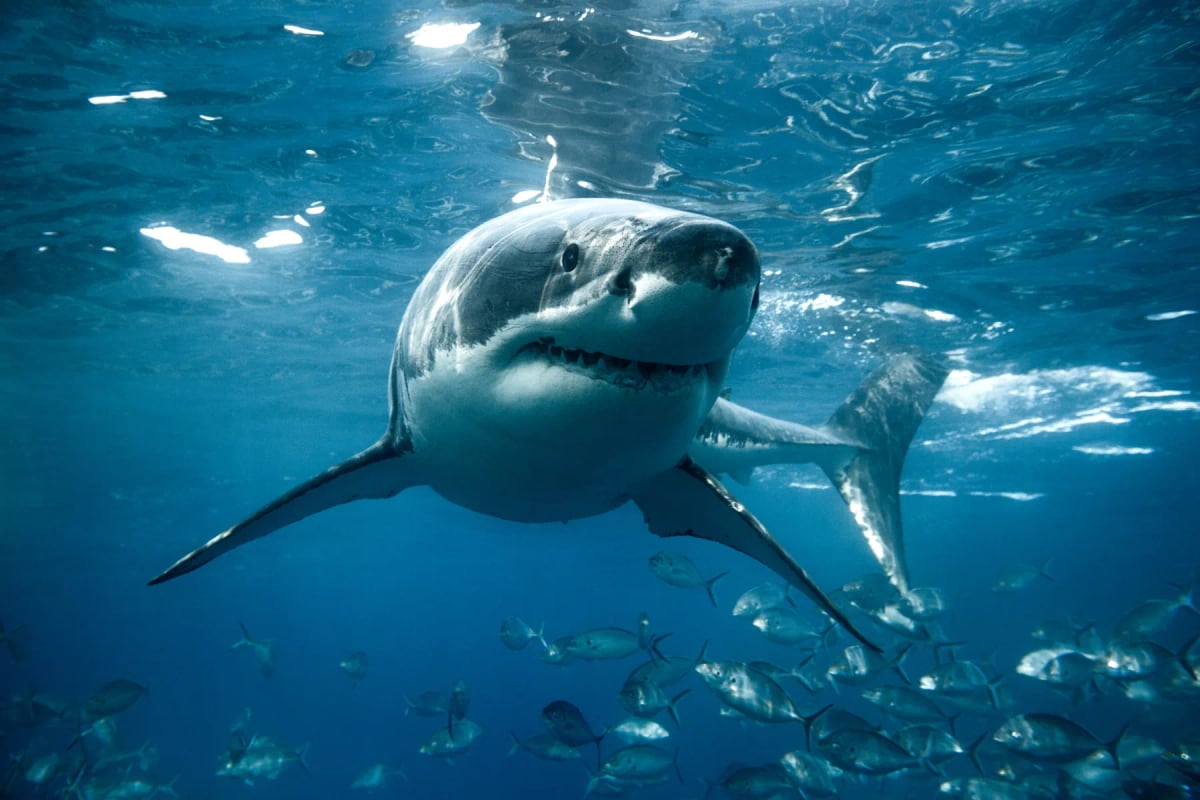
Great White Shark
Carcharodon carcharias
Slovenia has a short coastline on the Adriatic Sea, which forms part of the Mediterranean basin where great white sharks are known to roam. Historically, the northern Adriatic has recorded occasional sightings of this species. The Mediterranean population is considered especially small and at risk, making any individual shark in these waters significant for conservation efforts across the region.
Researched and written by Juan Pablo. Sources: IUCN Red List, scientific literature and regional field guides. Last updated: .