Animals in Czechia
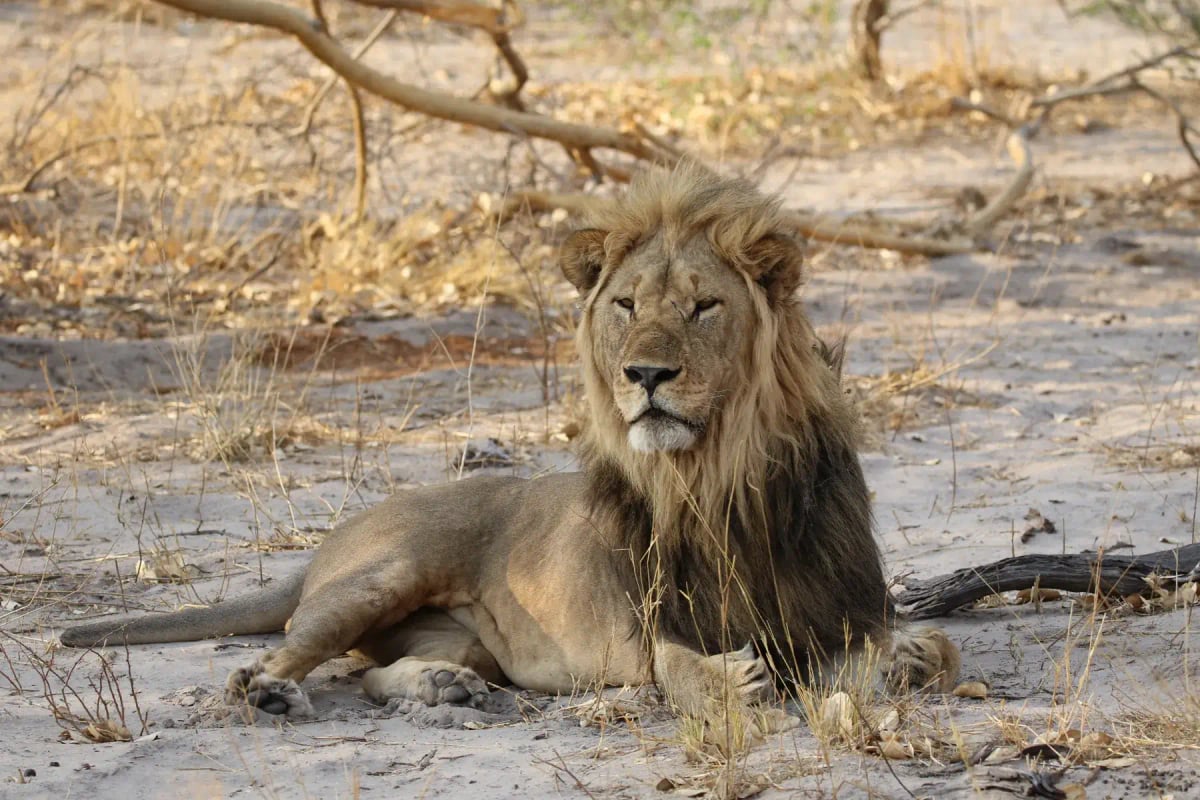
Lion
Panthera leo
The lion, though not native, has been a national emblem of Czechia for centuries. Displayed on the coat of arms, it stands for courage, independence, and dignity. This enduring symbol links the country’s medieval roots with its modern identity and reflects the spirit of strength that defines Czech culture.
View details→Wildlife in Czechia
Czechia’s landscapes combine dense forests, rolling hills, and rivers that host animals such as lynxes, wolves, bears, and deer. The country’s network of protected areas, including Šumava National Park, allows visitors to hike quiet trails, spot wildlife, and enjoy the calm beauty of Central Europe’s natural heritage throughout the seasons.
Most Dangerous Animals in Czechia
Czechia’s wilderness is safe yet demands respect. Wild boars, bears, and adders can be dangerous when startled, particularly in rural forests or wetlands. Visitors are advised to keep distance, follow marked paths, and admire the local fauna with caution while enjoying the country’s quiet natural landscapes.
Top 10 Animals in Czechia
Among Czechia’s most remarkable species are the brown bear, Eurasian lynx, and gray wolf. These large predators roam remote mountain forests, where conservation programs aim to preserve their habitats. Hikers visiting regions like the Beskydy Mountains may catch a glimpse of these elusive animals in the wild.
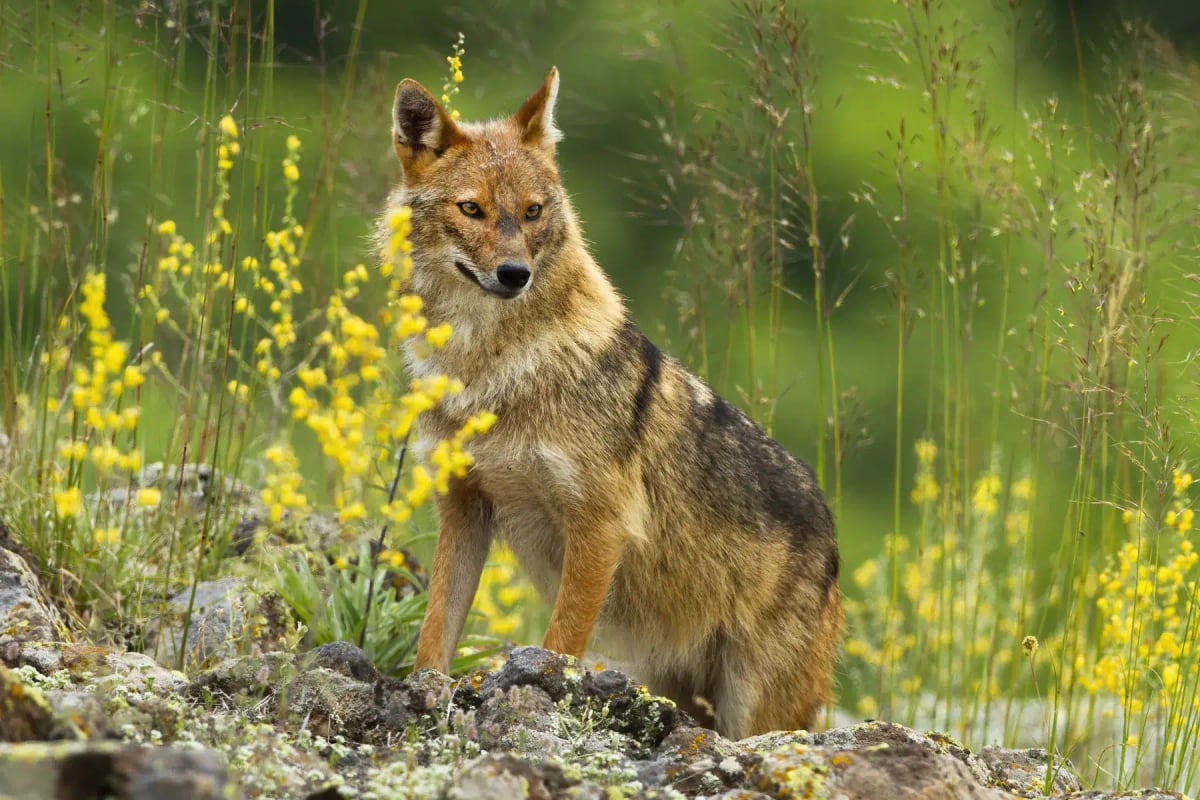
Golden Jackal
Canis aureus
The golden jackal is a relatively recent arrival in Czechia, with confirmed sightings becoming more frequent since the 2010s as the species expands northwestward across Europe. It tends to turn up in lowland river valleys and agricultural landscapes in the south of the country. Populations are not yet established, but lone individuals are recorded with growing regularity. IUCN status: Least Concern.
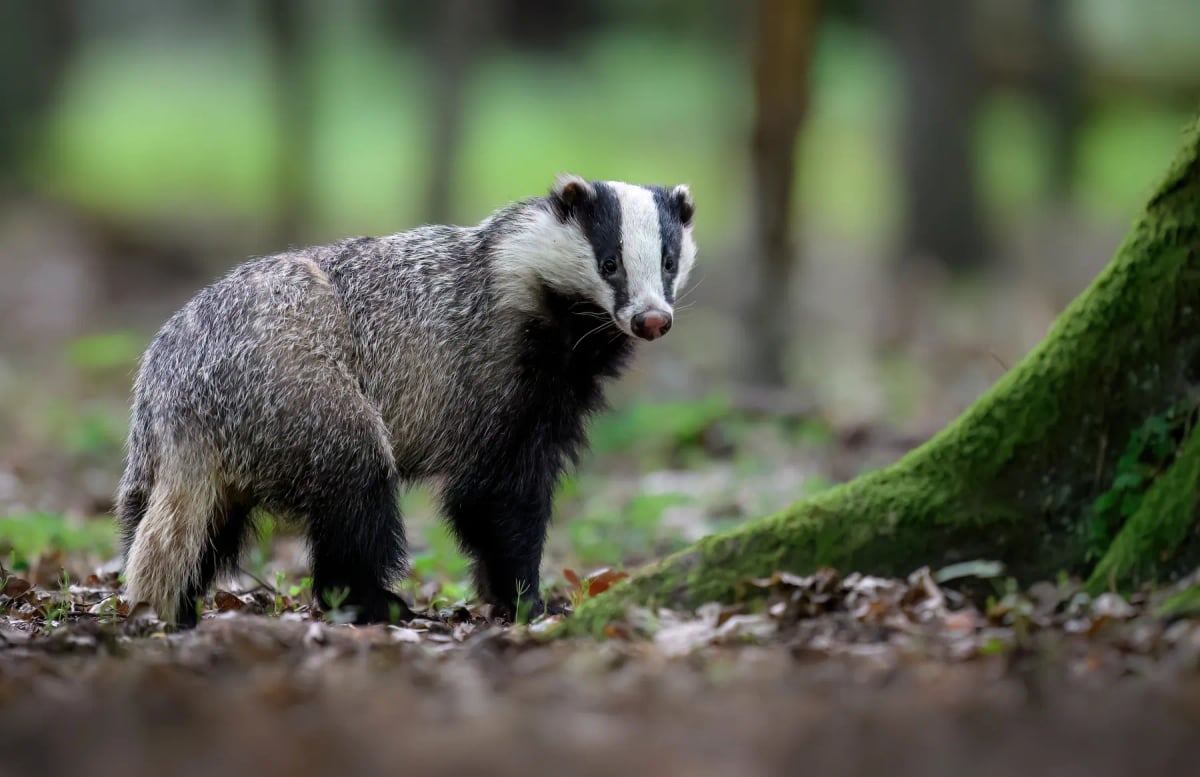
Badger
Meles meles
The Eurasian badger is widespread across the Czech Republic in deciduous and mixed woodland, farmland and hedgerow areas. It lives in family groups in extensive setts dug in well-drained soils, emerging at night to forage for earthworms, insects, berries and small animals. Populations are stable and the species is legally protected. Road mortality is one of the main pressures on badgers in the Czech Republic, particularly in fragmented agricultural landscapes.

Brown Bear
Ursus arctos
Brown bears are occasional visitors to Czechia rather than a resident breeding population. Individual bears, mostly young males dispersing from Slovakia and Poland, sometimes cross into the Beskydy Mountains or the Šumava region. Sightings are rare and generate significant public interest. Czech wildlife authorities monitor these movements closely, and there is ongoing discussion about whether the country could eventually support a small resident population.
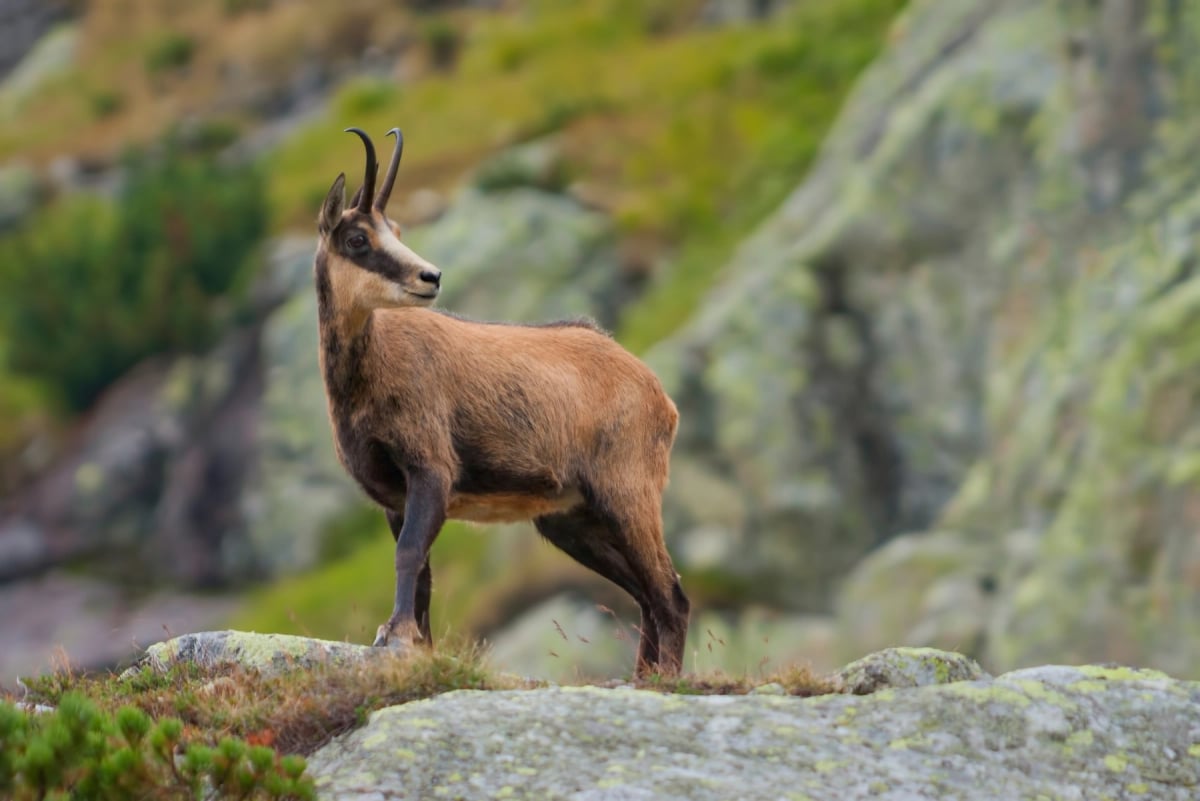
Chamois
Rupicapra rupicapra
In Czechia, chamois are not native but were introduced to the Jeseníky and Krkonoše mountain ranges during the 20th century. They have since established stable populations on rocky ridges and subalpine meadows. Their presence is monitored by wildlife authorities, as their grazing can affect sensitive mountain vegetation. Despite their introduced status, they are now a recognized part of the highland fauna of Bohemia and Moravia. IUCN status: Least Concern.
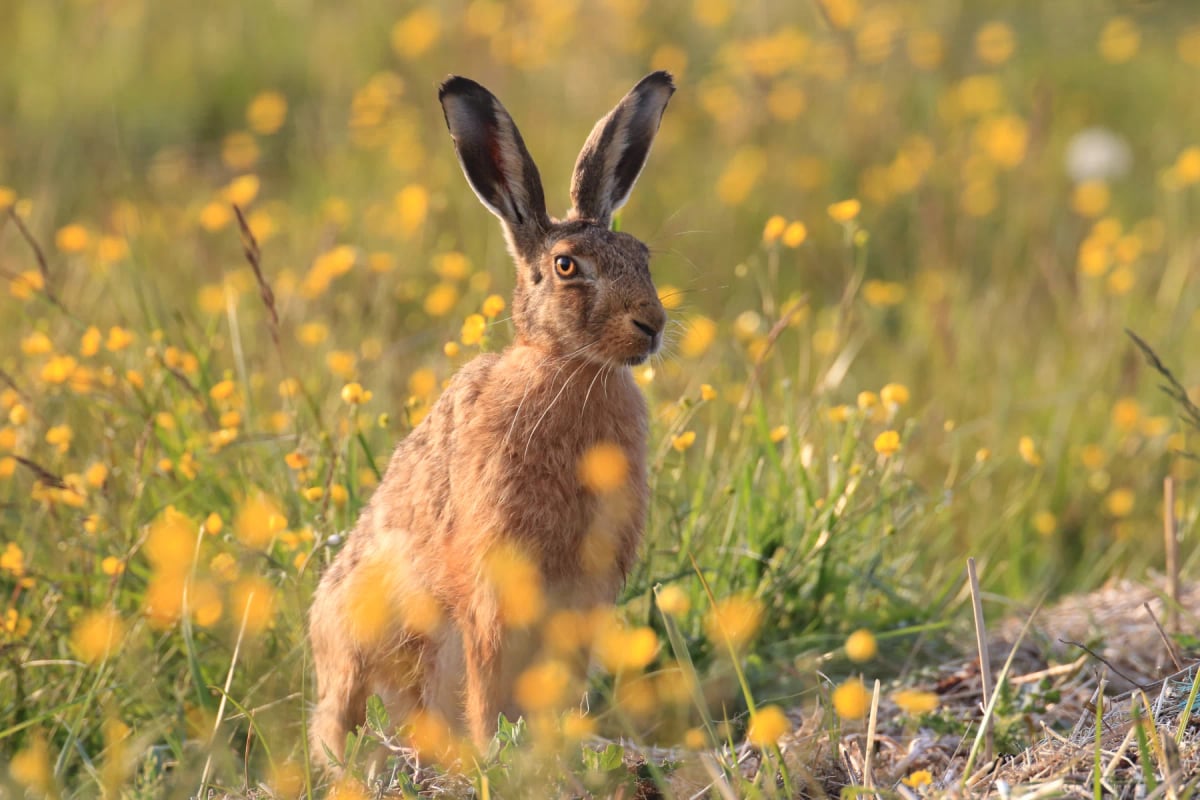
Hare
Lepus europaeus
Across Czechia's rolling farmland, meadows, and field edges, the European hare is one of the most recognisable wild mammals. It is widespread throughout the country but has suffered notable declines since the mid-twentieth century, largely due to the intensification of agriculture and the removal of field boundaries. Czech hunting organisations actively monitor hare populations, and agri-environment measures are encouraged to restore suitable habitat and support recovery over the long term.
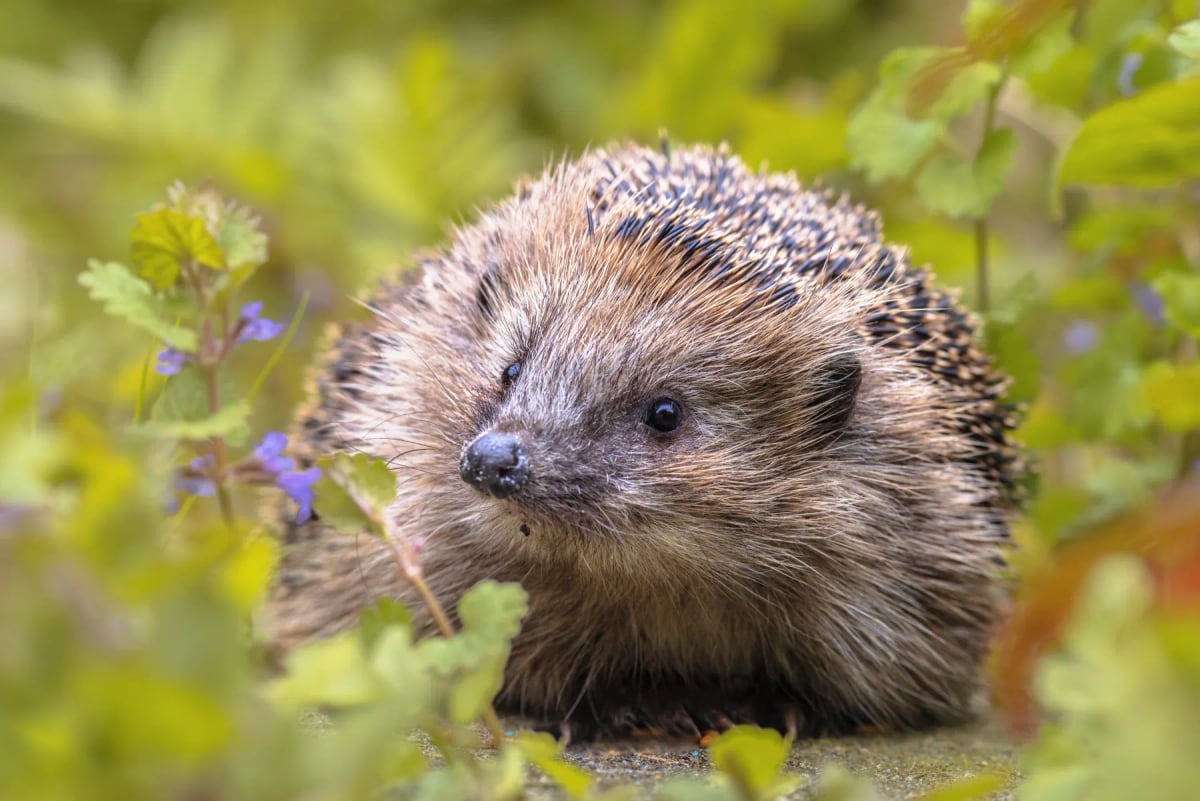
Hedgehog
Erinaceus europaeus
The European hedgehog is common across Czechia, roaming gardens, farmland edges, and the woodland margins of Bohemia and Moravia. It plays a useful role by consuming large numbers of slugs and insects. Hibernation begins in autumn and can last until April in cooler parts of the country. Populations have declined due to intensive farming and road casualties, prompting awareness campaigns by Czech conservation organisations. Its IUCN status is Least Concern.
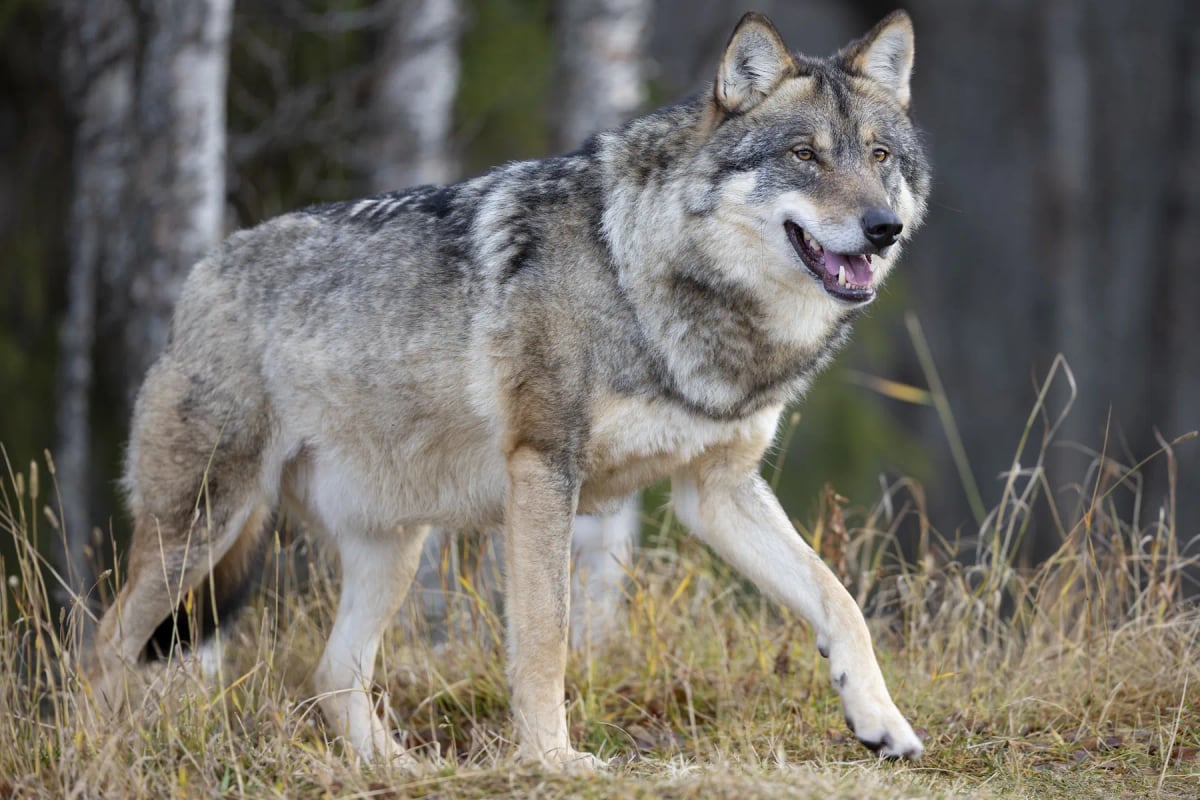
Gray Wolf
Canis lupus
The gray wolf has been returning to Czechia naturally after being absent for most of the twentieth century. Wolves now appear mainly in the Ore Mountains and Bohemian Forest areas near the borders with Germany and Poland. The population is still small and consists largely of dispersing individuals. The wolf is fully protected under Czech law. Public debate around the species is lively, with strong opinions from both conservationists and farmers.
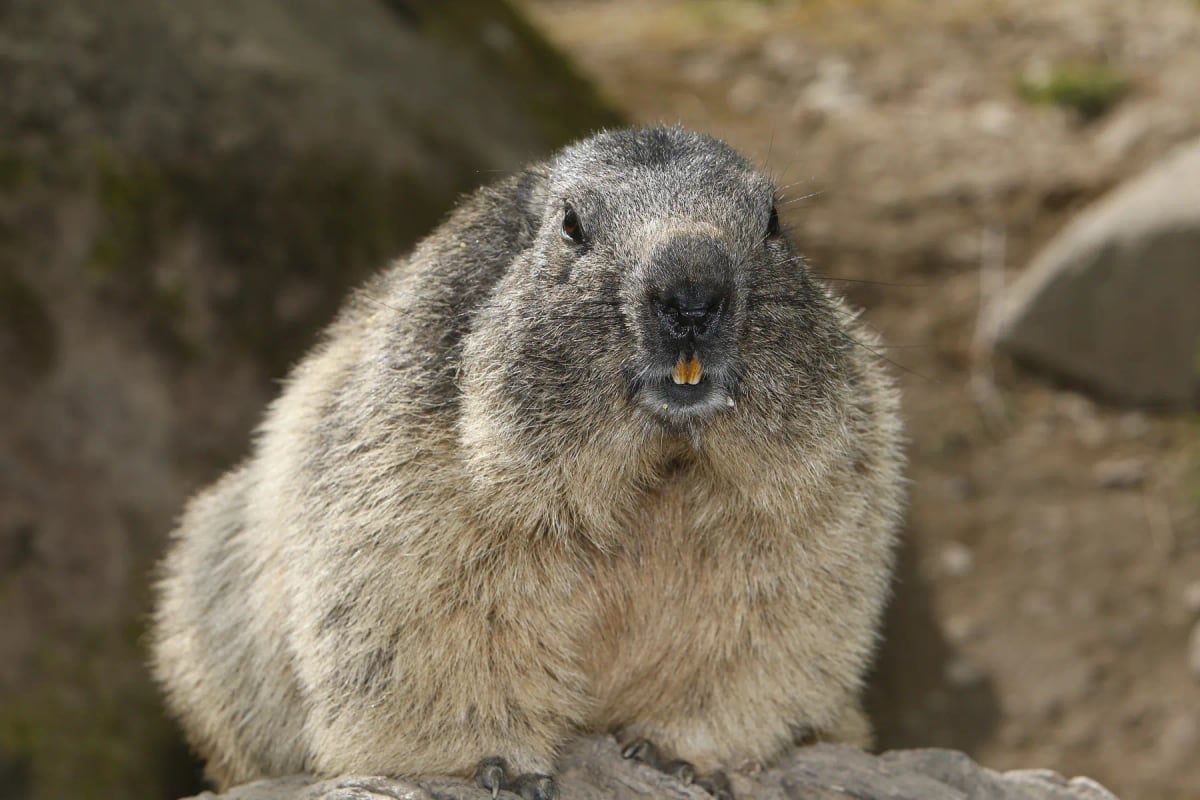
Alpine Marmot
Marmota marmota
The Alpine marmot has been introduced in the Beskydy range of the Czech Republic, in the Carpathian section of the country bordering Slovakia. Colonies are present in protected areas and represent the westernmost extension of the Carpathian marmot population. The species is not native to Czechia but has adapted to the subalpine meadows of the region. Sightings are less frequent than in core Alpine or Tatra areas but the population is monitored and considered stable within its limited range.
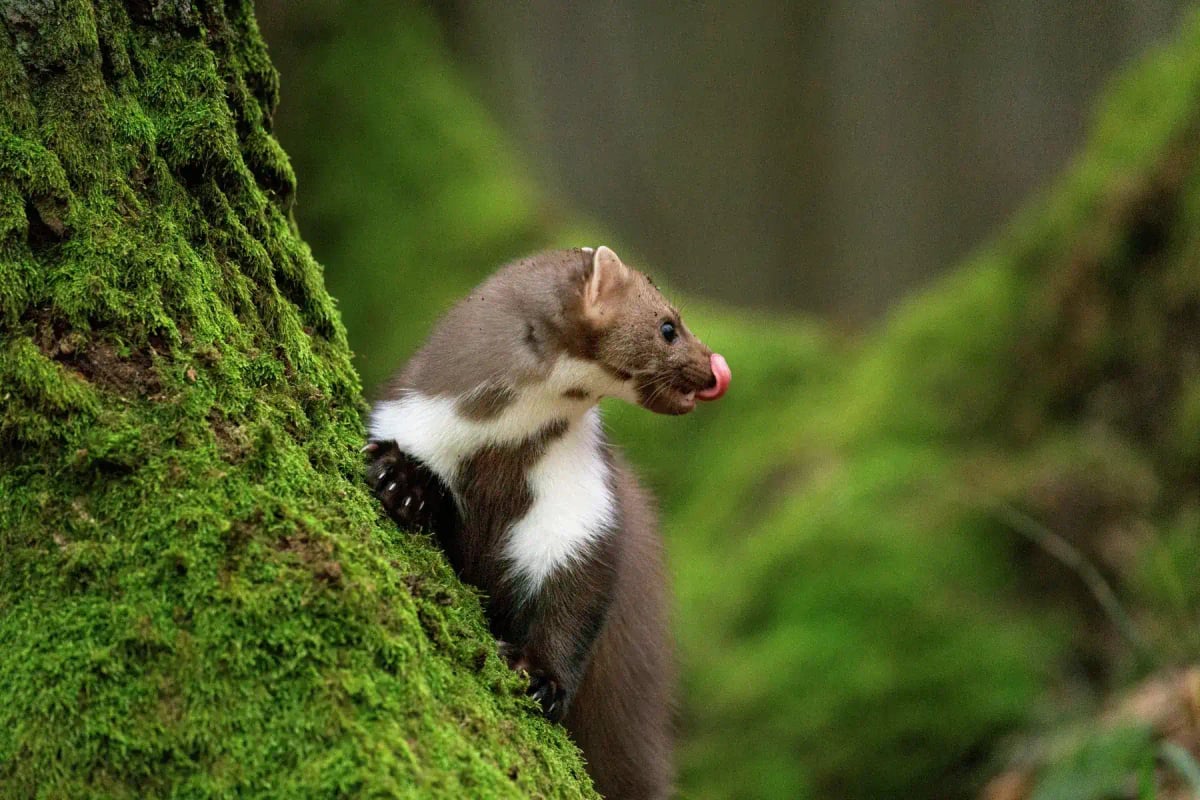
Marten
Martes martes / Martes foina
Both marten species are found across Czechia. Stone martens are particularly visible in towns and suburbs, where they den under roof tiles and in attics, occasionally causing damage. Pine martens prefer the forests of the Bohemian and Moravian highlands. Czechia has a long history of recording marten presence, and current populations of both species appear stable. The IUCN lists both as Least Concern.
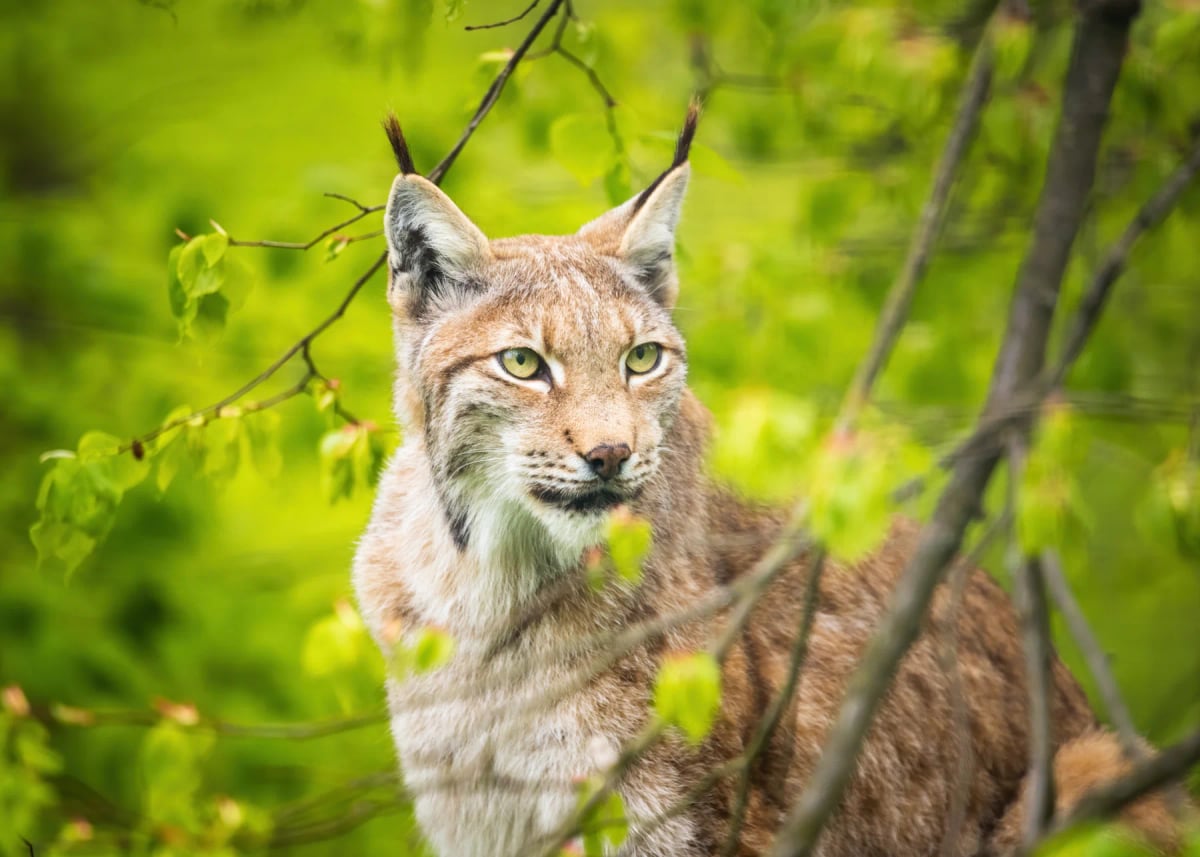
Eurasian Lynx
Lynx lynx
The Eurasian Lynx is present in the Šumava region of Czechia, along the border with Germany and Austria, where dense mixed forests provide good cover. Animals disperse naturally from neighboring Slovakia and Germany. The species was locally extinct for over a century before returning. It feeds mainly on roe deer and is strictly protected under Czech law. The IUCN lists it as Least Concern globally.
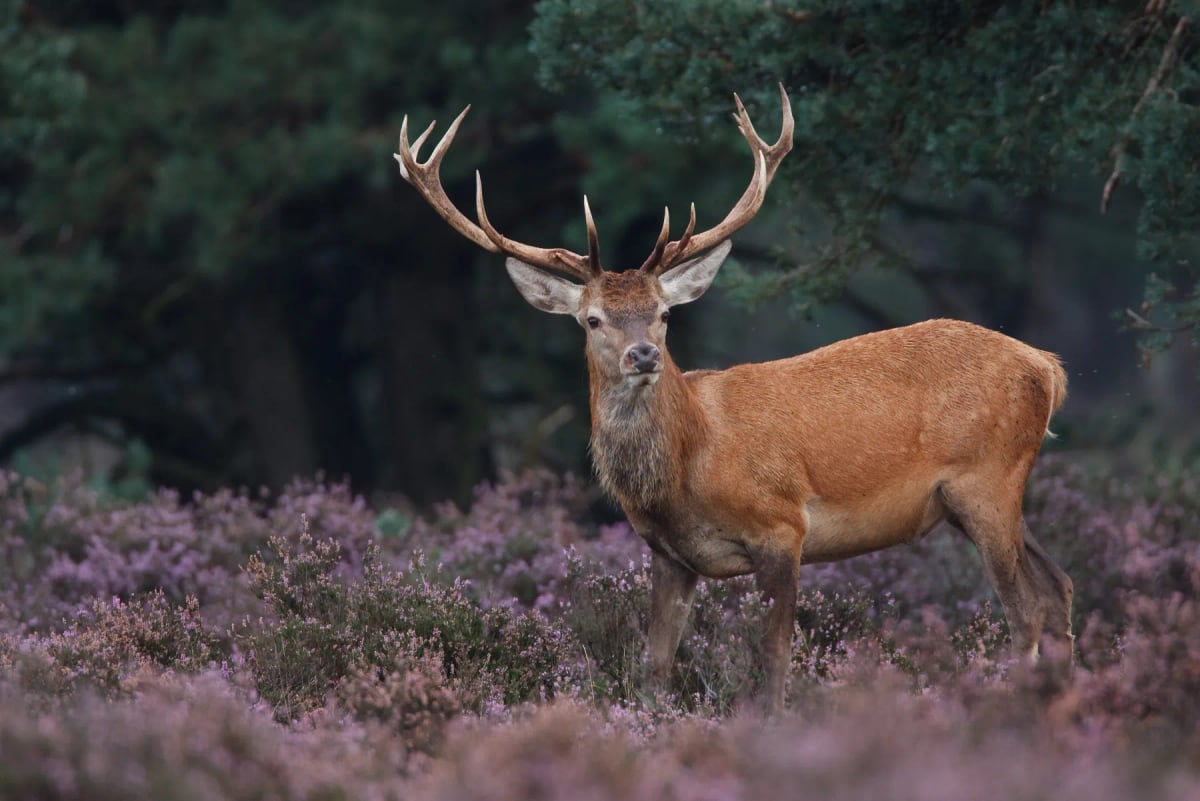
Red Deer
Cervus elaphus
The red deer is one of the most iconic large mammals in Czechia, found across the country's forests, particularly in the Bohemian Forest and the Carpathian highlands of Moravia. Stags are well known for their powerful roaring during the autumn rut. Populations are actively managed through regulated hunting, and the species holds a stable presence in both protected areas and commercial woodland across the country. IUCN status: Least Concern.
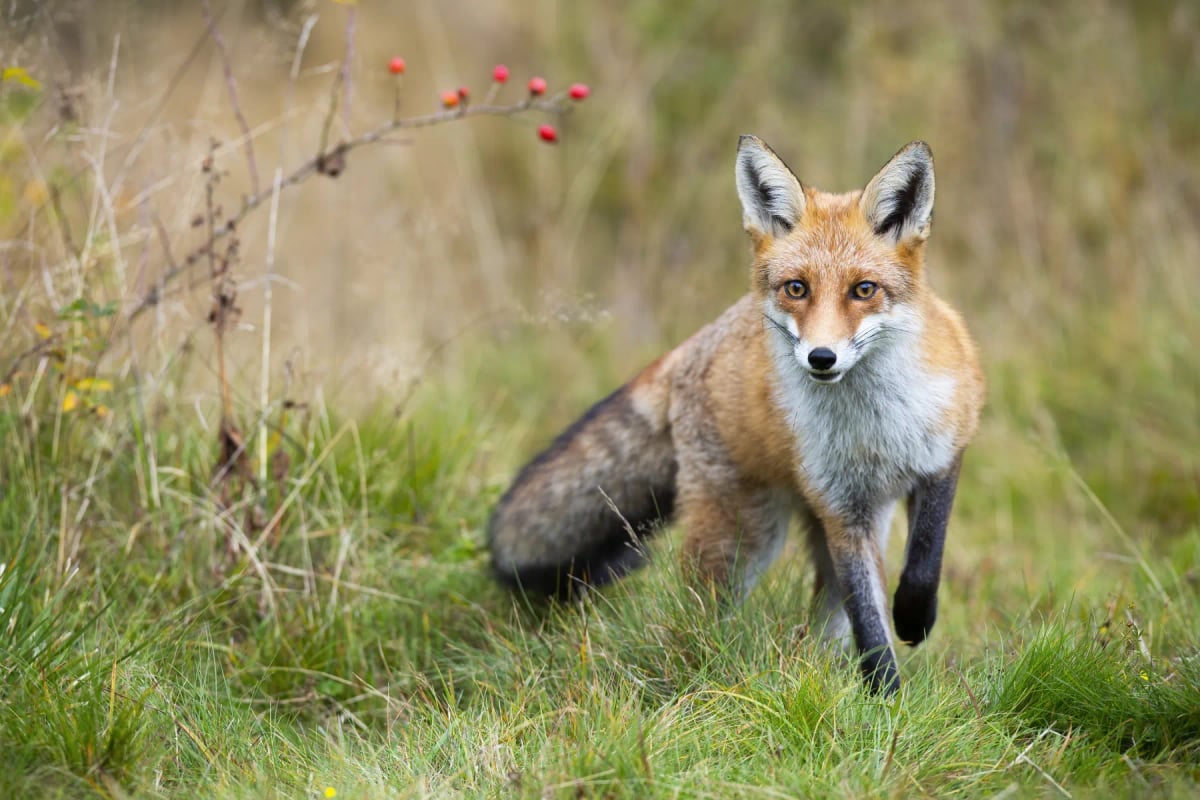
Red Fox
Vulpes vulpes
The red fox is one of the most common wild carnivores in Czechia, living in forests, farmland, and increasingly in cities like Prague and Brno. It feeds on a wide variety of food, from voles and rabbits to berries and food waste. Populations recovered strongly after rabies vaccination programmes were introduced in the 1990s. The species holds Least Concern status and is a familiar part of everyday Czech wildlife.
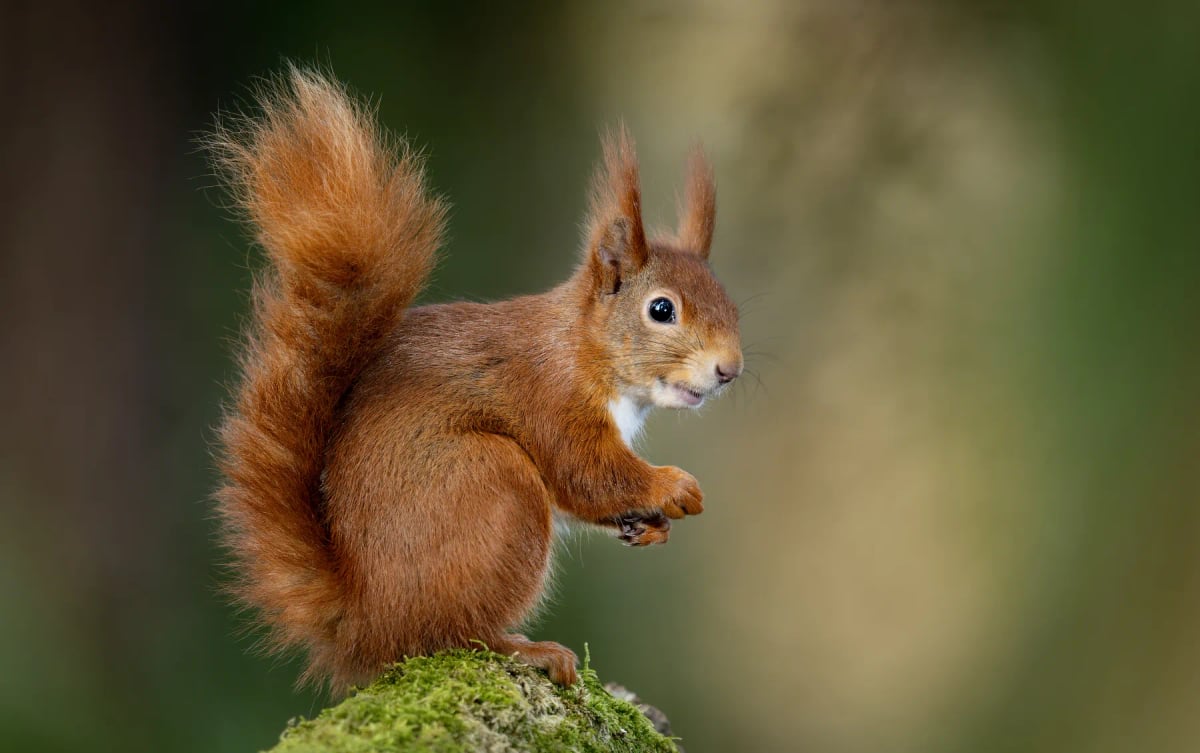
Red Squirrel
Sciurus vulgaris
The red squirrel is found throughout Czechia in both lowland and upland forests, from the Bohemian Forest to the Moravian highlands. It is a familiar sight in parks and woodland edges as well as deeper forest interiors. No grey squirrel population has established itself in Czechia, allowing the red squirrel to remain common and widespread without that particular pressure. IUCN status: Least Concern.
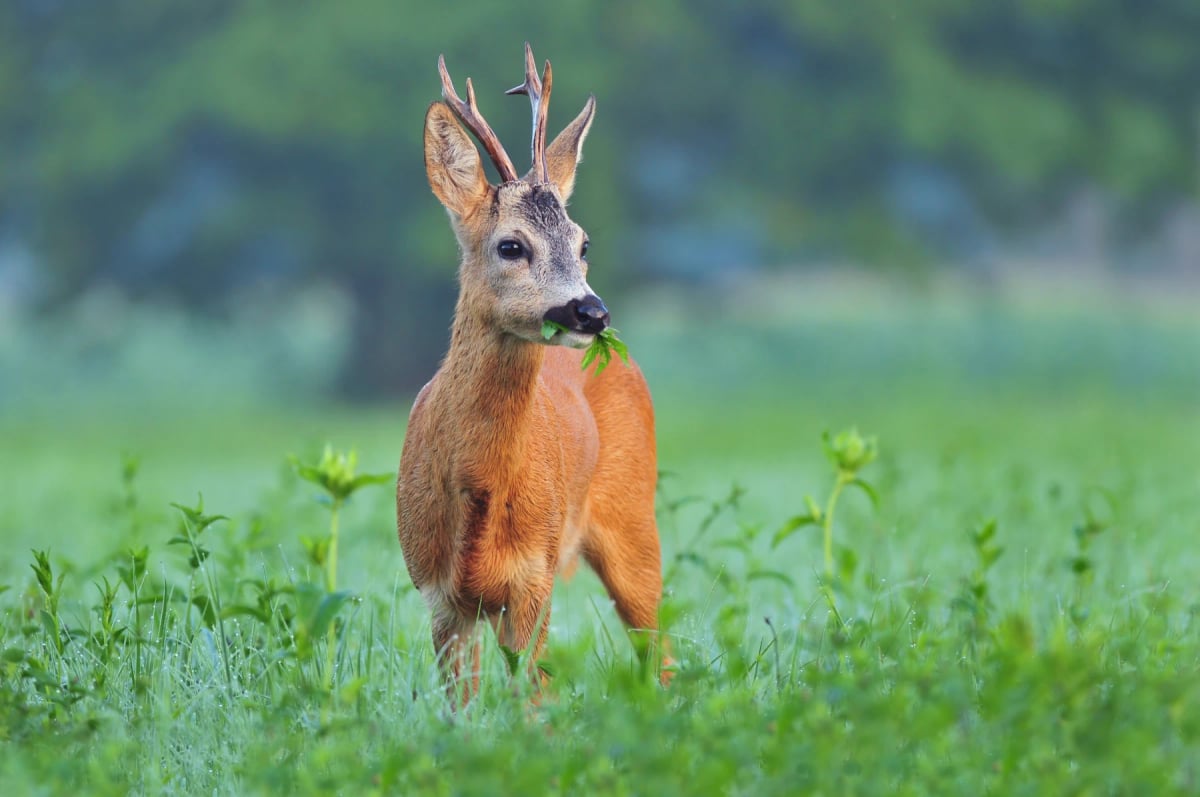
Roe Deer
Capreolus capreolus
The roe deer is one of the most widespread wild mammals in Czechia, living in forests, farmland, and the wooded hills of Bohemia and Moravia. It thrives along forest edges where shrubs and young trees provide plenty of food. Its coat turns russet in summer and grey brown in winter. Only males grow short antlers. Its IUCN status is Least Concern, and populations across the country remain healthy and stable.
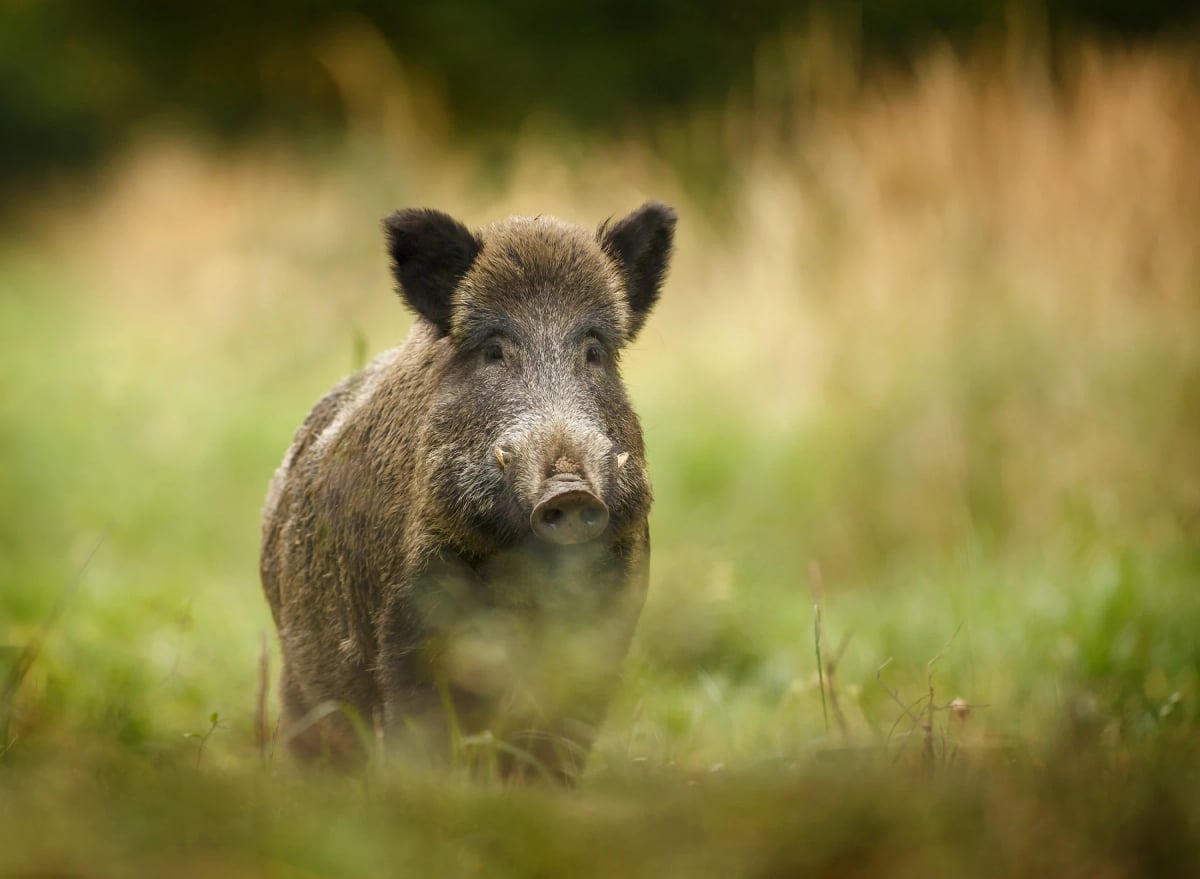
Wild Boar
Sus scrofa
Wild boars are widespread across the forests and farmland of Czechia, with populations expanding significantly over recent decades thanks to mild winters and abundant food in agricultural areas. They are a major game species managed through licensed hunting, but rising numbers have also increased crop damage and collisions on rural roads. Wild boars increasingly appear near the edges of towns, including parts of Prague.
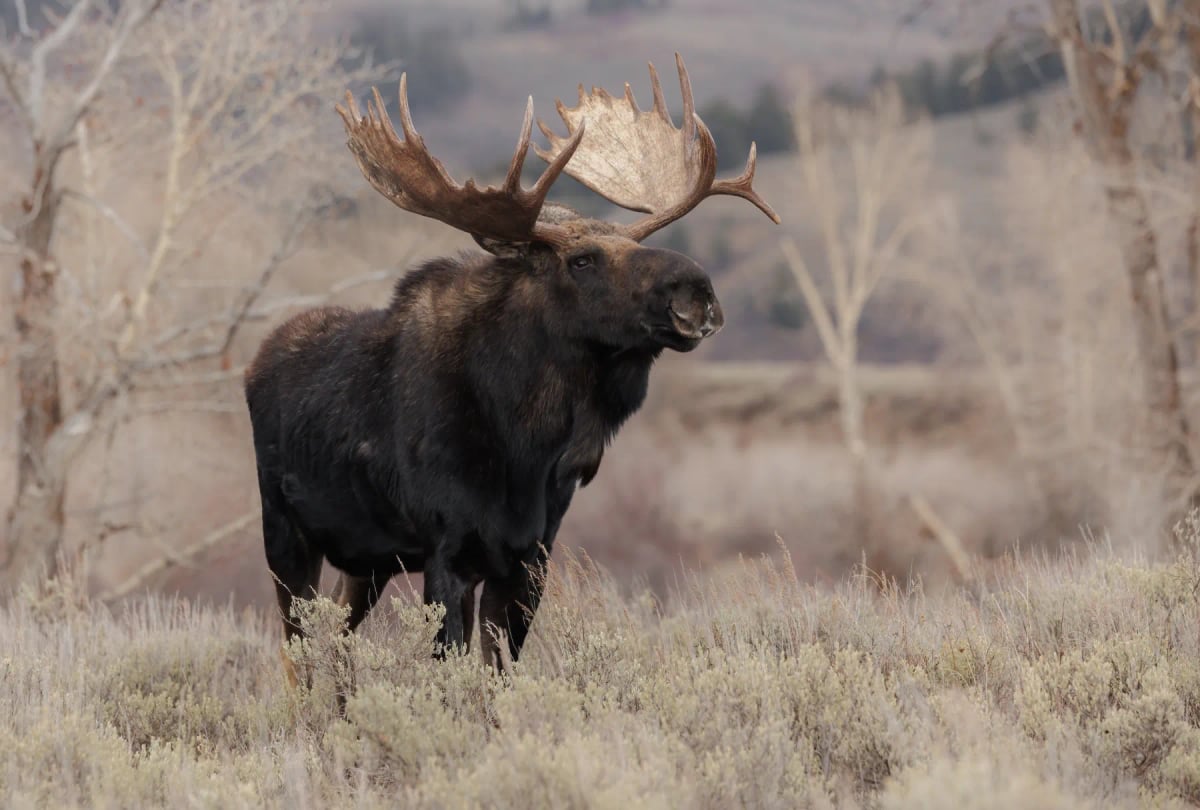
Moose
Alces alces
Moose are occasional visitors to Czechia rather than permanent residents, typically crossing in from Poland or Slovakia through forested corridors in the north and east of the country. Sightings have increased slightly in recent decades as populations in neighbouring countries have grown. When present, they favour dense riverside forests and marshy areas. There is no established breeding population in Czechia at this time.
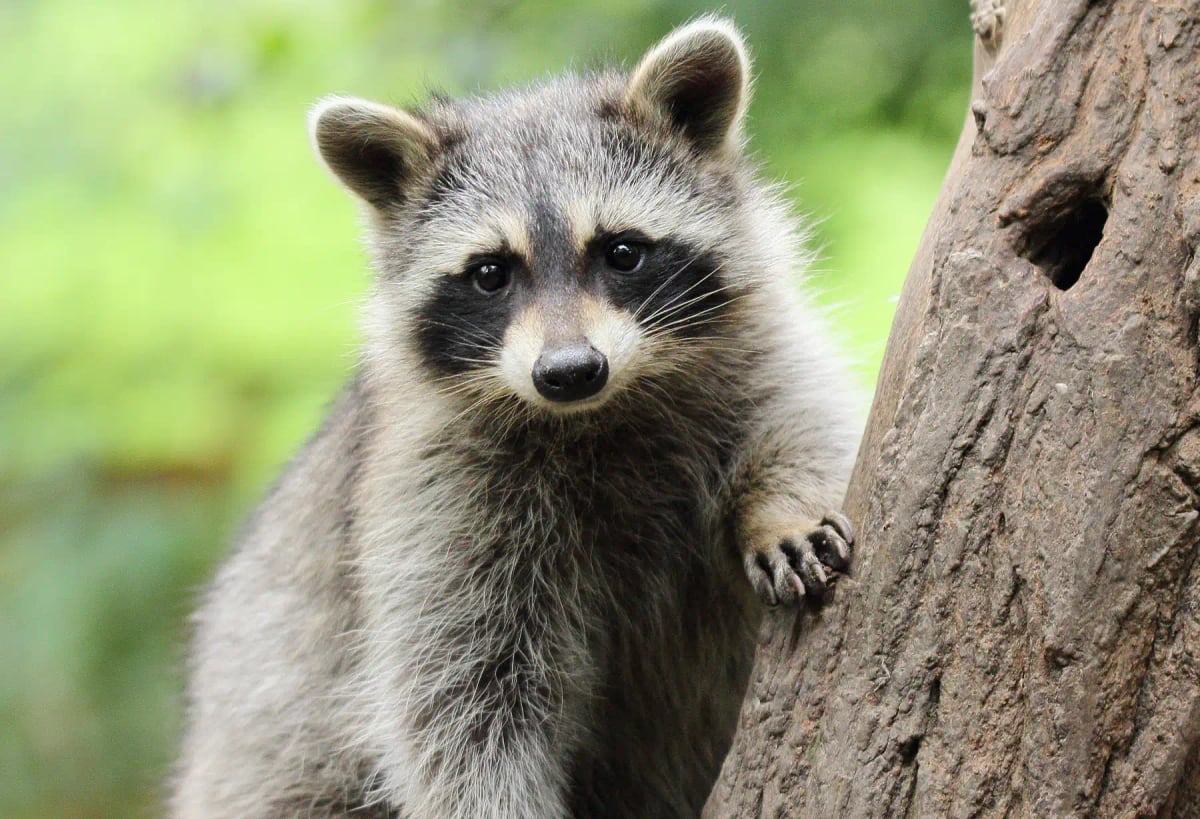
Raccoon
Procyon lotor
Raccoons have been spreading across Czechia, arriving mainly from Germany through forested border regions such as Bohemia. They are listed as an invasive species and are managed through hunting. Wooded river valleys and the edges of agricultural land provide ideal habitat, and populations have been recorded in several national parks and protected areas, raising concern about their effects on native ground-nesting birds and amphibians.
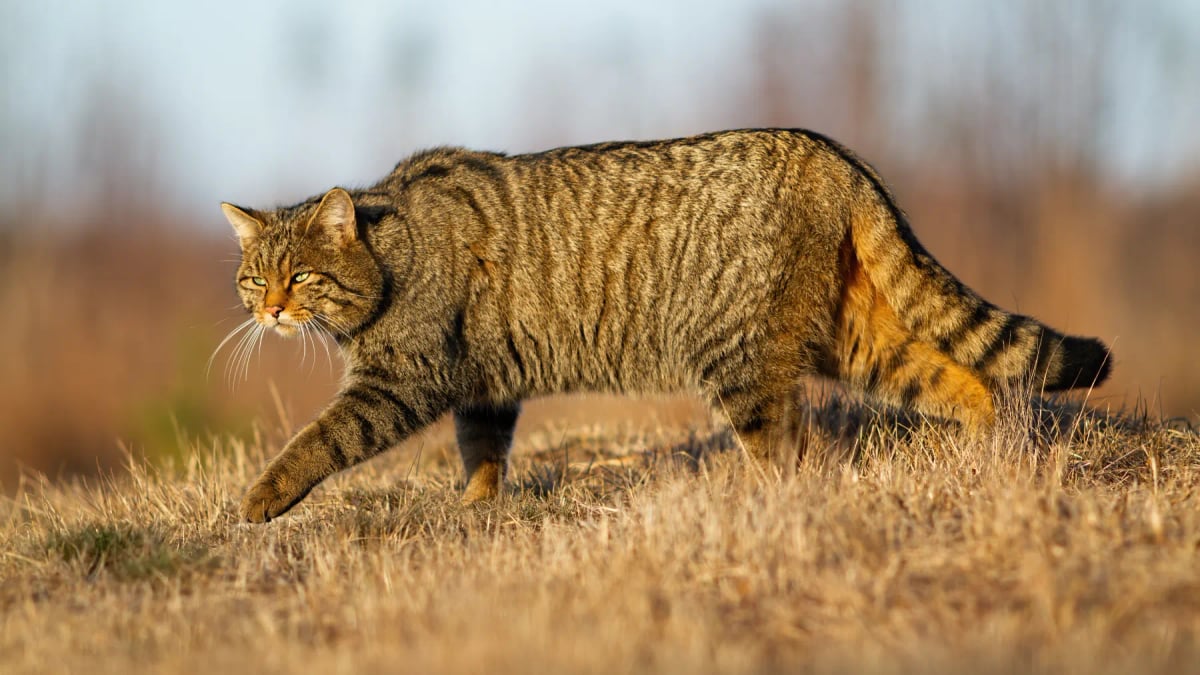
European Wildcat
Felis silvestris silvestris
The European wildcat was once absent from much of Czechia but has been recolonizing forest areas in Bohemia, particularly near the German border. Its return is linked to natural dispersal from populations in Germany. Dense deciduous forest gives it the cover it needs to hunt and breed. Genetic contamination through crossbreeding with domestic and feral cats is closely monitored by Czech conservationists.
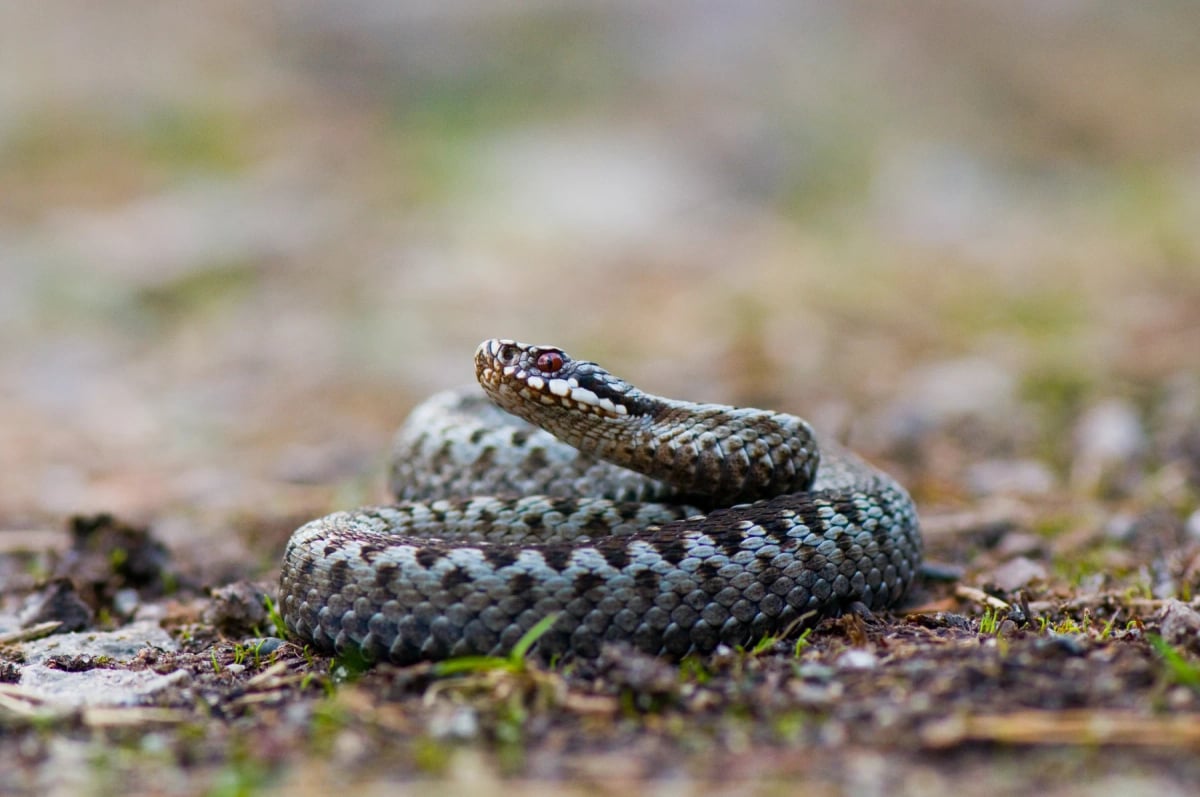
European Adder
Vipera berus
The European adder is found across much of the Czech Republic, from lowland forests and wetland edges to upland heaths in areas such as the Šumava and the Bohemian-Moravian Highlands. It is a protected species under Czech law. Populations have declined in some regions due to agricultural intensification and the loss of suitable basking sites. Its IUCN status is Least Concern.
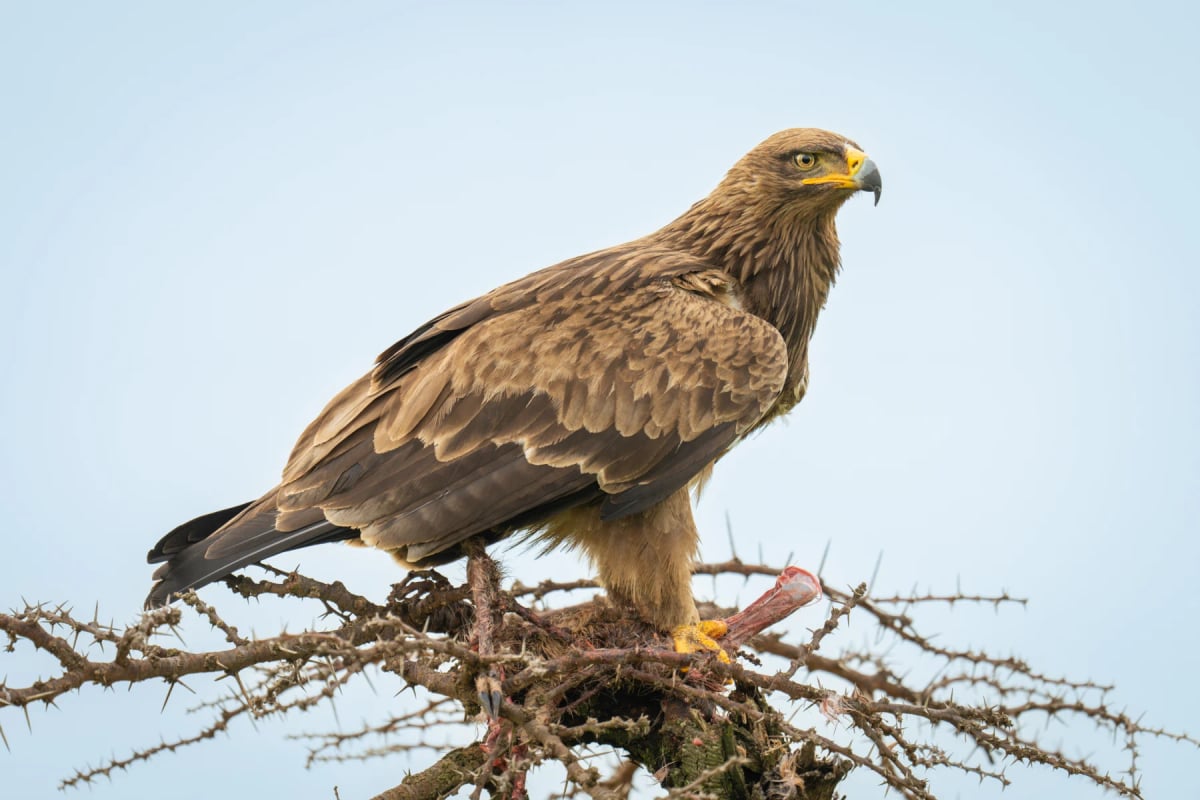
Steppe Eagle
Aquila nipalensis
In Czechia, the Steppe Eagle is a scarce vagrant, with occasional sightings reported during autumn migration as birds travel from Central Asian steppes toward their wintering grounds in Africa and South Asia. Open lowland areas may briefly host resting individuals. The species is classified as Endangered by the IUCN, with its global population in steady decline. Records in Central European countries like Czechia help scientists better understand the western limits of the species' migratory range.
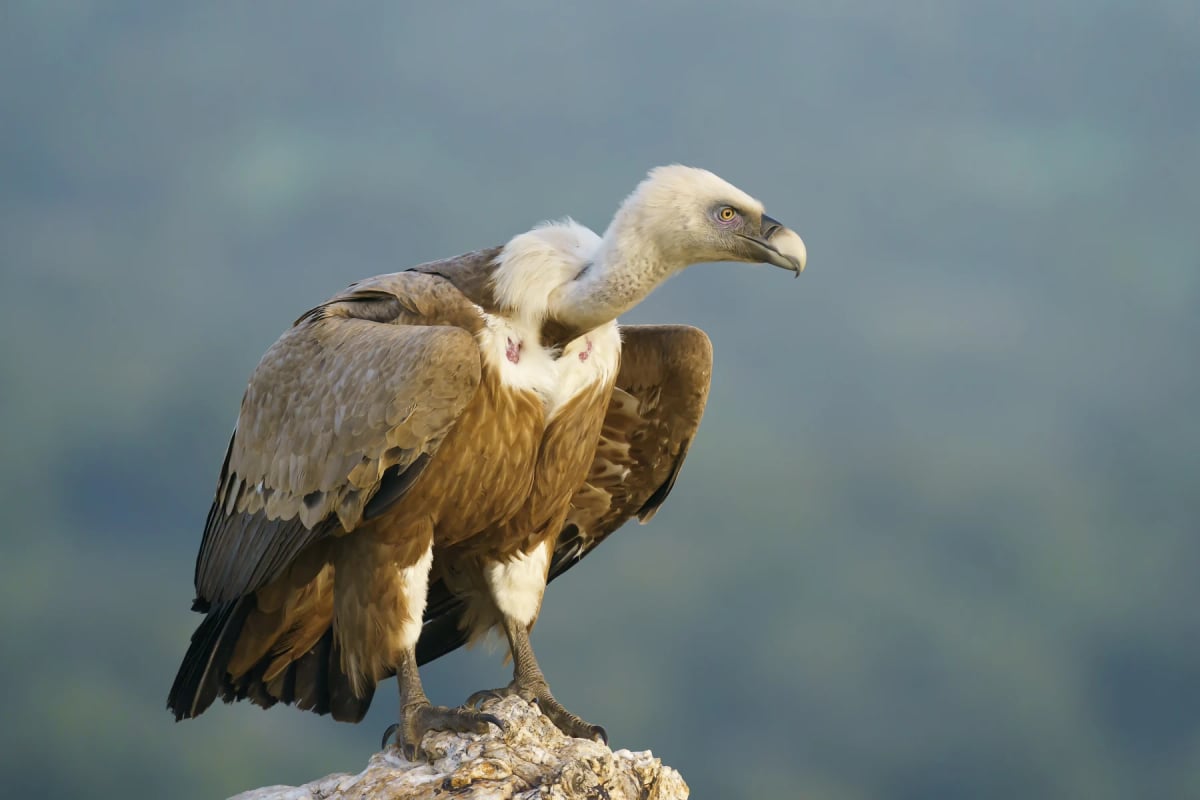
Griffon Vulture
Gyps fulvus
The IUCN includes Czechia in the griffon vulture's range, but in practice it is a rare sight here, far north of the nearest colonies. Most birds that appear are young griffons wandering in summer from the Balkans or the Alps, sometimes in small groups, as happened across central Europe in 2007. They soar over open farmland and hills looking for carcasses before moving on. IUCN status: Least Concern.
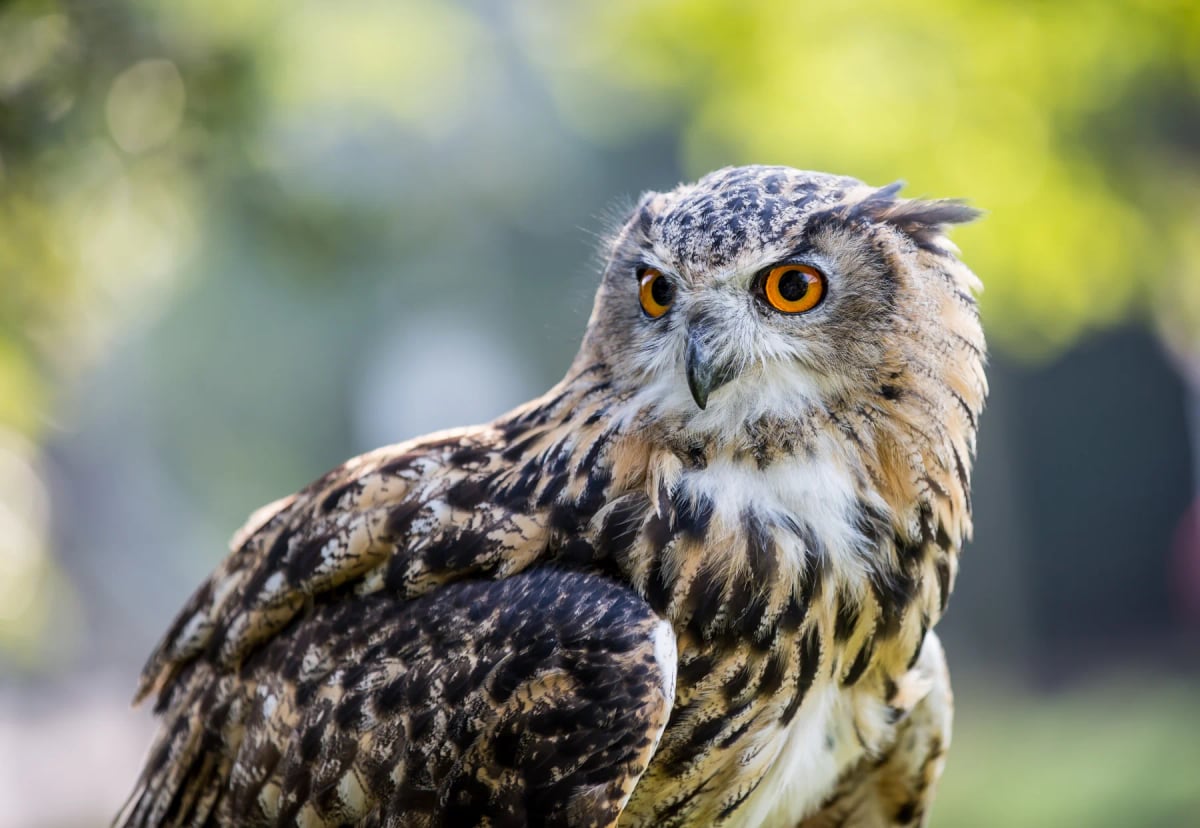
Eagle Owl
Bubo bubo
In Czechia, the eagle owl was once nearly absent due to persecution and habitat loss, but careful conservation work through the twentieth century helped it recover. Today it breeds in sandstone rock formations in Bohemia and among the limestone hills of Moravia. It hunts at night across farmland and forest edges, taking hares, rabbits, rats, and birds. The IUCN lists it as Least Concern.
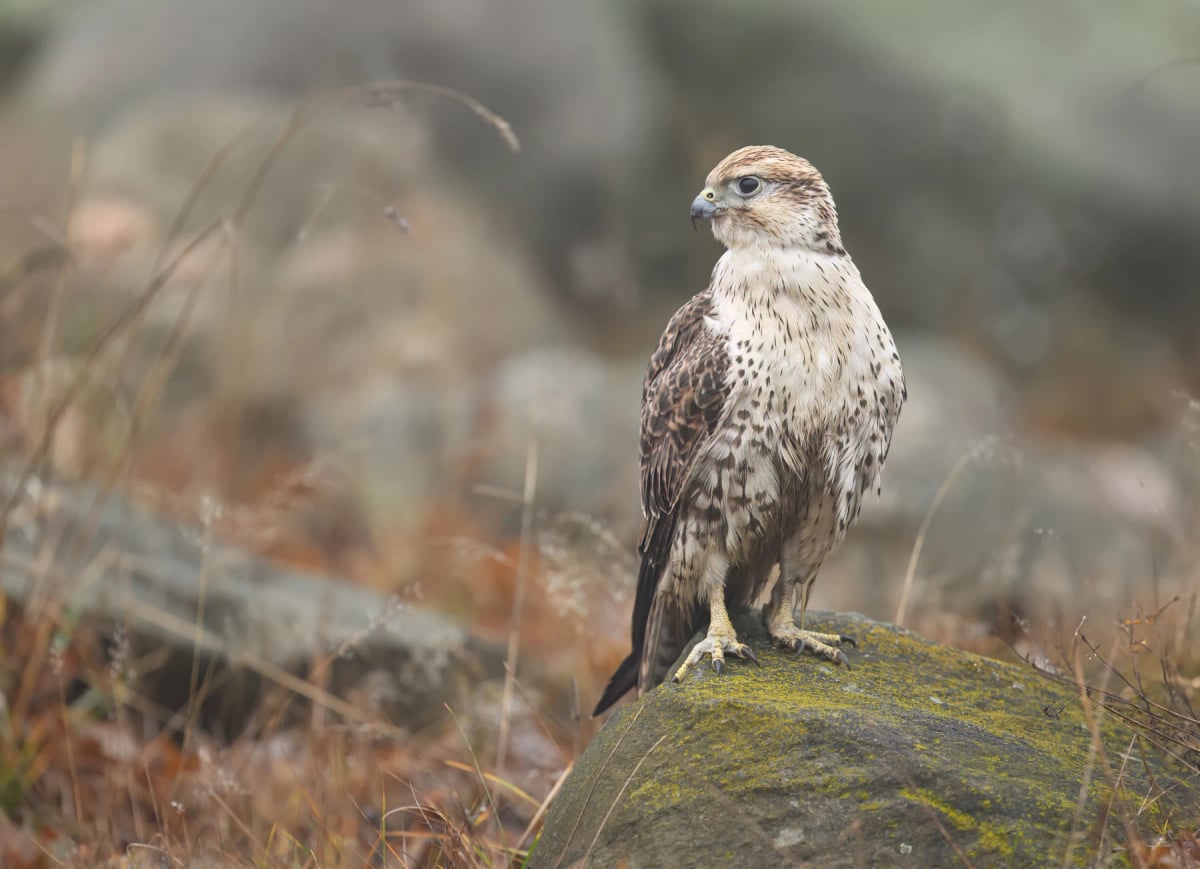
Saker Falcon
Falco cherrug
Czechia holds a small breeding population of saker falcons in the lowlands of South Moravia, on the northern edge of the Pannonian plain it shares with Slovakia, Austria and Hungary. Pairs nest in old stick nests in tree lines, in nest boxes and on electricity pylons, and hunt over open farmland. Elsewhere in the country, including Bohemia, the bird is a rare visitor. The IUCN lists the saker falcon as Endangered.
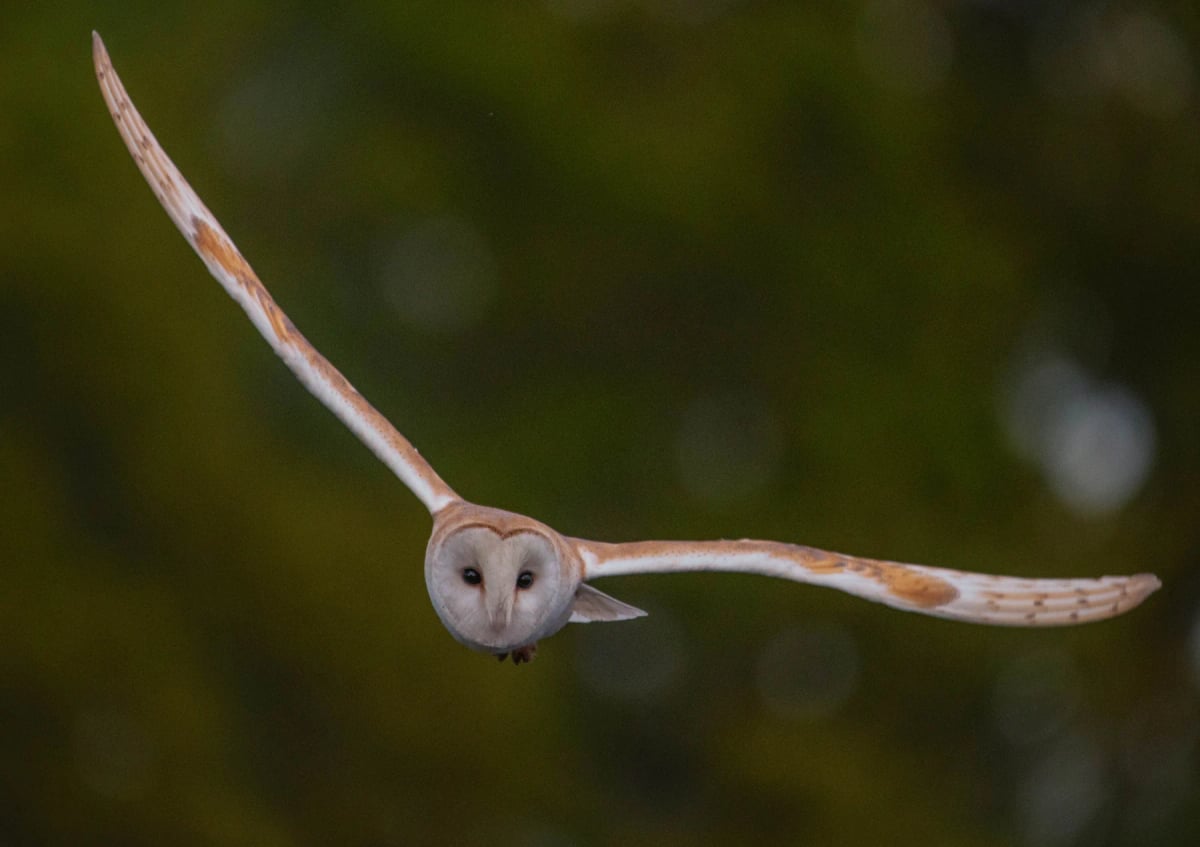
Barn Owl
Tyto alba
The barn owl is a resident of the Czech Republic in lowland agricultural areas, open countryside, and rural villages, found mainly in Bohemia and Moravia where farmland and old buildings provide nesting sites and hunting habitat. It feeds on mice and voles caught at night in open fields and meadows. Populations declined significantly in the twentieth century due to agricultural intensification and the loss of nesting sites, and active conservation programs including nest box installation have been working to reverse this trend.
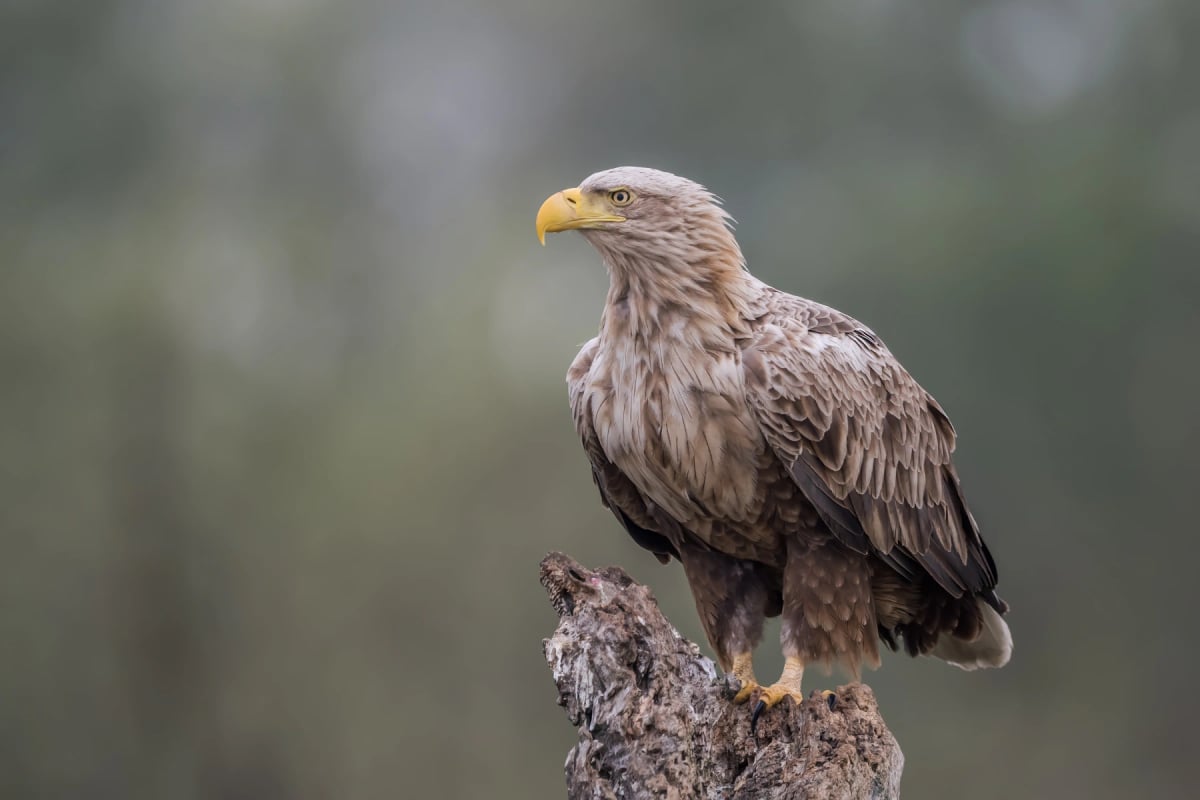
White tailed Eagle
Haliaeetus albicilla
The white-tailed eagle is a powerful bird of prey that has made a strong recovery in Czechia, particularly around large fishpond systems in South Bohemia and South Moravia. These shallow, fish-rich waters attract the species year-round, though numbers swell in winter when birds from colder regions arrive. Legal protection has been central to its comeback. It is listed as Least Concern by the IUCN.
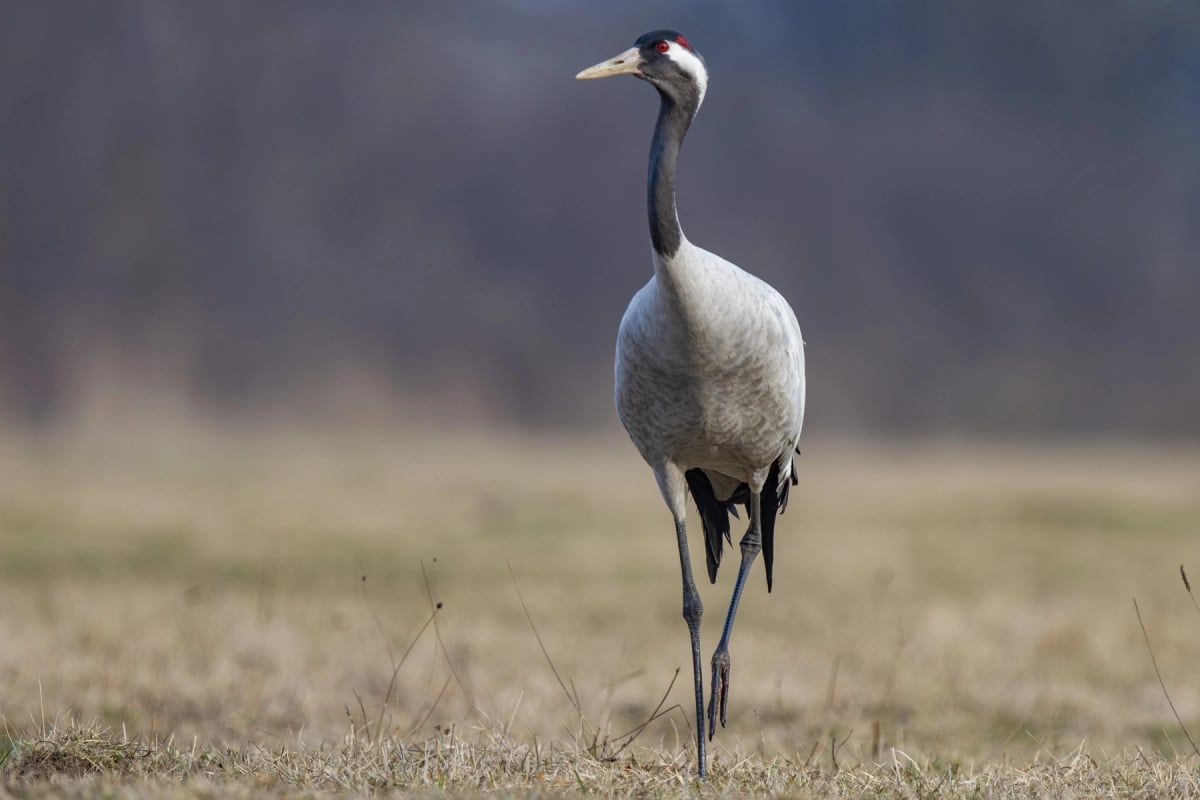
Crane
Grus grus
The common crane returned to breed in Czechia in 1989 after a long absence, and the population has grown to a few hundred pairs, nesting mainly around the fishponds and wetlands of southern Bohemia, northern Bohemia and Moravia. Many more cranes pass through on migration each spring and autumn, resting in open fields between the ponds. It is one of the clearest examples of the species' recovery in central Europe. IUCN status: Least Concern.
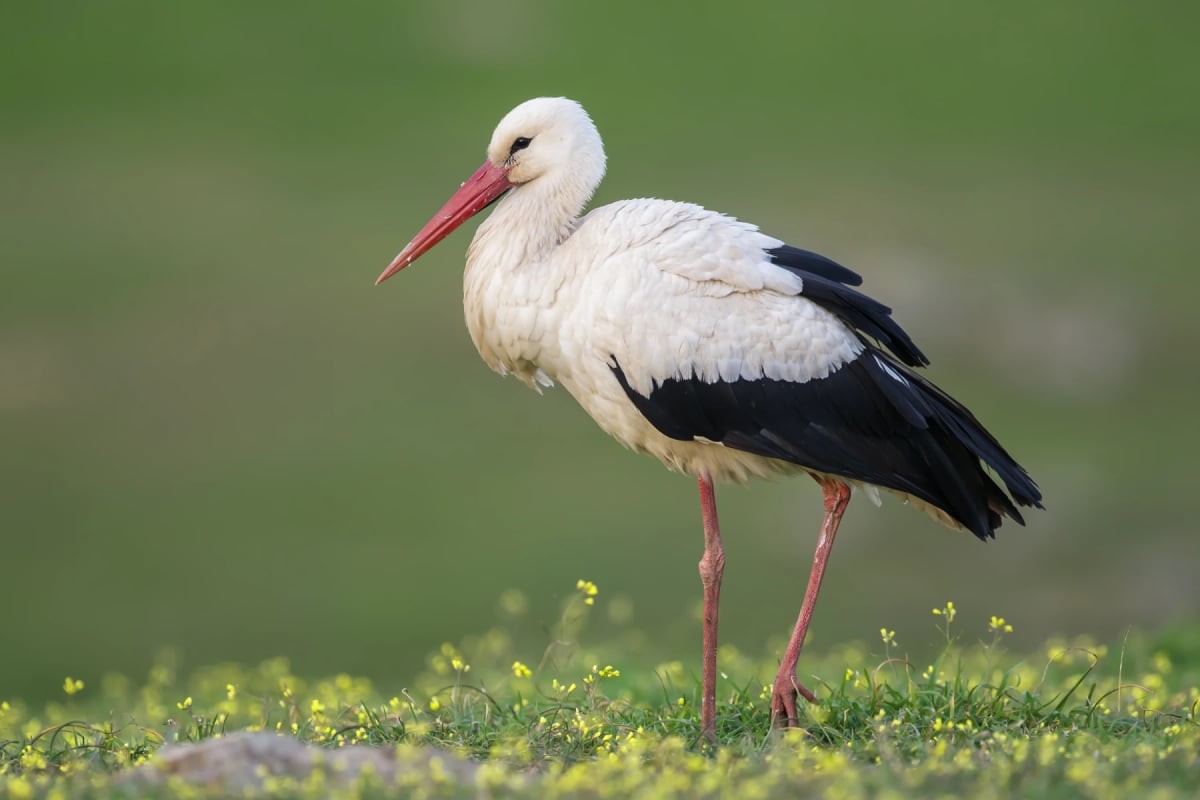
Stork
Ciconia ciconia
The white stork is a well known breeding bird in Czechia, nesting mainly in lowland areas of Bohemia and Moravia. It favors river floodplains, wet meadows, and farmland where food is easy to find. Pairs return faithfully to the same large stick nests each spring, often built on rooftops or utility poles in villages. Czech populations recovered after sharp declines in the twentieth century and are now considered stable.
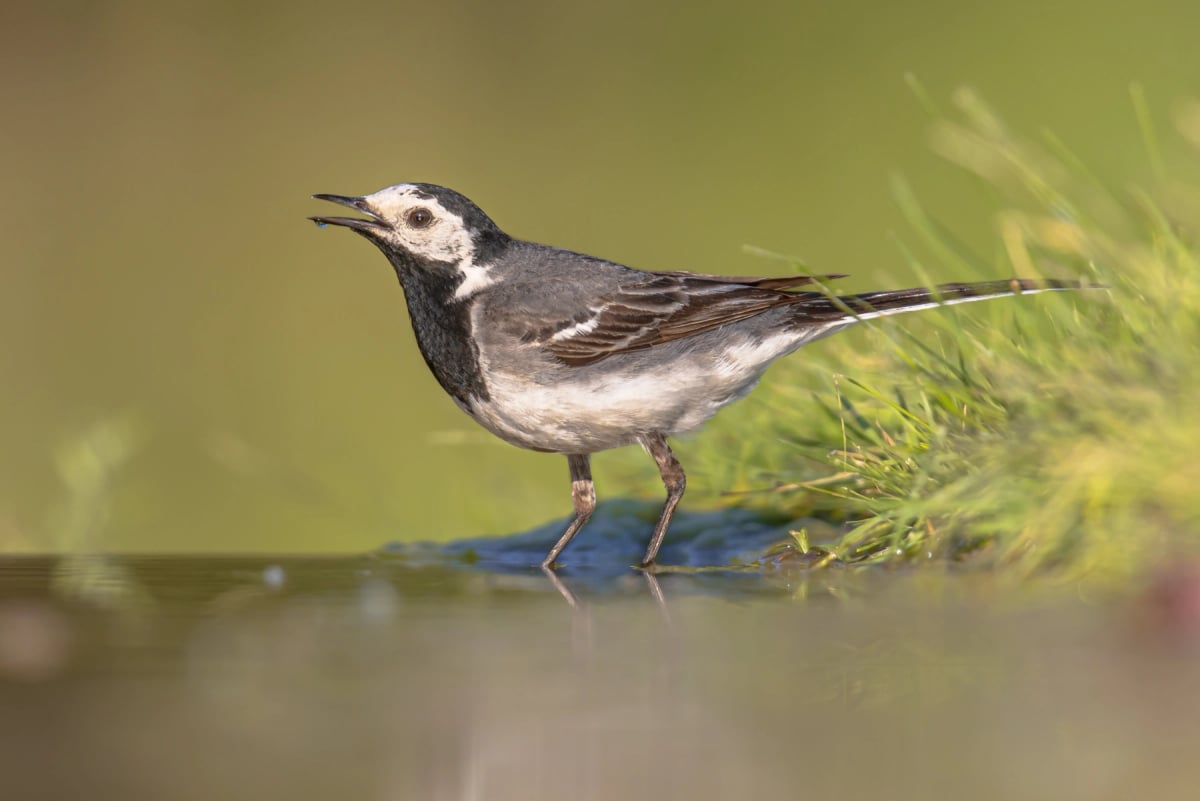
White Wagtail
Motacilla alba
The white wagtail is a common and well loved breeding bird in Czechia, nesting beside rivers and streams from lowland valleys up into foothill areas. It readily takes to towns and villages, often nesting in walls, garden sheds and under roof tiles. Most birds leave in autumn and head for warmer regions, returning by early spring. It is among the first migrants to arrive back each year. The IUCN lists it as Least Concern.
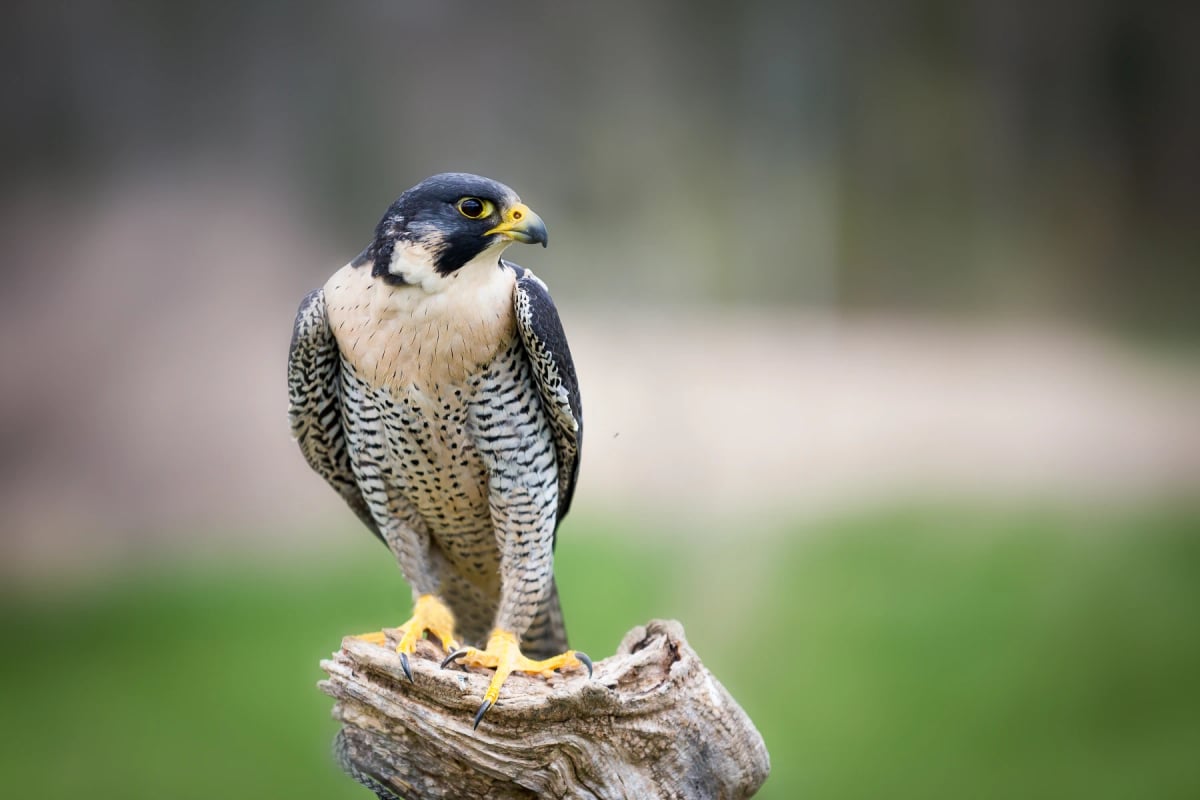
Peregrine Falcon
Falco peregrinus
The peregrine falcon returned to Czechia as a breeding bird after local extinction caused by DDT use in the twentieth century. Recovery efforts, including nest protection programs and urban nest box schemes, helped pairs re-establish on cliff faces in Bohemia and Moravia. Today the species also nests on cathedral towers and tall buildings in Prague and other cities, making it a visible urban conservation success story.
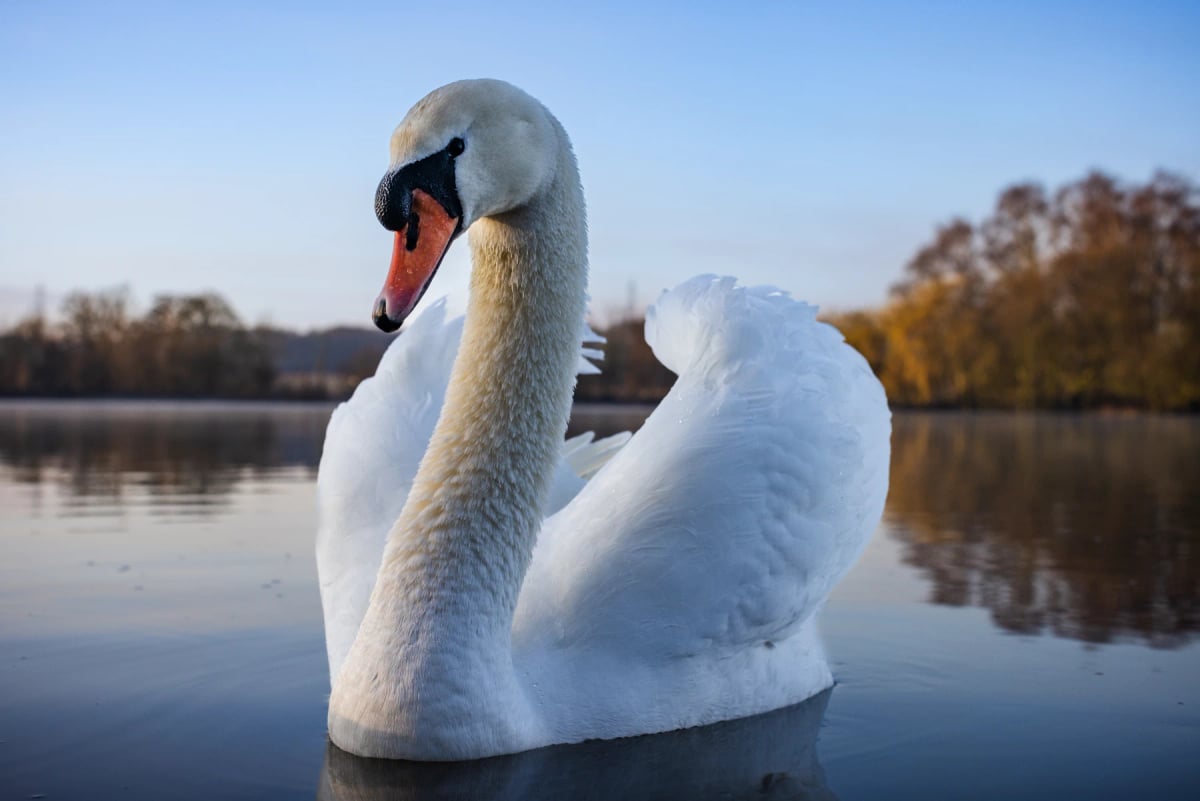
Mute Swan
Cygnus olor
The mute swan is one of the most recognizable waterbirds in Czechia, with its white plumage, curved neck, and bright orange bill. It breeds widely on fishponds, rivers, and reservoirs across Bohemia and Moravia. The South Bohemian fishpond system, a network of hundreds of historic ponds, provides particularly good habitat. The IUCN lists this species as Least Concern.
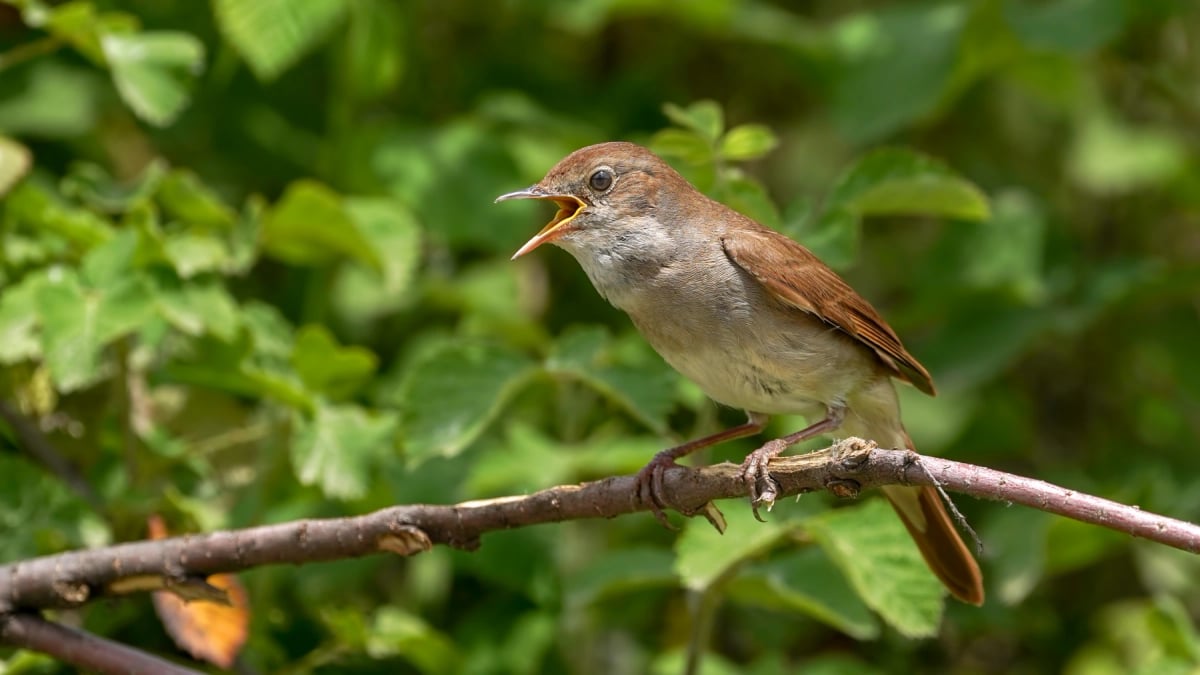
Nightingale
Luscinia megarhynchos
In Czechia, the nightingale breeds in lowland areas with dense deciduous scrub, particularly along river corridors such as the Elbe, Morava, and Dyje. It is more common in the warmer regions of Moravia and Bohemia than in the cooler highlands. Although populations remain present, loss of shrubby undergrowth through changes in land management is a concern. Its rich song is a highlight of spring evenings along Czech riverbanks. It is rated Least Concern by the IUCN.
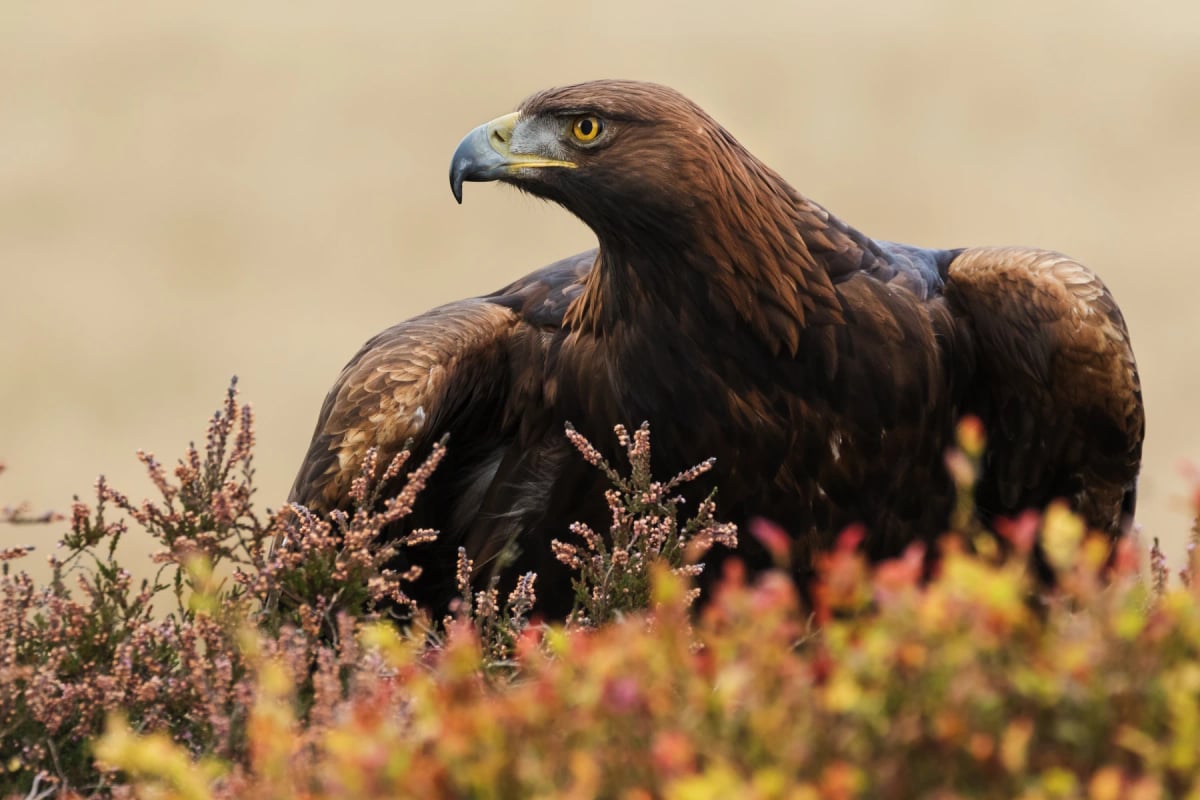
Golden Eagle
Aquila chrysaetos
In Czechia, the golden eagle is a very rare breeding bird, with only a tiny number of pairs nesting in the country, mainly in forested mountain areas near the borders. It is far more regularly recorded as a visitor during migration or winter movements. Disturbance at nest sites and the fragmentation of suitable habitat remain the main pressures on the species. Conservation groups monitor known territories closely each year. The IUCN lists it as Least Concern globally.
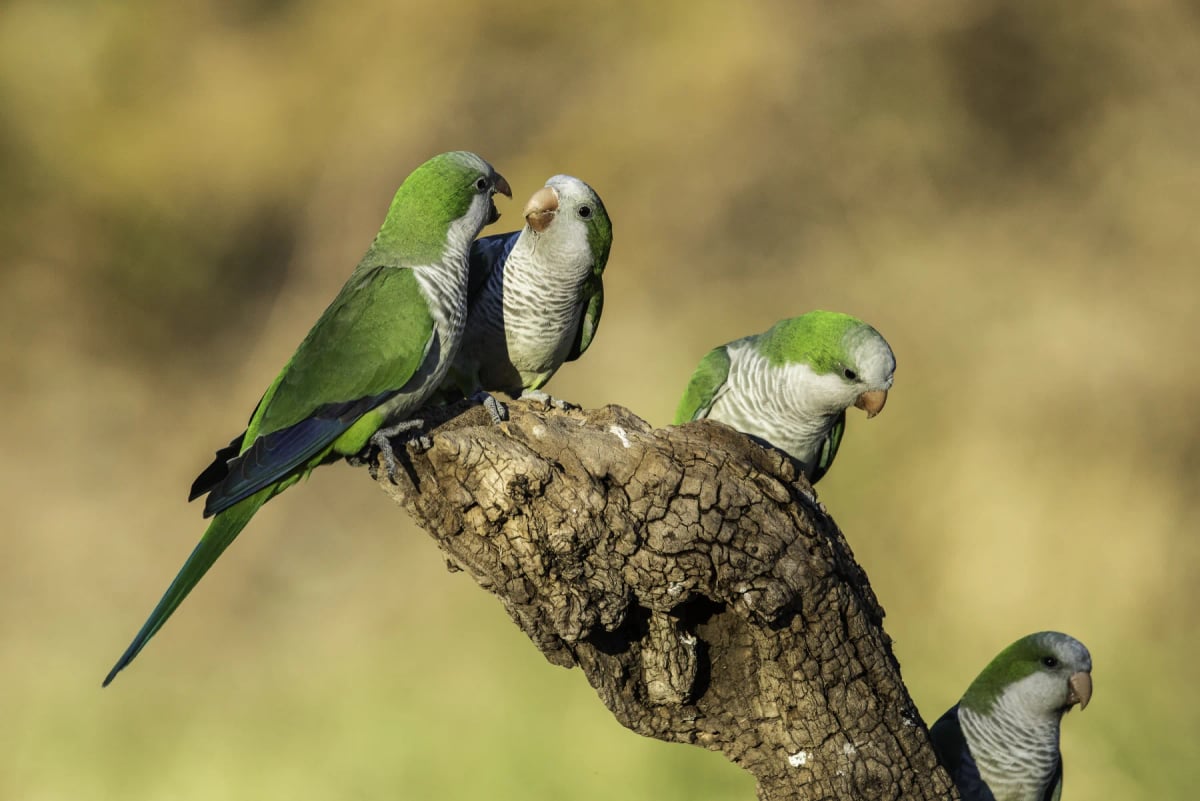
Monk Parakeet
Myiopsitta monachus
The monk parakeet has been recorded in Czechia, primarily as an escape from captivity, with occasional sightings in Prague and other urban centers. A fully established wild population has not been confirmed, but the species is observed periodically. Its ability to withstand cold temperatures makes it a candidate for future colonization in Central European cities. IUCN status: Least Concern.
Researched and written by Juan Pablo. Sources: IUCN Red List, scientific literature and regional field guides. Last updated: .