Animals in Alaska
Wildlife in Alaska
Alaska joins tundra, boreal forest, glaciers and a long island coast. Trips often mix a highway drive with short walks to lookouts. Denali and Wrangell St Elias offer big views, while Kenai Fjords and Glacier Bay run boat tours for whales and sea cliffs. Ferries and small planes link towns, and pullouts along rivers and bays give simple stops for eagles, salmon runs and marine mammals in summer.
Most Dangerous Animals in Alaska
Risk in Alaska depends on habitat and season. On rivers and forest edges, grizzly bear and American black bear are the main concern, and moose can be unpredictable during calf and rut periods. In open country, gray wolf and wolverine are seldom seen but powerful. Along sea ice and remote shores, polar bear and walrus dominate, while orcas patrol deep channels. Most encounters are brief and at a distance.
Top 10 Animals in Alaska
Our Top 10 for Alaska brings together animals that shape most trips and photos. Reindeer move in wide herds on tundra, while moose set the tone along lakes and willow flats. Grizzly bear and American black bear anchor forest and river scenes, and gray wolf and wolverine add the feel of remote country. Canada lynx, bald eagle and peregrine falcon round out inland views, with polar bear standing for the Arctic coast.
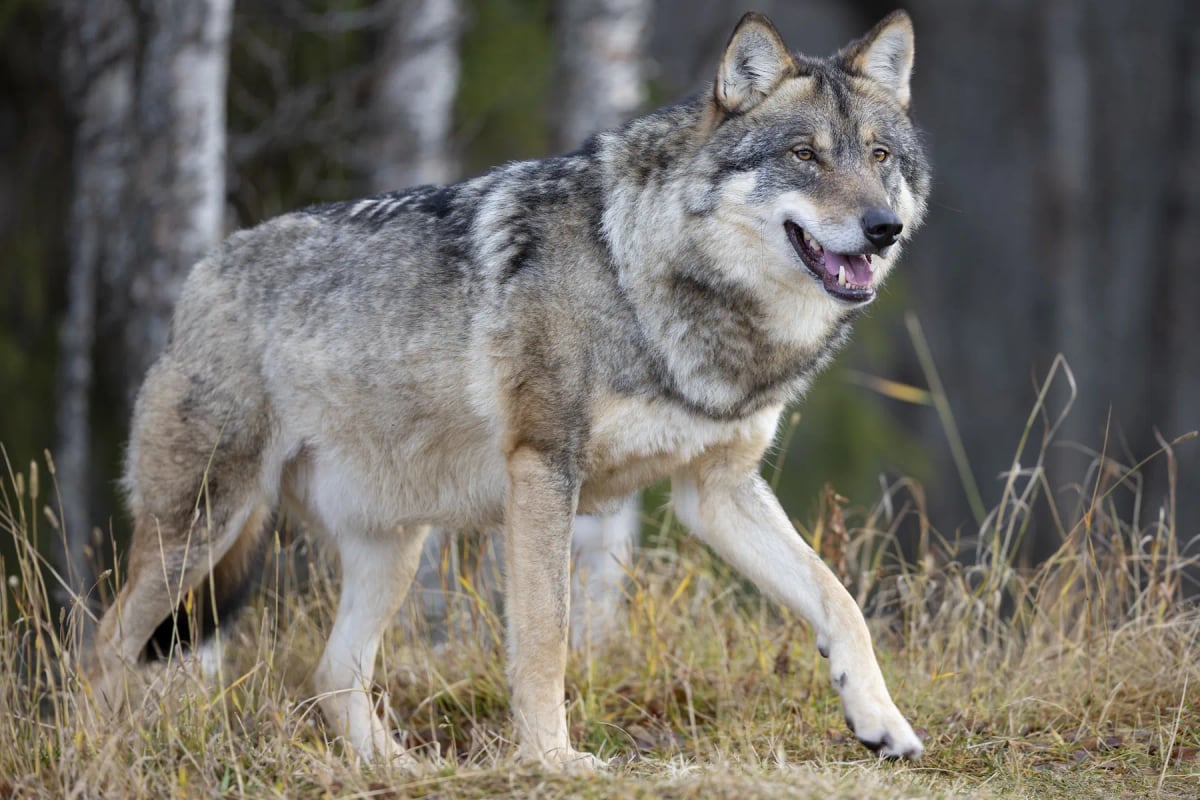
Gray Wolf
Canis lupus
Alaska is home to one of the largest and healthiest gray wolf populations in North America, estimated at around 7,000 to 11,000 individuals. Wolves here roam vast stretches of boreal forest, tundra, and mountain terrain, hunting caribou, moose, and Dall sheep. Alaska's relatively low human density has allowed wolves to persist without the severe conflicts seen elsewhere. The species is managed as a game animal in the state and is not federally listed as endangered here.
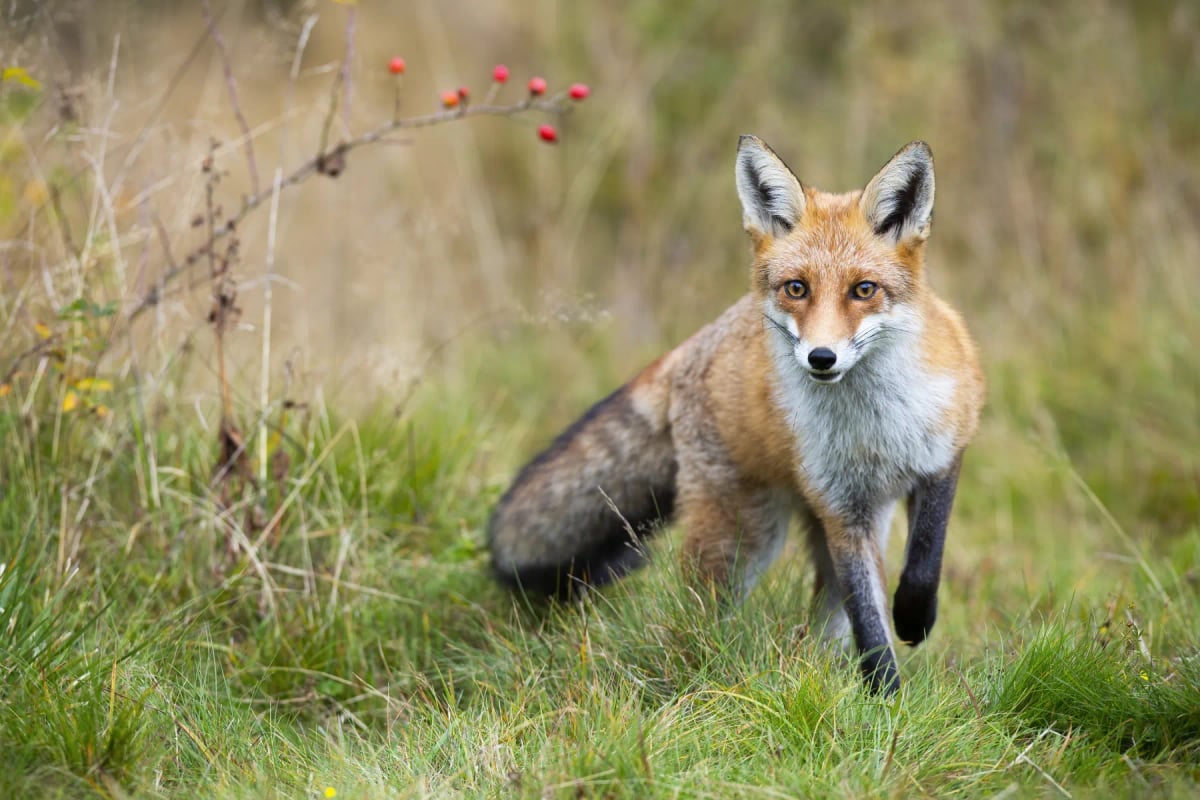
Red Fox
Vulpes vulpes
In Alaska, the red fox inhabits tundra, boreal forest, and coastal areas across much of the state. It is native to interior and northern Alaska, where it competes with the Arctic fox in open tundra habitats. Its famous mousing technique, leaping high and pinning prey beneath the snow, is especially visible in winter. Populations are healthy and the species holds an IUCN status of Least Concern.
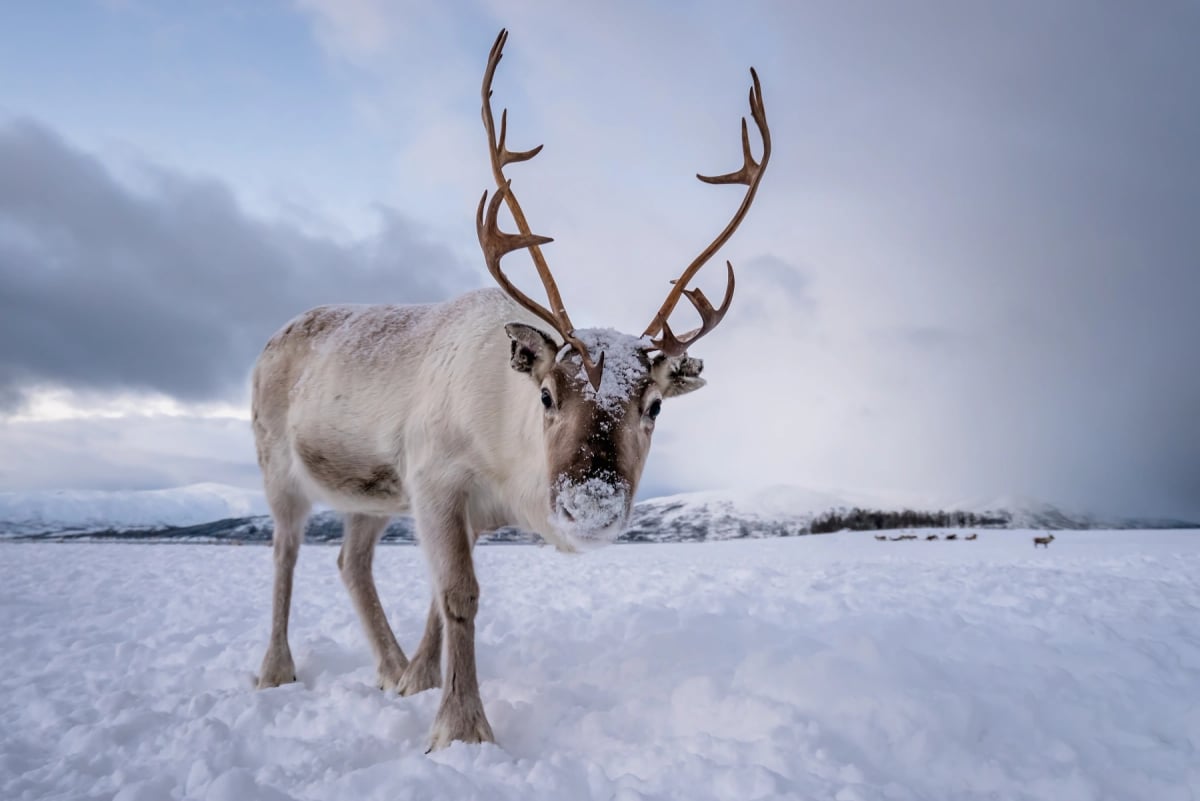
Reindeer
Rangifer tarandus
Alaska is home to some of the most significant caribou herds in North America, including the Western Arctic Herd, one of the largest on the continent. These animals migrate across the Brooks Range and Arctic Coastal Plain, covering immense distances each year. They are essential to the subsistence way of life of Alaska Native communities. Climate shifts are altering vegetation and snowpack conditions, creating new challenges for herd health and movement. IUCN status: Vulnerable.
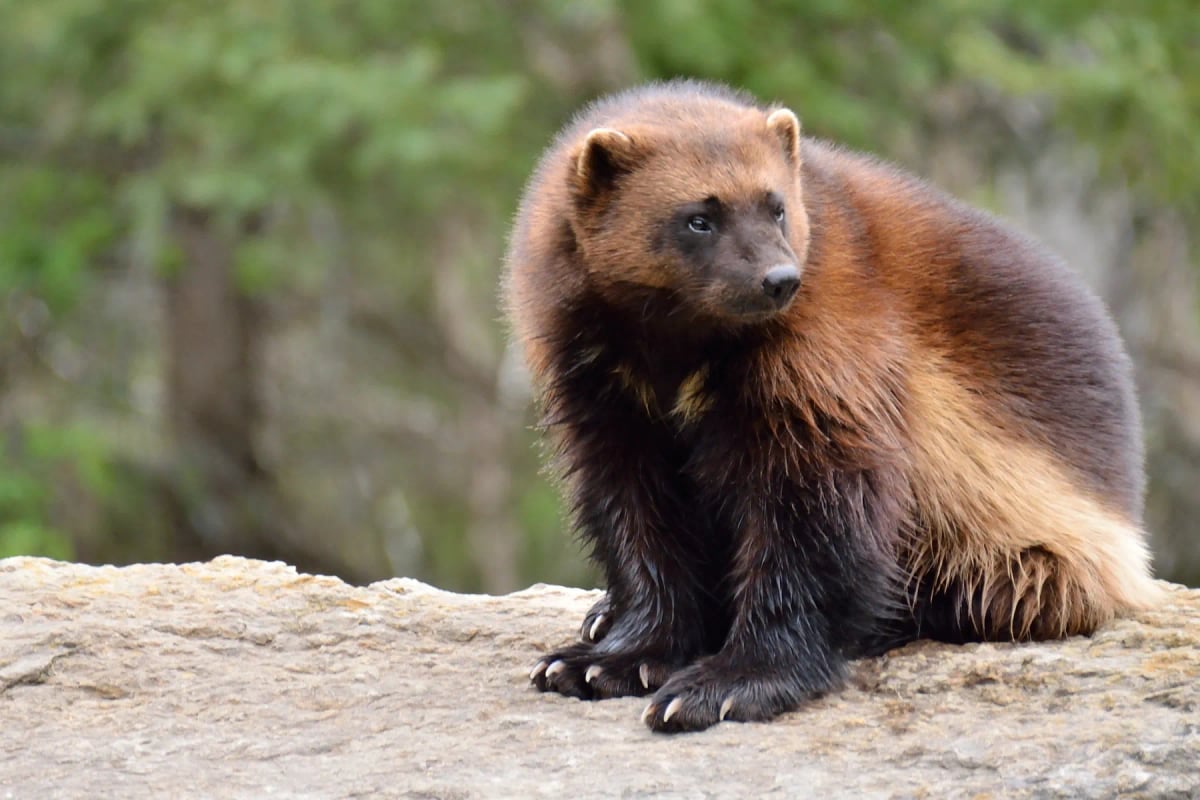
Wolverine
Gulo gulo
Alaska supports a healthy and widespread wolverine population across its vast interior, the Brooks Range, and the western tundra. The state's enormous wilderness areas and low human population density give wolverines room to roam with minimal disturbance. In Alaska, wolverines are managed as a furbearer species and can be legally trapped and hunted under regulated seasons. They are considered a culturally significant animal among many Alaska Native communities.
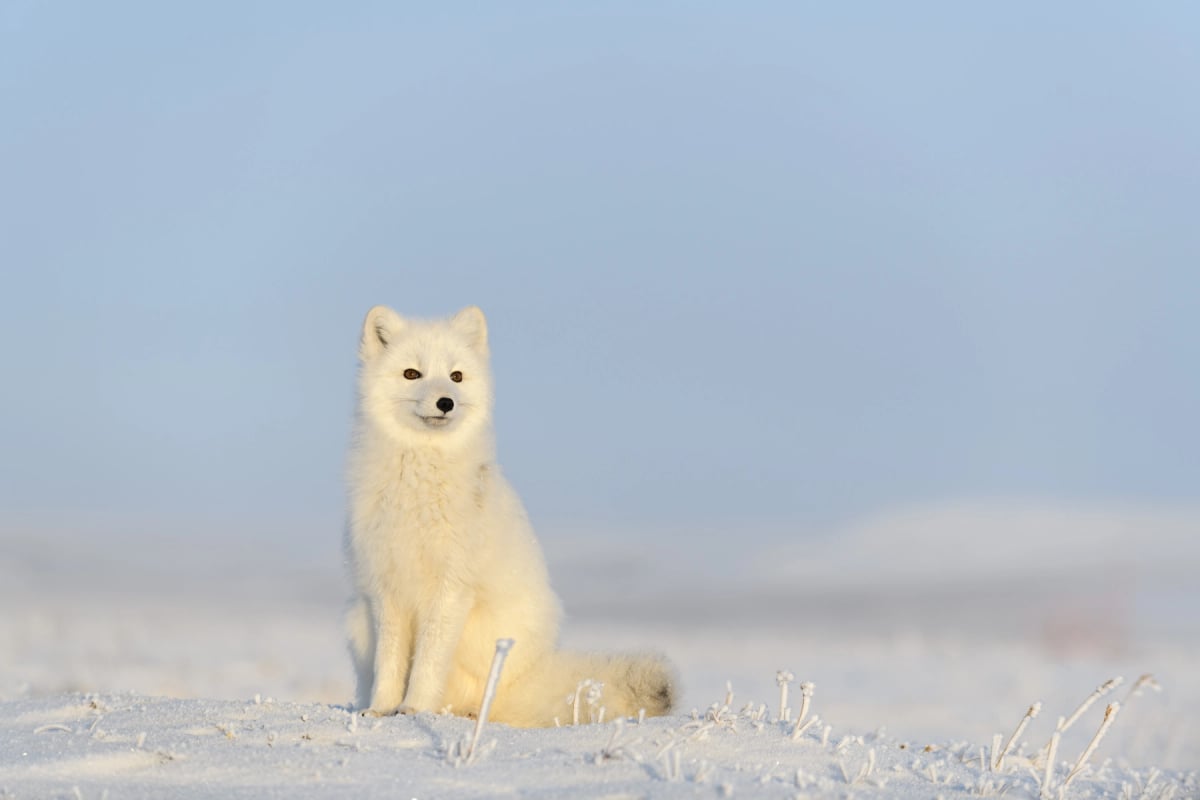
Arctic Fox
Vulpes lagopus
Alaska holds one of the largest and most stable Arctic fox populations in North America, spread across the tundra of the North Slope, the Seward Peninsula, and numerous offshore islands including the Pribilof and Aleutian Islands. Coastal populations depend heavily on seabird colonies during summer, while inland individuals track lemming cycles across the tundra. The species faces increasing pressure from the northward expansion of the red fox driven by climate change, which is reducing available habitat in the southern parts of its Alaskan range.
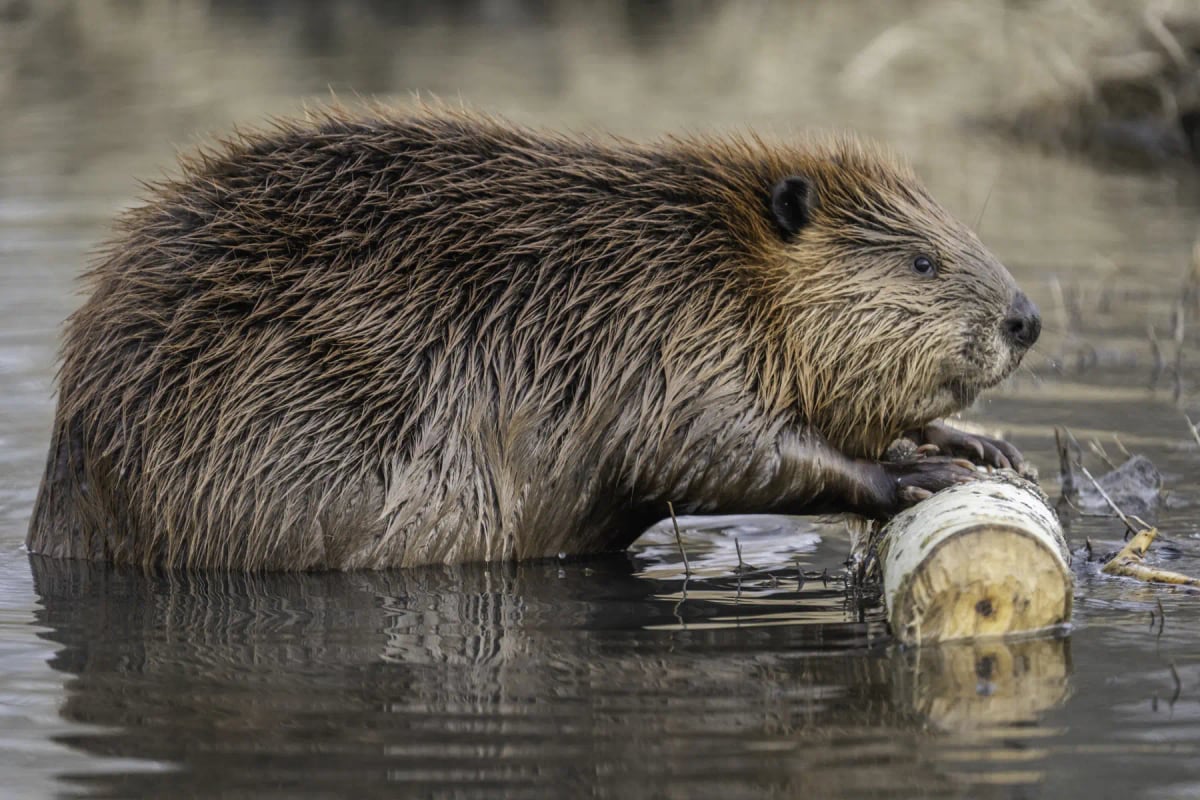
Beaver
Castor canadensis
Alaska supports large and healthy beaver populations distributed across its vast river networks, lakes, and boreal wetlands. Beavers are an important part of the Alaskan ecosystem, and their ponds provide critical habitat for salmon, waterfowl, and moose. They are also culturally significant to many Alaska Native communities, who have relied on them for food and fur for generations. Their IUCN status is Least Concern.
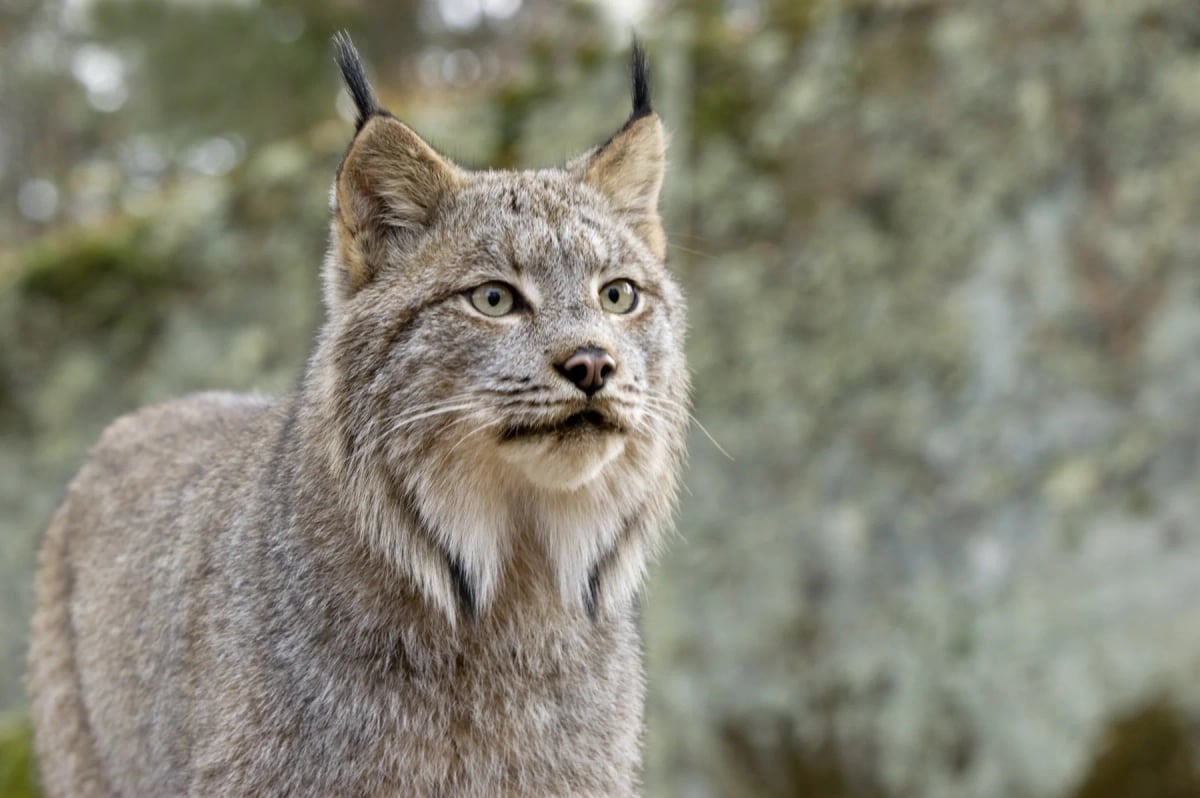
Canada Lynx
Lynx canadensis
Alaska supports a healthy and widespread population of Canada lynx, with the species present across much of the state's expansive boreal interior. The Tanana Valley and other forested lowlands provide prime habitat where snowshoe hare densities can be high. As in Canada, lynx numbers in Alaska rise and fall with hare cycles. The state's vast wilderness and relatively intact forest ecosystems offer some of the most secure habitat available to the species. IUCN status: Least Concern.
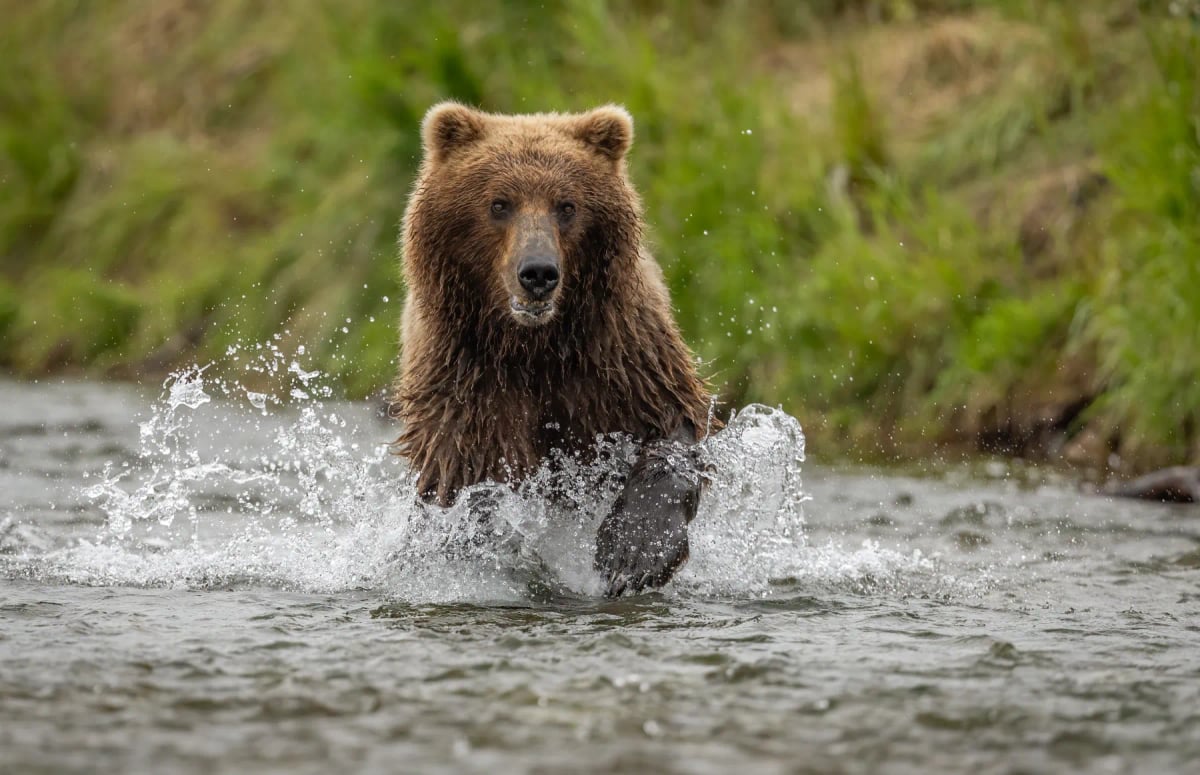
Grizzly Bear
Ursus arctos horribilis
Alaska is home to some of the healthiest and most numerous grizzly bear populations in the world. Across the state's vast wilderness, from coastal rainforests to the Arctic tundra of the Brooks Range, these bears find abundant food and space. The seasonal salmon runs of rivers like the Katmai are a vital food source, allowing bears to build the fat reserves they need to survive the long winter.
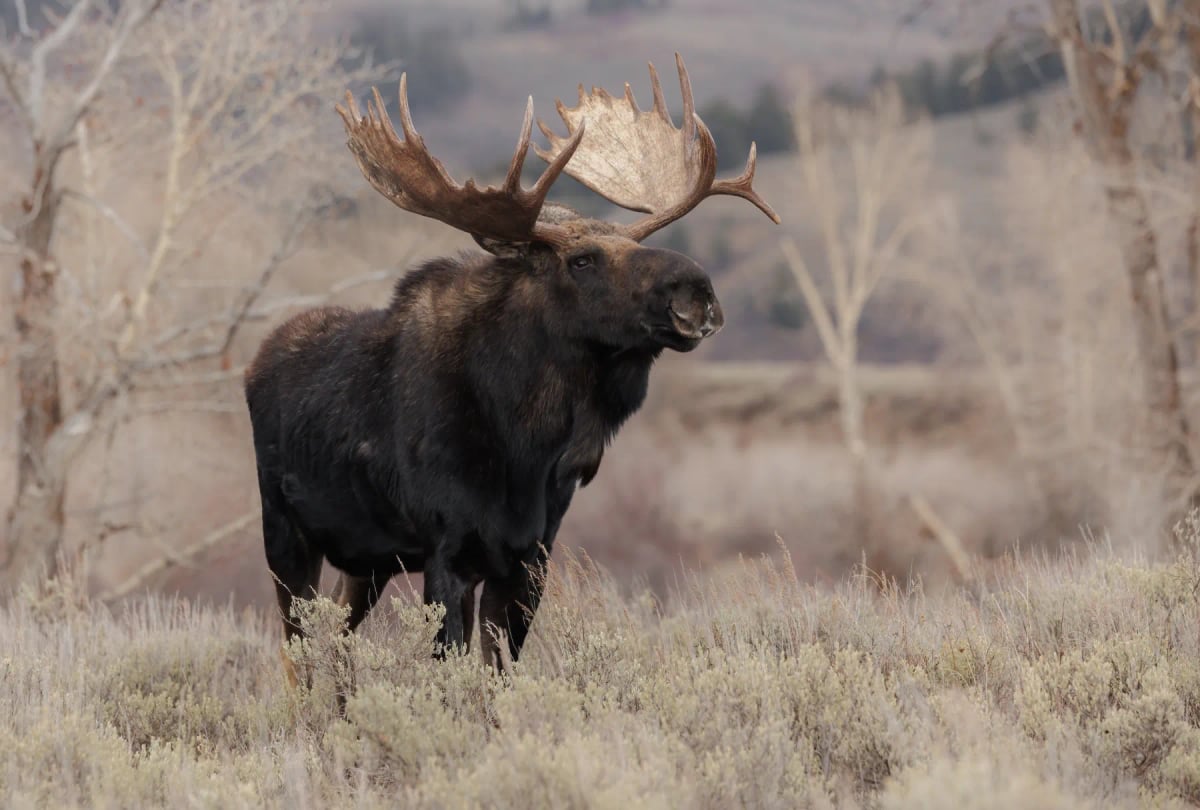
Moose
Alces alces
Alaska is home to some of the largest moose on Earth, with bulls in the Yukon–Kuskokwim region and around Anchorage regularly exceeding 600 kg. They roam boreal forests, river valleys, and tundra edges, feeding heavily on willows and birches. Moose are a vital part of Alaska's ecosystem and culture, and the state manages one of the healthiest and most closely monitored populations in North America.
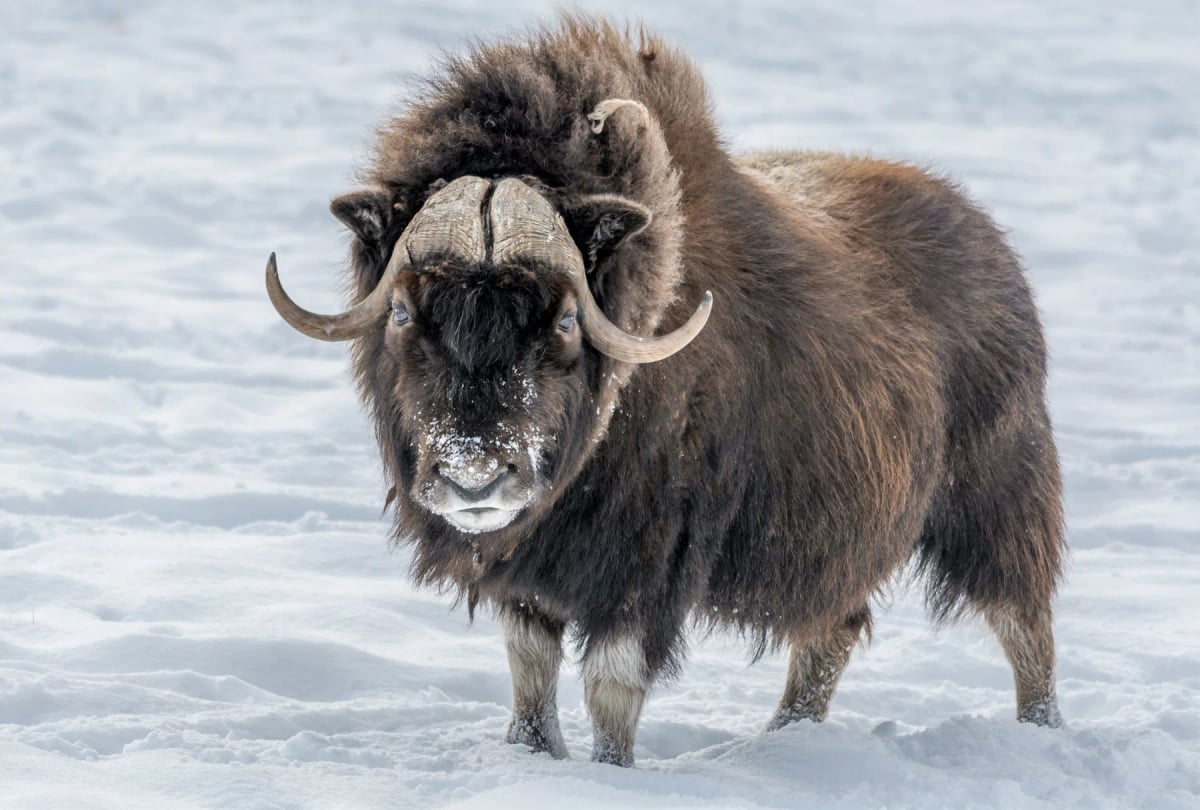
Musk Ox
Ovibos moschatus
Musk oxen were hunted to extinction in Alaska by the late 1800s. Between 1930 and 1936, animals from Greenland were brought over to reestablish a population, and herds now live on Nunivak Island and in several areas of Arctic Alaska, including the Seward Peninsula. The species has adapted well to the Alaskan tundra, and wildlife managers continue to monitor herd growth and health across the region. IUCN Status: Least Concern.
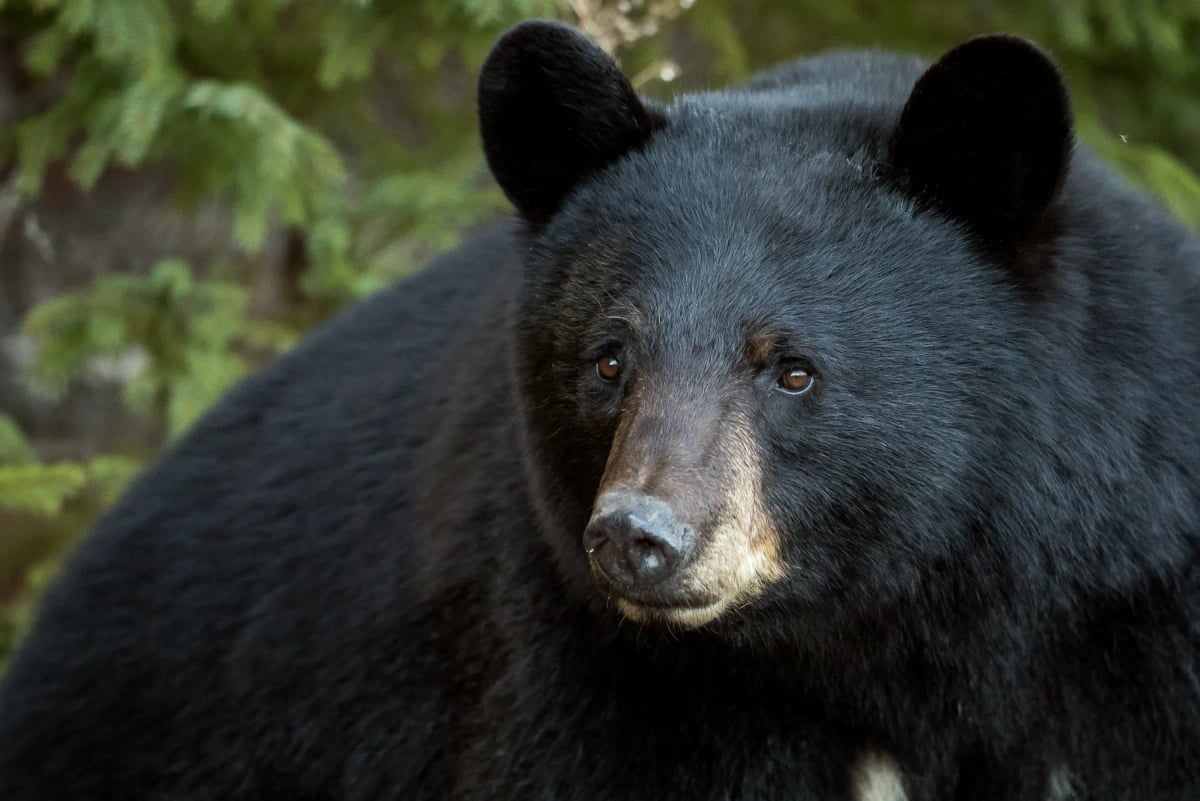
American Black Bear
Ursus americanus
Alaska supports one of the largest black bear populations in North America, spread across forested regions of the southeast, southcentral, and interior of the state. They are absent from the Alaska Peninsula and most of western Alaska. Black bears often share landscapes with brown bears but favor denser forest and avoid direct competition. Salmon runs are a critical seasonal food source for populations near rivers and coastlines.
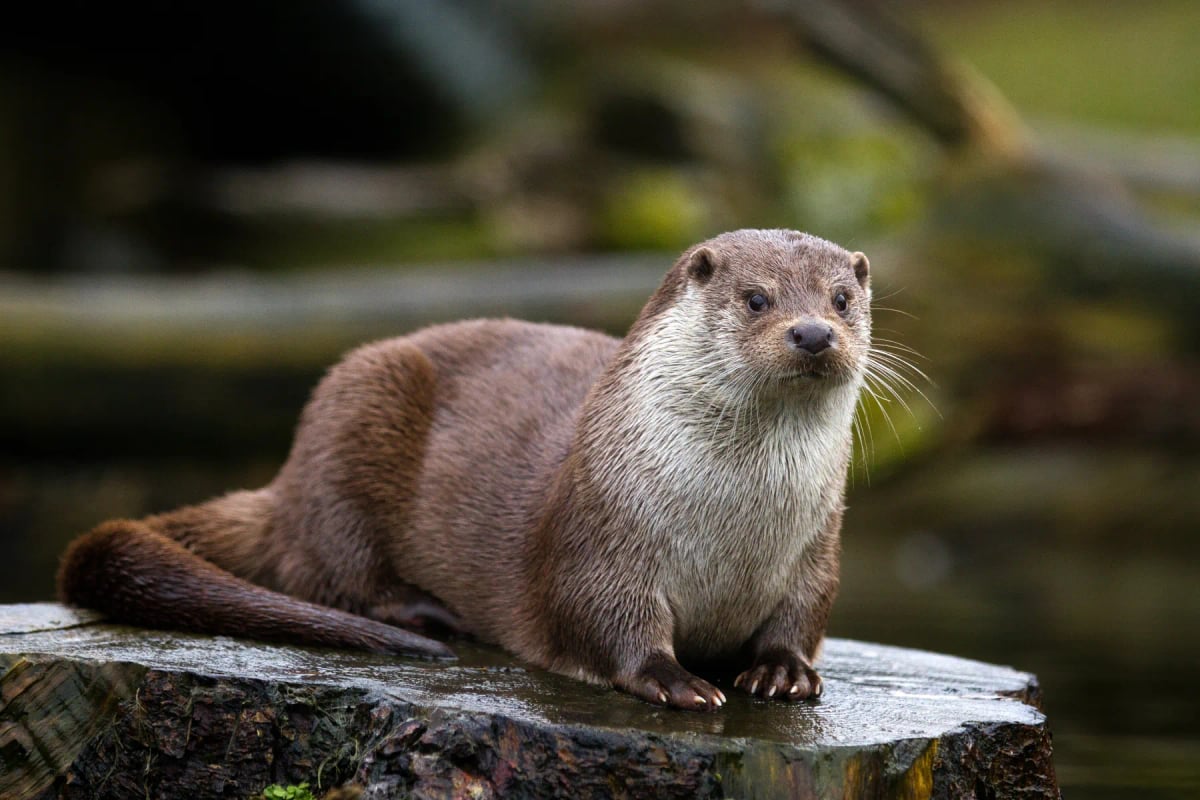
River Otter
Lontra canadensis
Alaska supports river otters in extraordinary numbers, thanks to its vast stretches of wilderness and clean waterways. They are found along rivers, lakes and the rugged coastline, where they also venture into saltwater bays and tidal channels. In many parts of the state they share habitat with bald eagles and brown bears. Alaska's largely intact ecosystems have allowed river otters to persist in densities rarely seen elsewhere in North America.
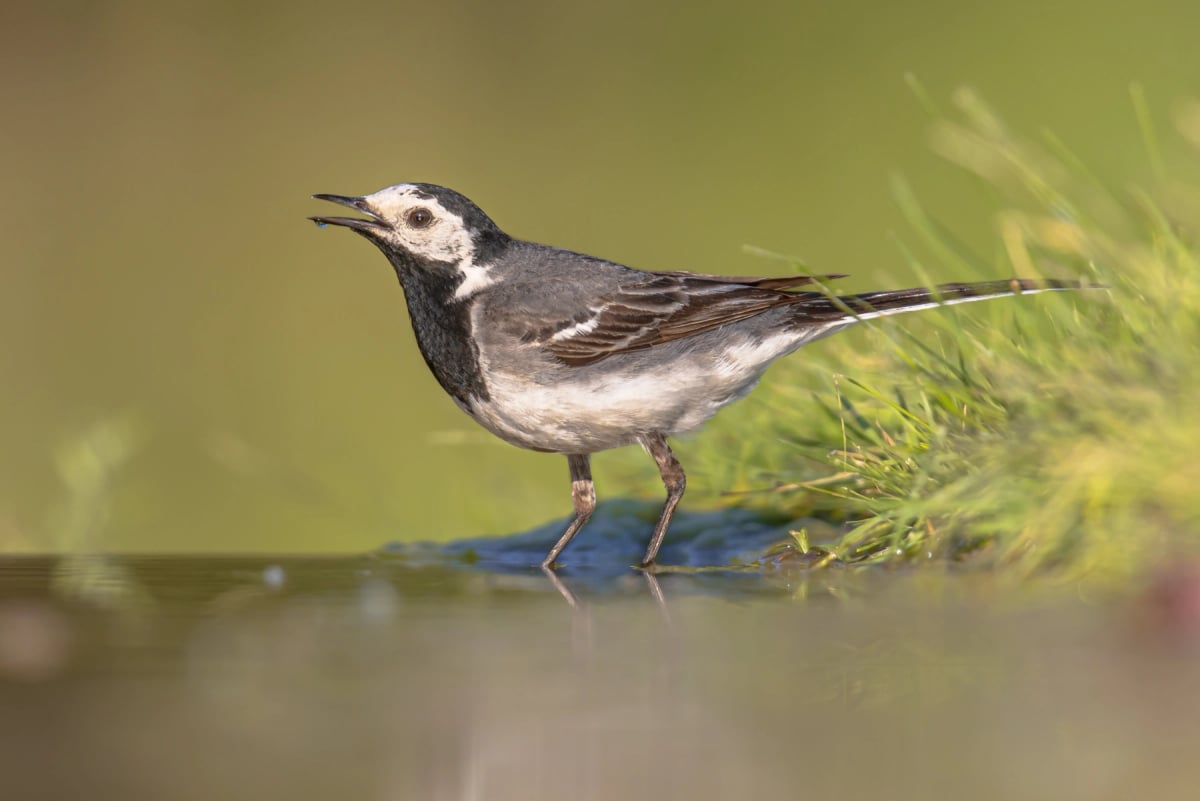
White Wagtail
Motacilla alba
Western Alaska is the only place in the Americas where the white wagtail breeds. Small numbers of the East Siberian wagtail nest each summer on the Seward Peninsula, around Nome and Wales, and on nearby Bering Strait islands, using cracks in buildings, old machinery and rocky spots near the shore. In late summer they leave to winter in Southeast Asia, a long migration for such a small bird. IUCN status: Least Concern.
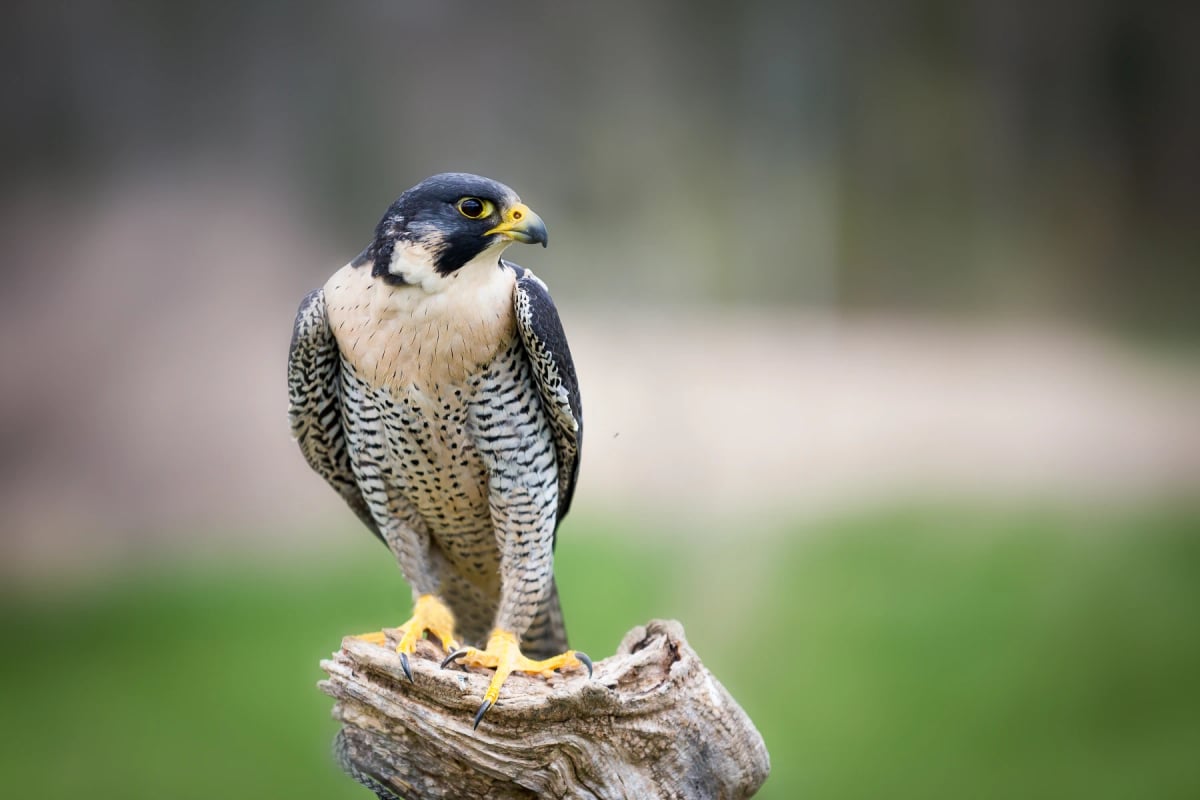
Peregrine Falcon
Falco peregrinus
Alaska is one of the most significant breeding regions for the peregrine falcon in North America. The tundra subspecies, known as tundrius, nests on river bluffs and coastal cliffs across the Alaskan interior and Arctic slope. Populations here collapsed due to DDT contamination during the twentieth century but have since made a strong recovery. After breeding, these birds undertake remarkable long distance migrations south to wintering grounds in Central and South America.
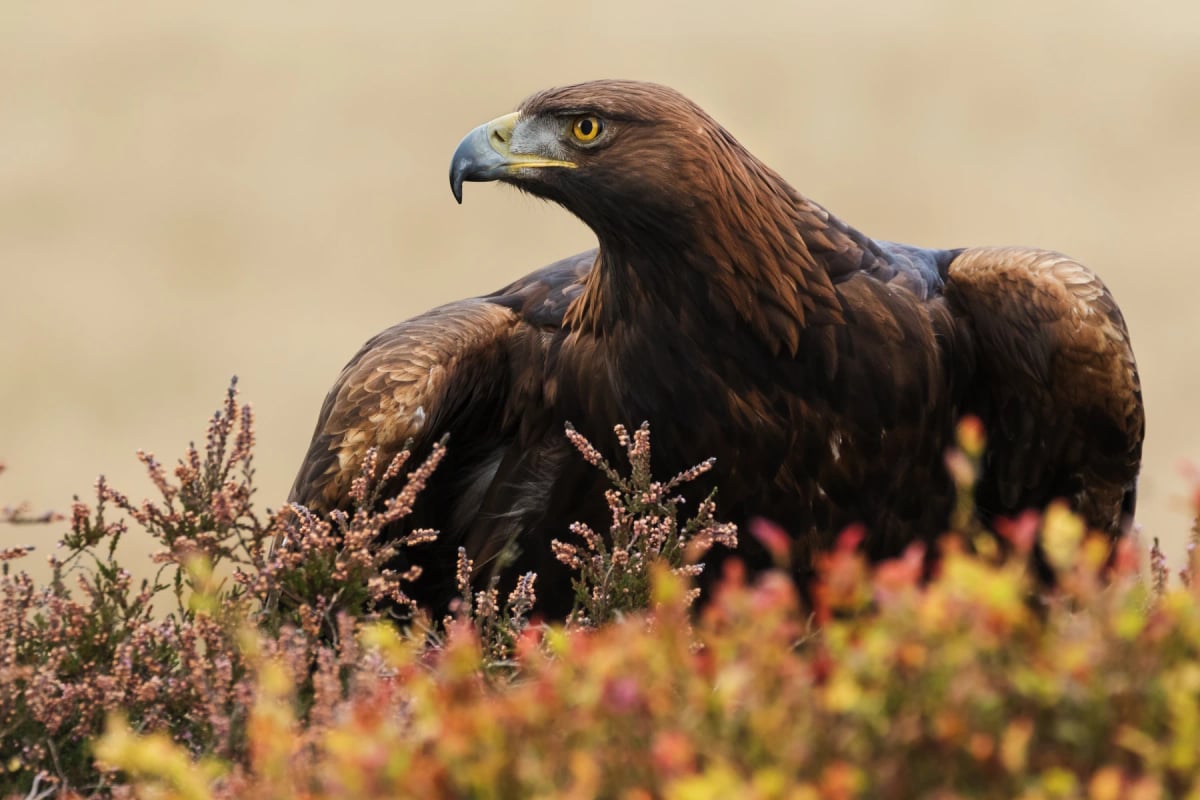
Golden Eagle
Aquila chrysaetos
In Alaska, the golden eagle is a widespread and familiar raptor, nesting across the interior and the Arctic foothills of the Brooks Range. It arrives in spring to breed and most individuals migrate south in autumn, though some remain year round. It hunts Arctic ground squirrels, snowshoe hares, and ptarmigan across tundra and taiga landscapes. Alaska supports one of the largest breeding populations in North America. The IUCN lists it as Least Concern.
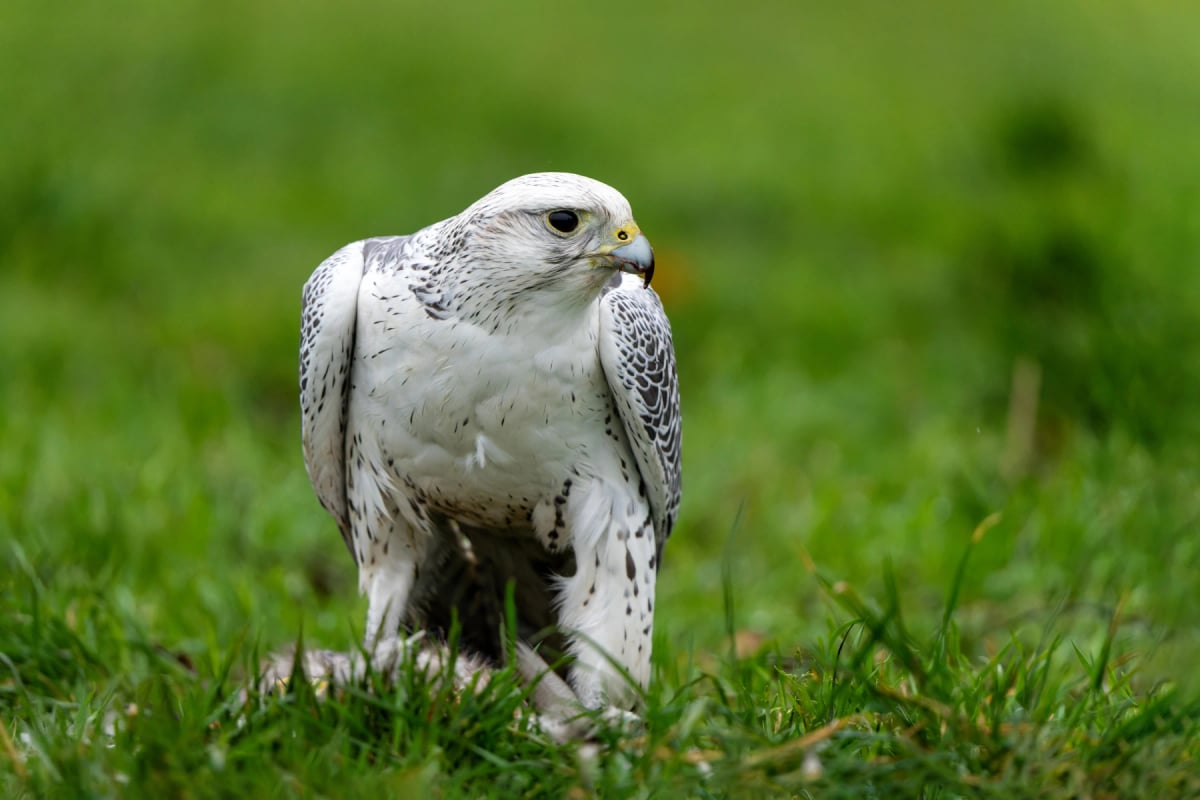
Gyrfalcon
Falco rusticolus
Alaska is the only part of the United States where the gyrfalcon breeds. It nests on cliff faces in the Brooks Range, the Alaska Range, the Seward Peninsula and the western coastal tundra, relying heavily on willow and rock ptarmigan. Many adults stay near their territories through the winter, while young birds wander more widely, some south toward the coast or into Canada. IUCN status: Least Concern.
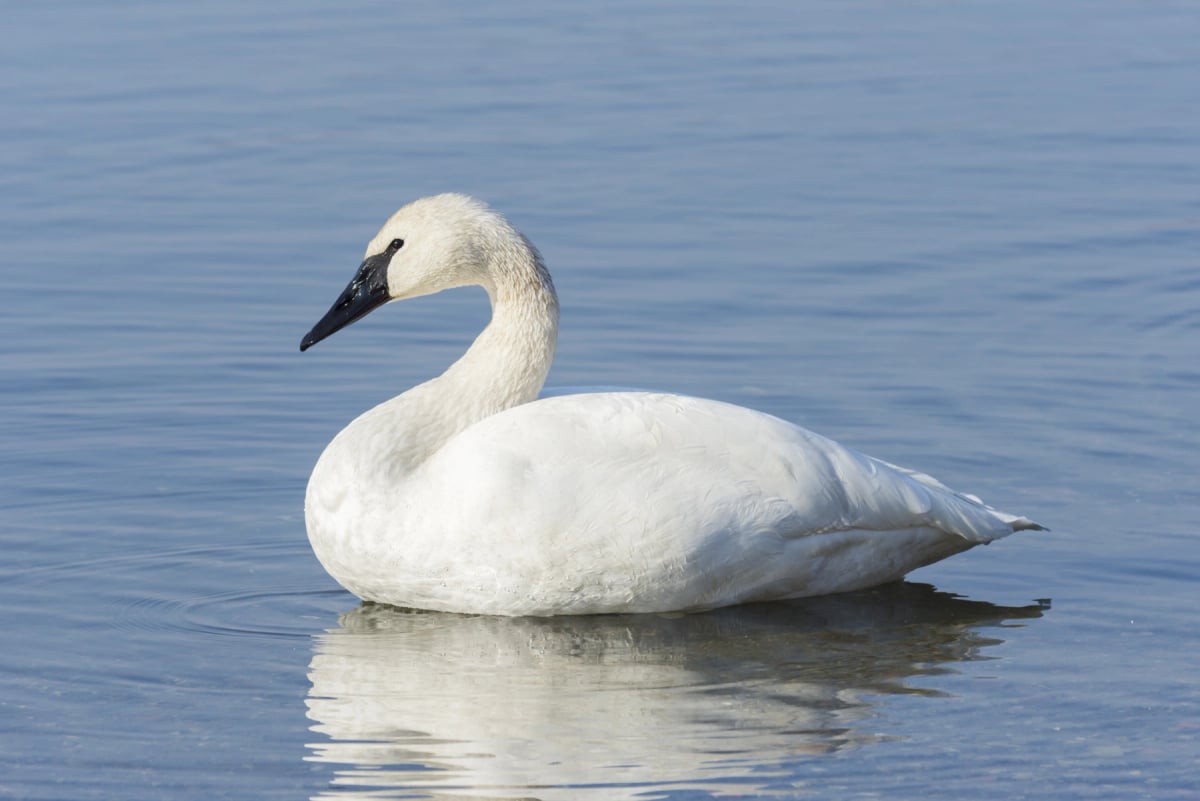
Trumpeter Swan
Cygnus buccinator
Alaska holds more Trumpeter Swans than any other state or province, about 22,000 birds in 2015, nesting in the wetlands, river deltas and lakes of the interior and the south. In the 1950s, surveys found several thousand around the Copper River, when the species was thought nearly gone. The birds arrive in spring, raise their young over the summer and fly south to British Columbia and Washington for the winter. IUCN status: Least Concern.
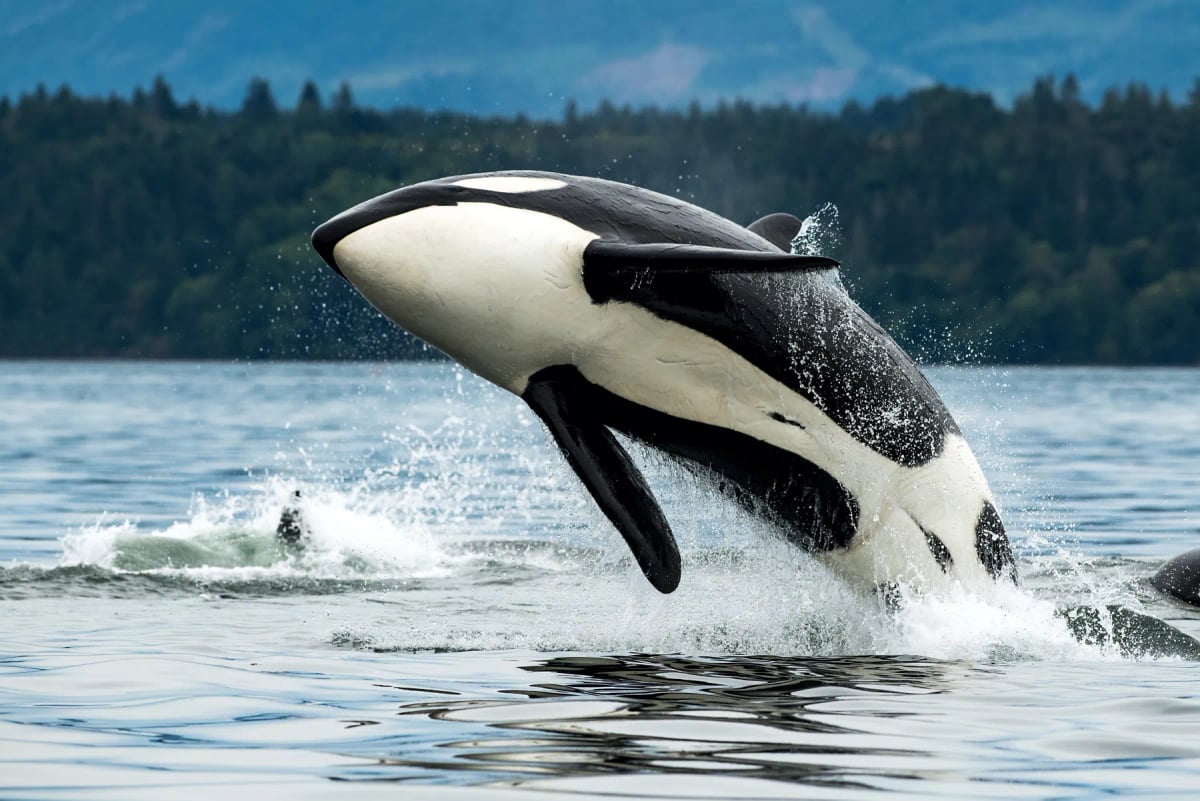
Orca
Orcinus orca
Alaska is one of the best places in the world to observe orcas. Both resident orcas, which feed on fish like salmon, and transient orcas, which hunt seals and sea lions, inhabit these cold, productive waters. Prince William Sound and the Kenai Fjords are among the most well-studied areas. Climate change is altering fish populations in the region, which directly affects resident pods that rely on salmon.
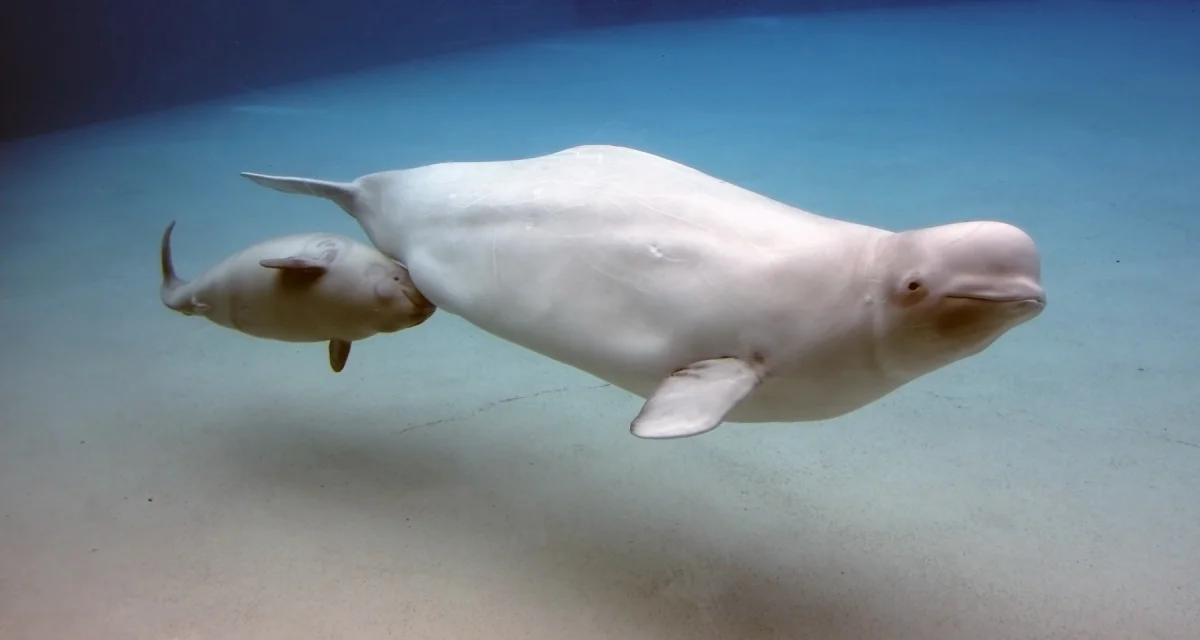
Beluga Whale
Delphinapterus leucas
Alaska supports several beluga populations, the most urgent of which lives year-round in Cook Inlet, near Anchorage. This population numbers fewer than 300 individuals and is listed as critically endangered under U.S. law, isolated from other North Pacific belugas. Additional populations occur in Bristol Bay, Norton Sound, and the Beaufort Sea, where they follow seasonal prey movements along the coast. IUCN status: Least Concern.
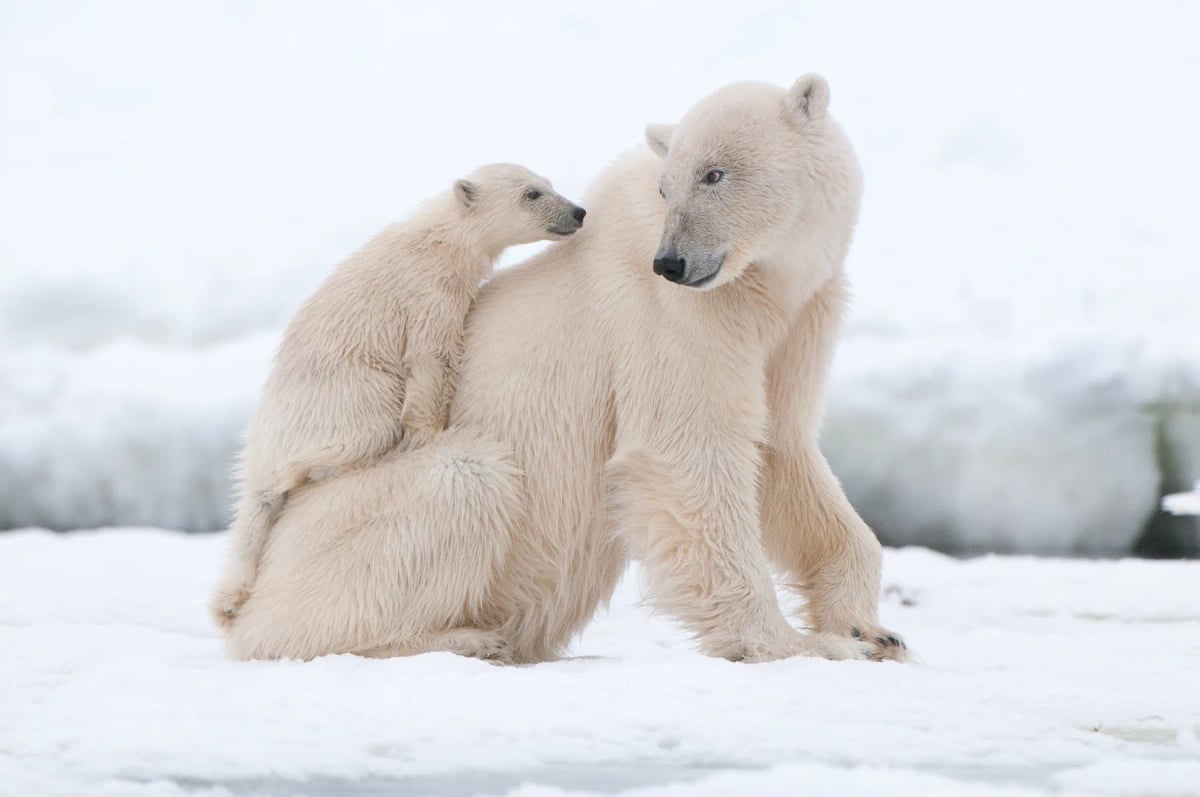
Polar Bear
Ursus maritimus
Alaska is the only U.S. state where polar bears live, with two recognized subpopulations: the Southern Beaufort Sea and the Chukchi Sea groups. The Southern Beaufort population has experienced notable declines linked to shrinking sea ice, while the Chukchi Sea group appears more stable. Alaska Native communities have long relied on polar bears as part of their subsistence culture. The IUCN lists the polar bear as Vulnerable.
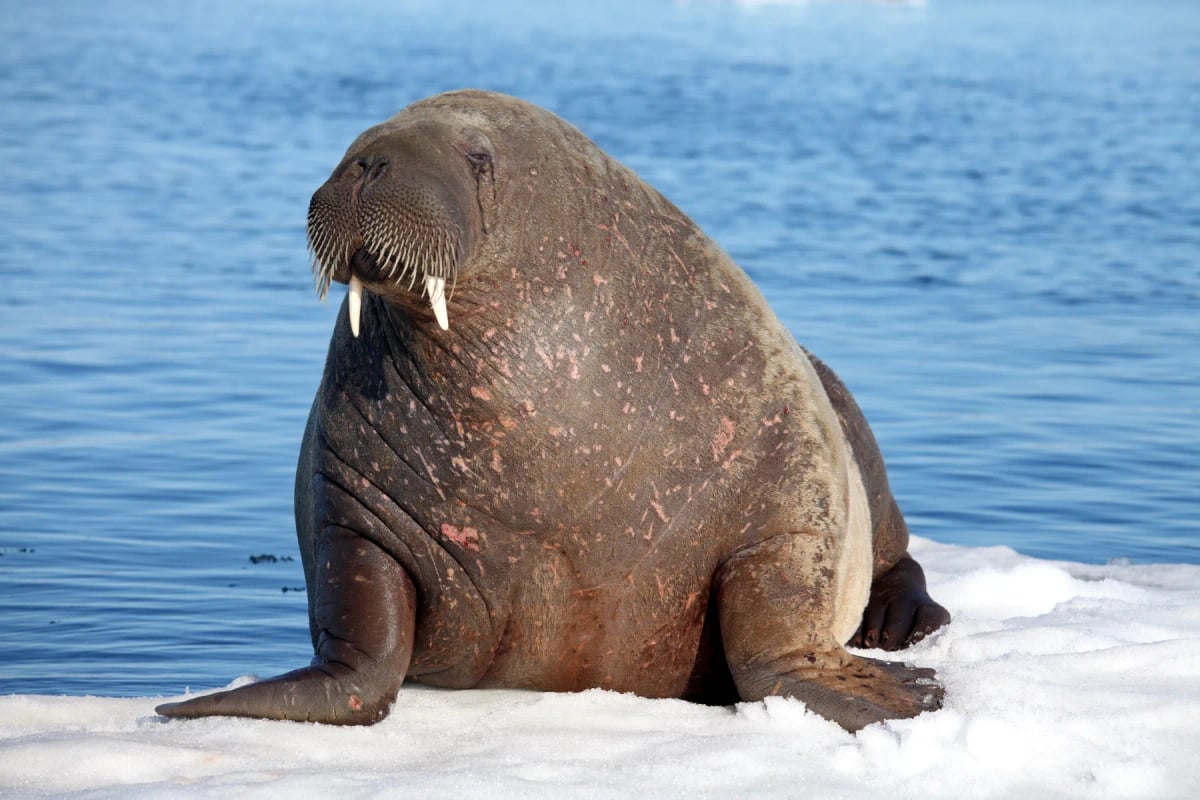
Walrus
Odobenus rosmarus
Alaska is the heart of walrus presence in North America. The Pacific walrus spends summers in the Chukchi Sea and retreats south to the Bering Sea in winter. Indigenous communities across coastal Alaska, including the St. Lawrence Island Yupik, have relied on walruses for food, tools, and cultural traditions for thousands of years. Declining sea ice is forcing larger and more crowded haul-outs on land.
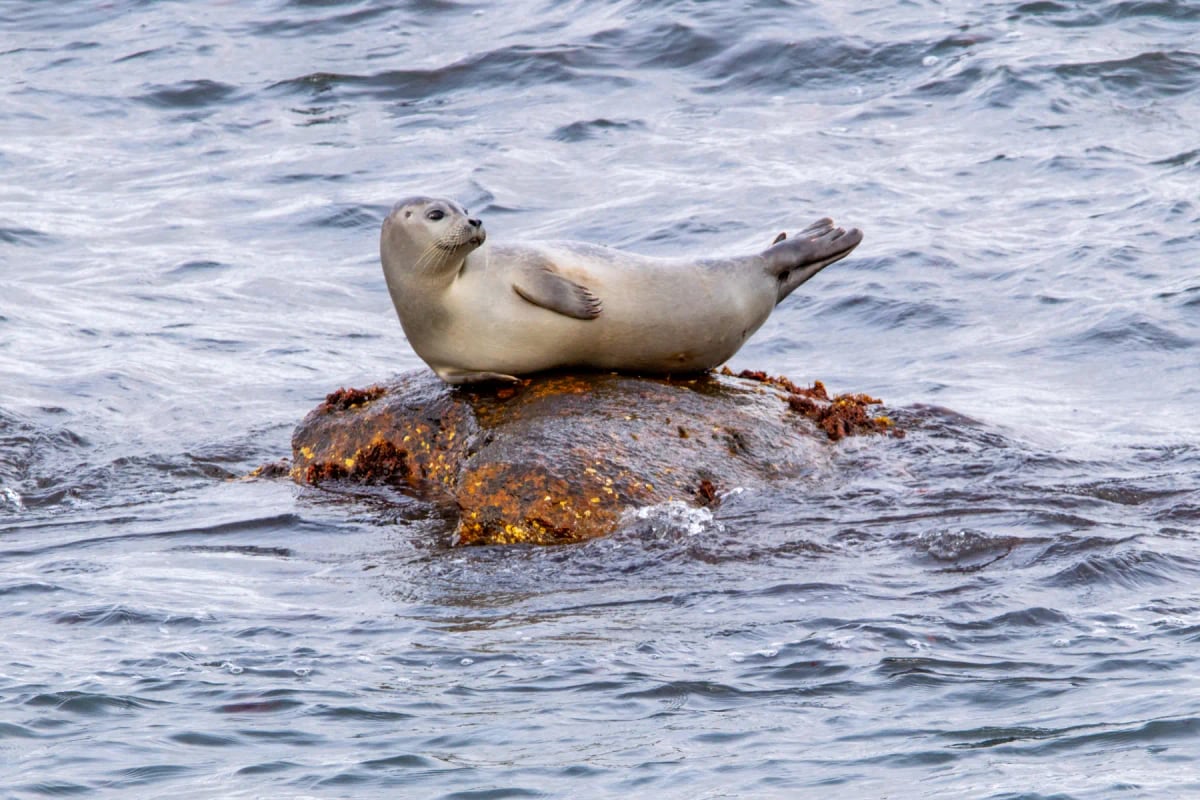
Seal
Phoca vitulina
Alaska supports large harbor seal populations across its vast coastline, from the Gulf of Alaska to the Bering Sea and the Aleutian Islands. These seals are a traditional food source for many Alaska Native communities and hold deep cultural importance. Some populations in the Gulf of Alaska have shown declines in recent decades, and researchers continue to study the role of prey availability, climate shifts, and predation in driving these changes.
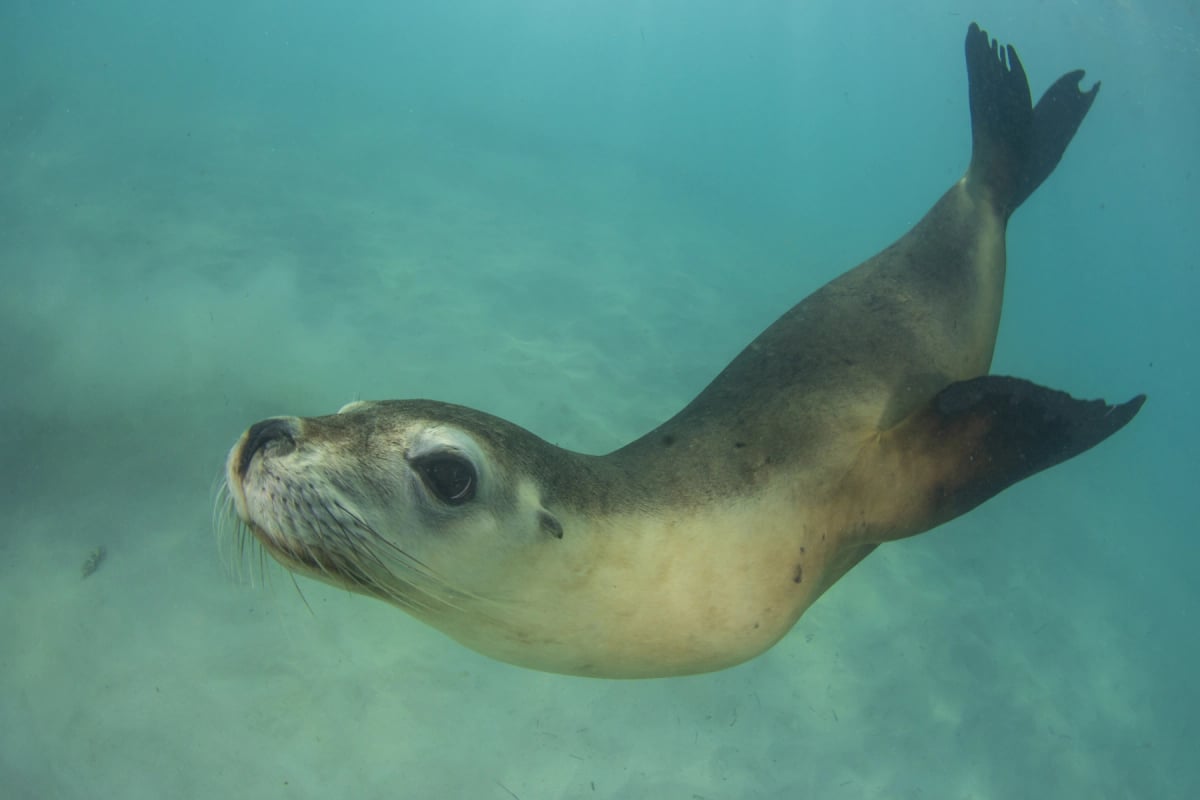
Sea Lion
Otariinae spp.
The Steller sea lion, the largest member of the sea lion family, is a prominent presence along Alaska's rugged coastline and island chains such as the Aleutians and Kodiak. Males can weigh over 1,000 kilograms. The western population was listed as Endangered for decades but has shown signs of recovery. They feed on fish, squid, and octopus in the cold, nutrient-rich waters of the North Pacific.
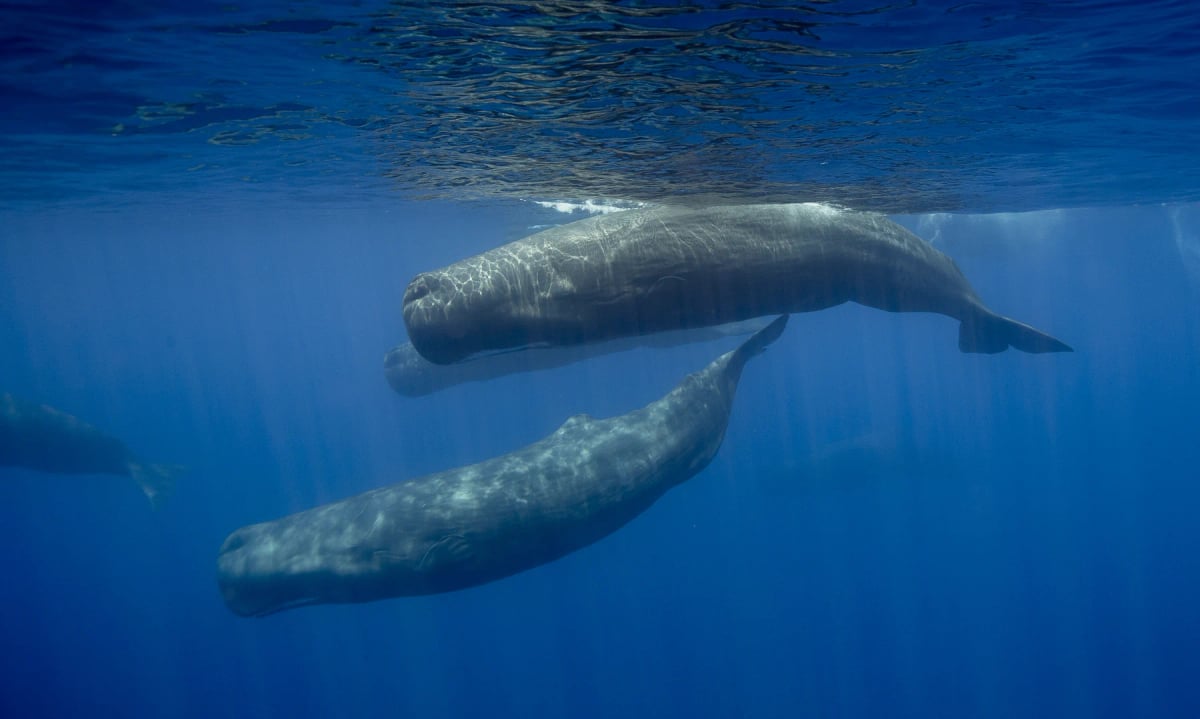
Sperm Whale
Physeter macrocephalus
In Alaskan waters, large male sperm whales range into the cold North Pacific and the Bering Sea in search of prey, particularly squid and fish. Males are known to undertake long migrations to high latitude feeding grounds, and Alaska represents some of the northernmost range for this species. Commercial whaling once reduced their numbers significantly in this region. The IUCN classifies them as Vulnerable.
Researched and written by Juan Pablo. Sources: IUCN Red List, scientific literature and regional field guides. Last updated: .