Animals in Falkland Is.
Wildlife in Falkland Is.
The Falkland Islands lie in the South Atlantic, about 500 kilometers east of Patagonia, and they are one of the best places in the world to watch wildlife at close range. The weather is cool and windy, the land is open grassland and peat bog, and the coast is a long line of white beaches and rocky headlands. Almost all the wildlife is linked to the sea. Around a million penguins nest here every summer, including king penguins, Magellanic penguins and a few macaroni penguins. The islands also hold about seven out of every ten black browed albatrosses in the world, and brown skuas, cape petrels, caracaras and other seabirds share the cliffs with them. On the beaches, elephant seals, fur seals and sea lions rest between feeding trips, while orcas, dolphins, humpback whales and southern right whales patrol the coast. There are no native land mammals left: the only one, the Falkland Islands wolf, was hunted to extinction in 1876.
Top 10 Animals in Falkland Is.
The top animals of the Falkland Islands are almost all seabirds and marine mammals. King penguins stand in dense groups at Volunteer Point, Magellanic penguins dig burrows in the soft ground behind the beaches, and a few macaroni penguins nest among other colonies. On Steeple Jason, in the west of the archipelago, the world's largest black browed albatross colony covers the slopes with hundreds of thousands of birds. Brown skuas and caracaras patrol the colonies looking for eggs and weak chicks, and caracaras are so bold that they pull at boots and camera straps. On the beaches, elephant seals fight for territory in spring, the males weighing several tonnes, and fur seals and sea lions haul out on the rocks. Offshore, orcas hunt seal pups in the shallows, and whales and dolphins pass along the coast in summer.
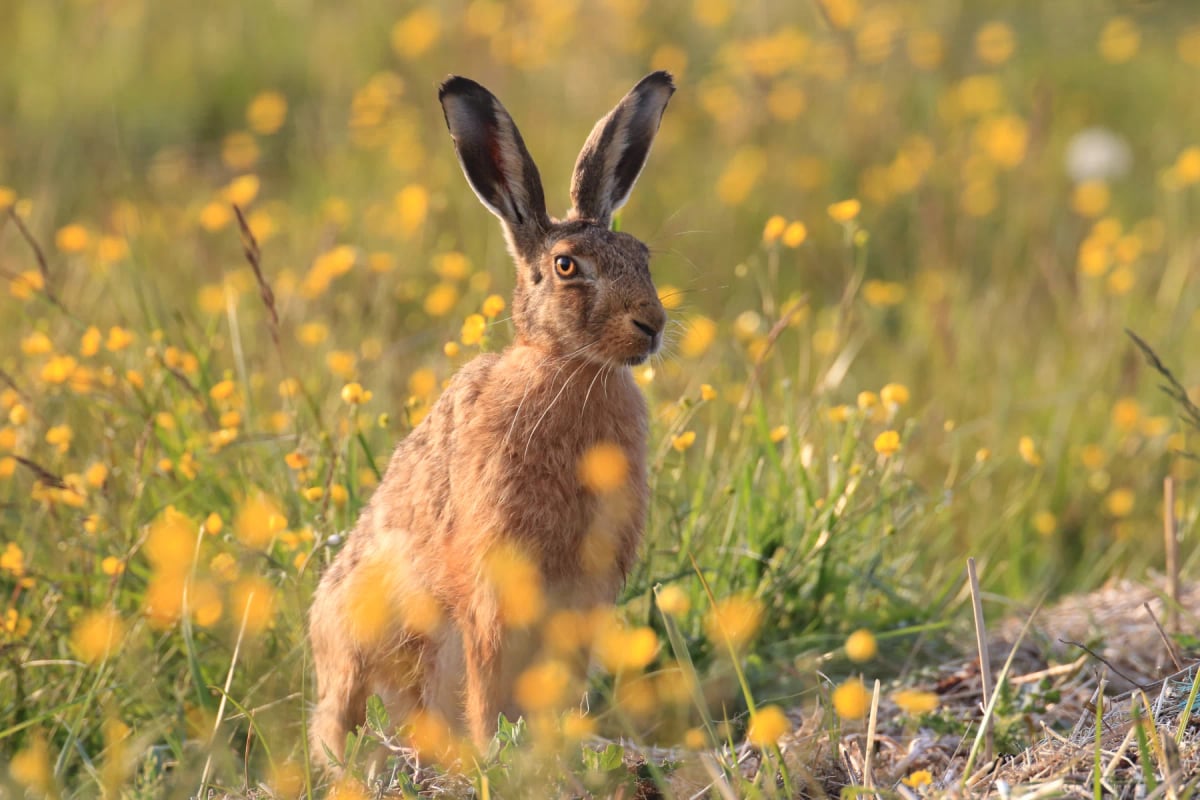
Hare
Lepus europaeus
The European hare was introduced to the Falkland Islands and has established a stable population across the open grasslands and moorlands of the archipelago. With few natural predators present, numbers have grown considerably. It is regularly hunted by residents and is considered part of everyday rural life on the islands. Its grazing habits can affect native low-growing vegetation, and land managers keep a close watch on its impact across the islands.
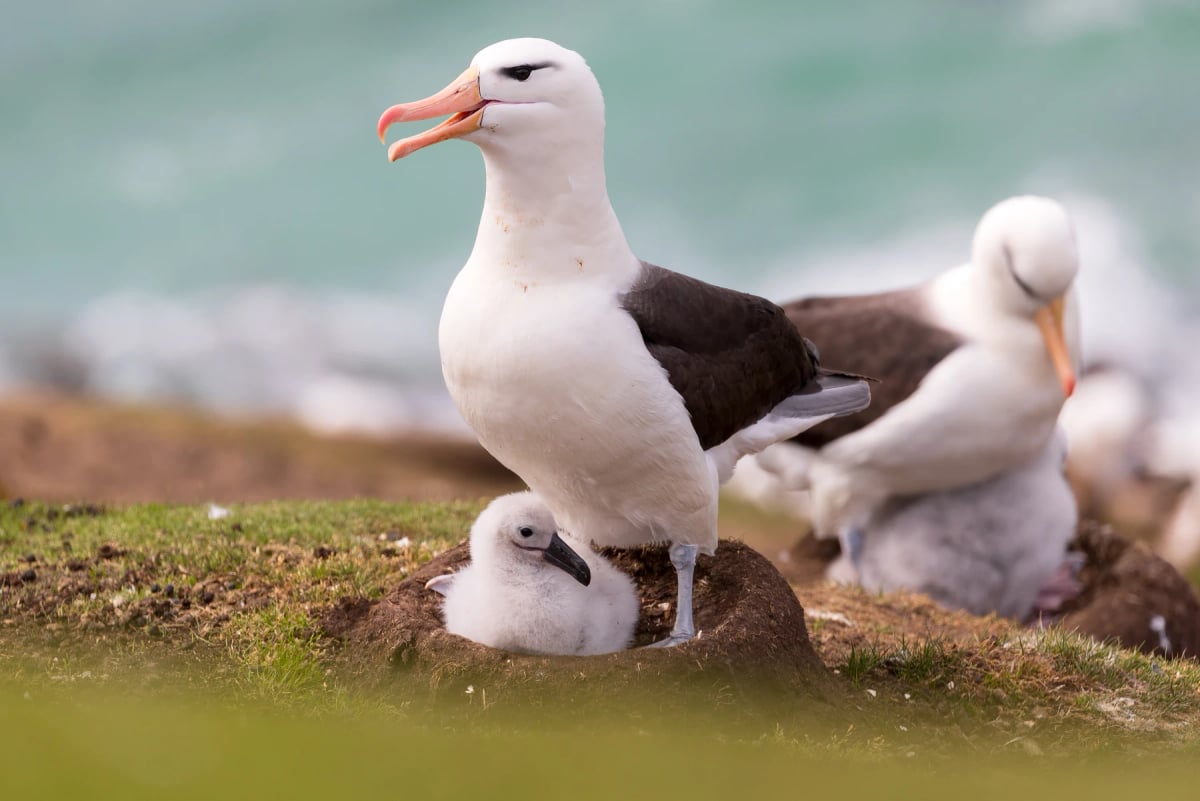
Black browed Albatross
Thalassarche melanophris
The Falkland Islands hold the largest breeding concentration of black browed albatrosses on Earth, with several hundred thousand pairs nesting across sites such as West Point Island, Steeple Jason, and Beauchene Island. Colonies fill the clifftops with noise and activity throughout the breeding season. The surrounding South Atlantic waters provide rich foraging habitat, though bycatch in regional fisheries remains a persistent concern. IUCN status: Least Concern.
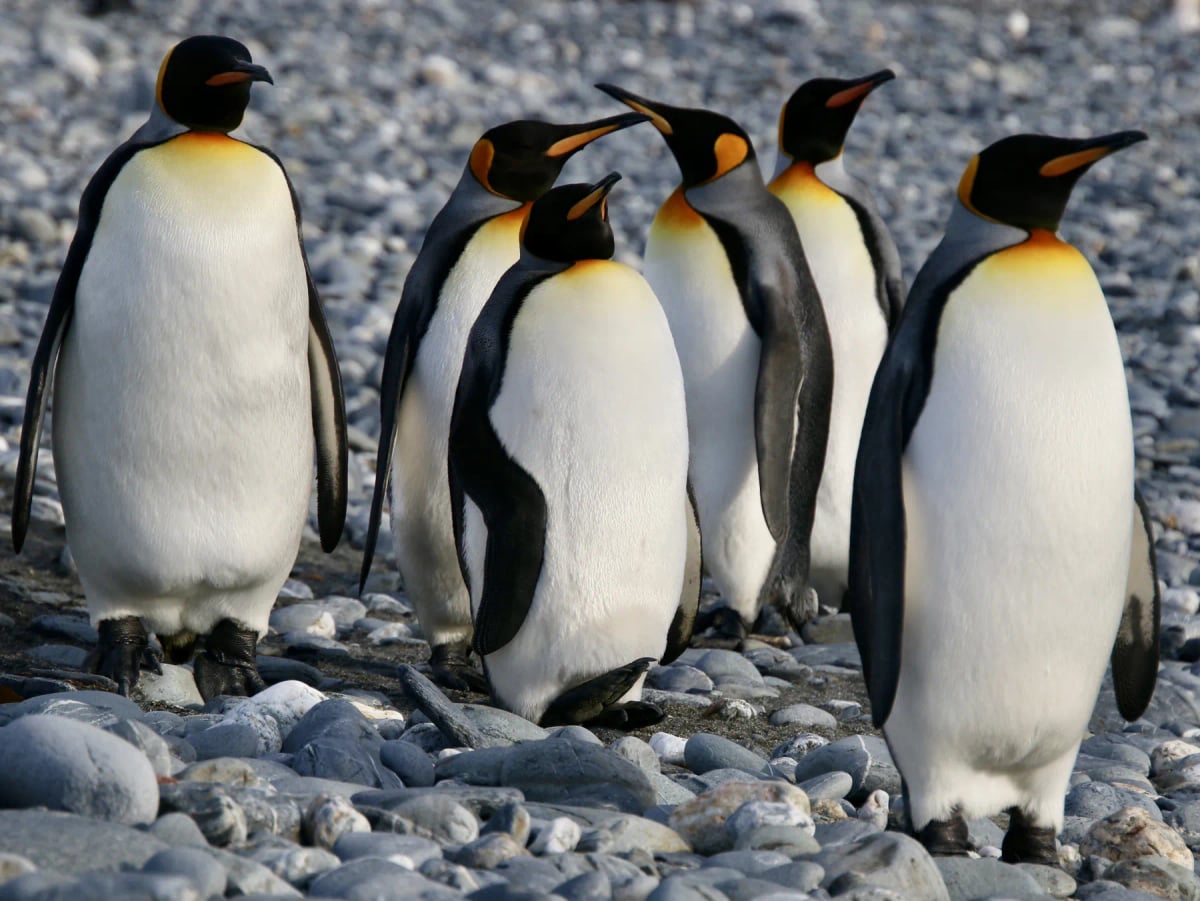
King Penguin
Aptenodytes patagonicus
The Falkland Islands host breeding colonies of king penguins, with the population at Volunteer Point being one of the most visited in the world. Colonies can number in the thousands, gathered on open grassland close to the shore. They dive beyond 300 meters to hunt lanternfish and squid in the surrounding South Atlantic waters. Their striking appearance and approachable nature make them a key part of wildlife tourism here. IUCN status: Least Concern.
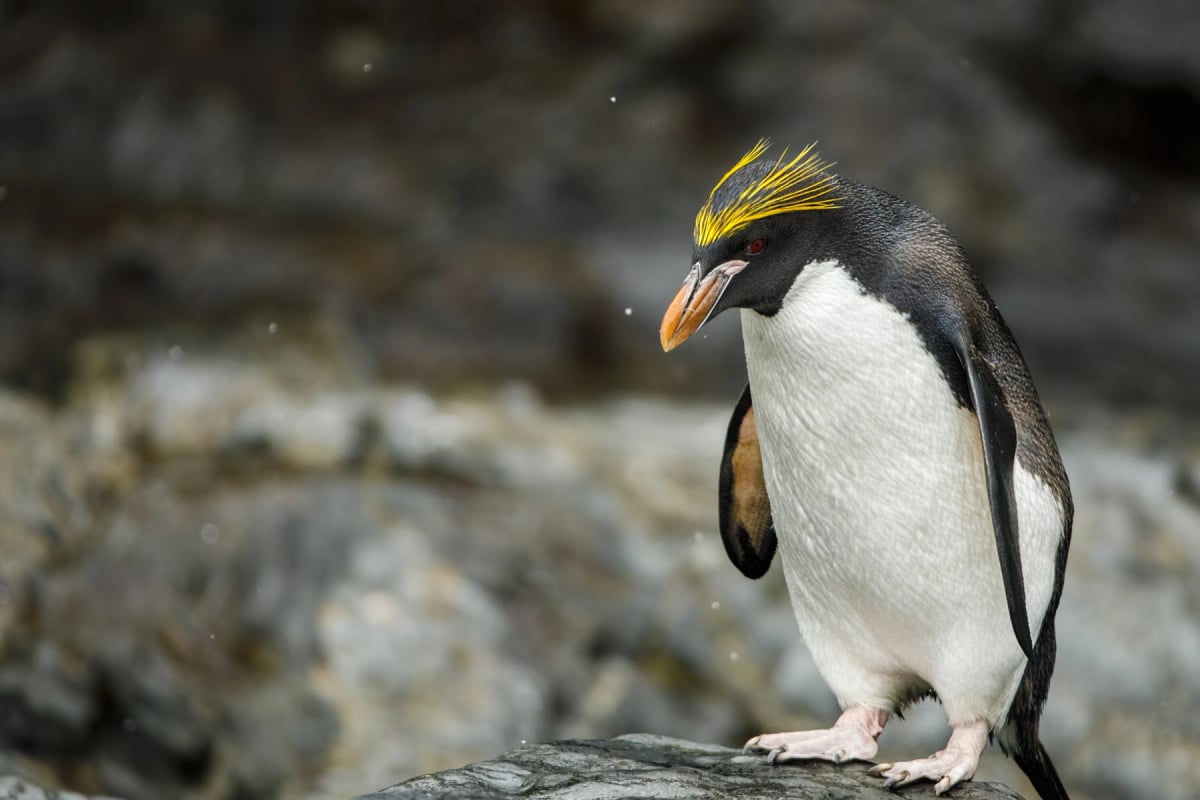
Macaroni Penguin
Eudyptes chrysolophus
The Falkland Islands host breeding groups of macaroni penguins on their rugged coastlines. These birds arrive each season to nest on rocky slopes, laying two eggs but typically raising only the second and larger chick. The surrounding South Atlantic waters provide rich feeding grounds, yet shifting prey availability has contributed to population declines. The IUCN currently lists this species as Vulnerable.
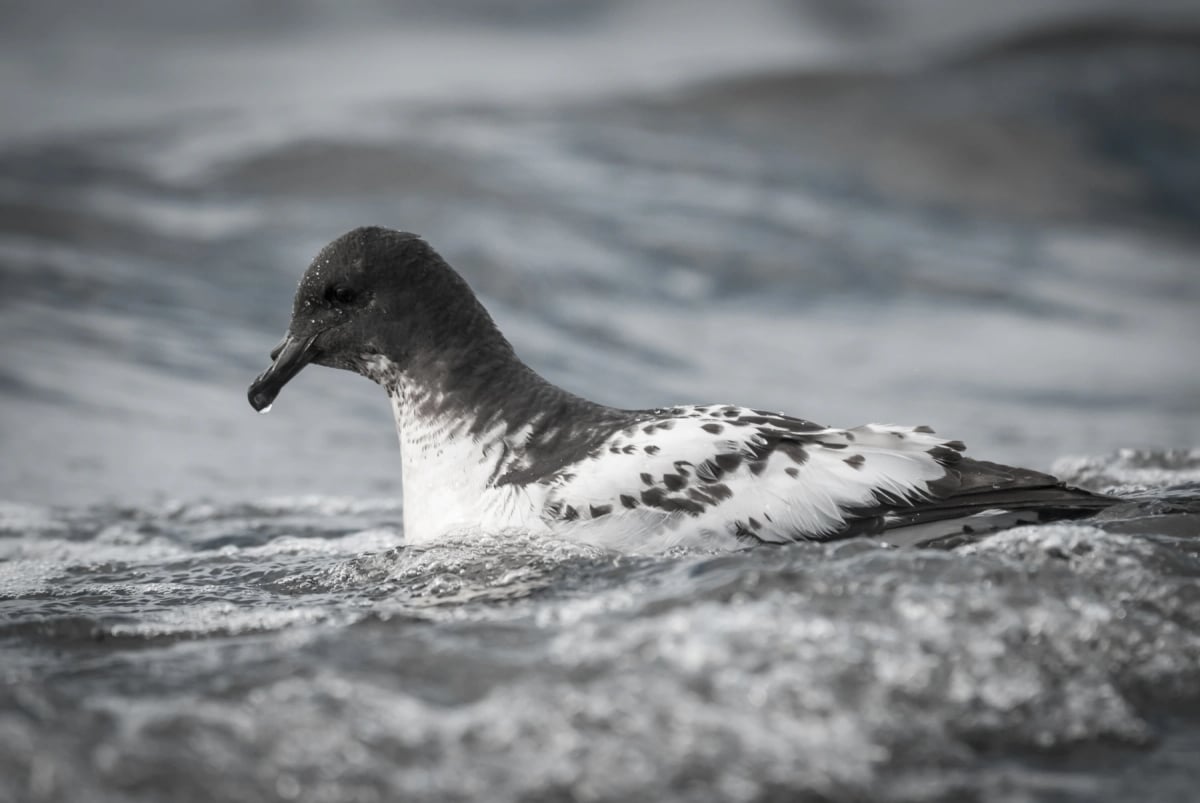
Cape Petrel
Daption capense
The Cape petrel is a common visitor to the waters around the Falkland Islands, which lie close to its breeding grounds on South Georgia and the South Orkneys. It does not nest on the islands themselves but is seen offshore all year, most often in winter, following fishing boats and ferries in large, noisy flocks. The nutrient-rich South Atlantic waters provide krill, squid and small fish in abundance. IUCN status: Least Concern.
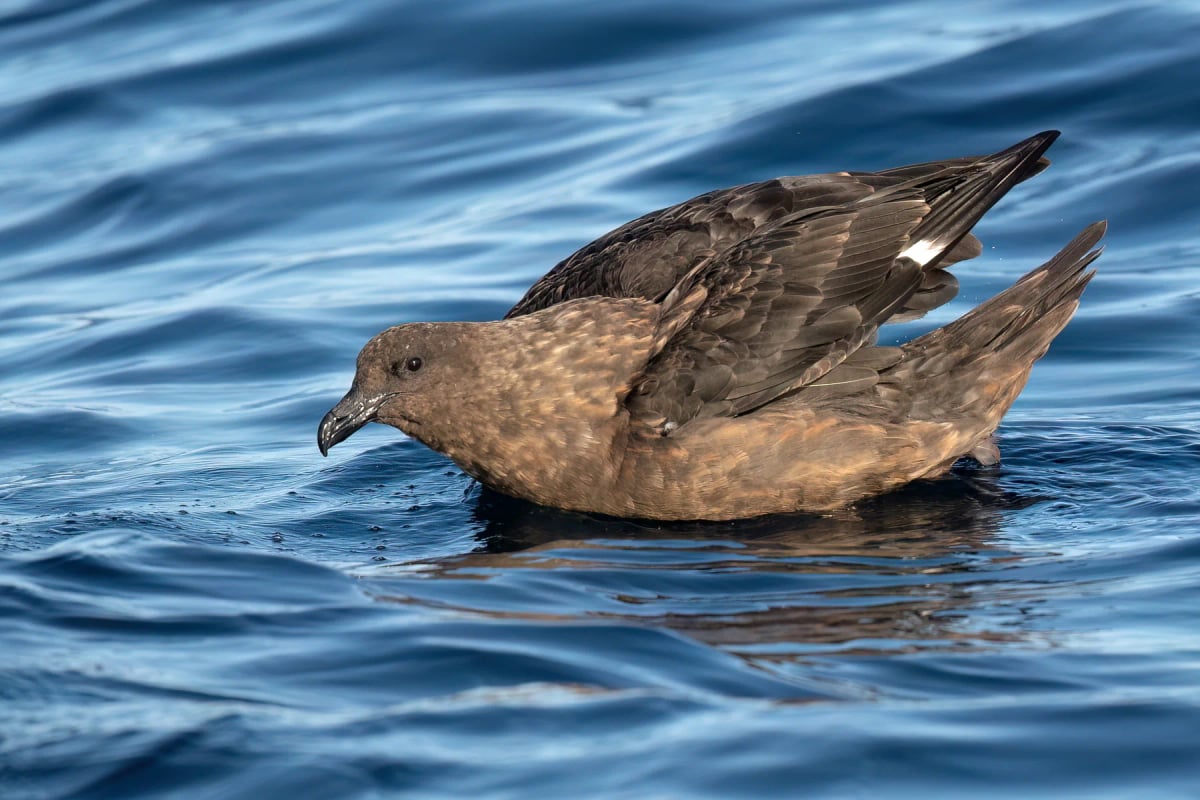
Brown Skua
Stercorarius antarcticus
In the Falkland Islands, the brown skua is a familiar and commanding presence along the coast, where it nests among tussac grass and preys on the eggs and chicks of the islands' rich seabird colonies, including penguins and petrels. It also steals food from other birds through relentless aerial pursuit. Populations here are considered stable, and the species faces no major threats across the archipelago.
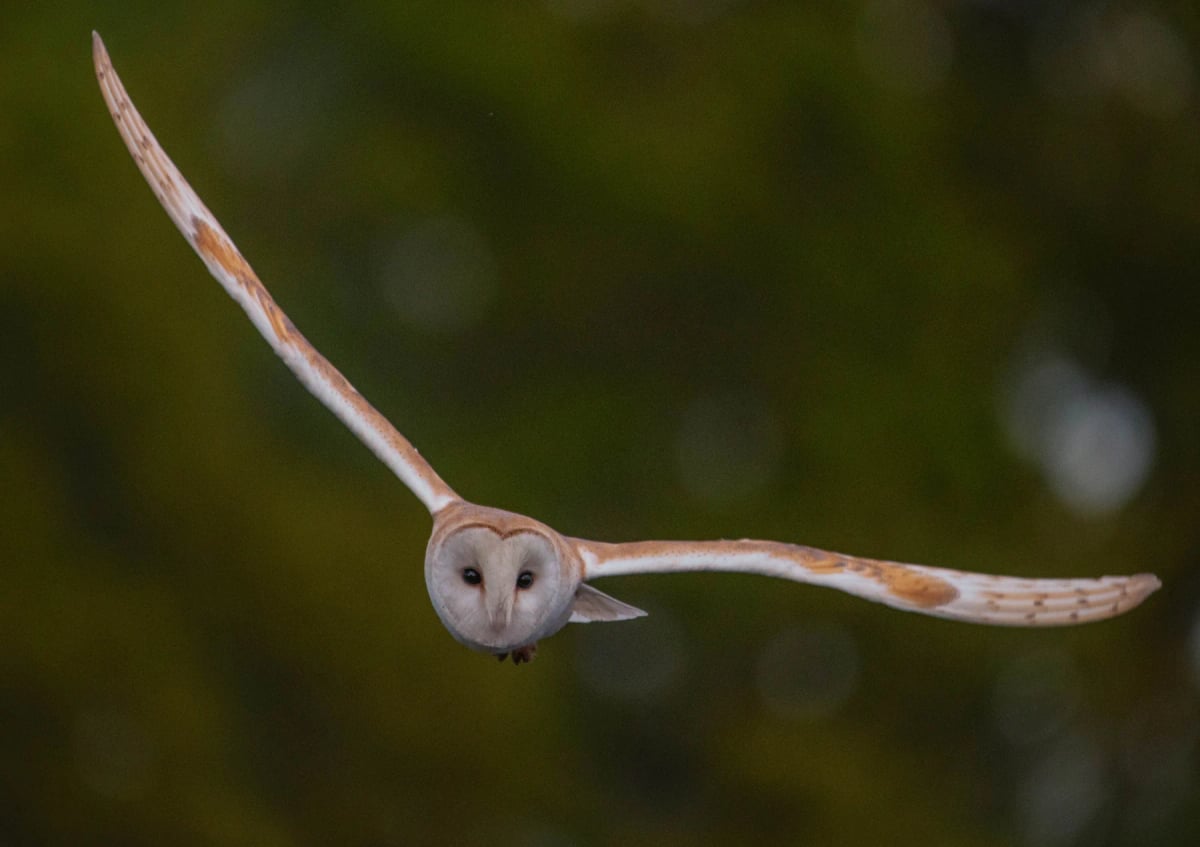
Barn Owl
Tyto alba
The barn owl is present in the Falkland Islands, where it is considered an introduced species that arrived during the twentieth century. It is found mainly on East Falkland and West Falkland in open grassland and coastal areas. In the Falklands it has raised conservation concerns because it preys on ground-nesting seabirds, including petrels and penguins, in addition to the small mammals typical of its diet elsewhere. Its impact on native bird populations is monitored by local conservation authorities.
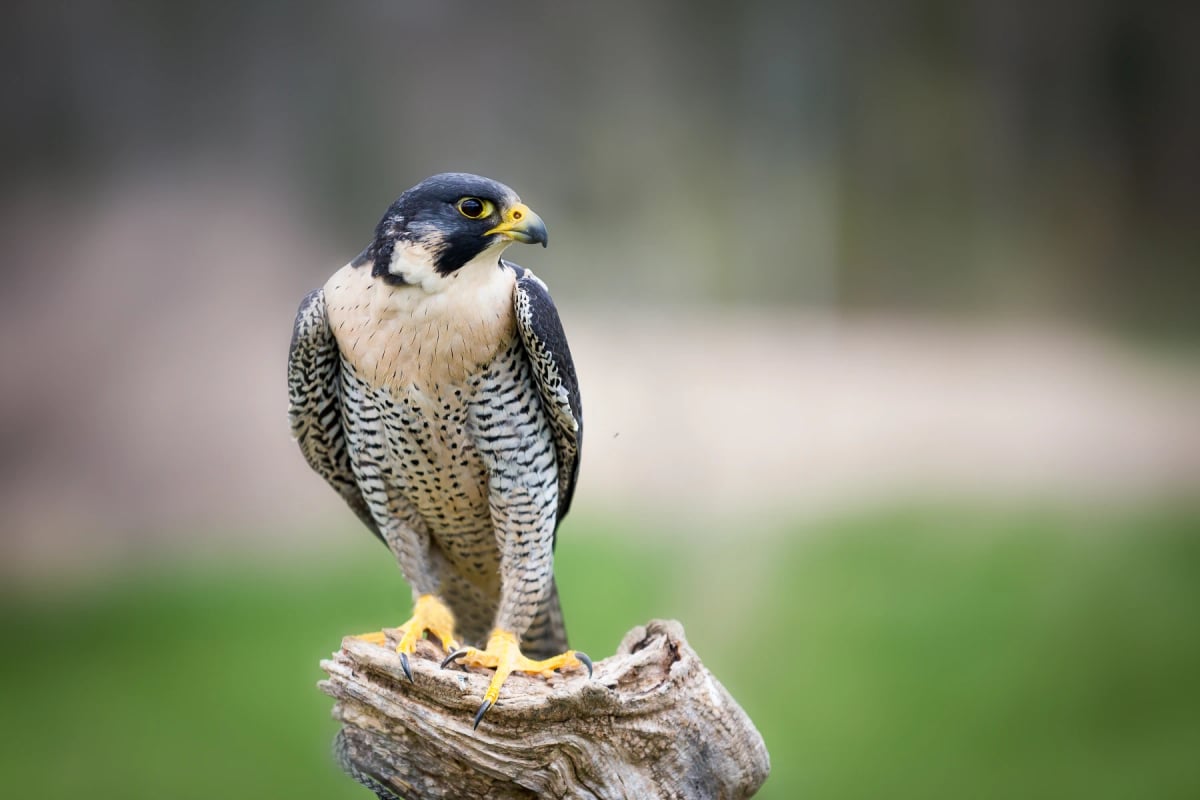
Peregrine Falcon
Falco peregrinus
The Falkland Islands are home to the Cassin's falcon, the South American subspecies of the peregrine, which breeds on the sea cliffs of the archipelago. Here it hunts seabirds and other birds among the islands' huge colonies of prions, petrels and penguins, and pairs defend their coastal territories all year. The islands' remote cliffs offer secure nest sites. The IUCN lists the peregrine falcon as Least Concern.
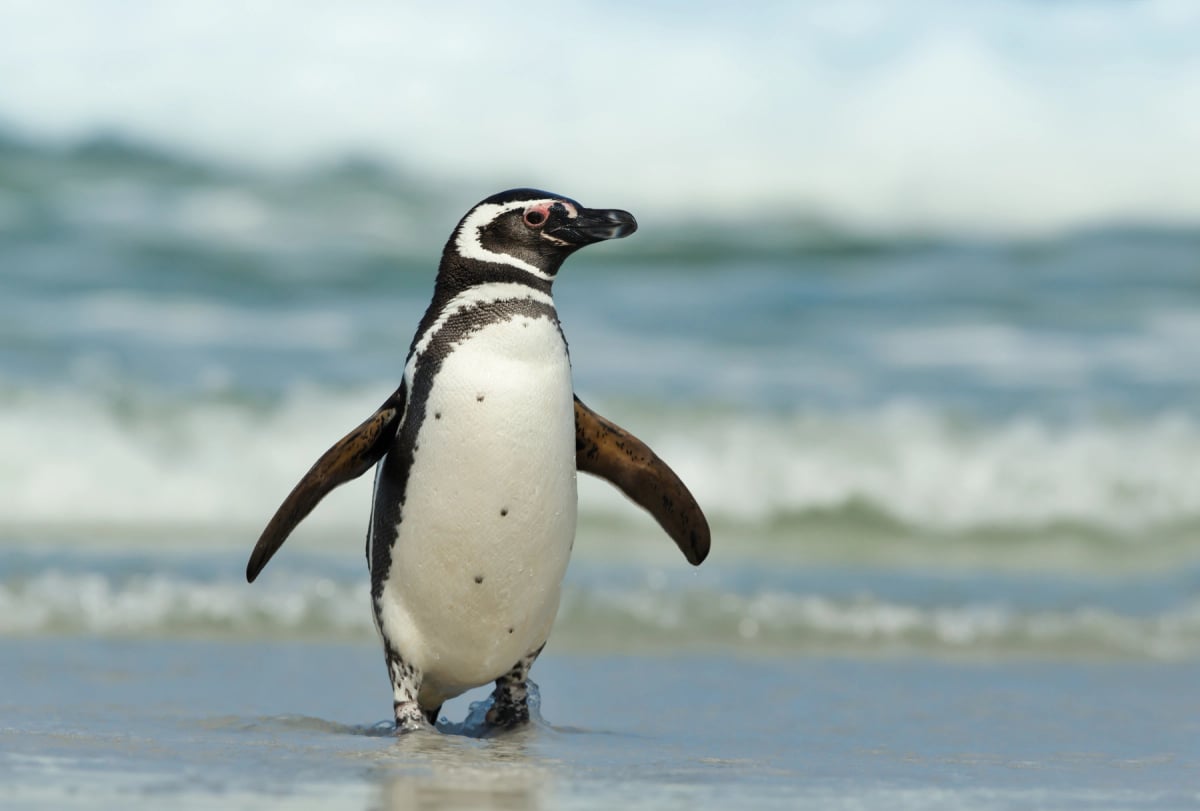
Magellanic Penguin
Spheniscus magellanicus
The Falkland Islands support important breeding populations of Magellanic penguins, nesting in burrows across coastal grasslands alongside several other penguin species. The islands' remote location and relatively low levels of industrial fishing pressure offer these birds a degree of protection not always found on the South American mainland. They feed on squid and fish in the rich South Atlantic waters surrounding the archipelago.
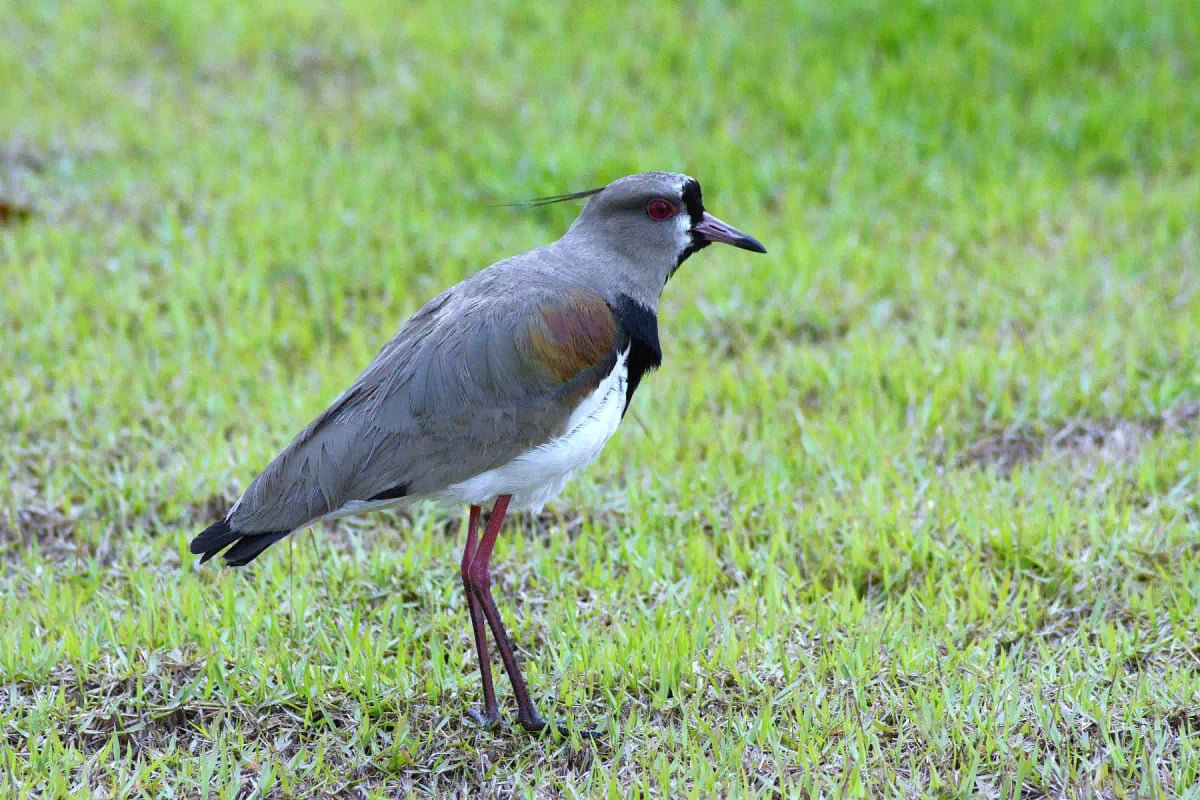
Southern Lapwing
Vanellus chilensis
The southern lapwing is present in the Falkland Islands, where it inhabits open grassland and coastal meadows across the archipelago. It nests on the ground and is known for aggressively defending its nesting area against intruders, including much larger animals. Given the islands' remote and largely undisturbed terrain, conditions suit this adaptable bird well. Its IUCN status is Least Concern.
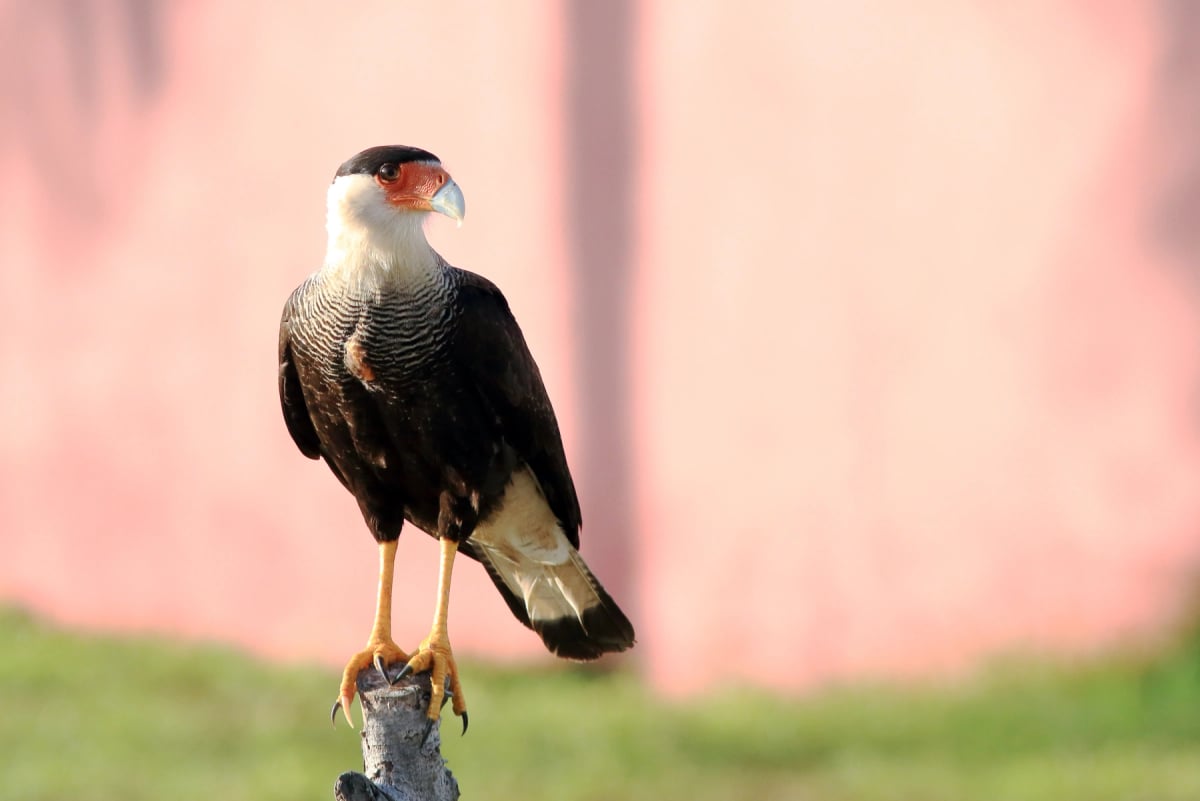
Southern Caracara
Caracara plancus
In the Falkland Islands the southern caracara is known as the carancho. It lives across most of the islands, but it is not common anywhere. It is one of the few birds of prey that stay on the islands all year round, even through the cold and windy winter. The carancho likes rocky outcrops and mountain crags, where it builds a large nest of twigs and grass lined with wool. It lays two or three eggs in September or October.
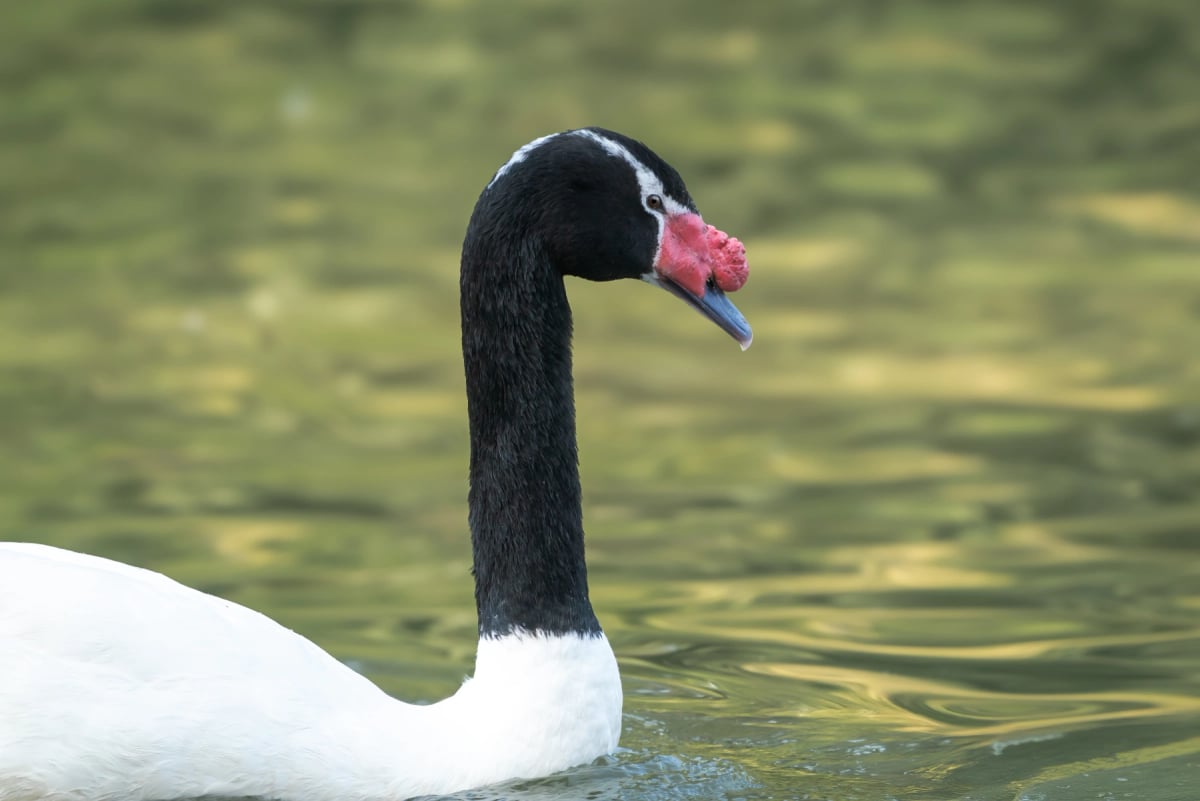
Black necked Swan
Cygnus melancoryphus
The black necked swan is a resident breeding bird of the Falkland Islands, where it occupies sheltered coastal inlets, freshwater ponds, and marshy lowlands. The islands' relatively undisturbed wetland habitats support stable local populations. Pairs are typically seen on calm, vegetation fringed waters where they nest and raise their cygnets. The IUCN lists the species as Least Concern.
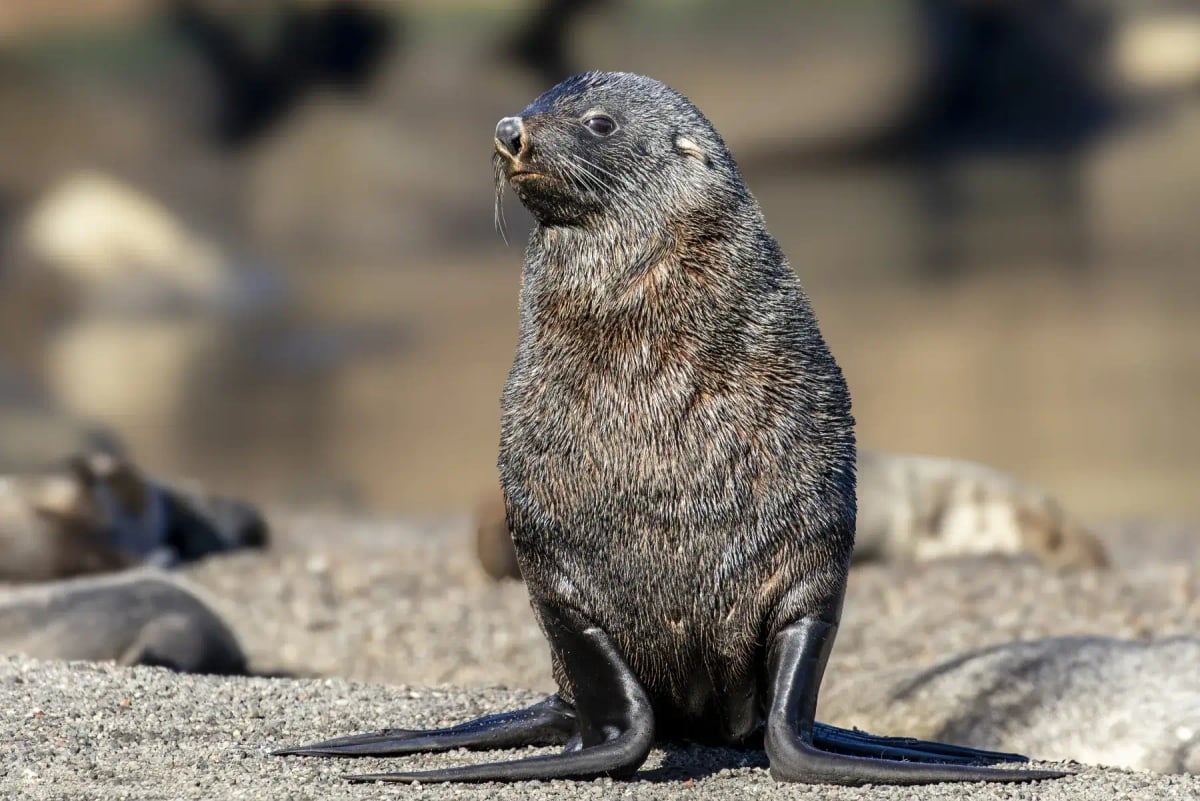
Fur Seal
Arctocephalus spp.
Both South American and Antarctic fur seals are found around the Falkland Islands, where rugged coastlines and cold, productive waters provide excellent feeding grounds. The islands support significant breeding colonies, particularly on offshore rocks and islets. After being heavily hunted in the 1800s, populations here have largely recovered. The Falklands' relatively low levels of industrial fishing pressure continue to benefit local fur seal numbers.
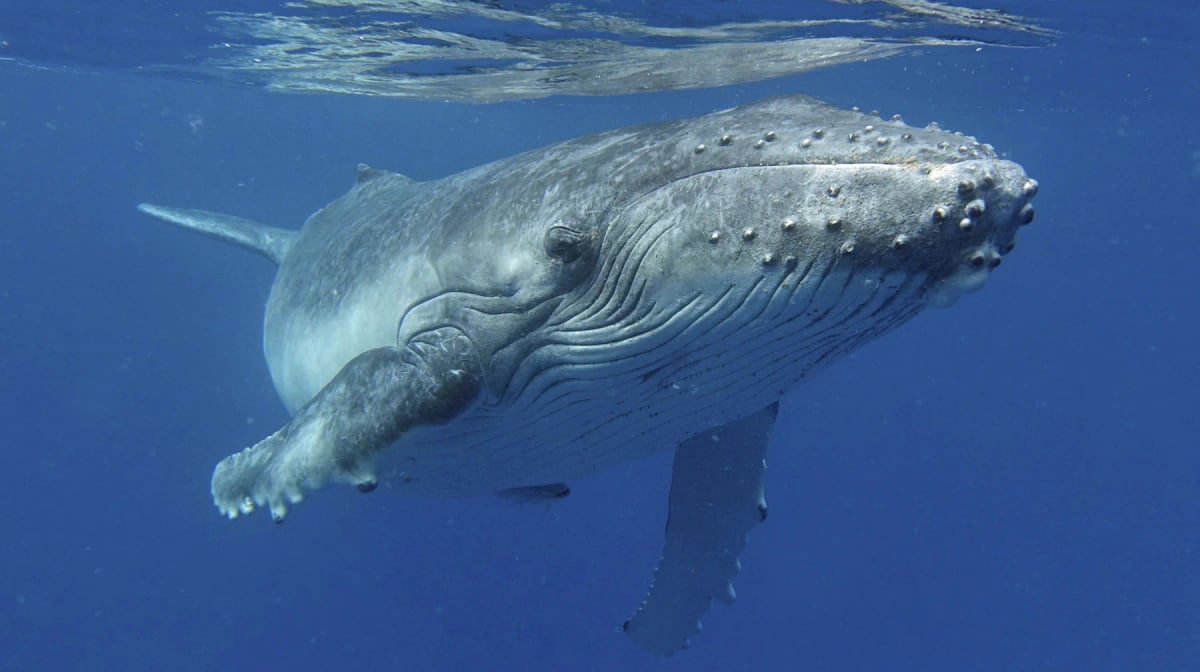
Humpback Whale
Megaptera novaeangliae
The cold, nutrient-rich waters around the Falkland Islands provide important feeding habitat for humpback whales in the South Atlantic. Krill and small fish are abundant here, making the area a valuable stop on their migration routes. These whales can grow to 16 metres and weigh as much as 40 tonnes. After being heavily hunted during the twentieth century, populations have recovered significantly. The IUCN now classifies the species as Least Concern.
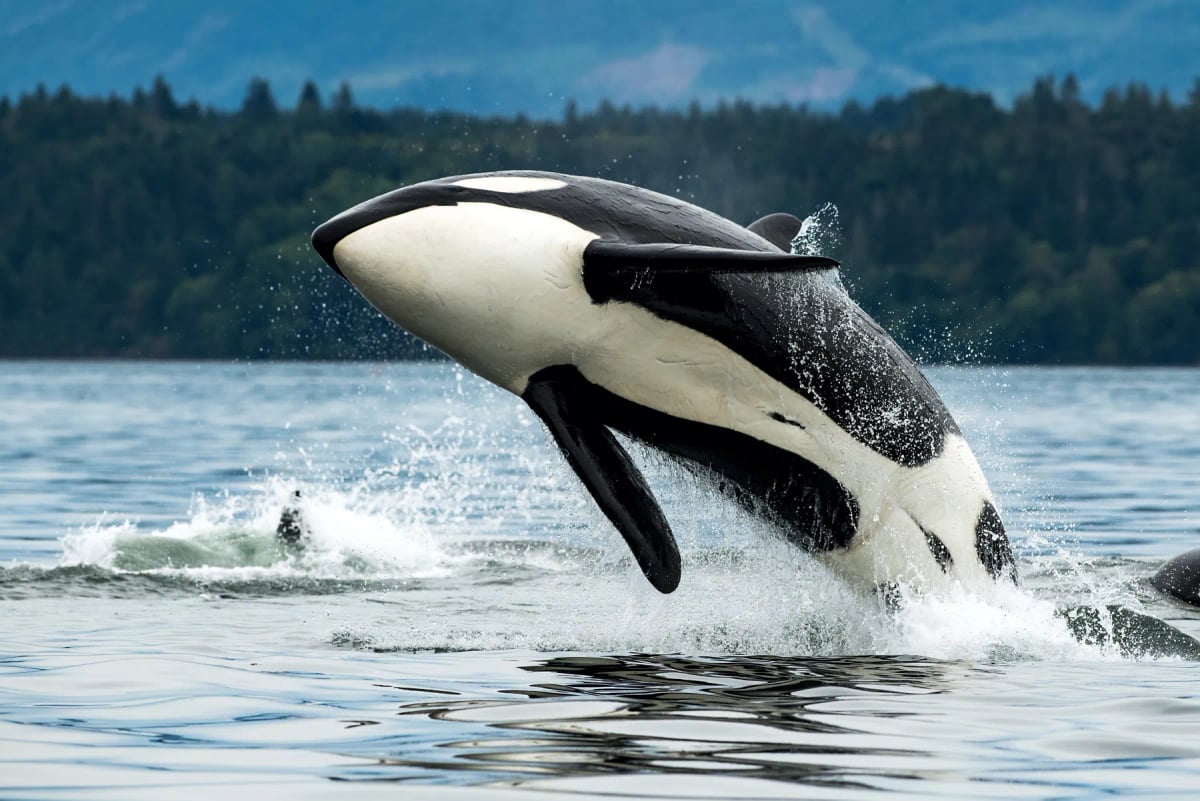
Orca
Orcinus orca
The Falkland Islands sit at the edge of the South Atlantic, where cold and productive waters make them one of the better places in the Southern Hemisphere to spot orcas. The islands' rich marine environment supports large populations of sea lions, penguins, and fish, all of which form part of the orca's diet. Pods are sometimes seen hunting near shore, and local wildlife tours frequently include orca sightings.
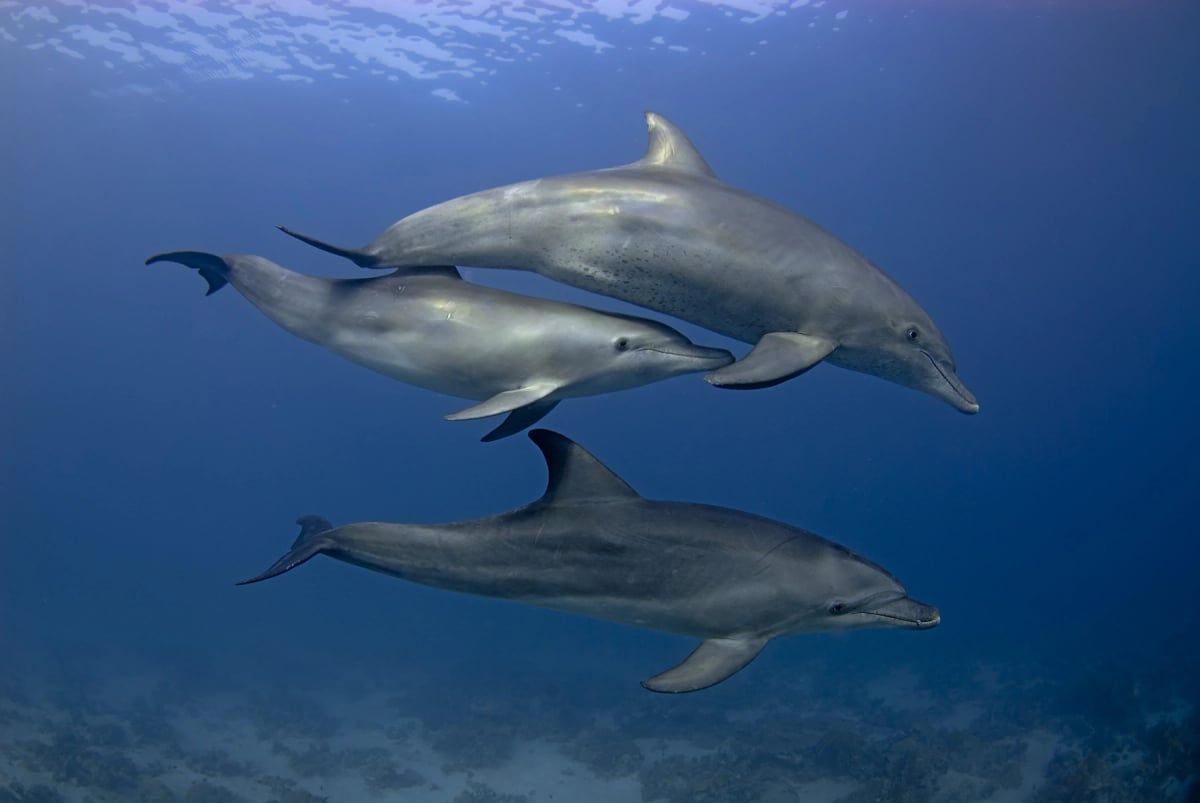
Bottlenose Dolphin
Tursiops truncatus
Bottlenose dolphins occur in the cold, nutrient-rich waters surrounding the Falkland Islands, where they forage along rugged coastlines and open bays. The South Atlantic around the archipelago supports productive fisheries, which attract dolphins hunting fish and squid. Sightings are recorded around both East and West Falkland. These waters are among the most remote habitats the species occupies in the Southern Hemisphere. The IUCN lists the species as Least Concern.
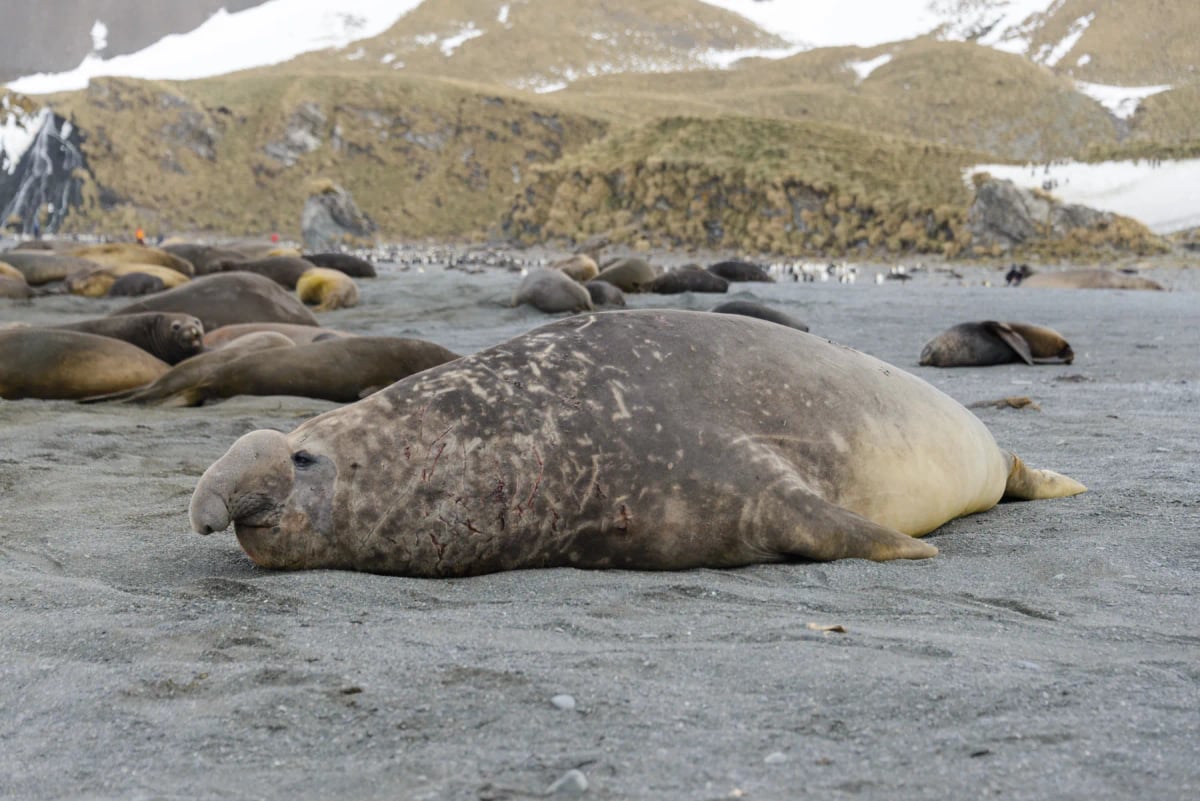
Elephant Seal
Mirounga spp.
The Falkland Islands support a resident population of southern elephant seals that breed on sandy and pebbly beaches across the archipelago. Sea Lion Island is one of the most notable sites, where large bulls establish territories each spring. The islands sit within highly productive waters of the South Atlantic, giving elephant seals excellent access to deep water feeding grounds not far from shore.
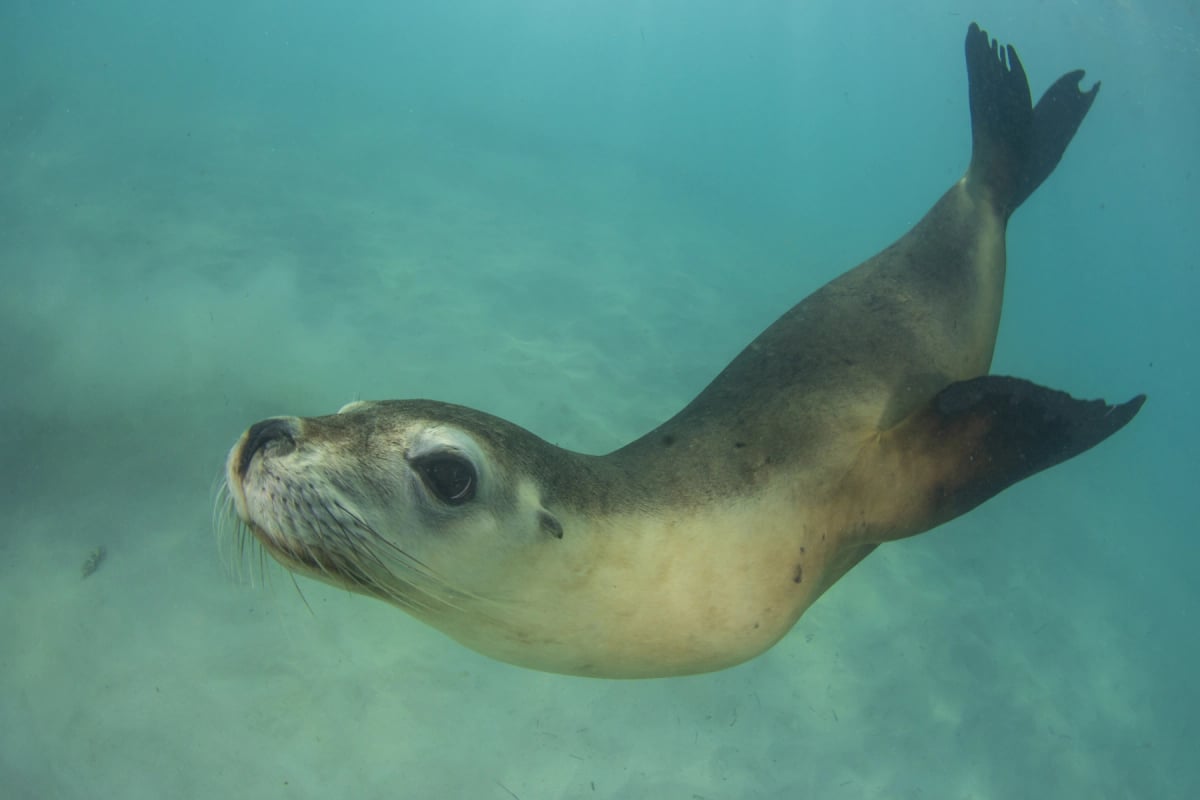
Sea Lion
Otariinae spp.
The Falkland Islands support one of the most important breeding populations of South American sea lions in the South Atlantic. Colonies gather on sandy beaches and rocky headlands across the archipelago, where males compete loudly for space and females during the breeding season. The surrounding waters are rich in squid and fish. Their IUCN status is Least Concern, though local fishing interactions remain a concern.
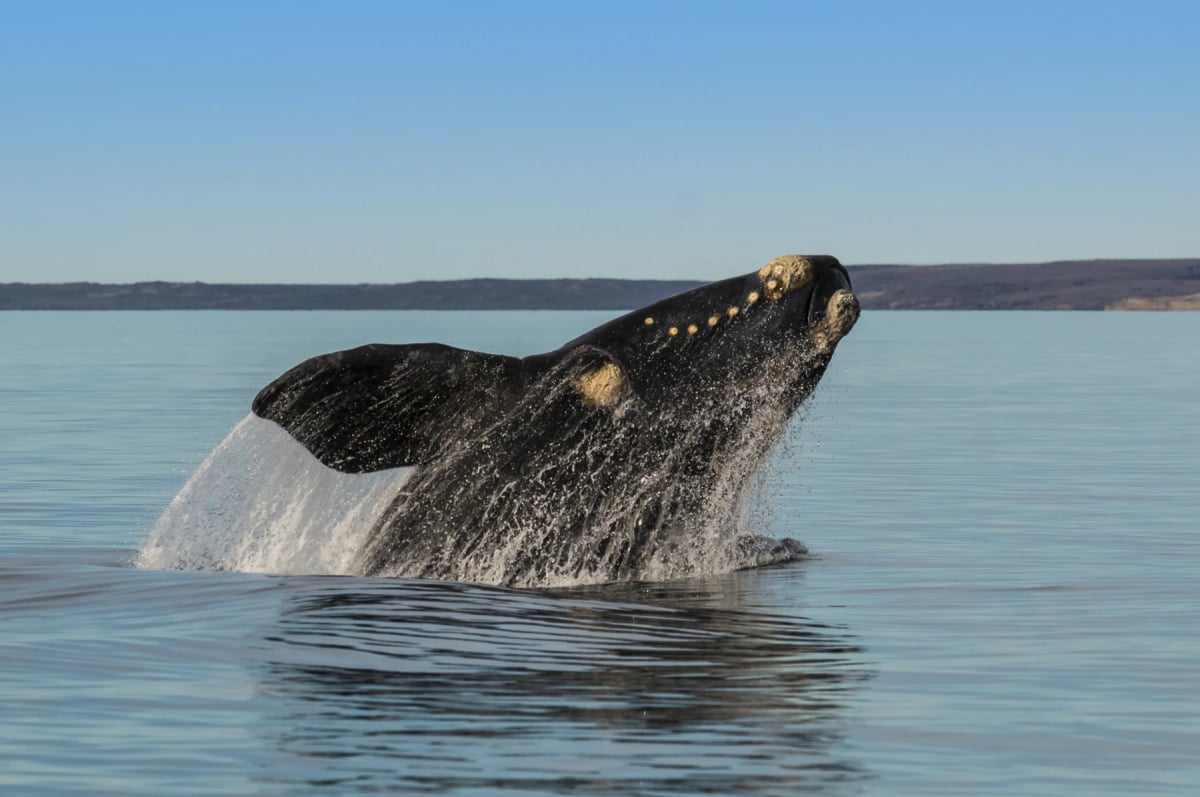
Southern Right Whale
Eubalaena australis
The waters surrounding the Falkland Islands lie within the feeding and migratory range of the southern right whale. Whales pass through or rest in these cold, productive South Atlantic waters, which are rich in the small crustaceans that make up the bulk of their diet. The islands were once a base for whaling operations that severely reduced whale populations across the South Atlantic. Listed as Least Concern.
Frequently Asked Questions
What penguins live in the Falkland Islands?
Five penguin species breed in the Falkland Islands, and around a million penguins nest there every summer. King penguins are the star: almost all of them are at Volunteer Point, where about 1,500 pairs nest behind a white beach. Magellanic penguins dig burrows in the peat and are found all around the coast, and a few macaroni penguins nest among other colonies. Gentoo and rockhopper penguins are the most numerous of the five. Colonies can be visited from about October to March, and visitors watch from a few meters away.
What animals live in the Falkland Islands?
The animals of the Falkland Islands are almost all seabirds and marine mammals. They include king, Magellanic and macaroni penguins, black browed albatrosses, brown skuas, cape petrels, caracaras, barn owls and southern lapwings. On the coast live elephant seals, fur seals and sea lions, and orcas, bottlenose dolphins, humpback whales and southern right whales swim offshore. There are no native land mammals: the only one, the Falkland Islands wolf, went extinct in 1876. Brown hares were introduced later and now live in the grasslands.
Where can you see king penguins in the Falkland Islands?
Volunteer Point, on East Falkland, holds almost the entire king penguin population of the islands, about 1,500 breeding pairs. It is a plain of grass and sand behind a long white beach, reached by a rough drive of two or three hours from Stanley across open country. Penguins are there all year, because chicks take more than a year to grow, and the best time to visit is from November to March, when adults are feeding chicks. Gentoo and Magellanic penguins nest at the same site.
What seabirds live in the Falkland Islands?
The Falkland Islands are one of the most important seabird sites in the world. About seven out of every ten black browed albatrosses on the planet nest there, and the colony on Steeple Jason, in the west, is the largest of the species anywhere, with hundreds of thousands of birds. Cape petrels and other tube nosed seabirds feed offshore, brown skuas patrol the penguin colonies for eggs and chicks, and caracaras are so curious that they land right next to visitors. Barn owls and southern lapwings live inland.
Are there dangerous animals in the Falkland Islands?
No. There are no snakes, no large land predators and no native land mammals in the Falkland Islands, so nothing on land is a danger to people. The animals to respect are in the water or on the beaches: orcas hunt seal pups in very shallow water along the coast, male elephant seals weigh several tonnes and fight in the breeding season, and sea lions defend their space on the rocks. Skuas and caracaras dive at anyone who walks too close to a nest. Keeping a few meters of distance is enough.
Researched and written by Juan Pablo. Sources: IUCN Red List, scientific literature and regional field guides. Last updated: .