Animals in Honduras
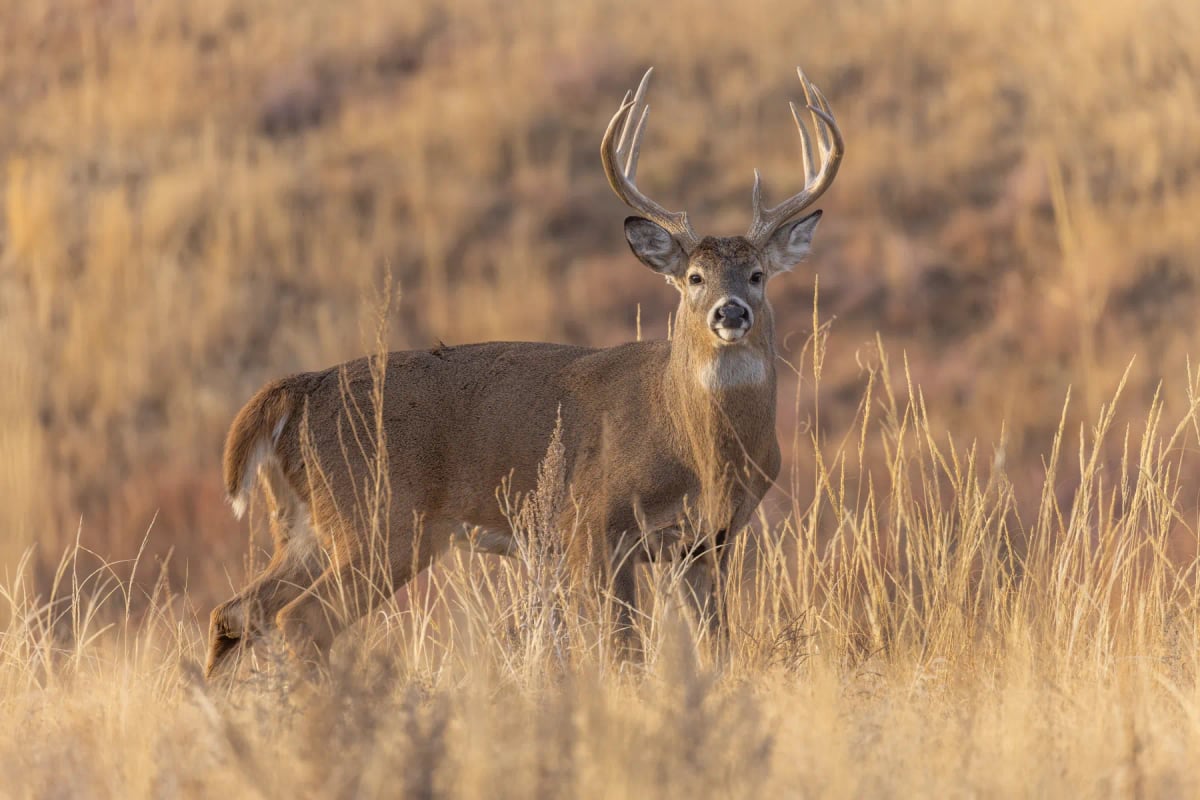
White tailed Deer
Odocoileus virginianus
Honduras has two national animals. On June 28, 1993, the National Congress named the white tailed deer the national mammal and the scarlet macaw, called guara roja in Honduras, the national bird. The deer lives in forests, hills and farmland across the country and has long been part of rural life. The macaw, with its red, yellow and blue feathers, lives mainly in La Mosquitia, and a free flock now flies over the Mayan ruins of Copán. Every June 28, Honduras celebrates both animals.
View details→Wildlife in Honduras
Honduras has a remarkable variety of wildlife for its size, thanks to its mountains, rainforests, dry valleys and two coasts, one on the Caribbean and one on the Pacific. The country is part of the Mesoamerican Biological Corridor, a chain of forests that lets animals move between North and South America. In the rainforests of La Mosquitia, in the east, live jaguars, pumas, ocelots, margays, tapirs, spider monkeys, sloths and harpy eagles. Cloud forests in the mountains, like Pico Bonito and La Tigra, are home to resplendent quetzals, toucans and turquoise browed motmots, while scarlet macaws, the national bird, fly over the lowland forests. Iguanas are common along rivers and in mangroves, and rattlesnakes and lanceheads live in fields and forest edges. On the coasts there are manatees, sea turtles, dolphins, barracudas and sharks. Deforestation is a serious threat, but national parks and reserves still protect much of the wildlife in Honduras.
Most Dangerous Animals in Honduras
The most dangerous animals in Honduras are its venomous snakes. The lancehead, called barba amarilla, causes most of the serious snakebites in the country. It lives in humid lowland forests, riverbanks and plantations on the north coast and in La Mosquitia, and it is most active at night. The rattlesnake lives in drier areas, mainly on the Pacific side and in the interior valleys, and its venom is also very strong. Wearing boots, using a flashlight at night and watching where you put your hands are the best ways to avoid bites. Jaguars and pumas are powerful, but they avoid people and attacks are extremely rare. Caimans live in rivers and lagoons and should be kept at a distance. At sea, bull and tiger sharks and barracudas live along the coasts, including around the Bay Islands like Roatán, although incidents with swimmers and divers are very uncommon.
Top 10 Animals in Honduras
The top 10 animals of Honduras are led by its big cats. The jaguar, the largest cat in the Americas, still hunts in the rainforests of La Mosquitia, and the puma lives in forests and mountains across the country. Smaller wild cats like the margay and the jaguarundi are part of this group too, although they are rarely seen. The famous animals of Honduras also include some that people should respect, like the lancehead, known locally as barba amarilla, the rattlesnake and the bull and tiger sharks of its coasts. Birds add color to the list: the harpy eagle, one of the most powerful eagles in the world, the peregrine falcon, the scarlet macaw and the resplendent quetzal. Bottlenose dolphins complete the picture at sea. Together they show the mix of rainforest, mountains and coast that makes the animals in Honduras so varied.
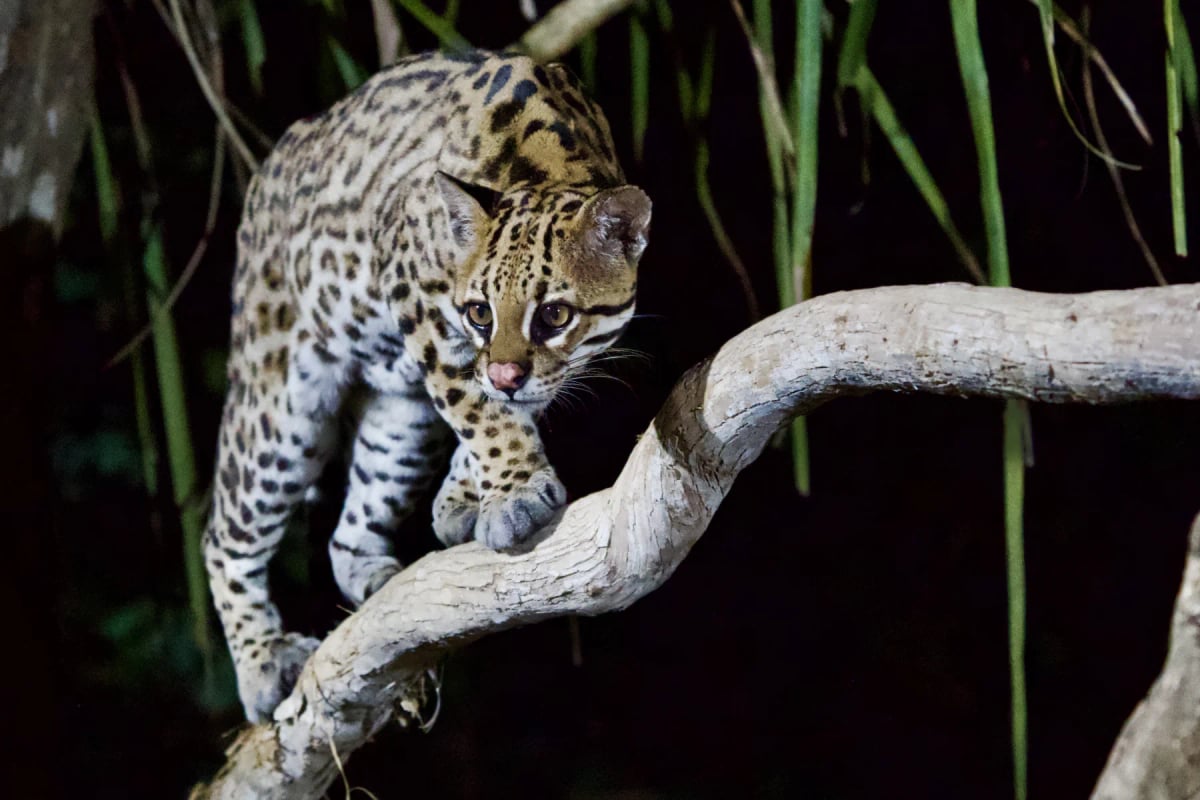
Ocelot
Leopardus pardalis
In Honduras, ocelots inhabit tropical forests along the Caribbean coast, the Mosquitia region, and cloud forest foothills. The Río Plátano Biosphere Reserve provides one of the most important refuges for the species in the country. Habitat loss from agriculture and cattle ranching, along with road traffic, puts pressure on local populations. Ocelots are nocturnal hunters, preying on rodents, reptiles, and small birds throughout their forested range.
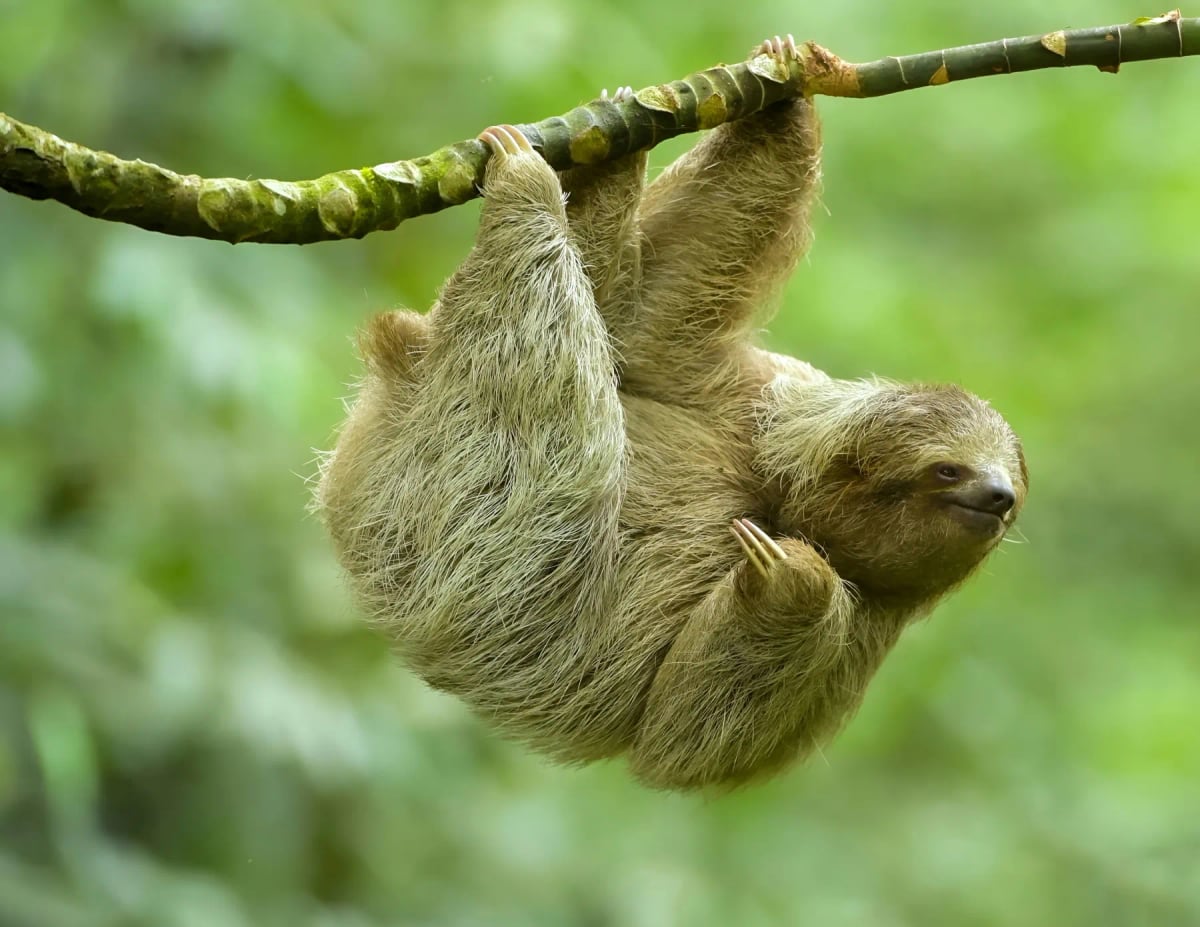
Sloth
Folivora
Sloths in Honduras are found mainly in the tropical rainforests along the Caribbean coast, including the La Mosquitia region, one of the largest expanses of wilderness left in Central America. The brown-throated sloth is the species most commonly recorded here. Deforestation driven by agriculture and logging threatens their forest homes, making the protection of remaining wild areas especially important.
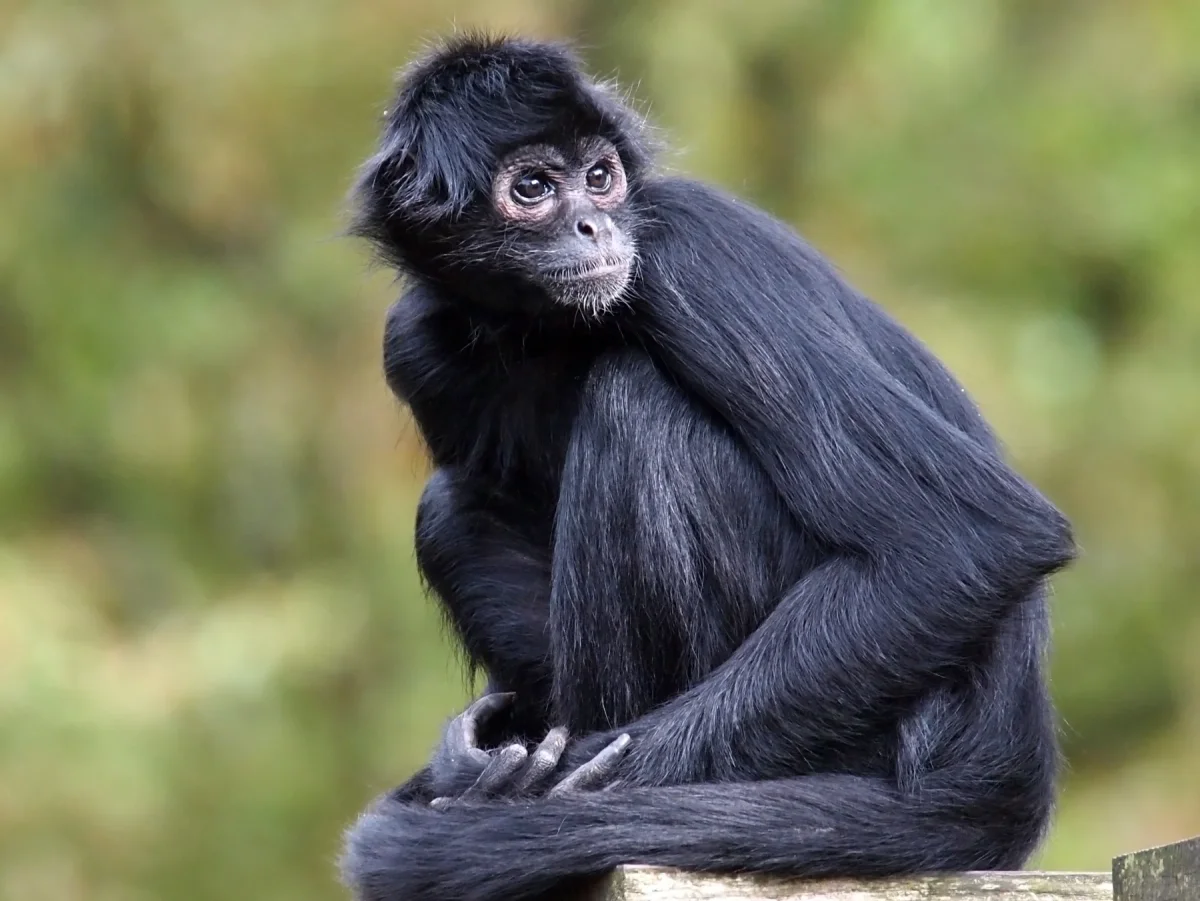
Spider Monkey
Ateles spp.
Spider monkeys in Honduras inhabit the tropical forests of the Mosquitia region, one of the largest expanses of wilderness left in Central America. This remote area provides critical refuge for the species, but illegal logging and land conversion for agriculture continue to shrink available habitat. Indigenous communities in the region have traditionally coexisted with these primates and play a role in local conservation efforts.
White tailed Deer
Odocoileus virginianus
In Honduras, white tailed deer roam pine and oak forests in the highlands as well as lowland tropical areas near the Caribbean coast. They are found in protected zones such as La Tigra National Park. Hunting pressure and habitat loss remain the main threats. The species holds the status of Least Concern globally, though local populations benefit greatly from forest protection efforts.
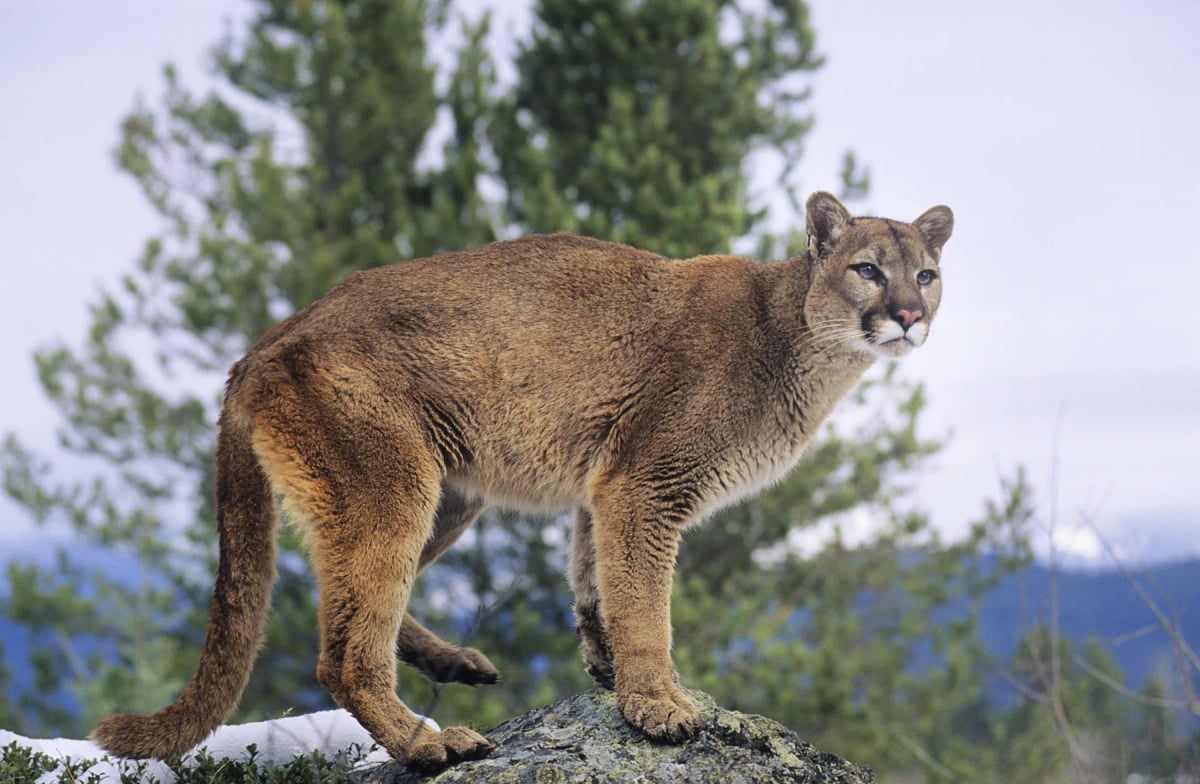
Cougar
Puma concolor
The cougar is found across Honduras in cloud forests, pine and oak woodlands, and the tropical lowlands near the Mosquito Coast. It is an adaptable predator that targets white tailed deer and peccaries. Protected areas such as the Río Plátano Biosphere Reserve provide important refuge. Habitat fragmentation and retaliatory killings by farmers who lose livestock remain the main threats to the species in Honduras.
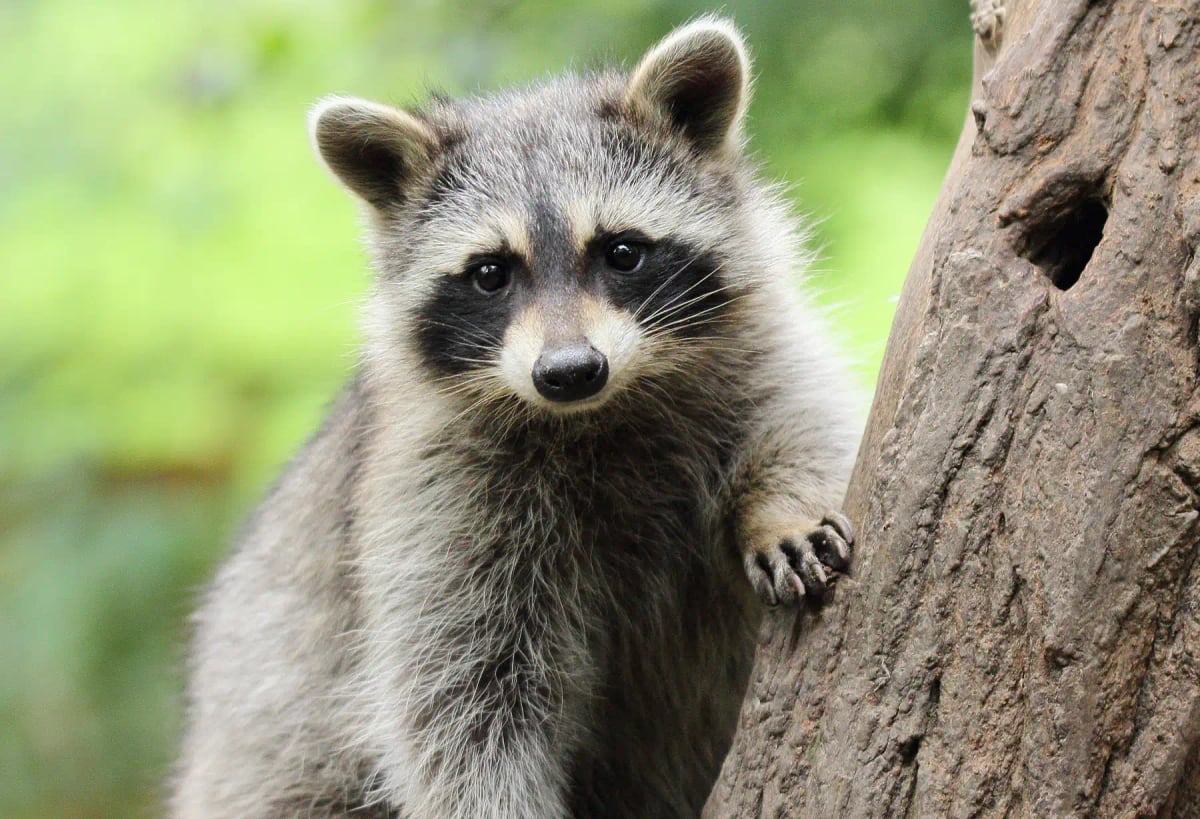
Raccoon
Procyon lotor
Honduras supports raccoon populations along both its Caribbean and Pacific coasts, as well as in inland forests and river valleys. The species is common in lowland areas and is frequently seen near fishing communities along the Mosquito Coast. Raccoons feed on crustaceans, fish, fruit, and whatever else the habitat provides. Listed as Least Concern, they face pressure mainly from deforestation, which continues to reduce forest cover across Honduras.
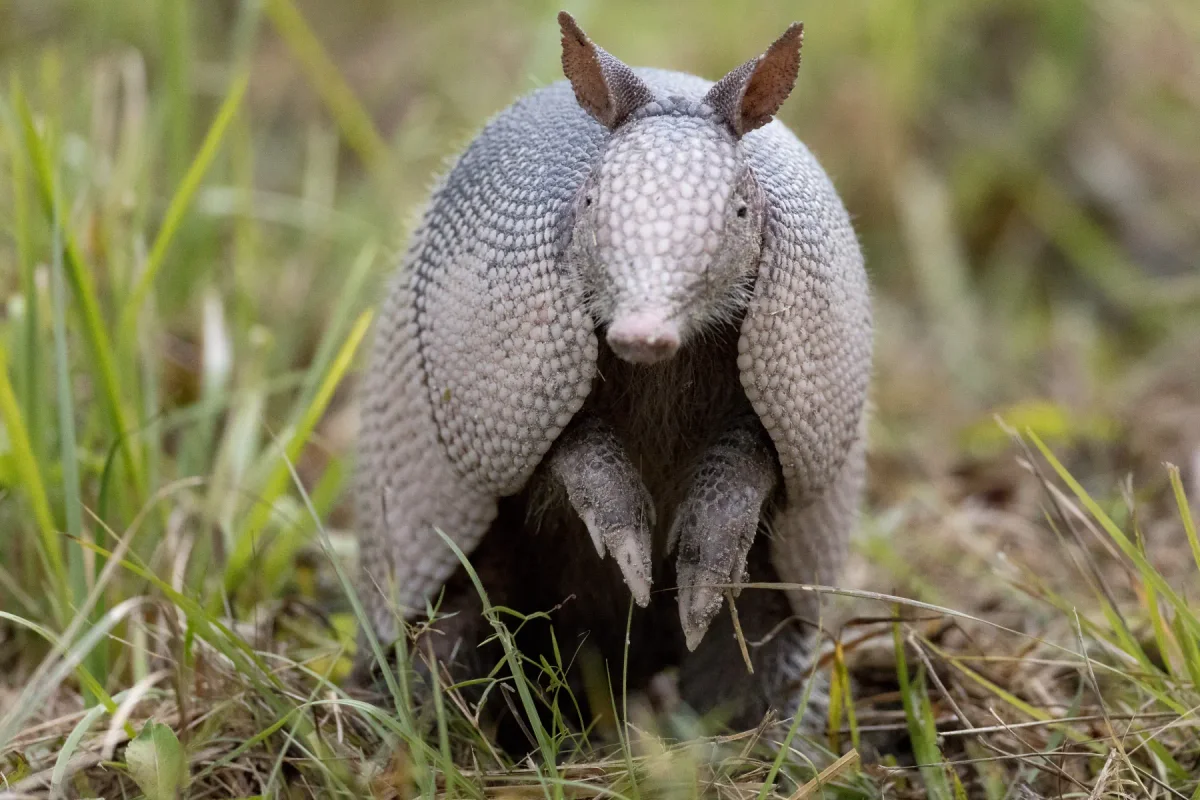
Armadillo
Dasypodidae spp.
The nine banded armadillo inhabits forests, savannas, and agricultural areas throughout Honduras. It is active at night, using its strong claws to dig for insects and larvae in soft soil. In Honduras, armadillos are occasionally hunted. Habitat loss from deforestation and cattle ranching has reduced available territory in some parts of the country, and road mortality is a significant cause of death in areas with high vehicle traffic.
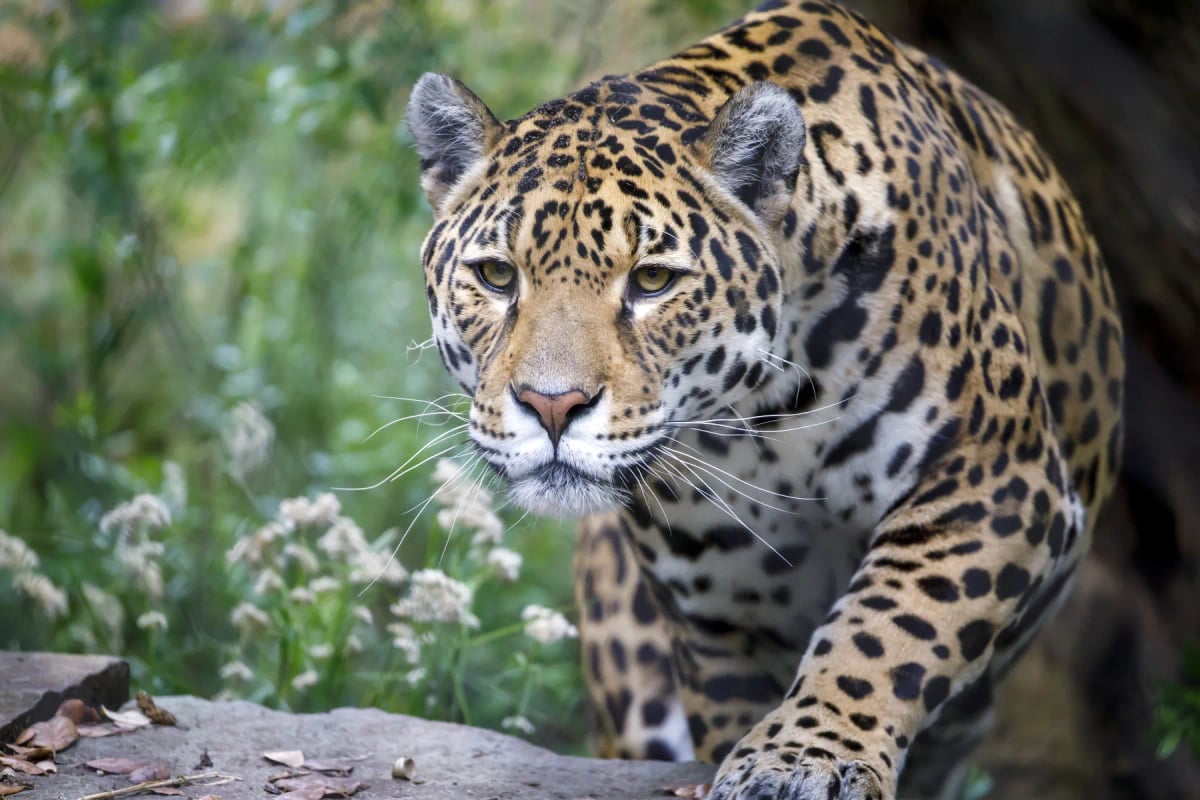
Jaguar
Panthera onca
In Honduras, jaguars persist in small numbers in lowland forest areas, particularly in the Mosquitia region in the east, which contains one of the largest remaining blocks of tropical forest in Central America. The Río Plátano Biosphere Reserve is a key refuge. Habitat loss from logging and agricultural expansion has pushed jaguars into increasingly remote areas, making the protection of Mosquitia critical for their survival in the country.
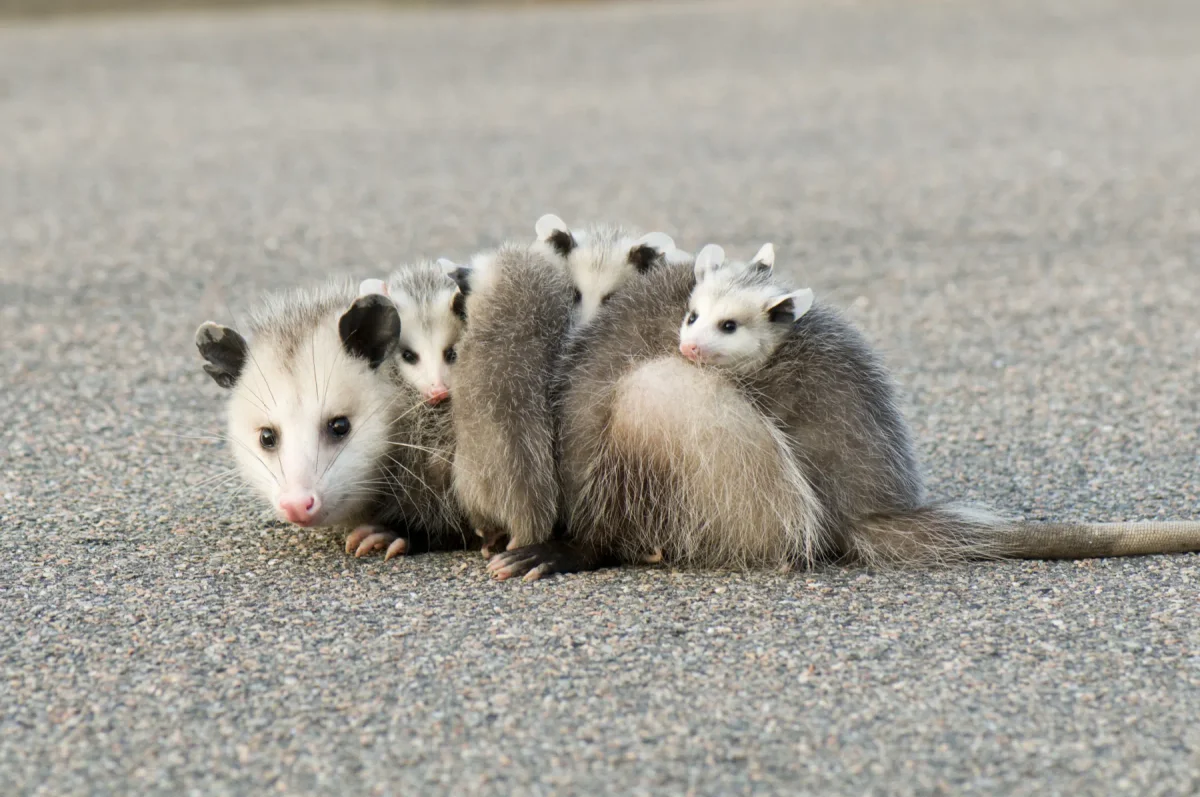
Opossum
Didelphis spp.
The common opossum (Didelphis marsupialis) is widespread in Honduras, living in lowland rainforests, cloud forest edges, and areas of farmland. It is nocturnal and spends time both on the ground and in trees, using its prehensile tail to grip branches. Around the Moskitia region and the forests of the north coast, it is a regular presence. Locals often encounter it near homes and gardens, where it searches for fruit and scraps.
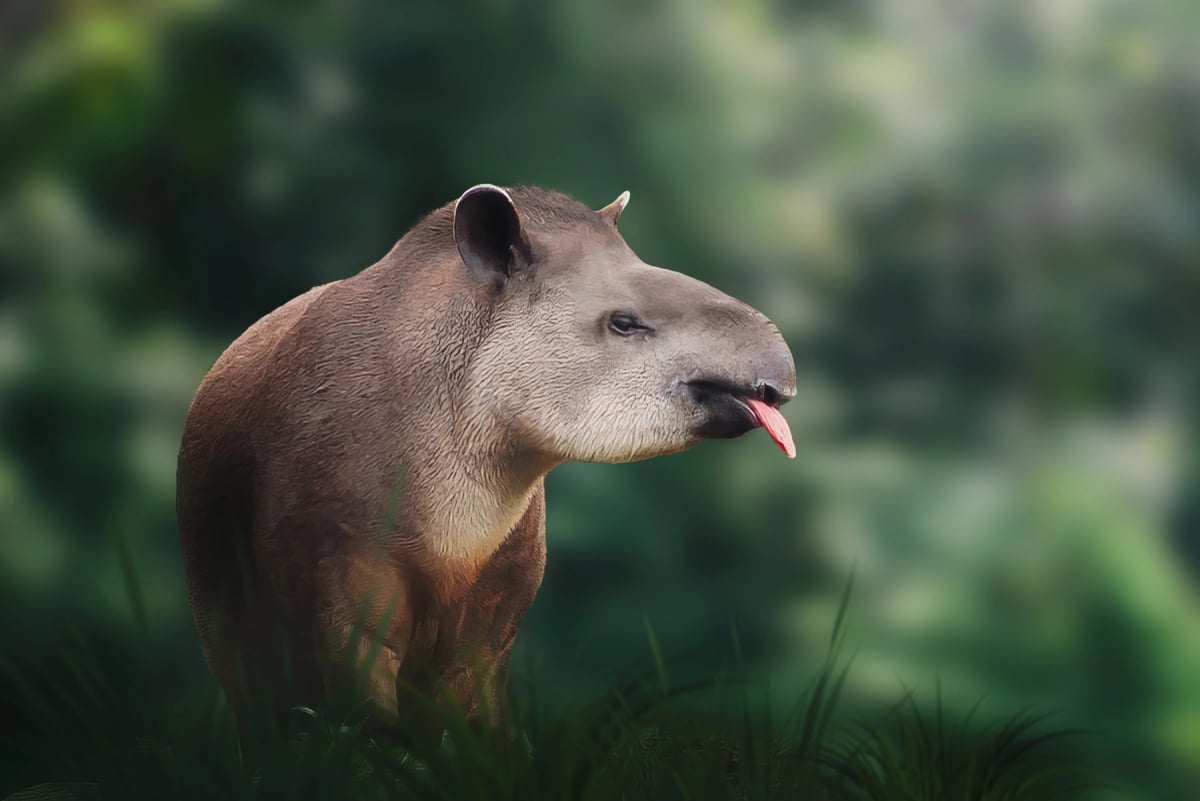
Tapir
Tapirus spp.
Baird's tapir survives in Honduras mainly within the Río Plátano Biosphere Reserve, a UNESCO World Heritage site covering vast tracts of lowland rainforest and wetlands along the Mosquito Coast. Outside protected areas, populations have declined sharply due to deforestation and poaching. The tapir is a protected species under Honduran law, though enforcement in remote areas remains a serious challenge.
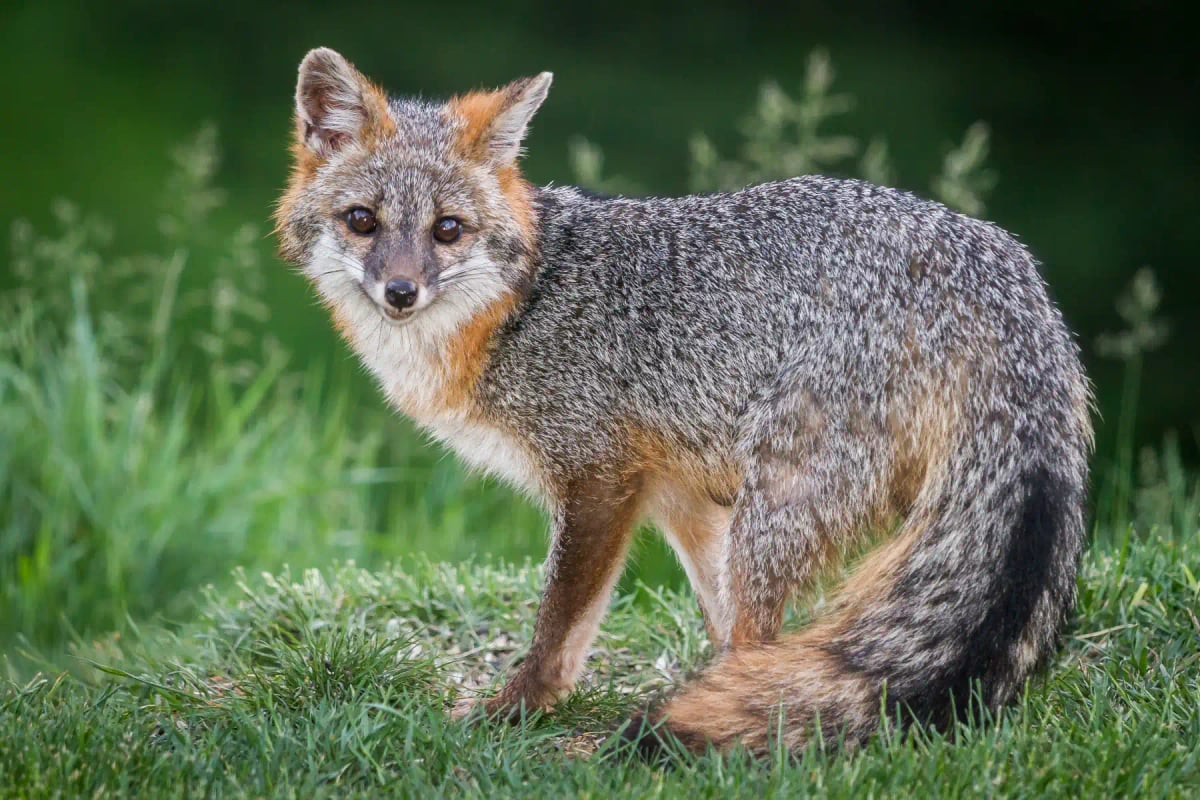
Gray Fox
Urocyon cinereoargenteus
In Honduras, the gray fox occupies pine and oak forests in the mountainous interior, as well as drier scrublands in the western and southern regions of the country. It is part of a diverse community of carnivores that includes ocelots, pumas, and coyotes. Deforestation remains a concern across Honduras, and the gray fox depends on intact or partially wooded areas to find shelter and prey. Protected areas such as Celaque National Park offer important refuge for the species.
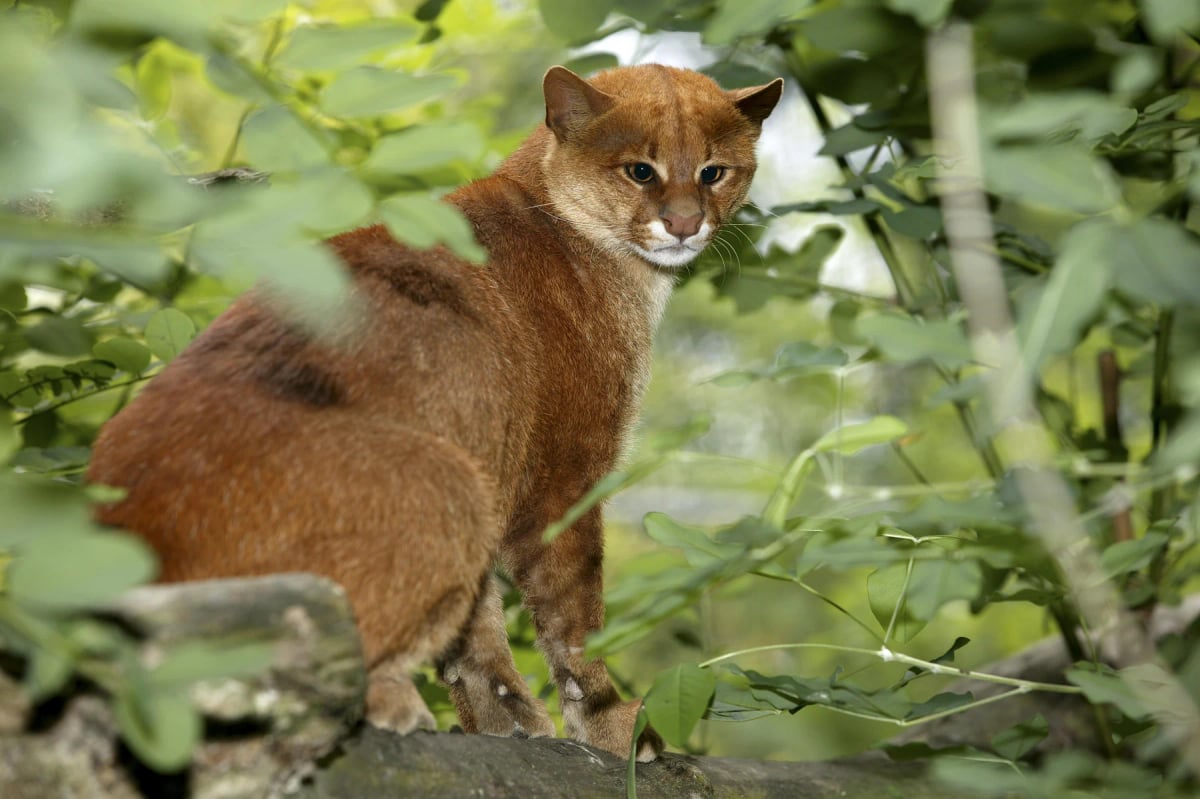
Jaguarundi
Herpailurus yagouaroundi
In Honduras, the jaguarundi inhabits forests along the Caribbean coast, the pine and oak highlands, and scrublands across the country. It is one of the few wild cats here that is active during daylight hours, hunting birds, frogs, and lizards rather than relying on darkness. Though listed as Least Concern by the IUCN, ongoing deforestation in Honduras reduces the connected habitat this cat needs to thrive.
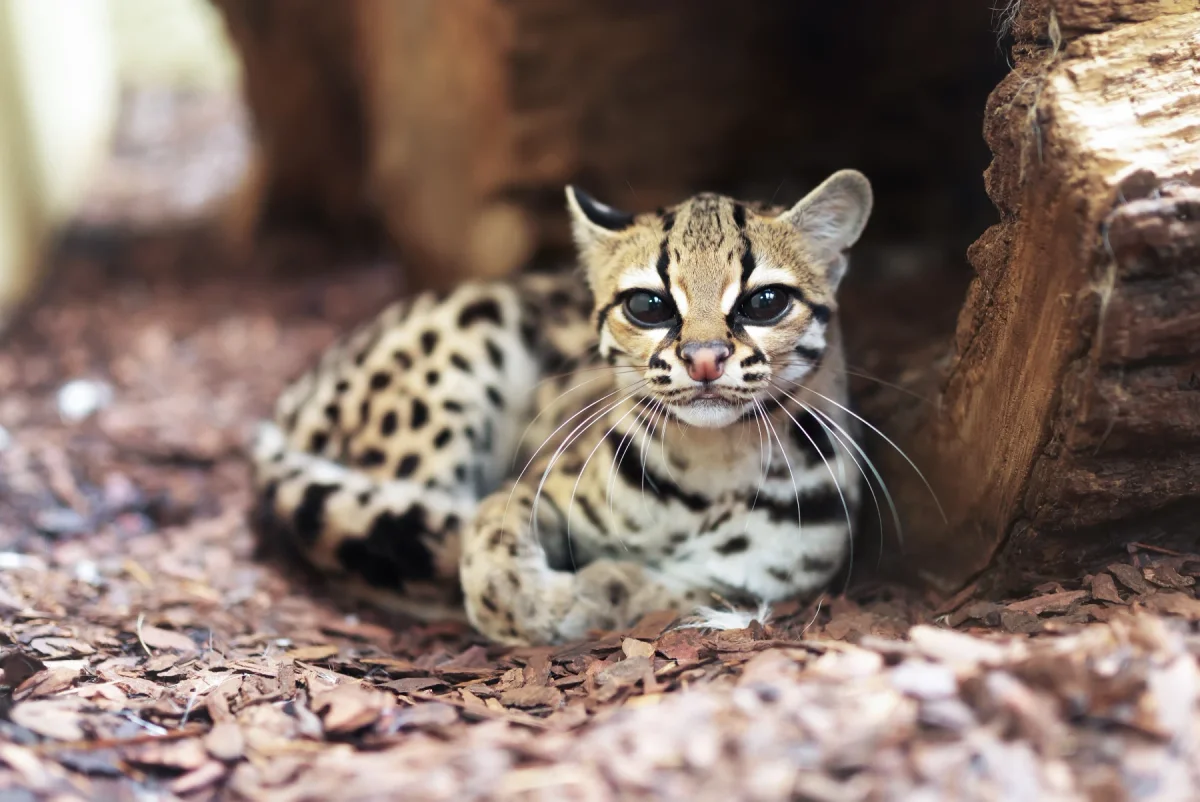
Margay
Leopardus wiedii
In Honduras, the margay inhabits humid forests along the Caribbean coast and in protected areas such as the Río Plátano Biosphere Reserve. Smaller than an ocelot, it spends much of its life in the trees, hunting at night with the help of its large eyes. Deforestation driven by agriculture and logging continues to shrink its habitat, making conservation of remaining forest patches critical for its survival. The IUCN lists it as Near Threatened.

Iguana
Iguana iguana
The green iguana is native to Honduras, found throughout the Pacific and Caribbean lowlands in river forests, mangroves and coastal vegetation. On the Bay Islands it is naturally present on Útila and Roatán. On the mainland it is commonly seen along rivers and at forest edges, and is traditionally hunted for food in rural communities, a pressure that has reduced populations in heavily affected areas.
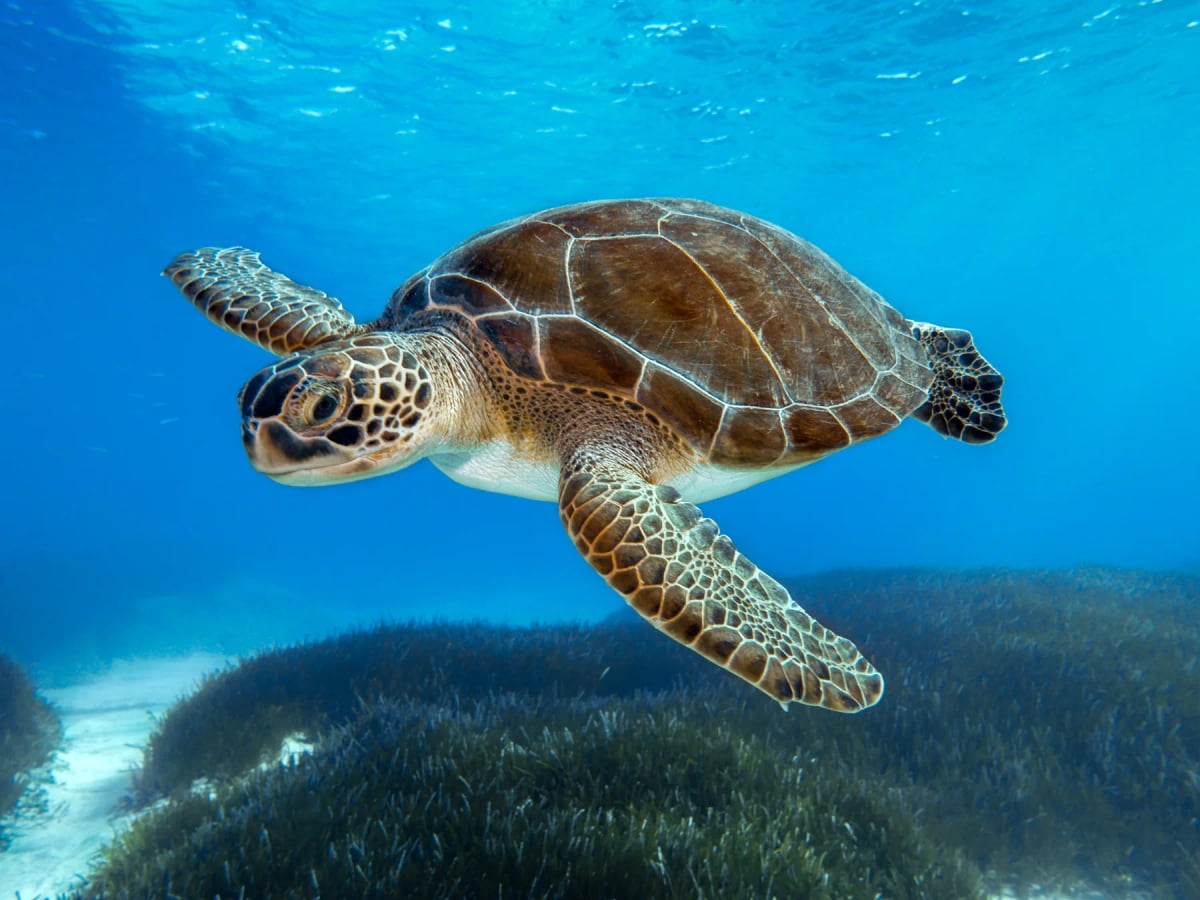
Sea Turtle
Cheloniidae & Dermochelyidae (families)
Honduras provides important sea turtle habitat along both its Caribbean and Pacific coasts. Loggerhead, hawksbill, green and leatherback turtles are recorded in Caribbean waters, with nesting activity on the Bay Islands and mainland beaches. The Pacific coast sees olive ridley nesting. The Gulf of Honduras and the waters around the Mesoamerican Barrier Reef provide feeding habitat for multiple species, and conservation programs on the Bay Islands have been running for several years.
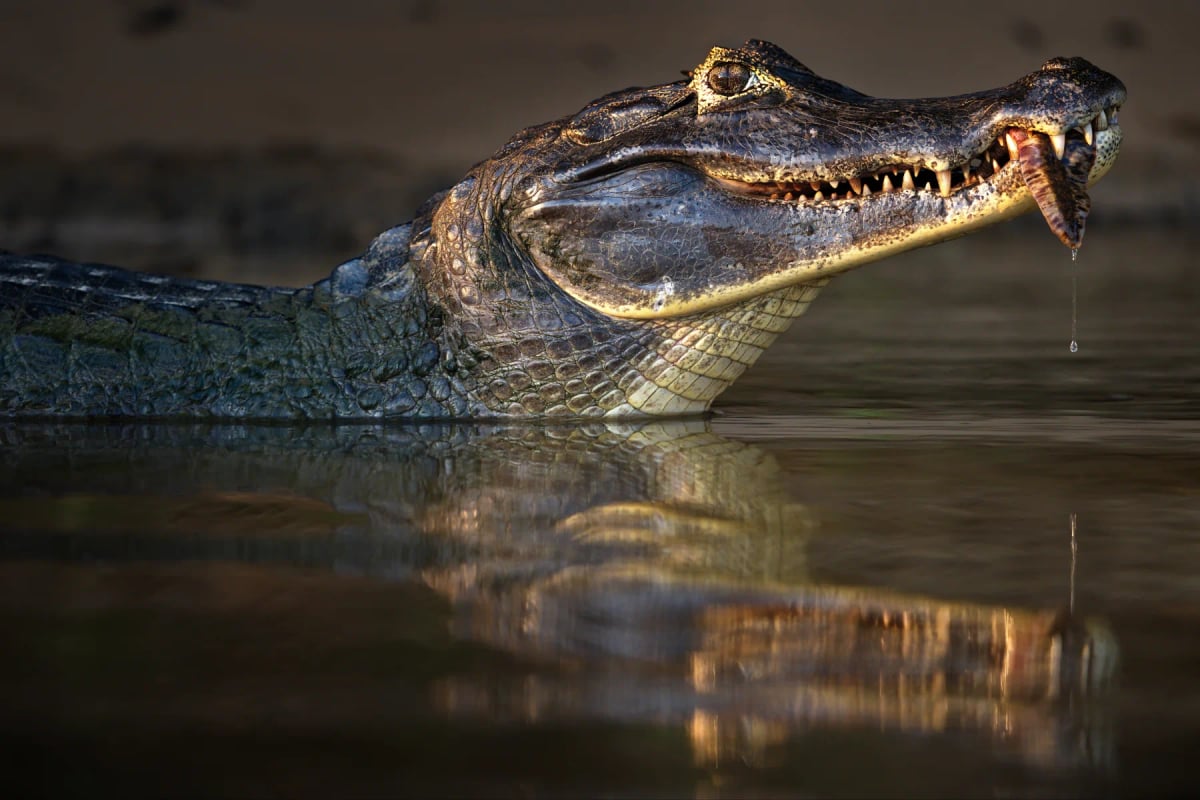
Caiman
Caiman spp.
Caimans are present in the Caribbean lowlands of Honduras, particularly in the wetlands and river systems of the Mosquitia region, one of the largest expanses of tropical wilderness remaining in Central America. The spectacled caiman occupies slow rivers, oxbow lakes, and flooded forest edges throughout this area. Remote and largely inaccessible, the Mosquitia offers relatively undisturbed habitat, giving caiman populations here a degree of protection from human activity.
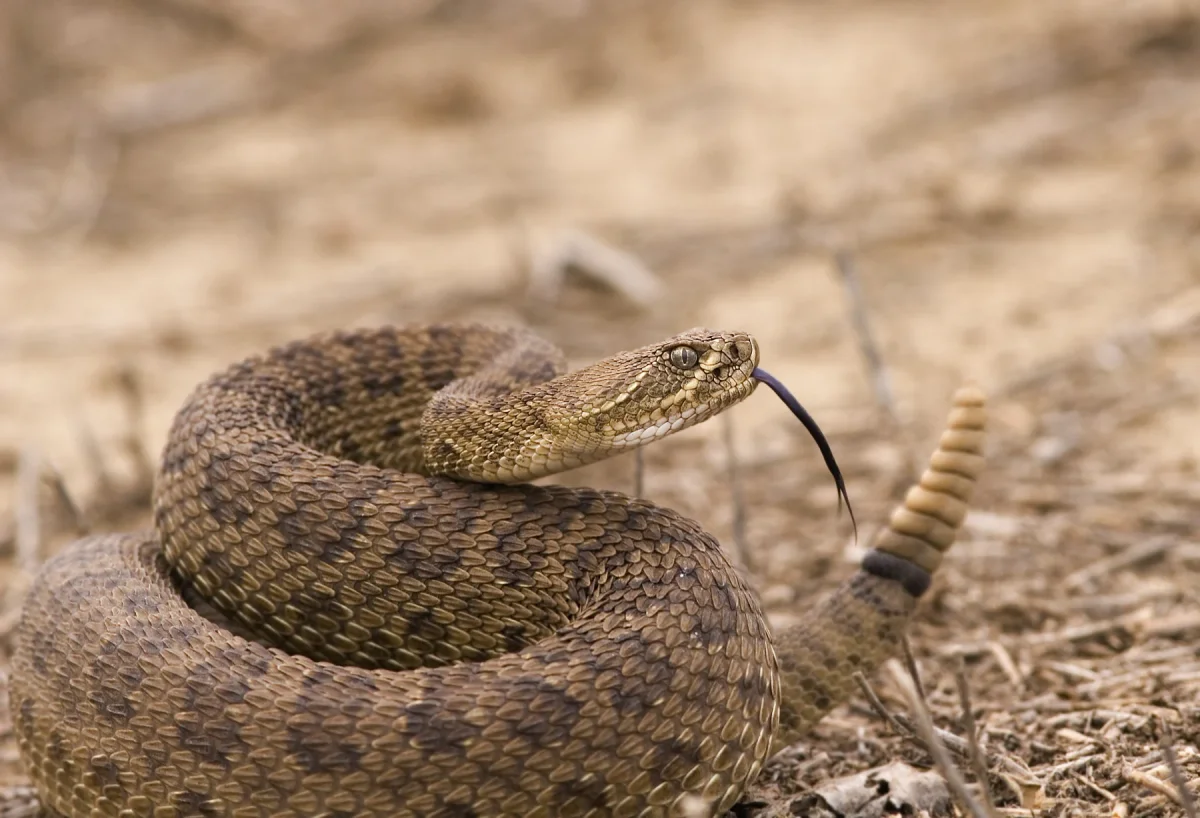
Rattlesnake
Crotalus spp. / Sistrurus spp.
Honduras is home to the Neotropical Rattlesnake (Crotalus simus), which occupies dry forests, scrublands, and open grasslands mainly along the Pacific slope and interior dry valleys. Populations have declined due to agricultural expansion, direct persecution, and road mortality. This snake is an important predator of small mammals in the ecosystems it inhabits. Greater awareness among rural communities is key to its survival over the long term. IUCN status: Least Concern.
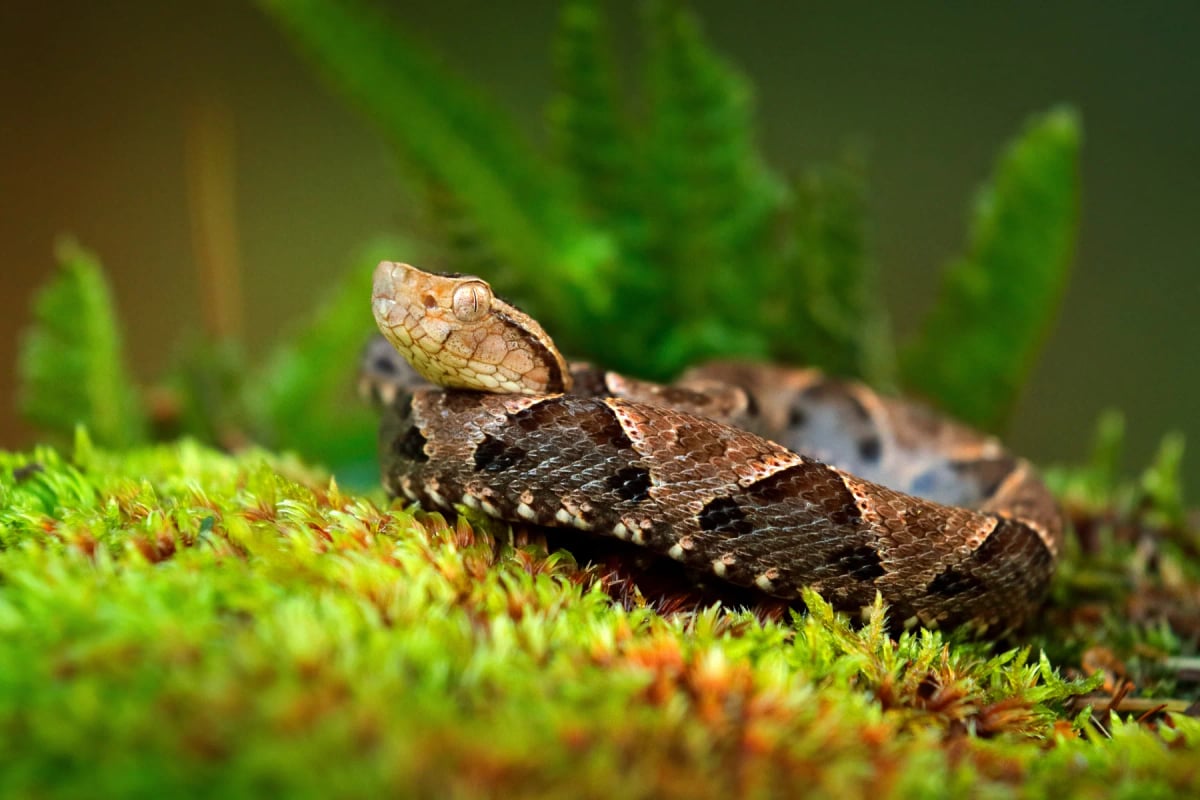
Lancehead
Bothrops spp.
Lanceheads are widespread across Honduras, particularly in the tropical forests of the north coast, the Mosquitia region, and river valleys throughout the lowlands. The fer-de-lance is the species most frequently encountered by people and accounts for the majority of serious snakebites in the country. Banana and palm oil plantations bordering forest areas can harbor these snakes, putting agricultural workers at risk on a regular basis.
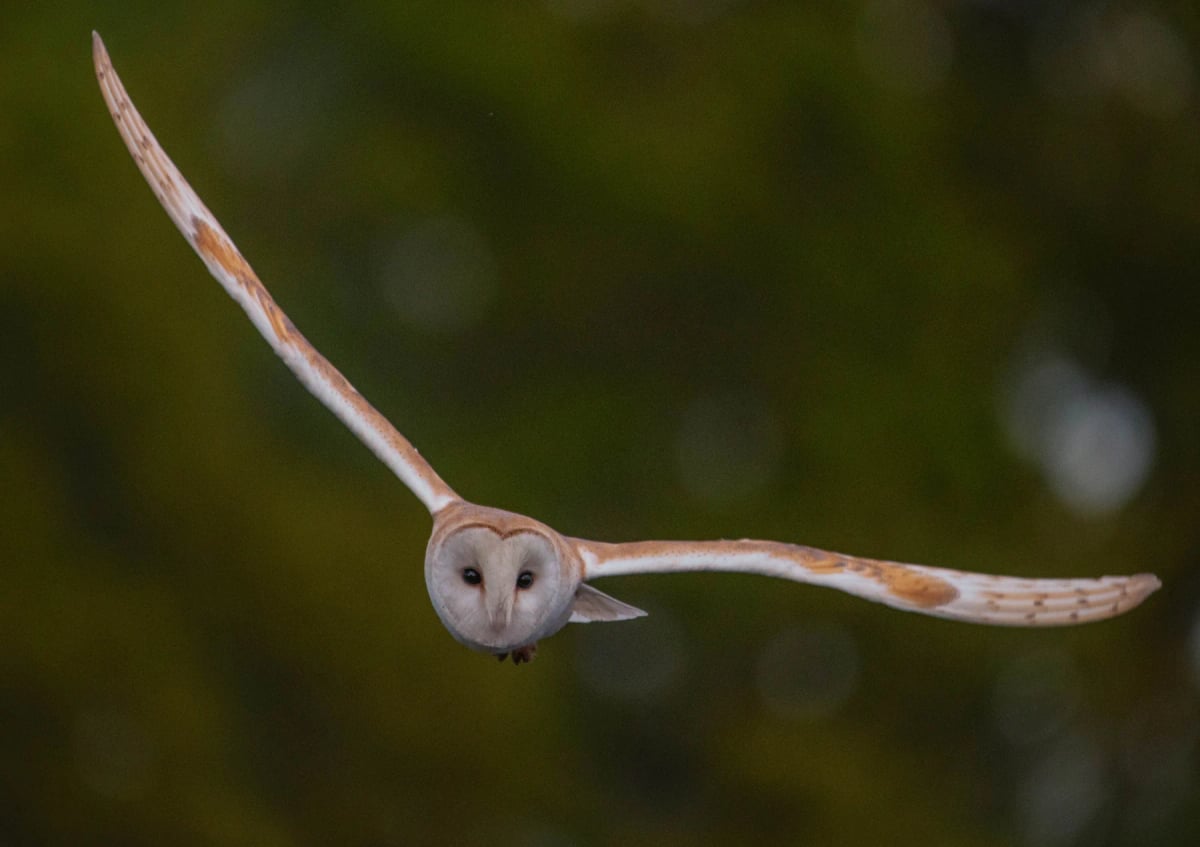
Barn Owl
Tyto alba
The barn owl is found across Honduras in open farmland, pastures, highland valleys, and the outskirts of towns and villages throughout the country. It nests in old buildings, church towers, cliff faces, and hollow trees, and hunts rodents and other small prey at night. It is present from the Pacific lowlands and the Sula Valley through the central highlands to the Caribbean coast. In agricultural communities it is valued as a natural rodent controller and is one of the more commonly encountered owls in the country's open habitats.
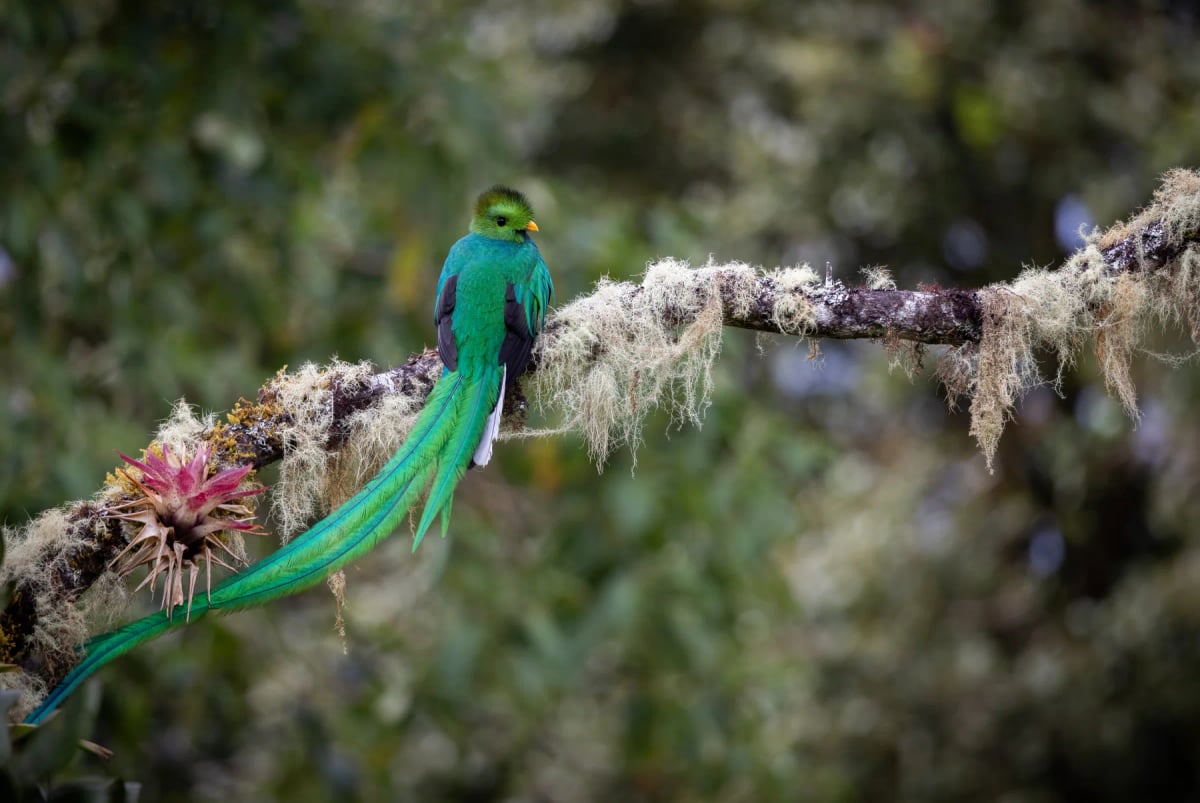
Resplendent Quetzal
Pharomachrus mocinno
The Resplendent Quetzal is found in the cloud forests of western Honduras, including the highlands near Celaque National Park, one of the country's most important protected areas. Males grow spectacular tail feathers that can approach a meter in length during the breeding season. The quetzal feeds mainly on wild avocados and plays a key role in forest regeneration. Ongoing deforestation in Honduran highlands puts this Near Threatened species under increasing pressure.
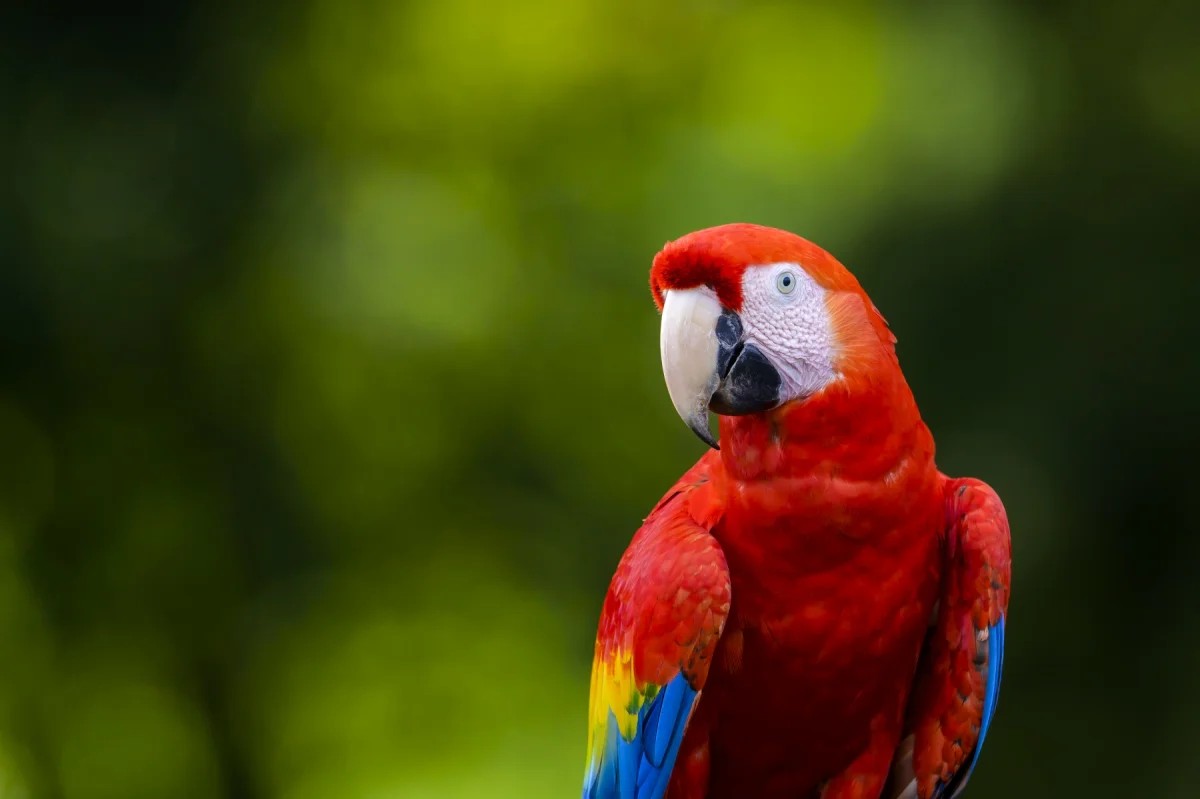
Scarlet Macaw
Ara macao
In Honduras, the scarlet macaw is found in the lowland forests of the Mosquito Coast and in protected areas such as the Río Plátano Biosphere Reserve, a UNESCO World Heritage Site. Local conservation initiatives have worked to protect nesting trees and reduce poaching for the illegal pet trade. Pairs are often seen flying in tandem above the canopy. The IUCN lists the species as Least Concern, though Honduran populations face ongoing habitat pressures.
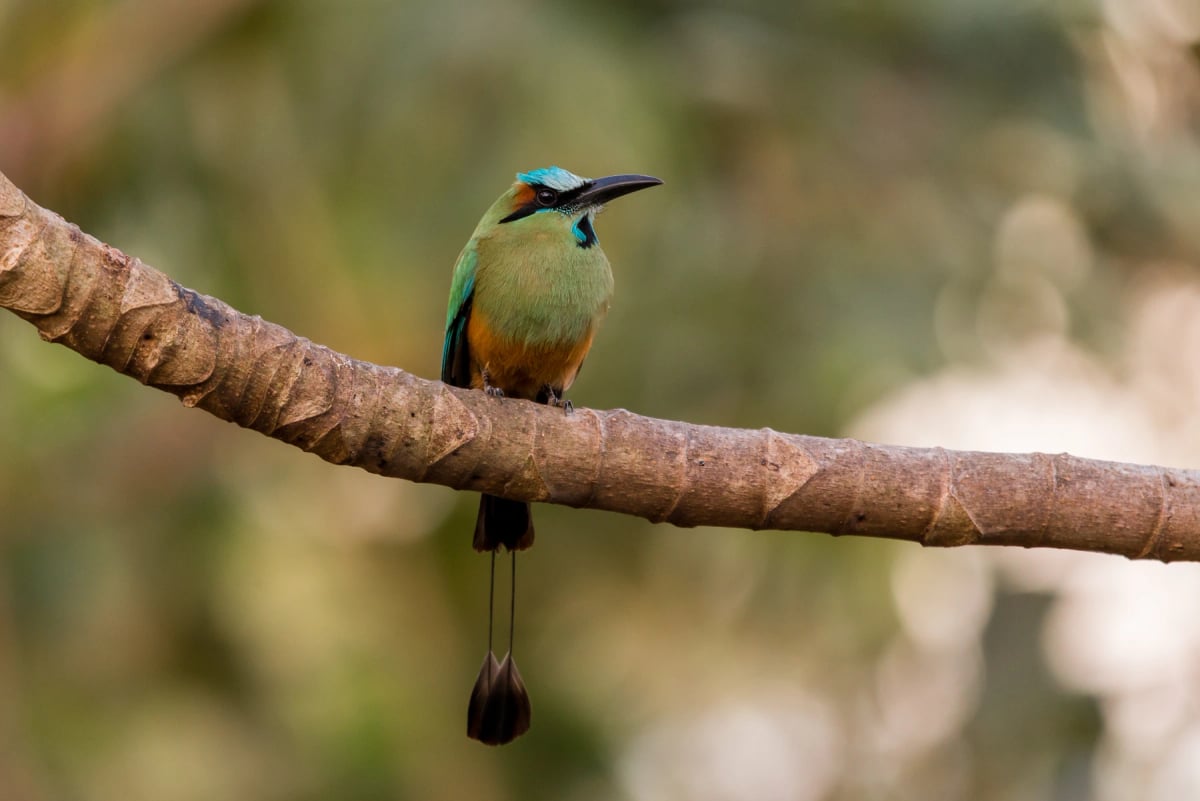
Turquoise browed Motmot
Eumomota superciliosa
In Honduras, the turquoise browed motmot is a regular presence in dry forests and scrubby woodlands, especially across the Pacific lowlands and interior valleys such as the Comayagua region. It digs nesting burrows into road cuts and earthen banks. Known for swinging its tail like a pendulum, possibly to deter predators, it also hunts from exposed perches, targeting insects and small reptiles on the ground below.
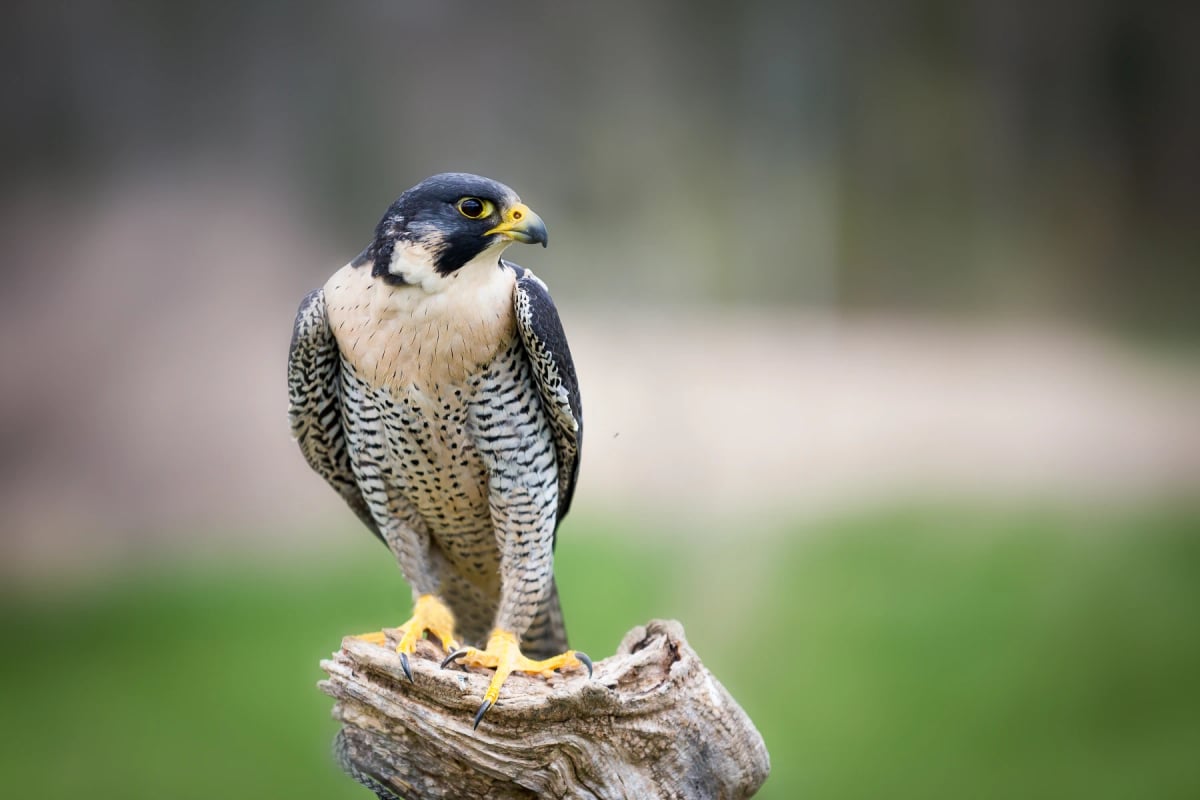
Peregrine Falcon
Falco peregrinus
Honduras receives the peregrine falcon as a migratory visitor, with birds moving through the country between October and April on their way between North American breeding areas and South American wintering grounds. It can appear over coastal zones, highland valleys, and open lowlands. Honduras sits along important migratory corridors for raptors in Central America, and the peregrine is among the most striking species recorded at watch sites. IUCN status: Least Concern.
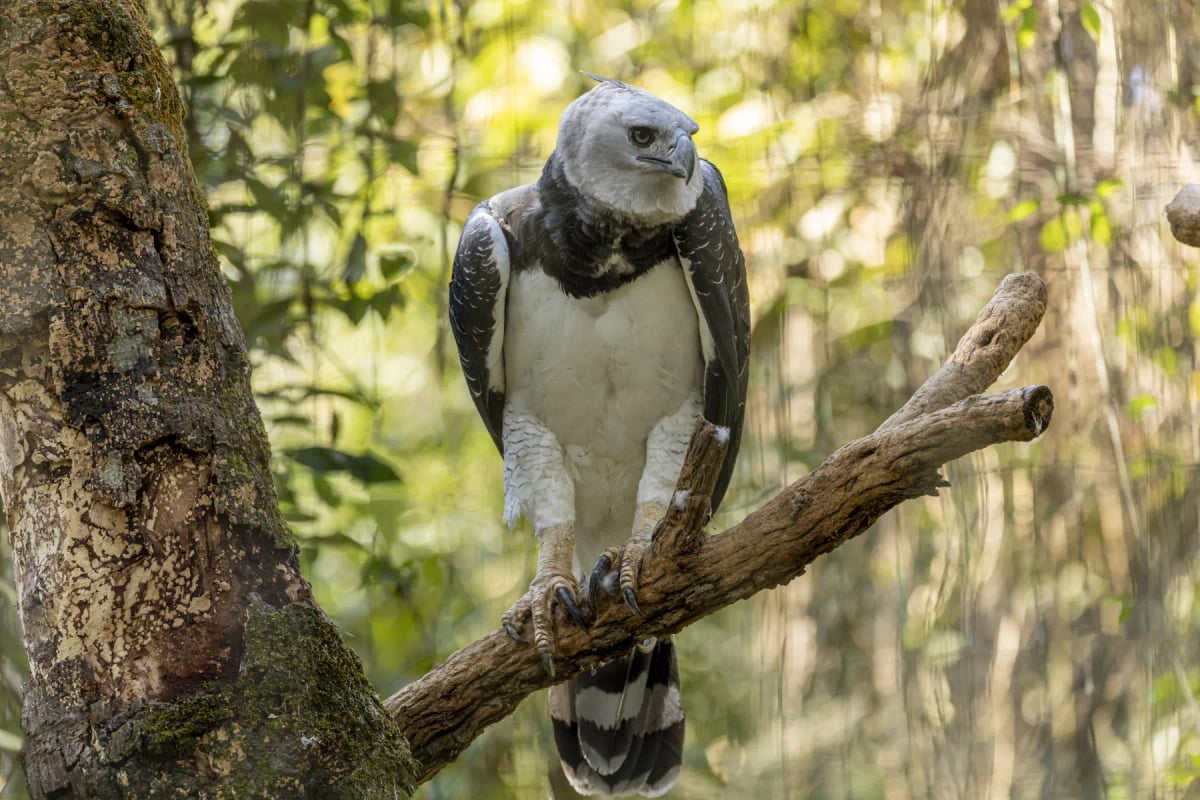
Harpy Eagle
Harpia harpyja
The harpy eagle is rarely sighted in Honduras, but it has been recorded in the lowland rainforests of the Mosquitia region, one of the largest intact forest blocks remaining in Central America. This remote and sparsely populated area along the Caribbean coast provides critical habitat for the species. Conservation challenges in Honduras include logging and agricultural expansion, which continue to reduce available forest cover for this Vulnerable bird.
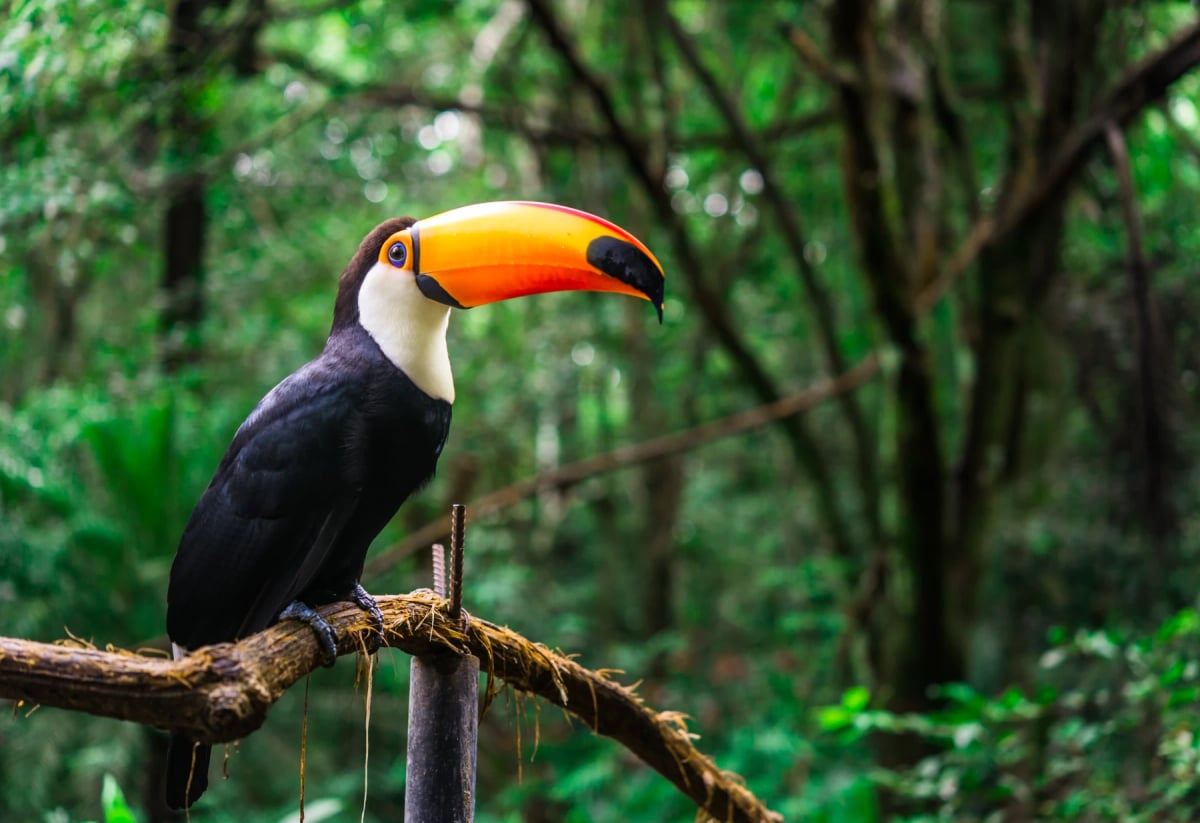
Toucan
Ramphastos spp.
Toucans are found across the lowland Caribbean forests of Honduras, particularly in La Mosquitia, one of the largest intact tropical forest blocks in Central America. The keel-billed toucan is the species most often encountered here. This remote and largely roadless region offers toucans undisturbed canopy habitat, though encroachment from settlement and ranching poses a growing challenge to its long-term preservation.
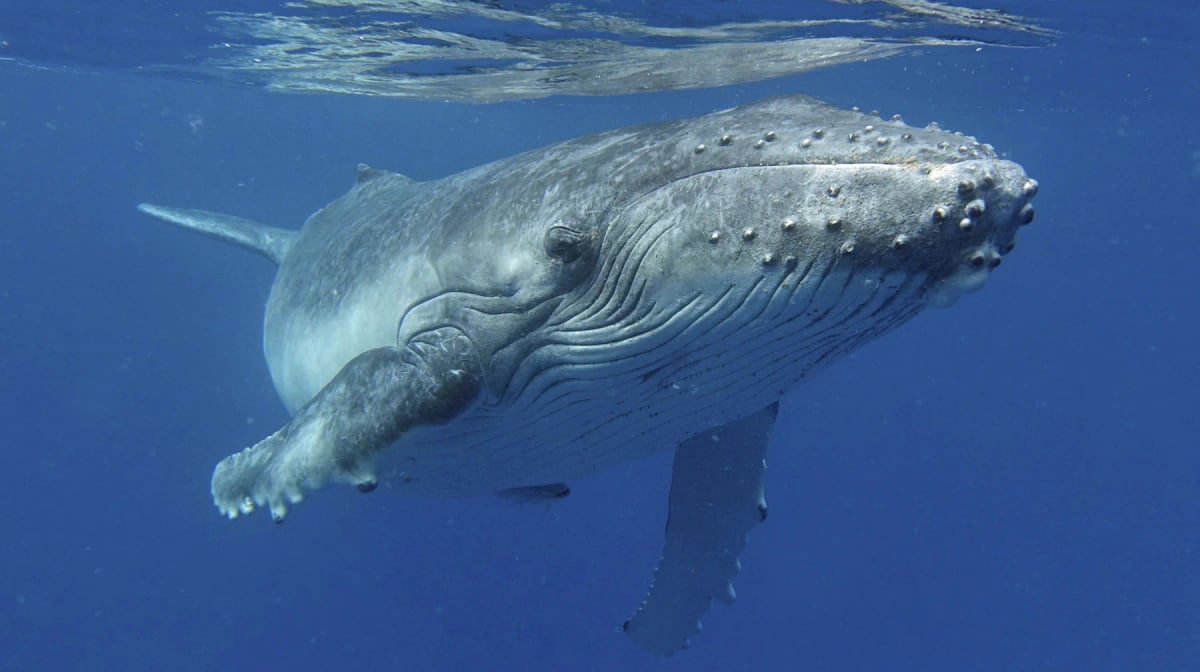
Humpback Whale
Megaptera novaeangliae
Humpback whales are recorded in the Caribbean waters off Honduras, as well as along its Pacific coast. The warm Caribbean Sea provides important habitat during the breeding season for whales that spend summers feeding farther north. Honduras lies within a region of Central America where whale sightings contribute to growing marine ecotourism. The IUCN lists the humpback whale as Least Concern.
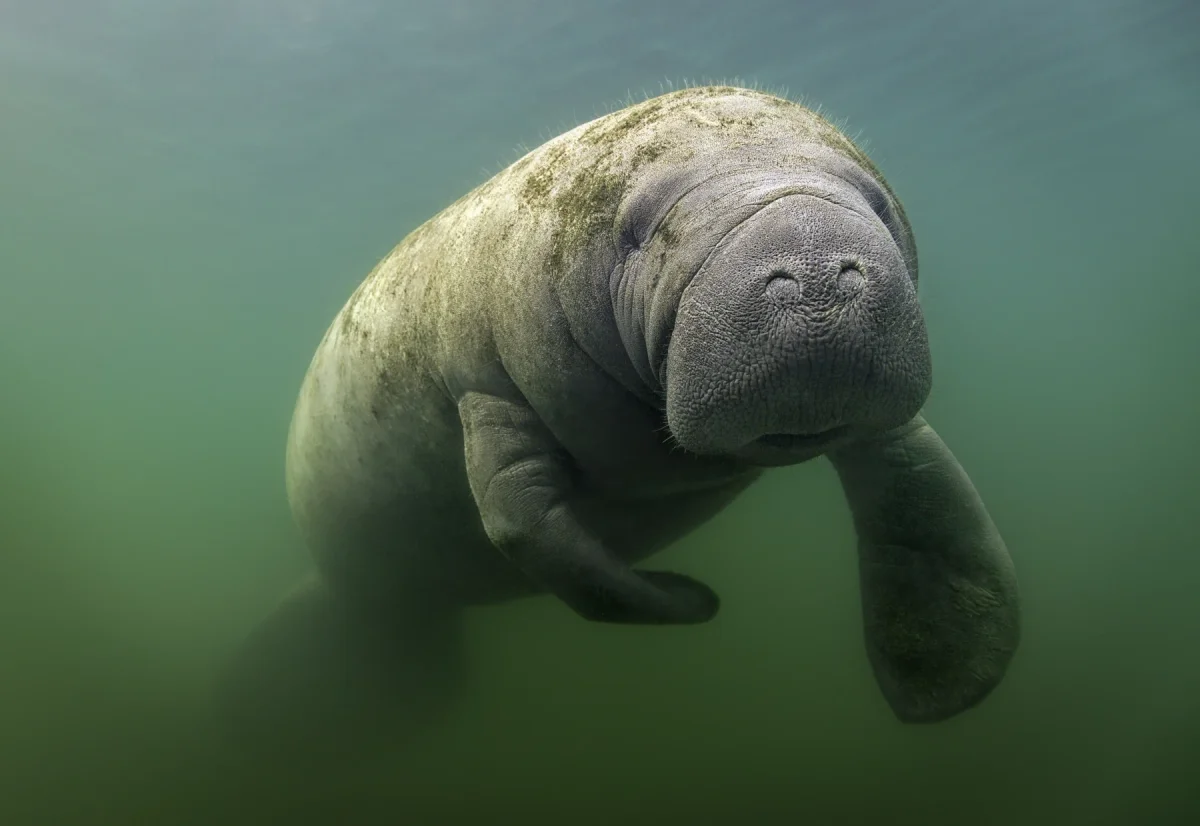
Manatee
Trichechus manatus
Manatees in Honduras are found along the Caribbean coast, in the lagoons, rivers, and wetlands of the Mosquitia region, one of the largest intact tropical ecosystems in Central America. The Río Plátano Biosphere Reserve provides important habitat. Populations are small and face pressure from accidental entanglement in fishing nets and the gradual loss of the seagrass and mangrove habitats they depend on for feeding and shelter.

Bottlenose Dolphin
Tursiops truncatus
Bottlenose dolphins are present along both the Caribbean coast and the Pacific Gulf of Fonseca in Honduras. The Bay Islands in the Caribbean, surrounded by coral reefs and clear water, are a particularly notable area for sightings. Dolphins here benefit from relatively healthy reef ecosystems that support abundant fish. The IUCN lists the species as Least Concern, though bycatch in local fisheries is a concern.
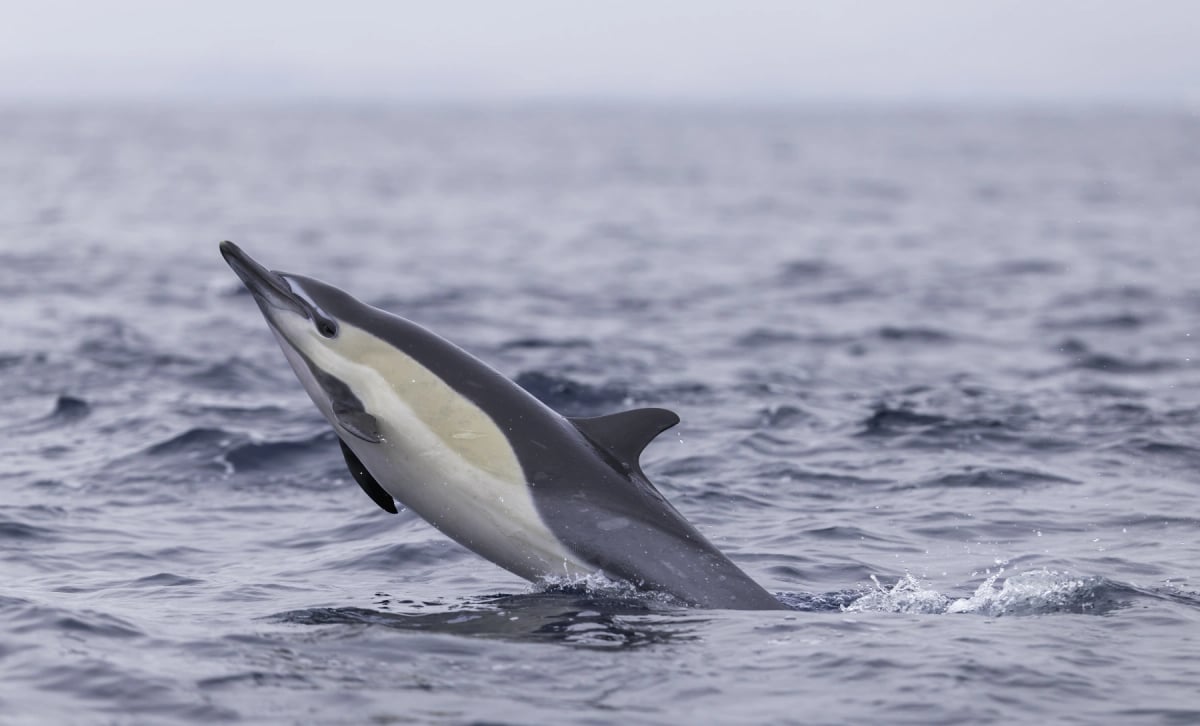
Common Dolphin
Delphinus delphis
Common dolphins occur in the Caribbean Sea and the Pacific coastal waters off Honduras, where warm temperatures and productive fishing grounds suit their needs well. They form large, energetic groups and feed cooperatively on anchovies and other small fish. Their acrobatic leaps and bow-riding behaviour make them one of the most exciting marine animals to encounter along the Honduran coastline. IUCN status: Least Concern.
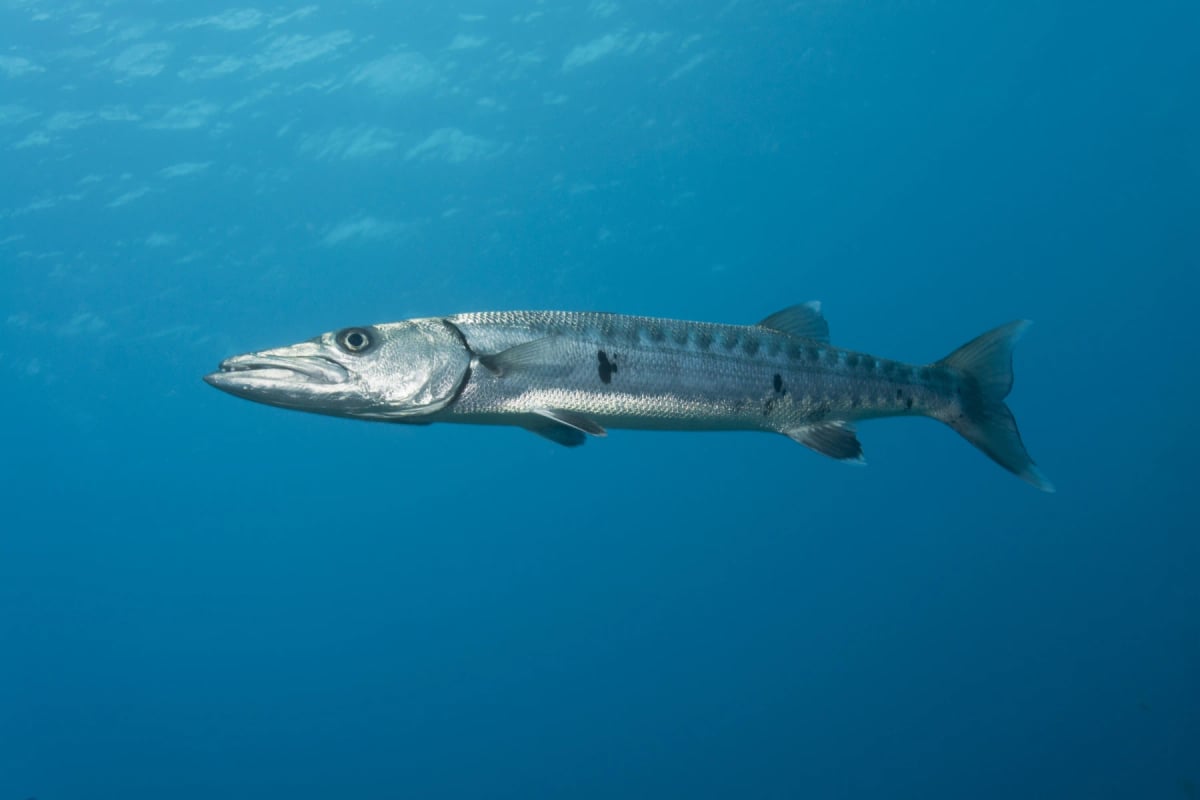
Barracuda
Sphyraena spp.
Barracudas are a regular presence in the reef waters of Honduras, particularly around the Bay Islands of Roatán, Utila, and Guanaja, which sit on the Mesoamerican Barrier Reef. The great barracuda is frequently encountered by divers and snorkelers at reef edges and along drop-offs, where it patrols slowly or hovers motionless before striking. The Bay Islands are one of Central America's most important dive destinations, and barracuda sightings are a consistent part of the reef experience there.
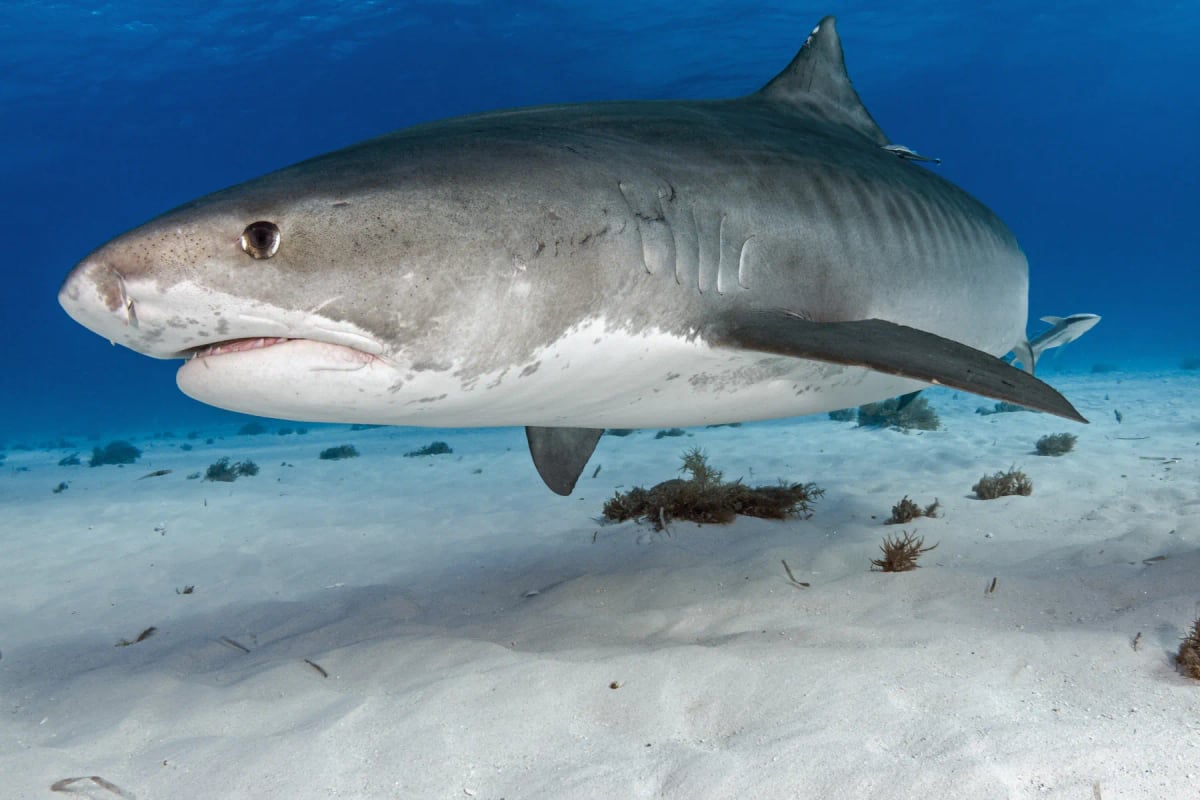
Tiger Shark
Galeocerdo cuvier
Honduras borders both the Caribbean Sea and the Pacific Ocean, giving tiger sharks access to the country's waters on two fronts. In the Caribbean, the Bay Islands and surrounding reefs provide habitat for a rich variety of marine life that tiger sharks prey upon. On the Pacific coast, warmer and shallower bays offer further foraging opportunities. Tiger sharks are powerful swimmers capable of covering vast distances across these connected marine environments.
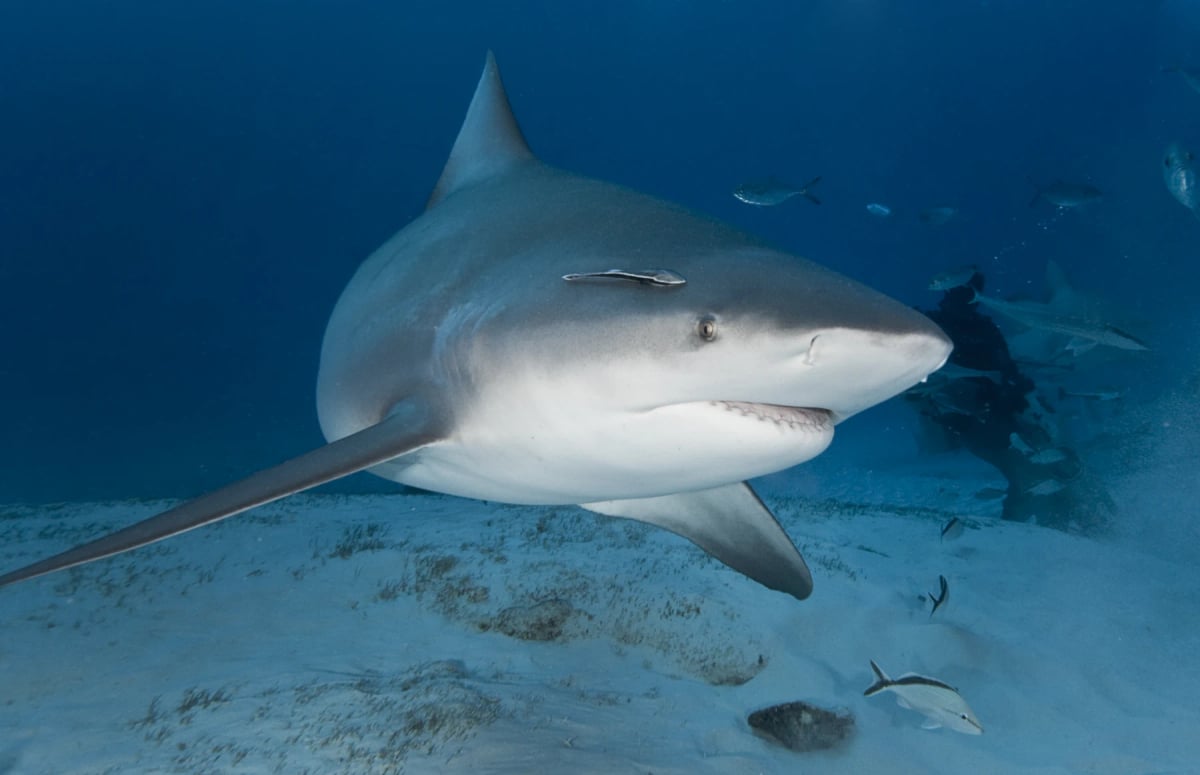
Bull Shark
Carcharhinus leucas
In Honduras, bull sharks are found along both the Caribbean and Pacific coasts, as well as in estuaries and river mouths. The Bay Islands and the Gulf of Fonseca provide productive shallow water habitats. Known for thriving in low-salinity environments, they are capable of entering rivers and lagoons. Their presence near fishing communities raises both conservation and safety considerations. IUCN status: Near Threatened.
Frequently Asked Questions
What animals live in Honduras?
Honduras is home to jaguars, pumas, ocelots, margays, jaguarundis, tapirs, white tailed deer, spider monkeys, sloths, armadillos, raccoons, opossums and gray foxes. Its birds include scarlet macaws, resplendent quetzals, toucans, turquoise browed motmots, harpy eagles, peregrine falcons and barn owls. Reptiles include iguanas, caimans, sea turtles, rattlesnakes and lanceheads. In the sea live manatees, humpback whales, bottlenose and common dolphins, barracudas and tiger and bull sharks.
What is the national animal of Honduras?
Honduras has two. The white tailed deer is the national mammal and the scarlet macaw, known locally as guara roja, is the national bird. Both were declared national symbols by the National Congress on June 28, 1993, and that date is now celebrated every year as the day of the guara roja and the white tailed deer. The deer lives in forests and farmland all over the country, while the macaw lives mostly in the rainforests of La Mosquitia, in eastern Honduras.
Where can you see scarlet macaws in Honduras?
The easiest place is Copán Ruinas, in western Honduras. Macaw Mountain, a bird rescue and release center near the town, has returned macaws to the wild, and a free flock now lives around the Mayan ruins of Copán, where visitors often see them flying and feeding. Wild macaws that were never raised by people live in La Mosquitia, a huge rainforest in the east, where local communities guard nests from poachers. There they fly high over the trees in pairs or small groups, so sightings are shorter but truly wild.
Are there venomous snakes in Honduras?
Yes. The most dangerous is the lancehead, known in Honduras as barba amarilla, which causes most snakebites in the country. It can grow to about 2.5 meters and lives in humid lowlands, riverbanks and plantations, especially on the north coast. The rattlesnake lives in drier areas, mainly on the Pacific side and in the interior valleys, and its bite is also very serious. Other venomous snakes live in Honduras too, but most snakes in the country are harmless. Boots, long pants and a flashlight at night greatly reduce the risk.
Are there iguanas in Honduras?
Yes. The green iguana is native to Honduras and lives in the lowlands of both the Caribbean and Pacific sides, in forests along rivers, mangroves and coastal areas. It is also found on the Bay Islands, including Roatán and Utila. Iguanas spend much of the day resting in trees near water and often drop into the river to escape danger. They eat leaves, flowers and fruit. In some rural areas they are hunted for food, which has made them less common in places, but they are still easy to see in many parts of the country.
Researched and written by Juan Pablo. Sources: IUCN Red List, scientific literature and regional field guides. Last updated: .