Animals in Haiti
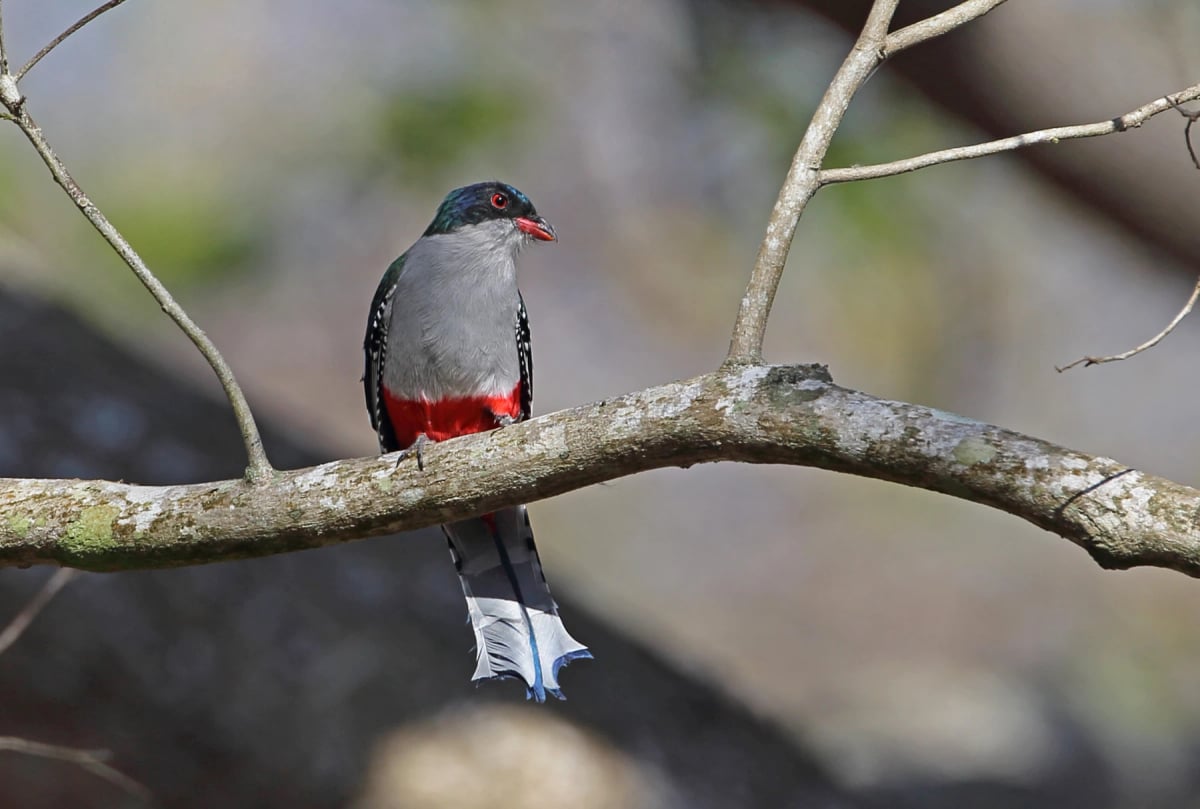
Hispaniolan Trogon
Priotelus roseigaster
The national bird of Haiti is the Hispaniolan trogon, and it is the animal most often named as Haiti's national animal. Haitians call it caleçon rouge, or kanson wouj in Creole, which means red shorts, because of its bright red belly. It has a shiny green back, a gray chest and a long blue tail with white underneath. The trogon lives only on Hispaniola, in cool mountain forests. In Haiti it survives mainly in Pic Macaya and La Visite national parks, because most of its forest has been cut down.
View details→Wildlife in Haiti
Haiti shares the island of Hispaniola with the Dominican Republic, and its wildlife is a mix of mountain birds, winter visitors and a rich sea life. On land, the most special animals are birds found only on Hispaniola, like the Hispaniolan trogon, the national bird, and the palmchat, a noisy bird that lives in groups and builds large shared nests in palm trees. Peregrine falcons arrive in winter from North America and hunt along cliffs and coasts, and wild boars roam some rural and hilly areas. Much of the country has lost its original forest, so many forest animals now depend on the mountains of Pic Macaya and La Visite national parks. The sea is where the wildlife in Haiti is most varied, with sea turtles, bottlenose dolphins, barracudas and several kinds of sharks living around its reefs, bays and coasts. Protecting these last forests and coastal waters is the key to keeping Haiti's animals for the future.
Most Dangerous Animals in Haiti
Haiti has few animals that are a real risk to people, and serious accidents are rare. There are no snakes on the island that are dangerous to humans. On land, the wild boar is the one to watch: it usually runs away, but it can charge if it feels trapped or if it is protecting its young. Most of the danger is in the sea. Bull sharks can enter shallow water and river mouths, and tiger sharks, which eat almost anything, sometimes come close to the coast. Hammerhead and reef sharks are usually calm, but they should be given space. Barracudas rarely attack, though they may bite at shiny objects in murky water. Swimming in clear water, avoiding river mouths after heavy rain and not wearing shiny jewelry in the sea are simple ways to stay safe.
Top 10 Animals in Haiti
Haiti's top animals mix rare island birds with the big animals of the Caribbean Sea. The Hispaniolan trogon and the palmchat lead the list, since both live only on Hispaniola and are the national birds of Haiti and the Dominican Republic. The peregrine falcon, one of the fastest animals in the world, is a winter visitor that hunts other birds in the air. On the coasts, sea turtles come ashore to lay their eggs on sandy beaches, while bottlenose dolphins swim and feed in the bays. Around the reefs live barracudas and reef sharks, and farther out tiger, hammerhead and bull sharks patrol deeper water. The wild boar completes the list on land, living in the countryside and the hills. Together they show how much of the wildlife in Haiti is found along its long coastline and in the few mountain forests that are still standing.
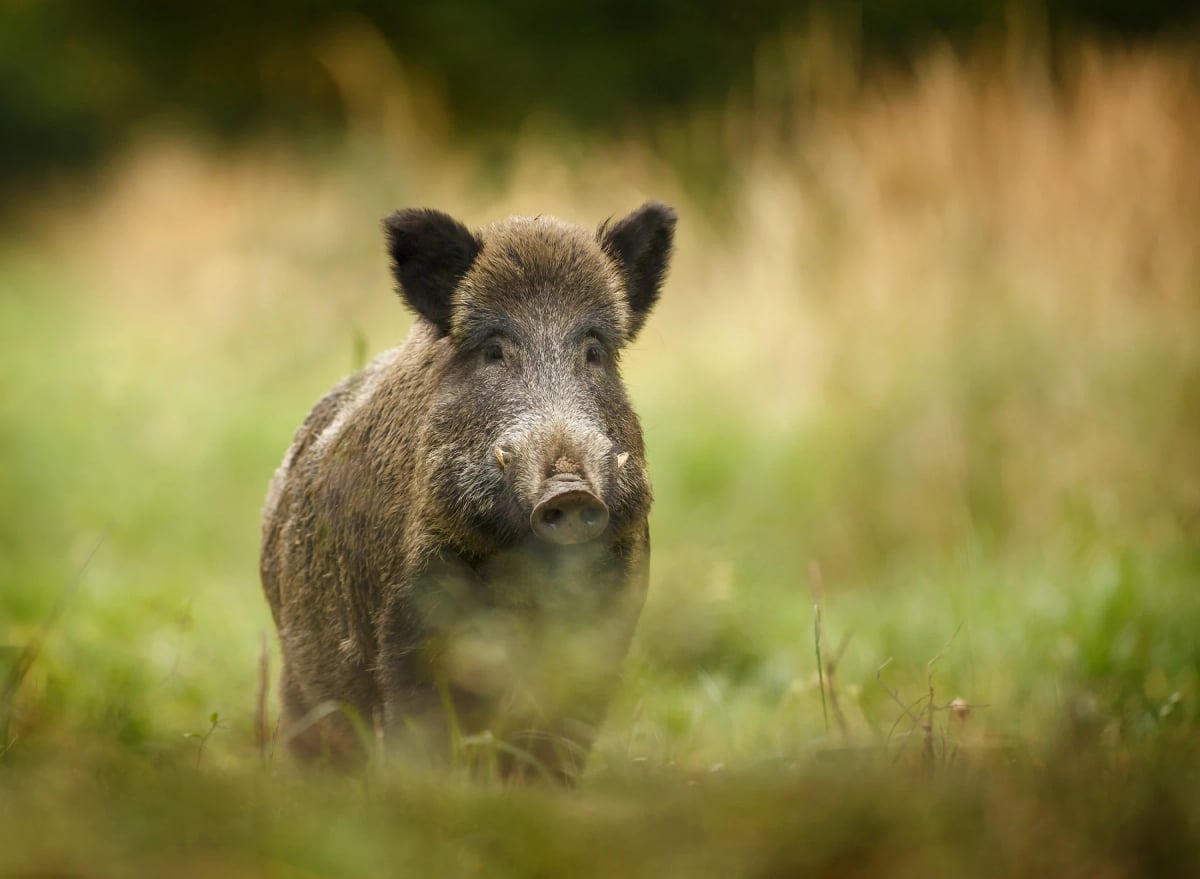
Wild Boar
Sus scrofa
Feral pigs are widespread in the mountainous, heavily deforested terrain of Haiti, where they have long been an important traditional source of food and income for rural communities. Pigs carry deep cultural significance in Haiti, tied historically to rural livelihoods and Vodou ceremonial practices. Given the country's already severe soil erosion, their rooting behavior can further damage degraded farmland and hillside vegetation.
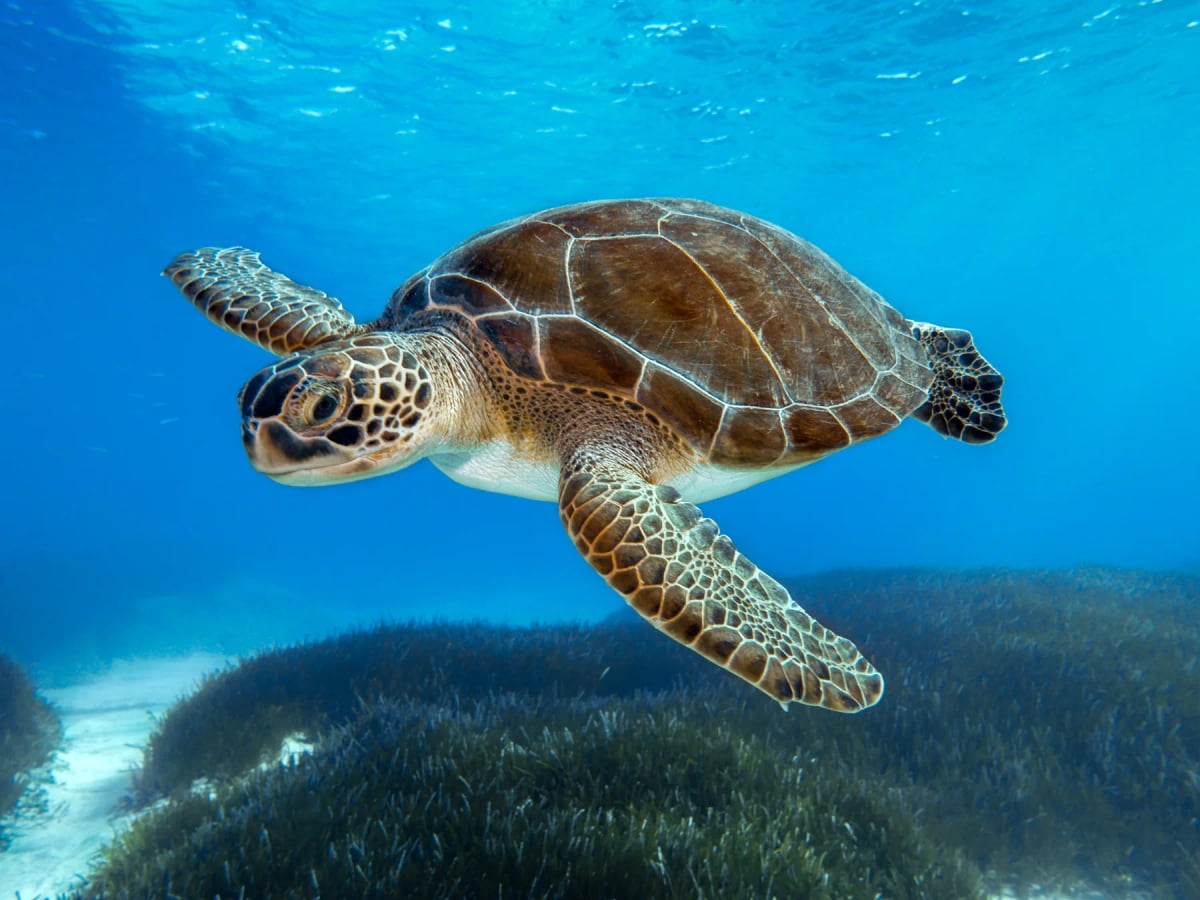
Sea Turtle
Cheloniidae & Dermochelyidae (families)
Haiti's Caribbean coastline provides nesting and foraging habitat for loggerhead, hawksbill and green sea turtles. Several beaches along the southern peninsula and the northern coast have documented nesting activity. Haiti faces severe conservation challenges due to limited resources, coastal deforestation and heavy pressure on marine resources. Despite these difficulties, local and international organizations are working to establish monitoring programs and raise awareness in coastal communities.
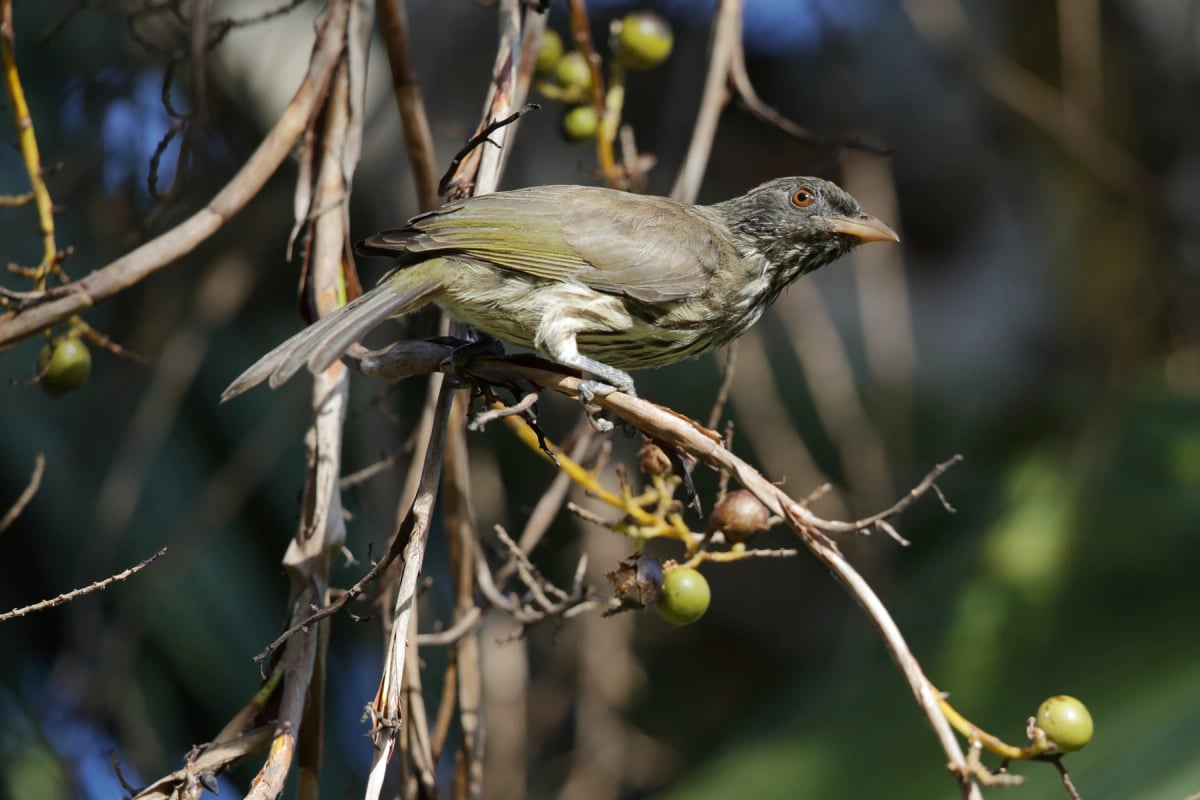
Palmchat
Dulus dominicus
The palmchat is found throughout Haiti, from coastal lowlands and Gonâve Island to the edges of highland forests. It copes well with degraded land, which makes it one of the more resilient birds in a country where deforestation has hit wildlife hard. Colonies nest together in royal palms and feed on fruit and flowers nearby. It remains a common sight across Haitian landscapes. IUCN status: Least Concern.
Hispaniolan Trogon
Priotelus roseigaster
The Hispaniolan Trogon is Haiti's national bird, a distinction that speaks to how deeply this species is woven into the country's identity. It lives in the mountain forests of Haiti, including areas around Pic Macaya and La Visite. Sadly, severe deforestation has left it with very little habitat. Protecting what remains of Haiti's highland woodland is now critical for the survival of this bird over the long term.
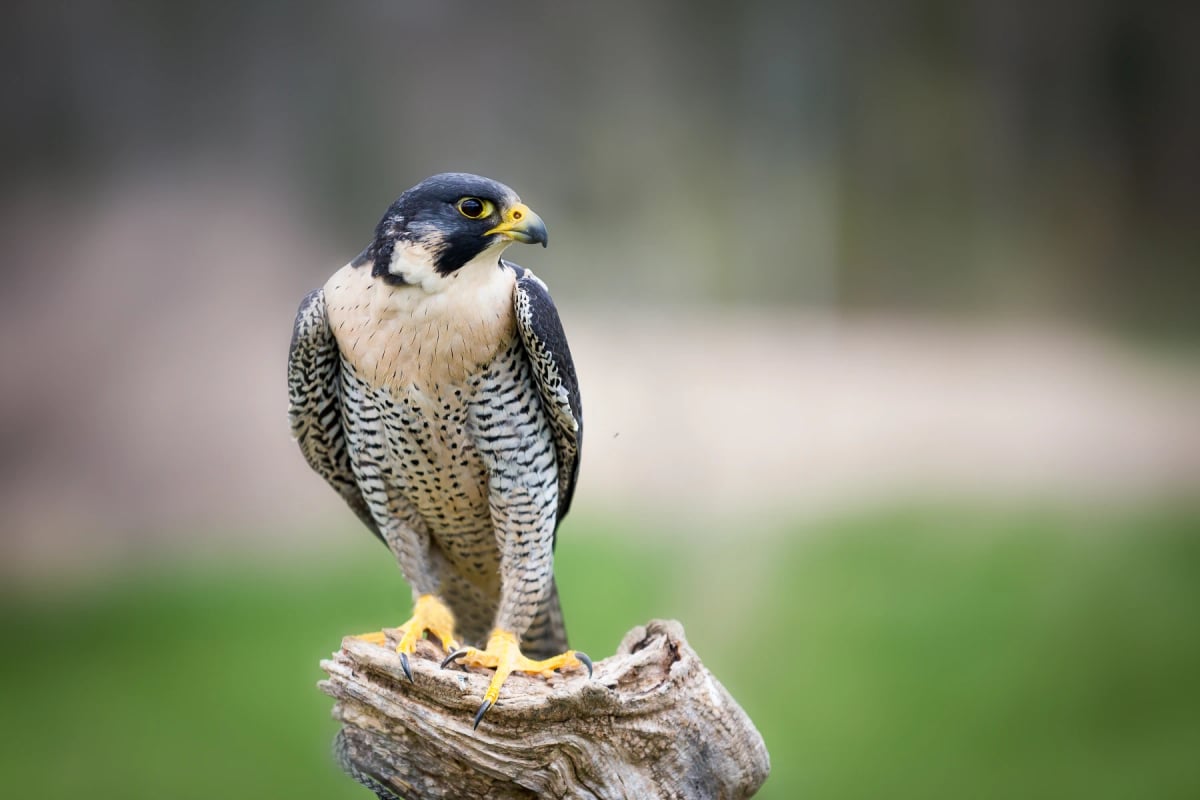
Peregrine Falcon
Falco peregrinus
The peregrine falcon occurs in Haiti as a seasonal visitor during migration and winter, passing through or remaining for a period after departing from North American and northern breeding areas. It can be seen along the coast and over open terrain across the island of Hispaniola, where it hunts other birds with extraordinary precision. Its spectacular hunting dive at speeds above 300 km/h makes it unmistakable in flight. IUCN status: Least Concern.
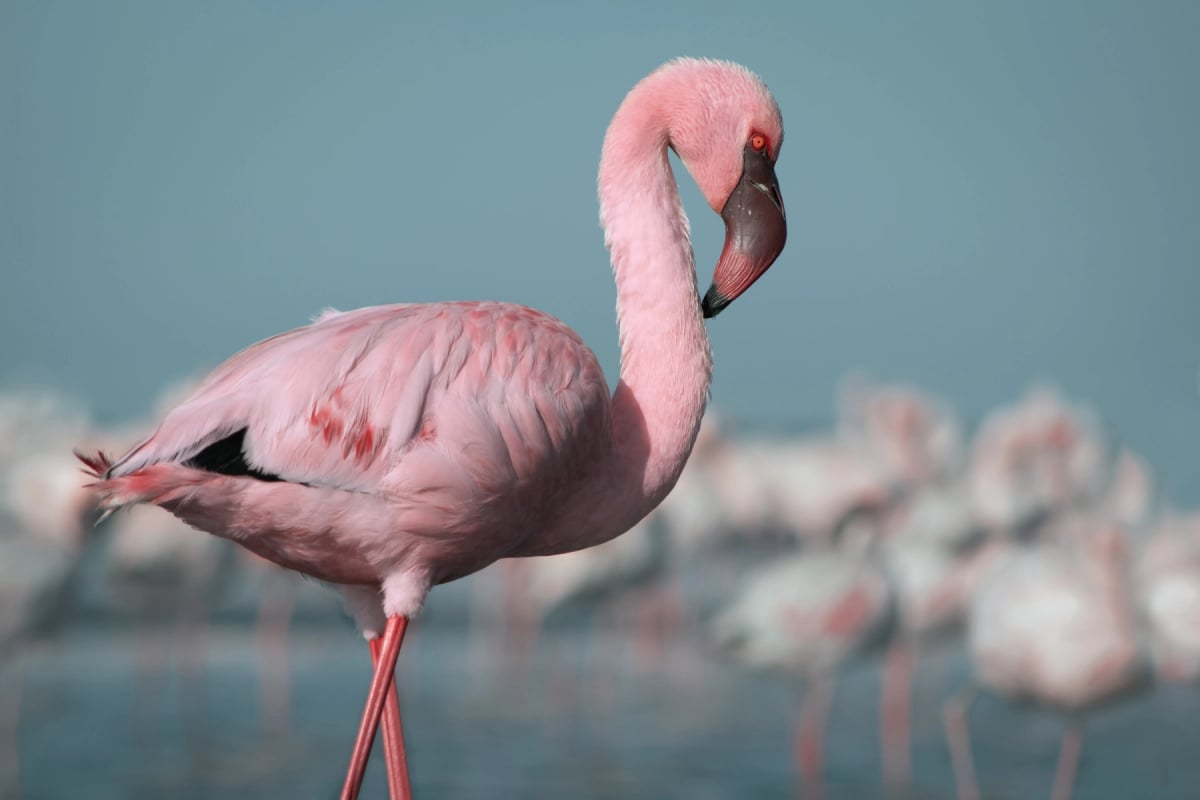
Flamingo
Phoenicopteridae (6 species)
The American flamingo lives in Haiti, in coastal lagoons, salt ponds and brackish lakes, especially in the lowlands of the west and the north. It shares the island of Hispaniola with the flamingos of the Dominican Republic, and birds move between the two countries. Habitat loss and hunting have reduced numbers, but flamingos can still be seen in shallow, salty wetlands around the coast. IUCN status: Least Concern.
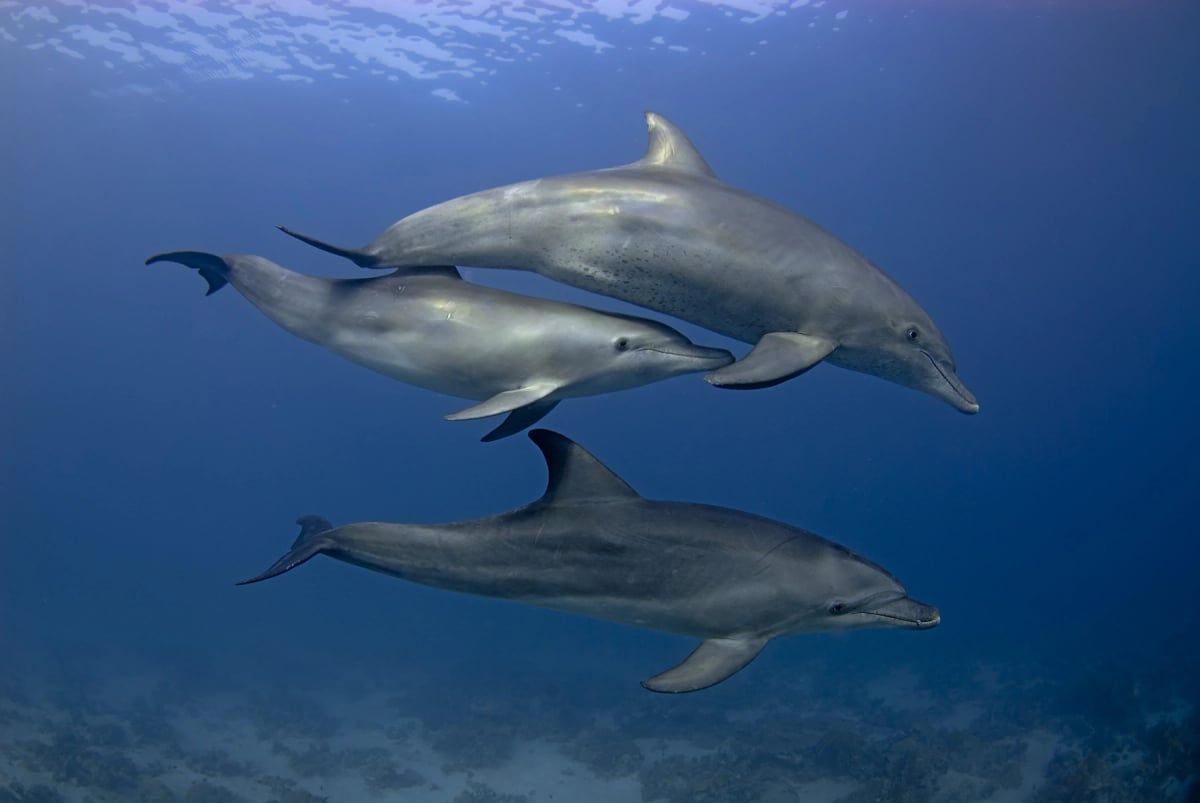
Bottlenose Dolphin
Tursiops truncatus
Bottlenose dolphins inhabit the coastal waters surrounding Haiti, including the Gulf of Gonâve and the channels between the island's peninsulas. These warm Caribbean waters offer productive feeding grounds, though the marine environment faces significant pressure from overfishing and coastal degradation. The IUCN classifies the species as Least Concern, but localized threats make monitoring in Haitian waters particularly important.
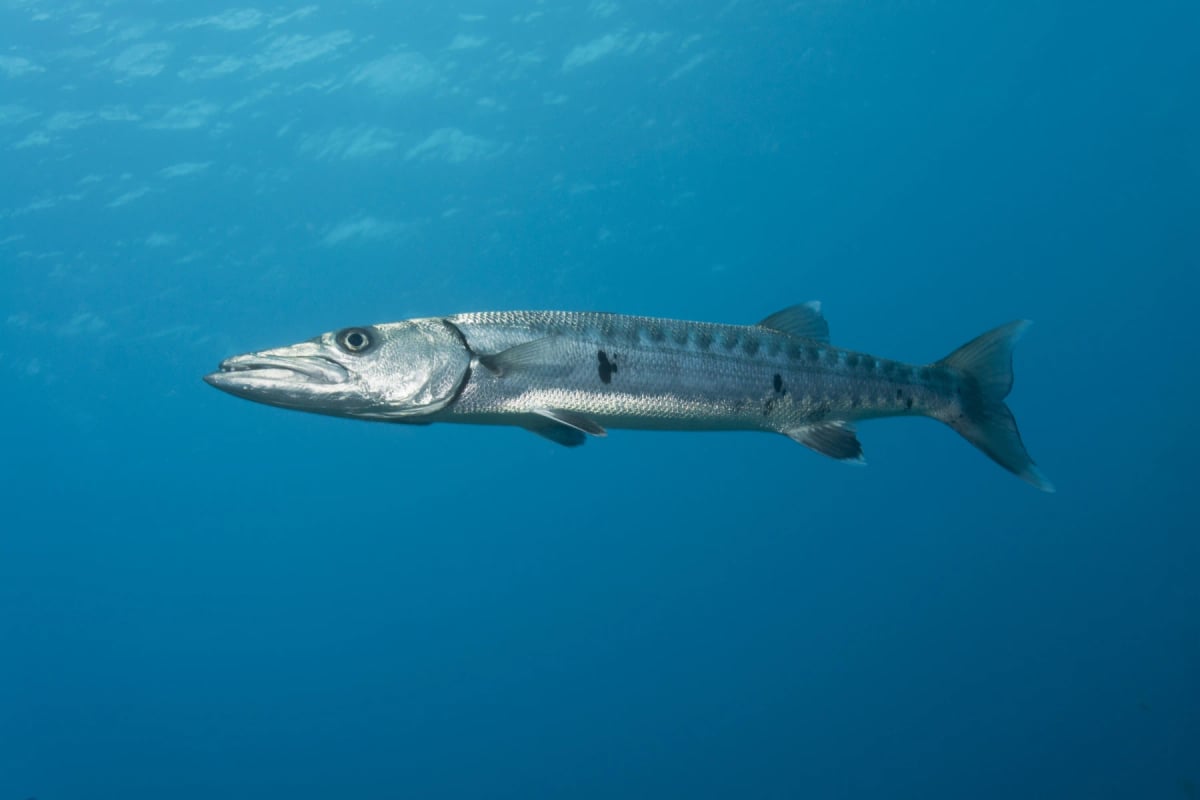
Barracuda
Sphyraena spp.
Barracudas are present in Haiti's coastal and reef waters, inhabiting the coral reefs and rocky shorelines along the northern coast, the southern peninsula, and the offshore islands including Île-à-Vache and the Cayemites. Haiti's reefs, though degraded in many areas by overfishing and coastal pressure, still support populations of great barracuda in the more remote and less fished areas. They are encountered by local fishermen and occasional divers in the clearer reef areas, particularly in the protected zones of the south.
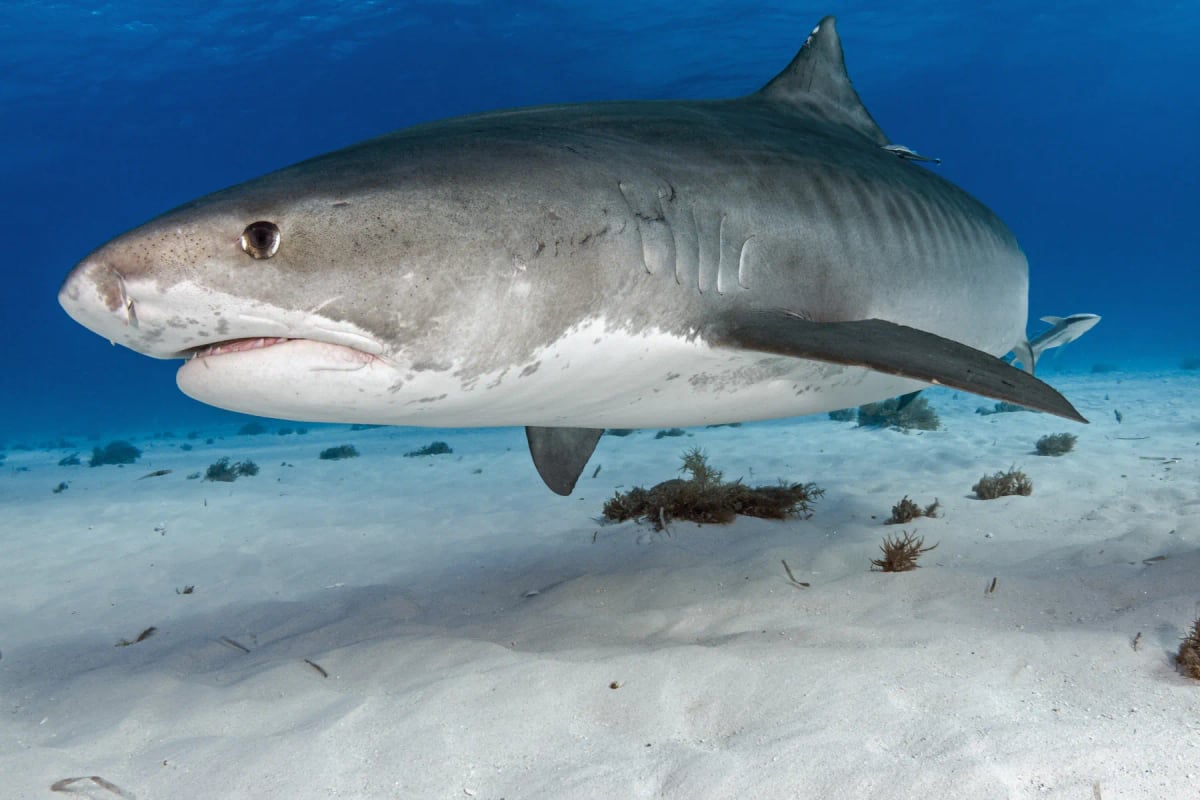
Tiger Shark
Galeocerdo cuvier
Haiti shares the island of Hispaniola with the Dominican Republic, and the surrounding Caribbean waters are home to tiger sharks. These sharks range through coastal bays, shallows, and deeper offshore areas around the island. Haitian coastal communities depend heavily on fishing, and encounters with tiger sharks are part of life along the coast. The species is listed as Near Threatened by the IUCN, with fishing pressure cited as a key concern.
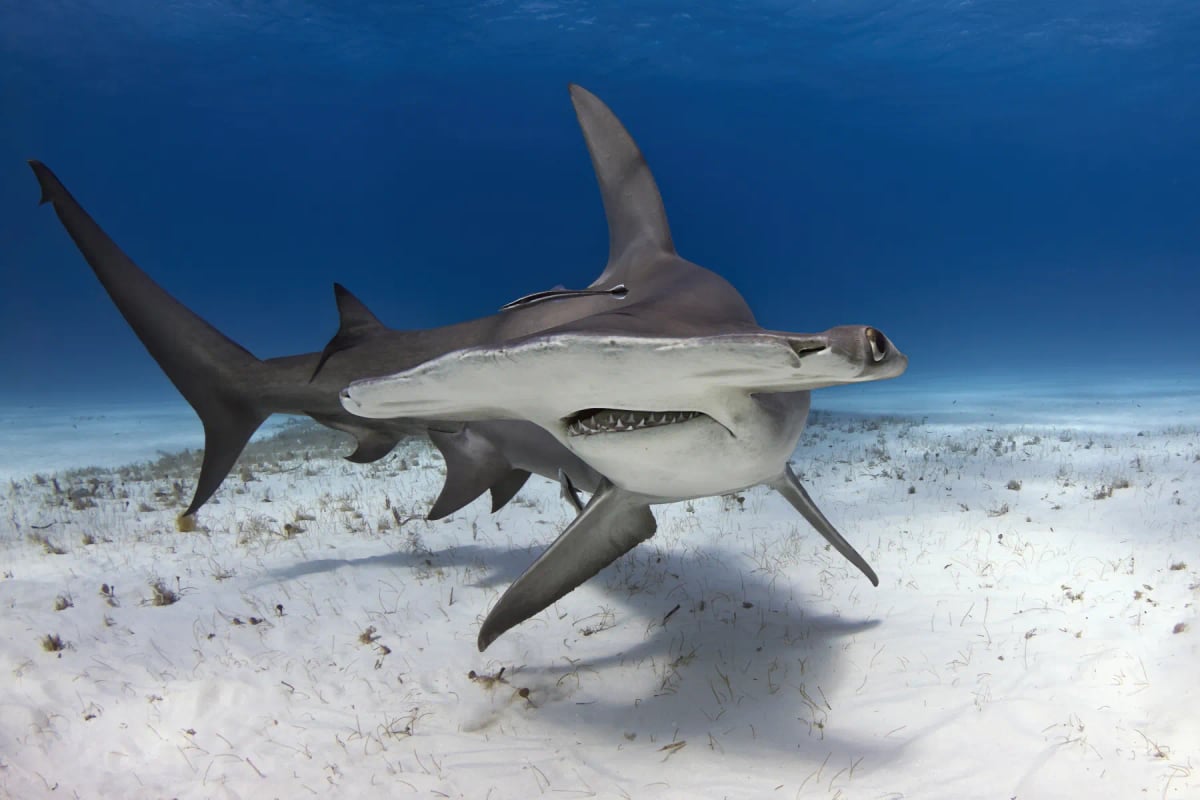
Hammerhead Shark
Sphyrna spp.
Hammerhead Sharks inhabit the warm Caribbean waters surrounding Haiti, including the coastal zones near the Gulf of Gonâve. They feed on rays and fish in these tropical seas. Haiti's marine ecosystems face significant pressure from overfishing, and the lack of robust shark protections leaves hammerheads especially vulnerable. They are Critically Endangered, and their presence in Haitian waters has become increasingly uncommon.
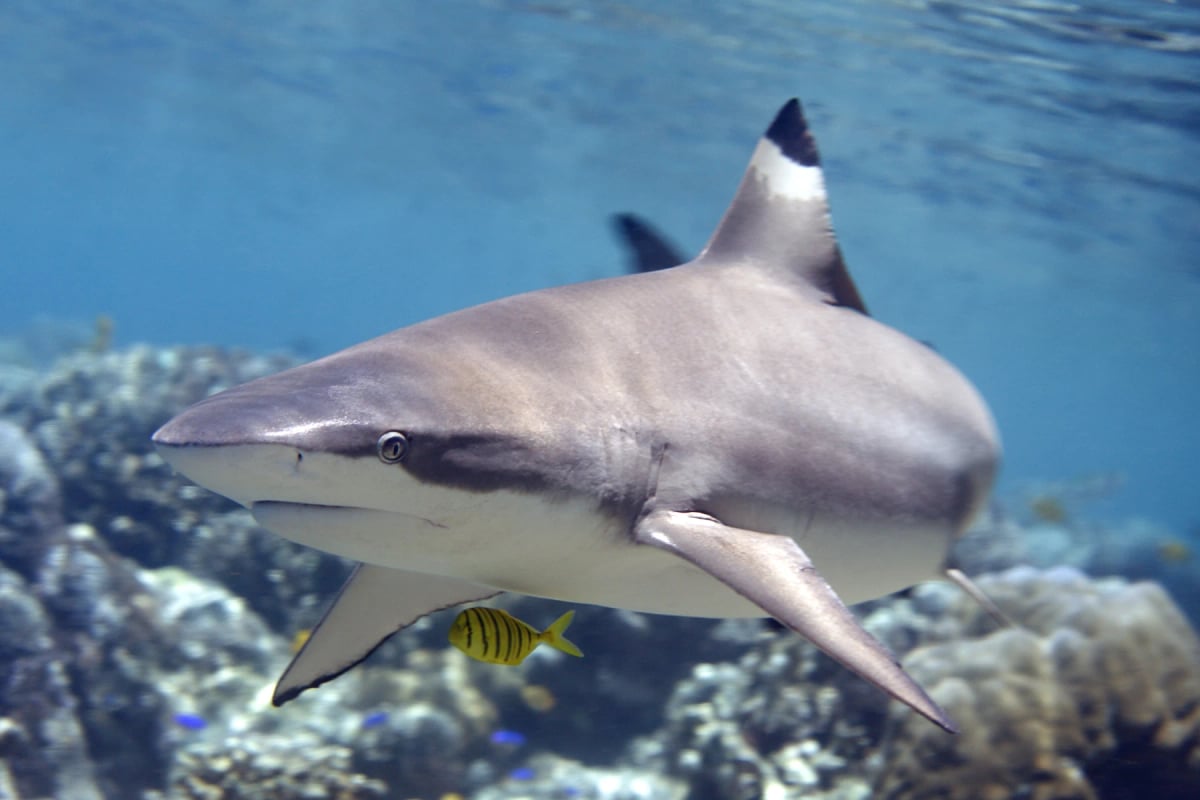
Reef Shark
Carcharhinus spp.
Haiti's Caribbean coastline includes coral reef habitats where Caribbean reef sharks are present, though populations have faced serious pressure from overfishing and the degradation of reef systems. Widespread poverty and limited marine protection infrastructure make conservation efforts challenging. The health of Haiti's reefs is closely tied to the survival of reef sharks, which help regulate the populations of fish that keep coral ecosystems functioning.
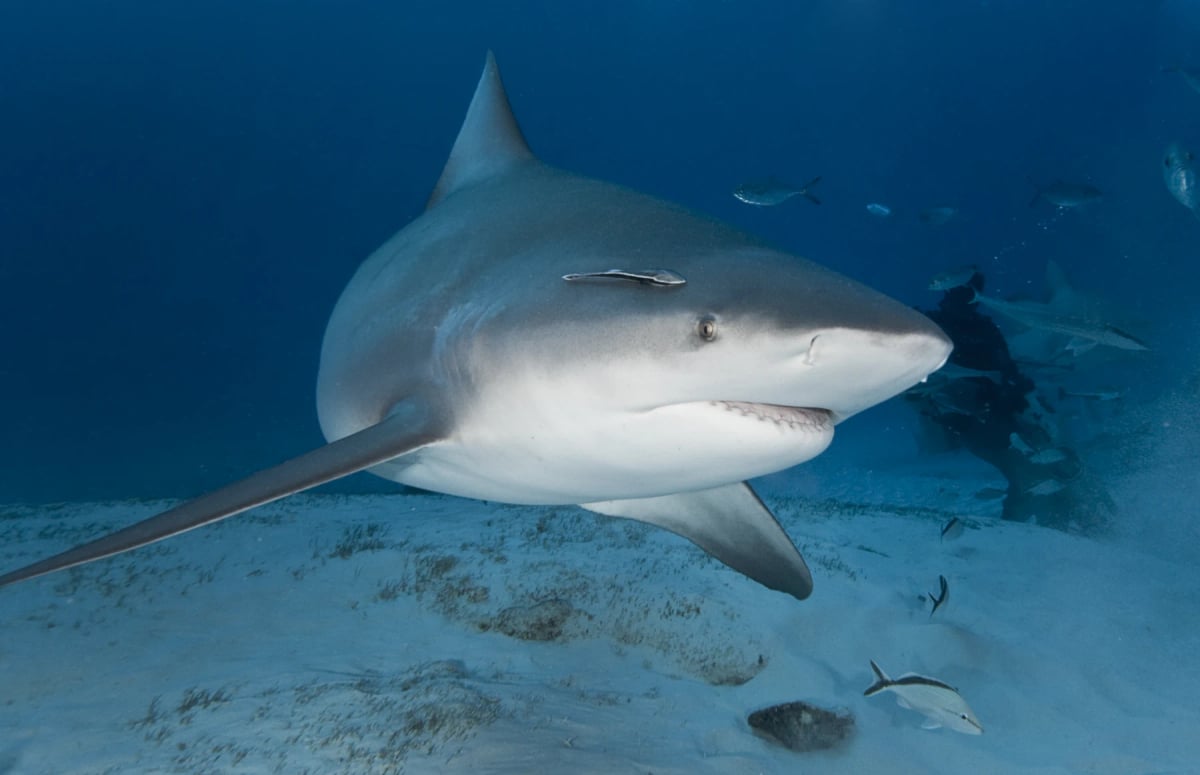
Bull Shark
Carcharhinus leucas
Bull sharks inhabit the coastal waters and estuaries of Haiti, patrolling shallow inshore zones along the island of Hispaniola. They feed on fish, rays, and other marine prey in warm Caribbean waters. Overfishing and habitat degradation in Haiti place additional pressure on local shark populations. As an apex predator in nearshore ecosystems, the bull shark plays a key role in marine balance. IUCN status: Near Threatened.
Frequently Asked Questions
What animals live in Haiti?
Haiti's land animals include the Hispaniolan trogon, the national bird, and the palmchat, two birds that live only on Hispaniola. Peregrine falcons spend the winter on the island, and wild boars live in rural and hilly areas. The sea around Haiti is richer, with sea turtles, bottlenose dolphins, barracudas and tiger, hammerhead, bull and reef sharks. Many forest animals have become rare because most of the country's forest has been cut down, and they now depend on protected mountains like Pic Macaya and La Visite.
What is the national animal of Haiti?
Haiti's national animal is usually said to be the Hispaniolan trogon, which is the national bird. In Haiti it is called caleçon rouge, or kanson wouj in Creole, meaning red shorts, because of its red belly. It has a green back, a gray chest and a long blue and white tail. The trogon lives only on Hispaniola, the island Haiti shares with the Dominican Republic, and it needs old mountain forests with hollow trees to nest. In Haiti it is now found mostly in Pic Macaya and La Visite national parks.
Where can you see wildlife in Haiti?
The best places to see wildlife in Haiti are its two mountain national parks. Pic Macaya, in the Massif de la Hotte in the southwest, protects some of the last cloud forest in the country and is one of the main strongholds of the Hispaniolan trogon. La Visite, in the mountains southeast of Port-au-Prince, has pine and broadleaf forest where the trogon and other island birds live. The palmchat is easy to see almost anywhere there are palm trees. Along the coast and around the reefs, boat trips and snorkeling can show dolphins, sea turtles and barracudas.
Are there dangerous animals in Haiti?
Very few, and attacks are rare. Haiti has no snakes that are dangerous to people, and there are no large land predators. The wild boar can charge if it is cornered or protecting its young, so it is best to keep away from it. The main risks are in the sea, where bull, tiger and hammerhead sharks live. Bull sharks can swim into shallow water and river mouths, especially when the water is murky after rain. Barracudas are curious but rarely bite. Swimming in clear water and not wearing shiny jewelry lowers the risk even more.
What animals are native to Haiti?
Among the animals on this site, the Hispaniolan trogon and the palmchat are native to Hispaniola and live nowhere else in the world. The palmchat is the national bird of the Dominican Republic, and the trogon is the national bird of Haiti, so the two countries on the island each chose one of their shared endemic birds. Sea turtles, bottlenose dolphins, barracudas, sharks and peregrine falcons are native too, although they also live in many other countries. The wild boar is not native: pigs were brought to Hispaniola by Spanish settlers and some now live in the wild.
Researched and written by Juan Pablo. Sources: IUCN Red List, scientific literature and regional field guides. Last updated: .