Animals in Costa Rica
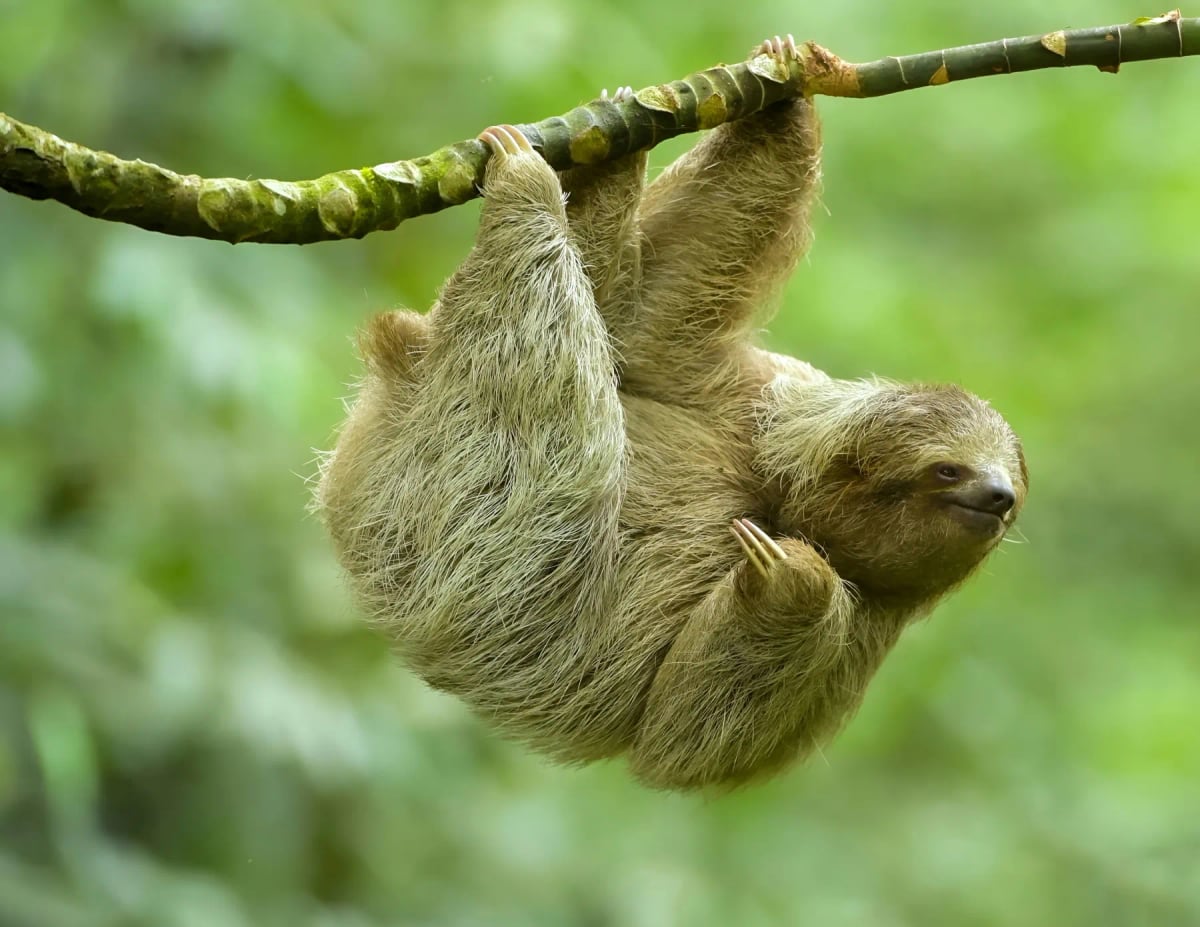
Sloth
Folivora
The sloth, especially the two toed and three toed varieties, is widely celebrated as Costa Rica’s national animal and often seen as a symbol of the country’s relaxed character and close relationship with nature. Although not formally declared by every institution, its emblematic status comes from its calm behaviour and tree based lifestyle, often visible in protected forests across the country. The sloth has also become a global icon of Costa Rica’s conservation efforts, appearing in education campaigns, tourism projects and national branding as a gentle ambassador of the tropical rainforest.
View details→Wildlife in Costa Rica
Costa Rica is internationally renowned for its extraordinary biodiversity, concentrated within a relatively small territory that spans volcanoes, rainforests, cloud forests, wetlands and two coastlines. This ecological richness supports a remarkable variety of species such as mammals, birds, amphibians and marine life that coexist in carefully preserved environments. As a pioneer in sustainable tourism and conservation, the country has designated over a quarter of its land as protected areas. Whether in the treetops of Monteverde or the reefs of Cahuita, Costa Rica offers one of the most immersive wildlife experiences on Earth.
Most Dangerous Animals in Costa Rica
Despite its peaceful image, Costa Rica is home to wildlife that can pose risks if people ignore basic precautions. In remote forests, big cats such as jaguars and cougars keep their role as apex predators, while venomous snakes like rattlesnakes and lanceheads live in lowland jungles and some farming areas. Along the Pacific and Caribbean shores, shark species including tiger, hammerhead and bull sharks move through nutrient rich waters, and orcas are occasionally seen offshore. Serious incidents are rare, but understanding where these animals live and how they behave helps visitors stay safe and appreciate the country’s wild side.
Top 10 Animals in Costa Rica
On this site the main group of top animals for Costa Rica is kept intentionally small so it stays focused on the wild character of the country. Instead of trying to mention every creature that lives in its forests or along its coasts, the list highlights a few strong jungle predators that many people associate with untouched tropical nature. It works as a simple entry point that can grow over time as other species attract more attention and become part of the way visitors imagine wildlife in Costa Rica.
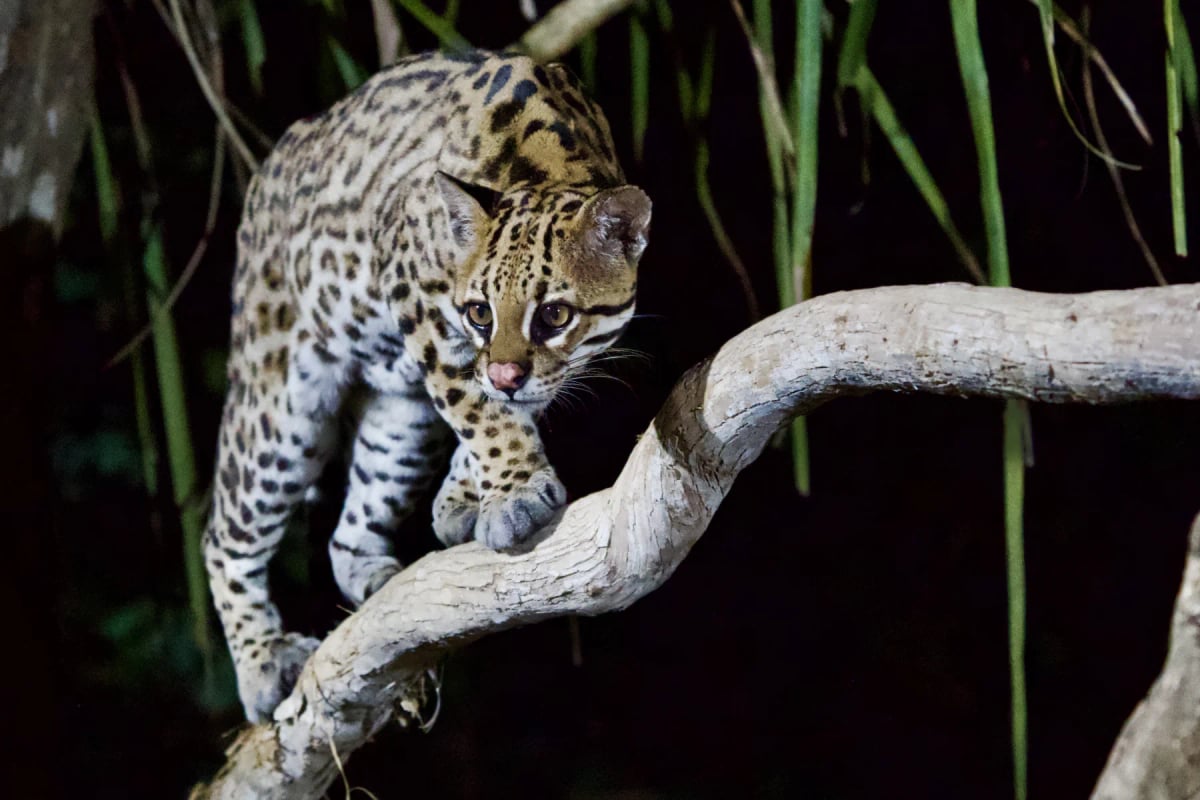
Ocelot
Leopardus pardalis
In Costa Rica, ocelots inhabit lowland tropical forests on both the Caribbean and Pacific slopes, as well as some premontane areas. They are present in protected areas such as Corcovado and Tortuguero National Parks. Costa Rica's strong conservation framework has helped protect ocelot habitat, but road traffic and habitat loss outside park boundaries remain real concerns. Ocelots here are mostly solitary and nocturnal, as elsewhere across their range.
Sloth
Folivora
Costa Rica is one of the best places in Central America to spot sloths. Both Bradypus variegatus and Choloepus hoffmanni live here, from Caribbean lowland rainforests to Pacific coastal parks like Manuel Antonio. Sloths are a beloved part of Costa Rica's wildlife tourism, though habitat loss and road collisions remain real threats. Wildlife corridors and rescue centers play a key role in protecting local populations.
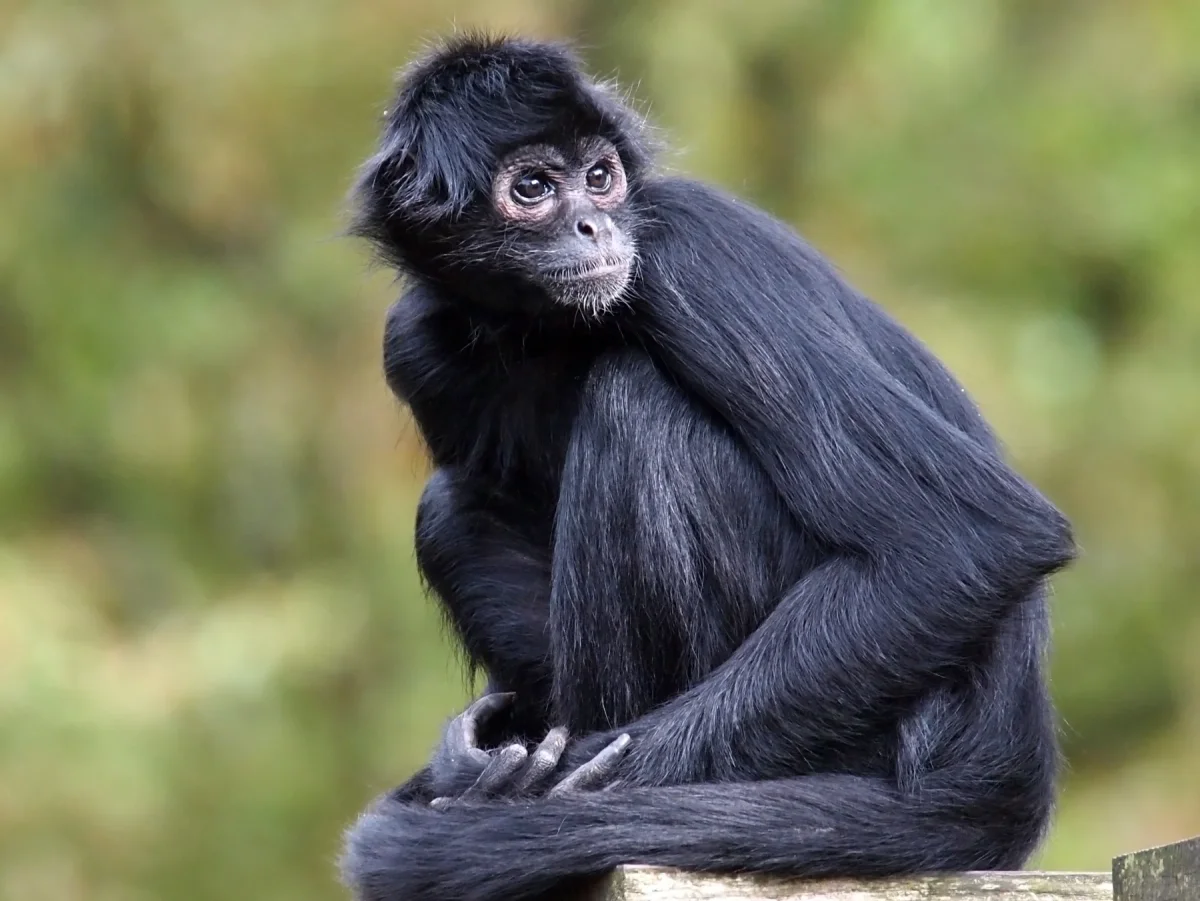
Spider Monkey
Ateles spp.
Costa Rica's spider monkeys, known locally as monos colorado, live in lowland rainforests on both the Caribbean and Pacific slopes, including protected areas such as Corcovado National Park. Costa Rica's strong network of national parks has helped shelter several populations, though habitat fragmentation between protected areas limits the movement of groups and reduces genetic diversity over the long term.
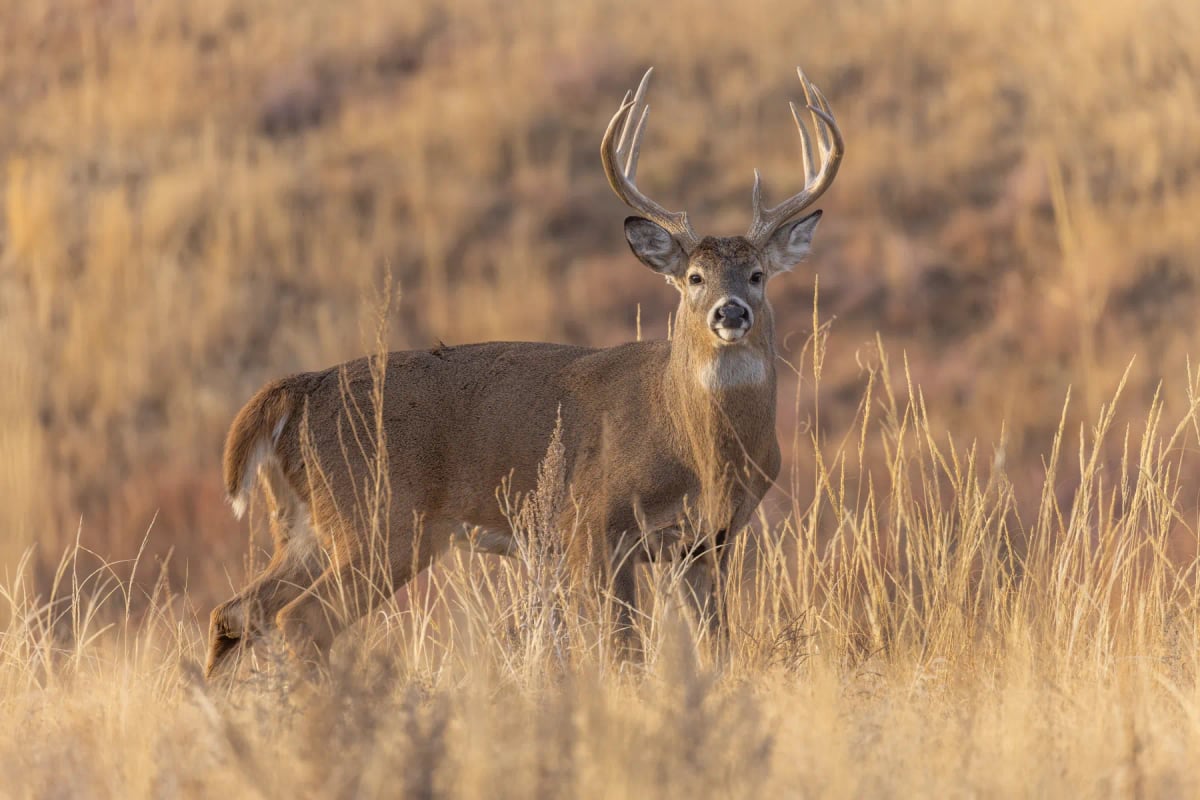
White tailed Deer
Odocoileus virginianus
The white tailed deer is found throughout Costa Rica, from lowland dry forests in Guanacaste to mid elevation forest edges along both coasts. It is especially visible in the dry forests of the northern Pacific region, where open terrain makes sightings common. The species appears in several national parks, including Santa Rosa, where conservation efforts help maintain stable populations across the protected dry forest landscape.
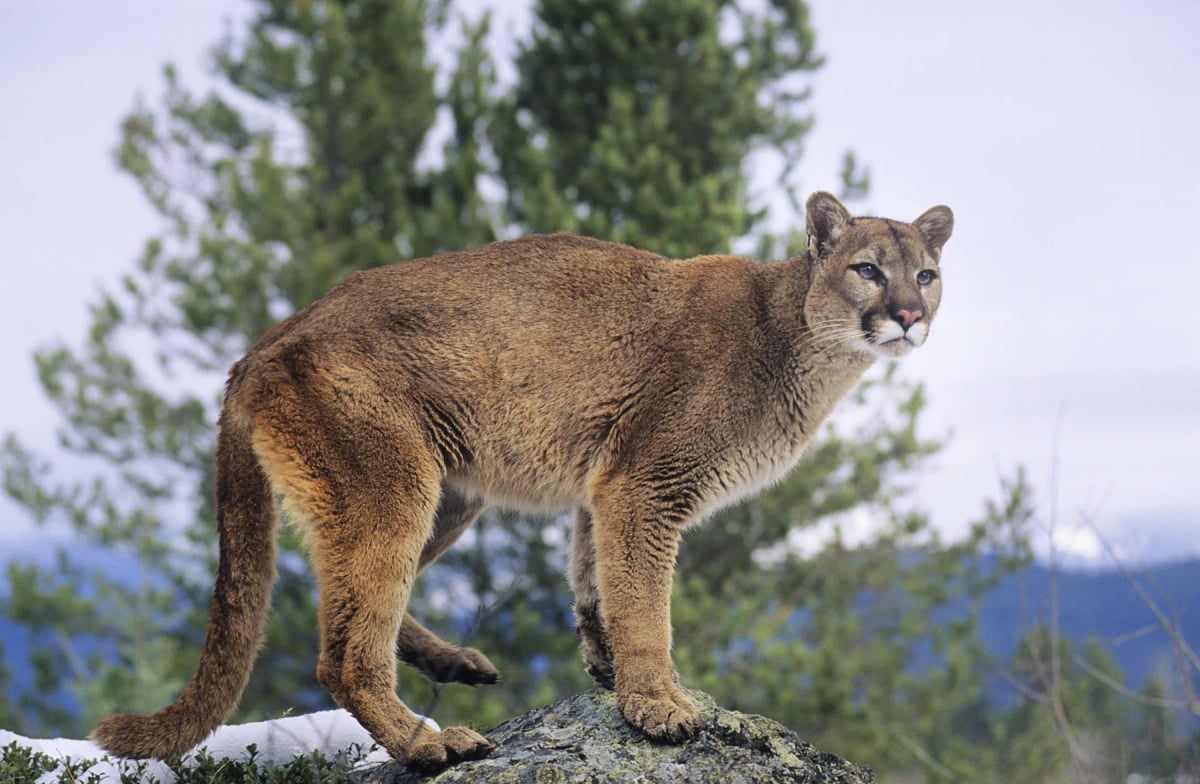
Cougar
Puma concolor
In Costa Rica, the cougar inhabits forests across both the Pacific and Caribbean slopes, including protected areas such as Corcovado National Park and La Amistad International Park. It is less frequently seen than the jaguar but is more widely distributed across the country. White-tailed deer and peccaries form a large part of its diet. Continued protection of forest corridors is essential for its survival in this region.
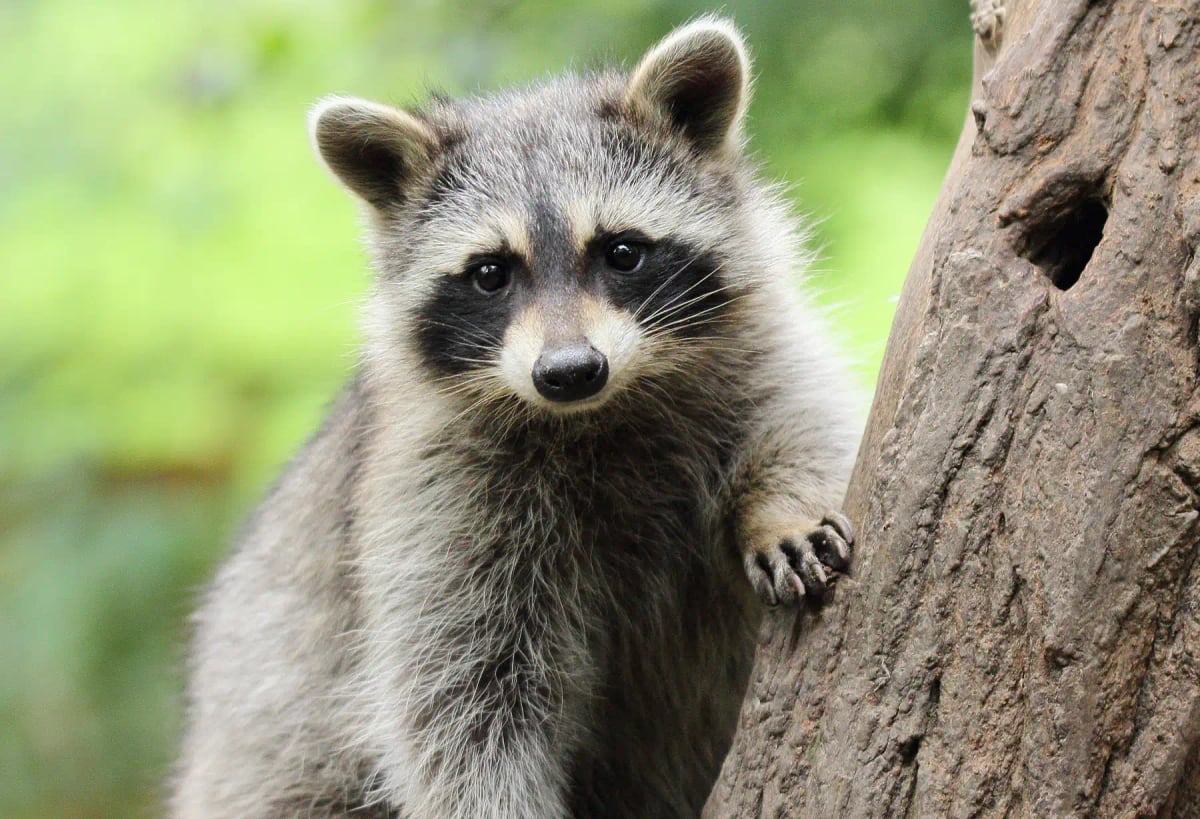
Raccoon
Procyon lotor
Costa Rica is home to the raccoon along its Pacific and Caribbean coasts, in mangroves, river mouths, and lowland forests. The country's rich biodiversity means raccoons share their habitat with a wide range of predators and competitors. They are opportunistic feeders, eating turtle eggs on beaches, fish from streams, and fruit from the forest floor. The species is considered Least Concern and is frequently spotted near coastal communities.
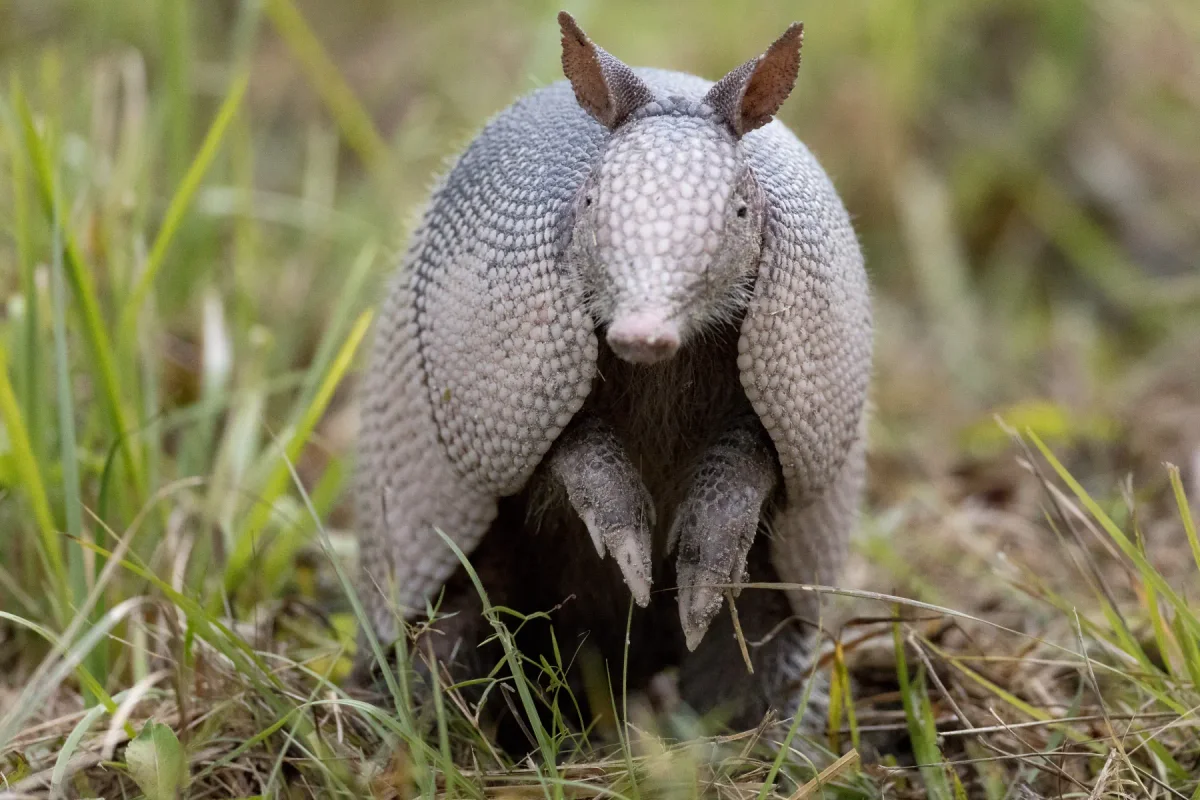
Armadillo
Dasypodidae spp.
The nine banded armadillo is common throughout Costa Rica, found in lowland forests, pastures, and disturbed habitats across both the Pacific and Caribbean slopes. It is one of the most frequently encountered medium-sized mammals in the country, often seen crossing roads at night. Costa Rica's extensive protected area network supports stable armadillo populations. Despite legal protections, road mortality remains the main threat to the species, particularly in areas where highways cut through forest habitat.
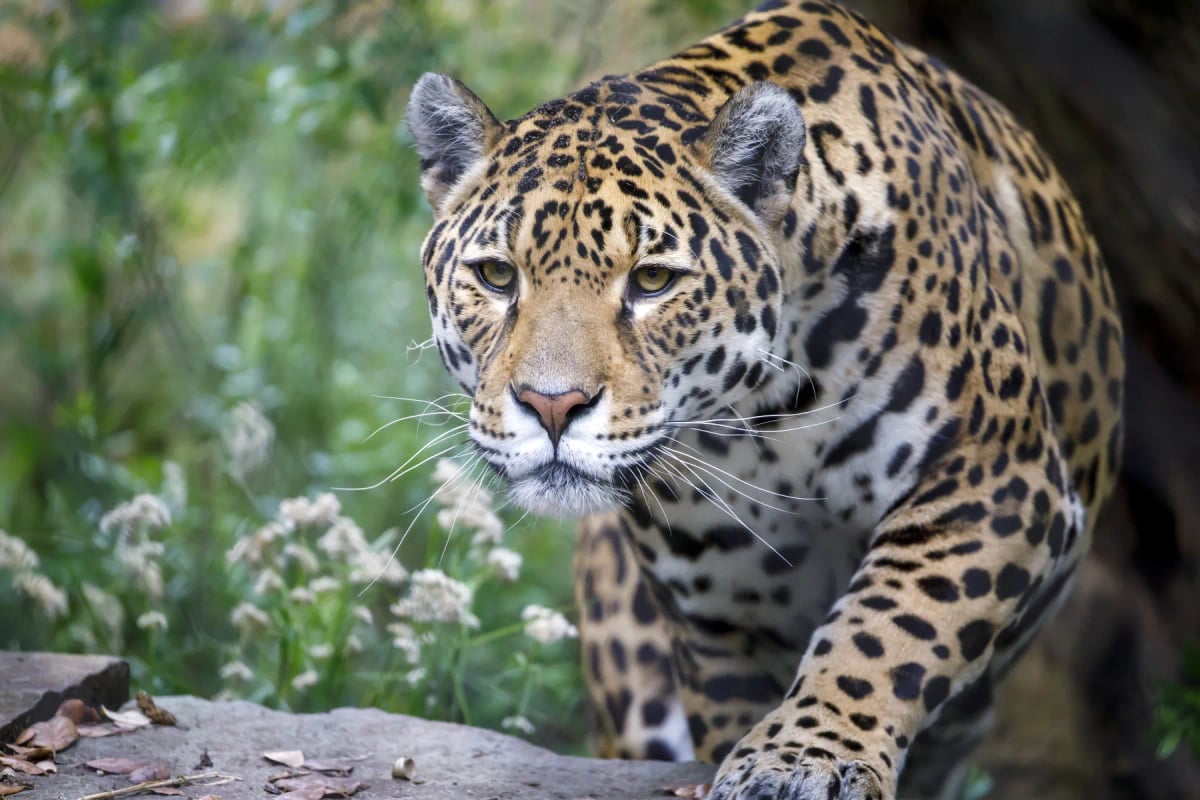
Jaguar
Panthera onca
In Costa Rica, jaguars are found mainly in lowland forests along the Caribbean coast and in protected areas such as La Amistad International Park and Corcovado National Park. Their numbers are low, and sightings are rare. The country's network of national parks and biological corridors is essential for keeping the population connected to larger jaguar ranges in Panama and Nicaragua to the north and south.
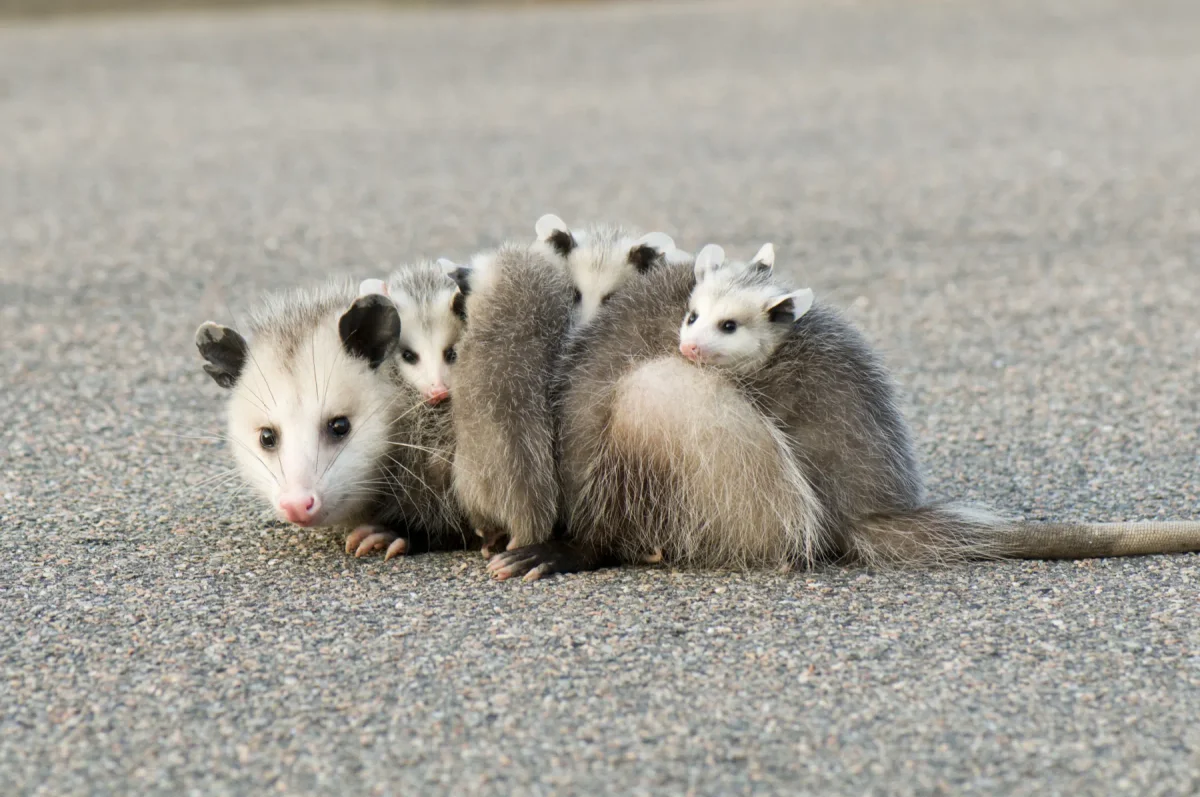
Opossum
Didelphis spp.
Costa Rica is home to the common opossum (Didelphis marsupialis), which lives across the country's diverse landscapes, from lowland rainforests on both coasts to mid-elevation areas near the Central Valley. It is a common visitor to gardens and small farms, particularly at night. Researchers in Costa Rica have noted its role in seed dispersal and insect control. Its resistance to pit viper venom is especially relevant given the number of venomous snakes in the region.
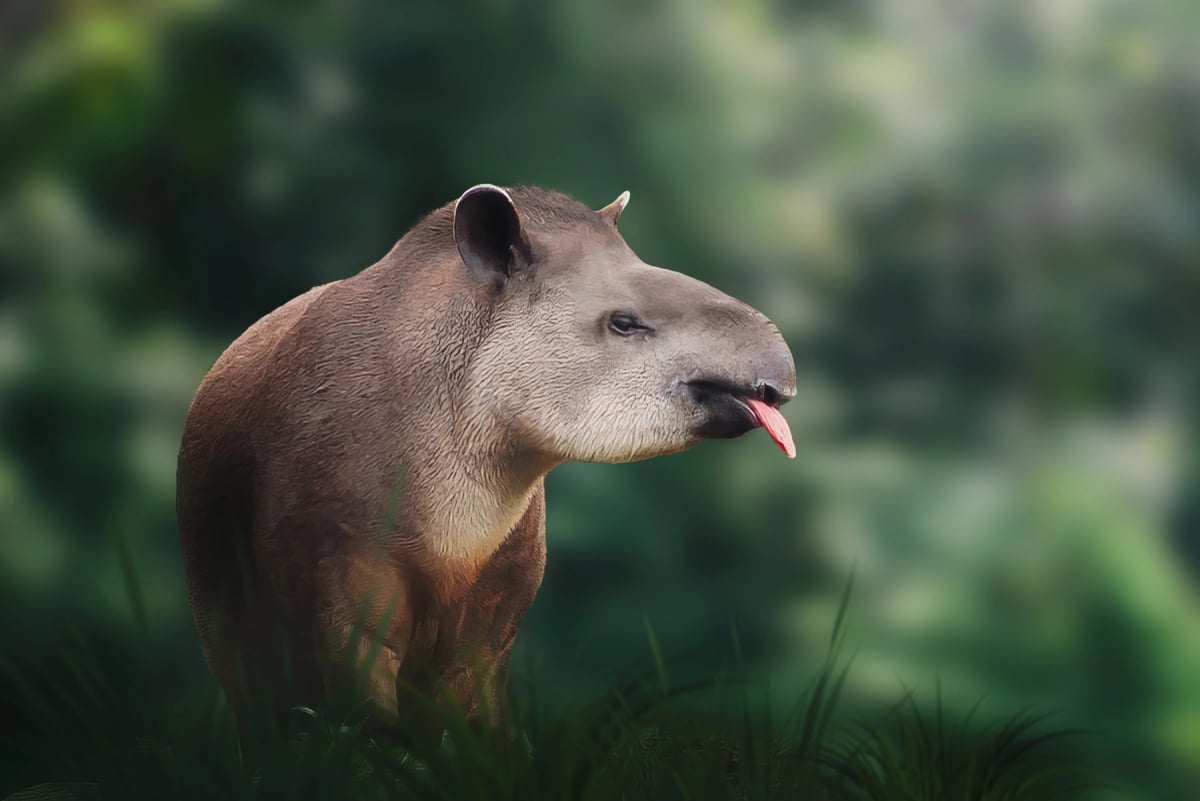
Tapir
Tapirus spp.
Costa Rica supports a notable population of Baird's tapir, found in protected areas such as Corcovado National Park on the Osa Peninsula and La Amistad International Park near the Panamanian border. It prefers primary rainforest and areas close to water. Camera trap surveys have helped researchers track population trends, and the species benefits from the country's strong network of national parks.
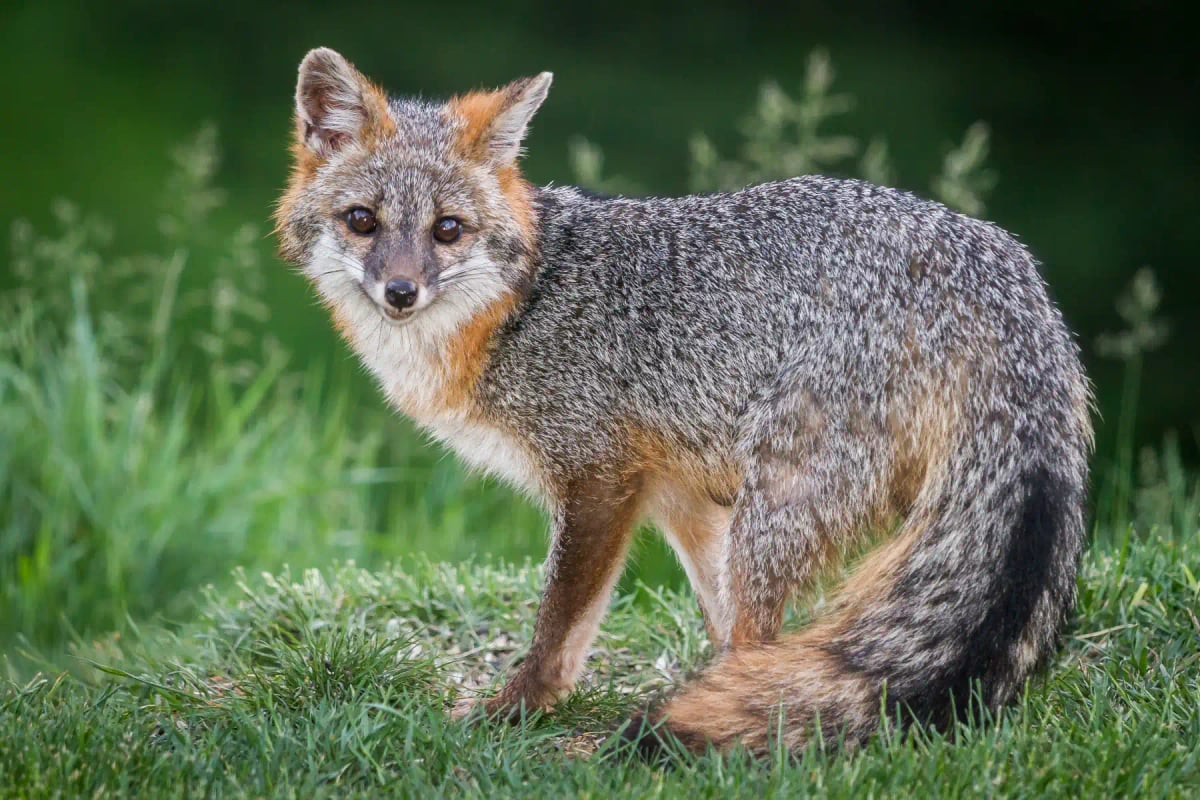
Gray Fox
Urocyon cinereoargenteus
In Costa Rica, the gray fox inhabits dry forests, scrublands, and woodland edges, particularly in the northwestern region of Guanacaste. It is active mainly at night, feeding on small animals, insects, and seasonal fruit. Its ability to climb trees sets it apart from other members of the dog family. It holds a status of Least Concern on the IUCN Red List and faces no major conservation threats here.
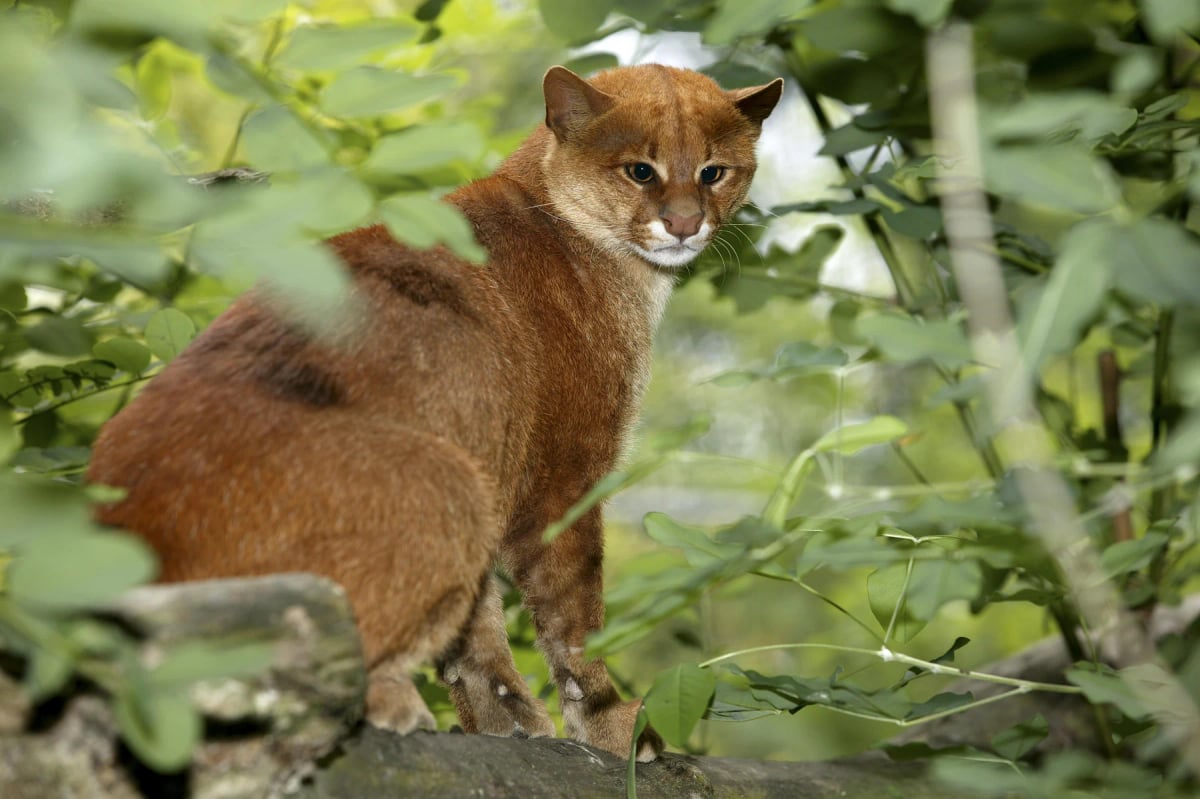
Jaguarundi
Herpailurus yagouaroundi
Costa Rica's network of national parks and biological corridors provides the jaguarundi with connected habitat across the Pacific lowlands, Caribbean slopes, and dry forests of Guanacaste. It is one of six wild cat species recorded in the country. Farmers occasionally report it near poultry, though it primarily hunts wild prey. Conservation efforts in Costa Rica benefit this cat alongside larger and more threatened felids.
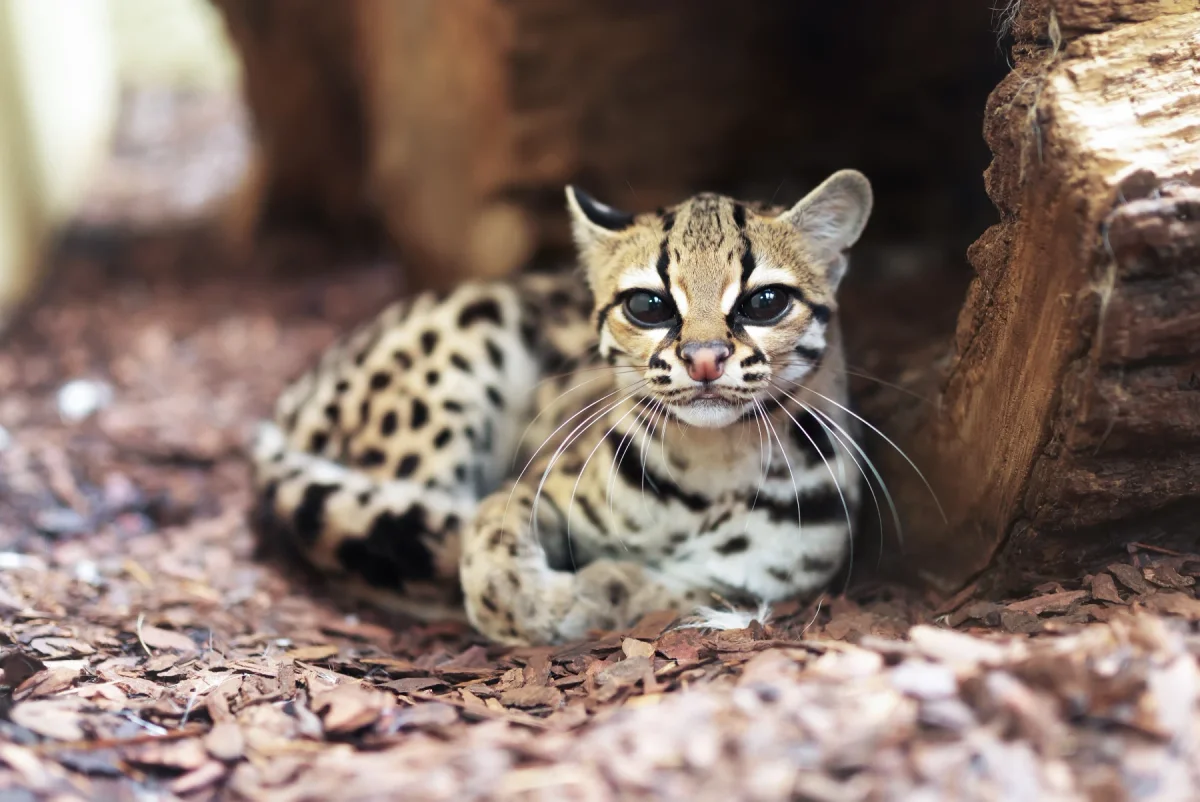
Margay
Leopardus wiedii
In Costa Rica, the margay is found in lowland and foothill forests on both the Caribbean and Pacific slopes, including protected areas such as Tortuguero National Park and the Osa Peninsula. It is a skilled tree climber, hunting birds, lizards, and small mammals in the forest canopy after dark. Deforestation and habitat fragmentation between forest patches remain the primary threats to its populations in this country. The IUCN lists it as Near Threatened.

Iguana
Iguana iguana
The green iguana is one of Costa Rica's most recognizable reptiles, found in lowland forests, along rivers and in coastal vegetation on both the Pacific and Caribbean slopes. The country's protected areas support healthy populations, and iguanas are a familiar presence in many national parks. Though hunting was historically significant in rural communities, the species remains common across the warm lowland zones.
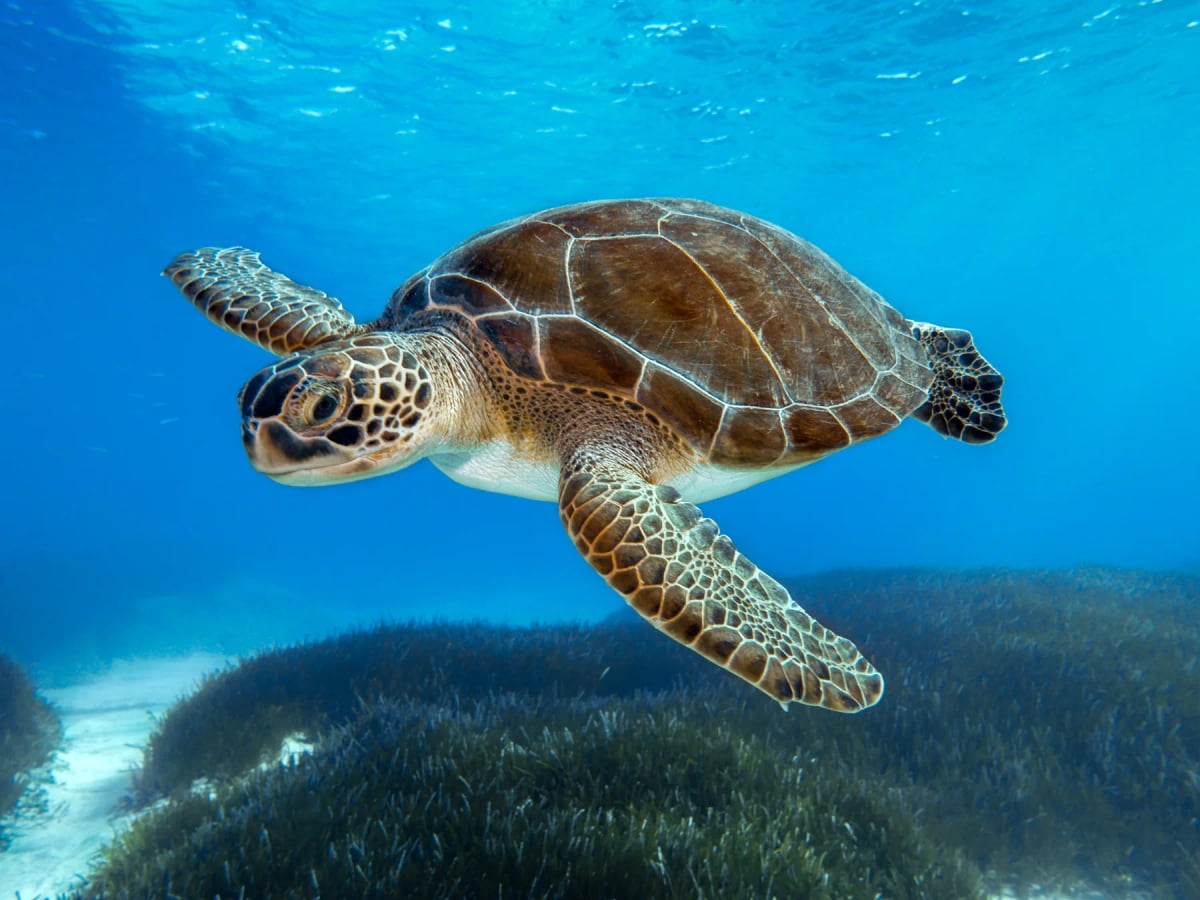
Sea Turtle
Cheloniidae & Dermochelyidae (families)
Costa Rica is home to some of the most important sea turtle nesting sites in the world. Tortuguero on the Caribbean coast draws tens of thousands of green turtles between July and October, making it one of the largest nesting beaches on the planet. On the Pacific, Ostional hosts mass olive ridley arrivals known as arribadas. Leatherback and hawksbill turtles also nest along both coasts.
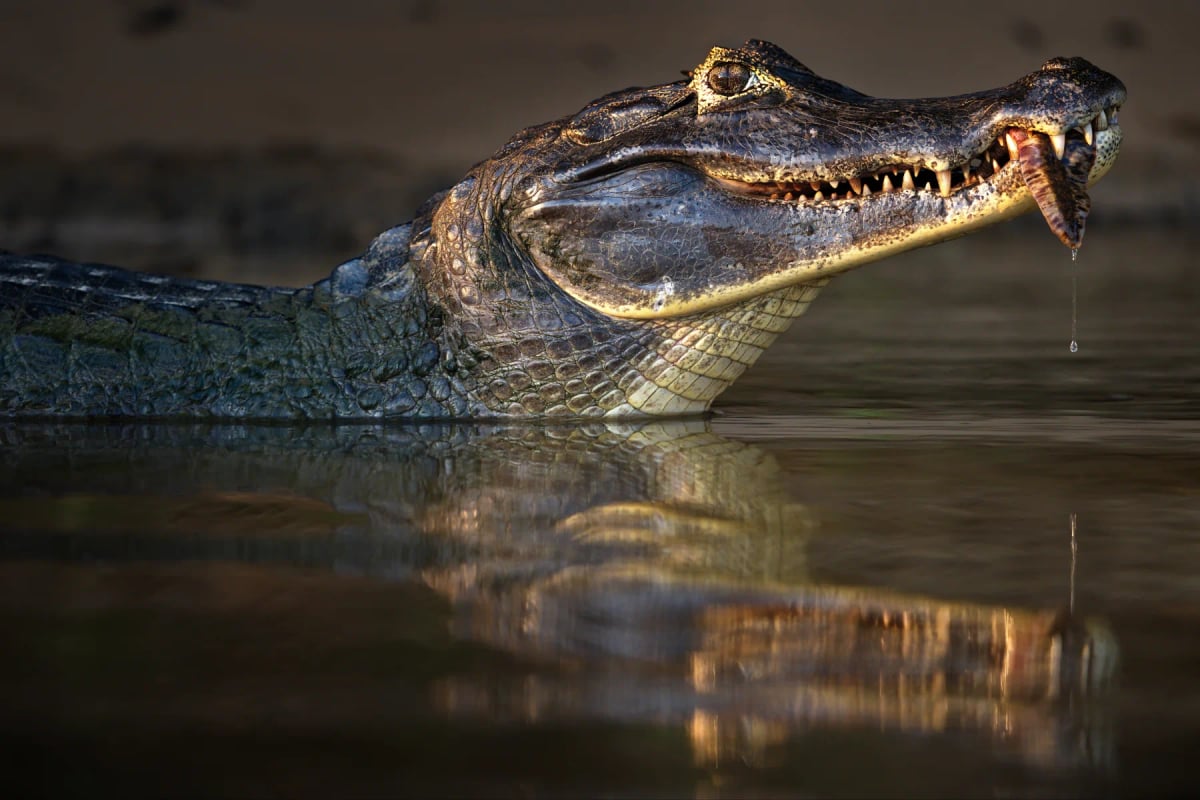
Caiman
Caiman spp.
In Costa Rica, spectacled caimans are found in wetlands, rivers, and coastal lagoons on both the Caribbean and Pacific slopes, with populations particularly well documented in the Tortuguero canals and the Tempisque River basin. Costa Rica's extensive system of national parks and wildlife refuges offers strong protection for these reptiles. Despite the country's progressive conservation record, illegal capture and habitat modification in agricultural zones remain challenges for caiman populations.
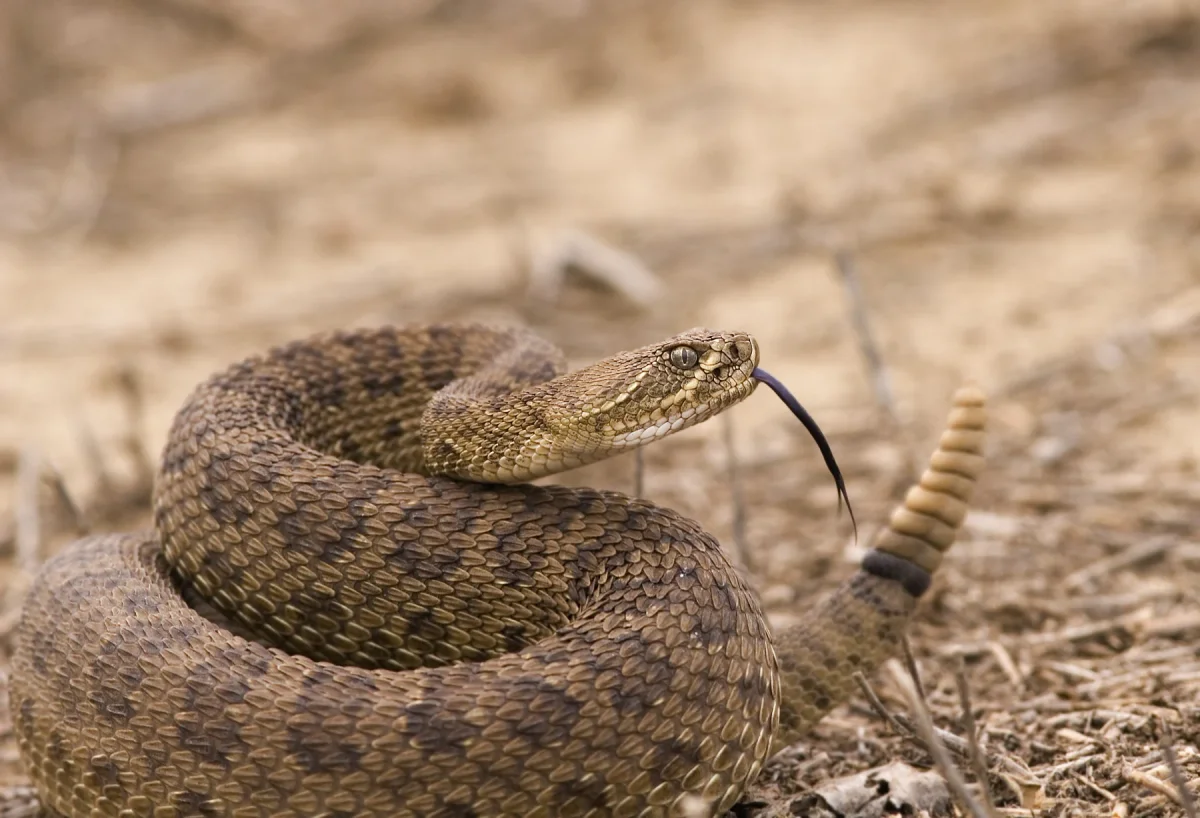
Rattlesnake
Crotalus spp. / Sistrurus spp.
In Costa Rica, the cascabel rattlesnake (Crotalus simus) lives in the dry forests and open savannas of Guanacaste province in the northwest. It is the only rattlesnake species found in the country. Population numbers are relatively low, and the species benefits from protected areas in the region. Farmers occasionally encounter them on agricultural land, where they play a valuable role controlling rodent populations. IUCN status: Least Concern.
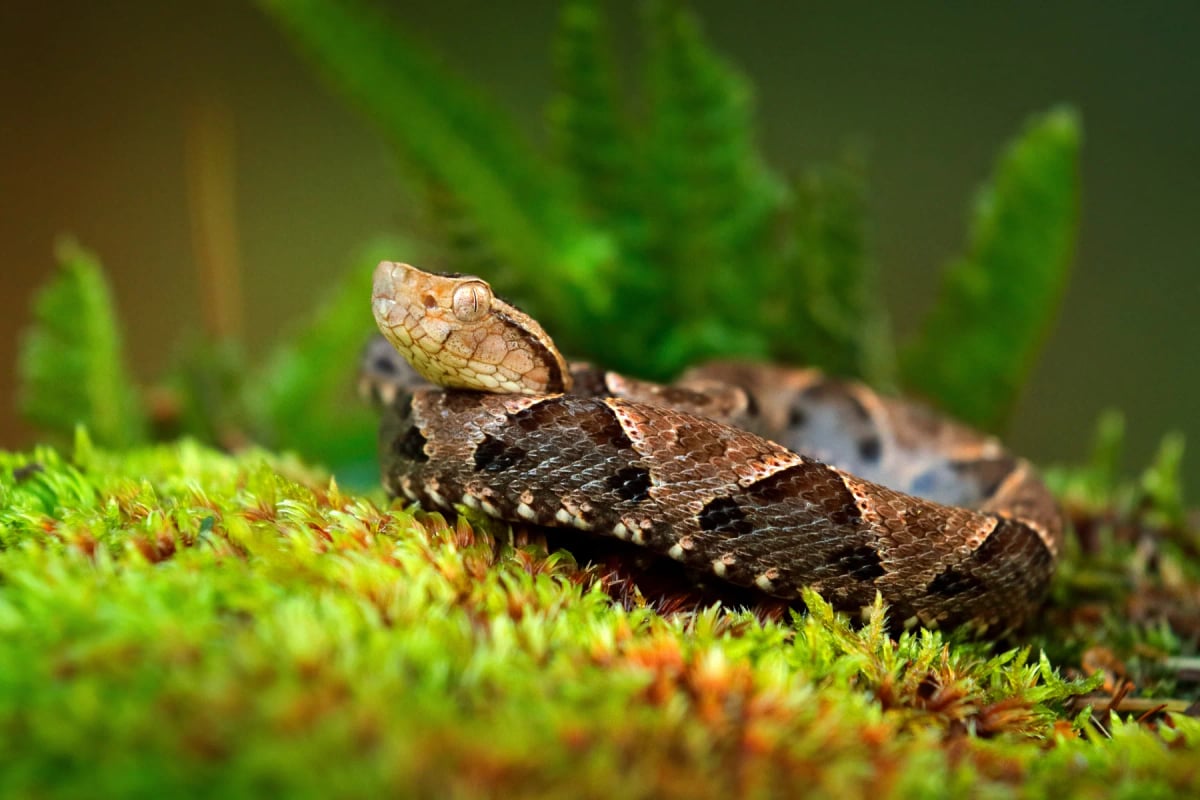
Lancehead
Bothrops spp.
Costa Rica is home to the fer-de-lance, known locally as the terciopelo, which ranges across lowland rainforests, Caribbean slopes, and even some drier Pacific regions. It is the snake responsible for the most medically serious bites in the country. Costa Rica's well-developed antivenom program, largely built on the work of the Clodomiro Picado Institute, has significantly reduced snakebite fatalities over the decades.
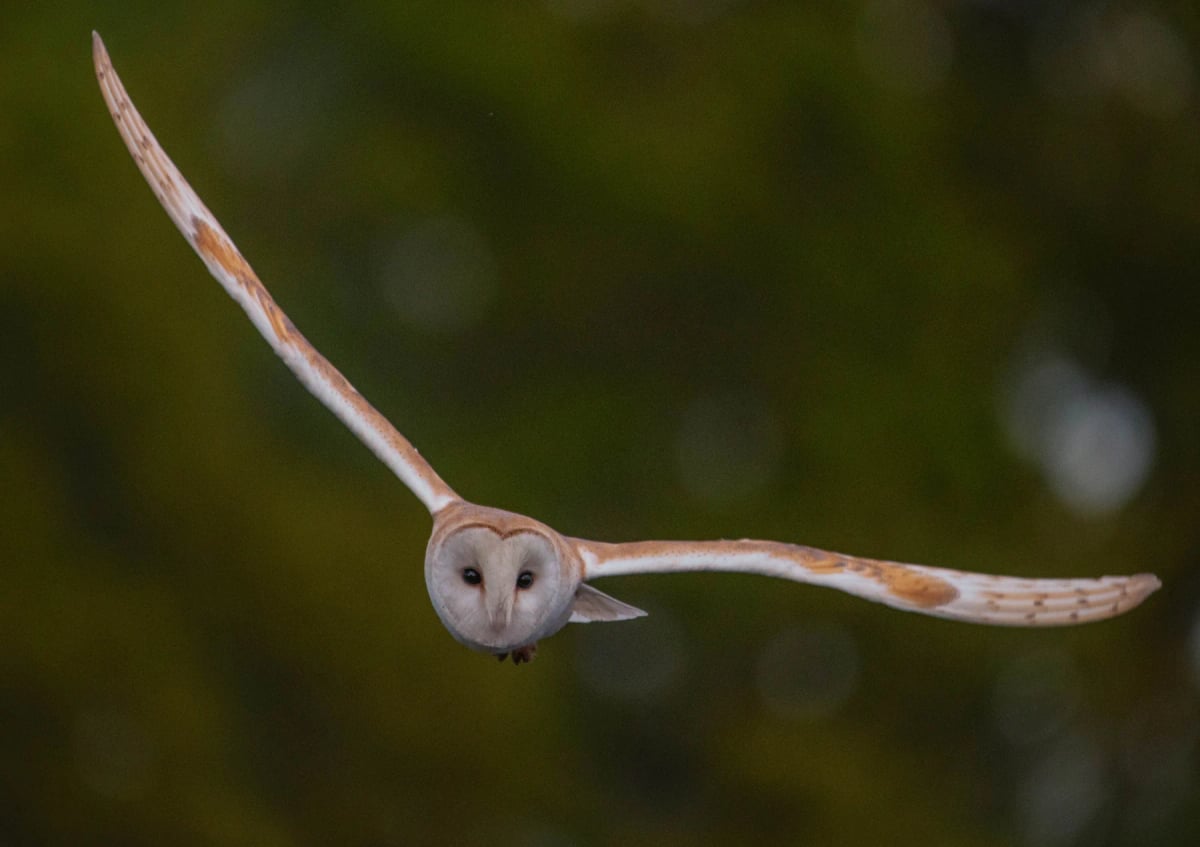
Barn Owl
Tyto alba
The barn owl is found across Costa Rica in open farmland, pastures, and the outskirts of towns and villages from the lowlands to mid-elevation valleys on both the Pacific and Caribbean slopes. It nests in old buildings, hollow trees, and cliff faces, and feeds mainly on rodents and other small mammals. In agricultural areas it is valued as a natural pest controller and is one of the more commonly encountered owls in the country's open and semi-open habitats.
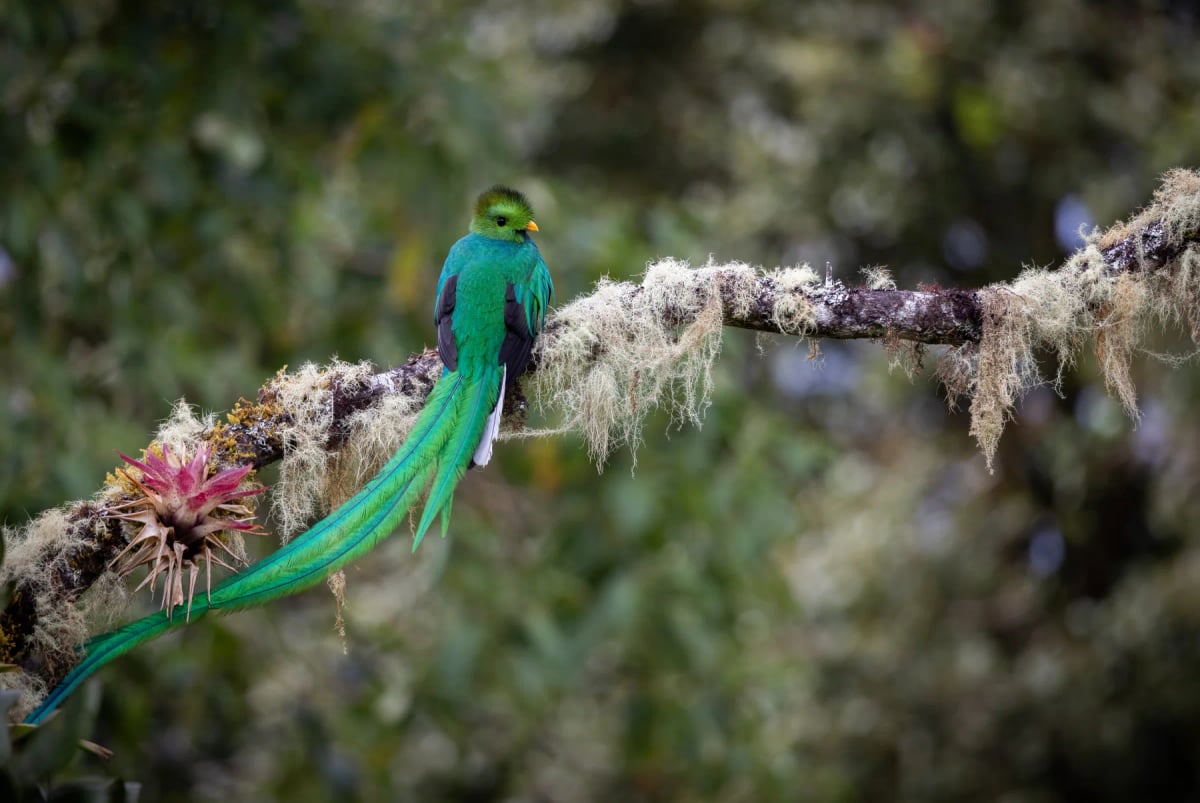
Resplendent Quetzal
Pharomachrus mocinno
The Resplendent Quetzal inhabits the cloud forests of Costa Rica, particularly in the Monteverde Reserve and the Talamanca mountain range. Males display brilliant green and crimson plumage, with tail feathers reaching nearly a meter long during breeding season. The quetzal feeds on wild avocados and nests in rotting tree trunks. Costa Rica's protected highland forests make it one of the best places in the world to spot this Near Threatened bird.
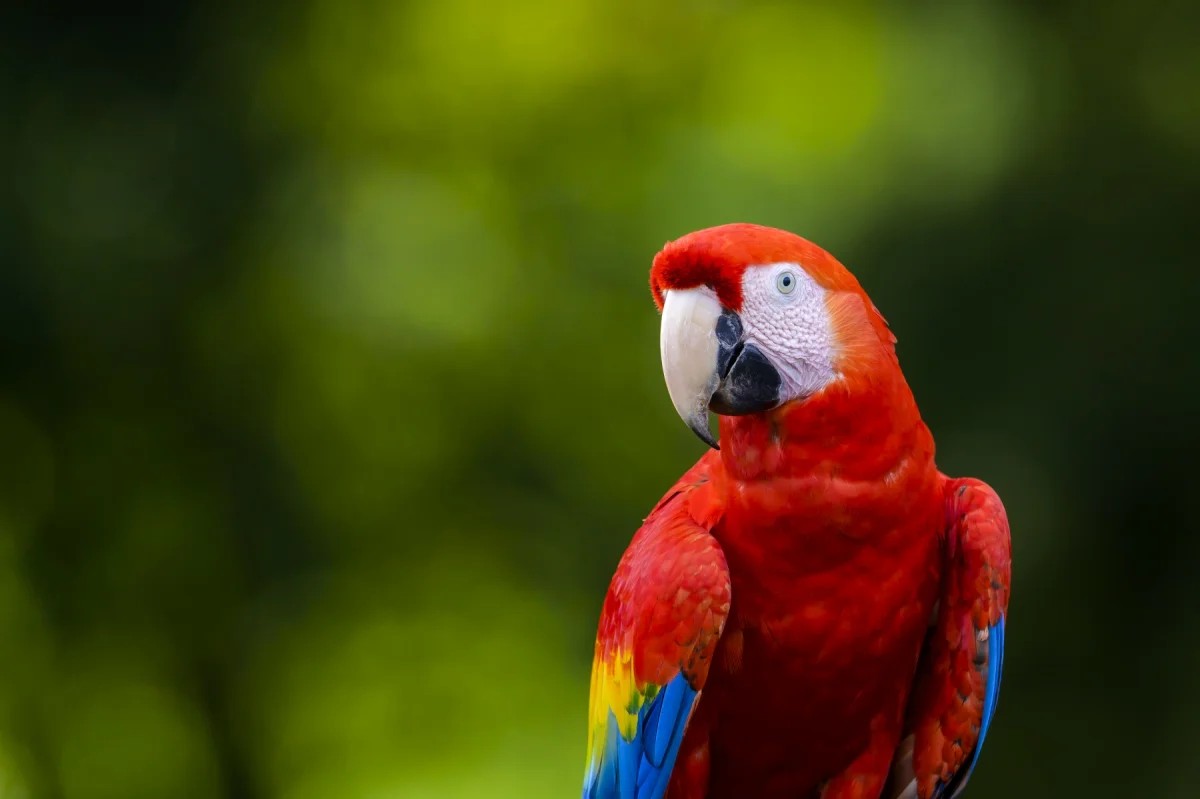
Scarlet Macaw
Ara macao
Costa Rica is home to two well-known scarlet macaw populations: one along the Pacific coast near the Osa Peninsula and Carara National Park, and another in the Caribbean lowlands. Carara is famous for the large flocks that gather at dusk to roost. Ecotourism built around these birds has helped boost local conservation efforts. The IUCN lists the species as Least Concern, and numbers in Costa Rica have grown in recent decades.
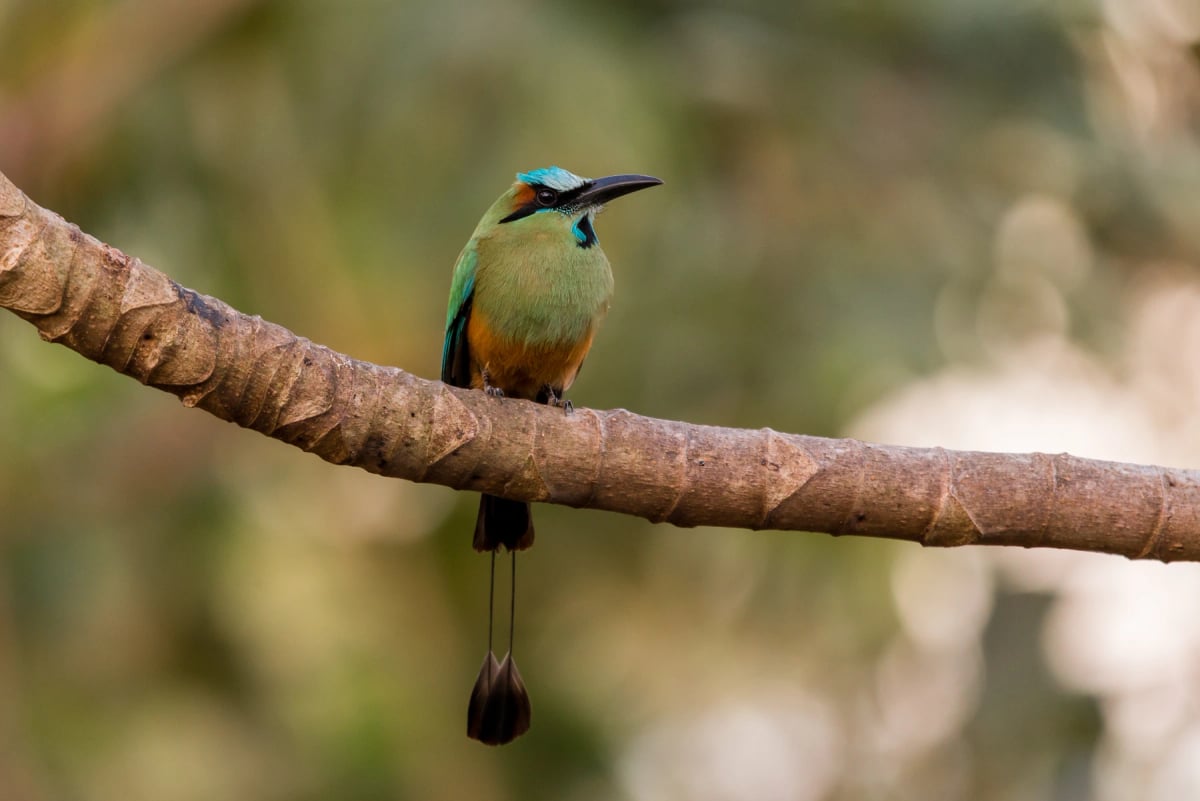
Turquoise browed Motmot
Eumomota superciliosa
In Costa Rica, the turquoise browed motmot reaches the southern limit of its range, found mainly in the dry forests of Guanacaste and the northern Pacific lowlands. It is one of the signature birds of the Guanacaste Conservation Area, thriving in the seasonal dry forest habitat that this region preserves. Pairs nest in earthen burrows, and the species is popular with birdwatchers visiting Costa Rica's well-known network of protected areas.
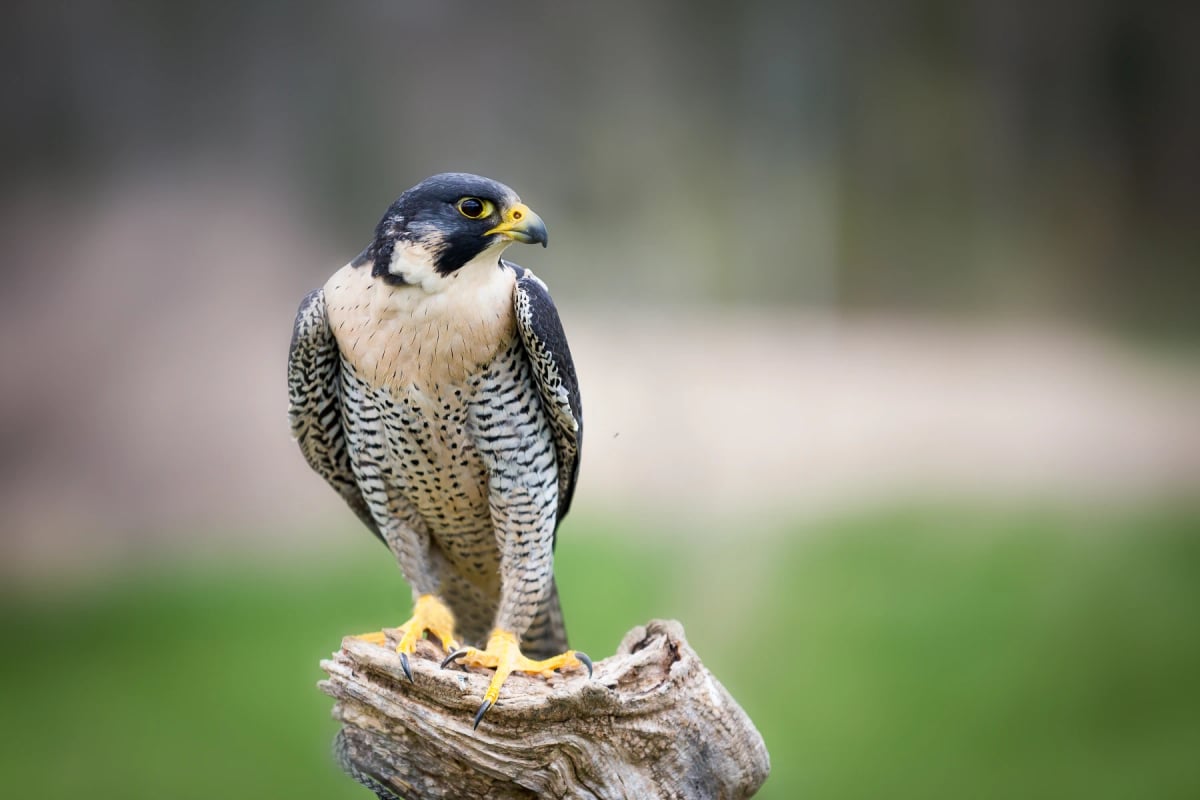
Peregrine Falcon
Falco peregrinus
Costa Rica serves as a wintering and passage ground for peregrine falcons that breed in North America. Visitors appear between October and April, hunting over coastal estuaries, wetlands, and open agricultural areas. They are regularly spotted along both the Pacific and Caribbean coasts. Costa Rica's rich network of protected wetlands and wildlife refuges provides reliable foraging habitat for this falcon during its stay in Central America.
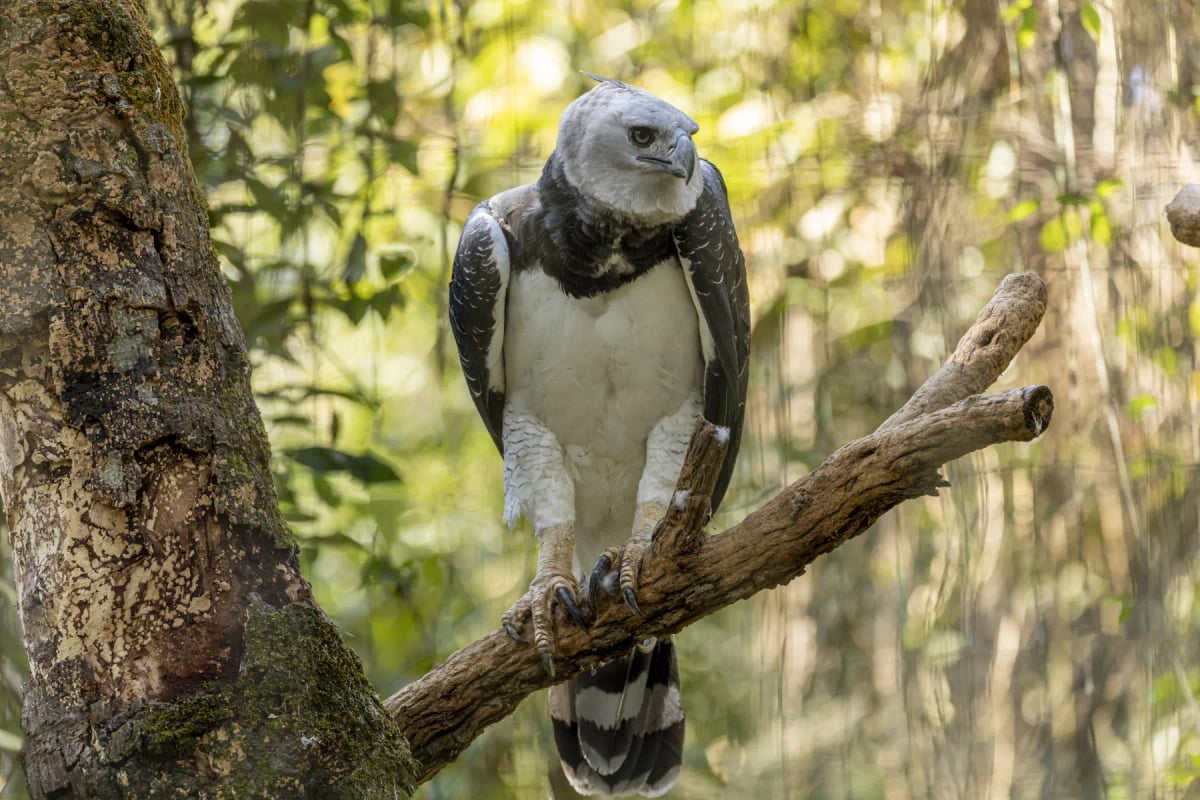
Harpy Eagle
Harpia harpyja
The harpy eagle is extremely rare in Costa Rica, with only occasional sightings reported in the forests along the Caribbean lowlands and the Osa Peninsula. The country sits at the northern edge of the species' South American range, and suitable forest habitat has declined significantly. Any confirmed sighting in Costa Rica is considered a major event for local birdwatchers and conservationists alike.
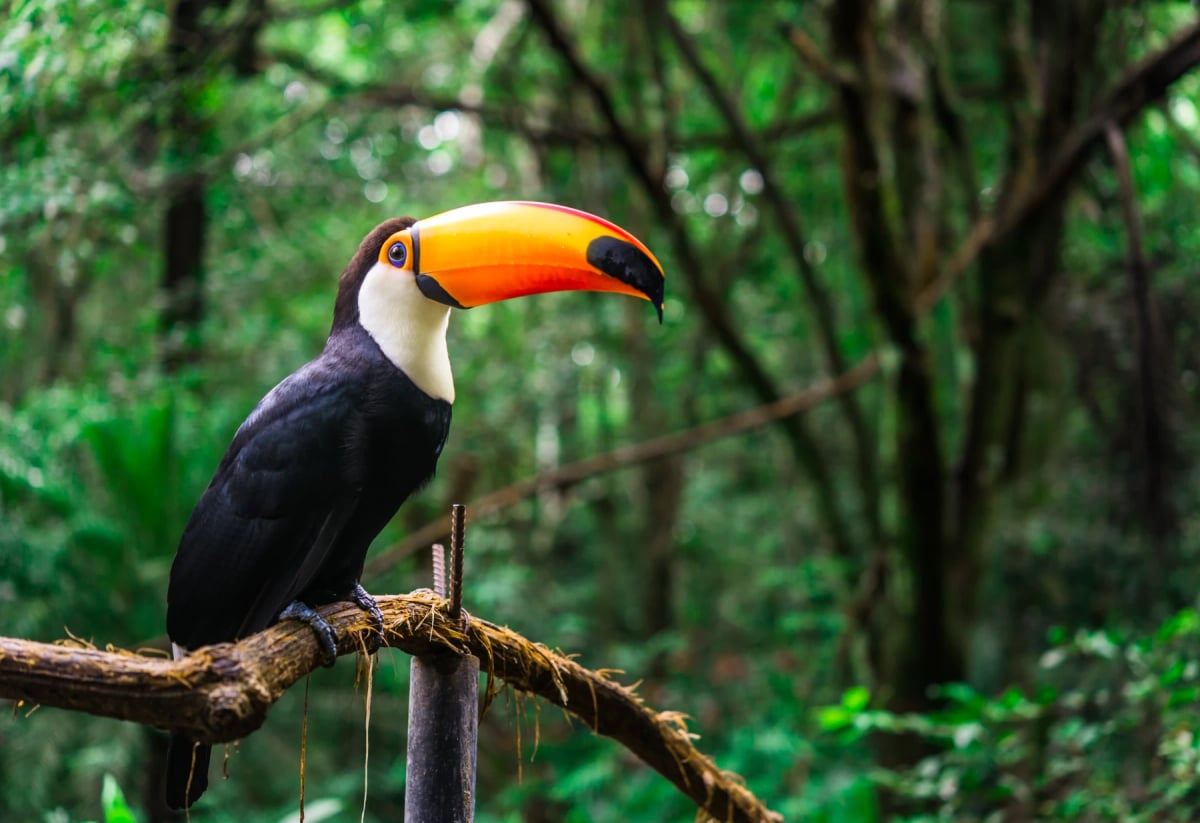
Toucan
Ramphastos spp.
Costa Rica hosts several toucan species, including the keel-billed toucan on the Caribbean slope and Chestnut-mandibled toucan in lowland rainforests on both coasts. They are especially visible in places like Tortuguero and the Osa Peninsula. Costa Rica's strong tradition of ecotourism and protected areas has helped maintain healthy forest cover, and toucans are a highlight for birdwatchers visiting the country.
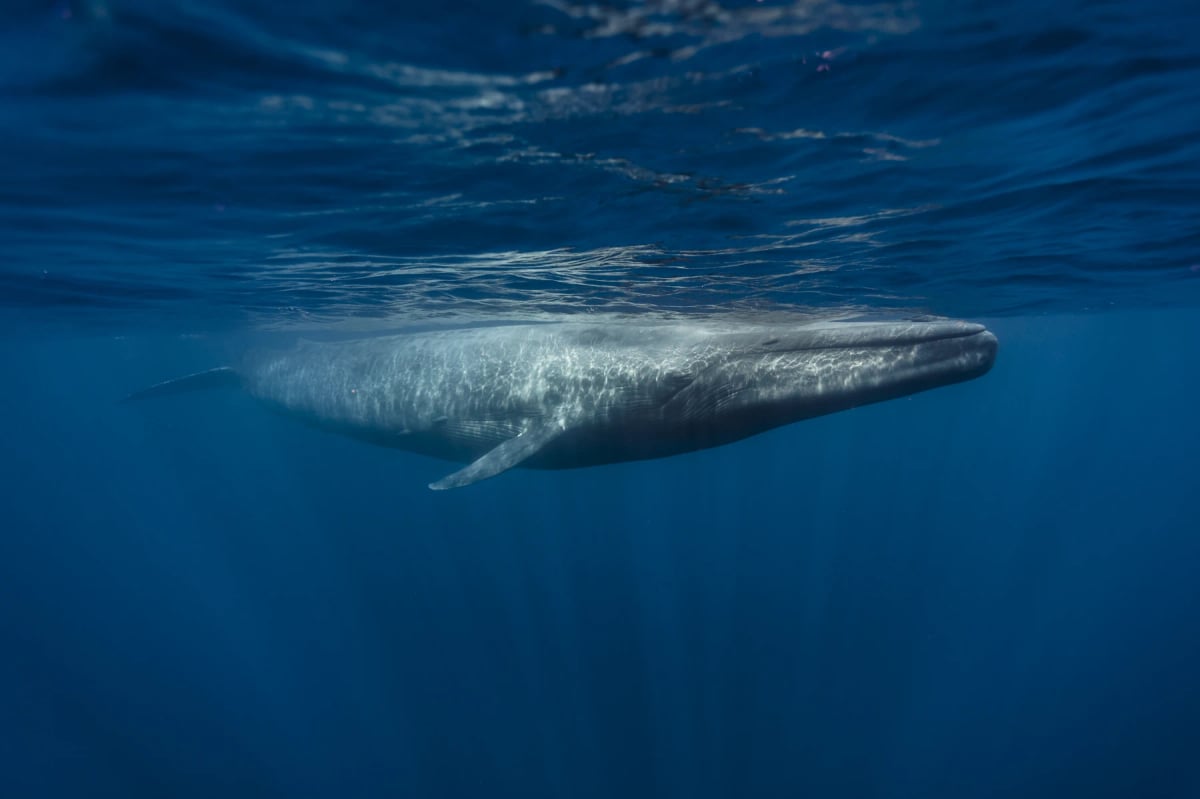
Blue Whale
Balaenoptera musculus
Costa Rica's connection to the blue whale happens far from its beaches. The Costa Rica Dome, a permanent area of upwelling several hundred kilometers offshore, works as a wintering and probable calving ground for blue whales from the eastern North Pacific. Their presence is documented through satellite tagging and research cruises rather than tourism, so visitors will not see them from the coast, but the country's waters play a real role in the life cycle of the species.
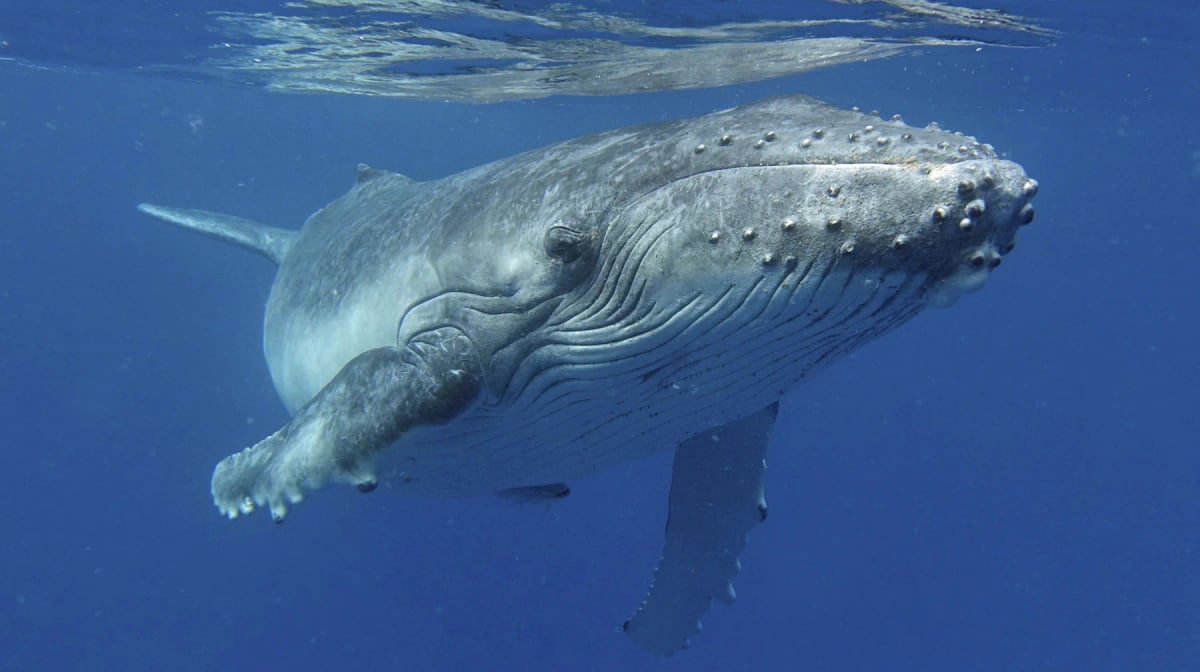
Humpback Whale
Megaptera novaeangliae
Humpback whales visit Costa Rica's Pacific coast twice a year, with arrivals from both the Northern and Southern Hemispheres. They are commonly seen in the waters around the Osa Peninsula and Marino Ballena National Park, where breeding and calving activity takes place. This double season of whale presence is a rare phenomenon that makes Costa Rica a uniquely valuable location for research and for visitors hoping to witness these animals in the wild.
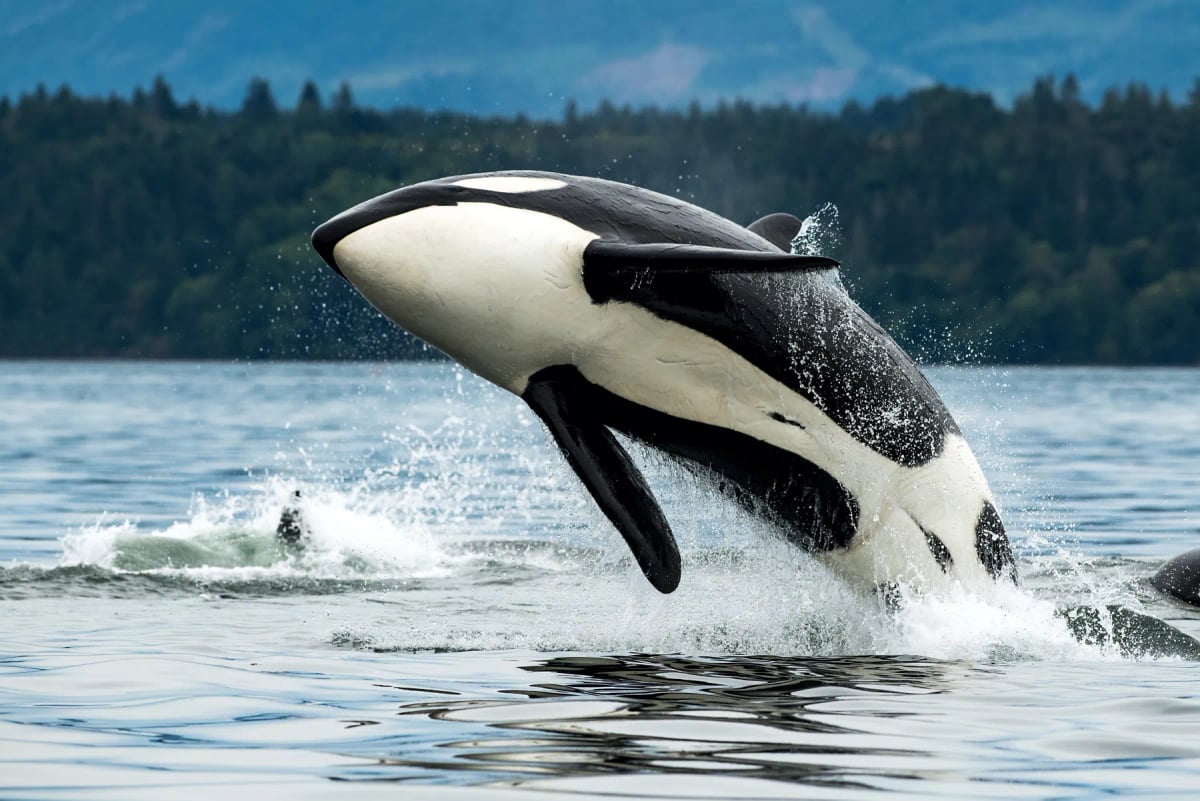
Orca
Orcinus orca
Orcas have been spotted in the Pacific waters off Costa Rica, including the area around Cocos Island, a UNESCO World Heritage Site known for its extraordinary marine biodiversity. These sightings are not everyday occurrences, but the rich upwelling waters of this region attract large marine predators. Costa Rica's strong commitment to marine conservation helps protect the broader ocean ecosystem that supports apex predators like the orca.
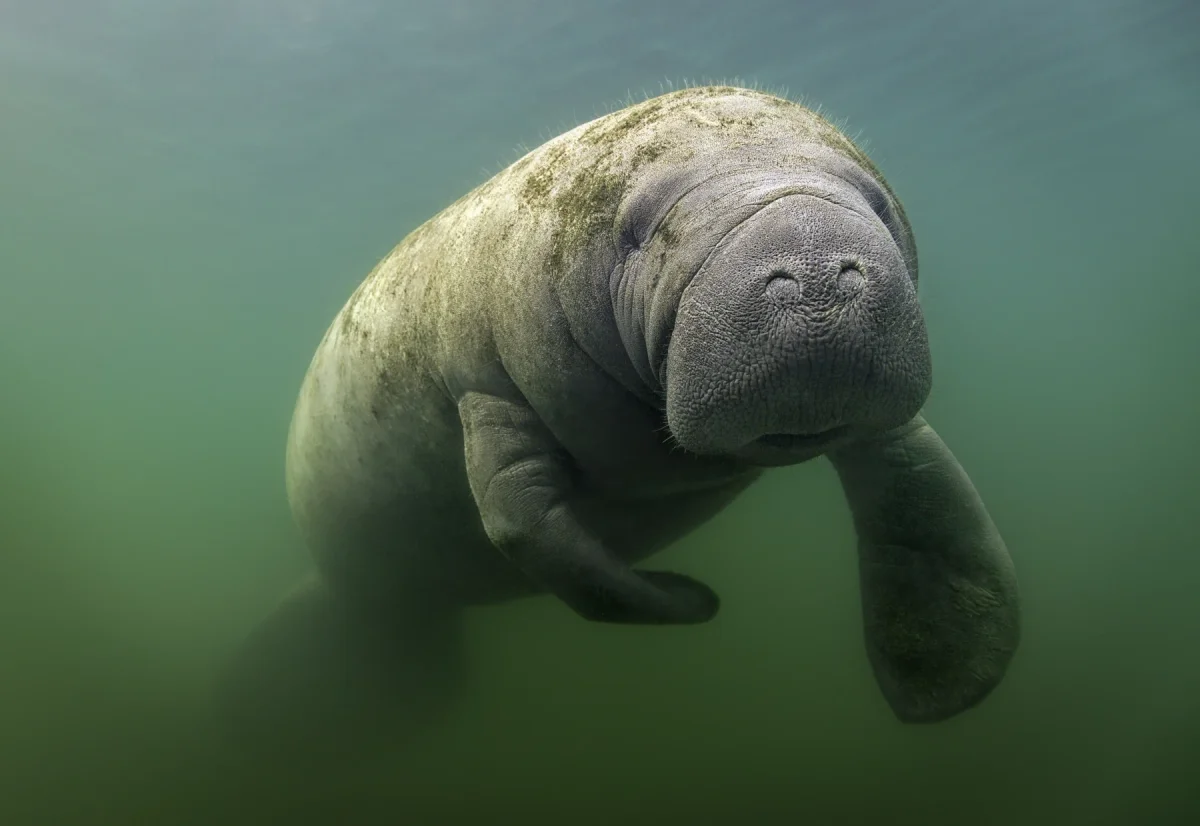
Manatee
Trichechus manatus
Costa Rica's manatee population is small and concentrated along the Caribbean coast, particularly in the canals and lagoons of Tortuguero National Park. The park's network of freshwater and brackish waterways provides ideal shelter and feeding grounds. Manatees are rarely seen, making each sighting notable. Boat traffic in the canals and the loss of aquatic vegetation are the primary concerns for their survival in the country.

Bottlenose Dolphin
Tursiops truncatus
Bottlenose dolphins are a familiar sight along both of Costa Rica's coastlines, frequenting the warm waters of the Gulf of Nicoya on the Pacific side and the Caribbean coast near Tortuguero. They form pods that hunt fish and squid in shallow bays and estuaries. The species is celebrated in Costa Rica's thriving ecotourism industry, with dolphin watching tours operating out of the Osa Peninsula and Drake Bay. IUCN status: Least Concern.
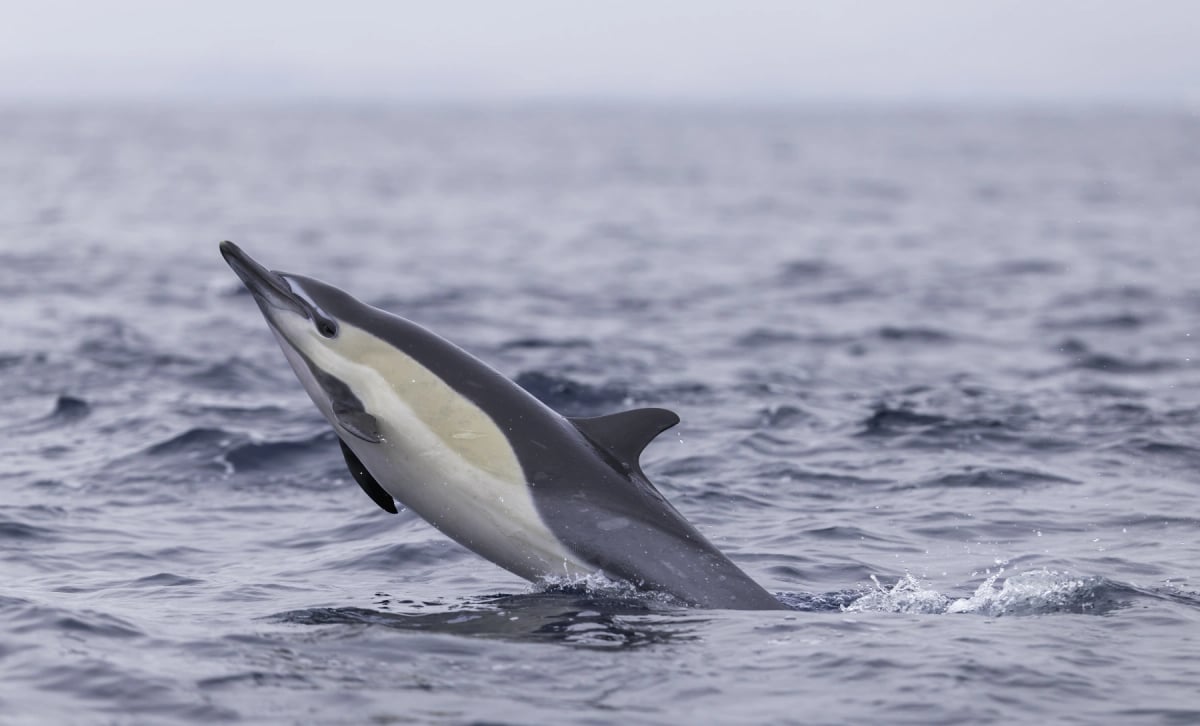
Common Dolphin
Delphinus delphis
Common dolphins are regularly spotted in the Pacific waters of Costa Rica, particularly in the offshore zones of the Papagayo Gulf and along the Nicoya Peninsula. They travel in large pods and are often seen bow-riding vessels heading to Cocos Island. The species feeds on anchovies and squid supported by seasonal upwellings. Costa Rica's marine protected areas offer some shelter for cetaceans in these productive waters. IUCN status: Least Concern.
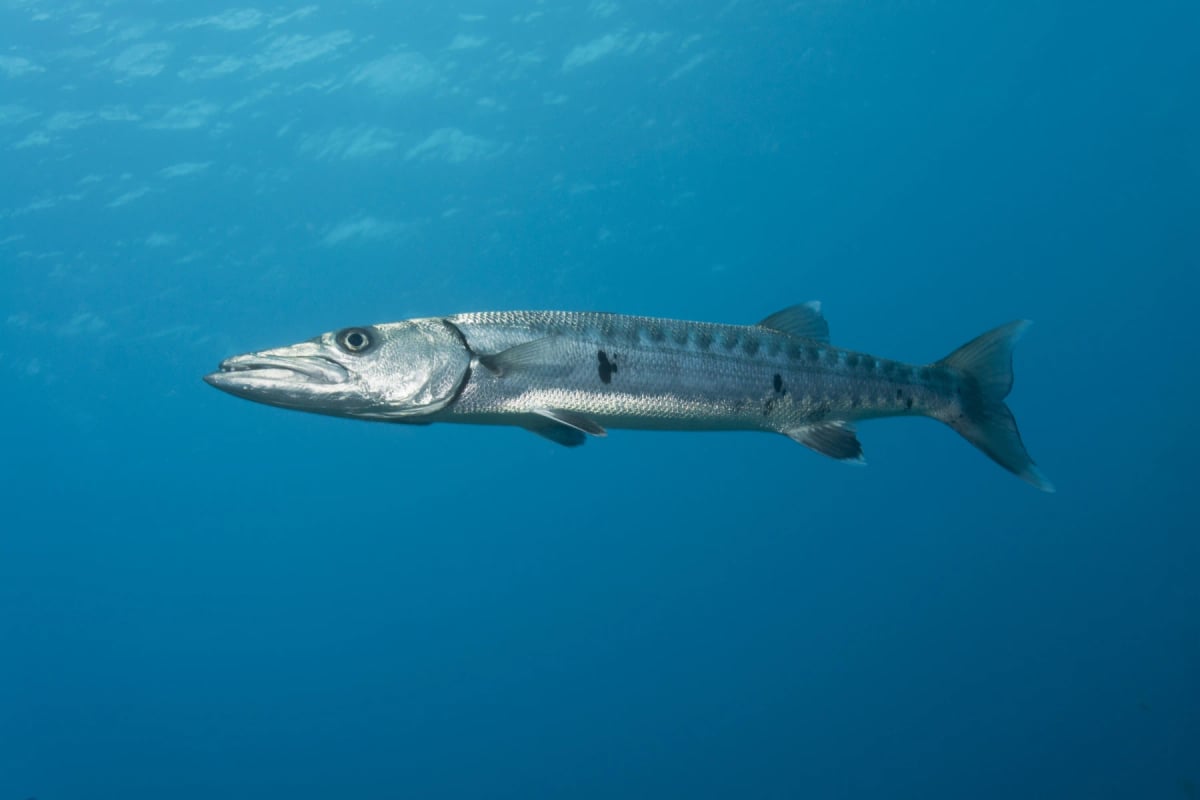
Barracuda
Sphyraena spp.
Barracudas are found in the coastal and offshore waters of both Costa Rica's Caribbean and Pacific coasts. On the Caribbean side they are encountered around the coral reefs of Cahuita and Gandoca-Manzanillo. On the Pacific, they inhabit the rocky reefs and open waters of the Nicoya Gulf, the Osa Peninsula, and the offshore islands including Isla del Coco, one of the richest marine ecosystems in the Eastern Pacific. They are a familiar sight for divers in Costa Rica's marine parks and are important predators in reef ecosystems on both coasts.
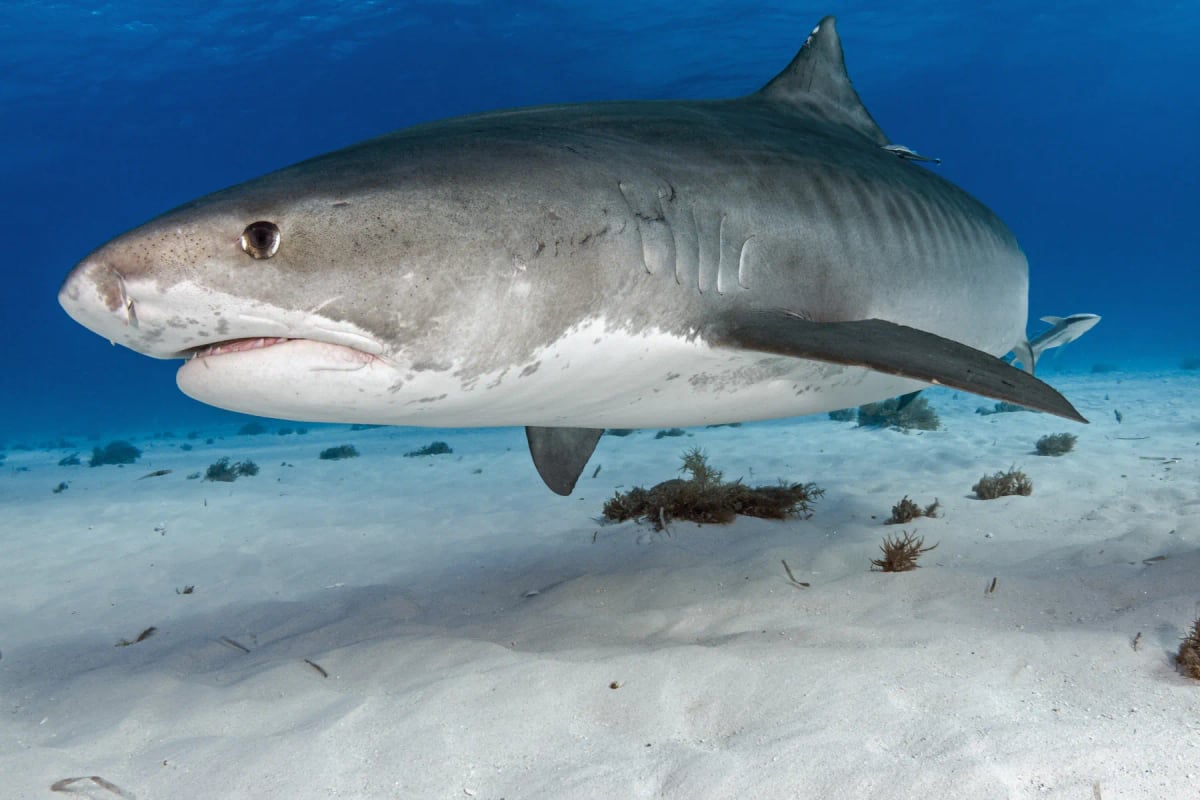
Tiger Shark
Galeocerdo cuvier
Costa Rica's Pacific and Caribbean coastlines both fall within the tiger shark's range. In the Pacific, they are encountered in offshore waters near Cocos Island, a world famous marine protected area known for its populations of large sharks. Costa Rica has made significant commitments to ocean conservation, including banning shark finning, which helps reduce some of the pressure faced by the tiger shark across its range.
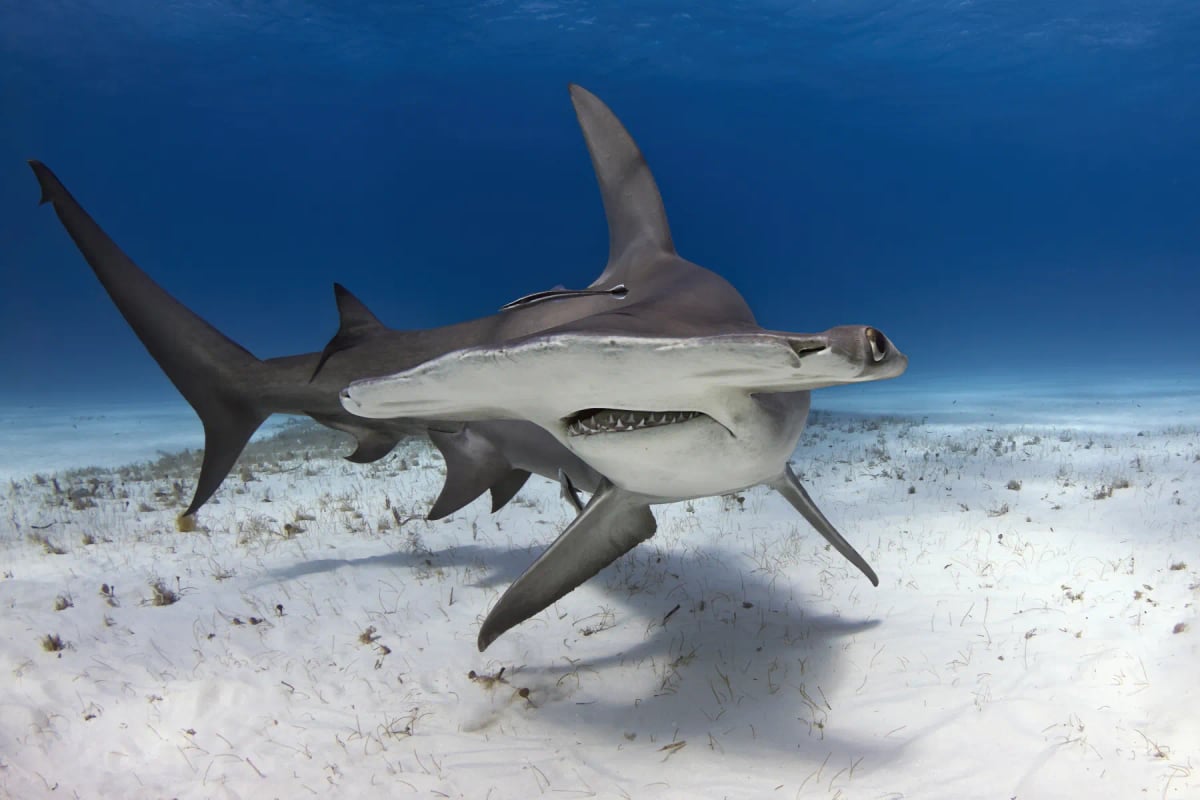
Hammerhead Shark
Sphyrna spp.
Costa Rica is home to some of the most important Hammerhead Shark aggregations in the Eastern Pacific, especially around Cocos Island, a UNESCO World Heritage Site. Large schools of scalloped hammerheads gather in these nutrient rich waters year round. Despite strong legal protections, illegal fishing around Cocos remains a challenge. Costa Rica is globally recognized for its commitment to marine conservation and shark protection.
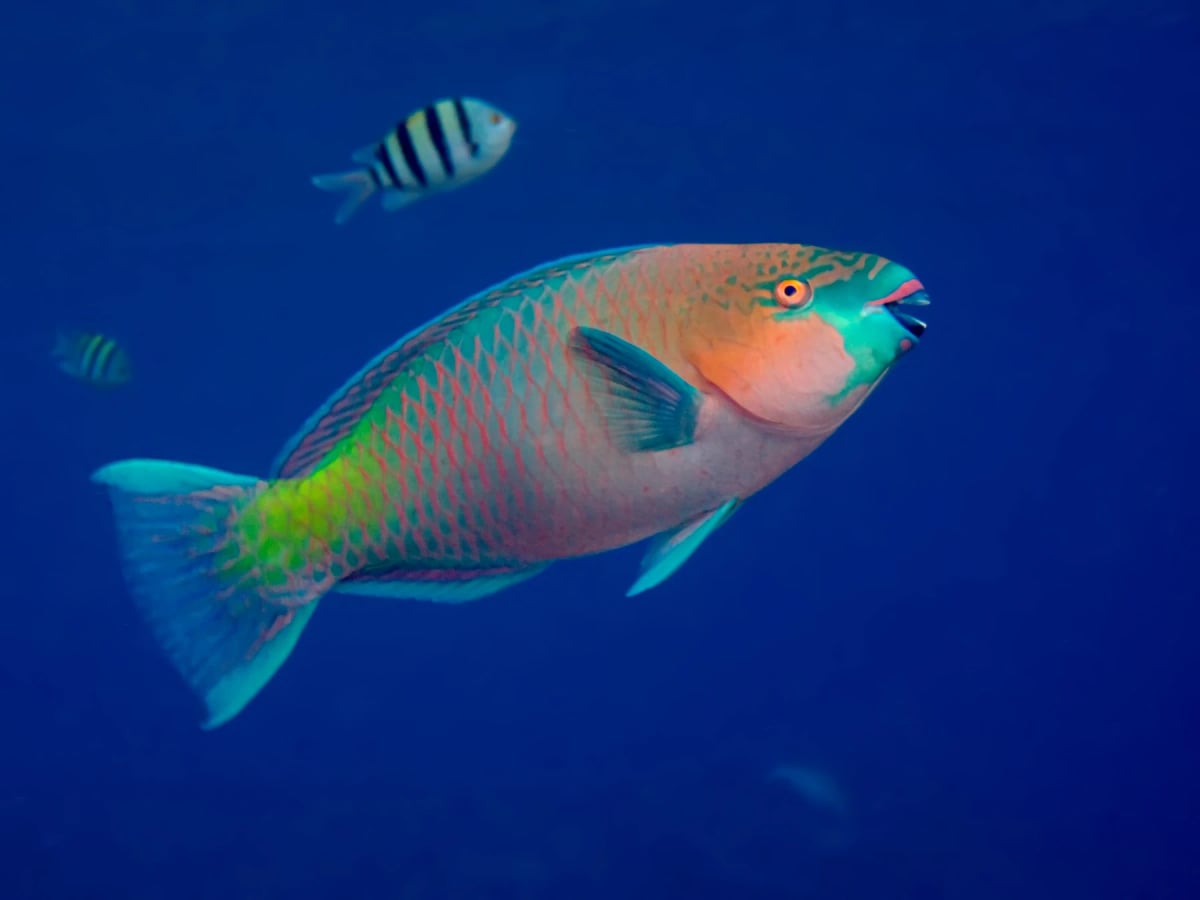
Parrotfish
Scaridae
Costa Rica's Pacific reefs, including those around Cocos Island and the Nicoya Peninsula, as well as its small Caribbean reef areas near Cahuita, are home to parrotfish. They graze across these reefs in groups, removing algae and helping corals survive. Cocos Island National Park, a protected UNESCO site, supports populations of larger parrotfish species that benefit from the area's strict no-fishing rules, showing what reef communities can look like when given the chance to recover.
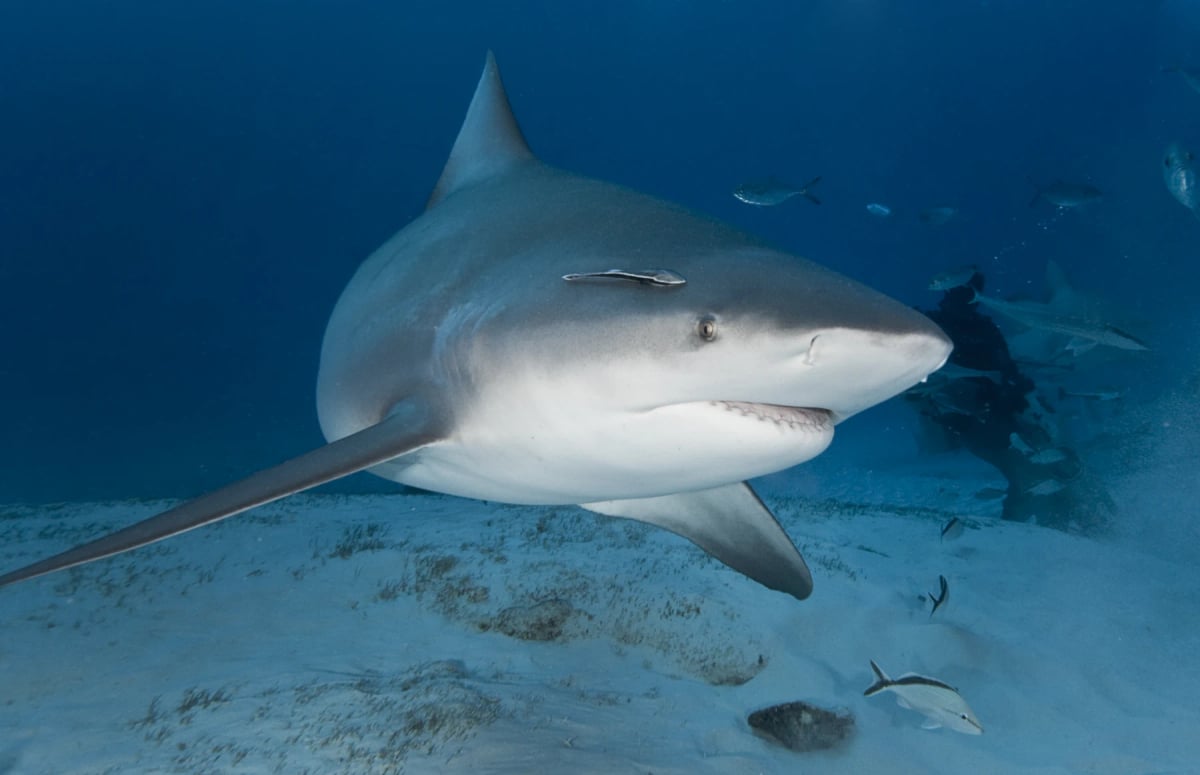
Bull Shark
Carcharhinus leucas
Costa Rica's bull sharks are found in coastal waters on both the Pacific and Caribbean sides, with estuaries and river mouths serving as key habitats. They are known to enter the Río Colorado and other waterways along the Caribbean lowlands. As an ecotourism hub, Costa Rica has growing interest in shark conservation, though bull sharks remain Near Threatened due to fishing pressure and coastal development.
Researched and written by Juan Pablo. Sources: IUCN Red List, scientific literature and regional field guides. Last updated: .