Thomson's Gazelle
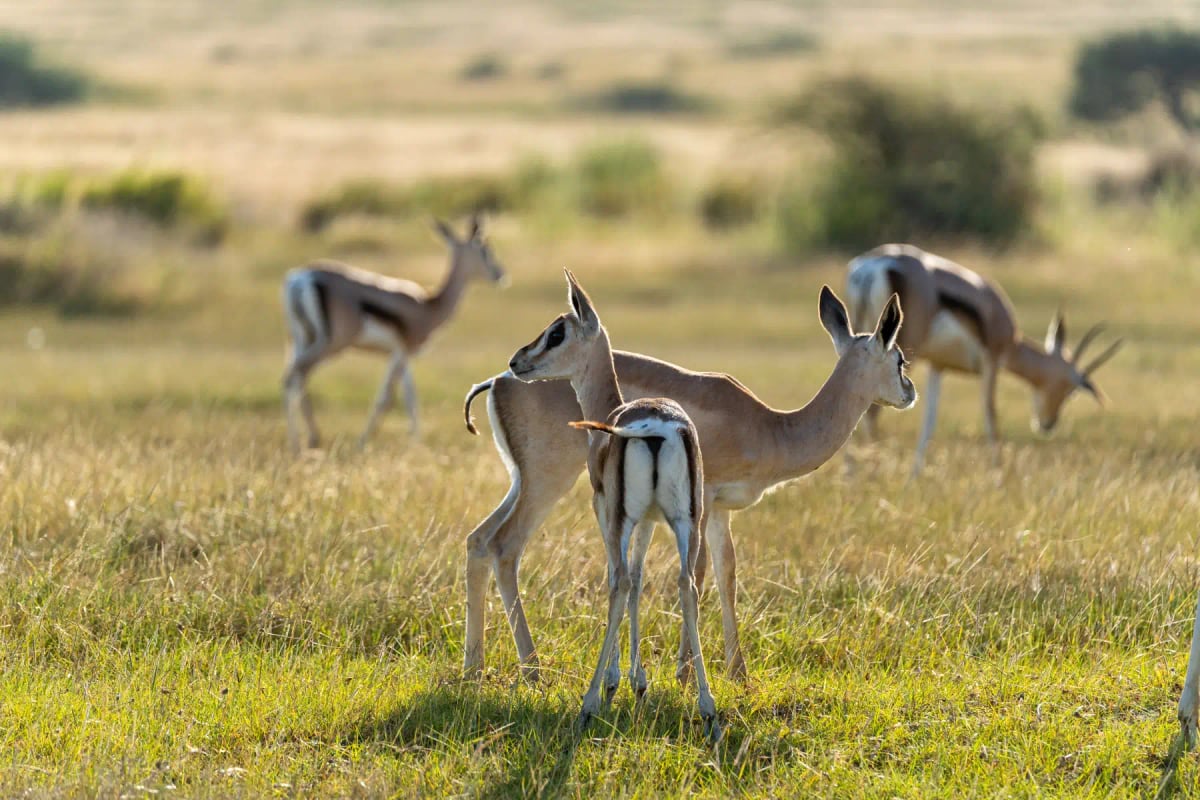
The Thomson's gazelle (Eudorcas thomsonii) is one of the most common antelopes in East Africa, found across the open grasslands and short-grass savannas of Kenya and Tanzania. It is easy to recognize by its sandy brown coat, bright white belly, and the bold black stripe that runs along each flank. Adults stand roughly 55 to 82 cm at the shoulder and weigh between 15 and 35 kg, with males carrying a pair of ridged, curved horns. This gazelle is built for speed, reaching up to 80 km/h in short bursts, which helps it stay one step ahead of cheetahs and other predators. It also performs a bounding leap known as stotting, thought to signal fitness to hunters. Active during daylight hours, Thomson's gazelles graze in herds that can number in the hundreds, often alongside wildebeest and zebras during the great migrations across the Serengeti and Maasai Mara.
Habitat and distribution
Thomson's gazelles are strongly tied to the open grasslands and short-grass savannas of East Africa. Kenya and Tanzania hold the vast majority of the population, with the Serengeti plains and the Maasai Mara forming the core of their range. They tend to avoid tall grass and dense bush, preferring terrain where they can spot danger from a distance. Populations also occur in southern Sudan and a small pocket of southwestern Ethiopia. These gazelles follow seasonal rainfall patterns, moving to areas where fresh grass is sprouting. They often share their range with wildebeest and zebras, and this mixed grazing can actually benefit the gazelles, as larger animals crop taller grasses and expose the short growth that Thomson's gazelles prefer.
Diet
Grasses make up the foundation of this gazelle's diet, and it shows a clear preference for short, fresh growth over older, coarser vegetation. Thomson's gazelles are selective grazers, often targeting the most nutritious parts of a plant rather than eating everything in front of them. During the dry season, when green grass becomes scarce, they shift toward browsing on low shrubs and forbs to maintain their nutritional intake. They are also capable of extracting a good deal of moisture from the plants they eat, which allows them to go longer without drinking than many other savanna mammals. Even so, they will drink regularly when water is available. Their feeding habits often complement those of larger grazers, making them an important part of the grassland ecosystem.
Behavior
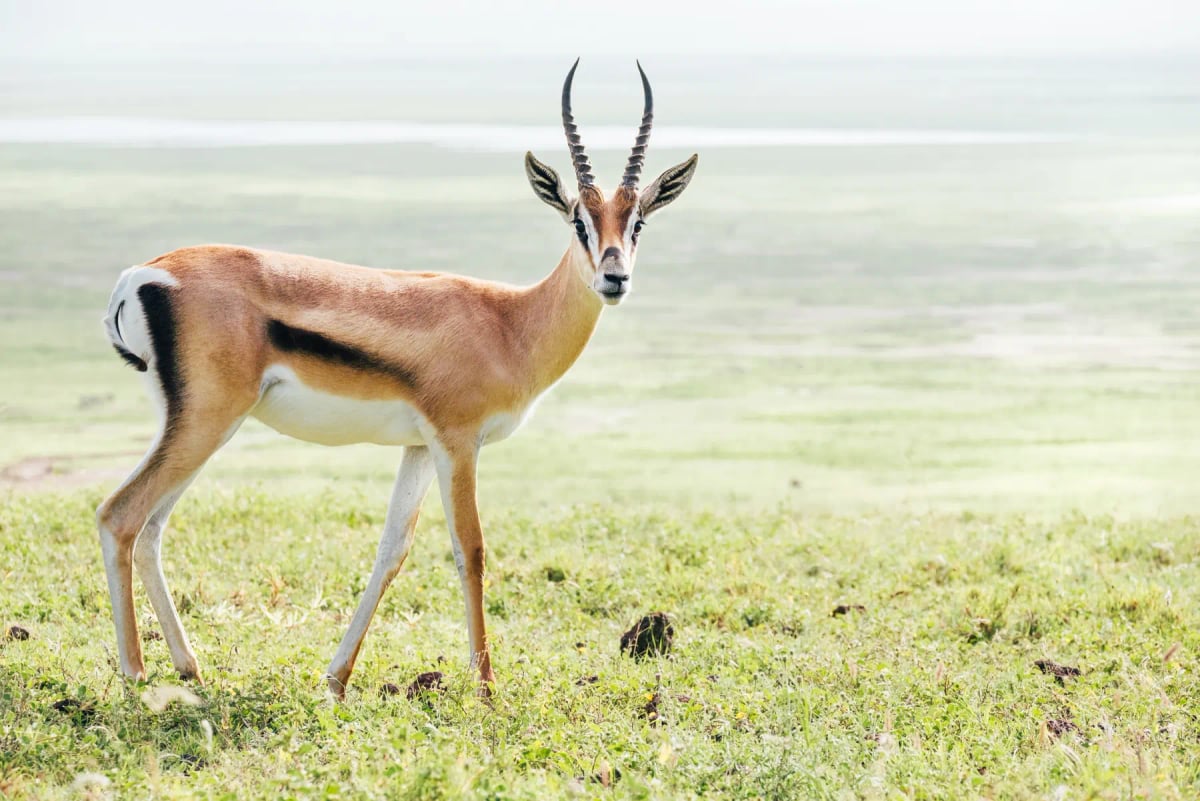
Few antelopes are as lively to watch as Thomson's gazelles. They are active throughout the day and live in herds that can range from a handful of individuals to several hundred. These herds are not permanent units. They shift in composition constantly, with animals joining and leaving as conditions change. Males hold territories during the breeding season and perform displays to attract females and warn off rivals. One of the most striking behaviors in their repertoire is stotting, a series of stiff-legged bouncing leaps performed when a predator is nearby. Researchers believe this signals to the predator that the gazelle is strong and fit, making a chase less worthwhile. Their famous zigzag sprints, combined with a top speed close to 80 km/h, make them genuinely difficult to catch.
Predators
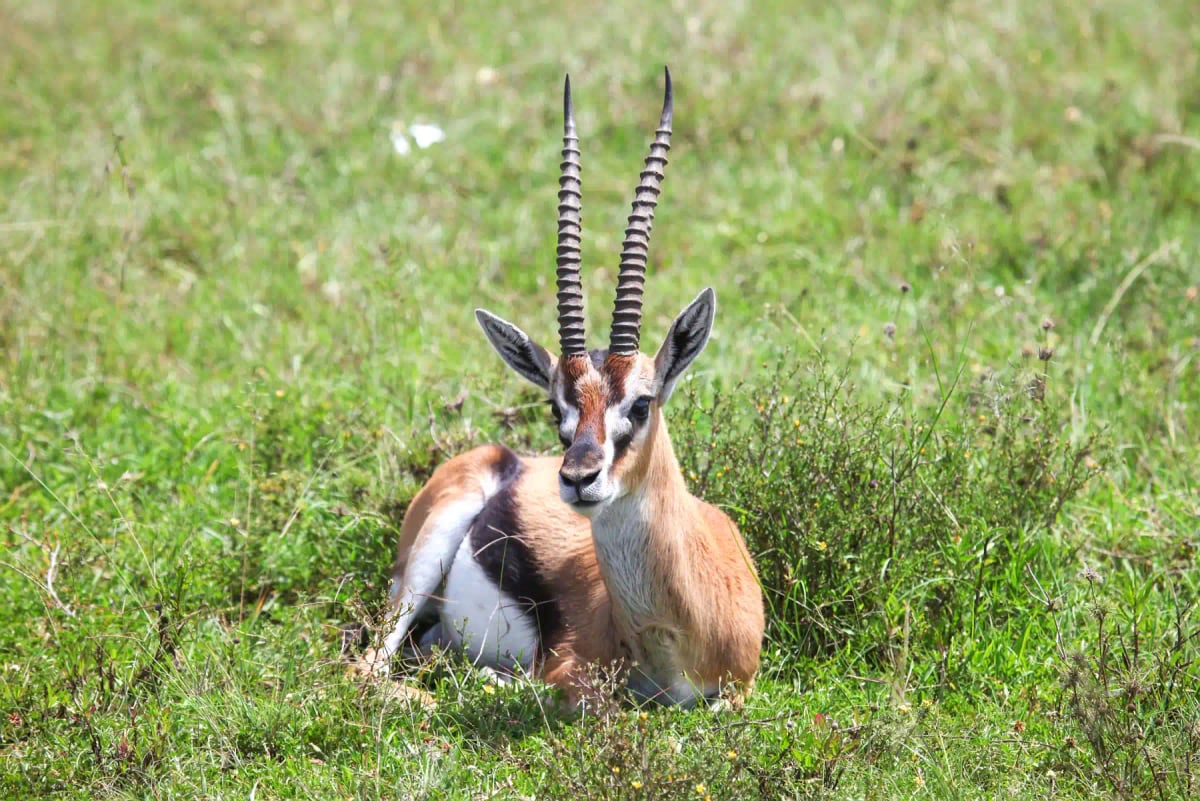
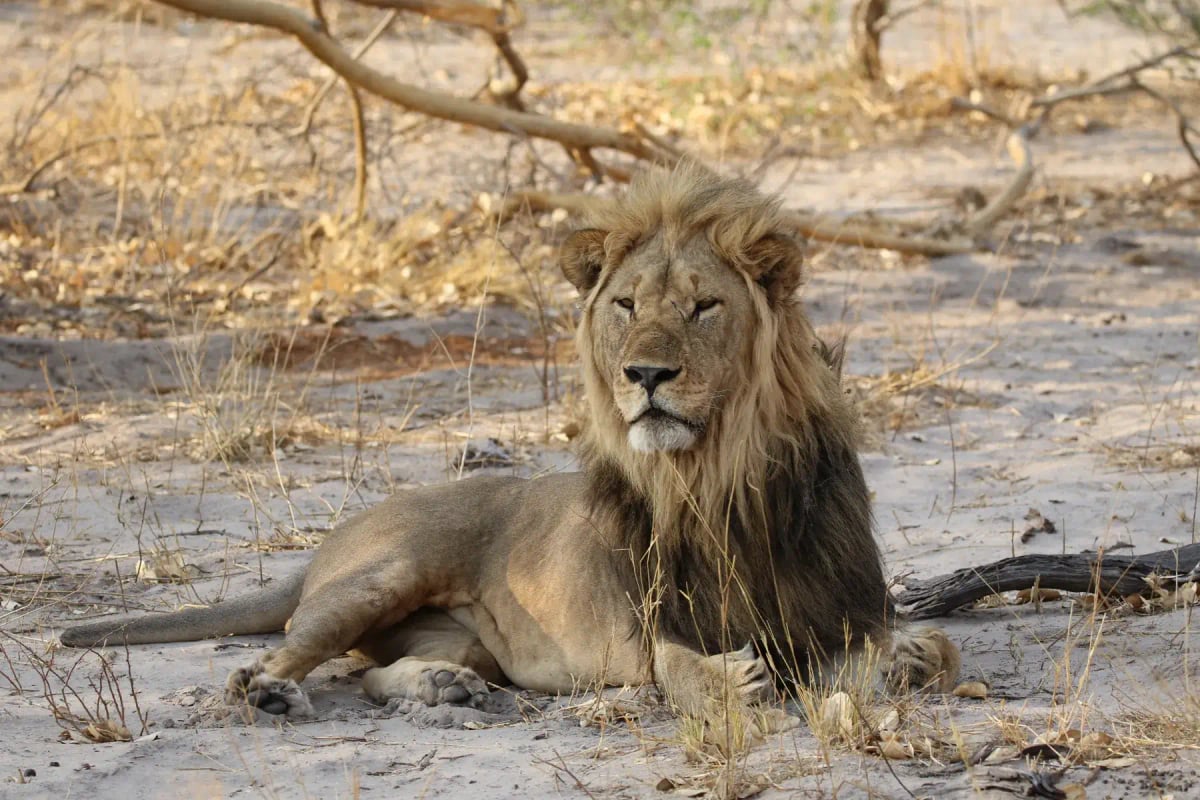
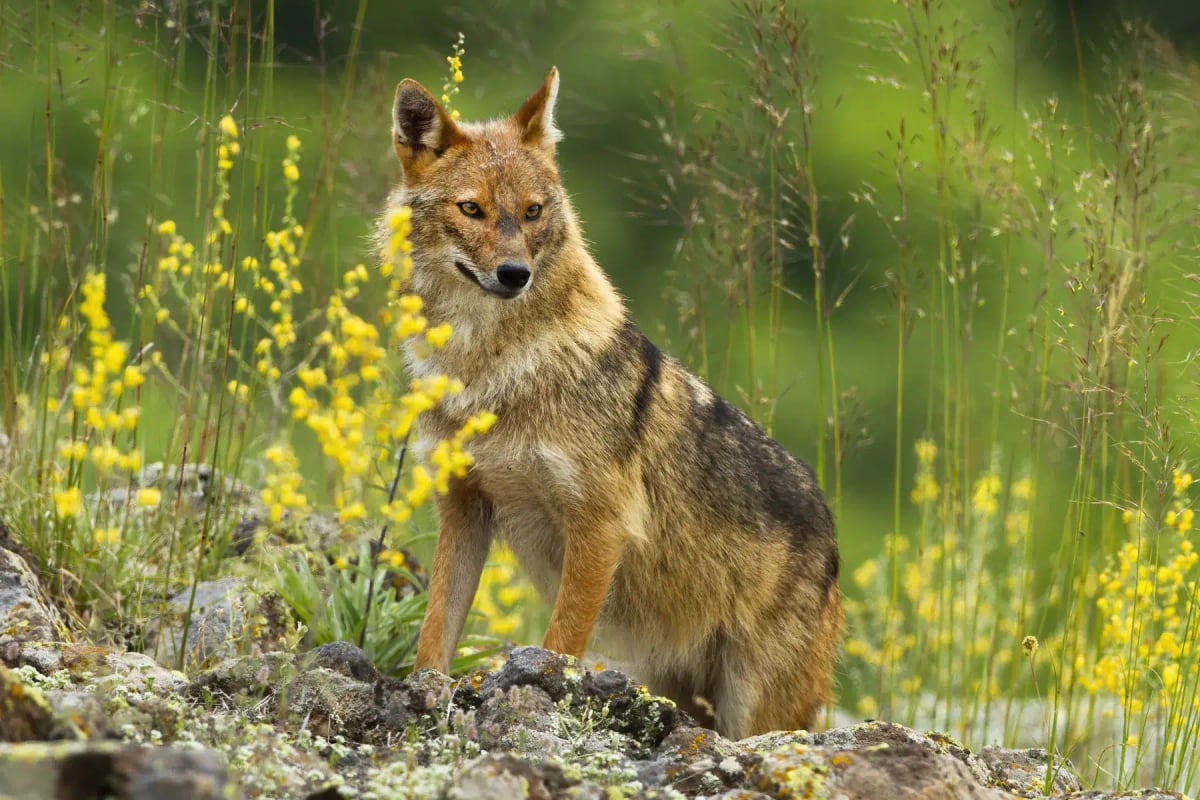
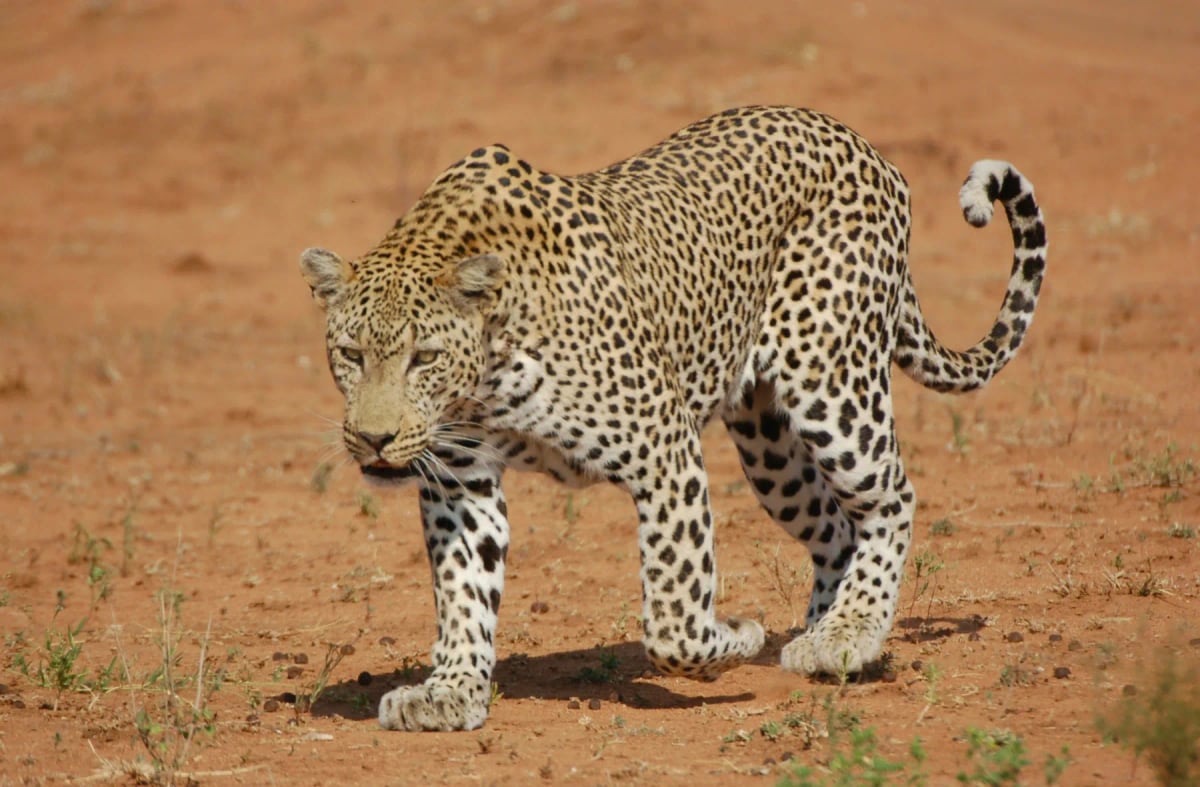
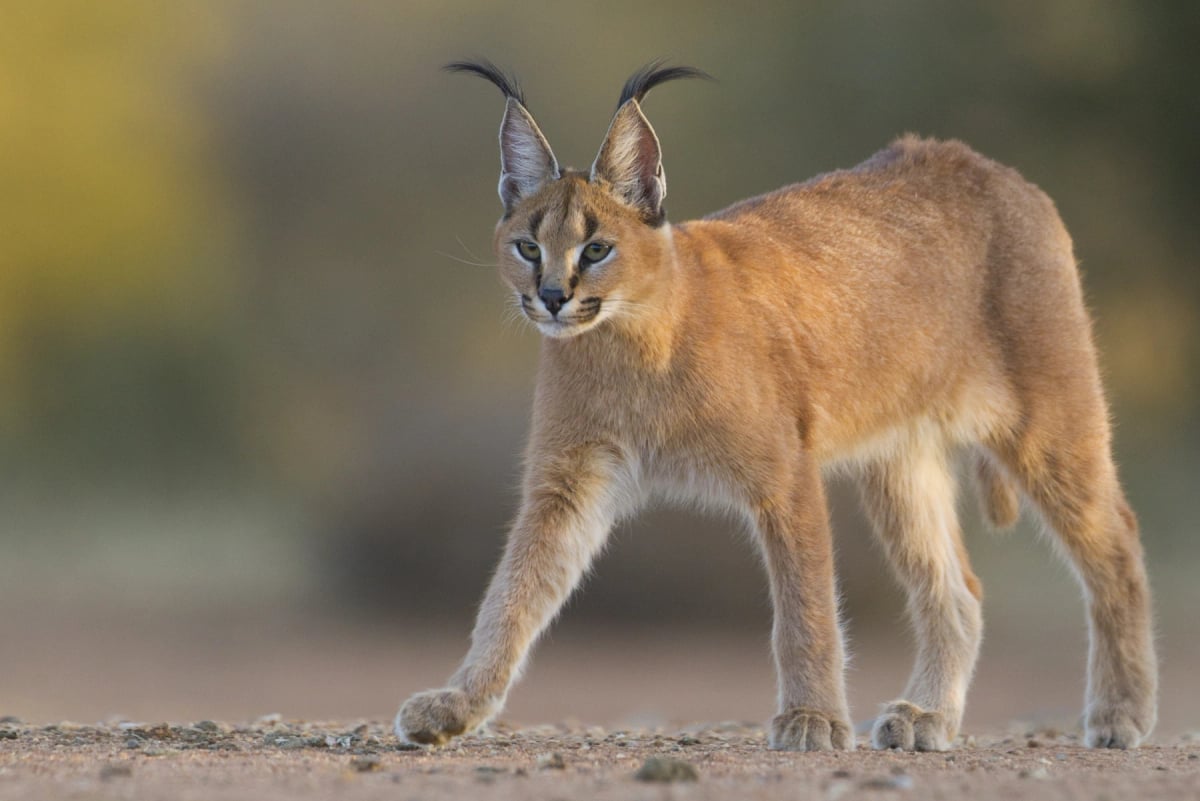
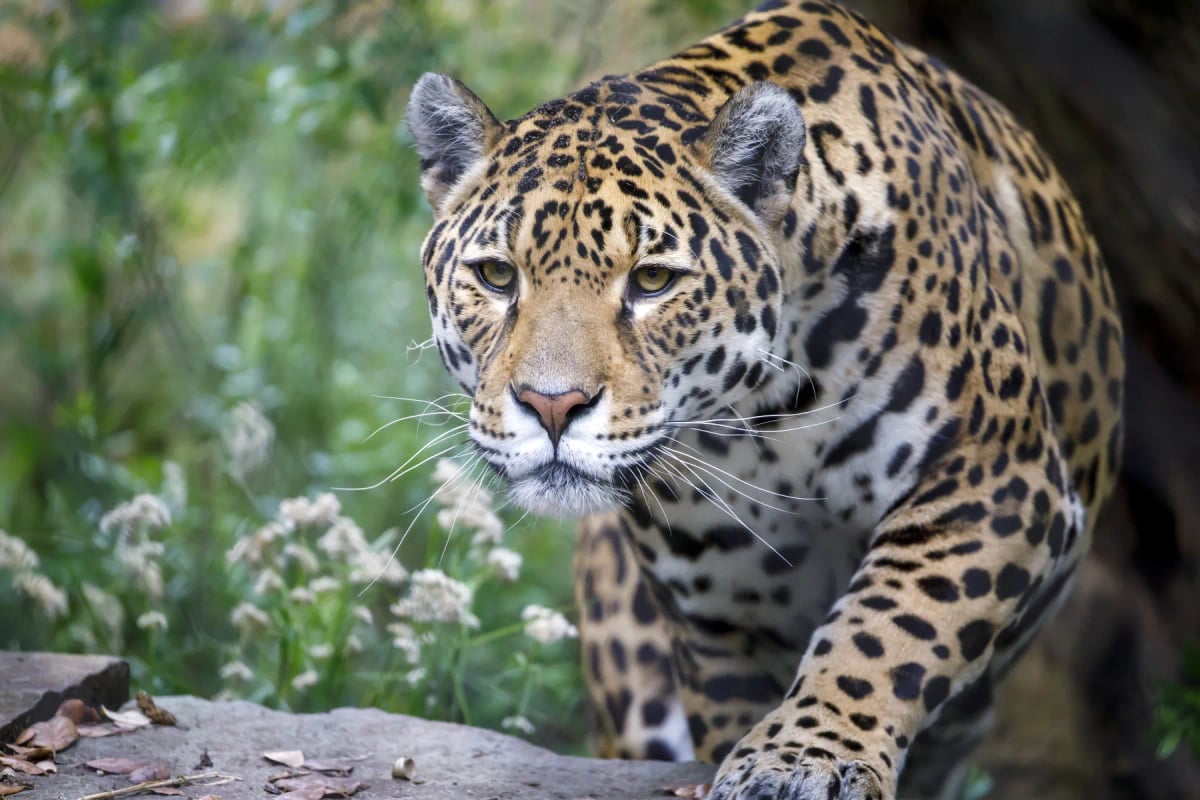
Thomson's gazelles sit near the center of the East African food web, hunted by a wide range of carnivores. The cheetah is perhaps their most specialized predator, built to run them down in open ground with bursts of speed that exceed 100 km/h. Lions and leopards also take them regularly, relying more on ambush than on speed. Spotted hyenas, African wild dogs, and even servals prey on gazelles as well, with younger animals and those that stray from the herd being the most vulnerable. Birds of prey such as martial eagles will occasionally target fawns. This constant pressure from so many different hunters has shaped the gazelle's sharp senses, its preference for open terrain, and its tendency to stay in groups, where many pairs of eyes can spot danger before it gets too close.
Conservation
The IUCN currently lists Thomson's gazelle as Near Threatened, reflecting the fact that while populations remain sizeable, the trend is heading downward. Estimates suggest that well over 500,000 individuals exist across their range, but numbers have dropped significantly over recent decades. The biggest pressure comes from the expansion of farmland and human settlements into areas that were once open savanna. This shrinks the space available for migration and grazing. Poaching adds further strain, particularly in areas outside protected reserves. Within national parks such as the Serengeti and the Maasai Mara, populations are more stable, highlighting how critical protected areas are to the species' survival over the long term. Climate shifts that affect the timing and reliability of seasonal rains are an emerging concern, as they can reduce the availability of the fresh grass these gazelles depend on.
5 Curiosities about Thomson's Gazelle
Five things worth knowing about Thomson's gazelle: • Its scientific name honors Joseph Thomson, a Scottish explorer who crossed Maasai territory in the 1880s and brought this species to wider scientific attention. • Both males and females have horns, though the female's horns are noticeably thinner and shorter than those of males. • Newborn fawns spend their first weeks lying hidden in the grass while their mother grazes nearby, visiting only a few times a day to nurse them. • The bold black stripe along the flank is not just decoration. It is thought to help members of the herd keep track of each other during fast group movements. • Thomson's gazelles are one of the most studied antelopes in the world, and much of what scientists know about stotting behavior comes from research conducted on this species in the Serengeti.
Researched and written by Juan Pablo. Sources: IUCN Red List, scientific literature and regional field guides. Last updated: .
Technical factsheet




Frequently Asked Questions
What do Thomson's gazelles eat?
Thomson's gazelles are grazers that prefer short, fresh grass over older, tougher growth. They pick the most nutritious parts of plants rather than eating everything available. When the dry season dries out the grass, they switch to browsing on shrubs and leafy plants. They also get a lot of their water from the plants they eat, which means they can go longer without finding a water source than many other savanna animals.
How fast can a Thomson's gazelle run?
Thomson's gazelles can reach speeds close to 80 km/h in short bursts, which makes them one of the faster animals on the African savanna. They also run in sharp zigzag patterns to throw off predators that move fast, like cheetahs. This combination of speed and agility gives them a real chance of escape even against the quickest hunters in their habitat.
Where do Thomson's gazelles live?
Thomson's gazelles live mainly in Kenya and Tanzania, where they roam the open grasslands and savannas with short grass. The Serengeti plains and the Maasai Mara are at the heart of their range. Smaller populations also exist in southern Sudan and a corner of Ethiopia. They prefer wide, open terrain where they can spot danger from a distance, and they avoid areas with tall grass or dense bush.
What is stotting and why do Thomson's gazelles do it?
Stotting is a behavior where the gazelle jumps repeatedly into the air with stiff legs, almost like bouncing on a spring. Scientists believe it sends a message to predators that the gazelle is strong and healthy, making it a poor target for a chase. It may also alert other gazelles in the herd that danger is close. It is one of the most fascinating and well-studied behaviors in the animal kingdom.
Are Thomson's gazelles endangered?
Thomson's gazelles are listed as Near Threatened on the IUCN Red List. There are still hundreds of thousands of individuals across East Africa, but numbers have been falling for decades. The main problems are the loss of open savanna to farming and human settlements, along with poaching outside protected areas. Inside national parks like the Serengeti, populations are holding up better, which shows how important these reserves are for the species.
What animals prey on Thomson's gazelles?
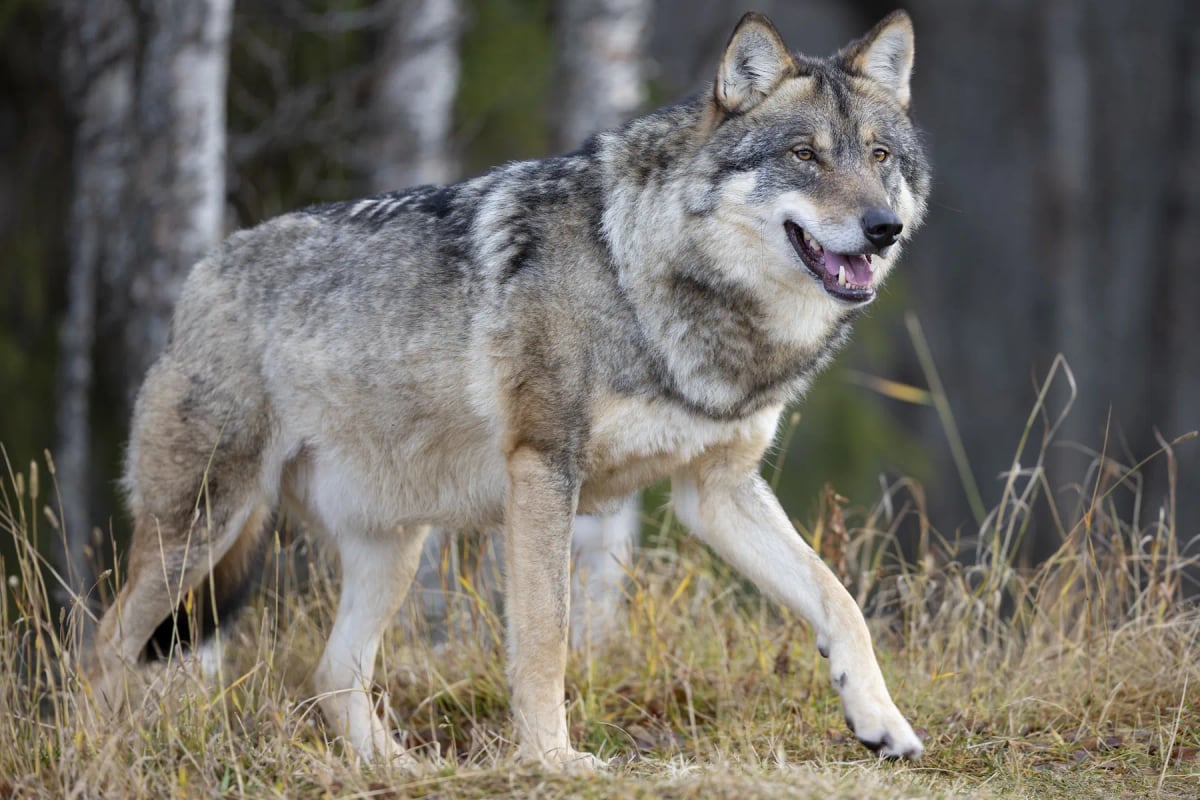
Thomson's gazelles are hunted by many predators. Cheetahs are probably their most well-known threat, built to chase them down across open ground. Lions and leopards also hunt them regularly, using ambush rather than speed. Spotted hyenas, African wild dogs, and servals round out the list of main hunters. Fawns are especially at risk and can even be taken by large birds of prey such as martial eagles.
Do Thomson's gazelles migrate?
Thomson's gazelles do move with the seasons, following the rains to find fresh grass. They are a visible part of the great migration across the Serengeti and the Maasai Mara, often traveling alongside wildebeest and zebras. Their movements are not as dramatic or as widely covered as those of the wildebeest, but they cover large distances throughout the year in search of the short, green grass that suits them best.