Cow
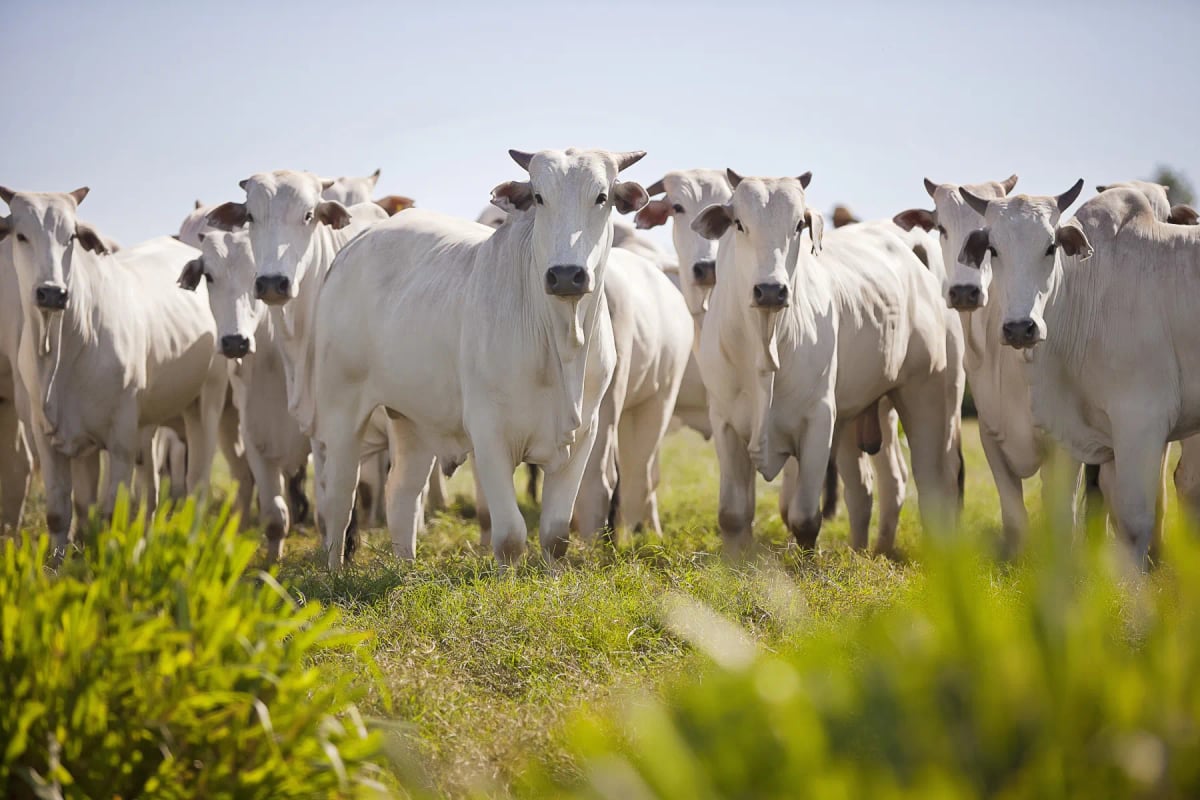
The domestic cow is one of the most widespread large mammals on Earth, with a global population exceeding one billion. Descended from the now-extinct aurochs, cows were first domesticated around 10,000 years ago in the Near East and independently in parts of Africa and South Asia. They are ruminants, meaning they break down tough plant material through a four-chambered stomach and repeated chewing of cud. Cows are highly social animals that form close bonds within their herds and communicate through vocalizations and body language. Beyond their role in agriculture, providing milk, meat, leather, and labor, they carry profound cultural weight in many societies. In Nepal, the cow is the national animal and is legally protected. In Hinduism, it is revered as a sacred figure, honored during festivals such as Tihar, and allowed to roam freely through towns and villages across the country.
Cultural and religious role
Few animals carry as much spiritual meaning as the cow does in Hinduism. Regarded as a symbol of motherhood, abundance, and nonviolence, the cow appears throughout Hindu scripture and everyday religious practice. The goddess Kamadhenu is depicted as a divine cow believed to grant wishes and nourish the world. Cow milk is used in sacred rituals, including the preparation of panchamrita, a mixture offered to deities during worship. Cow dung, far from being considered waste, is used to purify floors and courtyards in many traditional homes. This reverence is not limited to temples. It shapes laws, public behavior, and social attitudes across much of South Asia, where harming a cow is considered deeply offensive and, in several countries, is a criminal offense.
National symbol of Nepal
Nepal holds a unique distinction as the only country in the world to name the cow as its national animal. This status is backed by law. The slaughter of cows is prohibited under the Nepalese legal code, and the animal is granted a level of protection rarely seen for any species anywhere in the world. In cities like Kathmandu, cows roam streets and marketplaces without interference, often resting in the middle of busy roads while traffic simply moves around them. This is not seen as an inconvenience but as a reflection of a deeply held cultural value. The cow's presence in public spaces is a daily reminder of the spiritual and historical ties that Nepali society maintains with this animal, ties that go back many centuries.
Uses for people
Across much of the world, the relationship between humans and cattle is fundamentally practical. Cows provide milk, which is consumed directly or processed into butter, cheese, yogurt, and ghee. Their hides are turned into leather used in clothing, footwear, and tools. In many rural communities across Africa and Asia, cattle still pull plows and carts, serving as the backbone of small farms where machinery is too costly or unavailable. Even cattle dung has uses that go beyond fertilizing fields. In parts of India, sub-Saharan Africa, and South America, dried dung is burned as a fuel source for cooking and heating. These contributions have supported human communities for thousands of years, and in many parts of the world they remain just as essential today as they have ever been.
Festivals
During the festival of Tihar, celebrated across Nepal and among Hindu communities in neighboring regions, cows take center stage on the second day of the five-day event. Known as Gai Tihar, this day is dedicated entirely to honoring cows. People place garlands of marigolds around their necks, mark their foreheads with tika, and offer them fruits, grains, and sweets as a sign of gratitude. The festival typically falls in October or November, following the lunar calendar. Tihar itself is one of the most important celebrations in Nepal, second only to Dashain in scale and significance. The attention given to cows during Gai Tihar is not merely ceremonial. It reflects the genuine belief that the cow is a living embodiment of divine grace and a provider of life for the household.
Researched and written by Juan Pablo. Sources: IUCN Red List, scientific literature and regional field guides. Last updated: .
Technical factsheet






Frequently Asked Questions
What do cows eat?
Cows are herbivores that survive almost entirely on plant material. Grass is the foundation of their diet, but they also eat hay, silage, and grain depending on where they live and how they are raised. What makes them remarkable is their digestive system: they swallow food, partially digest it, then bring it back up as cud to chew again. This process, called rumination, helps them extract as much nutrition as possible from tough vegetation.
How many stomachs does a cow have?
Cows have one stomach divided into four chambers: the rumen, reticulum, omasum, and abomasum. Each chamber plays a different role in breaking down plant material. The rumen, the largest of the four, is where billions of microbes begin fermenting food. This multi-stage digestion is what allows cows to thrive on grass and hay that most other animals cannot properly digest. It is one of the most efficient plant-processing systems found in any large mammal.
Where do cows live?
Domestic cows are found on every continent except Antarctica. They adapt well to a wide range of environments, from tropical grasslands in Brazil and sub-Saharan Africa to cold mountain pastures in the Andes and the Himalayas. Their distribution is almost entirely shaped by human activity rather than natural range. Farms, ranches, and open pastures across both hemispheres are home to a global population that exceeds one billion animals, making cows one of the most widespread large mammals on Earth.
Are cows social animals?
Yes, cows are very social. They live in herds and form close relationships with specific individuals within the group, much like friendships. Studies have shown that cows experience stress when separated from companions they have bonded with. They communicate through a range of vocalizations and use body language to signal emotions. Calves develop strong attachments to their mothers, and older cows in a herd often take on a leadership role, guiding younger animals to food and water.
From what wild animal are cows descended?
Cows descend from the aurochs, a large and powerful wild bovine that once roamed across Europe, Asia, and North Africa. Domestication began around 10,000 years ago, primarily in the Near East, with separate domestication events also taking place in parts of Africa and South Asia. The aurochs was significantly larger than modern cattle, with males standing nearly two meters tall at the shoulder. The species went extinct in 1627, when the last known individual died in Poland.
How long do cows live?
In natural or low-stress farm conditions, cows can live between 15 and 20 years. However, most cattle raised for beef or dairy are not kept for anything close to that length of time. Dairy cows are typically retired from production after four to five years, once their milk output declines. Beef cattle are usually slaughtered much earlier. In sanctuaries or as working animals in traditional communities, individuals have been known to live well past their teens.