Saltwater Crocodile
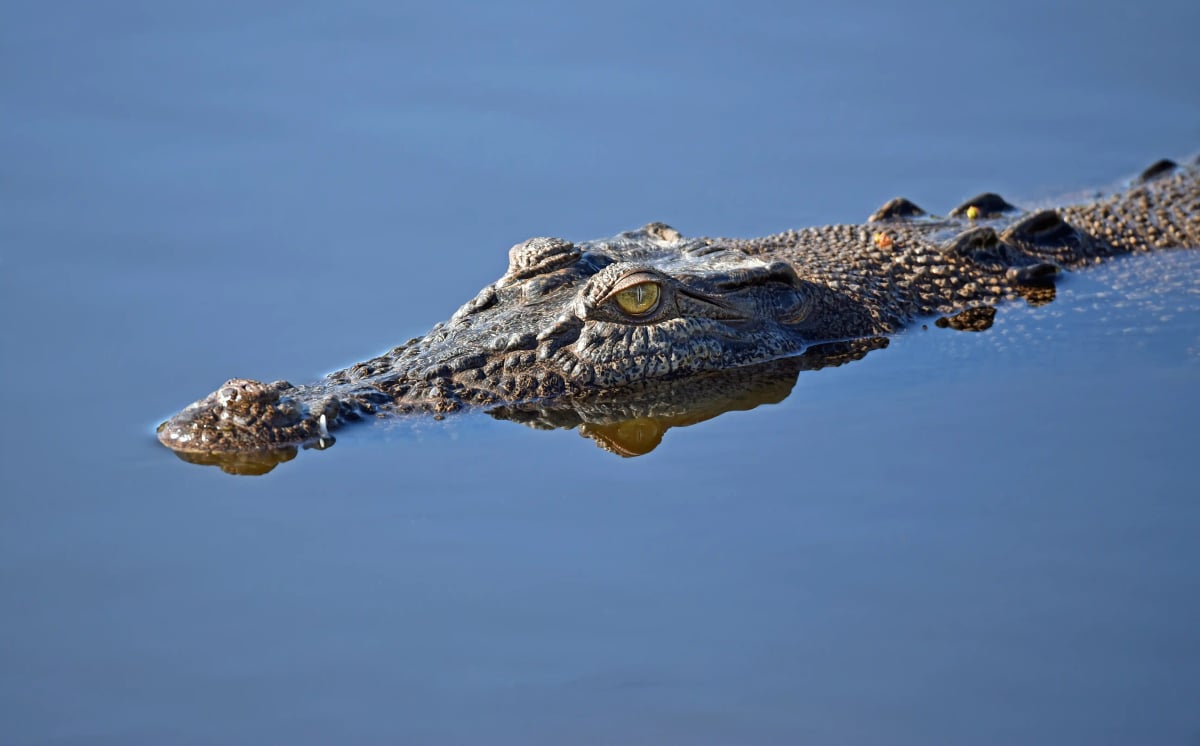
The saltwater crocodile, also known as the estuarine or Indo Pacific crocodile, is the largest living reptile on the planet and one of the most powerful predators in the coastal ecosystems of Asia and Oceania. Adult males can exceed five meters in length, while females remain considerably smaller. Its robust body, extremely strong jaws and tolerance for salt water allow it to move between rivers, mangroves, estuaries and open sea with an ease unmatched by other crocodiles. It is a patient ambush hunter, capable of remaining motionless for hours before striking with surprising speed. Although often associated with Australia, its range extends across much of Southeast Asia and the Indian subcontinent, where it has coexisted with human communities for centuries.
Habitat and Range
The saltwater crocodile occupies a vast range stretching from eastern India and Sri Lanka through Southeast Asia, Indonesia, the Philippines, Papua New Guinea and northern Australia. It favors estuaries, deltas, mangroves, slow rivers and coastal lagoons, but its tolerance for salt water allows it to travel long distances across open sea to colonize distant islands. During the dry season it may move further inland in search of permanent water, while during the rainy season it returns to river channels and floodplains where prey is more abundant. This ability to move between freshwater, brackish and marine environments sets it apart from every other crocodile and explains its presence across so many countries, from the Bay of Bengal to northern Queensland.
Diet
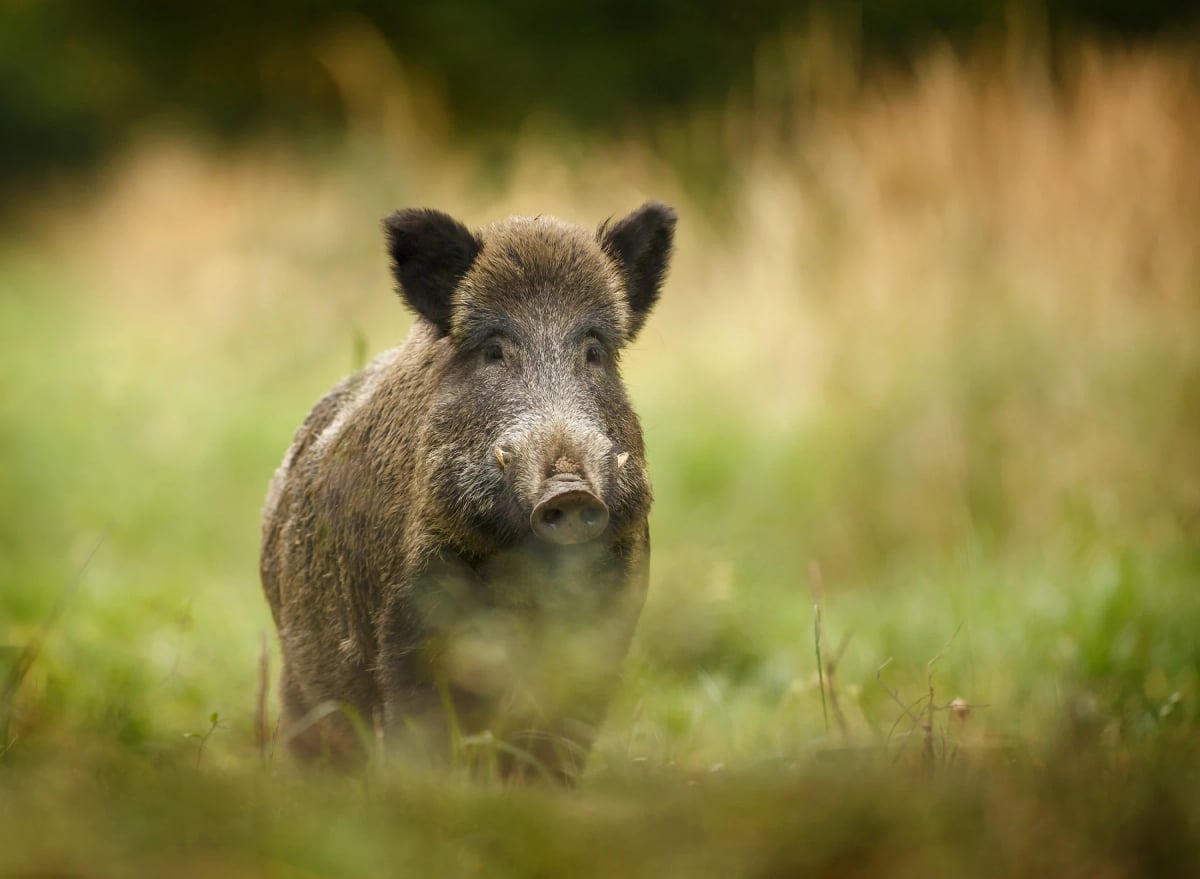
The saltwater crocodile is an opportunistic carnivore that feeds on almost any animal it can overpower. Its diet includes fish, crustaceans, waterbirds, turtles, snakes, monkeys, deer, wild pigs, water buffalo and even smaller crocodiles. Juveniles concentrate on small prey such as insects, crabs and fish, while large adults can bring down bigger mammals that approach the water to drink. Its hunting technique relies on ambush: it remains almost completely submerged, with only its eyes and nostrils above the surface, until prey comes close enough for an explosive strike. Once it grips its victim, it drags it underwater and performs the well known death roll, since it cannot chew and must swallow flesh in large chunks.
Behavior
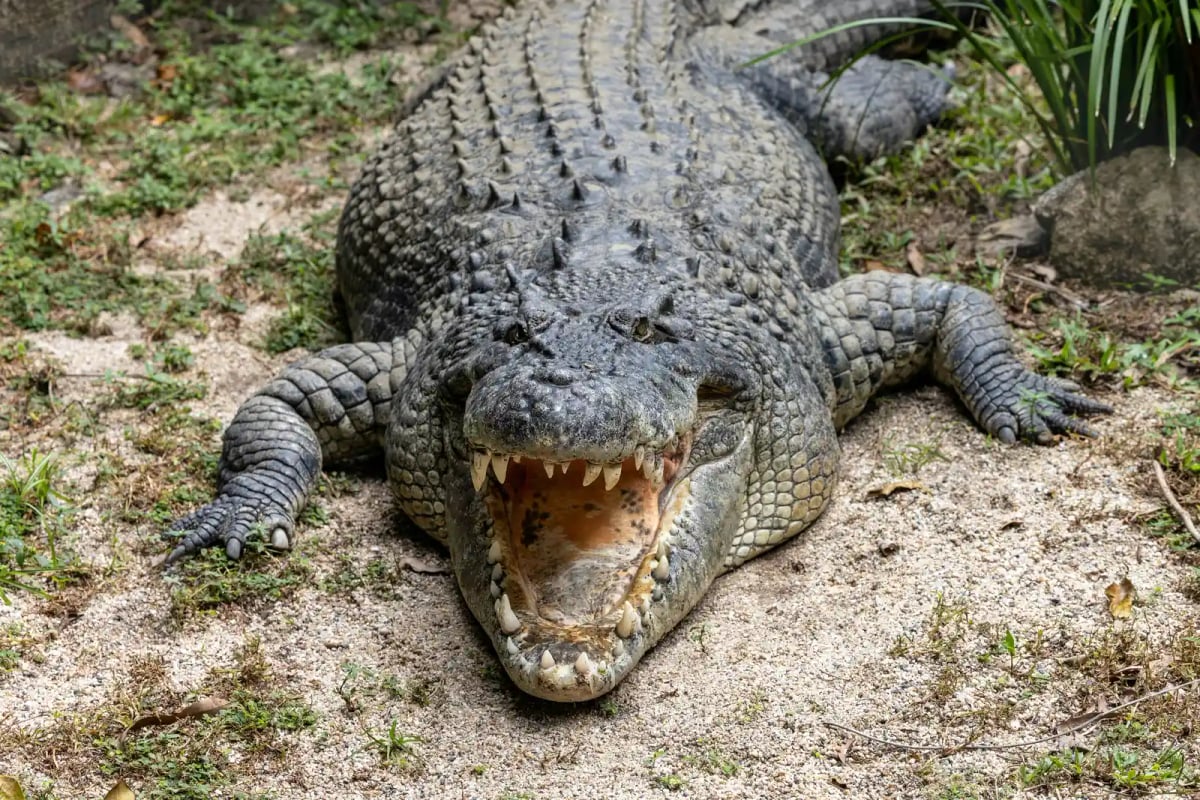
Outside the breeding season, the saltwater crocodile leads a mostly solitary and territorial life, particularly adult males, who firmly defend stretches of river or coastline against rival males. It is a cathemeral animal, active during both day and night depending on prey availability and temperature, and spends much of its time basking on riverbanks to regulate its body temperature. Despite its heavy build, it is capable of remarkable speed and agility over short distances, both in water and on land. Communication between individuals includes deep vocalizations, tail slaps against the water and body postures that signal dominance or warning, especially visible during territorial confrontations between males.
Reproduction
Breeding season coincides with the wet season, when females build a nest of decaying vegetation near the water, whose fermentation heat incubates between forty and sixty eggs over roughly ninety days. The temperature inside the nest determines the sex of the hatchlings, a process known as temperature dependent sex determination. The female stays close to the nest to guard it from predators and, upon hearing the calls of hatchlings ready to emerge, helps uncover the nest and even carries the newborns to the water in her mouth. Despite this care, juvenile mortality remains very high due to predation by birds, large fish and other crocodiles, and only a small proportion of hatchlings reach adulthood.
Conservation
After being heavily hunted for its skin throughout much of the twentieth century, which sharply reduced populations across many regions, the saltwater crocodile recovered remarkably in Australia thanks to legal protection programs implemented since the 1970s. In other parts of its range, such as parts of Indonesia, India and Southeast Asia, populations remain smaller due to coastal habitat loss, mangrove degradation and conflict with human communities living alongside the species. It is currently listed as Least Concern globally, although its status varies widely by country, and several nations maintain captive breeding programs, population monitoring and conflict management between people and crocodiles.
Where it is found
The Saltwater Crocodile can be found in places such as:
Researched and written by Juan Pablo. Sources: IUCN Red List, scientific literature and regional field guides. Last updated: .
Technical factsheet

Frequently Asked Questions
What is the largest crocodile species in the world?
The saltwater crocodile is the largest living reptile on the planet. Adult males typically measure between four and six meters long, and reliable records exist of individuals exceeding six meters. Females are considerably smaller and rarely surpass three meters. Its extreme size, combined with immense strength and bite force, makes it the dominant predator in the aquatic ecosystems where it lives.
Where does the saltwater crocodile live?
It ranges across a wide region that includes eastern India, Sri Lanka, Bangladesh, mainland Southeast Asia, Indonesia, the Philippines, Papua New Guinea and northern Australia. It inhabits estuaries, mangroves, river deltas and coastal lagoons, and thanks to its tolerance for salt water it can also cross stretches of open sea to move between islands. Its range is far larger than that of any other crocodile species.
Is the saltwater crocodile dangerous to humans?
Yes, it is considered one of the most dangerous crocodiles to humans, alongside the Nile crocodile. Its size, strength and territorial behavior lead to occasional attacks, especially in areas where people fish, bathe or work near water within its habitat. For this reason, Australia and other countries post warning signs, restrict certain water activities and run capture and relocation programs for individuals that approach populated areas.
What does the saltwater crocodile eat?
It is an opportunistic carnivore that feeds on fish, crustaceans, waterbirds, turtles, snakes and mammals of various sizes, including deer, wild pigs and water buffalo. Young individuals hunt small prey such as insects and fish, while larger adults can attack bigger animals that come to drink at the water. It hunts by ambush, using its camouflage in the water to surprise prey before dragging it under.
How long does a saltwater crocodile live?
In the wild, a saltwater crocodile can live seventy years or more, and some captive individuals have reached even greater ages under controlled care. This extreme longevity, combined with growth that continues throughout much of its life, explains why the oldest males within a population also tend to be the largest, since they keep gaining length and body mass even after reaching sexual maturity.
How does the saltwater crocodile reproduce?
During the wet season, the female builds a nest of decaying vegetation near the water, where fermentation heat incubates between forty and sixty eggs over roughly ninety days. Nest temperature determines the sex of the hatchlings. The female guards the nest and, once the hatchlings are ready to emerge, helps uncover it and carries the young to the water in her mouth, although most do not survive to adulthood due to heavy predation.
Is the saltwater crocodile endangered?
Globally it is listed as Least Concern, since its populations recovered strongly in Australia thanks to decades of legal protection. However, in other parts of its range, such as parts of Indonesia, India and Southeast Asia, populations remain smaller due to coastal habitat loss and conflict with human communities. As a result, its conservation status varies considerably from country to country.